
The Woman Who Made a Fortune Convincing People She Could Photograph Ghosts
The Woman Who Made a Fortune Convincing People She Could Photograph Ghosts
When Photography Became a Window Into the Afterlife
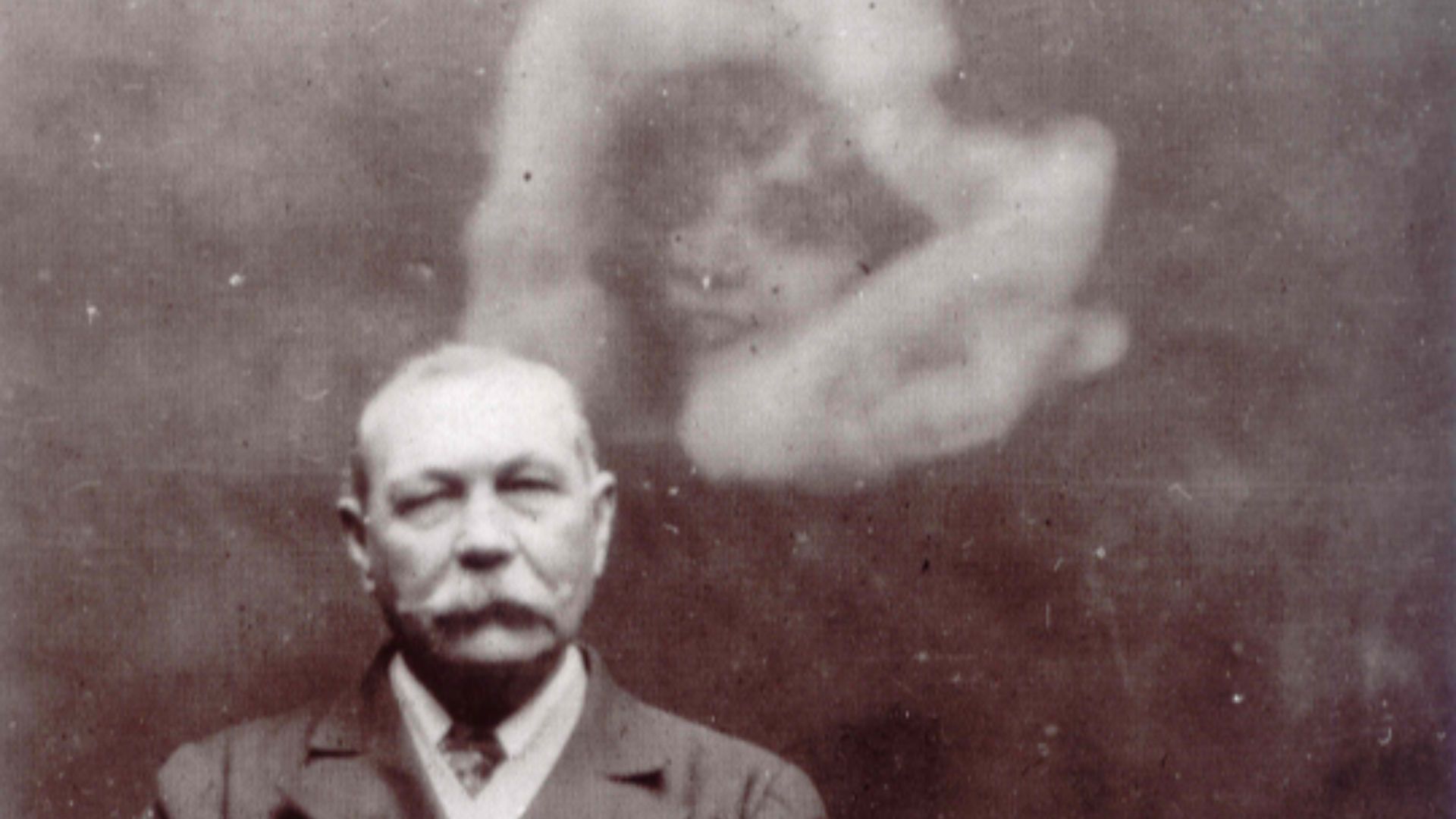
Imagine visiting a photographer for an ordinary portrait, only to discover the ghostly face of a deceased relative floating behind you when the picture develops. During the early 20th century, people were willing to pay for this unusual experience, convinced that cameras could capture things invisible to the human eye. One British woman was particularly successful at convincing people that she could photograph the dead, attracting grieving families and even well-known public figures.
Her name was Ada Emma Deane, and she managed to turn an extraordinary claim into a successful career in spirit photography. At a time when millions were mourning loved ones lost during World War I, her mysterious photographs offered something ordinary portraits couldn't: the chance to see someone who was no longer alive. Unfortunately, the truth behind her supposed supernatural talents was far less comforting.
How Ada Deane Became a Spirit Photographer
Long before she became known for photographing ghosts, Deane worked as a cleaning woman in Britain and lived a fairly ordinary life. Her unusual career reportedly began in June 1920, when a mysterious face appeared in one of her photographs. Although Deane was already in her late 50s, this discovery would lead her toward an entirely new profession centered around communicating with the dead.
Spirit photography wasn't exactly a new idea. It became popular during the 19th century thanks to photographers like William Mumler. By the time Deane entered the field, plenty of people already believed that cameras could capture supernatural figures. The enormous losses of World War I had also created an audience eager for reassurance that their deceased relatives were still out there somewhere.
Deane soon began producing photographs filled with mysterious faces and figures that she claimed were spirits of the dead. Her work gained considerable attention within Britain's Spiritualist community, where believers saw these images as possible proof of life after death. Historical accounts suggest she eventually produced nearly 2,000 spirit photographs, although exactly how much money she earned remains unclear.
One particularly suspicious detail about her process involved the photographic plates she used to take pictures. Deane sometimes insisted on keeping them in advance, explaining that they needed to be spiritually magnetized before each session. Understandably, critics questioned this practice because it gave her plenty of opportunity to tamper with the plates before anyone could examine them. Even so, her reputation kept growing among people who desperately wanted to believe her abilities were real.
The Ghost Photographs That Made Her Famous
Deane received some of her biggest publicity from photographs taken during Britain's Armistice Day commemorations in the early 1920s. These annual ceremonies honored soldiers who had died during World War I, making them deeply emotional events for families across the country. Deane claimed that her camera could capture the spirits of fallen servicemen gathering above the crowds at London's Cenotaph memorial.
The photographs appeared to show mysterious faces hovering above people observing the traditional moment of silence. Some viewers even claimed they recognized deceased relatives among the shadowy figures, making the images seem all the more remarkable. Newspapers quickly took an interest in her work, introducing her supposed abilities to a much wider audience.
Among her most famous supporters was Arthur Conan Doyle, the author of Sherlock Holmes. Despite creating a fictional detective known for his logical thinking, Doyle was a devoted believer in Spiritualism and thought photographs could offer evidence of the supernatural. His public endorsement helped make spirit photography seem more credible, even as skeptical investigators continued questioning whether the images were genuine.
By 1924, Deane's annual Armistice Day photographs had become a major media attraction, with newspapers competing for the chance to publish them. Readers were fascinated by the possibility that these pictures might finally offer proof of an afterlife. However, all that extra attention also meant more people were studying her photographs carefully, and some began spotting details that didn't quite add up.
The Scandal That Exposed Her Ghostly Images
The controversy came to a head after Deane's Armistice Day photograph from November 11, 1924. Published in the Daily Sketch, the image supposedly showed spirits floating above the Cenotaph during the remembrance ceremony. Readers were invited to study the mysterious faces, but what they discovered was hardly the supernatural breakthrough Deane had hoped for.
Several of the supposedly deceased figures were identified as living athletes, including professional boxers and soccer players. Investigators found that the ghostly faces looked remarkably similar to existing photographs distributed by the Topical Press Agency. Rather than showing fallen soldiers returning from beyond the grave, the picture appeared to feature recognizable people who were very much alive.
Investigators also uncovered evidence that Deane used a photographic trick known as double exposure to create her ghostly images. The technique involved exposing the same photographic plate to two different images, allowing a faint face or figure to appear alongside the person being photographed. By preparing plates with existing portraits beforehand, she could make it look as though spirits had mysteriously appeared during an ordinary photo session.
The Daily Sketch publicly criticized Deane and challenged her to produce a convincing spirit photograph under controlled conditions, offering £1,000 if she could pull it off. She refused the challenge, which only added to the growing suspicions about her techniques and intentions. For skeptics, the scandal showed just how easily manipulated photographs could take advantage of families desperate for some connection to the people they'd lost.
Surprisingly, the controversy didn't put an immediate end to her career, and Deane continued attracting believers despite the embarrassing revelations. Historical accounts indicate that she remained involved in spirit photography for several more years before eventually turning her attention to professional dog breeding in the 1930s. Her story is a fascinating reminder of how grief, faith, and unfamiliar technology can make even the most questionable claims seem believable. Although Deane never produced scientifically accepted proof that she'd photographed real ghosts, she certainly understood the powerful appeal of seeing a lost loved one again.
KEEP ON READING