The White Death: How One Finnish Sniper Stopped An Army
In the winter of 1939, Finland faced an enormous challenge when the Soviet Union invaded its territory. The Red Army had a major advantage in manpower and military equipment, but Finland's defenders made effective use of their knowledge of the landscape, winter conditions, and mobile tactics. Among them was Simo Häyhä, a Finnish farmer and skilled marksman whose battlefield reputation would become legendary.
Known as the “White Death” by Soviet soldiers, Häyhä became one of the most famous snipers in military history. His story is remarkable, although the popular version can sometimes make it sound as if one man single-handedly halted an entire army. The real history is more interesting: his achievements were part of Finland's wider resistance during the Winter War, a conflict in which preparation, terrain, and determination mattered enormously.
From Finnish Farm Life to the Front Lines
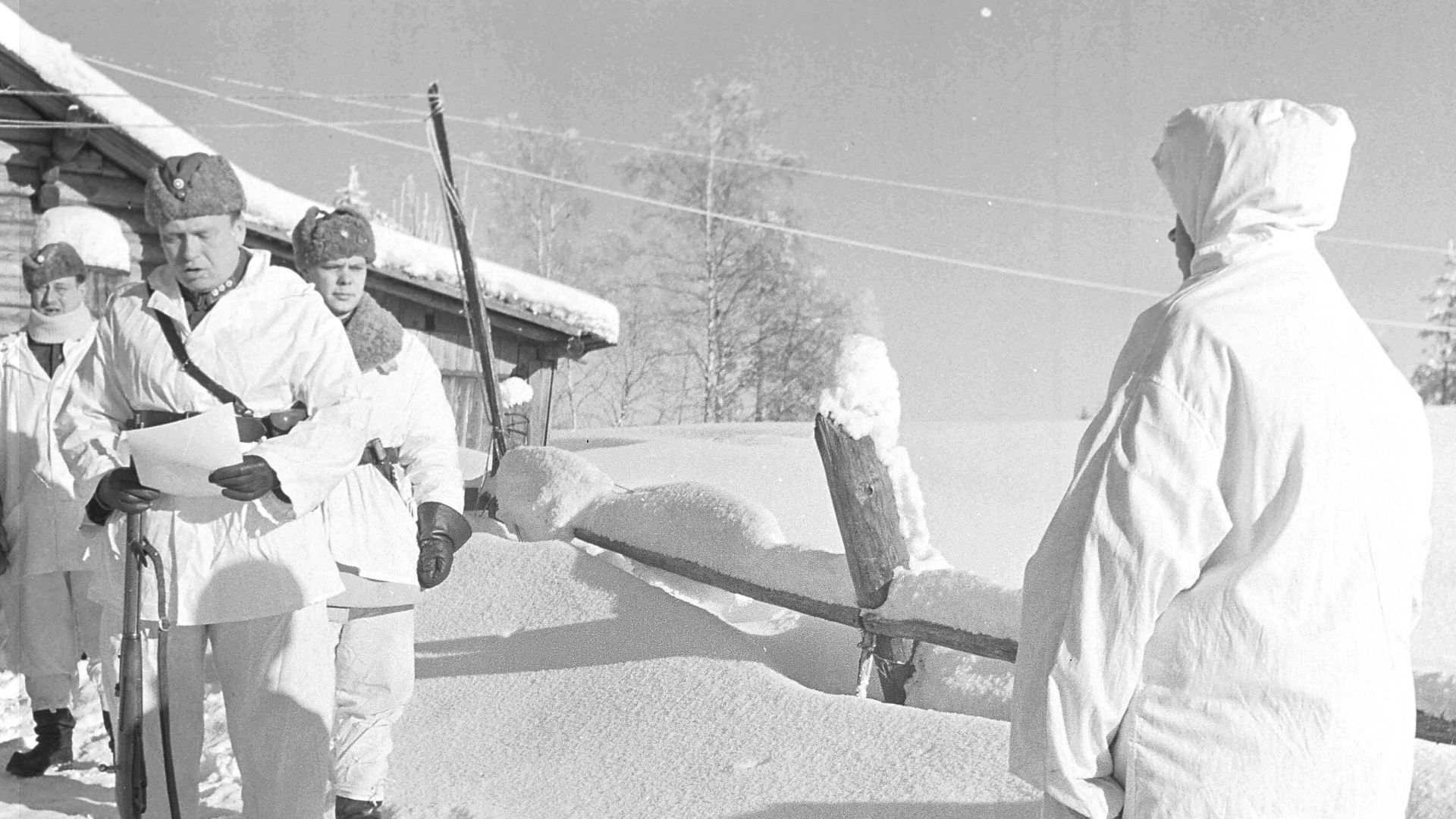 Unknown authorUnknown author on Wikimedia
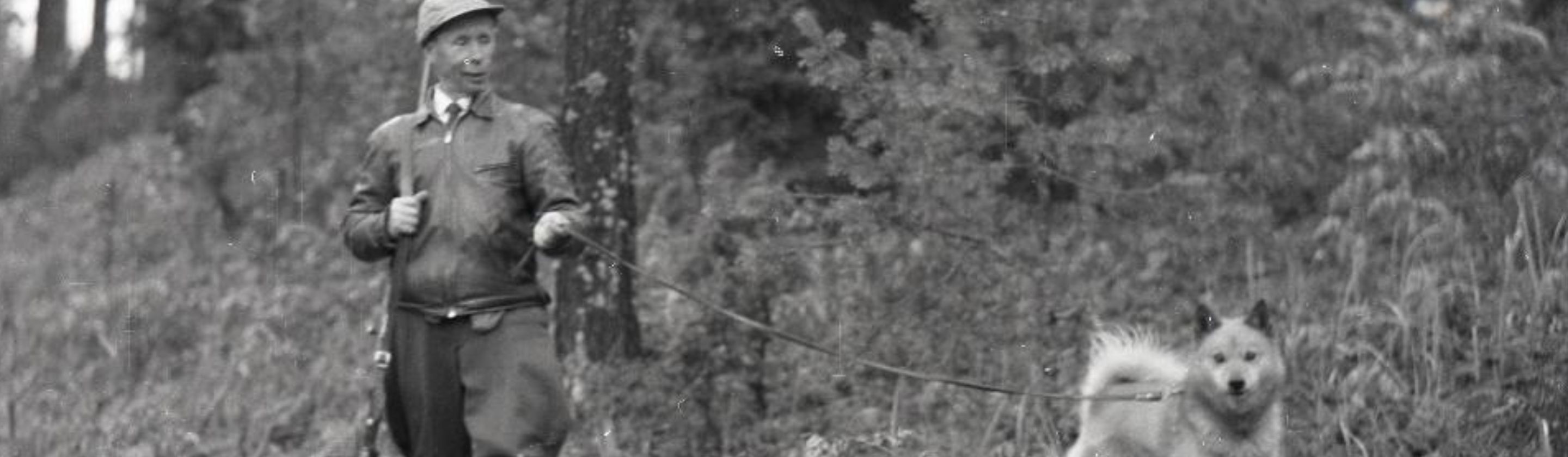
Born on December 17, 1905, Häyhä was from the small village of Rautjärvi in southeastern Finland, near the Russian border. Like most children, he grew up on a farm, learning many of his outdoor skills through hunting, skiing, and shooting. He eventually became a skilled competitive shooter. Most Finnish men during this time knew these skills, as they could come in handy in the wilderness or military life.
The Winter War began when the Soviet Union invaded Finland on November 30, 1939, after demanding that several areas of land bordering its capital, Leningrad (now St. Petersburg), be handed over. The Finns denied these demands, so the Soviets attacked. Finland was not ready for its enemy, as it had a small army compared to its neighbor.
He was a member of the Finnish Army's 6th Company, Infantry Regiment 34. During this time, Finland was fighting in the wooded areas around Kollaa. Large groups of soldiers were disadvantaged by the woodlands and snow, which the Finns knew how to handle. With their knowledge of how to move and hunt in the cold and snow, the Finns excelled.
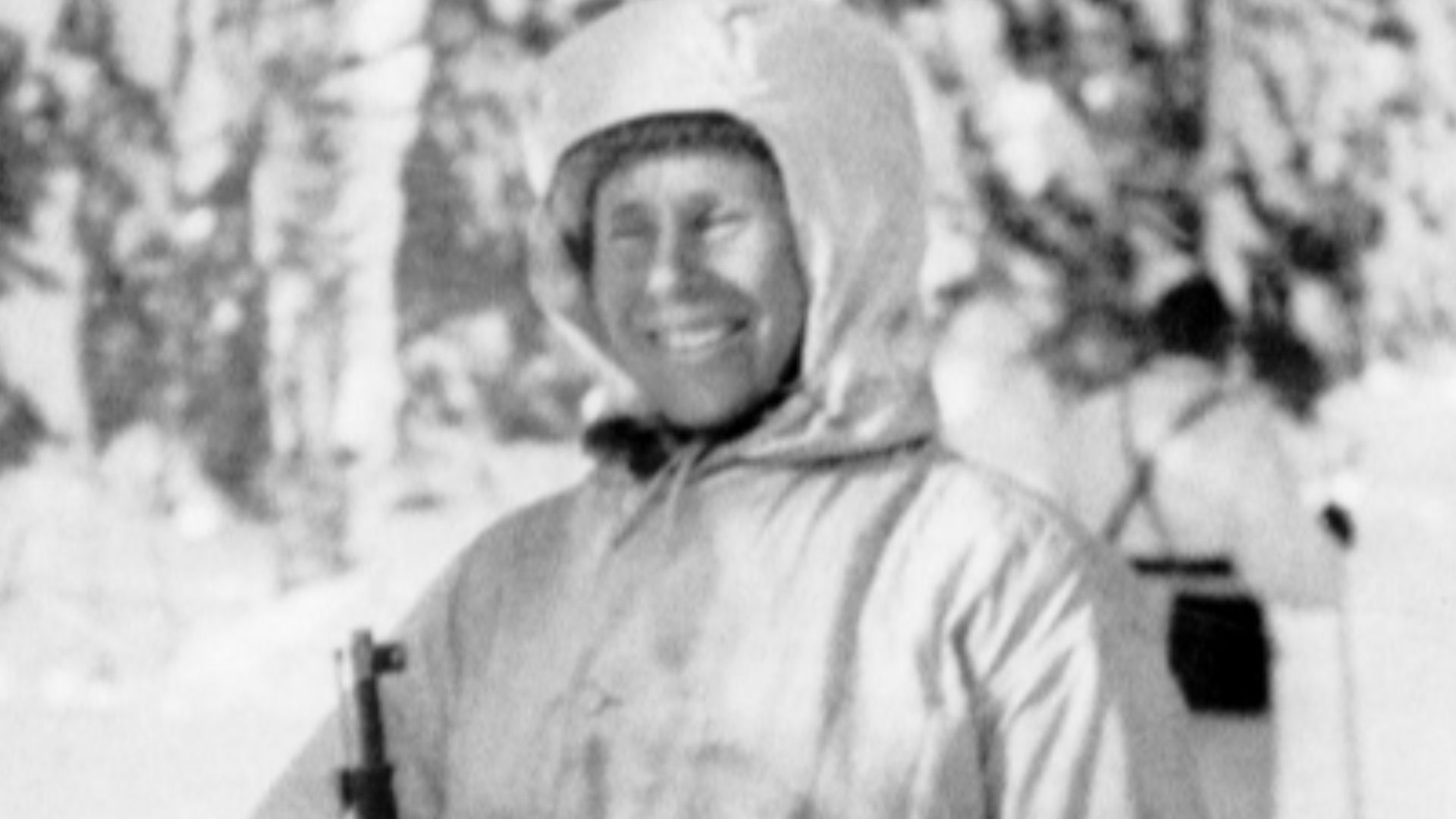
Häyhä wore white winter camouflage that helped him blend into snowy surroundings, making him harder to spot against the landscape. He also preferred using the standard iron sights on his rifle rather than a telescopic scope, which could fog in extreme cold or reflect sunlight. These choices suited the conditions in which he fought, although his success depended on much more than clothing or equipment alone.
Häyhä is commonly credited with 505 confirmed sniper kills during roughly 100 days of combat, although other accounts give different totals. Some sources cite 542, and the figures vary depending on how records were compiled and which engagements were included. It's best to treat the familiar numbers as historical estimates rather than perfectly settled statistics, especially given the difficulty of verifying battlefield claims during a war.
Häyhä is not the only Finnish soldier known for his many sniper kills. Stories tell of him using a Suomi submachine gun as well, and some records list his rifle and non-rifle kills separately. The Finns were able to ski through their territory and camouflage themselves to attack the Soviets. Häyhä became the face of these tactics, but many others contributed.
The End of the Winter War and Häyhä's Legacy
On March 6, 1940, Häyhä was severely wounded in the jaw by an explosive bullet during combat. He survived, although his injuries required a long recovery, and the damage to his face remained visible in photographs taken afterward. Just days later, on March 13, the Winter War ended with a peace agreement between Finland and the Soviet Union.
While he may have been able to halt the Soviet advances single-handedly, that isn't exactly true. The Finns inflicted heavy casualties and denied the Soviets some of what they wanted out of the conflict, but they did allow them to break through. This eventually resulted in Finland losing territory to the Soviet Union. However, his accomplishments still play a role in demonstrating how effective the Finns were against the Soviet army. One good sniper can kill exposed soldiers and create fear and uncertainty, making the opposing force worry about something it may not be able to pinpoint.
Once the war ended, Häyhä went back to being a farmer and hunter. He didn't really want the attention, and his short answer about how he was so effective during the war added to the legend: he did what he was told and tried his best. He passed away in 2002 at the age of 96. People still love his story today because he was not only an incredible sniper, but his story also represents the Finns fighting against a much greater military force.
The White Death shows us that there is more to a war than just men and material. How soldiers train, the landscape, and even individuals can play a role in what occurs during a battle, though they may not control how things play out in the end. Häyhä became legendary, but it's important to remember the other Finns who stood next to him.