


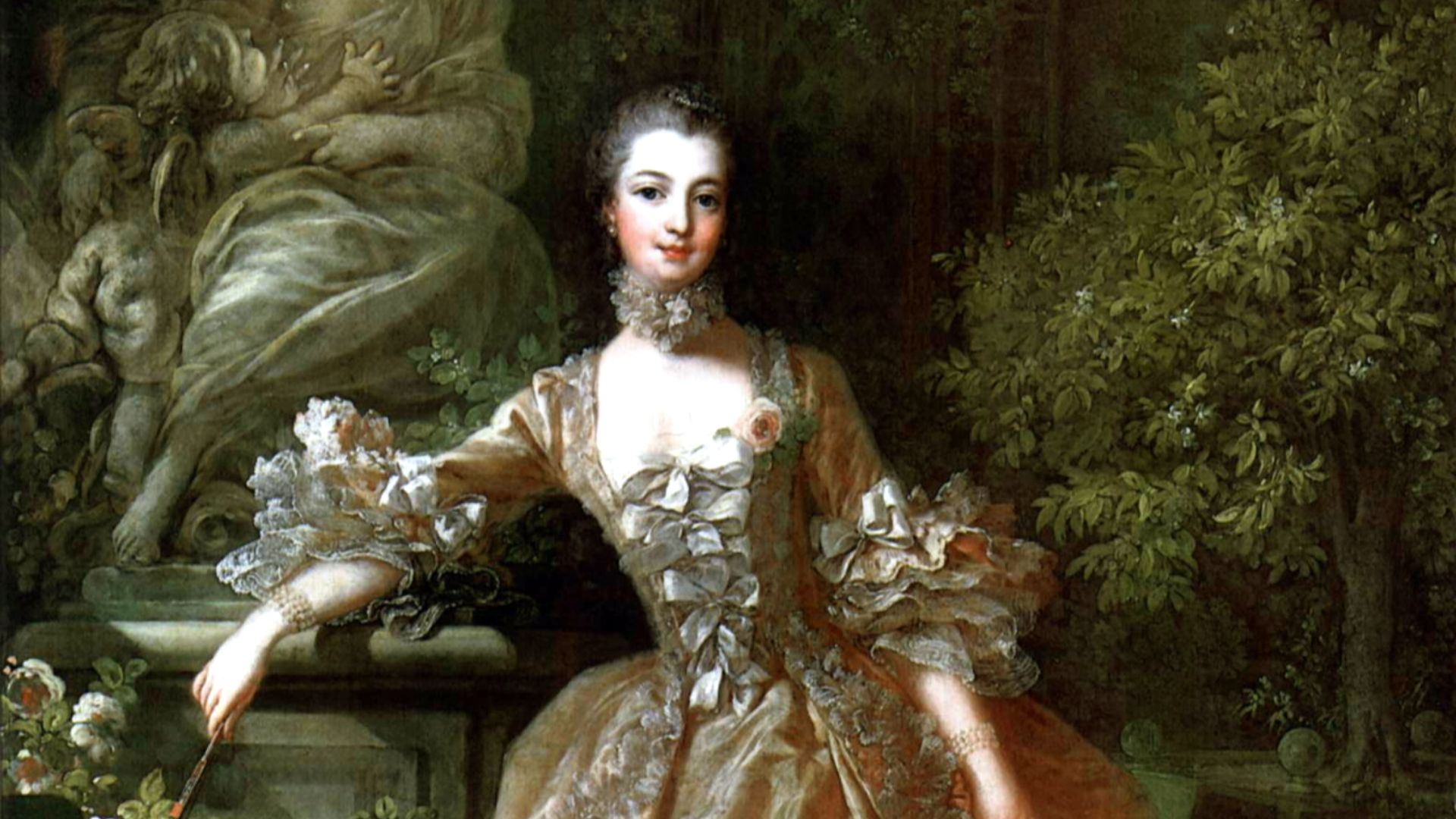
Royal mistresses are often remembered as glamorous side notes, but that leaves out the stranger and more important part. In many monarchies, a ruler’s mistress wasn't just a private love interest: she could become a political broker, a patron, a rival, or the public's scapegoat.
That's what makes the subject so revealing. Monarchies loved ceremony, hierarchy, and official titles, yet they repeatedly made room for unofficial women who could influence access, appointments, and reputation in ways that everyone understood perfectly well. Some, like Madame de Pompadour, became major cultural and political presences. Others, like Madame du Barry, mattered less in policy but still damaged the image of the crown simply by being there.
Power Entered Through the Side Door
One of the oddest things about royal mistresses is how much power they could gather without any formal office. A court might insist that legitimacy belonged to queens, ministers, and titled men, but the ruler’s private access still mattered enormously. If you could speak to the king freely, flatter him, calm him down, influence his schedule, or shape who reached him, then you had real political weight, whether the constitution liked it or not. Madame de Pompadour is one of the clearest examples, remaining influential at Louis XV’s court even after the romantic side of the relationship had faded.
Diane de Poitiers shows the same pattern in an earlier French court. She held court under Henry II “as queen of France in all but name,” while the actual queen, Catherine de’ Medici, lived in comparative obscurity. Diane was not merely a romantic favorite; she accumulated wealth, influence, and patronage, and Henry trusted her enough that her presence became part of how power was experienced at court.
Even in England, where the image of monarchy could be a little less formally choreographed, the same logic applied. Barbara Villiers, mistress of Charles II, wasn't just notorious because of gossip and beauty—she was politically significant with a prominent presence at court.
The Court Could Hate Her and Still Need Her
Royal mistresses attracted a very specific kind of hostility. They were blamed for everything from extravagance to corruption, favoritism, and moral decline. That's partly because they were visible, female, and unofficial, which made them much easier to turn into symbols of disorder than the men who benefited from the same court system.
Alice Perrers, the mistress of Edward III, is a good example of how that resentment could harden into political backlash. She exercised “great influence” at the aging king’s court and was a part of the intimate circle that controlled policy and patronage around an increasingly ineffective monarch. That made her useful to some people and infuriating to others. A mistress could become the face of decline simply because she was standing next to it.
Madame du Barry shows another version of the same pattern. While she had little actual political influence compared with some earlier French favorites, her unpopularity still contributed to the decline of royal prestige in the early 1770s.
The story wasn't always pure hostility, though. Nell Gwyn, one of Charles II’s mistresses, became unusually popular with the English public. Her wit, informality, and public persona helped her function almost as a softer, more approachable version of royal intimacy. This tells you that the politics of royal mistresses weren't just about sex or scandal.
She Was Never Just a Love Story
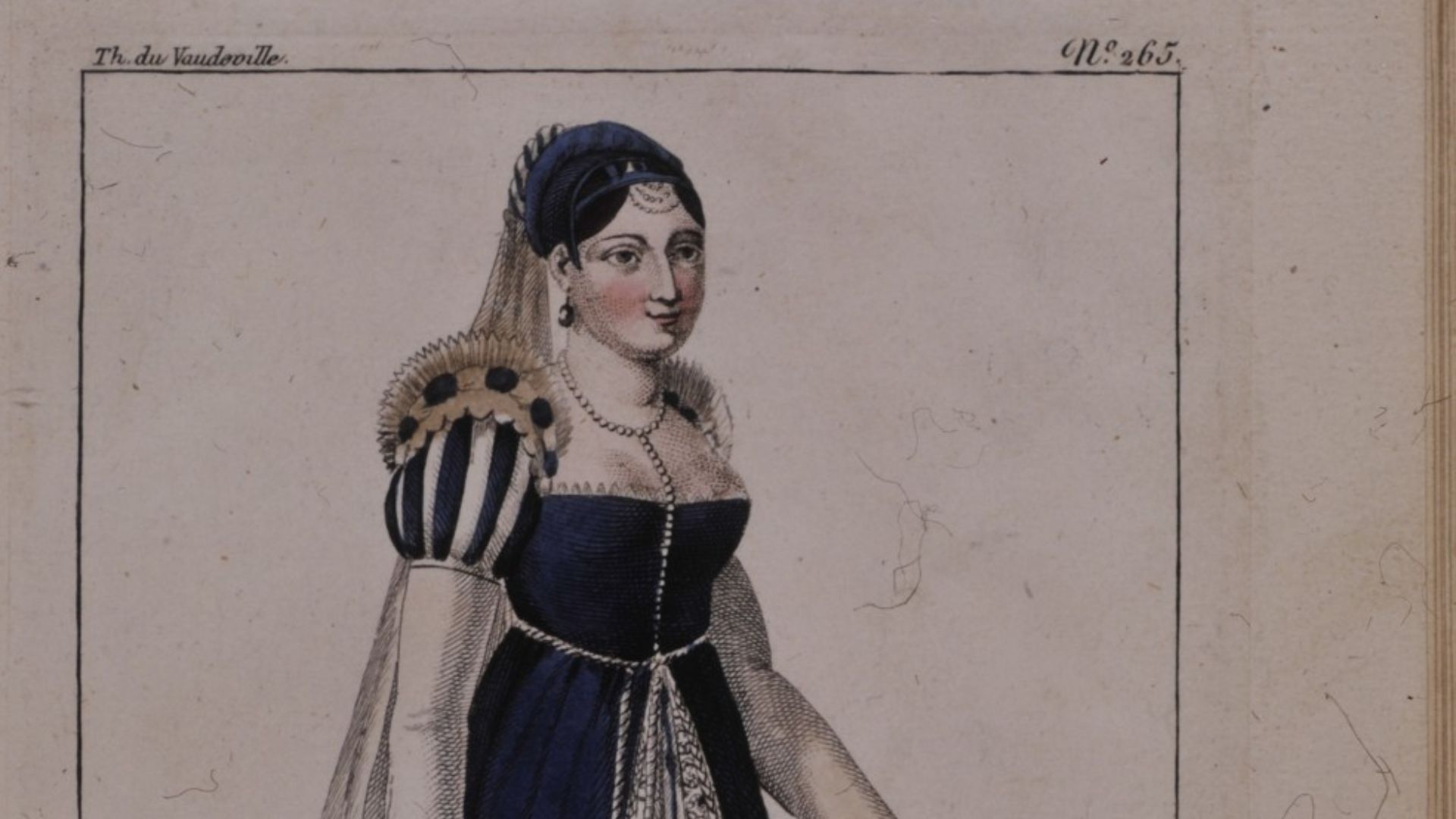
The biggest mistake people make about royal mistresses is treating them as a side romance, and that's it. In reality, their existence tells you something essential about monarchy itself, which is that no matter how formal a court looked, it still ran on intimacy, access, and personal trust to a startling degree. If a ruler’s private attachments could shape patronage, etiquette, and factional competition, then private life was never really separate from government at all.
Agnès Sorel, the mistress of Charles VII, was the first officially recognized royal mistress of a French king. She wasn't simply hidden away as an embarrassment. Her position itself marked a shift, showing that the court could absorb a mistress into the visible machinery of prestige and influence rather than merely deny she existed.
Sometimes these women also left cultural and institutional marks that outlived the romance. Pompadour’s influence on art, architecture, and court culture is one famous case, while Madame de Maintenon shaped the later atmosphere of Louis XIV’s court and founded the school at Saint-Cyr. Even though Maintenon became Louis XIV’s secret wife rather than remaining only a mistress, her rise still belongs to the same larger pattern of unofficial intimacy turning into real authority. These women were often dismissed as ornamental while quietly helping shape the world around them.
The politics of royal mistresses are strange because they expose what the monarchy tried so hard to hide. Kings ruled through law, ceremony, and hereditary legitimacy, but they were also human beings. A mistress might be morally condemned, socially resented, and politically unofficial, yet still be one of the most important people in the building. If you want to understand royal power, you can't treat these women as footnotes, because the courts around them certainly didn't.
KEEP ON READING

10 Greatest Quarterbacks Of All Time & 10 That Are…
Do You Disagree?. Few topics in sports generate as much…
By Farva Ivkovic Dec 2, 2025
The story of Ching Shih, the Woman Who Became the…
Unknown author on WikimediaFew figures in history are as feared…
By Emilie Richardson-Dupuis Dec 29, 2025
20 Shakespearean Words, Translated For A Modern Audience
What’s In A Word?. Shakespeare was a wordsmith of the…
By Breanna Schnurr Dec 17, 2025
20 Inspiring Stories From Native American History
Incredible Stories Of Resilience And Endurance. Many of us didn't…
By Ashley Bast Dec 17, 2025
You Think You Have Problems? These Royal Families Were Cursed
Boasson and Eggler St. Petersburg Nevsky 24. on WikimediaHeavy is…
By Ashley Bast Dec 5, 2025
MH370: The Plane That Can't Be Found
Anna Zvereva from Tallinn, Estonia on WikimediaEleven years after Malaysia…
By Christy Chan Dec 10, 2025