



The idea of having a little guy that followed you around and told jokes seems fun, right? At least, that’s what we see in the media. Jesters, or fools if you prefer, were performers who entertained royal courts during the medieval era.
Jesters could’ve been travelers, entertaining whoever they came across, but we more commonly see them as a part of the royal household. They’re often identified by wearing brightly-colored clothes with adornments of bells and patterns.
While jesters are often portrayed as silly, comic relief characters who have a knack for physical comedy, they were more often than not multi-talented individuals. Many jesters knew how to sing, play music, tell stories or jokes, juggle, perform magic, or even do acrobatics. Think of it like a professional stand-up comedian was doing jokes in a clown costume…while twirling a baton.
A Brief History
Jesters were popular entertainers well before the medieval period. In ancient Rome, jesters were known as balatros, who were paid professionals who frequented the upper crust of this ancient civilization. It’s unclear where the term balatro comes from, with some sources believing it could translate to “dirty fellows,” “to bleat like a sheep,” or a “busy-body.”
In England, jesters were more commonly found alongside royal families, while Fool Societies often made up the bulk of the aforementioned traveling entertainers.
While they were commonly used for entertainment, jesters were also used during battle as a form of psychological warfare. They served as messengers, mocked or provoked the enemy, and essentially acted as a cheerleader for their own army.
Special Perks
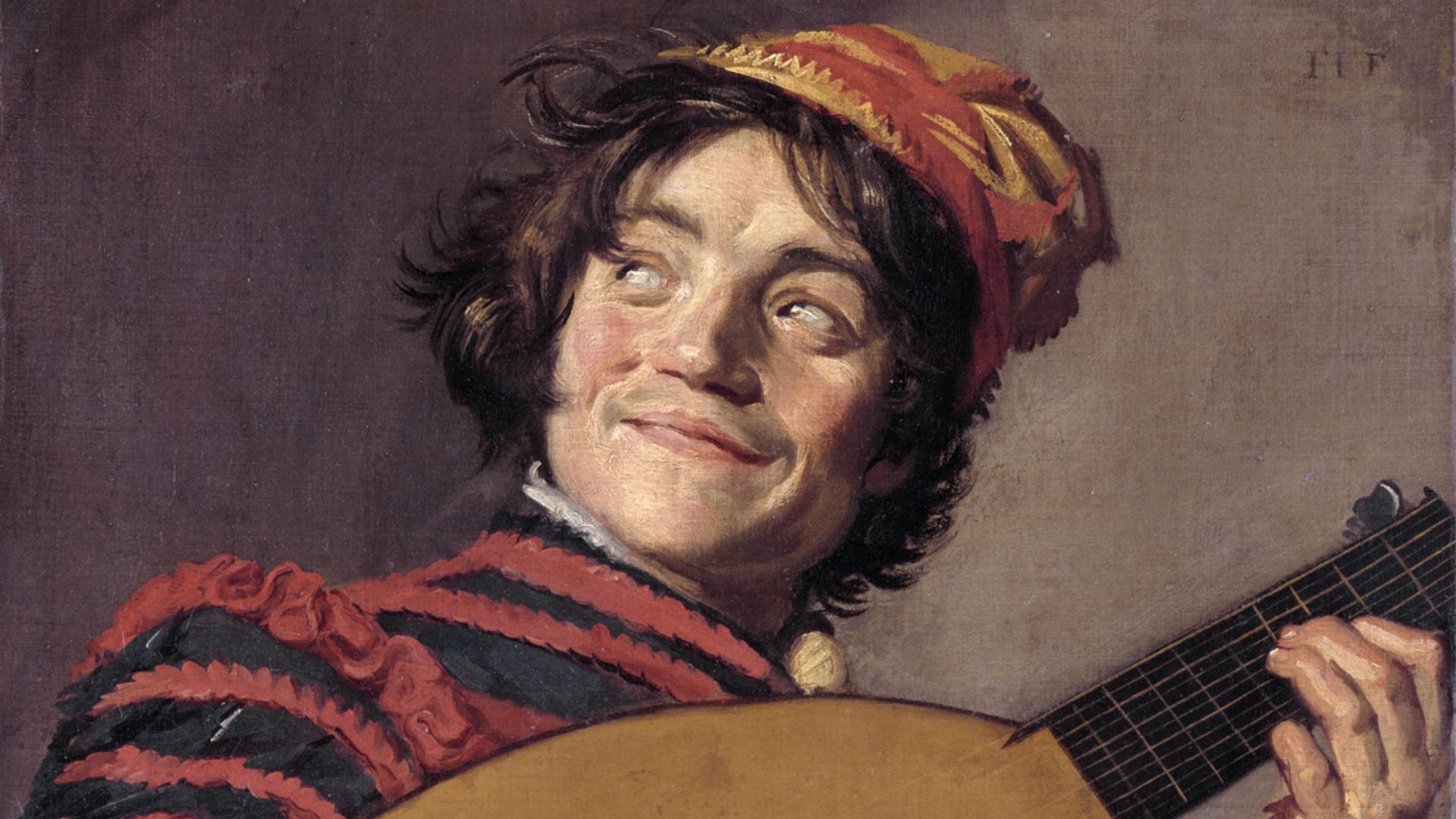
Most of us couldn’t speak ill of high-ranking officials back in the day, but do you know who could?
That’s right. Jesters were known to have something called “Jester’s Privilege,” in which they were allowed to speak freely in front of high-status folks. They even had their own symbols, which provided them protection if they so chose to mock their royal guests.
This didn’t stop certain jesters from crossing the line, however. Triboulet, a jester to King Francis I, slapped the king on his backside. While he cleverly evaded execution, the king still banished his jester for his inappropriate behavior.
Jesters were also often the chosen few to deliver bad news to their monarch, as they could often do so with a humorous edge that took the blow from whatever defeat the royal had faced. In 1340, King Philip VI’s naval fleet had been destroyed during the Battle of Sluys. Nobody else would share this defeat except for his jester, who famously told him that the English sailors “don’t even have the guts to jump in the water like our brave French”.
End Of An Era
After Charles II ascended to the throne post-Restoration, he didn’t bring a jester into his royal court. As a result, jesters petered out during the 18th century. The once proud groups turned into a form of theatre known as the commedia dell’arte, which brought rise to improvisation, sketch comedy, and the Harlequin.
KEEP ON READING

20 Historical Figures Who Lived Much Longer Than You Think
Some Famous Lives Stretched Far. History has a way of…
By Christy Chan May 22, 2026
20 LGBTQ+ People from History Who Changed the World
History Is Full Of Queer Icons . LGBTQ+ people have always…
By Emilie Richardson-Dupuis May 22, 2026
20 Historical Poisons That Changed Politics, War, And Royal Families
Power In A Cup. Poison has always had a strange…
By Cameron Dick May 22, 2026
20 Man-Eaters That Terrified Entire Regions
When Fear Had Teeth. History has a way of turning…
By Cameron Dick May 22, 2026
20 Mistresses Who Had More Power Than the Queens Beside…
Power Wasn’t Always on the Throne. Royal history loves a…
By Annie Byrd May 22, 2026
20 Rare Artifacts That Changed Scholars’ Understanding of the Past
Discoveries That Forced Historians to Rethink What They Knew. Archaeology…
By Rob Shapiro May 22, 2026