

The Pen is Mightier Than the Sword: 20 People Whose Writings Changed the World
The Pen is Mightier Than the Sword: 20 People Whose Writings Changed the World
Words Can Move Armies
History loves dramatic battles, powerful rulers, and people who look impressive on horseback, but words have done just as much to reshape the world. A book, speech, manifesto, poem, essay, or diary can travel farther than one person ever could, reaching people across borders, generations, and political systems. Some writings inspired revolutions, challenged injustice, changed science, reshaped religion, or helped people see themselves differently. Here are 20 writers who proved that a sharp sentence can sometimes leave a deeper mark than a sharp blade.
 John Jabez Edwin Mayall, colored by Olga Shirnina on Wikimedia
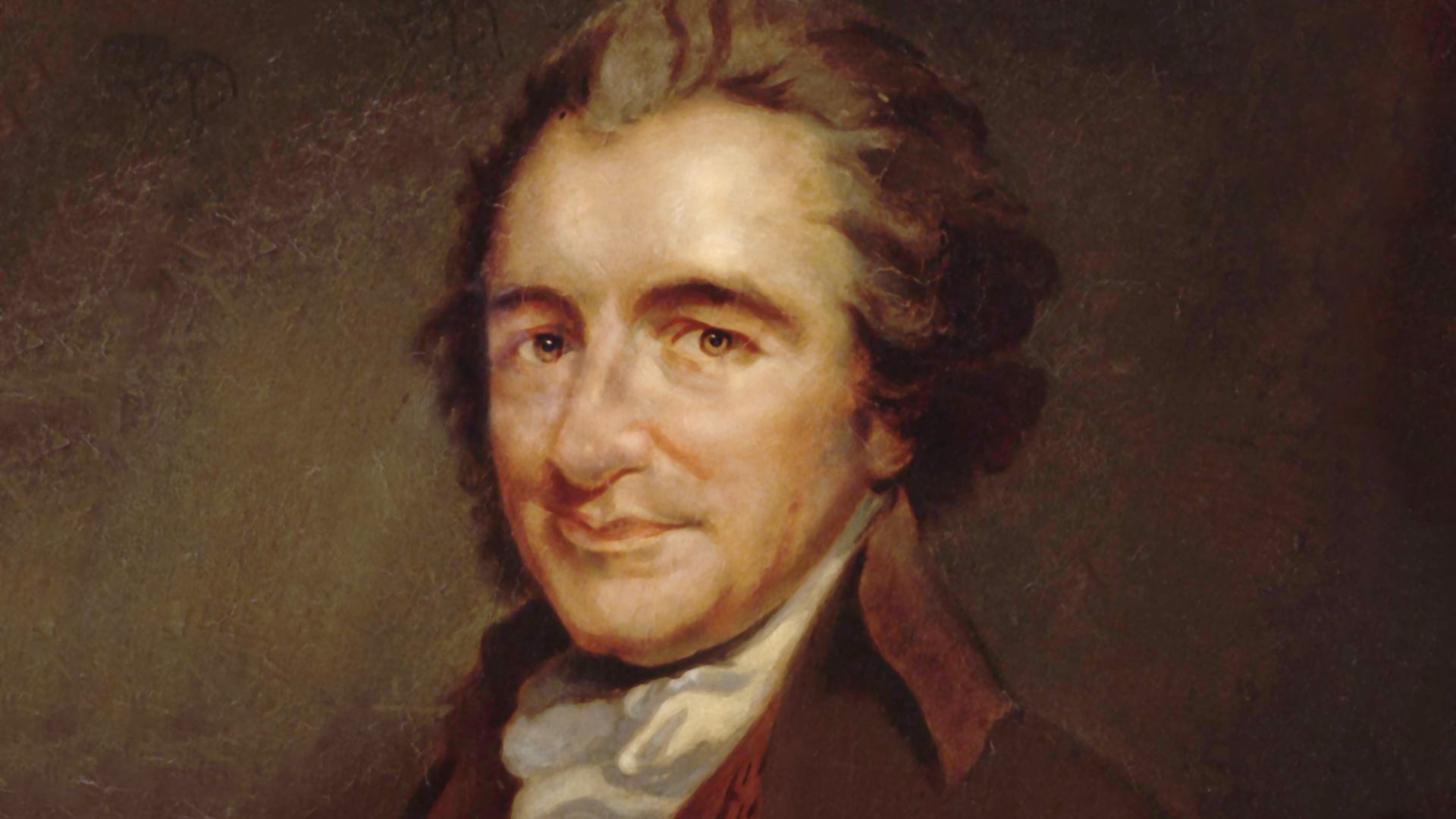
1. Thomas Paine
Thomas Paine’s pamphlet Common Sense helped push American colonists toward independence. His writing was direct, fiery, and easy for ordinary people to understand, which made it especially powerful. He showed that a pamphlet could become political dynamite when the timing was right.
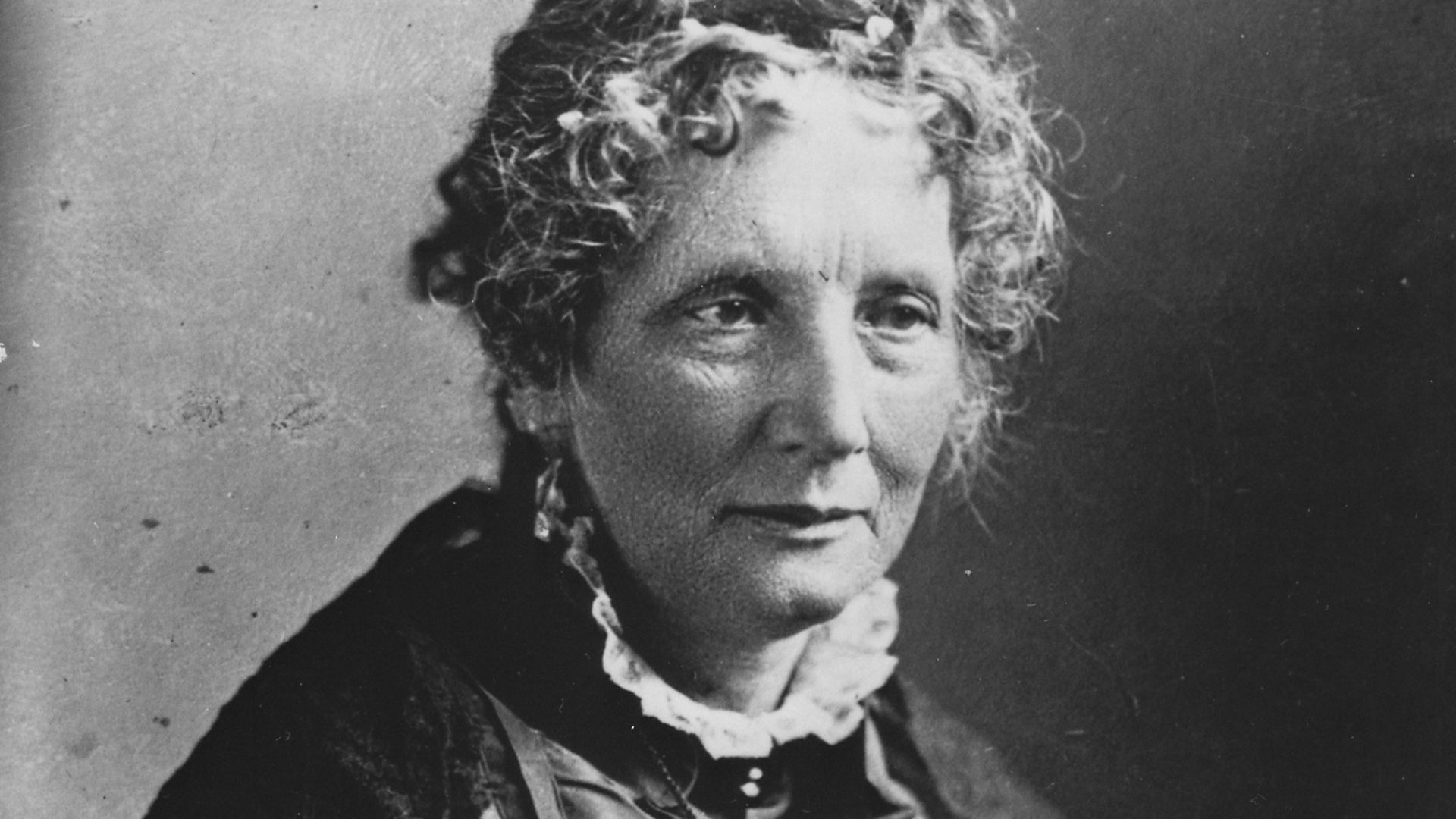
2. Harriet Beecher Stowe
Harriet Beecher Stowe’s Uncle Tom’s Cabin became one of the most influential anti-slavery novels in American history. It brought the cruelty of slavery into homes where readers might otherwise have kept the issue at a comfortable distance. The book stirred public opinion and intensified the national debate before the Civil War.
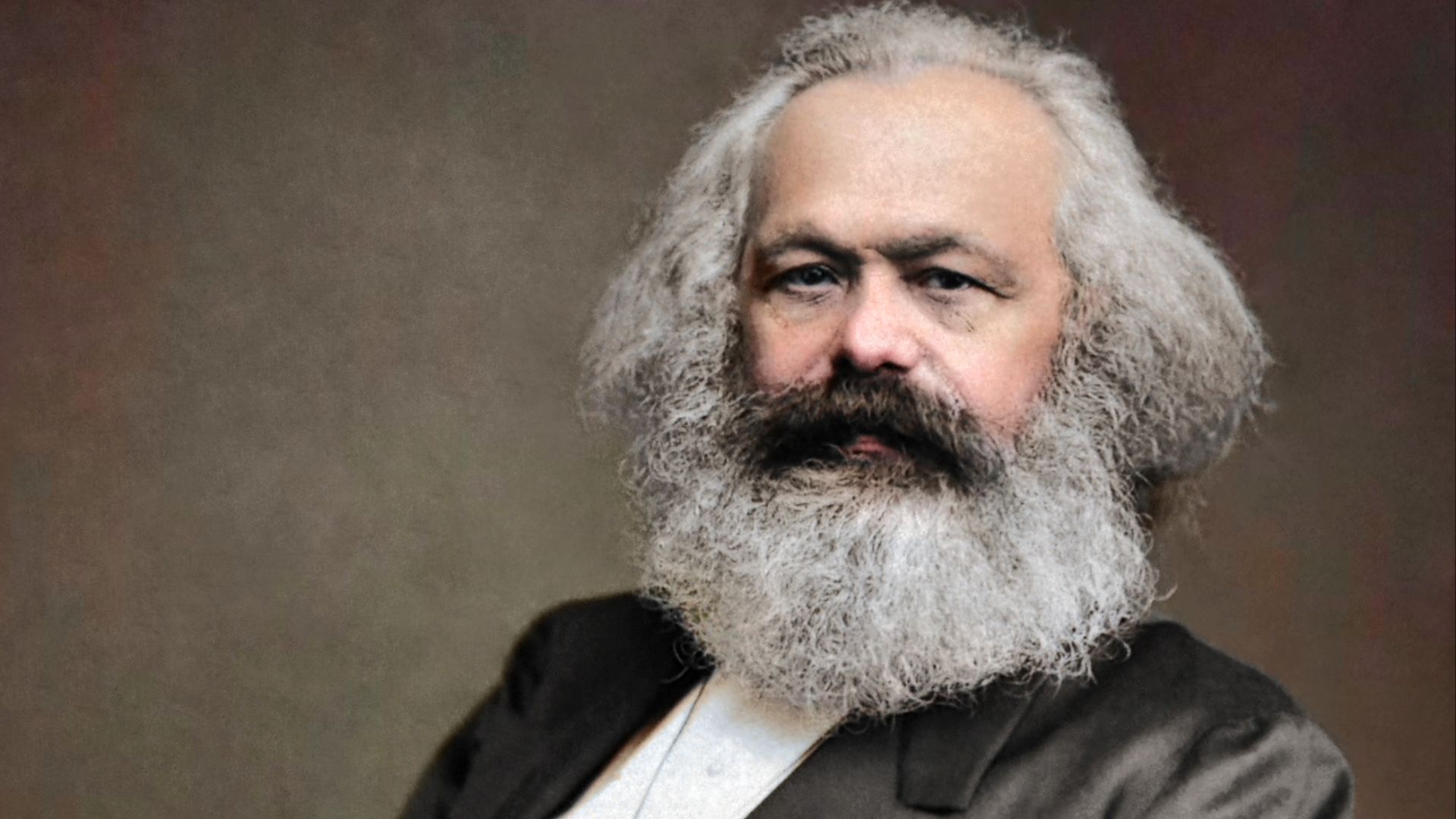
3. Karl Marx
Karl Marx changed political thought with writings like The Communist Manifesto and Das Kapital. His ideas about class struggle, labor, capitalism, and revolution inspired people across the globe to overthrow entire, deep-rooted economic systems in favor of communism.
Whether people admire or reject his work, it’s impossible to deny its reach.
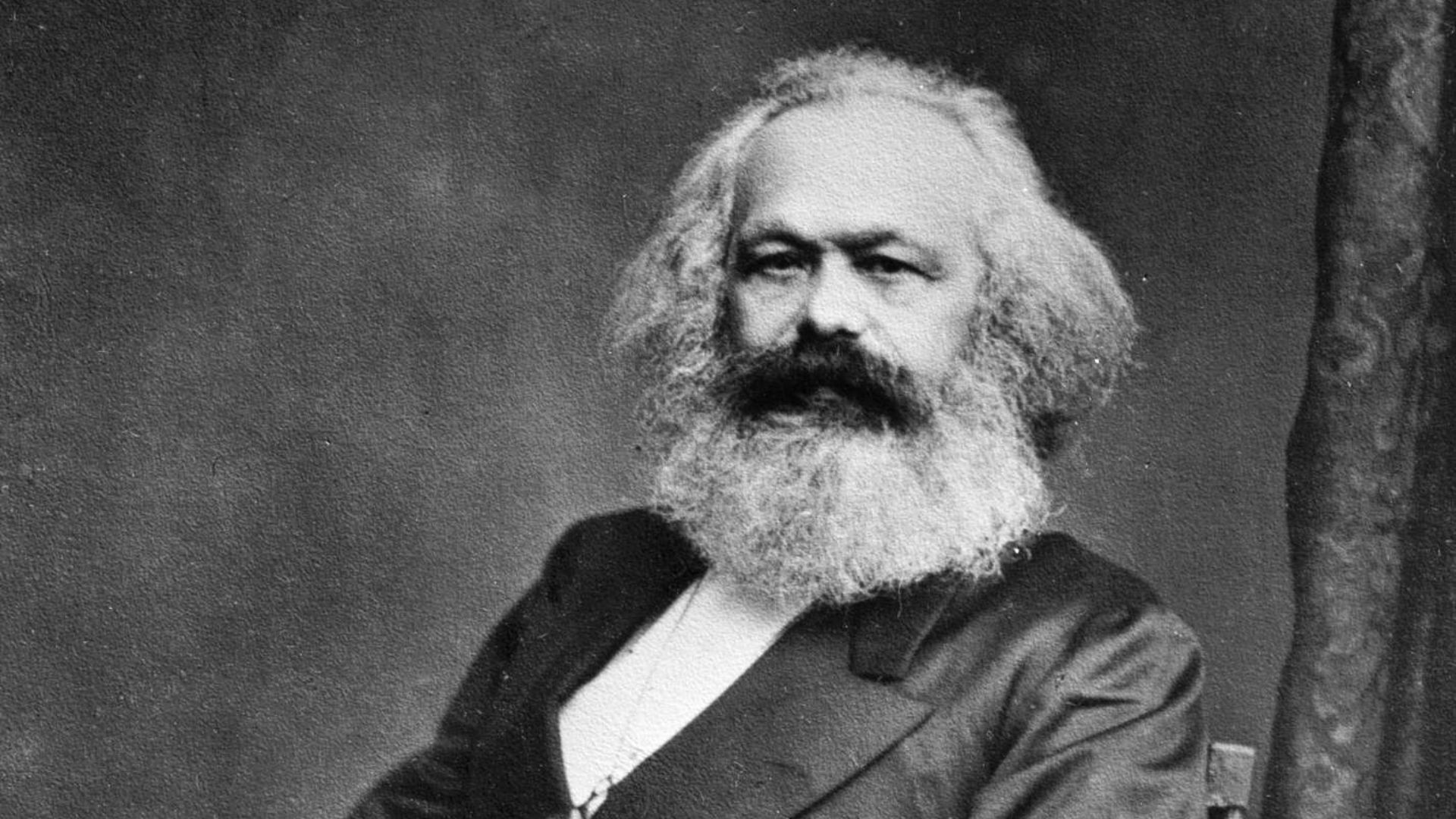 John Jabez Edwin Mayall on Wikimedia
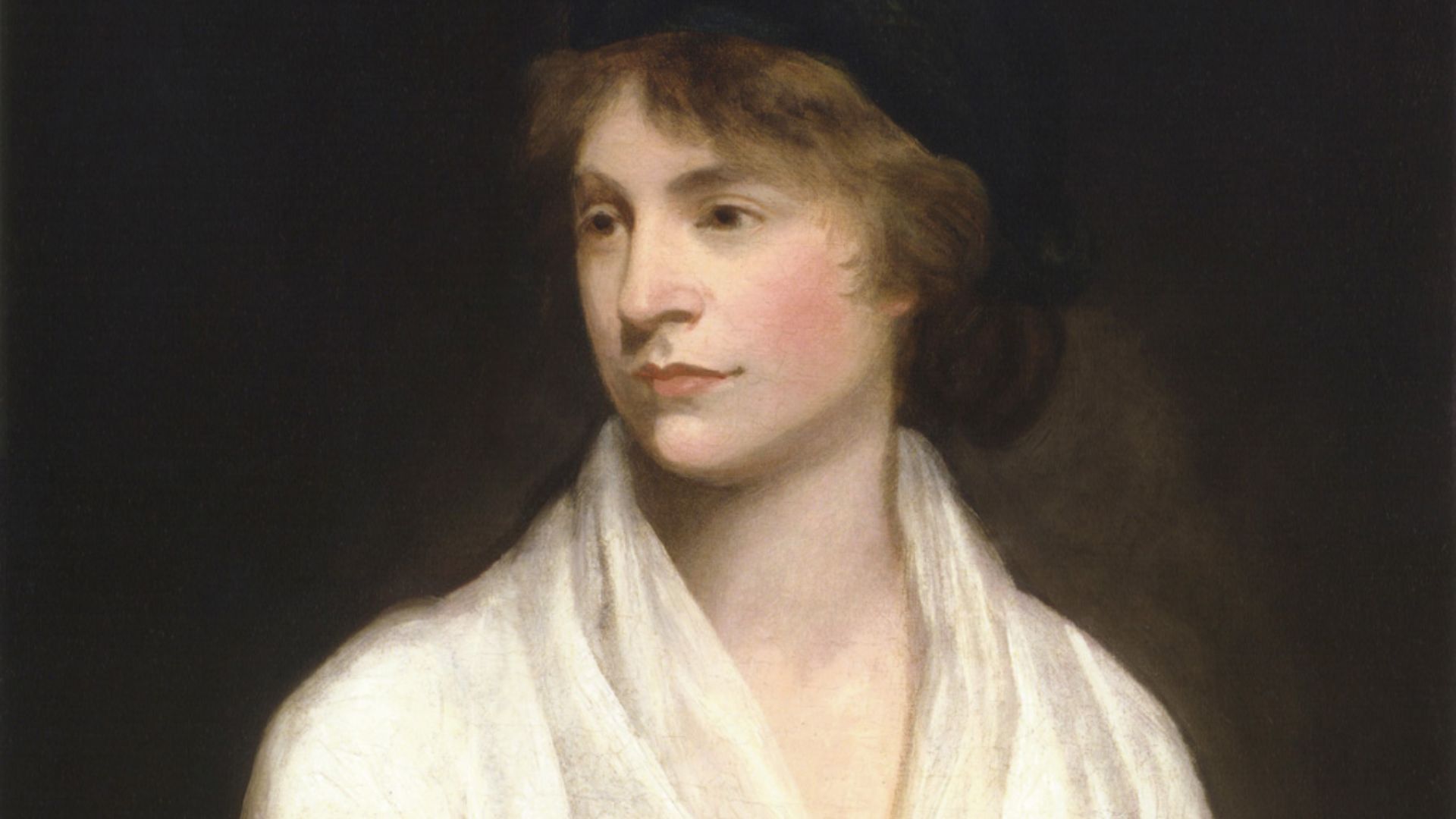
4. Mary Wollstonecraft
Mary Wollstonecraft’s A Vindication of the Rights of Woman became a foundational text for feminist thought. She argued that women deserved education, reason, and respect, not just decorative roles in society. Her ideas challenged assumptions that had been treated as natural for centuries and gave future generations language for arguments that were long overdue.
5. Martin Luther
Martin Luther’s writings helped spark the Protestant Reformation. His Ninety-Five Theses criticized the Catholic Church’s practices and spread rapidly, especially with the help of printing technology. What began as a religious challenge became a movement that reshaped Europe’s politics, culture, and faith.
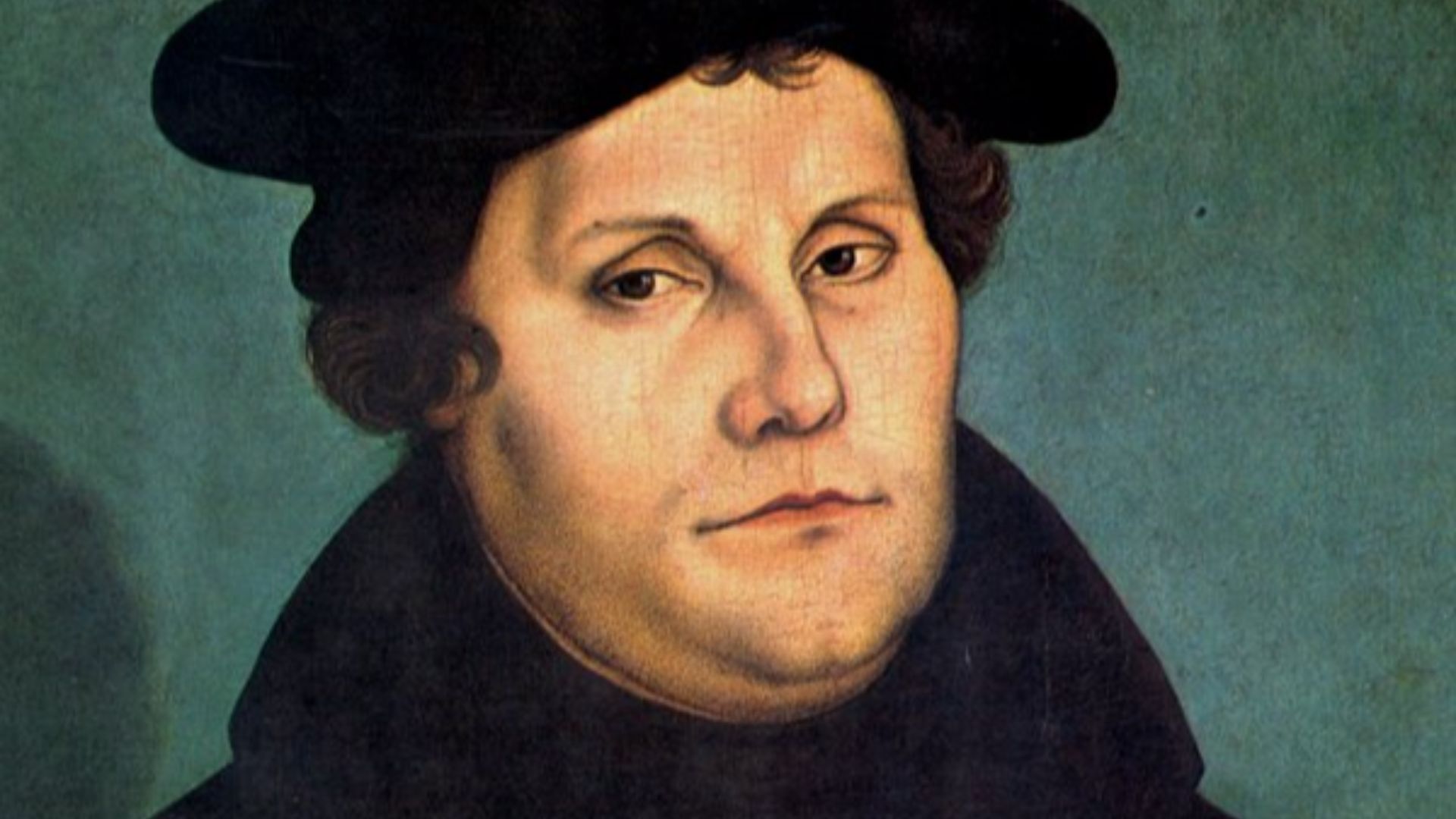 Lucas Cranach the Elder on Wikimedia
6. Frederick Douglass
Frederick Douglass used autobiography, speeches, and essays to expose the brutality of slavery. His Narrative of the Life of Frederick Douglass gave readers a powerful first-person account of enslavement and escape. As a formerly enslaved man writing with such clarity and force, he destroyed racist myths about intelligence, dignity, and freedom.
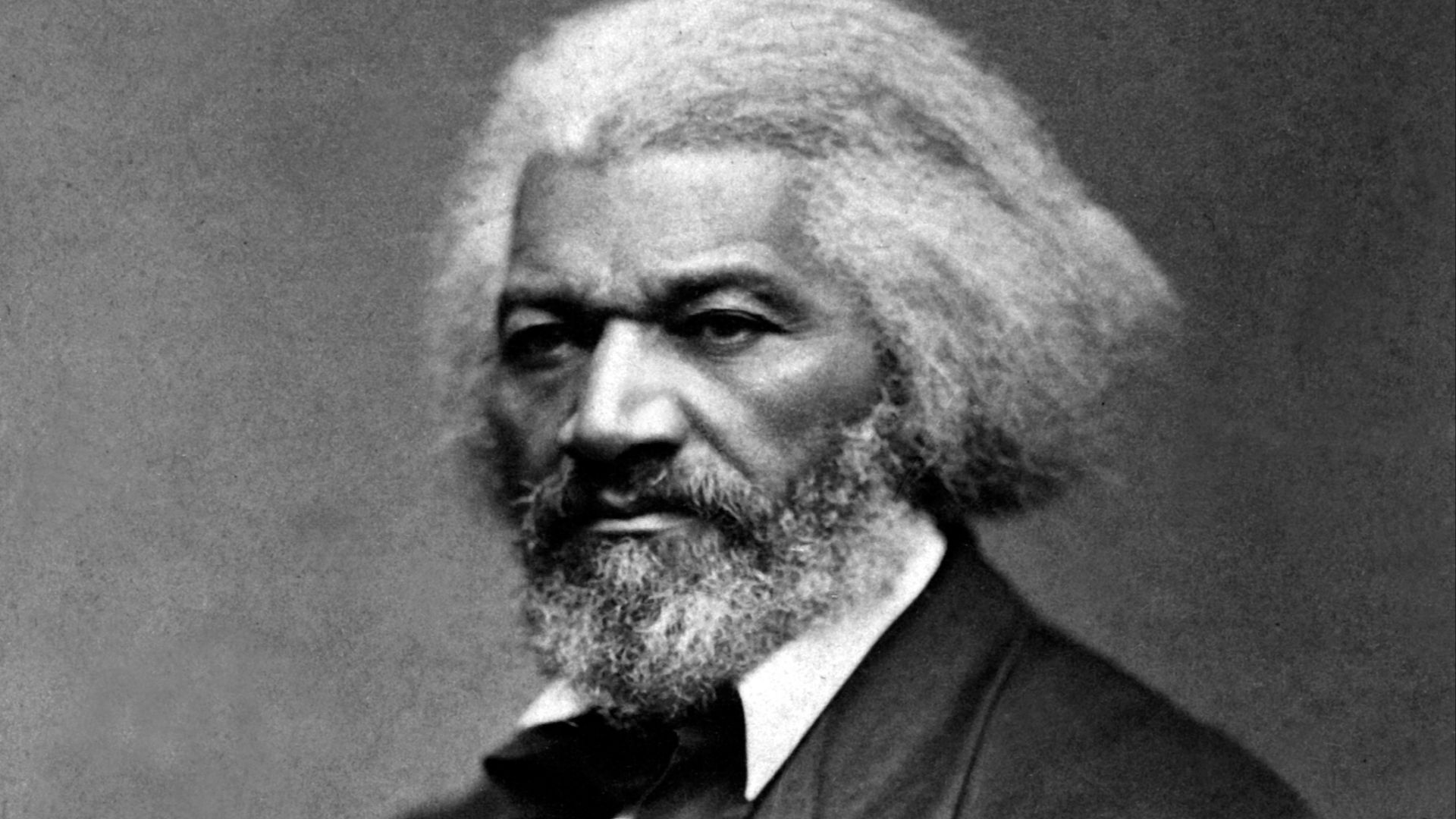 George Kendall Warren on Wikimedia
7. Rachel Carson
Rachel Carson’s Silent Spring helped launch the modern environmental movement. Her writing warned about the dangers of pesticides, especially DDT, and made ecological harm understandable to the general public. She combined scientific seriousness with prose that people actually wanted to read.
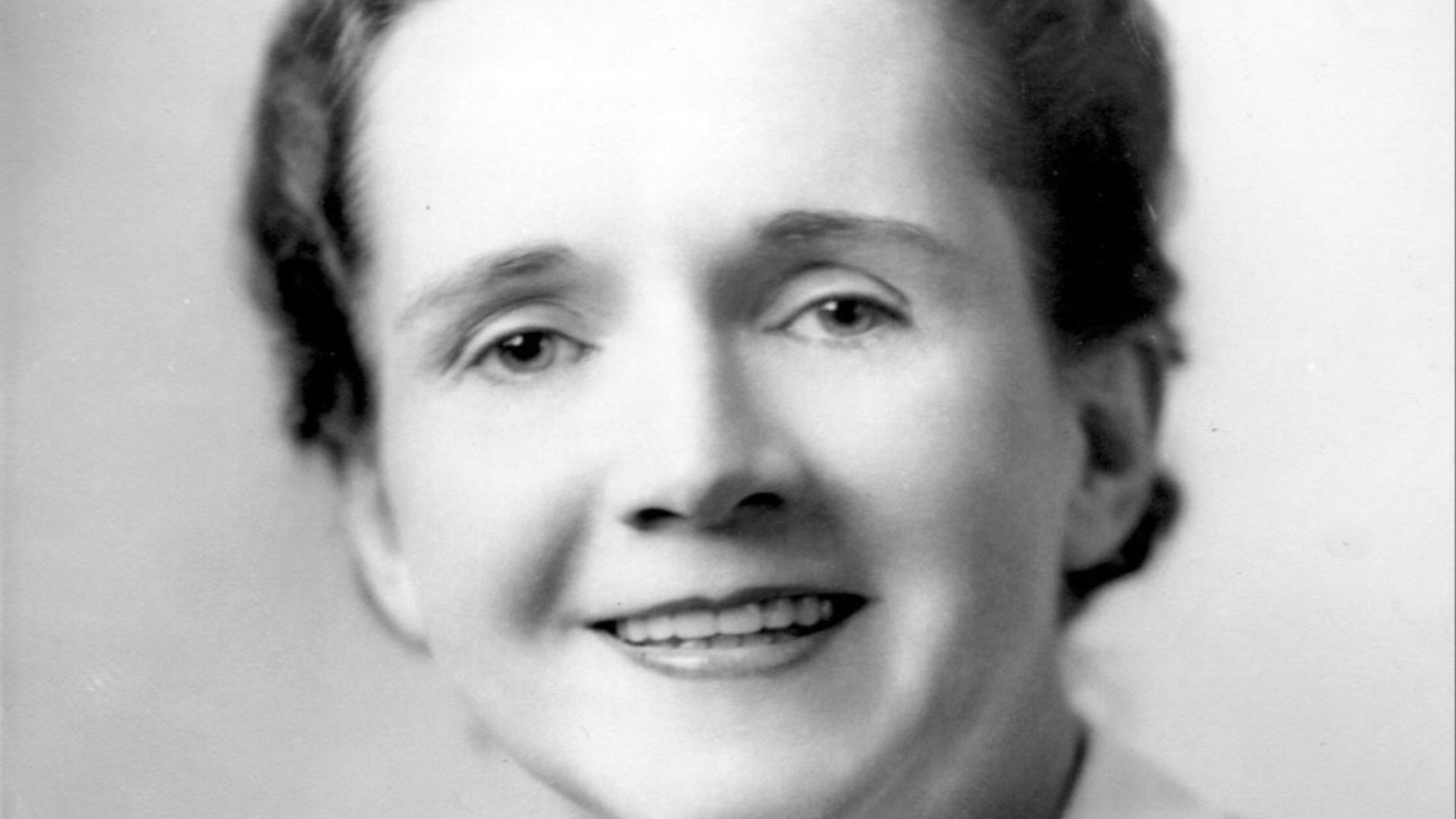 U.S. Fish and Wildlife Service on Wikimedia
8. Upton Sinclair
Upton Sinclair’s novel The Jungle exposed horrifying conditions in the American meatpacking industry. He intended to highlight the exploitation of workers, but readers were also shocked by the food safety issues he described. The public reaction helped lead to major reforms in food regulation.
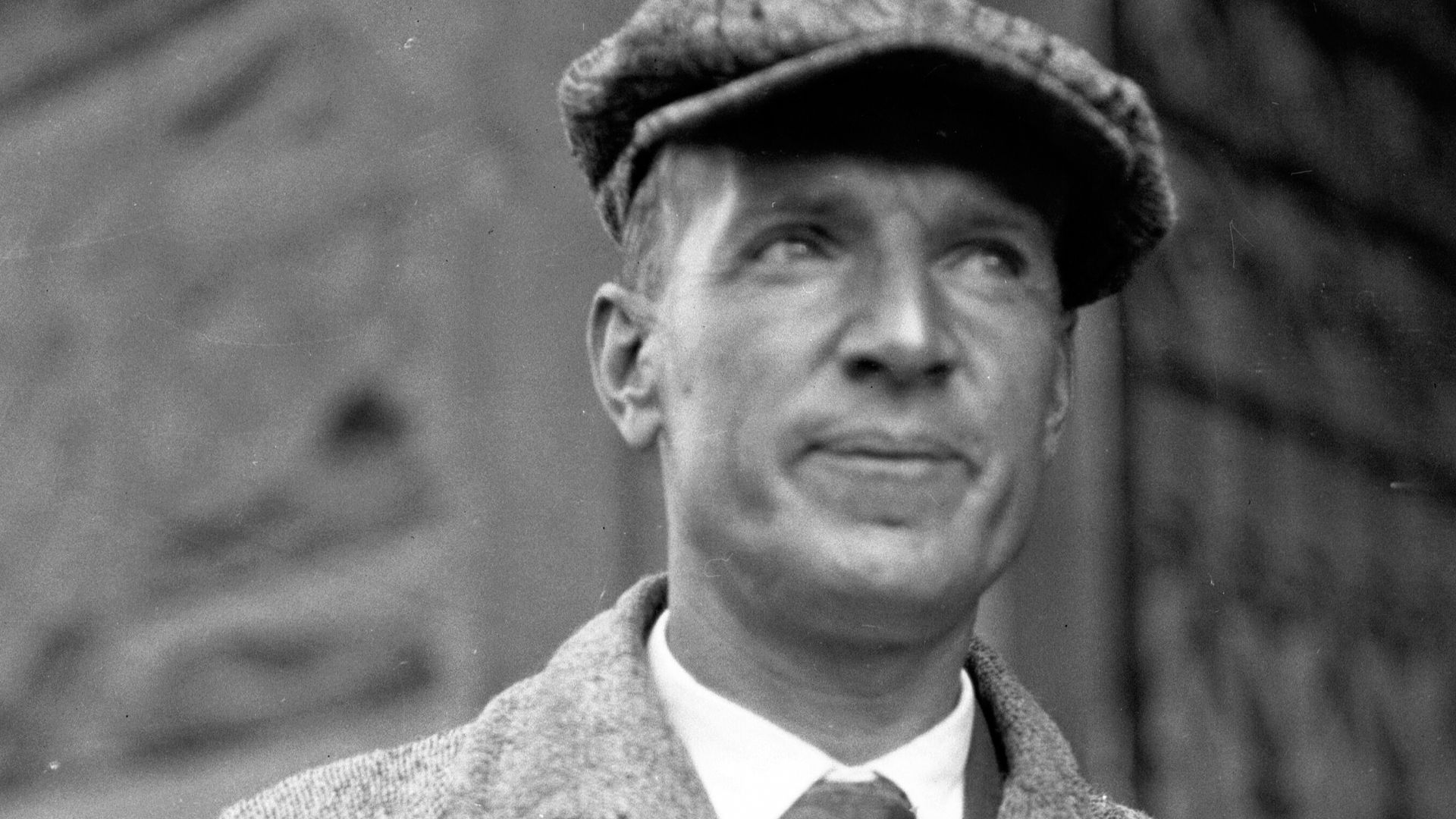 Los Angeles Times on Wikimedia
9. Simone de Beauvoir
Simone de Beauvoir’s The Second Sex became one of the most important feminist works of the 20th century. She examined how society constructs womanhood and limits women’s freedom. Her famous argument that one is not born but rather becomes a woman influenced generations of thinkers, activists, and writers, reshaping ideas about gender.
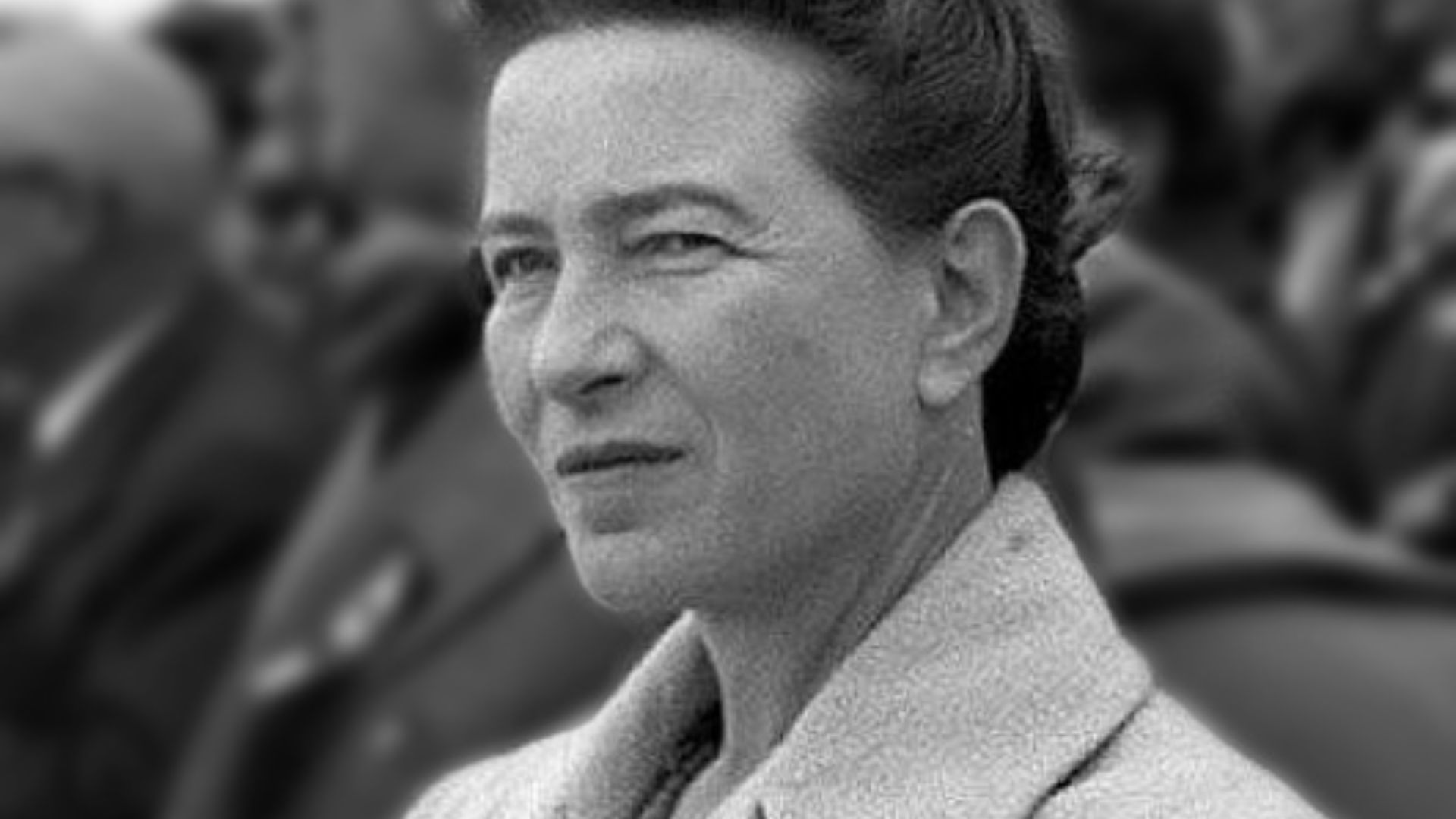 刘东 鳌 (Liu Dong'ao) on Wikimedia
10. Mahatma Gandhi
Mahatma Gandhi’s writings on nonviolence, civil disobedience, and self-rule helped shape India’s independence movement. His essays, letters, and speeches connected political freedom with moral discipline and personal responsibility. Gandhi’s words traveled far beyond India, influencing civil rights leaders around the world, including in the U.S.
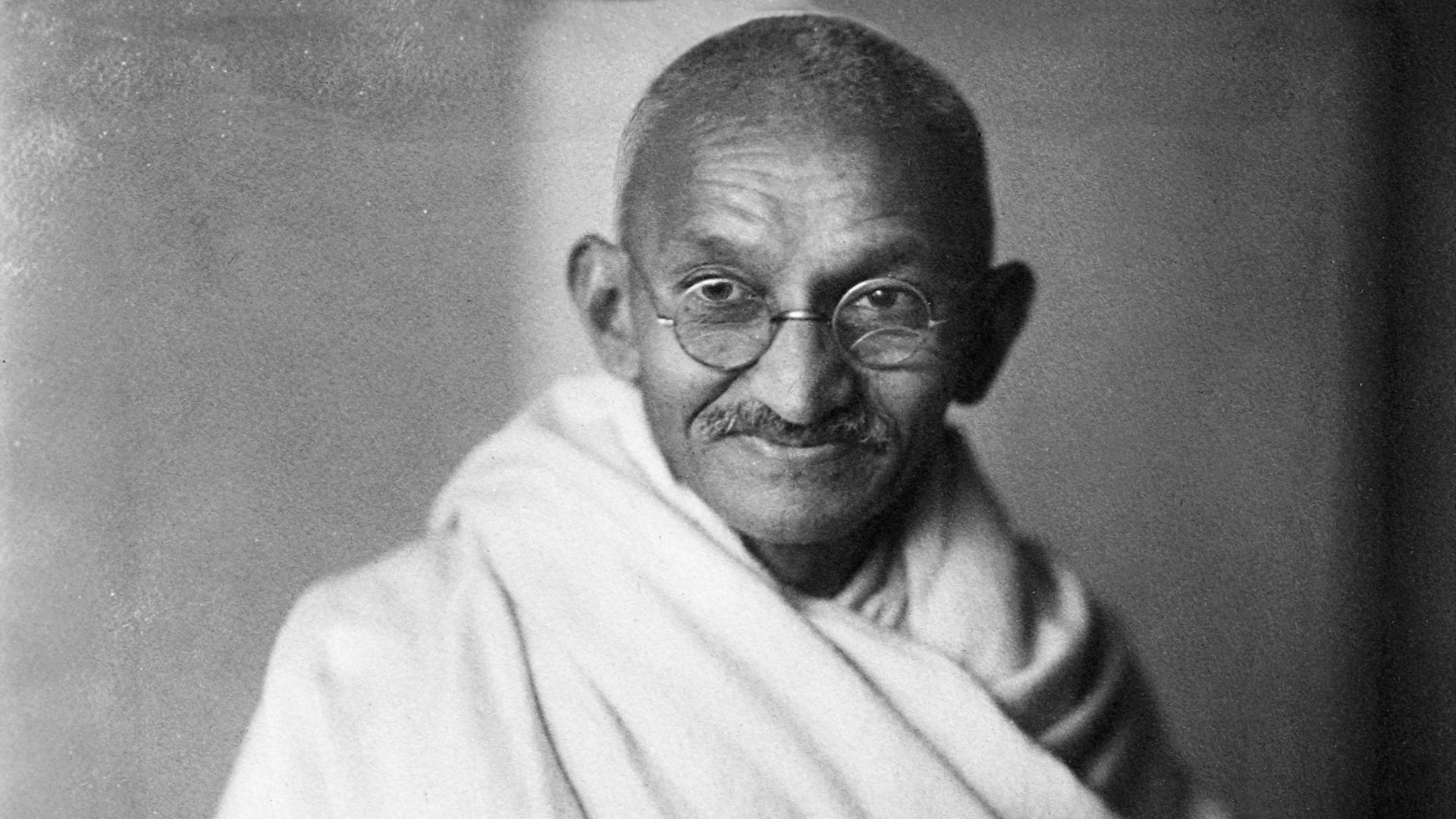
11. James Baldwin
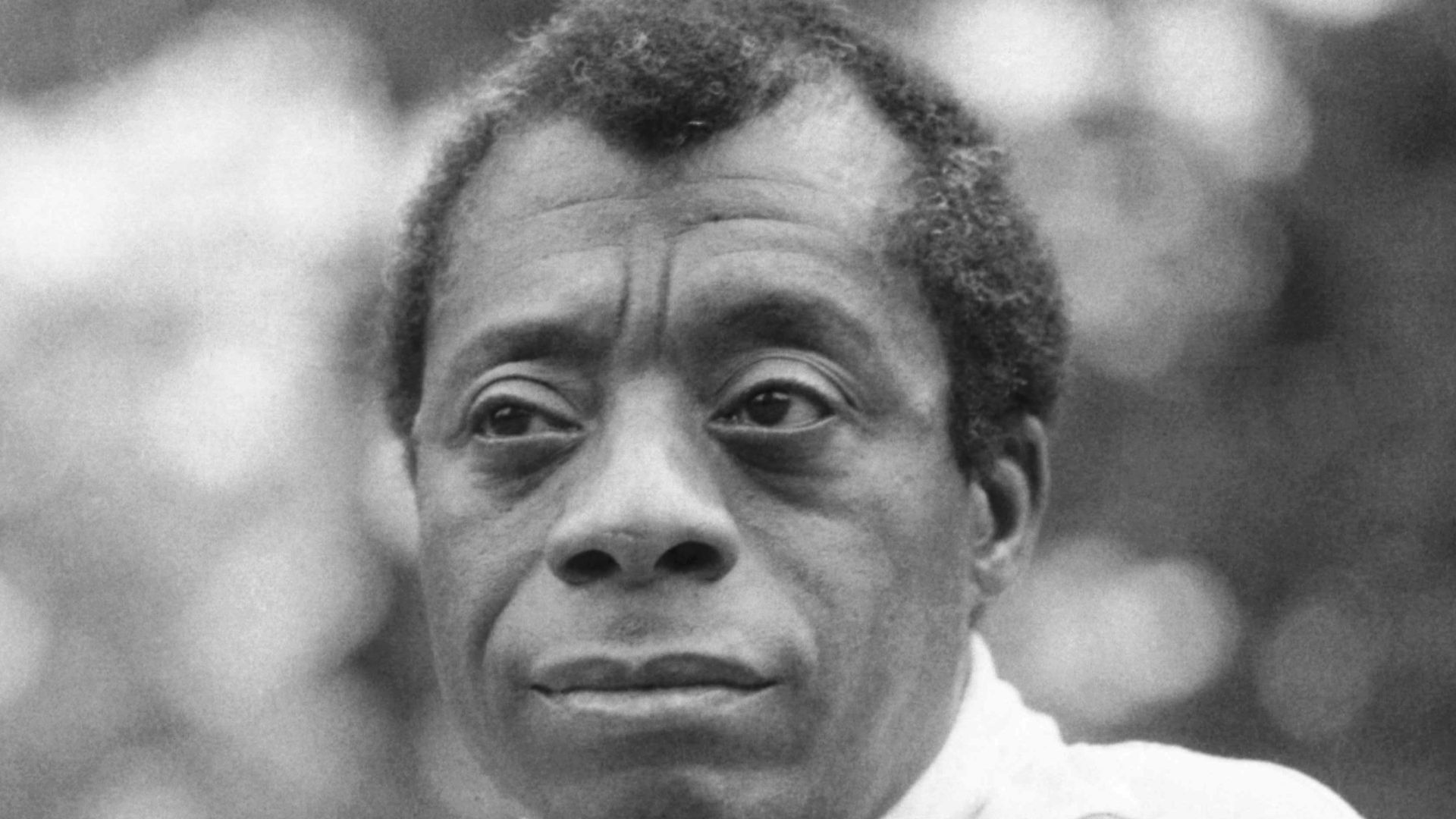
James Baldwin wrote about race, sexuality, identity, and America with a level of honesty that still feels bracing. Books like The Fire Next Time forced readers to confront the country’s moral failures without giving them easy exits. His prose was elegant, furious, intimate, and impossible to dismiss.
12. Betty Friedan
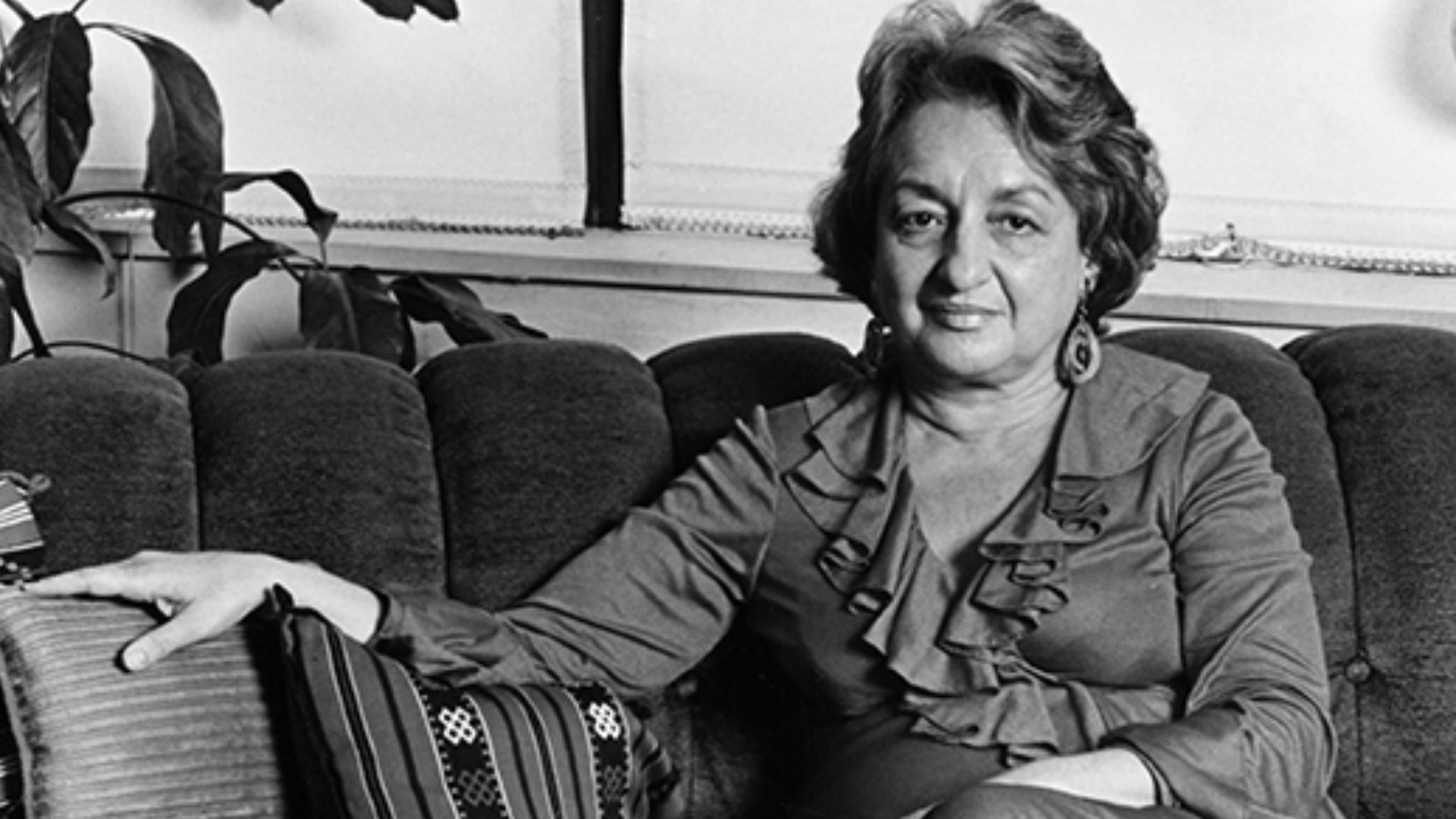
Betty Friedan’s The Feminine Mystique helped ignite second-wave feminism in the United States. She wrote about the dissatisfaction many suburban housewives felt, but were often discouraged from naming.
The book challenged the idea that domestic comfort automatically meant fulfillment. Friedan gave a generation of women permission to ask why they felt trapped inside a life they’d been told was perfect.
13. Charles Darwin
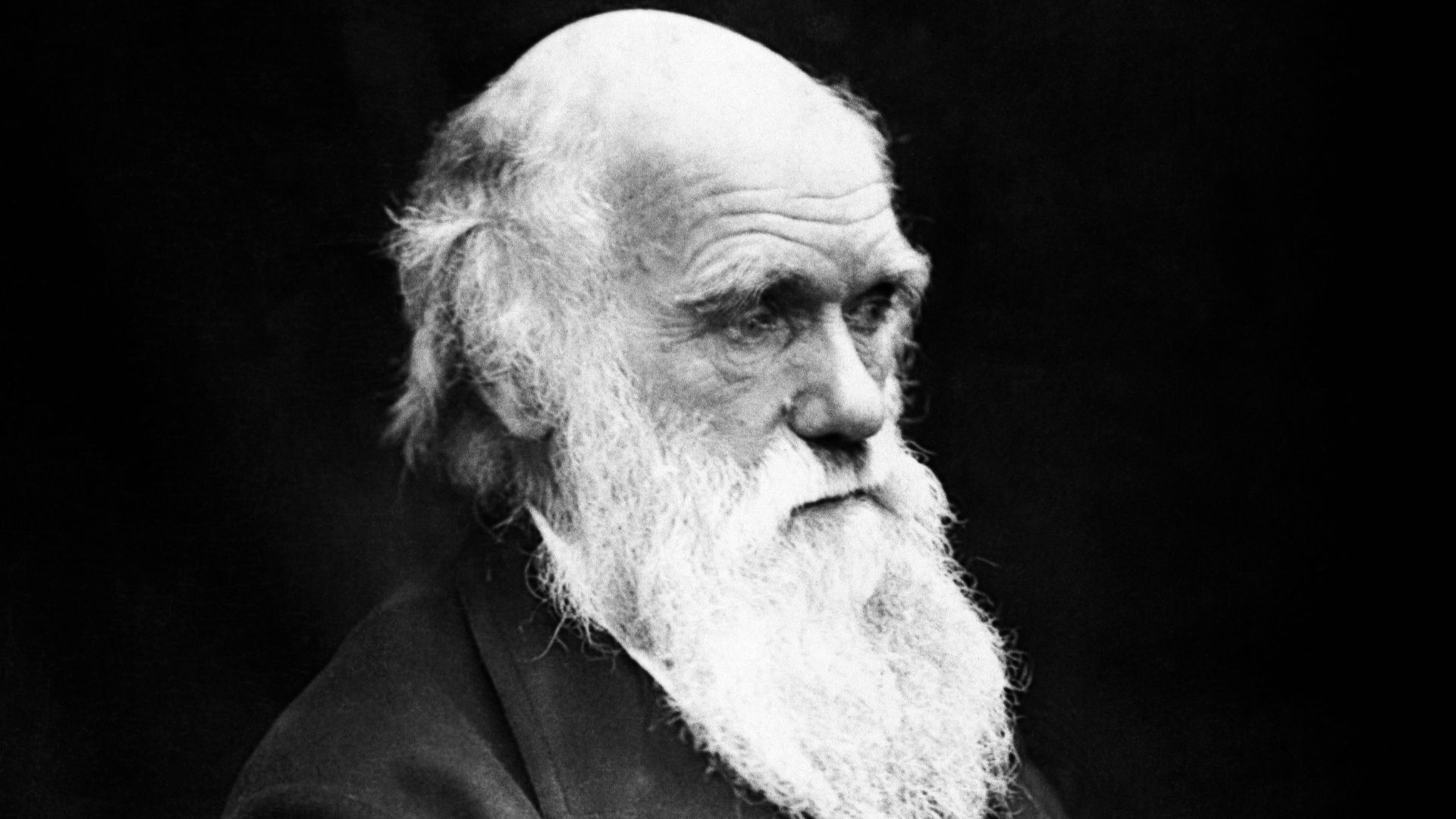
Charles Darwin’s On the Origin of Species transformed science and the way people understood life on Earth. His theory of evolution by natural selection challenged older ideas about species, creation, and humanity’s place in nature. The book reshaped biology and influenced debates far beyond science.
 Julia Margaret Cameron on Wikimedia
14. Anne Frank
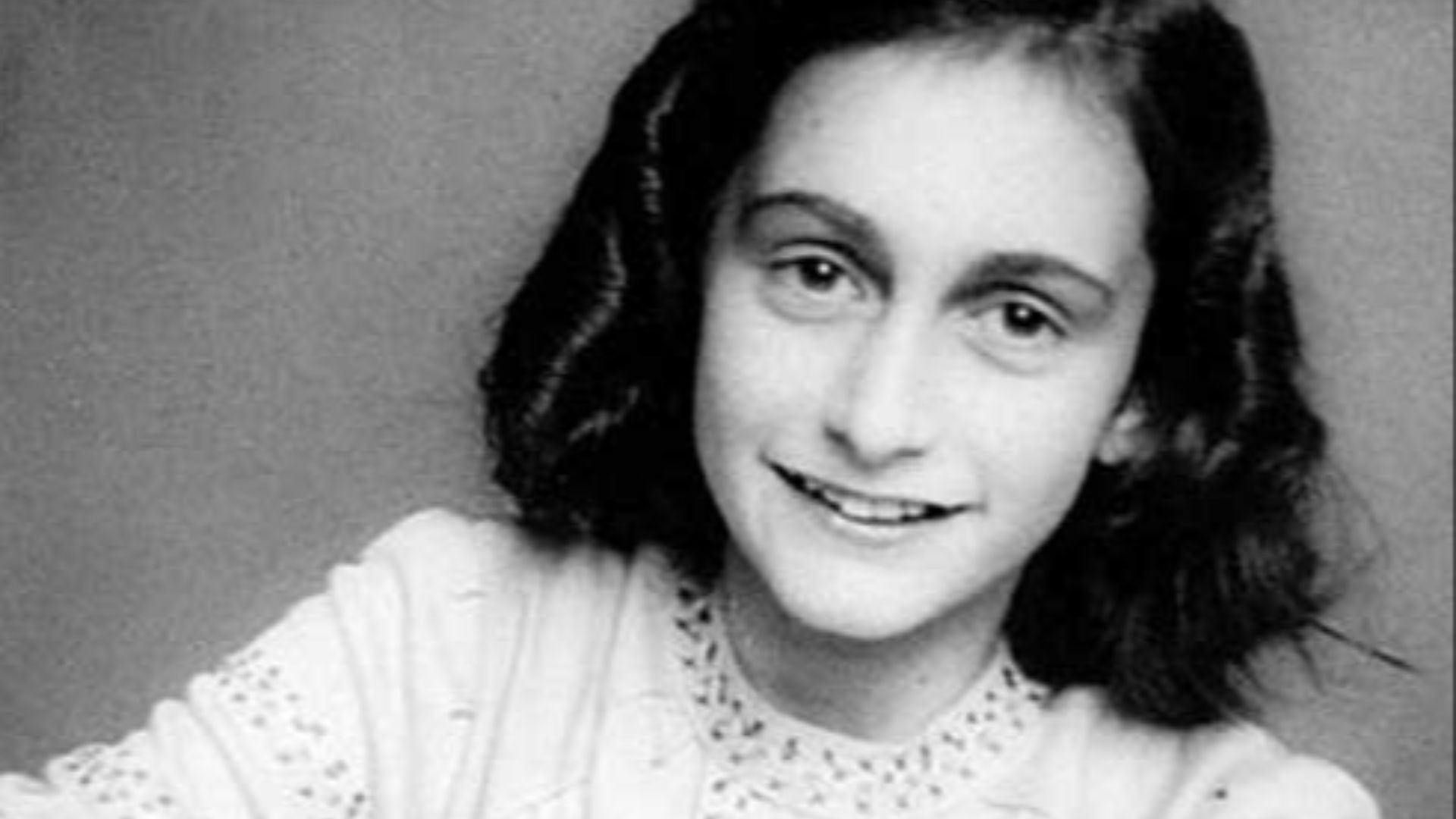
Anne Frank’s diary became one of the most widely read personal accounts of the Holocaust. Written while she and her family hid from the Nazis, it captured fear, hope, boredom, longing, and adolescence under unimaginable pressure. Her writing helped expose the horrors of the Holocaust.
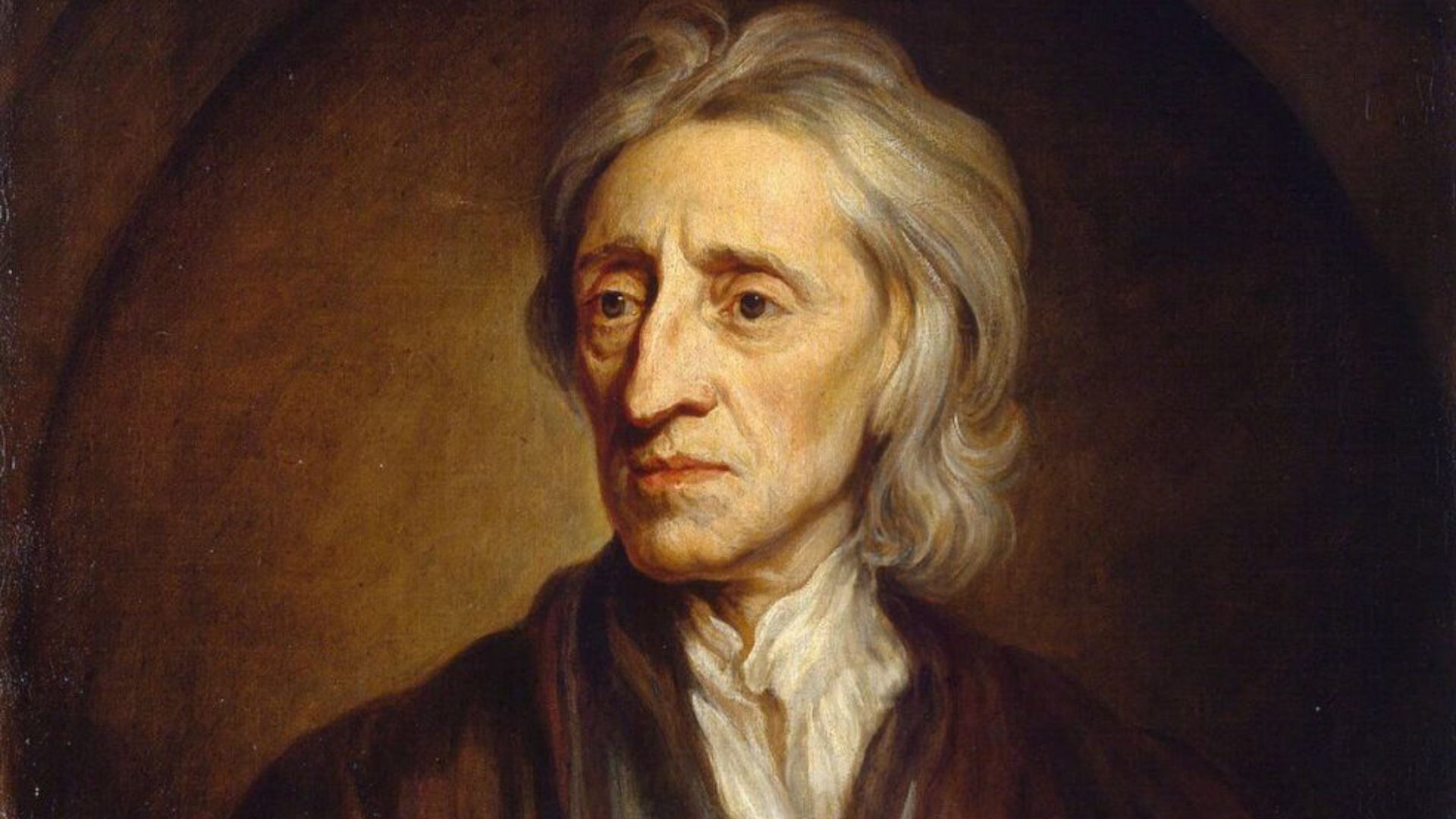
15. John Locke
John Locke’s political writings helped shape modern ideas about government, rights, and consent. His arguments about natural rights and the social contract influenced democratic revolutions and constitutional thought. Locke’s work helped challenge the idea that rulers held power simply because tradition said so.
16. Friedrich Nietzsche
Friedrich Nietzsche’s writings changed philosophy, literature, psychology, and modern ideas about morality. His ideas about the “will to power,” the “Übermensch,” and the need to create meaning in a world without easy certainties influenced thinkers, artists, and political movements long after his death. Nietzsche’s writing didn’t just ask people to think differently; it asked them to question why they believed what they believed in the first place.
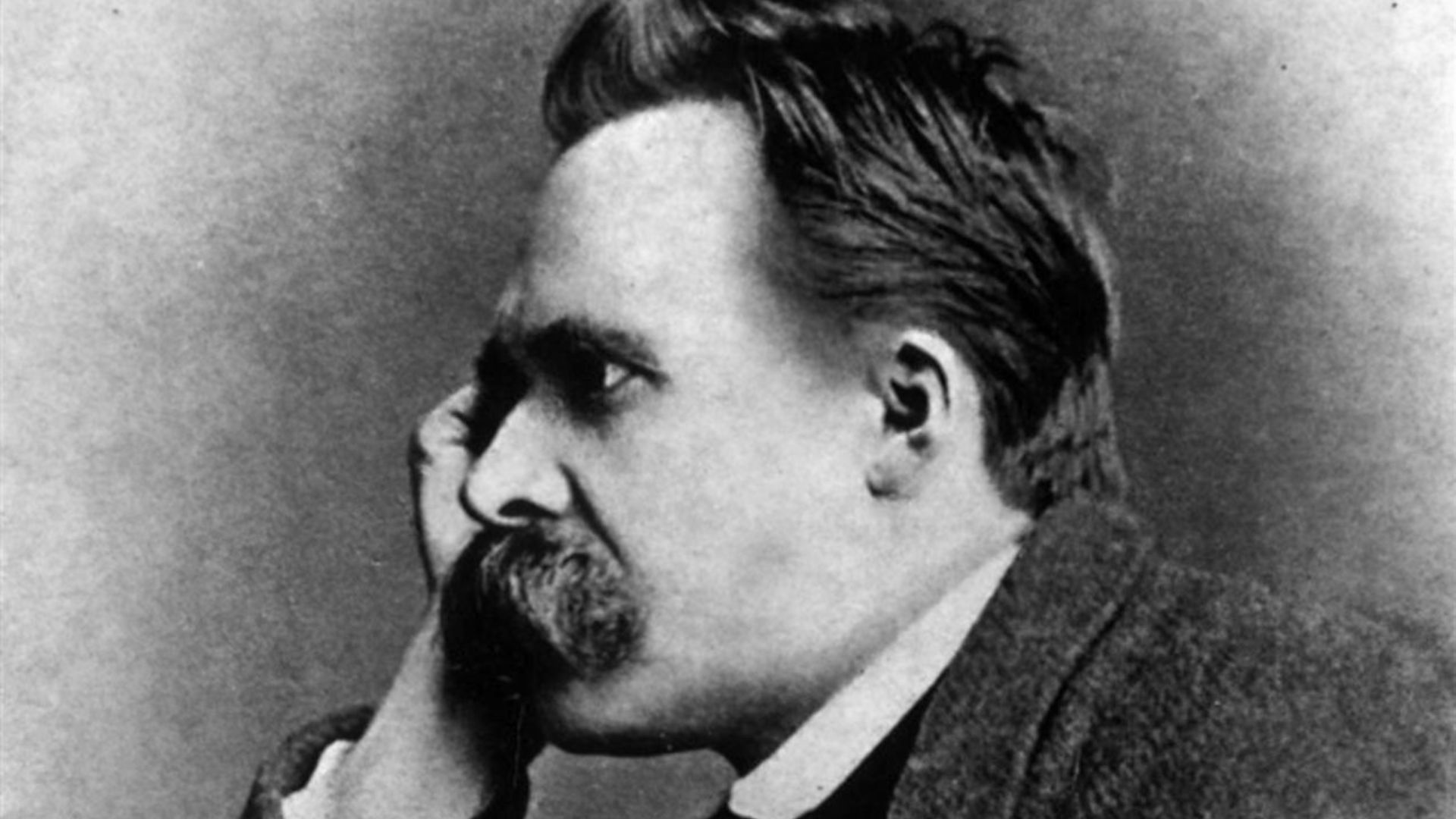 Gustav-Adolf Schultze (d. 1897) on Wikimedia
17. Jean-Jacques Rousseau
Jean-Jacques Rousseau’s writings helped reshape political thought, education, and ideas about human nature. His ideas influenced the French Revolution, modern democracy, and debates about freedom, equality, and citizenship.
Rousseau didn’t just write philosophy; he helped give future revolutionaries a vocabulary for questioning the entire social order.
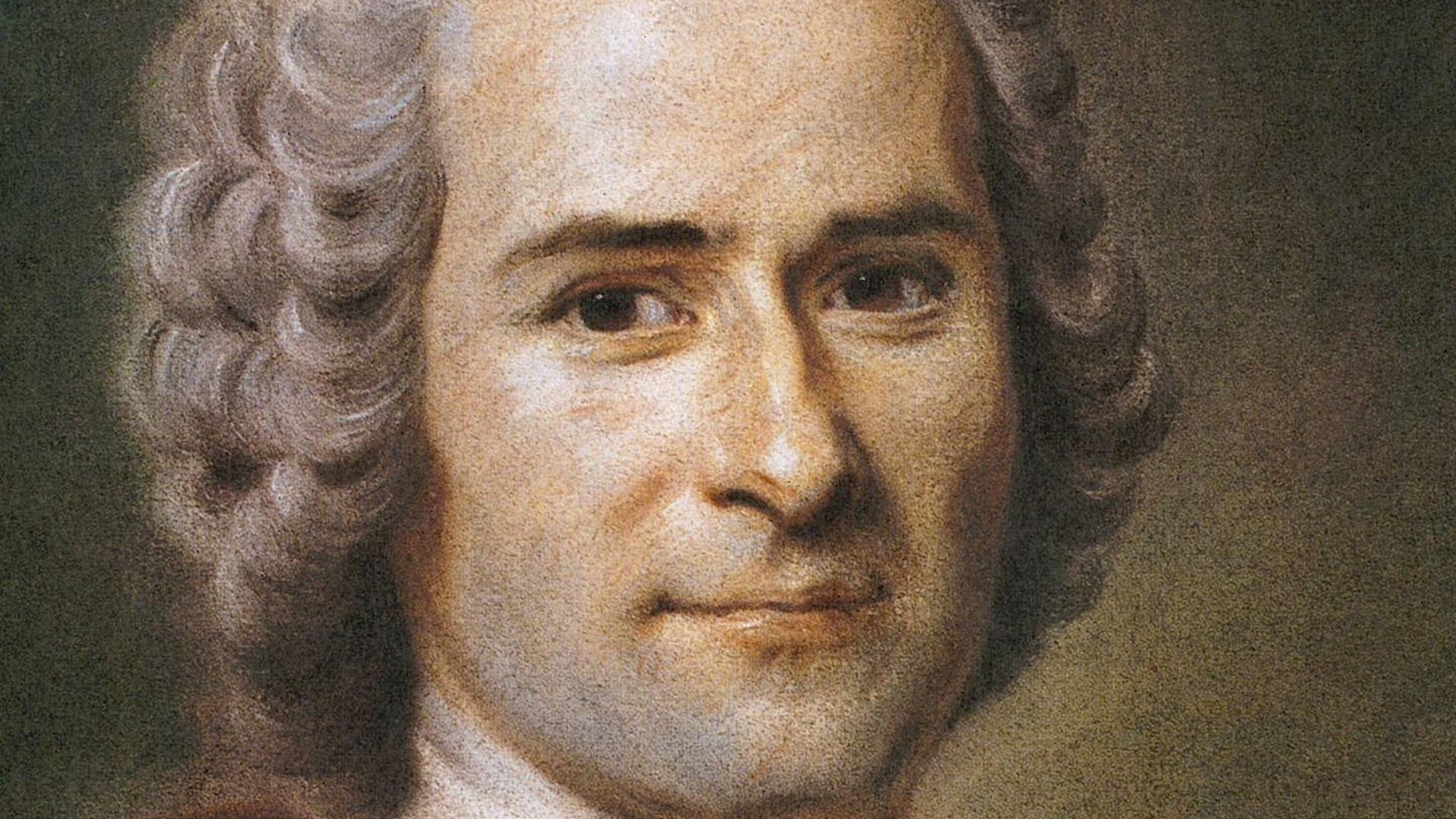 Maurice Quentin de La Tour on Wikimedia
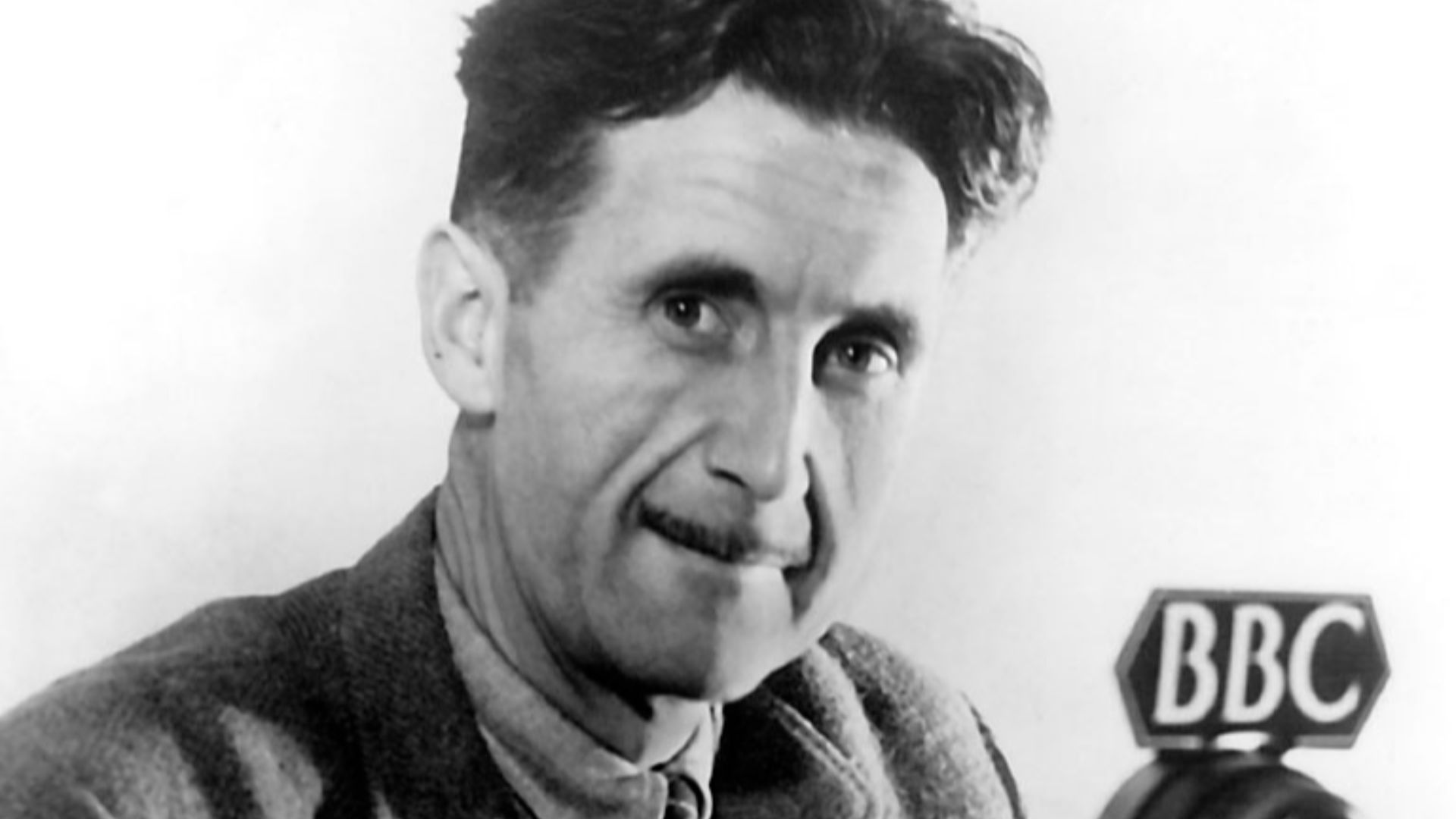
18. George Orwell
George Orwell’s Animal Farm and 1984 changed the way people talk about power, propaganda, surveillance, and political language. His writing gave the world terms like “Big Brother” and “doublethink,” which still feel uncomfortably useful. His warnings remain popular because they keep finding new reasons to feel relevant.
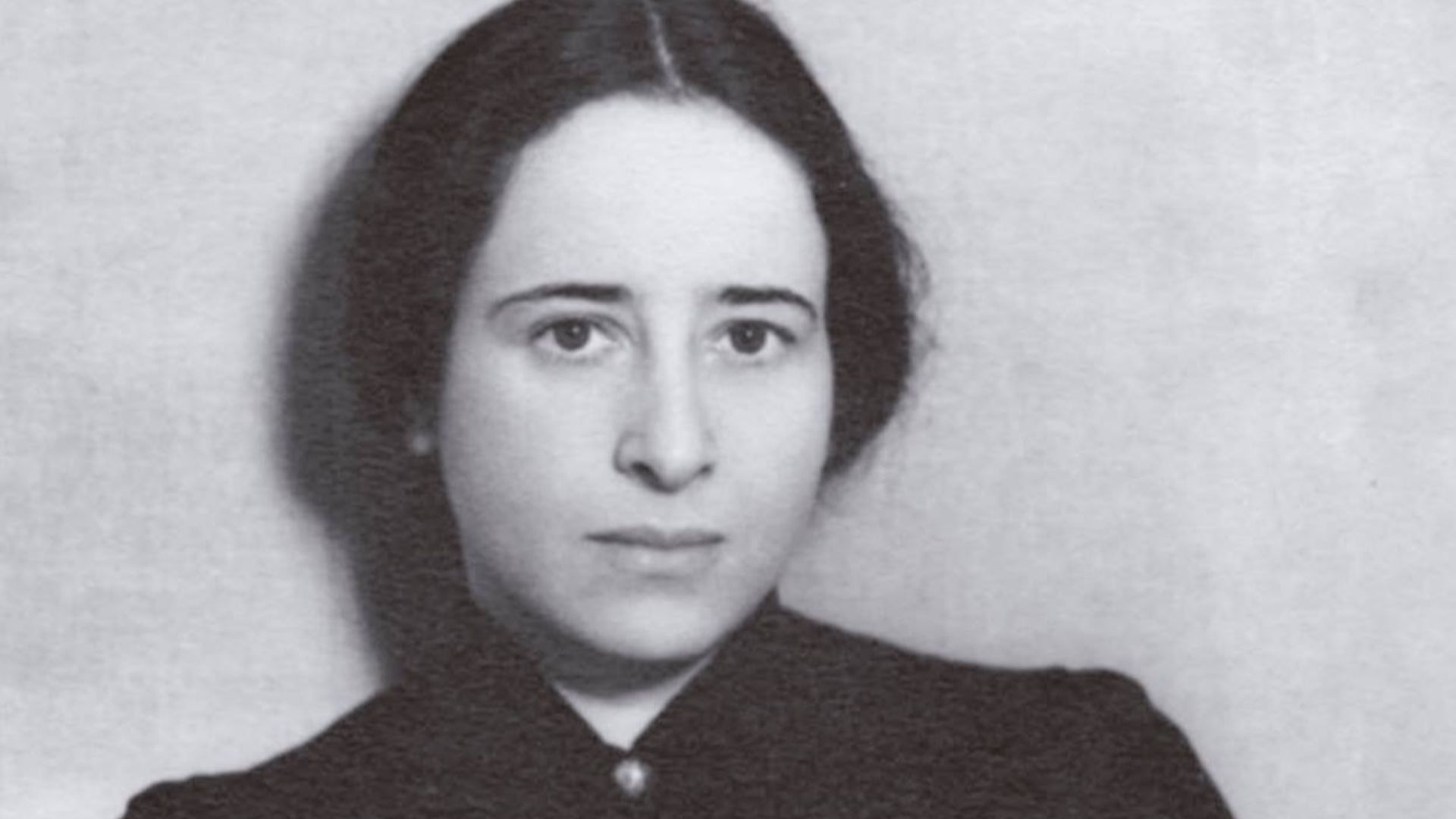
19. Hannah Arendt
Hannah Arendt’s writings on totalitarianism, evil, and political responsibility shaped modern political philosophy. Her work examined how ordinary people can become part of terrible systems. The Origins of Totalitarianism and Eichmann in Jerusalem forced readers to think carefully about power, obedience, and moral judgment.
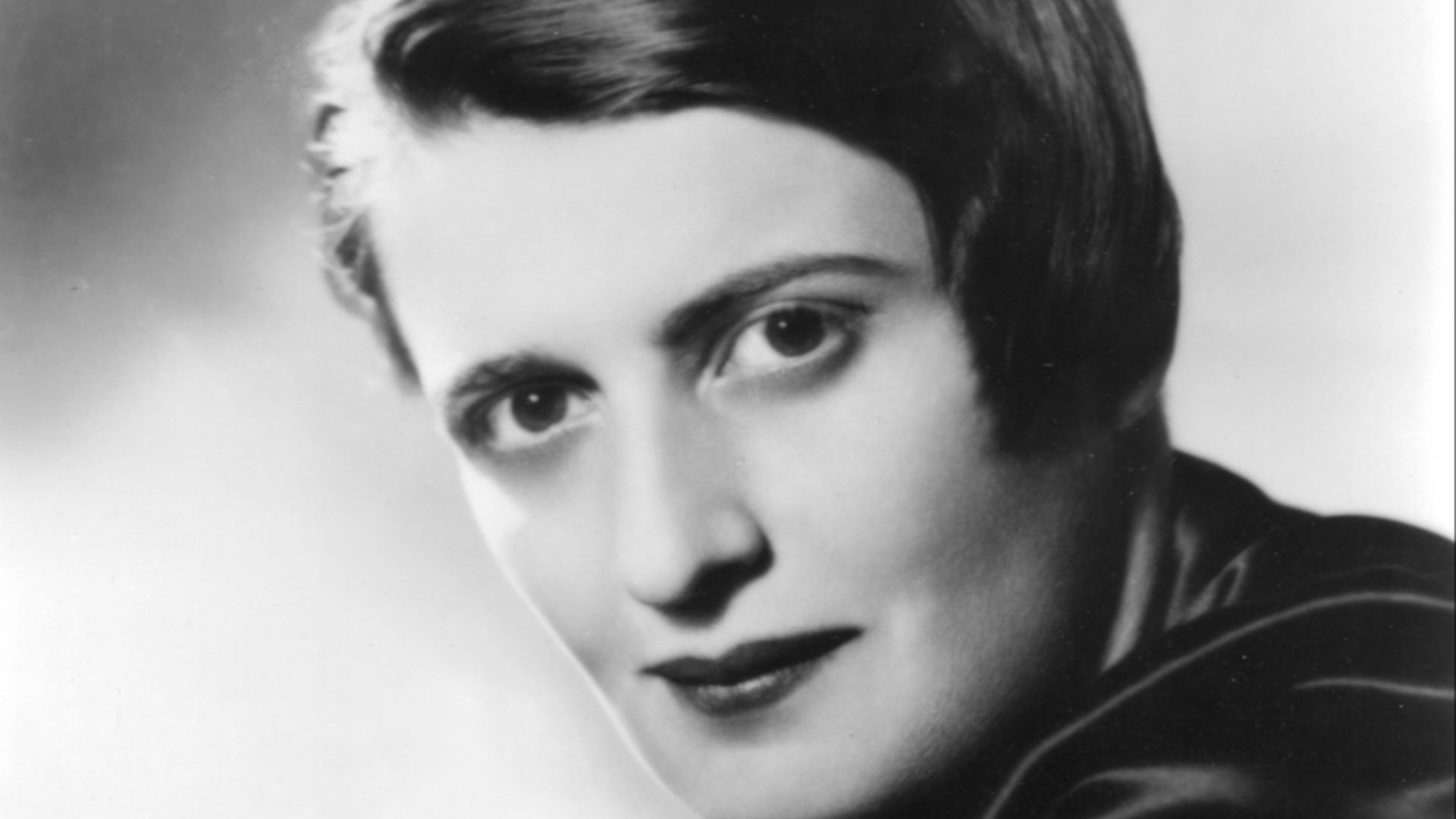
20. Ayn Rand
Ayn Rand’s novels and essays helped popularize a philosophy she called Objectivism, centered on individualism, reason, self-interest, and capitalism. Books like The Fountainhead and Atlas Shrugged became hugely influential, especially among readers interested in business, libertarian politics, and anti-collectivist ideas. Her work is also deeply polarizing, which is part of why it's remained so widely discussed.
KEEP ON READING

20 Historical Poisons That Changed Politics, War, And Royal Families
Power In A Cup. Poison has always had a strange…
By Cameron Dick May 22, 2026
20 Man-Eaters That Terrified Entire Regions
When Fear Had Teeth. History has a way of turning…
By Cameron Dick May 22, 2026
20 Mistresses Who Had More Power Than the Queens Beside…
Power Wasn’t Always on the Throne. Royal history loves a…
By Annie Byrd May 22, 2026
20 Rare Artifacts That Changed Scholars’ Understanding of the Past
Discoveries That Forced Historians to Rethink What They Knew. Archaeology…
By Rob Shapiro May 22, 2026
Why the Titanic Didn’t Have Enough Lifeboats
Willy Stöwer on WikimediaThe Titanic disaster is often remembered as…
By Emilie Richardson-Dupuis May 21, 2026
20 Facts About The Animals We Sent To Space
We Thank Them For Their Service. Before astronauts became household…
By Breanna Schnurr May 21, 2026