


The One Detail Everyone Gets Wrong About Newton's Law Of Gravity
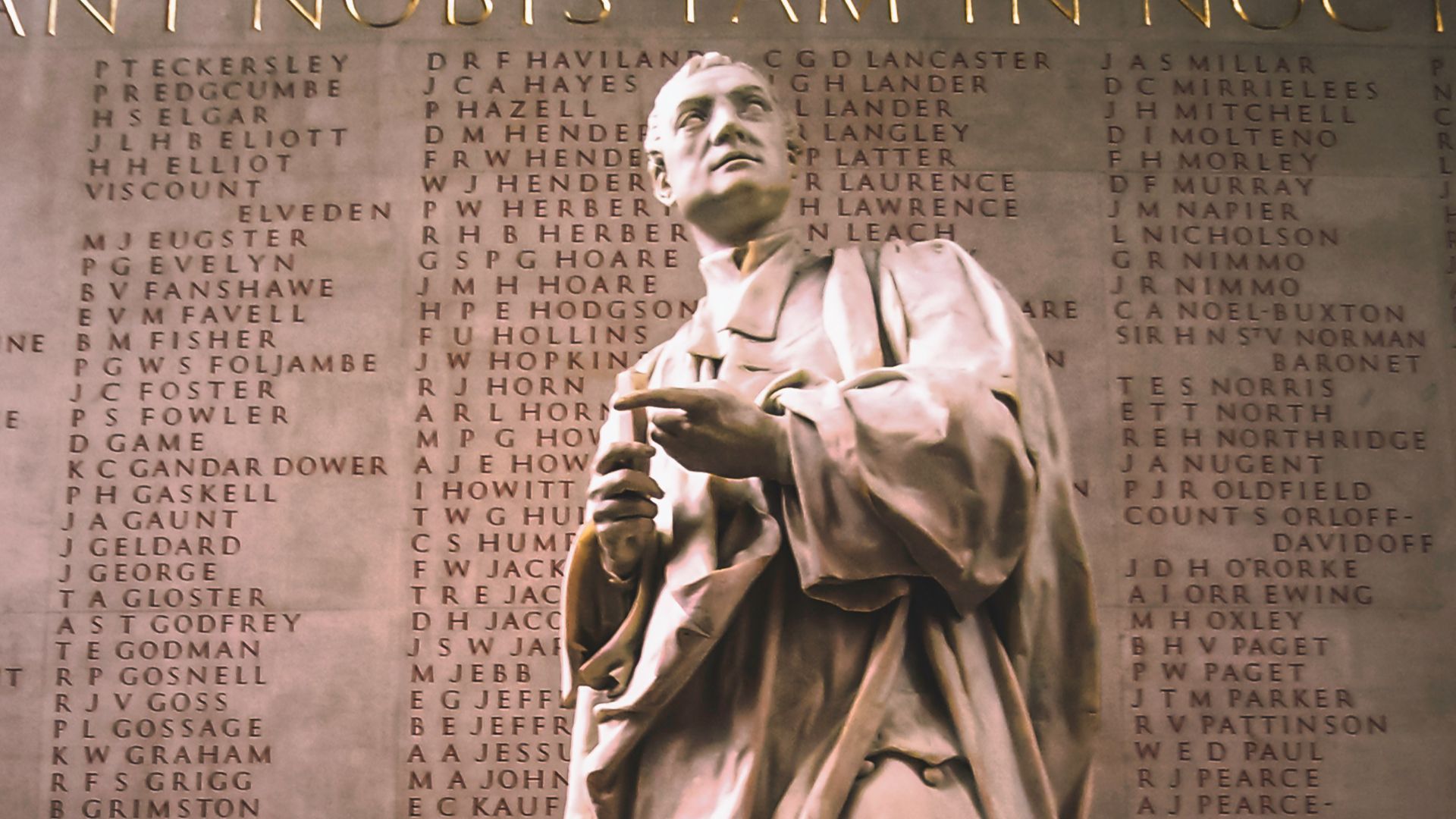
Here's a scene you've probably imagined countless times: Isaac Newton lounging beneath an apple tree, suddenly getting bonked on the head by falling fruit, and boom—gravity is discovered. It's the story repeated in classrooms, cartoons, and cocktail parties.
There's just one problem: it never happened. Well, not quite like that. The real story behind Newton's legendary apple is far more nuanced than the cartoon version we've been fed, and understanding what actually went down reveals something fascinating about how scientific breakthroughs really work.
The Apple Fell, But Not On His Head
Let's set the record straight. Newton witnessed an apple fall from a tree, but there's zero evidence it crashed into his skull. The year was 1665, and young Isaac had been forced to leave Cambridge University when bubonic plague shut down the school. He retreated to Woolsthorpe Manor in Lincolnshire, where he spent time in the orchard. During one contemplative stroll, he observed an apple dropping straight down. That simple observation sparked a question that would revolutionize physics: why do apples fall directly downward instead of sideways or upward?
This wasn't some sudden lightning bolt of inspiration. Newton spent years developing his ideas about gravity, working through mathematical proofs and observations. The apple was merely the beginning of a long intellectual journey, not the entire trip compressed into one moment. By 1687, more than two decades after witnessing that fall, Newton finally published his law of universal gravitation in his work, the Principia. This principle explains that every object in the universe attracts every other object with a force related to their masses and the distance between them.
How The Myth Got Started
Where did this exaggerated tale come from? Blame Newton himself, sort of. In 1726, when Newton was 83, he recounted the apple story to his friend William Stukeley during a garden tea party. Stukeley later included this conversation in his biography of Newton, published in 1752. According to Stukeley's account, Newton explained that he'd been sitting in contemplation when the falling apple triggered his thoughts about gravitation. Notice what's missing? Any mention of the fruit struck his head. Over time, storytellers embellished the tale, adding the dramatic head-bonk to make it more memorable. It's a classic example of how historical facts turn into legends through repeated retellings.
Why The Real Story Matters More
 It's No Game from Leicestershire, UK on Wikimedia
Understanding the truth about Newton's apple isn't just pedantic fact-checking. It shows how science actually progresses. Breakthroughs don't typically arrive as sudden revelations. They emerge through careful observation, persistent questioning, and years of rigorous work. Newton didn't instantly understand gravity when he saw that apple fall. He wondered, pondered, and painstakingly developed his theories over decades.
The real lesson? Scientific discovery is less about eureka moments and more about curiosity meeting dedication. That apple tree still grows at Woolsthorpe Manor today, a reminder that the best stories don't need dramatic embellishments when the truth is already extraordinary.
KEEP ON READING
From Heroes To Zeroes 20 Historical Figures Whose Heroism Was…
History is full of legends, but not every hero lived…
By Noone Feb 25, 2026
The Clueless Crush: How I Accidentally Invited a Hacker Into…
Fluorescent Lights and First Impressions. My name is Tessa, I'm…
By Ali Hassan Nov 4, 2025
This Infamous Ancient Greek Burned Down An Ancient Wonder Just…
History remembers kings and conquerors, but sometimes, it also remembers…
By David Davidovic Nov 12, 2025
Einstein's Violin Just Sold At An Auction—And It Earned More…
A Visionary's Violin. Wanda von Debschitz-Kunowski on WikimediaWhen you hear…
By Ashley Bast Nov 3, 2025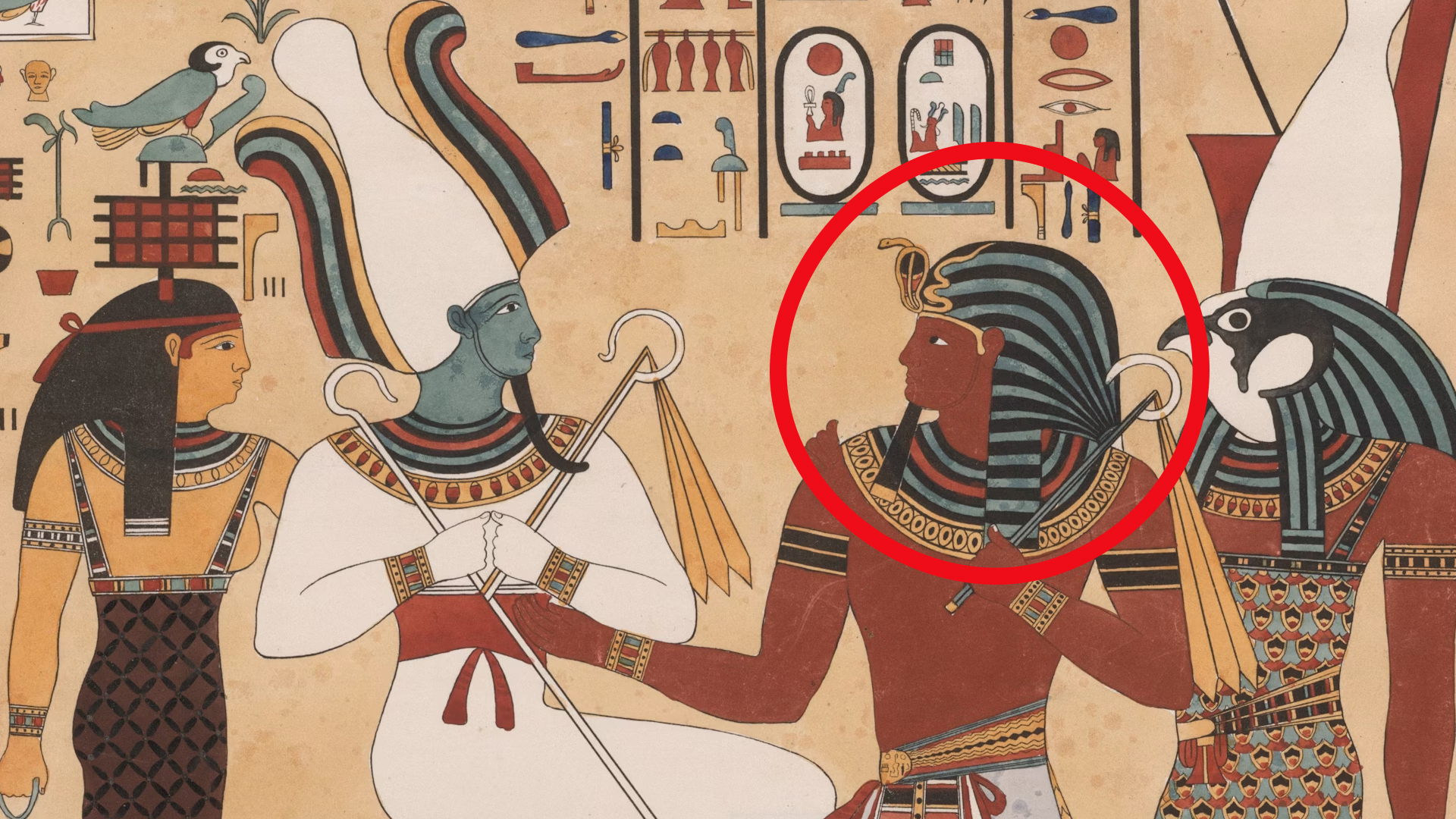
The Mysterious "Sea People" Who Collapsed Civilization
3,200 years ago, Bronze Age civilization in the Mediterranean suddenly…
By Robbie Woods Mar 18, 2025
20 Of History's Hardest To Break Secret Codes & Ciphers
The Messages That Refused to Give Up Their Secrets Easily.…
By Emilie Richardson-Dupuis Apr 1, 2026