

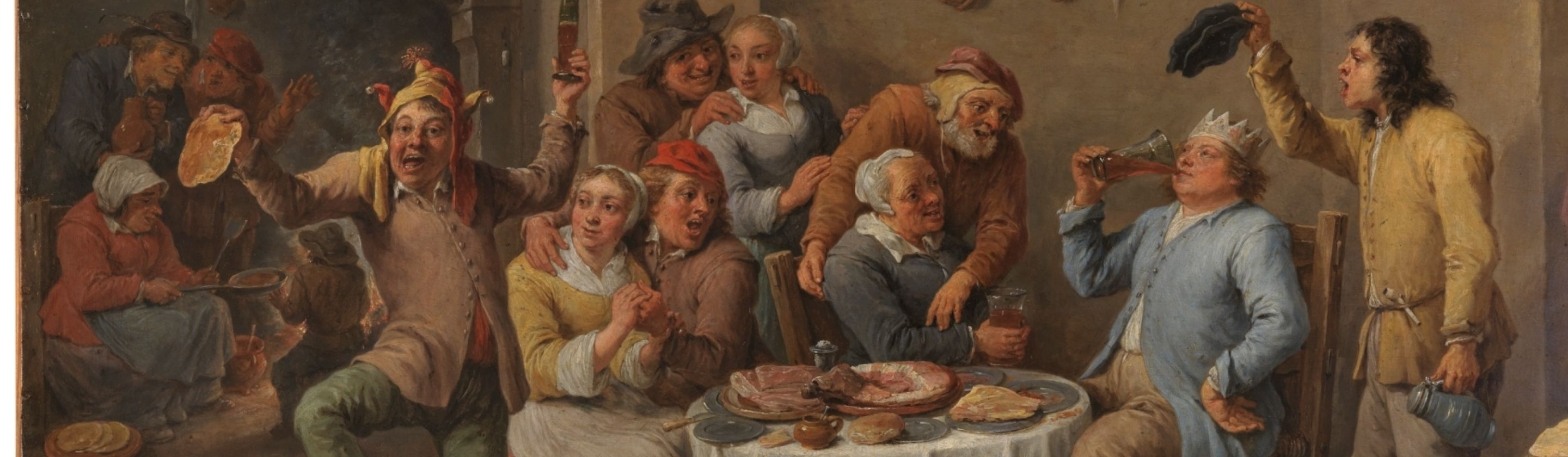
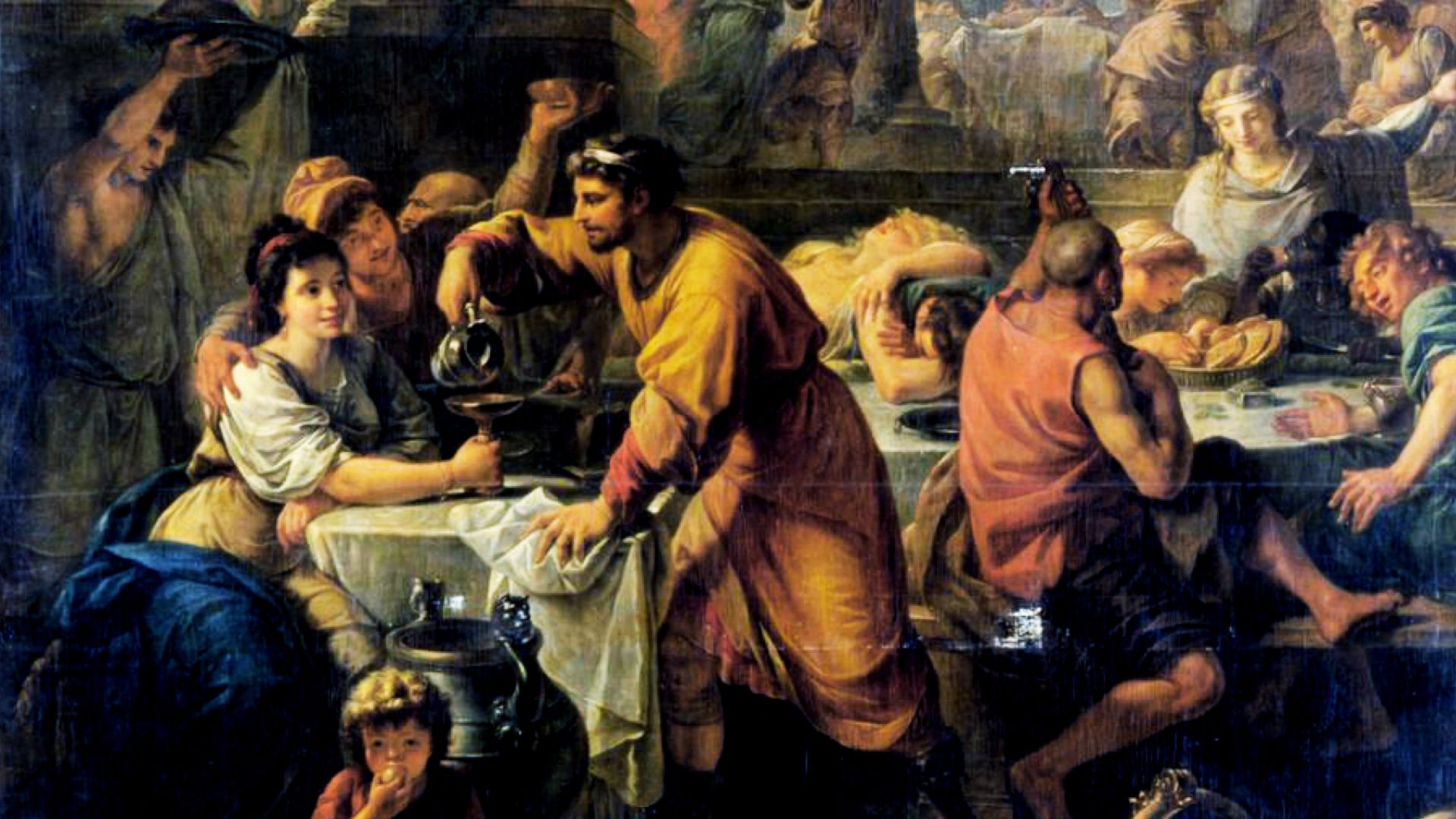
 Themadchopper, Antoine-François Callet on Wikimedia
Long before Christmas lights and polite holiday dinners, the Romans were throwing a winter party so joyful that Christmas almost feels restrained in comparison. Saturnalia—a festival honoring Saturn, the god of agriculture—transformed the city into a loud celebration. Streets overflowed with music and a kind of symbolic freedom that feels almost unimaginable today.
And while Christmas carries a sense of tradition and spiritual meaning, Saturnalia thrived on pure communal pleasure. As we walk through this ancient festival, you’ll see exactly why Saturnalia was a uniquely vibrant winter celebration in ancient Rome.
Origins And Rituals Of Saturnalia
Saturnalia began as a single day on December 17, but its popularity was so enormous that Romans eventually stretched it into a week-long spectacle lasting through December 23. The festival opened with a solemn sacrifice at the Temple of Saturn, but the seriousness ended there.
For most of the year, Saturn’s statue in his temple sat with its feet bound in wool, a reminder of restraint and order. But when Saturnalia began, priests removed the woolen bonds, symbolically releasing the god and opening a season of freedom and abundance. This unbinding echoed the festival’s spirit itself—a brief moment when Romans loosened social rules and allowed everyday restrictions to fall away.
A Season Of Reversal And Revelry
Public feasts spilled into the streets, children received clay toys and miniature figurines, and much of the city took a holiday as even the Senate stepped aside. Men traded their formal togas for brightly colored party attire known as the synthesis, symbolizing a deliberate break from Rome’s usual formality. This transformation reflected the festival’s deeper purpose of revisiting Saturn’s mythical Golden Age, a world without labor or social barriers.
Gift-giving became so popular that it resulted in the Sigillaria day, where markets overflowed with candles and mass-produced trinkets. Families browsed these stalls in a rare moment of relaxed togetherness. Gambling, usually discouraged, was embraced so openly that dice echoed through taverns and private homes late into the night. But Saturnalia’s most striking feature was its ritualized reversal of power: enslaved individuals could speak freely and enjoy symbolic privileges usually denied to them. This inversion offered a temporary space where everyday tensions could be released through communal celebration.
Adding to the spectacle was the Saturnalian King—a mock ruler chosen by lot who issued playful commands designed to keep festivities unpredictable. Whether ordering guests to perform songs or swap seats, this figure satirized real authority, allowing Romans to laugh safely at the structures governing their lives.
The Festival That Never Really Died
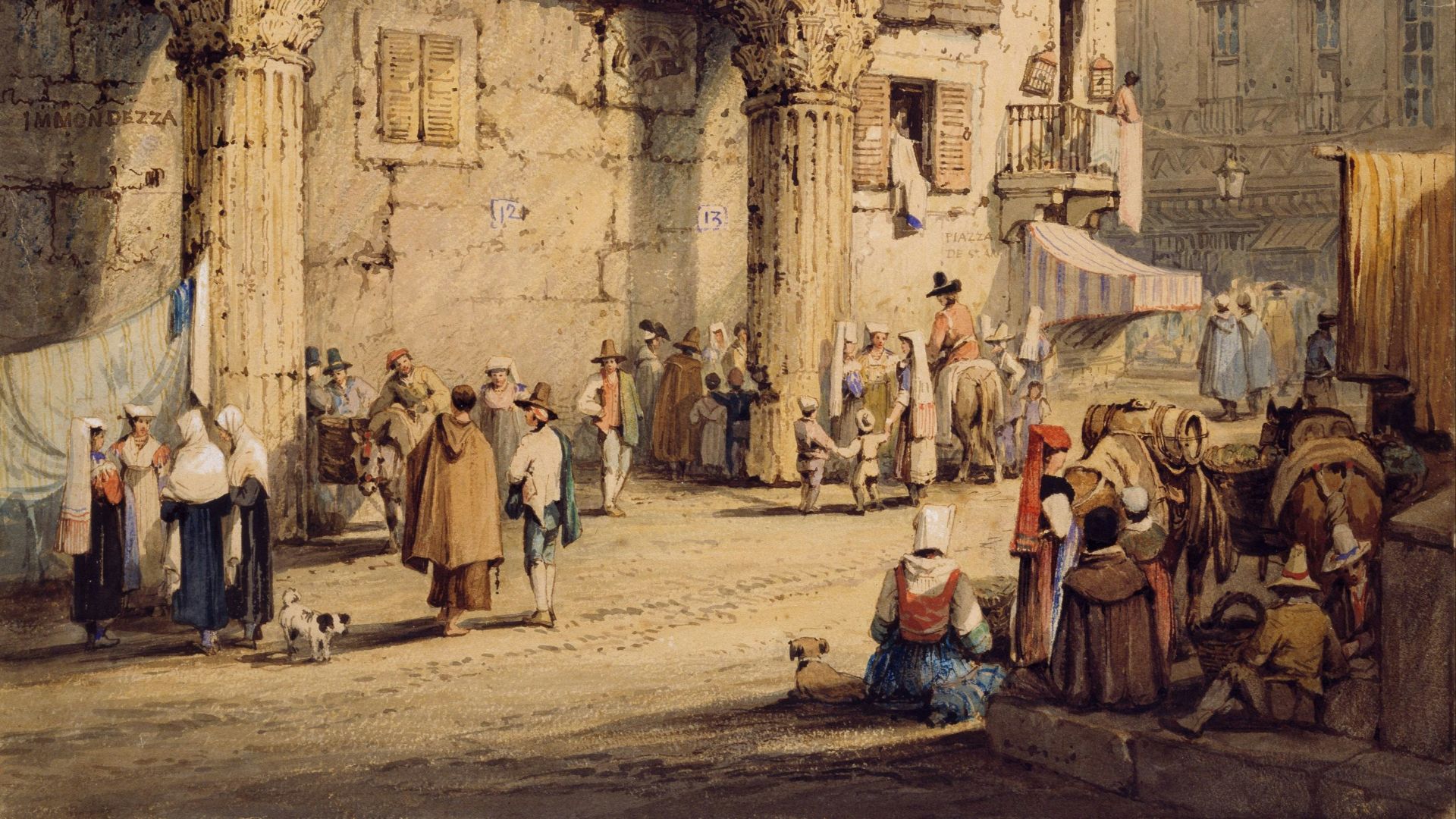 Birmingham Museums Trust on Unsplash
When Christianity spread across the empire, elements of Saturnalia influenced emerging Christmas traditions, though it gradually lost its distinct identity. Instead of fully rejecting the festival, early Christian leaders incorporated aspects of its warmth and spirit of generosity.
Yet the essence of Saturnalia remains unique. It was a vision of how society might feel if privilege briefly loosened its grip.
KEEP ON READING

20 Weirdest Historical Objects in Museums
Check Out the Pickled Heart of a Saint. Museums carry…
By Rob Shapiro Oct 1, 2025
20 Scariest Missing Persons Cases in History
Eerie Disappearances. There's something uniquely unsettling about a person who…
By Christy Chan May 1, 2026
20 Greatest Ancient Athletes In History
Ancient Olympics. Long before modern stadiums and multimillion-dollar endorsements, athletes…
By Sara Springsteen May 1, 2026
10 Phenomenal Mythical Creatures & 10 That Are Just Plain…
Legends Both Majestic And Peculiar. Do you ever wonder why…
By Chase Wexler Oct 1, 2025
10 Presidents Who Never Served In The Military & 10…
Commanders And Civilians In Office. Power can rise from very…
By David Davidovic Sep 1, 2025
20 Wars That Could Have Ended Much Sooner Than They…
Wars That Lasted Far Too Long. Wars are often remembered…
By David Davidovic Sep 1, 2025