

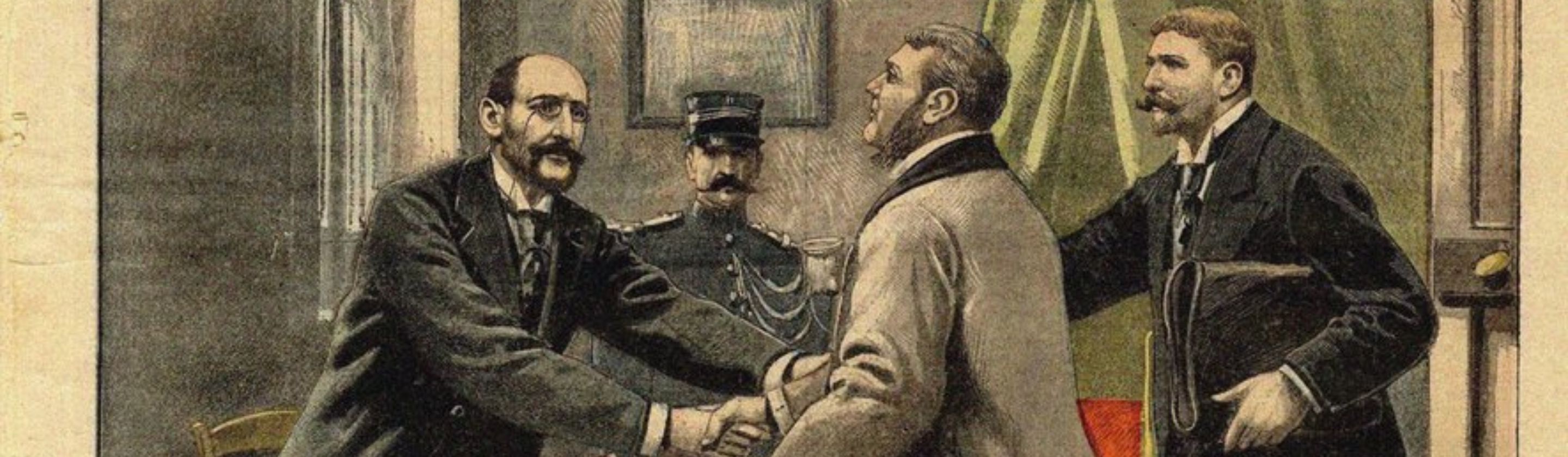
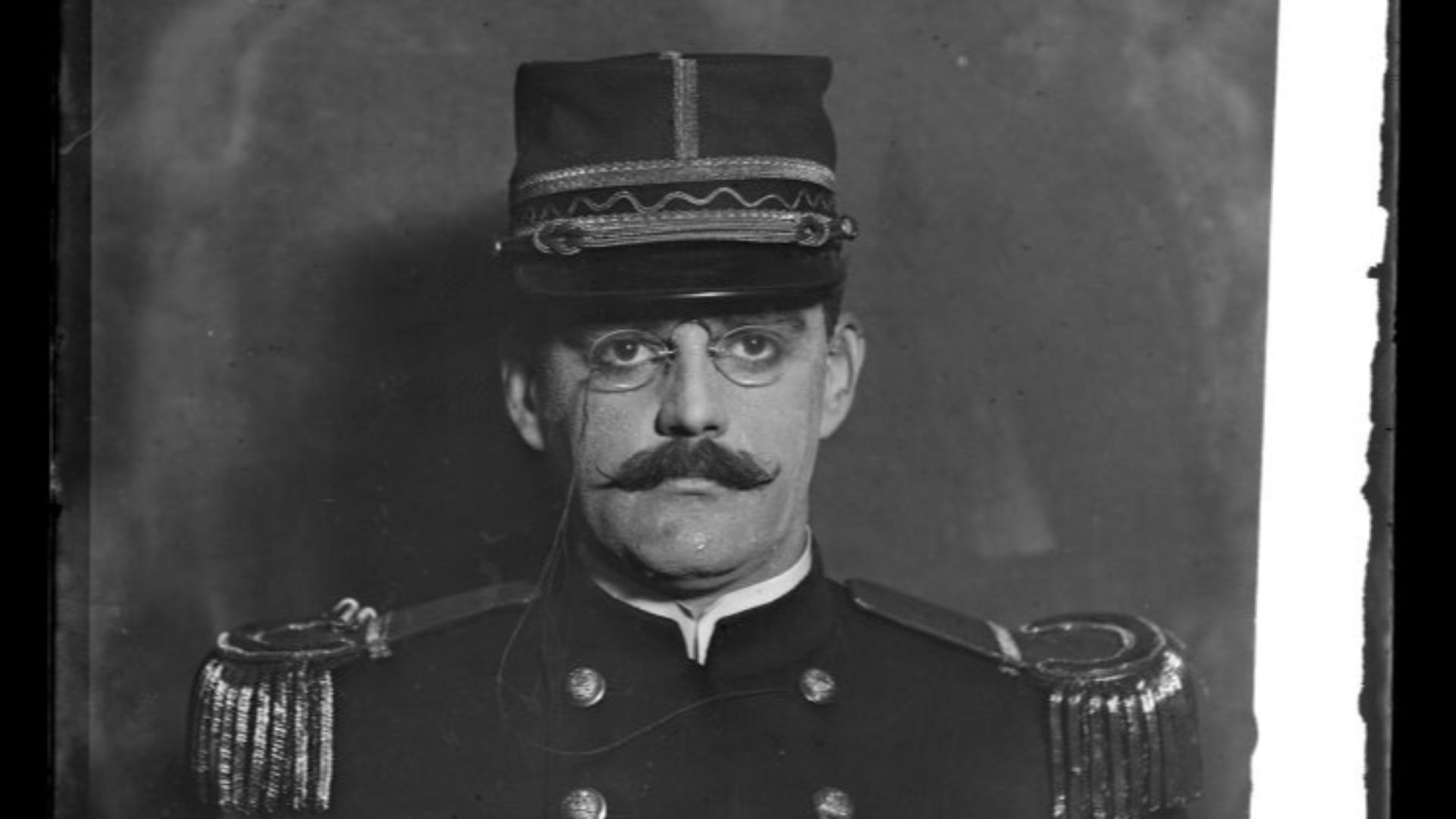
 William van der Weyde on Wikimedia
In 1894, a French artillery captain named Alfred Dreyfus was convicted of treason based on a single piece of questionable handwritten evidence and a lot of antisemitic prejudice masquerading as patriotism. Everyone involved in convicting him knew the evidence was flimsy at best, yet they sent him to Devil's Island anyway.
What followed was twelve years of imprisonment, public degradation, and a scandal that split France down the middle between those who believed in justice and those who believed protecting the military's reputation mattered more than one man's innocence. The Dreyfus Affair, as it became known, wasn't just about one wrongful conviction; it was about what happens when institutions decide their credibility is worth more than the truth.
A Torn Document and Instant Suspicion
Someone was selling French military secrets to the Germans. That much was clear in September 1894 when a cleaning woman working for French intelligence retrieved a torn document from a wastebasket in the German Embassy in Paris. The paper listed several confidential documents that had apparently been offered to the German military attaché.
Alfred Dreyfus was one of the few Jewish officers in the French General Staff, working in the artillery section where some of the leaked documents originated. Military officials decided Dreyfus was guilty within days, then worked backward to assemble evidence. Major Hubert-Joseph Henry, one of the lead investigators, even forged additional documents to strengthen the case when it became clear the original evidence wouldn't hold up in court.
Secret Evidence and Public Humiliation
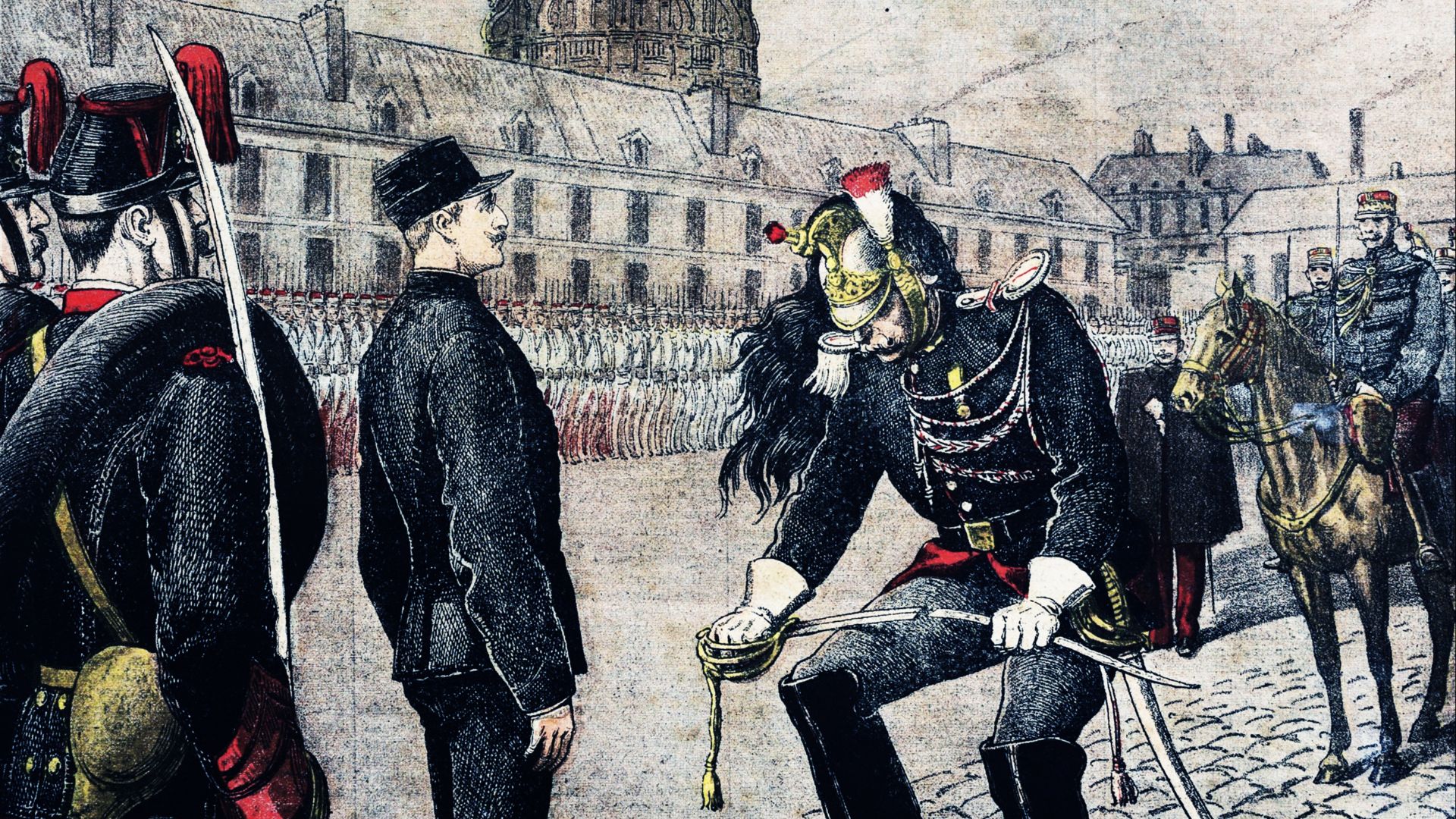
The court-martial began in December 1894 and was held behind closed doors to protect military secrets. Dreyfus was allowed minimal legal representation and wasn't permitted to see crucial evidence against him. The prosecution presented Bertillon's dubious handwriting analysis, along with vague insinuations about Dreyfus's character and behavior.
The secret evidence made all the difference. Without Dreyfus or his lawyer present, prosecutors showed the judges a dossier containing additional documents supposedly proving his guilt. Most of these were irrelevant or misinterpreted intelligence reports that mentioned a French spy but failed to mention Dreyfus specifically.
On December 22, 1894, the court unanimously sentenced Dreyfus to life imprisonment on Devil's Island, a brutal penal colony off the coast of French Guiana.
Five Years in Isolation
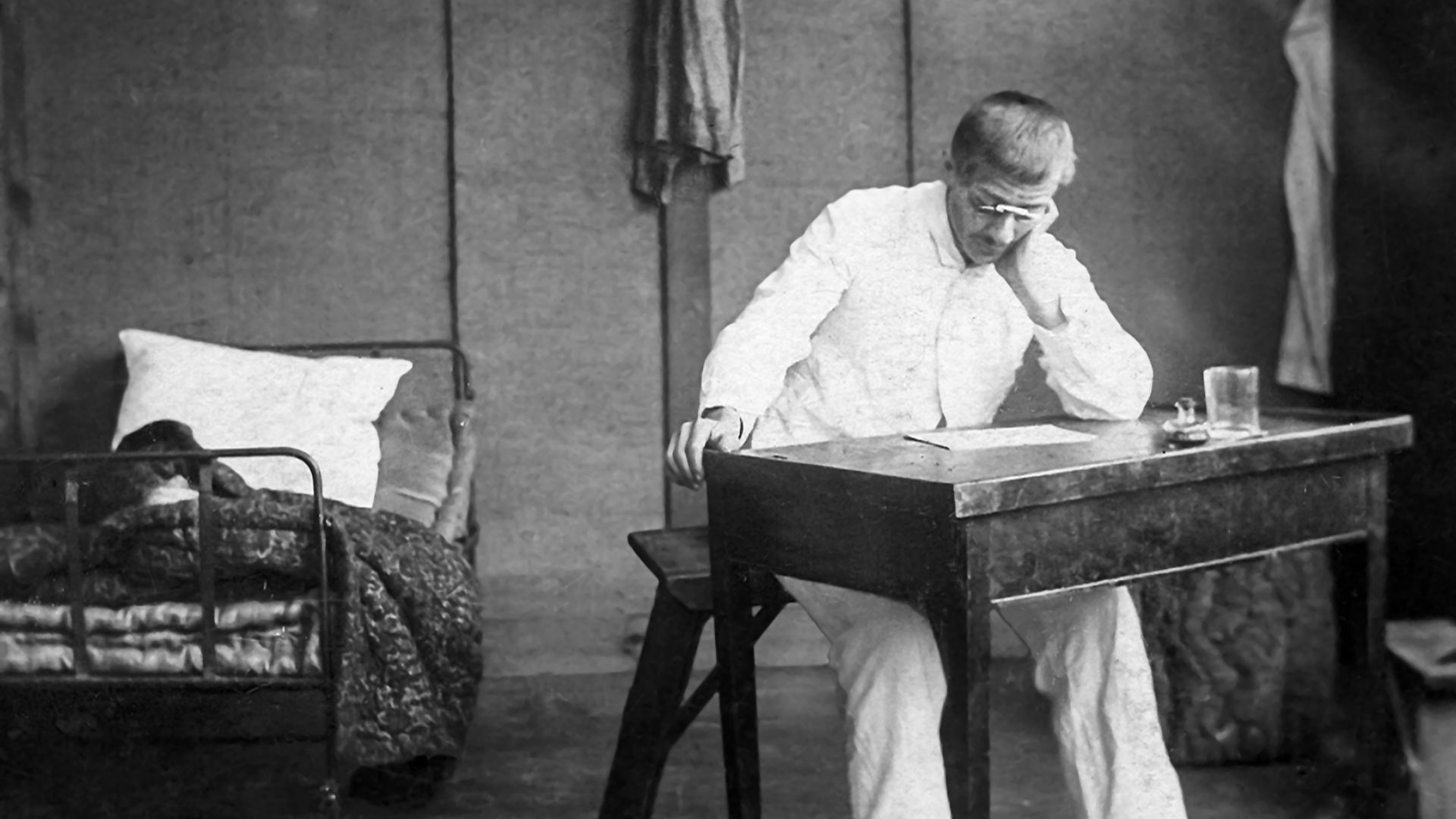
Dreyfus spent five years on Devil's Island in conditions that violated basic human rights even by the standards of 19th-century penal colonies. He was confined to a small hut under constant surveillance, forced to wear double shackles at night. The tropical heat was suffocating, and disease was rampant.
The turning point came in 1896 when Lieutenant Colonel Georges Picquart, the new chief of French military intelligence, discovered evidence pointing to the real spy: Major Ferdinand Walsin Esterhazy, an officer with gambling debts who had been selling secrets to the Germans for years. When he tried to bring this information to the attention of his superiors, he was summarily transferred to Tunisia.
Émile Zola Forces the Scandal into Public View
The famous novelist Émile Zola published "J'Accuse...!" on January 13, 1898. It was an open letter to the President of France that appeared on the front page of the newspaper L'Aurore, accusing military officials of convicting an innocent man and forging documents to maintain their lies.
The letter was devastatingly specific with names, dates, and actions. Rather than accept responsibility, the government opted to prosecute Zola for libel. The trial became another circus, with Zola ultimately convicted and forced to flee to England.
The Long Road to Exoneration
Major Henry's suicide in August 1898 finally cracked the cover-up open, leaving the government unable to maintain that all the evidence against Dreyfus was legitimate. A new trial was ordered, held in Rennes in August 1899.
Incredibly, the military court again found Dreyfus guilty. Countries around the world condemned the decision as obvious injustice driven by antisemitism and institutional pride.
Ten days later, the President of France pardoned Dreyfus. He spent the next seven years fighting for full exoneration, which finally came in 1906 when a civilian court overturned his conviction entirely. He was reinstated in the army with the rank of major and awarded the Legion of Honor, a reward that paled against the tremendous personal cost.
KEEP ON READING
The story of Ching Shih, the Woman Who Became the…
Unknown author on WikimediaFew figures in history are as feared…
By Emilie Richardson-Dupuis Dec 29, 2025
Einstein's Violin Just Sold At An Auction—And It Earned More…
A Visionary's Violin. Wanda von Debschitz-Kunowski on WikimediaWhen you hear…
By Ashley Bast Nov 3, 2025
This Infamous Ancient Greek Burned Down An Ancient Wonder Just…
History remembers kings and conquerors, but sometimes, it also remembers…
By David Davidovic Nov 12, 2025
The Mysterious "Sea People" Who Collapsed Civilization
3,200 years ago, Bronze Age civilization in the Mediterranean suddenly…
By Robbie Woods Mar 18, 2025
The Day the Sun Didn’t Rise: The Unexplained New England…
Alina Nichepurenko on UnsplashImagine waking up on a spring morning,…
By Sara Springsteen Jun 18, 2026
20 Soldiers Who Defied Expectations
Changing the Rules of the Battlefield. You’ve probably heard plenty…
By Annie Byrd Feb 10, 2026