

 Maria Dolores Vazquez on Unsplash
Ancient Rome wasn't all gladiator battles and marching legions. Behind the empire-building politics was a culture that loved leisure and celebration. Romans worked hard, sure, but they also set aside a lot of time for relaxation, pleasure, and socializing.
Whether they were high-ranking senators or everyday merchants, Romans had rich traditions for unwinding, eating, drinking, and enjoying some spectacle. Understanding how they spent their leisure time and celebrated life reveals a society driven as much by conquest as community and indulgence.
Let's explore some of the ways that Romans like to kick off their sandals and unwind after a long day.
Feasts, Wine and Entertainment
Wealthy Romans loved a good dinner party, which they called convivium. It was the heart of their social relaxation. These gatherings ranged from simple affairs to multi-hour spectacles with many courses, music, and endless conversation. Guests often reclined on cushioned couches around low tables, a social practice inherited from the Greeks.
A typical feast opened with appetizers like olives, eggs, and shellfish. Then, it was on to more elaborate courses, which typically included roasted meats, spiced fish, or imported delicacies. The dessert course often featured nuts, fruit, and honeyed pastries.
Roman hosts prided themselves on providing their guests with variety and abundance. The best dinner parties also include live performance from poets, acrobats, or dancers.
Public Baths
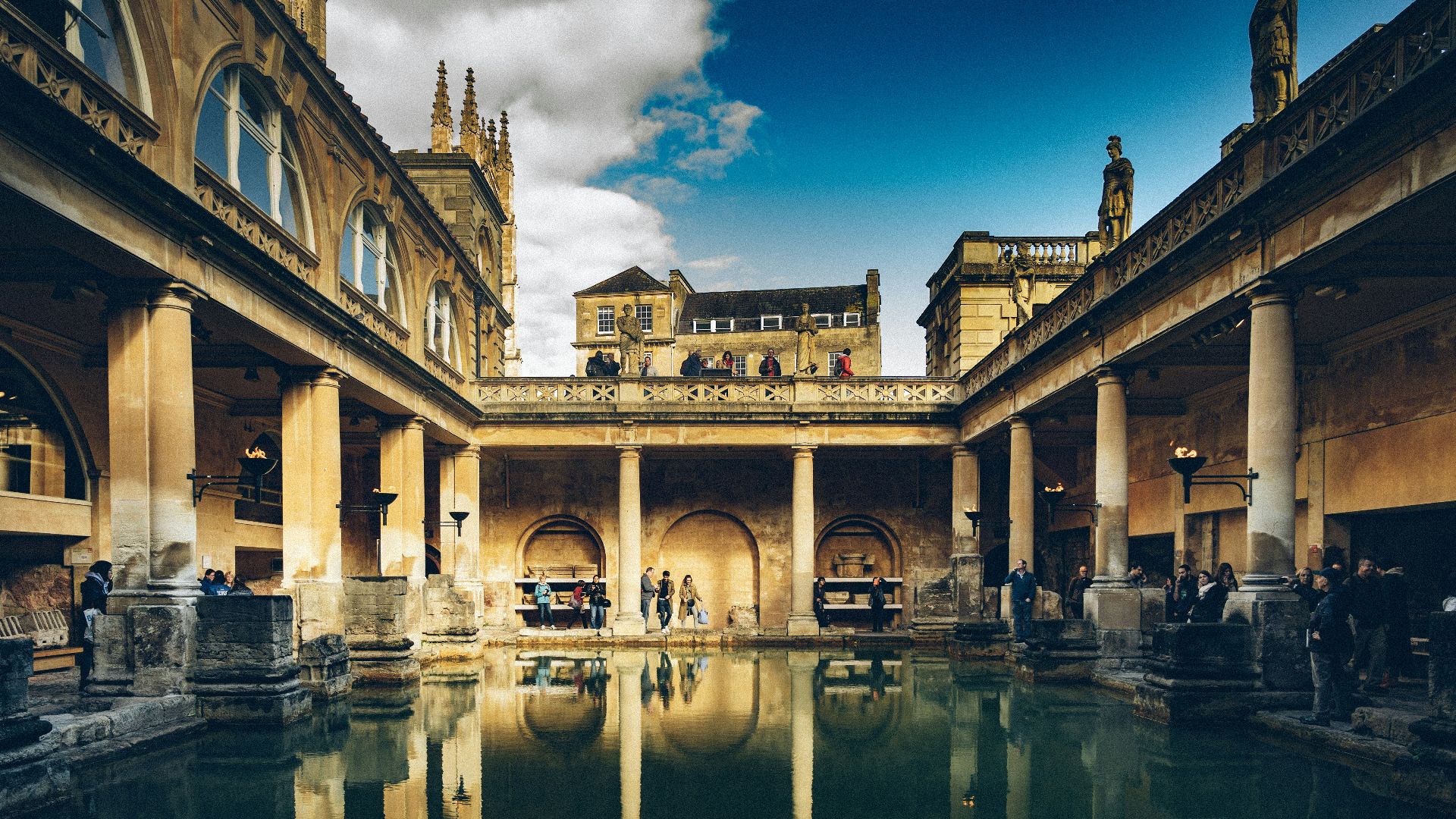
Bathing was a fundamentla part of Roman life, and a popular way for people to relax. This wasn't a quick wash. The Roman bath complex functioned like a modern day community center. Even modern-day modest cities had public baths where citizens gathered to unwind and socialize.
There was a typical sequence to a Roman bath visit. Guests started in the changing room, then moved through warm, hot, and cold rooms. Some baths also had steam rooms, saunas, and cold plunges. There were also massages and body scrubs. It was basically an ancient spa.
Festival, Games, and Spectacle
Romans loved a big, muscular, and large-scale public spectacle or celebration. Every year was filled with religious, civic, or seasonal festivals, and everyday routines would be paused for entertainment. The most famous was Saturnalia, which featured gift-giving, gambling, and nationwide revelry.
Nothing in Roman culture matched their passion for public spectacle. Theaters hosted comedies and tragedies, there were galdiatorial events, and chariot races drew enormous crowds. These last two were bombastic, chaotic, and deeply emotional. Fans had their favorite gladiators and racers, the way modern audiences support a sports team or athlete. These events were treated as exciting escapes from everyday life.
Romans were empire builders, but they also knew how to build a culture of fun and celebration. They loved a lavish dinner, a soak in a communal bath, or cheering on gladiators. Leisure wasn't a luxury for them, it was ingrained into their national identity. Their wa;s of relaxing reveal a civilization that prided itself on social connection, pleasure, and extravagance. Ultimately, behind the marble statues and political intrigue was a people that loved to party.
KEEP ON READING
20 Of History's Hardest To Break Secret Codes & Ciphers
The Messages That Refused to Give Up Their Secrets Easily.…
By Emilie Richardson-Dupuis Apr 1, 2026
20 Historical Figures That Cheated Death
Luck or Intervention?. History is packed with wild stories of…
By Sara Springsteen Apr 1, 2026
20 Ancient Tools Archaeologists Still Can't Fully Explain
The Old Mysteries That Baffle Us. Ancient technology has a…
By Breanna Schnurr Apr 1, 2026
20 Art Forgeries That Fooled Experts
Masterpieces That Weren’t What They Seemed. Art forgery has a…
By Rob Shapiro Apr 1, 2026
10 Discoveries Made by Nobodies & 10 Stolen by Famous…
Who Gets Remembered. Science history likes a clean story. A…
By Cameron Dick Mar 31, 2026
The Experiment That Proved Ordinary People Could Turn Into Monsters
Philip Zimbardo on WikimediaIn the summer of 1971, a group…
By Christy Chan Mar 31, 2026