

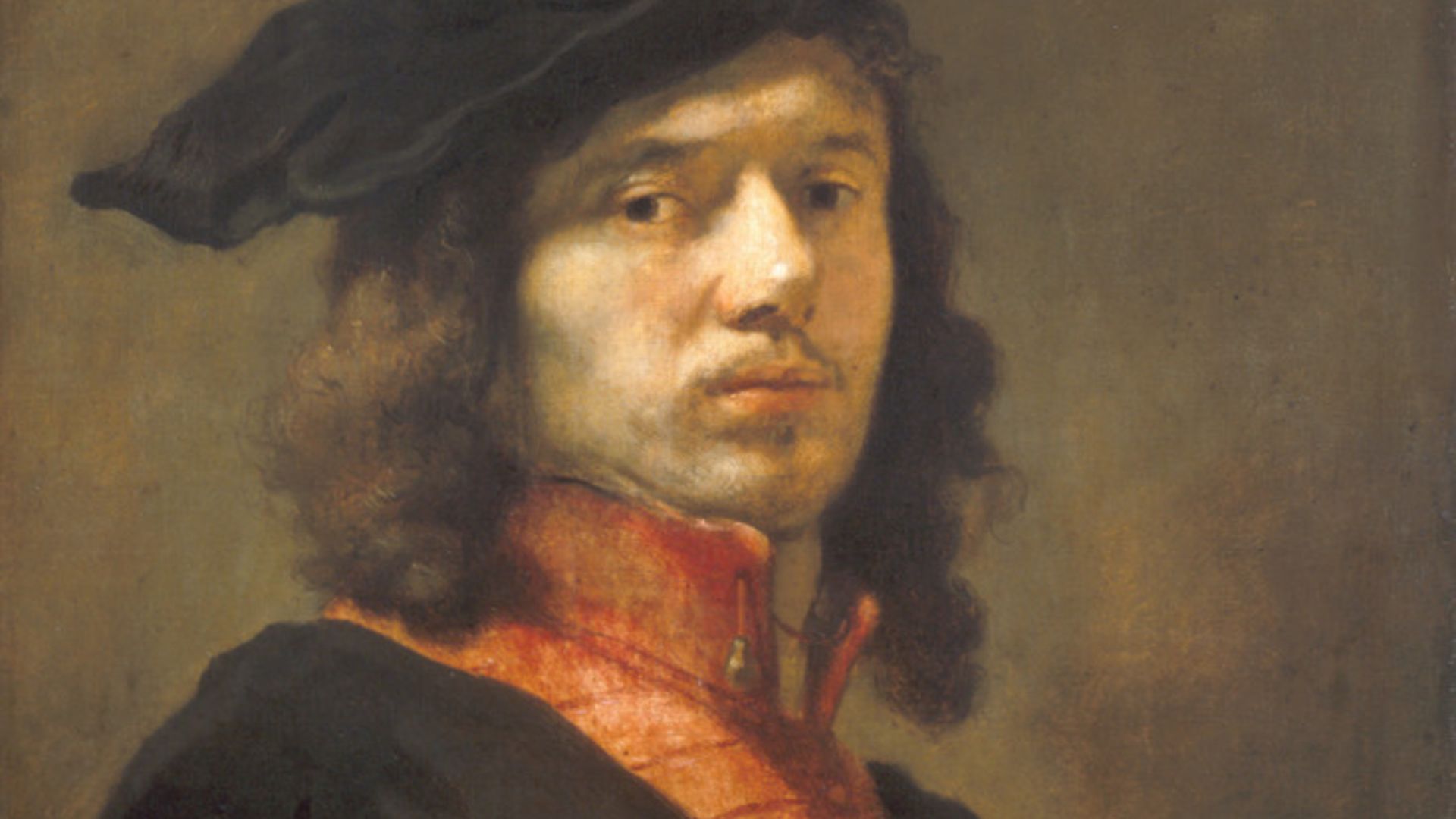
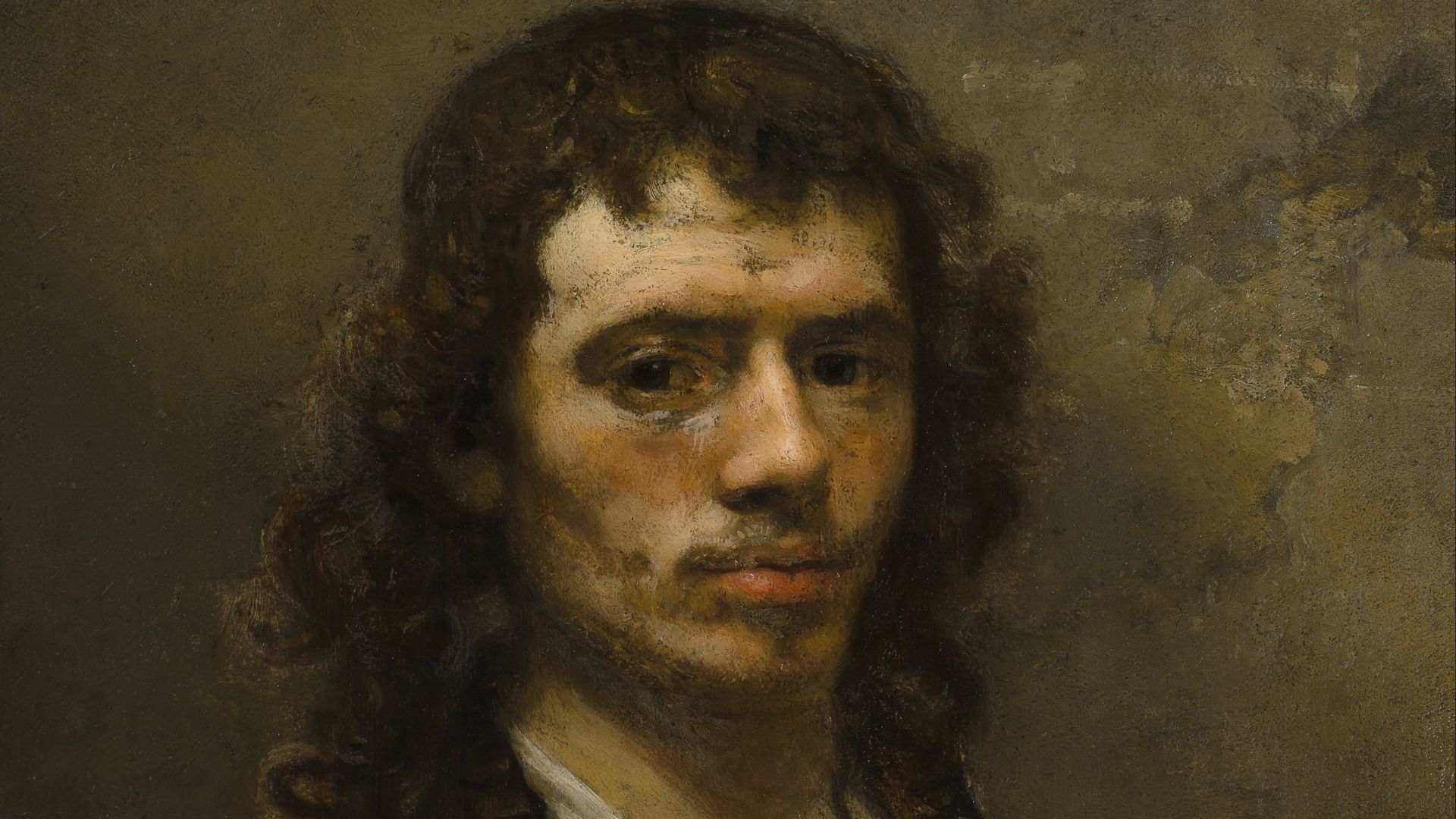
Some historical figures achieve fame and fortune in life. Others owe their success thanks to their untimely deaths. Carel Fabritius, Rembrandt's most promising pupil, falls somewhere in between the two.
Even if you don't know Fabritius's name—and few people do, unless they're fans of 17th century Dutch art—you might have seen his work before. Fabritius's short life and sudden death meant that he did not leave behind nearly as many works as his contemporaries. The paintings he did leave behind, however, are absolutely stunning.
The Man Behind The Brush
Carel Pietersz Fabritius was born in February 1622 in the village of Middenbeemster, the Netherlands. Like many others of the Dutch Golden Age, Fabritius was born into an artistic family. His father, along with two of his brothers, were also painters.
Despite Fabritius's talent for light and brushwork, he started his professional career as a carpenter rather than a painter. Indeed, he took his surname from the Latin word for "manufacturer". It was only when he moved to Amsterdam that he began to paint.
Fabritius learned his craft under the guidance of one of the greatest painters of his age—or, perhaps, any: Rembrandt van Rijn. Fabritius learned a lot from the master in a remarkably short time, in particular, how to use light to capture emotion. Many of Fabritius' paintings were initially identified as Rembrandts, some with forged signatures.
An Overlooked Genius
While Fabritius was definitely inspired by his teacher, he developed a style that was entirely his own. Rembrandt painted biblical "history pieces" and portraits shrouded in shadow. Fabritius brought a little light and texture into his paintings.
In fact, Fabritius was the only one of Rembrandt's pupils to develop his own style. The others all hewed close to the master and those who came before him. Fabritius's portraits were about the crumbling plaster wall behind the sitter was as much a subject as the sitter themselves.
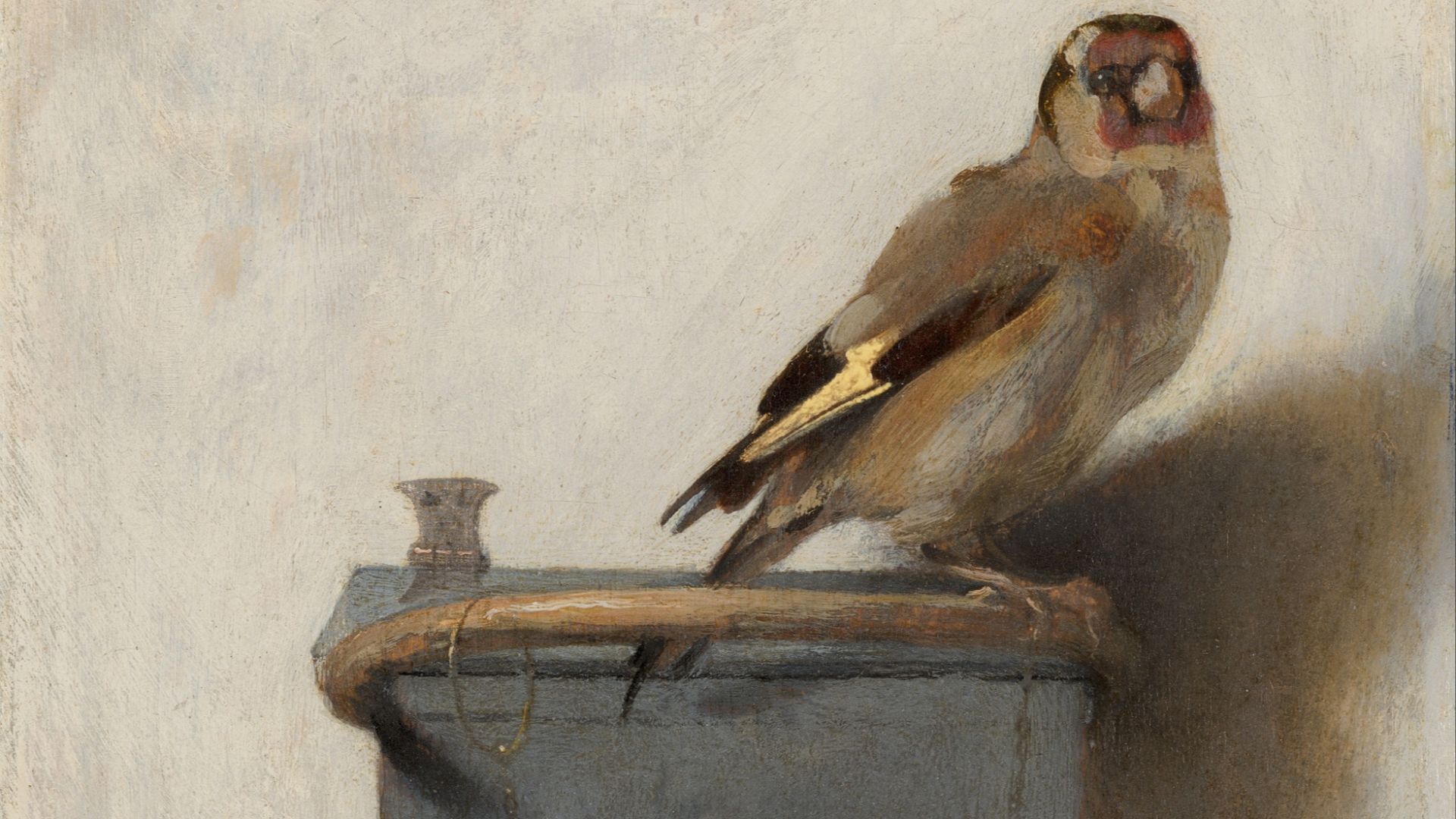
Fabritius painted biblical and mythological scenes too—you practically had to if you wanted to make a living, but his best work was smaller, down-to-earth, almost unbearably simple. His most famous work is only a couple inches across, depicting a songbird on a perch; only when you look closely can you the gossamer-thin chain tethering it to its pedestal.
Fabritius excelled with light and illusion. Some of his best paintings were trompe l'oeils, optical illusions meant to play with distance and perspective. A nail in the background of a self portrait looks as though it has been hammered onto the canvas.
The Thunderclap
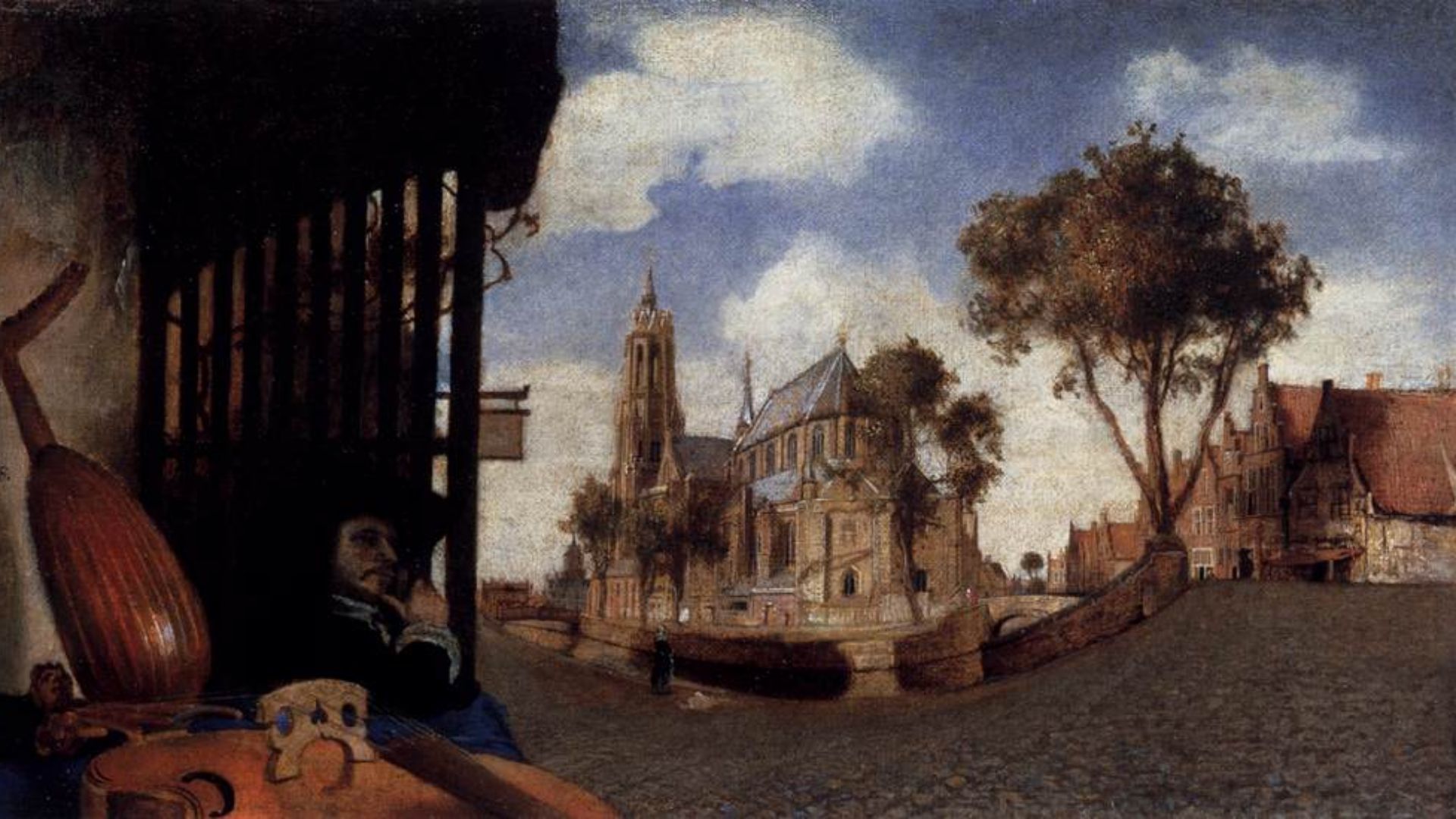
While there was joy and creation in Fabritius's short life, there was also great sorrow. He lost his wife in childbirth, followed by their three children. Fabritius remarried and moved to Delft, home to another great painter: Johannes Vermeer.
In Delft, Fabritius played with cityscapes and exaggerated proportions. He painted scenic views of canals and a sentry asleep at his post. Unfortunately, his time in Delft was to be cut short.
On October 12, 1654, Delft exploded. A warehouse containing 90,000 pounds of gunpowder blew up, levelling a third of the town, and taking more than 500 lives. The event was known as the Delft Thunderclap.
The initial explosion took more than 100 lives instantly. Hundreds more perished the ensuing fire; thousands were pulled from the rubble. The explosion was heard almost 100 miles away.
Fabritius was at his easle when the Thunderclap rocked his studio. He, his student, and many of his paintings went up in smoke. He was 32.
In the centuries following his death, Fabritius was forgotten. His works were attributed to Rembrandt, and the once-influential painter was trapped under the rubble. It wasn't until the mid-19th century that his reputation was finally excavated and his paintings were held up to the light for the first time in over a hundred years.
KEEP ON READING

The Origins Of 3 Common Sayings You Still Use Today
Etienne Boulanger on UnsplashMany of the phrases you use every…
By Rob Shapiro Apr 28, 2026
Was Caligula The Most Ruthless Roman Emperor?
Artur Matosyan on UnsplashRoman Emperor Caligula is one of ancient…
By Rob Shapiro Dec 18, 2025
1 Weird Fact About Every President
Washington, Lincoln, FDR. Most people know something about the lives…
By Robbie Woods Dec 3, 2024
10 Accidental Discoveries That Changed Maps & 10 That Changed…
Mistakes That Mattered. A lot of major discoveries did not…
By Cameron Dick Apr 15, 2026
10 Actors Who Perfectly Played a Historical Figure & 10…
Which Performance is Your Favorite?. Playing the role of a…
By Rob Shapiro Sep 15, 2025
10 Actors Who Perfectly Played a Historical Figure & 10…
Portraying a real person from history is one of the…
By Noone Dec 17, 2025