


20 Historical Figures Who May Have Been Neurodivergent
Looking Back With Modern Mental Health Awareness
Trying to identify neurodivergence in historical figures is always a little speculative, because nobody from centuries ago sat down for a modern evaluation. What you can do is look at recorded traits, habits, sensitivities, fixations, social patterns, and working styles that many people today might recognize as overlapping with autism, ADHD, dyslexia, OCD, or other forms of neurodivergence. Here are some people from history that were just unusual enough that it's left modern people pretty sure they were somewhere on the spectrum.
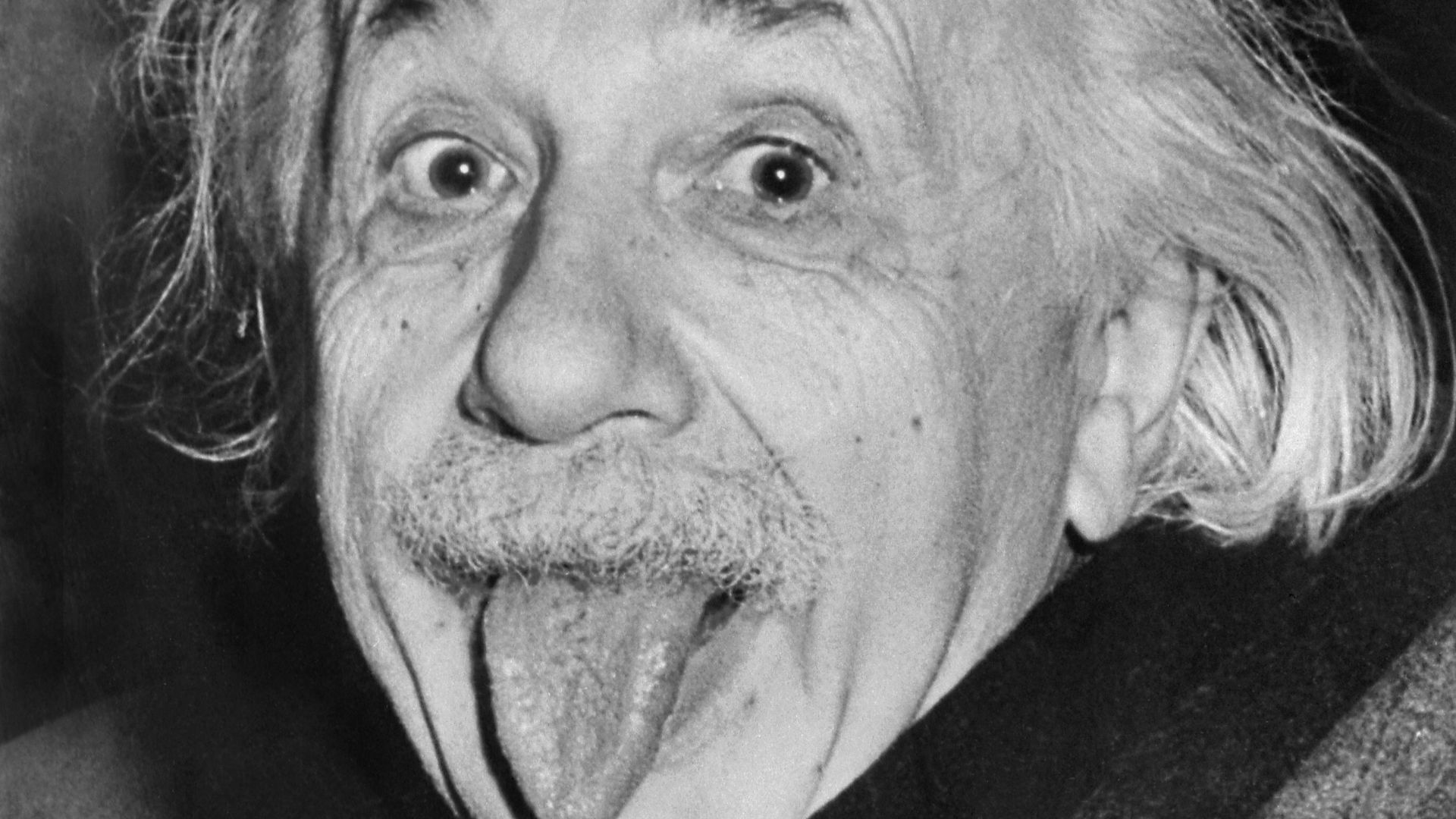 International News Service on Wikimedia
1. Isaac Newton
Isaac Newton is often discussed in this kind of conversation because of his intense focus, isolation, and difficulty with ordinary social life. He could work obsessively for long stretches and seemed much more comfortable with ideas than with people. Accounts of his habits suggest a mind that locked in hard and didn't let go easily.
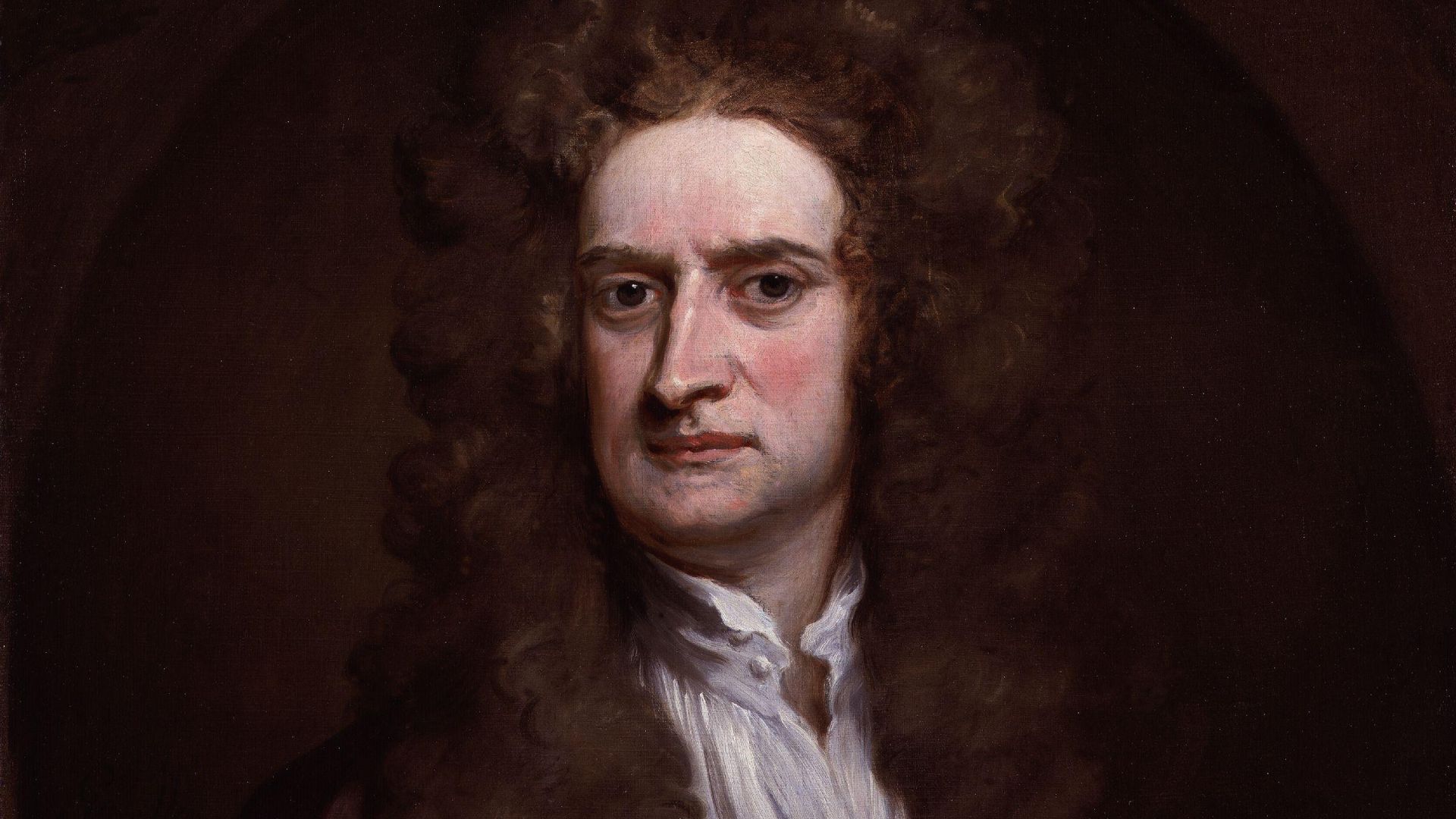
2. Nikola Tesla
Nikola Tesla’s routines were famously rigid, and his sensory preferences and fixations have invited a lot of modern speculation. He reportedly had strong aversions, repeated behaviors, and a need for control that went far beyond simple eccentricity. At the same time, his concentration and imaginative reach were extraordinary even by genius standards.
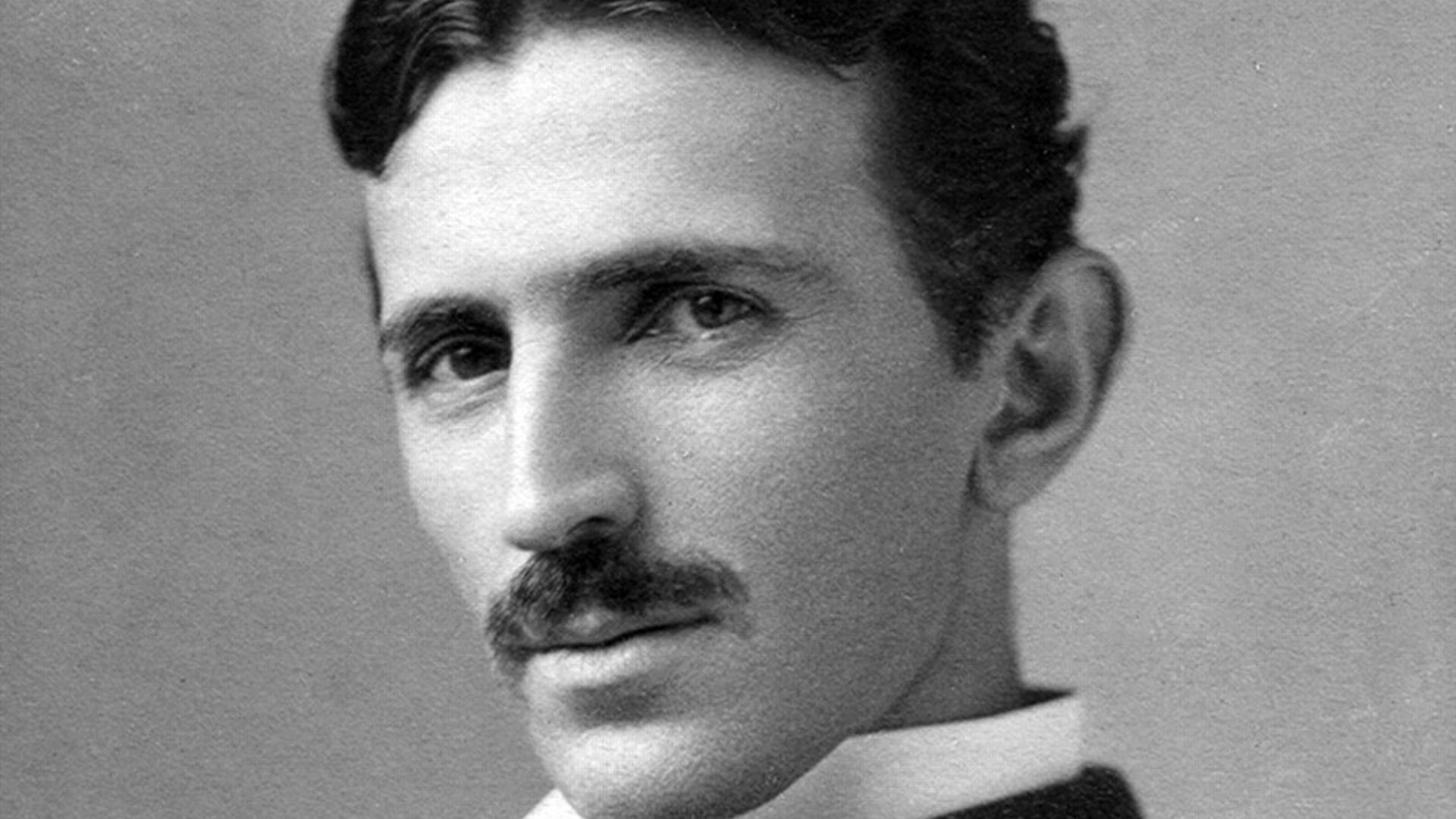
3. Emily Dickinson
Emily Dickinson’s withdrawal from public life has been interpreted in many ways, but it has also led people to wonder whether she processed the world very differently from those around her. She preferred an intensely controlled environment, kept to narrow social circles, and lived with striking emotional and sensory inwardness. Her writing shows stunning precision and private intensity, which only adds to the curiosity.
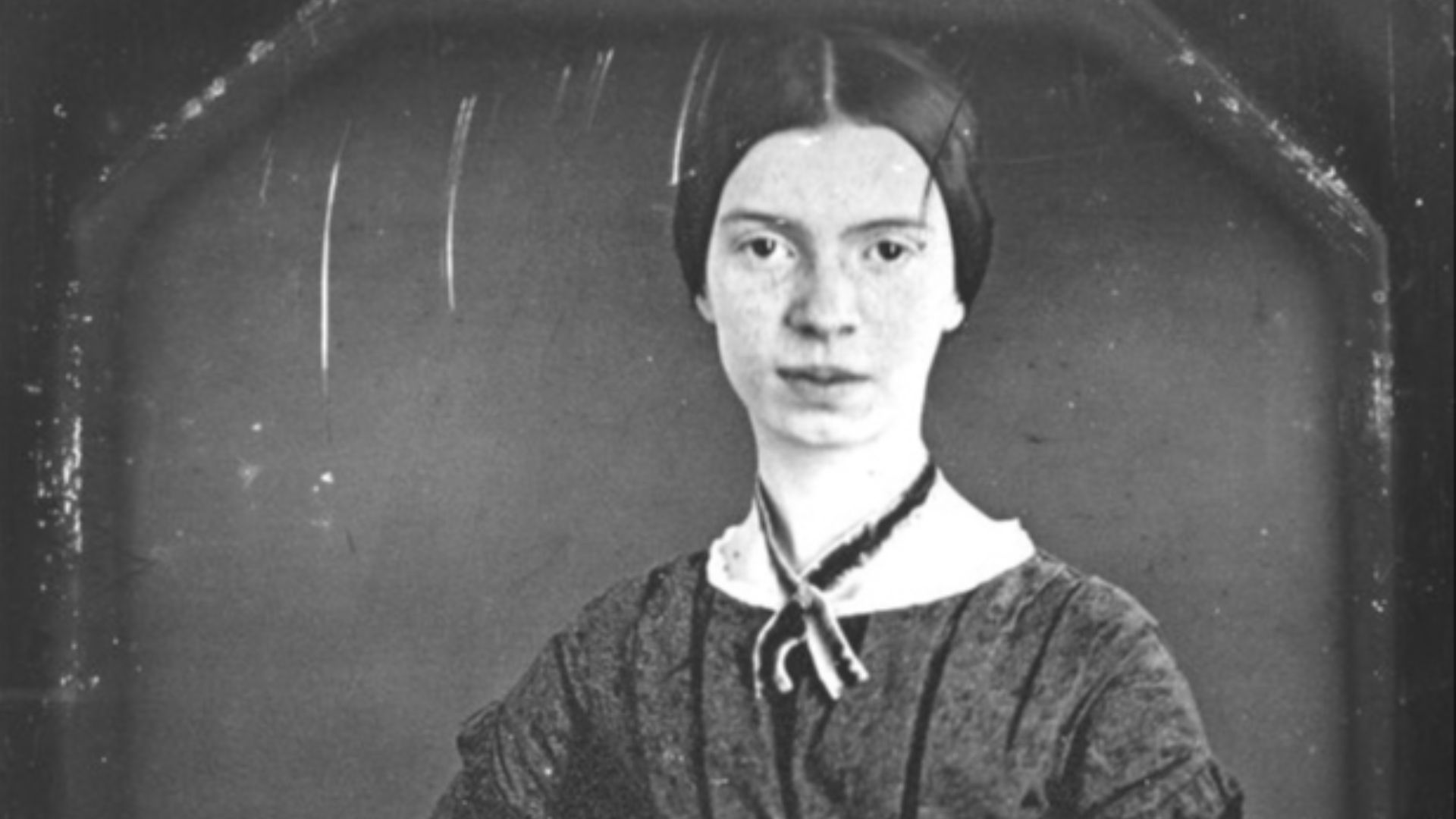
4. Ludwig van Beethoven
Beethoven is sometimes included because of his mercurial behavior, social difficulties, and apparent extremes of concentration and emotion. His deafness obviously shaped his life in enormous ways, so any attempt to separate neurotype from circumstance gets complicated quickly. Still, people have long noticed how irregularly he related to convention, routine, and other people.
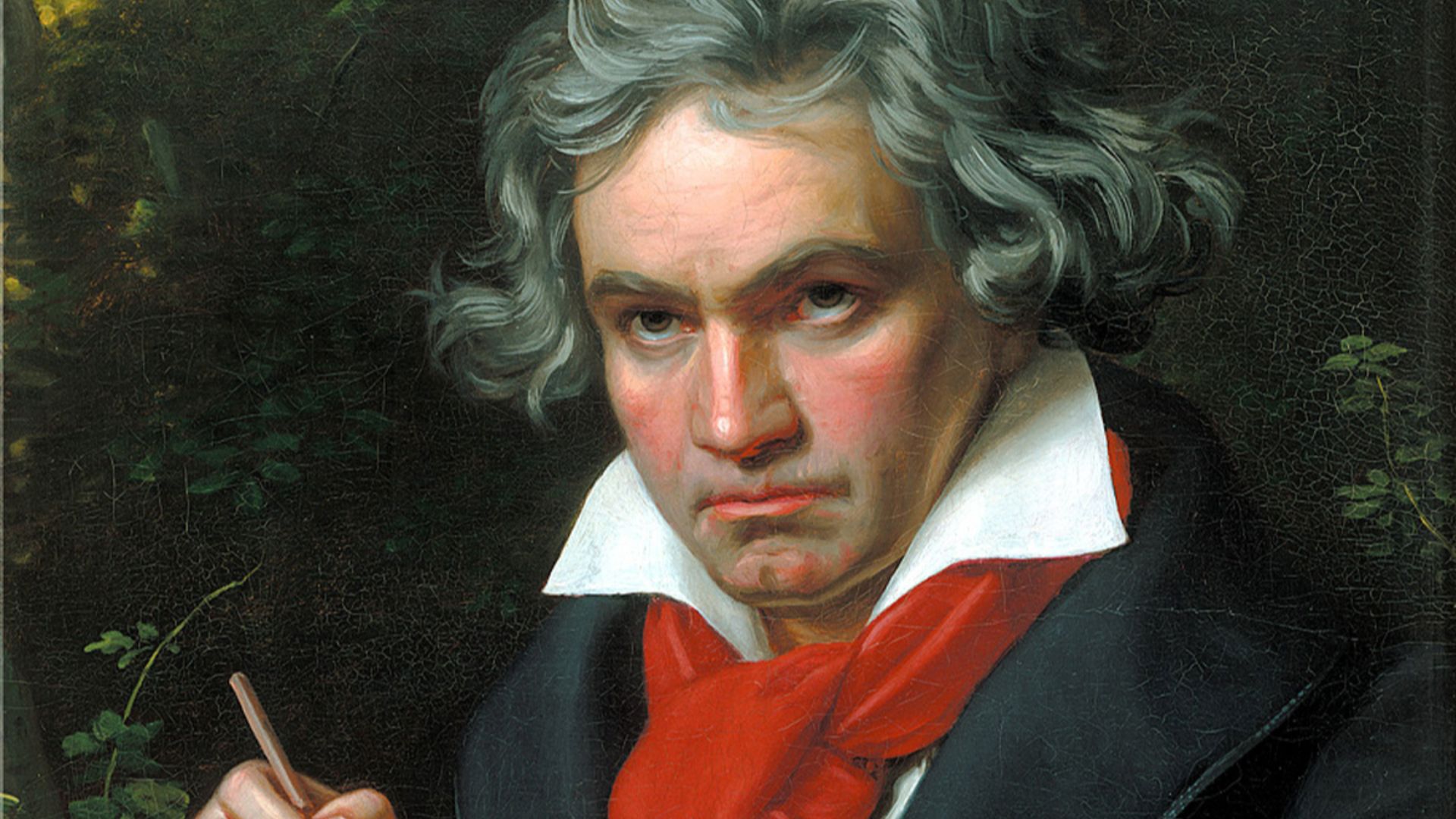 Joseph Karl Stieler on Wikimedia
5. Charles Darwin
Charles Darwin’s lifelong need for routine, quiet, and highly structured work has prompted plenty of discussion. He followed a famously regular schedule and often seemed overwhelmed by disruption, stimulation, and social demands. That may reflect illness, temperament, neurodivergence, or some mixture of all three. Whatever the explanation, he lived in a very deliberate and unusually controlled mental world.
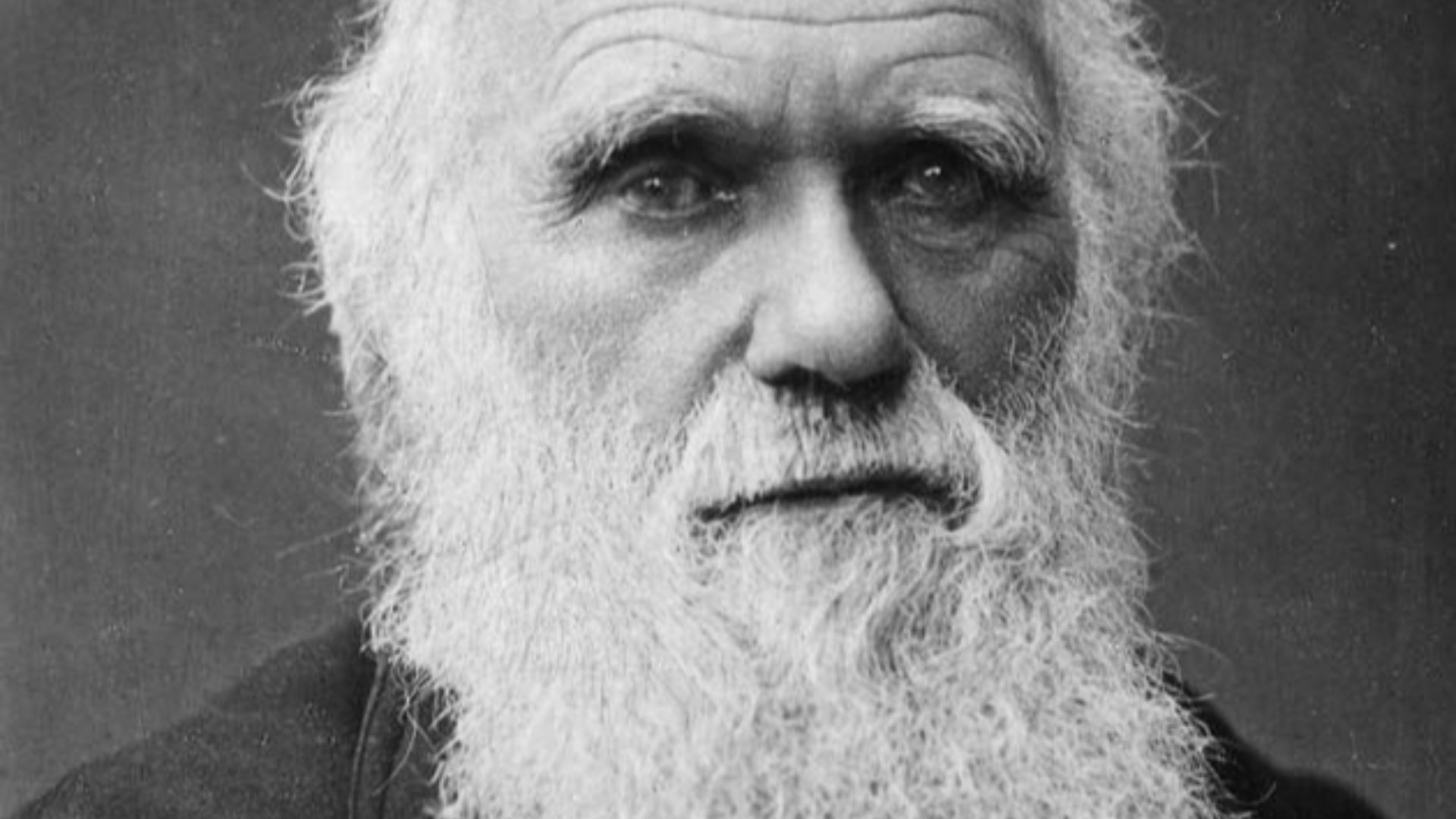 Herbert Rose Barraud on Wikimedia
6. Albert Einstein
Albert Einstein is one of those figures people love to try to retroactively explain. Stories about his unusual childhood development, absent-mindedness, and deep abstract focus have fueled speculation for years. Some of that may be exaggerated by legend, but the broader impression of someone whose mind moved along very different tracks has stuck around.
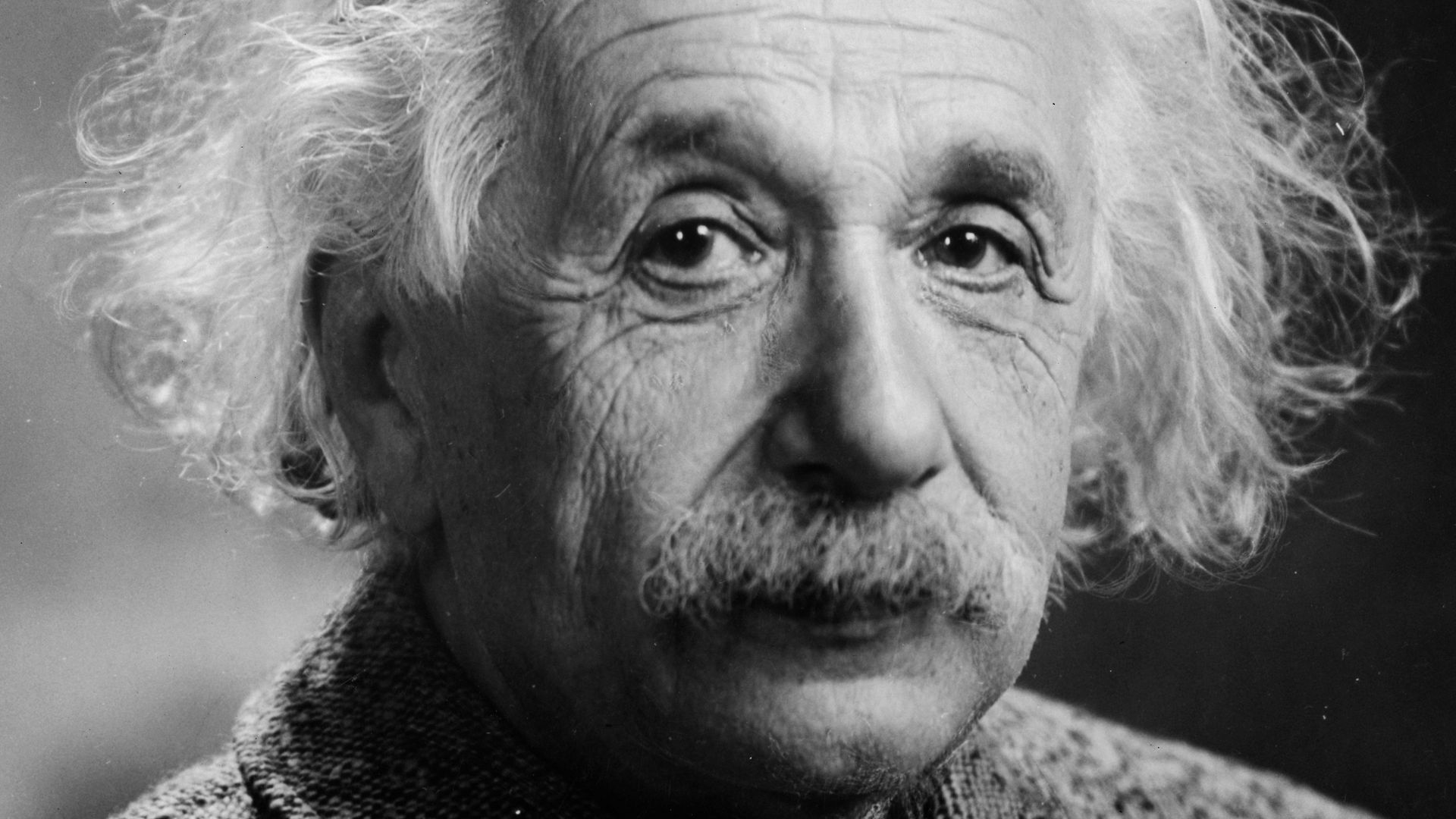 Orren Jack Turner on Wikimedia
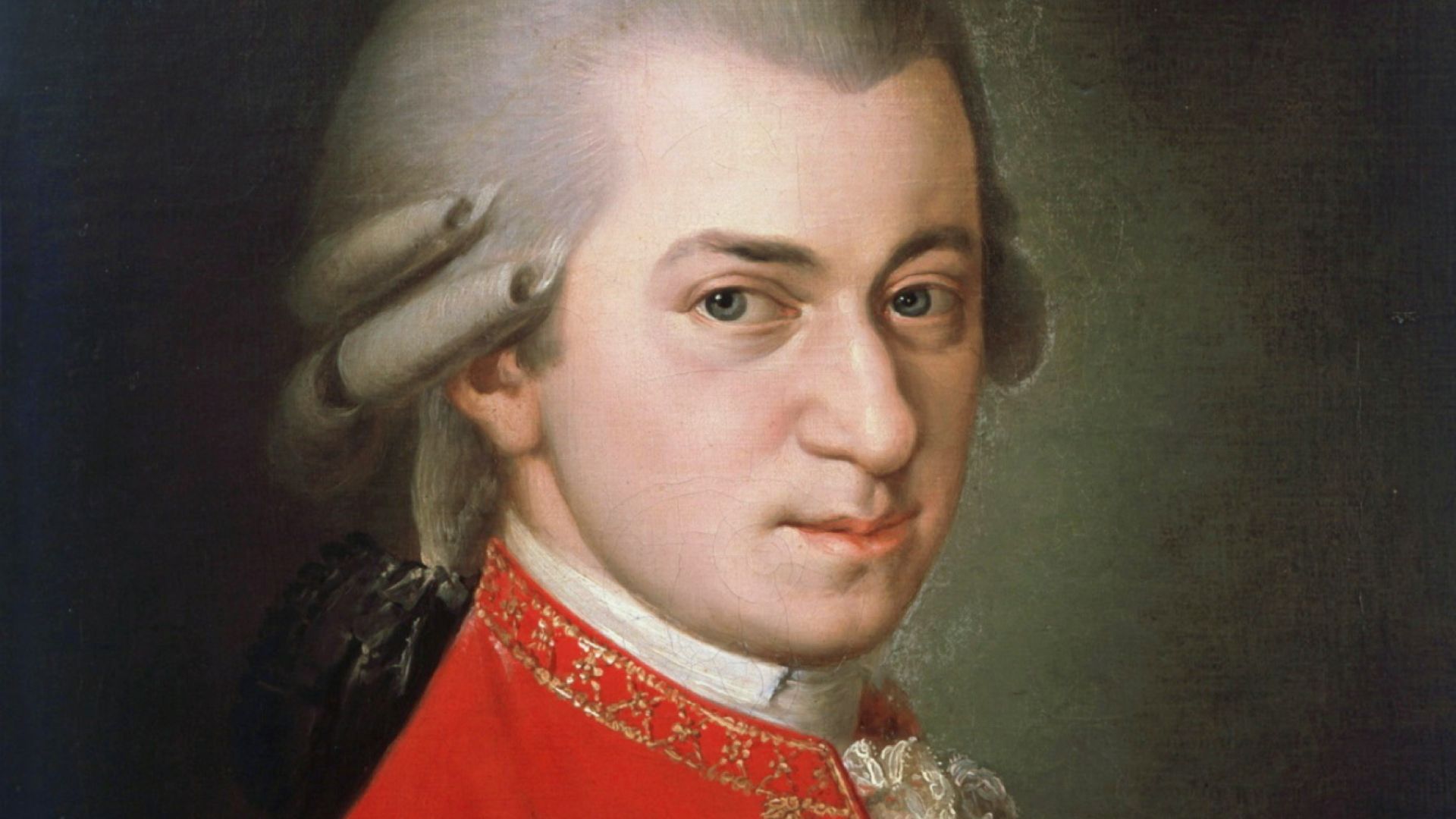
7. Wolfgang Amadeus Mozart
Mozart has often been discussed through the lens of modern neurodivergence because of his extraordinary early ability, restless energy, and at times impulsive behavior. Some writers have also pointed to his social awkwardness and intense verbal play. This is why he remains one of history’s most frequently speculated-about minds.
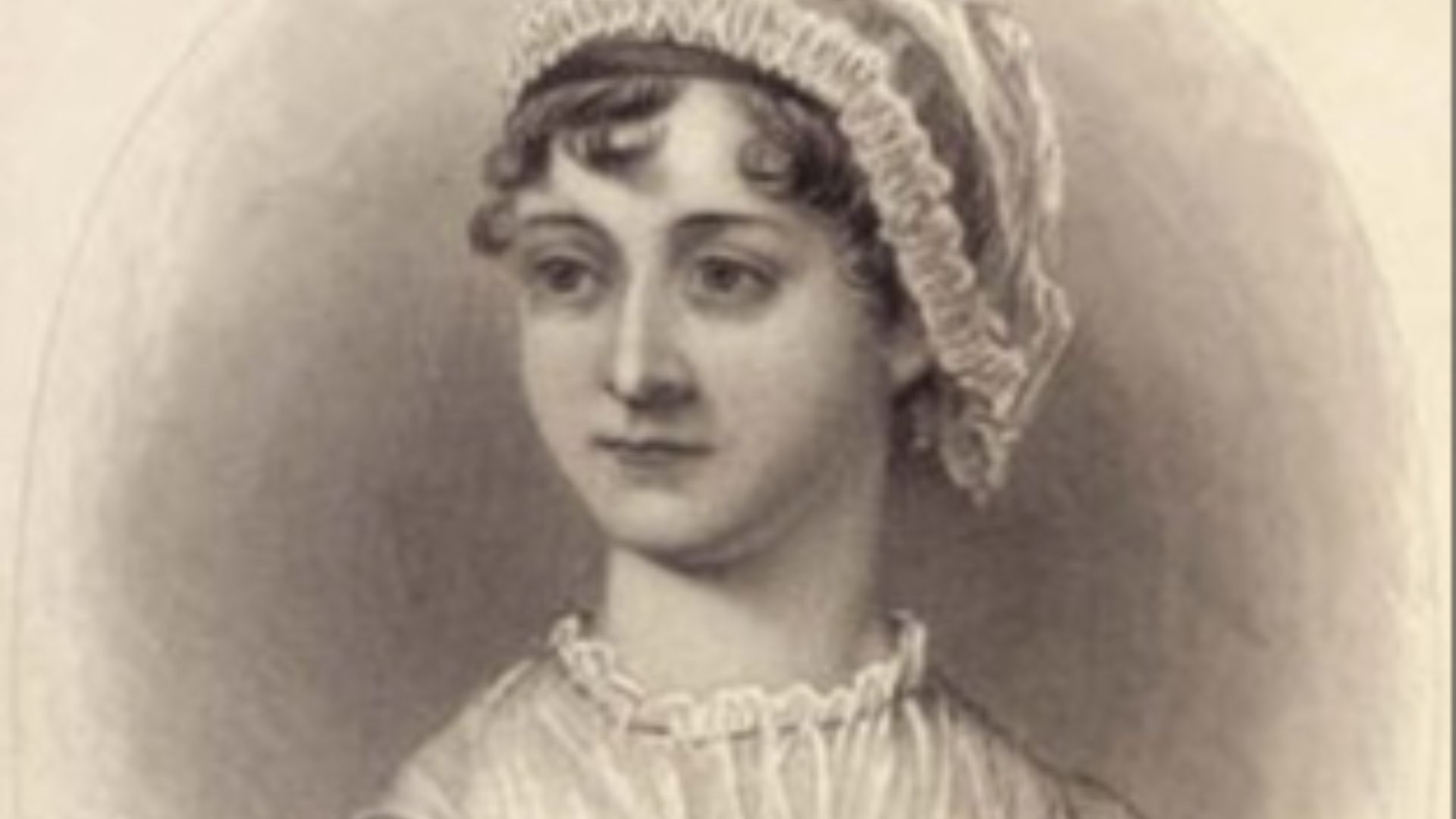
8. Jane Austen
Jane Austen might seem like a quieter pick, but her sharp observational style and seemingly selective social ease have led some readers to wonder. She clearly understood people brilliantly, yet that doesn't automatically mean she found social life effortless or natural. Sometimes the most perceptive observers are the ones standing slightly outside the crowd.
9. Michelangelo
Michelangelo was known for intense solitude, relentless work habits, and a personality that could be difficult, suspicious, and fiercely self-contained. He often seemed consumed by projects to the point that ordinary domestic life barely stood a chance. That sort of extreme immersion and social discomfort gets noticed differently now than it would've in the past.
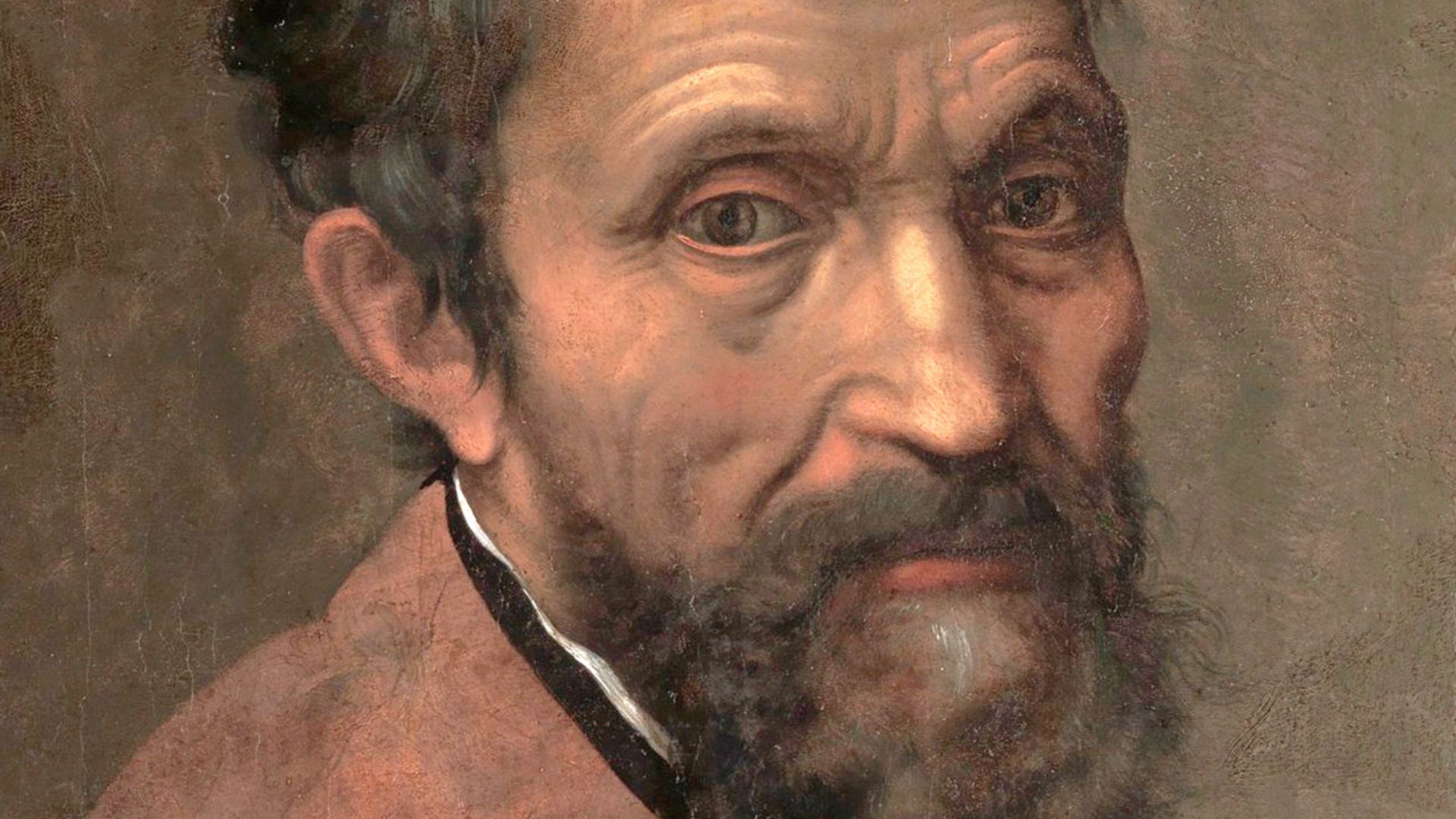 Attributed to Daniele da Volterra on Wikimedia
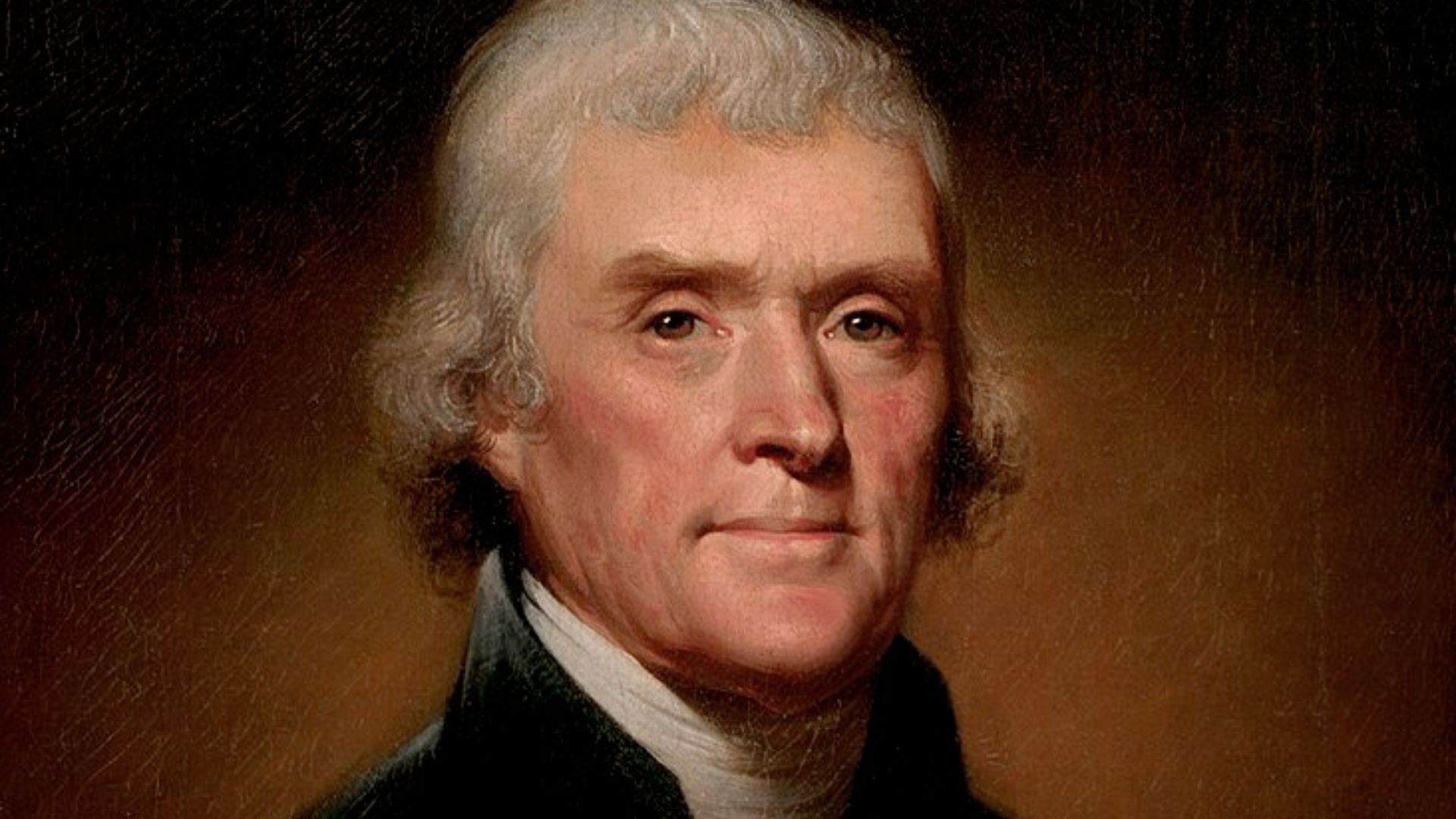
10. Thomas Jefferson
Thomas Jefferson’s habits, from obsessive recordkeeping to highly structured interests and enormous sustained attention to detail, have inspired some modern speculation. He could be socially polished when necessary, but he also had a mind that seemed to organize the world through systems, lists, and controlled intellectual pursuits, which definitely made him stand out from ordinary people.
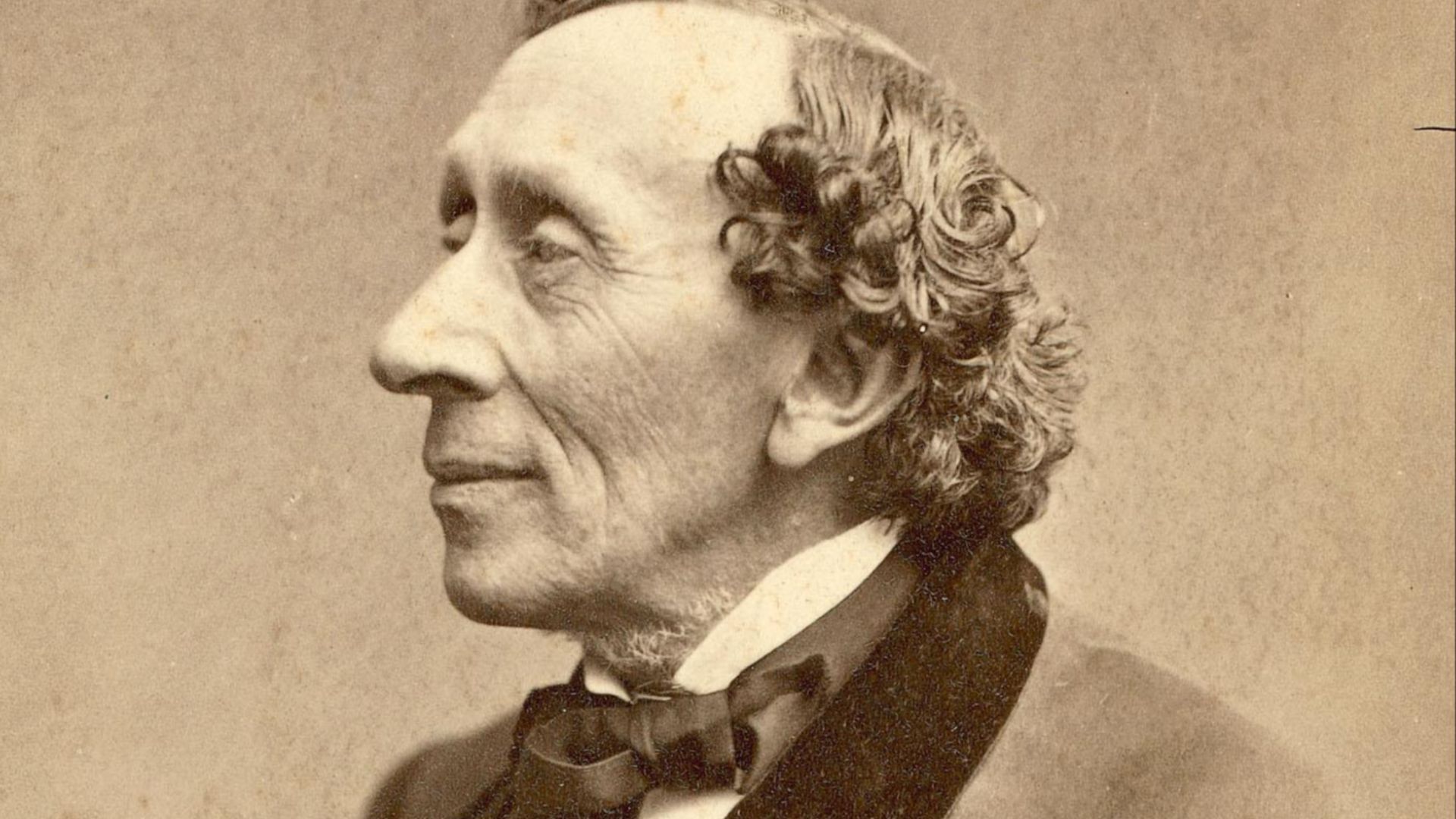
11. Hans Christian Andersen
Andersen’s life has often been described as socially uneasy, emotionally intense, and marked by sensitivity that shaped both his relationships and his writing. He was awkward in company, deeply vulnerable to rejection, and often seemed to experience the world at a heightened volume.
12. Alan Turing
Alan Turing is one of the strongest cases people bring up in modern discussions of possible autism. He was brilliant, literal, socially unusual in some settings, and deeply absorbed by systems, patterns, and abstract problems. Several biographers and commentators have explicitly explored that possibility without claiming certainty, making him one of the most recognizable examples of someone history now sees in a more nuanced way.
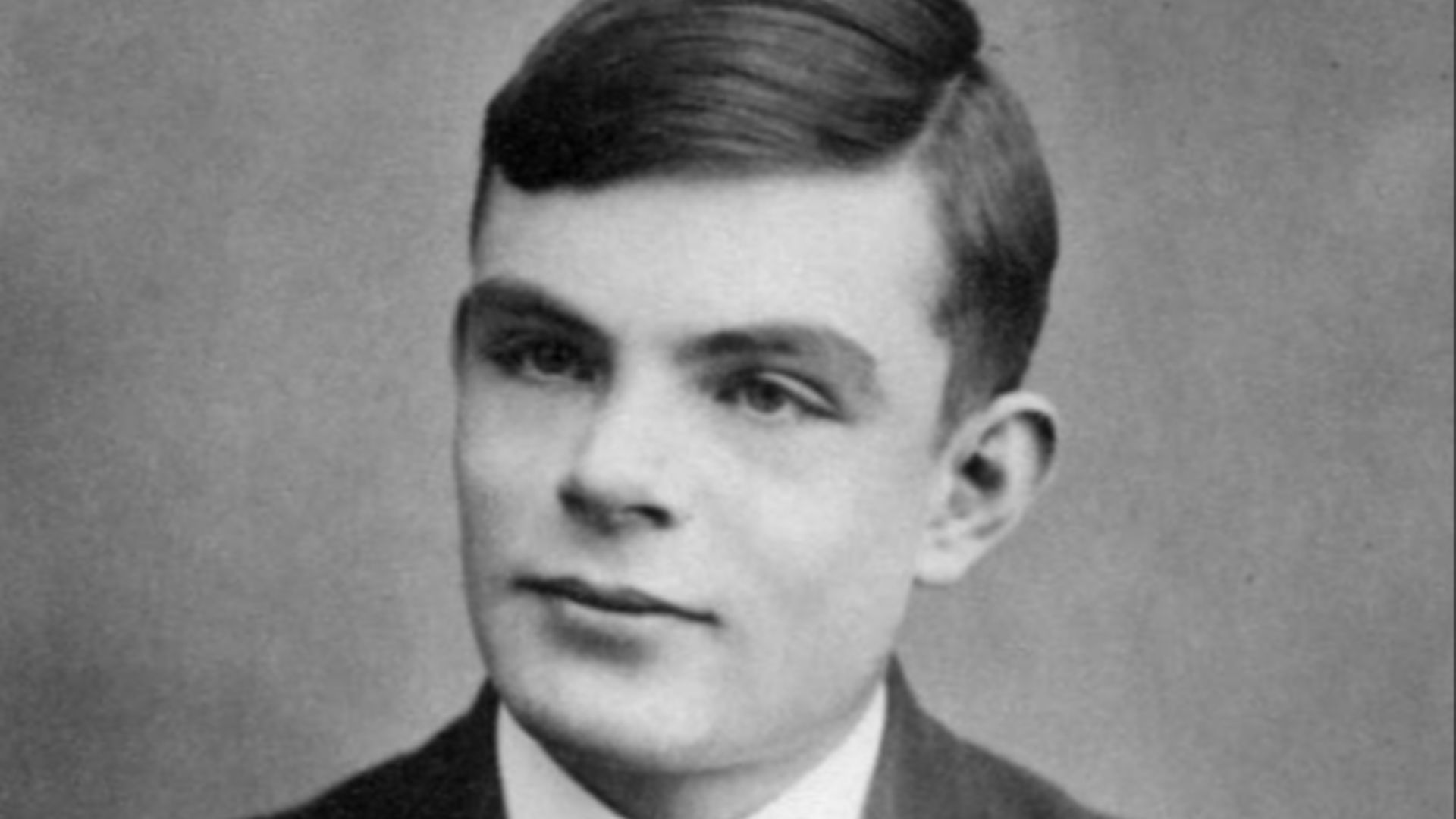 Possibly Arthur Reginald Chaffin (1893-1954) on Wikimedia
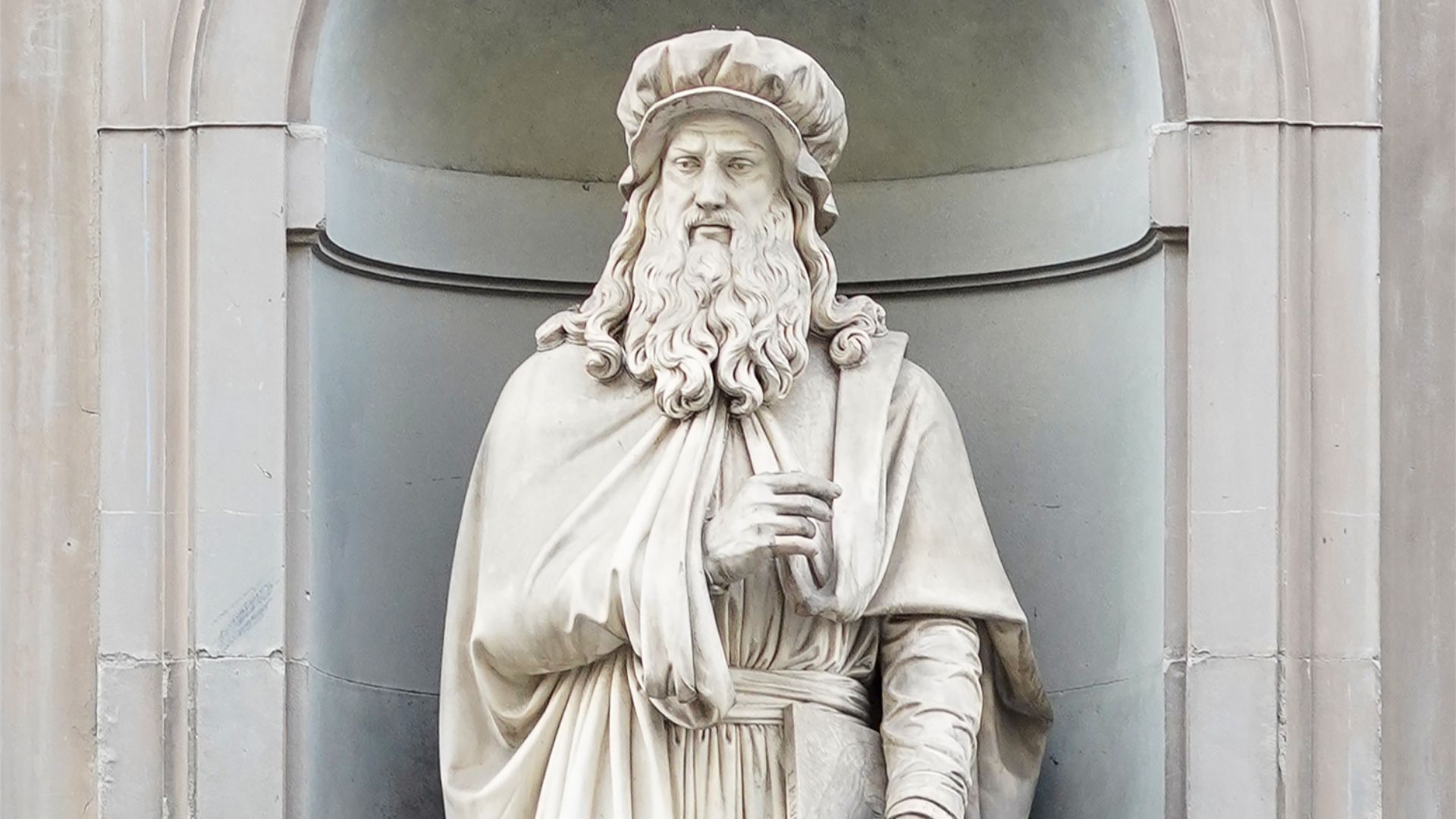
13. Leonardo da Vinci
Leonardo’s endless curiosity, unfinished projects, nonlinear working style, and apparent difficulty sticking to one track have made some people wonder about ADHD. He moved between disciplines with astonishing speed and depth, often leaving behind fragments, notes, designs, and ideas that seemed to race ahead of ordinary execution.
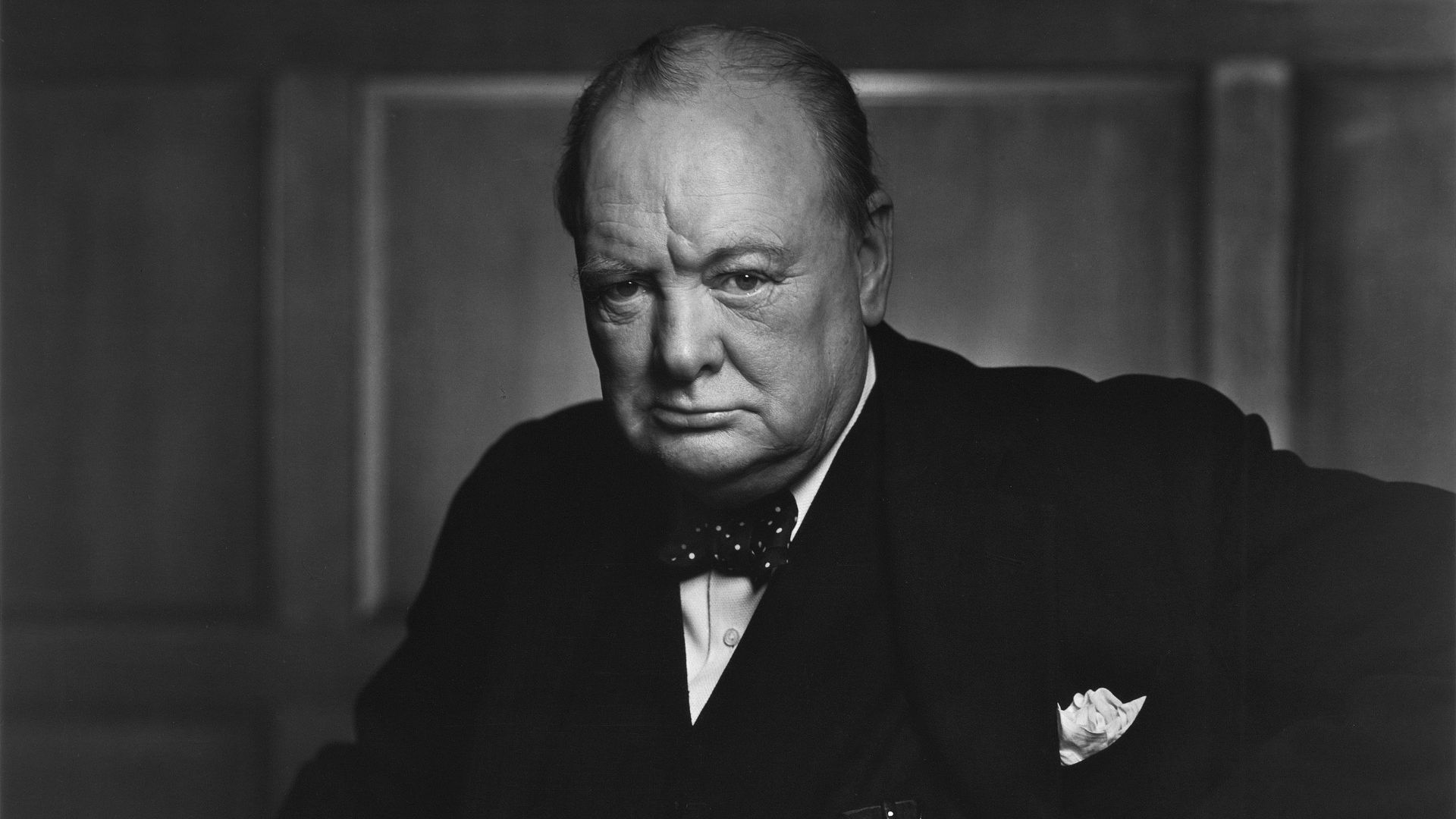
14. Winston Churchill
Churchill is more often discussed in relation to mood than neurodivergence, but some people have also pointed to his extreme energy shifts, weird sleeping habits, and intense working patterns. He could be wildly productive in ways that seemed to ignore normal rhythms. That may not map neatly onto any one modern framework, but it still invites speculation that he lived in a mind that wasn't conventional.
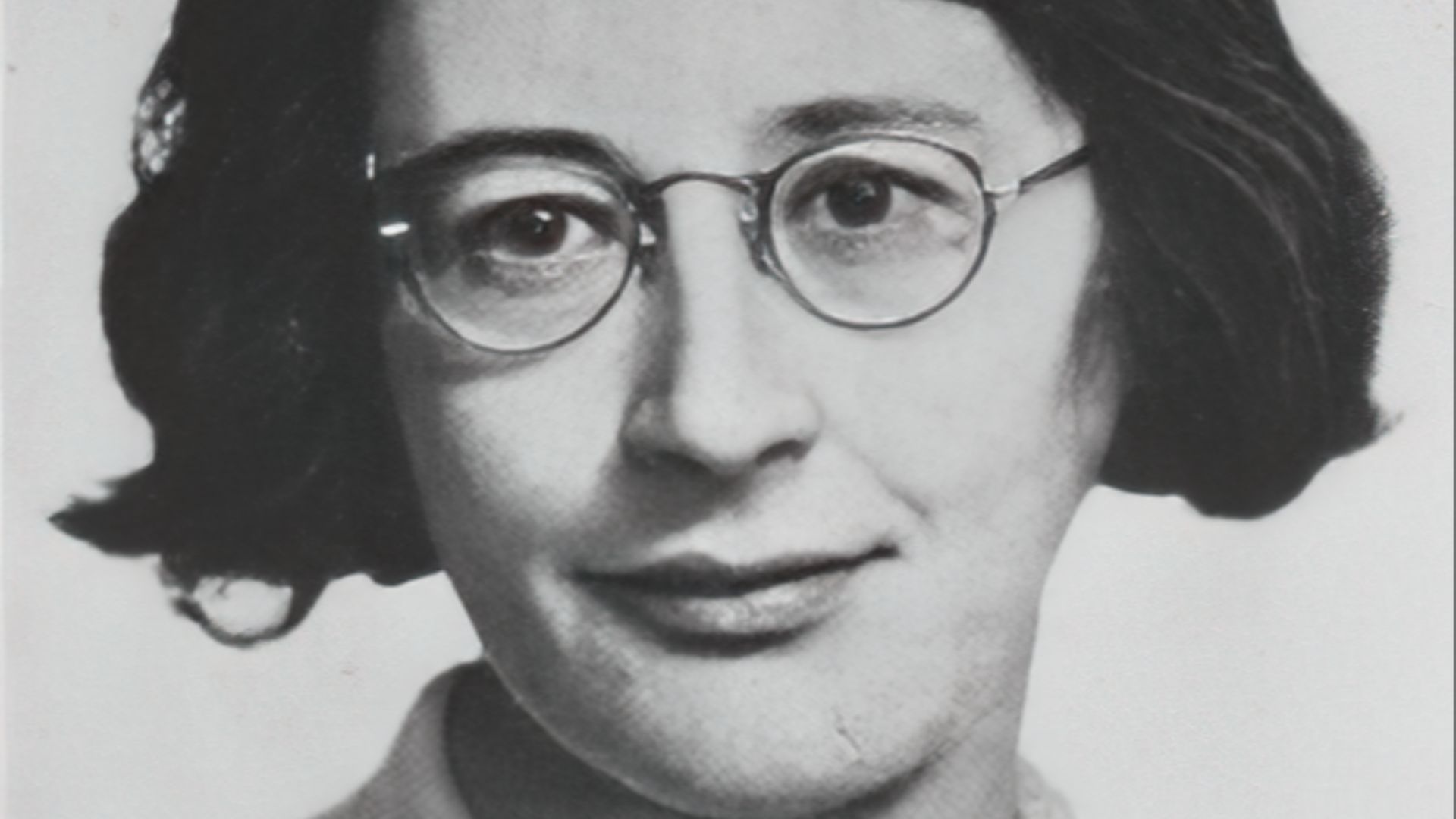
15. Simone Weil
French philosopher, Simone Weil’s, fierce intellectual intensity, extreme self-denial, and unusual willingness to deny herself physical comfort have drawn a lot of retrospective interpretation. She often seemed to exist in a near-constant state of moral and mental overfocus. Her life can be read through philosophy, spirituality, illness, or neurodivergence, depending on the lens.
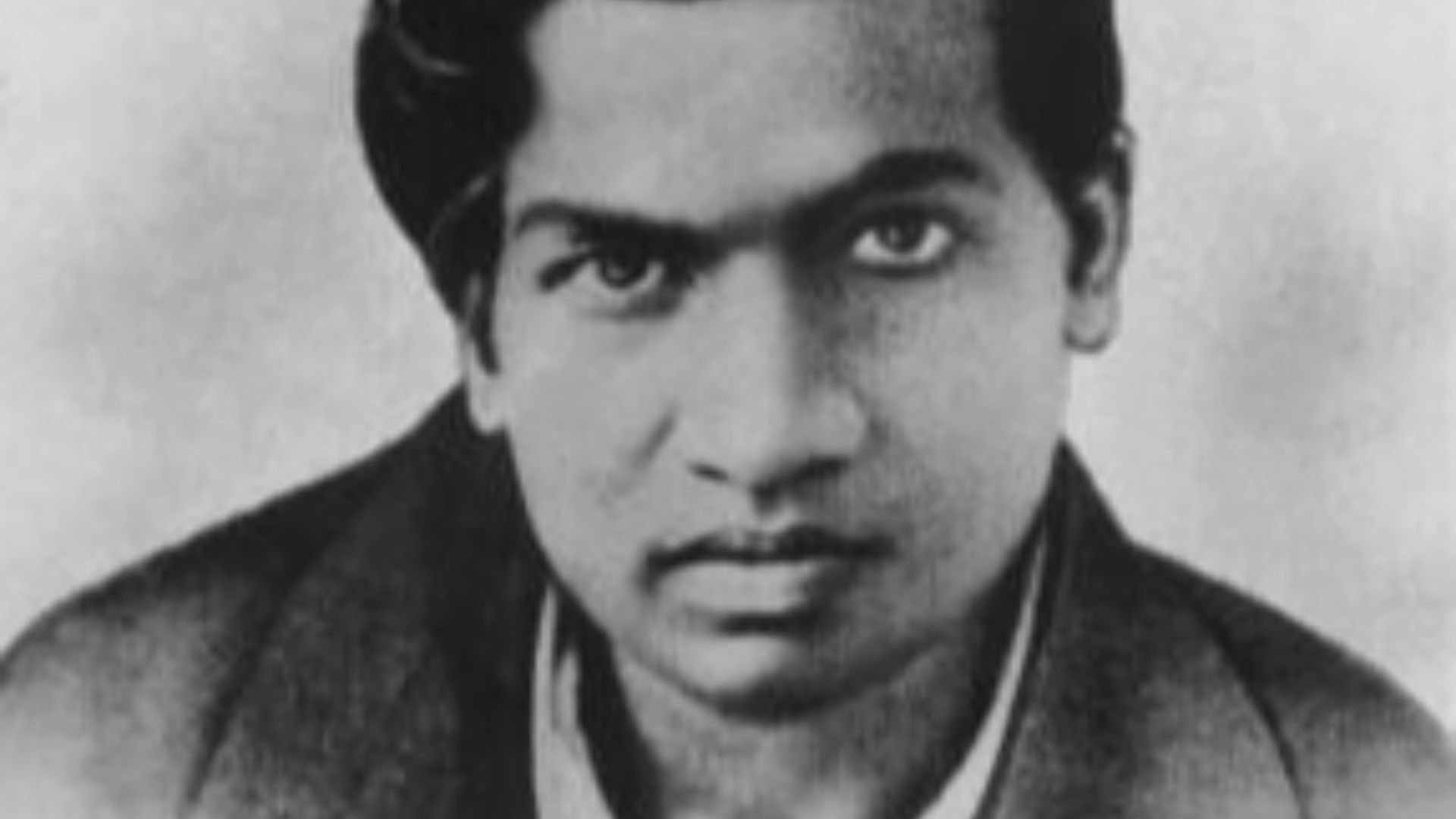
16. Srinivasa Ramanujan
Ramanujan’s brilliance, intuitive mathematical vision, and highly singular way of thinking make him another figure people revisit in these discussions. He appears in the historical record as someone whose gifts operated at a level many around him struggled to understand in ordinary terms. His mind is often described as moving in ways that feel outside standard patterns.
17. Franz Kafka
Kafka’s intense inwardness, social anxiety, and sensitivity to routine, obligation, and interpersonal strain have made him a candidate for modern speculation. He often seemed trapped between acute self-awareness and an inability to move comfortably through the structures around him. While it's not a diagnosis, that makes him feel like someone who experienced the world with a very particular and often painful level of friction.
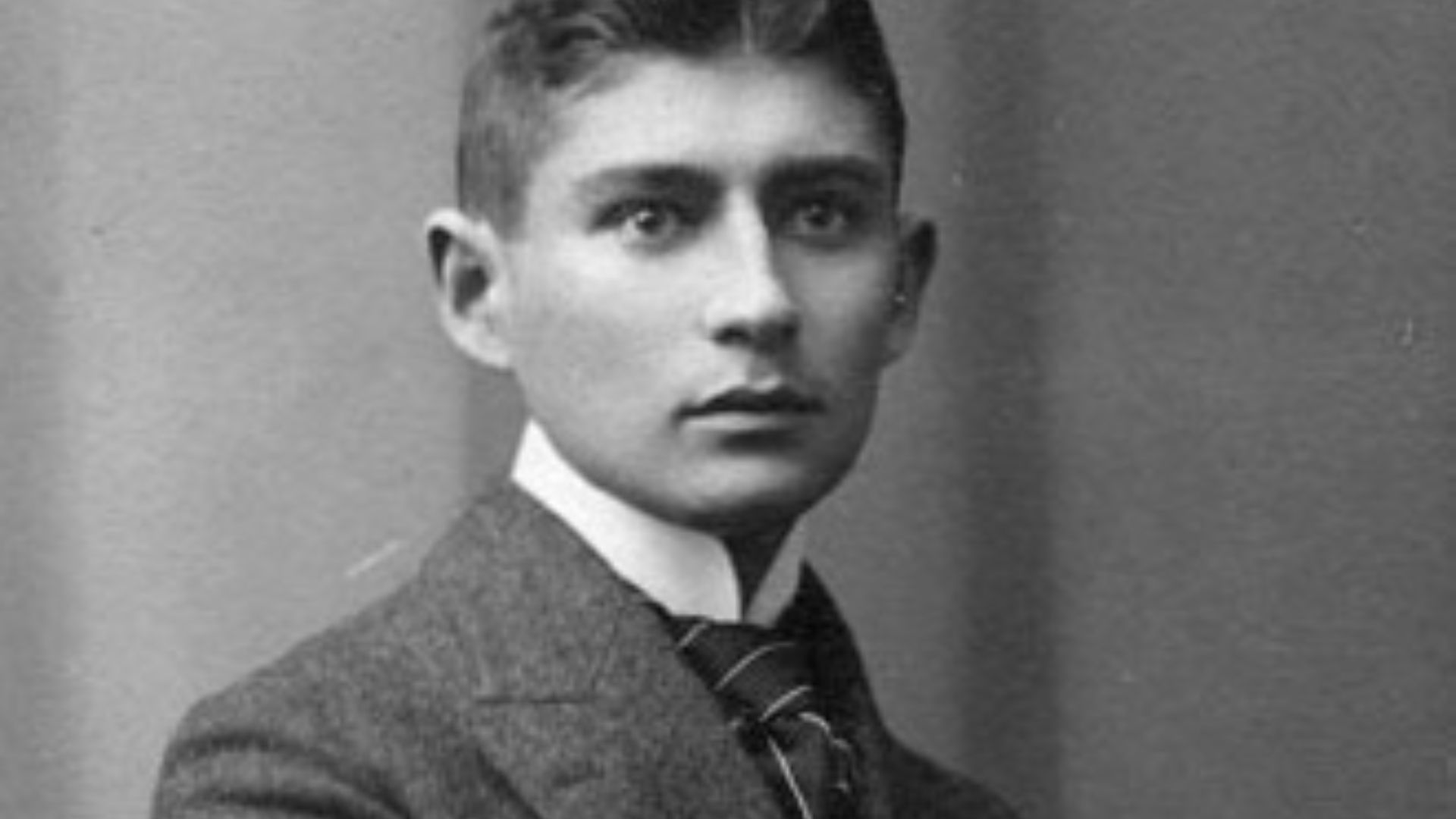 Atelier Jacobi: Sigismund Jacobi (1860–1935) on Wikimedia
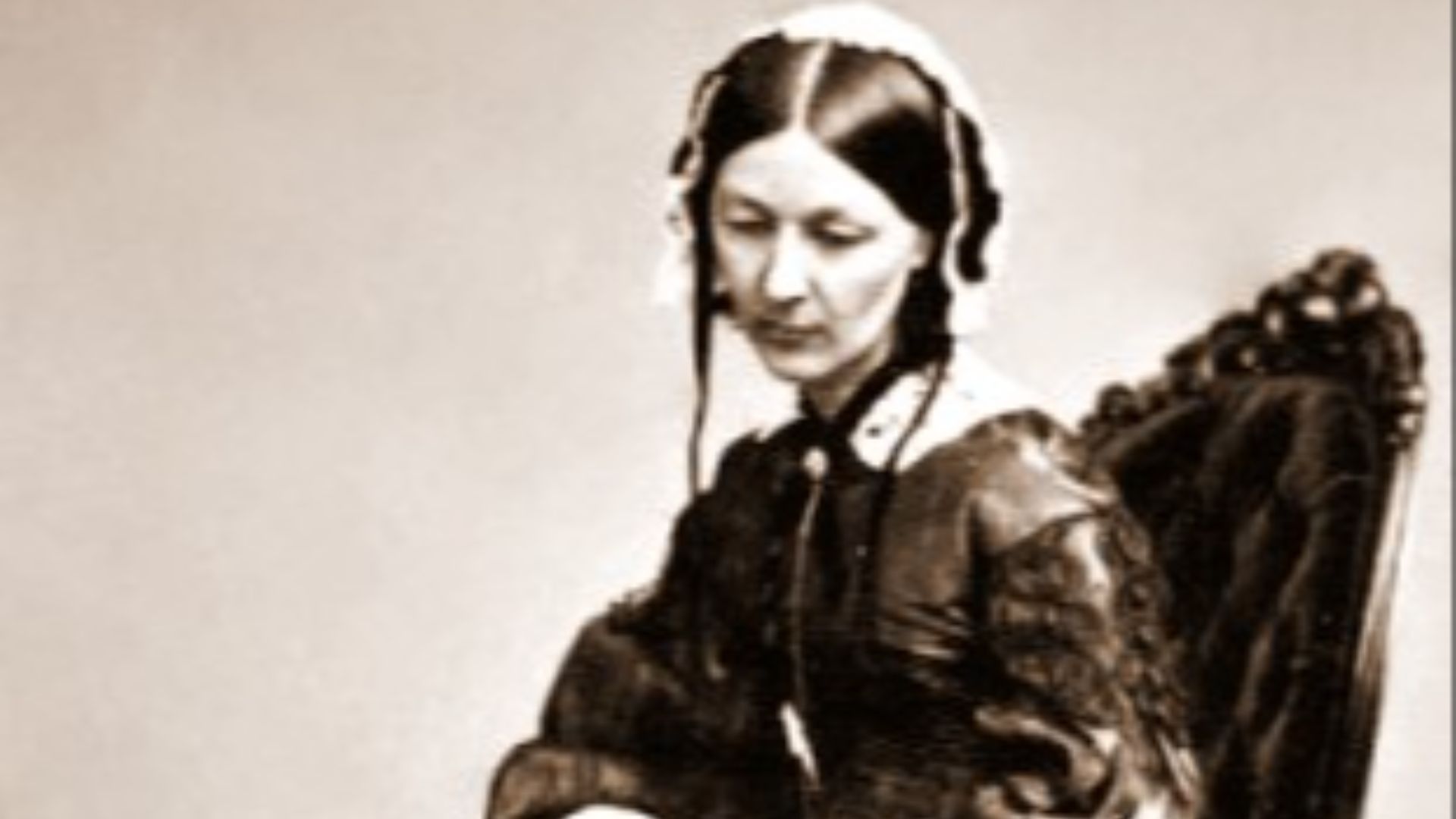
18. Florence Nightingale
Florence Nightingale’s relentless drive, intense data focus, and strong resistance to distraction or conventional expectation make her interesting in this context. She had enormous stamina for work that mattered to her and much less patience for nonsense that didn't. Some people read that as temperament and discipline, while others see traits that might be discussed differently now. Either way, she was operating on a frequency many around her didn't fully share.
19. Virginia Woolf
Virginia Woolf is usually discussed in relation to mental illness, which isn't the same thing as neurodivergence, but her case still enters these conversations. Her sensory sensitivity, patterns of overwhelm, and unusual cognitive intensity have led some readers to wonder whether more than one framework might apply. Her life clearly just doesn't fit a simple category.
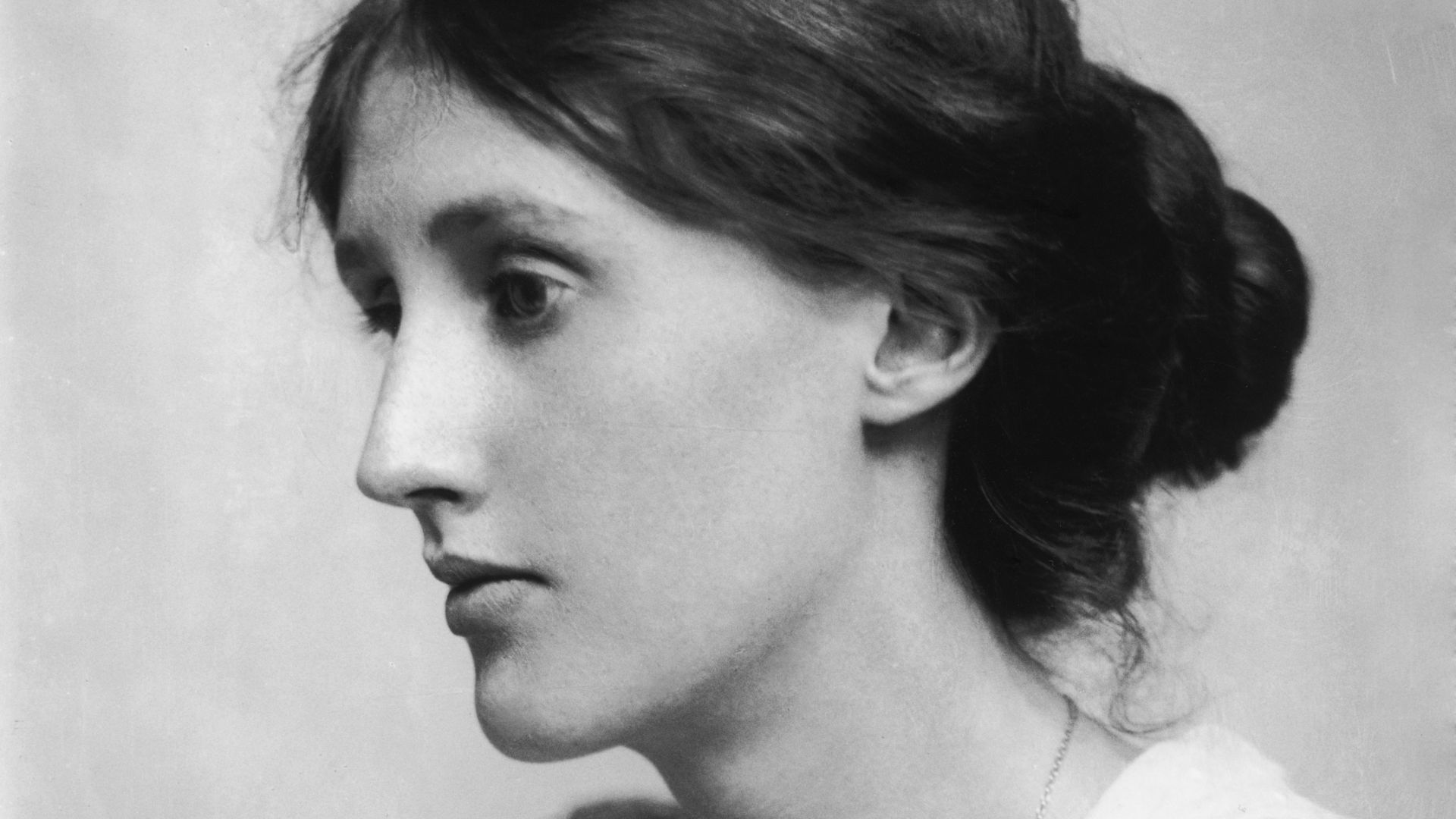 George Charles Beresford on Wikimedia
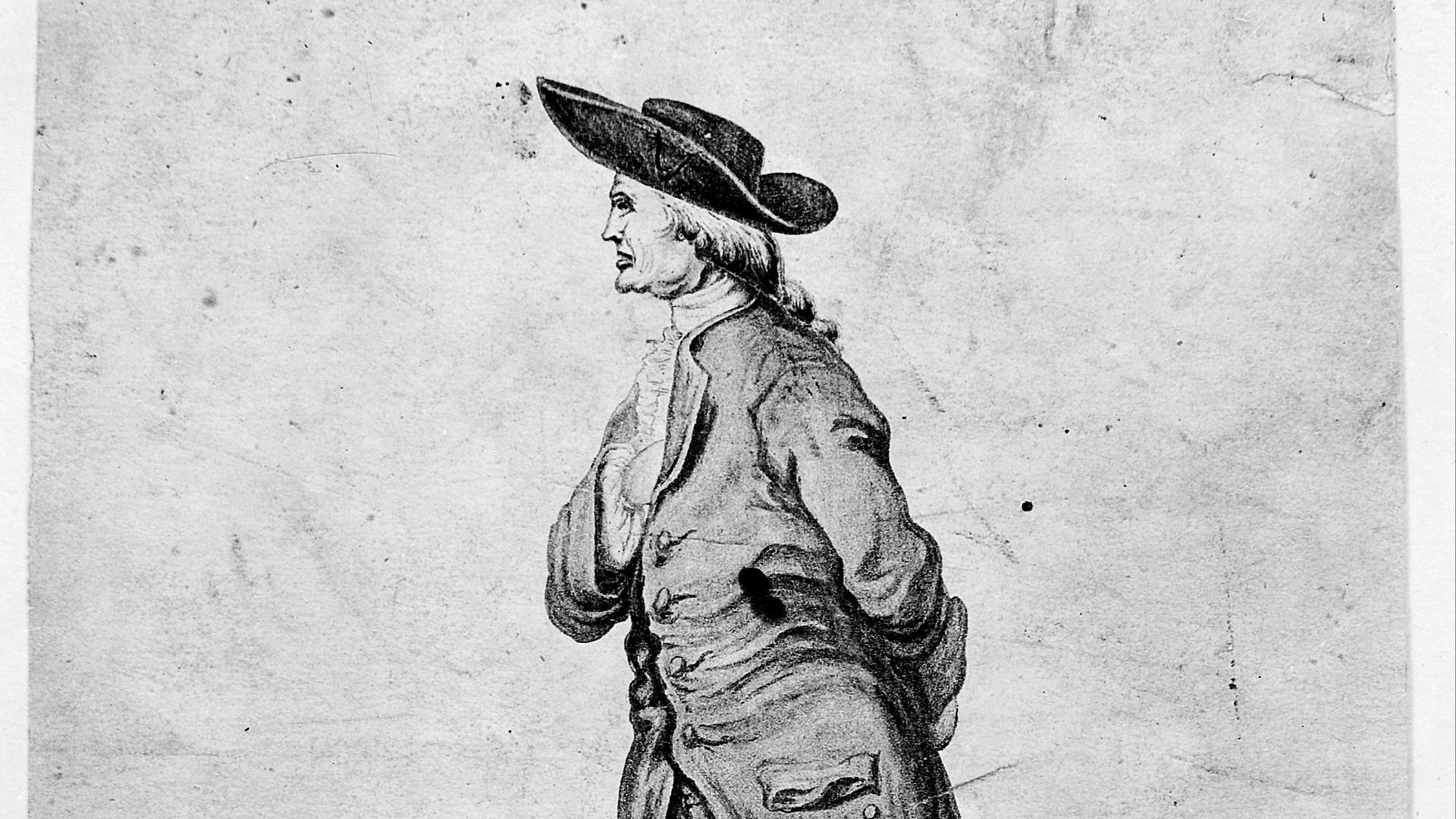
20. Henry Cavendish
Henry Cavendish is often one of the first historical figures people mention when speculating about autism. He was famously reclusive, disliked social contact, communicated in highly unusual ways, and seemed to prefer almost total control over his environment. At the same time, he was an extraordinary scientific mind whose work was anything but ordinary.
KEEP ON READING

The 10 Youngest Monarchs In History & The 10 Oldest
Age Is Just A Number. Imagine being crowned king or…
By Chase Wexler Mar 11, 2025
You Think You Have Problems? These Royal Families Were Cursed
Boasson and Eggler St. Petersburg Nevsky 24. on WikimediaHeavy is…
By Ashley Bast Dec 5, 2025
You Can Thank This Greek-Canadian For Creating Pineapple On Pizza…
Love it or hate it, pineapple on pizza sparks debate…
By David Davidovic Dec 1, 2025
Yes, Female Gladiators Existed, And Here's Everything You Need To…
History of Women in Combat. Most people picture gladiators as…
By David Davidovic Jan 17, 2026
Yes, Australians Once Lost A Battle Against Flightless Birds
David Clode on UnsplashIn 1932, the Australian military went to…
By David Davidovic Nov 24, 2025
The Y2K Bug: Why Did Everyone Think Year 2000 Was…
Alan W on UnsplashOn December 31, 1999, people all over…
By Christy Chan Dec 22, 2025