
The 20 Most Notorious Femme Fatales in History
Beauty, Scandal, & a Dangerous Reputation
Throughout history, certain women have become famous for charming powerful men, influencing political decisions, and finding themselves at the center of extraordinary scandals. Some genuinely used romance and manipulation to get what they wanted, while others developed dangerous reputations simply because they refused to follow society's expectations. From queens accused of bringing down empires to spies who allegedly seduced their enemies, these women inspired fascination, jealousy, and sometimes outright fear. Here are 20 notorious femme fatales whose names remain associated with seduction, ambition, and controversy.
1. Cleopatra VII
Few historical figures have been portrayed as dangerously seductive as Cleopatra, Egypt's last active pharaoh. Her relationships with Julius Caesar and Mark Antony placed her at the center of Roman politics, with her romance with Antony proving especially controversial. Roman propaganda painted her as a manipulative foreign queen who had distracted Antony from his duties, although she was also a highly skilled political strategist. Following their defeat by Octavian, both Cleopatra and Antony died in 30 BC, leaving behind one of history's most famous romantic tragedies.
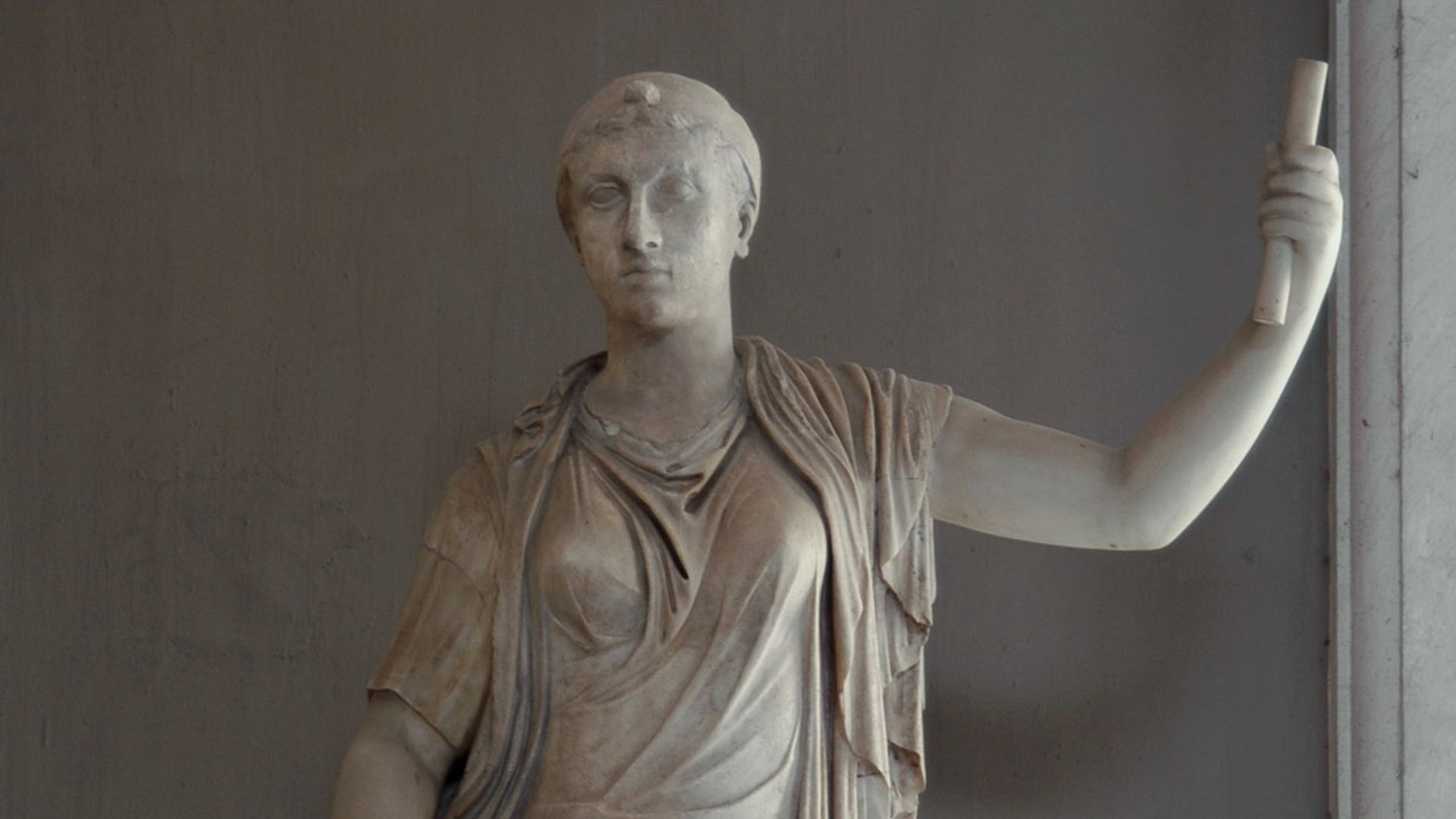 Ancient Roman sculptors on Wikimedia
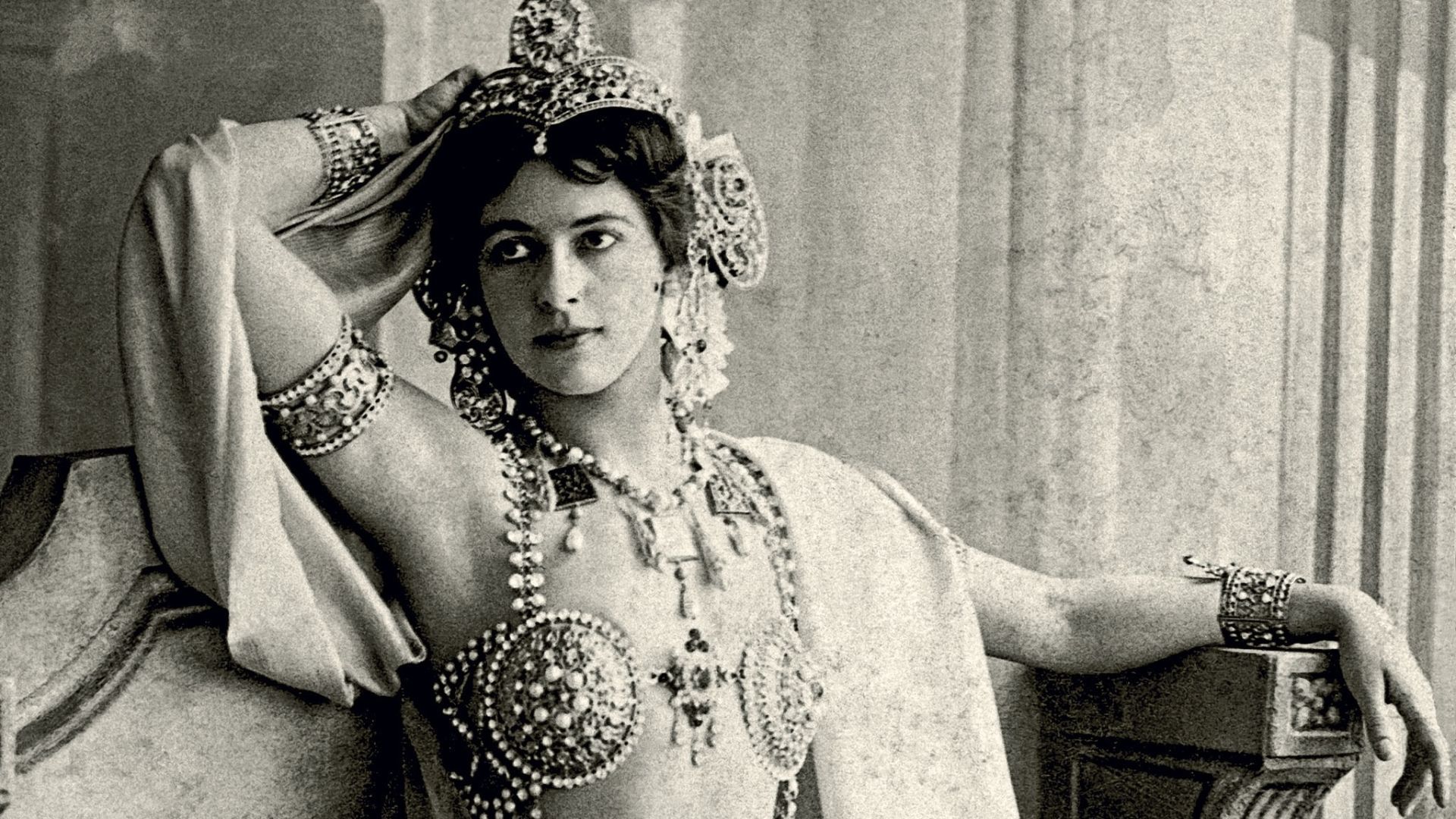
2. Mata Hari
Born Margaretha Zelle in the Netherlands, Mata Hari reinvented herself as an exotic dancer who captivated wealthy and influential men across Europe. Her relationships with military officers and diplomats raised suspicions during World War I, especially when French authorities accused her of spying for Germany. She was convicted and executed by firing squad in 1917, although historians still debate how valuable her alleged intelligence activities actually were. Her glamorous lifestyle and mysterious downfall helped establish her as one of the most recognizable femme fatales of the modern era.
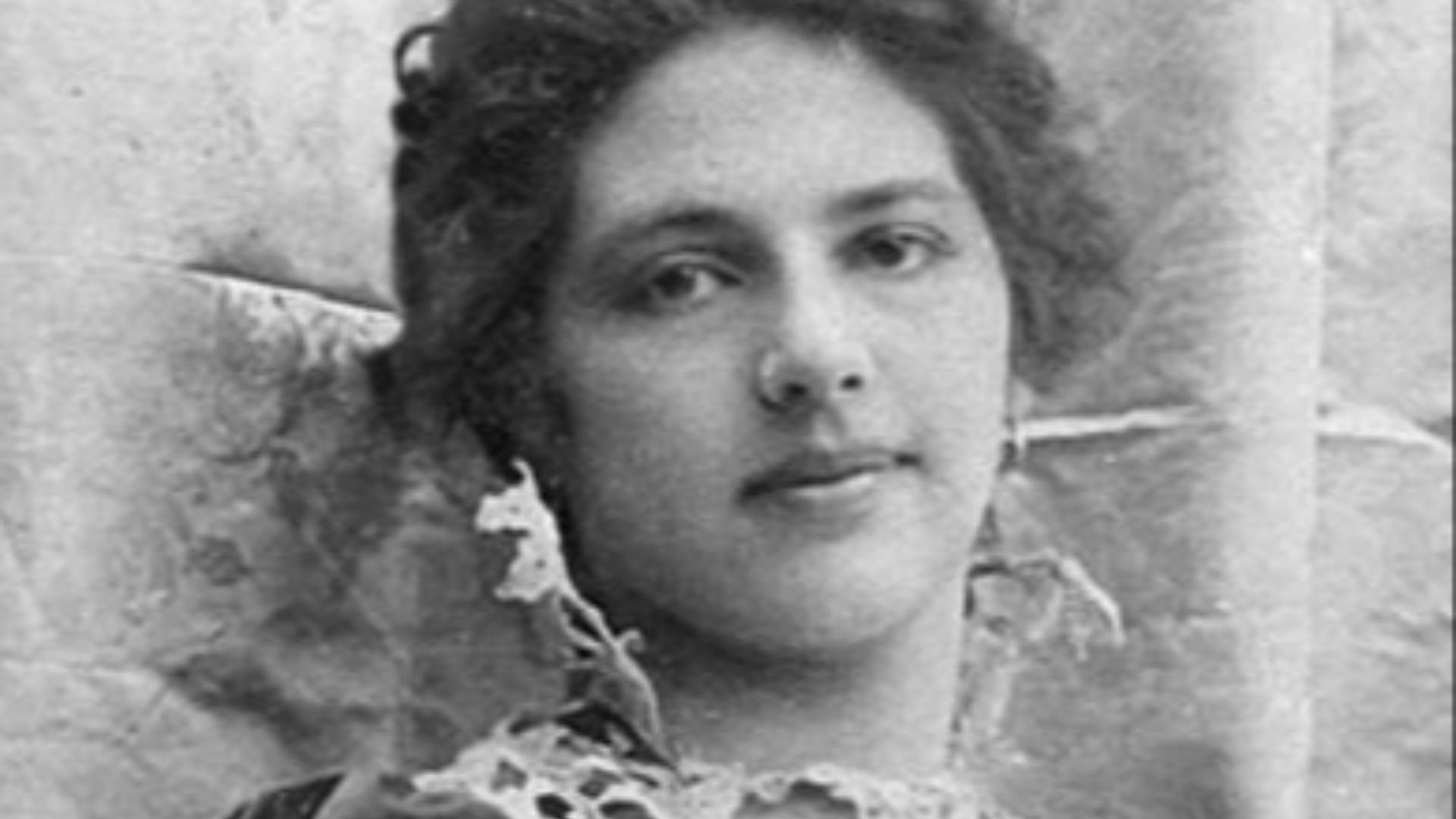 Koene & Com / Batavia-Amsterdam on Wikimedia
3. Lucrezia Borgia
As the daughter of Pope Alexander VI, Lucrezia Borgia grew up surrounded by the ruthless political maneuvering of Renaissance Italy. Her family's enemies accused her of poisoning rivals, engaging in scandalous affairs, and using her beauty to manipulate powerful men. However, historians have found little convincing evidence to support the wildest accusations, and many believe she was more a victim of her family's ambitions than an active participant in their schemes. Nevertheless, her name became so closely associated with betrayal and treachery that the rumors have survived for over five centuries.
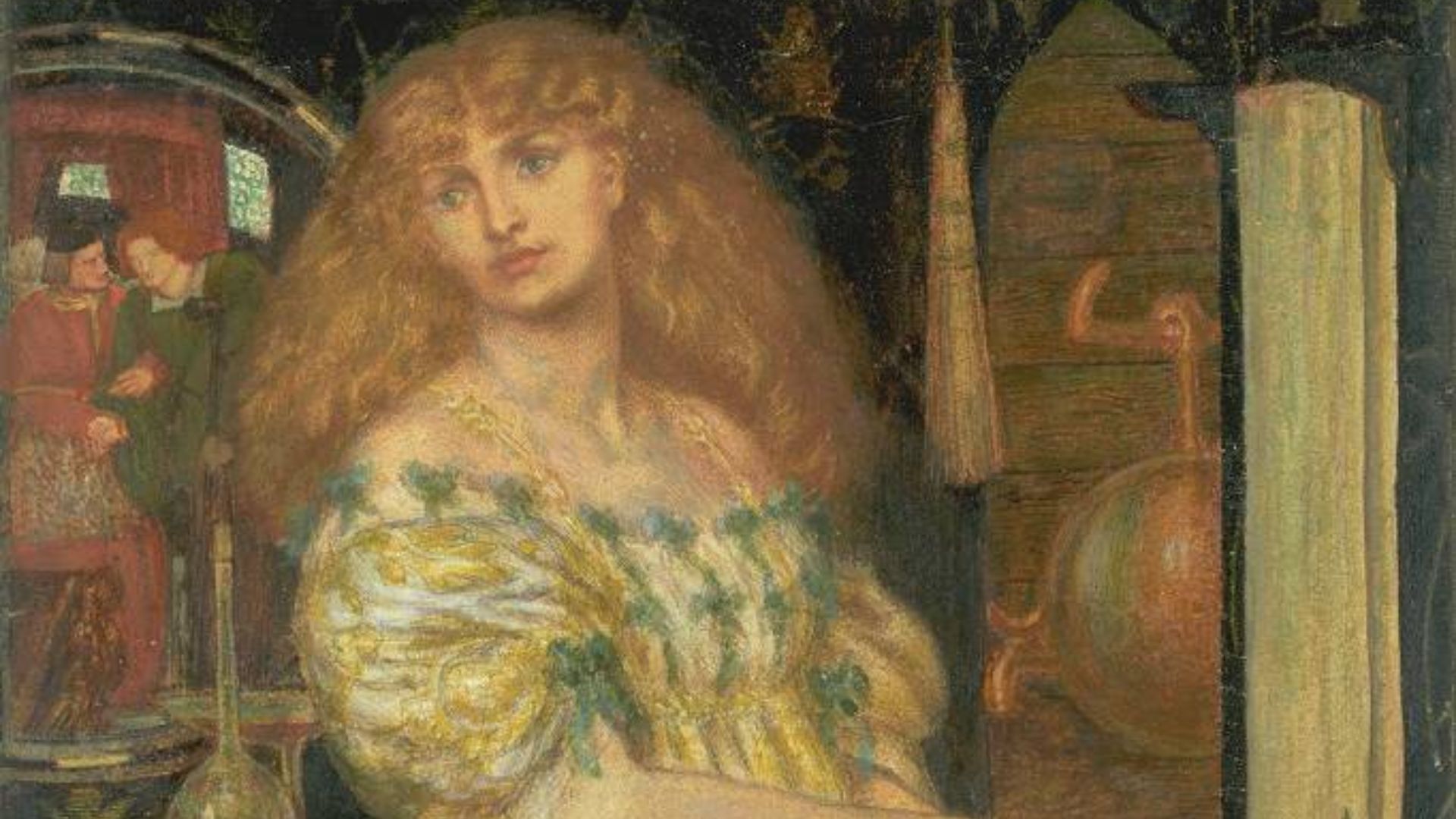 Dante Gabriel Rossetti on Wikimedia
4. Lola Montez
Lola Montez was an Irish-born performer who reinvented herself as a Spanish dancer and became notorious for her colorful romantic adventures. Her most significant relationship was with King Ludwig I of Bavaria, who became so infatuated with her that he granted her a noble title and allowed her considerable political influence. Her involvement in court affairs sparked public outrage, and the king eventually abdicated amid the revolutionary unrest of 1848. Montez continued making headlines throughout Europe and America, suggesting that a little controversy never particularly bothered her.
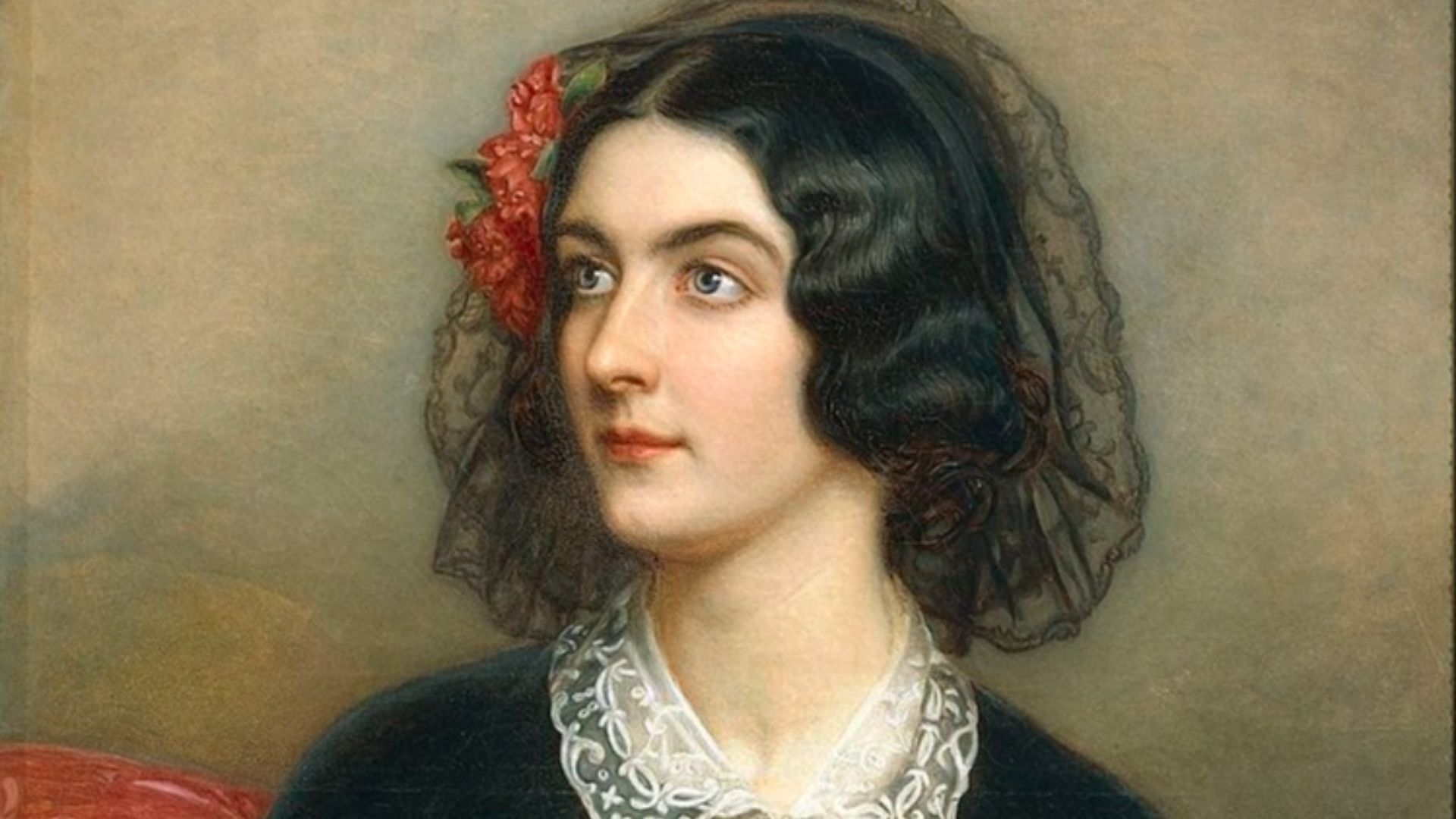 Joseph Karl Stieler on Wikimedia
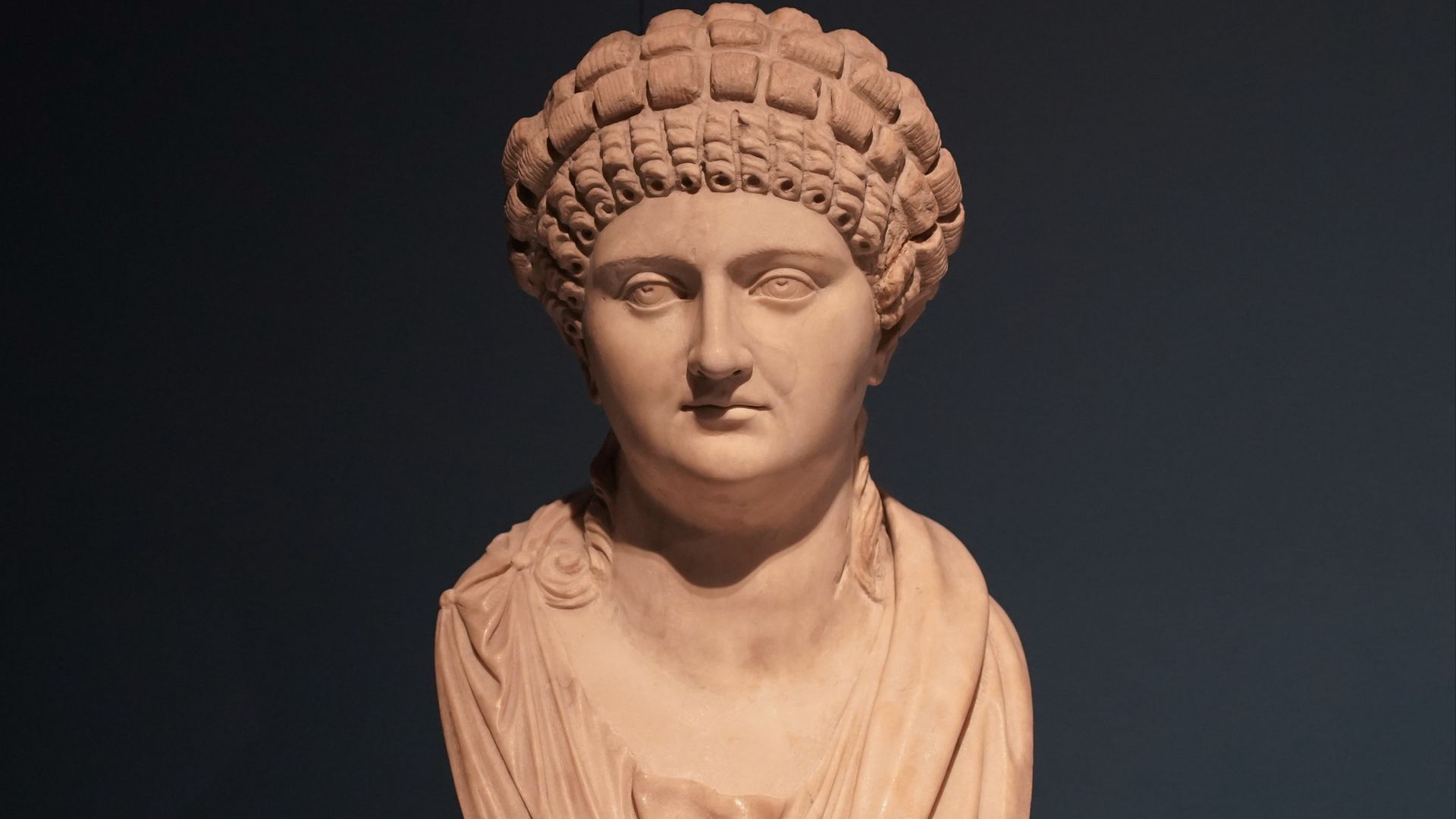
5. Empress Messalina
The Roman emperor Claudius's third wife became infamous for accusations of infidelity, political scheming, and outrageously extravagant behavior. Ancient writers claimed Messalina entertained numerous lovers and even participated in a scandalous marriage ceremony with another man while Claudius was still alive. Her downfall came in 48 AD, when she was executed following allegations of a conspiracy involving her supposed new husband. However, much of her reputation comes from hostile Roman historians, making it difficult to determine what really happened and what was simply politically motivated gossip.
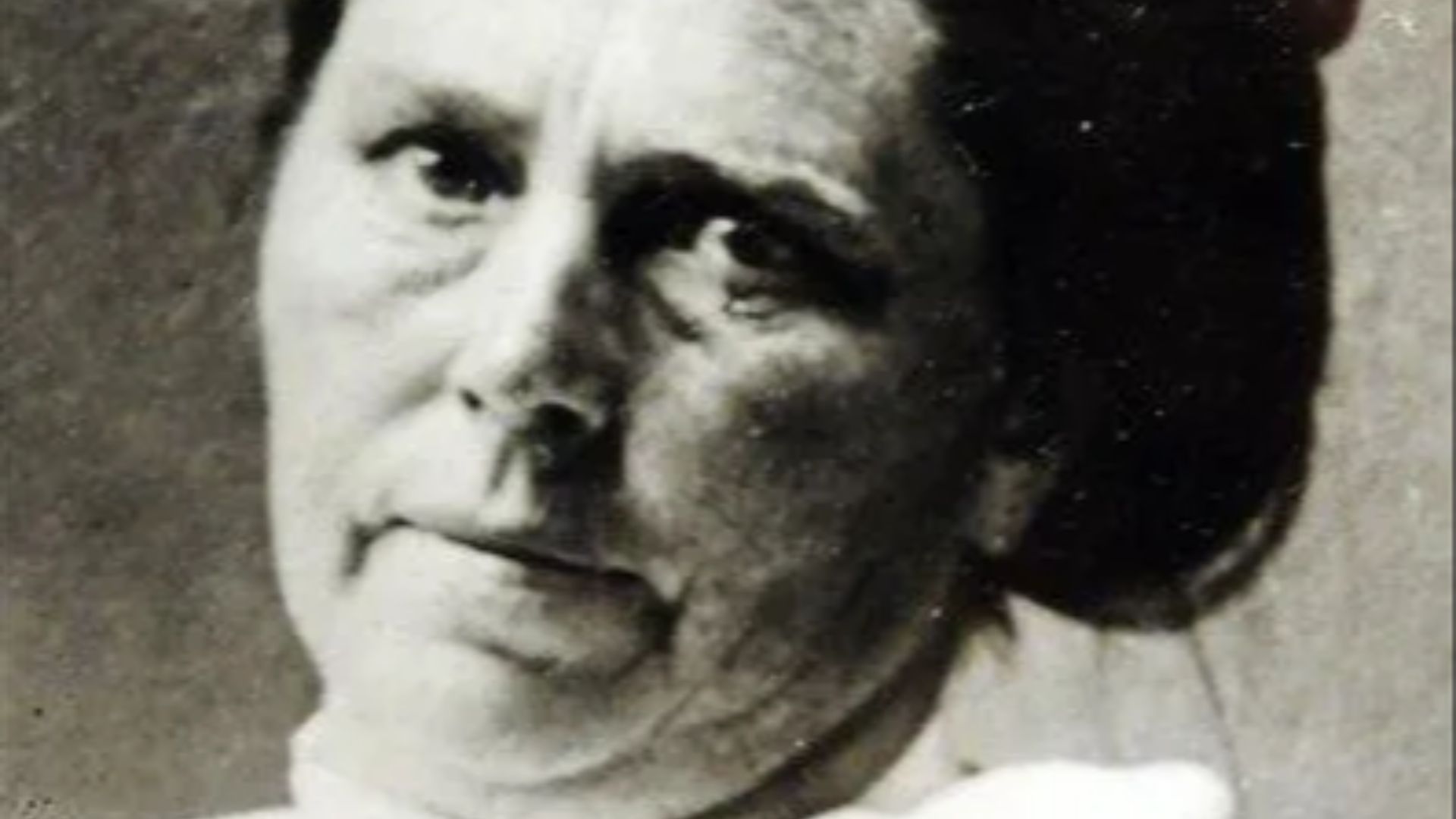
6. Belle Gunness
Norwegian-American Belle Gunness took the idea of dangerous romance to an especially horrifying extreme. While living on a farm in La Porte, Indiana, she attracted prospective husbands through personal advertisements, only for several men to disappear after visiting her property. When her farmhouse burned down in 1908, investigators discovered human remains buried around the grounds, uncovering evidence of numerous murders. Although authorities believed she'd died in the fire, the discovery of a headless body raised questions about whether she'd actually managed to escape.
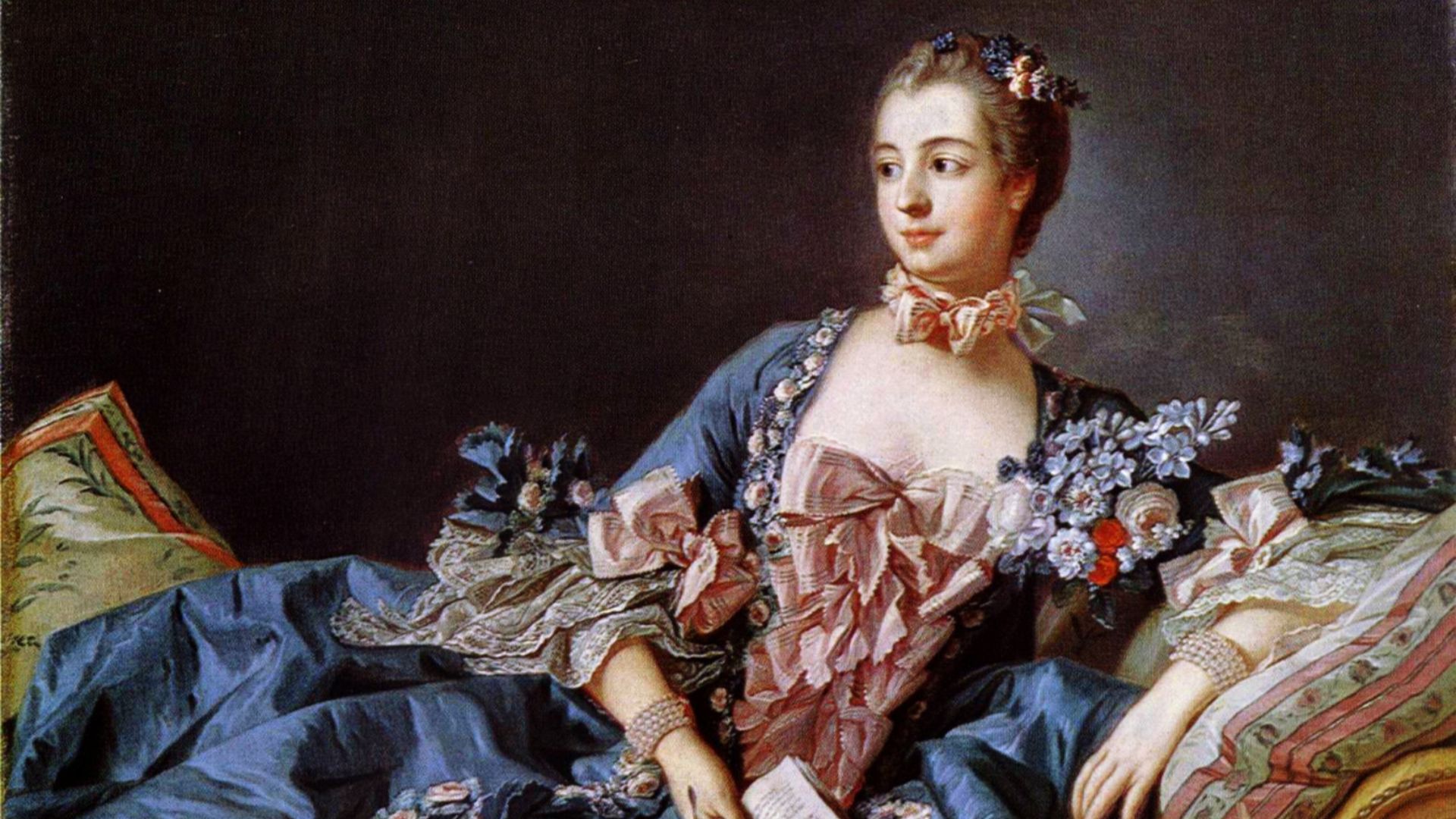
7. Madame de Pompadour
Jeanne Antoinette Poisson, better known as Madame de Pompadour, became King Louis XV's official mistress in 1745. Rather than settling for the role of romantic companion, she gained considerable influence over French politics, artistic patronage, and important appointments at court. Even after their physical relationship ended, she remained one of the king's closest confidantes and continued offering advice on major decisions. Her ability to hold onto such a privileged position made her both admired and deeply resented among members of the French aristocracy.
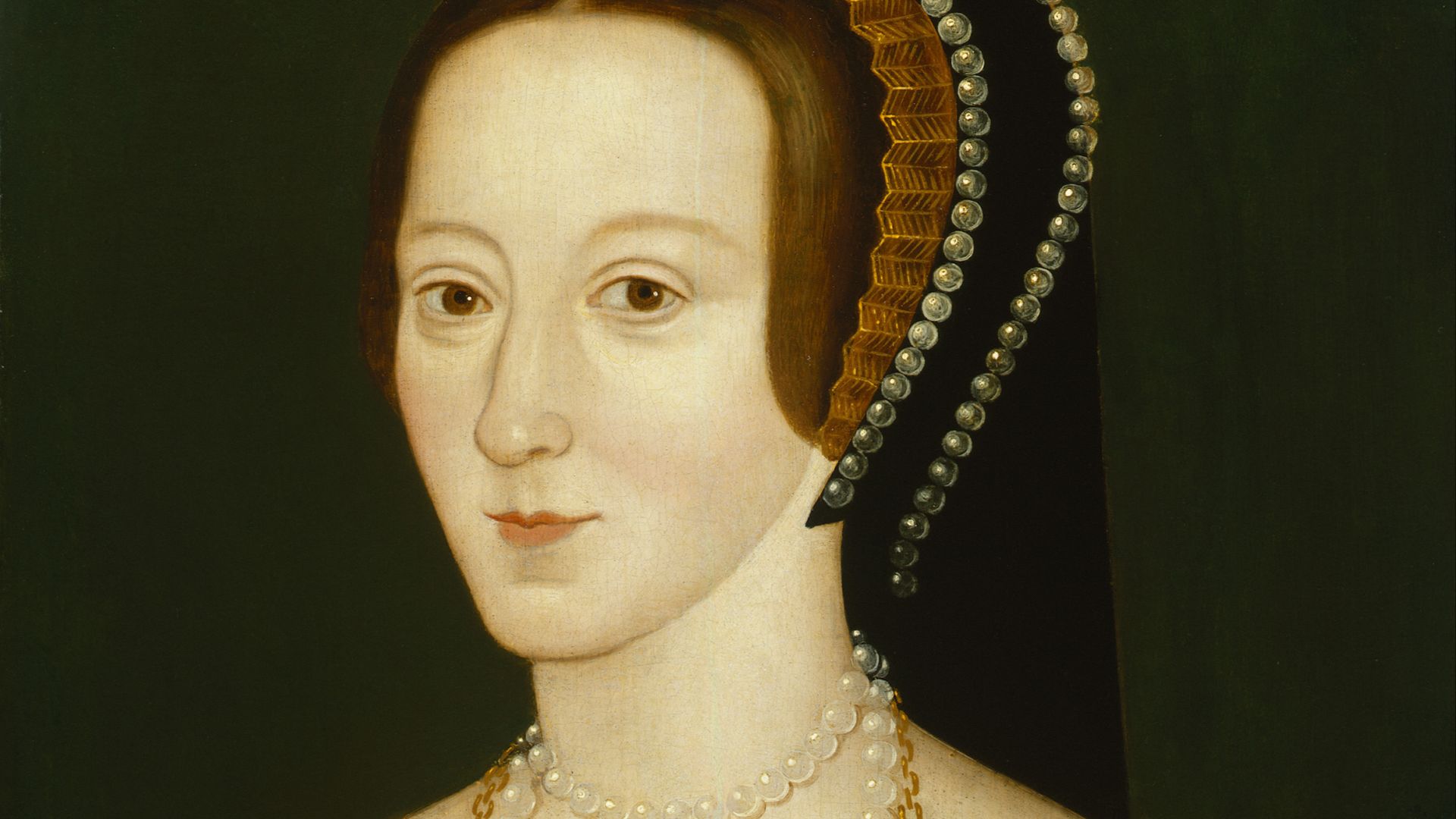
8. Anne Boleyn
Anne Boleyn's relationship with Henry VIII changed English history, eventually contributing to the country's break with the Roman Catholic Church. Unlike some of the king's earlier romantic interests, Anne initially refused to become his mistress, and Henry spent years pursuing the marriage that would make her queen. Her enemies painted her as dangerously ambitious and manipulative, particularly after she failed to give Henry the male heir he desperately wanted. She was eventually executed on charges of adultery and treason, accusations that many historians believe were fabricated.
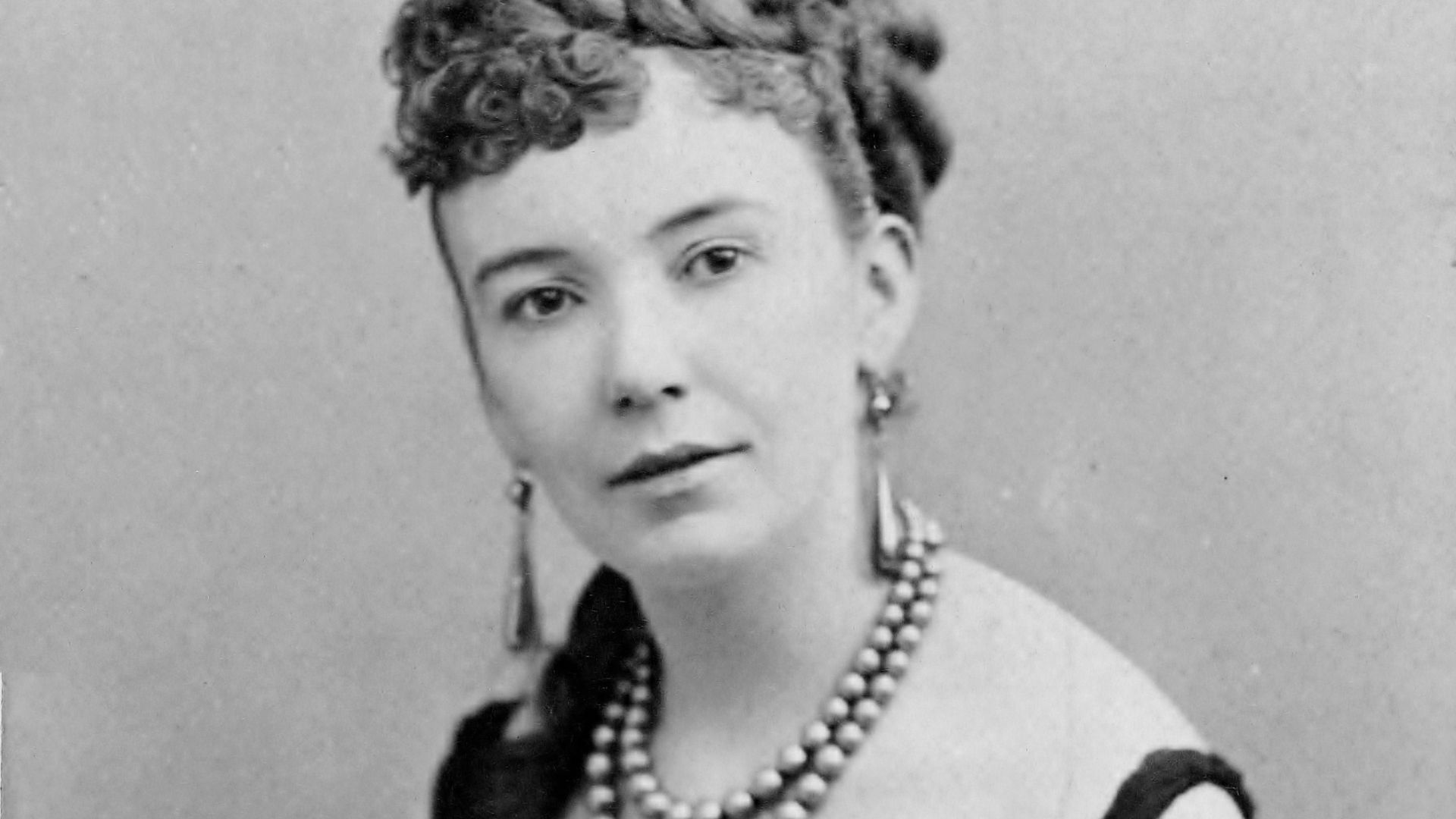
9. Cora Pearl
Cora Pearl became one of Paris's most celebrated courtesans during the Second French Empire, attracting wealthy admirers with her extravagant lifestyle and unapologetically unconventional personality. Born Emma Crouch in England, she accumulated expensive jewelry, luxurious homes, and a reputation for spending money at an astonishing rate. Her lovers included influential aristocrats, although her relationship with Prince Napoleon became especially well known. Unfortunately, a scandal involving a rejected admirer who shot himself at her residence in 1872 seriously damaged her reputation in Parisian society.
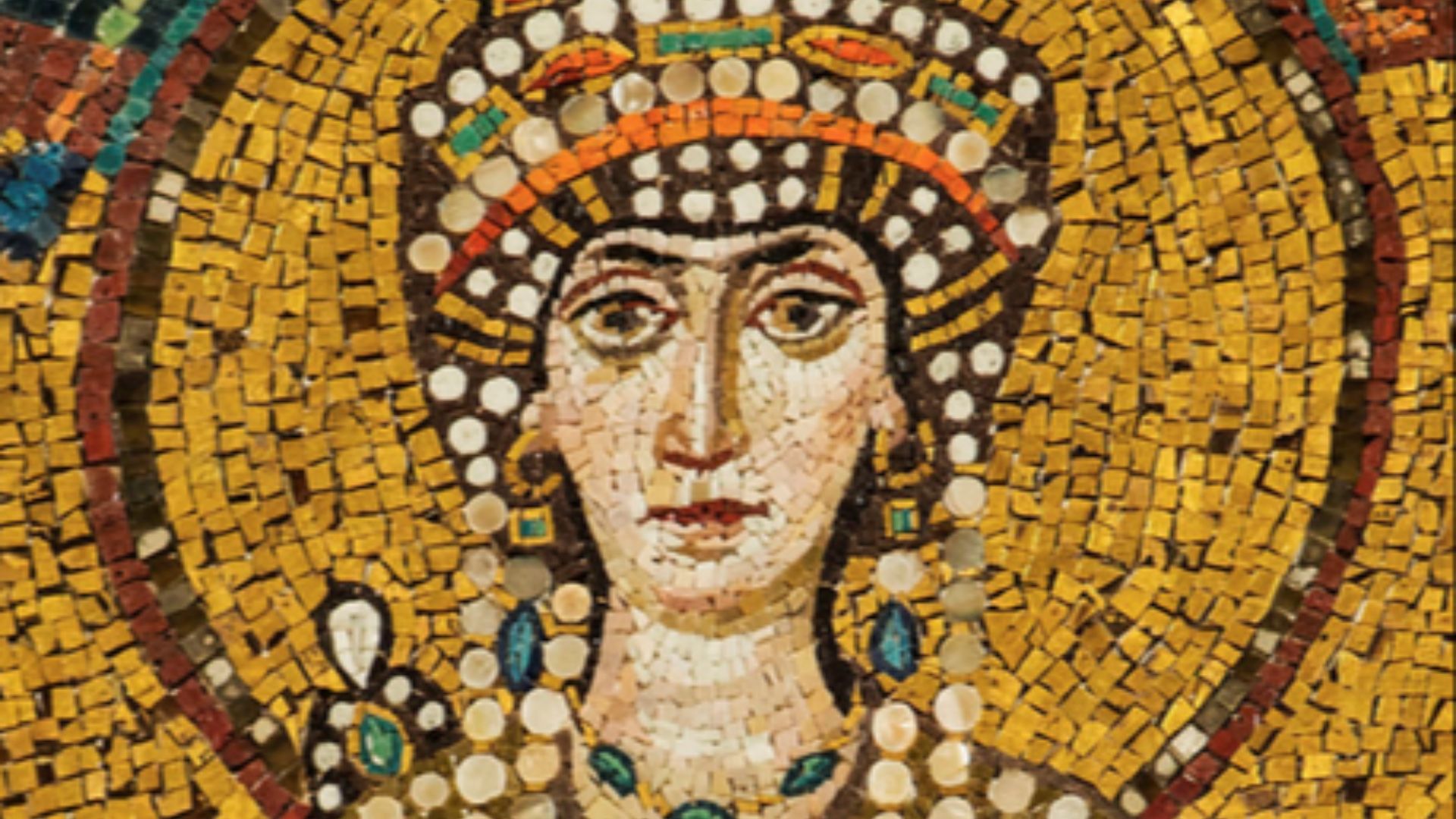
10. Empress Theodora
Before becoming one of the Byzantine Empire's most powerful women, Theodora reportedly worked as a performer, a background that raised plenty of eyebrows among the aristocracy. Her marriage to Emperor Justinian I elevated her to an extraordinary position of authority, allowing her to influence political decisions and religious affairs. The historian Procopius later described her as sexually immoral, manipulative, and ruthless in his controversial Secret History. Modern historians recognize that his account was heavily biased, although there's no denying Theodora's remarkable rise to power.
11. Madame du Barry
Jeanne Bécu rose from relatively humble beginnings to become the final official mistress of King Louis XV of France. Her beauty and fashionable appearance captivated the aging monarch, but her presence at Versailles infuriated aristocrats who considered her background entirely unsuitable. She soon found herself involved in court rivalries, including a famously uncomfortable relationship with the future queen Marie Antoinette. Following the French Revolution, her connections to the monarchy contributed to her arrest and eventual execution by guillotine in 1793.
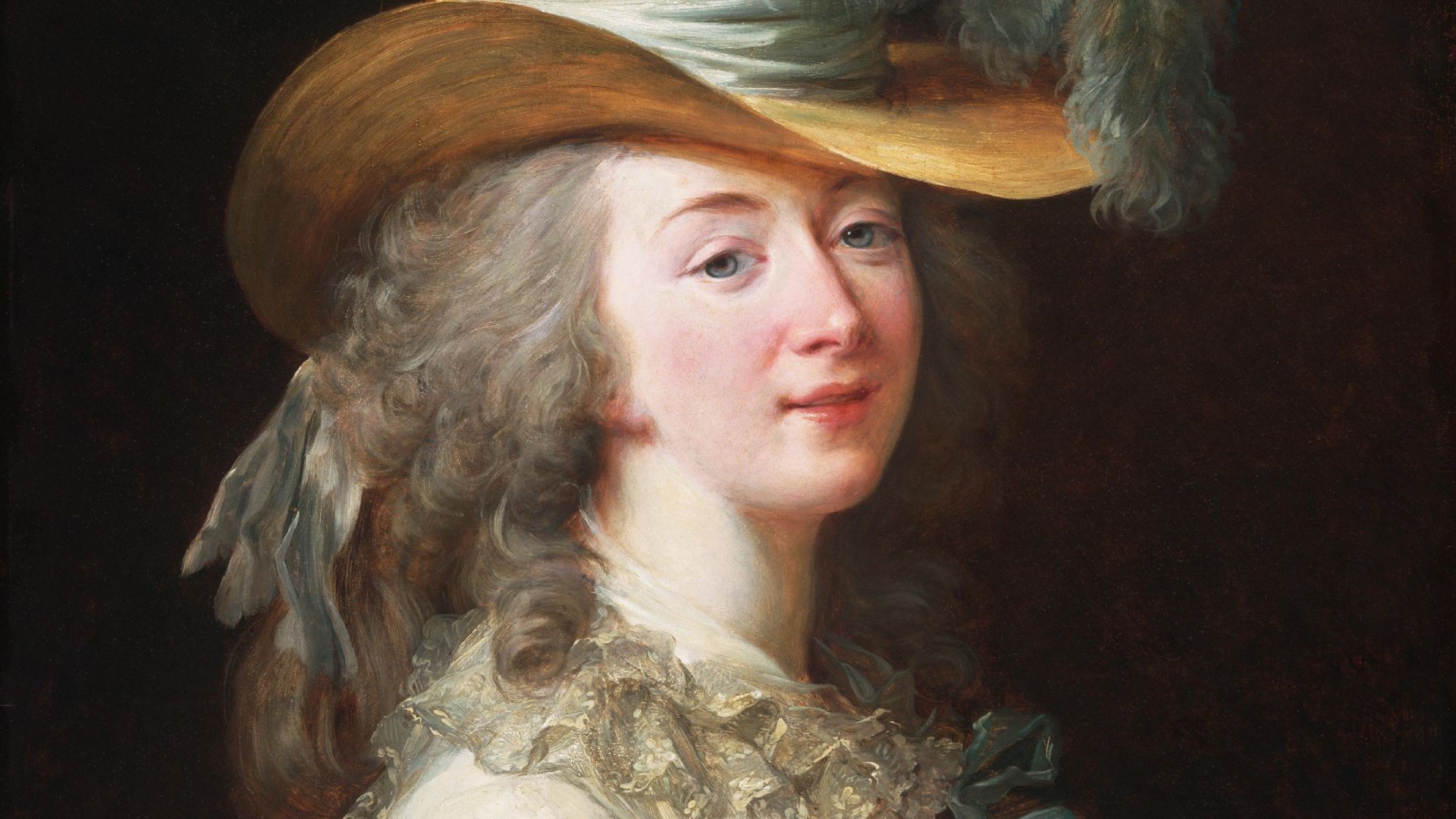 Élisabeth Louise Vigée Le Brun on Wikimedia
12. La Voisin
Catherine Monvoisin, better known as La Voisin, ran a profitable business in 17th-century Paris offering fortune-telling, supposed love potions, and even poisons. Her wealthy clientele reportedly included aristocratic women desperate to influence their lovers or get rid of romantic rivals. She eventually became a central figure in the infamous Affair of the Poisons, a scandal that threatened to implicate members of King Louis XIV's inner circle. Authorities executed her in 1680, although historians continue to debate the full extent of her activities and the accusations made against her.
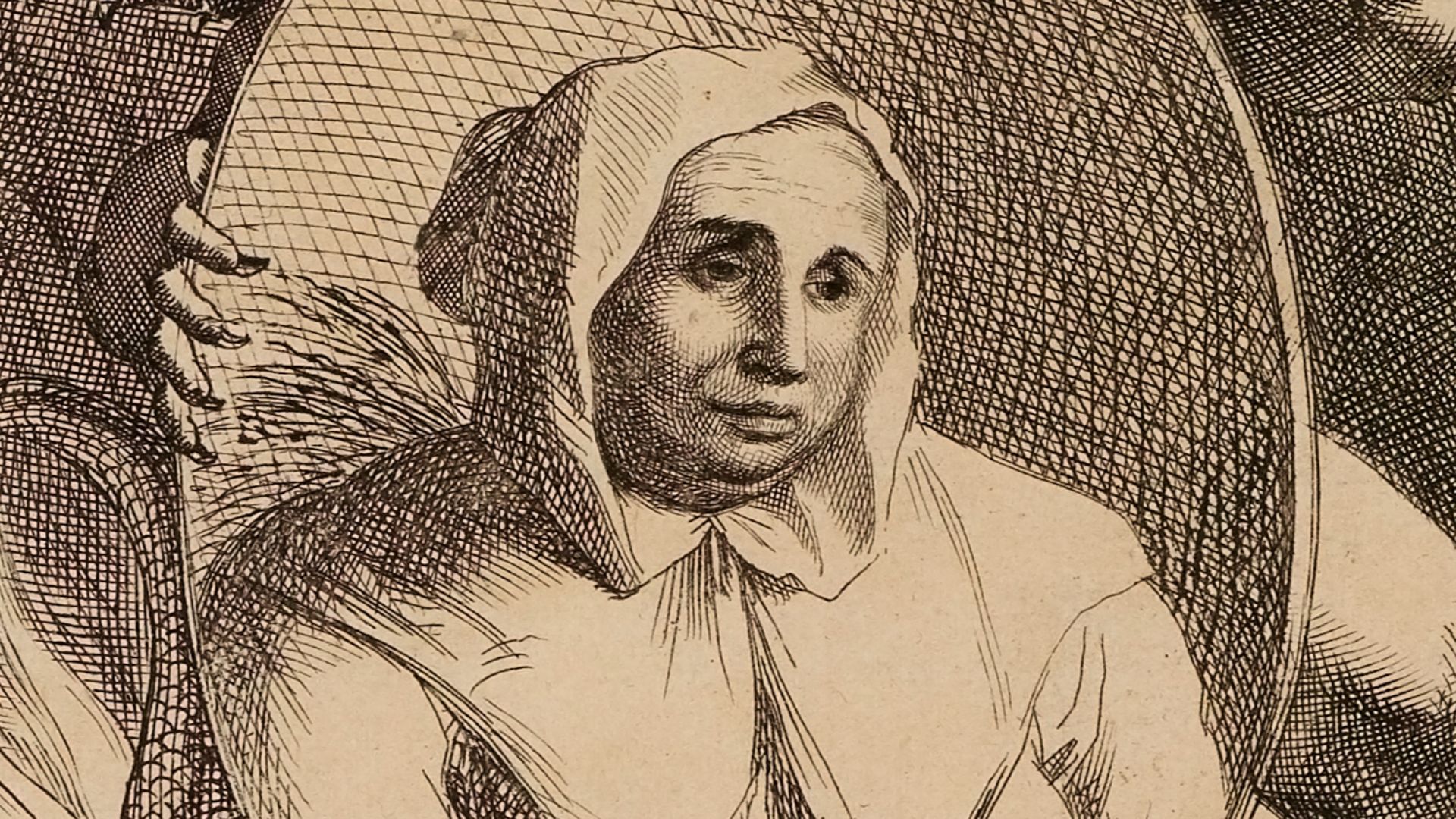 Attribué à Coypel, Antoine on Wikimedia
13. Virginia Hill
Virginia Hill became a familiar name in American organized crime thanks to her seductive influence over powerful gangsters, particularly Benjamin "Bugsy" Siegel. Known as the "Queen of the Mob," she used her charm, beauty, and intelligence to gain immense power and wealth among America's most dangerous gangsters. Her romance with Siegel attracted considerable attention, especially following his murder in 1947. Although newspapers often portrayed her as little more than a gangster's beautiful girlfriend, her involvement in organized crime was far more complicated than that description suggested.
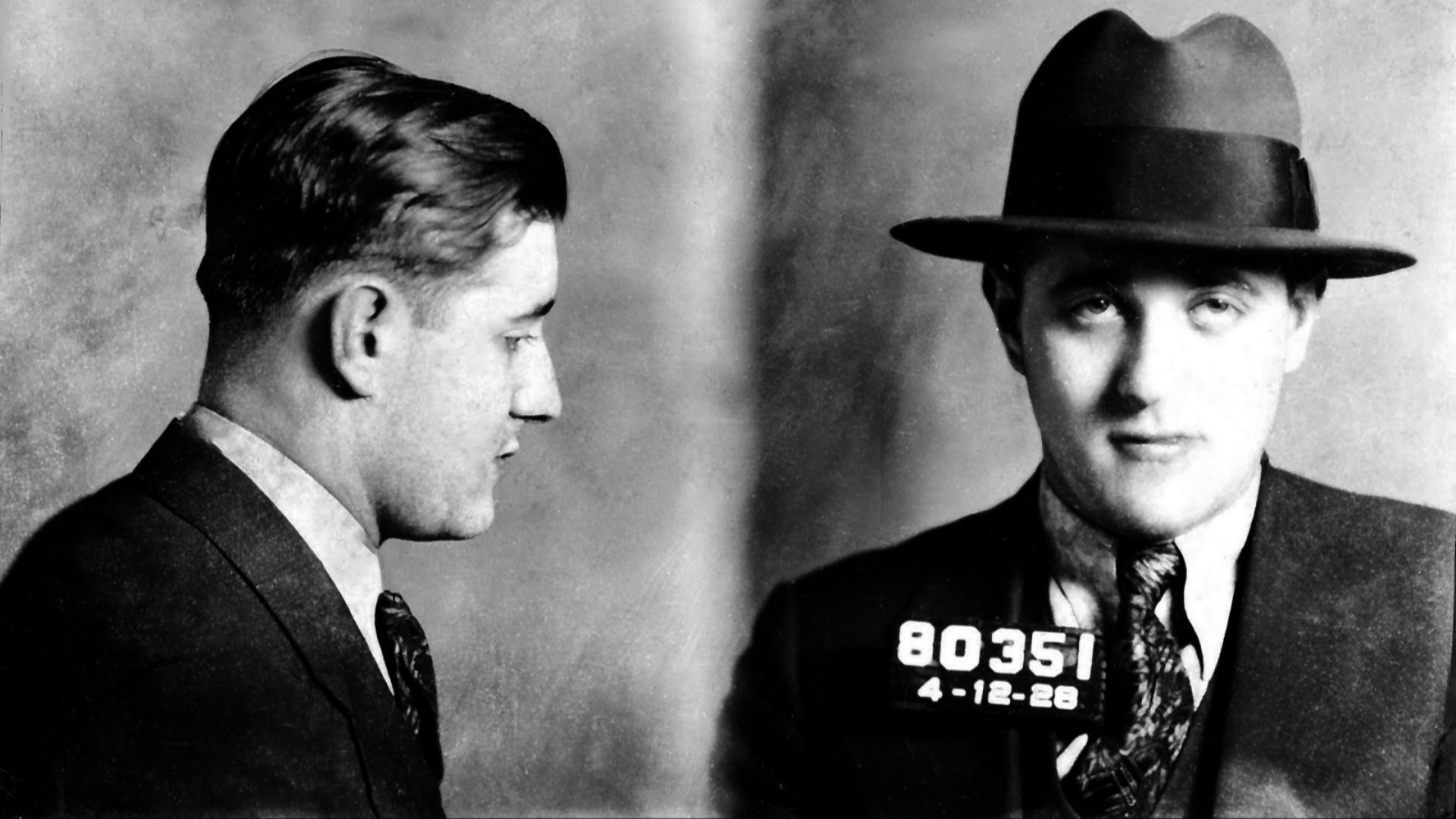 New York Police Department on Wikimedia
14. Diane de Poitiers
Diane de Poitiers became the longtime mistress of King Henry II of France despite being approximately 20 years his senior. Their relationship lasted for decades, and Henry showered her with valuable gifts, estates, and considerable influence over royal affairs. His wife, Catherine de' Medici, reportedly resented Diane's privileged position, especially since the king made little effort to hide his affection for her. Following Henry's death in 1559, Catherine wasted little time stripping Diane of some of her most prized possessions.
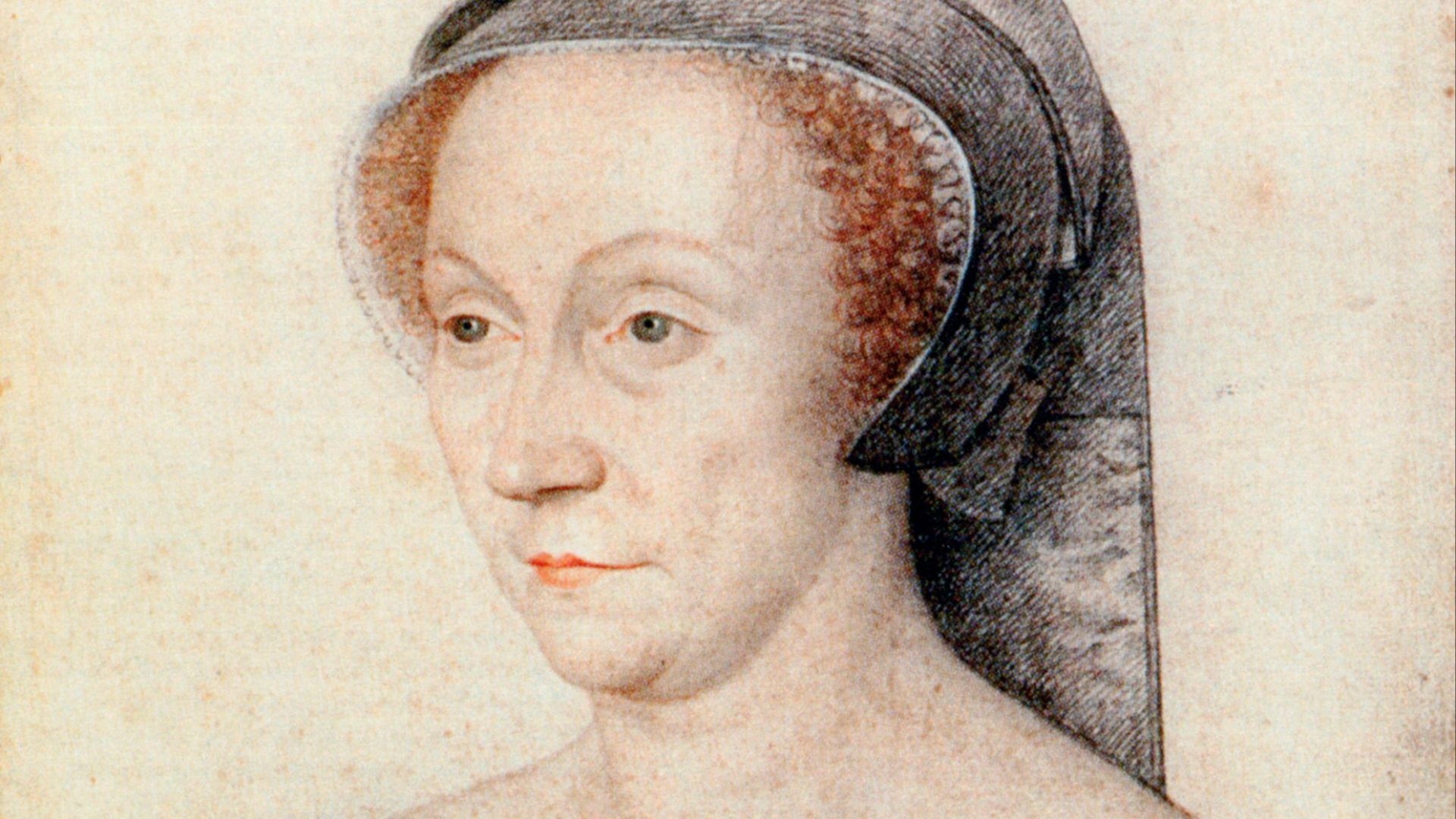 Workshop of François Clouet on Wikimedia
15. The Countess of Castiglione
Virginia Oldoini, the Countess of Castiglione, became famous throughout 19th-century Europe for her striking beauty, fashionable appearance, and influential romantic connections. She traveled to Paris in 1856 to help advance the cause of Italian unification and soon became a mistress of Emperor Napoleon III. Her relationships with wealthy aristocrats and political figures made her a frequent subject of gossip, although she was just as interested in carefully managing her own image. She collaborated on hundreds of elaborate photographs, leaving behind an extraordinary collection that reveals just how seriously she took her public persona.
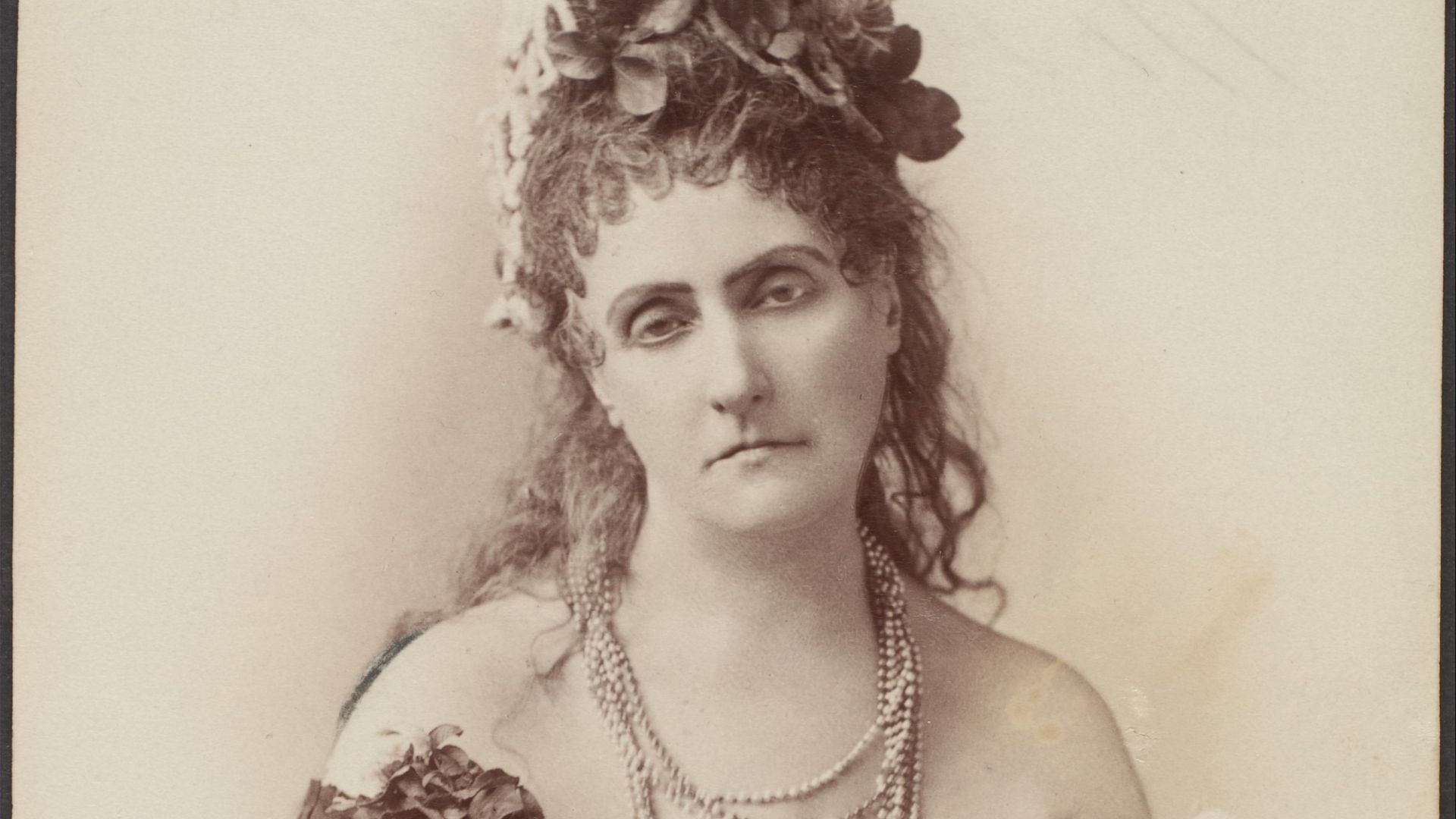 Pierre-Louis Pierson on Wikimedia
16. Ninon de Lenclos
Ninon de Lenclos was a celebrated French courtesan and intellectual whose fiercely independent lifestyle made her a controversial figure in 17th-century society. She openly pursued romantic relationships, rejected traditional expectations surrounding marriage, and entertained prominent writers and aristocrats at her Parisian salon. Her admirers included influential men who appreciated her intelligence and wit just as much as her appearance. Remarkably, she maintained her social prominence well into old age, despite living in a period when women were harshly criticized for behaving as freely as she did.
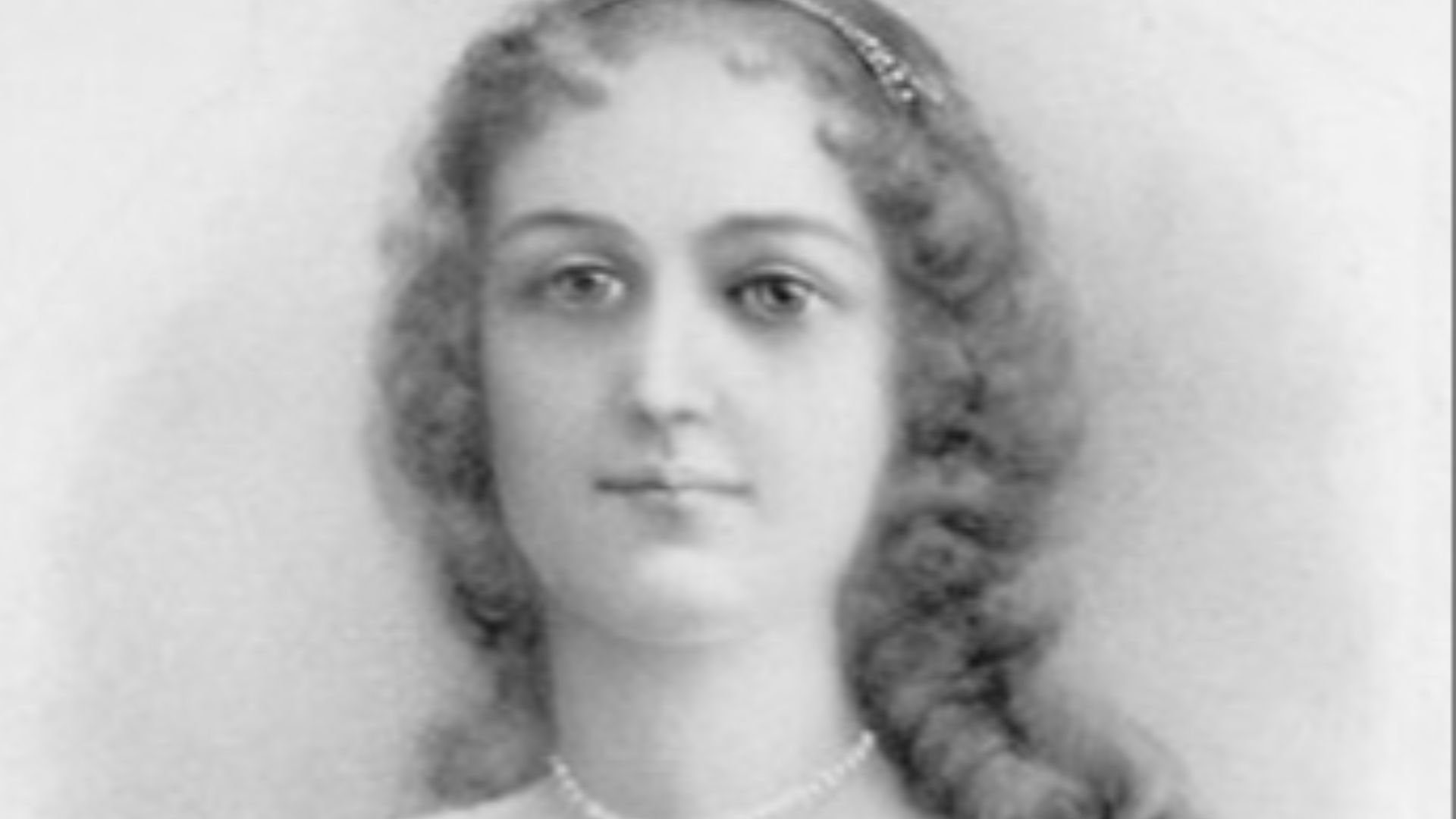
17. Betty Pack
American-born Betty Pack, also known as Amy Elizabeth Thorpe, used romantic relationships to gather valuable intelligence for the Allies during World War II. While working with British intelligence, she developed connections with diplomats and other officials who had access to sensitive information. One of her most famous operations involved obtaining access to diplomatic code material at the Vichy French embassy in Washington, D.C. Unlike many women whose dangerous reputations were built largely on rumors, Pack really did use seduction as part of her espionage work.
 Underwood & Underwood on Wikimedia
18. Wu Zetian
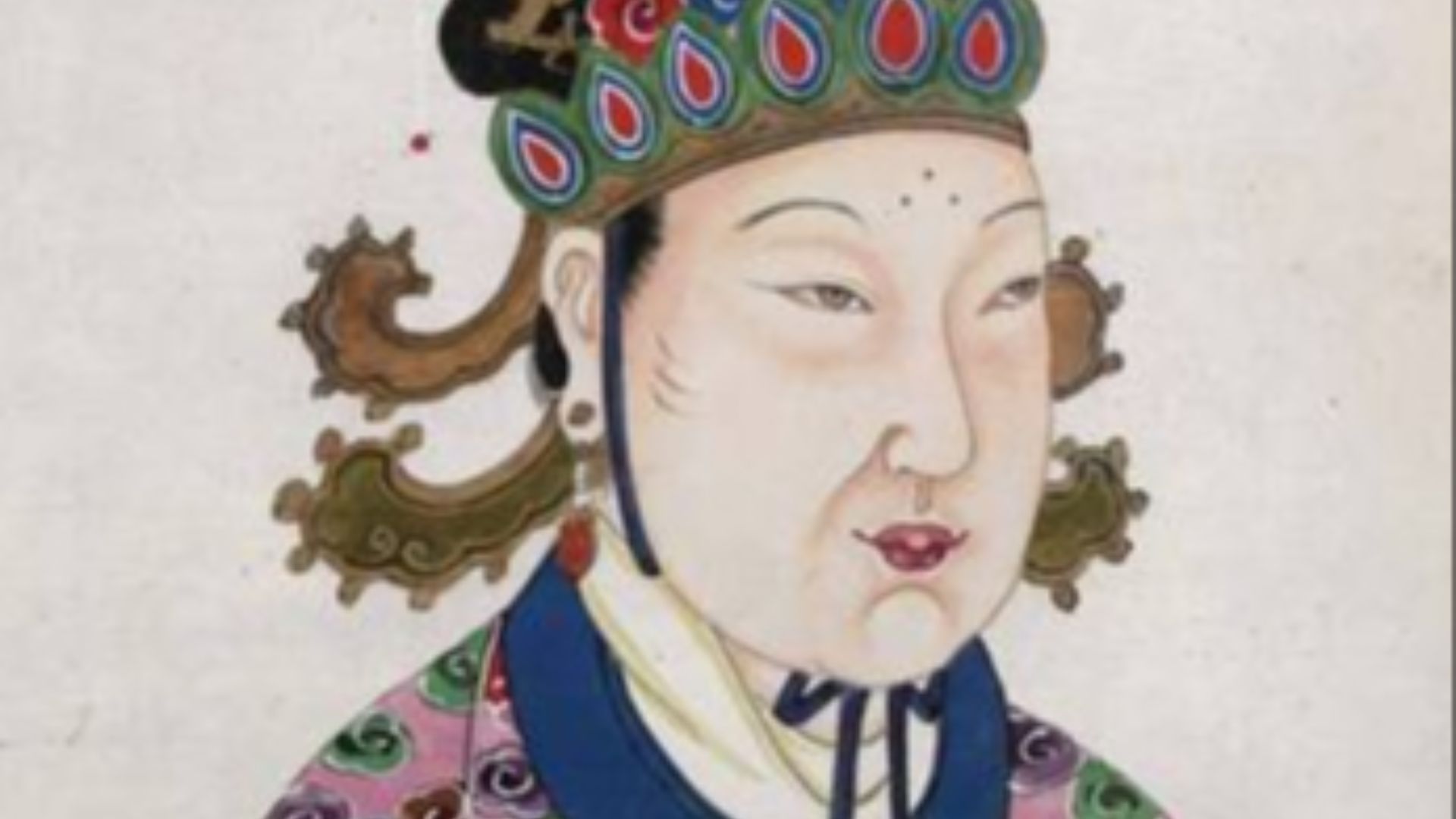
Wu Zetian rose from imperial consort to become the only woman in Chinese history to formally rule as emperor in her own right. Her extraordinary rise involved navigating dangerous palace rivalries, removing political opponents, and gradually consolidating power within the Tang imperial system. Later historians accused her of manipulating lovers, eliminating relatives, and resorting to ruthless tactics to maintain her authority, although some of these allegations remain disputed. Whatever you think of her personal life, her determination and political intelligence made her one of China's most formidable rulers.
19. Theda Bara
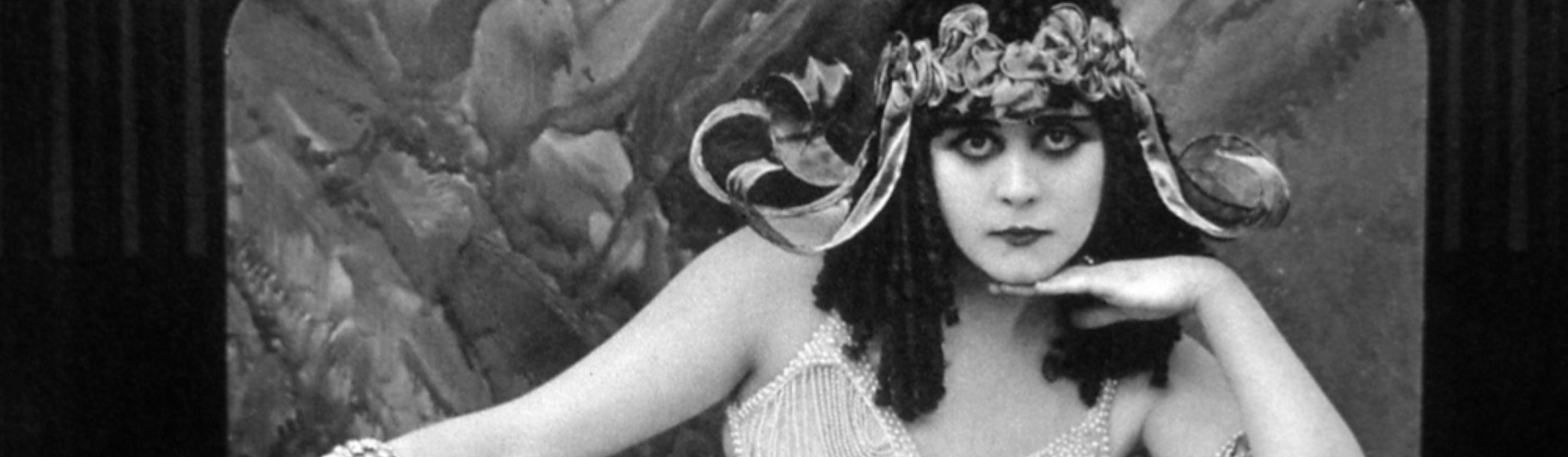
Silent-film actress Theda Bara helped popularize the modern image of the femme fatale through her portrayals of seductive and dangerous women. Her breakthrough performance in the 1915 film A Fool There Was made her a screen sensation, with audiences captivated by her mysterious appearance and provocative characters. Hollywood publicity teams exaggerated her background, spreading fantastical stories about her supposedly exotic origins despite the fact that she was born in Cincinnati, Ohio. In reality, Bara's dangerous reputation was largely a carefully manufactured Hollywood persona rather than a reflection of who she was in private.
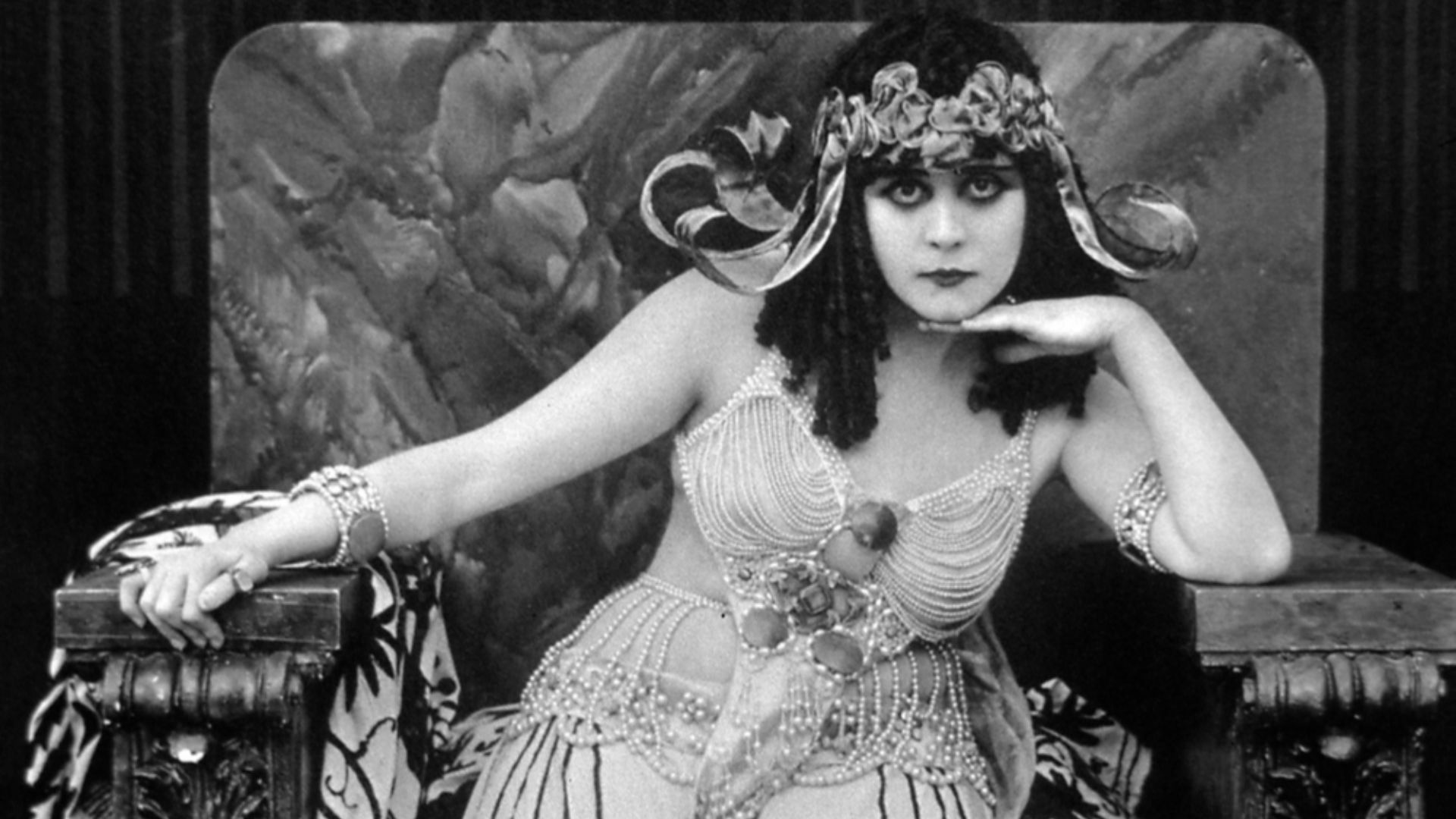 Fox Film Corporation on Wikimedia
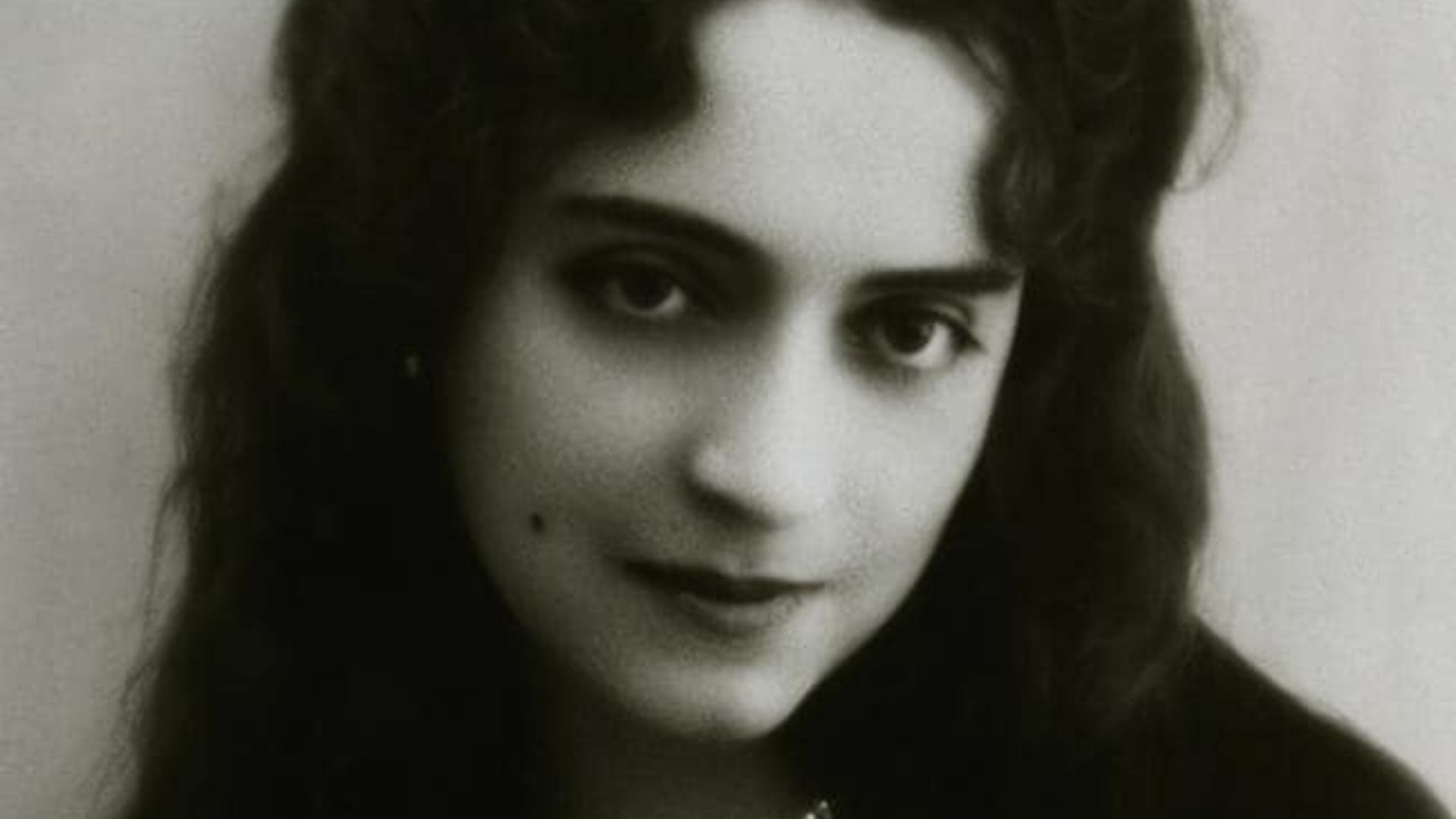
20. Marguerite Alibert
French courtesan Marguerite Alibert became notorious for her relationships with wealthy and influential men, including the future King Edward VIII of Britain. After their affair ended, she reportedly used his compromising letters to protect herself from scandal, demonstrating just how much influence she could wield over powerful admirers. In 1923, she shot and killed her Egyptian husband, Prince Ali Kamel Fahmy, at London's Savoy Hotel following a troubled marriage. Despite admitting to the shooting, Alibert was acquitted of murder, with the sensational trial cementing her reputation as one of the era's most controversial femme fatales.
 Unknown authorUnknown author on Wikimedia
KEEP ON READING