

20 Things Historical Figures Did During Economic Downturn To Come Out Rich
20 Things Historical Figures Did During Economic Downturn To Come Out Rich
Turning Difficult Economic Times Into Financial Opportunities
Economic downturns have created plenty of financial hardship throughout history, but they've also given certain ambitious individuals opportunities to build extraordinary wealth. While many people focused on protecting what they already had, some historical figures recognized that falling prices, struggling businesses, and changing markets could create opportunities for those willing to take calculated risks.
 Unknown authorUnknown author on Wikimedia
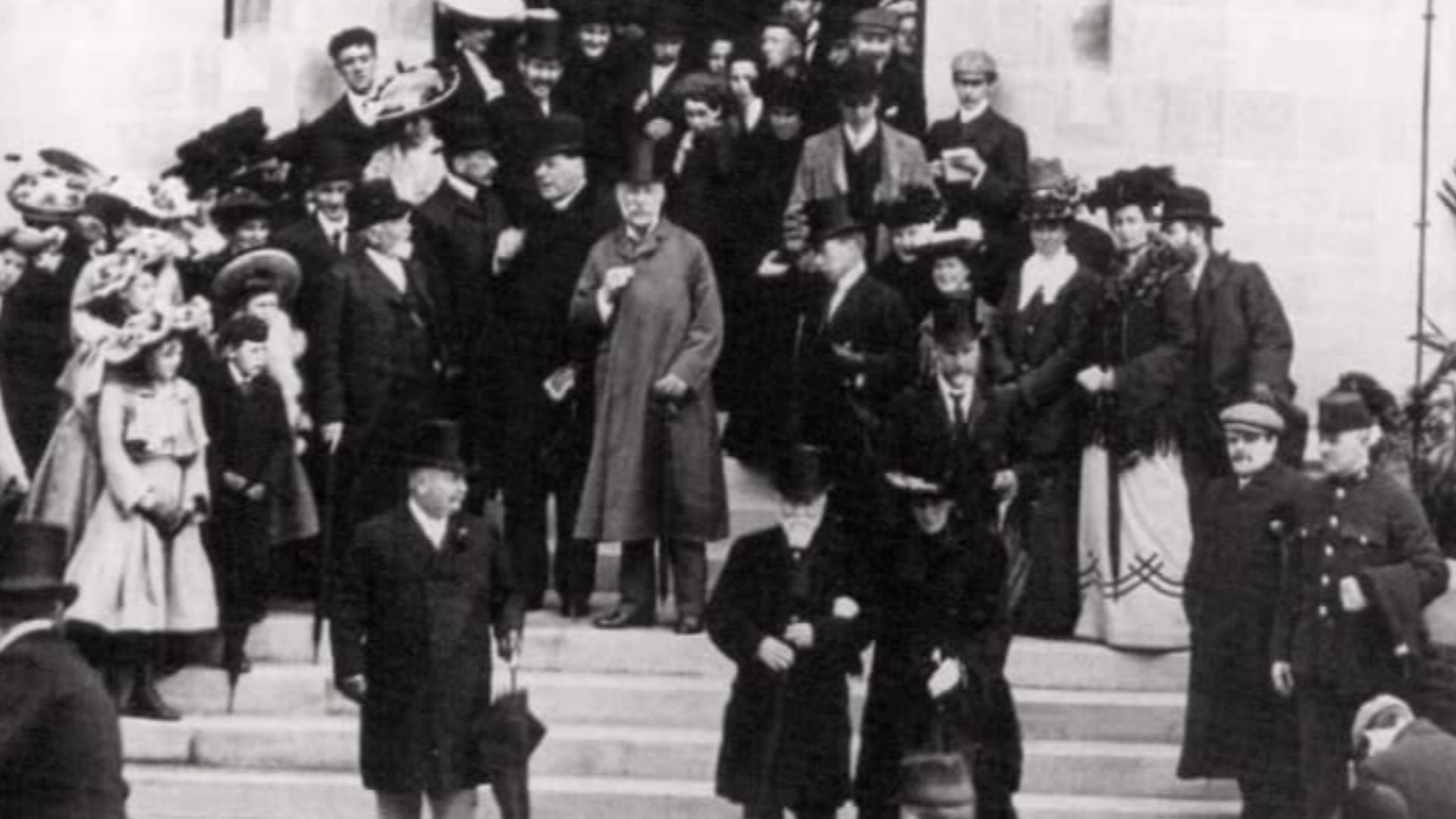
1. John D. Rockefeller Bought Out Struggling Competitors
The Panic of 1873 brought about widespread hardship, but John D. Rockefeller saw a way to use it to his advantage. Many oil companies were competing with one another to gain market share, and Rockefeller began to acquire several of them during this time when they were losing money. He bought out several companies and their equipment at low prices, further increasing his dominance in the industry.
 AnonymousUnknown author on Wikimedia
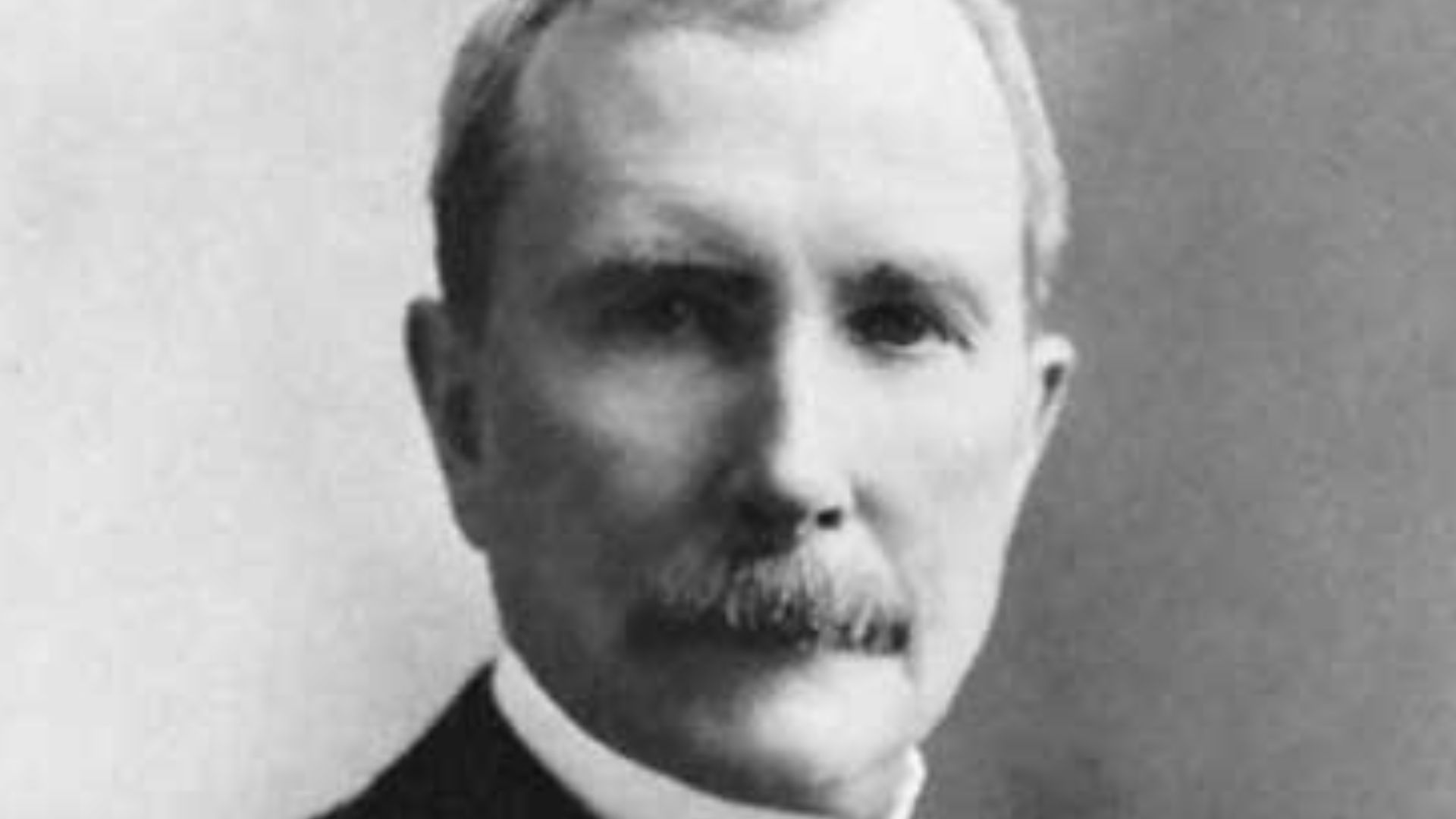
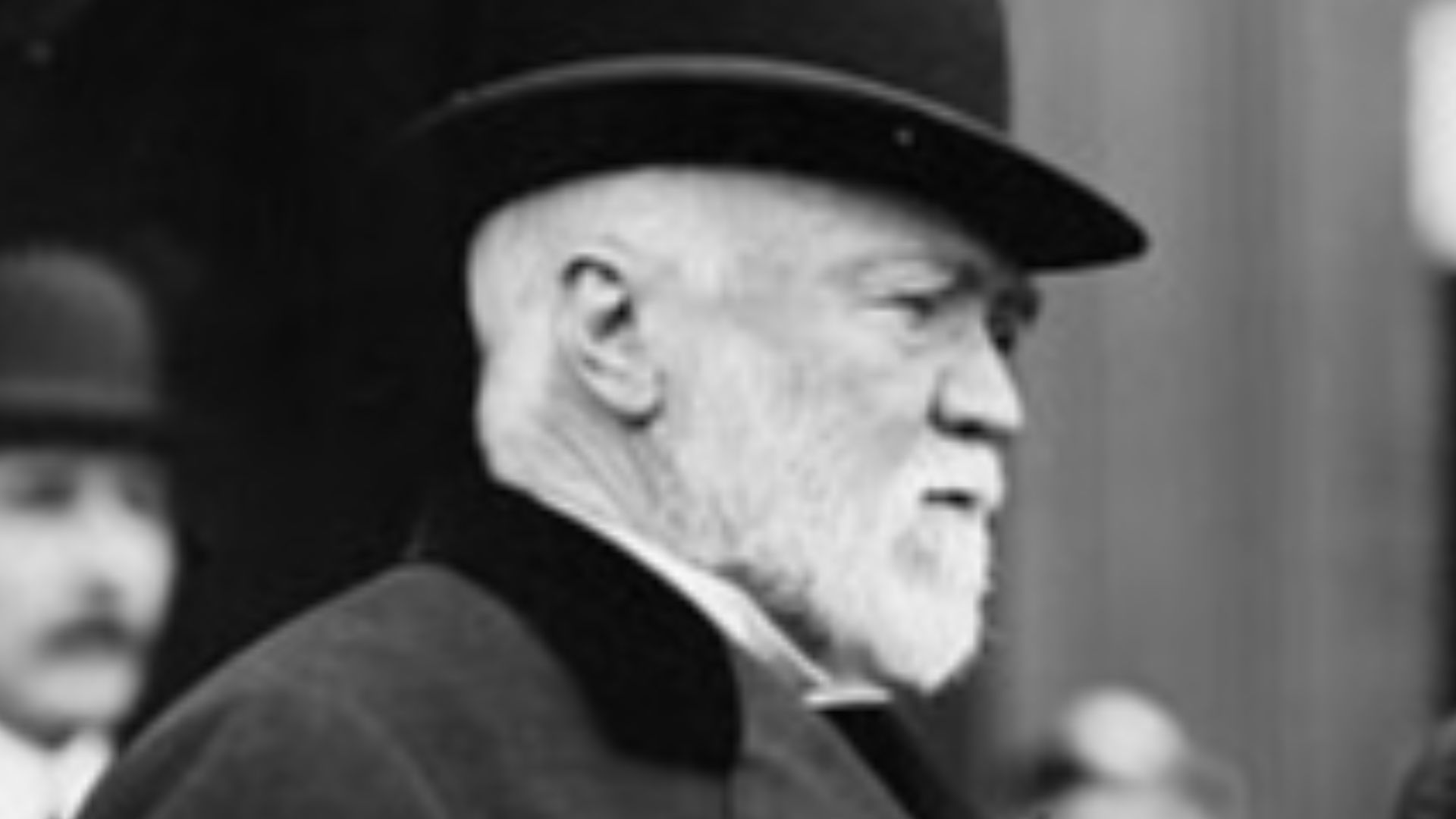
2. Andrew Carnegie Expanded His Steel Business
The Panic of 1873 left many of Carnegie's customers unable to settle their accounts with his steel company. Throughout the country, businesses fell into deficit, and many failed. Carnegie simply tried to stay afloat and maintain his working capital to see him through the hard times.
 Bain News Service, publisher on Wikimedia
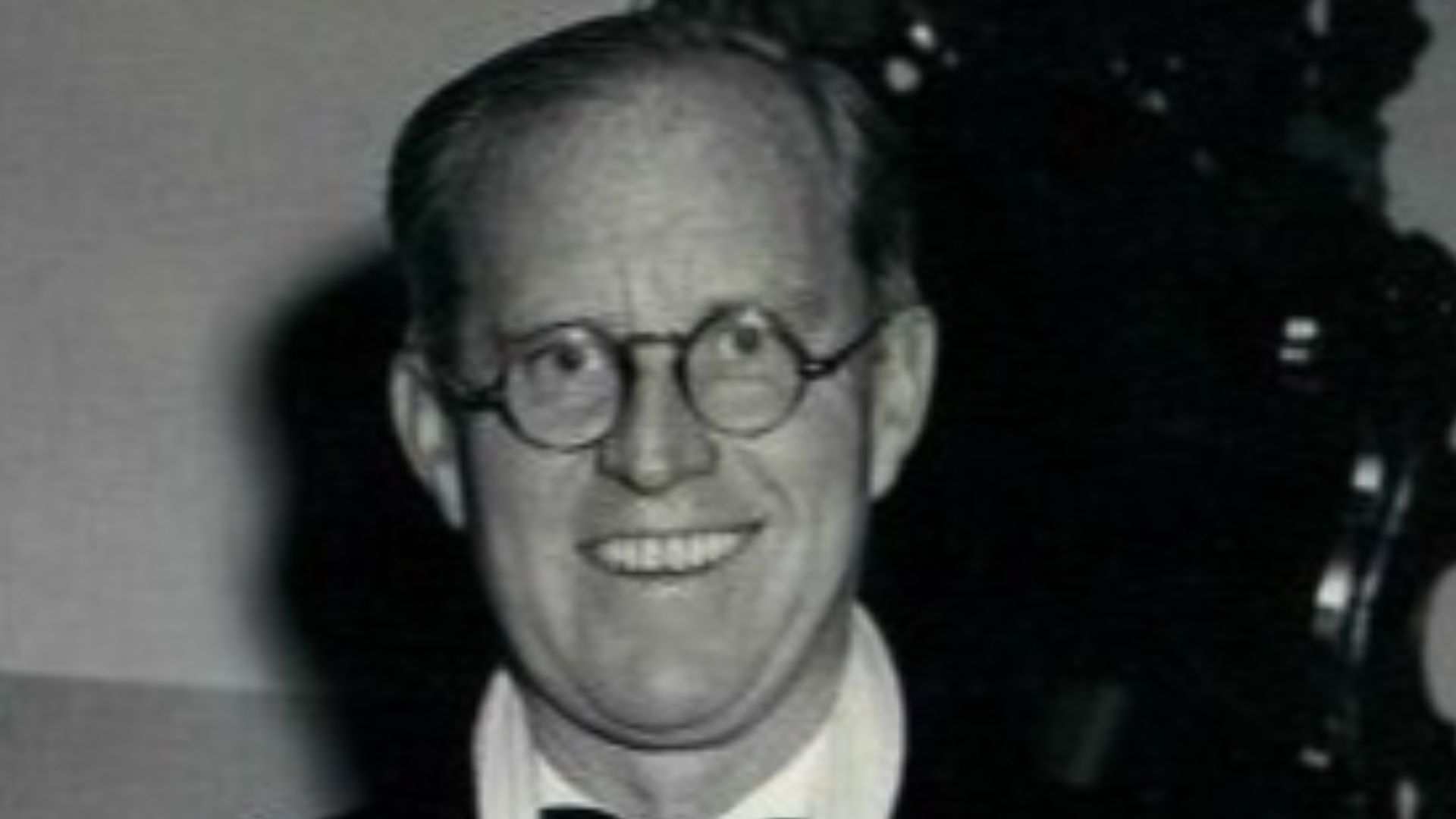
3. Joseph P. Kennedy Invested in Hollywood
While the 1930s brought great financial woe to many businesses, Joseph P. Kennedy Sr. saw an opportunity to enter Hollywood. Having made his fortune in the equity markets in the 1920s, he bought an insolvent movie studio and took on several other Hollywood businesses to streamline the process. His movie ventures reportedly earned him millions, helping him emerge from the Great Depression in a stronger financial position.
 Photographer: Larry Gordon on Wikimedia
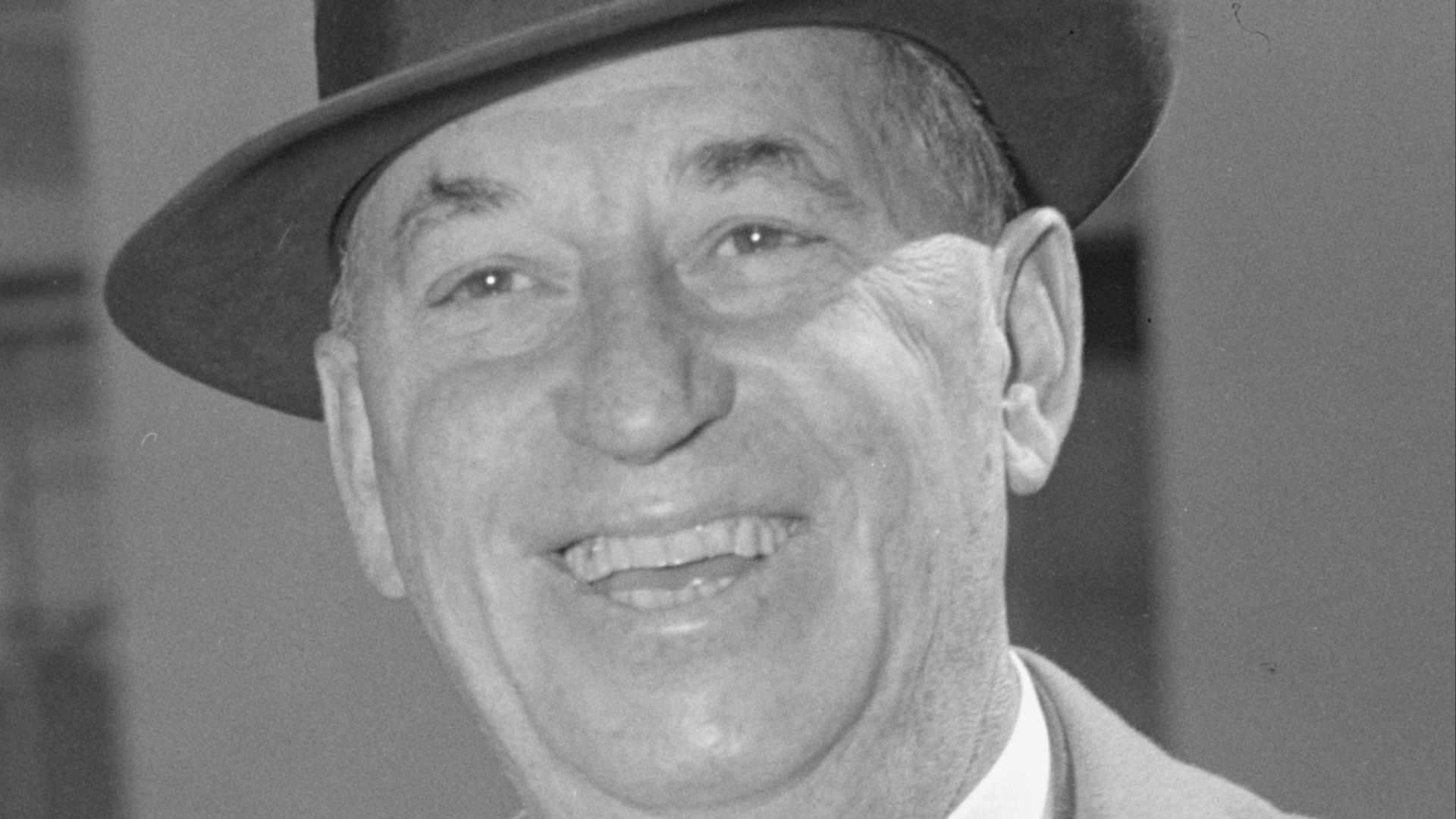
4. Walter Chrysler Focused on Affordable Cars
Realizing that families were pinched during the Great Depression, Walter Chrysler focused on streamlining his company to cut costs and reduce the price of its cars. With this, he sought to boost consumer interest in its cheaper Plymouth car. It was a very successful tactic, as Plymouth gained significant market share over the period from 1929 to 1933.
 Harris & Ewing, photographer on Wikimedia
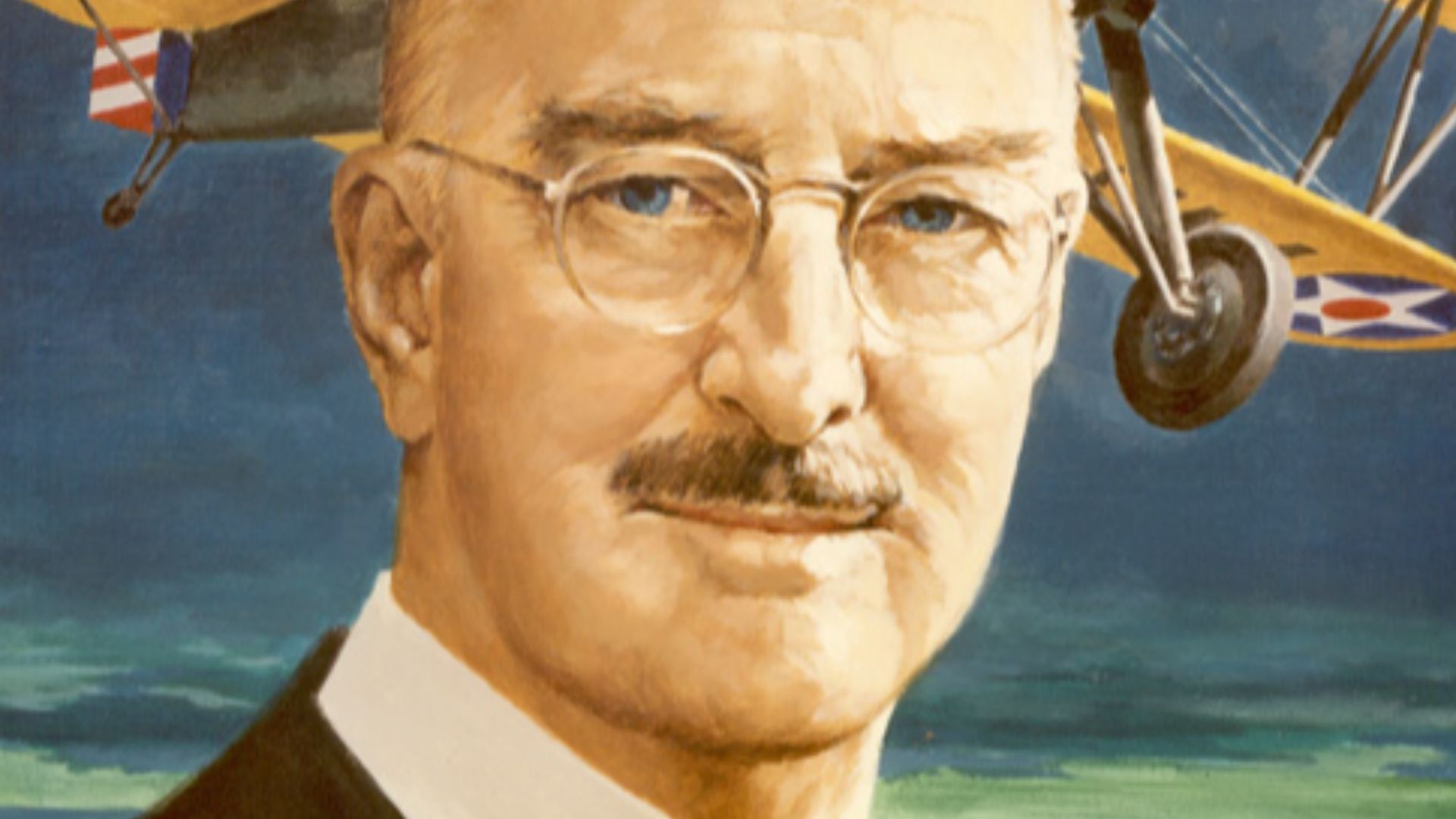
5. William Boeing Continued Investing in Aviation
The Great Depression brought financial distress to many U.S. businesses and threatened to shut many down. William Boeing sought to press on in the aviation sector and continued to improve its aircraft technology as well as grow its commercial airline operations. This saw Boeing build out an extensive vertical in aviation, from building planes to operating commercial airlines, as the passenger industry continued to boom.
 San Diego Air & Space Museum Archives on Wikimedia
6. Benjamin Graham Looked for Undervalued Stocks
The effects of the 1929 crash made Benjamin Graham take a more rigorous approach to analyzing and picking stocks. He sought to only buy stocks at a discount to intrinsic value after studying companies' fundamental metrics. He focused on metrics that would suggest strong financial health and had a significant "margin of safety" to avoid further downside.
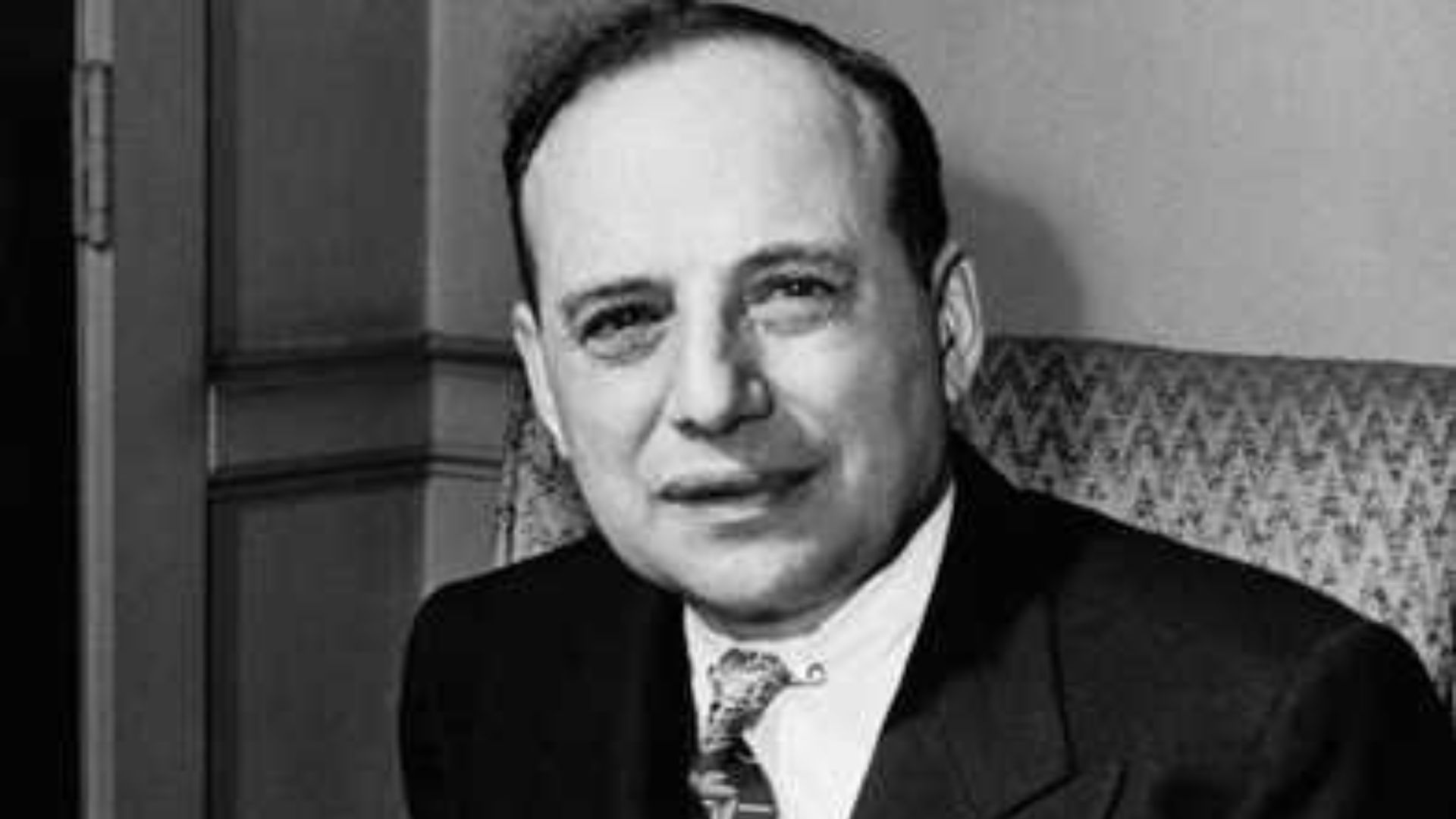 AnonymousUnknown author on Wikimedia
7. John Templeton Bought Stocks Nobody Wanted
With World War II commencing in 1939, John Templeton sought to buy all NYSE-listed stocks with a share price of less than $1. He borrowed funds to invest in 100 shares of each company, of which 34 were already insolvent. He was left with just four worthless companies after his investment, while the rest proved lucrative as a result of his diligent research.
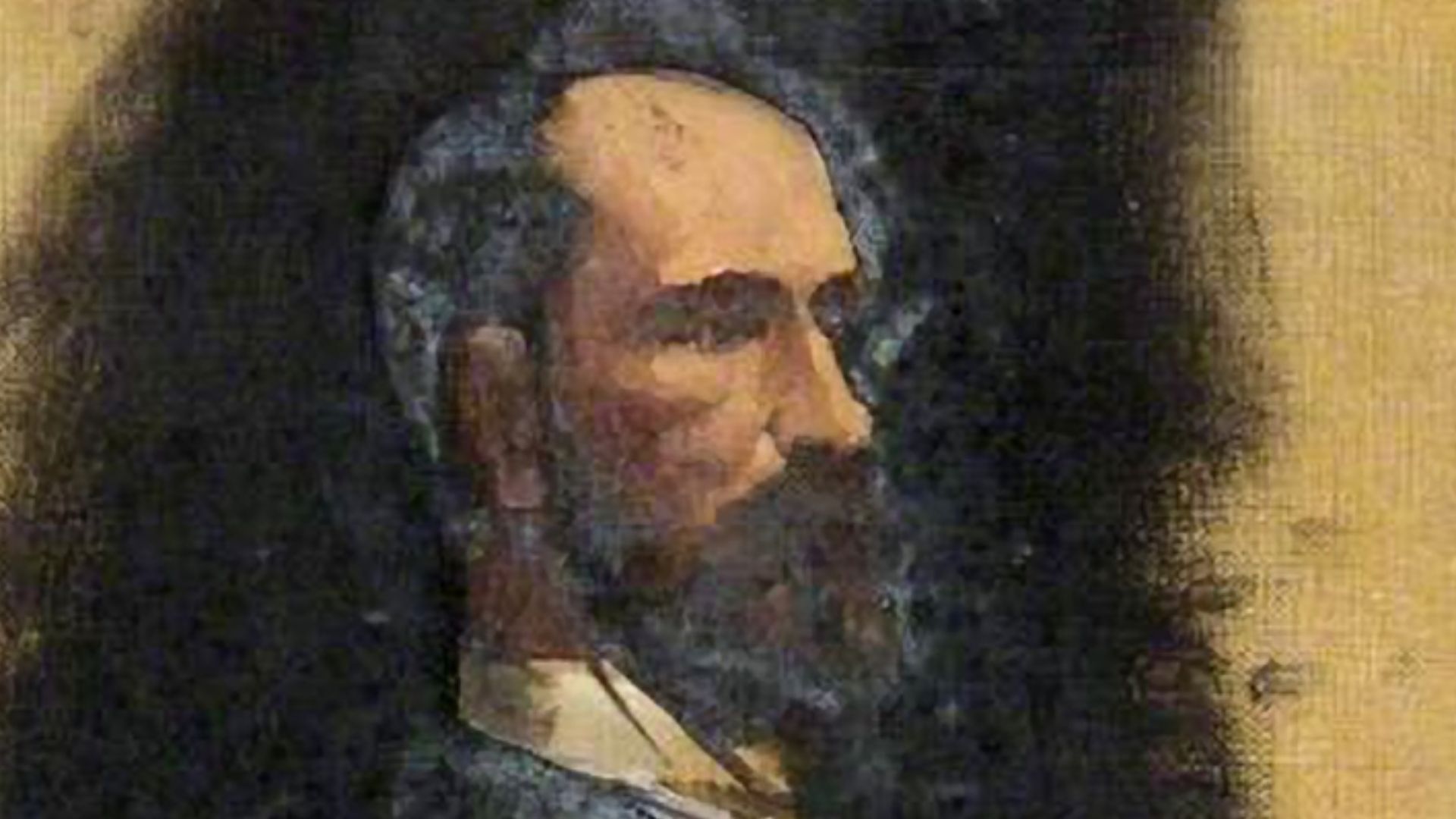
8. Warren Buffett Bought Into Undervalued Businesses
In response to the market downturn in 1973–74, Buffett began accumulating large equity stakes in some attractive businesses. In one such example, he bought his way into The Washington Post by the end of June 1973, owning 467,704 shares at an average cost of approximately $22.75. He would go on to see this as one of his top stock picks ever after buying into the undervalued company.
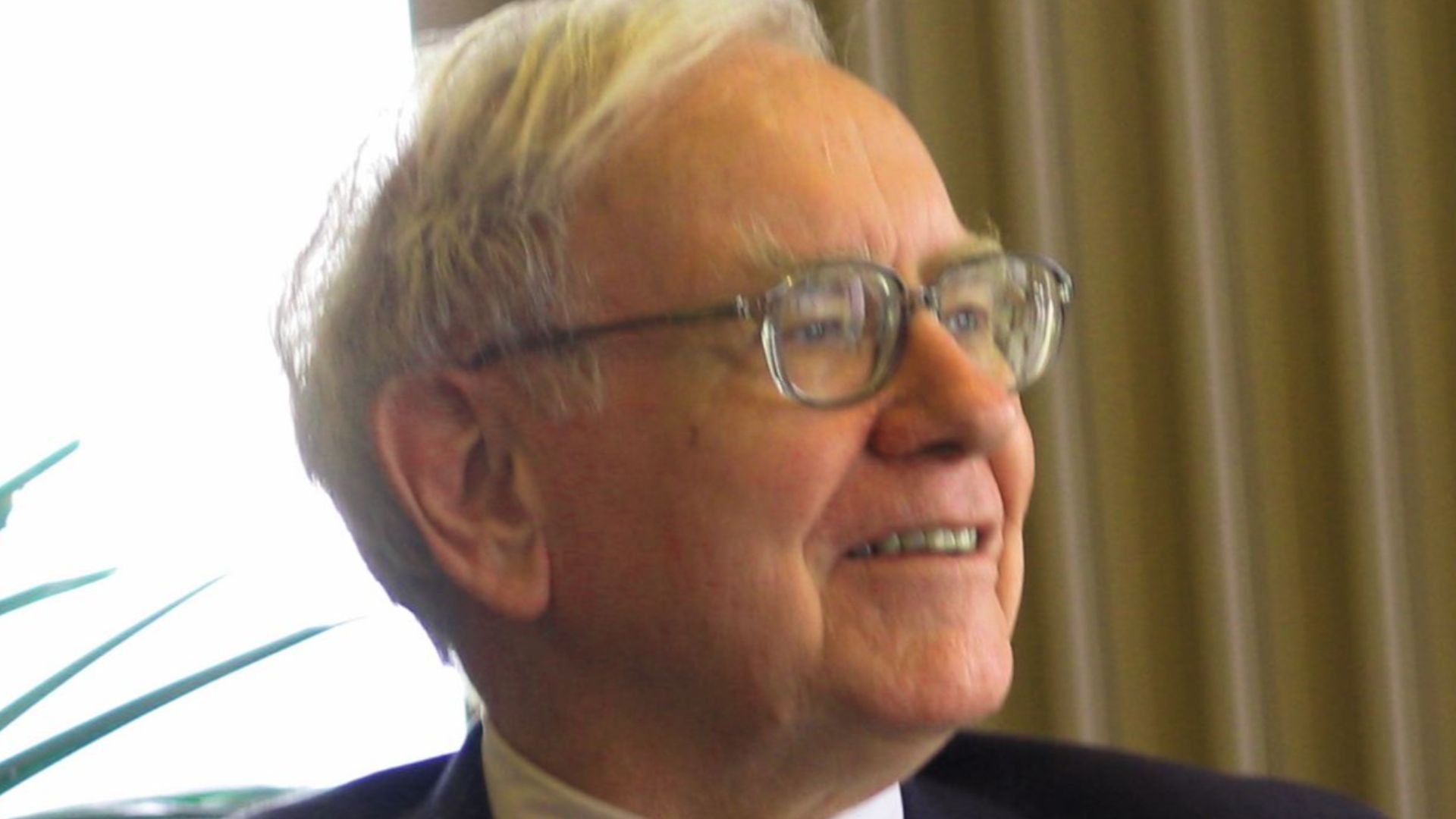
9. Walt Disney Invested in a Major New Film
The Great Depression didn't stop Walt Disney from pursuing an ambitious project that many people considered financially risky. He invested heavily in producing Snow White and the Seven Dwarfs, the studio's first full-length animated feature, which required approximately $1.4 million and three years of work. When the movie premiered in 1937, it became a tremendous commercial success, generating at least $8 million during its first year and helping the studio pay off its substantial debt.
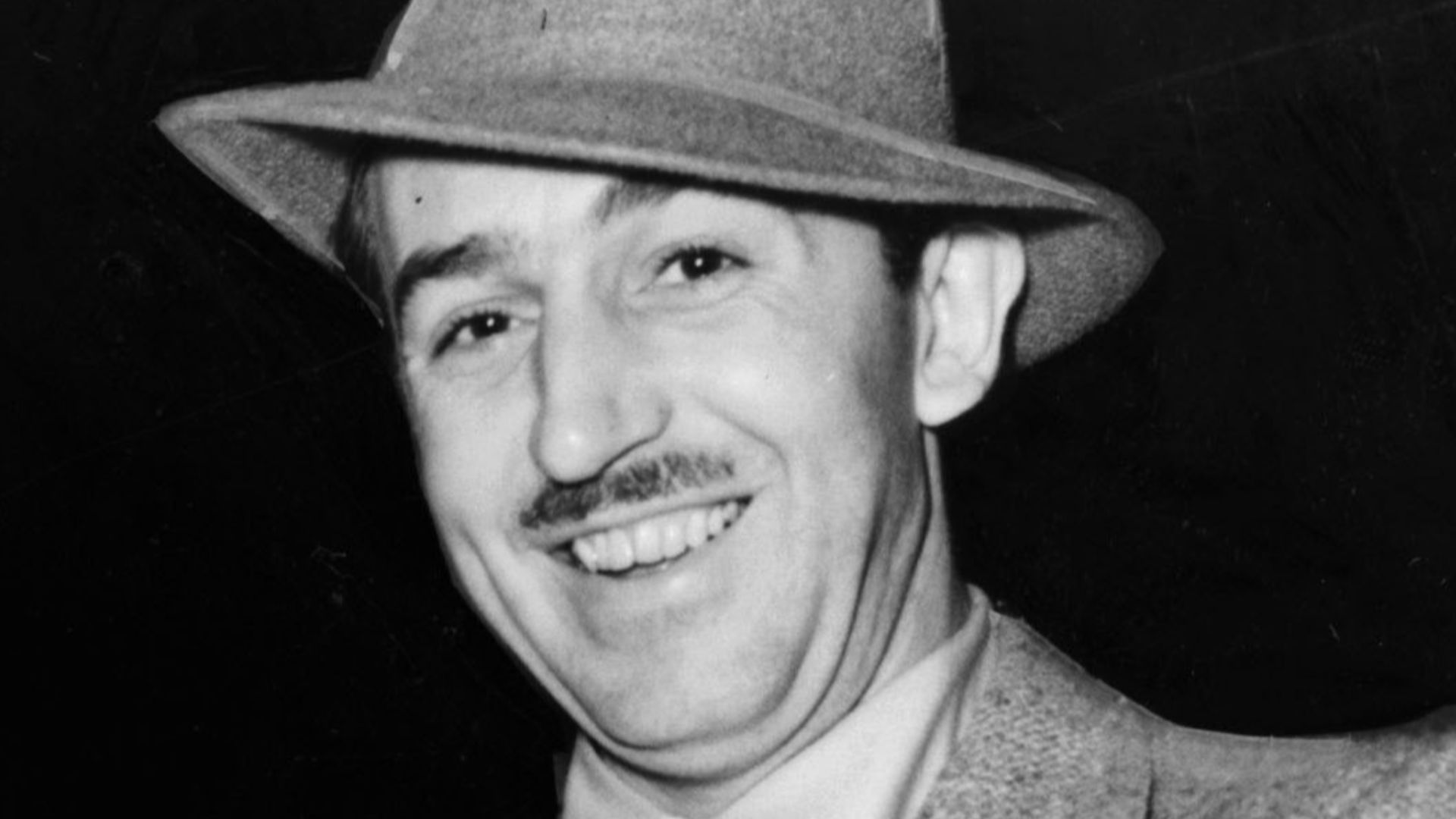 New York World-Telegram and the Sun staff photographer: Fisher, Alan, photographer. on Wikimedia
10. Henry Ford Made Cars More Affordable
By improving the production costs of his Model T car, Ford was able to progressively lower the price and allow more Americans to own a car. This involved Ford increasing the efficiency of his moving assembly line to build cars faster, lowering the car's price in return. Ford built one of the largest and most prominent manufacturing companies as a result of his innovations.
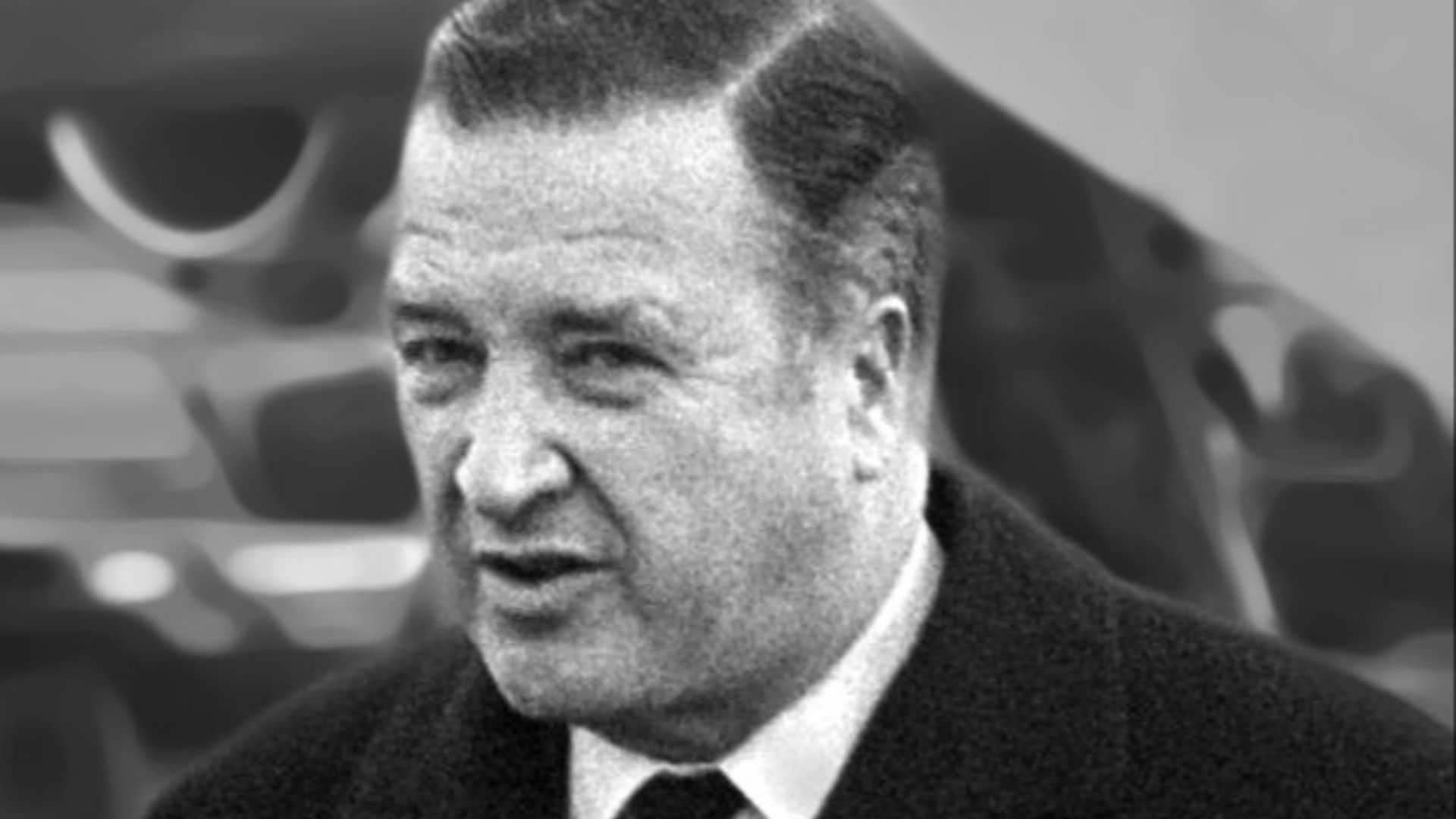
11. Cornelius Vanderbilt Bought Into the Railroad Industry
As rail became an increasingly prominent form of transport, Cornelius Vanderbilt started to build on his wealth in shipping and take a large position in rail companies. From the 1860s, he focused on his rail investments and reduced the costs of shipping while acquiring and combining businesses to increase efficiency. He grew his fortune by a reported $90 million through his investment in the railway prior to his death in 1877.
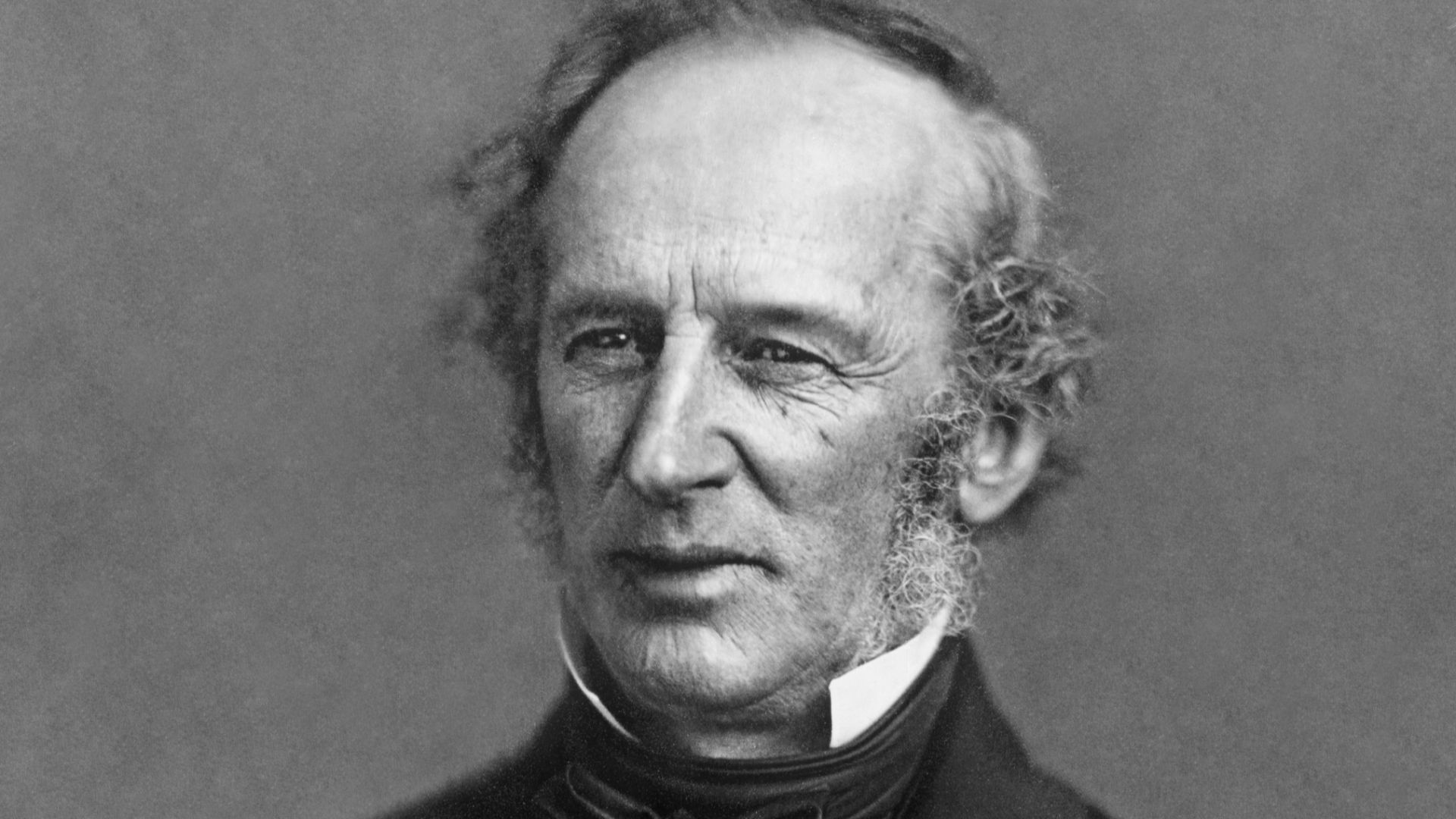 Produced by Mathew Brady's studio, restored by Michel Vuijlsteke on Wikimedia
12. James J. Hill Built a Railroad When Financing Was Difficult
During a time when rail companies were struggling, James J. Hill began financing his ambitious plan to build a rail line. By raising private capital and reducing his capital spending on the construction process, Hill successfully completed the rail line to the Pacific Northwest in 1893, the year of a large financial panic that saw many U.S. companies fail.
13. Hetty Green Purchased Distressed Investments
Known as one of America's "meanest" women, Hetty Green found time and time again ways to profit in challenging market and economic environments. She acquired depressed equities and bonds from distressed companies at very low prices with an eye on growing their value over time. Her disciplined approach eventually made her one of the wealthiest women in America during the late nineteenth and early twentieth centuries.
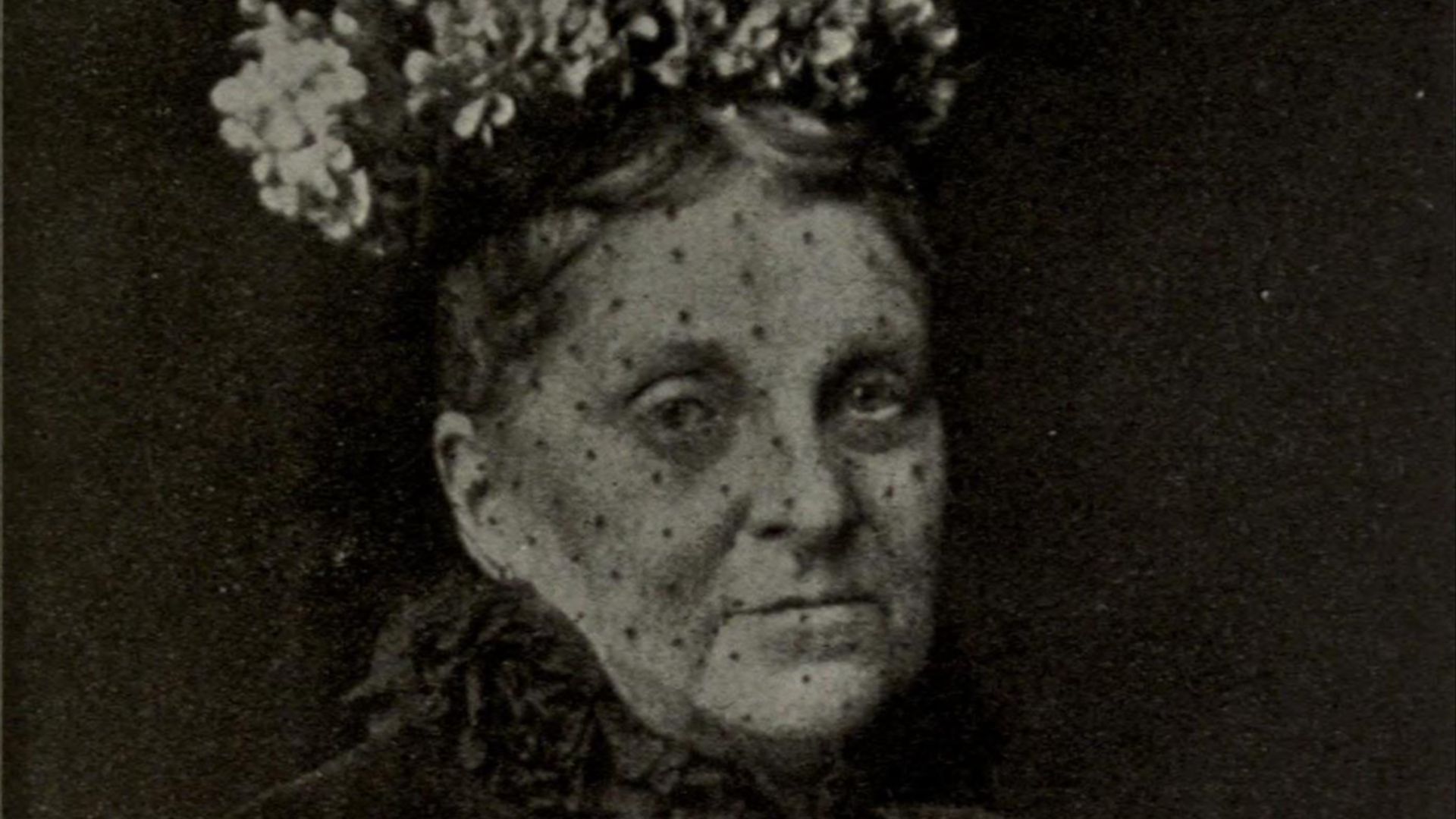 National Magazine on Wikimedia
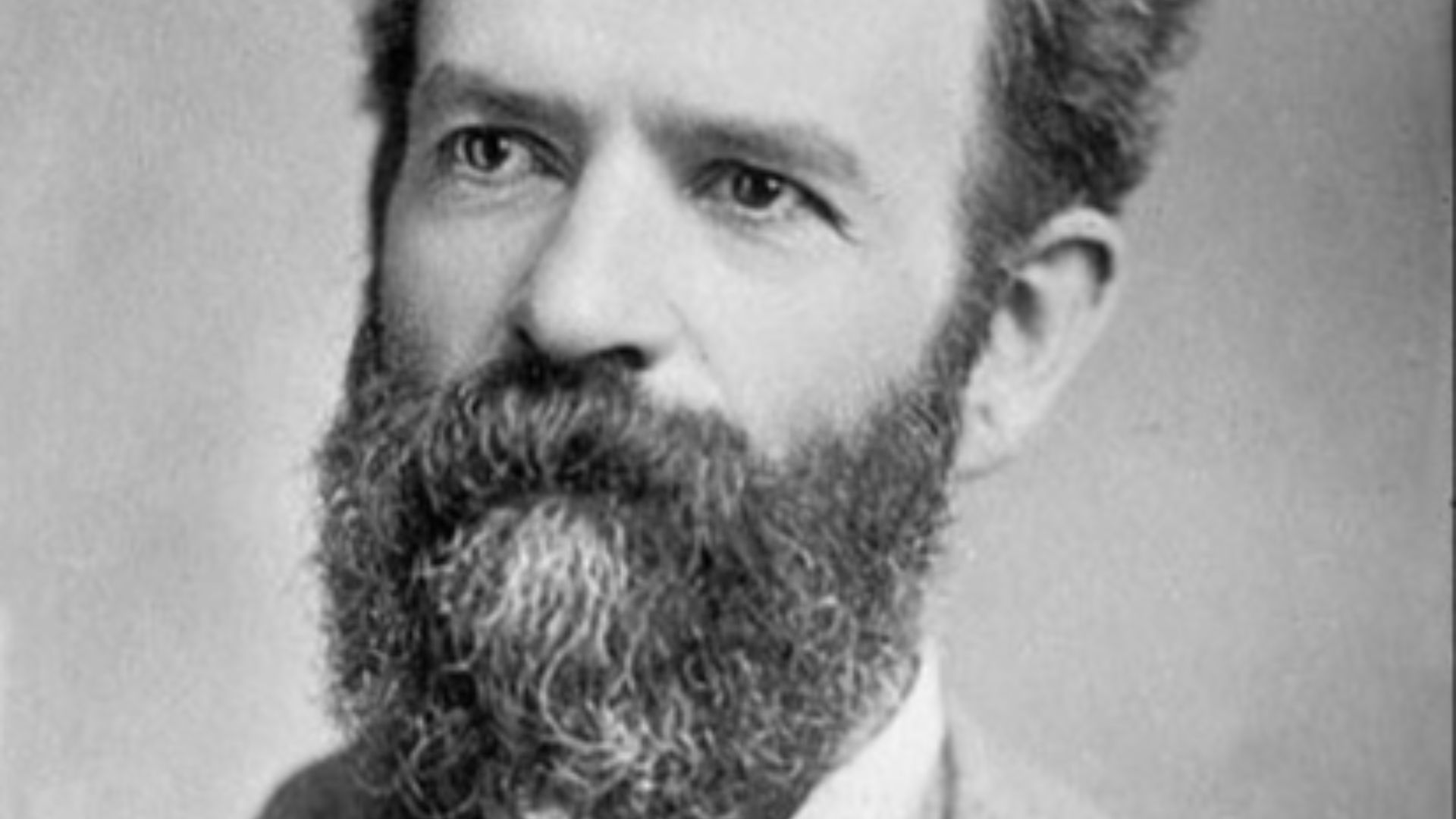
14. Jay Gould Took Advantage of Falling Asset Prices
Jay Gould spent much of his life acquiring equity stakes in railroads and engaging in speculation to build up his personal fortune. He identified that railroads would be pivotal in commerce and sought to obtain as many railroads as he could to dominate the sector. His methods were frequently controversial, and his career included financial manipulation that harmed other investors, but he ultimately accumulated a substantial fortune.
 Bain News Service, publisher on Wikimedia
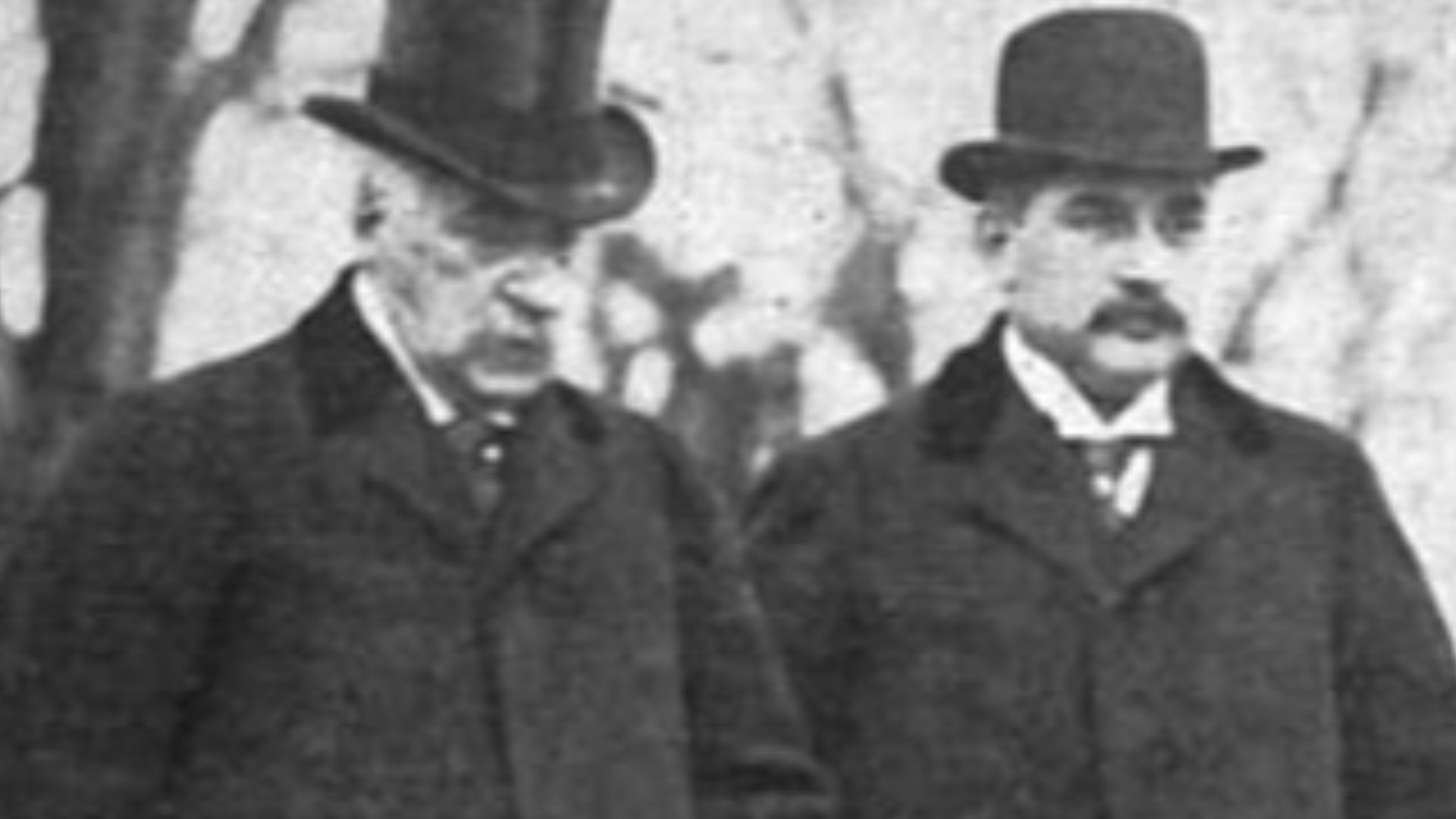
15. J.P. Morgan Used Financial Crises to Strengthen His Influence
Amid the Panic of 1907, J.P. Morgan took on a key role in funding companies and institutions that were under threat. He gathered a collection of other financiers to provide a sufficient level of liquidity to the market and prevent the financial crisis from worsening. Morgan's experience demonstrated how financial relationships and access to capital could become especially valuable when markets were under pressure.
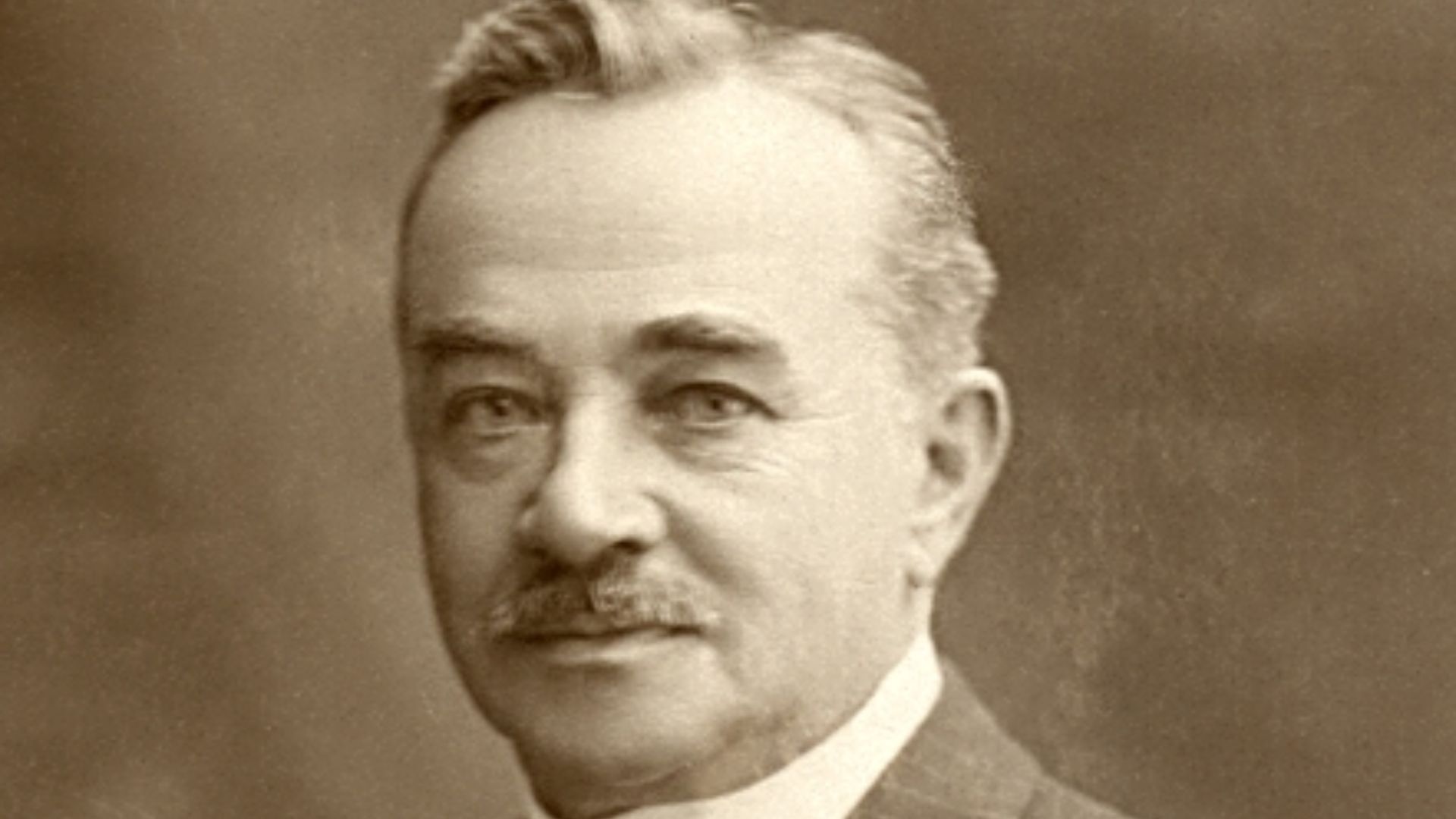
16. Milton Hershey Invested in Chocolate Manufacturing
Milton Hershey tried to start a number of businesses before he eventually found success selling chocolate. Hershey sold his caramel company in 1900 to focus all his attention on growing his affordable milk chocolate brand. His company expanded considerably during the early twentieth century, creating a lasting business that became one of America's best-known confectionery brands.
 Unknown authorUnknown author on Wikimedia
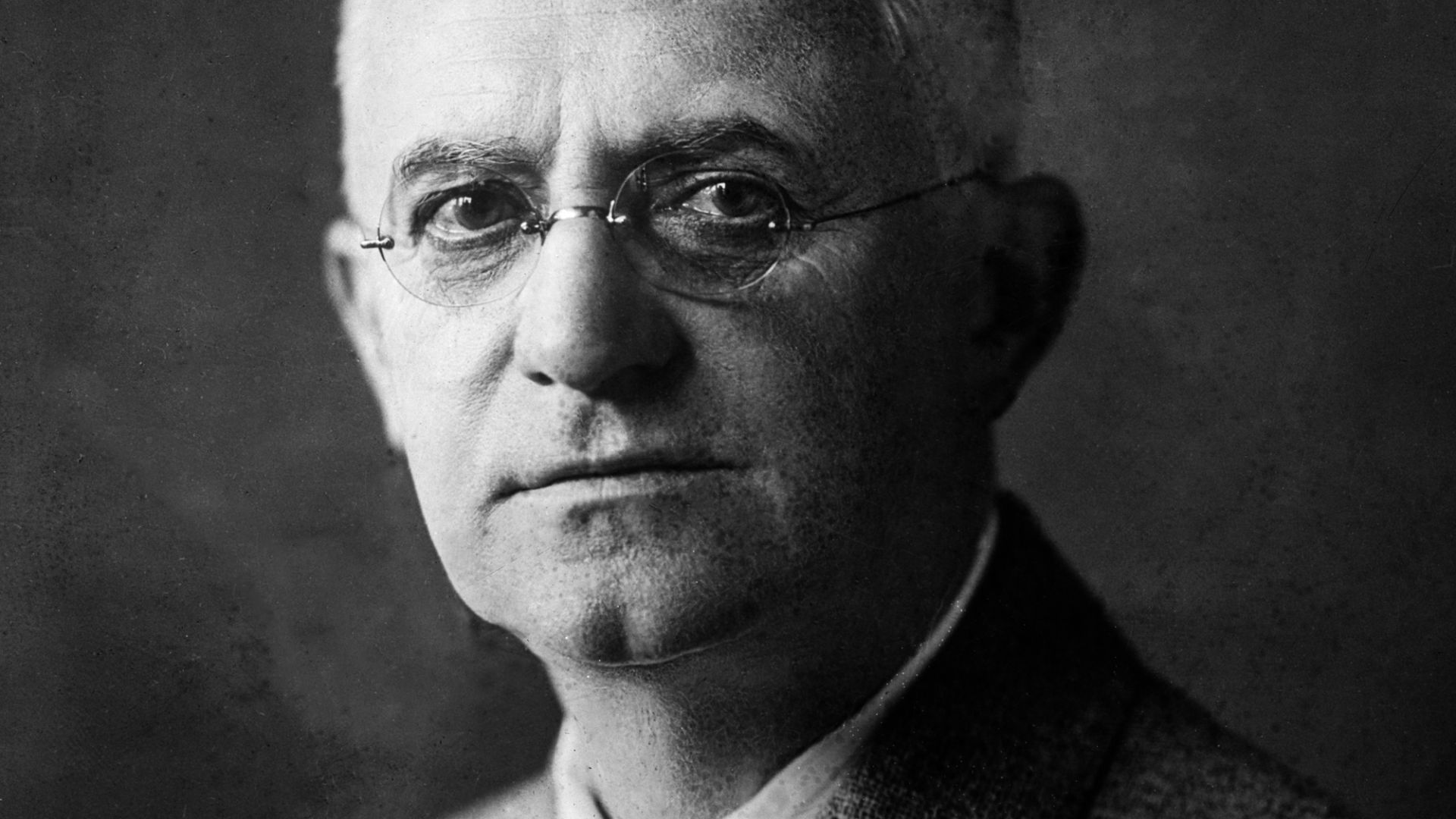
17. George Eastman Made Photography More Accessible
Prior to George Eastman's company, taking pictures was quite complex and often required costly camera equipment. He worked to simplify this and reduce prices so that more people could consume his camera products. He launched one of the first Kodak cameras in 1888 to allow photography to become more widely available. By focusing on affordability and convenience, he built a successful business around a product that eventually became part of everyday life.
 The original uploader was Megapixie at English Wikipedia. on Wikimedia
18. Charles Revson Started a Beauty Business During the Depression
With the onset of the Great Depression, Charles Revson founded his first cosmetics company, Revlon, in 1932 with his brother Joseph Revson and chemist Charles Lachman. The company initially manufactured and sold a range of nail varnishes to its customers. The business expanded beyond its original nail polish products and eventually became an internationally recognized cosmetics brand.
 Unknown authorUnknown author on Wikimedia
19. Michael Cullen Opened a Supermarket During the Depression
Consumer demand for cheaper food led Michael Cullen to establish King Kullen, one of the first supermarkets, in 1930 in New York. Cullen sold a large range of groceries in his Queens store using a self-service model, seeking to cut the customer's food spending. His idea for a large supermarket proved to be highly popular, and he built a successful company off of it during the Great Depression.
 New Zealand Labour Party on Wikimedia
20. Paul Galvin Built a Radio Business During Economic Uncertainty
In 1928, shortly before the stock market crashed and the Great Depression began, Paul Galvin began selling radio battery eliminators in the U.S. When his company suffered financially, he sold radios for cars to consumers and created the first "Motorola" radio. That willingness to adjust the company's products to changing consumer needs helped create a business that eventually became a major name in electronics and communications.
 Petty Officer 3rd Class Paul Kelly on Wikimedia
KEEP ON READING