


Legends With Real Impact
Vikings farmed, traded, explored, and sometimes fought their way across Europe, Asia, and even North America. Far from being just warriors, they were skilled shipbuilders and daring travelers who pushed the limits of their society. So, let’s talk about 20 Vikings whose choices, victories, and ambitions made them stand out in history, showing just how complex and influential these figures really were.
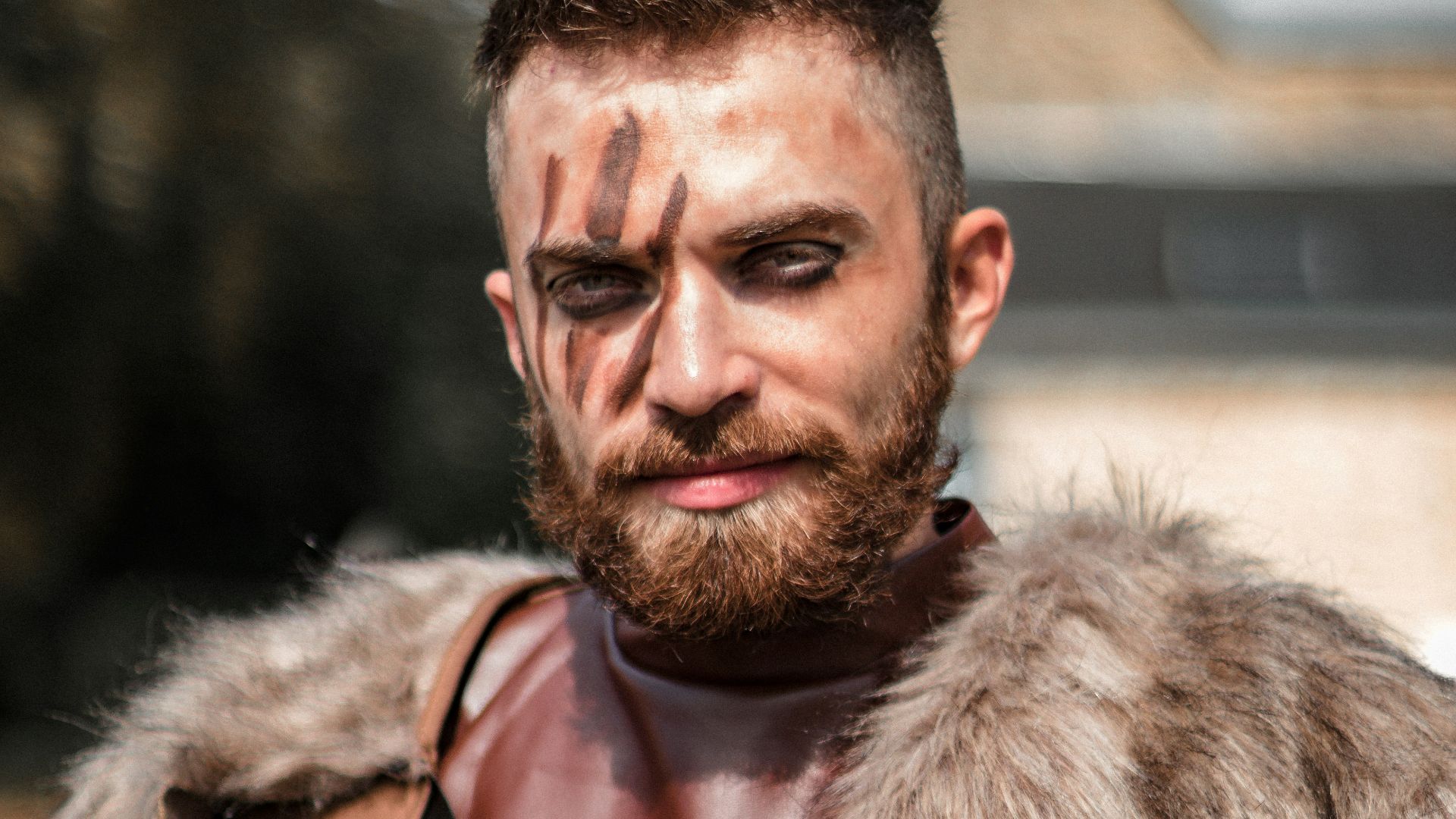
1. Ragnar Lothbrok
This Viking leader made waves across 9th-century Europe. His distinctive shaggy breeches earned him the nickname "Lothbrok," while his bold raids through France and England left lasting marks. Though his true story mixes history with myth, his impact remains undeniable.
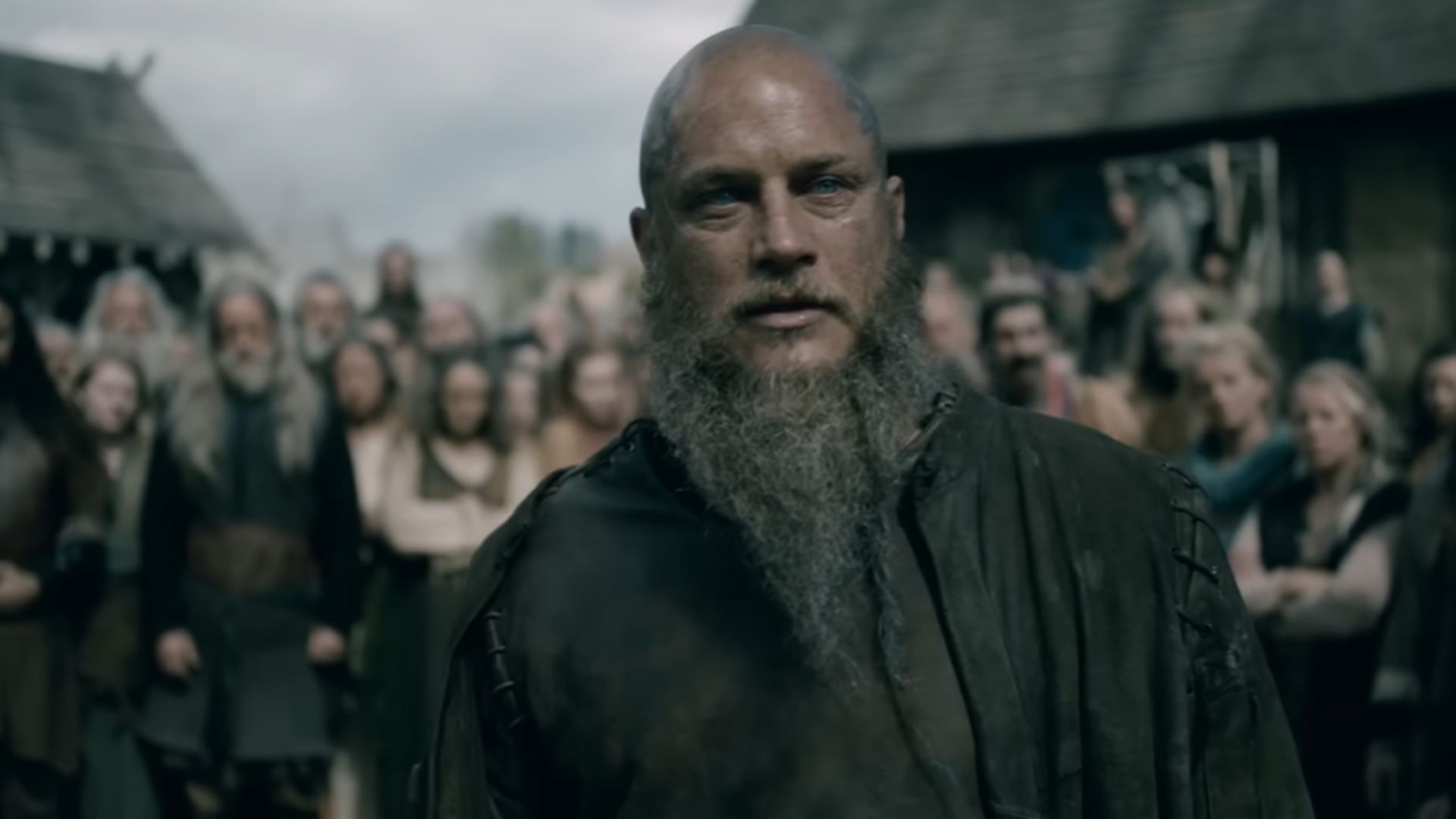 Ragnar's Most Memorable Moments Chosen By You | Vikings by Amazon Prime Video UK & IE
2. Ivar The Boneless
From 865 to 870 CE, Ivar the Boneless carved his reputation as a ruthless Viking warlord. Scholars still argue over the origin of his peculiar epithet—disease, disability, or sheer dexterity. What remains unquestioned is his tactical genius, displayed in leading the Great Heathen Army across England.
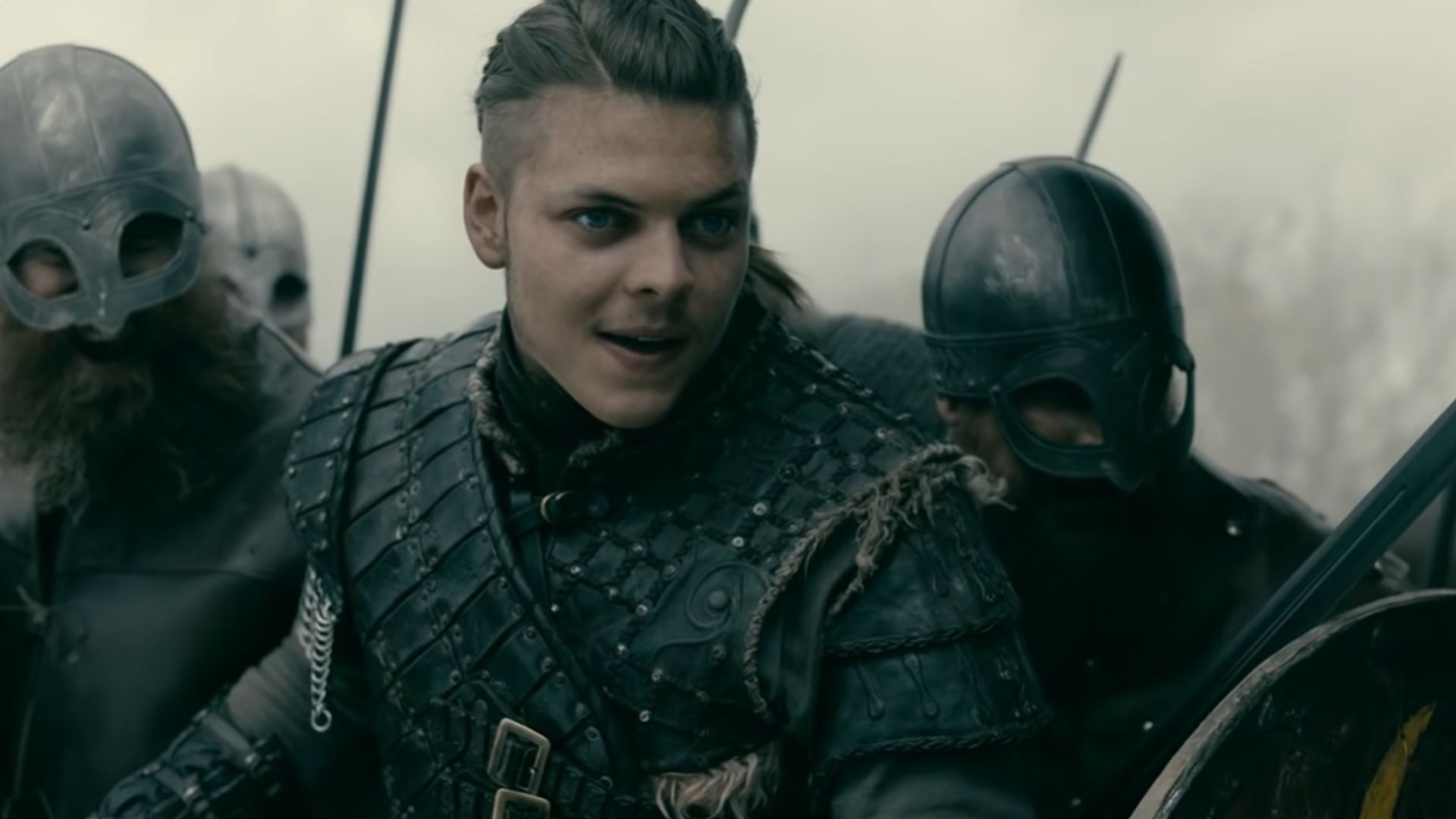 The Absolute Worst of Ivar The Boneless | Vikings | Prime Video by Amazon Prime Video UK & IE
3. Bjorn Ironside
Ragnar Lothbrok's reputed son made history as a fearsome Viking commander. Bjorn's Mediterranean campaigns brought him to the shores of France, Spain, and Italy, yet his greatest fame came from his seemingly impenetrable defense in battle, earning the name "Ironside."
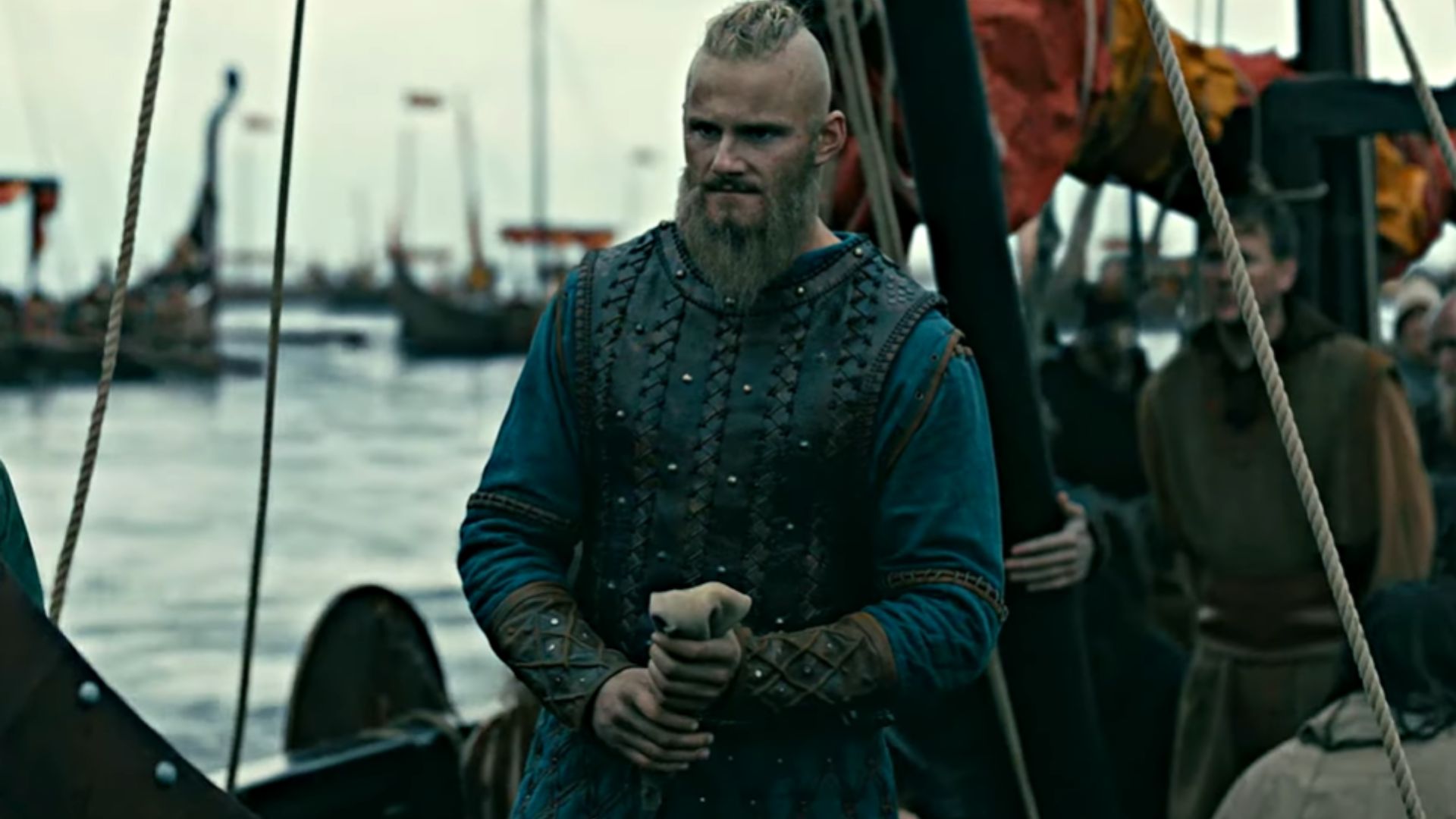 (Vikings) Bjorn Ironside by HCP Editz
4. Ubba Ragnarsson
The son of Ragnar Lothbrok made his mark on history through bold military campaigns. Ubba's command of the Great Heathen Army terrorized Anglo-Saxon England, while his exploits earned recognition in both Norse sagas and Anglo-Saxon chronicles.
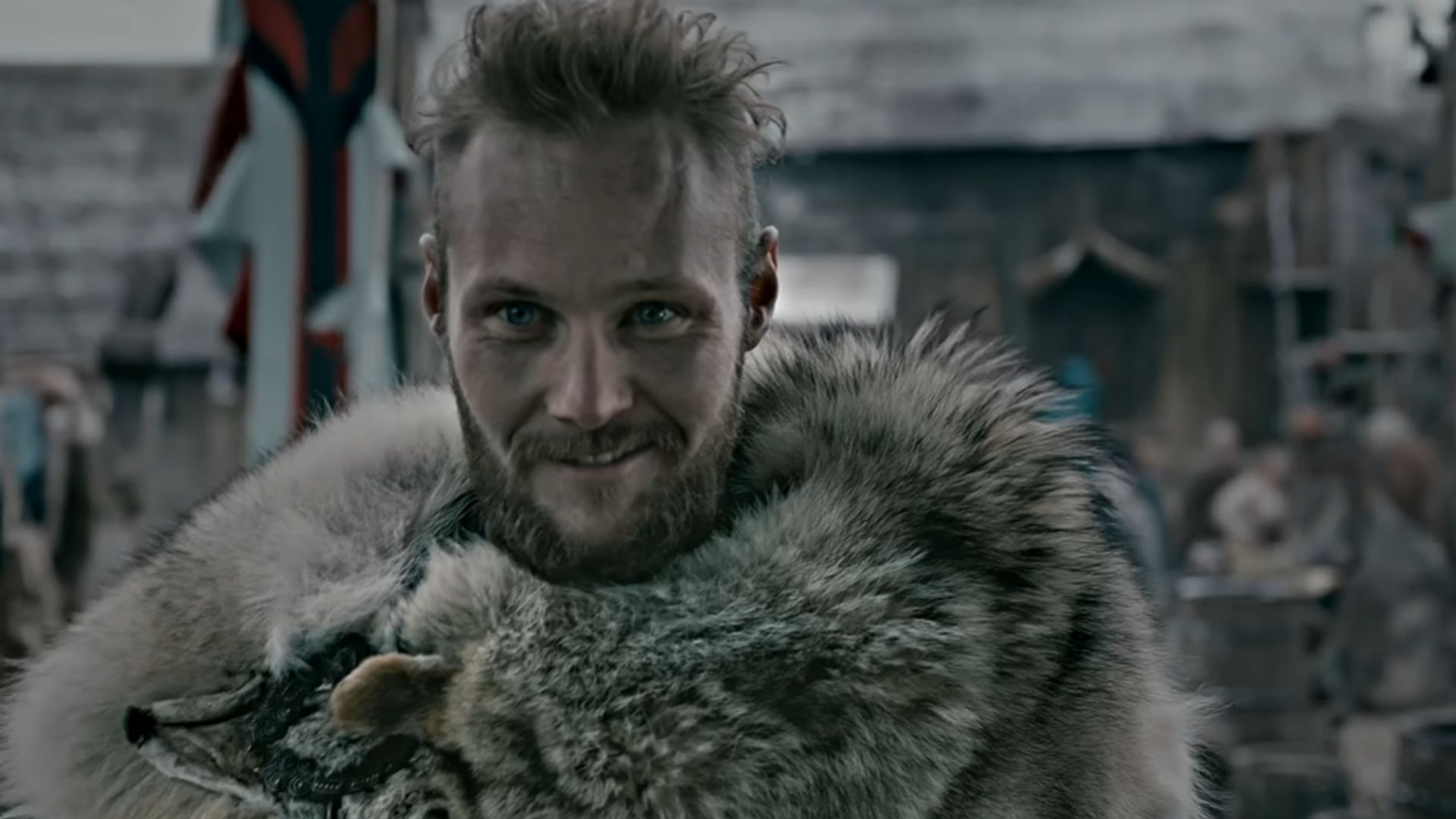 (Vikings) Ubbe Ragnarsson | Destiny by Jesse JR
5. Halfdan Ragnarsson
Military success defined Halfdan Ragnarsson's path to power in Northumbria. This commander of the Great Heathen Army established lasting Norse settlements across northern England. However, his reign ended abruptly in 877 during intense battlefield conflict.
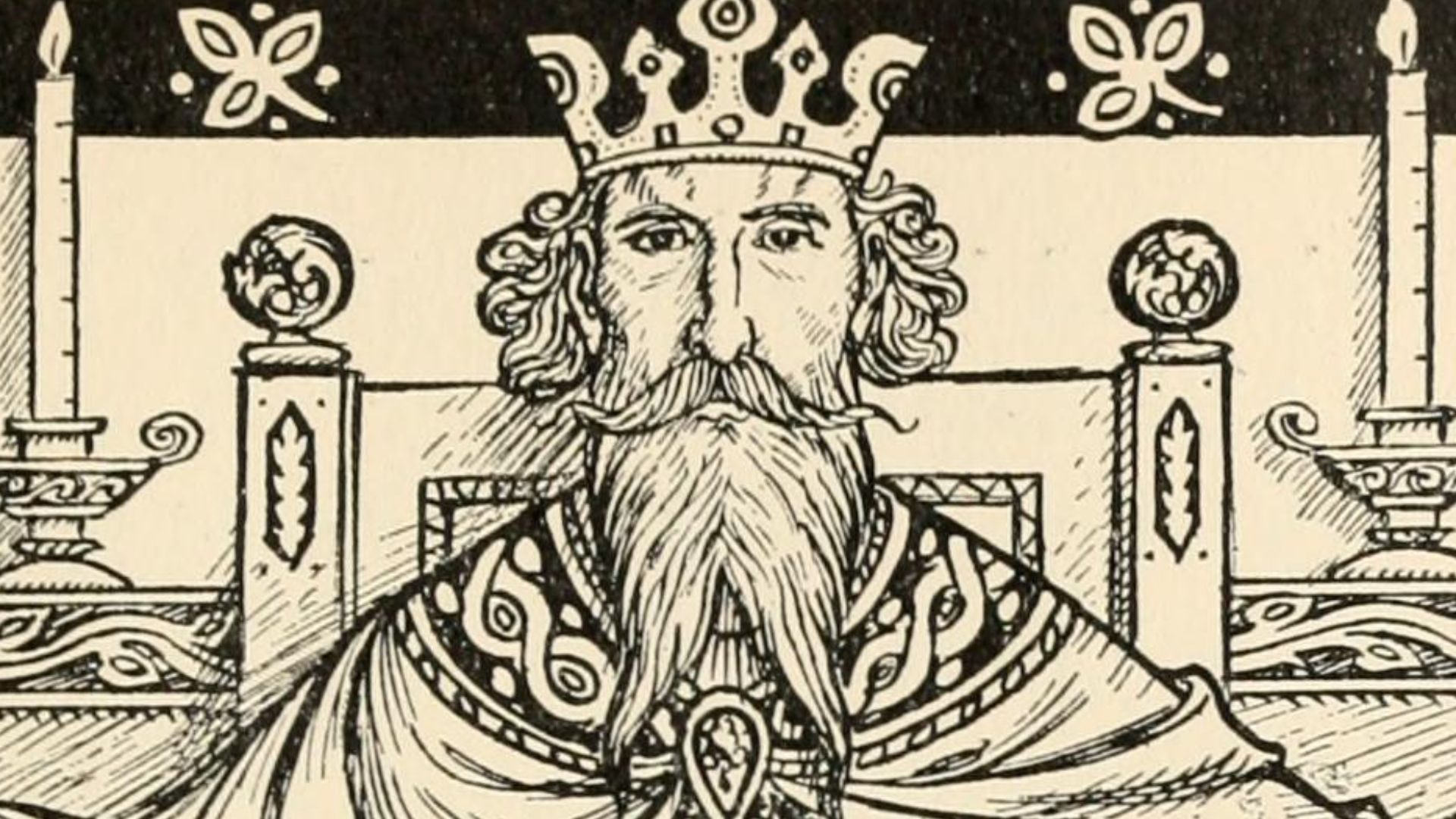 Internet Archive Book Images on Wikimedia
6. Harald Fairhair
The first King of Norway, Harald Fairhair, earned his nickname through an extraordinary oath to Princess Gyda—refusing to cut his hair until ruling the entire realm. His reign from 872 to 933 CE marked a turning point as he united Norway through strategic battles and careful alliances.
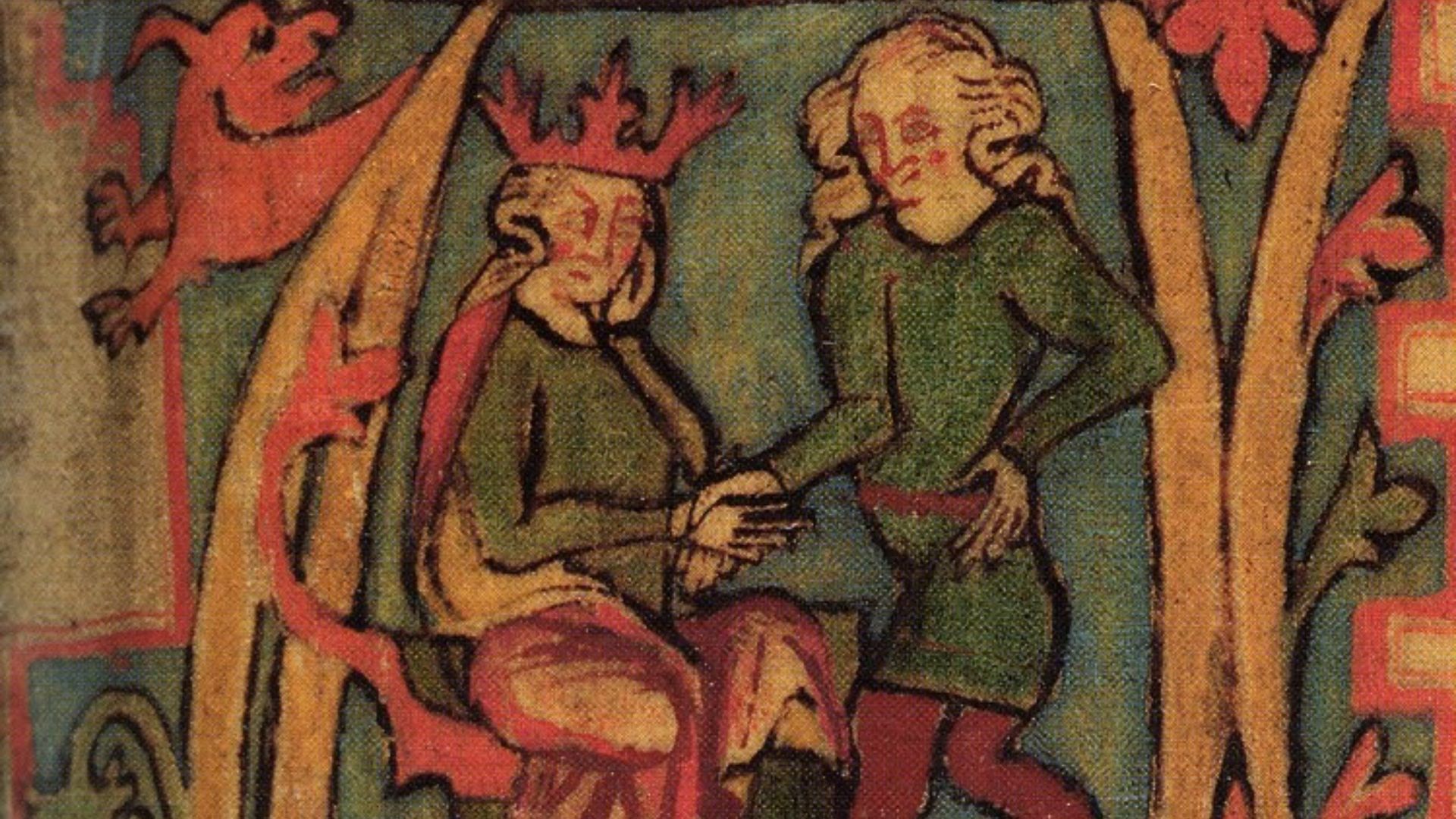
7. Harald Hardrada
Harald Hardrada's path to power included service in Constantinople's prestigious Varangian Guard. After securing Norway's crown in 1046 CE, he ruled for two decades. Yet his ambitious invasion of England, while unsuccessful, inadvertently assisted the Norman takeover before his death at Stamford Bridge.
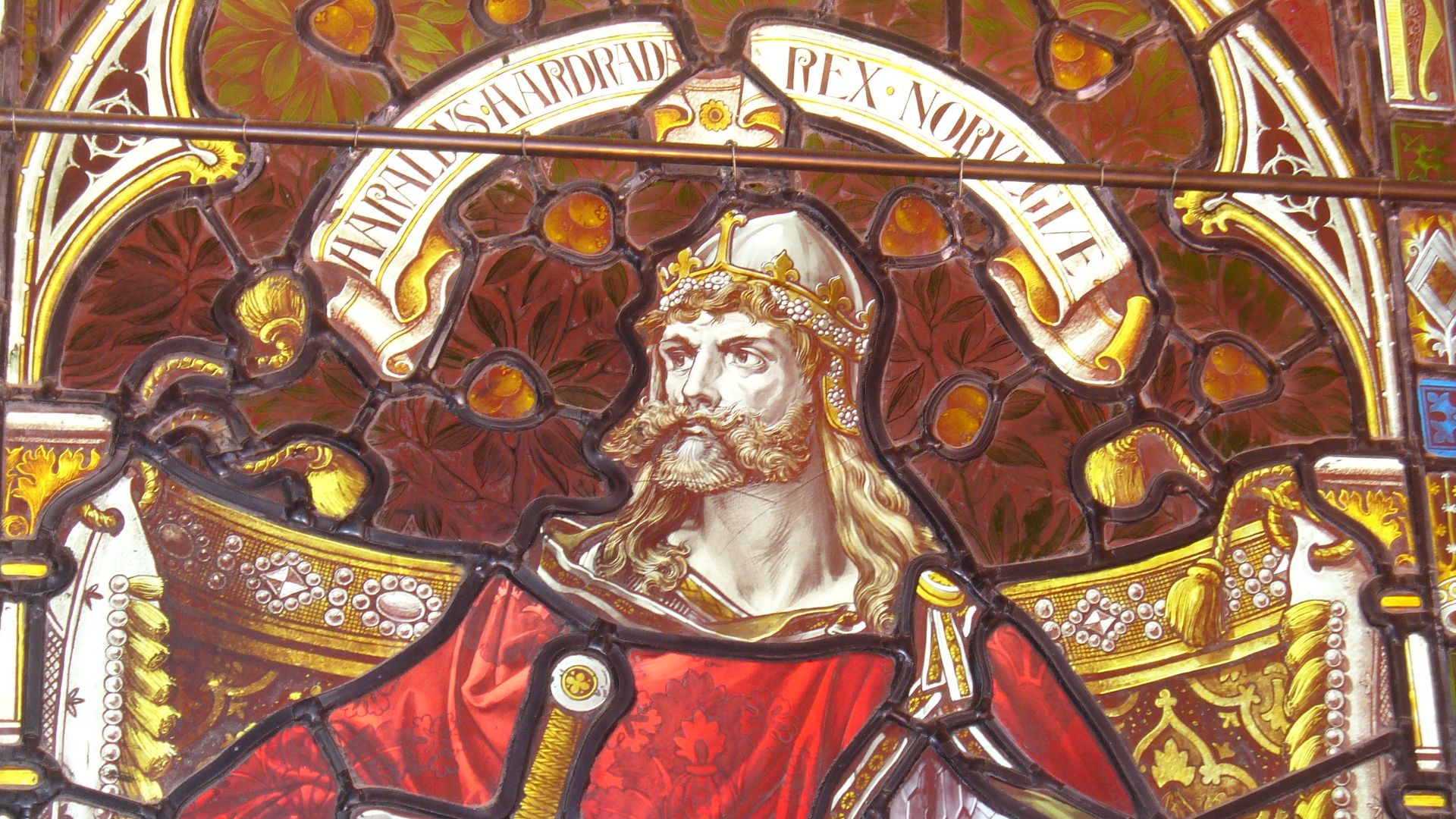
8. Leif Erikson
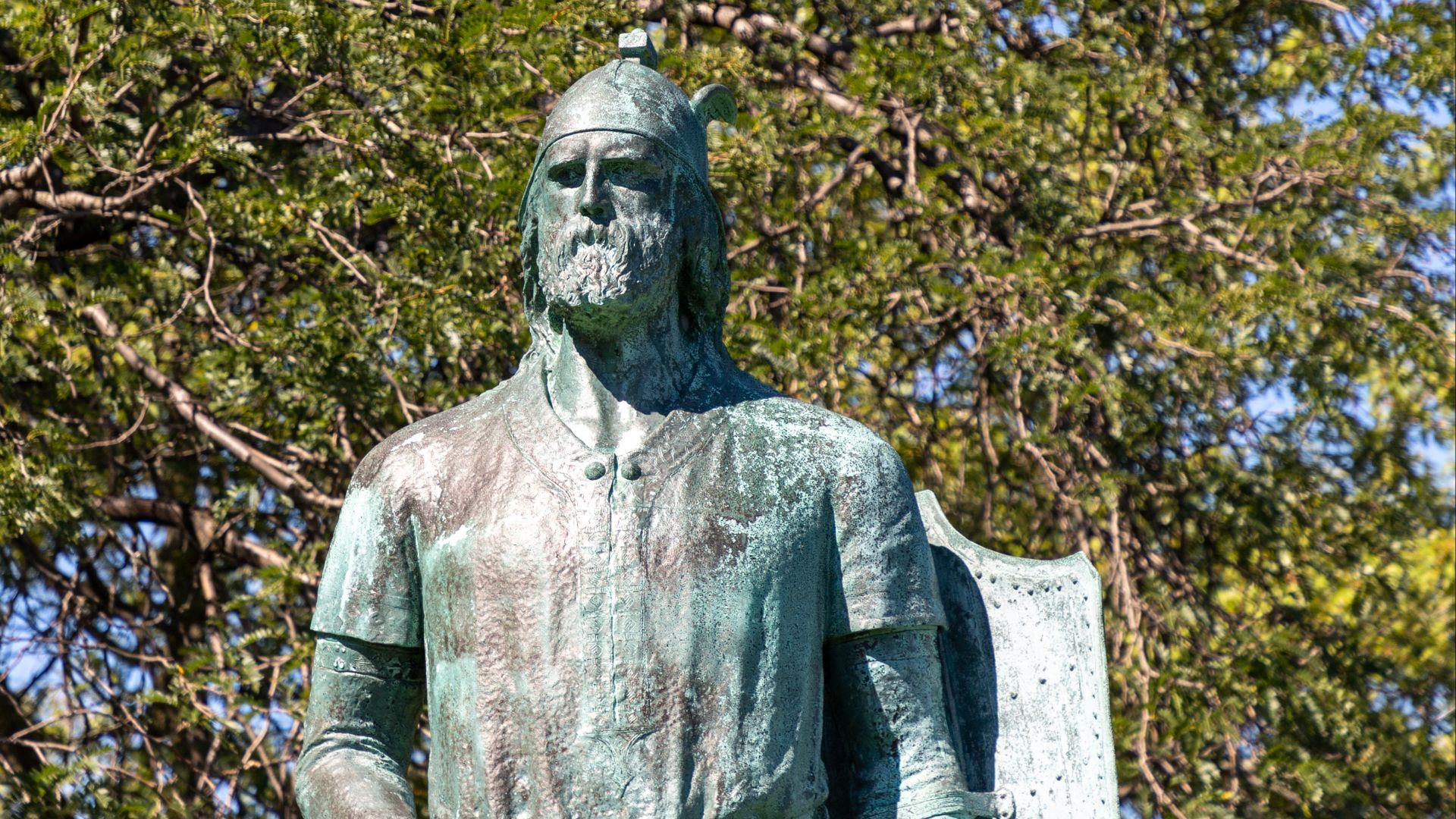
Five centuries before Columbus crossed the Atlantic, Leif Erikson became the first European to reach North America. This intrepid son of Erik the Red discovered Vinland, located in modern-day Newfoundland, around 1000 CE. His story endures in Norse sagas and present-day celebrations.
9. Erik The Red
A fierce warrior with blazing red hair and a matching temper, Erik faced multiple exiles from Norway and Iceland. Yet his determination led him to found Greenland's first Norse settlements around 985 CE. Meanwhile, his son Leif Erikson later discovered North America.
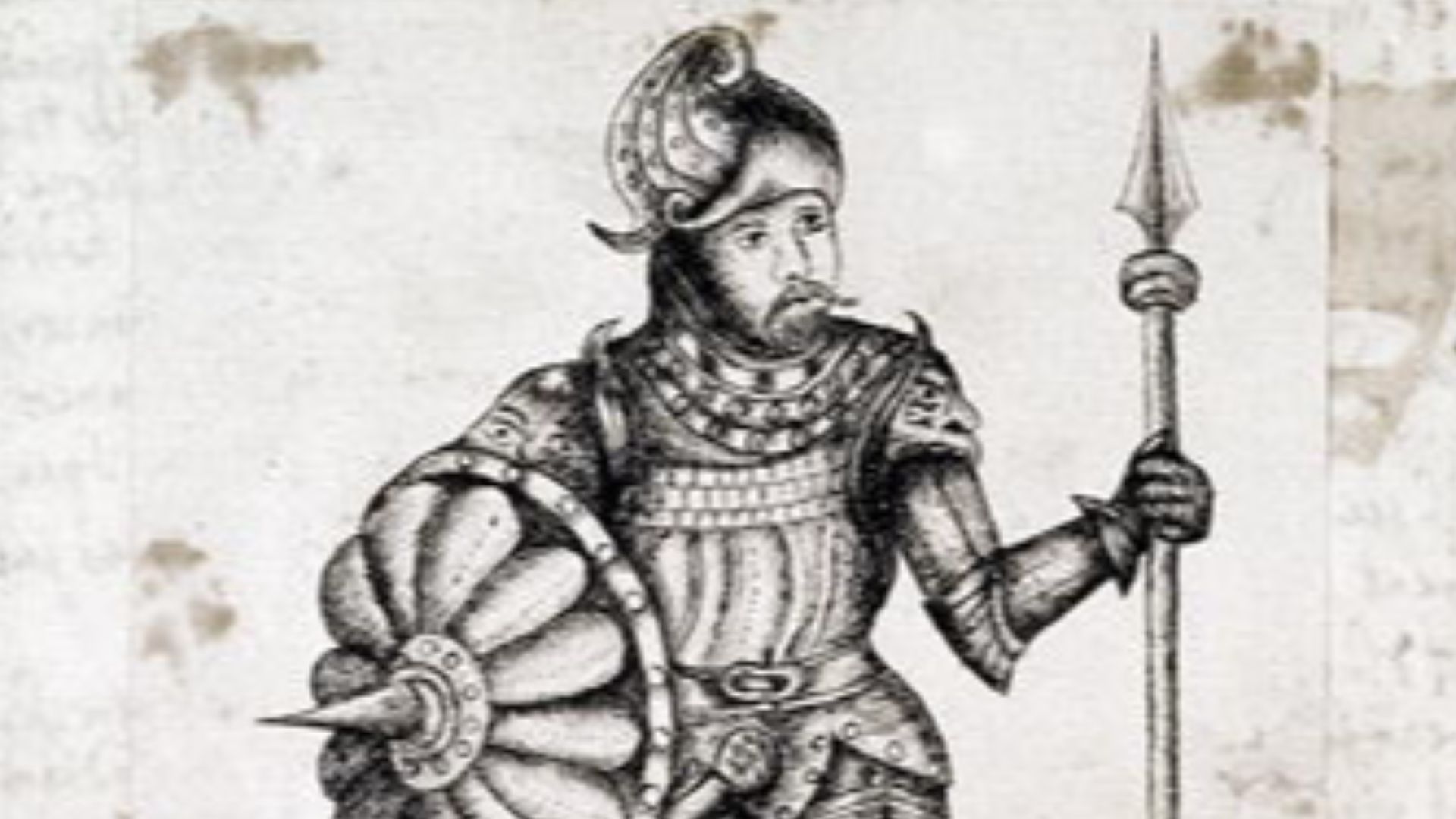 Danish School, (17th century) on Wikimedia
10. Freydís Eiríksdóttir
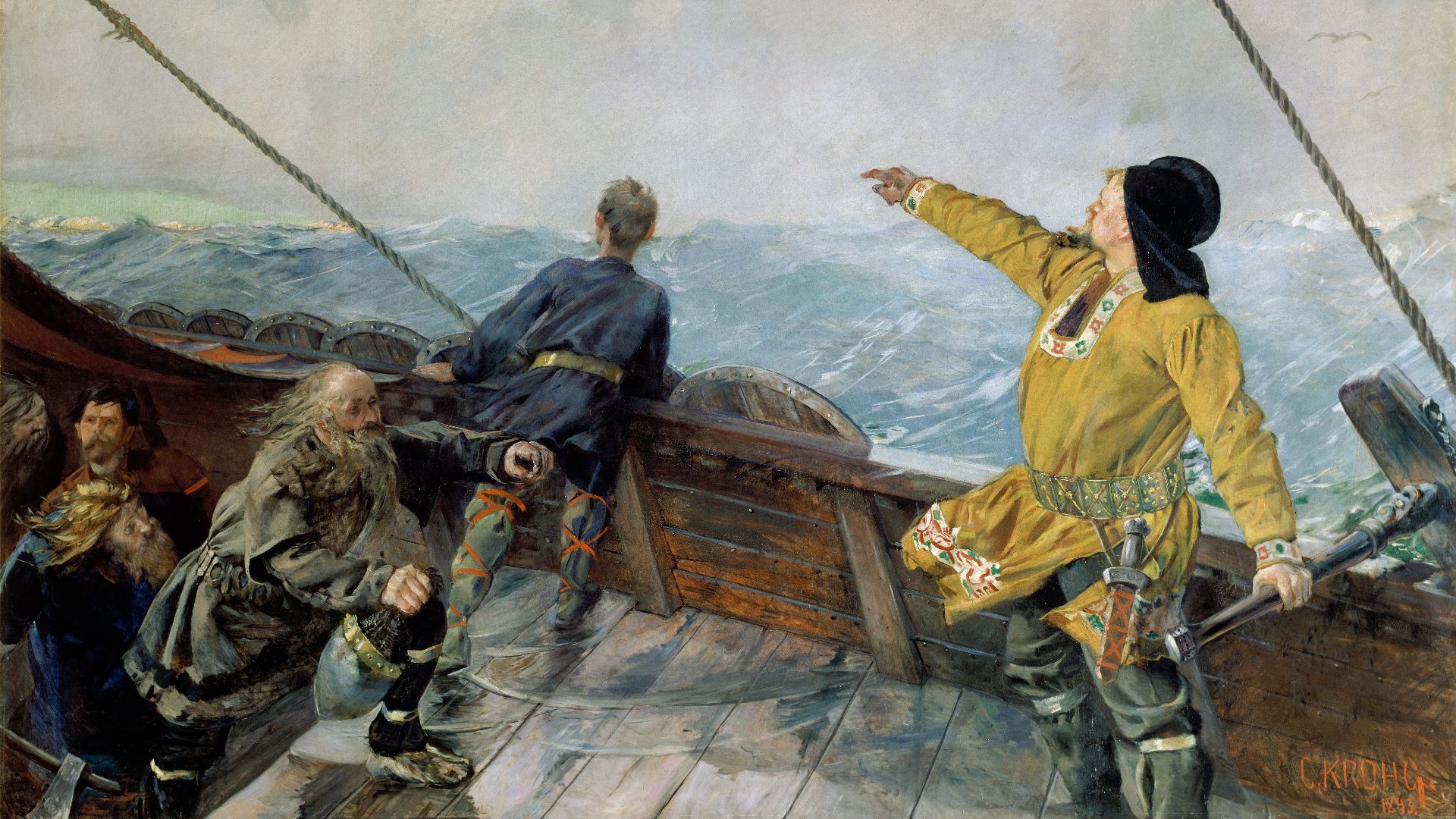
Freydís Eiríksdóttir became a legend when, even while pregnant, she brandished her sword to repel attackers. Her exploits are immortalized in the Saga of the Greenlanders. From 970 to 1005 CE, she ventured across Vinland, proving herself as both explorer and warrior in the New World.
11. Rollo Of Normandy
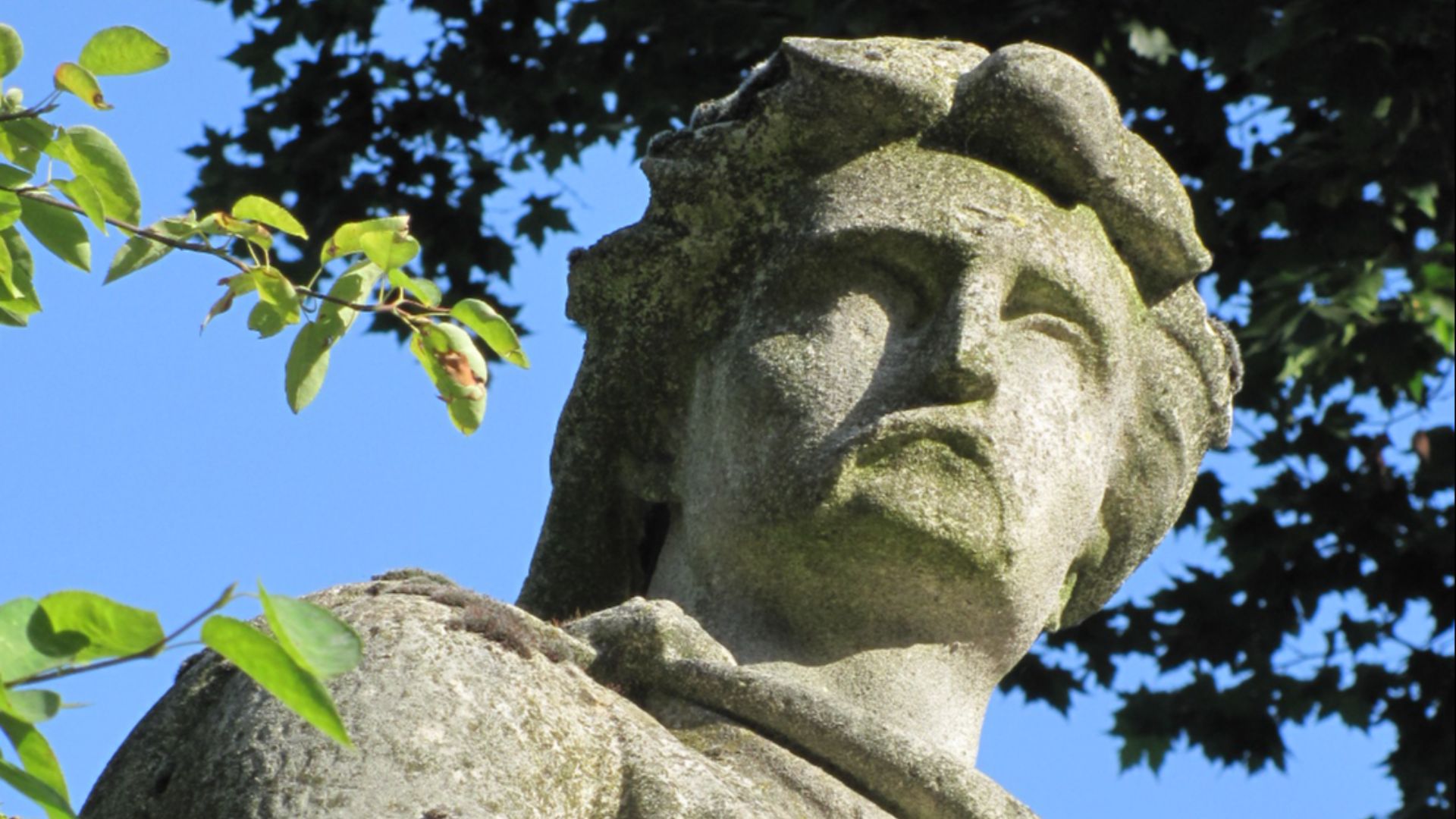
Northern France yielded to Viking might when King Charles the Simple granted territory to Rollo through a historic treaty. Subsequently, this Norse warrior, called "Gange-Rolv" by his countrymen, became Normandy's first ruler in 911 CE and an ancestral link to William the Conqueror.
12. Hastein (Hasting)
Tales of Hastein's cunning spread through both Norse and Frankish records. The 9th-century CE Viking chieftain raided across France, Spain, and Mediterranean territories. His tactical brilliance peaked when he fooled Luna's citizens by staging his own death to breach their defenses.
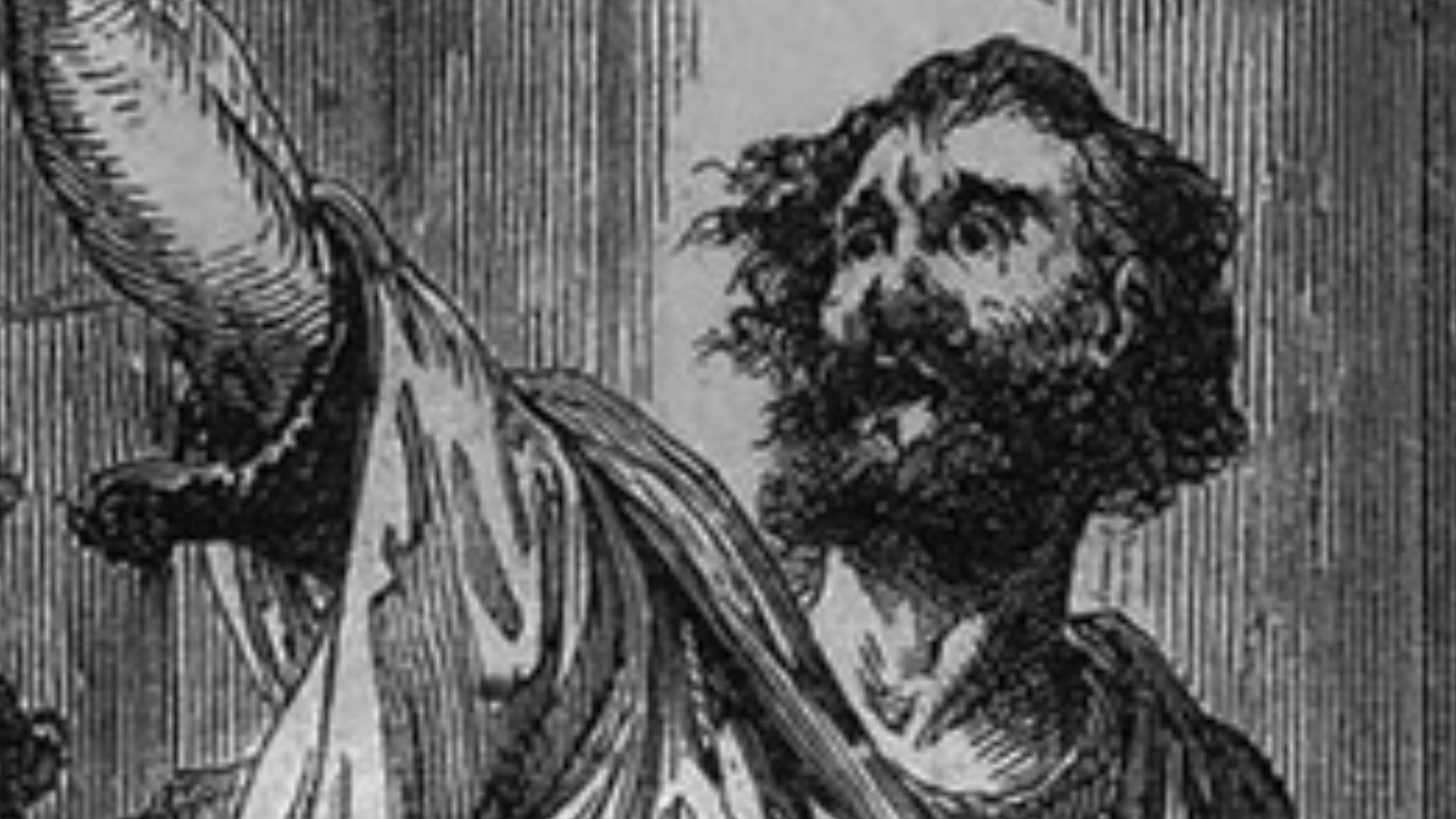 Unknown authorUnknown author on Wikimedia
13. Olaf Tryggvason
The Battle of Svolder claimed Olaf Tryggvason in 1000 CE, concluding his brief but impactful reign over Norway. Since his coronation in 995 CE, he had devoted himself to Norway's Christianization. Additionally, his widespread church-building initiatives reshaped the nation's spiritual foundation.
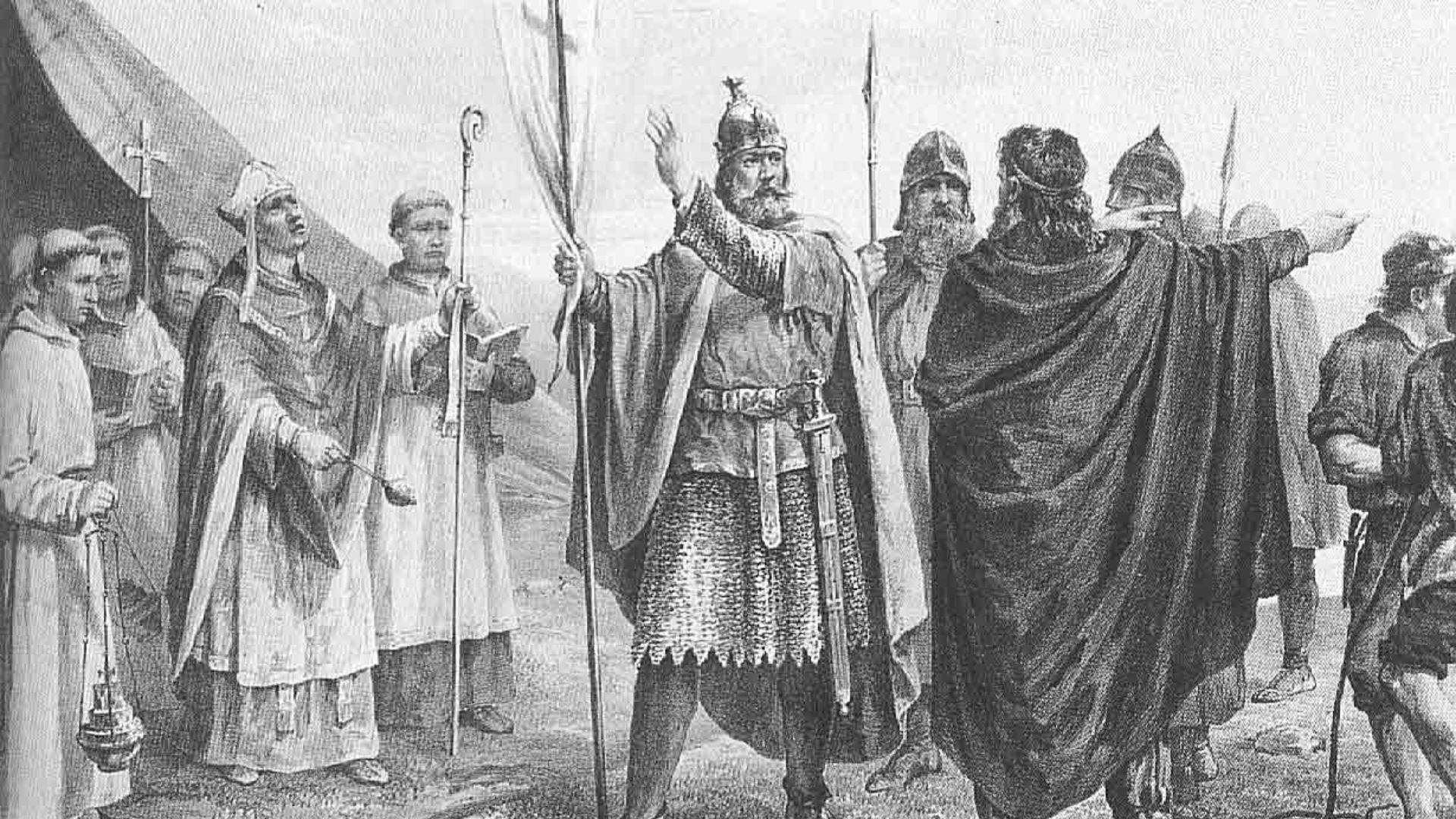 Peter Nicolai Arbo on Wikimedia
14. Olaf II Haraldsson (Saint Olaf)
Olaf II Haraldsson's thirteen-year reign as Norway's king ended in 1028 CE. The church later recognized his spiritual significance through canonization as Saint Olaf. In turn, he became Norway's patron saint. Today, St. Olaf's Day commemorates his legacy.
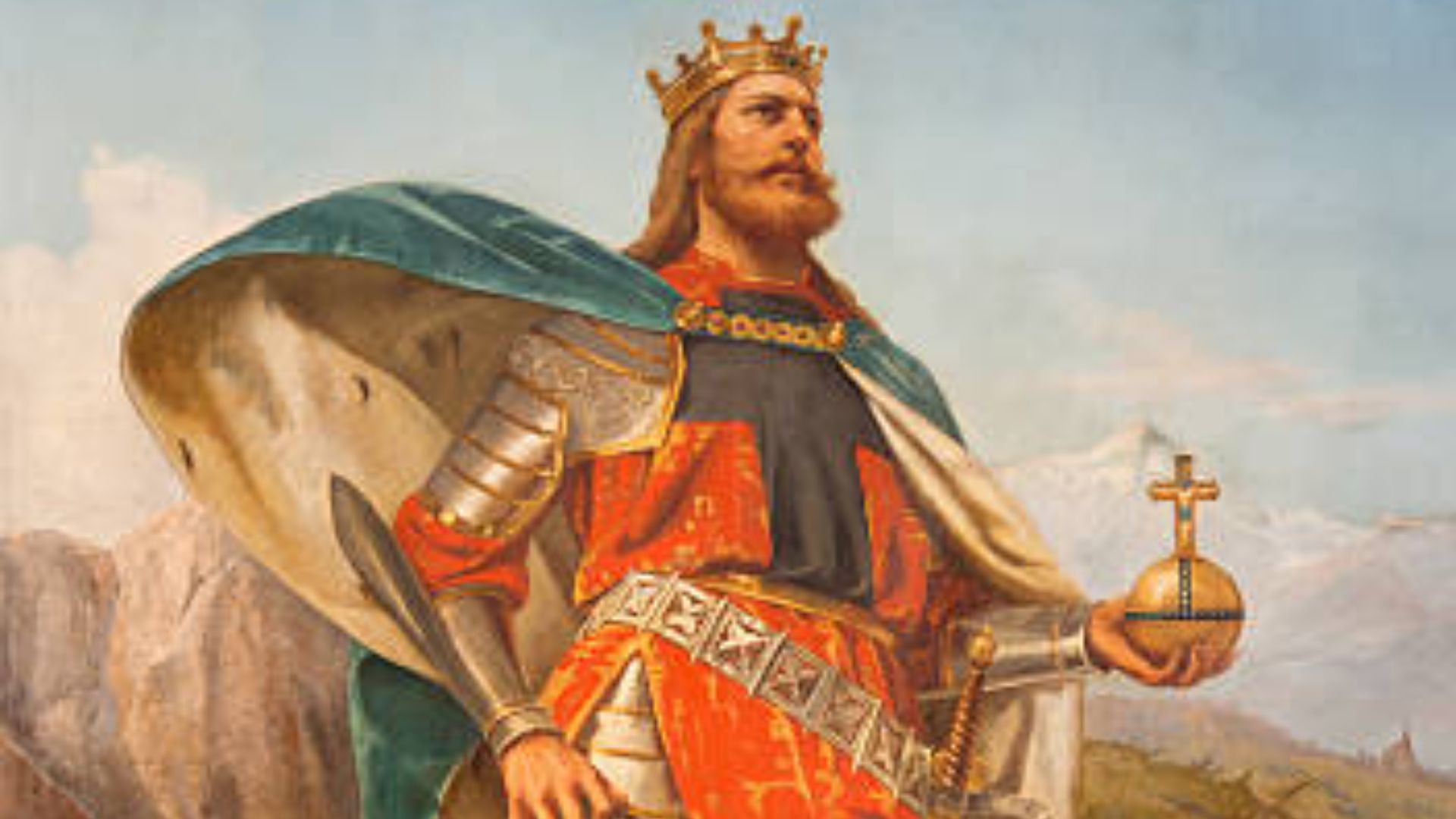 Pius Welonsky (1893) on Wikimedia
15. Sweyn Forkbeard
Sweyn Forkbeard rose to power in 986 after deposing his father, Harald Bluetooth, in a dramatic clash for Denmark’s crown. Famed for his trademark forked beard, he achieved kingship over both Denmark and England by 1013.
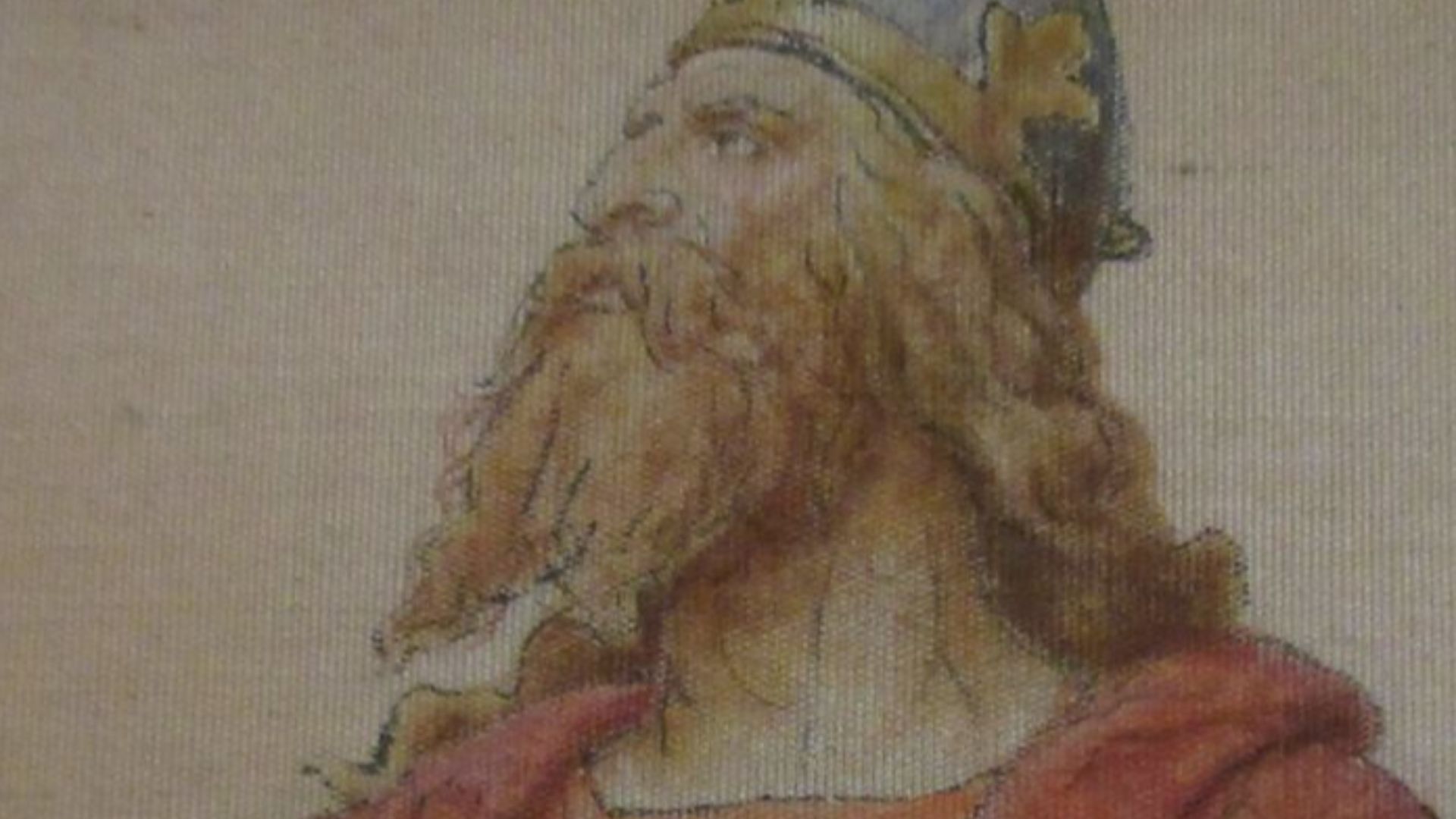
16. Cnut The Great
Cnut the Great anchored his authority in strong ties to the church, reinforcing legitimacy across his vast North Sea Empire of England, Denmark, and Norway. Known for pragmatic legal reforms, he also staged the famous tide episode—an enduring lesson on the limits of earthly kingship.
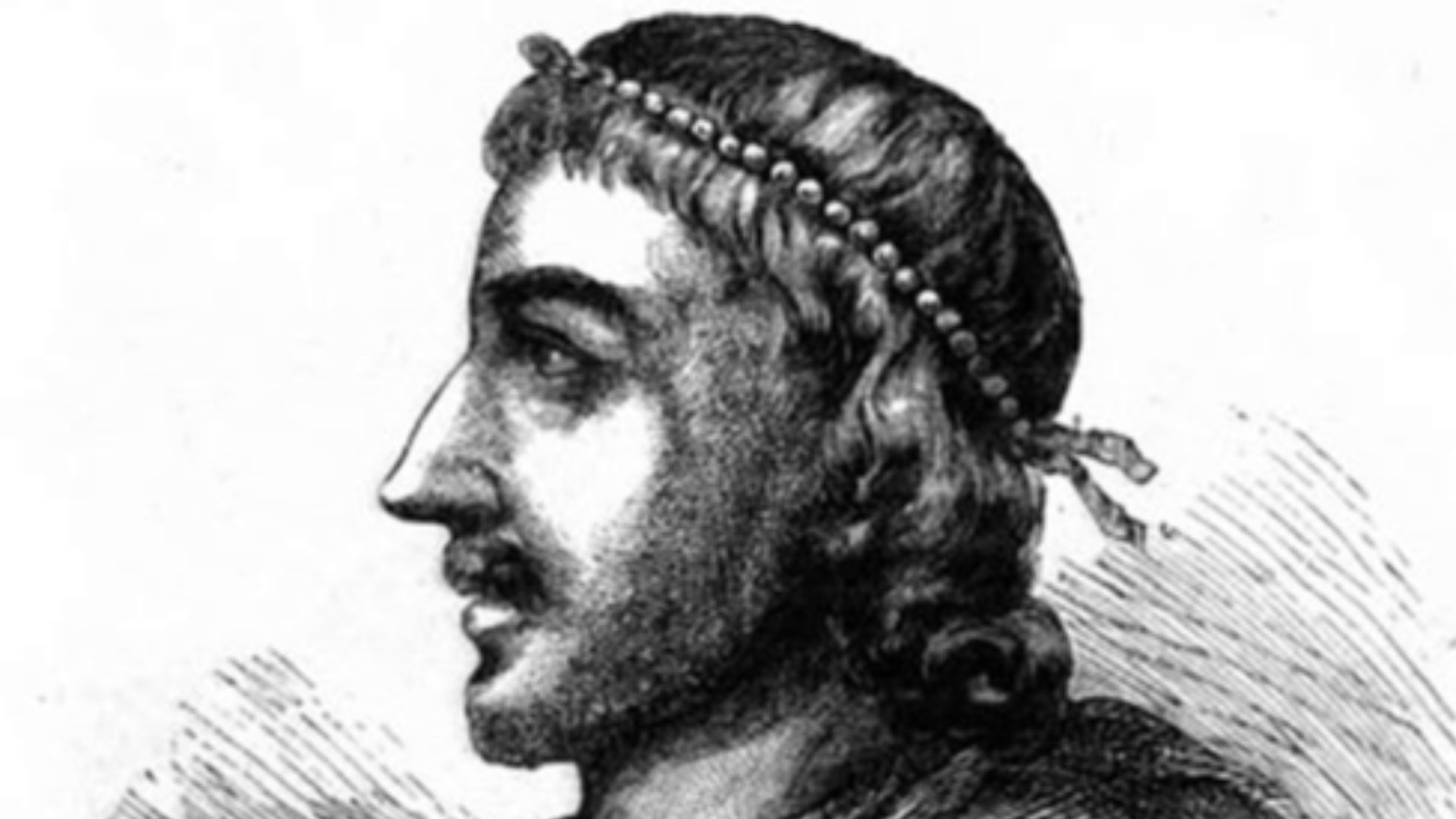
17. Harald Bluetooth
The unification of Denmark under Harald Bluetooth marked a pivotal moment in Scandinavian history. He later became King of Norway in 970 CE, after ruling Denmark since 958 CE. Meanwhile, his introduction of Christianity to Denmark transformed the region.
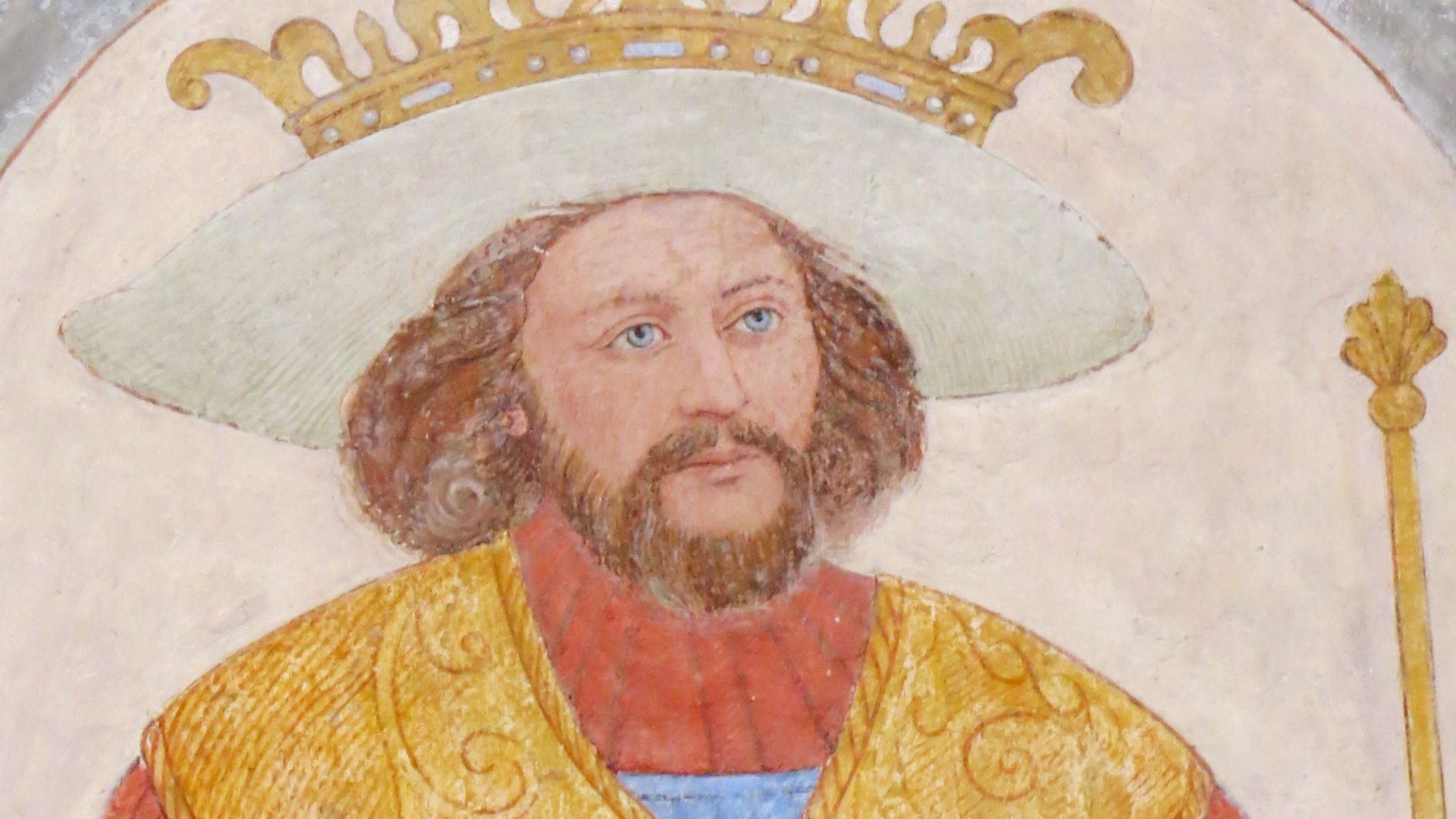
18. Egil Skallagrímsson
Poetry became a lifeline for Egil Skallagrímsson, with verses powerful enough to halt an execution. Celebrated as both a fighter and a poet, he composed stirring battle chants even during warfare. The saga that bears his name preserves a legacy of unmatched ferocity and creativity.
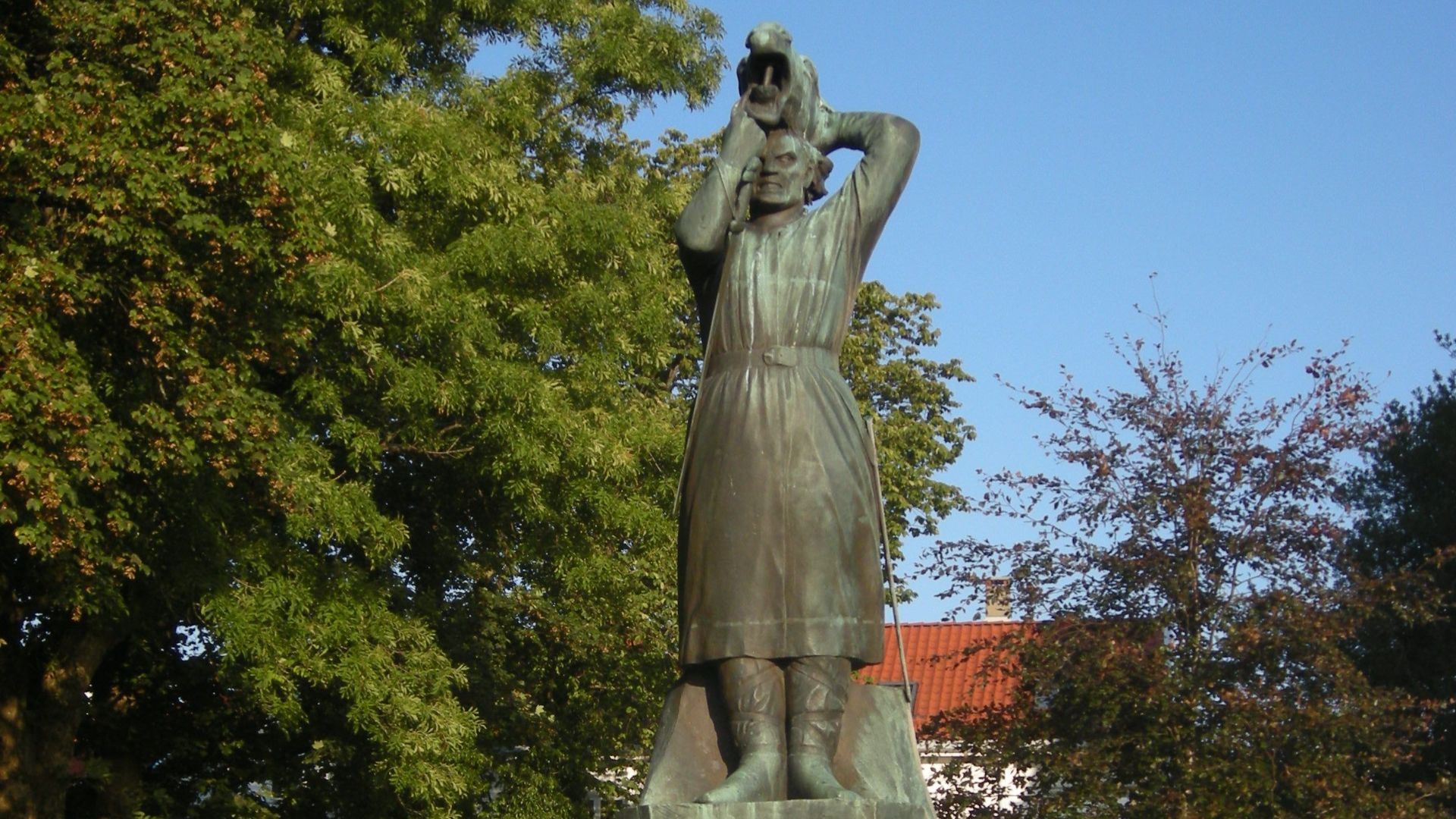
19. Sigurd Snake-In-The-Eye
According to Norse sagas and medieval sources, Sigurd Snake-in-the-Eye rose as a formidable Viking leader. Born to Ragnar Lothbrok, he ruled key regions of Denmark and may have extended influence into Norway. The unusual serpent-like mark in one eye gave rise to the enduring epithet.
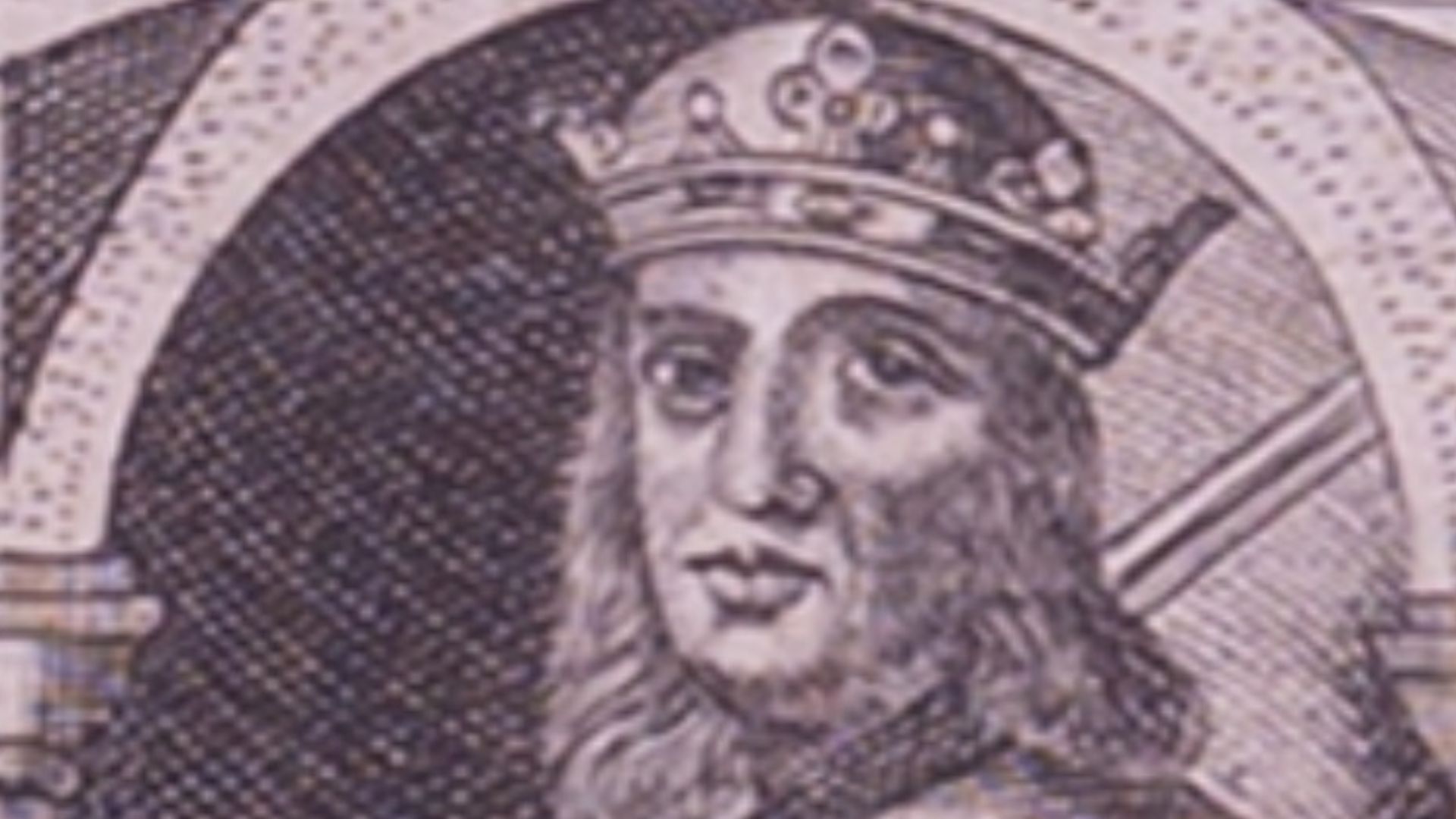 Erico Olai Tormio (publisher) on Wikimedia
20. Thorfinn Karlsefni
Ancient Norse sagas tell of Thorfinn Karlsefni's bold ventures across the sea. The Saga of Erik the Red and the Saga of the Greenlanders document his leadership of an expedition to Vinland, where he attempted to create a settlement in North America around 1010 CE.
KEEP ON READING
20 Historical Figures Who Died Too Young
Lives Tragically Cut Short. History often remembers long reigns, mature…
By Christy Chan May 15, 2026
20 Historical Figures Who Died Right Before Everything Changed
Those Who Left Just Before the Final Act. Some people…
By Emilie Richardson-Dupuis May 15, 2026
20 Historical Figures Who Were Hot In Their Time But…
What Do You Think?. Beauty is famously in the eye…
By Sara Springsteen May 15, 2026
20 Greatest Underdogs In History
The World Did Not See That Coming. Everyone loves a story…
By Sara Springsteen May 15, 2026
20 Historical Figures Who Went From Villain To Antihero
History Gets Messy. History loves a clean villain. It gives…
By Cameron Dick May 15, 2026
10 Animals Humans Ate Into Extinction & 10 We Nearly…
The Menu Has Teeth. Extinction can sound distant, like something…
By Cameron Dick May 15, 2026