
The 10 Most Important English Authors & Their 10 Most Underrated Works
Famous Pens, Less Famous Pages
There are a few names that come up in discussions of English literature (as in, literature written in English and literature from the British Isles): Shakespeare, the Brontës, and Charles Dickens are just a few examples. Many of us were forced to read these authors for school, particularly their most popular works. However, these authors' bibliographies also contain hidden gems that many of us don't know about.
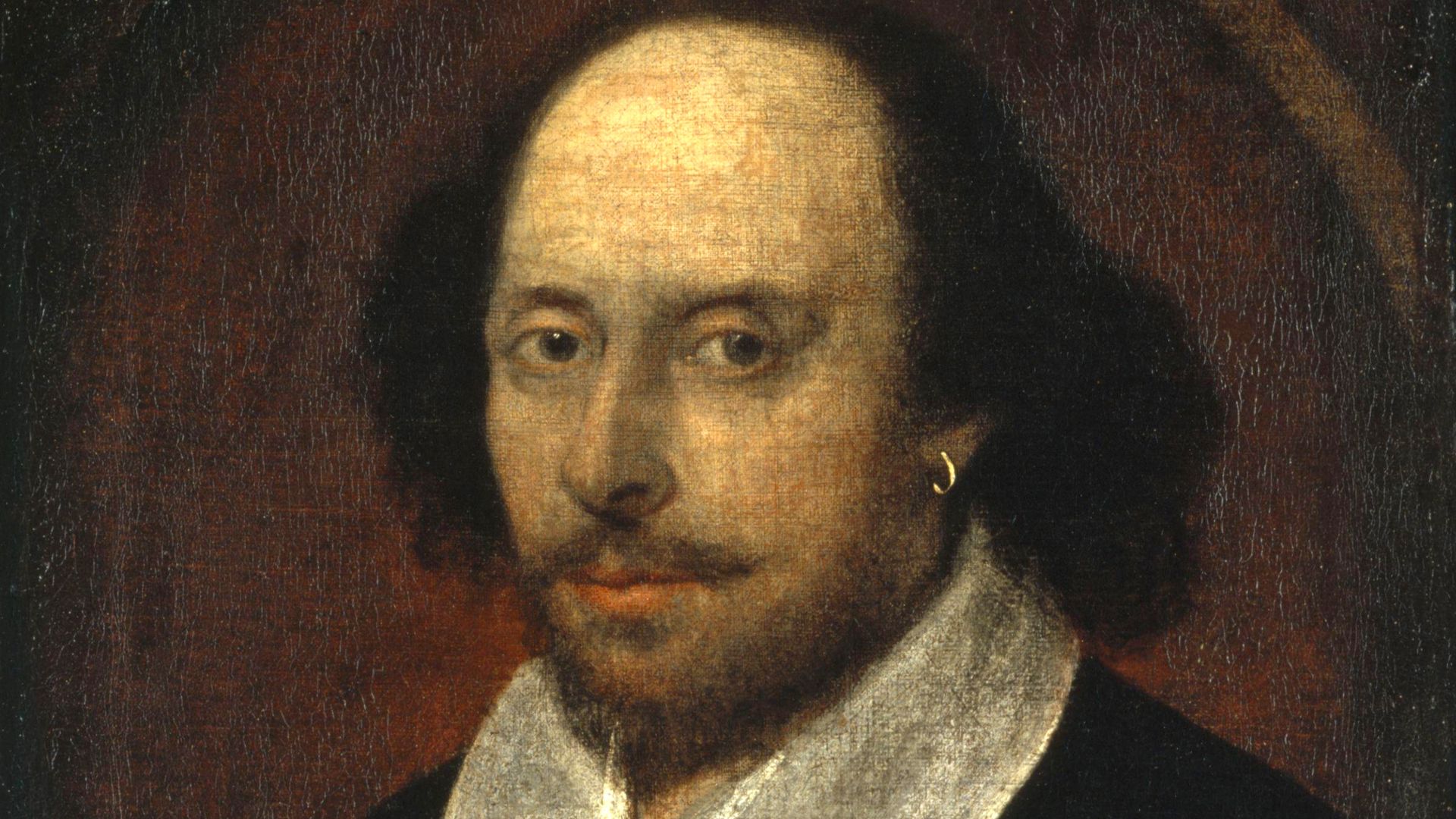 Attributed to John Taylor on Wikimedia
1. Charles Dickens
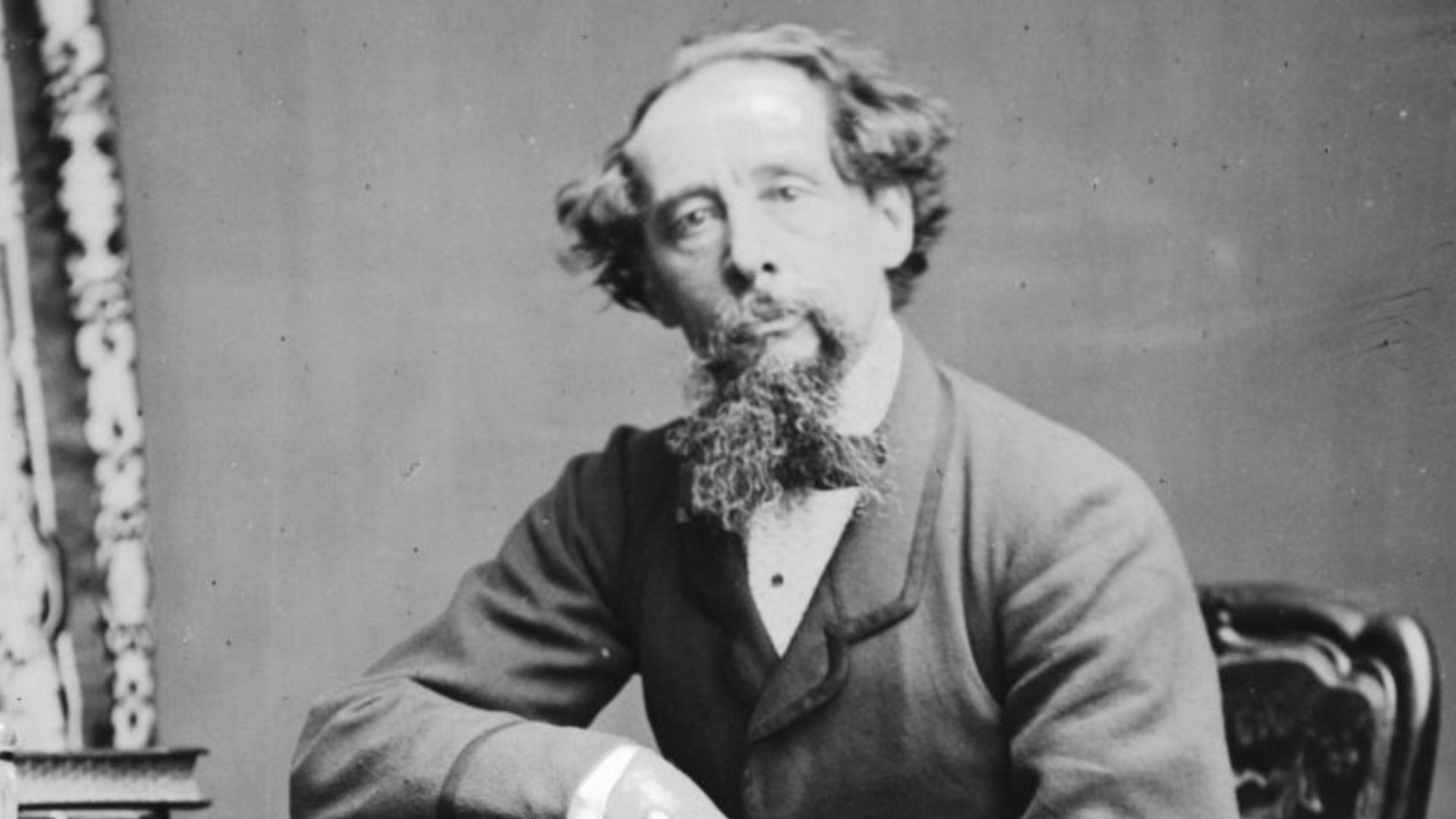
One of the greatest writers of the Victorian era, Charles Dickens is known for his iconic characters and social criticism. Dickens left school at12 to work in a factory, and many of his works deal with class and child labor. Dickens' works were serialized, allowing readers of all social classes to experience his stories weekly.
2. Geoffrey Chaucer
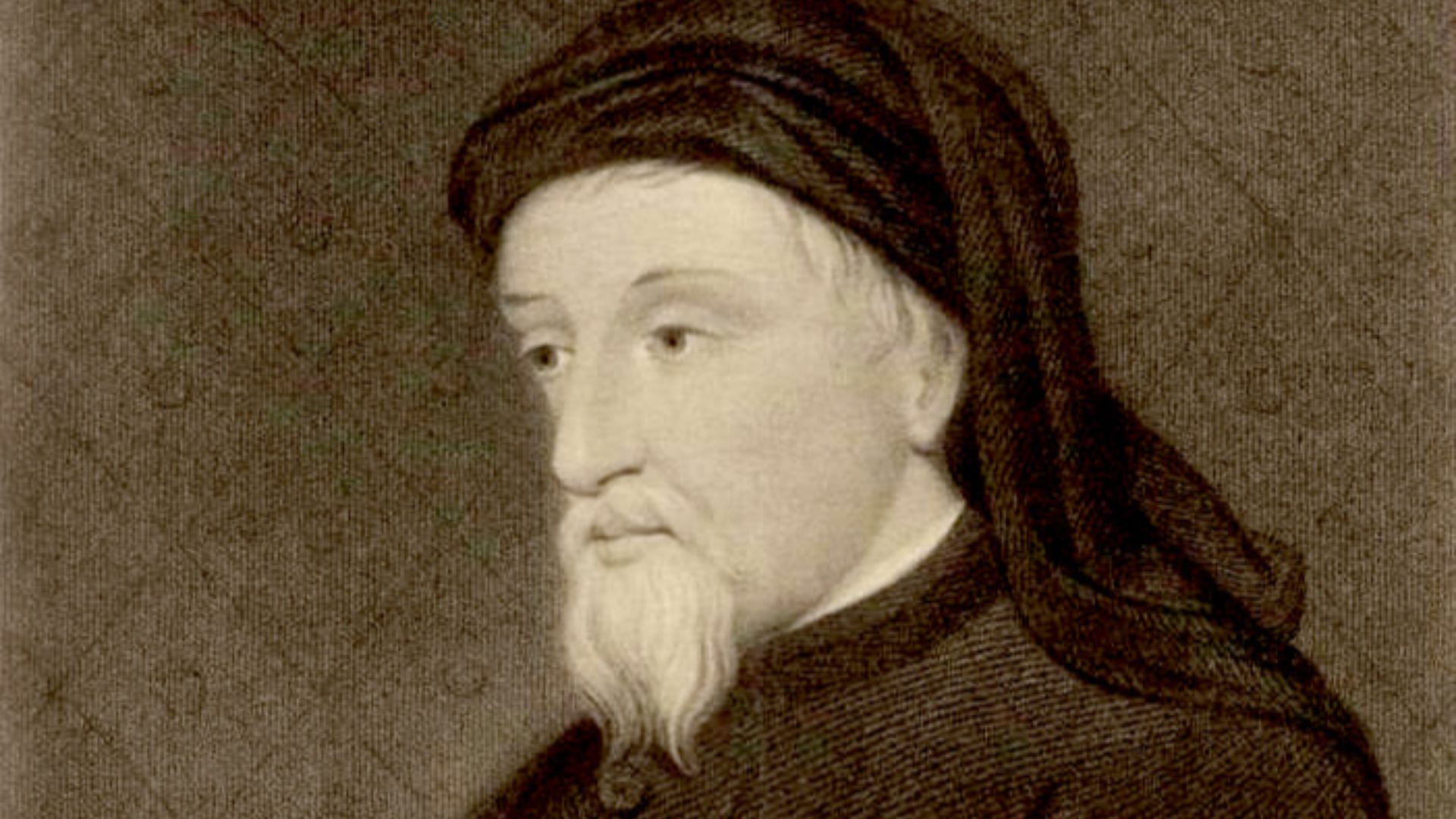
The father of English literature, Geoffrey Chaucer's Canterbury Tales are the terror of many a student unfamiliar with Medieval literature. Chaucer helped legitimize Middle English as a literary language, giving us almost 2000 common words! A good translation will bring out the humor and bawdiness of Chaucer's Tales.
 Unknown authorUnknown author on Wikimedia
3. George Eliot
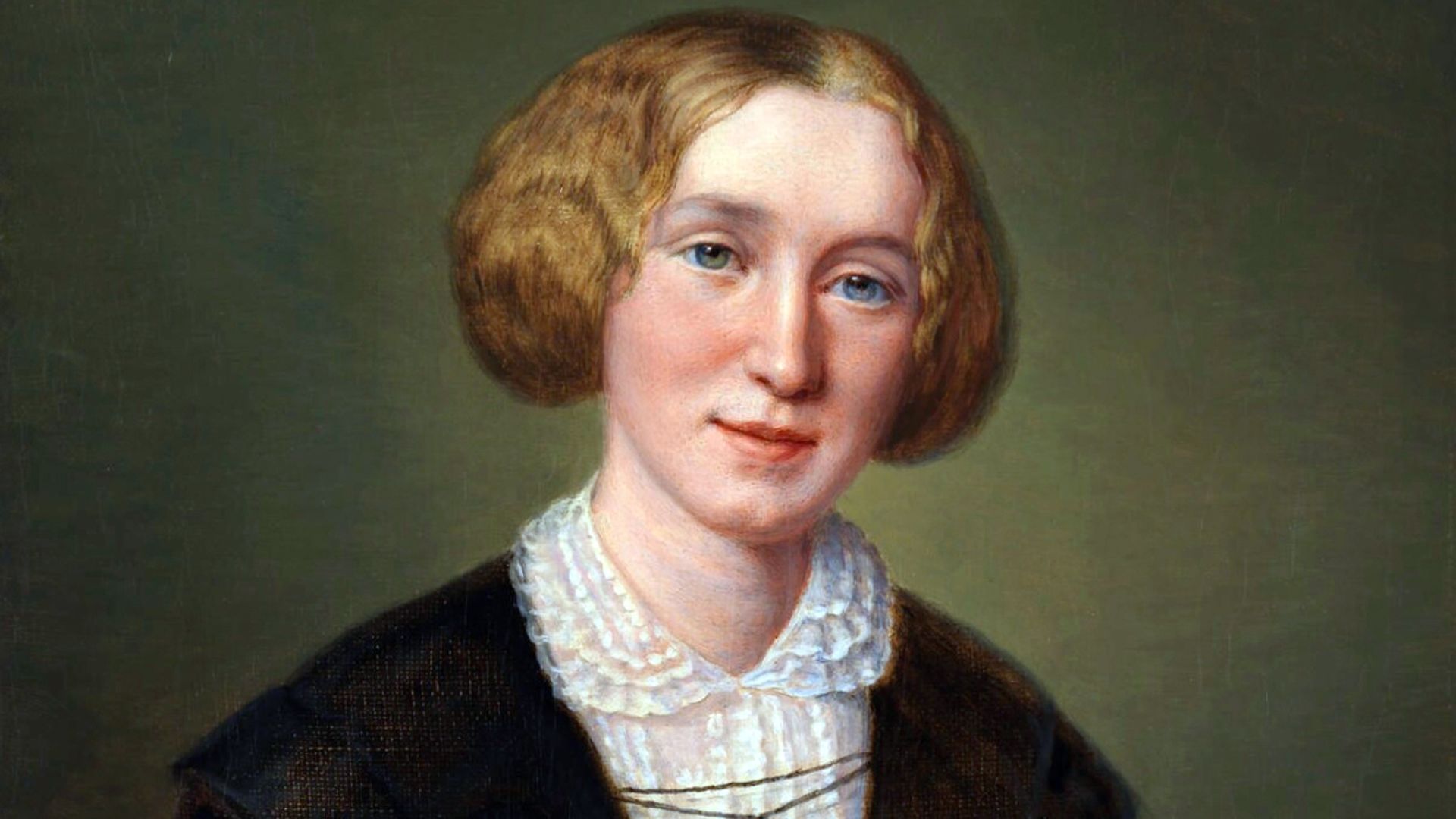
Known in her personal life as Mary Ann Evans, George Eliot wrote towering novels such as Middlemarch and The Mill on the Floss. Eliot's novels are known not just for their formidable length, but for their psychological depth and depictions of rural society. Eliot was unafraid to tackle social issues and persecution in small towns.
 replica by François D’Albert Durade (1804–1886) on Wikimedia
4. Charlotte Brontë
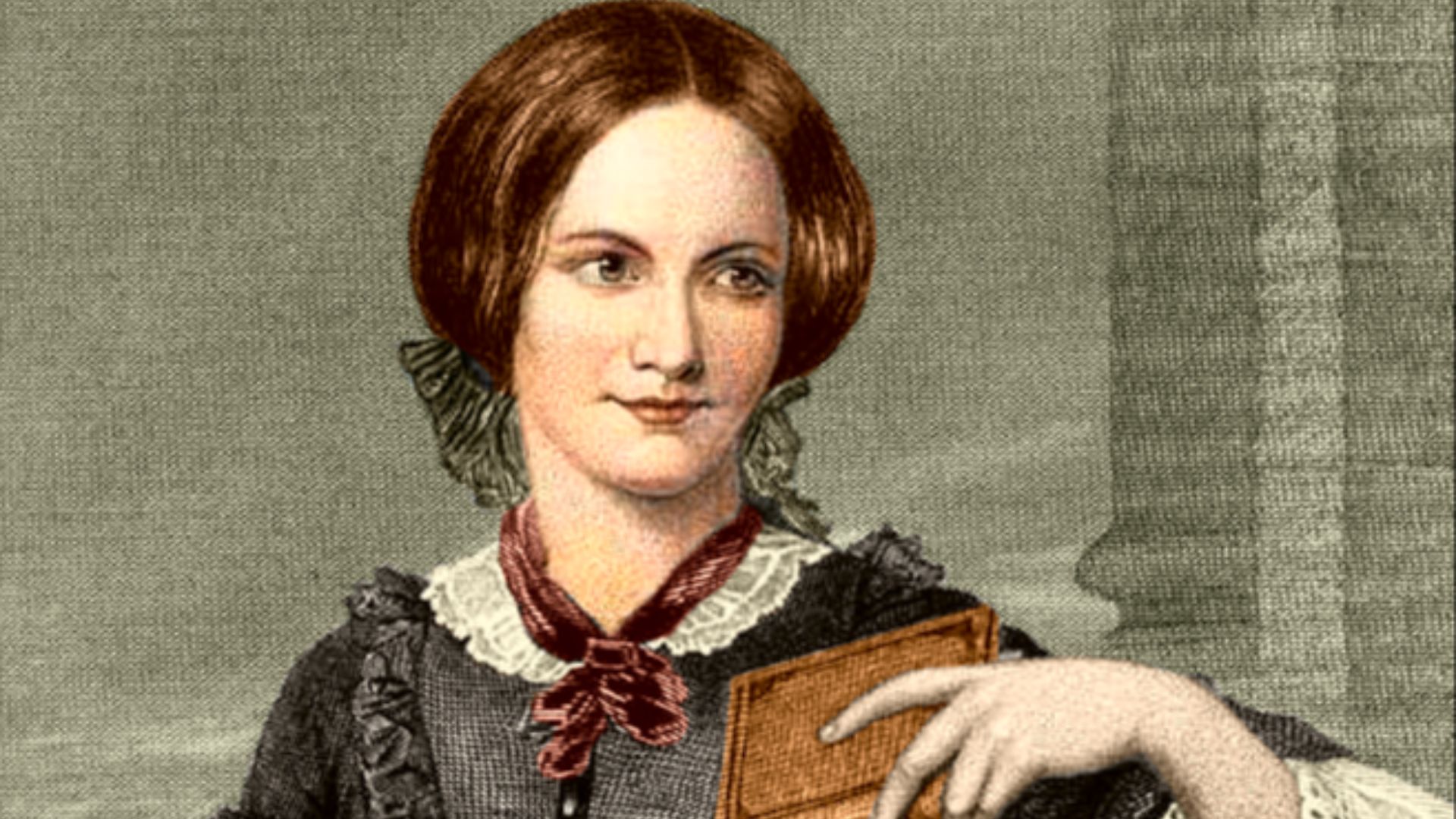
Choosing a favorite Brontë sister is like choosing a favorite limb, but we have to give Charlotte the edge based on output. Like her sisters, Brontë wrote gothic-tinged novels inspired by her gloomy upbringing on the moors. Brontë's most famous novel, Jane Eyre continues to influence the gothic and literary genres 177 years later.
 Painted by Evert A. Duyckinck, based on a drawing by George Richmond on Wikimedia
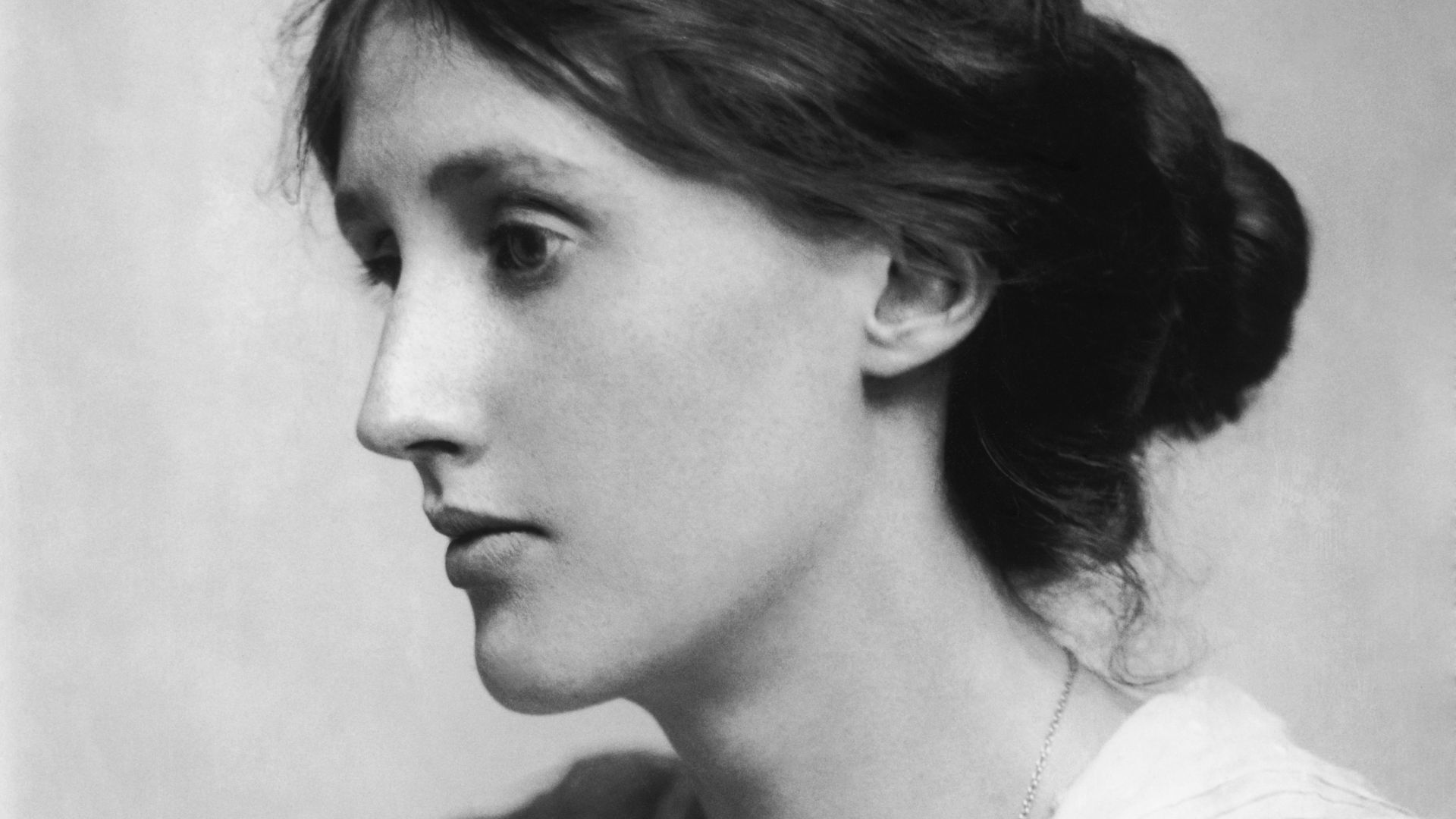
5. Virginia Woolf
One of two Modernist writers on this list, Virginia Woolf's stream-of-consciousness style can be daunting to the uninitiated. Woolf was a founder of the Bloomsbury Group, one of 20th century Britain's most important literary movements. Her uncompromising feminist stance is still admired today.
 George Charles Beresford / Adam Cuerden on Wikimedia
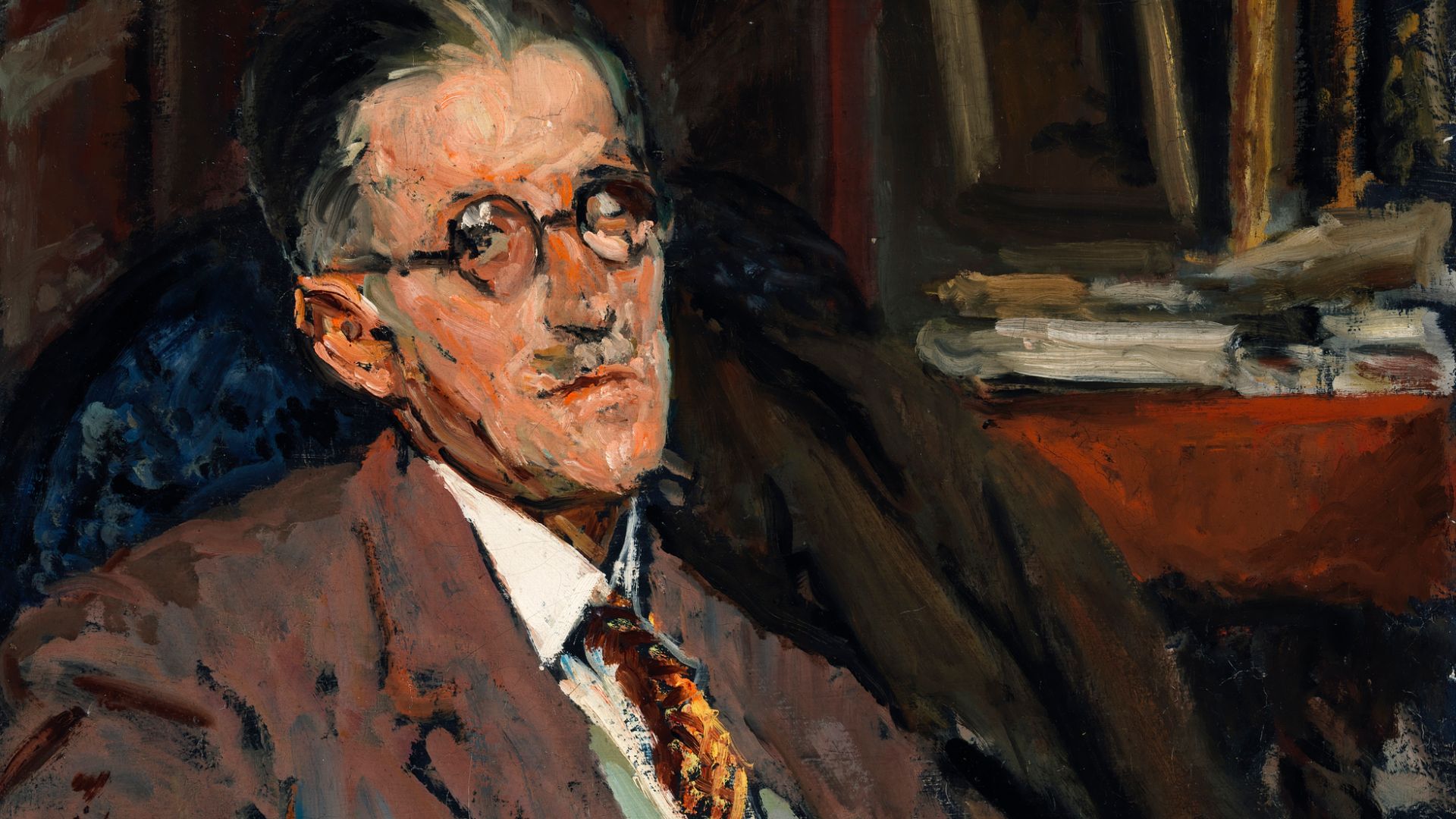
6. James Joyce
Few writers strike fear into students' hearts like James Joyce. Joyce's idiosyncratic use of language and open-ended style have inspired both awe and terror, influencing generations of writers. Every year on the 16th of June, Joyce fans celebrate "Bloomsday", retracing Leopold Bloom, the hero of Ulysses's path across Dublin.
 Jacques-Émile Blanche on Wikimedia
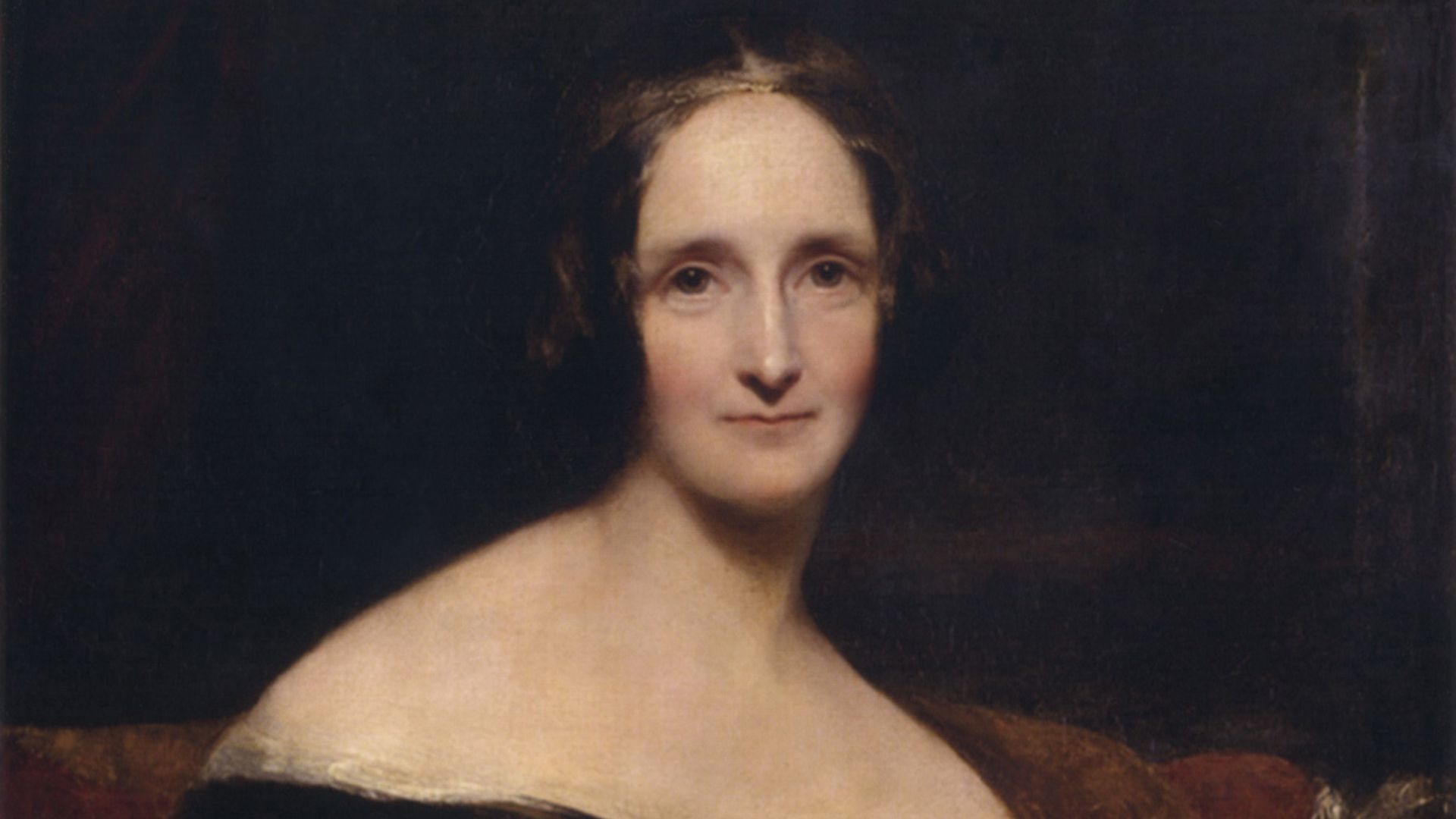
7. Mary Shelley
A pioneer of science fiction, Mary Shelley was inspired to write Frankenstein when she was only 18! In addition to her this groundbreaking gothic novel, Shelley also pioneered the dystopian novel with The Last Man. Set in the late 21st century, this story about plague and climate saw renewed readership in 2020 for obvious reasons.
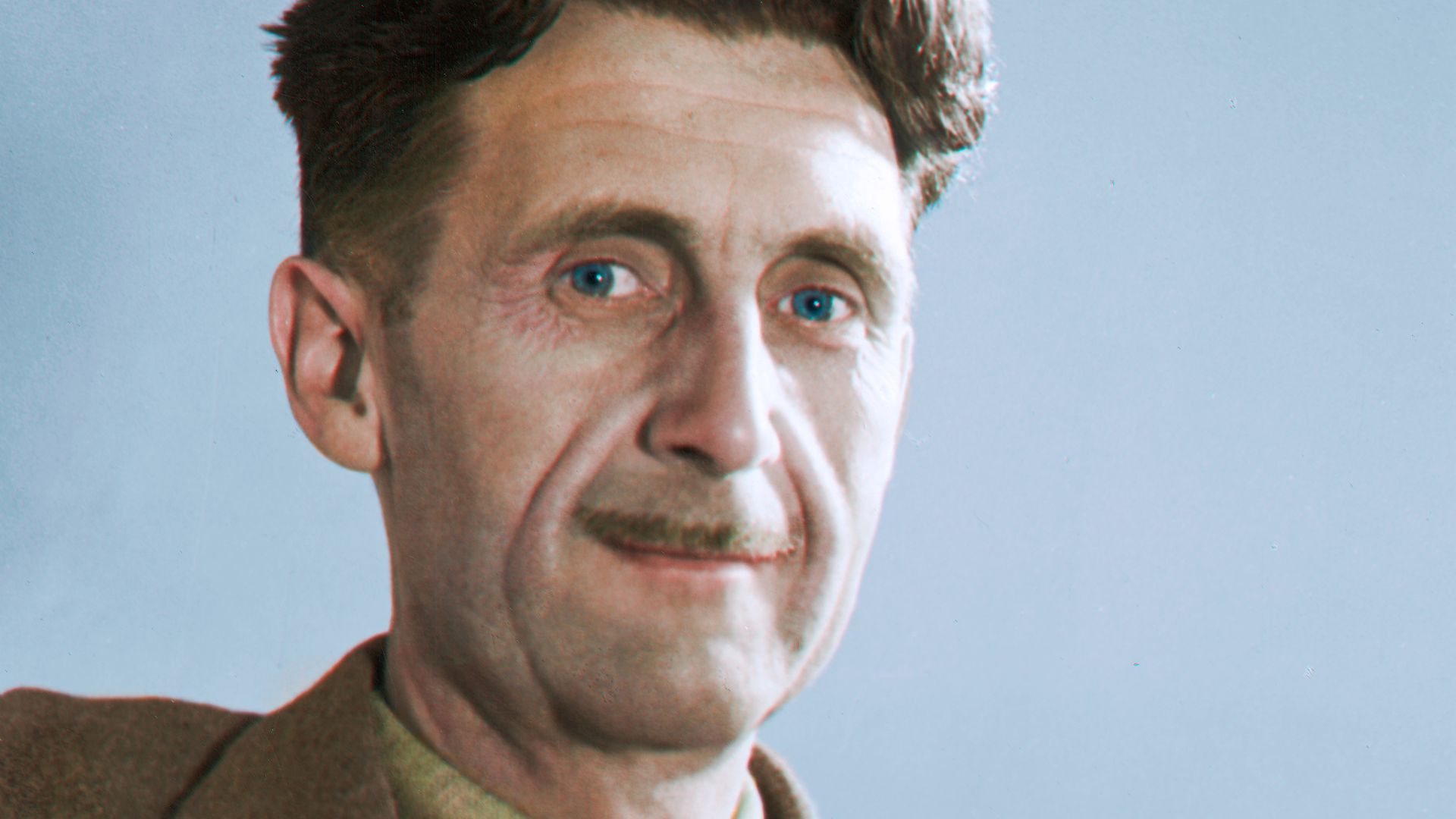
8. George Orwell
While George Orwell did not invent the dystopian novel, Nineteen Eighty-Four is many people's first exposure to the genre. Animal Farm, Orwell's allegory about authoritarian communism frames the Russian Revolution through talking farm animals. Orwell was also known for his non-fiction writing about war, politics, and literature.
 Cassowary Colorizations on Wikimedia
9. Jane Austen
If you've ever enjoyed any romance novel published in the past 200 years, you have Jane Austen to thank. While Austen saw her six novels as social satire or sentimental novels, her work impacted romance fiction at a scale nobody could predict. Though Austen published anonymously, her authorship was an open secret.
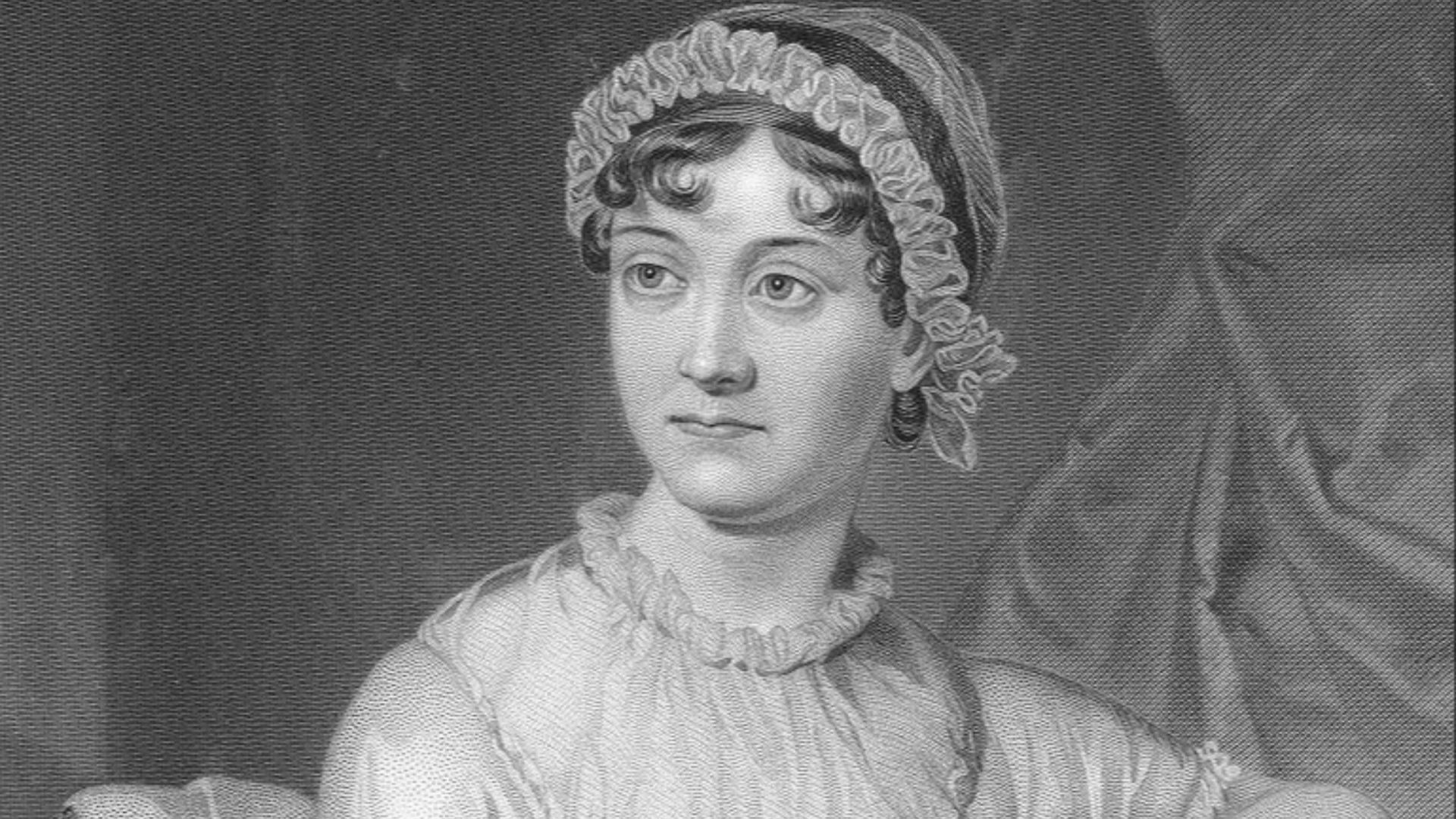 Based on one drawn by her sister Cassandra on Wikimedia
10. William Shakespeare
Surely William Shakespeare needs no introduction. The Bard of Avon fundamentally shaped the way we speak more than any other writer in the English language. One reason why Shakespeare's works don't always connect in a classroom setting is because his plays are taught like novels rather than theater.
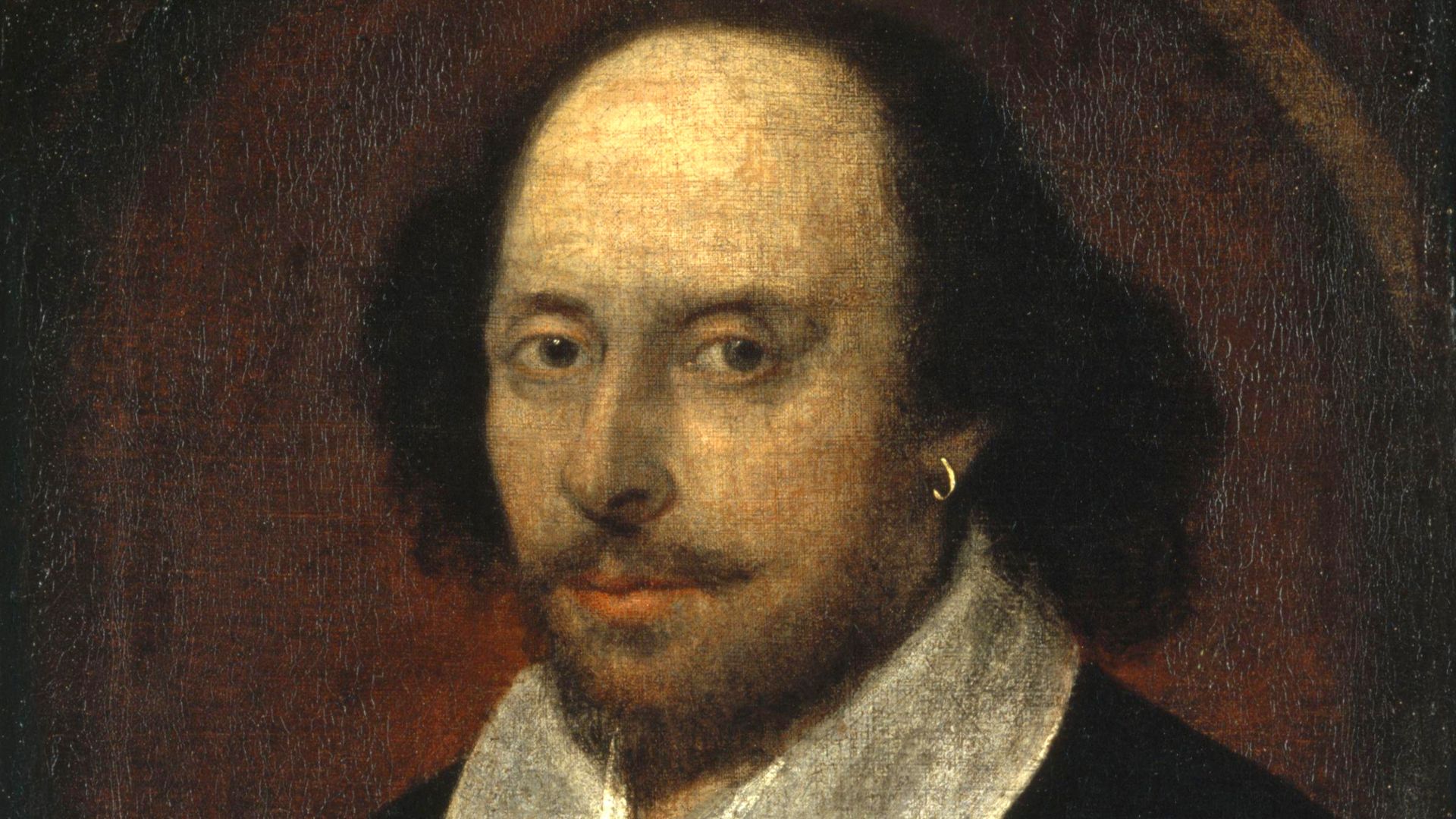 Attributed to John Taylor on Wikimedia
Now that we've covered some of the most influential authors in English literature, let's look at some of their lesser-known works!
1. Martin Chuzzlewit
While Oliver Twist, A Christmas Carol, and A Tale of Two Cities are among Dickens' most well-known works, his "American novel" is less well known. Martin Chuzzlewit is a satire of 1840s America, presenting the country as selfish and greedy. The novel features one of literature's first private detectives.
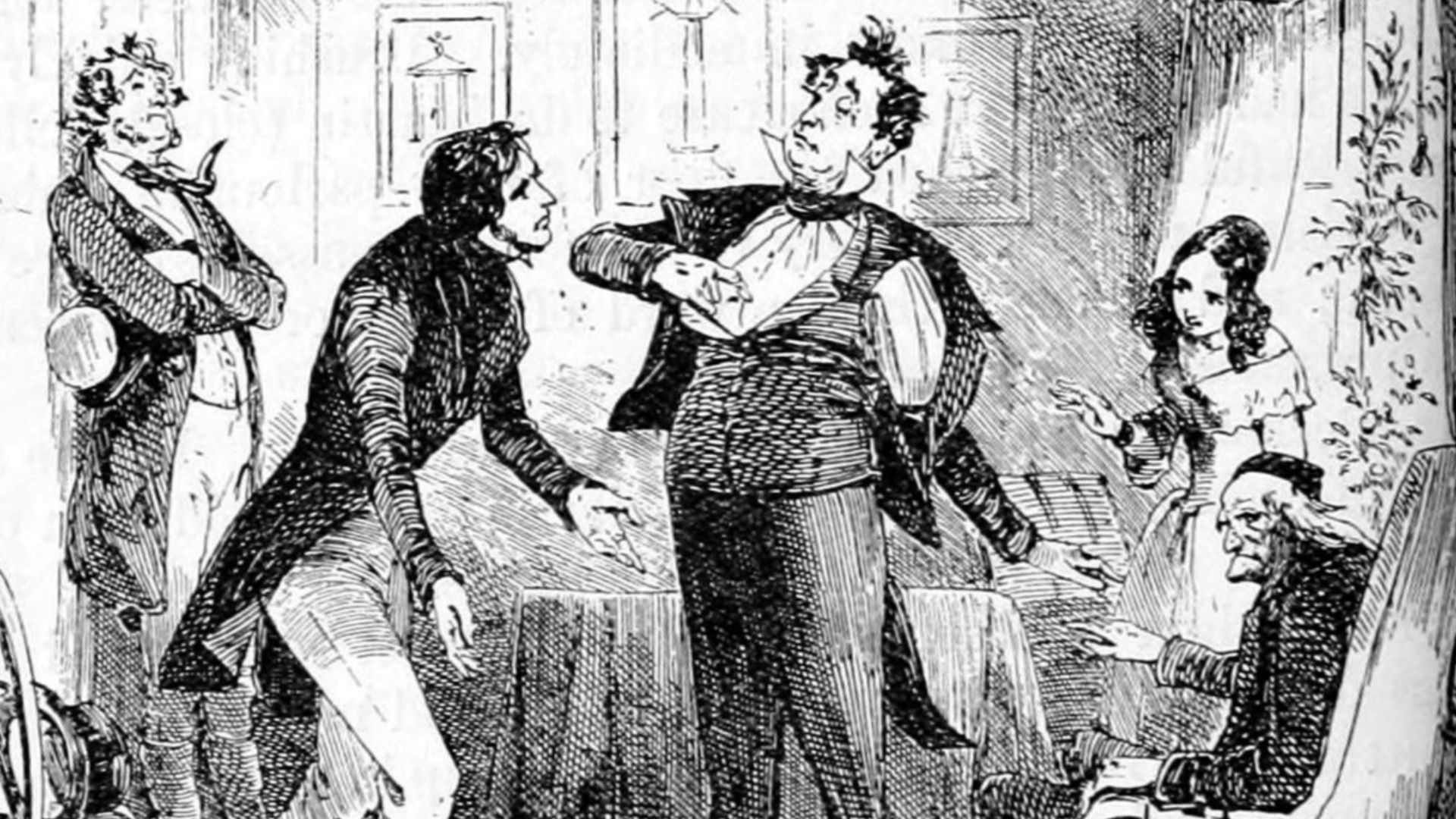 Hablot Knight Browne on Wikimedia
2. Troilus & Crisedye
If you want to get started on Medieval literature but aren't ready for The Canterbury Tales, Chaucer's Troilus & Crisedye is a great place to start. This tragic love story set during the Trojan War is regarded as Chaucer's finest work. The poem forms the basis for Shakespeare's tragedy Troilus and Cressida.
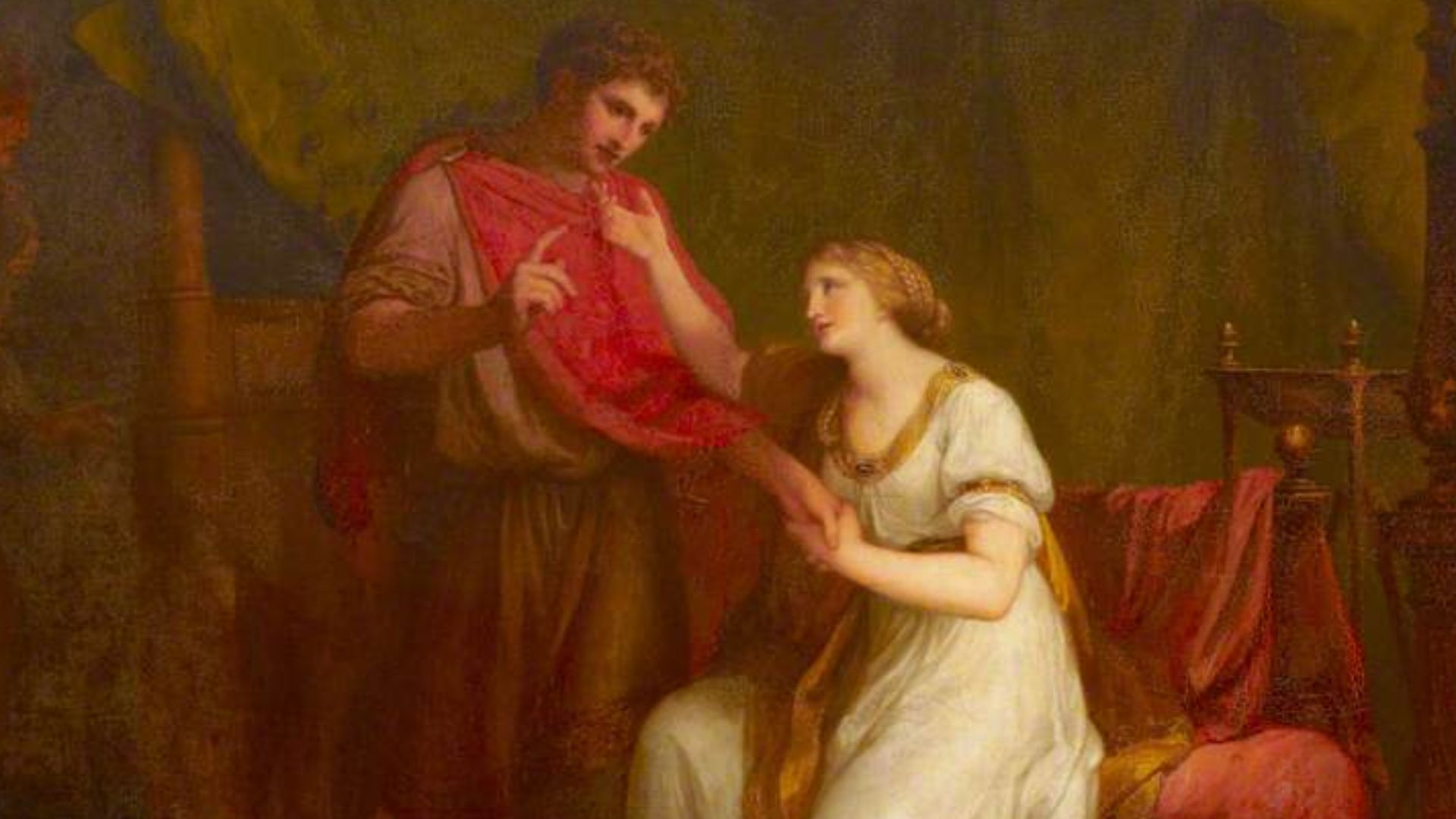 Angelica Kauffmann on Wikimedia
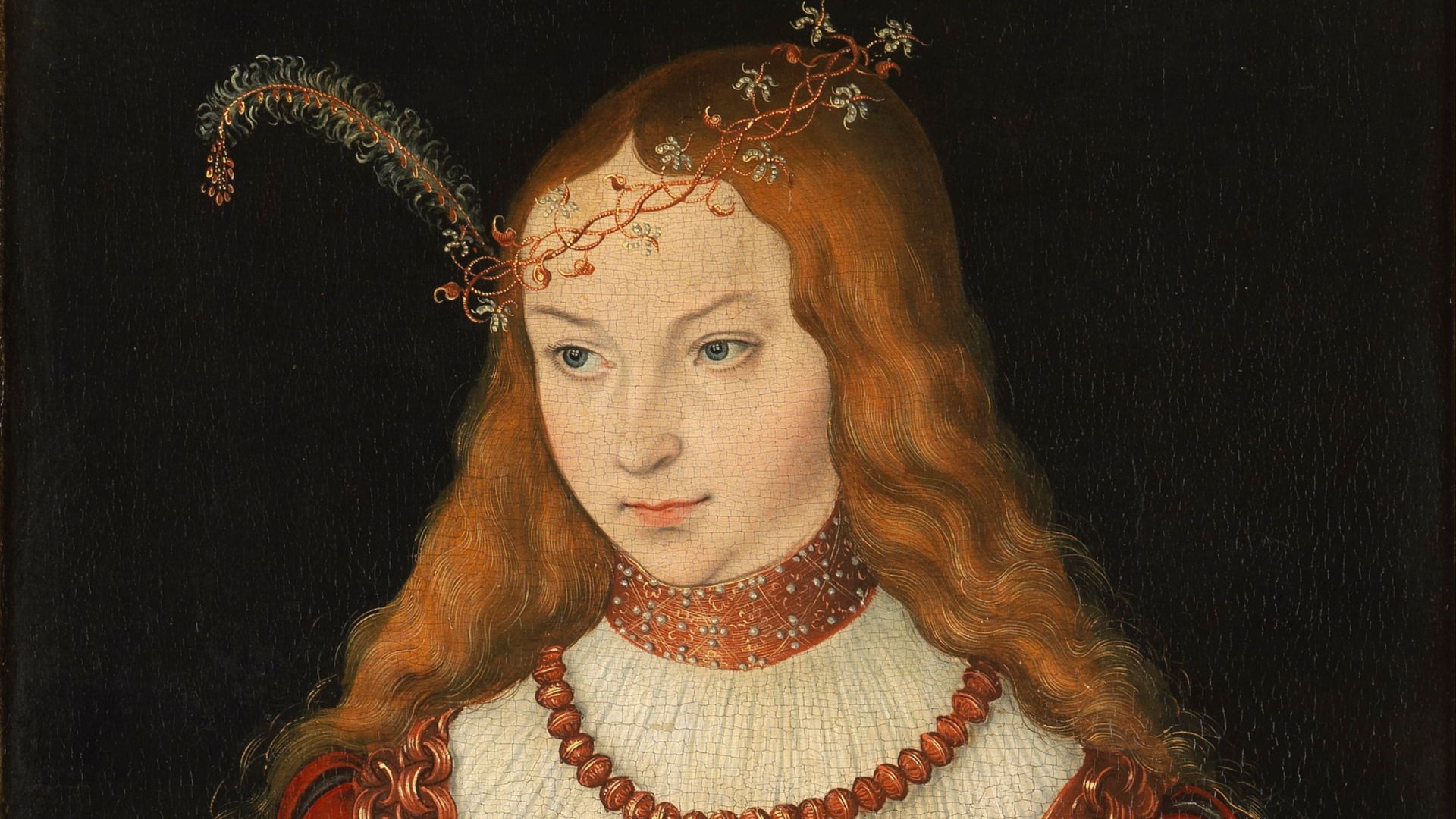
3. Romola
George Eliot didn't really do "short" novels, but if you want something different from rural England, Romola is the novel for you! Set in Renaissance Italy, this novel examines the constraints of womanhood and art. If you name-drop Romola in conversation to sound intellectual, the heroine's name rhymes with gondola.
 Lucas Cranach the Elder on Wikimedia
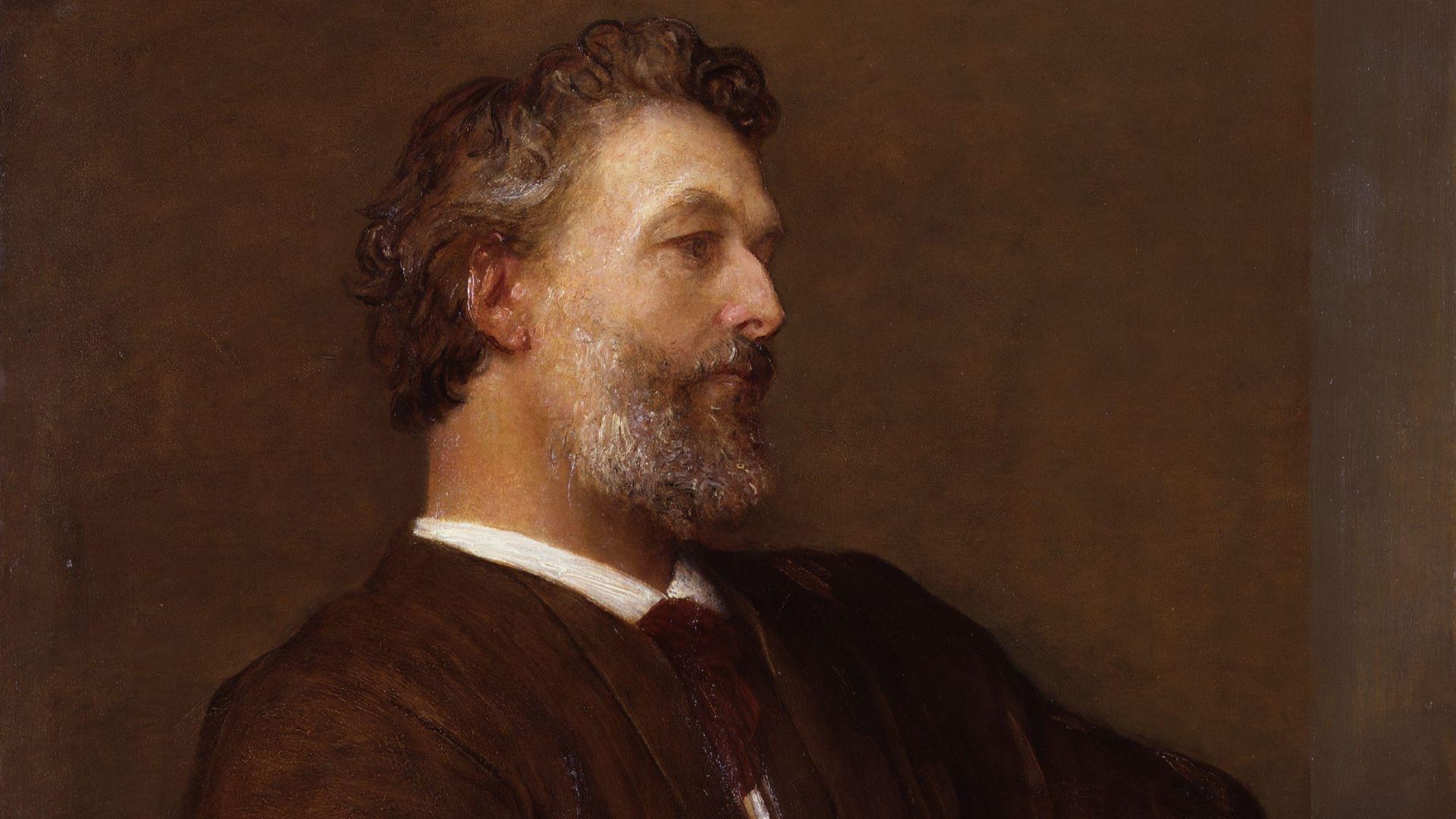
4. The Professor
Though The Professor was the first novel Charlotte Brontë wrote, it was only published following her death. This was to due not to any scandalous content, but to a lukewarm reception by publishers. Brontë used her own experiences as both a student and teacher of language as inspiration for the novel.
 George Frederic Watts on Wikimedia
5. Flush
For a (hopefully) less confusing Modernist read, check out Flush by Virginia Woolf. This unconventional biography of Elizabeth Barrett Browning's beloved spaniel is more playful than Woolf's other works but no less probing. This dog's eye view of the 19th century is a must-read for dog lovers.

6. Dubliners
Compared to James Joyce's other works, Dubliners makes The Very Hungry Caterpillar look challenging. This collection of short stories explores middle-class life in—where else?—Dublin! Dubliners was written in a very interesting period in Irish history, and the short story form makes it more digestible than Joyce's other works.
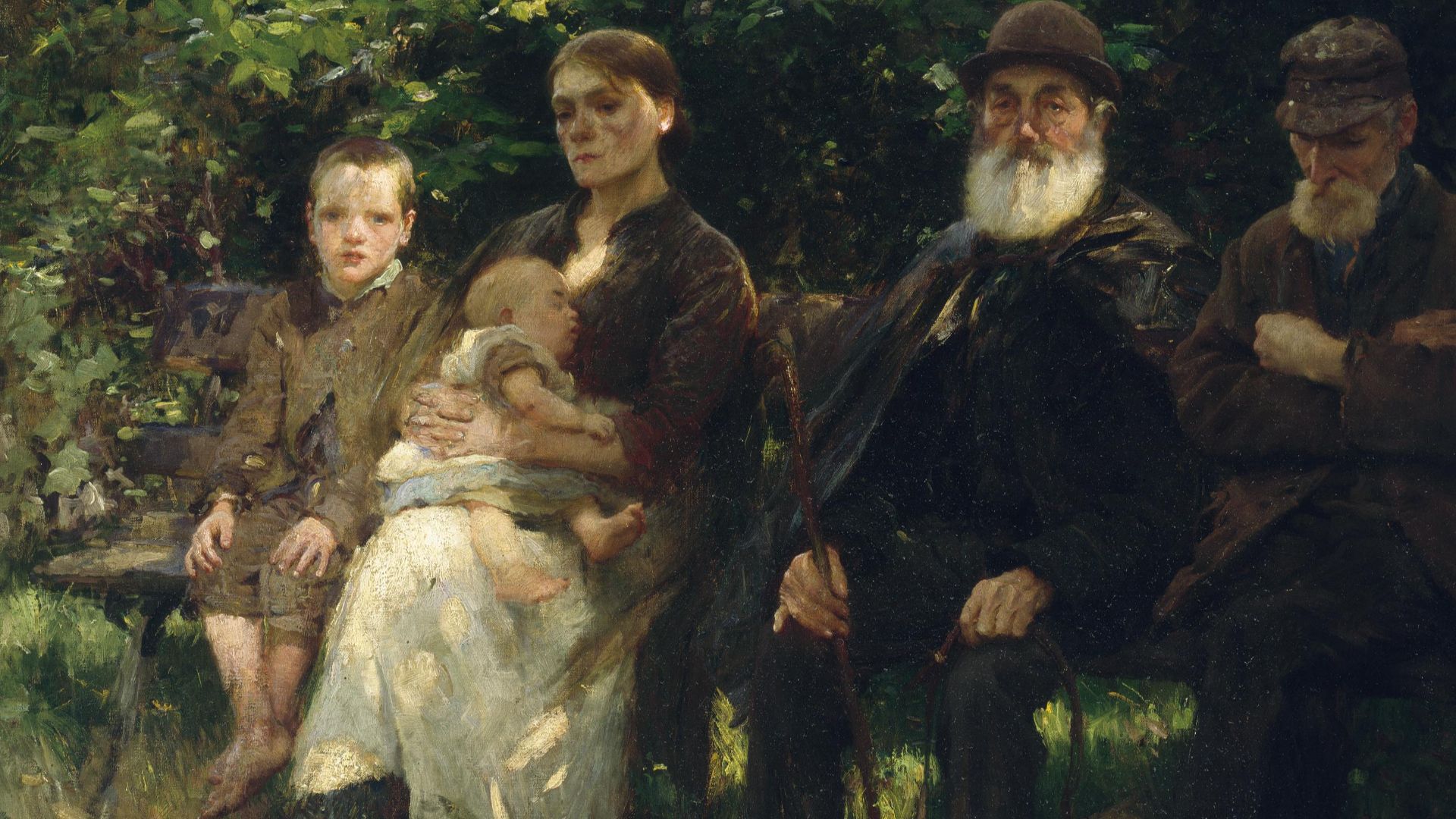
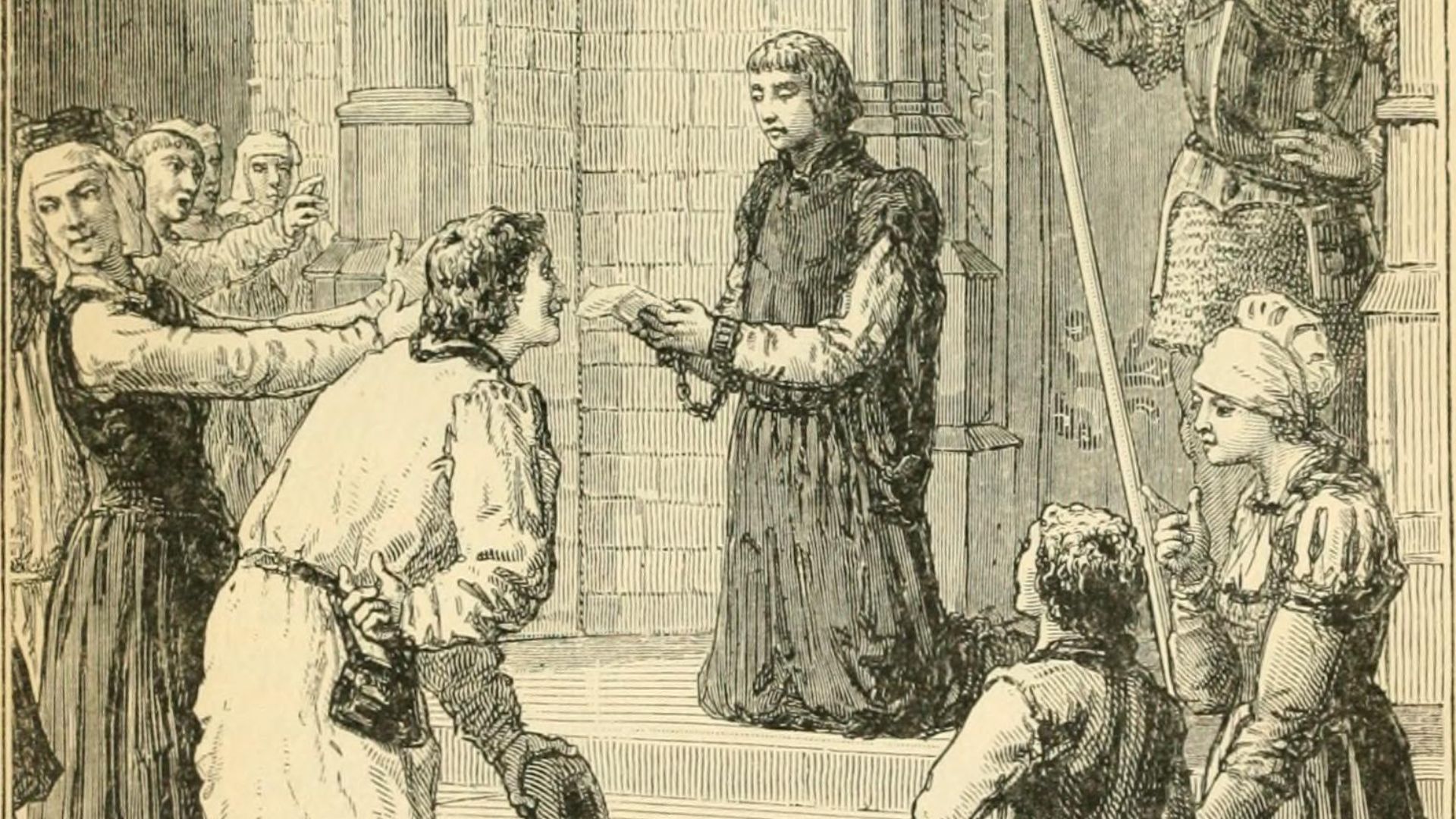
7. Perkin Warbeck
While we already highlighted Mary Shelley's The Last Man as an example of a lesser-known work. However, for something completely different, we recommend Perkin Warbeck. This historical novel in the style of Sir Walter Scott examines the life and fortune of a pretender to the English throne.
 Internet Archive Book Images on Wikimedia
8. Keep The Aspidistra Flying
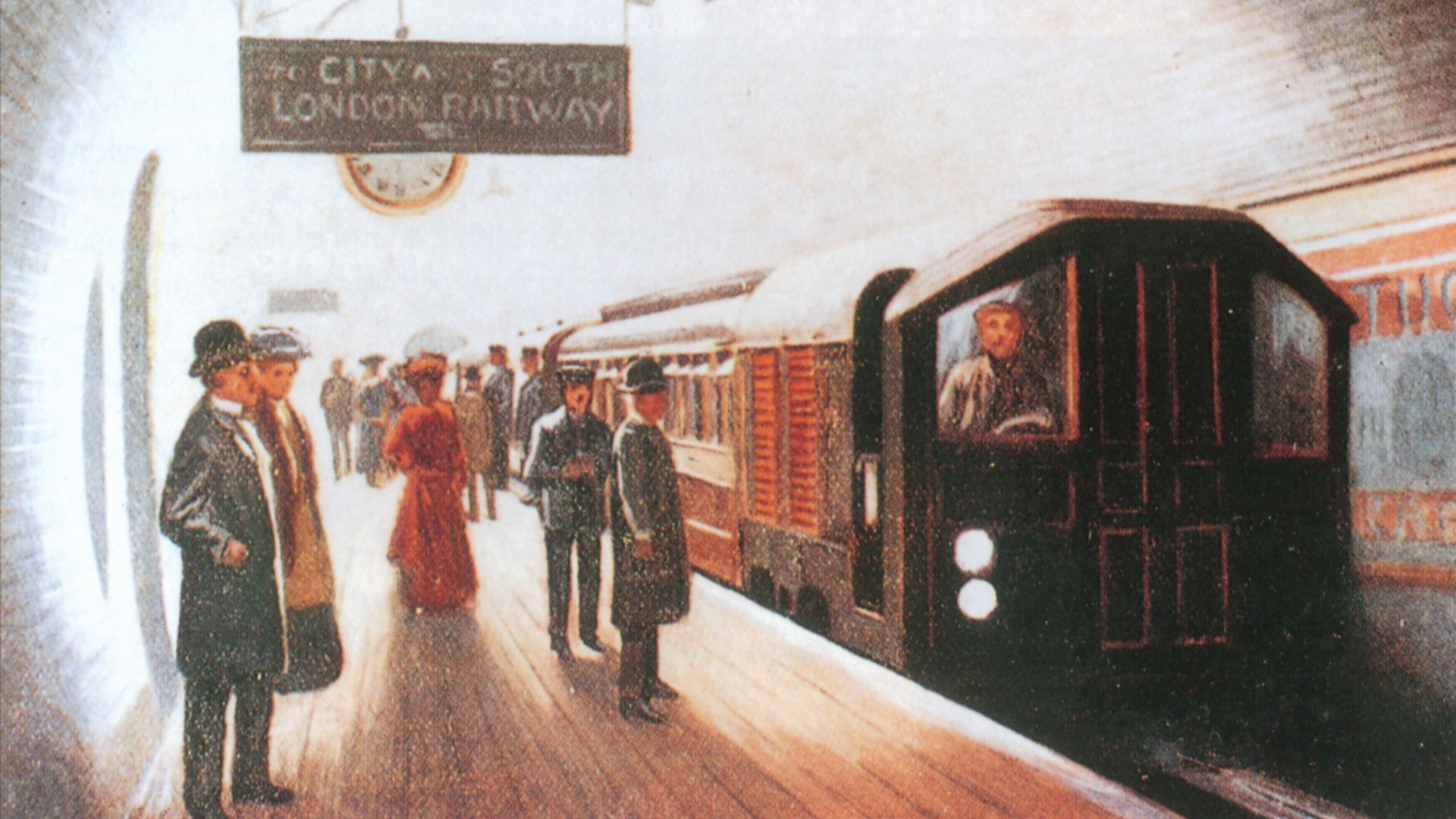
Reading George Orwell in the 2020s can be...depressing to say the least. For a less harrowing but no less biting reading experience, check out Keep the Aspidistra Flying. This 1930s novel criticizes money-hungry London society with a moving portrayal of the loneliness of poverty.
 Unknown authorUnknown author on Wikimedia
9. Lady Susan
Jane Austen only wrote six novels, all of which are suitably loved. So, to look for a truly underrated work, you have to seek out her juvenilia. Written when she Austen was 19, Lady Susan traces the schemes of a middle-aged widow known for her flagrantly flirtatious lifestyle.
10. Cymbeline
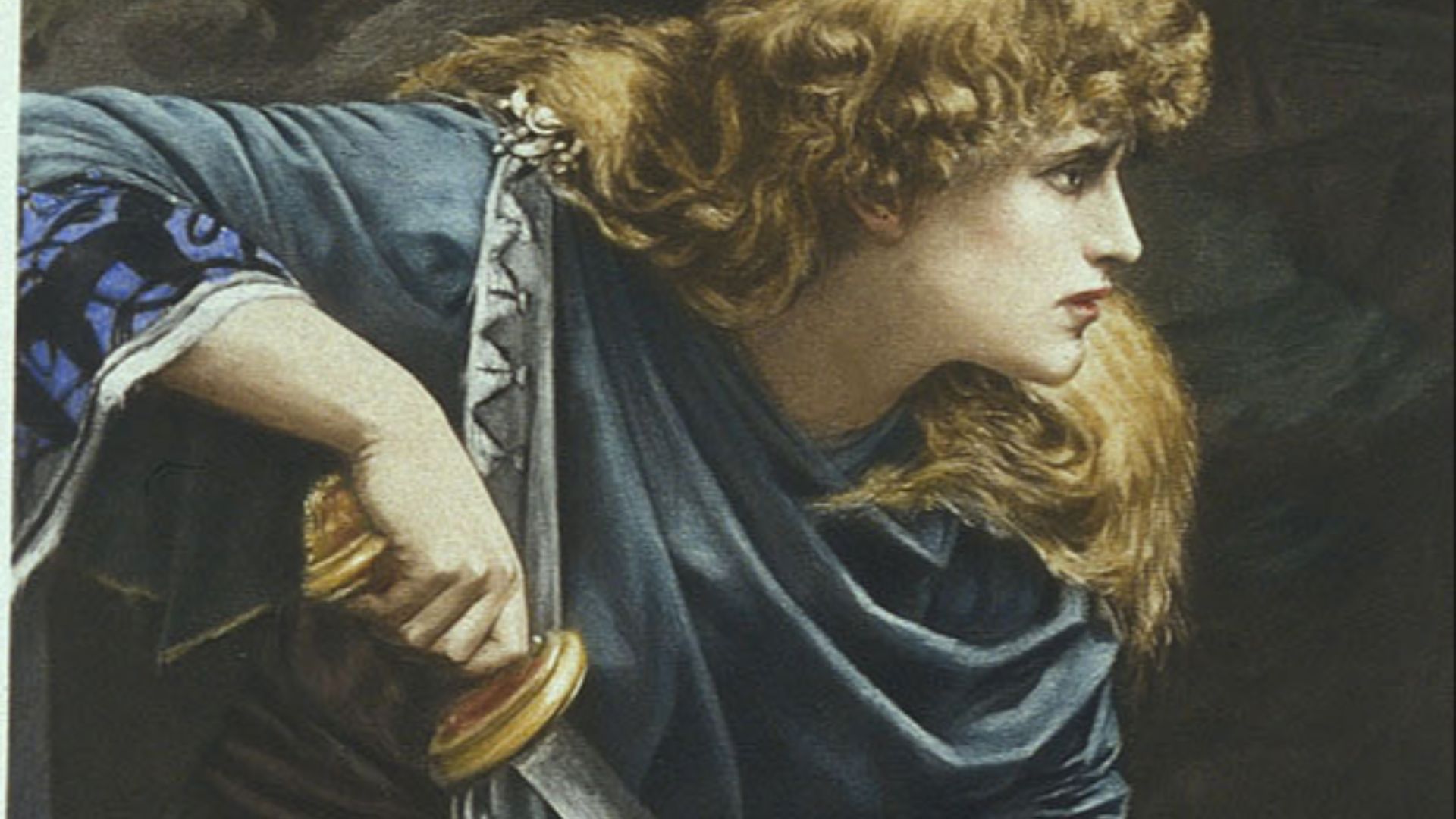
Shakespeare's plays can be divided into three major categories: comedies, tragedies, and histories. There's also problem plays, which cannot be easily categorized. Cymbeline, set in 1st century Britain is the sort of play that defies classification; alternatively called a tragedy, comedy, and romance, Cymbeline is the problem play.
 Herbert Gustave Schmalz on Wikimedia
KEEP ON READING