Mercy Brown: The Teenage Girl Who Was America's Most Famous Vampire
 Unknown authorUnknown author on Wikimedia
Mercy Brown was not what you probably think of when you hear the word "vampire". For starters, she did not turn into a bat or drink human blood, nor did she live in a Gothic castle in the far reaches of Transylvania. Rather, Mercy Brown lived in the sleepy Rhode Island village of Exeter at the close of the 19th century.
An Unexpected Vampire Panic

Eight weeks after her burial, Mercy crawled out of her grave. Or, rather, she was dug up by concerned townsfolk. Despite two months underground, her body showed few signs of decomposition, with blood sflowing through her now-still heart.
What was more concerning was that, while Mercy lay below ground, her younger brother Edwin grew weaker and weaker. Edwin was a strapping young man who'd begun to waste away without explanation. A trip to the mineral springs of Colorado had done him no good, and Edwin continued to cough up blood after he returned home.
In a desperate attempt to preserve Edwin's waning life, his sister's corpse was awoken from her eternal slumber. The ashes of Mercy's heart and liver were made into a tonic, which was supposed to prevent her undead influence on her brother. These efforts were in vain, as Edwin lived just two months more.
Such superstition seems out of both time and place in a country barreling towards the 20th century. In order to understand how Mercy Brown's death led to a full-blown vampire panic, we first must learn a little about her short life.
The Short, Sad Life Of Mercy Brown
 Unknown authorUnknown author on Wikimedia
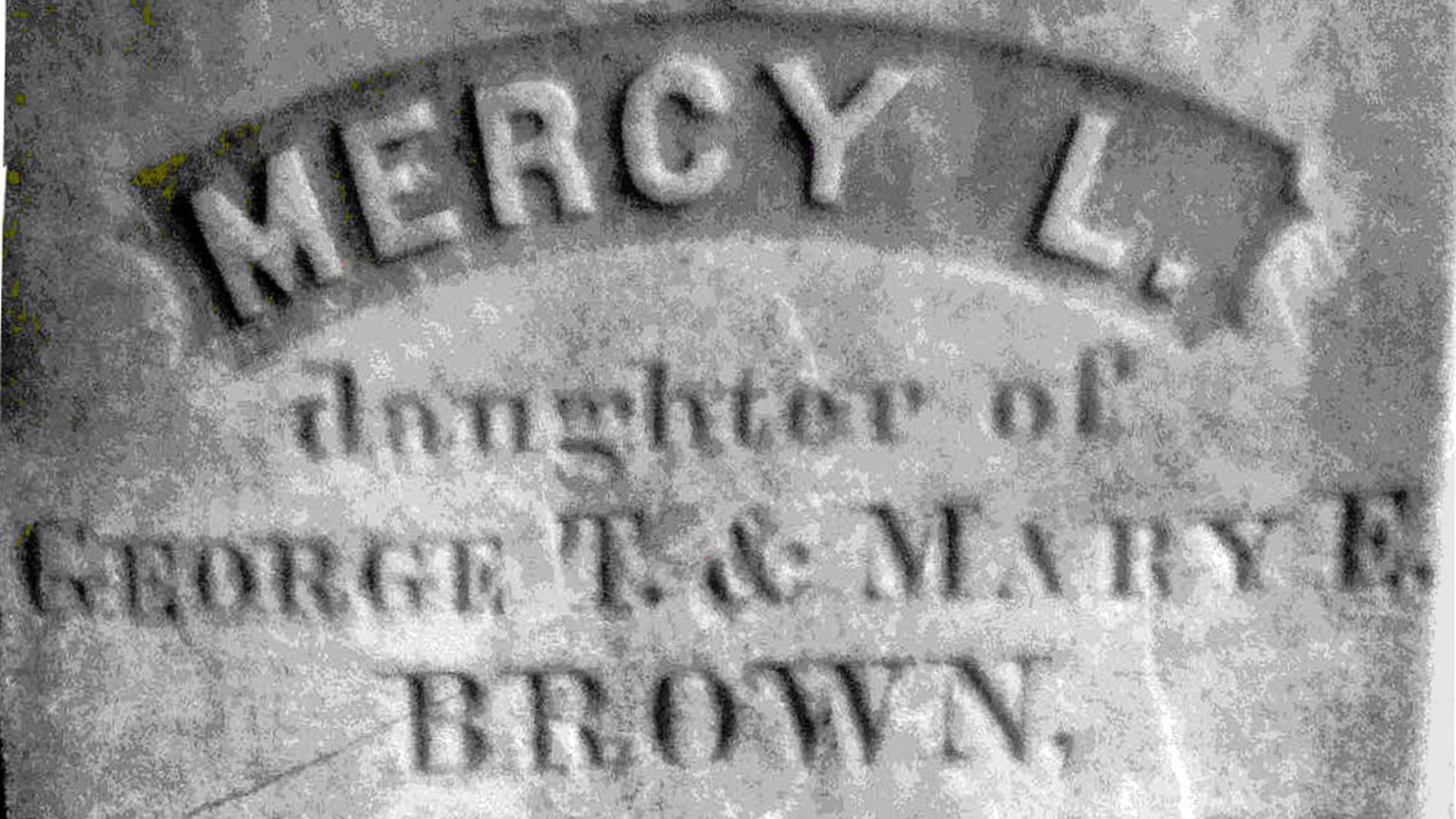
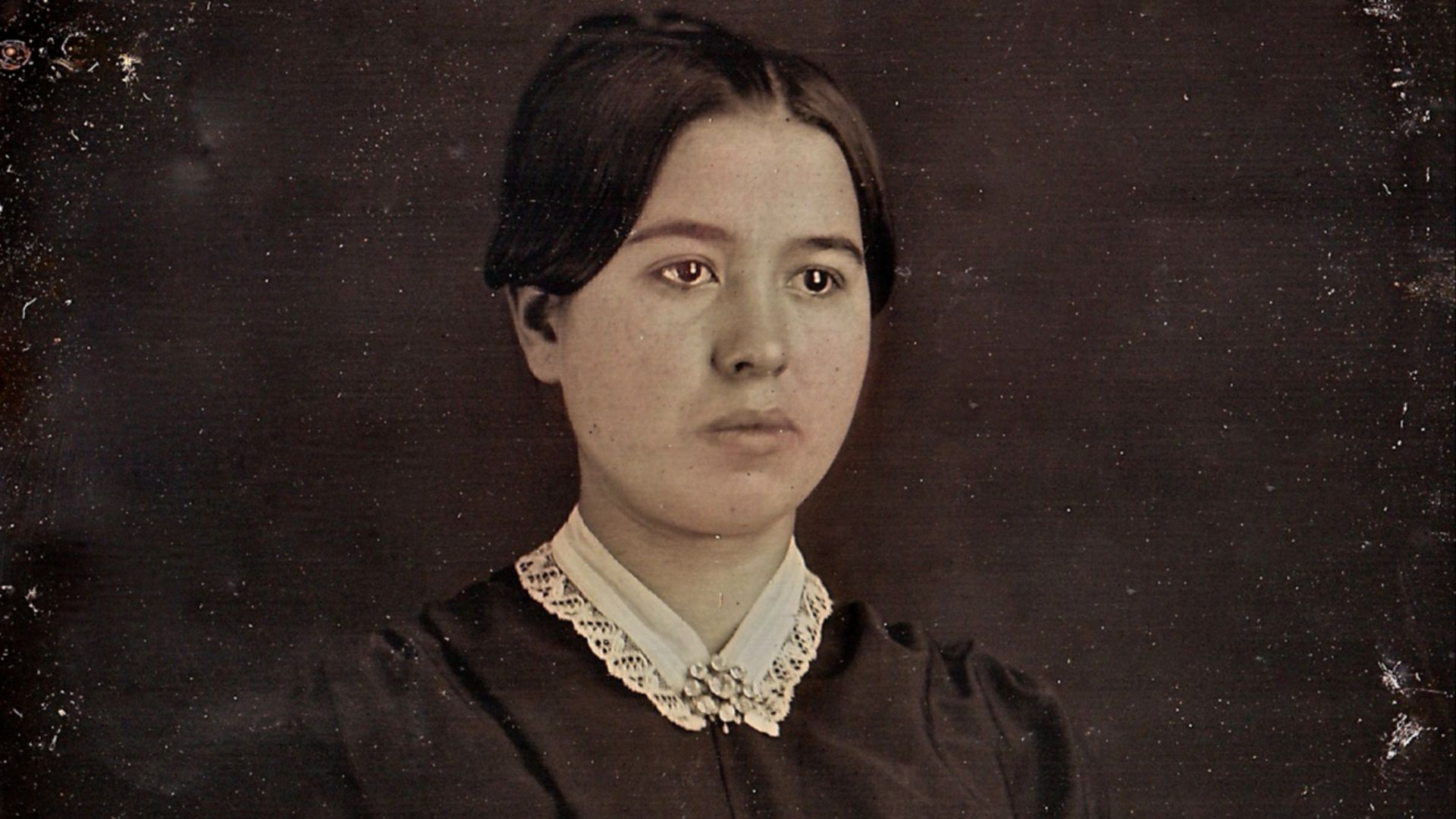
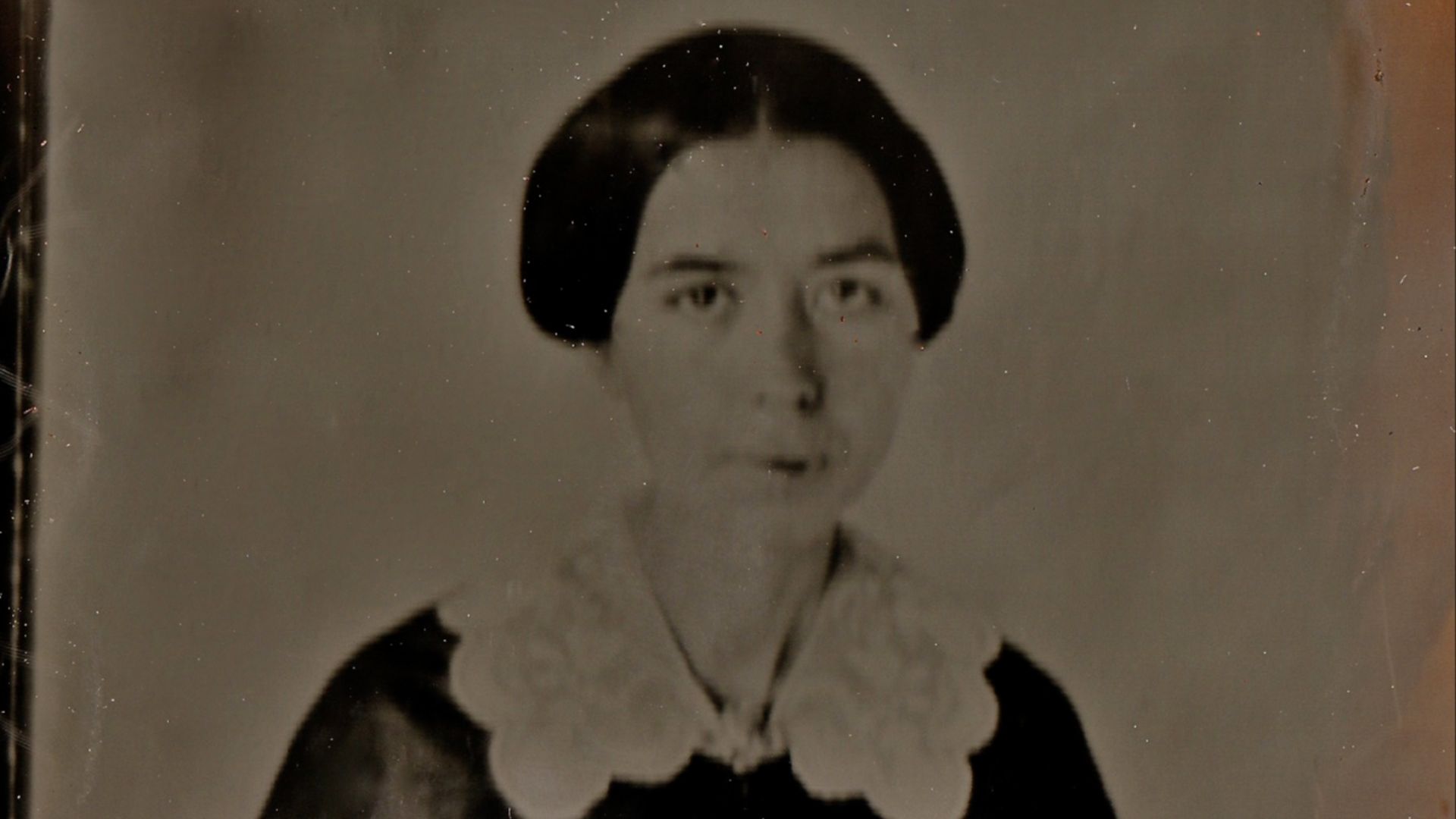
Born in 1872, Mercy Lena Brown was the fourth of seven children born to George and Mary Brown. Like many of their neighbors in rural New England, the Browns were farmers. While Vanderbilts and Astors summered in Newport cottages, villagers like the Browns lived in relative isolation.
Known as "Deserted Exeter", Exeter was a border town clinging to existence. The population had been decimated by both the Civil War and the promise of prosperity out west. What little land there was was barely arable, though farmers eked out a living tilling the soil.
While electricity and telephone lines were connecting the country as a whole, and microscopes were lending some credence to newfangled Germ Theory, the same could not be said of Exeter. These border towns were isolated from their neighbors. Such communities were essentially pockets of wilderness in the wider world, cut off from modern medicine.
For these communities, one of the biggest threats was not creatures of the night, but tuberculosis. Also known as consumption, tuberculosis was—and still is—the deadliest disease in history. Tuberculosis caused victims to waste away from the inside out, spreading hungrily in close quarters.
Galloping Towards Eternity
A vaccine wouldn't be discovered for another 40 years, and wouldn't be widely available until the 1940s. For subsistence farmers like the Browns, living under one roof, TB went through them like wildfire. What's more is that tuberculosis can present asymptotically, as Mercy's case did, before "galloping" towards sudden death.
Mercy was not the first member of her family to succumb to the disease. She was predeceased by her mother, Mary Eliza, and her sister, Mary Olive. Tuberculosis then spread to Mercy and Edwin.
However, all this rational germ theory still fails to explain one key element of Mercy's tale: her lack of decomposition. Despite being buried for more than two months, she looked as though she'd only just passed. The explanation is simple rather than salacious: Mercy died in January; the New England winter was too cold for decay to set in.
Though Mercy was the most famous victim of the so-called New England Vampire Panic, she was not the only one. For 99 years, residents of rural New England towns were hunted not by bloodsucking creatures of the night, but by tuberculosis. Approximately seven tuberculosis patients were exhumed, their remains unsuccessfully used to prevent the deadly disease from carrying off their family members.
If parts of Mercy's story sound familiar, that's because you've likely encountered it under another name. Mercy's death and posthumous exhumation are mentioned in one of H. P. Lovecraft's stories, "The Shunned House". Mercy also bears resemblance to another 19-year-old known to rise from her grave after wasting away: Lucy Westenra in Bram Stoker's Dracula!