 Неизвестный художник (монограммист В.Г.) on Wikimedia
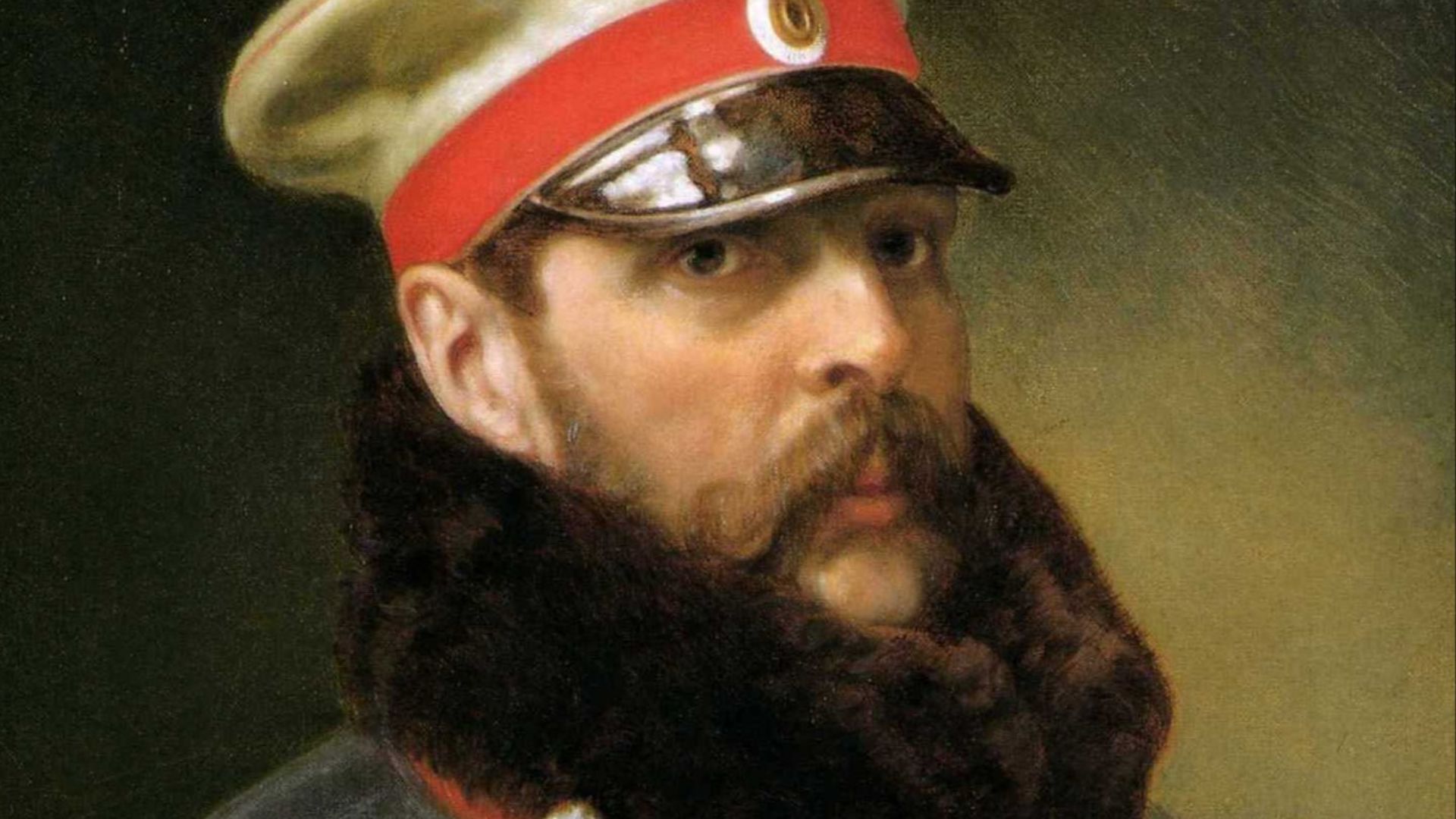
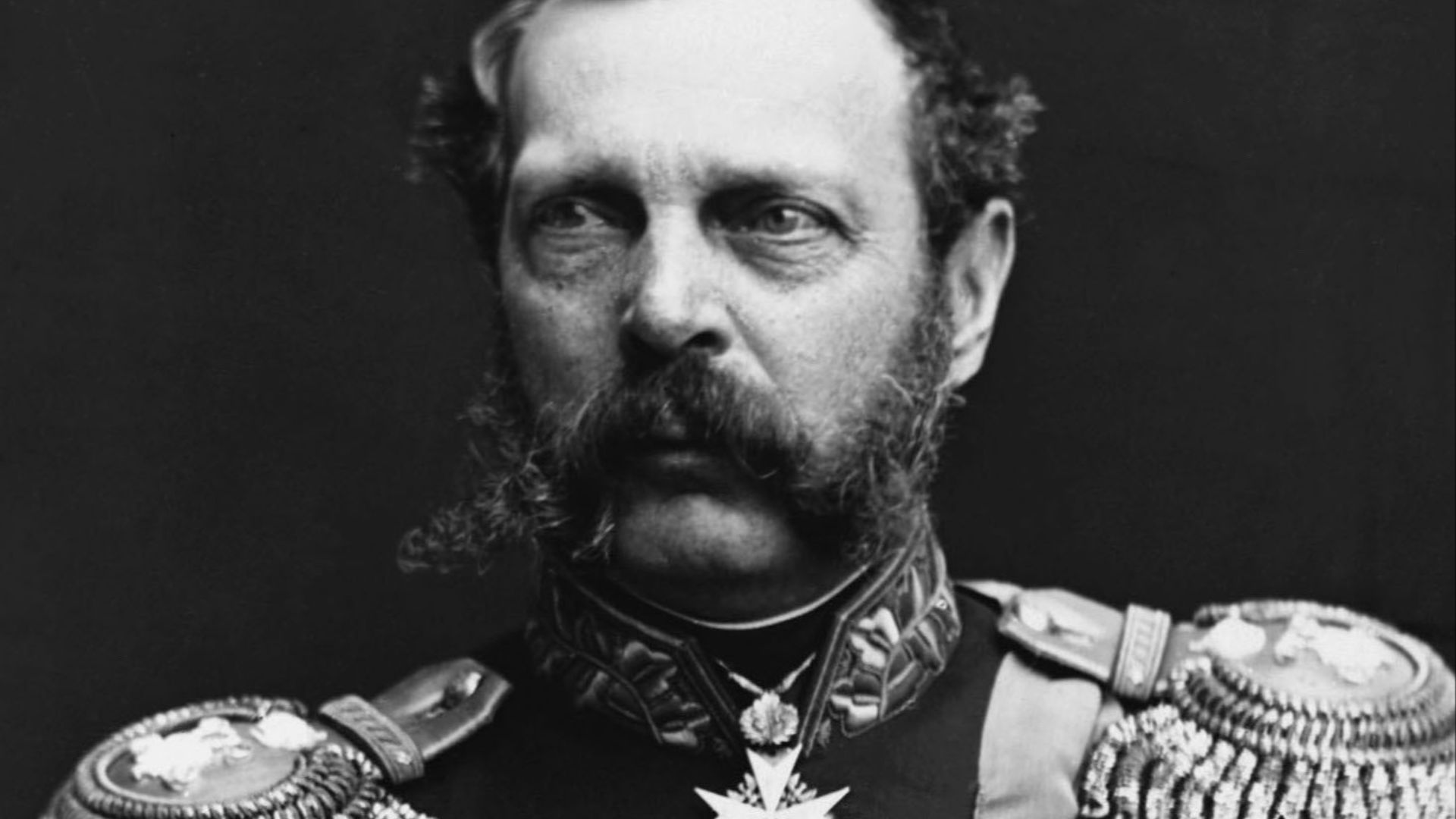
Generally speaking, the Tsars of Russia didn't have the best track record when it came to assassination attempts. Ivan IV spent his short life behind prison and was stabbed by his own guards; Paul I was trampled to death in his bedroom; Nicholas II and his entire family met their end in a dingy basement. However, if we were handing out posthumous awards for surviving attempts on one's life, we'd have to hand one to Alexander II, who survived at least four attempts.
Liberator Or Oppressor?
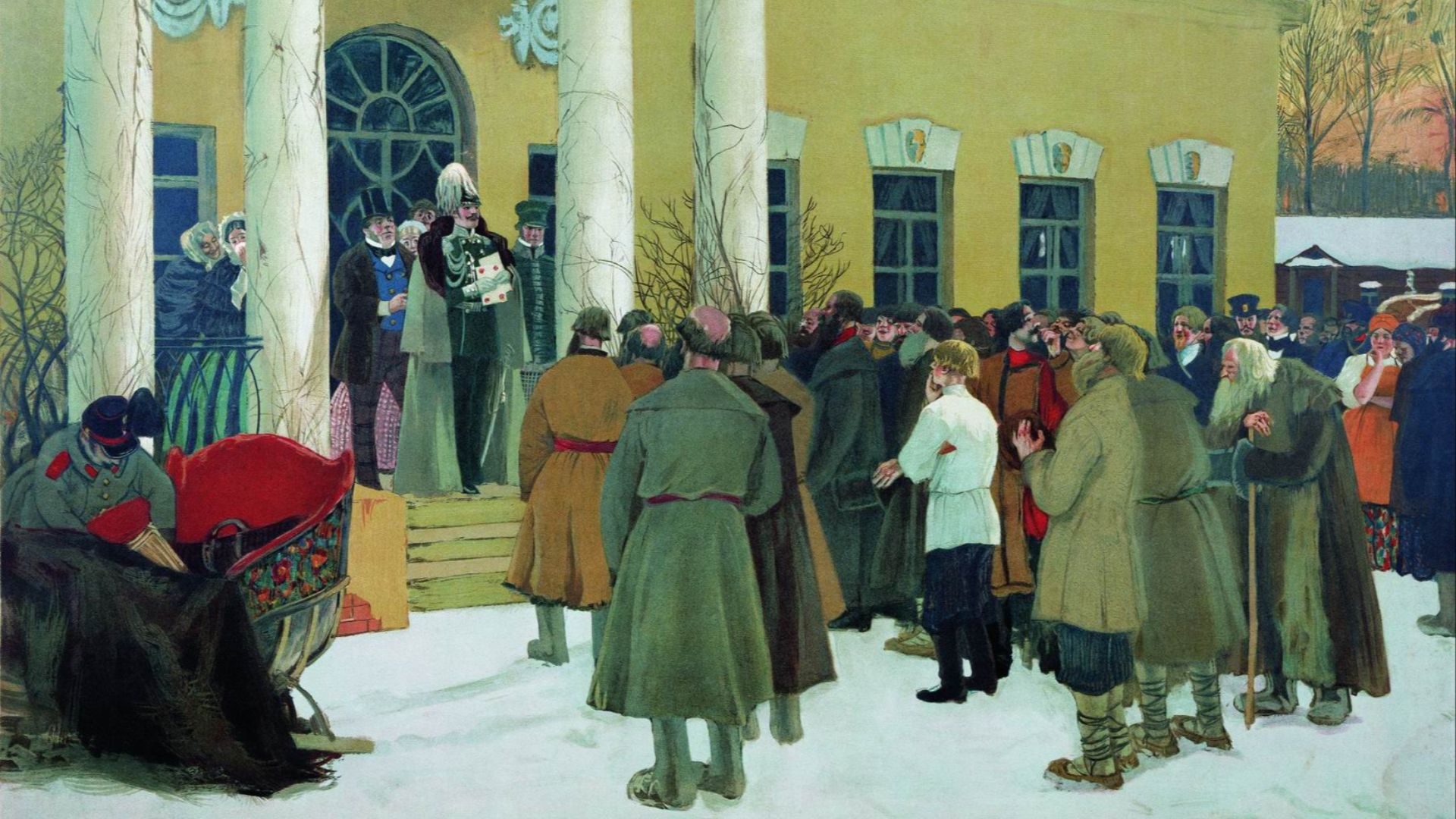
Also known as Alexander the Liberator, Alexander was best known for pacifist foreign policy and liberal reforms on both personal and federal levels. Alexander's policies also modernized the Russian school system. His best-known reform was the Edict of Emancipation in 1816, which abolished serfdom.
If you've read any Russian literature for school, you're probably somewhat familiar with the concept of serfdom. While serfdom was a forced labor system that tied peasants to a piece of land, it would be disingenuous to compare it to chattel slavery. Serfs had limited legal rights and were tied to a manor rather than a master.
By abolishing serfdom, Alexander gave some 23 million peasants full citizenship, including property, business and personal rights. One would think that this was regarded as a good thing, and that the push-back Alexander received was from landowners peeved that their main source of labor was no longer free. Alexander also abolished corporal punishment, relaxed media censorship, and eased up on some of Russia's more antisemitic laws.
Based on all this information, Alexander sounds pretty forward-thinking, especially for a man who grew up wealthier than god. The problem with his reforms wasn't that they were too radical, but that they weren't radical enough. For all his reforms, Alexander was still sitting atop an immense amount of wealth in a country facing severe economic inequality.
Resentment Builds
 Pinot y Sagaire editores, Espinal on Wikimedia
The first attempt on the Tsar's life was in 1866 by a student named Dmitry Karakozov. Karakovoz wrote a manifesto outlining his plans, but it got lost in the mail. He was jostled as he was taking aim and was quickly apprehended.
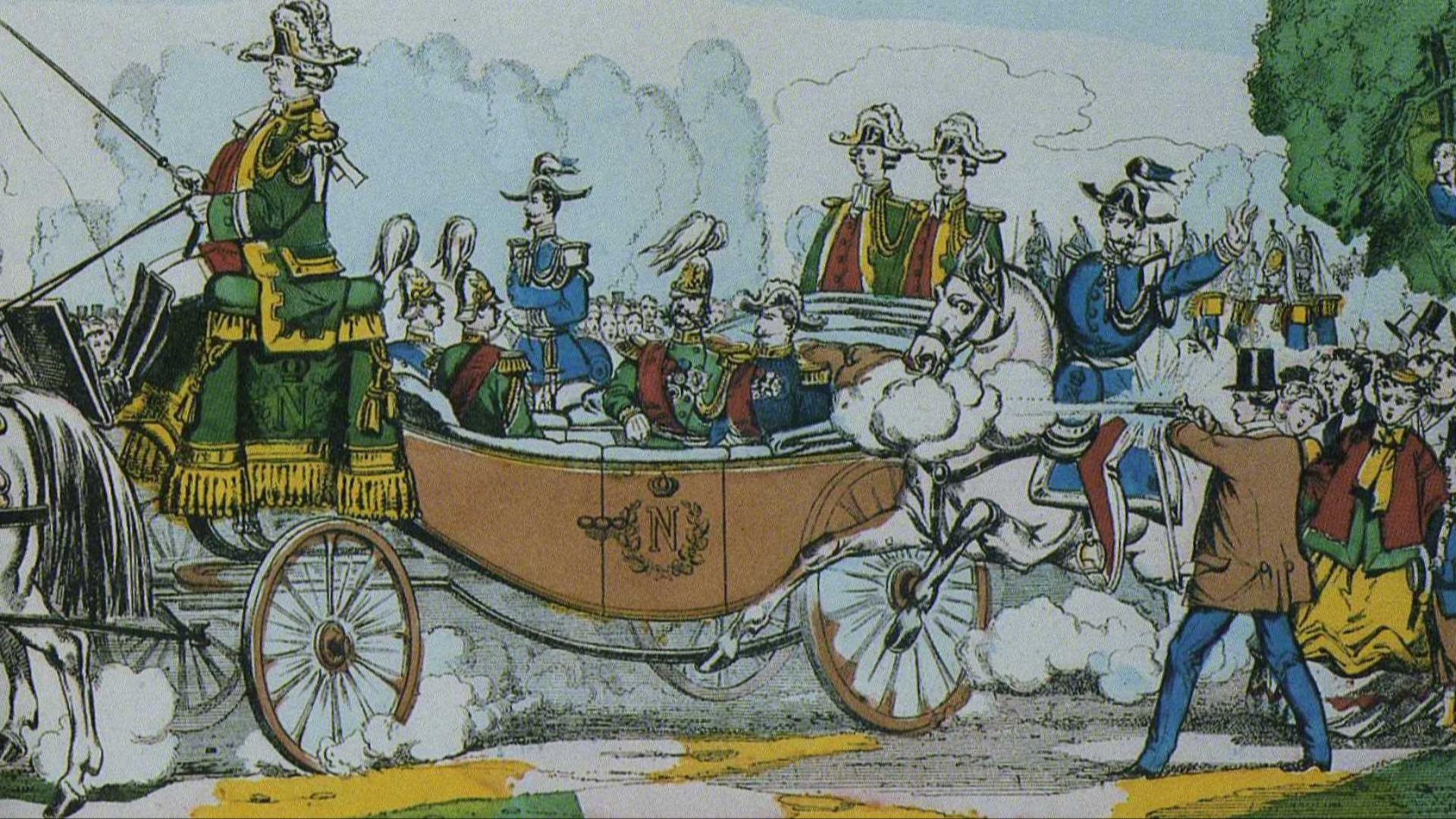
There was another attempt the following year at the Paris World's Fair. A Polish immigrant named Anton Berezowski attempted to fire on the Tsar, his two sons, and Napoleon III. Berezowski's self-made pistol misfired, striking a cavalry horse.
After the World's Fair mishap, there weren't any further attempts on Alexander's life until 1879. A former student fired five times on the Tsar while walking down the street; he evaded by zigzagging. This attempt lead to friction in the revolutionary movement, with some radicals forming the People's Will splinter group.
The fourth attempt, a few months later was the biggest one yet. The People's Will organized a series of railway explosions under the compartment the Tsar typically traveled in. The explosions went off, but Alexander was in a different car,
A few months later, the People's Will tried a similar tactic by detonating a bomb under the Winter Palace's dining room. 11 people were killed and more than 30 wounded, but Alexander wasn't among them. The arrival of his nephew delayed the imperial family's entrance to dinner.
Propaganda Of The Deed
 Unknown authorUnknown author on Wikimedia
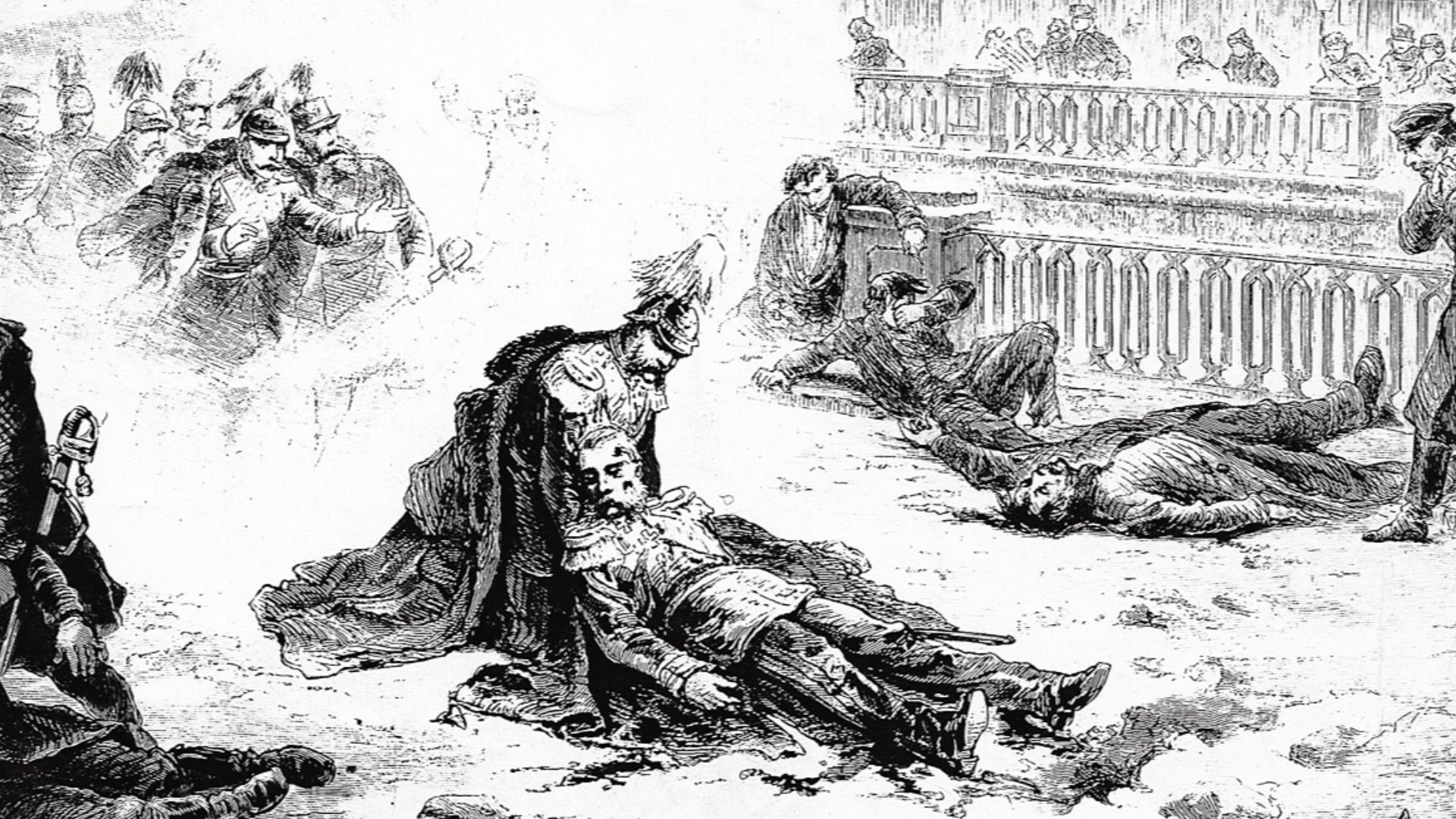
Presumably fed up by their failures to assassinate the Tsar, the People's Will coordinated a multi-pronged attack. While the Tsar was attending his weekly military roll call on March 13, 1881, one conspirator threw a bomb at his carriage. Though the carriage was bulletproof (a gift from Napoleon III), it was damaged enough that Alexander was forced out into the open.
"Thank God, I'm untouched," Alexander said to concerned onlookers. "It is too early to thank God," said a second conspirator before throwing a bomb. The Tsar's mangled body was removed to the Palace, where he bled out.
Rather than pushing Russia farther left, the assassination had the opposite effect. His successor, Alexander III, reversed many of his father's reforms and pushed Russia further into autocracy. His use of the secret police did nothing but divide and sow dissent among the Russian people, contributing to the Revolution in 1917.