

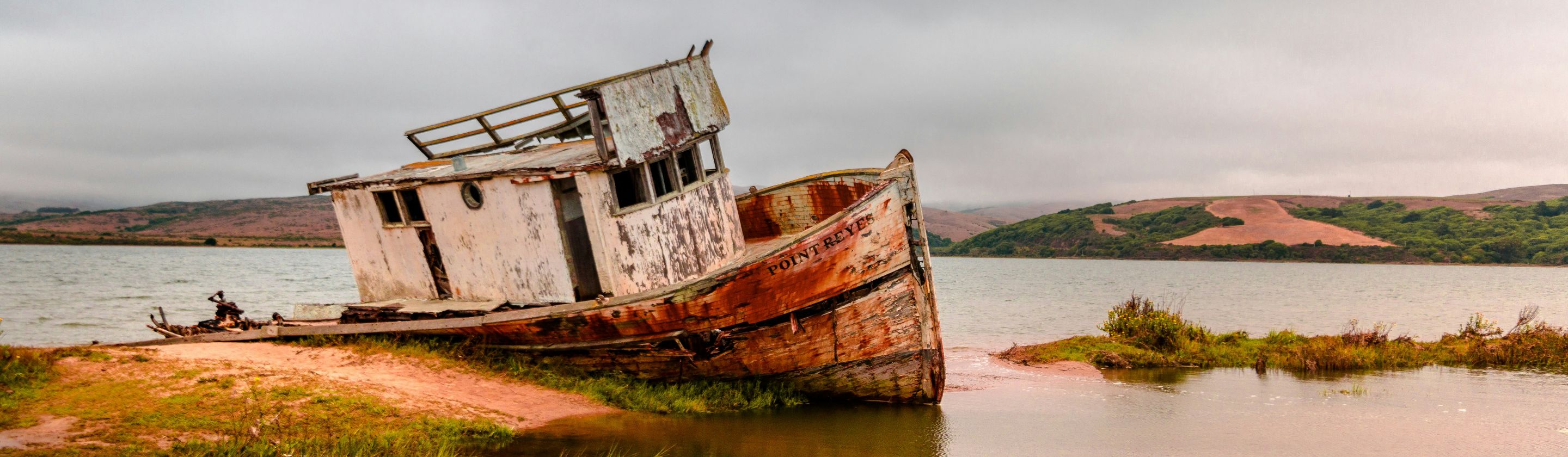
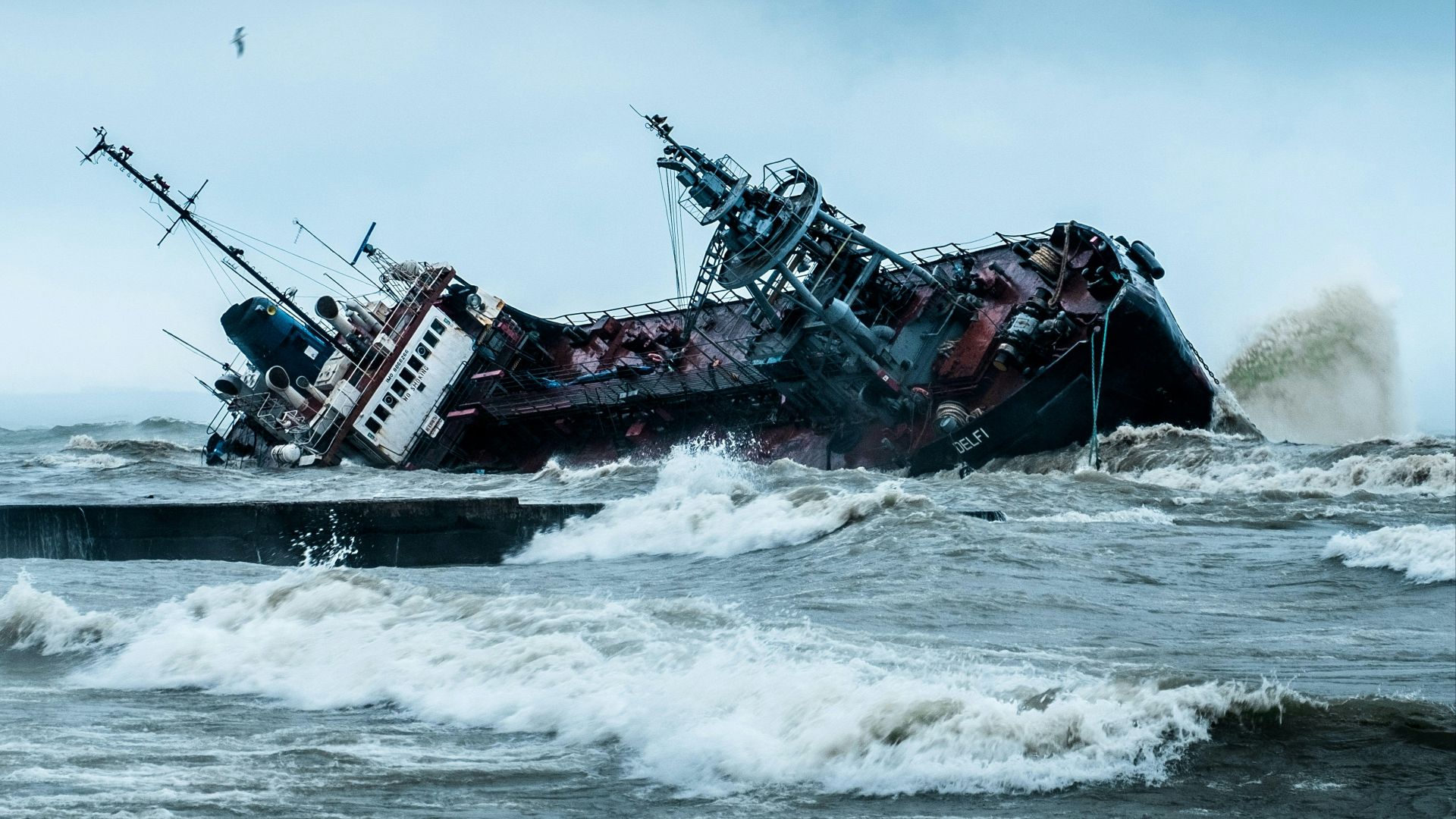
When you think about shipwrecks, do you think about the battle that took place, or the heaps of wood lying at the bottom of the sea? When most people think about shipwrecks, the first image is usually the dramatic one. Broken masts, scattered cargo, maybe a few coins under the sand. Most of all, perhaps, the thrill of mystery. You wouldn't be the first to feel the excitement of a new discovery. Archaeologists continuously chase this thrill, even if the outcome isn't as exciting to the rest of us. A sunken ship preserves a trading voyage at the exact moment it failed, turning a disaster into a record of the ancient economy.
This makes shipwrecks exciting for the pure thrill of discovery, but even more so, for a sense of historical accuracy. A ship goes down with its cargo, its route, its tools, and its crew. Here, in Davy Jones' locker, we can discover what our ancestors were up to.
The Cargo
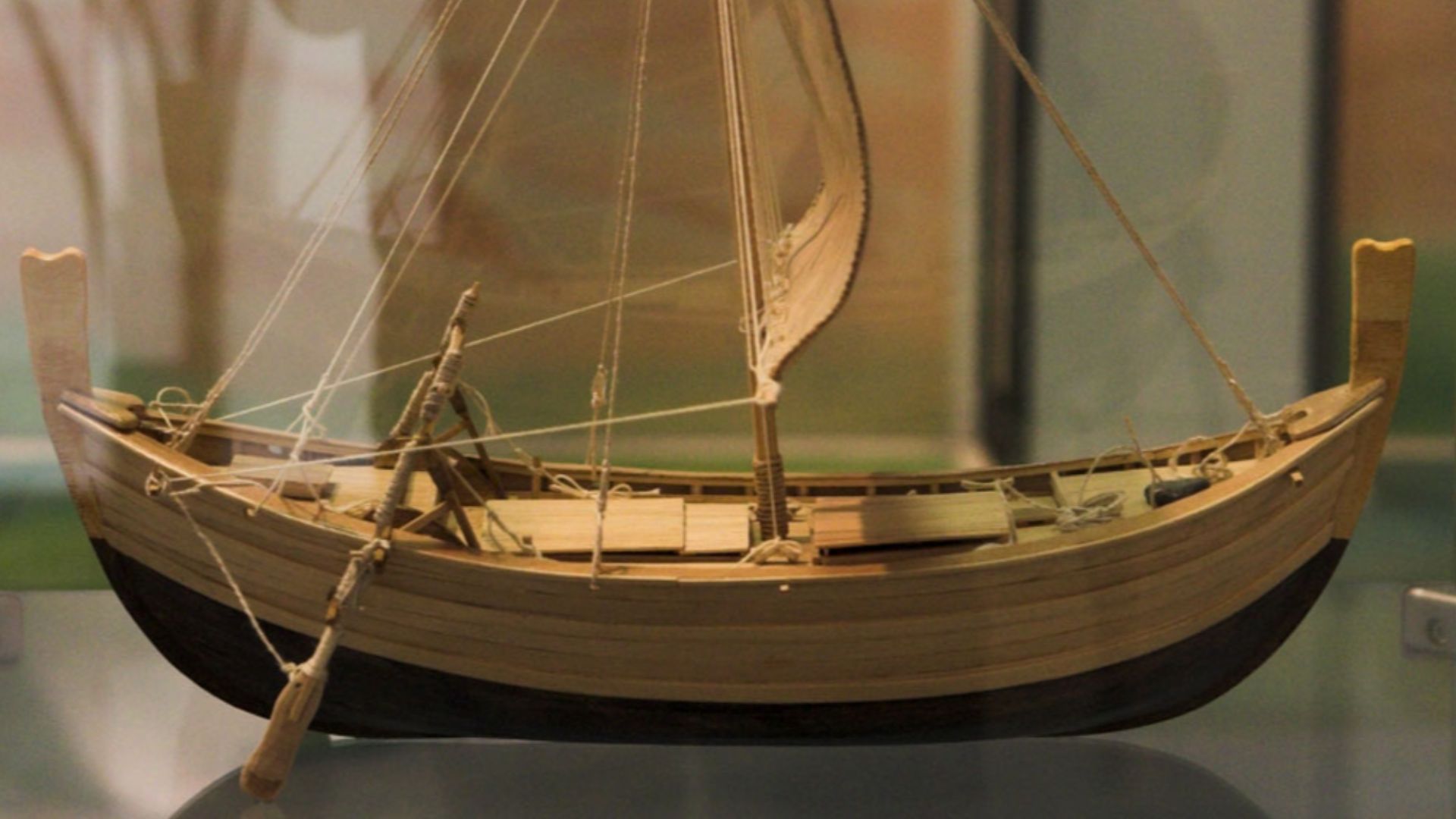
A wreck stops a voyage mid-transaction, with fresh goods still packed for transportation. That gives historians something rare: a working load of trade goods still grouped the way merchants and crews arranged them. [LINK1] Stanford’s write-up on Roman shipwrecks argues that both single wrecks and larger shipwreck datasets can reveal how maritime exchange worked over long periods of time.
The Uluburun wreck is the example scholars keep coming back to. The Institute of Nautical Archaeology (INA) says the ship was discovered in 1982 off the coast of Turkey. Excavators spent over 11 sessions recovering items from the wreck between 1984 and 1994 - a whopping 22,000 dives. Uluburun's cargo included copper and tin ingots in the usual 10:1 bronze-making ratio, along with glass ingots, elephant tusks, ostrich eggshells, faience beads, pottery, foodstuffs, jewelry, and personal items.
Ultimately, Uluburun changed how scholars think about the Late Bronze Age. The INA project describes it as evidence for an elite shipment involving kings, heads of state, or wealthy merchants. Looking at the larger picture, this wreck acts as proof of intense maritime interconnection across the eastern Mediterranean. One sinking preserved not only the goods on board, but the reach, ambition, and complexity of a trading world from thousands of years ago.
An Economic Archive
Roman and late antique wrecks tell the same kind of story on a larger scale. The Oxford Roman Economy Project says its shipwreck database catalogues all known ancient wrecks in the Mediterranean up to 1500 CE, so researchers can study them quantitatively over time. One wreck can be vivid on its own, sure, though a full database of wrecks reveals a larger pattern. With enough sites mapped together, historians can map out trading routes, the goods that traveled, and when the popularity of a certain good started to wane.
Stanford’s summary of Justin Leidwanger’s work shows what that looks like in practice. It describes a dataset of 54 shipwrecks from southwest Turkey spanning from the second to the seventh century CE. This set, ultimately, tracks long-term changes in the maritime economy during late antiquity.
A lot of that archive comes in the form of amphorae, or terracotta jars. WHOI explains that amphorae carried things like wine, olive oil, olives, nuts, and garum, all created by different communities. The same report says DNA testing of two amphorae from a wreck near Chios suggested one had held an olive product, probably olive oil flavored or preserved with oregano, while the other most likely held wine preserved with mastic, a plant resin.
The Cost
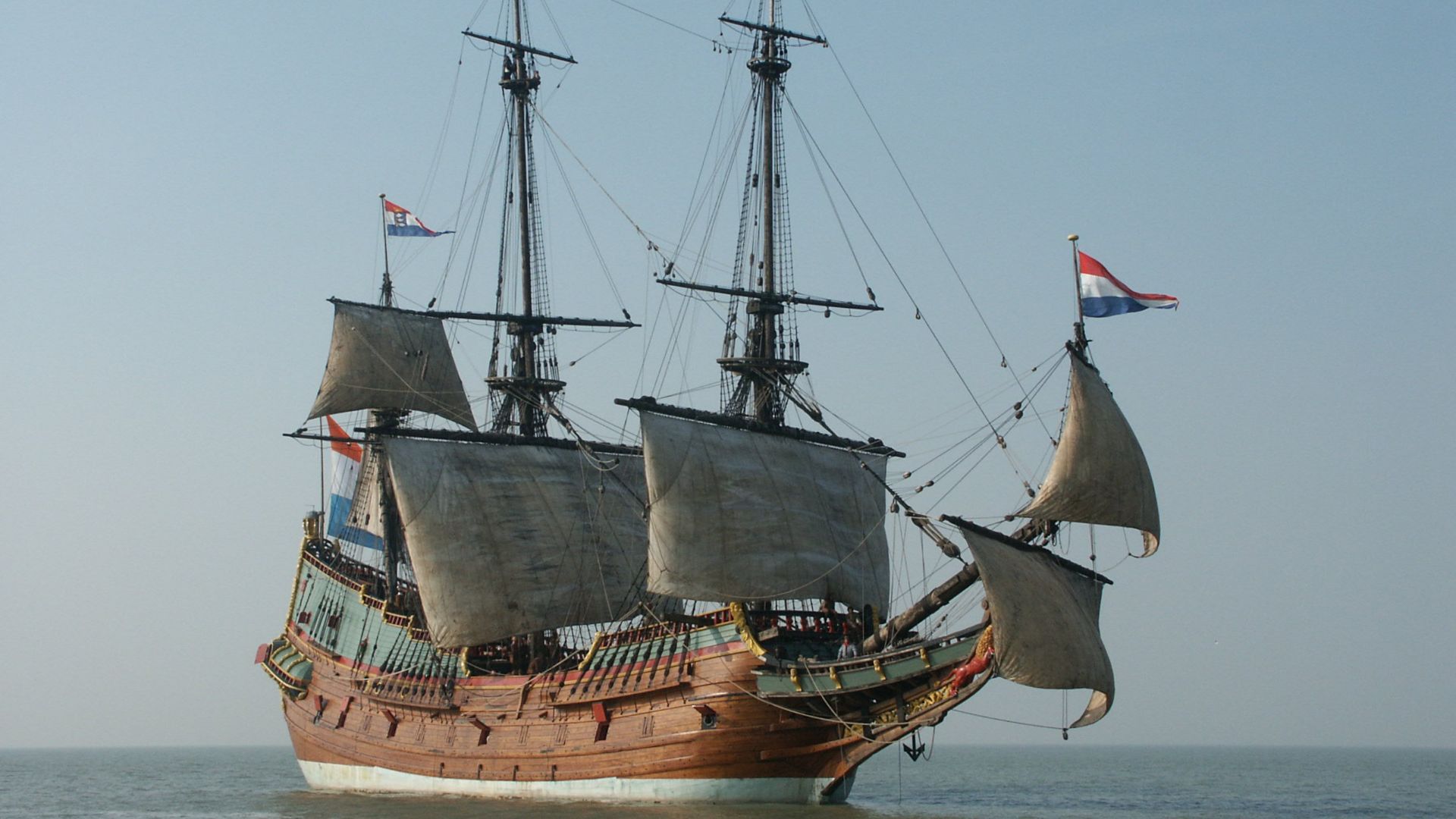
From the 1500s to the mid-1800s, shipwrecks preserved a very different economy. For one, it was a much more global scale, and much more violent. The Western Australian Museum says that in 1628, the ship Batavia left Texel on its first voyage for the Dutch East India Company. It's said to have carried 341 people, alongside money and merchandise to the city of Batavia, its namesake. In one shipwreck alone, we can capture a picture of a growing empire, with capital, labor, hierarchy, and colonial ambition all packed into one voyage.
When we zoom out, we can clearly see that the Batavia shipwreck isn't an outlier. The University of Warwick says that of the 980 East India Company voyages between 1747 and 1788, less than 94% returned home. These shipwrecks remind us that early global trade was never a smooth system of elegant exchange. Losing a ship was much more common.
The human cost is where we can really get a feel of the social side of things. The National Museum of African American History and Culture has the Slave Wrecks Project. This project studies the global history and enduring legacies of the African slave trade through maritime archaeology. Its mission stresses that these voyages carried enslaved people through what it calls the most horrific and extensive trade in people in world history. So, not only can we piece together a system of economic trade, but we can also understand the exploitation, coercion, and the lives broken inside the system that made the trade possible.
That is why shipwrecks matter so much to historians now. They don't just tell us what was traded. They show how economies were built, how far they reached, how much risk they accepted, and who paid the price when things went wrong. There are moments when an entire economic world stops moving and, through bad luck for the people aboard, stays still long enough for us to study it.
KEEP ON READING
20 Powerful Ancient Egyptian Gods That Were Worshipped
Unique Religious Figures in Ancient Egypt. While most people are…
By Cathy Liu Nov 27, 2024
The 10 Scariest Dinosaurs From The Mesozoic Era & The…
The Largest Creatures To Roam The Earth. It can be…
By Cathy Liu Nov 28, 2024
The 20 Most Stunning Ancient Greek Landmarks
Ancient Greek Sites To Witness With Your Own Eyes. For…
By Cathy Liu Dec 2, 2024
10 Historical Villains Who Weren't THAT Bad
Sometimes people end up getting a worse reputation than they…
By Robbie Woods Dec 3, 2024
One Tiny Mistake Exposed A $3 Billion Heist
While still in college, Jimmy Zhong discovered a loophole that…
By Robbie Woods Dec 3, 2024
30 Lost Treasures That Vanished From History
Buried treasure, missing artefacts, legends of ancient gold in them…
By Robbie Woods Dec 3, 2024