

When A Diplomatic Slight Lit The Fuse
Wars almost never start for one clean reason, and diplomatic history is full of moments that get labeled as the cause because they’re easy to repeat and useful to sell. Still, there are plenty of cases where a public slight, a leaked letter, a symbolic act, or a protocol dispute did real work in the chain of events, either by hardening public opinion, boxing leaders in, or supplying a convenient pretext. Sometimes the insult was deliberate, designed to corner an opponent into overreacting or to justify a decision already made. Sometimes it looked petty on the surface, yet it landed on top of years of tension, and timing did the rest. These are 20 well-documented diplomatic affronts and incidents where the outrage became the spark for war or immediate armed conflict.
1. The Ems Dispatch
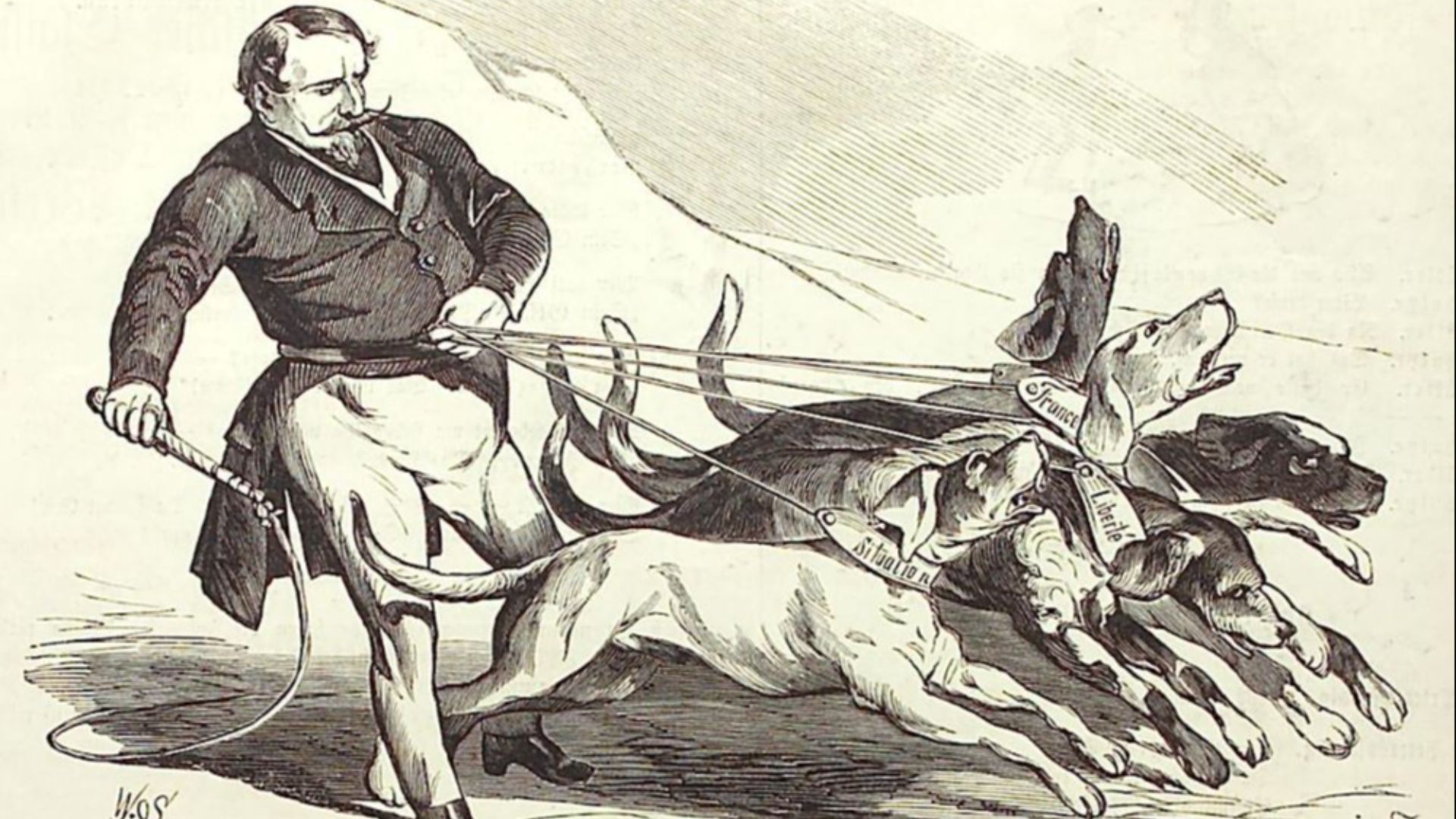
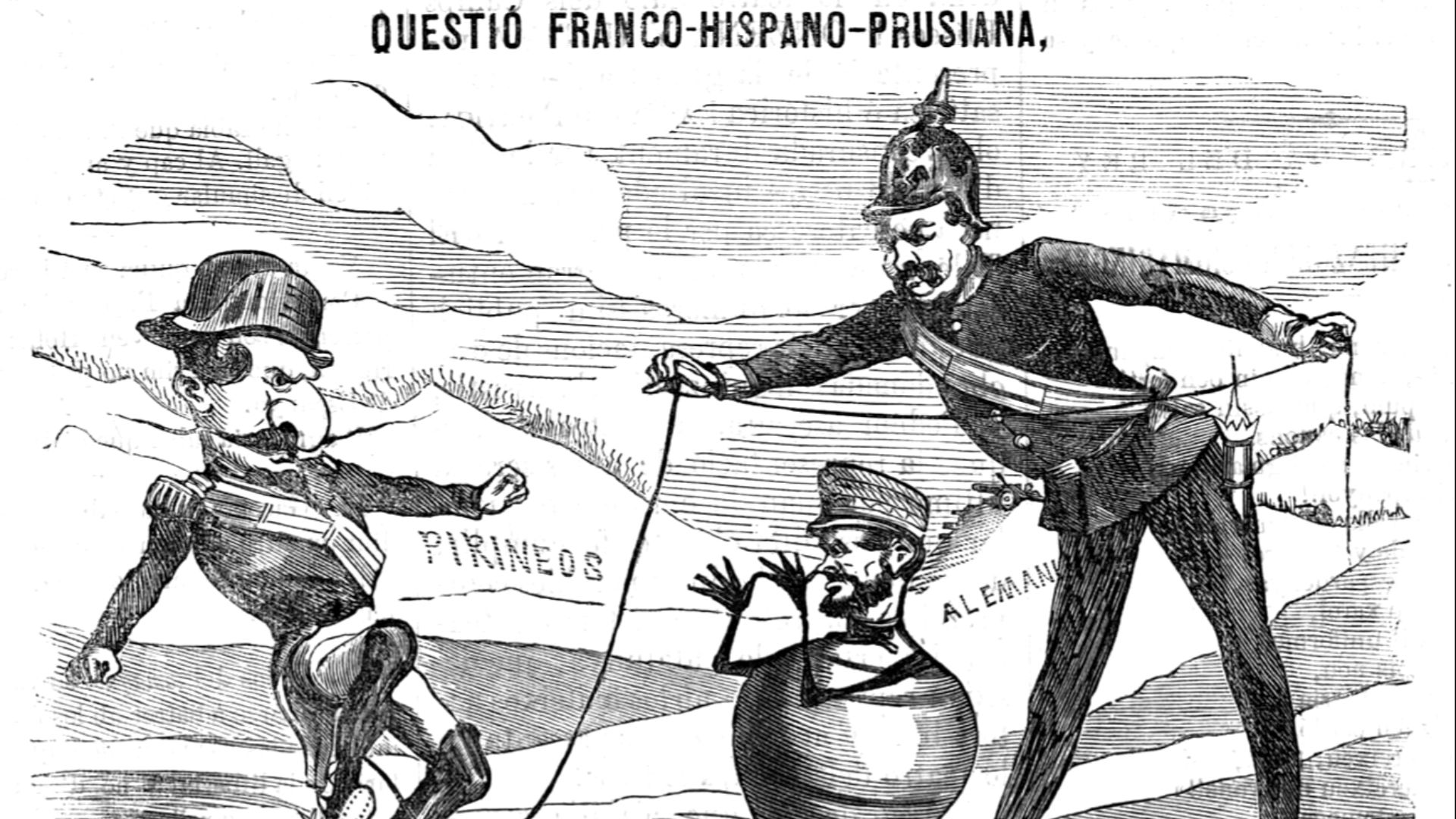
In 1870, Otto von Bismarck’s handling of the Ems Dispatch turned a sensitive royal exchange into something that read like a public snub, and it helped make France’s climb-down politically impossible. The dispute was already combustible, yet the edited tone pushed national pride to the front and sped the slide into the Franco-Prussian War.
 Unknown authorUnknown author on Wikimedia
2. The De Lôme Letter
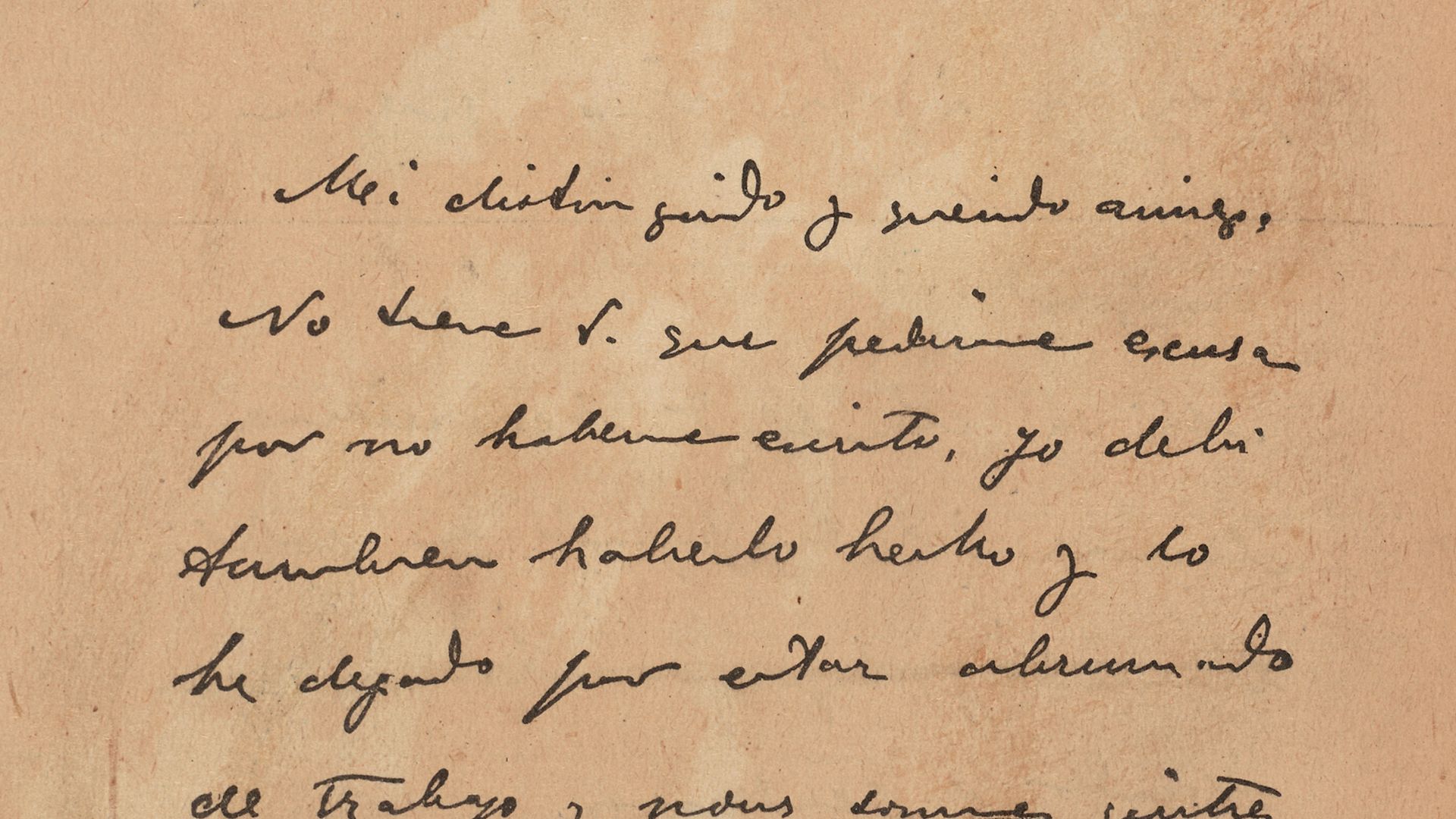
In 1898, the publication of a private letter from Spain’s minister in Washington, Enrique Dupuy de Lôme, mocking President William McKinley caused a surge of anger in the United States. It did not create the crisis over Cuba, yet it sharpened the sense that Spain was acting in bad faith, right before war pressure peaked.
 Enrigue Dupuy de Lôme on Wikimedia
3. The XYZ Affair
During the late 1790s, American envoys in France reported that intermediaries connected to the French foreign minister demanded bribes as the price of talks. When the story became public, the insult was treated as national humiliation, and it helped push the United States into the Quasi-War, an undeclared naval conflict with France.
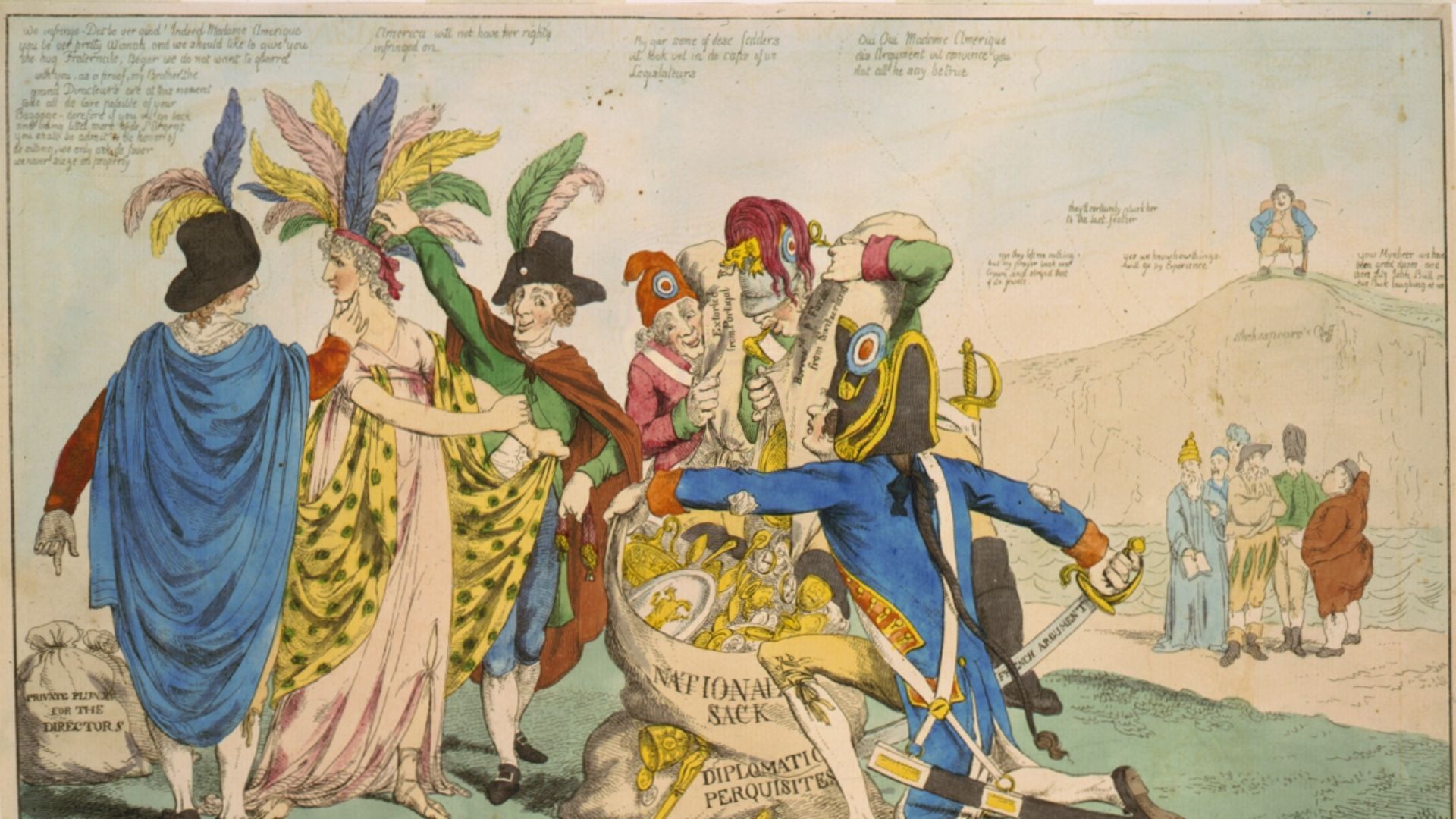 Published by SW Fores on Wikimedia
4. The War Of Jenkins’ Ear
Britain’s dispute with Spain over trade and maritime seizures already had years of friction behind it, yet the story of Captain Robert Jenkins and his severed ear became the emotional centerpiece. The public spectacle made the conflict feel personal, and the outrage helped tip Britain into war in 1739.
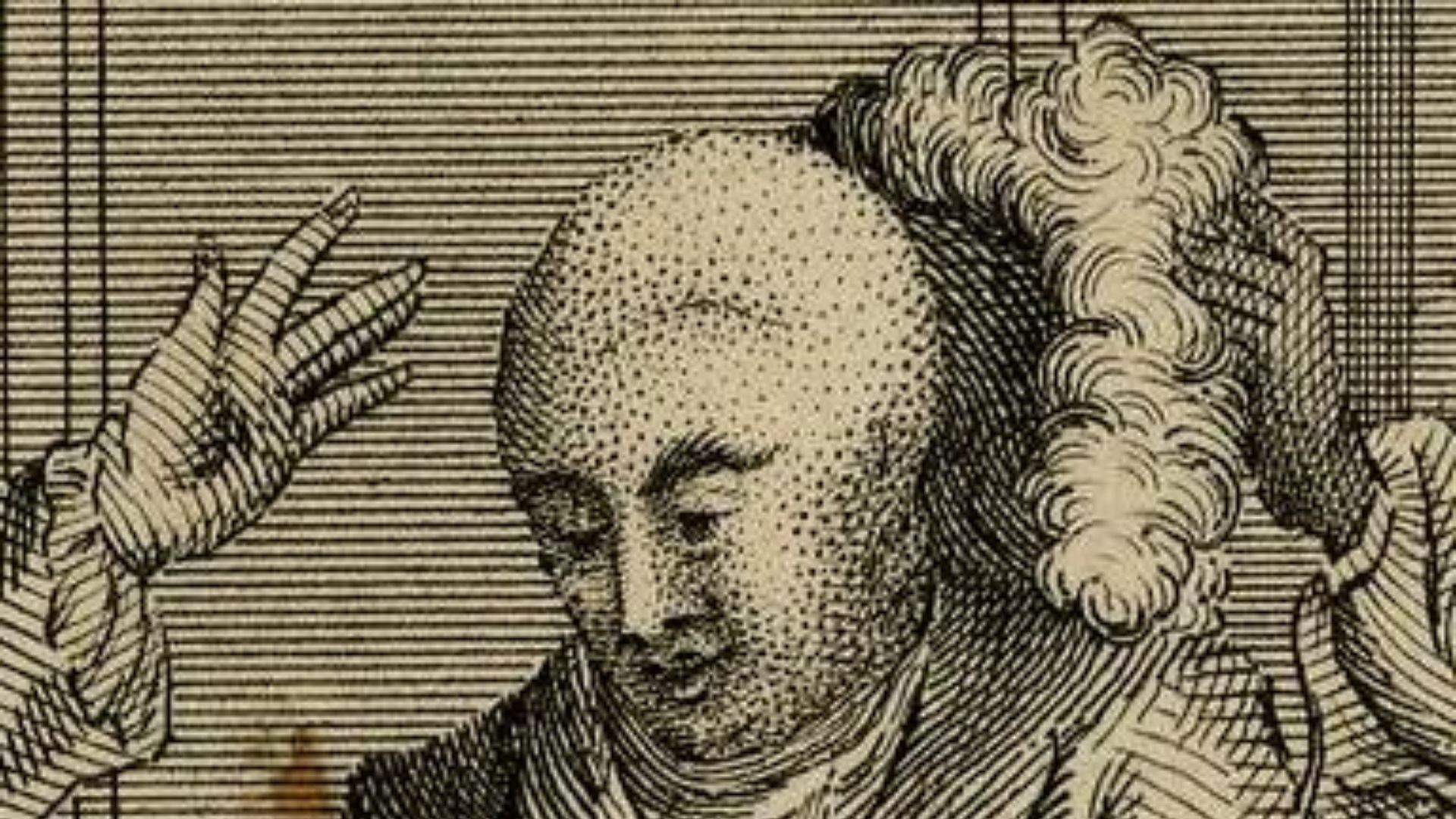 Unknown authorUnknown author on Wikimedia
5. The Chesapeake–Leopard Affair
In 1807, the British warship HMS Leopard attacked the USS Chesapeake and removed alleged deserters, and Americans reacted as if a line of respect had been crossed. The incident became a lasting grievance that fueled anti-British anger and helped set the stage for the War of 1812.
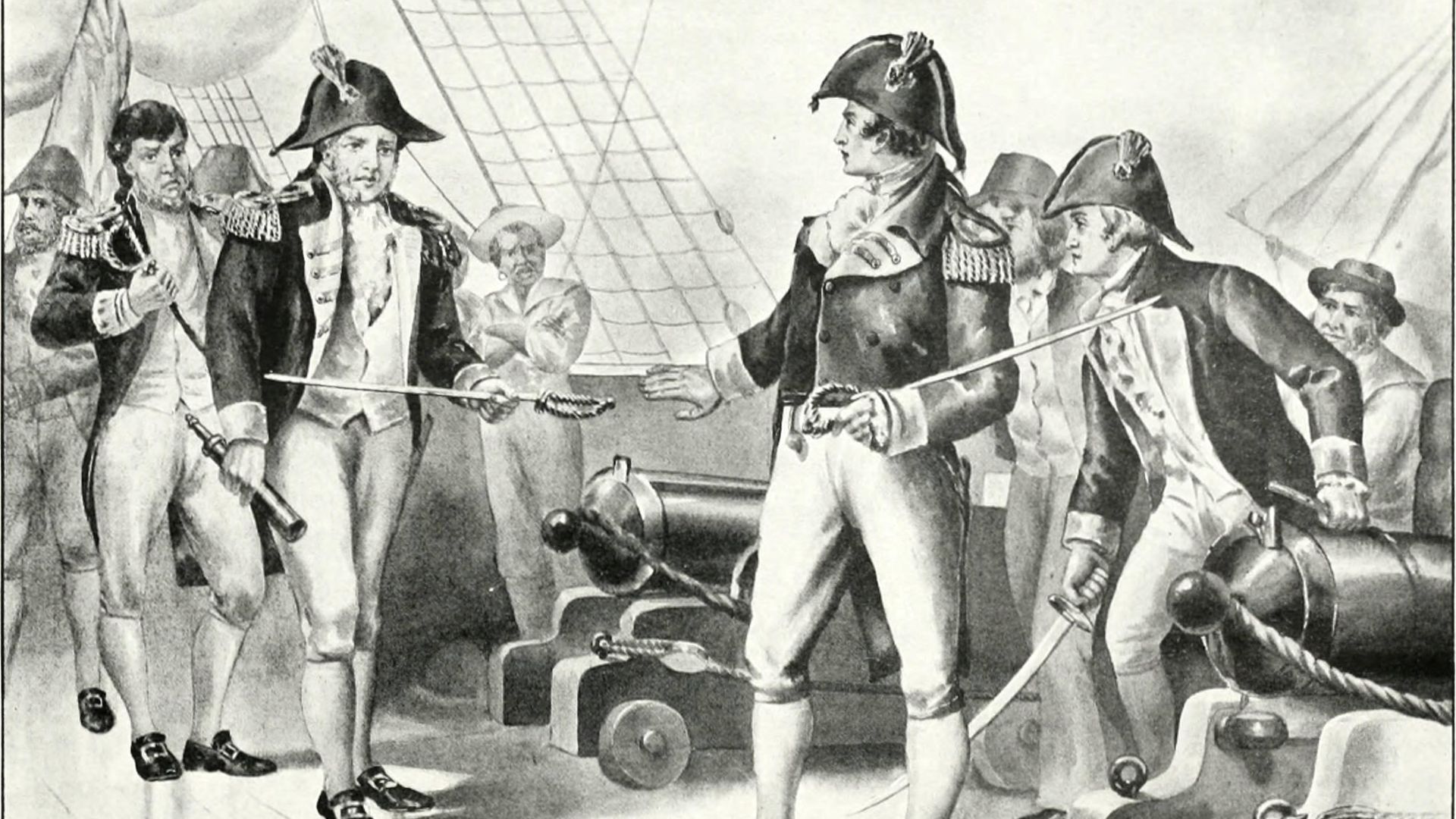 Internet Archive Book Images on Wikimedia
6. Tripoli’s Flagstaff Incident
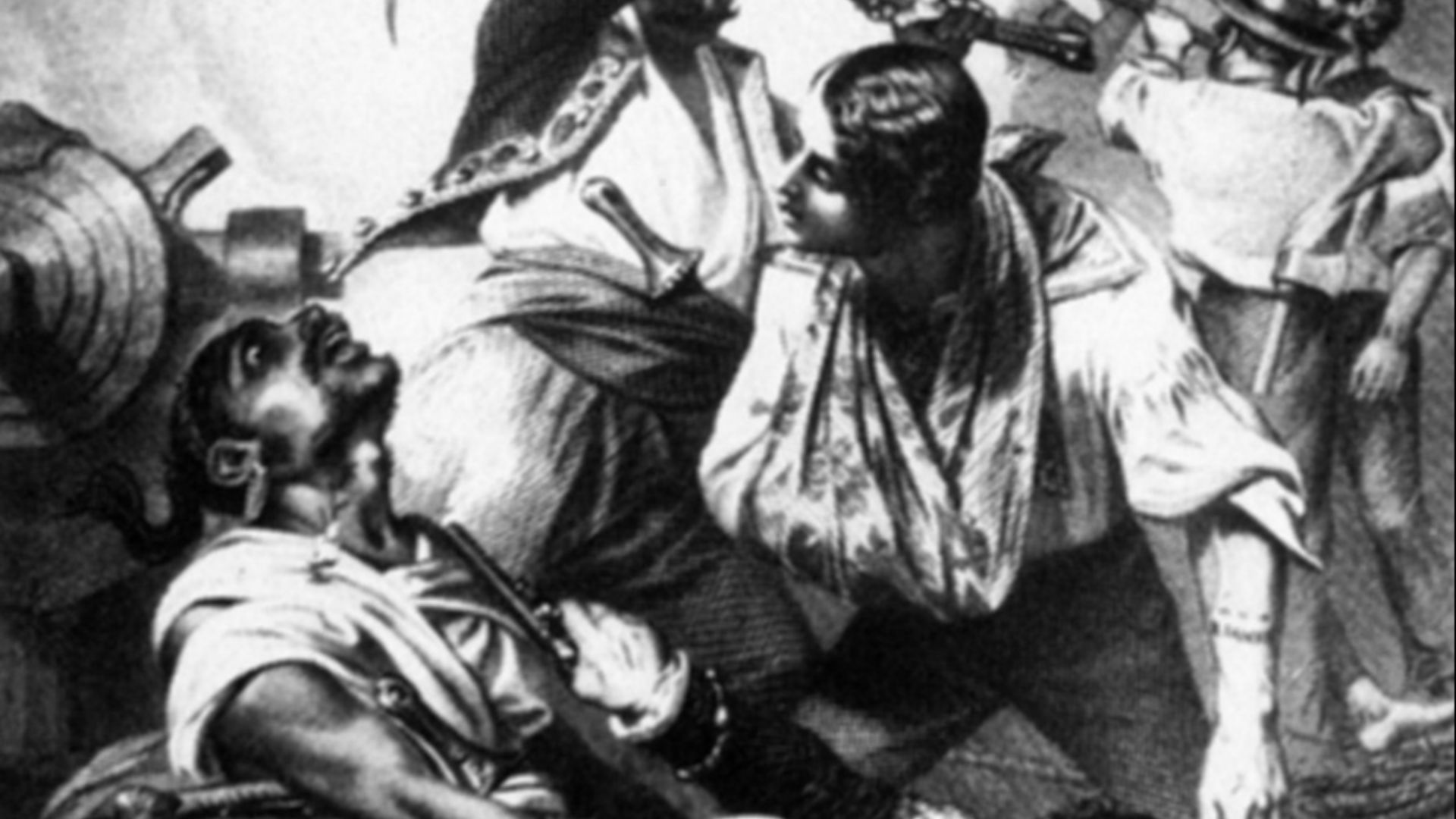
In 1801, Tripoli signaled the rupture with the United States through a symbolic act at the U.S. consulate that functioned as a declaration of war in Barbary diplomatic practice. The insult was not subtle, and it helped kick off the First Barbary War in a way that left little room for saving face.
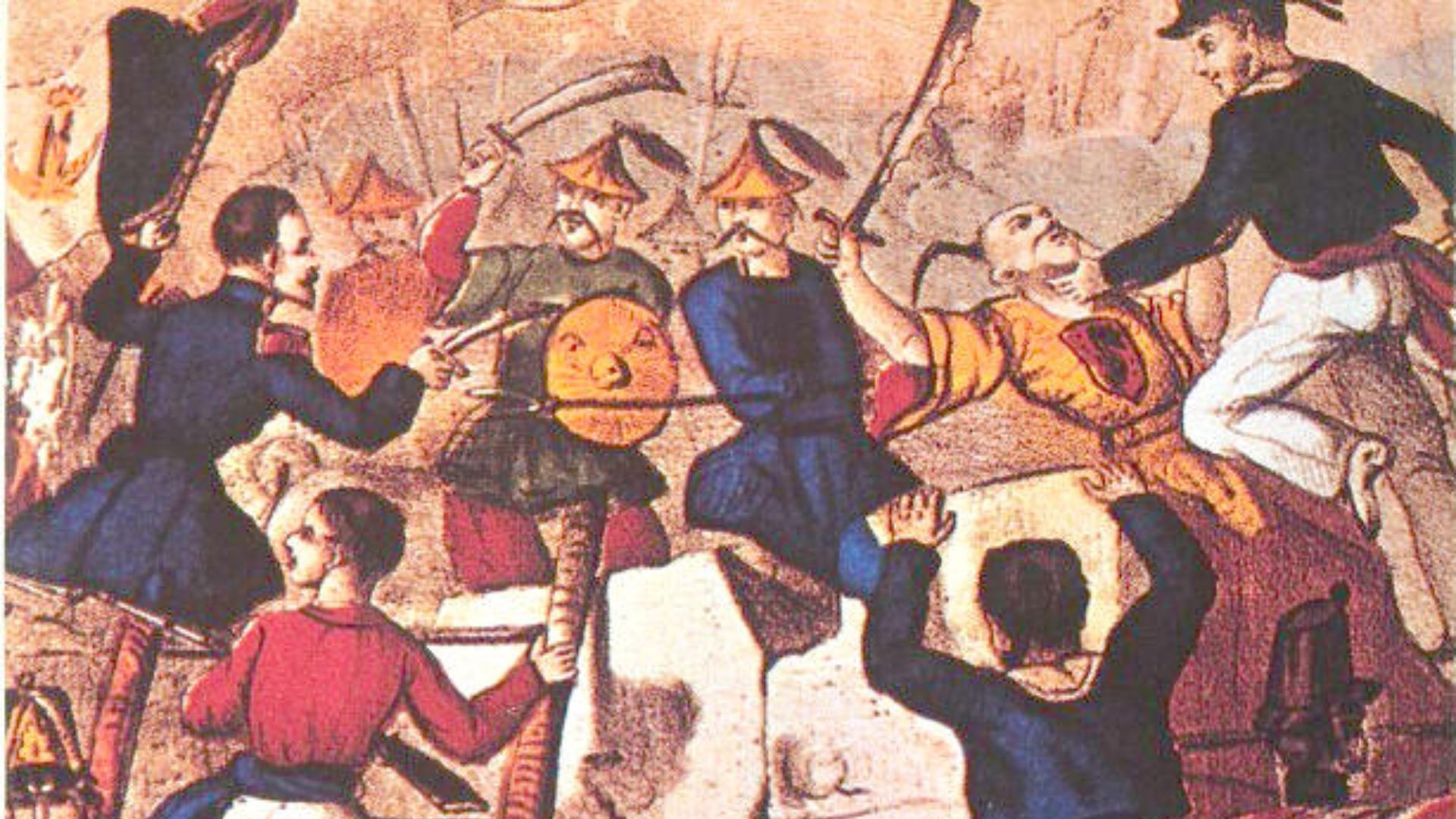
7. The Arrow Incident
In 1856, Chinese authorities boarded the vessel known as the Arrow and arrested its crew, and British officials framed it as an insult to the British flag and status. That framing mattered because it gave a clean, public justification for escalation, feeding directly into the Second Opium War.
8. The Pastry War
In 1838, France pressed Mexico over claims by French nationals for damages, and the dispute became a flashpoint for armed intervention. The most famous story involves a pastry shop complaint, and the real point was that a diplomatic slight over compensation got turned into a reason to use force.
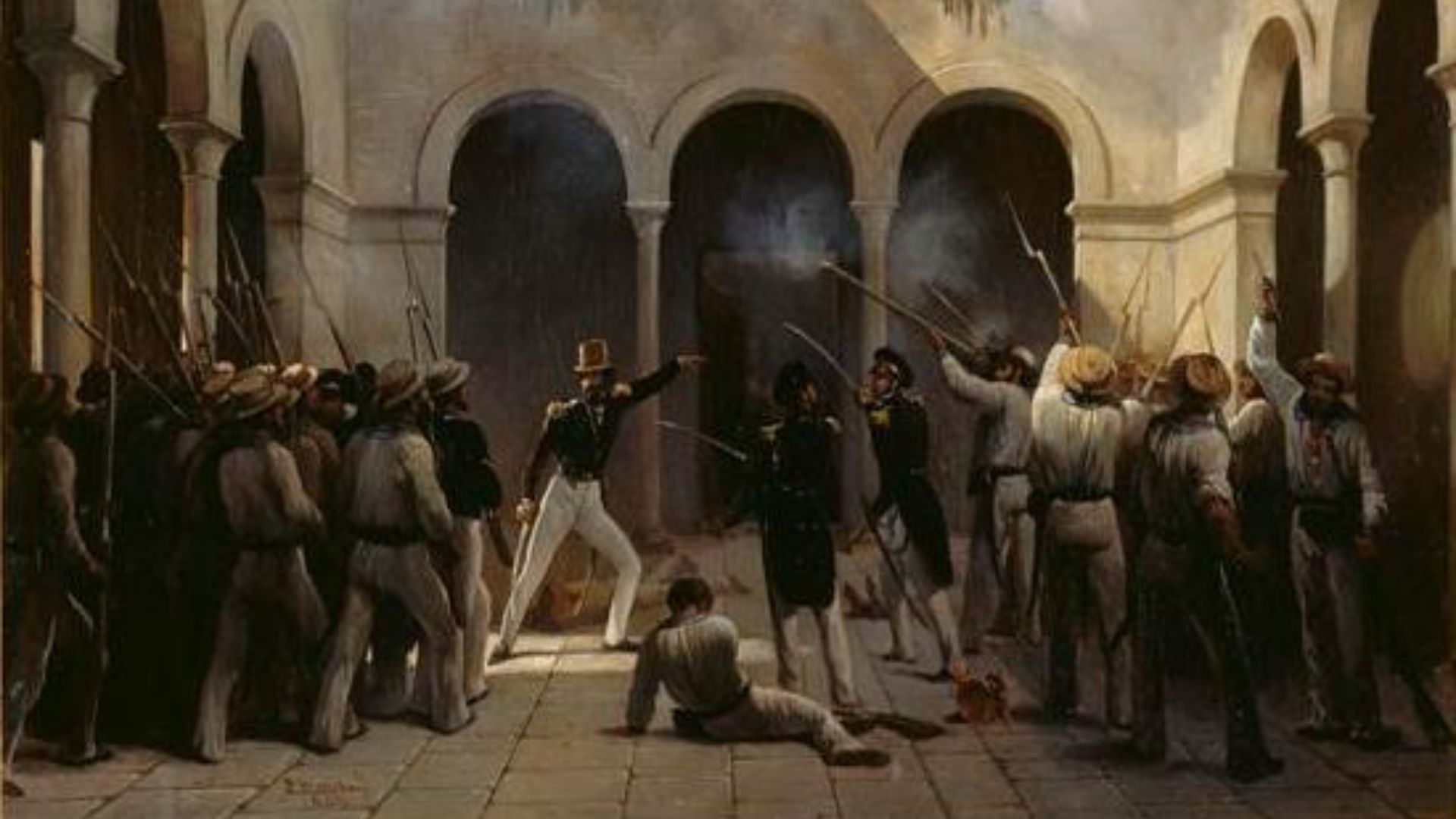 Blanchard Henry Pierre Léon Pharamond (1805-1873) on Wikimedia
9. The Football War
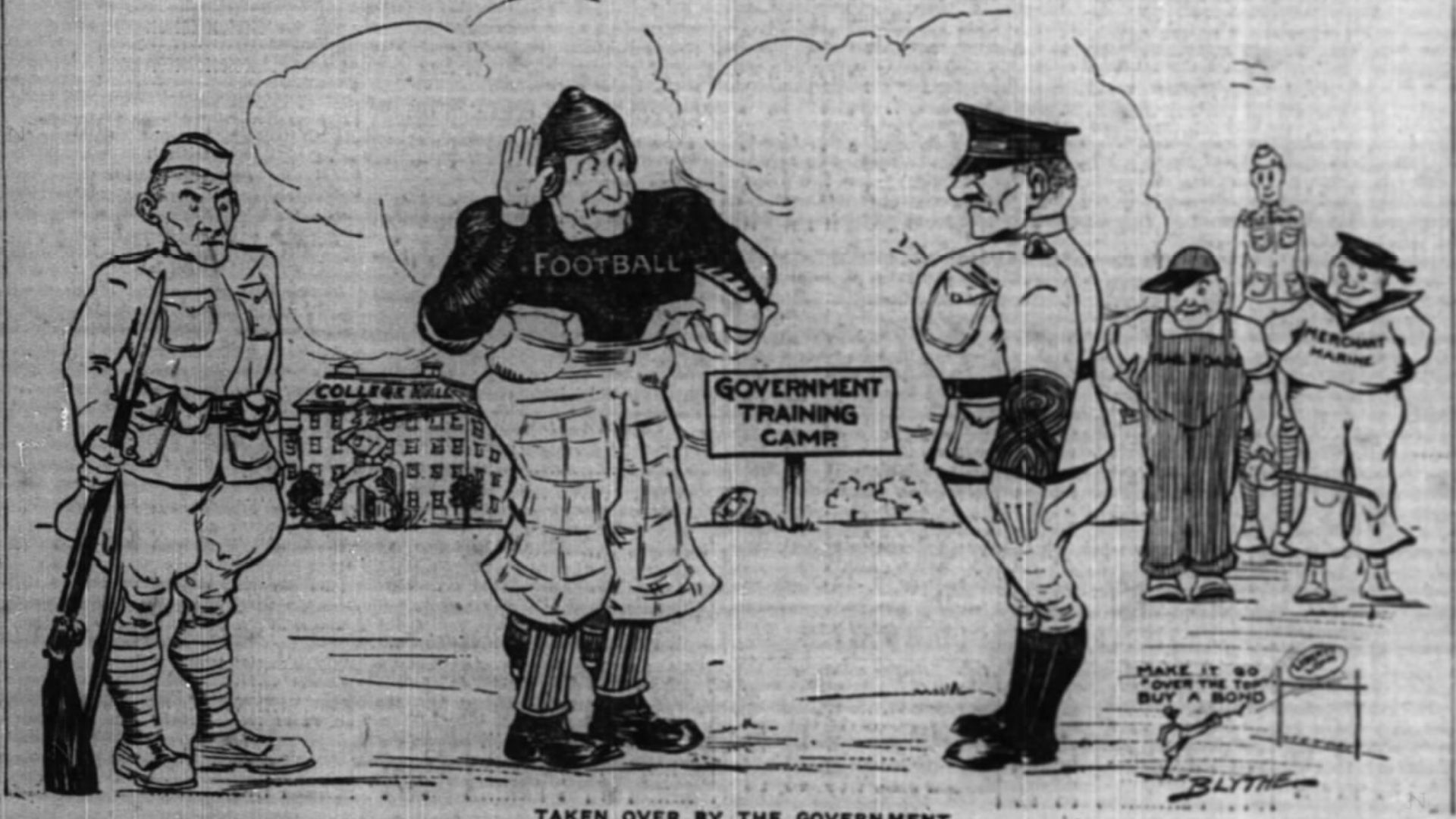
The 1969 conflict between El Salvador and Honduras had deep causes tied to land, migration, and political pressure, yet the World Cup qualifying matches became the public stage where contempt and anger spilled over. The insult factor was social as much as diplomatic, and it sped the breakdown into open fighting.
10. The Zimmermann Telegram
In 1917, the exposure of Germany’s secret message proposing an alliance with Mexico landed in the U.S. like a direct provocation. It was not a name-calling insult, yet it functioned as a diplomatic slap that made neutrality harder to defend and helped pull the United States into World War I.
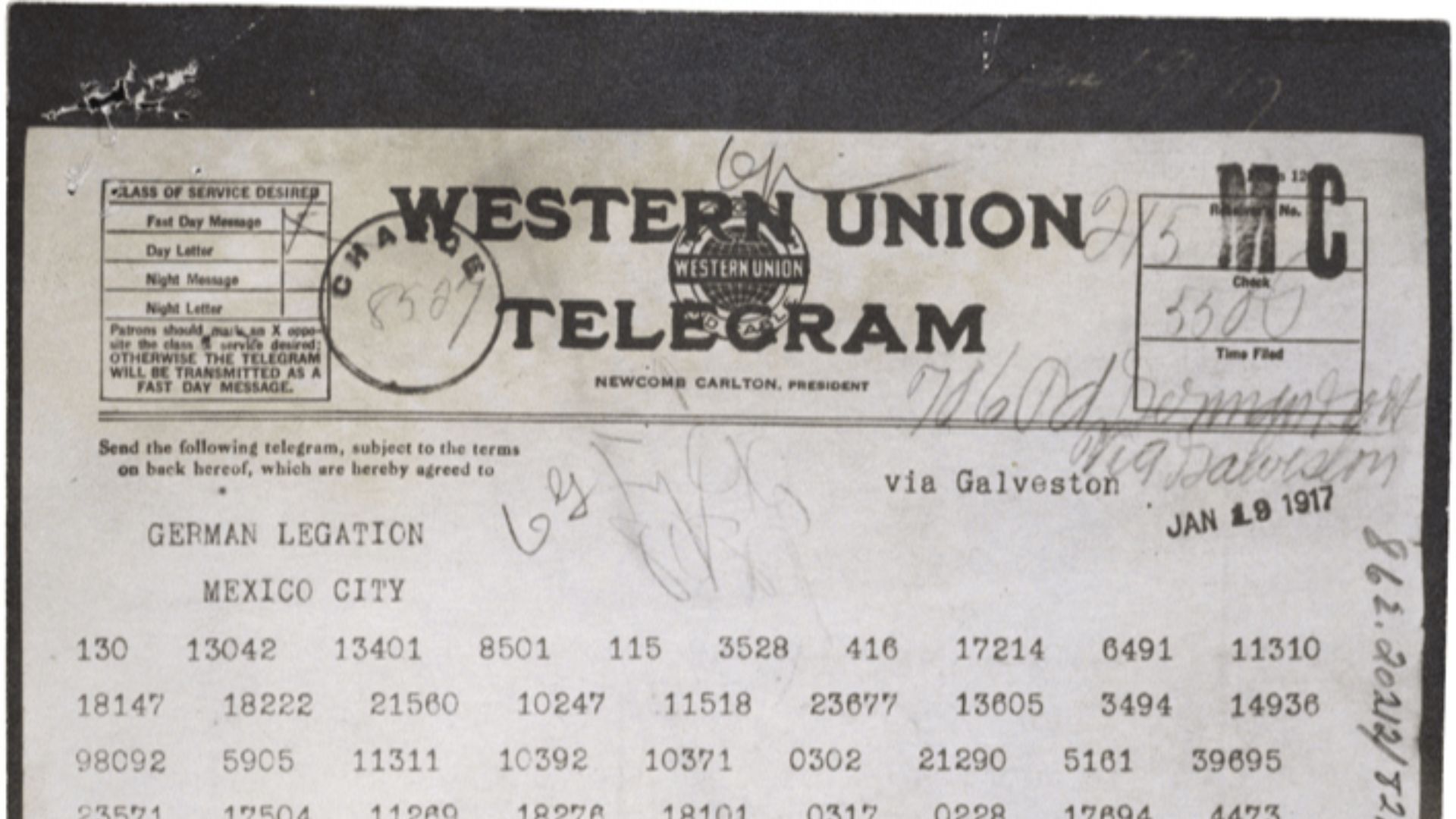 The U.S. National Archives on Wikimedia
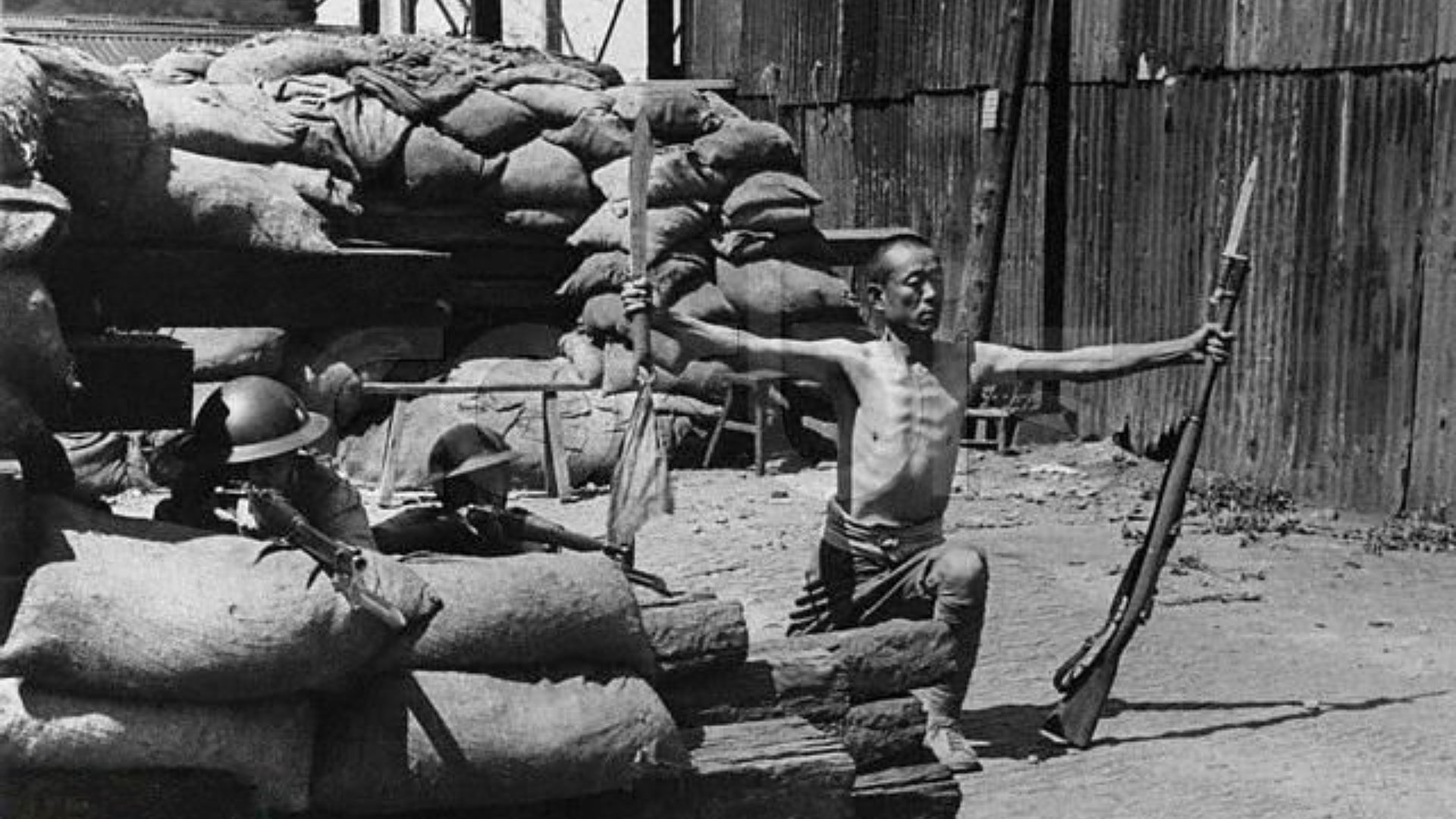
11. The Marco Polo Bridge Incident
In July 1937, a military incident near the Marco Polo Bridge became a fast-moving political crisis, with demands and accusations that treated Chinese control as illegitimate. The sovereignty angle mattered because it made compromise look like surrender, and the fighting is commonly treated as the opening of full-scale war between China and Japan.
 Unknown authorUnknown author on Wikimedia
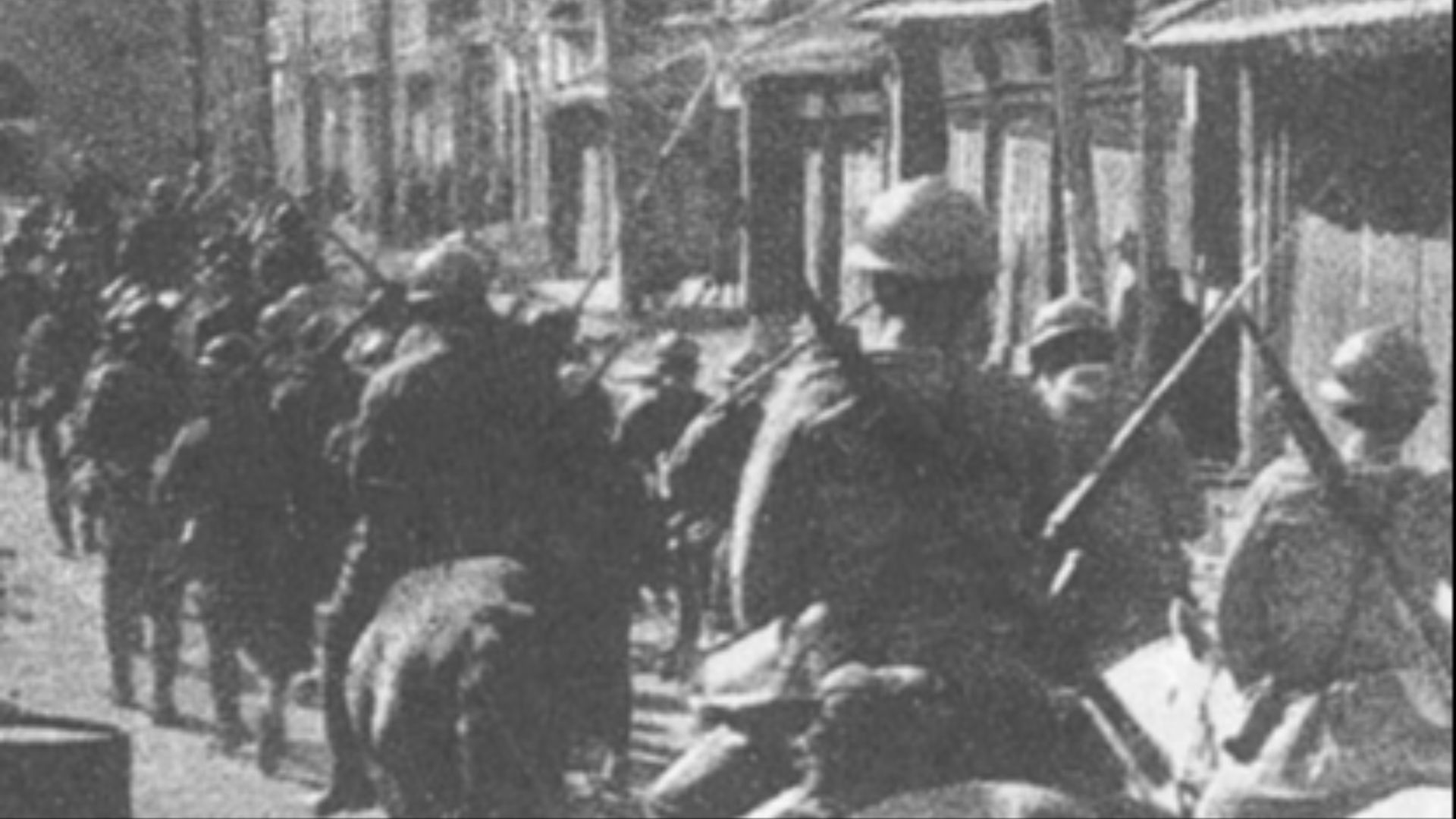
12. The Mukden Incident
In 1931, an explosion near a railway line in Manchuria was used as a justification for Japan’s rapid military action, and the diplomatic story presented it as an attack that required response. The insult was built into the narrative, and it provided a public-facing reason to do what military planners were ready to do anyway.
 Unknown authorUnknown author on Wikimedia
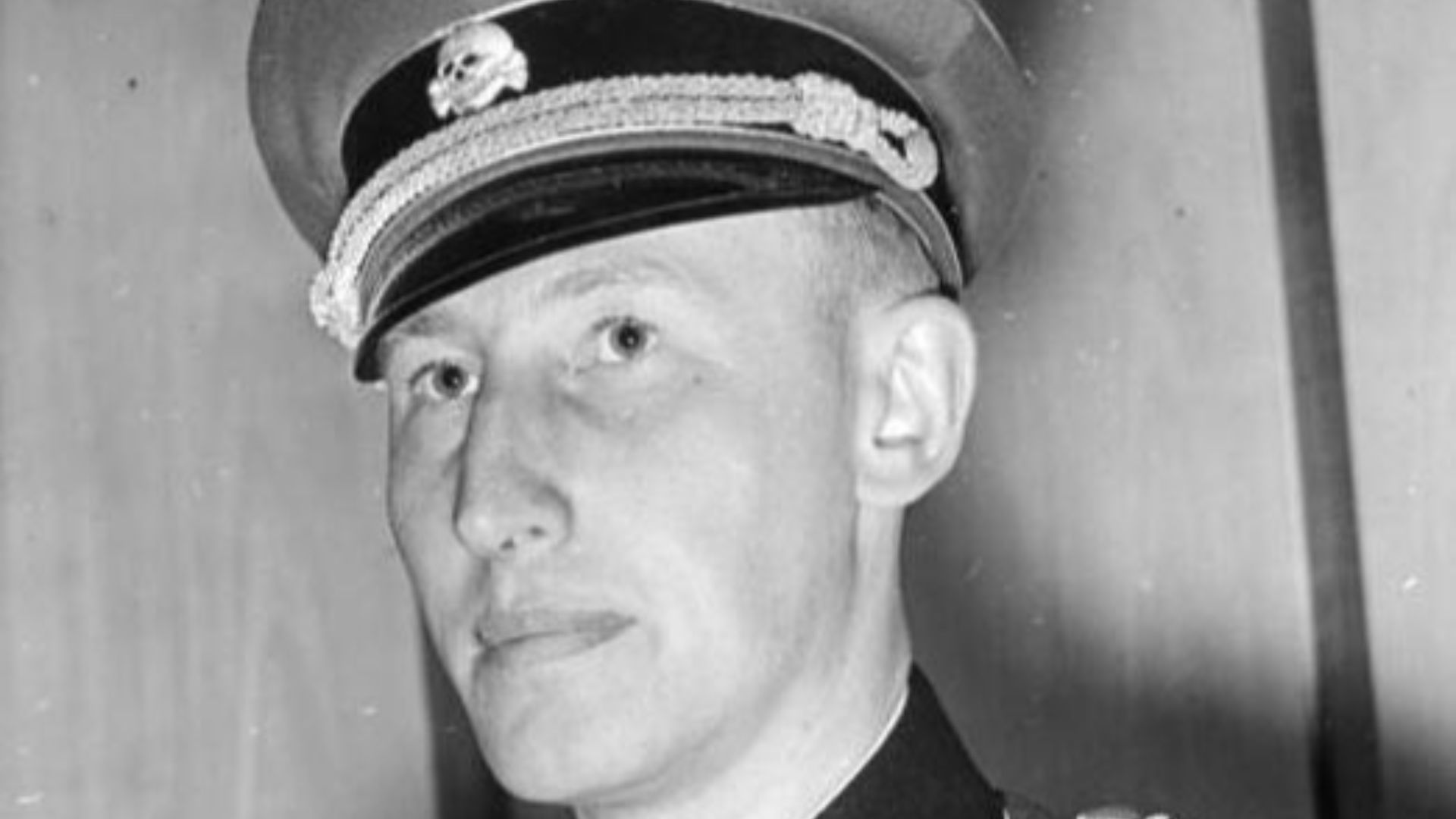
13. The Gleiwitz Incident
In 1939, Nazi Germany staged an attack on a radio station near the Polish border and treated it as proof of Polish aggression. The point was to manufacture outrage and legitimacy, and it helped serve as the propaganda pretext for the invasion of Poland the next day.
 Unknown authorUnknown author on Wikimedia
14. The Gulf Of Tonkin Incident
In 1964, reported attacks in the Gulf of Tonkin were presented as aggression that demanded a firm response, and the political effect was immediate. The insult was framed as an unprovoked strike, and that framing helped unlock a major escalation in U.S. involvement in Vietnam.
15. The Walwal Incident
In late 1934, violence at Walwal on the Ethiopia–Italian Somaliland frontier became a diplomatic crisis where both sides framed the other as the offender. The incident became a key piece of the argument that Ethiopia had provoked Italy, feeding into the path toward Italy’s 1935 invasion.
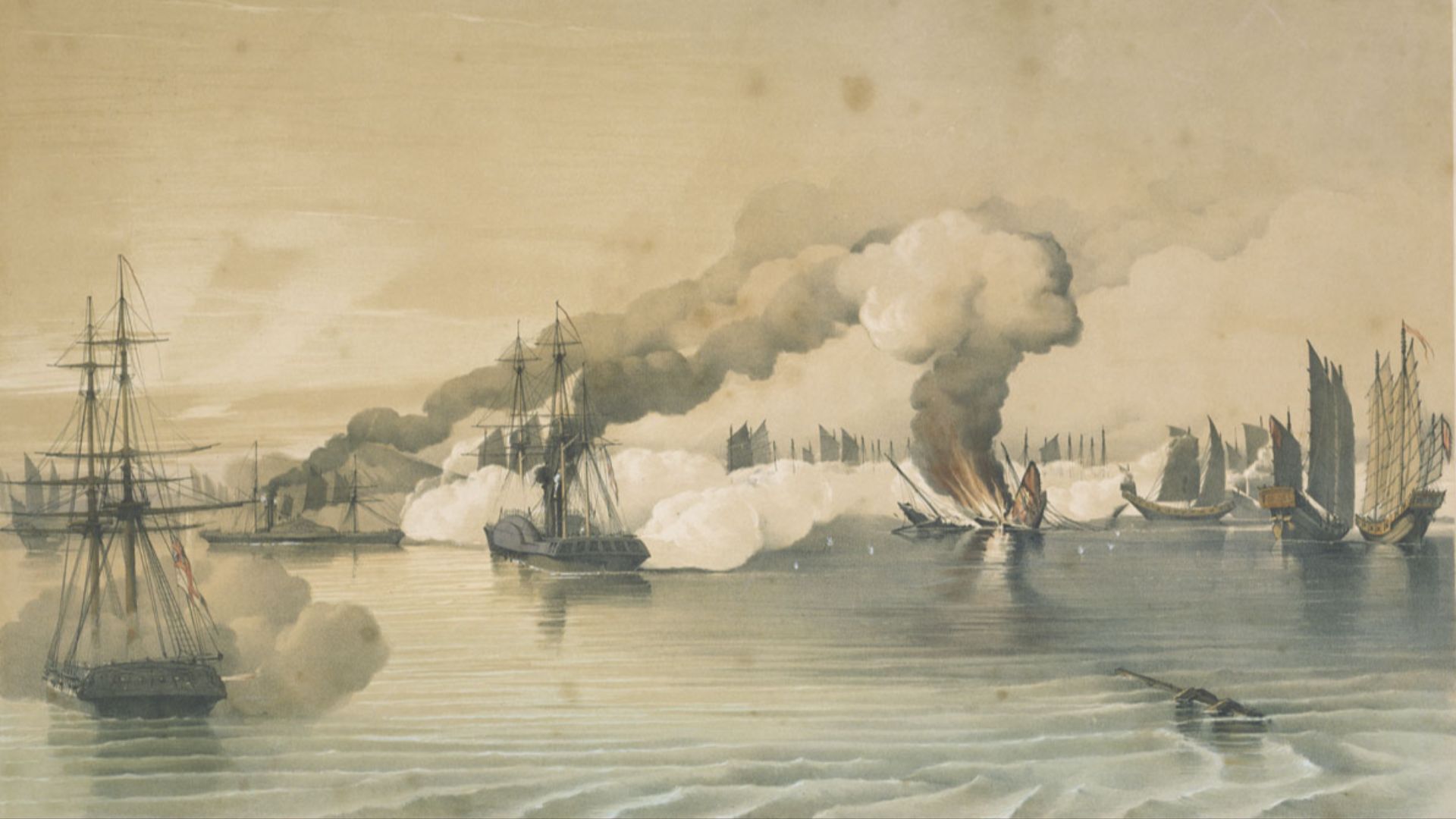
16. The Bắc Lệ Ambush
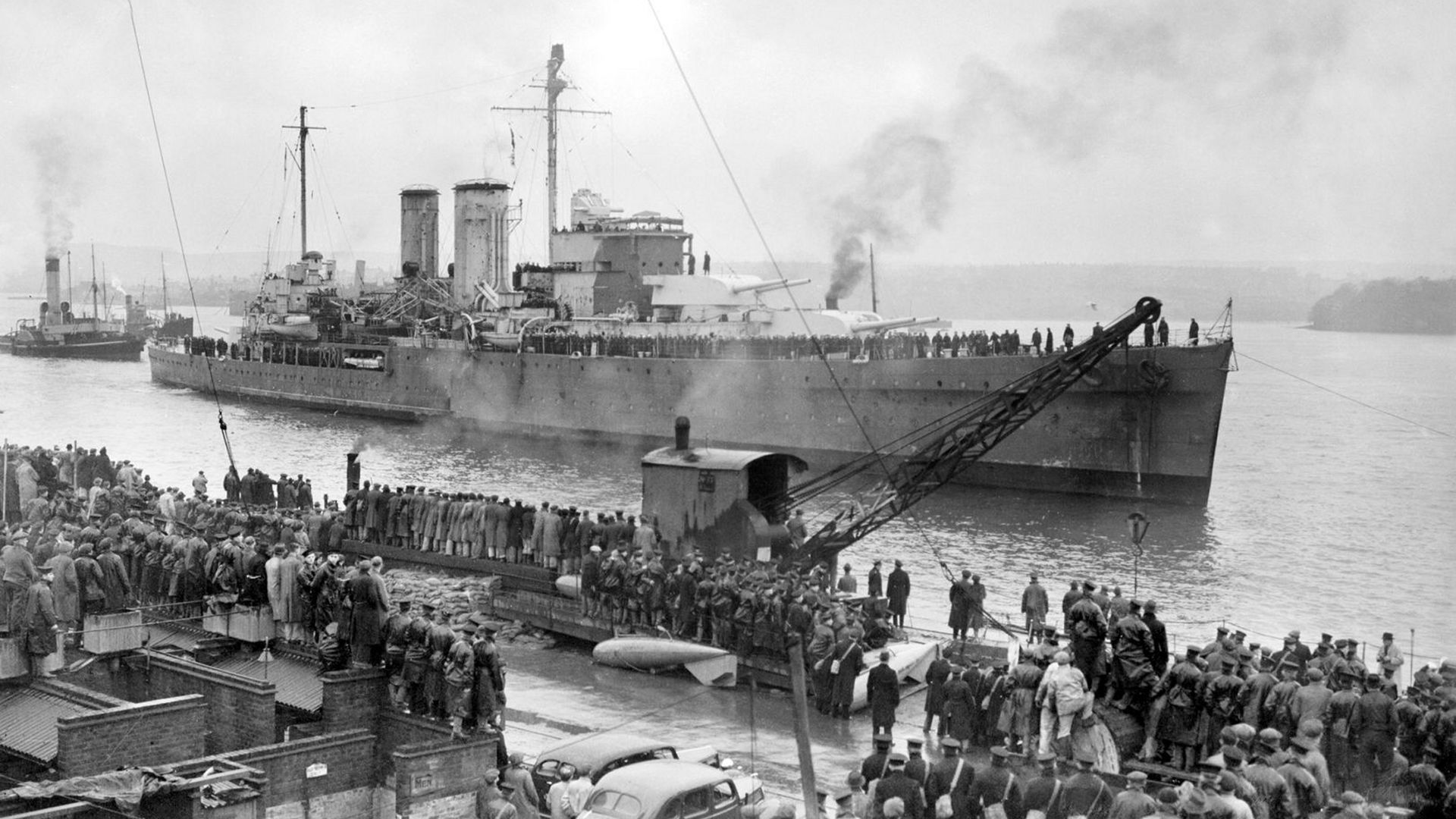
In 1884, a clash near Bắc Lệ in Tonkin became a diplomatic rupture between France and Qing China, with each side treating the other as having violated agreements and honor. The incident helped push events into the Sino-French War, since backing down would have looked like accepting blame.
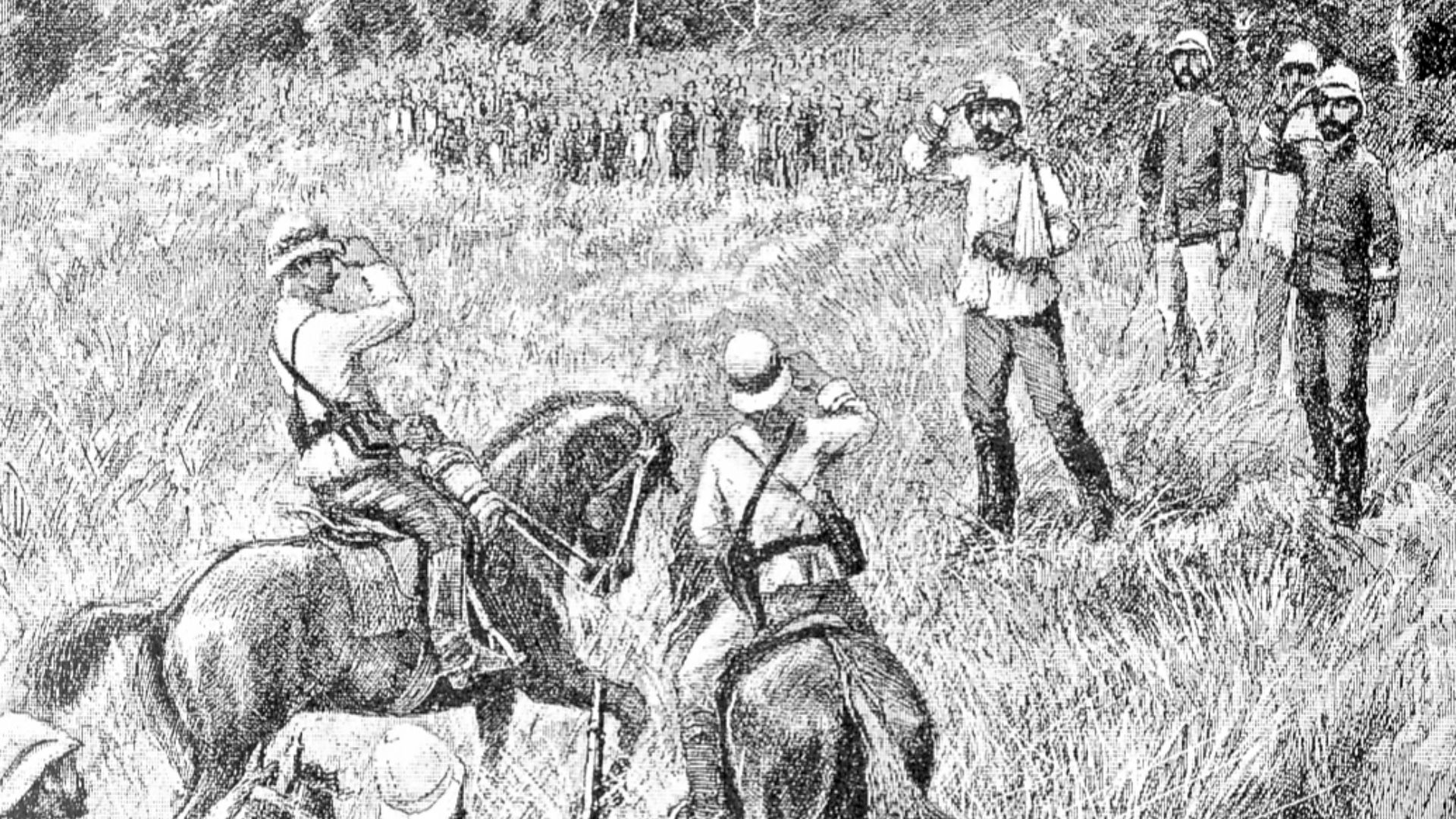 Jean-François-Alphonse Lecomte on Wikimedia
17. The Pitiantutá Lake Incident
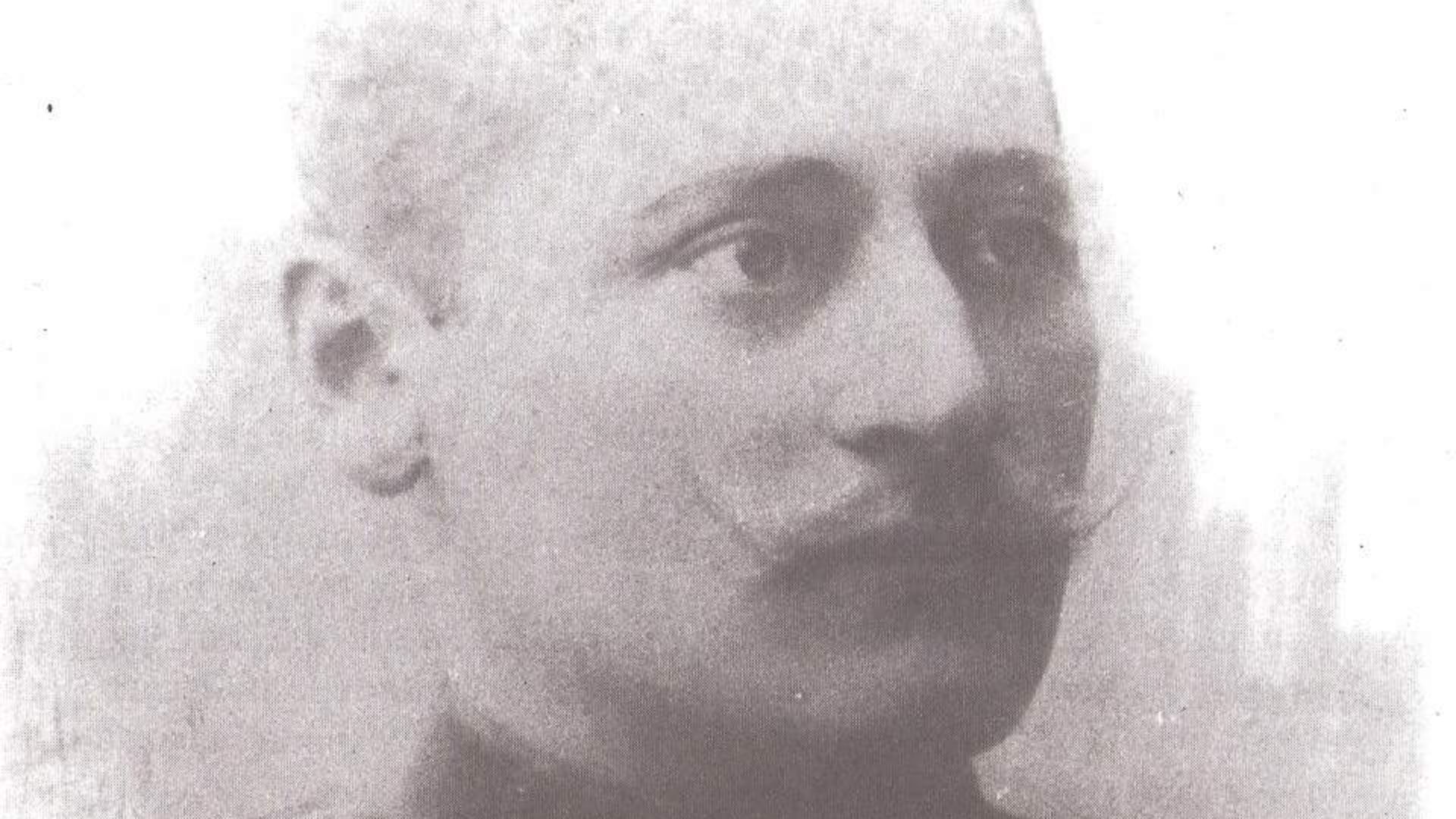
In 1932, an attack on an outpost around Lake Pitiantutá in the disputed Gran Chaco set off rapid retaliation and escalation. In a border zone where pride and claims were already rigid, the incident read as a direct affront that made restraint politically difficult, and it helped ignite the Chaco War.
18. Zhenbao Island And The Ussuri River Clash
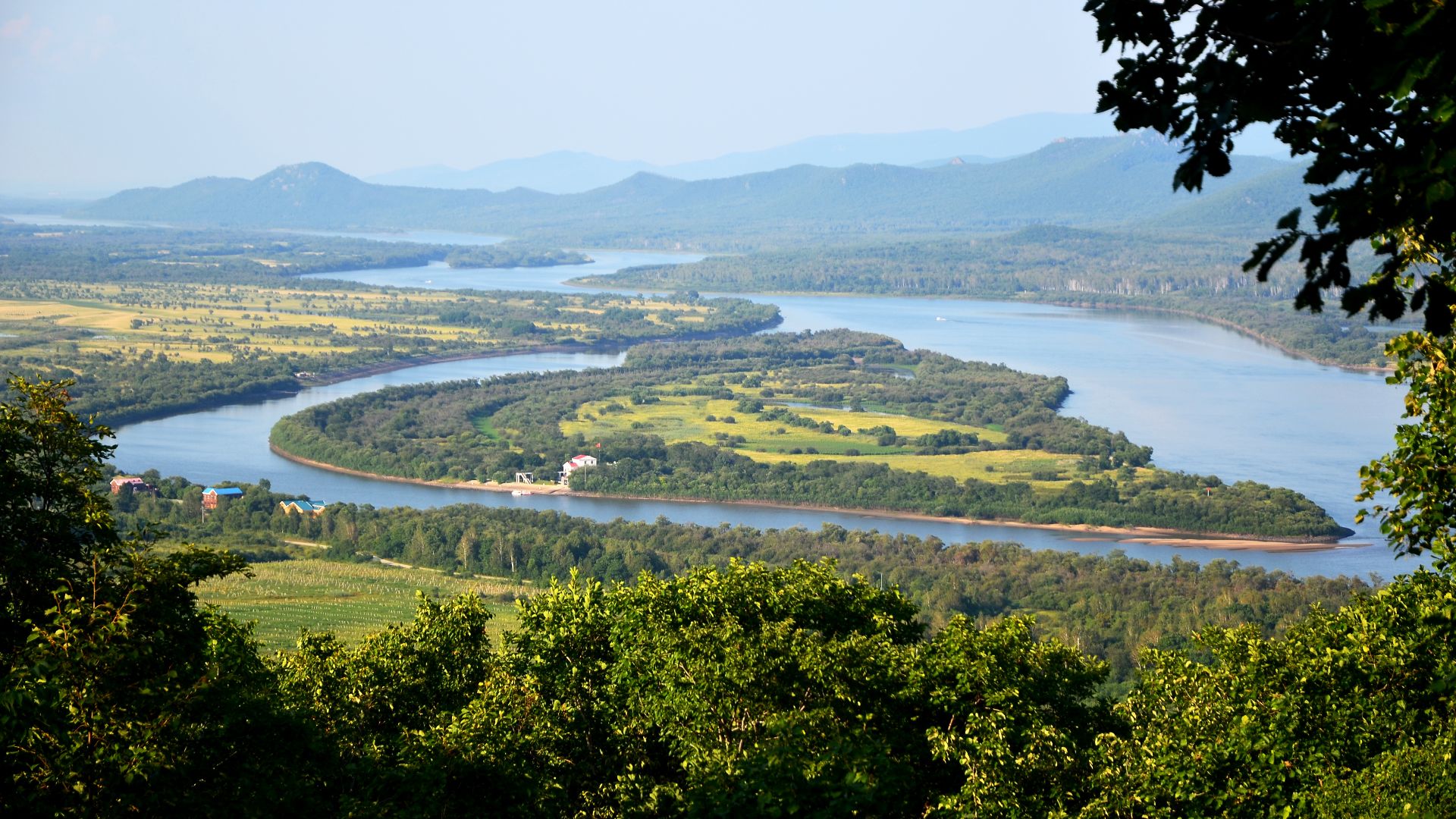
In 1969, fighting at Zhenbao Island became a major Sino-Soviet shock, with both sides treating the event as a serious violation tied to sovereignty. The insult was territorial and symbolic at once, and the violence made diplomacy feel secondary to demonstrating strength.
19. The Incident At Petrich
In 1925, a border clash between Greece and Bulgaria spiraled into a short, sharp military confrontation near Petrich. The details can sound small compared with the reaction, yet that’s the pattern here, since pride, retaliation, and demands for satisfaction can move faster than calmer diplomacy.
20. The Aroostook Crisis
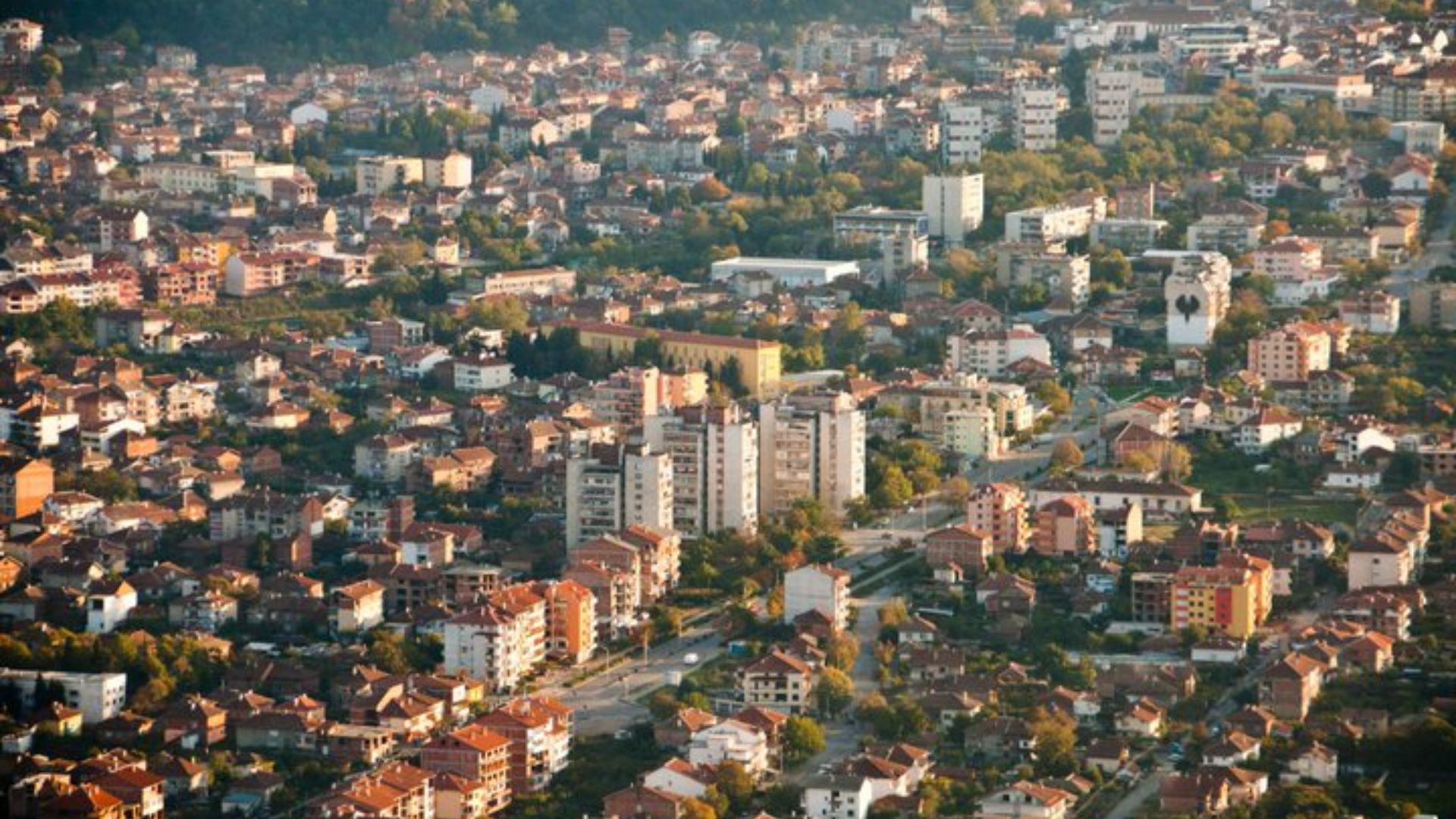
In 1838–39, the Aroostook border dispute between Maine and British North America triggered mobilization and intense diplomatic pressure, even though it stayed largely bloodless. The confrontation carried the weight of national respect and territorial dignity, and the fear of humiliation helped keep both sides on an escalatory track until a negotiated settlement took hold.

KEEP ON READING
The Brutal Realities Of Gladiator Life Beyond the Arena
David Cruz asenjo on PexelsWhen most people think of gladiators,…
By Rob Shapiro Mar 31, 2026
The Volcano Winter That Nearly Toppled Europe
Collin Ross on UnsplashMost people, if asked to name a…
By Cameron Dick Mar 31, 2026
From School Plays To Starting A Cult: 20 Of The…
The Books That Made Us. Many people will tell you…
By Farva Ivkovic Jan 31, 2025
20 Facts About Jane Grey, The Forgotten Queen Of England
A Quick, Messy, and Tragic Reign. Lady Jane Grey never…
By Maria Cruz Jan 31, 2025
20 Priceless Historical Art Pieces Rescued By The Monuments Men
Protecting Human History. While the soldiers on the front lines…
By Sara Springsteen Mar 31, 2026
Almost Every Ancient Statue Has a Missing Nose, And It's…
Gary Todd from Xinzheng, China on WikimediaWalk through the classical…
By Elizabeth Graham Mar 31, 2026