Abraham Lincoln’s Secret Bodyguard Had the Worst Timing in History
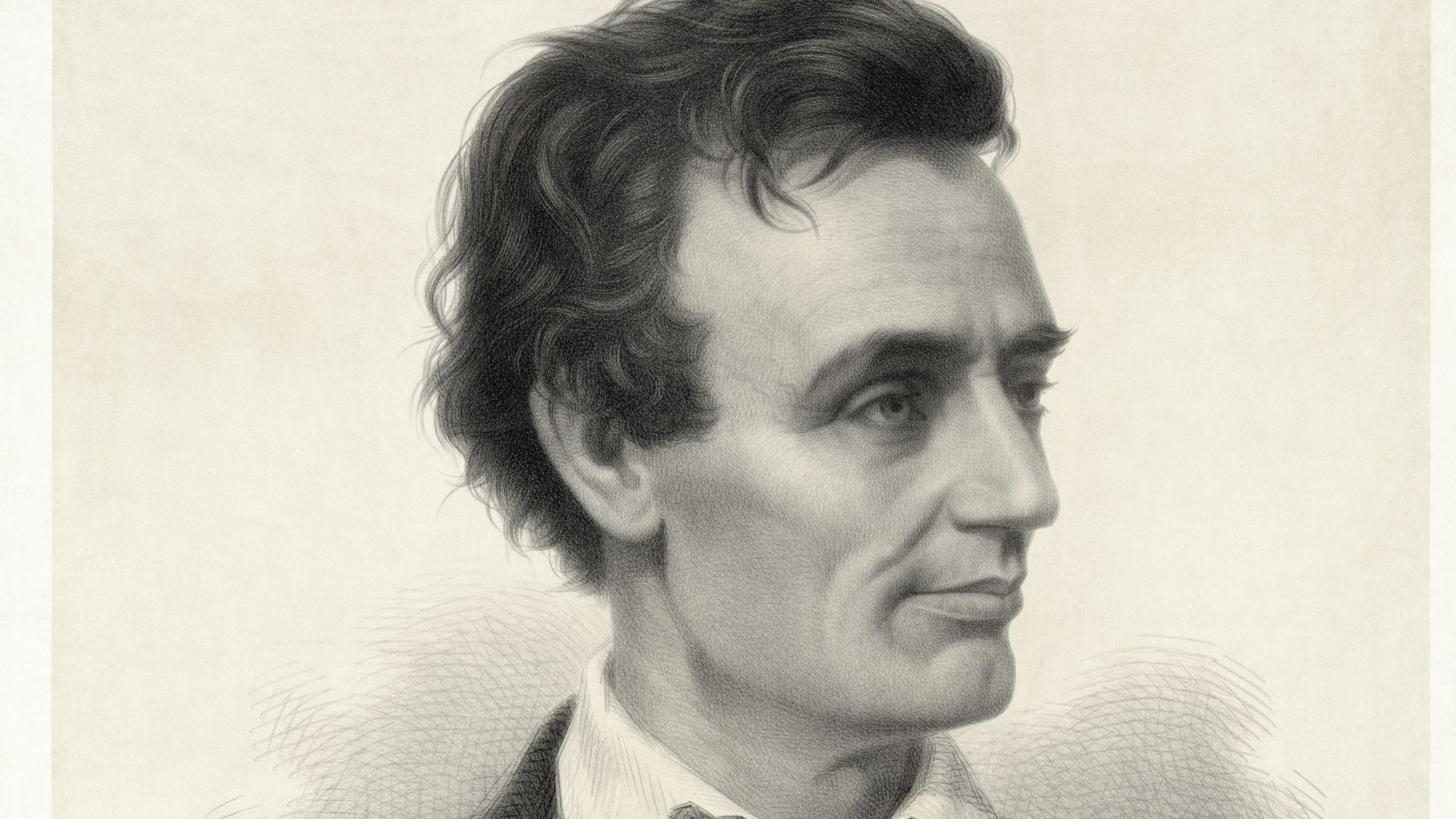
Have you ever had one of those workdays where you made a mistake so massive that you wished the ground would just swallow you? We all experience occasional professional slip-ups, but very few of us can say our workplace blunders actually altered the course of history. This is the bizarre, deeply unfortunate story of John Frederick Parker, a Washington police officer holding perhaps the country's most critical security job in 1865. He was assigned to protect President Abraham Lincoln, but his terrible timing and lackadaisical work ethic created a tragic security vacuum.
At the time, presidential protection was incredibly informal compared to the intense, highly coordinated Secret Service operations we see today. Lincoln was a famously relaxed leader who frequently brushed off safety concerns, often walking around the capital without any guards at all. Unfortunately, this laid-back attitude meant that keeping the president safe fell onto the shoulders of a remarkably unreliable local patrolman. As you will soon discover, Parker's legendary ability to be in the wrong place at the wrong time sealed his spot as history's most famously absent employee.
A Record of Creative Negligence
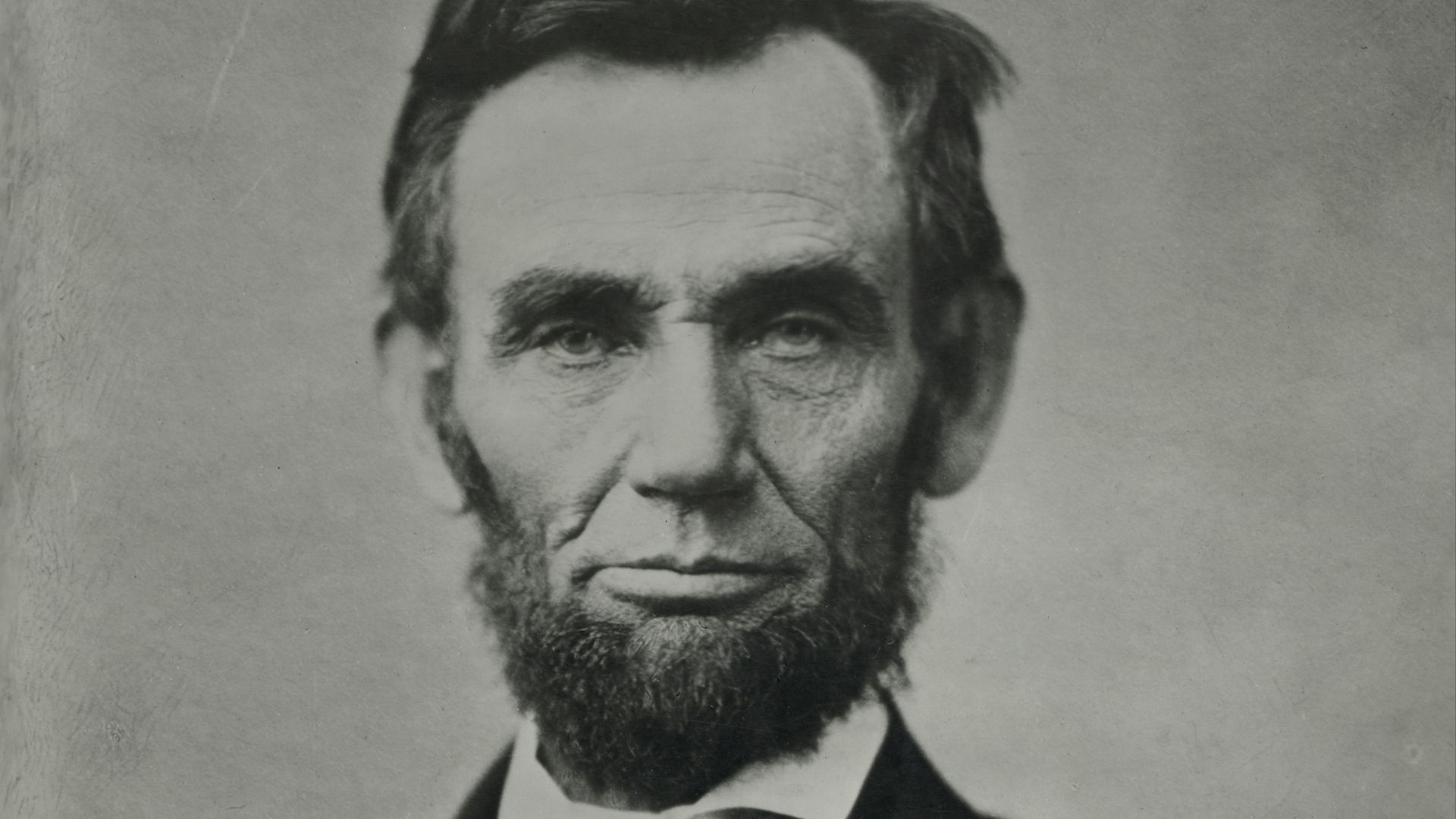 Library of Congress on Unsplash
Before he was ever tasked with protecting the leader of the free world, Parker had built up a truly astounding record of misconduct. He was one of Washington's original police officers, but his superiors spent a lot of time hauling him before the board. His colorful file included charges of being inebriated on duty, using inappropriate language, and visiting ladies of the night while on the clock. Somehow, he always managed to slide by with simple reprimands and kept his badge despite his obvious lack of discipline.
On one hilarious occasion, his superiors caught him sleeping soundly on a local streetcar when he was supposed to be walking his beat. When they questioned him about it, the clever patrolman claimed he had boarded the streetcar purely to investigate the mysterious sound of quacking ducks. Incredible as it sounds, the police board actually accepted this highly questionable excuse and dismissed the charges altogether. This lenient environment allowed his bad habits to grow, setting the stage for a much larger lapse in judgment later on.
Despite his terrible reviews, Parker was somehow selected to be part of the brand-new four-man presidential protection detail in late 1864. The other three officers were highly respected, leaving historians to wonder how such a notorious slacker slipped through the cracks. Some suspect his political connections or simple bureaucratic oversight put him on the short list for this prestigious role. Regardless of how he got there, he was officially charged with keeping Lincoln safe during the fateful spring of 1865.
The Fateful Night at Ford's Theatre
The tragic events of April 14, 1865, got off to a spectacularly lousy start when Parker showed up three hours late for his shift. He was supposed to relieve the previous guard at the White House at 4:00 PM, but he did not bother to arrive until 7:00 PM. His tardiness did not raise immediate alarms because the president's party was not scheduled to leave for Ford's Theatre until later. He eventually met up with the group and took his designated position in the hallway just outside Lincoln's private box.
From his assigned wooden chair, the bodyguard could not actually see the stage where the popular comedy was being performed. Bored by the lack of action and wanting a better view of the show, Parker decided to abandon his post. He wandered down to the gallery to find a seat among the crowd, leaving the entrance to the president's box completely unattended. You might think this was his biggest mistake of the night, but his timing was about to get even worse.
During the intermission, the restless officer decided he needed a drink to pass the remaining time. He invited the president's coachman and valet to join him at the Star Saloon, which sat right next door to the theater. In a twist that sounds too wild to be true, the famous actor John Wilkes Booth was sitting at the very same bar. While Parker was enjoying his ale, Booth slipped into the unguarded theater box and attacked the president.
In the chaotic aftermath of the assassination, you would probably expect Parker to face severe legal consequences or at least lose his job. Surprisingly, the formal complaint against him was quietly dismissed a few weeks later, and no transcripts of his trial were ever kept. The media did not even print his name in the newspapers, and he escaped any official blame in the government reports. This bizarre lack of accountability allowed him to return to his regular duties as if nothing of historical significance had happened. Even more shockingly, Parker remained on the White House security detail and was assigned to protect the grieving widow, Mary Todd Lincoln. As you can imagine, this arrangement did not go over well with the former first lady, who was furious to see him on guard
KEEP ON READING