The Most Evil People Who Ever Lived
Putting cruelty into a ranked list will always be imperfect, because suffering can’t be fully measured or compared. Still, the figures on this list have done unfathomable things, choices that caused vast, deliberate harm, decisions that time could never erase or heal. As you read, keep your attention on what they did, how they abused their power, and the real-world consequences that followed. Here are 20 of the worst people who ever lived.
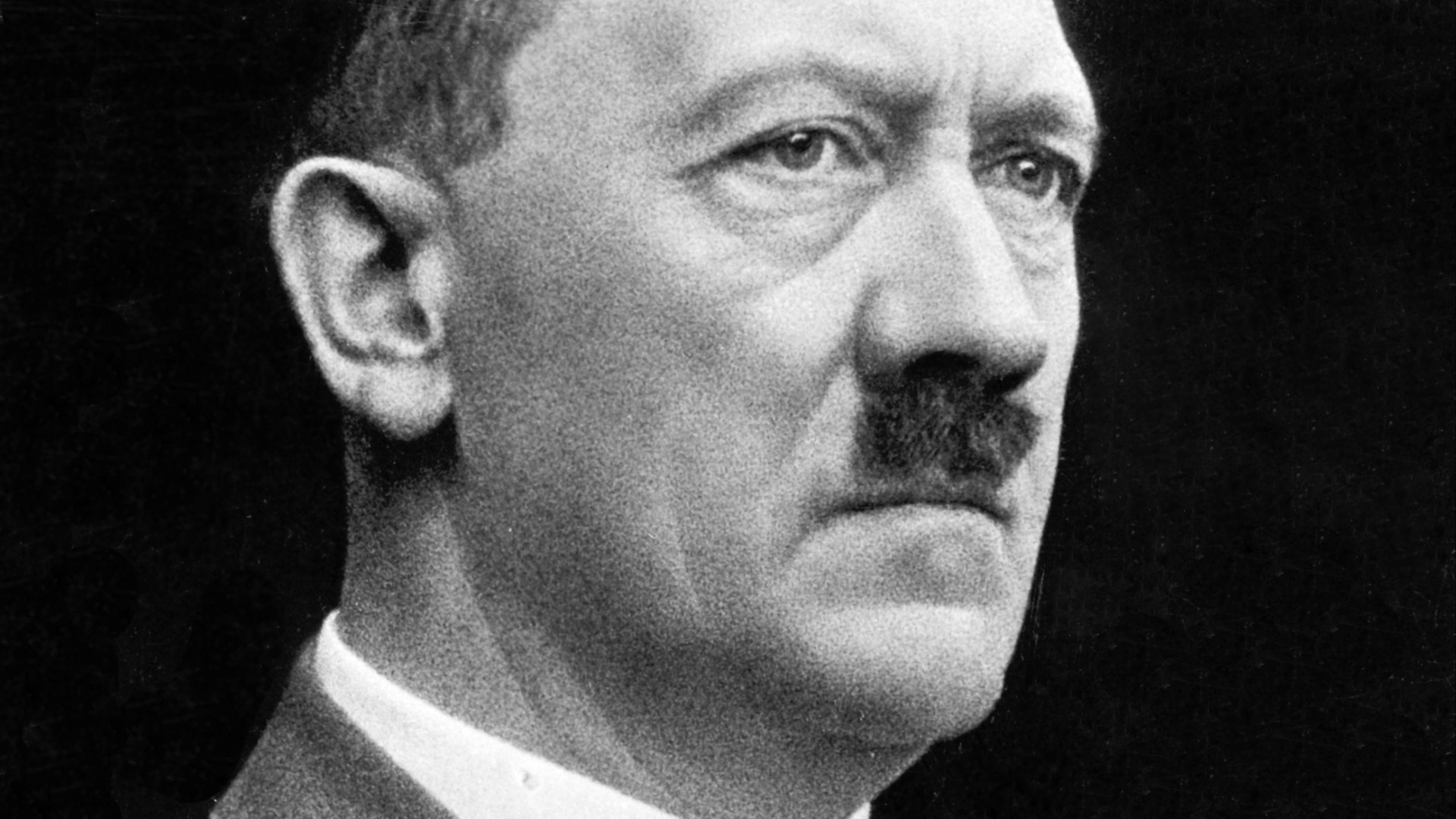
1. Adolf Hitler (1889–1945)
He built a dictatorship that made racial persecution state policy and drove Europe into World War II. Under his leadership, Nazi Germany carried out the Holocaust and other mass killings across occupied territories. If you’ve ever wondered how propaganda and bureaucracy can combine into catastrophe, his regime is a direct answer.
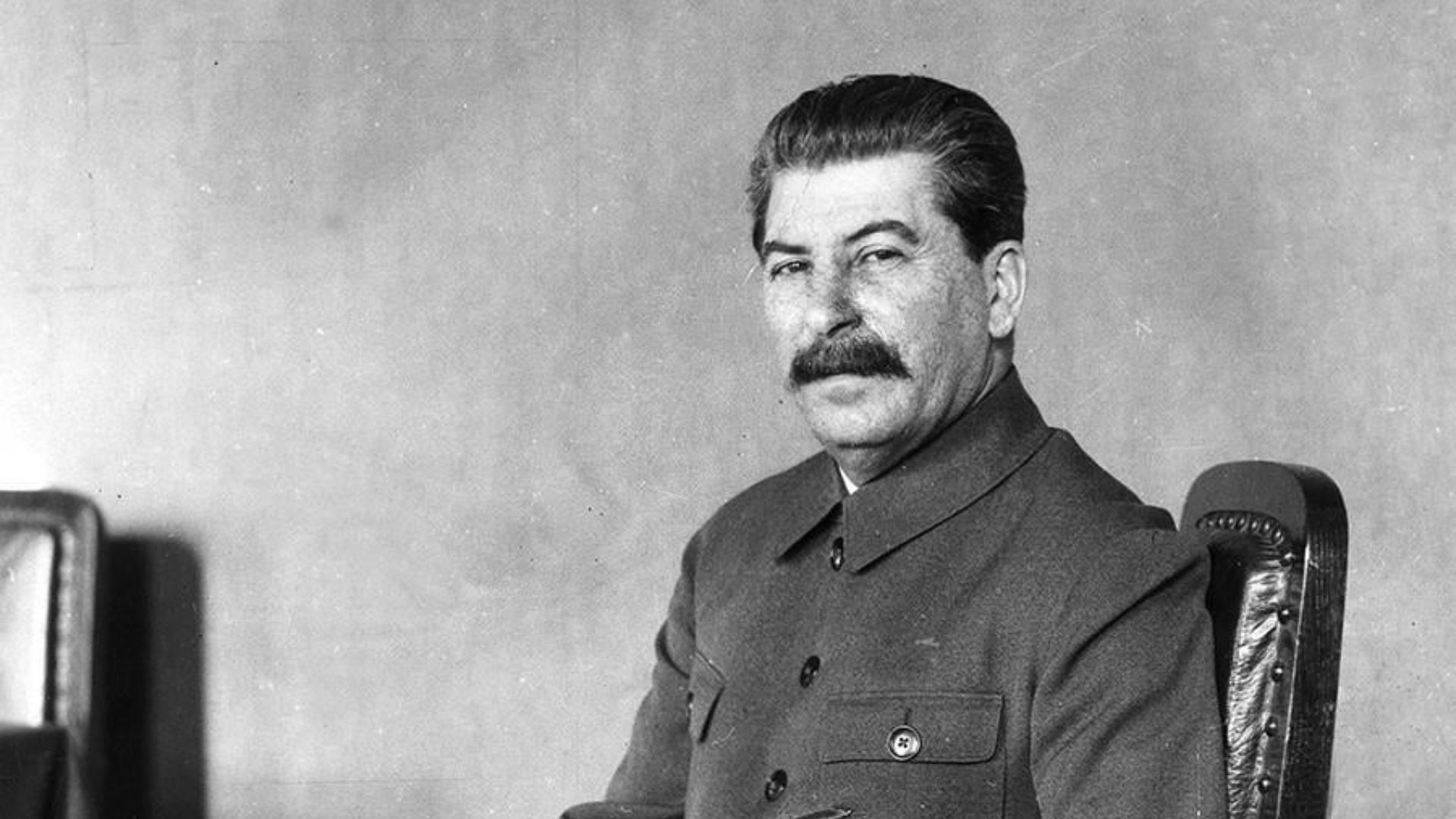
2. Joseph Stalin (1878–1953)
He consolidated total control over the Soviet Union through purges, forced labor systems, and political terror. Millions died through a mix of execution, imprisonment, famine linked to policy decisions, and relentless state violence. The scale matters, but so does the method: he made fear a permanent tool of government.
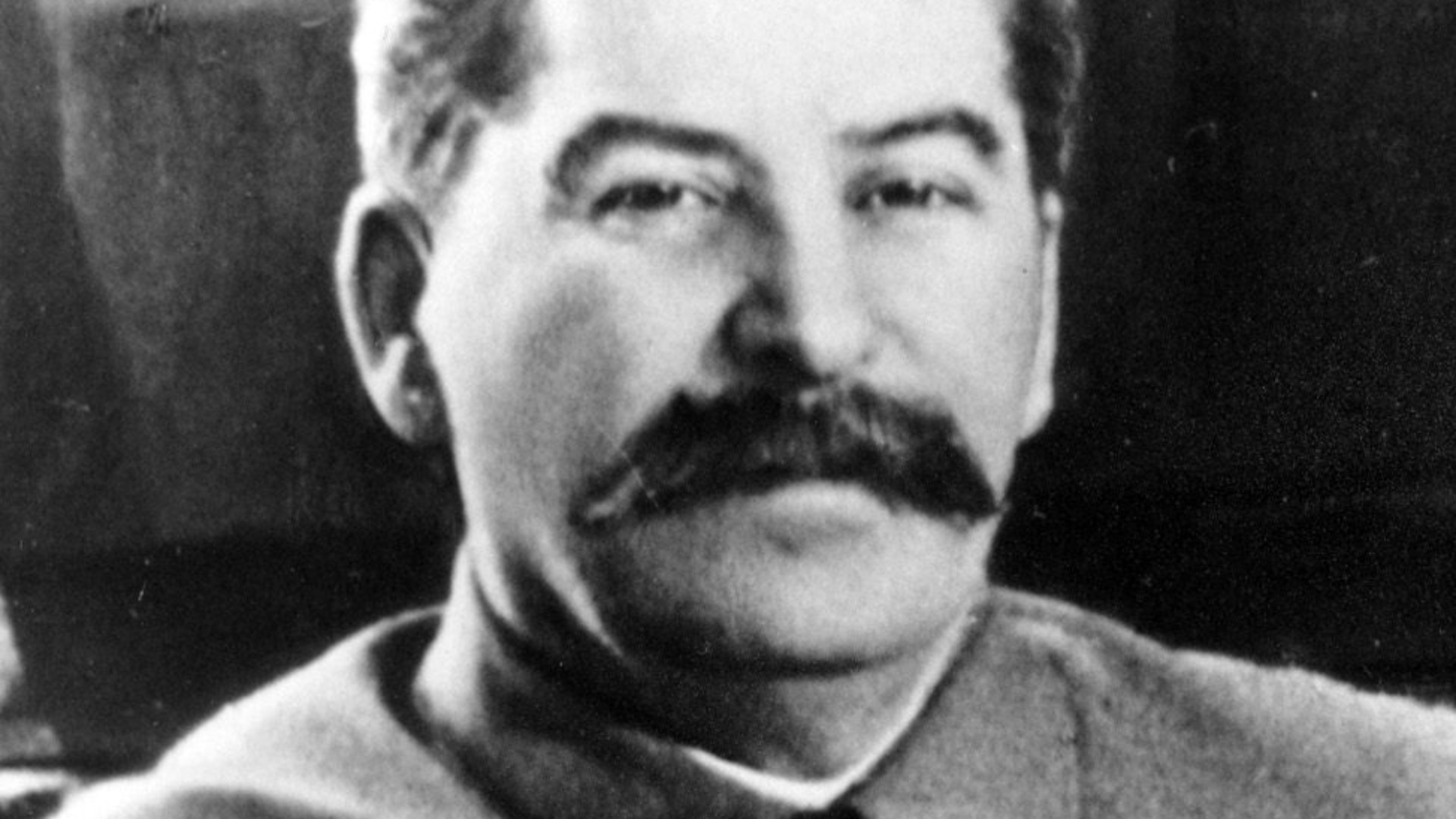 Unknown, presumably by a government employee as part of official duties on Wikimedia
3. Mao Zedong (1893–1976)
He reshaped China through sweeping campaigns that demanded ideological obedience at enormous human cost. Policies tied to the Great Leap Forward and the Cultural Revolution caused widespread suffering, repression, and social breakdown. You can acknowledge historical complexity without ignoring that many people paid with their lives and freedom.
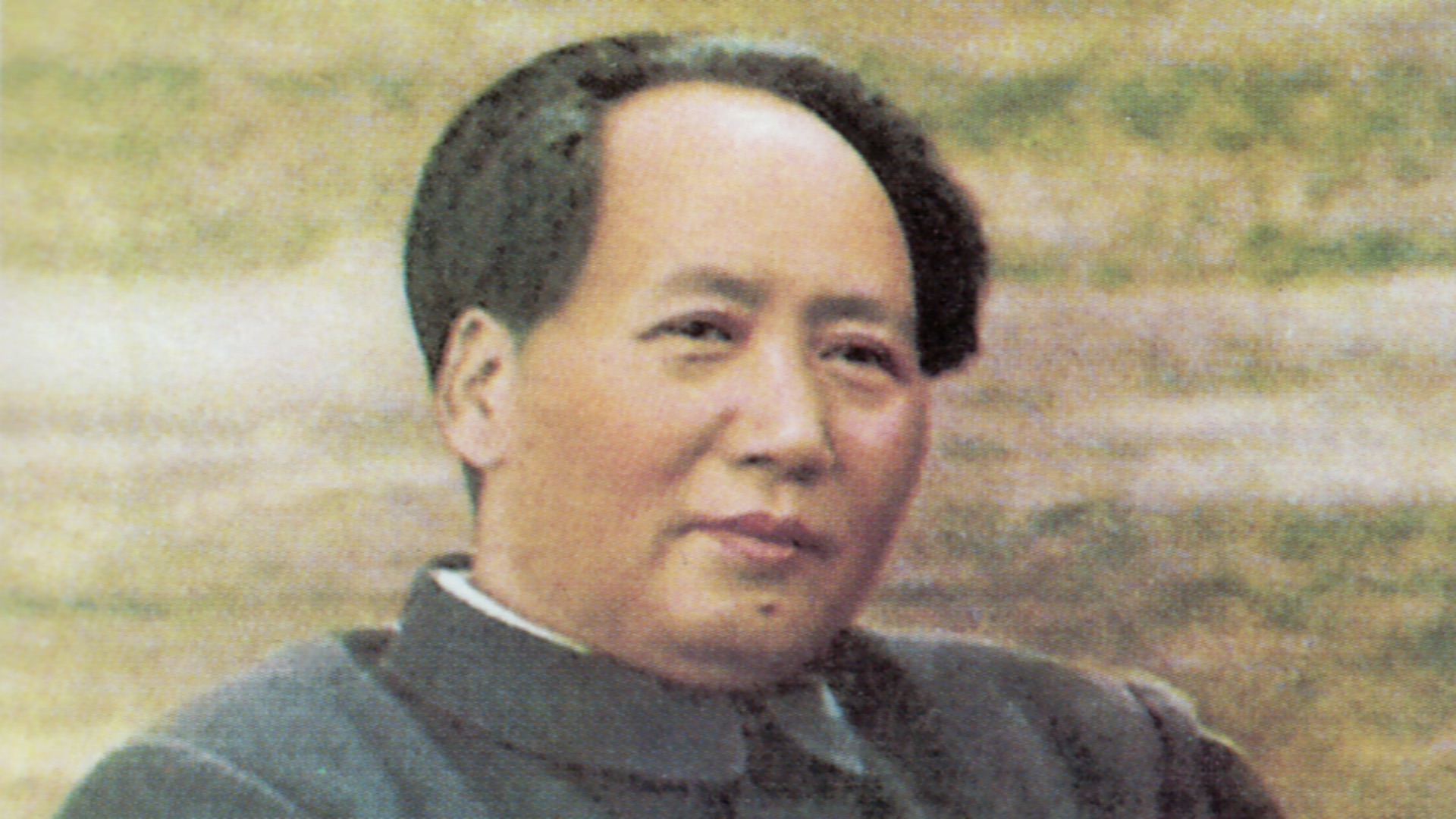 The People's Republic of China Printing Office on Wikimedia
4. Pol Pot (1925–1998)
He led the Khmer Rouge totalitarian regime and turned Cambodia into a forced-labor state aimed at remaking society through violence. Mass killings, starvation, and brutal punishment became routine under his rule. The result wasn’t incidental damage; it was a governing strategy.
5. King Leopold II (1835–1909)
He controlled the Congo Free State as a personal colonial project and oversaw a system tied to widespread atrocities. Forced labor and terror were used to extract resources, leaving countless victims and long-term trauma. If you think exploitation can’t be lethal at scale, his record proves otherwise.
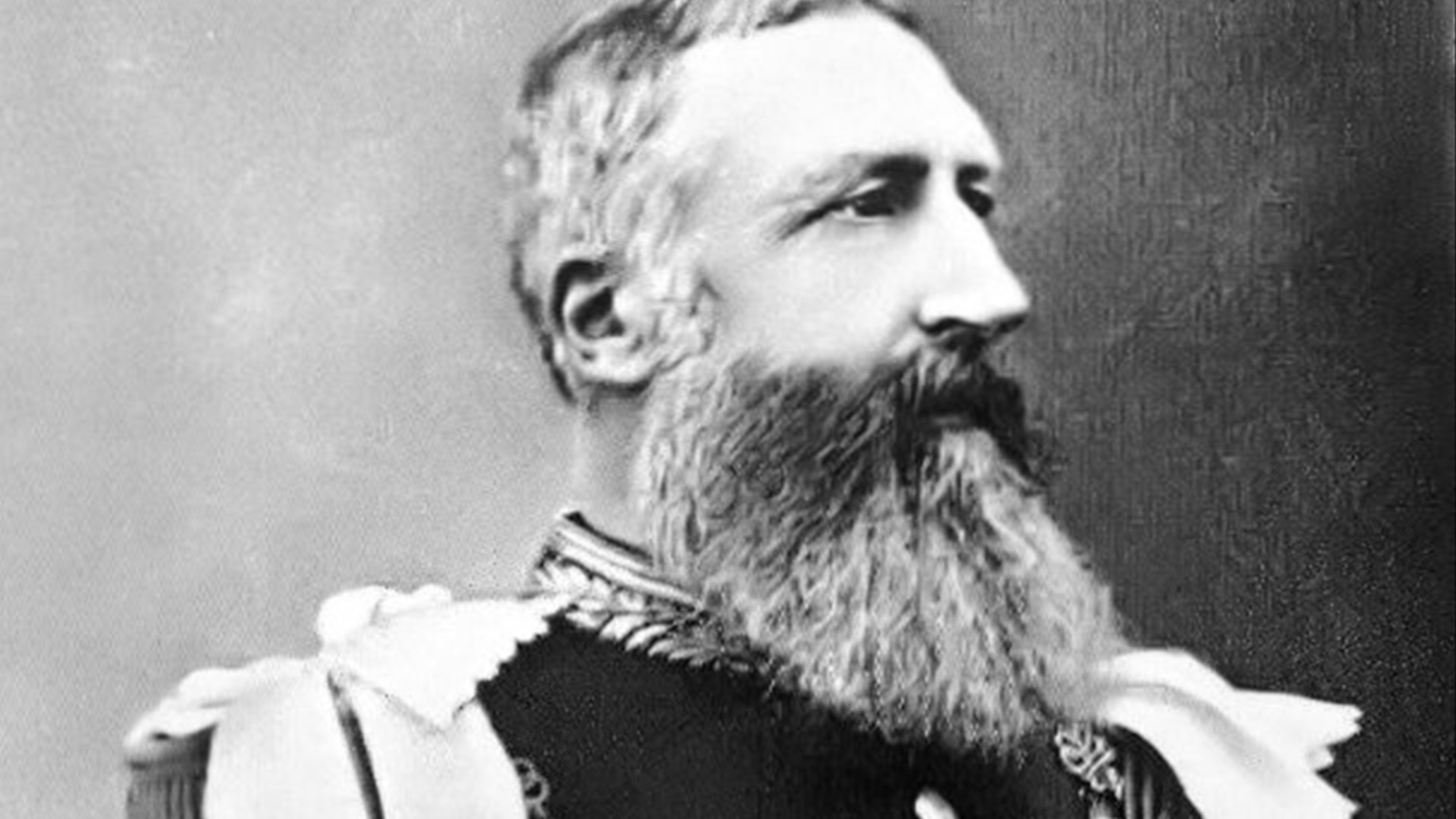 London Stereoscopic and Photographic Company on Wikimedia
6. Heinrich Himmler (1900–1945)
He ran the SS (the corps of the Nazi Party) and helped design the machinery of Nazi mass murder and repression. His offices linked policing, camps, and racial policy into a unified system of persecution. The horror here isn’t only ideology; it’s how efficiently he organized it.
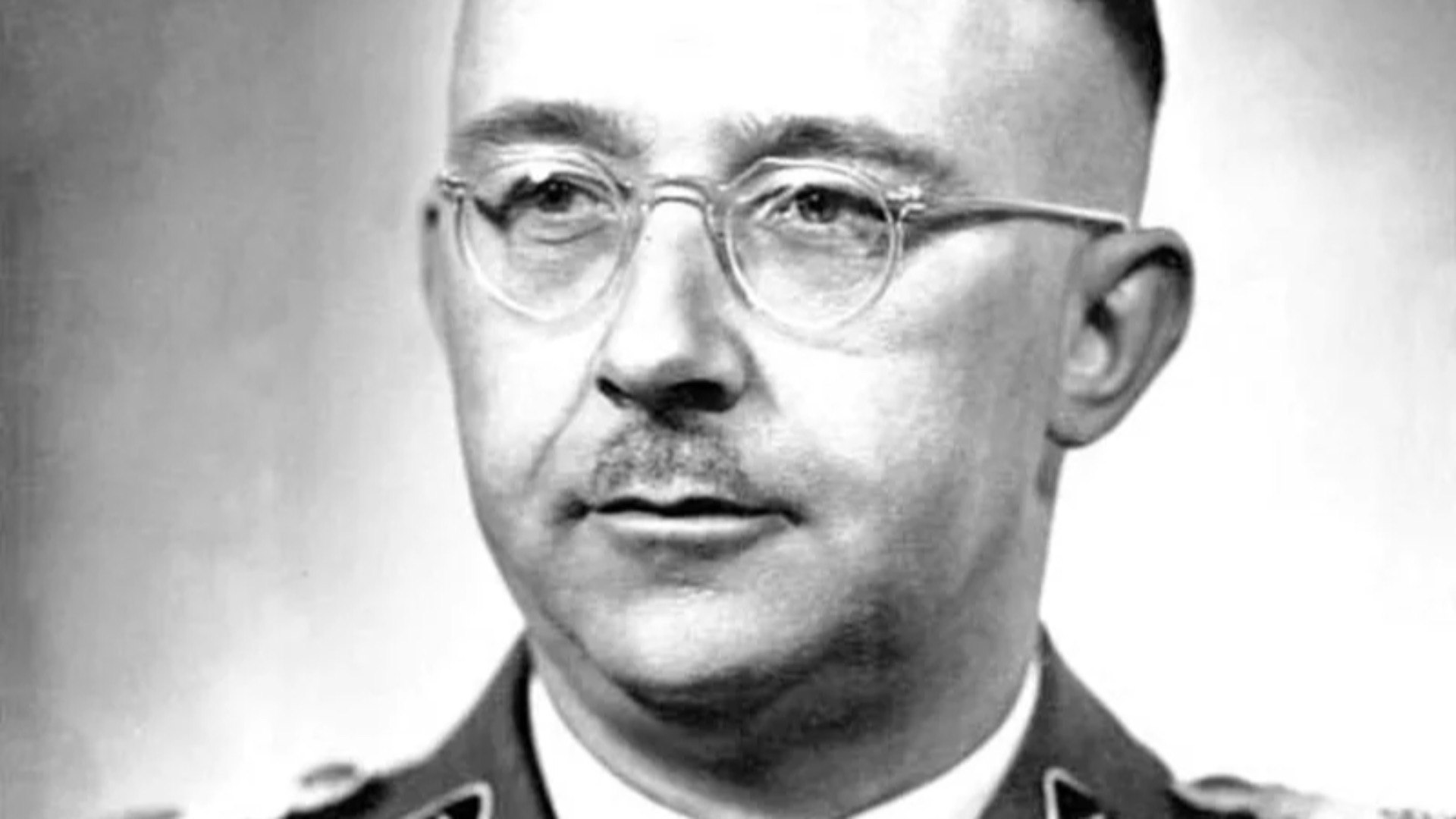 Friedrich Franz Bauer on Wikimedia
7. Reinhard Heydrich (1904–1942)
He played a key role in organizing the Holocaust and was a central architect of the Nazi “Final Solution.” His power combined policing and coordination of mass violence. When you look for names behind atrocities, his name keeps appearing.
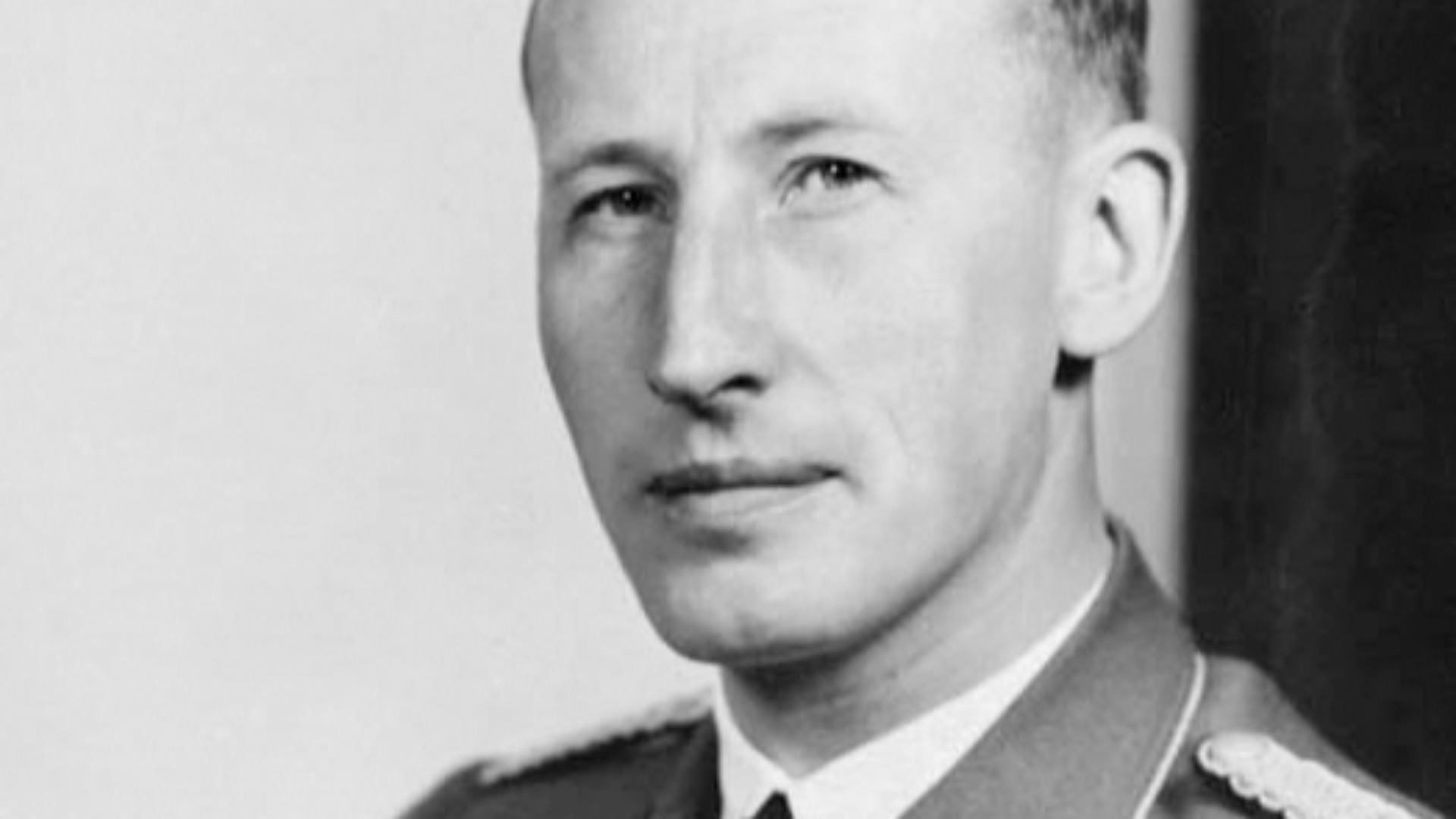 Heinrich Hoffmann on Wikimedia
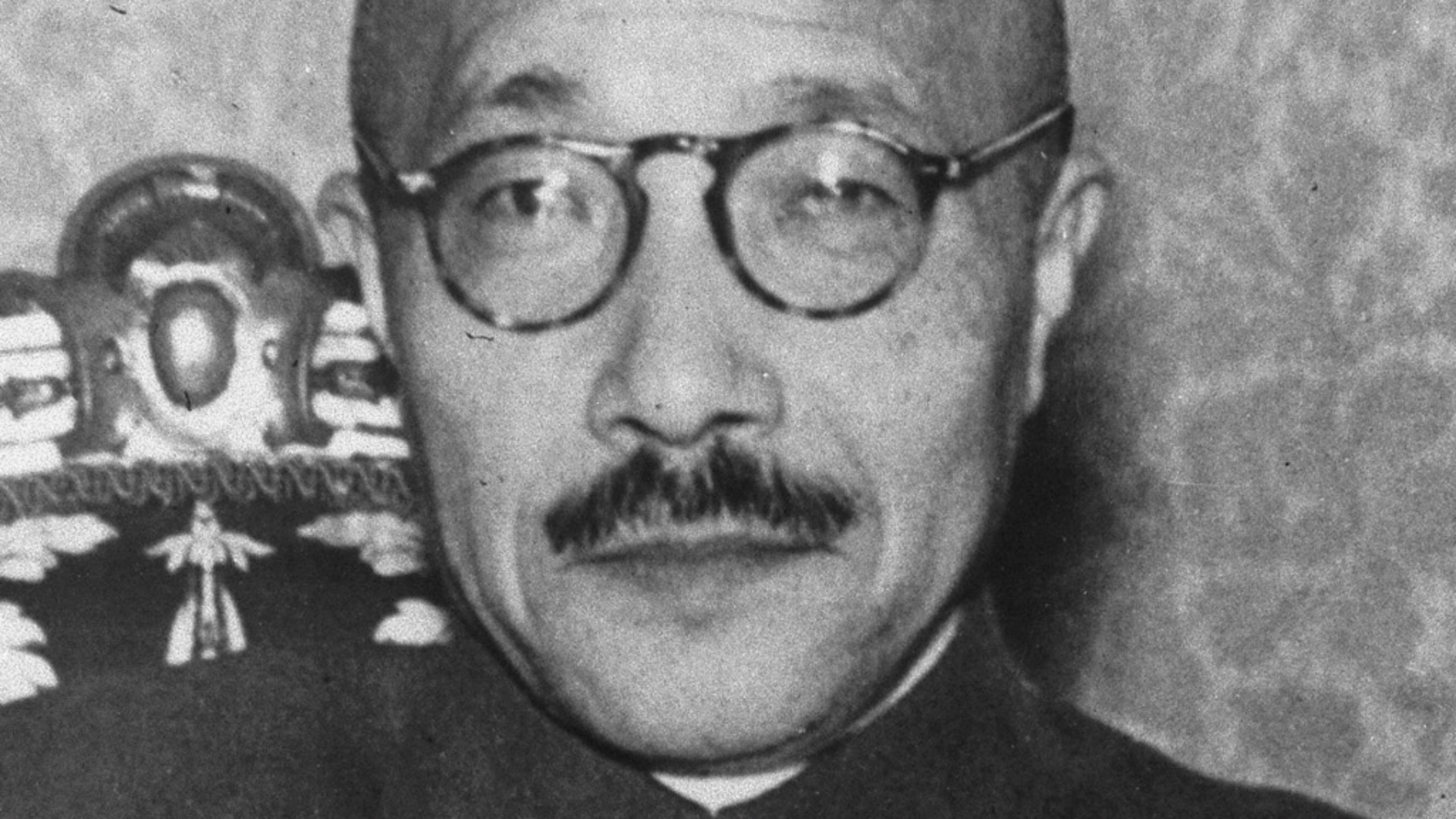
8. Hideki Tojo (1884–1948)
As Japan’s prime minister during much of World War II’s Pacific theater, he represented wartime leadership tied to aggression and severe abuses. After the war, he was tried and executed for war crimes. It’s a reminder that national leadership can steer decisions that devastate civilians far beyond its borders.
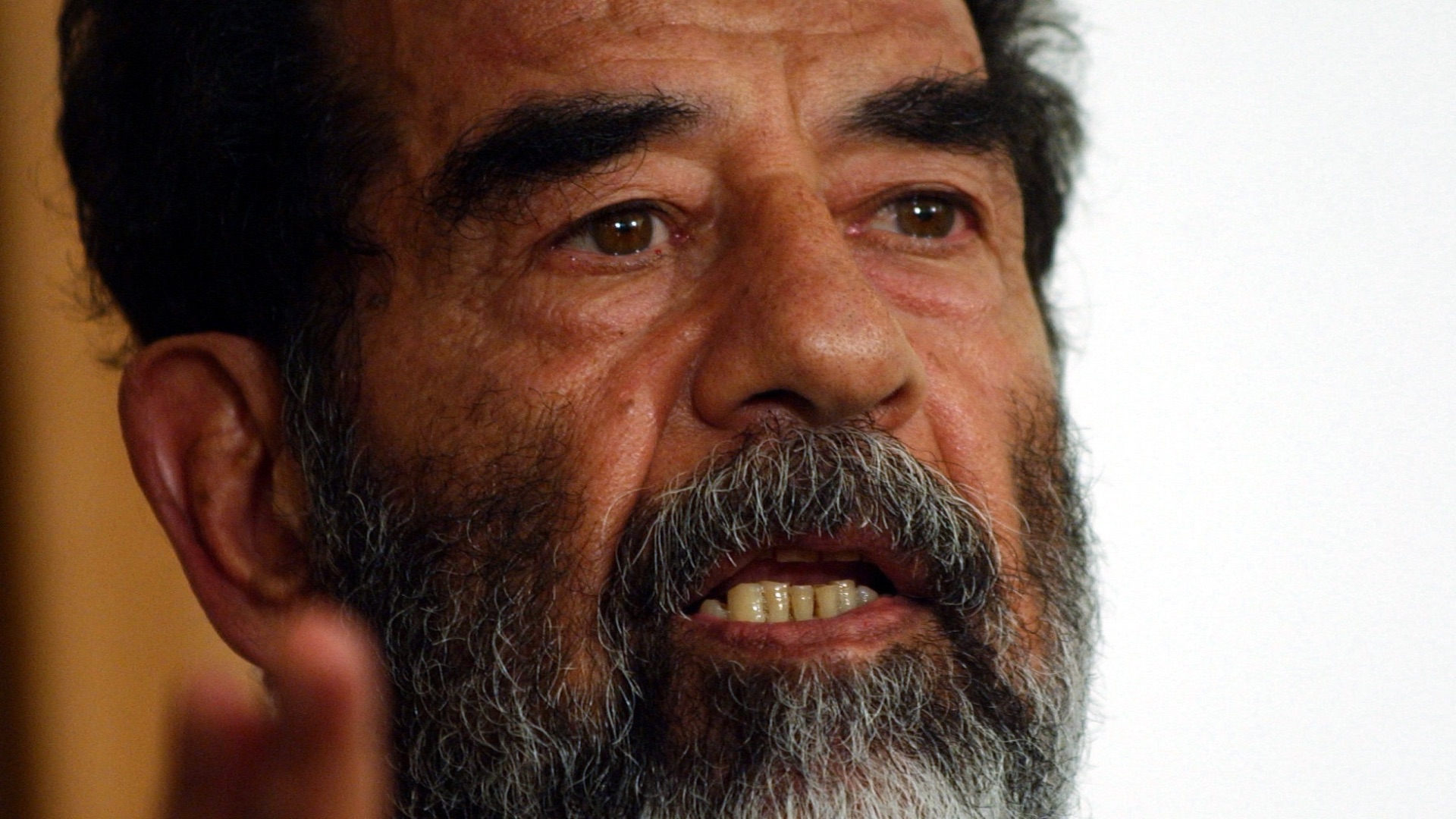
9. Saddam Hussein (1937–2006)
He ruled Iraq through repression that included torture, killings, and systematic intimidation of opponents. After his capture, an Iraqi tribunal convicted him of crimes against humanity connected to state violence. You don’t have to debate every detail of modern geopolitics to see the brutality embedded in his rule.
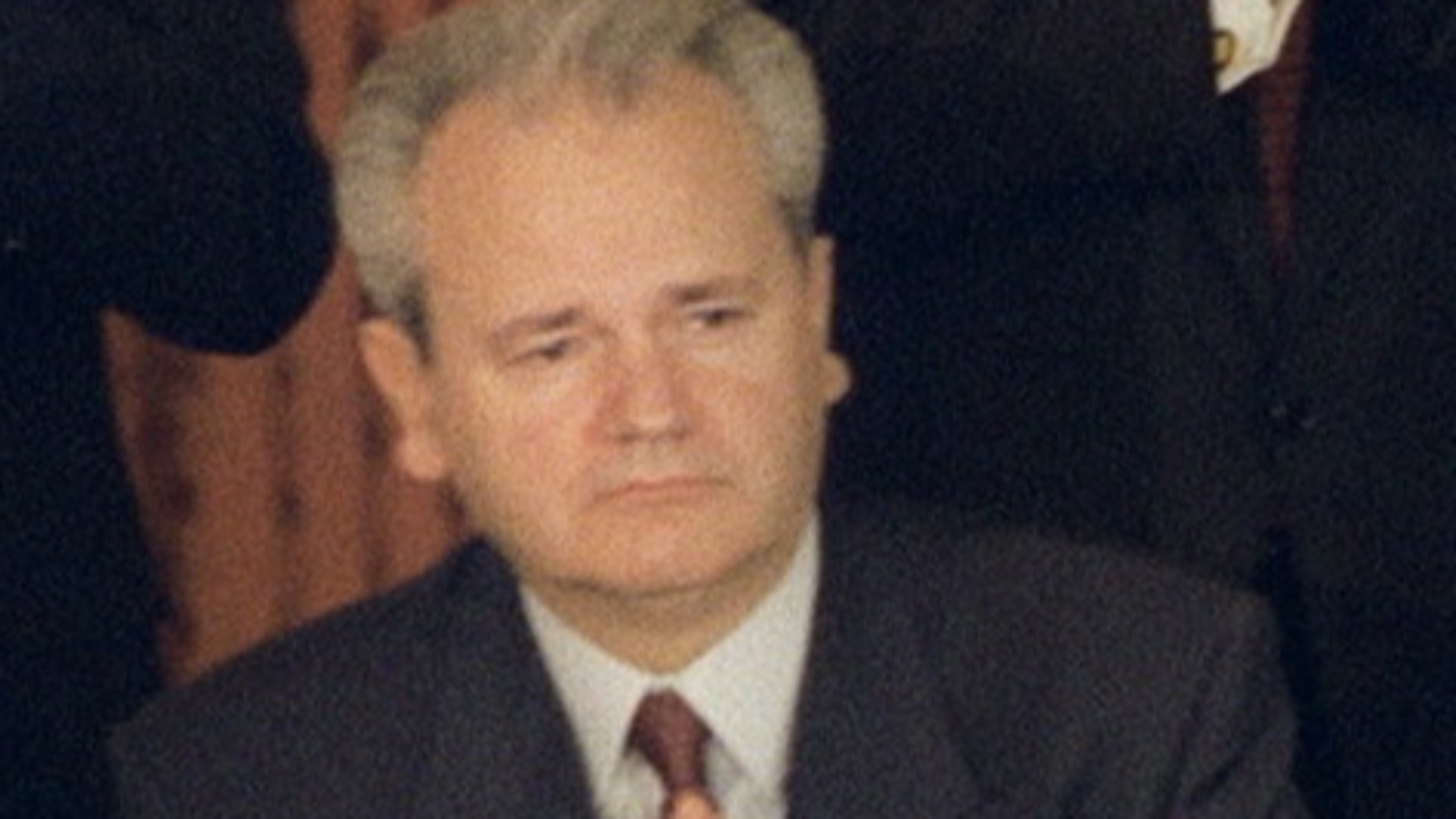
10. Slobodan Milošević (1941–2006)
He pursued nationalist policies that contributed to the violent breakup of Yugoslavia. He was tried at the UN tribunal in The Hague on charges including genocide, crimes against humanity, and war crimes, though he died before a verdict. Even without a final judgment, the allegations and conflict record show how leadership choices can inflame mass violence.
11. Idi Amin (c. 1925–2003)
He governed Uganda through a regime widely known for extreme brutality and fear-based control. Political killings and repression defined his rule, and whole communities lived under constant threat. If you want a case study in personalized dictatorship, he’s an unmistakable example.
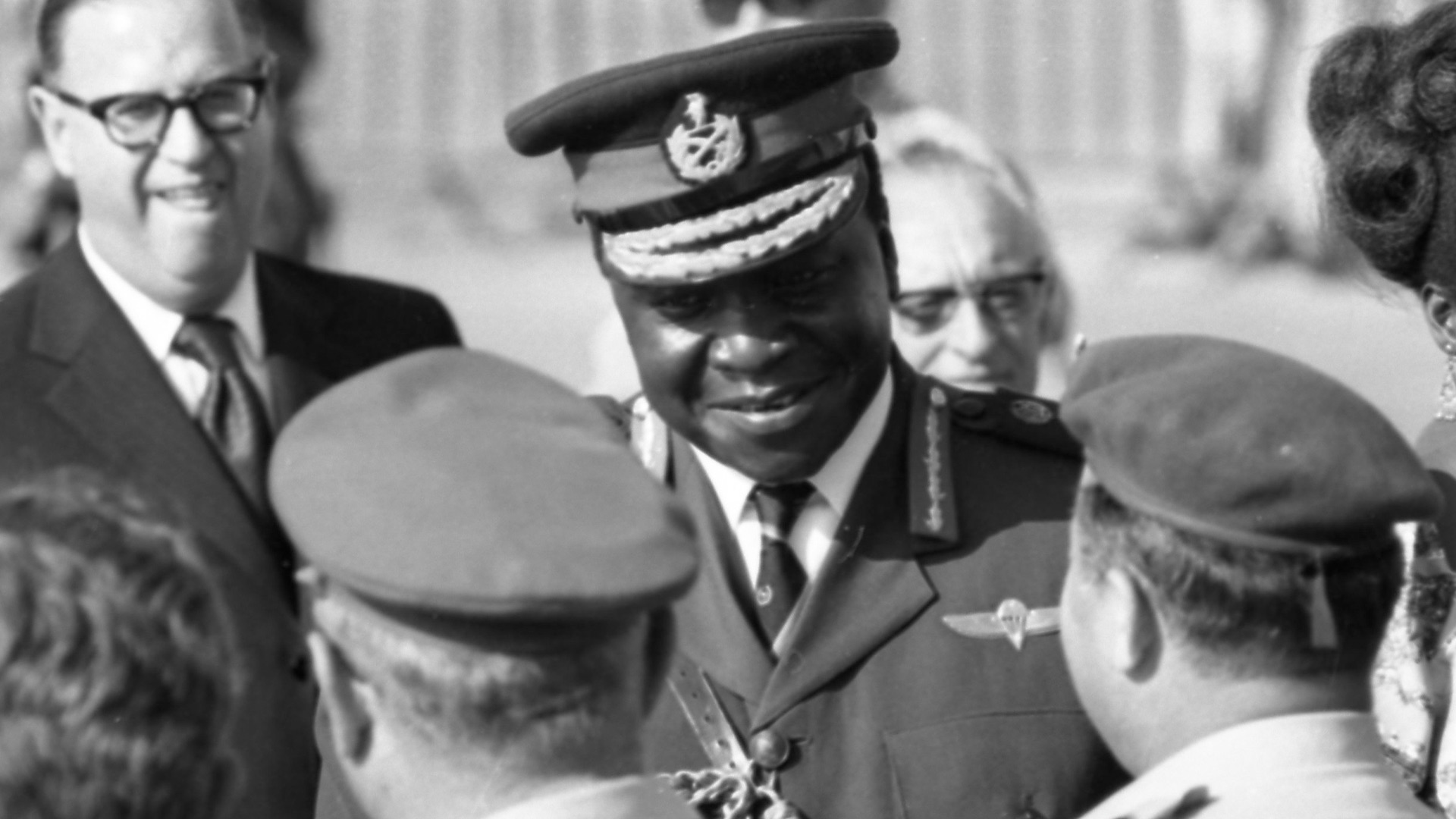 IPPA photographer on Wikimedia
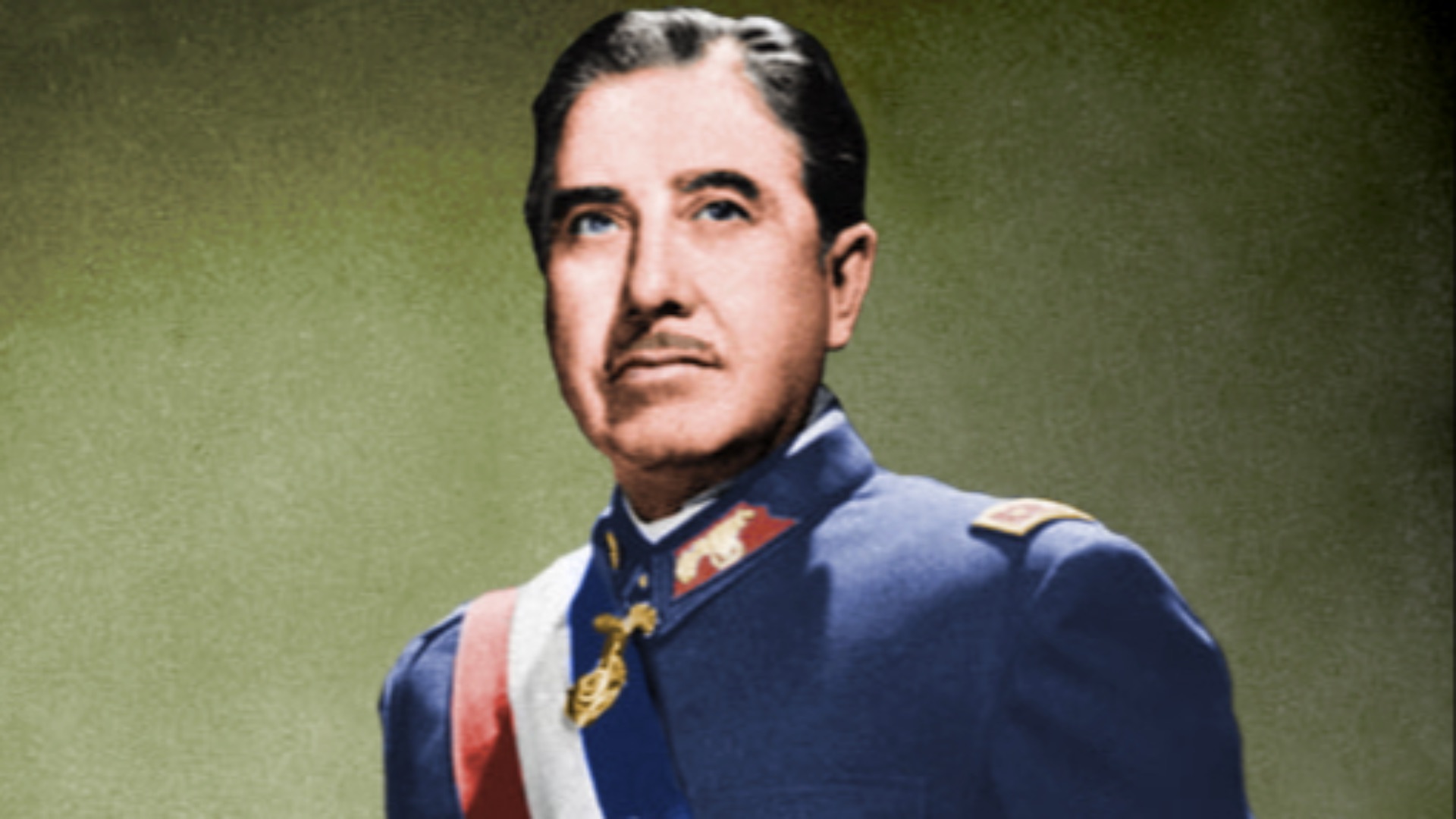
12. Augusto Pinochet (1915–2006)
He led Chile’s military dictatorship during which tens of thousands of opponents were imprisoned, tortured, and killed. The state built an apparatus that treated dissent as something to be crushed rather than debated. You can’t understand modern discussions of accountability in Chile without confronting what his government did.
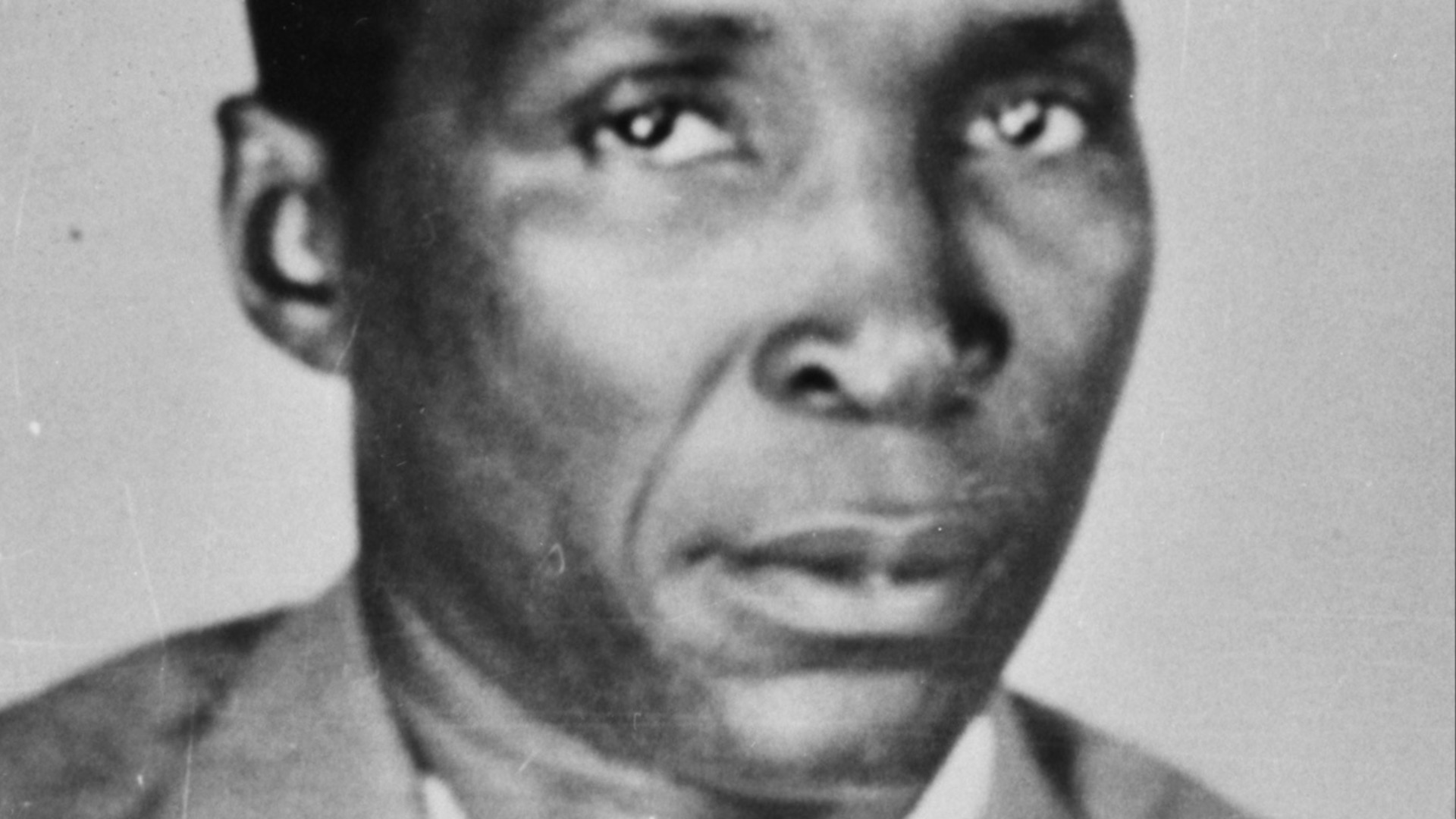
13. Francisco Macías Nguema (1924–1979)
Regarded as one of the worst leaders in African history, he ruled Equatorial Guinea with an extreme cult of personality and violent repression. His regime’s impact is often described in terms of widespread killings, mass fear, and institutional collapse.
14. Kim Il Sung (1912–1994)
He founded and led North Korea from 1948 until his death in 1994, building a one-party state centered on rigid political control and a cult of personality. In June 1950, his government launched the invasion of South Korea, igniting the Korean War and locking the peninsula into decades of militarized repression and fear. Under the system he established, political imprisonment and collective punishment became core tools of rule, with later investigations and reporting describing prison-camp abuses as systematic and severe.
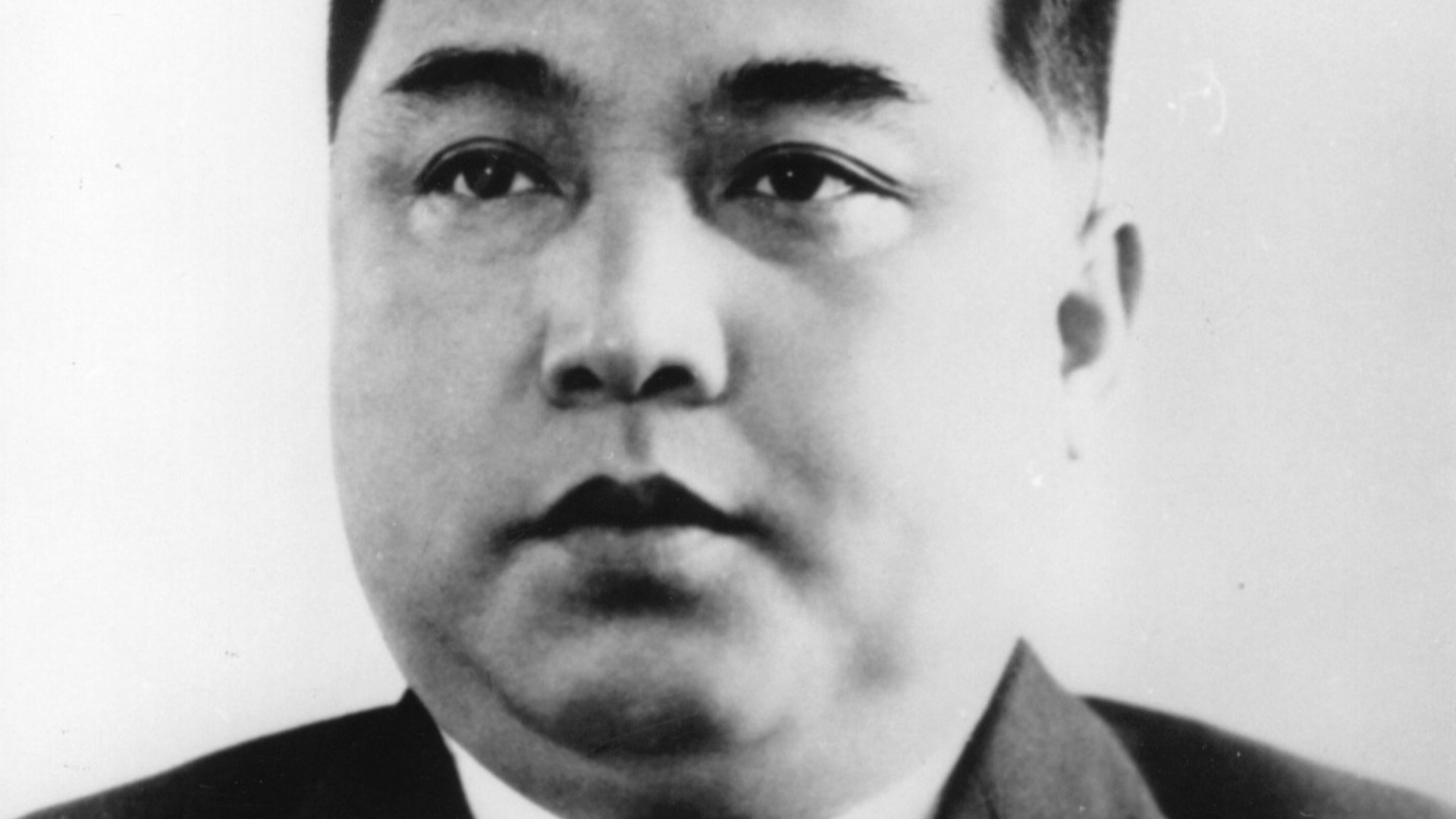 Hulton Archive/Getty Images on Wikimedia
15. Josef Mengele (1911–1979)
At Auschwitz, he used his authority as an SS physician to conduct brutal selections and to carry out inhumane experiments on prisoners, including children and twins. After the war, he evaded capture for decades, avoiding accountability while survivors and investigators documented what had happened.
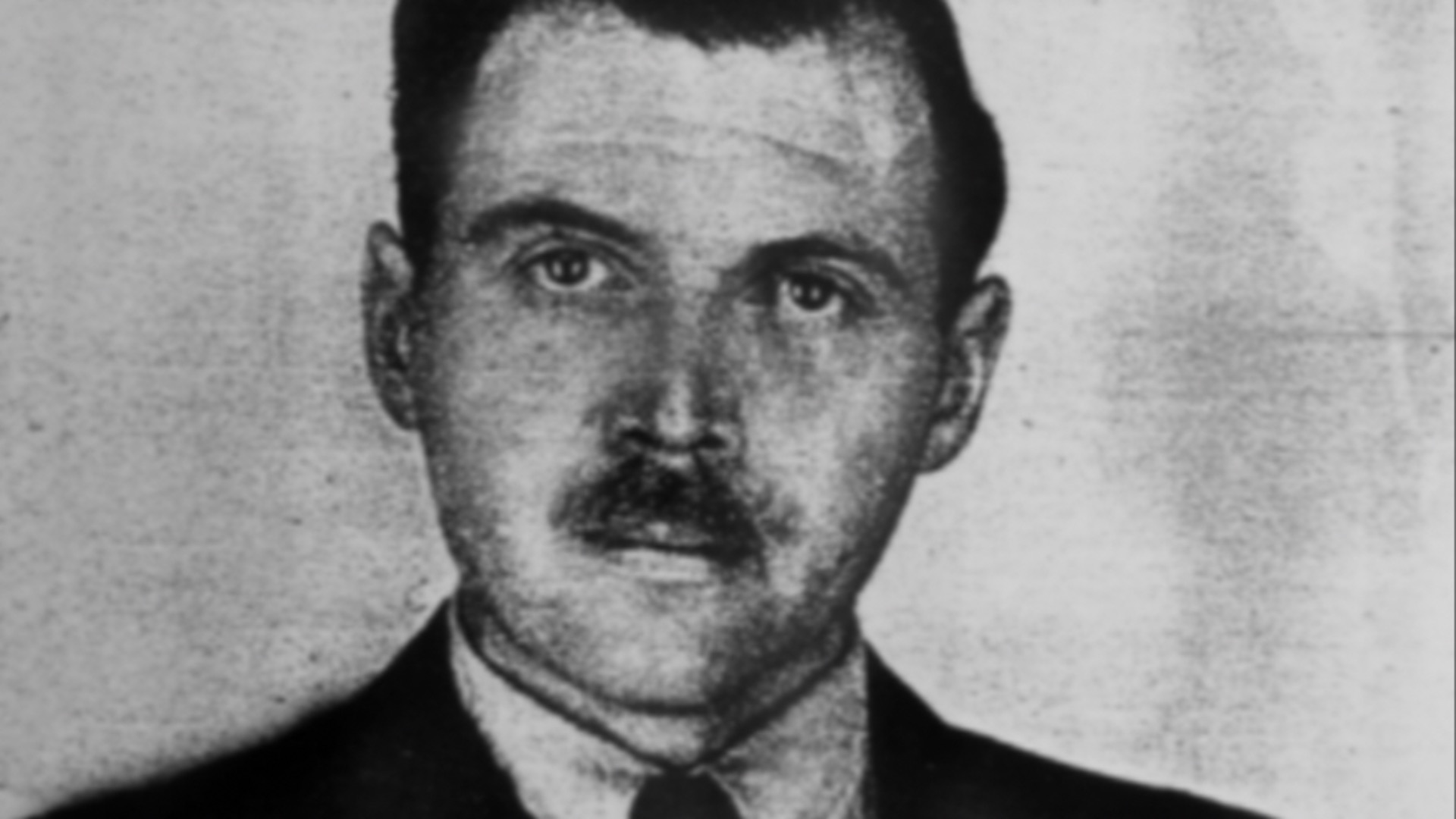 Anonymous photographer, not identified anywhere on Wikimedia
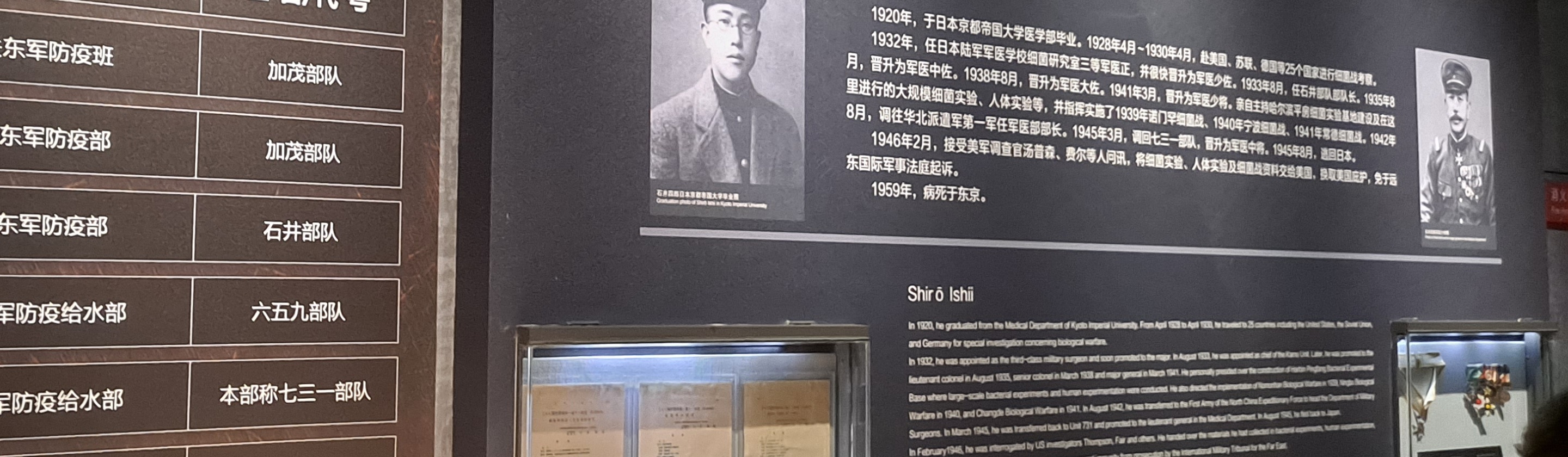
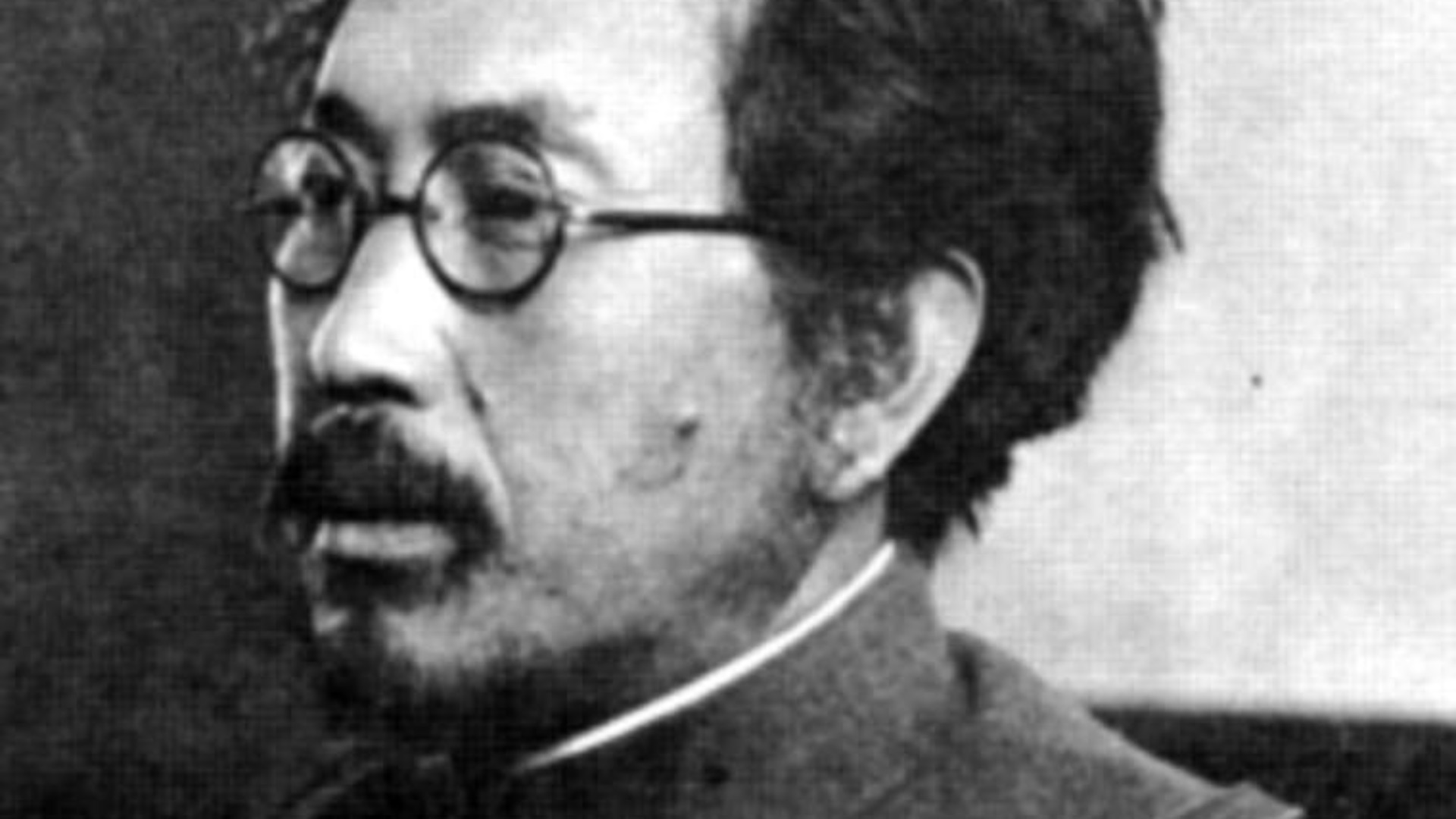
16. Shirō Ishii (1892–1959)
He led Unit 731, tied to biological warfare research and lethal human experimentation during Japan’s war in China. Victims were subjected to cruelty in the name of data and military advantage. It’s one of the clearest examples of what happens when secrecy and dehumanization override every constraint.
17. Ted Bundy (1946–1989)
He used charm and manipulation to gain the trust of victims, then committed heinous acts and serial murders that terrorized multiple communities. The cruelty wasn’t spontaneous; it was repeated, patterned, and calculated. If you’ve ever wondered how someone can look normal while doing horrific things, his case forces that reality on you.
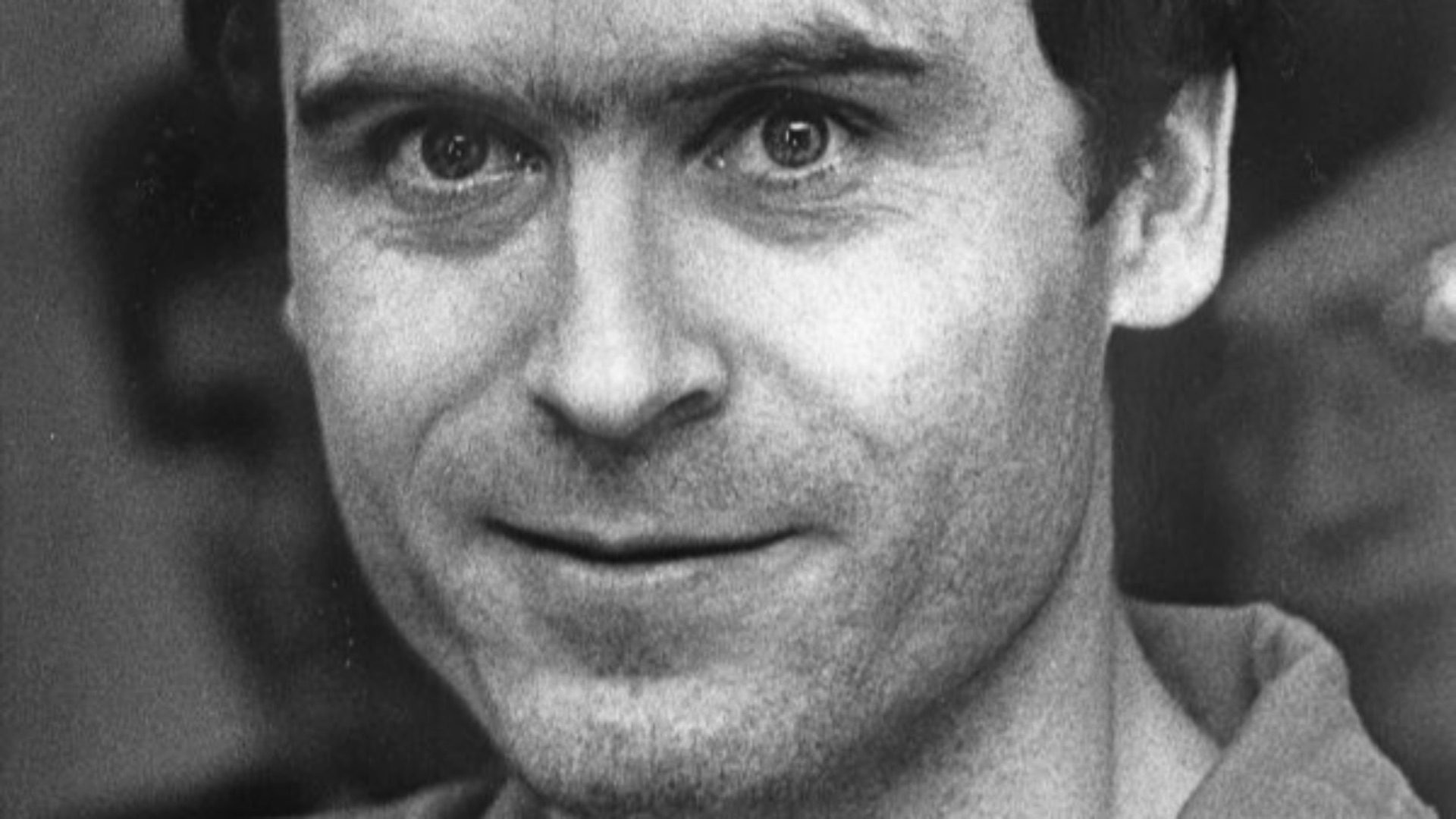 Unknown photographer on Wikimedia
18. John Wayne Gacy (1942–1994)
He murdered dozens of young men and boys while presenting himself as a friendly, active community figure, most notably as “Pogo the Clown.” Investigators ultimately uncovered the scale of his crimes, including victims hidden in and around his home. The dissonance between his public image and private violence is hard to read about, and it should be.
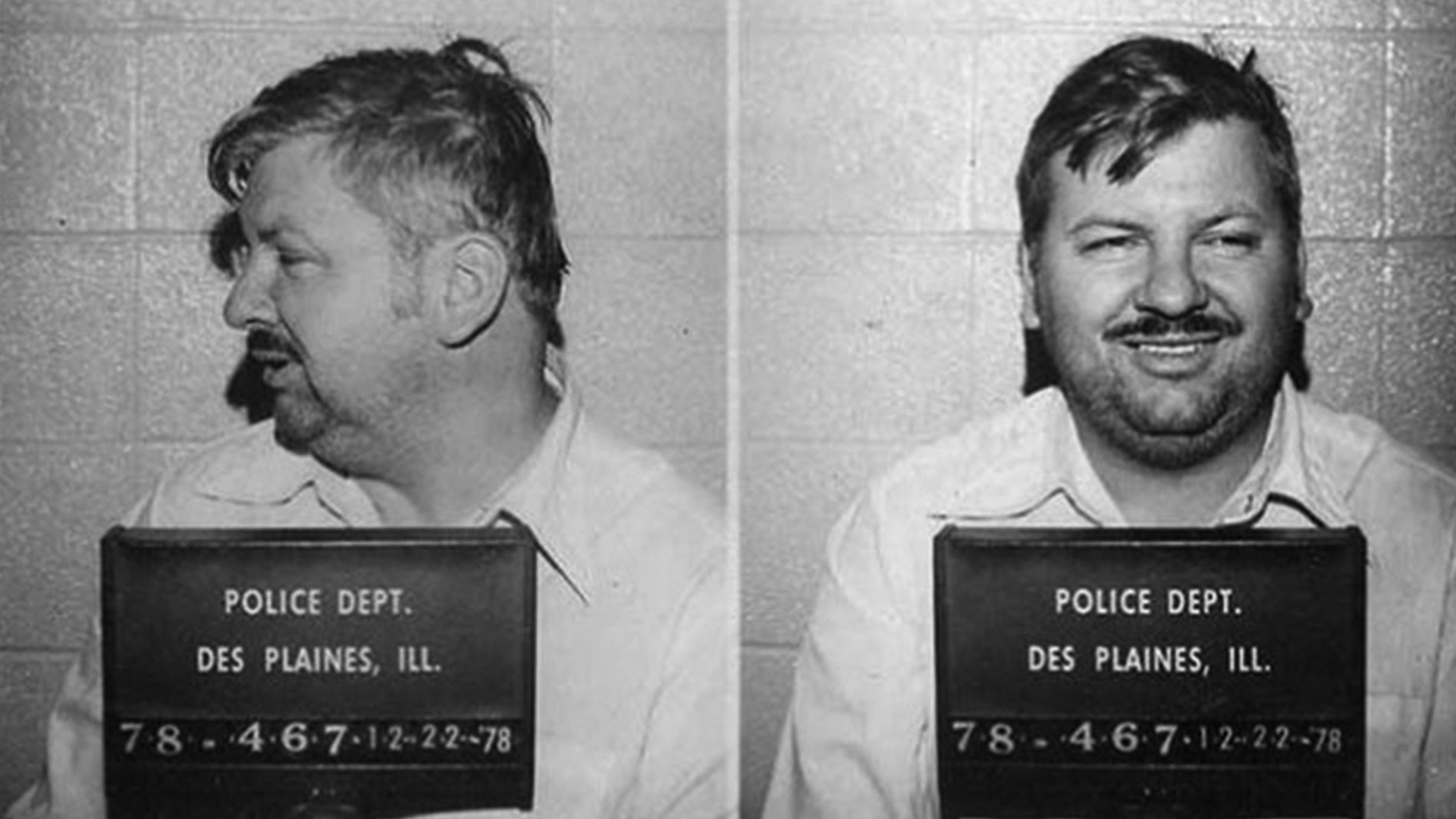 Des Plaines Police Department on Wikimedia
19. Benito Mussolini (1883–1945)
He built Italy into a one-party fascist dictatorship, crushing opposition through censorship, political violence, and a police state. His regime pursued aggressive imperial wars, including the invasion of Ethiopia, and later tied Italy to Nazi Germany in ways that helped widen the devastation of World War II. Italy also adopted state antisemitism under him, including the 1938 racial laws that stripped Jewish Italians of rights and protections.
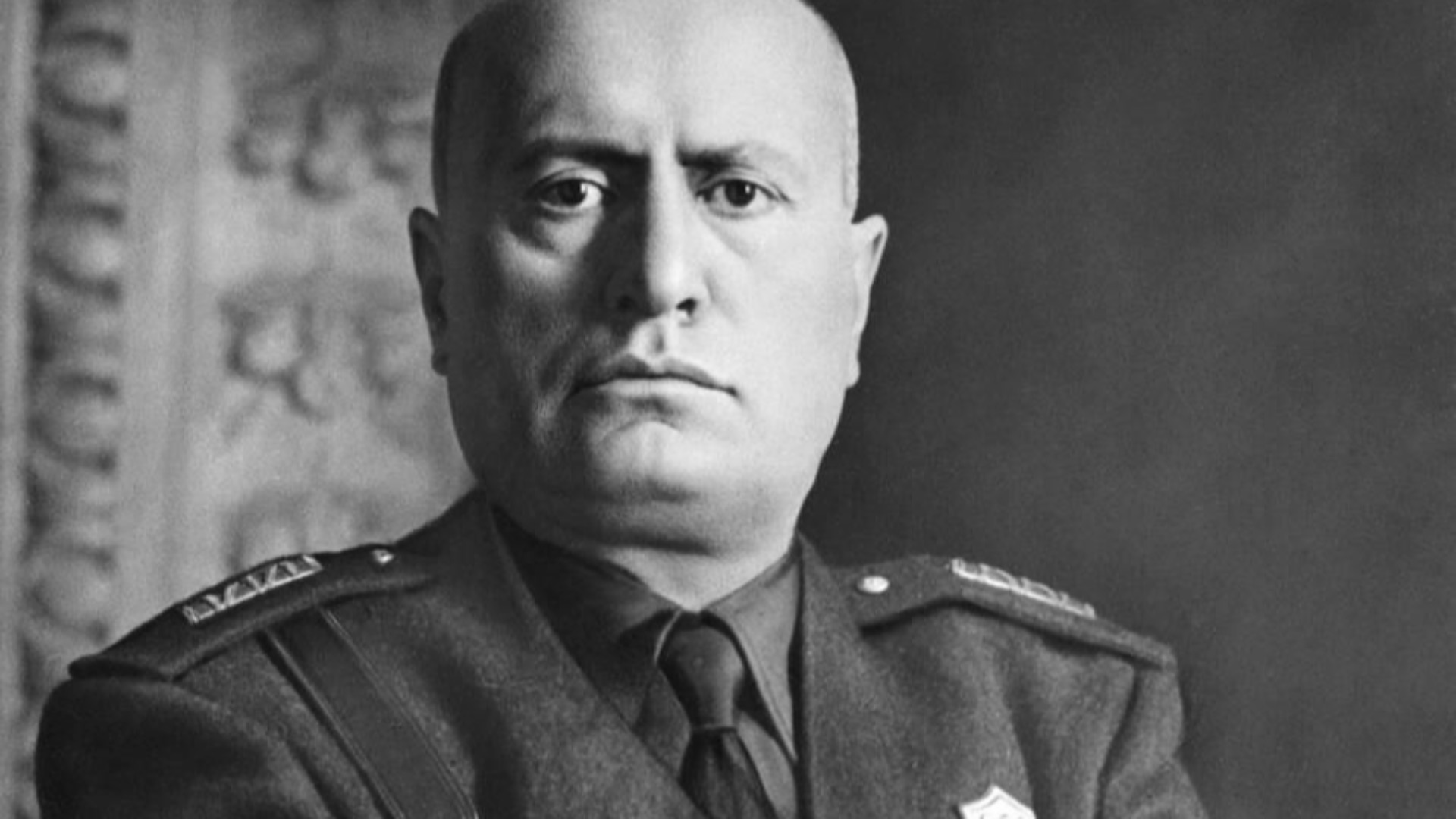
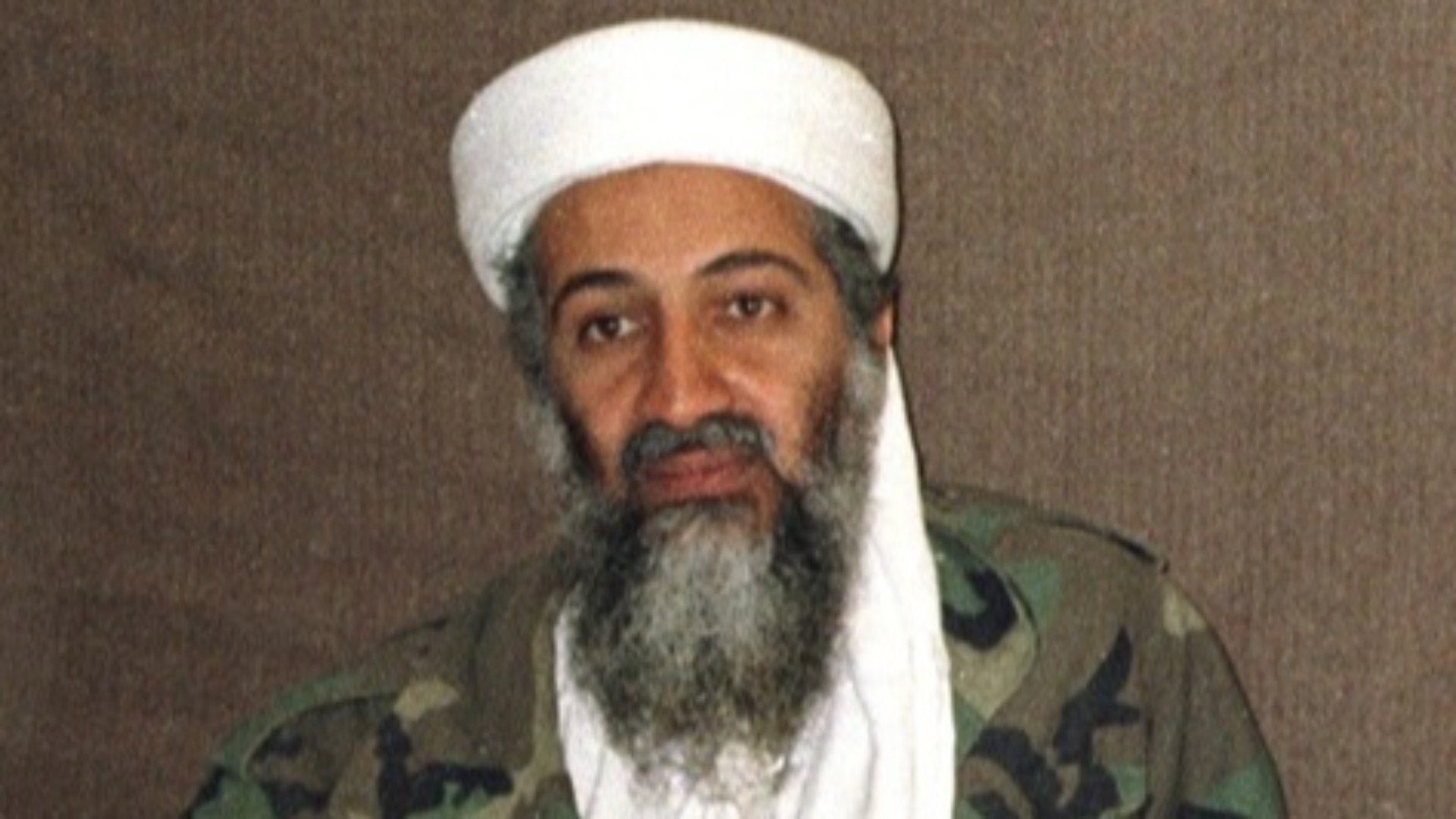
20. Osama bin Laden (1957–2011)
He founded and led al-Qaeda and helped direct a campaign of mass-casualty terrorism against civilians and governments. The 9/11 attacks, planned and carried out by al-Qaeda, killed nearly 3,000 people and drove years of war, surveillance expansion, and global instability. He was killed by U.S. forces on May 2, 2011.
KEEP ON READING