

20 Historical Figures Whose Personal Assistants Had the Worst Lives
Working for Powerful People Wasn't Always a Privilege
Working for someone rich and powerful might sound like a pretty desirable job, especially when that person happens to rule an entire country. However, history is full of personal secretaries, attendants, and trusted servants who discovered that being close to power came with some seriously unpleasant consequences. From royal employees who were executed for knowing too much to exhausted aides who couldn't escape their demanding employers, some of history's most famous figures made life particularly miserable for those working behind the scenes. Here are 20 historical figures whose personal assistants probably wished they'd chosen a different career.
1. Henry VIII
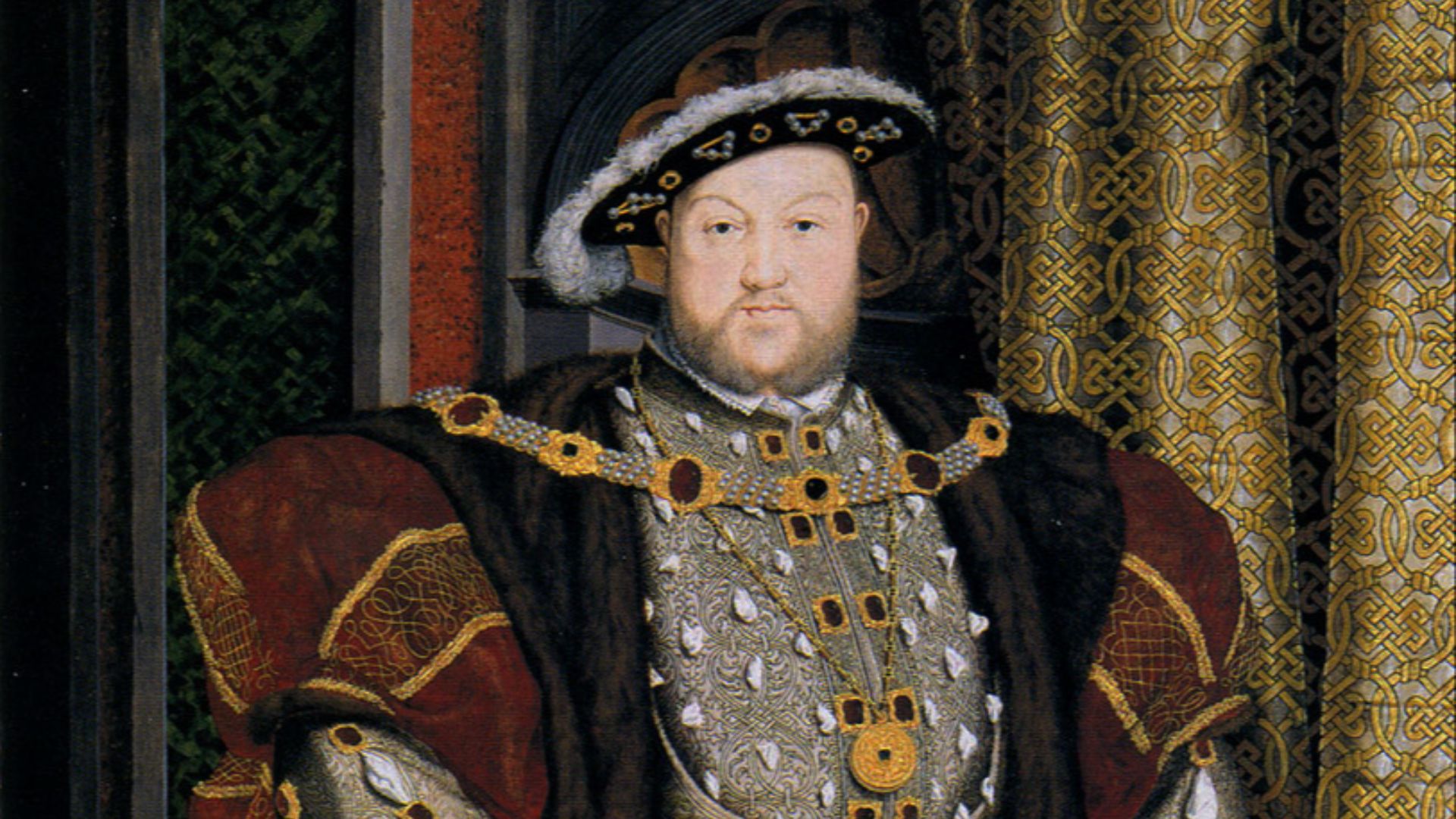
Working for Henry VIII was particularly dangerous because even his most trusted advisers weren't guaranteed to survive. Thomas Cromwell spent years managing the king's political affairs, arranging marriages, and getting rid of opponents before finding himself accused of treason. Henry had him executed in 1540 following the disastrous marriage arrangement with Anne of Cleves, despite Cromwell's years of loyal service. The king reportedly regretted the decision afterward, although that wasn't much consolation to his former chief minister.
 Unknown authorUnknown author on Wikimedia
2. Napoleon Bonaparte
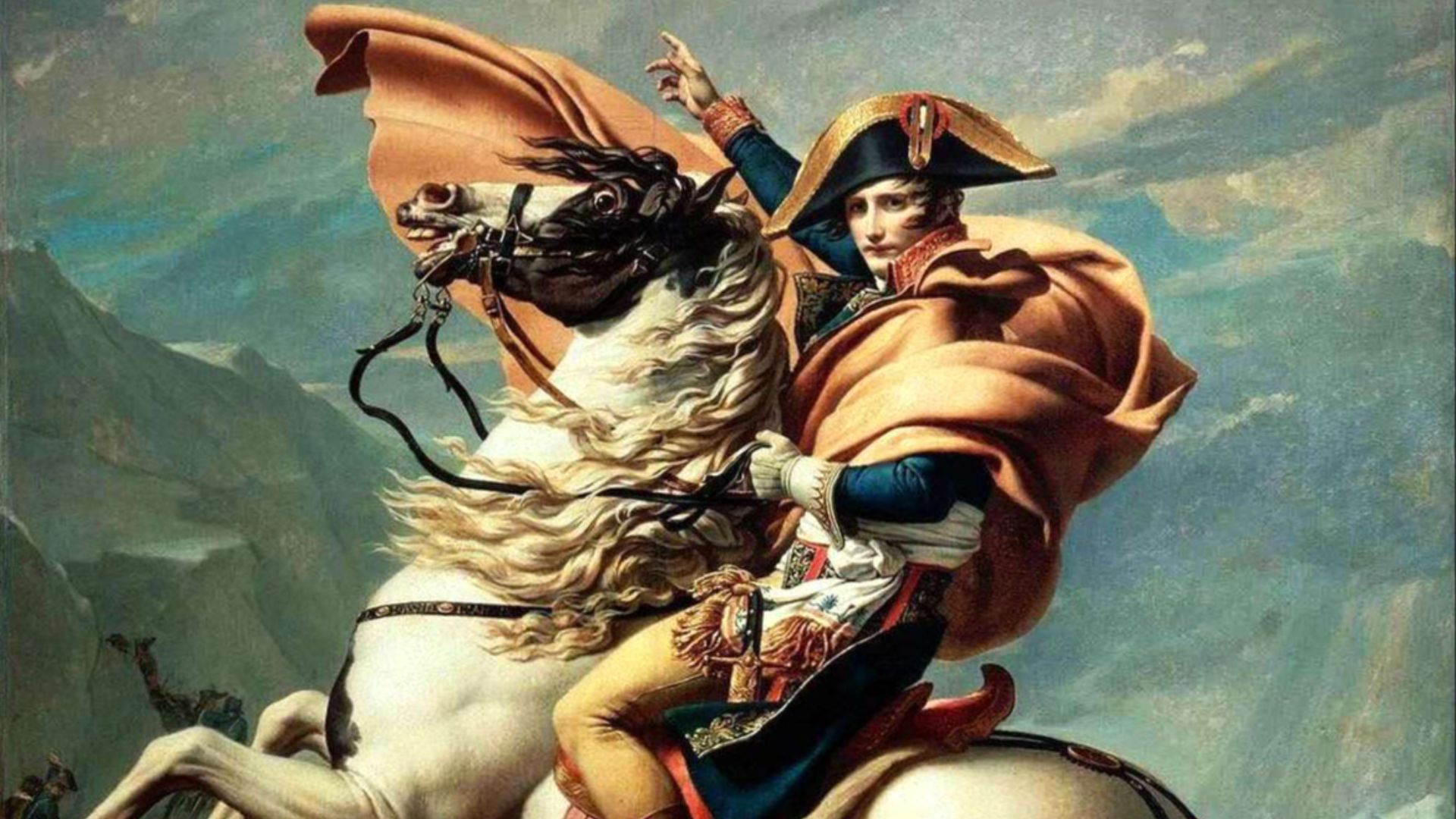
Napoleon's personal valet, Louis-Joseph Marchand, showed extraordinary loyalty to an employer whose political ambitions made ordinary domestic service nearly impossible. After Napoleon's downfall, Marchand followed him into exile on Elba and eventually to the remote island of Saint Helena. His daily responsibilities included dressing the former emperor, preparing meals, nursing him, reading aloud, and occasionally handling secretarial work. Although Napoleon rewarded his devotion in his will, Marchand had already sacrificed years of his life caring for a man who wasn't particularly interested in a quiet retirement.
 Jacques-Louis David on Wikimedia
3. Cleopatra VII
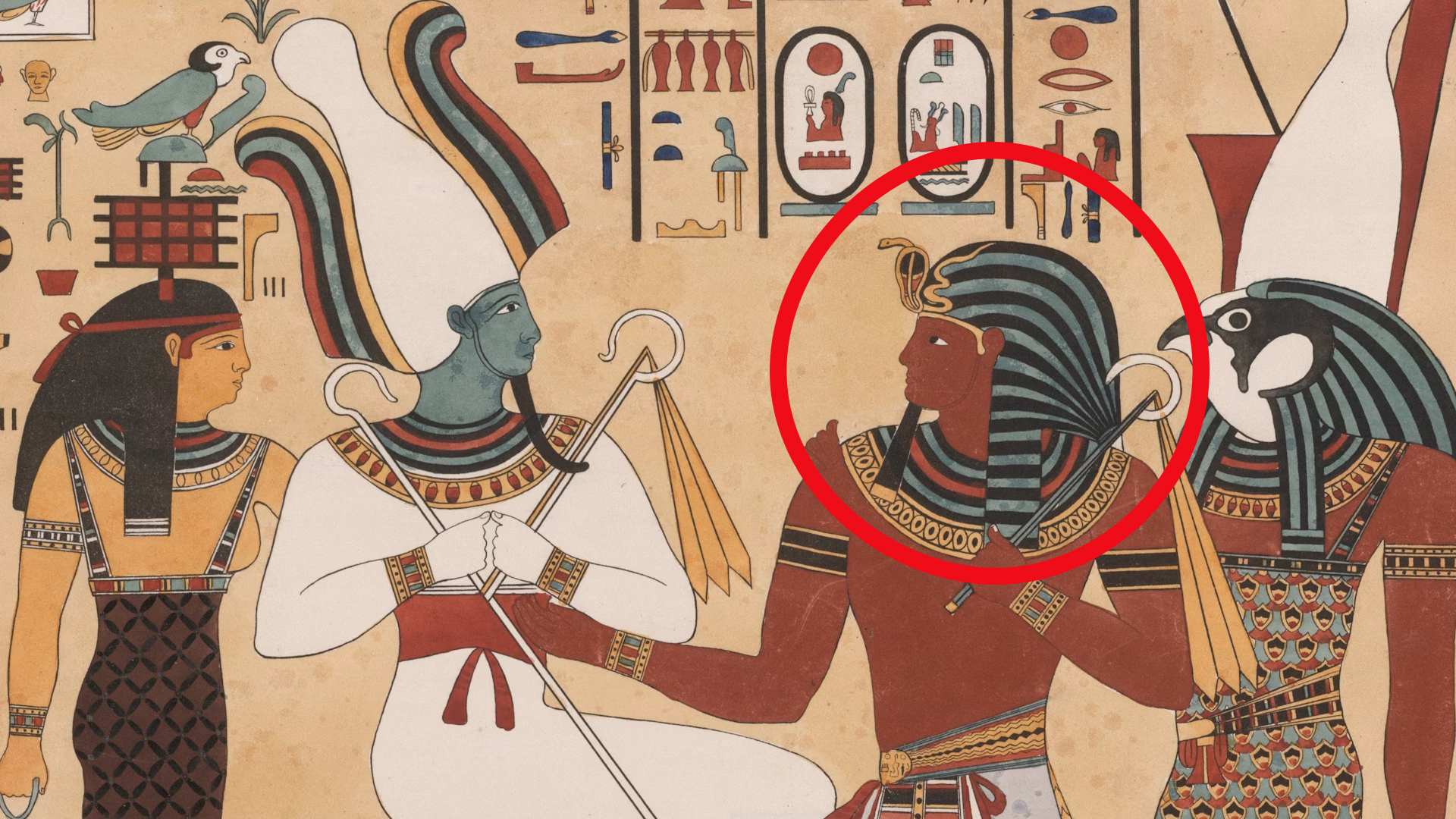
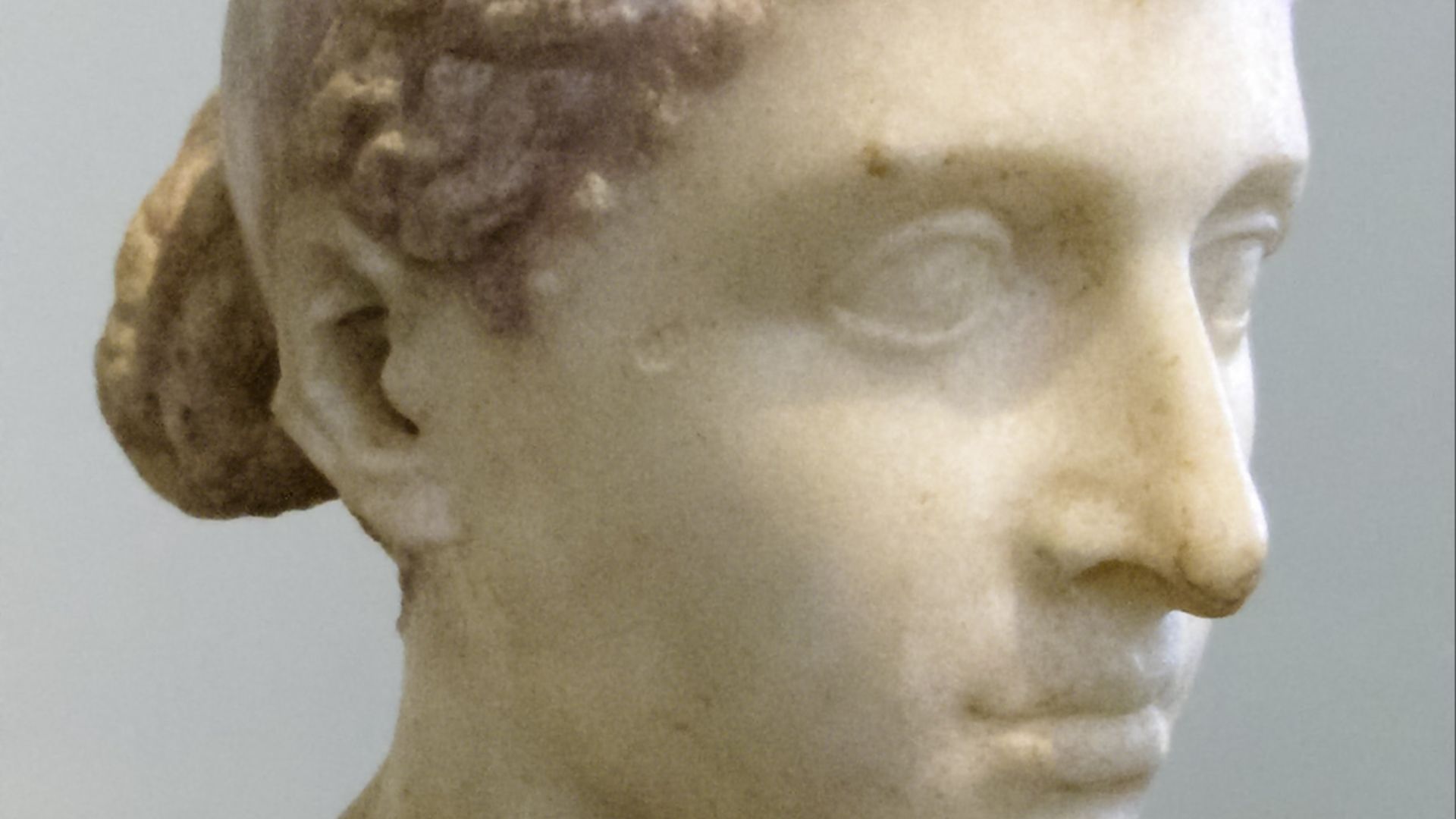
Cleopatra's personal attendants had far more responsibility than simply helping the Egyptian queen prepare for public appearances. According to the ancient historian Plutarch, two of her closest servants, Iras and Charmion, stayed by her side as she prepared to end her life following her defeat by Octavian. When Roman soldiers entered the chamber, they reportedly found Cleopatra dead, Iras dying, and Charmion struggling to straighten the queen's crown before collapsing herself. While the exact circumstances remain uncertain, the account suggests that serving Cleopatra could demand loyalty up until the very end.
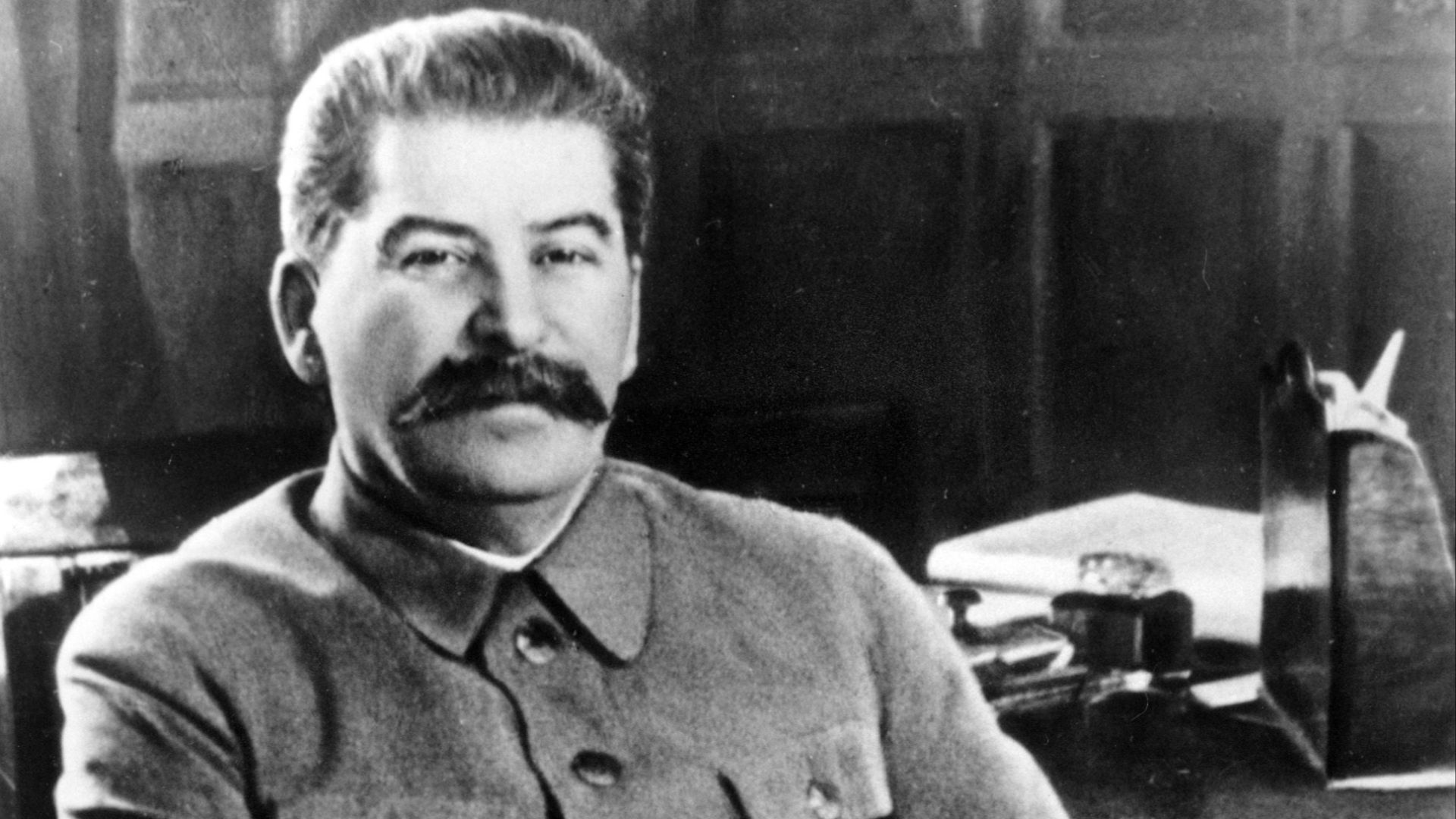
4. Joseph Stalin
Alexander Poskrebyshev served as Stalin's personal secretary for decades, handling sensitive documents and managing access to one of the world's most feared dictators. Unfortunately, his important position couldn't protect his family from Stalin's political terror, and his wife Bronislava was arrested in 1939 and executed two years later. Meanwhile, Poskrebyshev had to continue working for the man at the center of the system responsible for her death.
5. Mary, Queen of Scots
David Rizzio originally entered Mary's service as a musician before becoming her private secretary and trusted companion. His growing influence attracted the jealousy of Mary's husband, Lord Darnley, who helped organize a plot against him. In March 1566, armed conspirators dragged Rizzio away from the pregnant queen during a private supper and stabbed him dozens of times, which is a pretty horrendous end to a secretarial career.
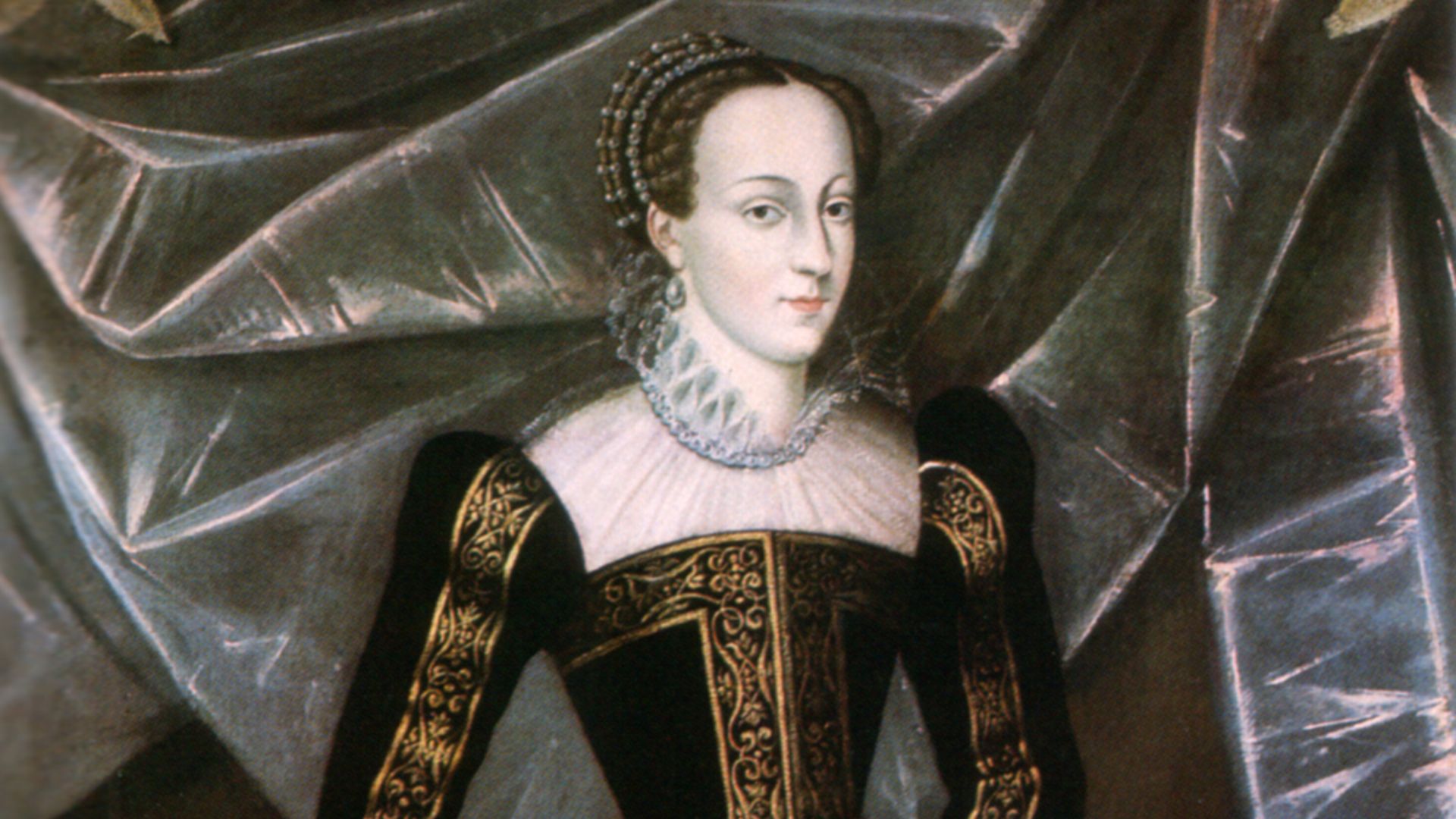 Unidentified painter on Wikimedia
6. Ivan the Terrible
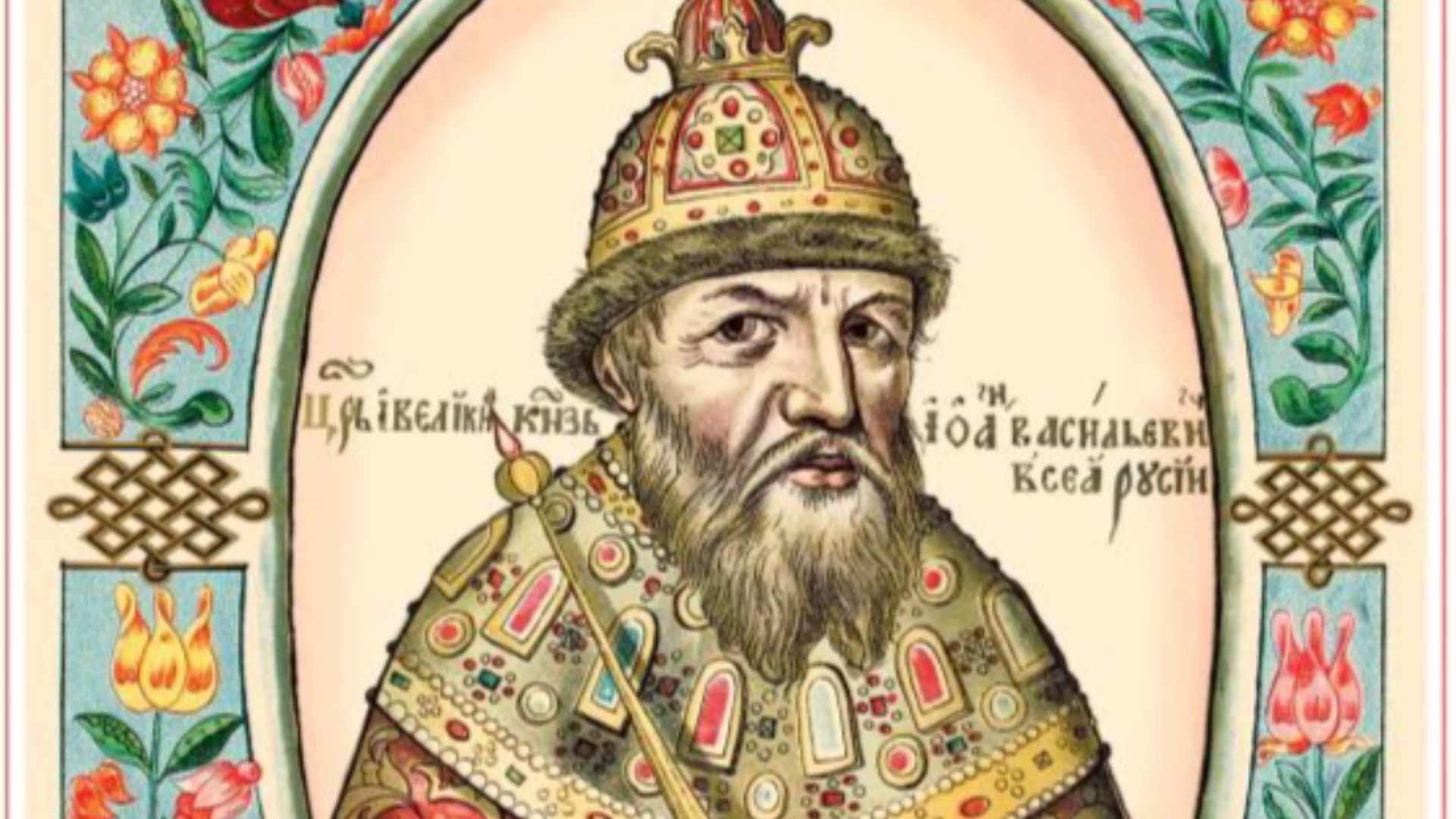
Working closely with Ivan the Terrible meant knowing that years of loyal service offered little protection from his unpredictable wrath. His trusted adviser Alexei Basmanov helped establish the oprichnina, the notorious organization responsible for enforcing the tsar's violent political purges. However, Basmanov eventually fell under suspicion himself and was executed or killed during the purges around 1570, although accounts differ on the circumstances. After helping Ivan terrorize his enemies, Basmanov discovered that even the tsar's closest supporters weren't safe from his paranoia.
7. Nero
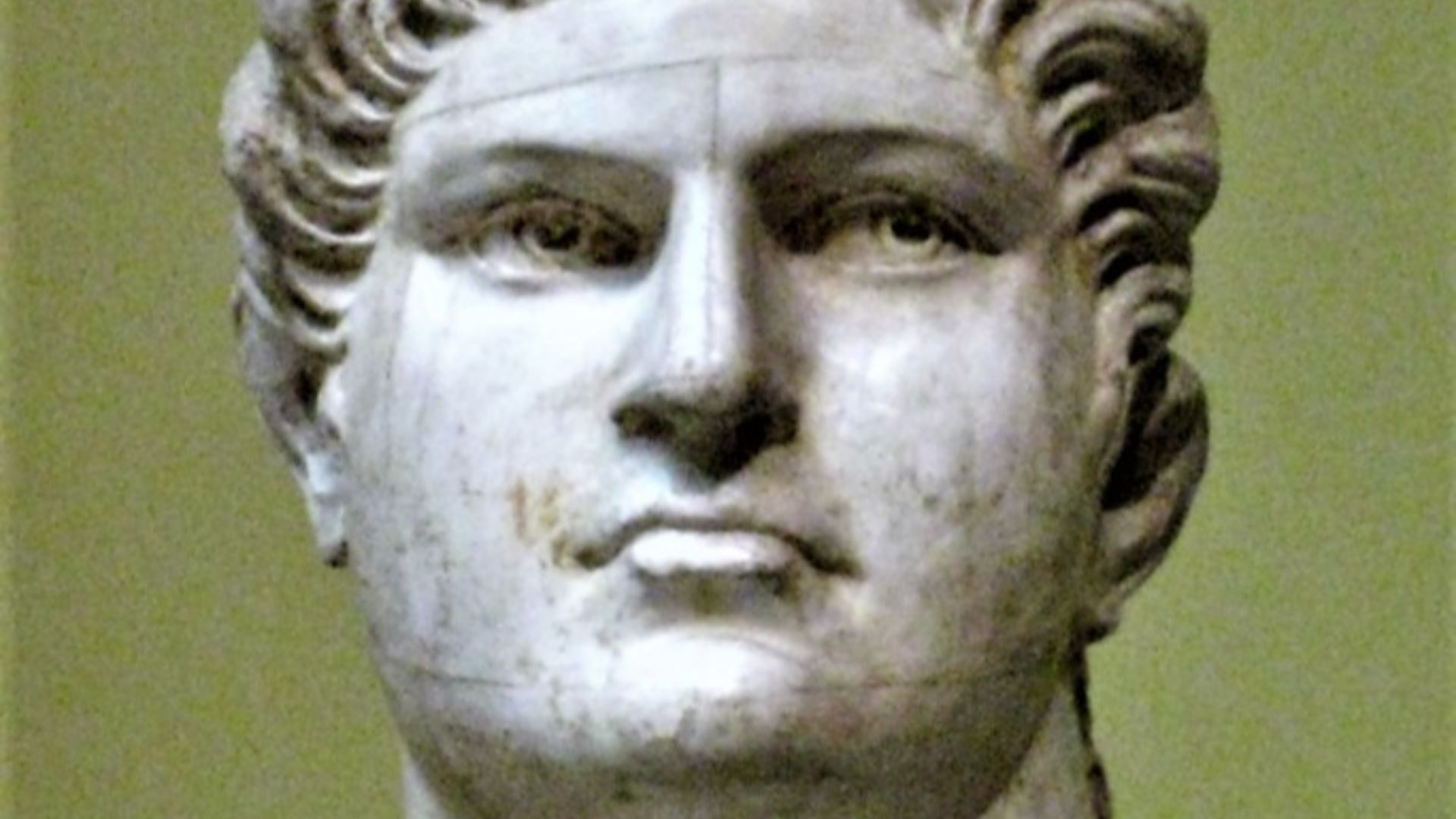
The Roman emperor Nero employed a secretary named Epaphroditus whose career took an especially dangerous turn. When Nero faced rebellion and decided to end his life in 68 AD, Epaphroditus reportedly helped him complete the suicide. Although he survived the immediate political upheaval and later served another emperor, Domitian, his involvement in Nero's death eventually came back to haunt him. Around 95 AD, Domitian ordered his execution, apparently because he'd assisted the former emperor rather than letting him face capture.
8. Marie Antoinette
Jeanne-Louise-Henriette Campan spent years serving Marie Antoinette as a lady-in-waiting, confidante, and keeper of the queen's valuables. Unfortunately, her close association with the royal family became increasingly dangerous as revolutionary hostility toward the French monarchy grew. The Revolution separated Campan from her employer, disrupted her finances, and left her facing political suspicion. She survived and eventually established a successful school, but the collapse of the monarchy had already ended the comfortable career she'd spent decades building.
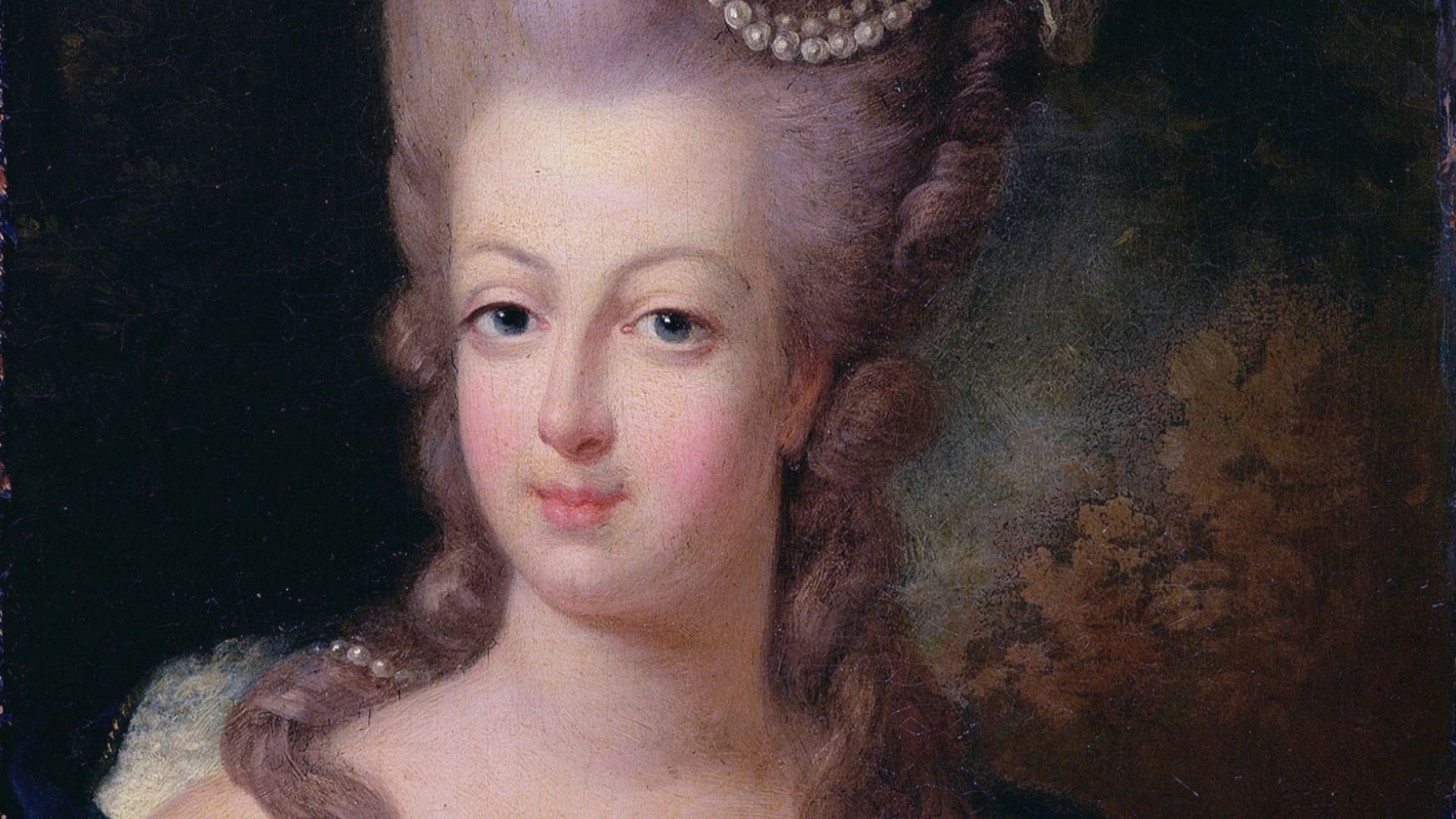 After Jean-Baptiste André Gautier-Dagoty on Wikimedia
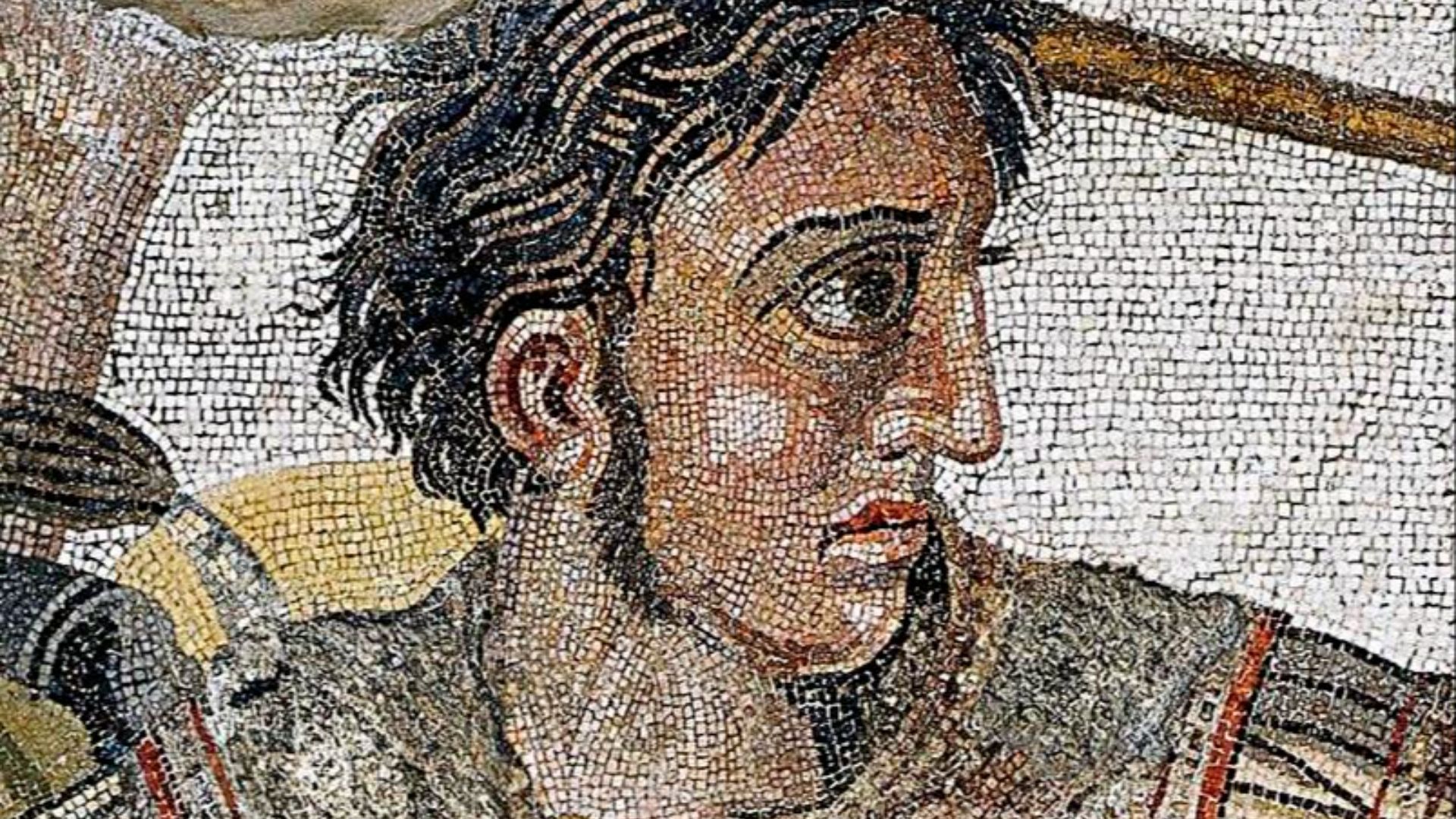
9. Alexander the Great
Eumenes of Cardia served as a royal secretary for both Philip II of Macedon and his son, Alexander the Great. Despite starting in an administrative role, he became heavily involved in military and political struggles, particularly after Alexander's death in 323 BC. Eumenes eventually commanded armies during the wars between Alexander's successors, facing powerful rivals who resented both his influence and his outsider status. His career came to a fatal end in 316 BC, when his own troops surrendered him to an enemy commander.
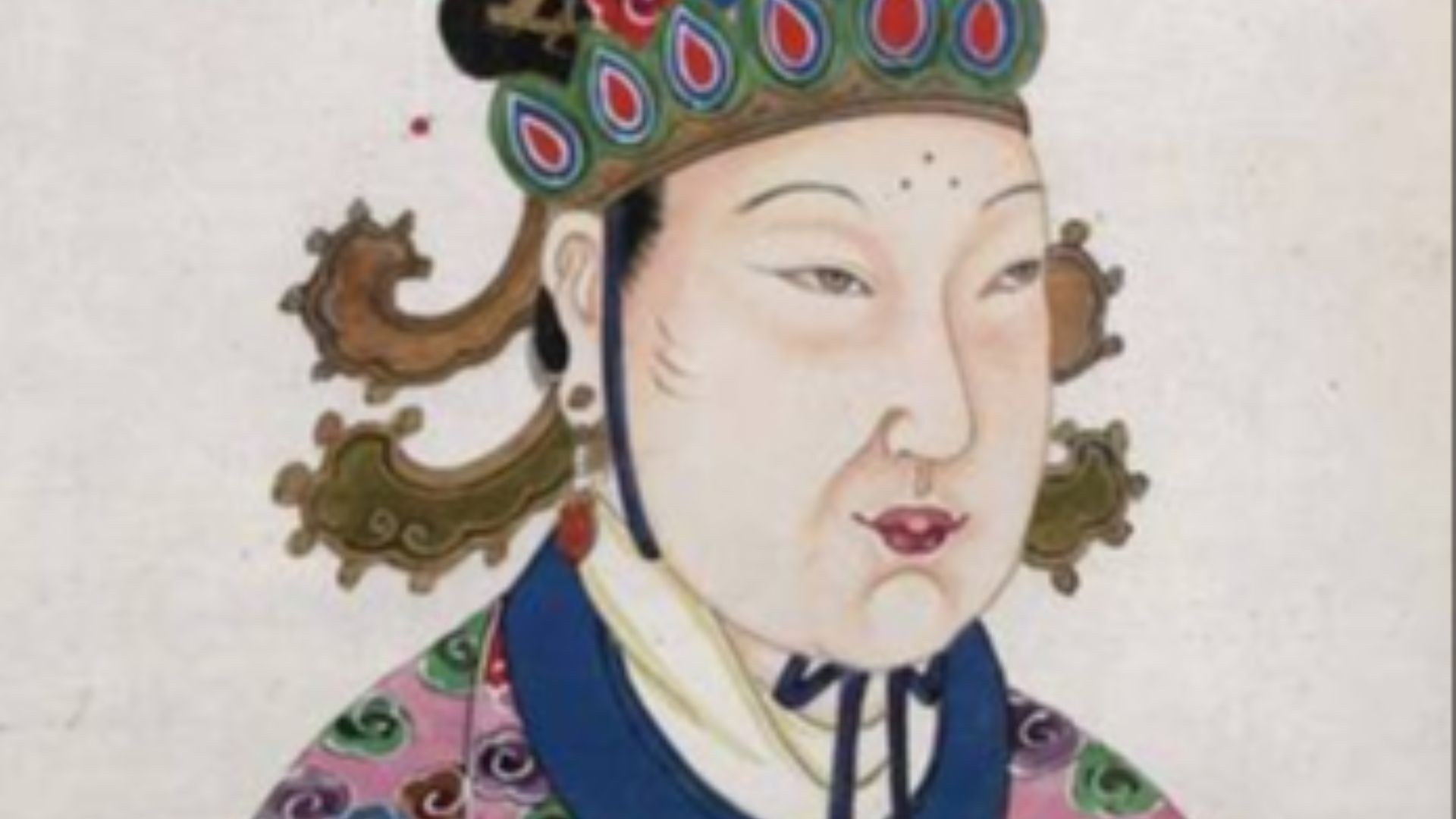
10. Wu Zetian
China's only female emperor, Wu Zetian, employed an exceptionally talented secretary named Shangguan Wan'er, whose childhood had already been devastated by imperial politics. After her grandfather and father were executed, Shangguan and her mother were forced into palace servitude, where the young woman eventually caught Wu's attention with her intelligence. Although she rose to become a powerful adviser, she reportedly received a facial tattoo as punishment after displeasing the empress, and although Shangguan survived Wu's eventual downfall, she was killed during another palace coup in 710.
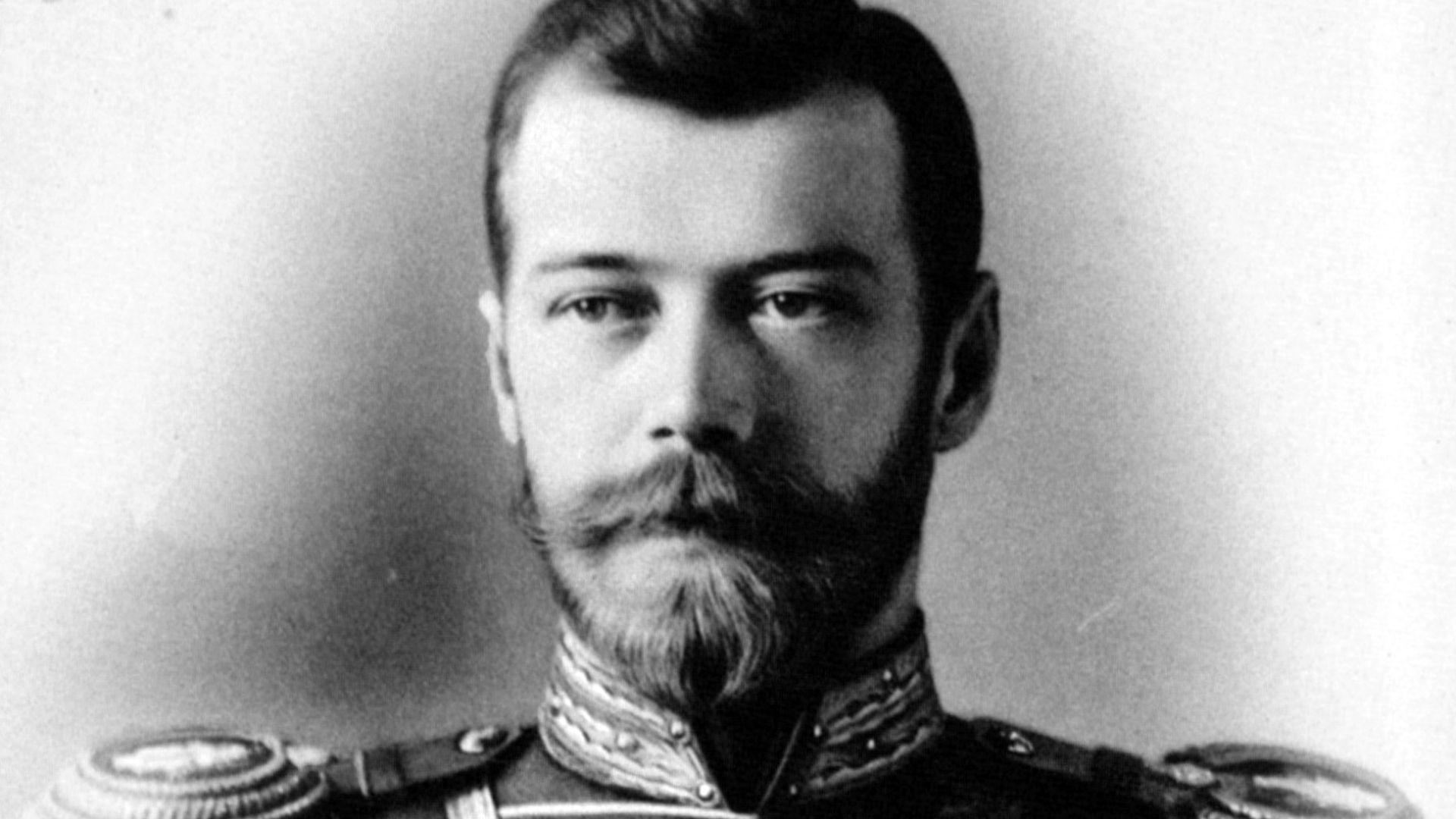
11. Nicholas II of Russia
Being part of the last Russian emperor's household became an especially dangerous occupation during the Russian Revolution. When Nicholas II and his family were imprisoned, several loyal employees stayed with them, including physician Eugene Botkin, maid Anna Demidova, cook Ivan Kharitonov, and footman Alexei Trupp. Their devotion ended tragically in July 1918, when Bolshevik guards executed the imperial family and all four servants inside a house in Yekaterinburg. These employees had never ruled Russia themselves, but their close association with the former emperor was enough to cost them their lives.
12. Queen Victoria
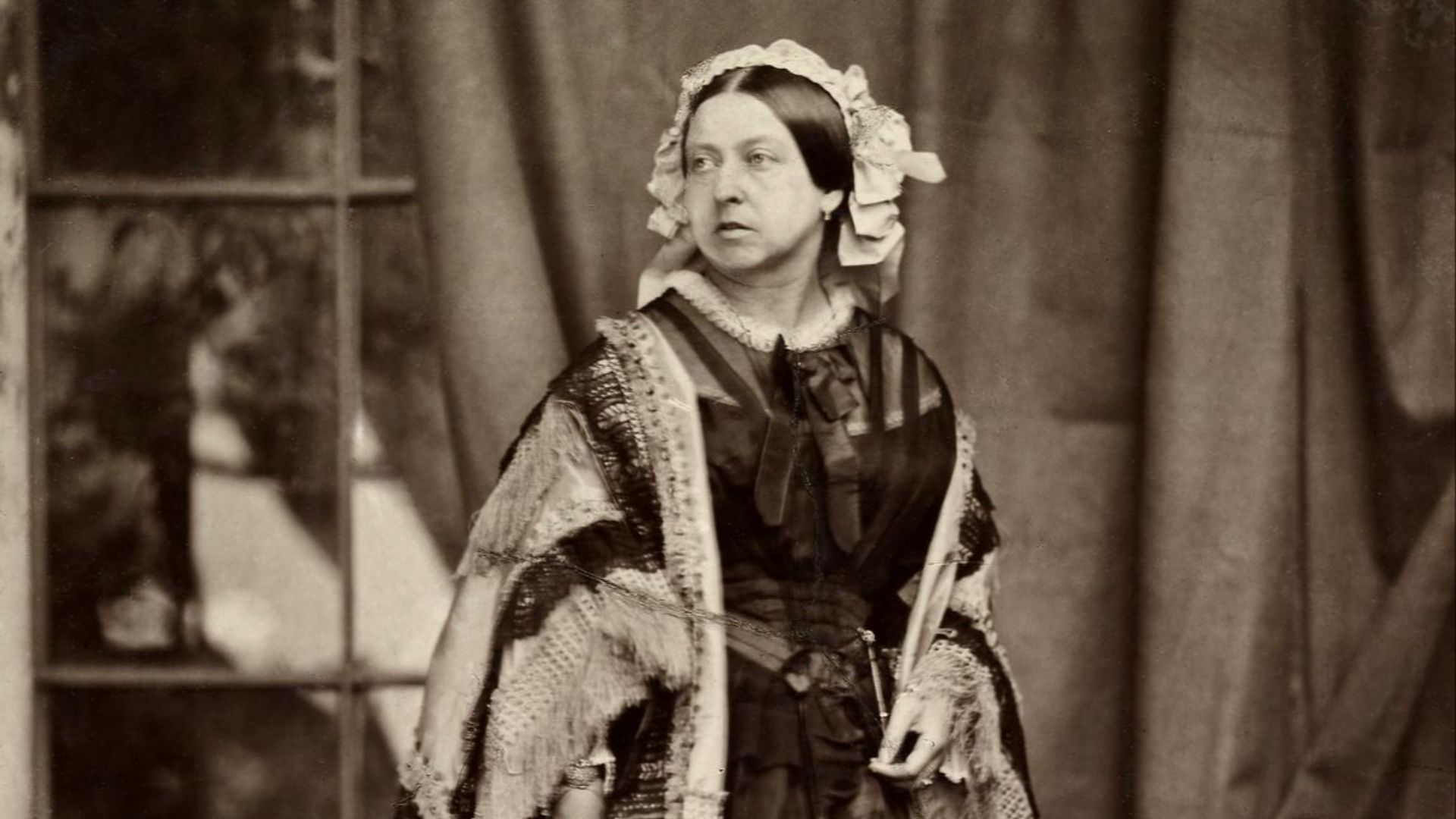
Abdul Karim arrived at Queen Victoria's court in 1887 and soon became one of her closest companions, eventually serving as her teacher and private secretary. Their friendship angered members of the royal household, who resented his influence and subjected him to years of racist hostility. After Victoria died in 1901, her son Edward VII ordered the queen's letters to Karim destroyed and sent him back to India. Although Karim received financial benefits from his service, he spent much of his time at court dealing with people who couldn't stand his close relationship with the monarch.
 John Jabez Edwin Mayall on Wikimedia
13. Mao Zedong
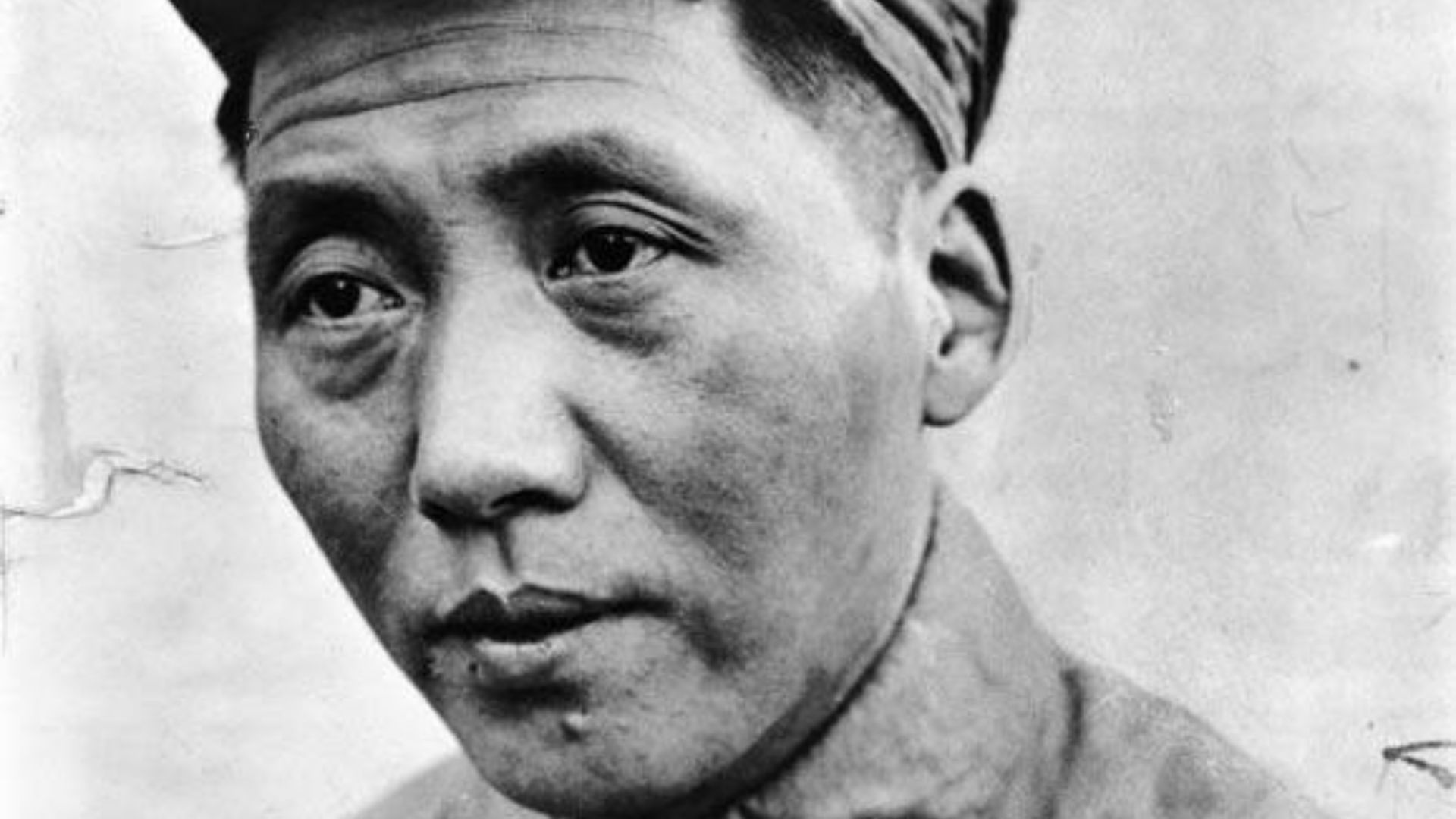
Dr. Li Zhisui became Mao Zedong's personal physician in 1954, beginning a professional relationship that would last more than two decades. According to Li's memoir, he had to remain constantly available, accommodate Mao's unpredictable demands, and carefully navigate the dangerous political atmosphere surrounding the Chinese leader. His attempts to leave the position reportedly went nowhere, while his family life and ambitions to practice surgery suffered considerably. Li eventually left China and published an account of his experiences, although some of his recollections have since been disputed.
 Unknown photographer on Wikimedia
14. Catherine Howard
Catherine Howard's attendant Jane Boleyn, Lady Rochford, had the unfortunate job of helping manage the young queen's private affairs during her marriage to Henry VIII. She became involved in arranging Catherine's secret meetings with Thomas Culpeper, a member of the royal household. When investigators discovered the relationship, Jane was interrogated and implicated in the scandal that ultimately brought down her mistress. Both women were executed in February 1542, making Jane's involvement in the queen's personal business a decision with devastating consequences.
 Hans Holbein the Younger on Wikimedia
15. George Washington
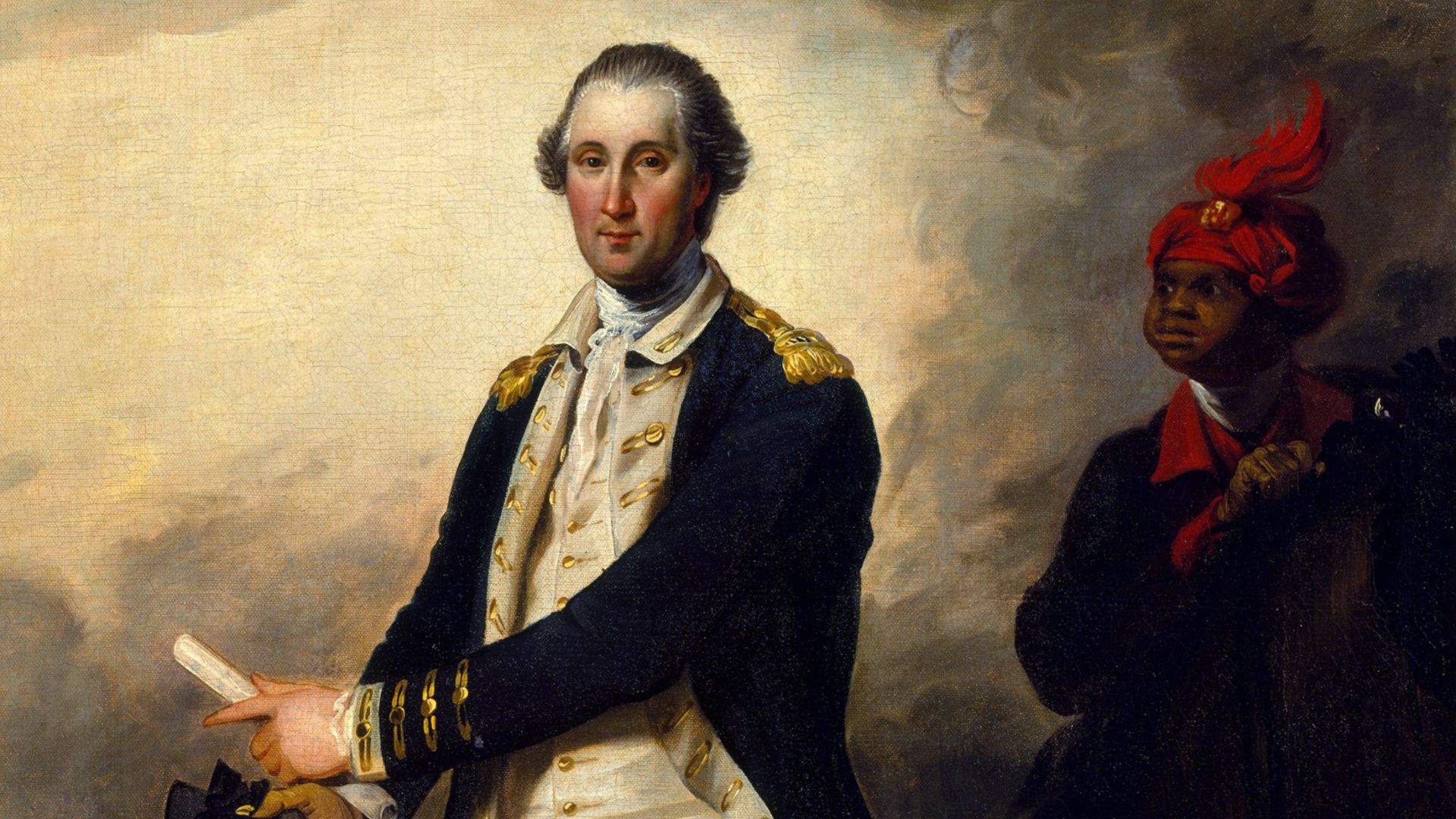
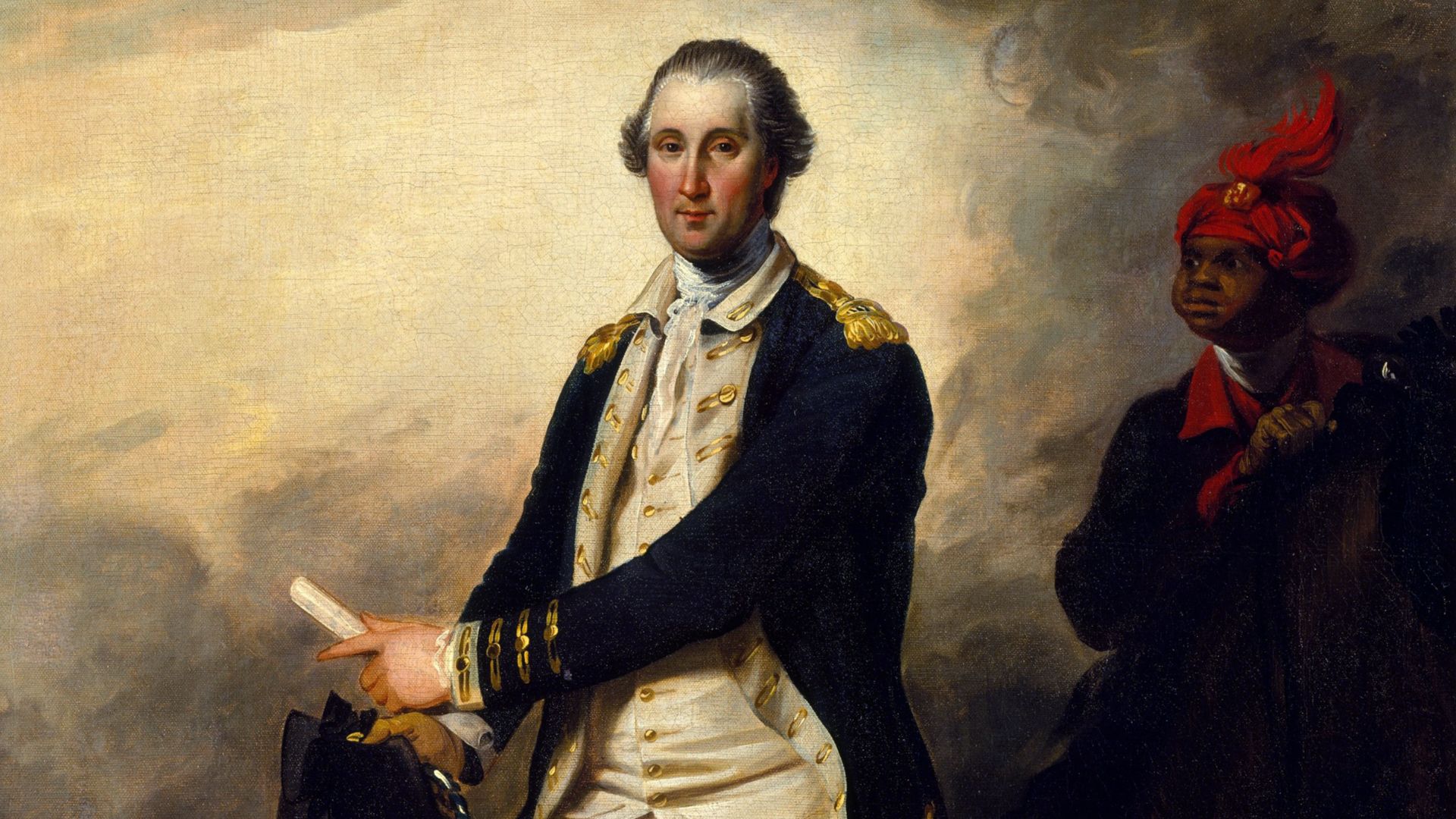
William Lee served as George Washington's personal valet for more than two decades, accompanying him throughout much of the American Revolutionary War. His duties included preparing Washington's clothing, looking after personal belongings, delivering messages, and remaining available during exhausting military campaigns. Unlike a modern assistant, Lee was enslaved and couldn't simply quit, while injuries suffered during his service eventually limited his mobility. Washington granted him freedom in his will, but that recognition came only after Lee had spent most of his working life without control over his own circumstances.
16. Louis XVI
Jean-Baptiste Cléry served as Louis XVI's personal valet during the French king's imprisonment in the Temple Tower. Rather than attending to a comfortable royal household, Cléry found himself caring for a monarch who'd lost his authority and faced an increasingly uncertain future. He stayed with Louis during his final months before the king's execution in January 1793, only to face arrest himself later that year. Cléry ultimately survived and wrote a memoir about his experiences, offering a rare firsthand account of the imprisoned royal family's final days.
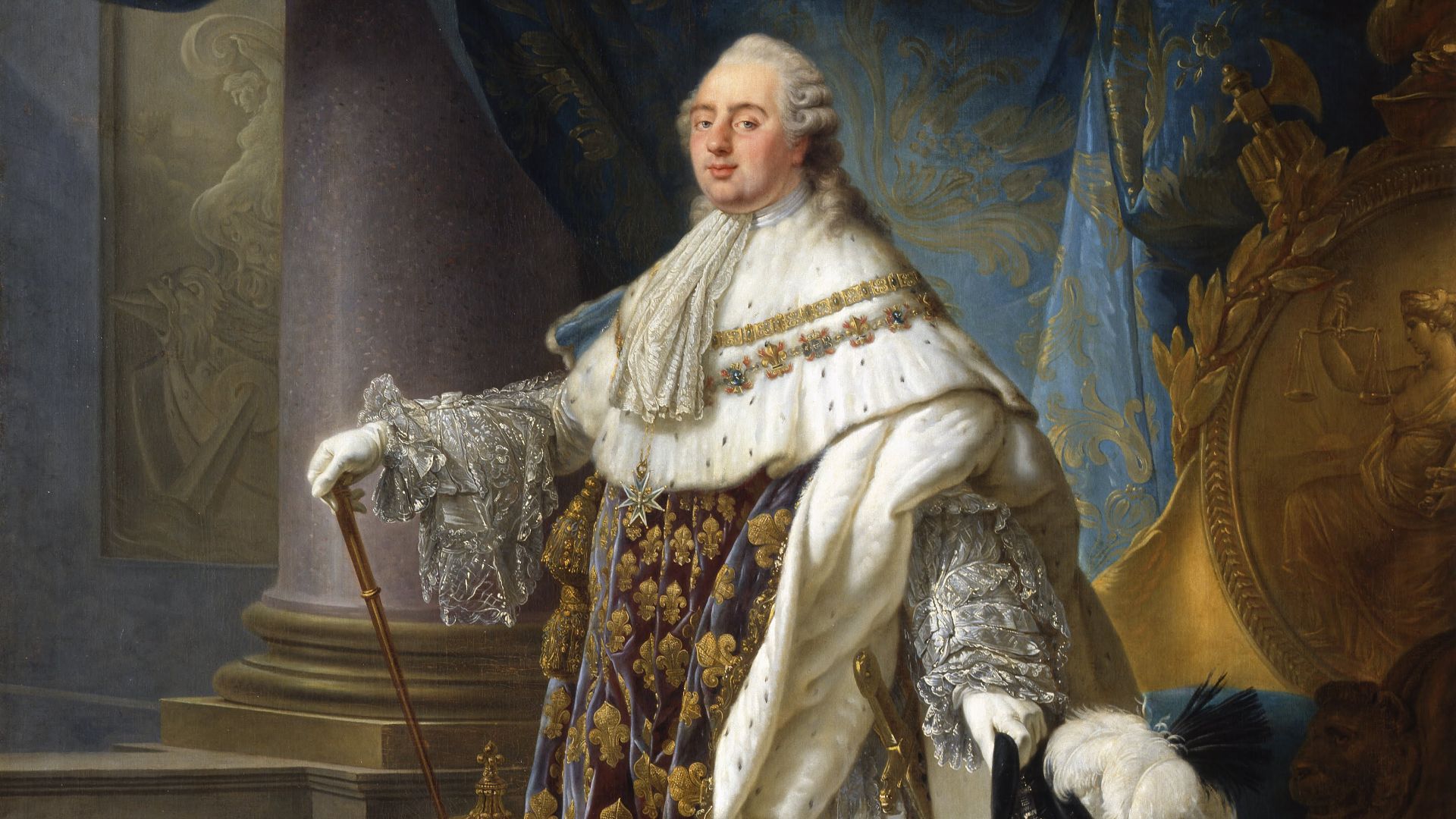 Antoine-François Callet on Wikimedia
17. Thomas Jefferson
James Hemings was an enslaved servant who accompanied Thomas Jefferson to France, where he received extensive culinary training and developed into an accomplished chef. Despite his impressive skills, Hemings remained legally enslaved by Jefferson when they returned to the U.S. in 1789. He eventually negotiated an agreement requiring him to train a replacement cook before Jefferson would grant him freedom, which finally happened in 1796, just five years before Hemings' death.
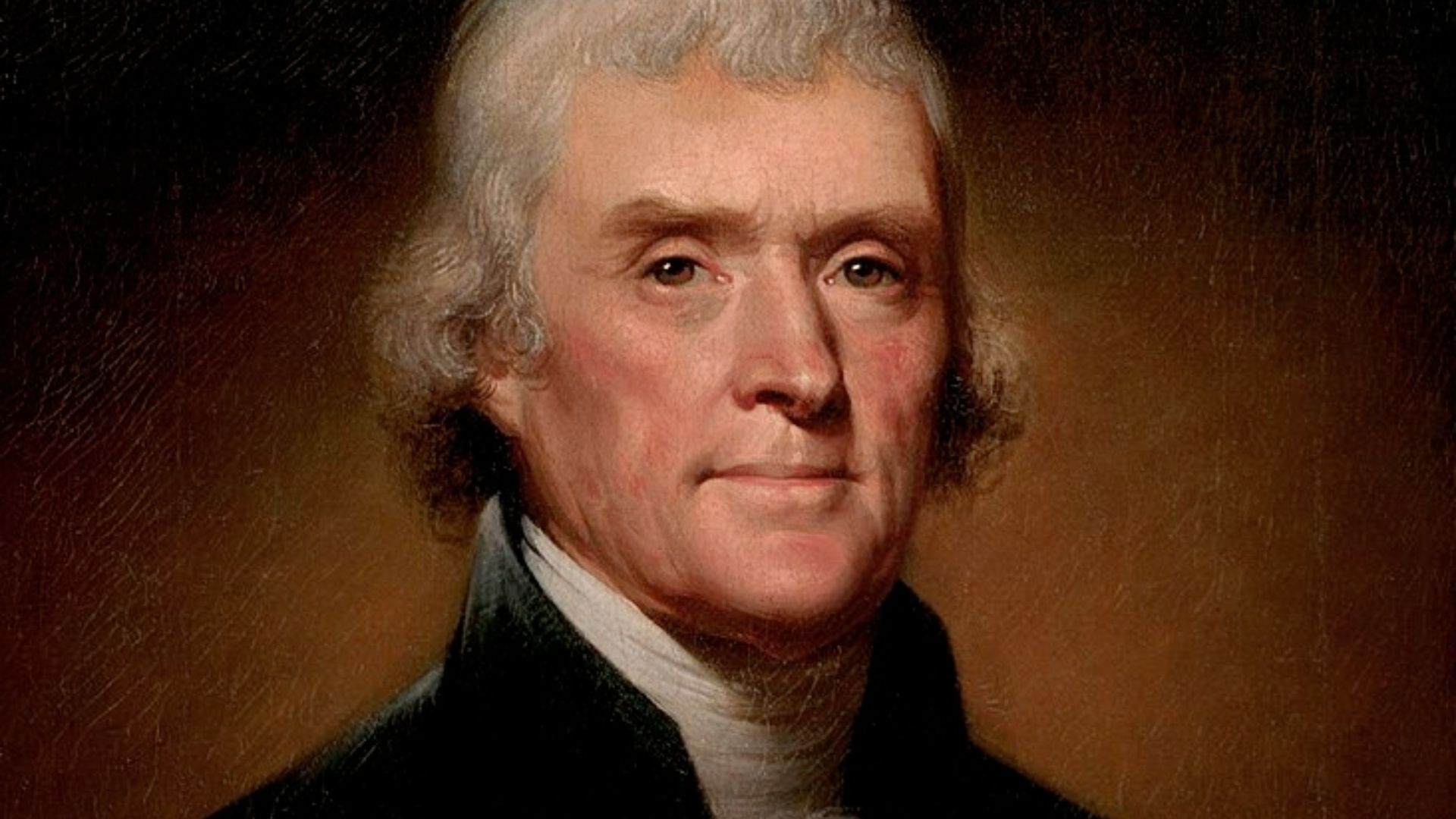
18. Elizabeth I
Long before Elizabeth I became queen, her governess and trusted attendant Kat Ashley faced serious consequences for serving the young princess. When Thomas Seymour's inappropriate behavior toward Elizabeth became the focus of a political investigation in 1549, Ashley was questioned about what she'd witnessed. Her loyalty put her in an uncomfortable position, especially since investigators were looking for evidence that could connect Elizabeth to Seymour's ambitions. Ashley was eventually released, but the ordeal showed just how easily a royal attendant could become entangled in a potentially deadly scandal.
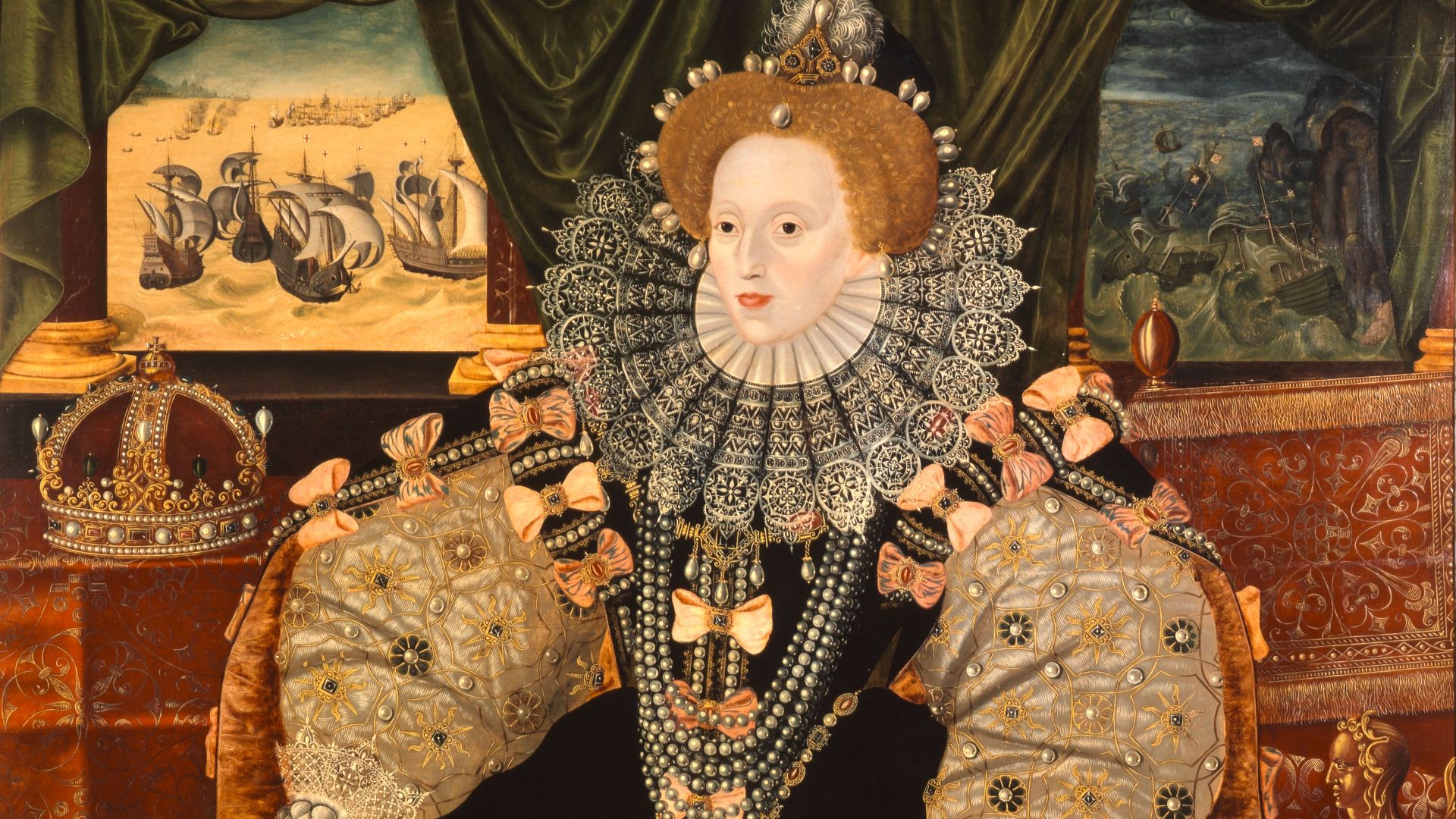 Formerly attributed to George Gower on Wikimedia
19. Thomas Becket
Working for Thomas Becket became increasingly dangerous as the Archbishop of Canterbury's relationship with King Henry II grew more hostile. In December 1170, a cleric named Edward Grim was visiting Becket when four knights arrived at Canterbury Cathedral looking for a confrontation. When the knights attacked the archbishop, Grim tried to defend him and suffered a horrific sword injury that nearly severed his arm. He managed to survive and later wrote about witnessing Becket's murder, although his attempt to protect the archbishop had nearly gotten him killed too.
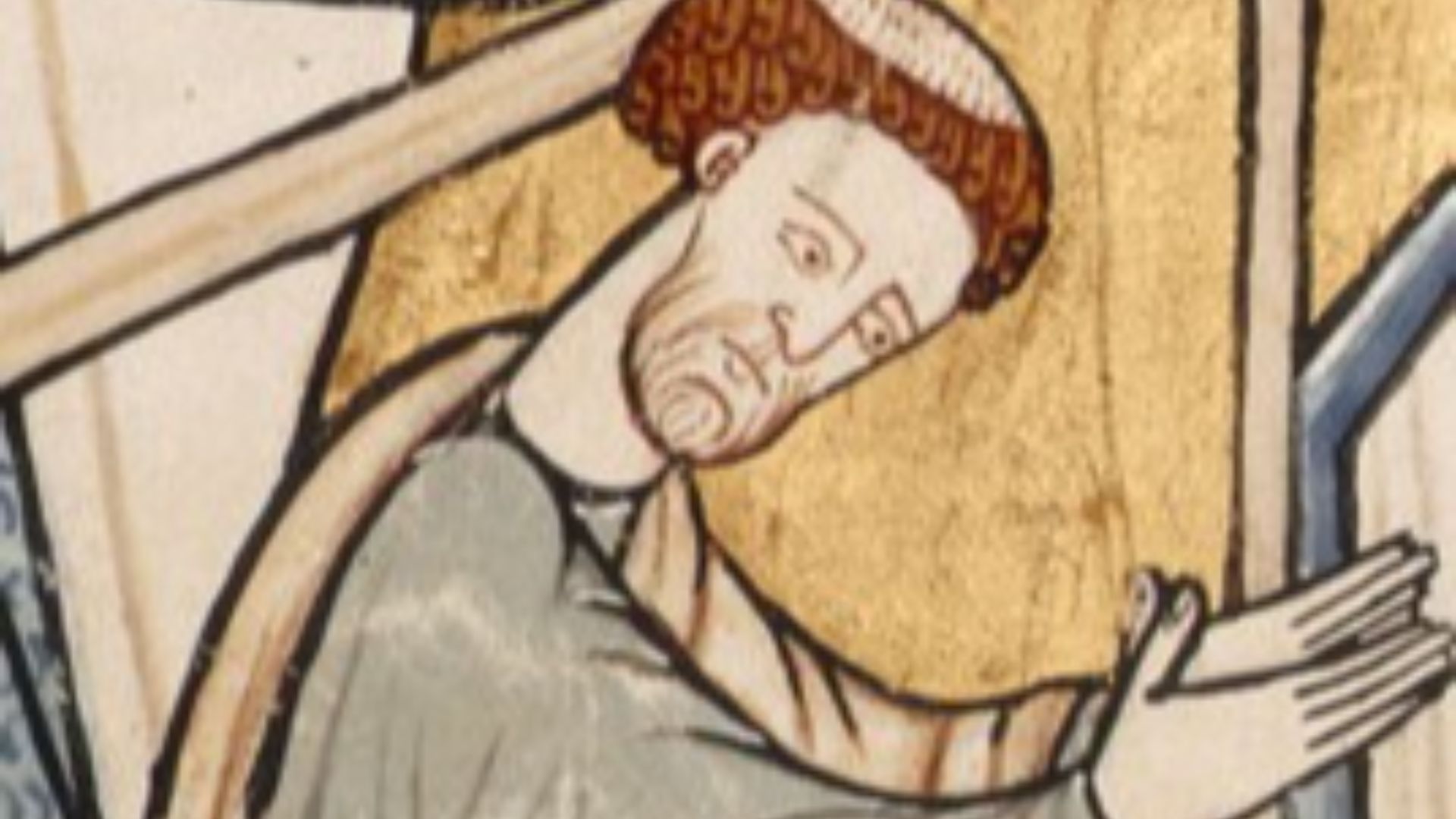
20. Andrew Jackson
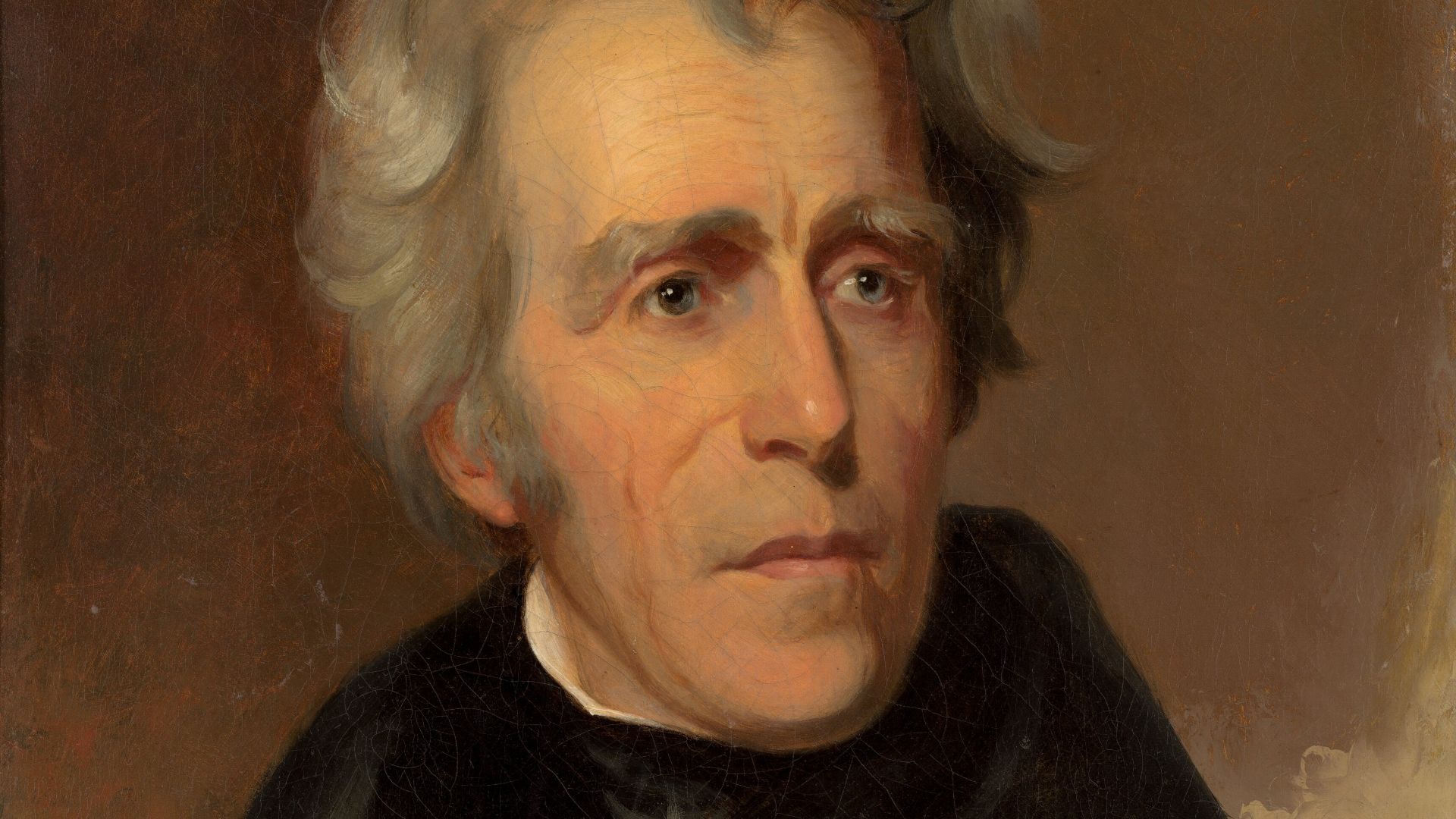
Andrew Jackson's personal attendant, George, endured working conditions that would be unthinkable in most modern workplaces. Enslaved by Jackson, George accompanied him to the White House and reportedly slept on a pallet inside the president's bedroom so he could respond whenever he was needed. He remained in Jackson's service for decades, with almost no control over his schedule, movements, or personal life. George was still standing beside Jackson's bed when the former president died in 1845, ending a relationship in which he'd never had the basic freedom to walk away.