

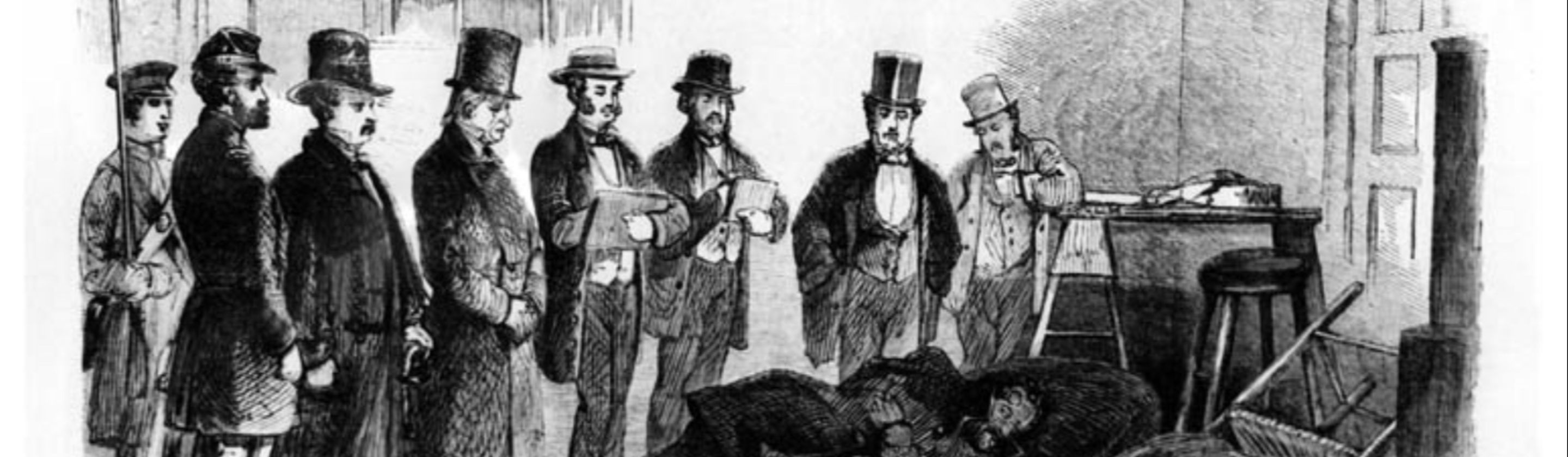
They Moved The Line
Every age has people who are told they are asking for too much, too soon, too loudly. Then time passes, the ground shifts, and the supposedly impossible demand starts to look like the beginning of common sense. Radicals are rarely comfortable figures in their own moment because they expose what polite society has learned to tolerate. Some were organizers, some were writers, some led rebellions, and some simply refused to become quiet when silence would have been easier. These are 20 radicals history couldn’t ignore.
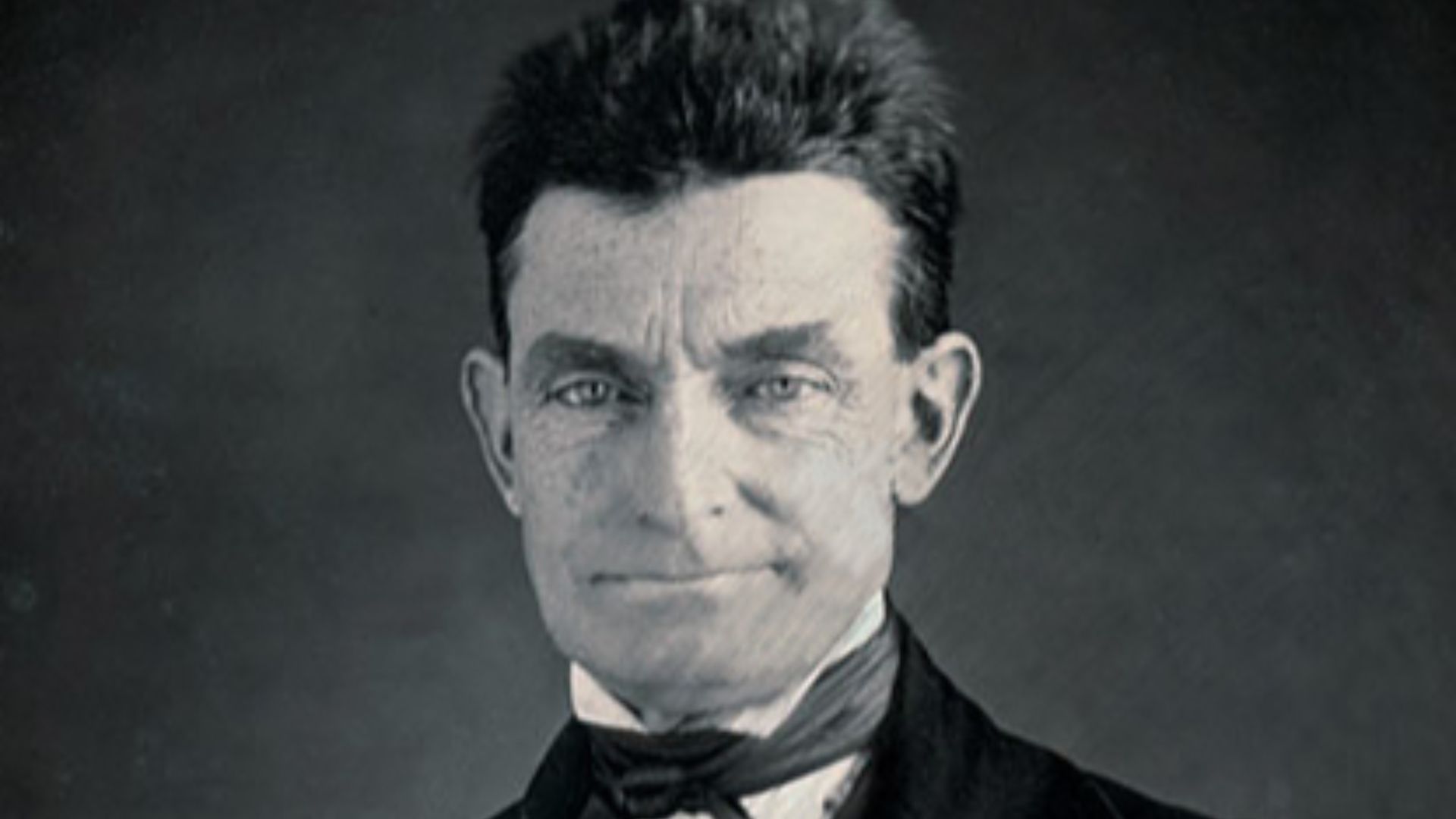 Augustus Washington on Wikimedia
1. Harriet Tubman
Harriet Tubman did not just escape slavery; she went back again and again to help others escape too. Her courage was not symbolic or distant. It was physical, dangerous, repeated, and clear-eyed in a country built on pretending bondage could be managed politely.
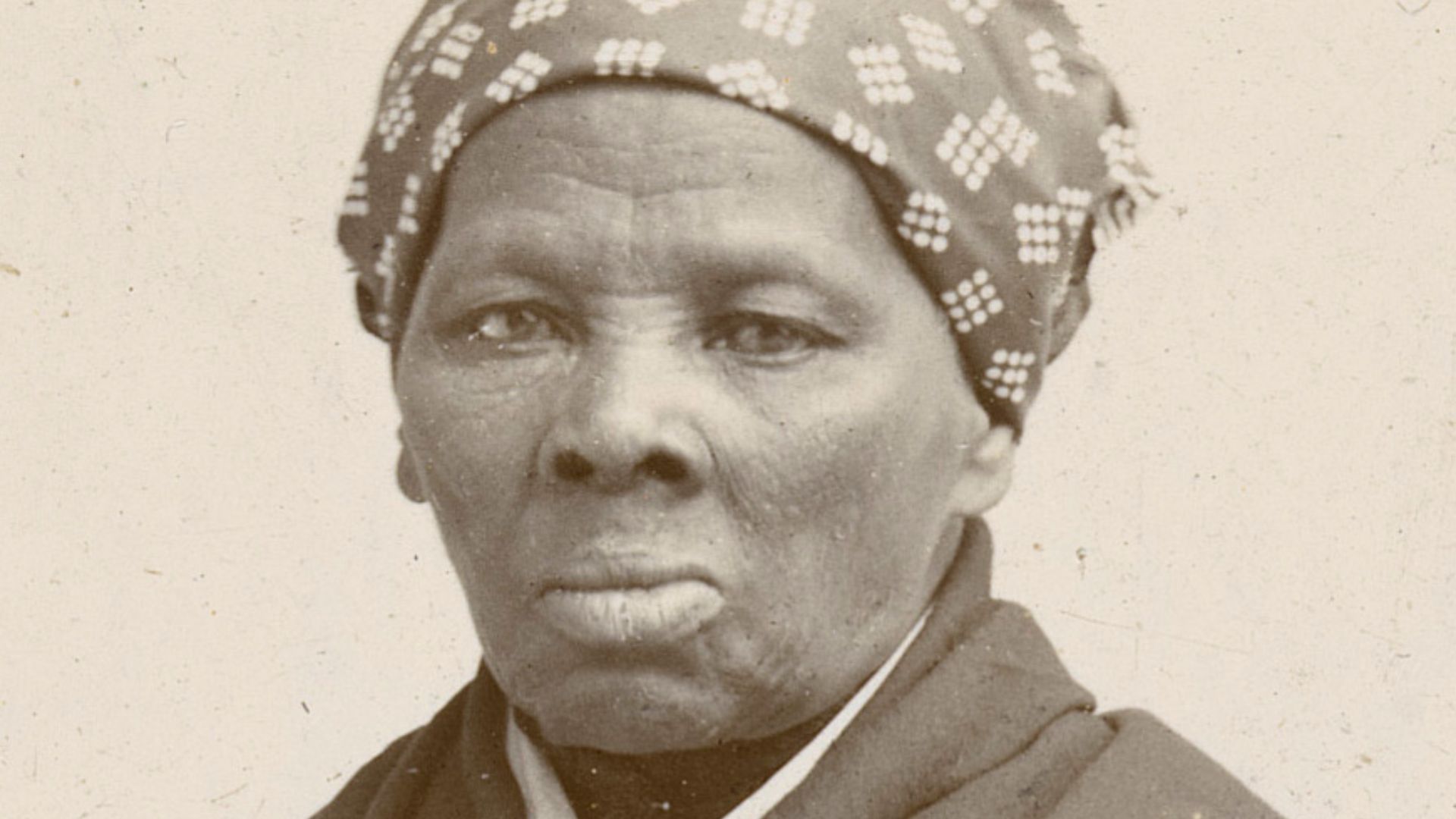 Horatio Seymour Squyer on Wikimedia
2. Frederick Douglass
Frederick Douglass turned his own life into evidence that slavery depended on lies. He wrote, spoke, argued, and challenged the country with a force that made evasion difficult. His radicalism was sharpened by discipline, and his words still have the weight of someone refusing to let America flatter itself.
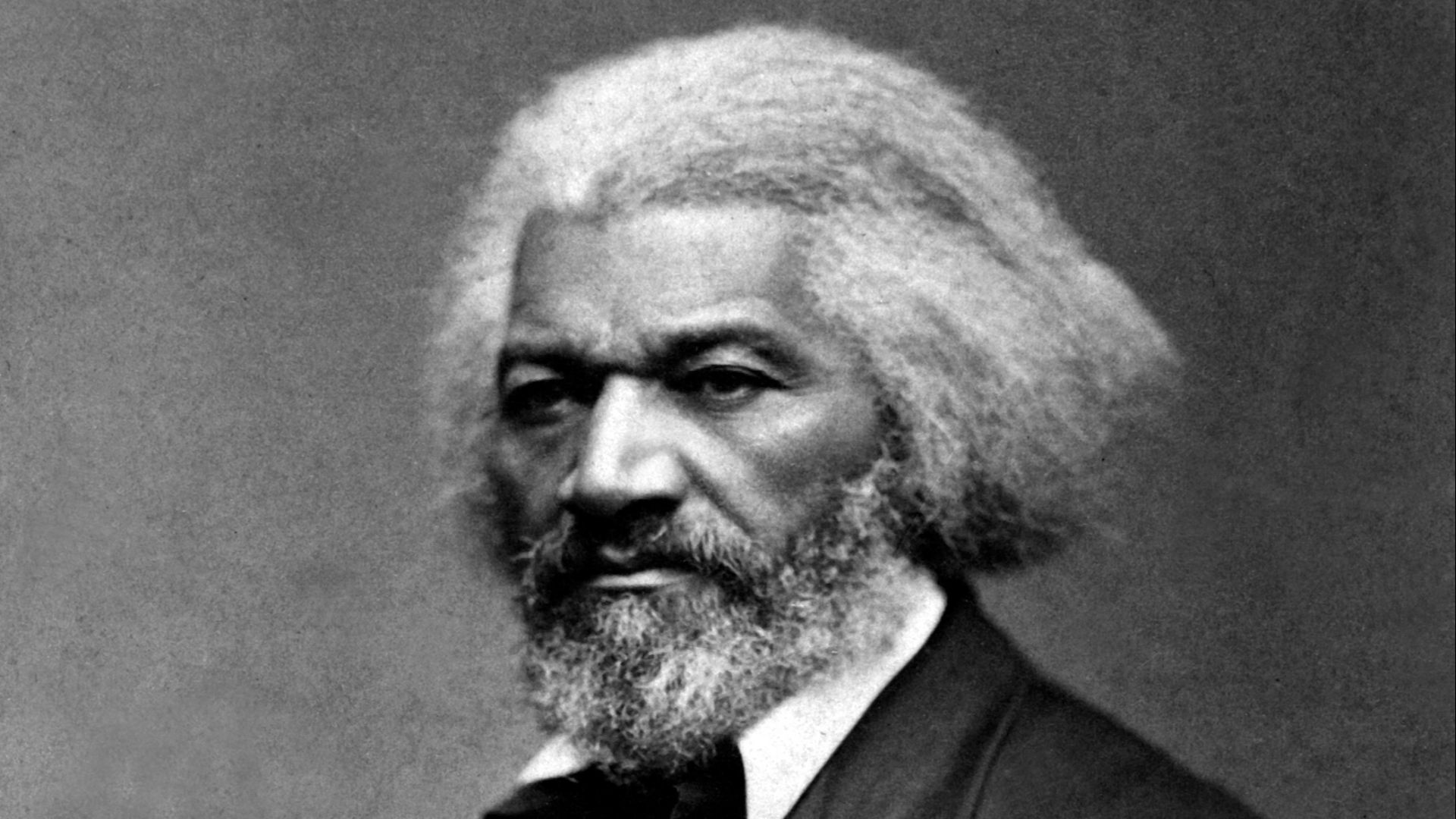 George Kendall Warren on Wikimedia
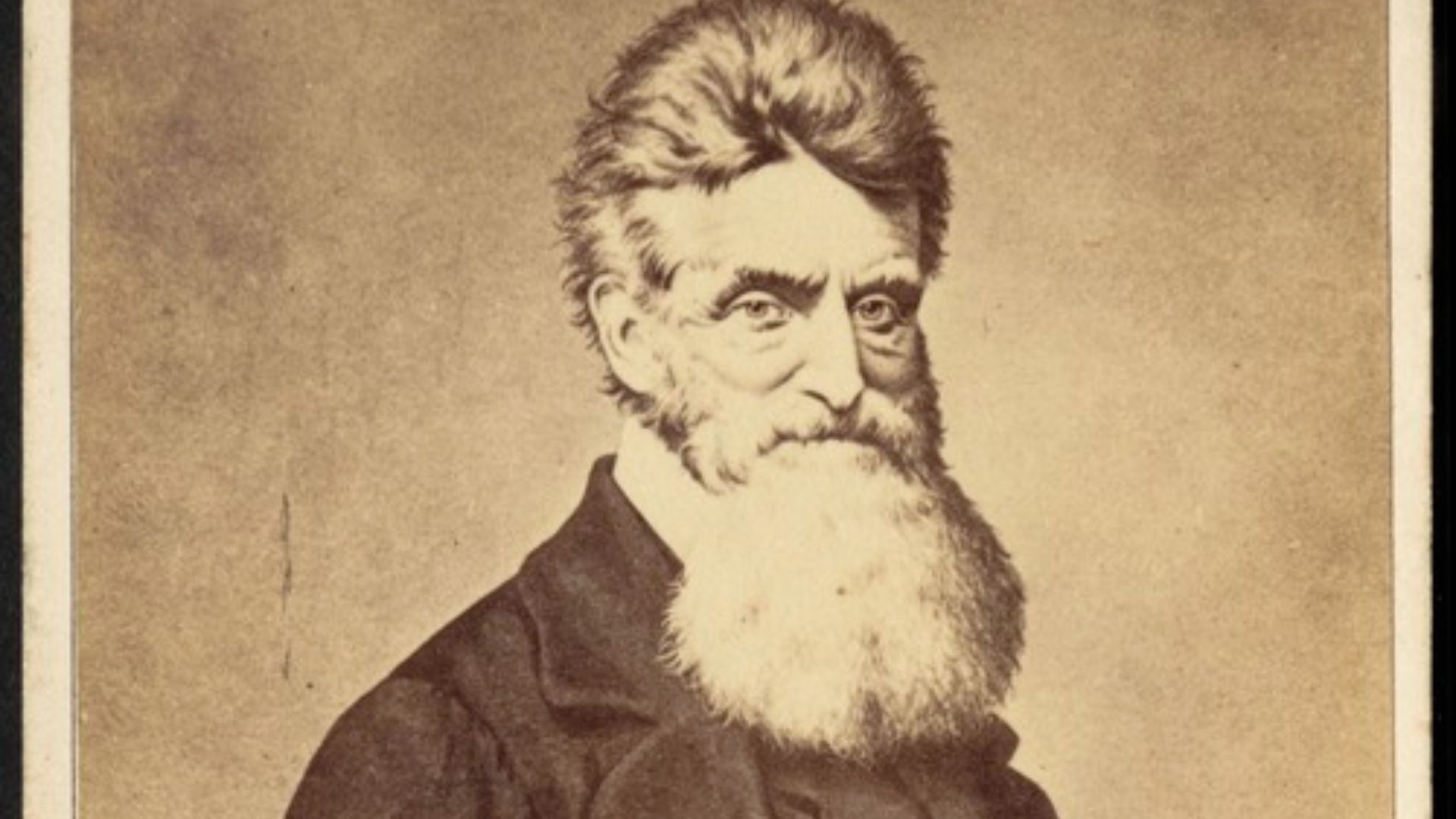
3. John Brown
John Brown remains one of the most difficult figures in American history because he forced the nation to face the violence already at the center of slavery.
His raid on Harpers Ferry failed, but the shock of it traveled further than the plan itself. He made neutrality feel impossible.
4. Sojourner Truth
Sojourner Truth spoke with the authority of someone who had survived what others debated in theory. She challenged slavery, racism, and sexism without softening the edges to make listeners comfortable. Her presence alone disrupted every narrow idea of who deserved freedom, respect, and a public voice.
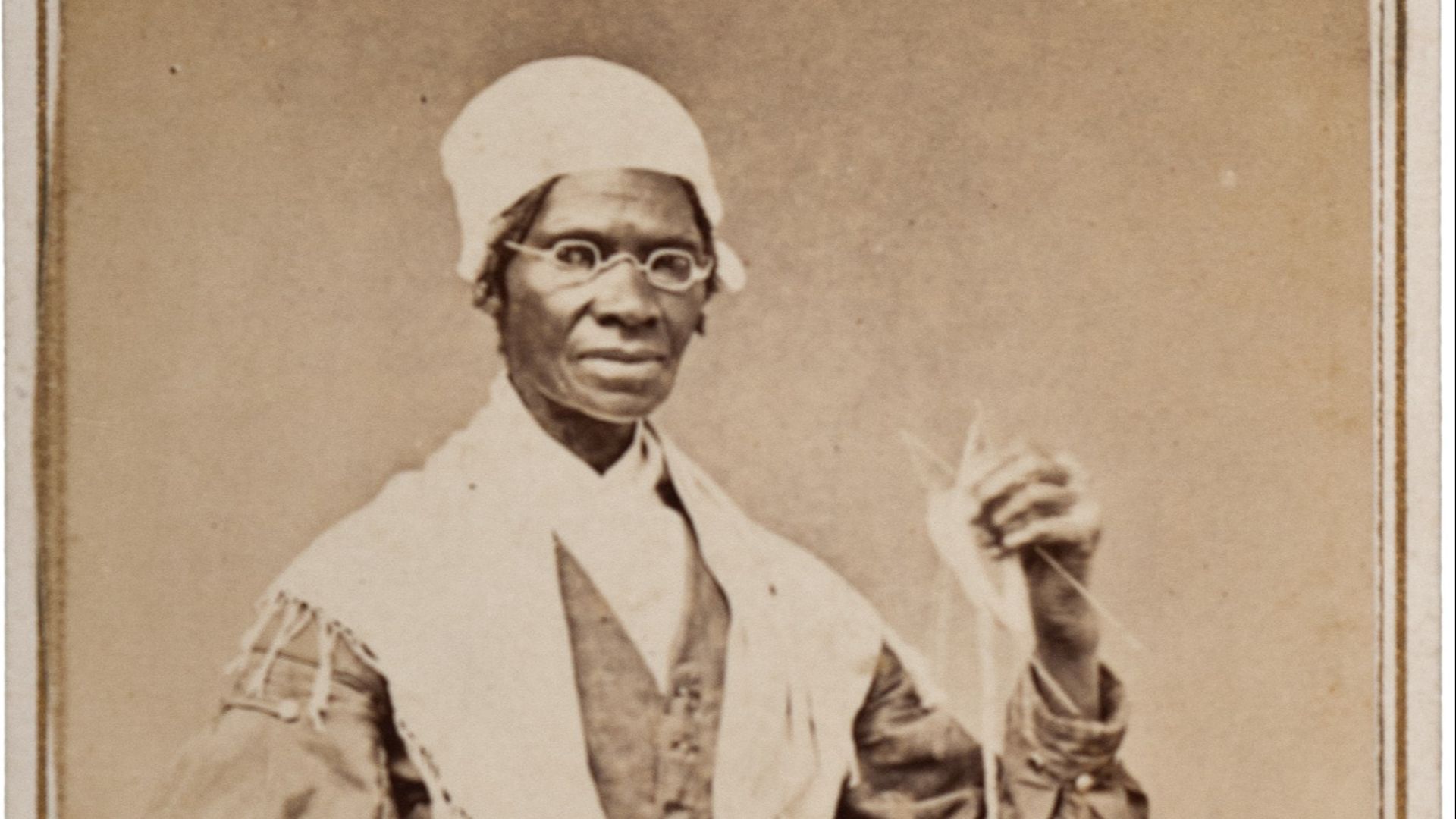 Wright's New York Gallery / Battlecreek, Mich. on Wikimedia
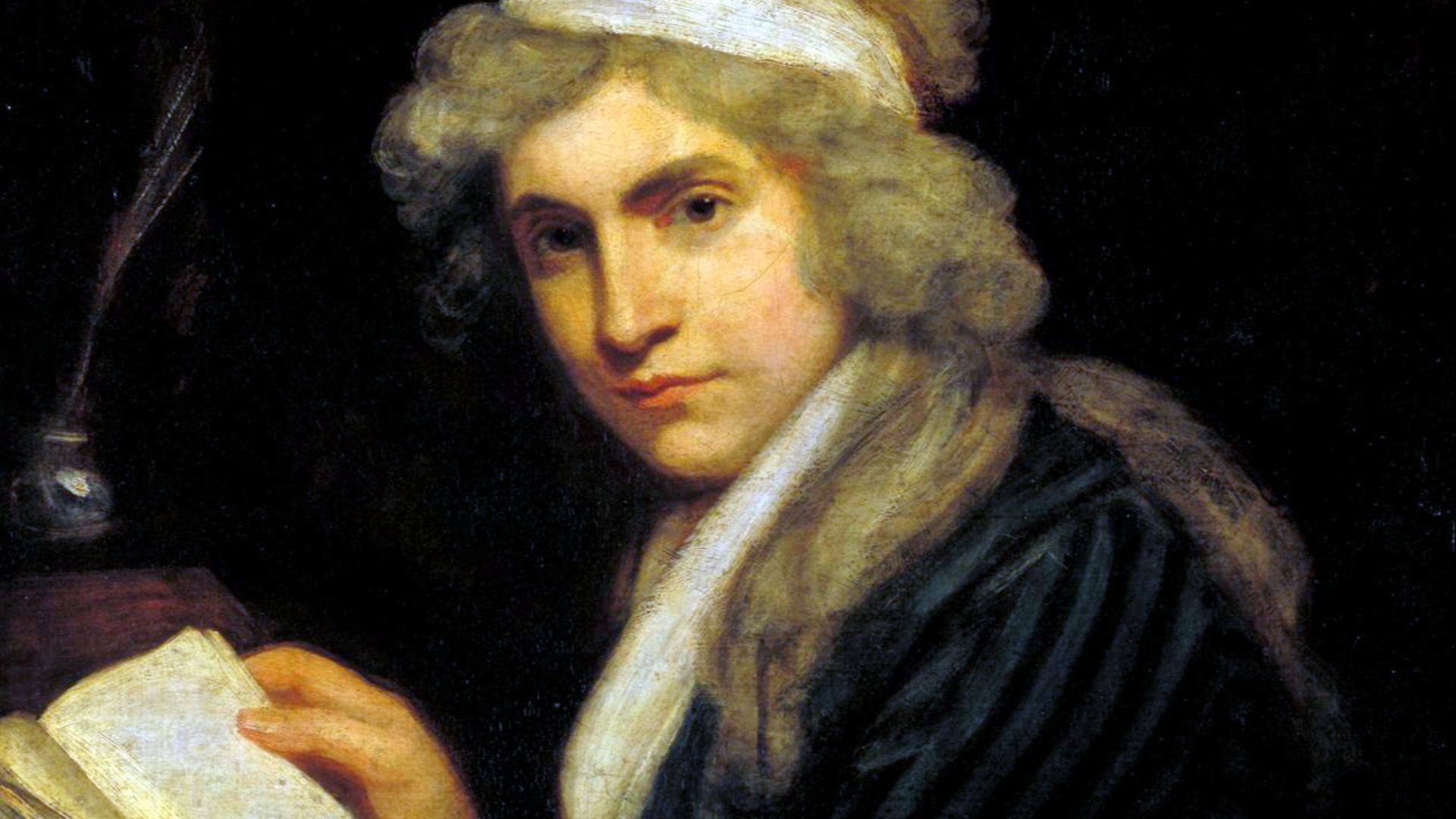
5. Mary Wollstonecraft
Mary Wollstonecraft argued that women were not naturally weak or ornamental, but deliberately denied education and independence. That idea sounds obvious now only because people like her made it dangerous first. She treated women’s minds as serious long before society was ready to admit it had been wasting them.
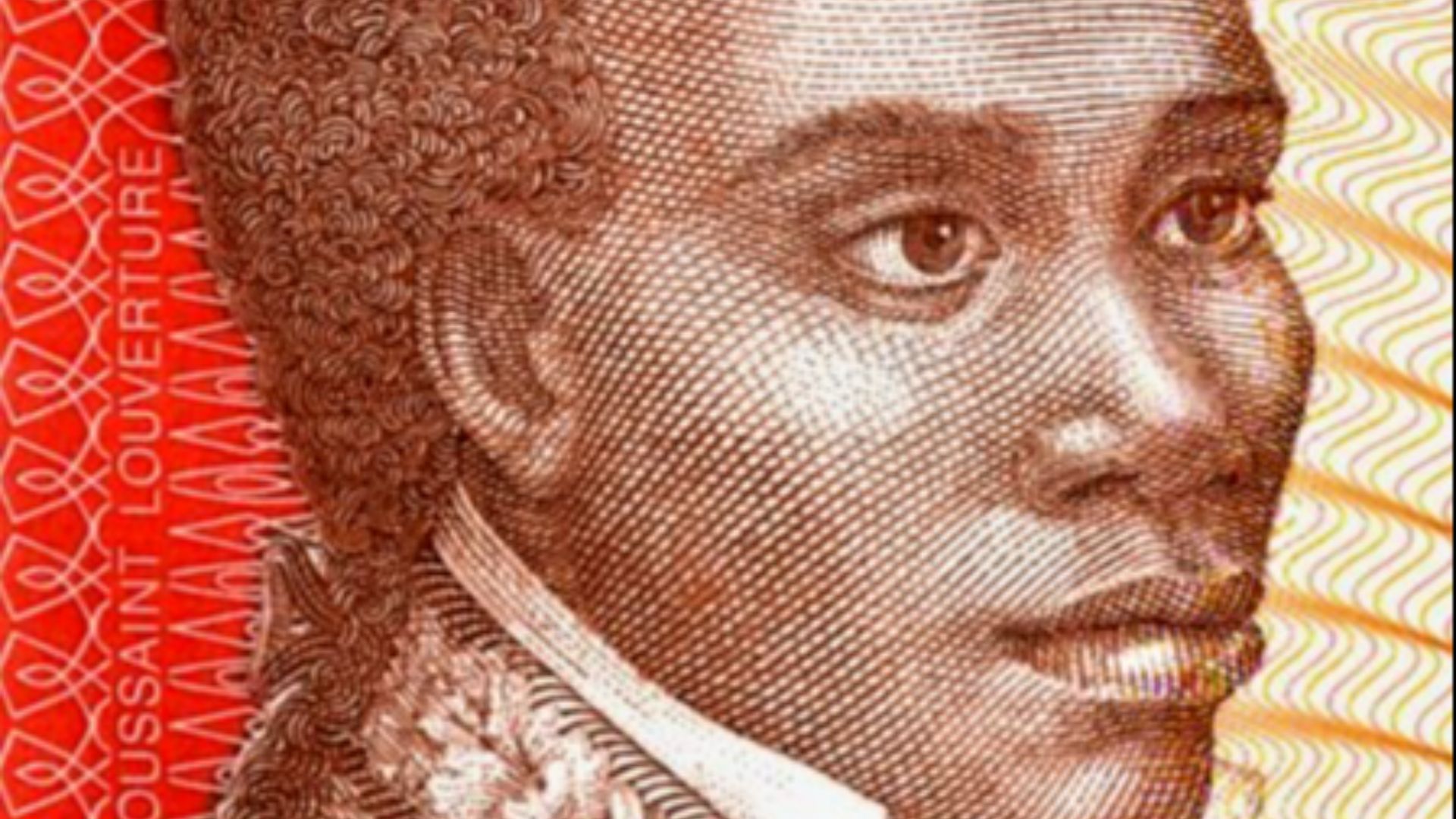
6. Toussaint Louverture
Toussaint Louverture helped turn a slave revolt in Saint-Domingue into a world-shaking revolution. He understood power, military strategy, and the language of liberty better than the empires trying to contain him. The Haitian Revolution terrified slaveholding societies because it proved the people they exploited could defeat them.
7. Karl Marx
Karl Marx gave industrial capitalism one of its most influential and relentless critics. He looked at factories, wages, poverty, and wealth and asked who benefited from the arrangement. Whether people admire him, reject him, or argue with him, they are still dealing with questions he pushed into the center of modern politics.
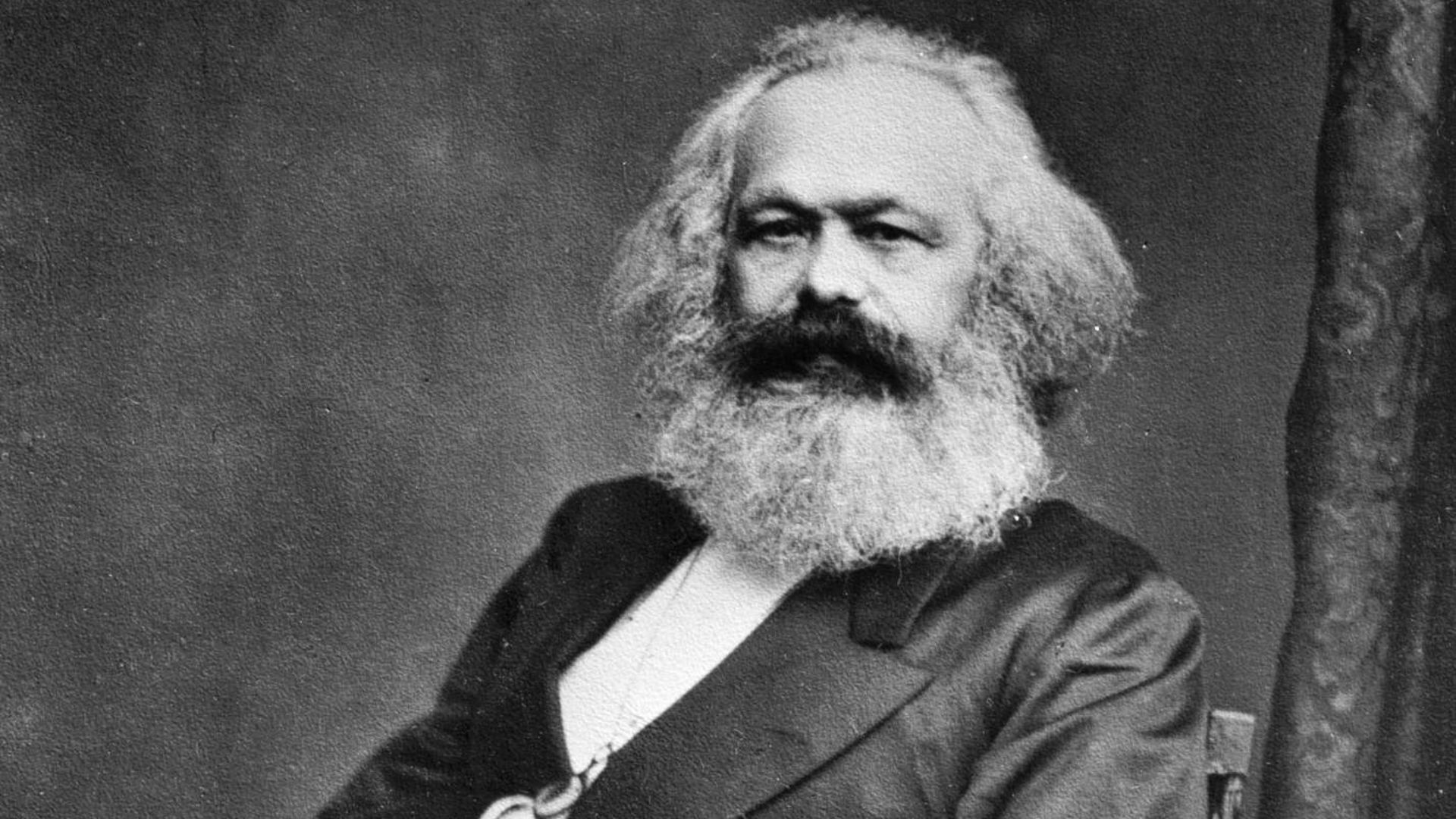 John Jabez Edwin Mayall on Wikimedia
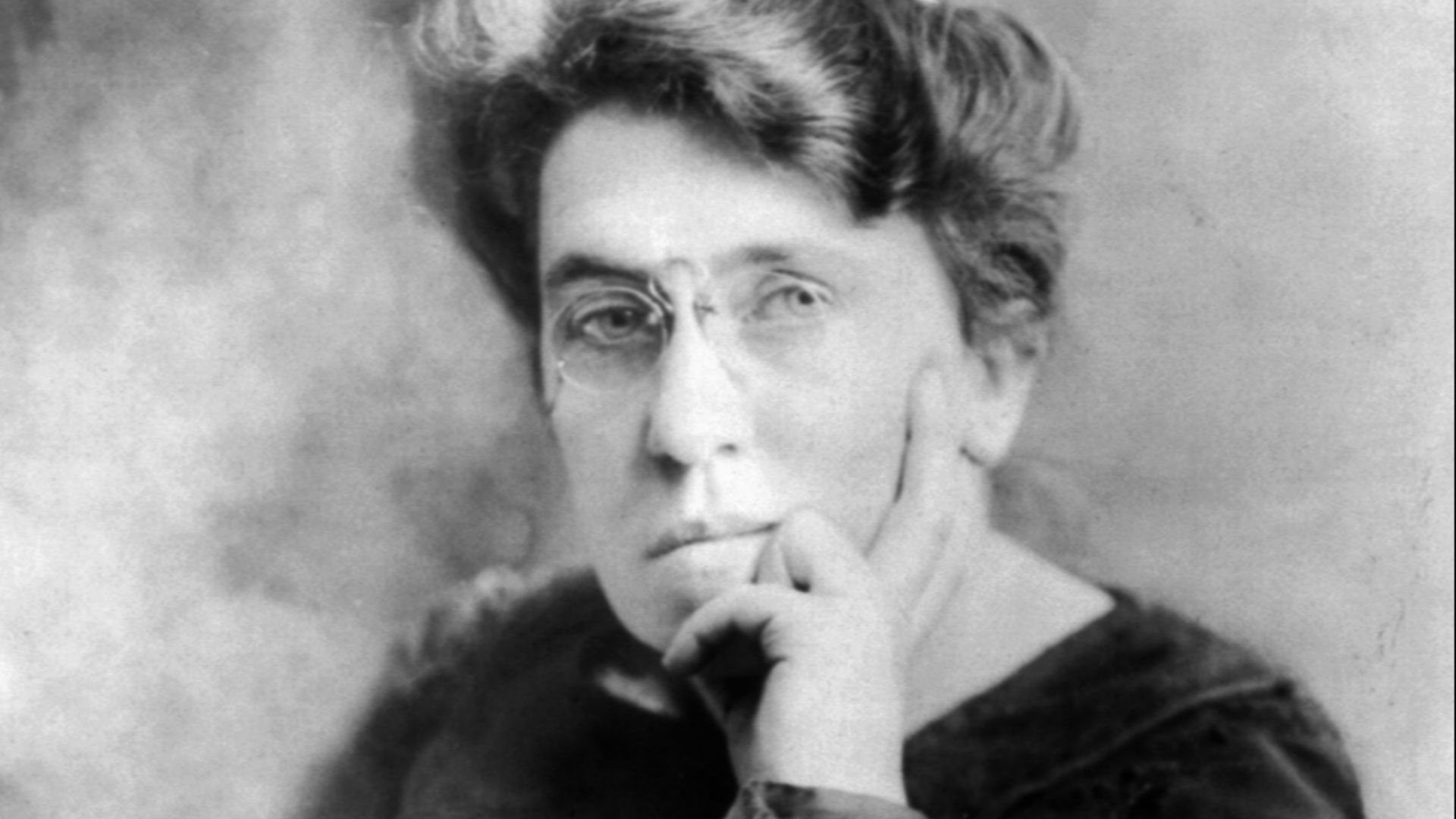
8. Emma Goldman
Emma Goldman refused to be respectable, which was exactly the point. She spoke about labor, free speech, birth control, war, marriage, and personal freedom in ways that made authorities nervous and audiences electric. She seemed to understand that a life without liberty in private was not much of a public victory.
9. Eugene V. Debs
Eugene V. Debs spoke for workers in a country that preferred to celebrate wealth and call suffering a personal failure. He went to prison and still ran for president from his cell. His radicalism came from the stubborn belief that ordinary people deserved more than gratitude for being exhausted.
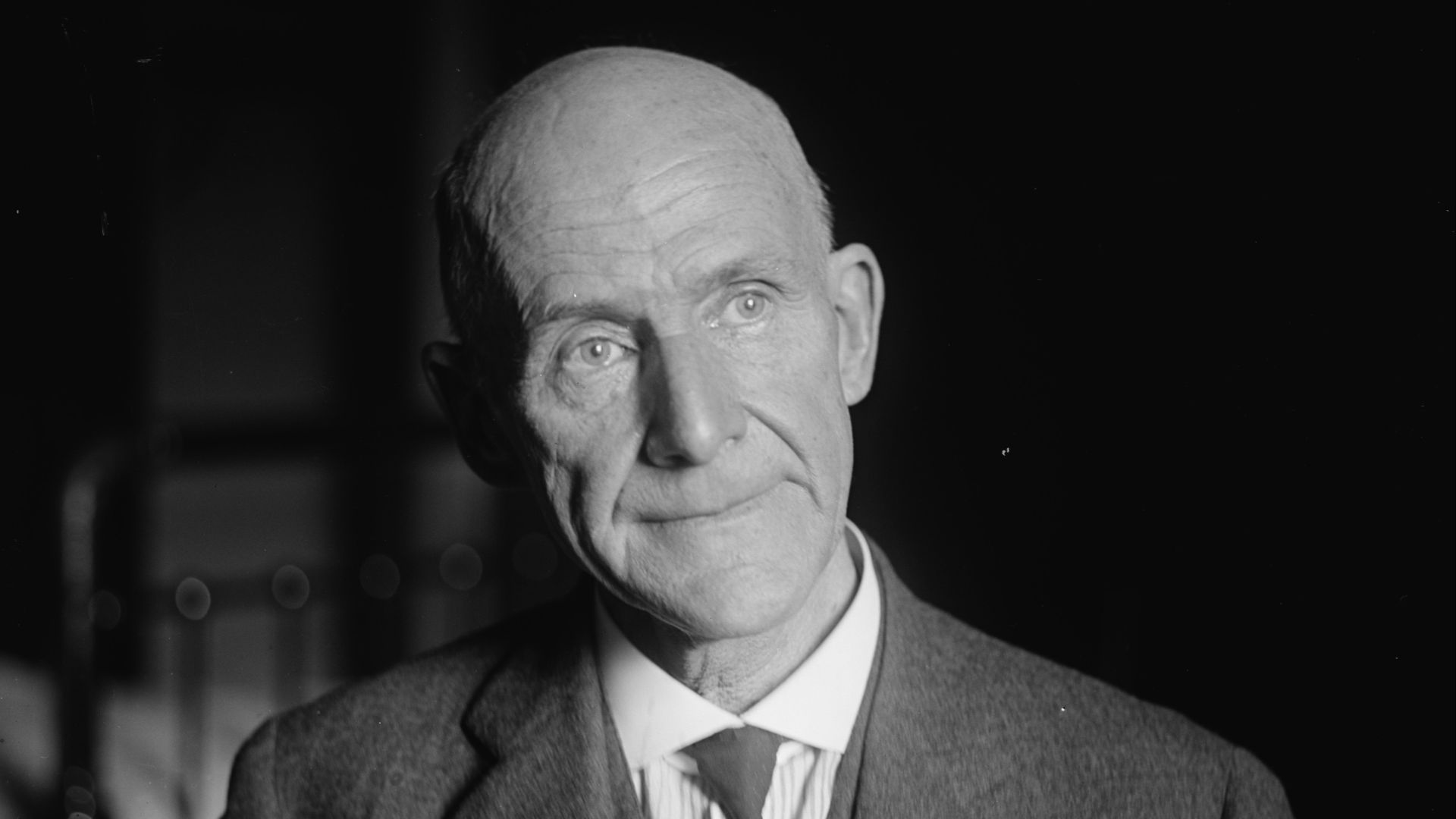 George Grantham Bain on Wikimedia
10. Rosa Luxemburg
Rosa Luxemburg was a revolutionary who distrusted empty slogans almost as much as she distrusted oppression. She argued fiercely, wrote with precision, and refused to treat the working class as a prop for anyone else’s ambition. Her life was cut short, but her warnings about power kept echoing.
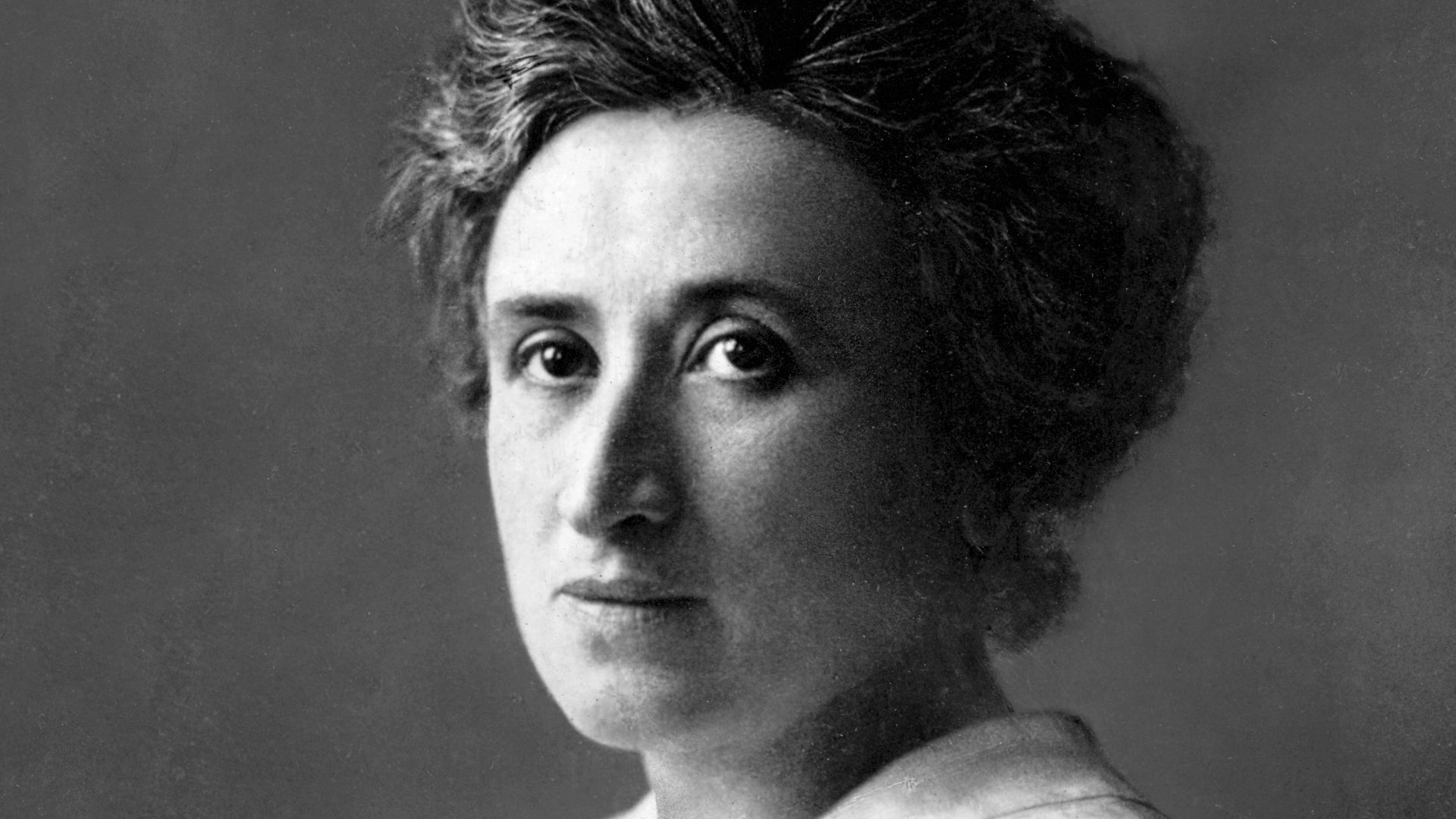 Unknown authorUnknown author on Wikimedia
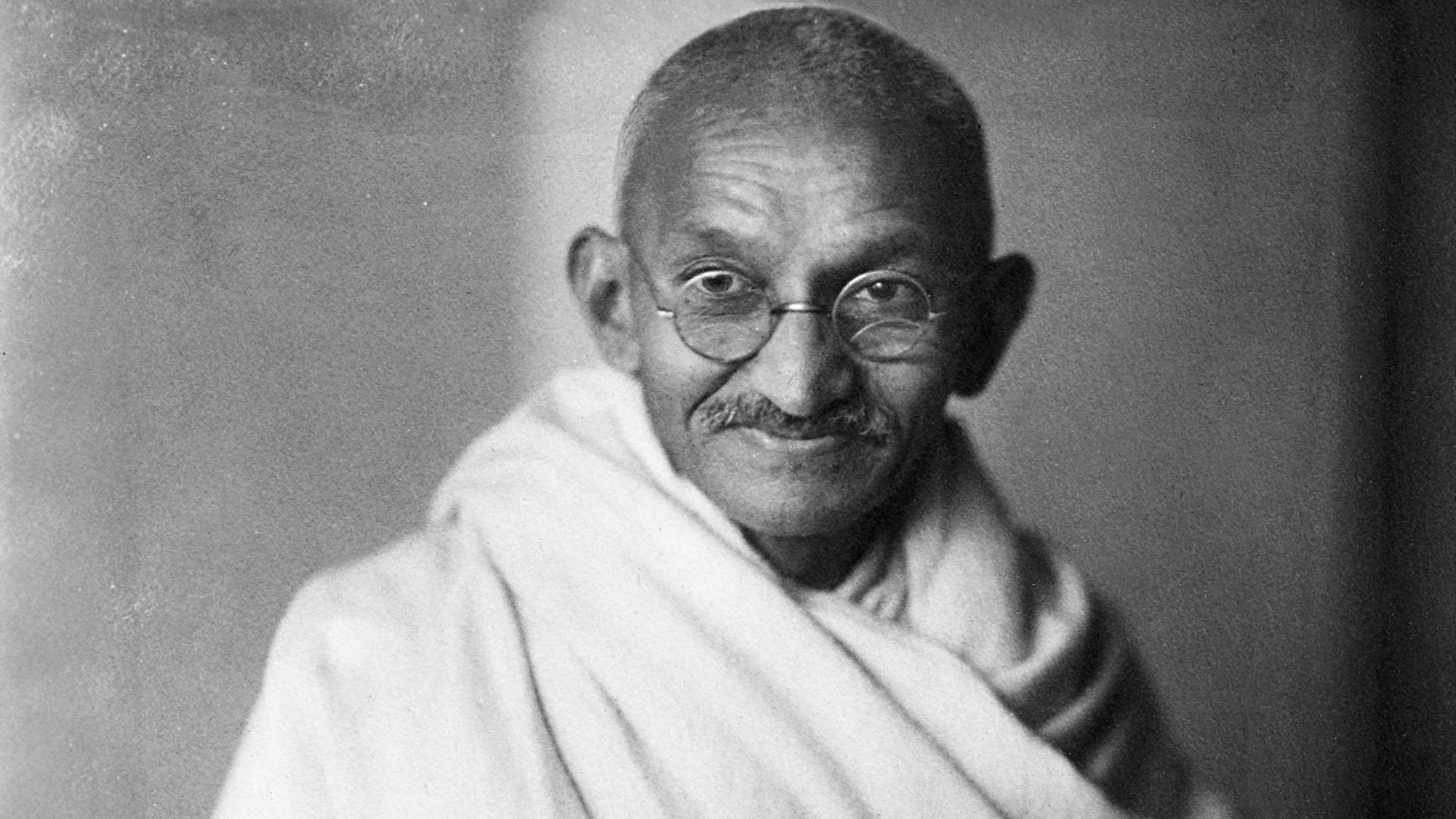
11. Mahatma Gandhi
Mahatma Gandhi made resistance look disciplined, moral, and impossible to dismiss. His methods were not passive in the lazy sense; they demanded restraint, sacrifice, and public courage. He challenged an empire by turning ordinary acts, like marching and refusing, into political pressure.
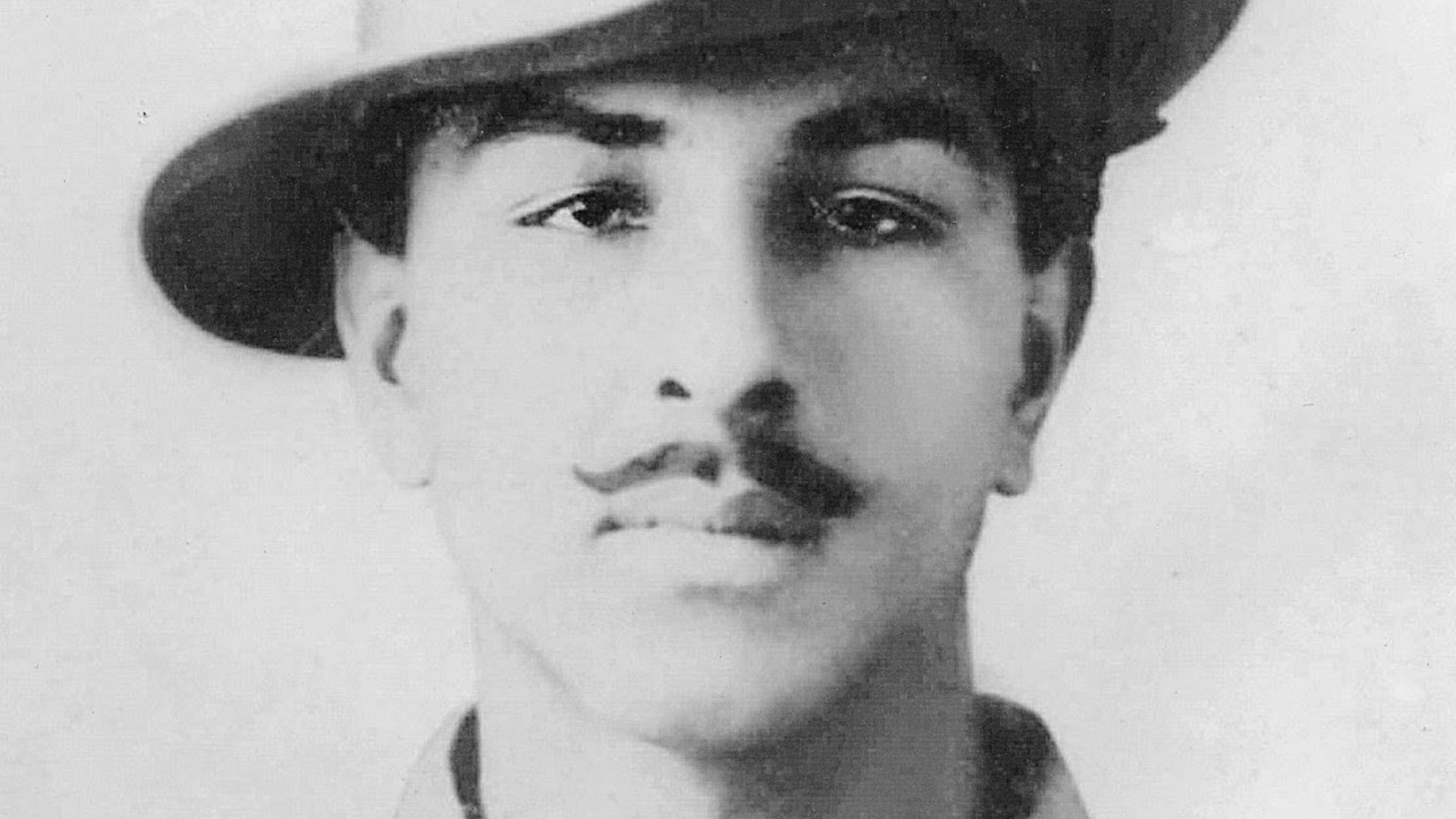
12. Bhagat Singh
Bhagat Singh became a symbol of anti-colonial defiance while still painfully young.
He knew the power of drama, sacrifice, and a clear message delivered at the right moment. To the British Empire, he was a threat; to many Indians, he became proof that fear could be broken.
 Unknown authorUnknown author (Ramnath Photographers, Delhi) on Wikimedia
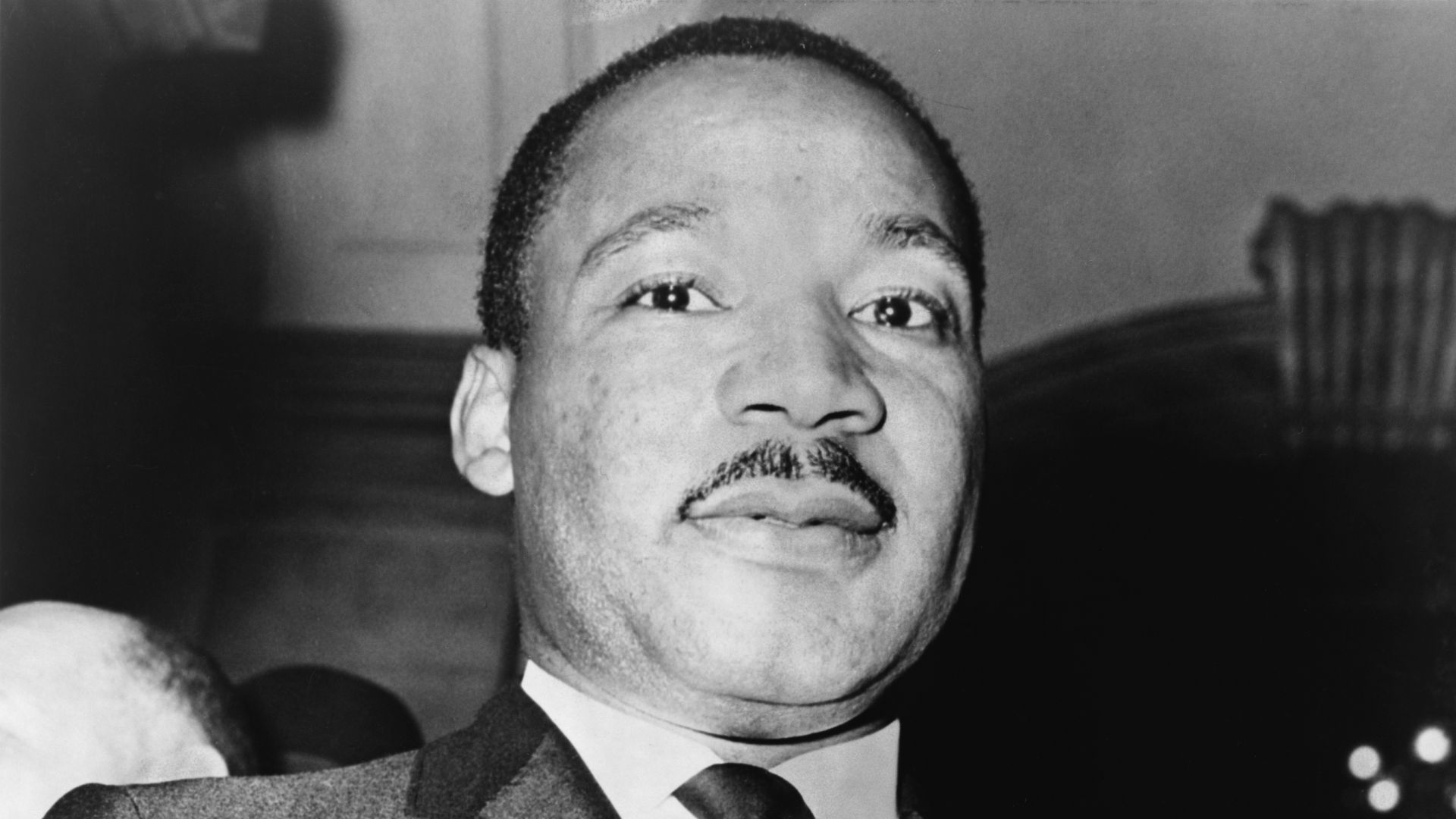
13. Martin Luther King Jr.
Martin Luther King Jr. is often remembered in safe, polished fragments, but his actual politics were far more demanding. He challenged segregation, poverty, militarism, and the comforting myth that time alone would produce justice. His radicalism was not anger without love; it was love with its eyes open.
 Phil Stanziola, NYWT&S staff photographer on Wikimedia
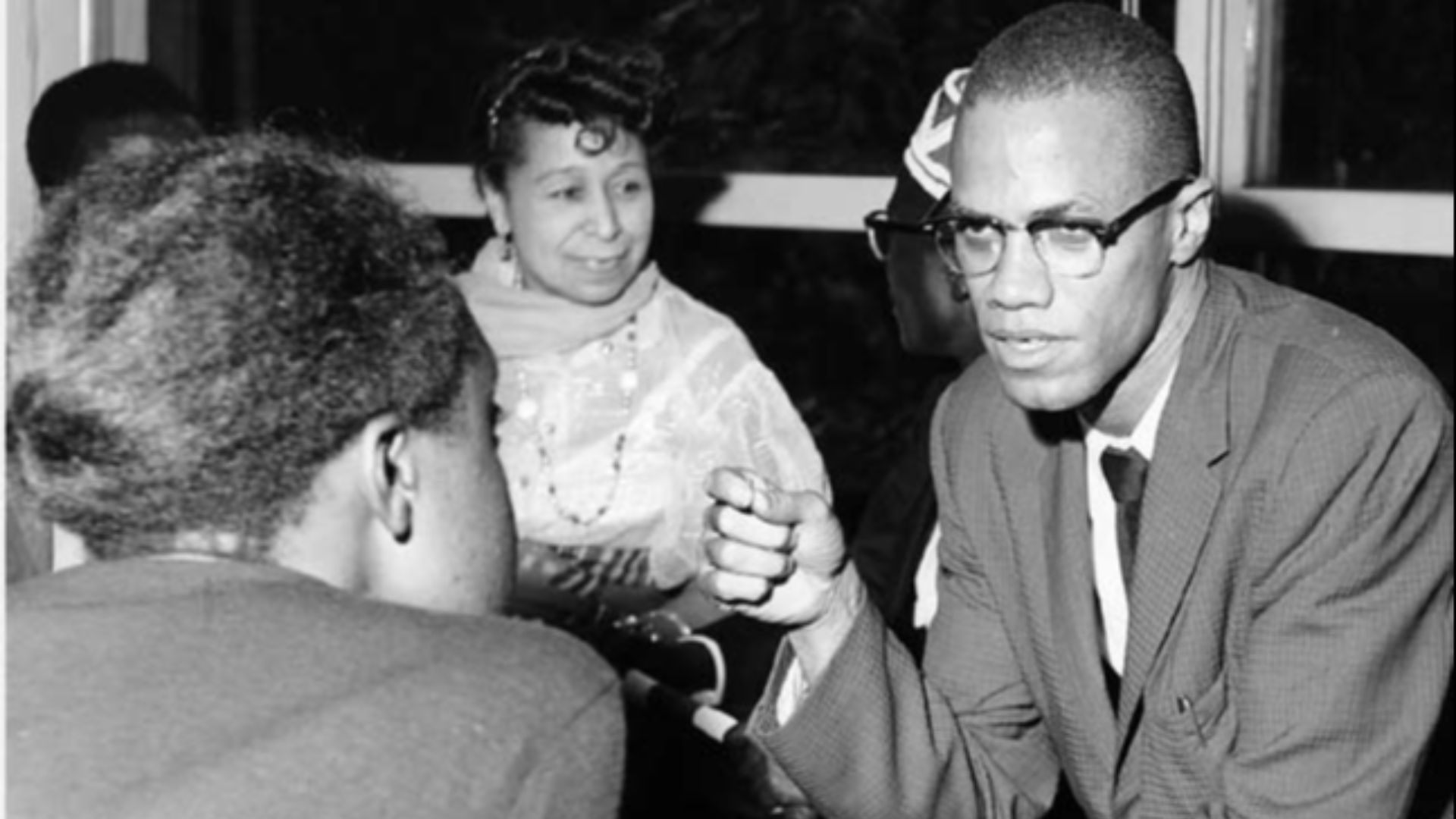
14. Malcolm X
Malcolm X refused to ask for dignity in a tone designed to reassure white America. He spoke about racism with a directness that made people uncomfortable because it removed the usual hiding places. Even those who disagreed with him had to respond to the questions he forced into public view.
 Unknown authorUnknown author on Wikimedia
15. Nelson Mandela
Nelson Mandela’s legacy is often softened into patience and forgiveness, but his life was also shaped by resistance, imprisonment, and political fire. He opposed apartheid when doing so carried enormous personal cost. His radicalism came from insisting that a system built on racial domination did not need reform around the edges; it needed to end.
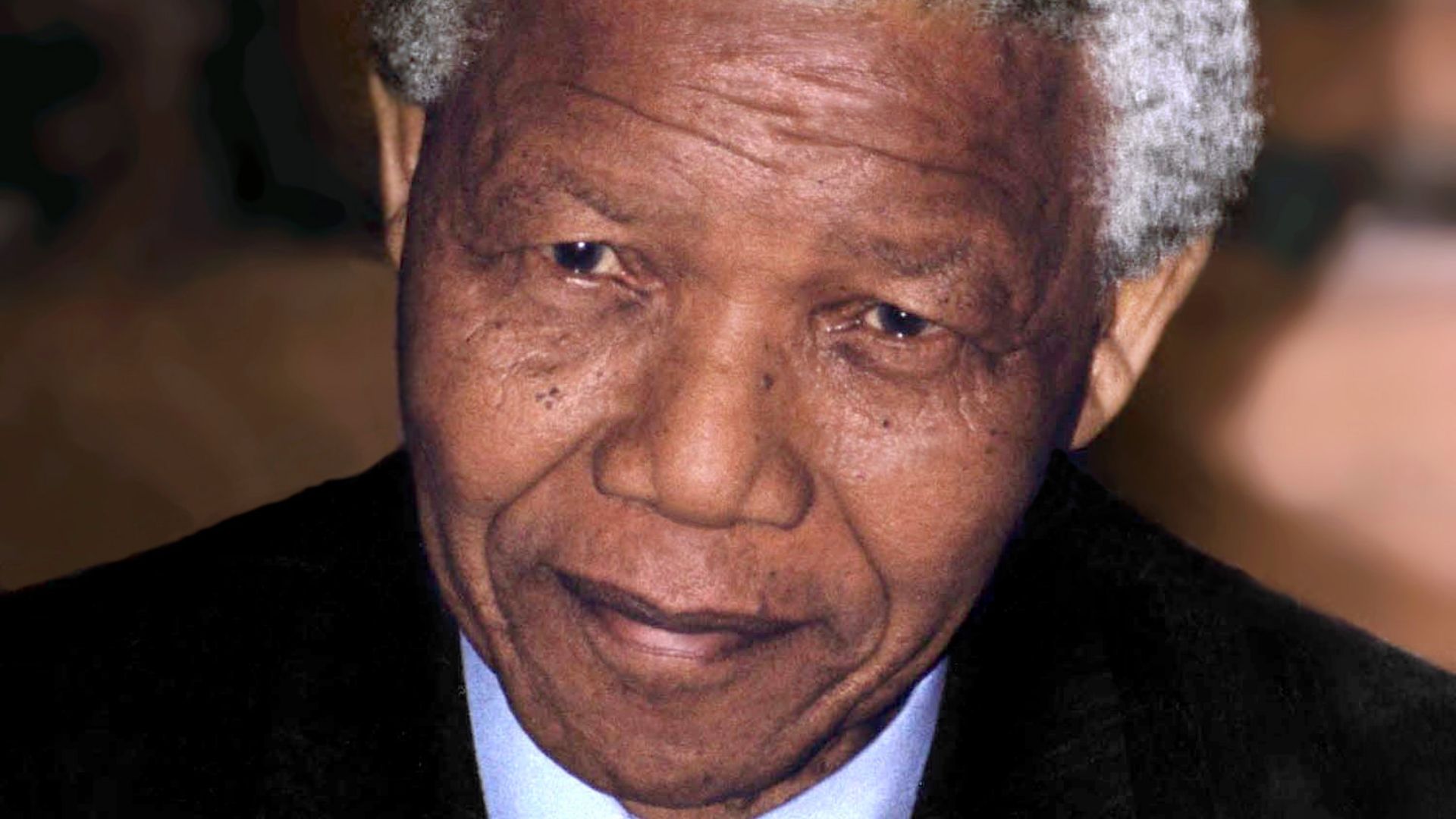 Kingkongphoto & www.celebrity-photos.com from Laurel on Wikimedia
16. Frantz Fanon
Frantz Fanon wrote about colonialism as something that damaged the body, the mind, and the imagination.
He did not let empire hide behind manners, flags, or official language. His work gave anti-colonial movements a vocabulary for rage, identity, violence, and liberation that still unsettles readers.
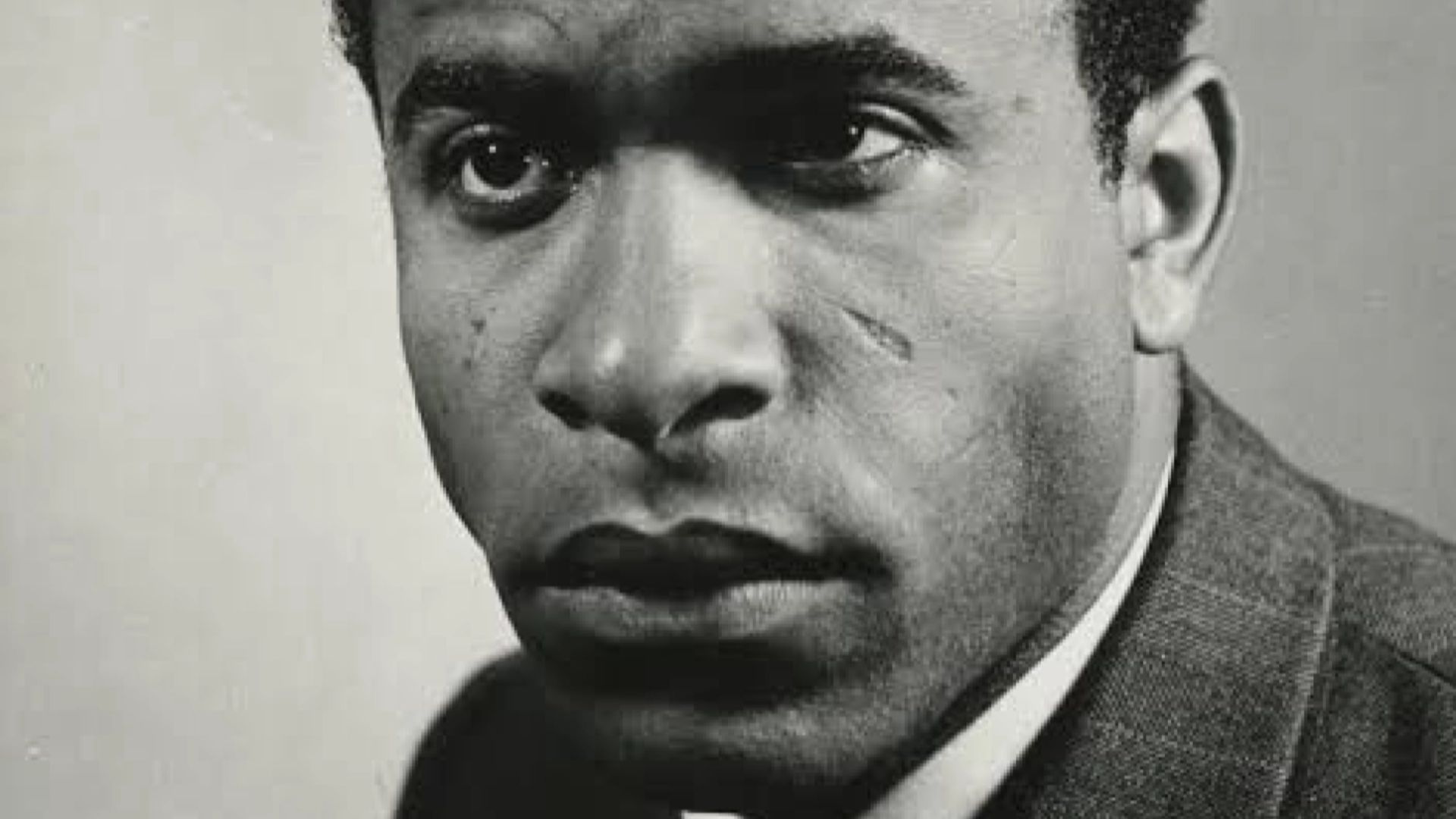 Unknown authorUnknown author on Wikimedia
17. Andrei Sakharov
Andrei Sakharov helped build the Soviet hydrogen bomb, then became one of the regime’s most dangerous critics. He used his scientific authority to speak against censorship, political repression, and the machinery of fear around him. His radicalism came from turning away from comfort and status when conscience made silence impossible.
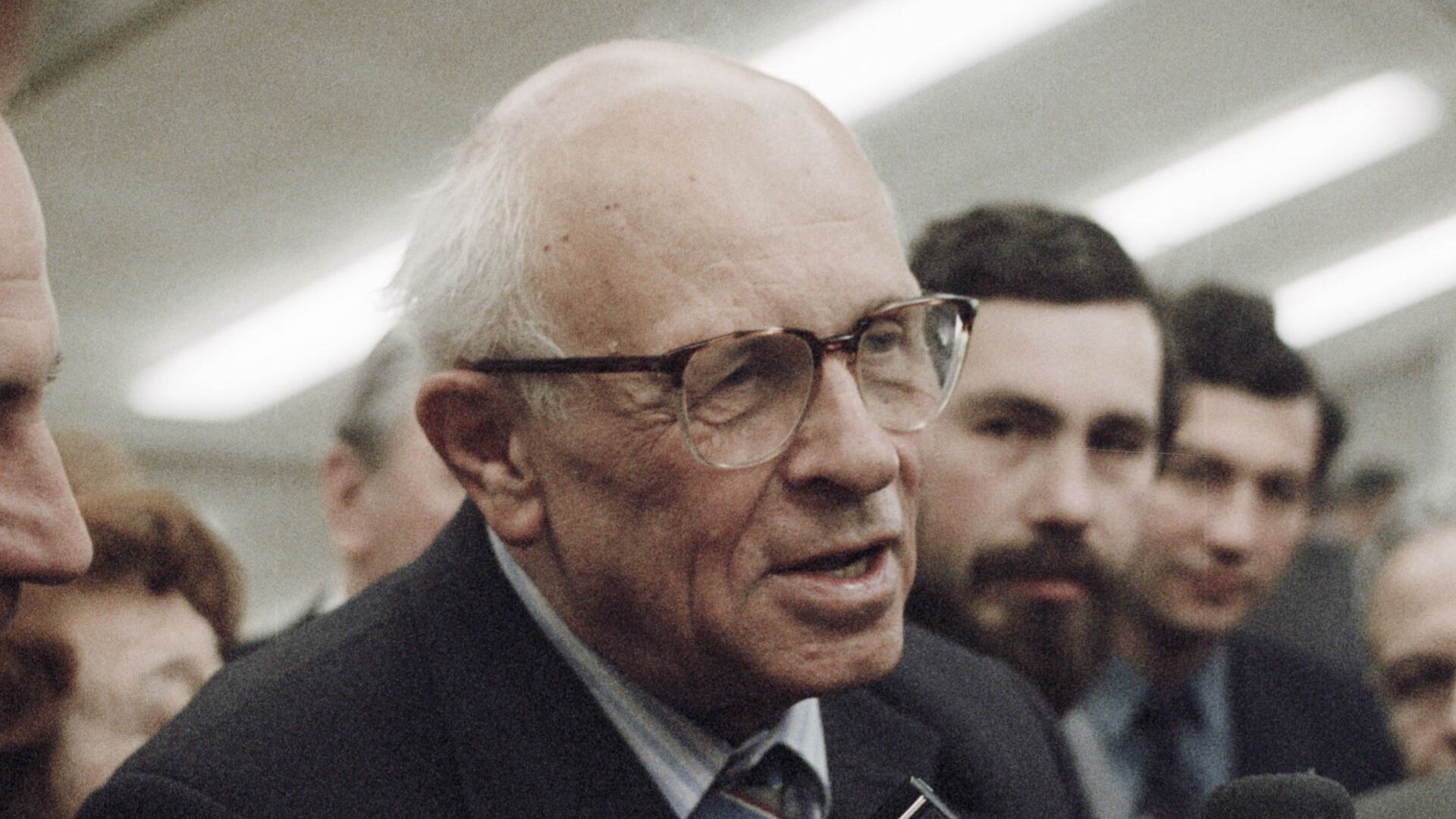 Vladimir Fedorenko / Владимир Федоренко on Wikimedia
18. César Chávez
César Chávez helped make the lives of farmworkers visible to consumers who had benefited from not looking too closely. Through strikes, boycotts, and organizing, he pushed labor rights into grocery stores, dinner tables, and national politics. He understood that dignity in the fields had to become everyone’s concern.
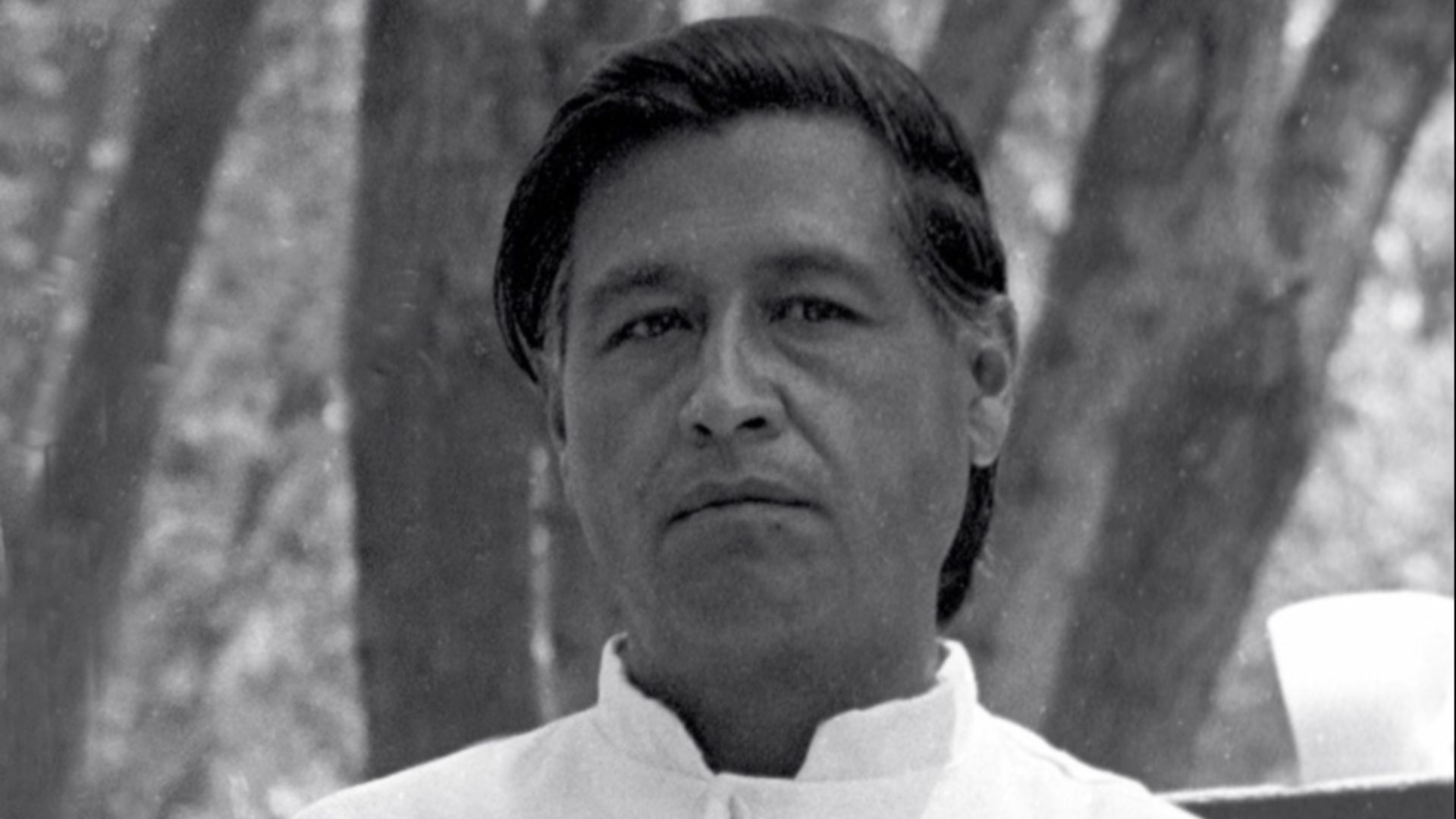 Cesar_chavez.jpg: Joel Levine
derivative work: Work permit (talk) on Wikimedia
Cesar_chavez.jpg: Joel Levine
derivative work: Work permit (talk) on Wikimedia
19. Ida B. Wells
Ida B. Wells refused to let America look away from lynching, even when telling the truth put her own life at risk. She investigated, wrote, organized, and named the violence that polite society preferred to excuse or ignore. Her radicalism came from turning evidence into a weapon and insisting that justice required more than sympathy from a distance.
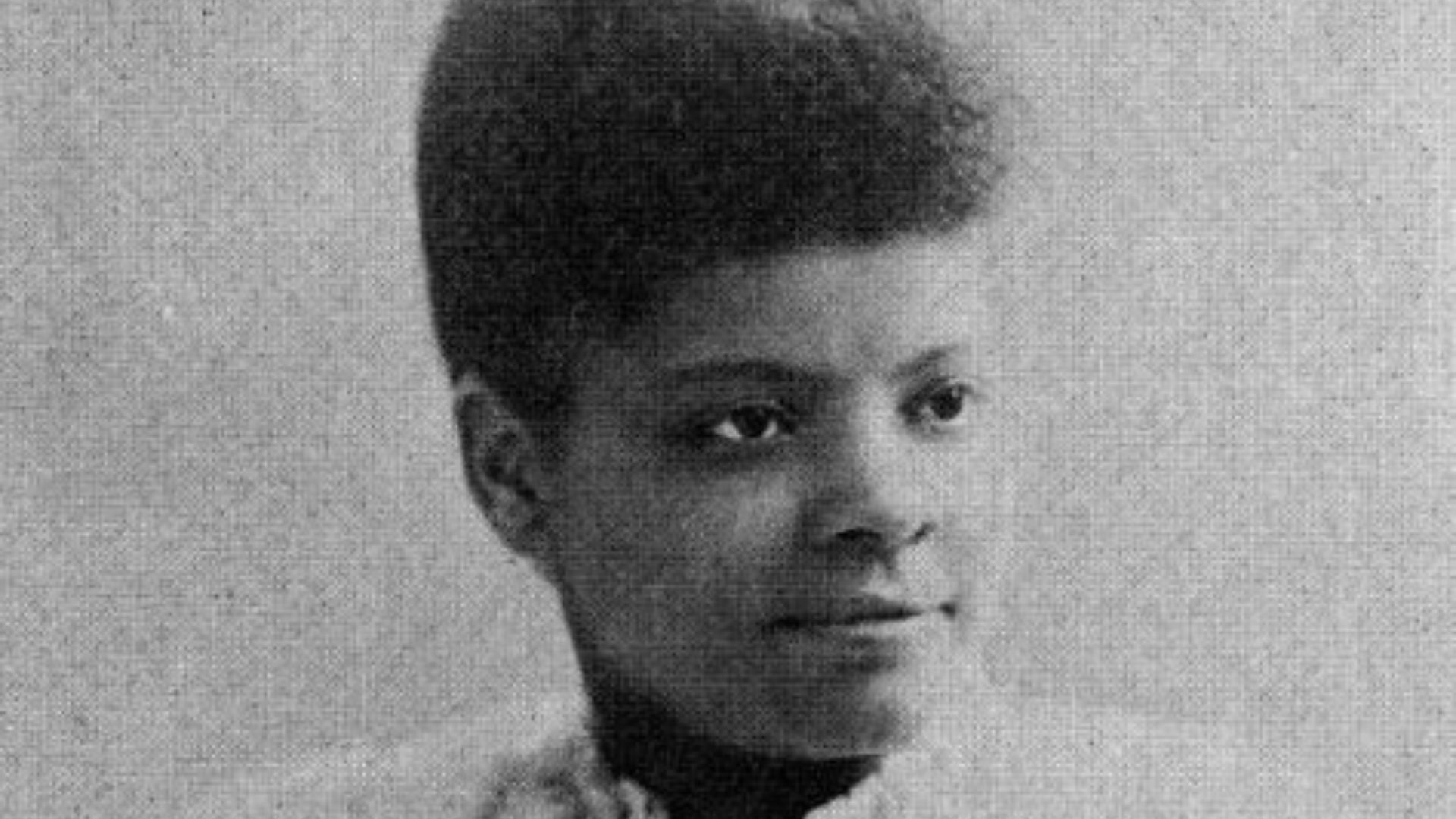 Photographer not stated on Wikimedia
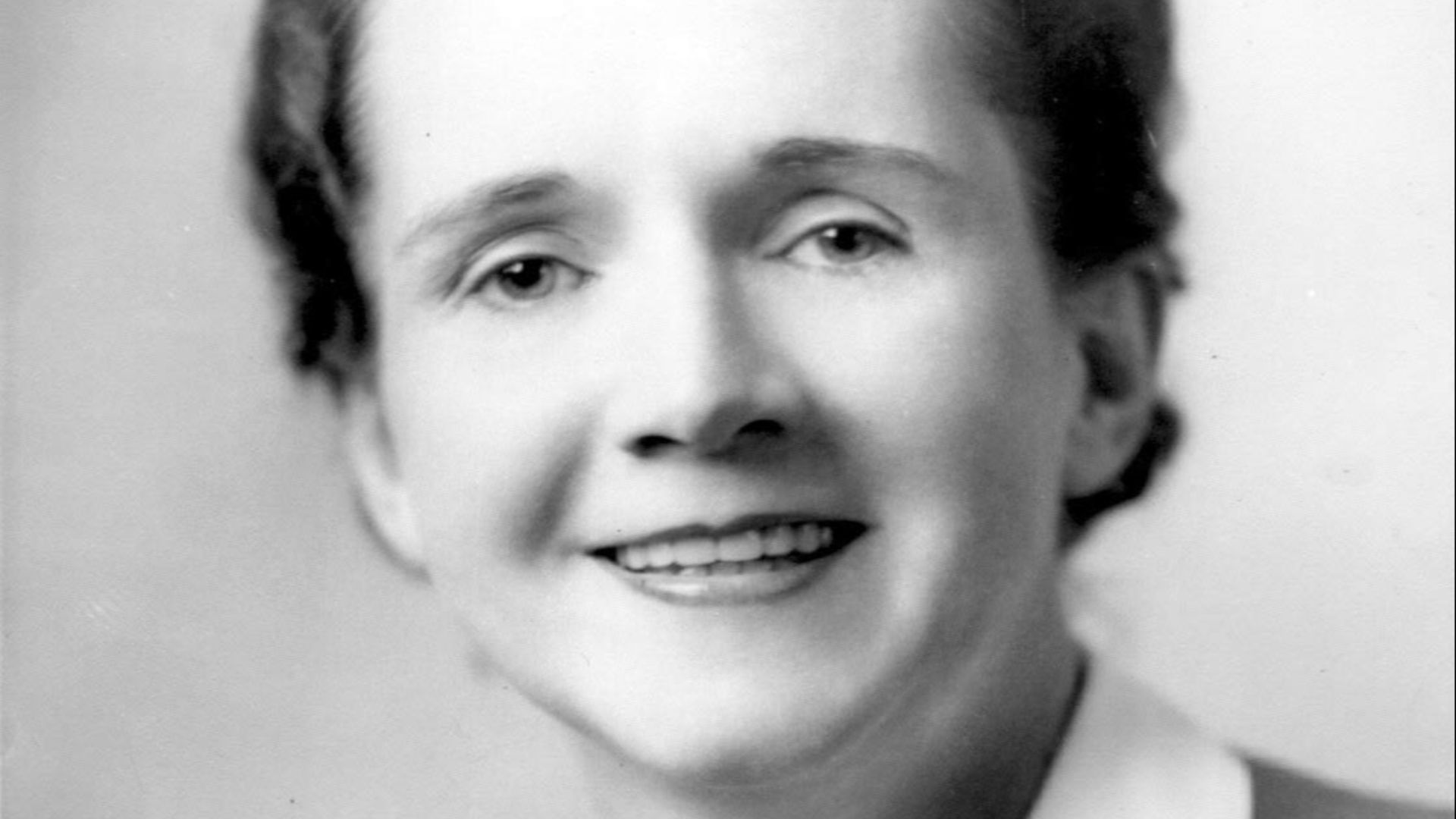
20. Rachel Carson
Rachel Carson was radical because she asked people to question the chemicals, conveniences, and corporate assurances surrounding modern life.
Silent Spring made environmental harm feel intimate, not abstract. She showed that progress without accountability could poison the world quietly, one backyard, river, and birdless morning at a time.
KEEP ON READING
The Brutal Realities Of Gladiator Life Beyond the Arena
David Cruz asenjo on PexelsWhen most people think of gladiators,…
By Rob Shapiro Mar 31, 2026
The Volcano Winter That Nearly Toppled Europe
Collin Ross on UnsplashMost people, if asked to name a…
By Cameron Dick Mar 31, 2026
From School Plays To Starting A Cult: 20 Of The…
The Books That Made Us. Many people will tell you…
By Farva Ivkovic Jan 31, 2025
20 Facts About Jane Grey, The Forgotten Queen Of England
A Quick, Messy, and Tragic Reign. Lady Jane Grey never…
By Maria Cruz Jan 31, 2025
20 Priceless Historical Art Pieces Rescued By The Monuments Men
Protecting Human History. While the soldiers on the front lines…
By Sara Springsteen Mar 31, 2026
Almost Every Ancient Statue Has a Missing Nose, And It's…
Gary Todd from Xinzheng, China on WikimediaWalk through the classical…
By Elizabeth Graham Mar 31, 2026