

Bad Work
Before hard hats, labor laws, ventilation systems, and general workplace safety, a job could take your health long before it took your life. Some of these jobs were dangerous in obvious ways, with fire, cave-ins, and deep water involved; others looked ordinary until the dust, chemicals, or infection started doing quiet damage. The worst part is how normal it all was, as if losing fingers, lungs, teeth, or years was simply part of earning a wage. Here are 20 historical jobs that were basically death sentences.
 Unknown authorUnknown author on Wikimedia
1. Chimney Sweep
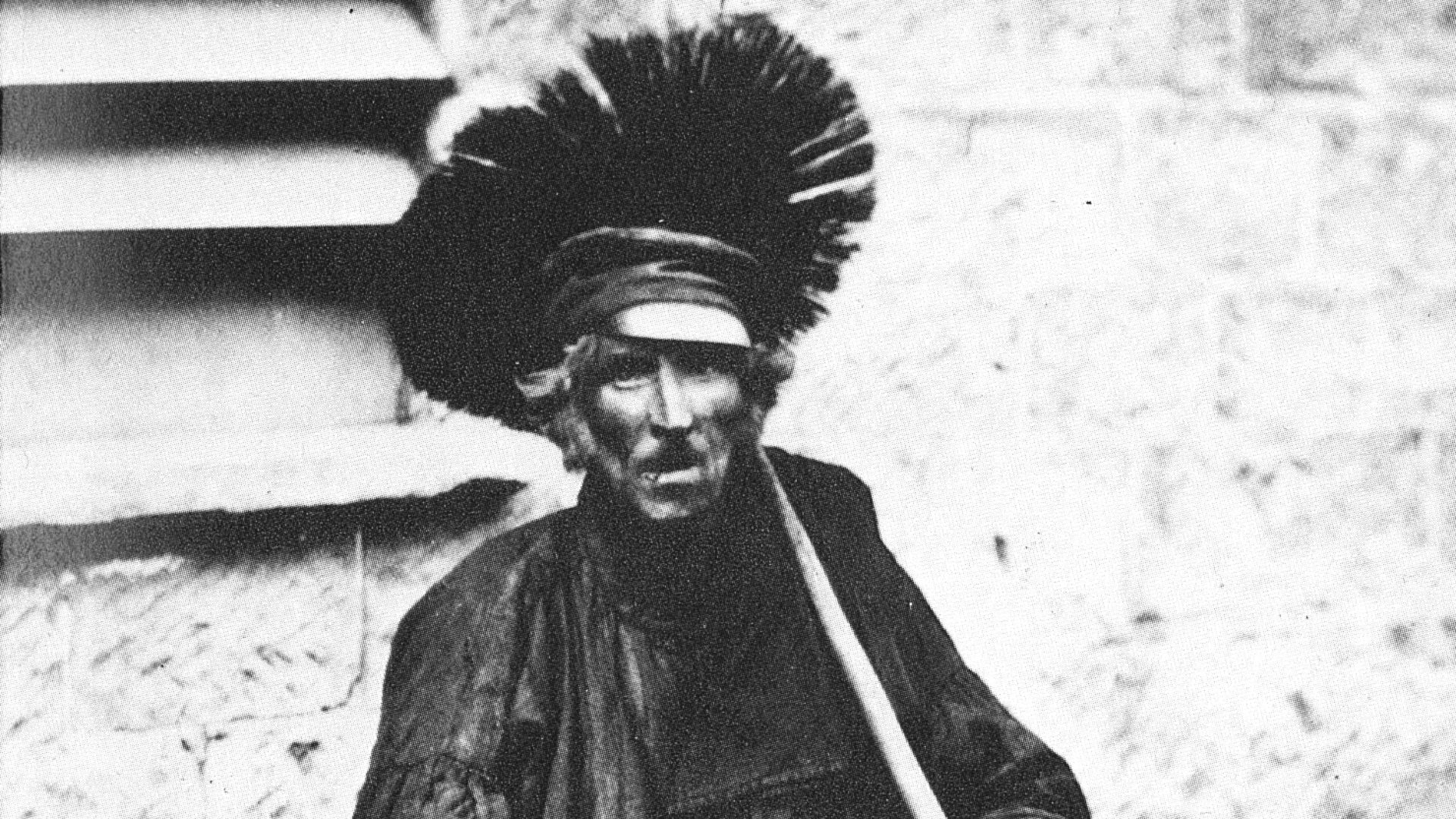
Child chimney sweeps were sent into narrow, soot-packed chimneys because small bodies could fit where adults could not. The job meant burns, falls, suffocation, lung damage, and a life spent breathing coal soot before anyone had much interest in protecting the children doing it.
 anonymous / Unidentified photographer on Wikimedia
2. Matchstick Maker
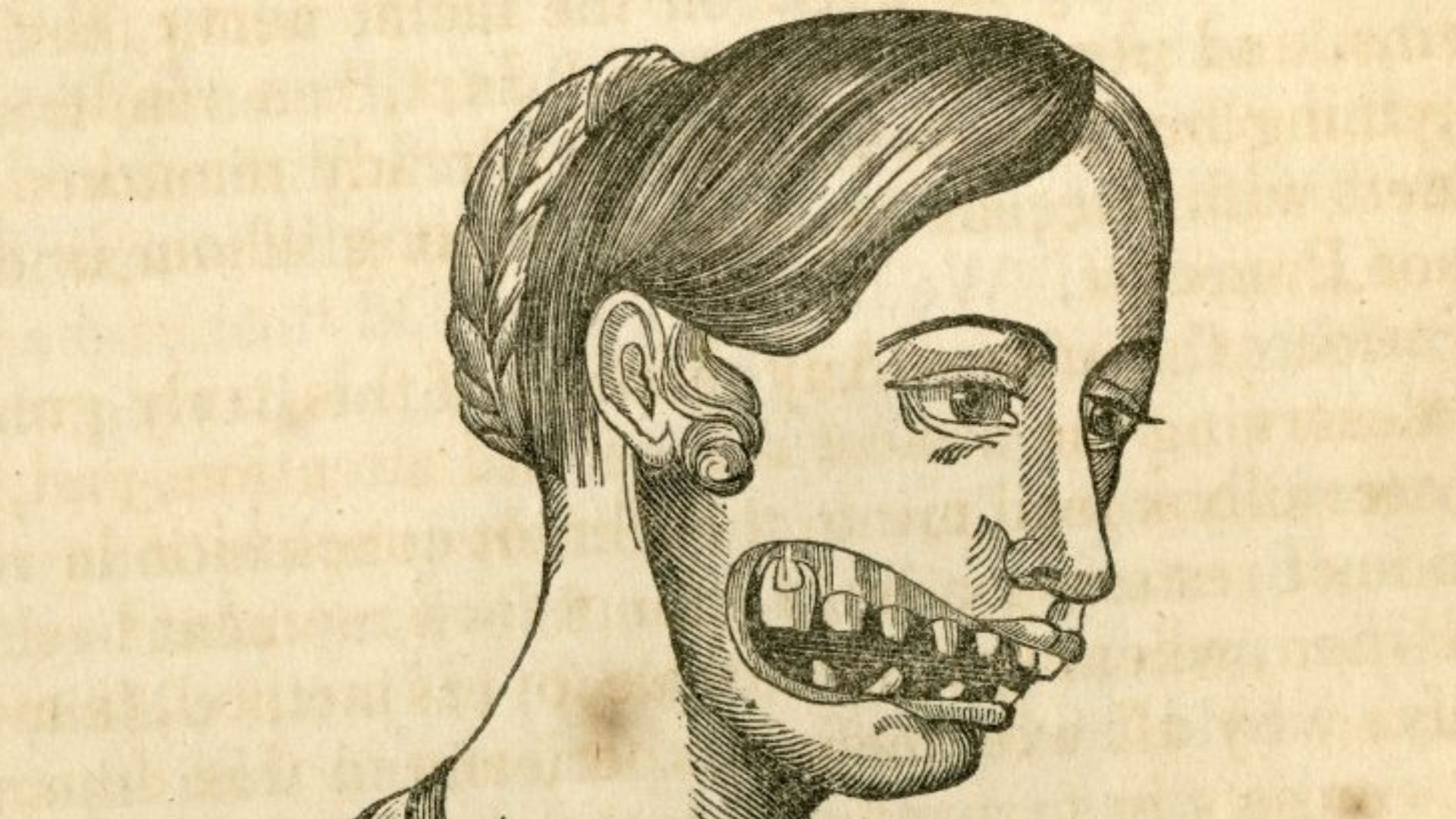
Making matches sounds delicate until you get to the white phosphorus. Workers in the 19th-century match industry could develop “phossy jaw,” a brutal occupational disease that attacked the bones of the jaw and turned a small factory job into a slow medical horror.
3. Radium Dial Painter
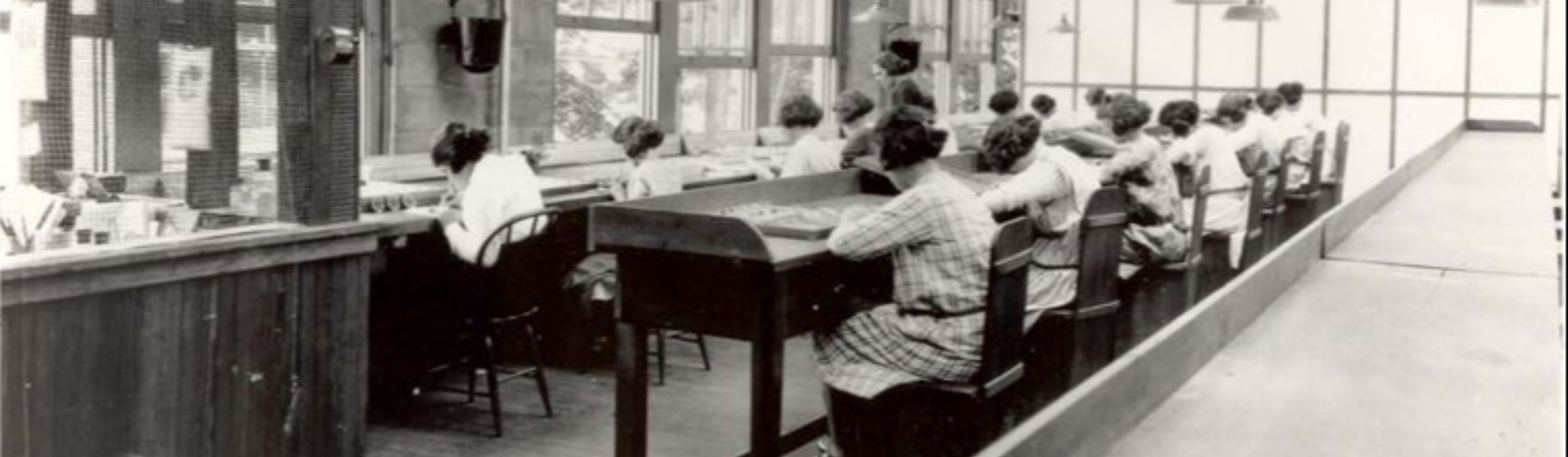
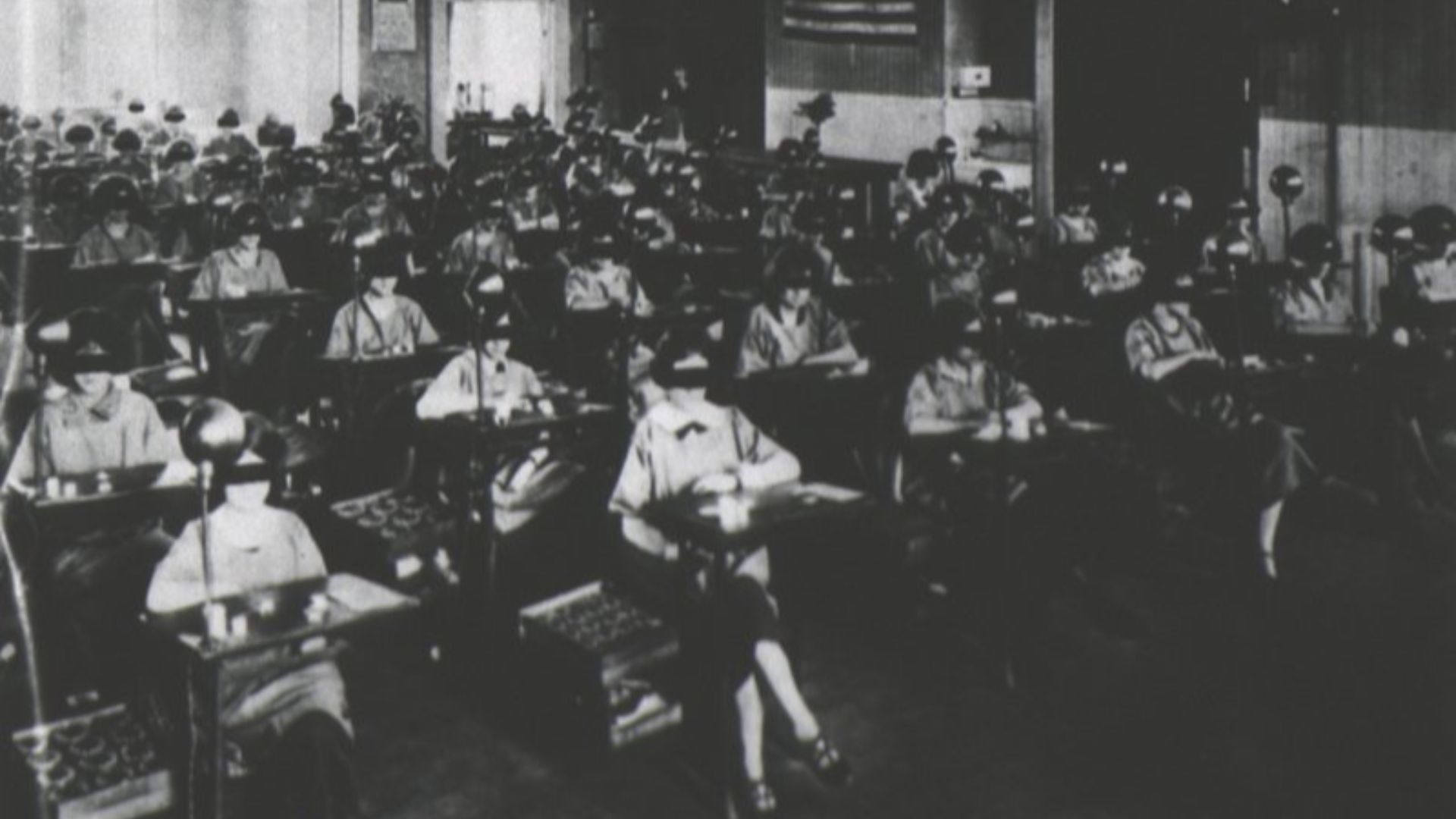
Radium dial painting was sold as clean, skilled work for young women, which makes the betrayal feel even sharper. Workers were told to sharpen glowing paintbrushes with their lips, quietly ingesting radiation while painting watch faces that looked magical in the dark.
4. Powder Monkey
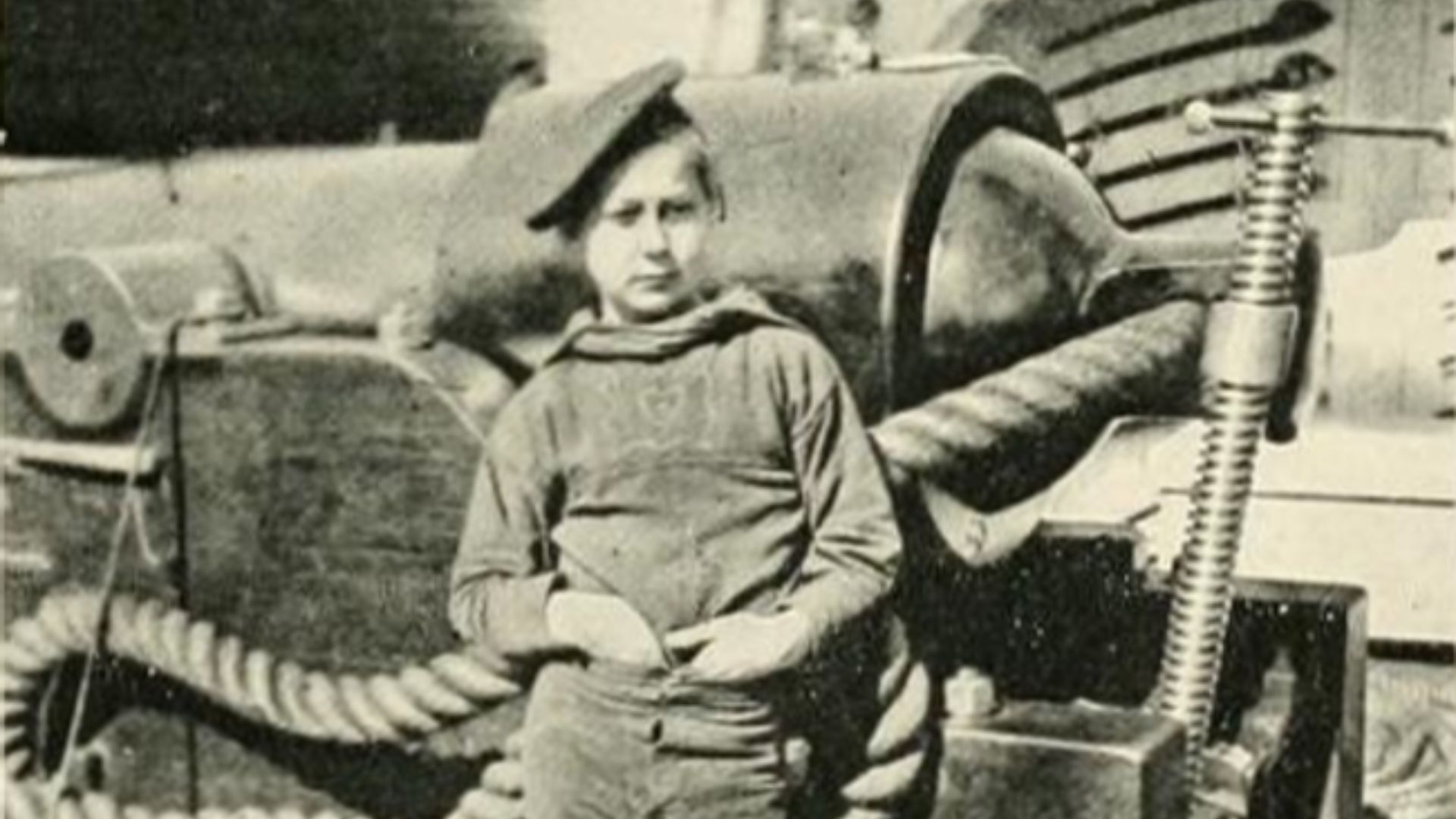
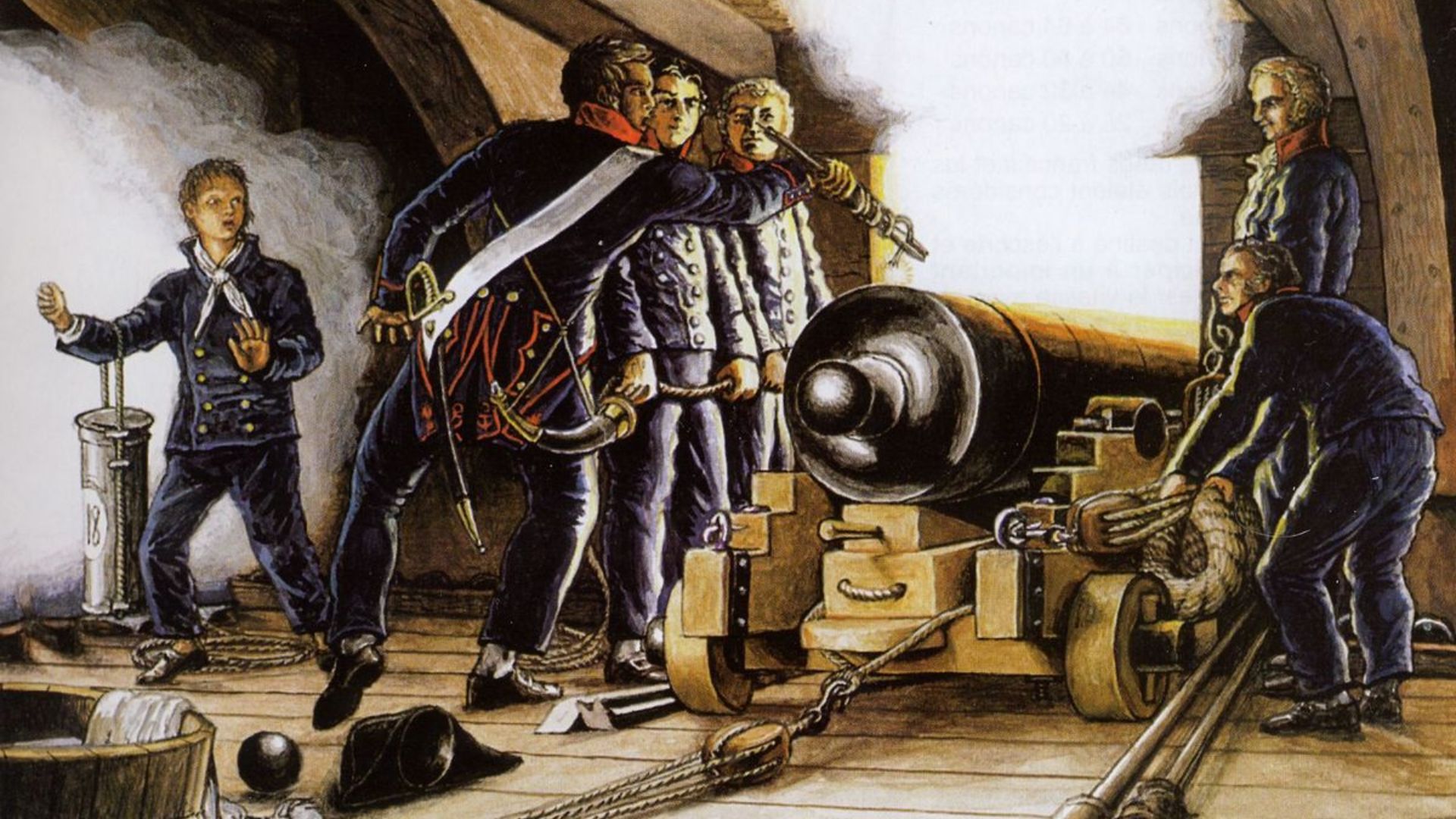
Powder monkeys were usually boys on warships, small and quick enough to carry gunpowder from the magazine to the guns during battle. One spark, one hit, one bad second, and the job could stop being work and become an explosion.
5. Coal Miner
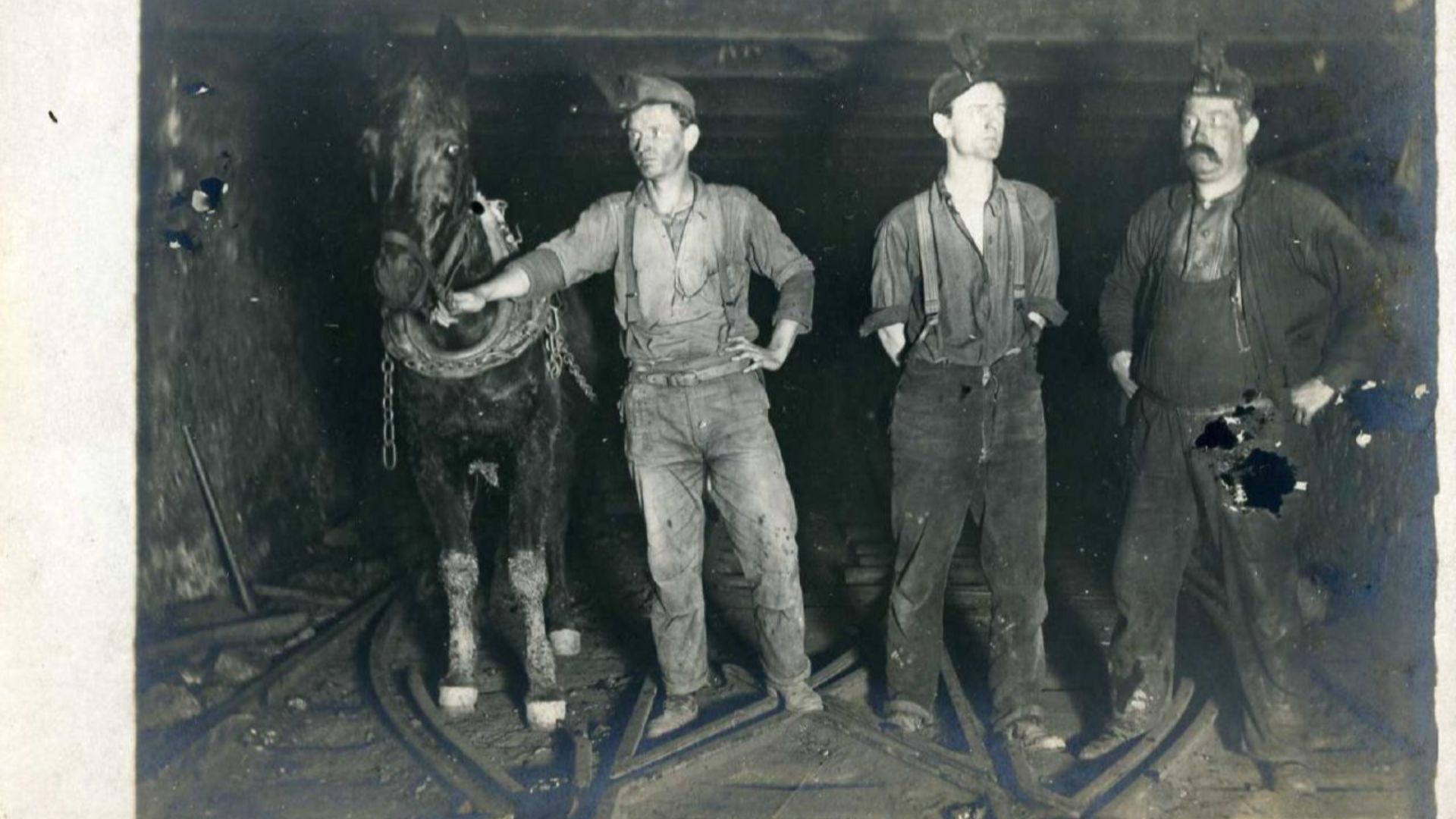
Coal mining has always had a blunt kind of danger: cave-ins, explosions, bad air, flooding, and dust that settled into the lungs. Men went underground day after day knowing the earth above them could fall in at any moment.
 Janet Lindenmuth from Wilmington, Delaware, USA on Wikimedia
6. Breaker Boy
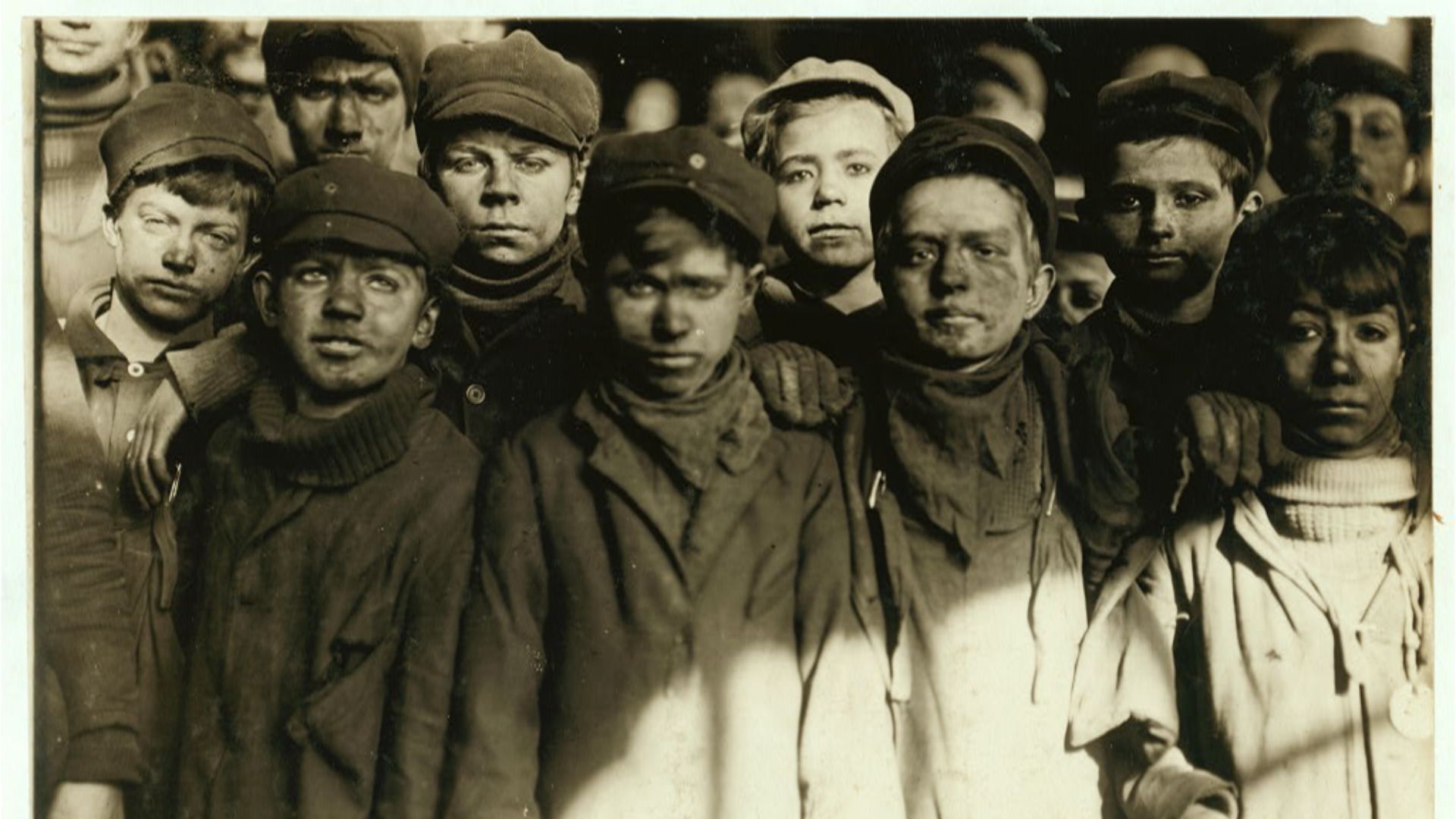
Breaker boys sat near moving belts and picked slate from coal, often as children, breathing dust while their hands worked fast around machinery. It was the kind of job that stole childhood first, then health, and sometimes fingers.
7. Sandhog
Sandhogs built tunnels and bridge foundations under rivers, working in compressed air where the body could turn against itself. Caisson disease, later known as the bends, made leaving work dangerous in its own right, because surfacing too fast could cripple or kill.
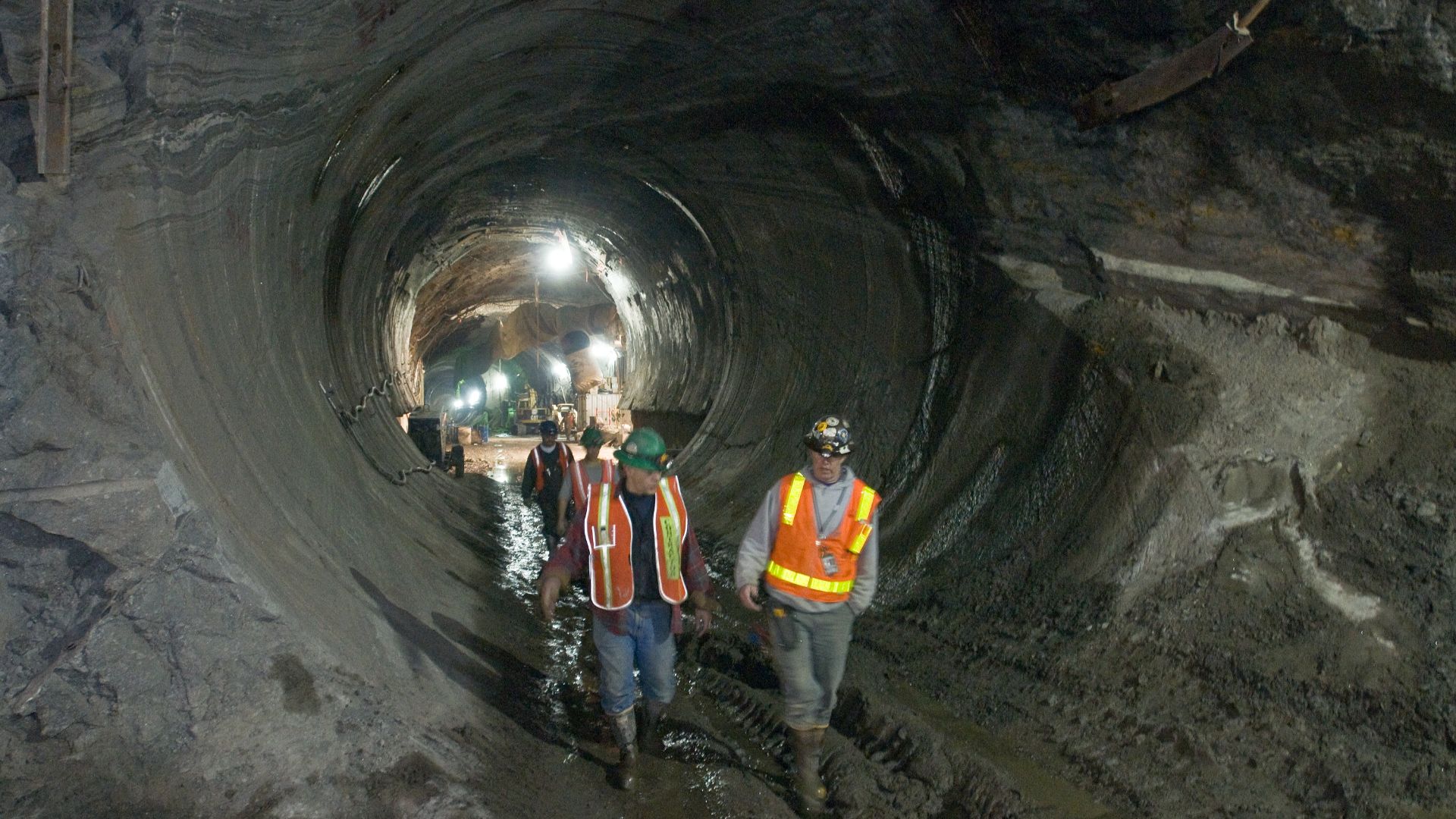
8. Night Soil Man
Night soil men emptied cesspits, privies, and latrines before modern sewage systems handled the worst of it. The job was exactly as foul as it sounds, but the real danger was infection, bad air, collapse, and the daily intimacy with everything a city wanted hidden.
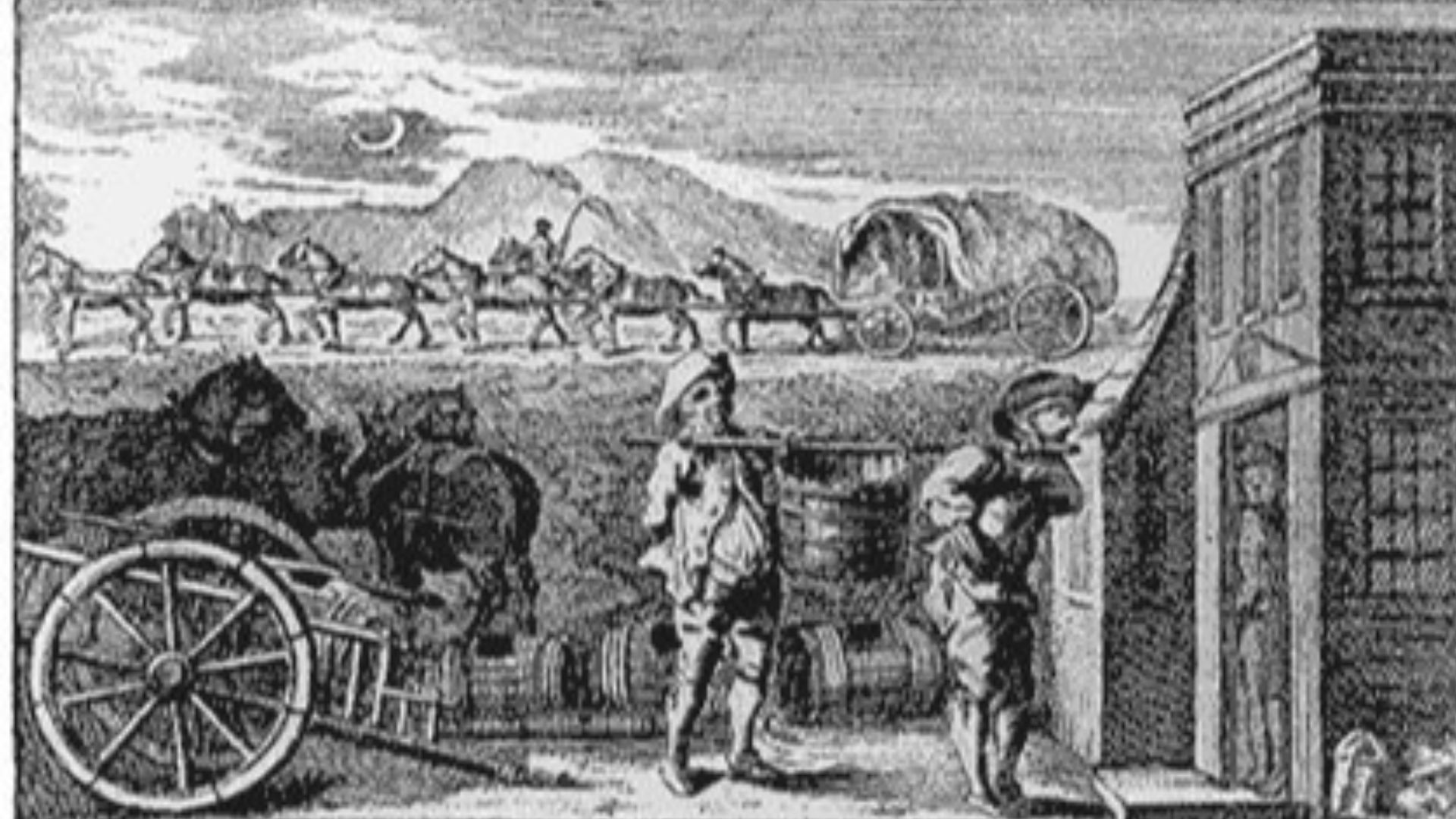 Unknown authorUnknown author on Wikimedia
9. Tosher
Toshers scavenged through London’s sewers for anything valuable enough to sell. They worked in darkness, filth, and unpredictable water, making a living in places where one slip could mean disease, drowning, or simply not being found quickly enough.
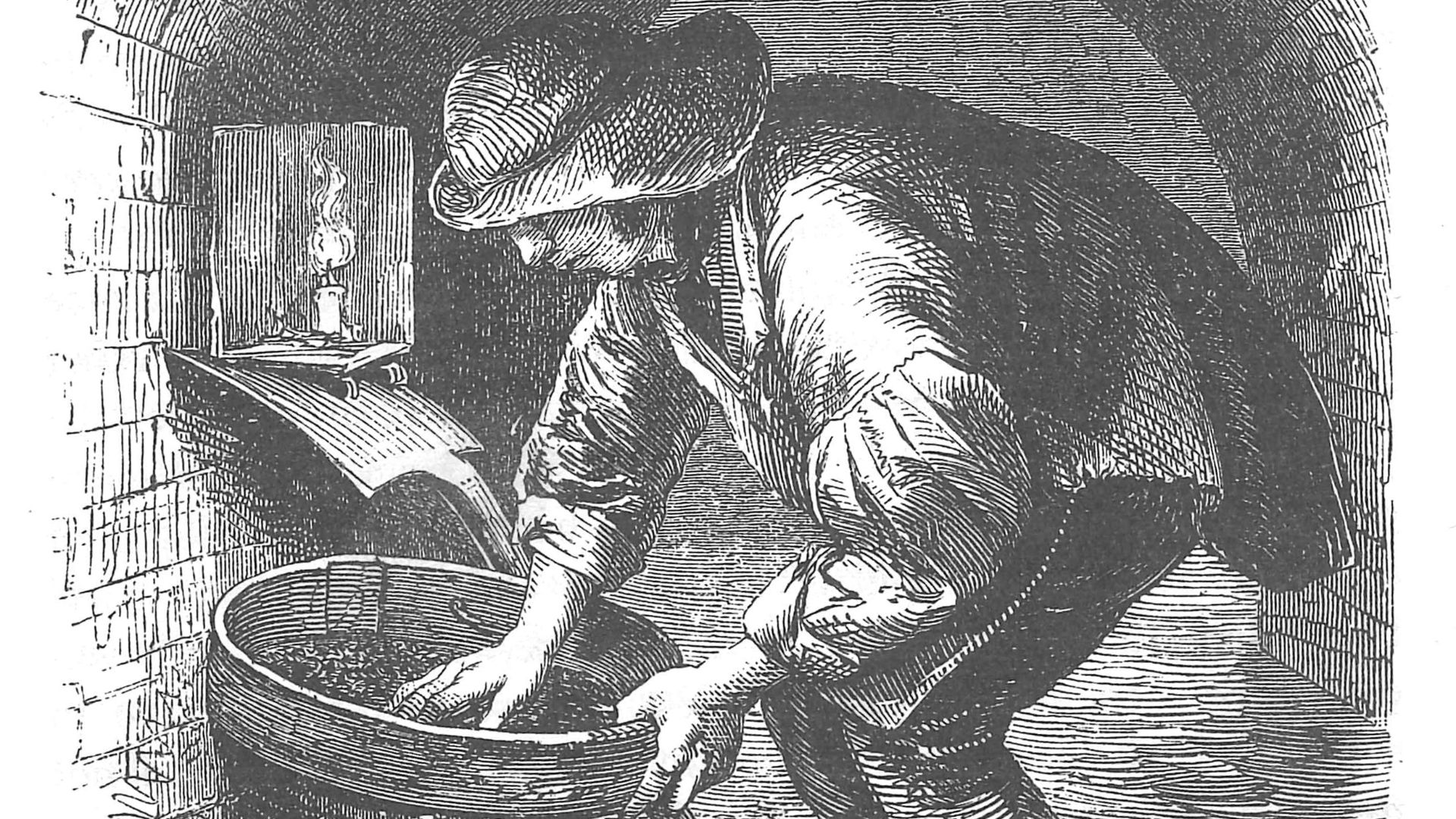 Unknown authorUnknown author on Wikimedia
10. Mercury Hatter
Hat-making looked like a respectable trade from the outside, but inside the workshop, the materials could quietly poison the people handling them. Hatters exposed to mercury could develop tremors, slurred speech, mood changes, and neurological damage, which is where the phrase “mad as a hatter” got some of its grim historical weight.
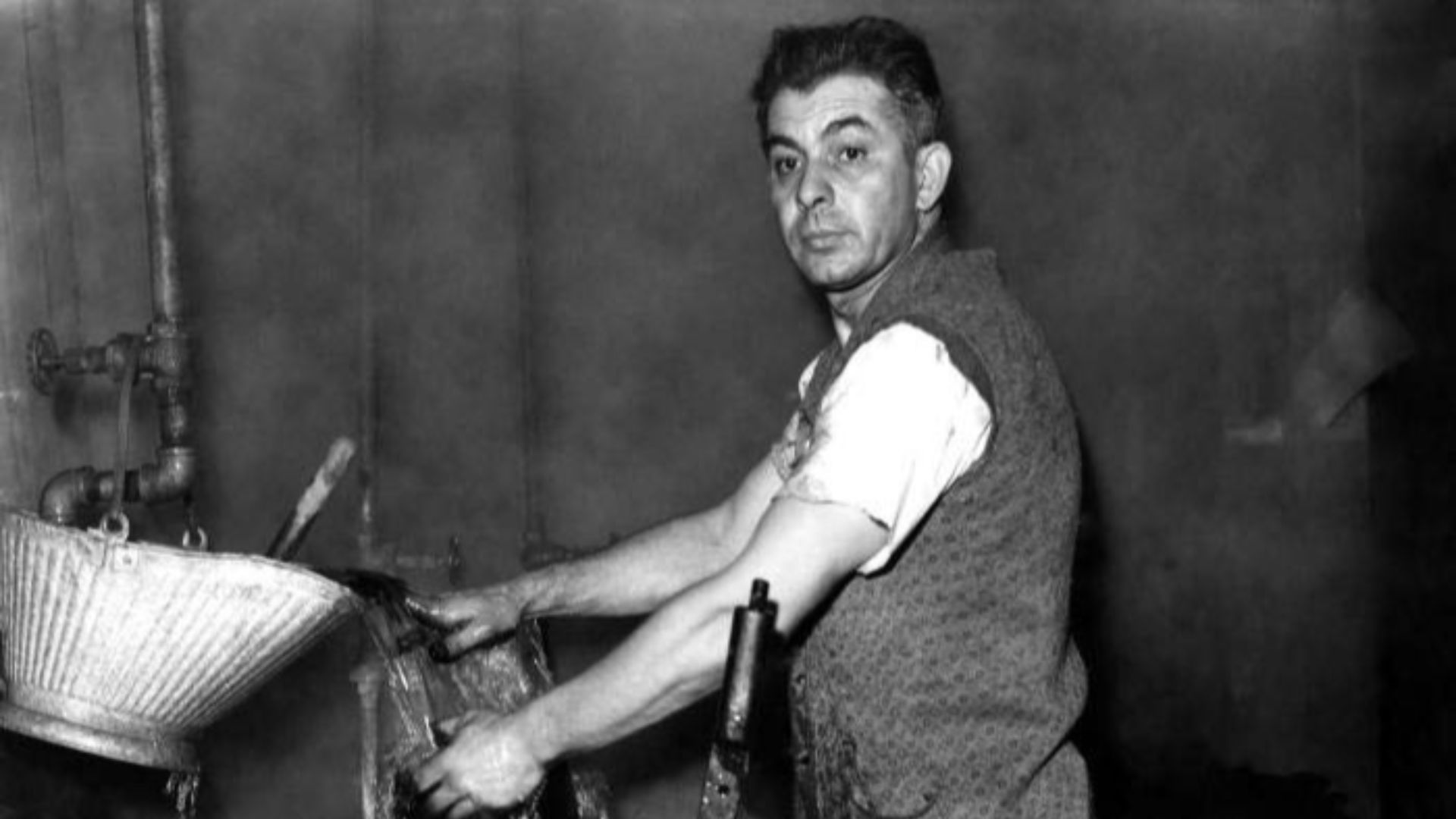 National Institute for Occupational Safety and Health (NIOSH) from USA on Wikimedia
11. Leech Collector
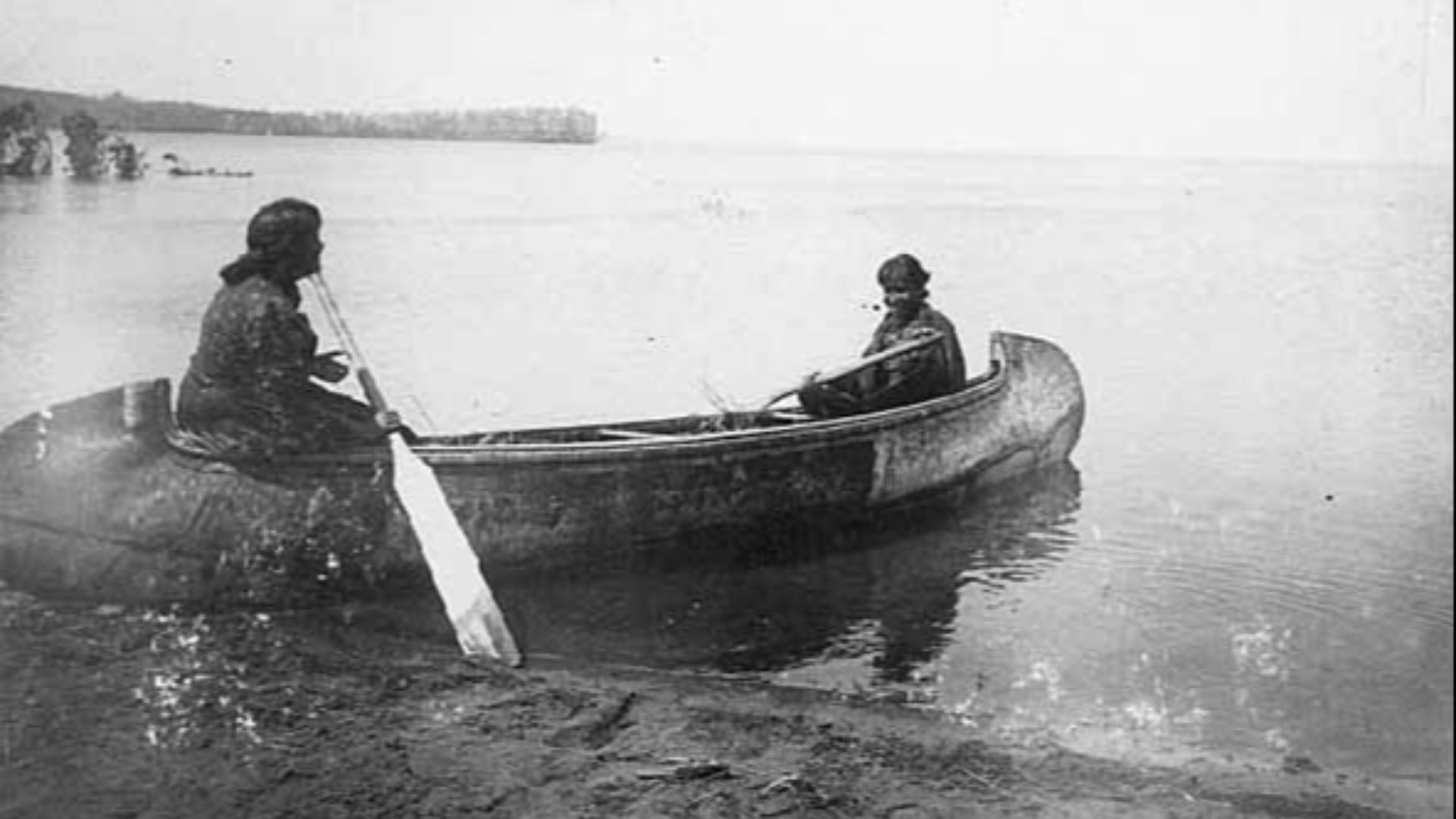
Leech collectors supplied the medical world’s appetite for bloodletting by wading through marshes and letting leeches attach to their own legs. The work brought blood loss, infection, cold water, and the strange indignity of being both worker and bait.
 Edward Augustus Bromley on Wikimedia
12. Tanner
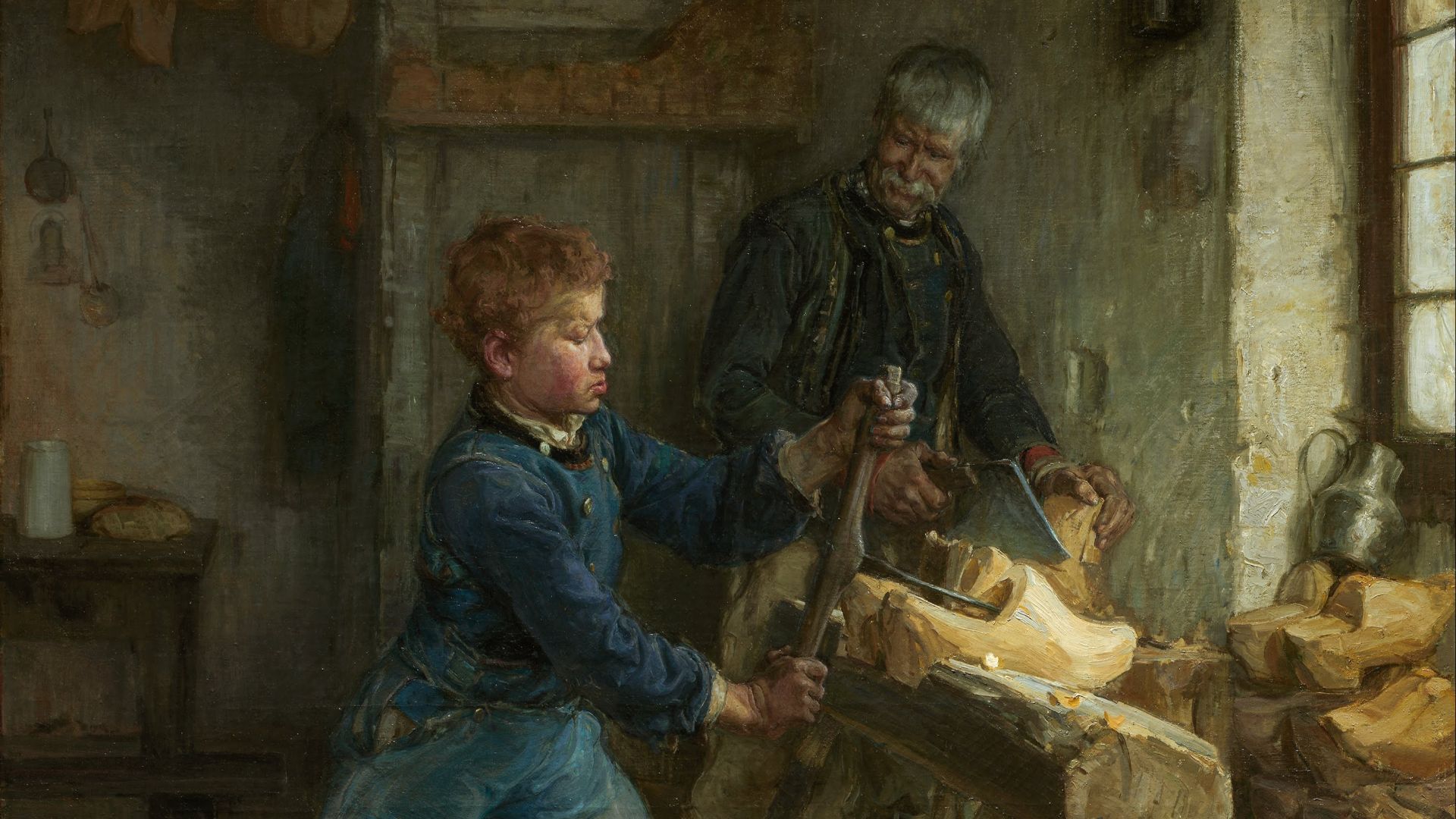
Tanners turned animal hides into leather, which meant living around rotting skins, harsh liquids, scraping tools, and smells that pushed the trade to the edges of town. It was necessary work, but it was also filthy, corrosive, and hard on the body in ways that never washed off.
 Henry Ossawa Tanner on Wikimedia
13. Gunpowder Mill Worker
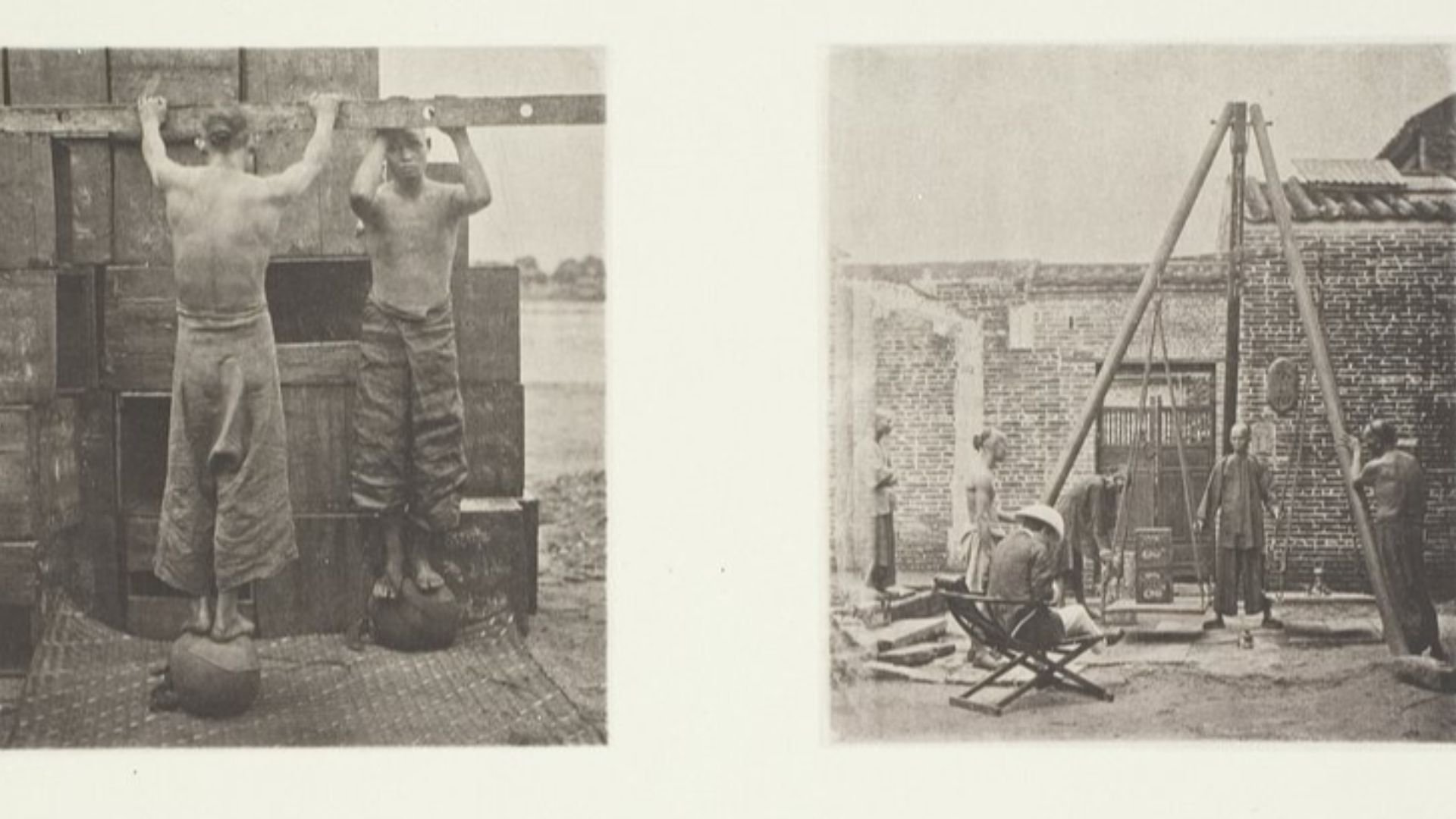
Gunpowder mill workers had to be careful in a way most jobs never demand. A mistake, a spark, a bit of friction, or one careless moment could level a building, which made every ordinary shift feel like it had a fuse attached.
14. Whaler
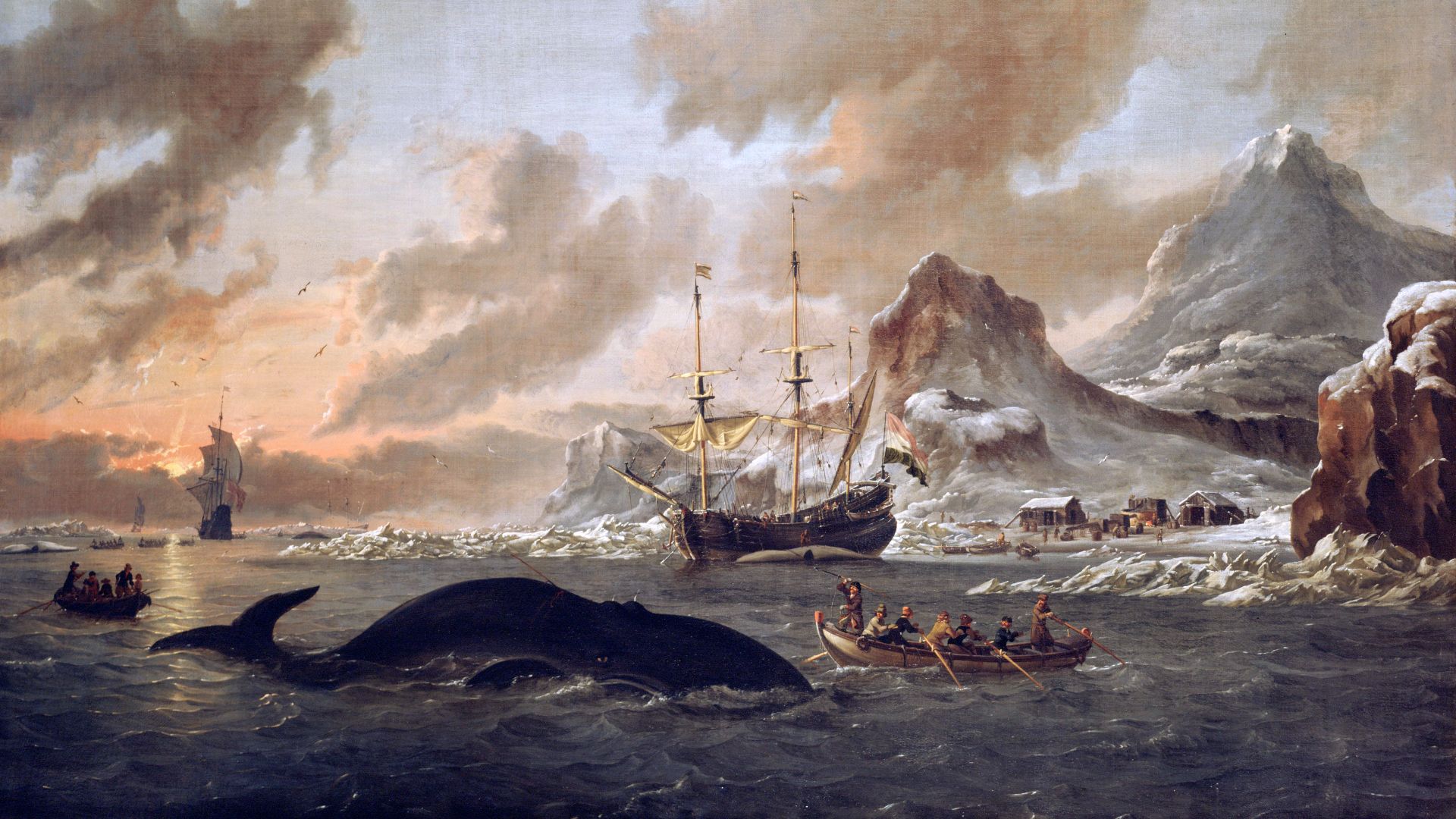
Whaling meant small boats, huge animals, freezing seas, sharp tools, and decks slick with oil and blood. Even before you got to storms or shipwrecks, the basic process of hunting and processing whales asked workers to stand close to several different ways of dying.
 commons.wikimedia.org on Google
15. Lead Worker
Lead workers handled a material people used everywhere and understood far too late. Mining it, smelting it, painting with it, or shaping it could mean chronic poisoning, with damage that built slowly enough for employers to ignore and workers to suffer through.
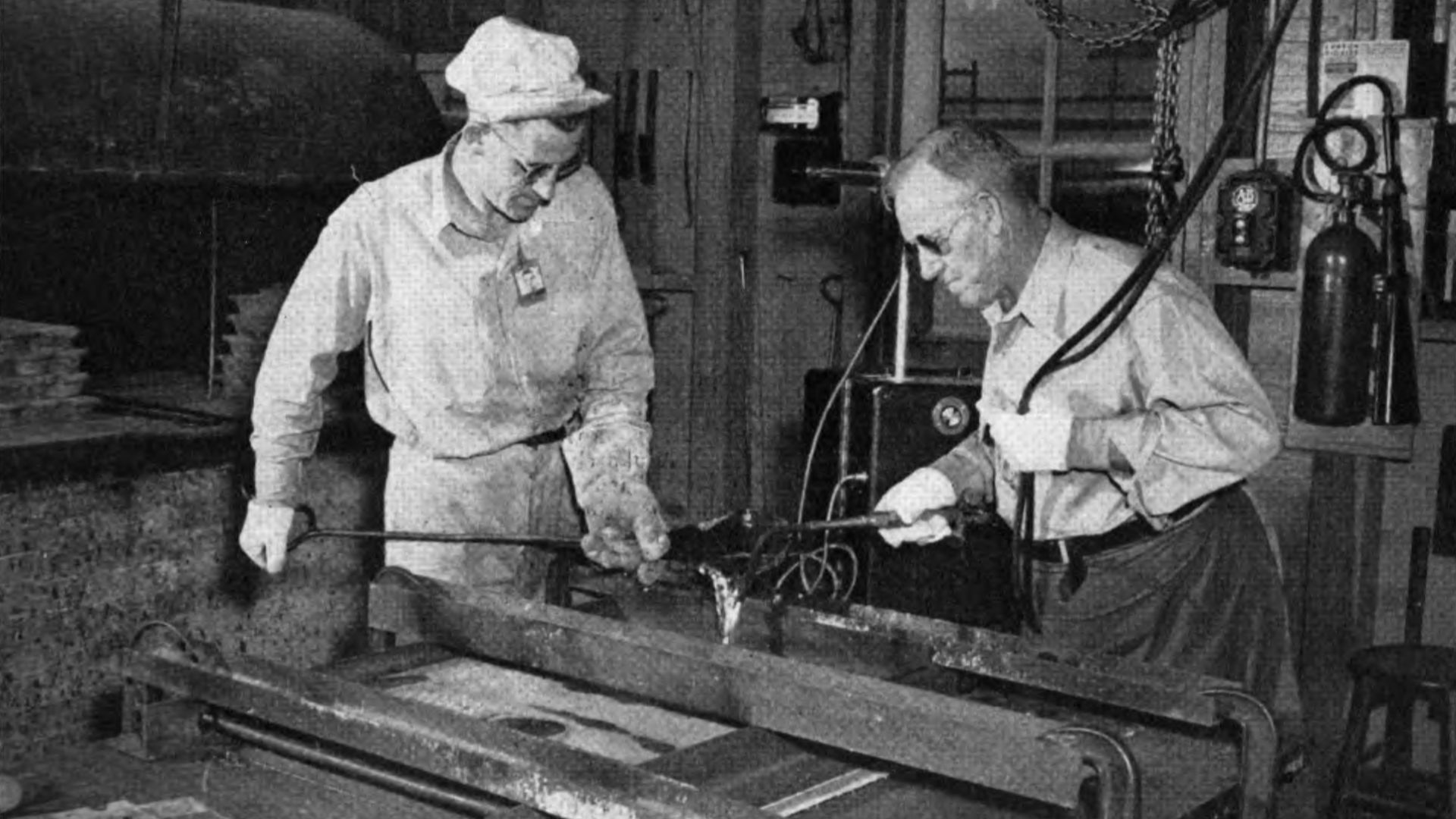 Tennessee Valley Authority on Wikimedia
16. Asbestos Textile Worker
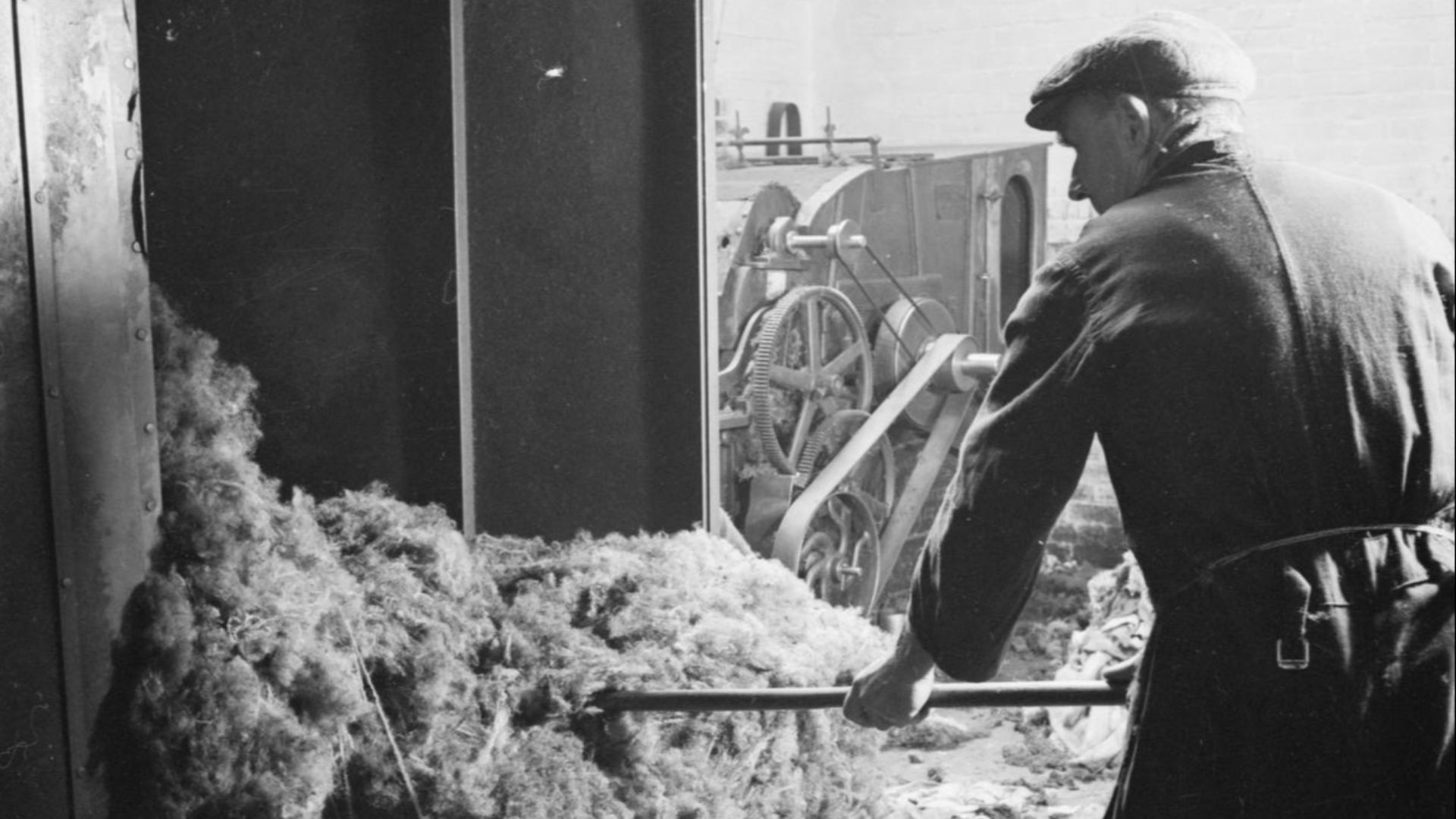
Asbestos once looked like a miracle material, especially when it could be spun, woven, and turned into fire-resistant products. The people who handled the fibers paid the real price, inhaling dust that could lead to asbestosis, lung cancer, and mesothelioma years later.
17. Plague Burial Worker
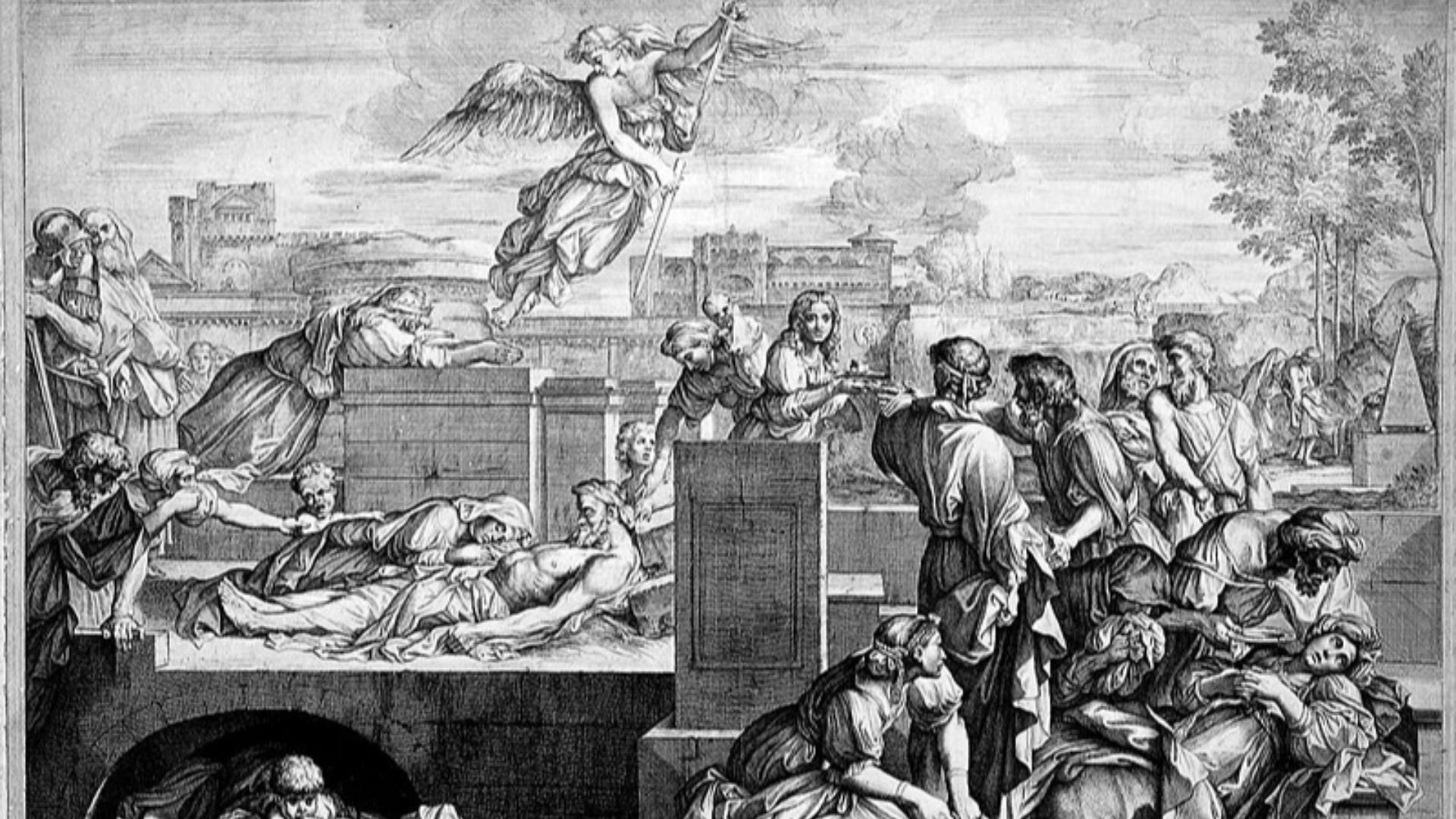
During outbreaks, someone had to collect bodies, dig graves, and move through streets everyone else was trying to avoid. The work carried exposure, exhaustion, grief, and the terrible knowledge that public necessity often meant personal risk.
18. Ice Cutter
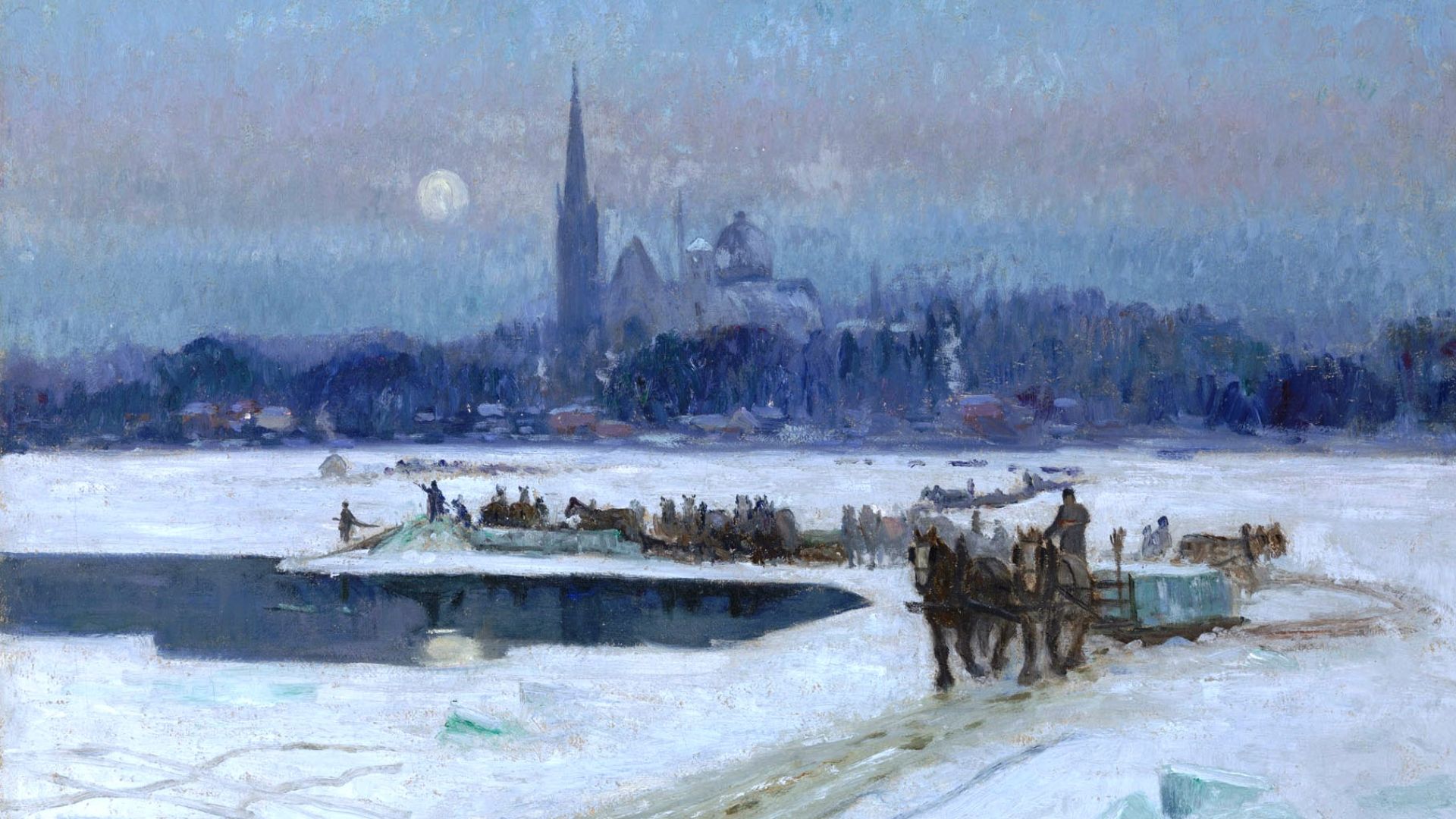
Ice cutters worked frozen rivers and ponds before refrigeration made the job fade from view. They used saws, hooks, horses, and muscle on unstable surfaces, where one wrong step could put a worker under the ice instead of on top of it.
 commons.wikimedia.org on Google
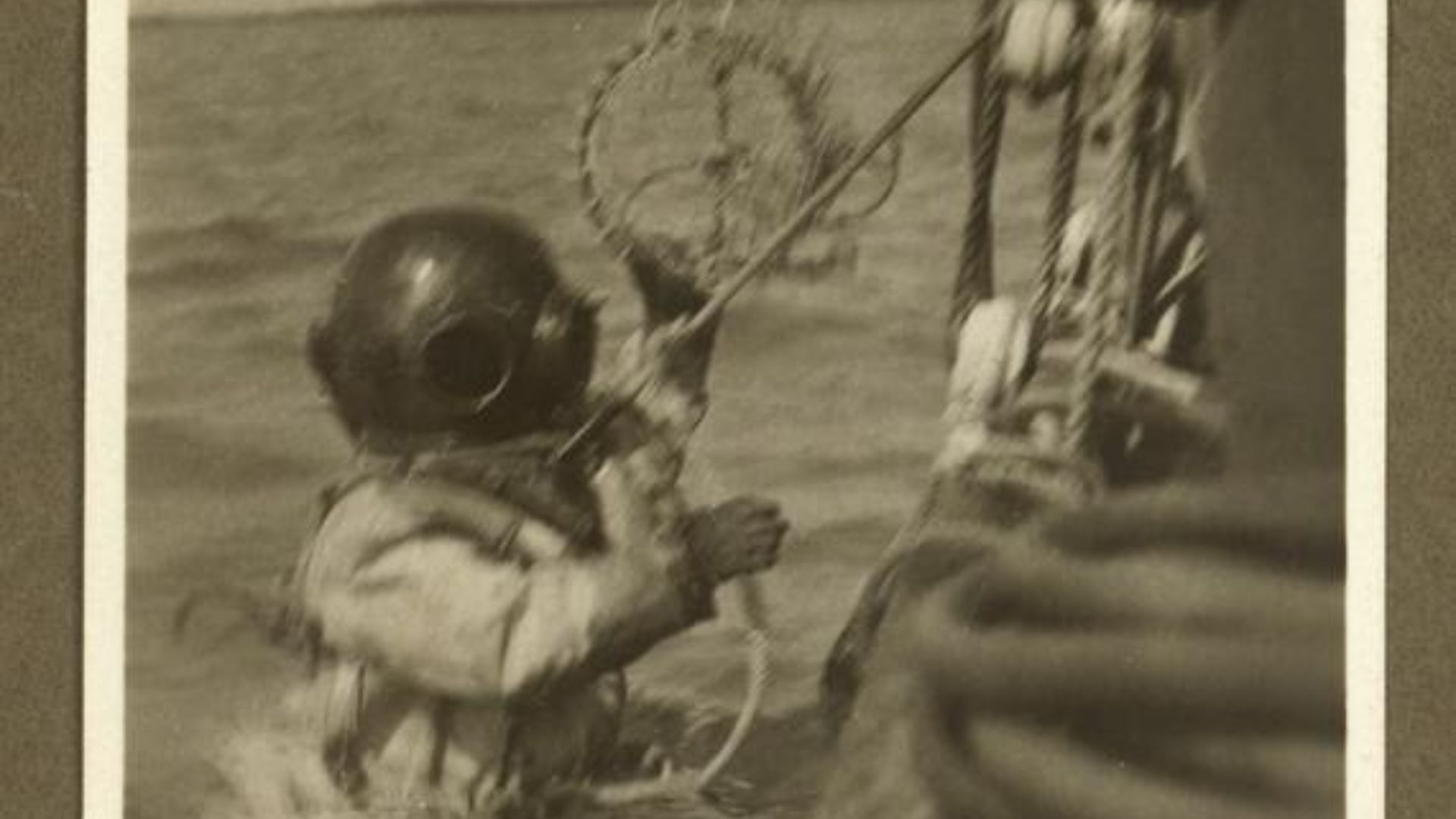
19. Pearl Diver
Pearl divers made beauty possible by repeatedly dropping into deep water with little protection and no guarantee they would come back up. The work meant breath held too long, pressure on the body, sharp coral, rough currents, and the constant risk of drowning for something small enough to disappear in the palm of a hand.
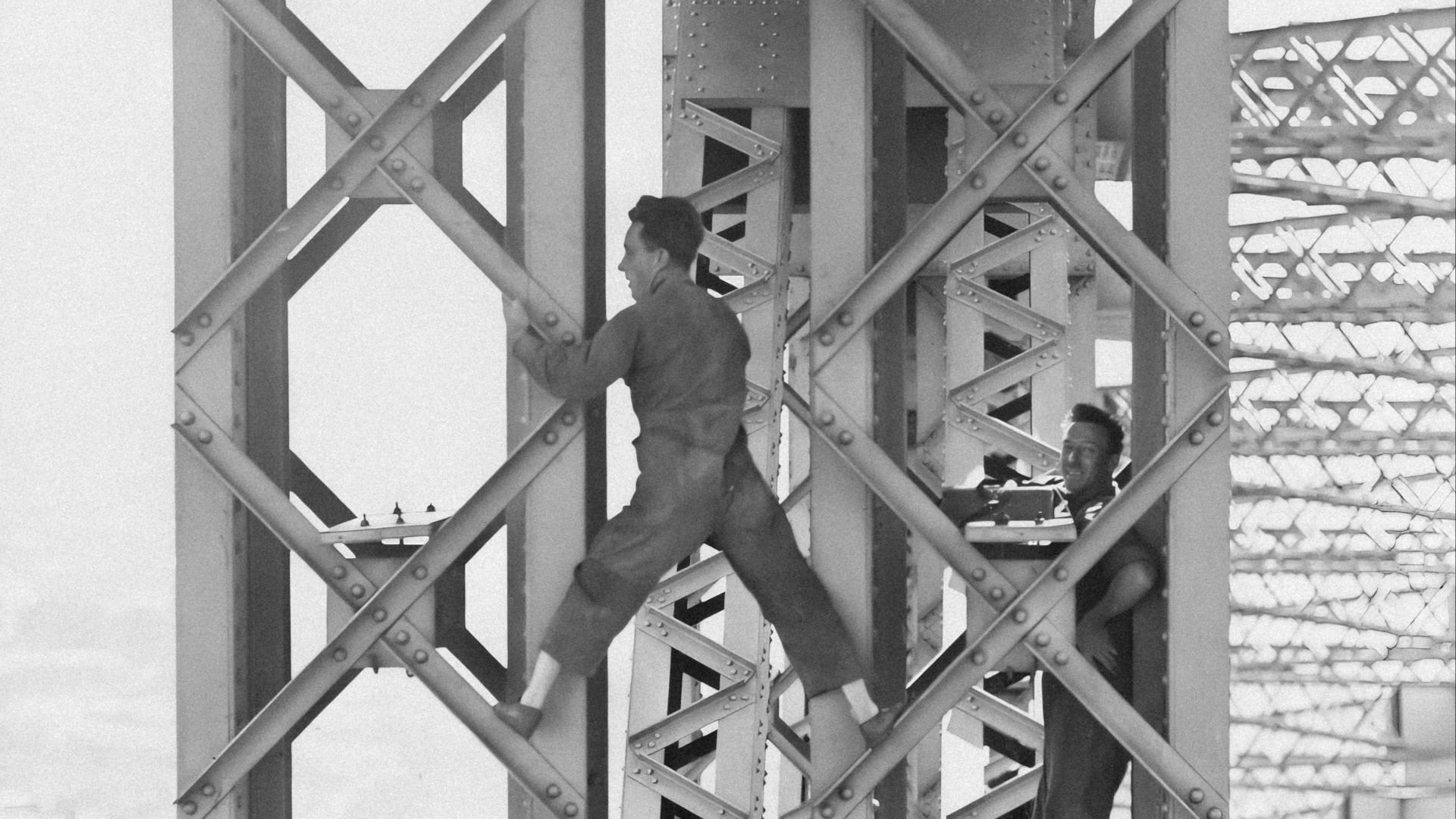
20. Steeplejack
Steeplejacks climbed towers, chimneys, church spires, and industrial stacks with little more than nerve, tools, and faith in whatever ladder or rope was available. The work made gravity feel like a coworker with a grudge, and one loose foothold could end the whole career in seconds.


.jpg)


KEEP ON READING
The 20 Most Recognized Historical Figures Of All Time
The Biggest Names In History. Although the Earth has been…
By Cathy Liu Oct 4, 2024
10 of the Shortest Wars in History & 10 of…
Wars: Longest and Shortest. Throughout history, wars have varied dramatically…
By Emilie Richardson-Dupuis Oct 7, 2024
10 Fascinating Facts About Ancient Greece You Can Appreciate &…
Once Upon A Time Lived Some Ancient Weirdos.... Greece is…
By Megan Wickens Oct 7, 2024
20 Lesser-Known Facts About Christopher Columbus You Don't Learn In…
In 1492, He Sailed The Ocean Blue. Christopher Columbus is…
By Emilie Richardson-Dupuis Oct 9, 2024
20 Historical Landmarks That Have The Craziest Conspiracy Theories
Unsolved Mysteries Of Ancient Places . When there's not enough evidence…
By Megan Wickens Oct 9, 2024
The 20 Craziest Inventions & Discoveries Made During Ancient Times
Crazy Ancient Inventions . While we're busy making big advancements in…
By Cathy Liu Oct 9, 2024