

You Won’t Learn These In The Classroom
History tends to get flattened into a never-ending lineup of kings, battles, inventions, and dates. Real life was never that neat. The best random history facts aren’t just strange for the sake of being strange. They make old worlds feel crowded, ordinary, funny, clever, and sometimes uncomfortably close to the lives we’re living today. These 20 facts pull together some of the more surprising corners of history.
1. The First Known Author Was a Priestess
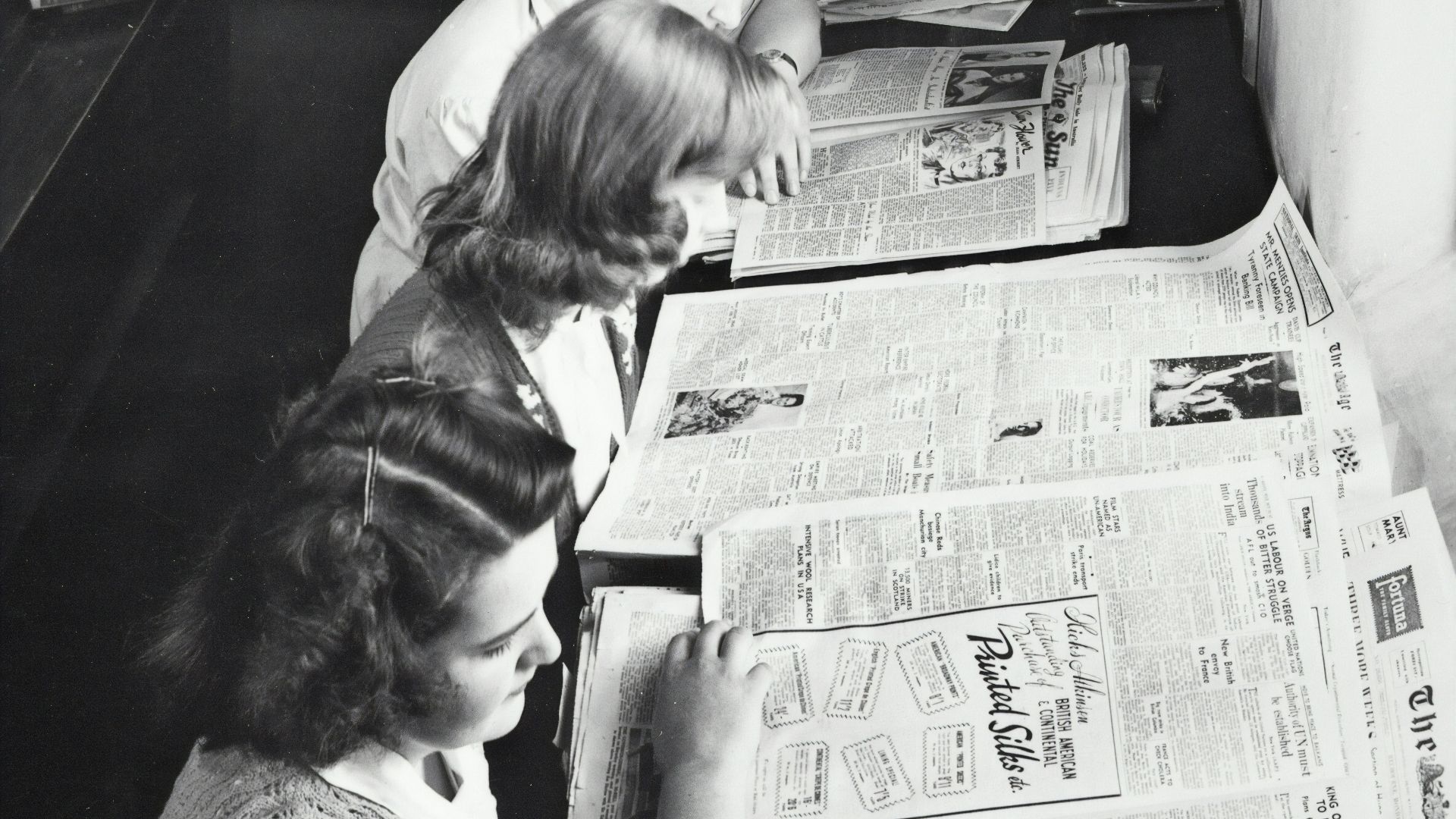
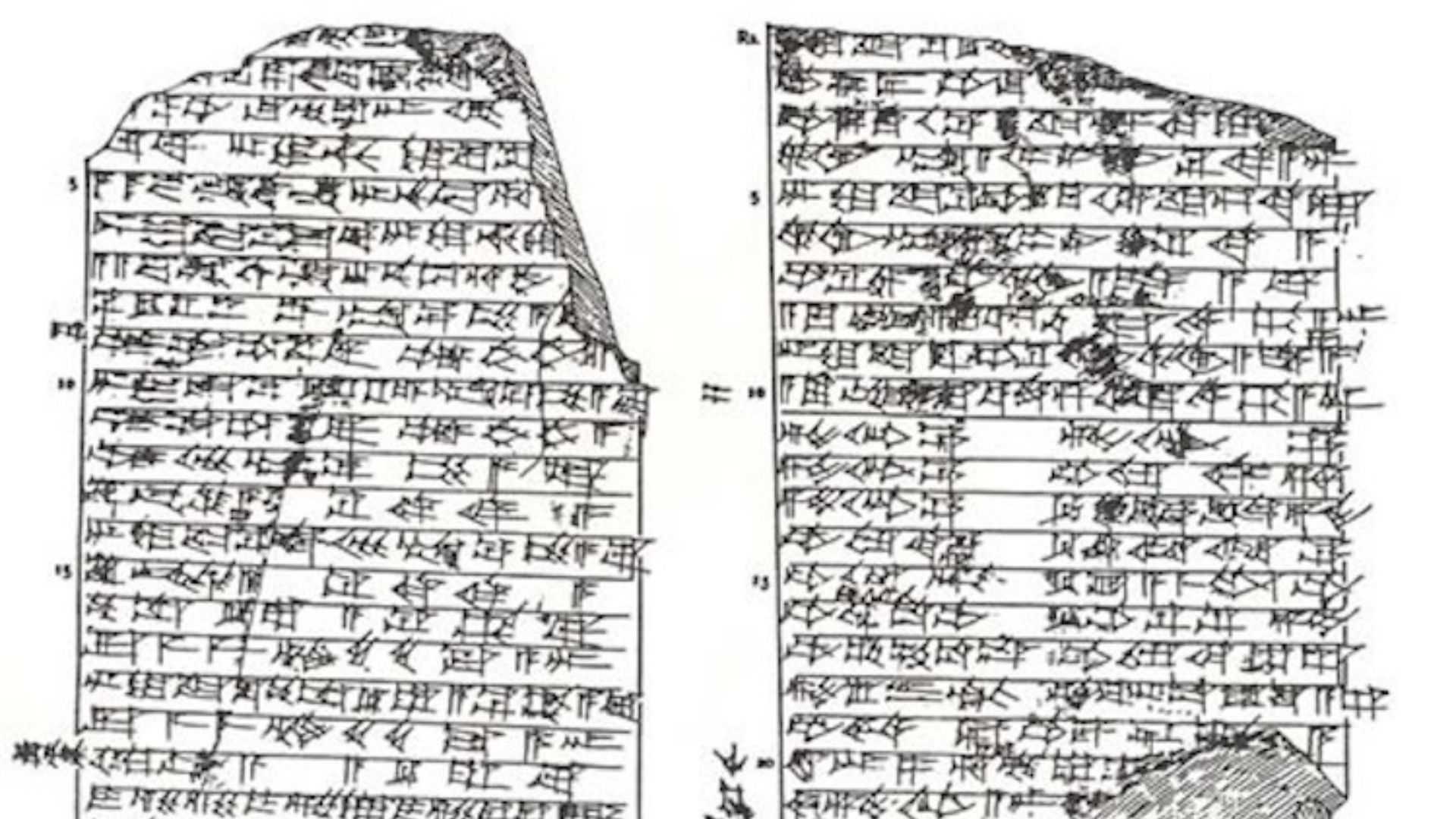
The earliest author widely known by name was Enheduanna, a high priestess in ancient Mesopotamia who lived more than 4,000 years ago. She was the daughter of Sargon of Akkad. Scholars found the surviving copies in 1927, written in cuneiform script.
2. Ancient Egyptian Tattoos
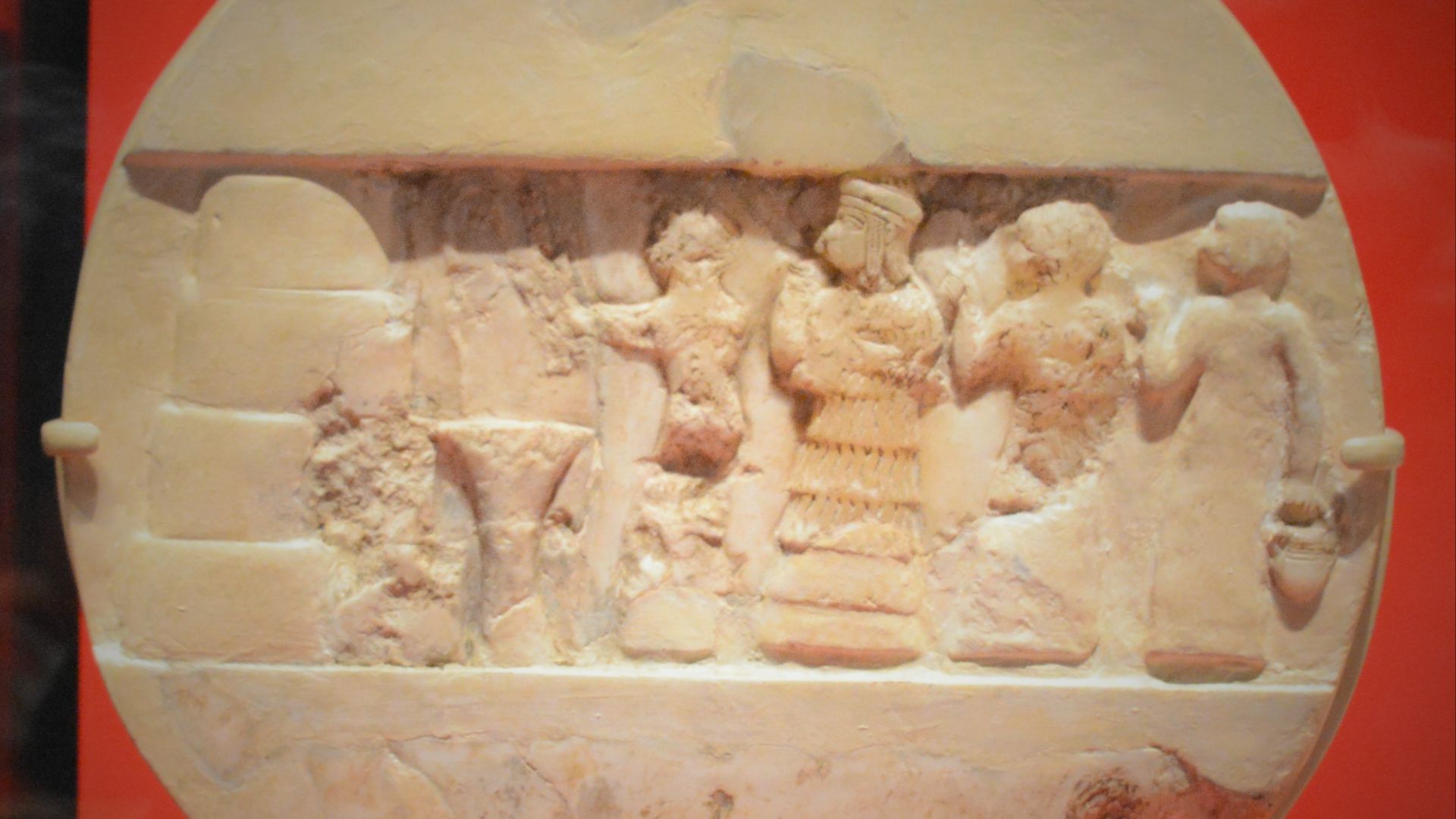
Some naturally preserved Egyptian mummies show tattoos of animals and symbolic designs from 5,000 years ago. These weren’t random marks or little scratches in the skin. They suggest that body art has meaning. People were using their bodies to show identity, belief, or status far earlier than many people assume.
3. Ancient Egyptians Made a Working Prosthetic Toe
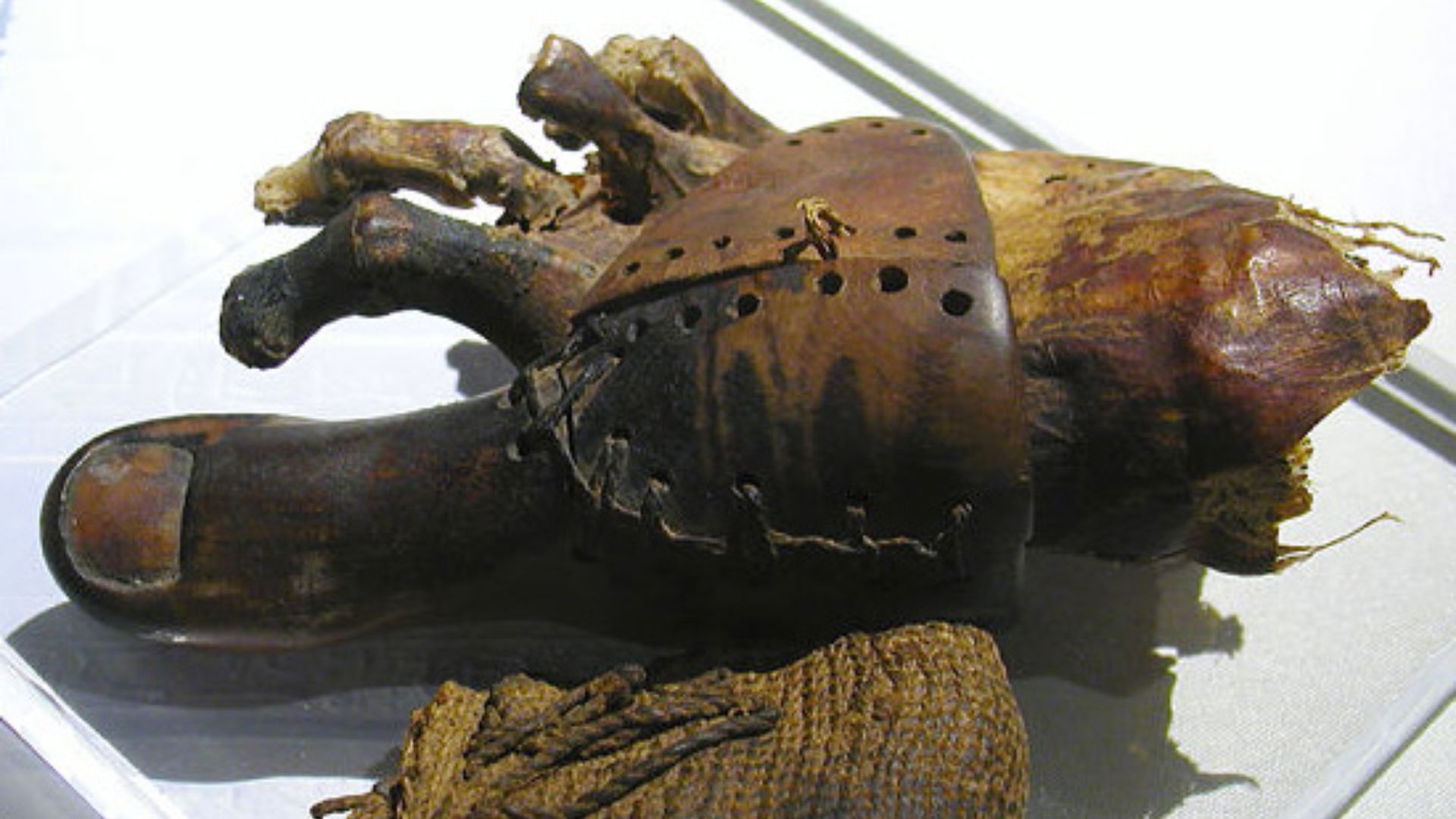
A wood-and-leather artificial toe found with an Egyptian mummy appears to have helped its wearer walk. Researchers tested replicas and found that the design could have been functional as well as cosmetic.
4. The Oldest Known Pants
A pair of wool trousers found in China’s Tarim Basin dates back about 3,000 years. The cut and construction suggest they were for horseback riding, with reinforced areas where riders needed support. Pants may seem boring now, but at one point, they were clever gear for people who spent a lot of time in the saddle.
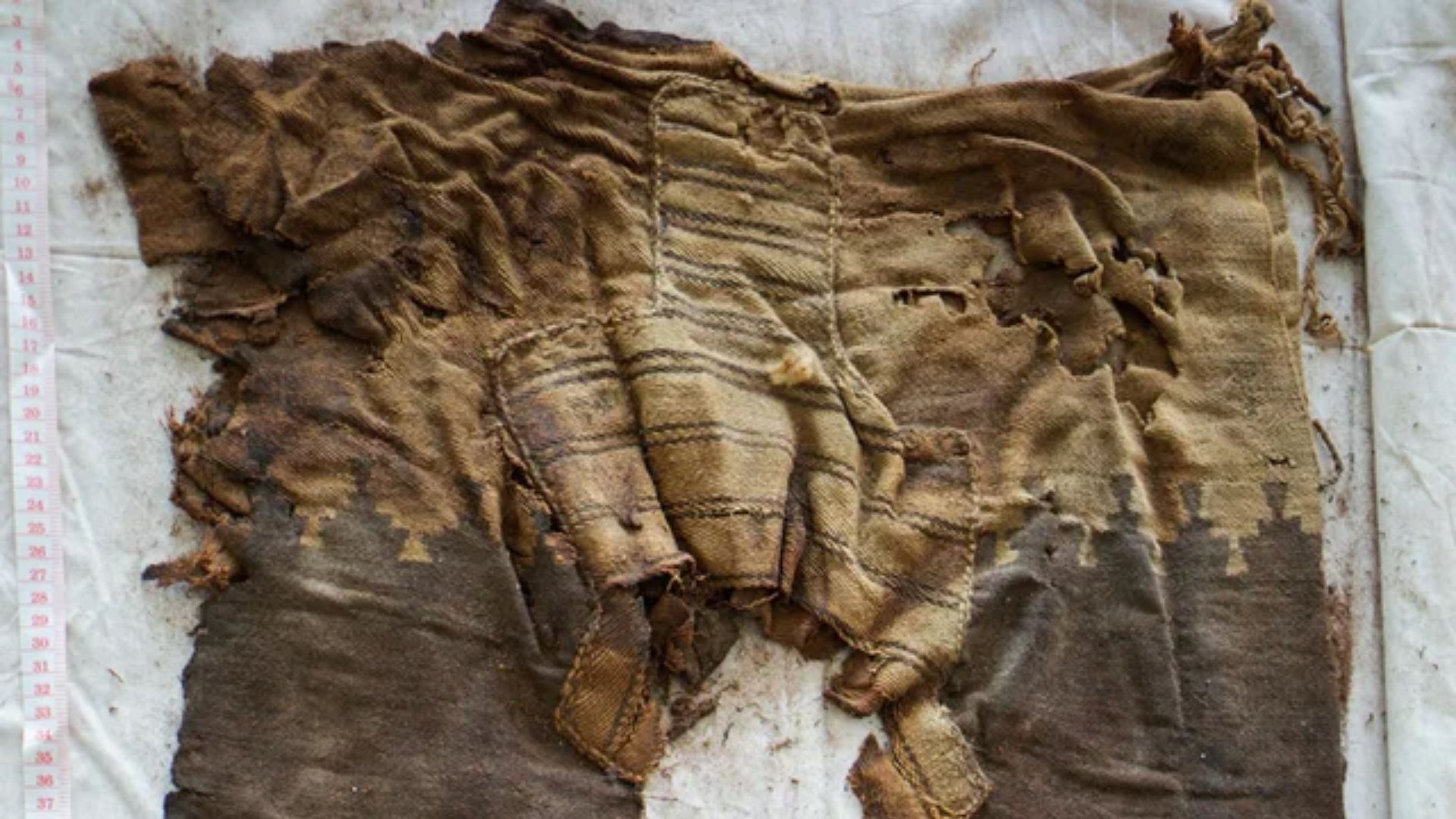 Ulrike Beck et Mayke Wagner on Wikimedia
5. The Oldest Known Customer Complaint Was About Copper
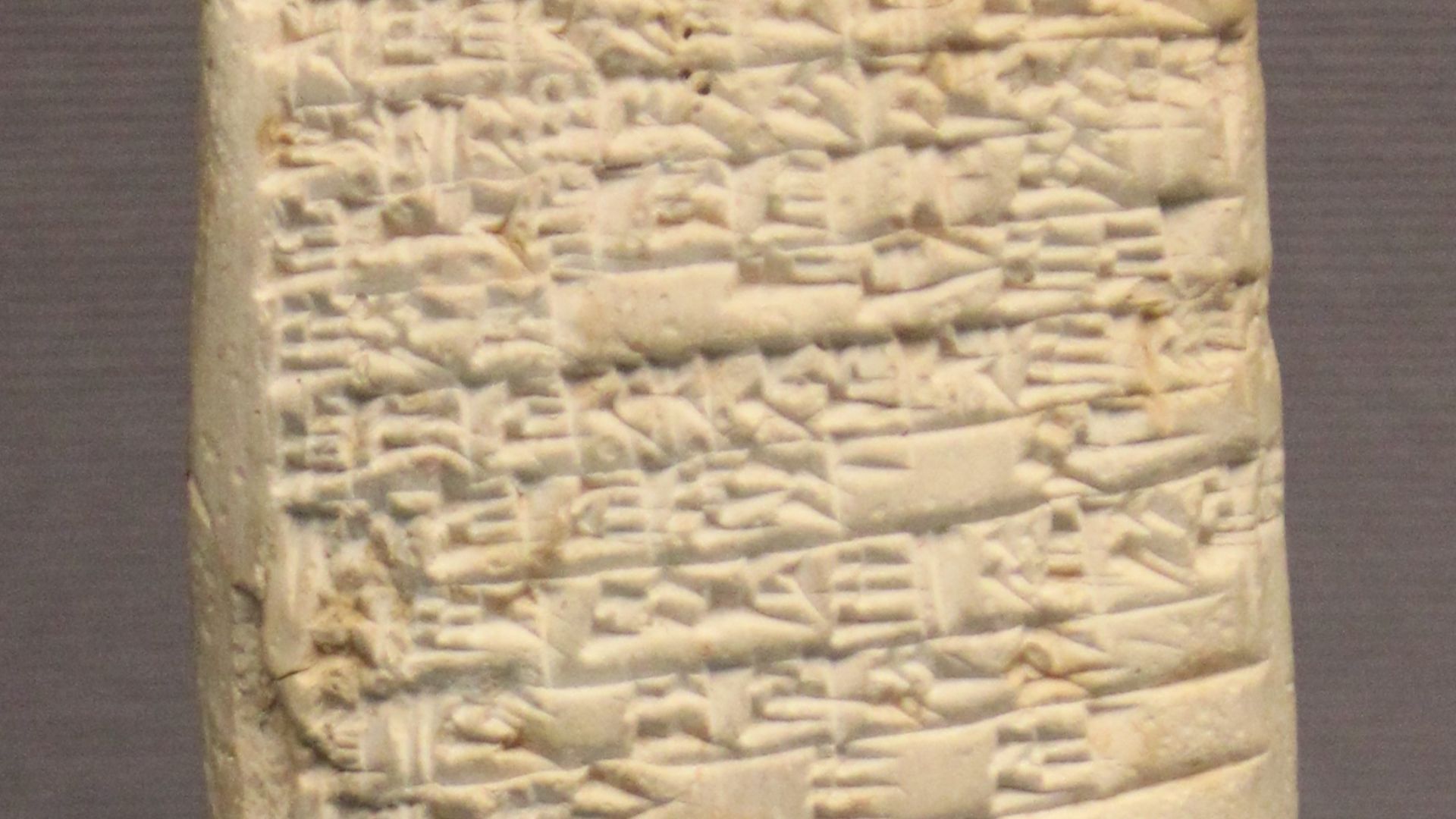
Around 1750 BCE, a man named Nanni complained to a merchant named Ea-Nasir about receiving poor-quality copper. Scholars found the complaint on a clay tablet, which is why we can read a customer's grievance nearly 4,000 years later. Some frustrations really do travel well through time.
6. Ancient People Wrote Down Board Game Rules
A clay tablet preserves rules and a diagram for the Game of 20 Squares, often linked with the Royal Game of Ur. That detail makes ancient life feel just a little more familiar. People weren’t only building cities, trading goods, or worrying about kings. They were also sitting down to play.
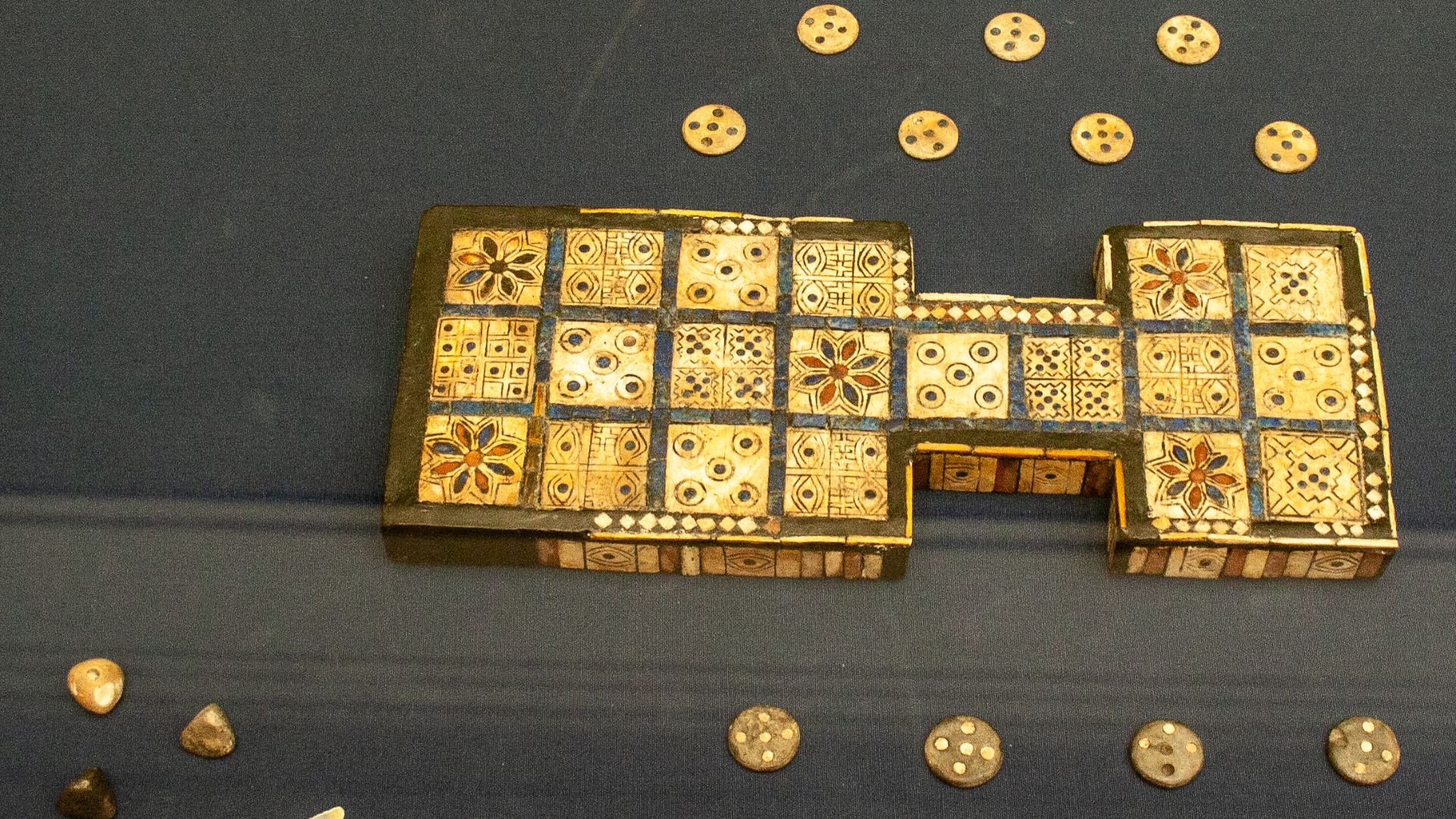 Unknown artistUnknown artist on Wikimedia
7. One Ancient Beer Text Was Also a Hymn
An ancient Sumerian hymn praised Ninkasi, the goddess of beer, while describing parts of the brewing process. While it's not a direct recipe, it does tell us how ingrained beer was in ancient Sumeria. Maybe our ancient ancestors were also playing Kings Cup?
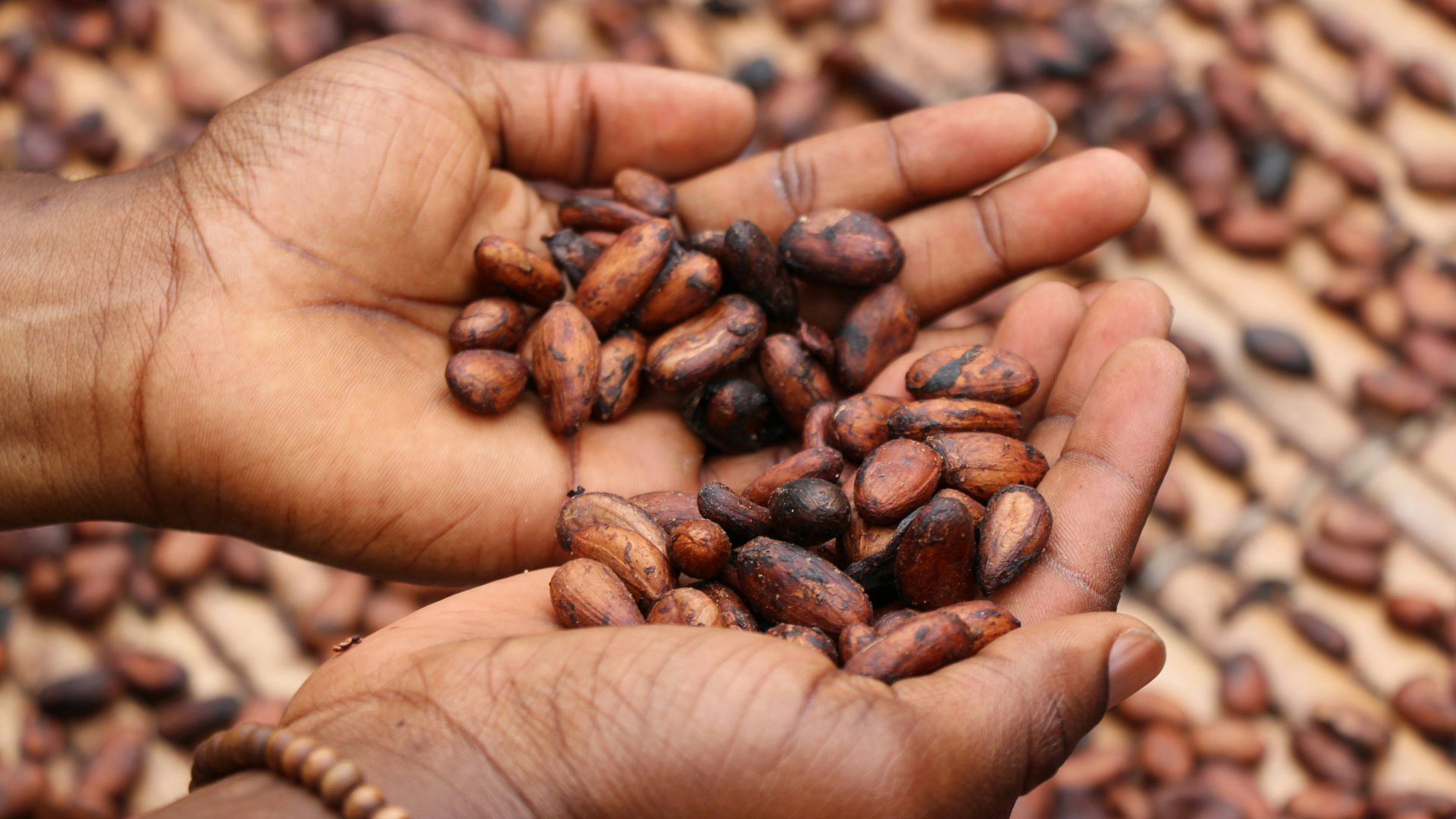
8. Cacao Beans As Currency
Before chocolate became a sweet treat, cacao beans were currency in parts of Mesoamerica. Maya and Aztec communities prized cacao as food, drink, trade goods, and status markers. That adds a new layer to the long history of chocolate, which began as something far more powerful than dessert.
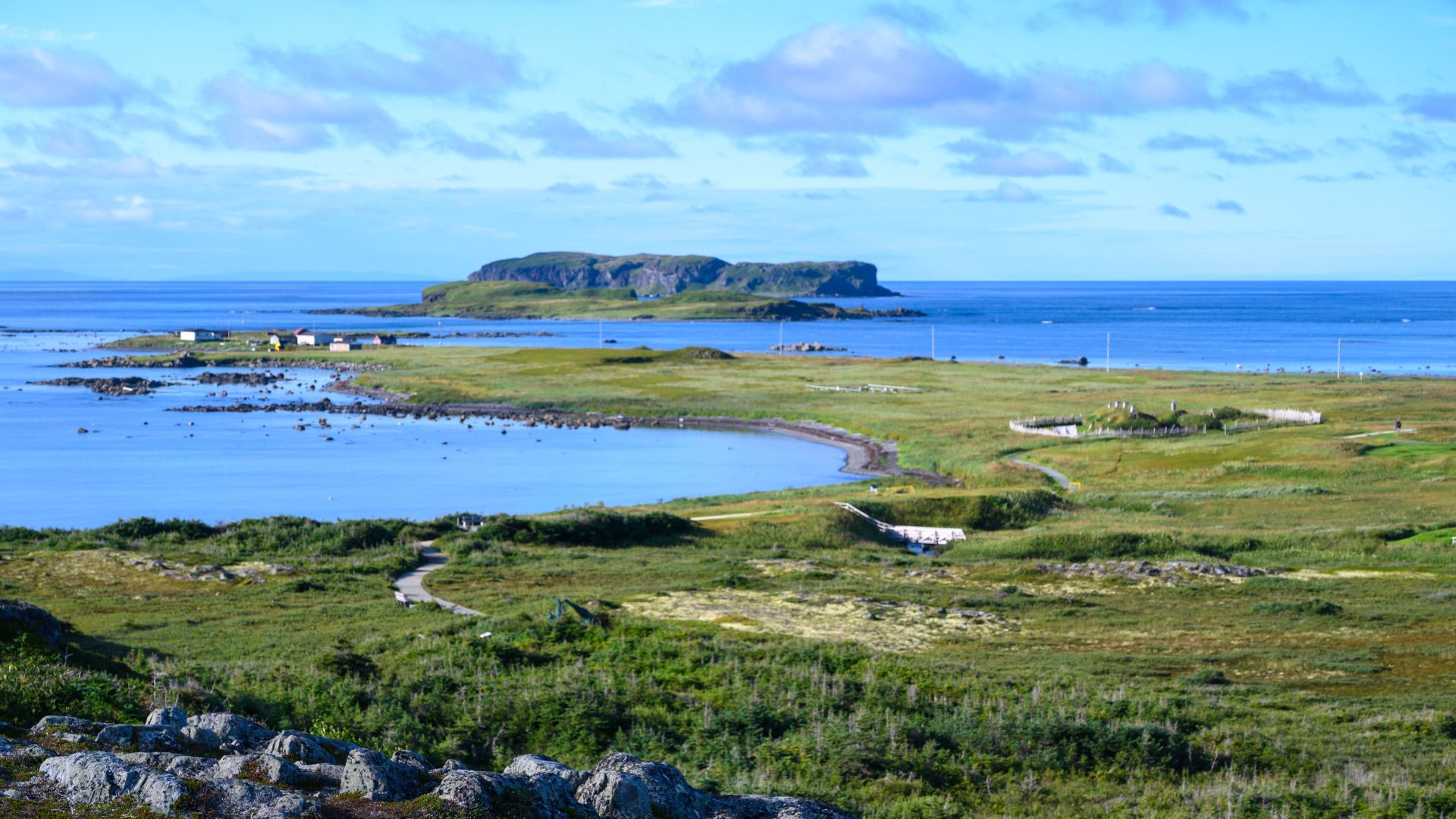
9. Vikings Reached North America in 1021
Norse travelers were active in North America in the year 1021, centuries before Columbus crossed the Atlantic. This site, known as L’Anse aux Meadows, contains the remains of a Viking settlement in Newfoundland and Labrador.
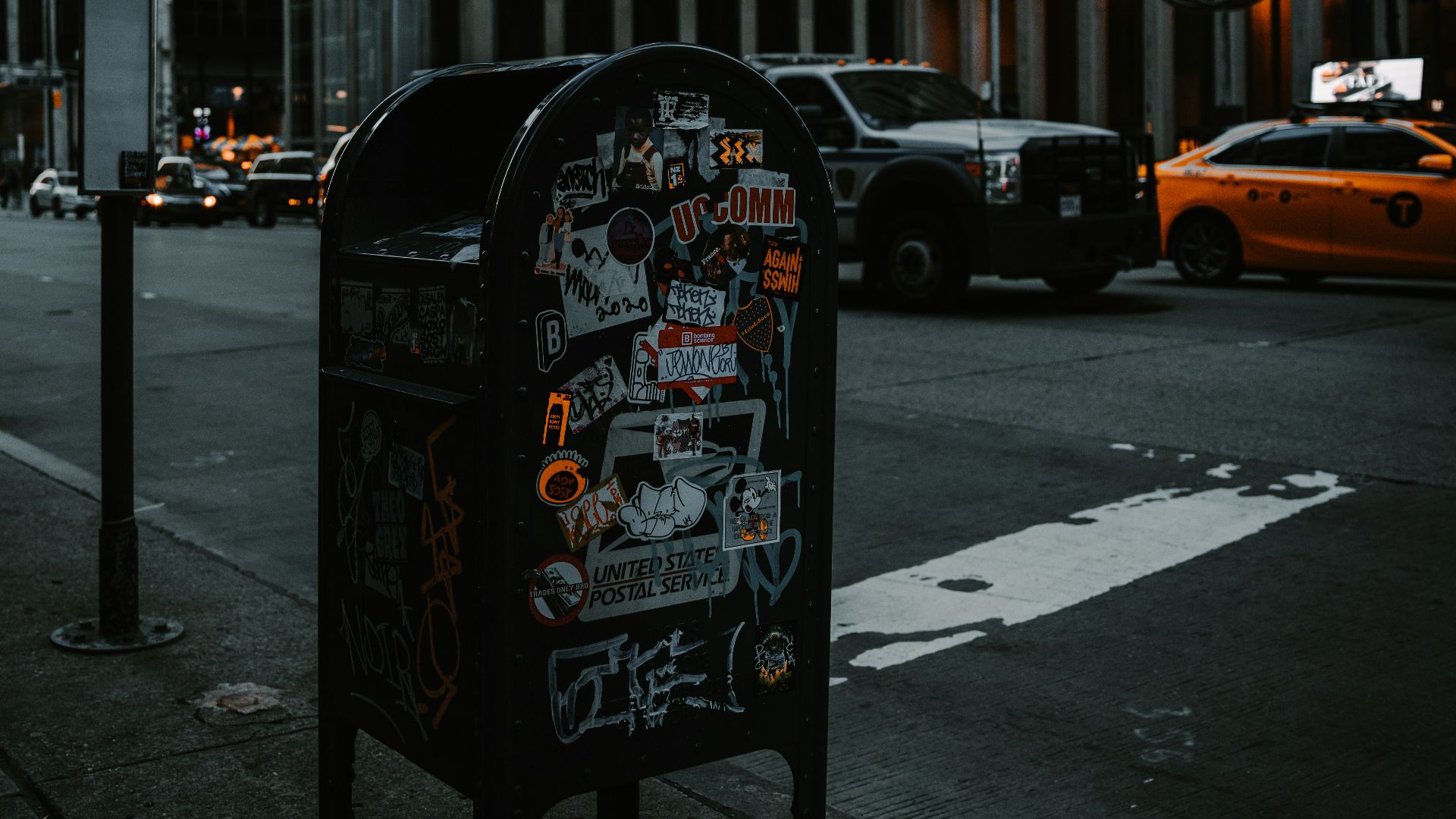
10. Mail Once Moved Under City Streets
Some American cities used pneumatic tubes to send mail through underground networks. In New York City, canisters packed with letters moved beneath the streets long before email existed. It sounds strange now, but it was once part of how a busy city kept information moving.
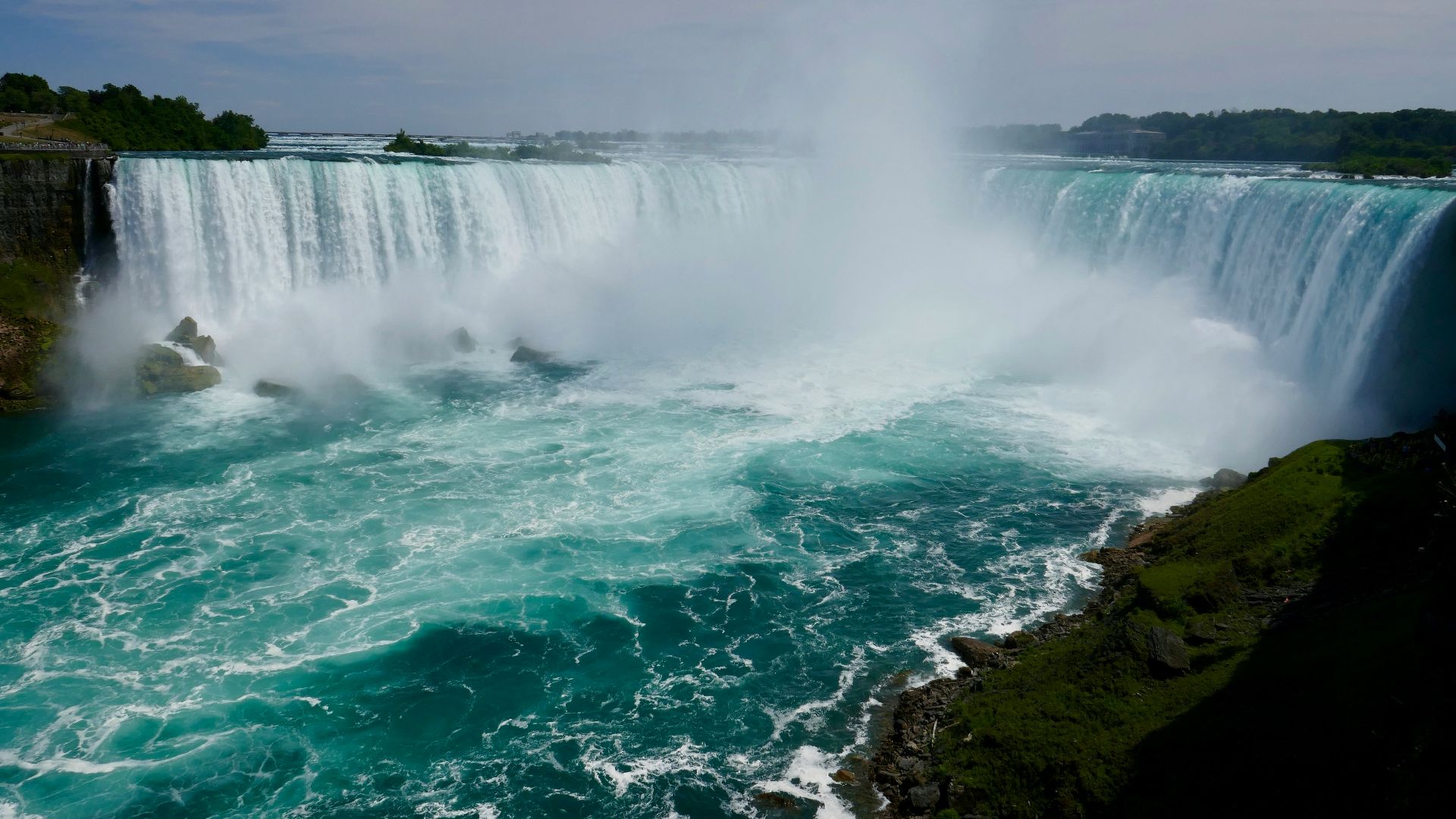
11. Niagara Falls Went Quiet for a Day
On March 29, 1848, an ice jam sharply restricted the flow of water over Niagara Falls. The usual roar faded, and the sudden quiet lasted through much of the day and into the next evening. If you've ever visited the falls, you can imagine how unsettling this would've been.
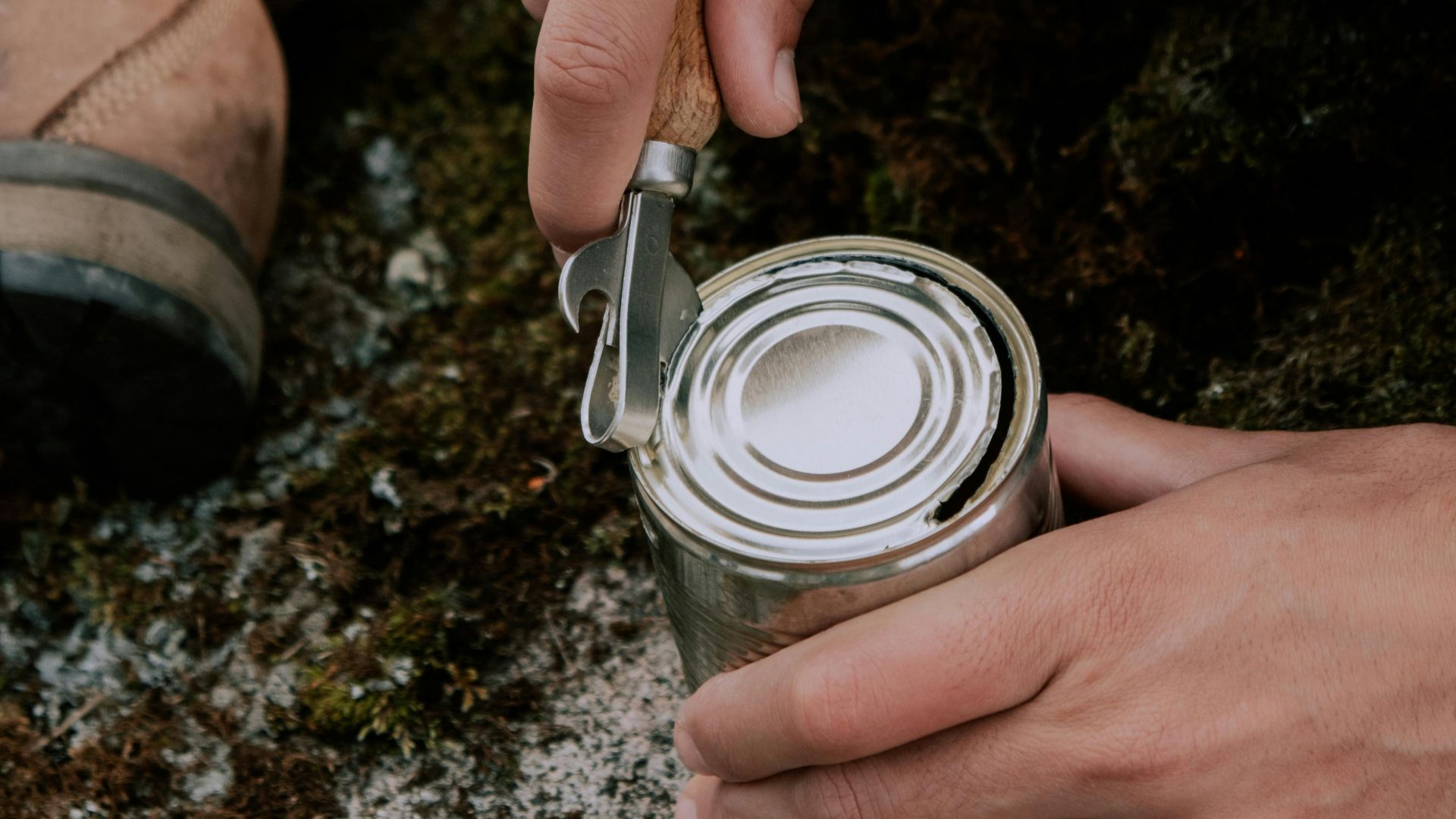
12. The Can Came Before the Can Opener
Canned food became available decades before practical can openers reached consumers. Early cans could be thick and stubborn, so people opened them with tools like hammers and chisels.
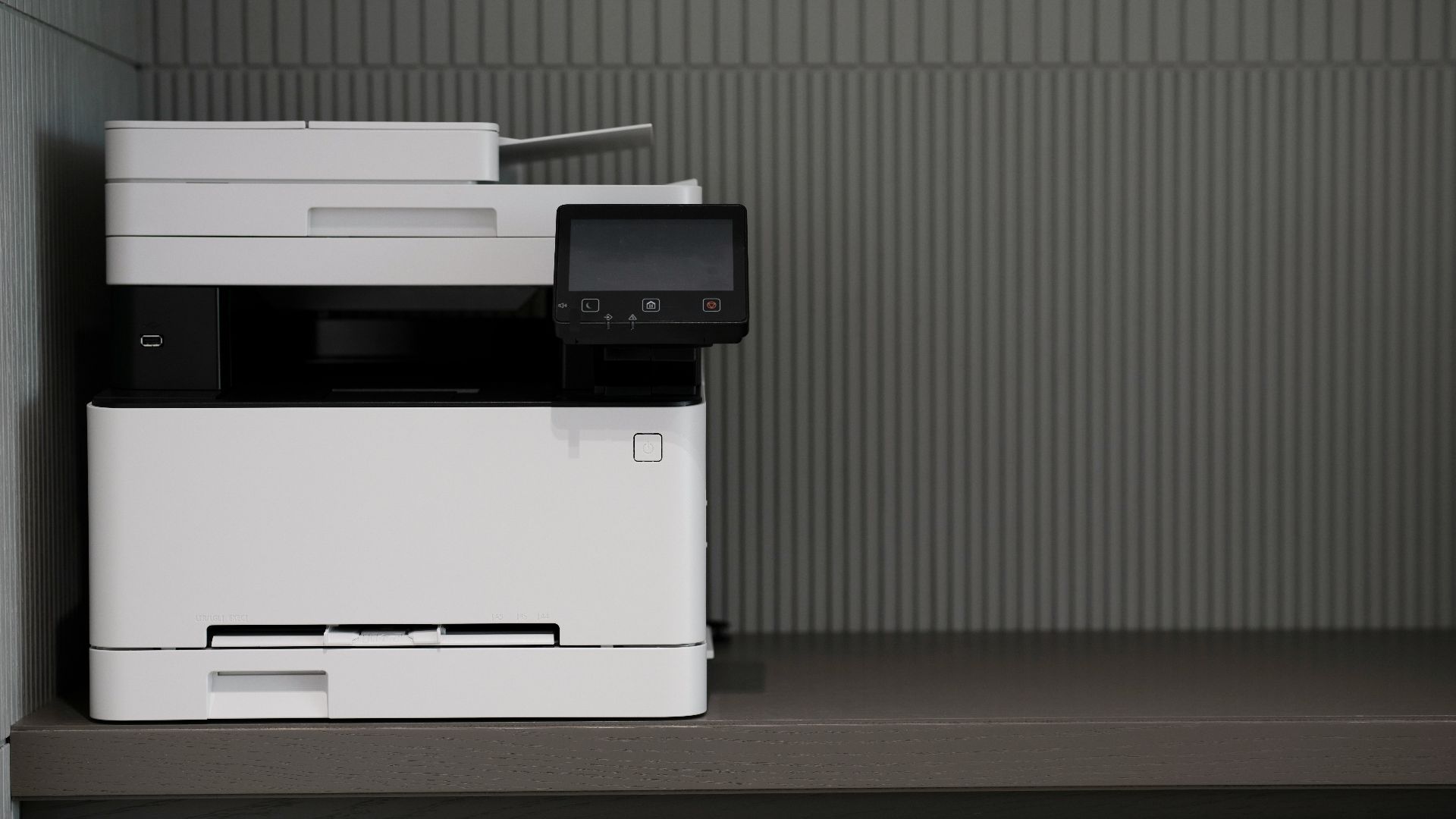
13. The Fax Concept Is Older Than the Telephone
An early form of facsimile transmission came around in the 1840s, decades before the telephone. The office fax machine came much later, of course. Still, the basic idea of sending images over wires is much older than most people expect.
14. Australia Once Sent Soldiers to Fight Emus
In 1932, Australia used soldiers and machine guns in an attempt to reduce emu damage to wheat crops in Western Australia. This was known as the “Emu War,” and it's safe to say that the humans lost. The emus were fast, scattered, and hard to hit. The episode is famous because the military response was so poorly matched to the problem.

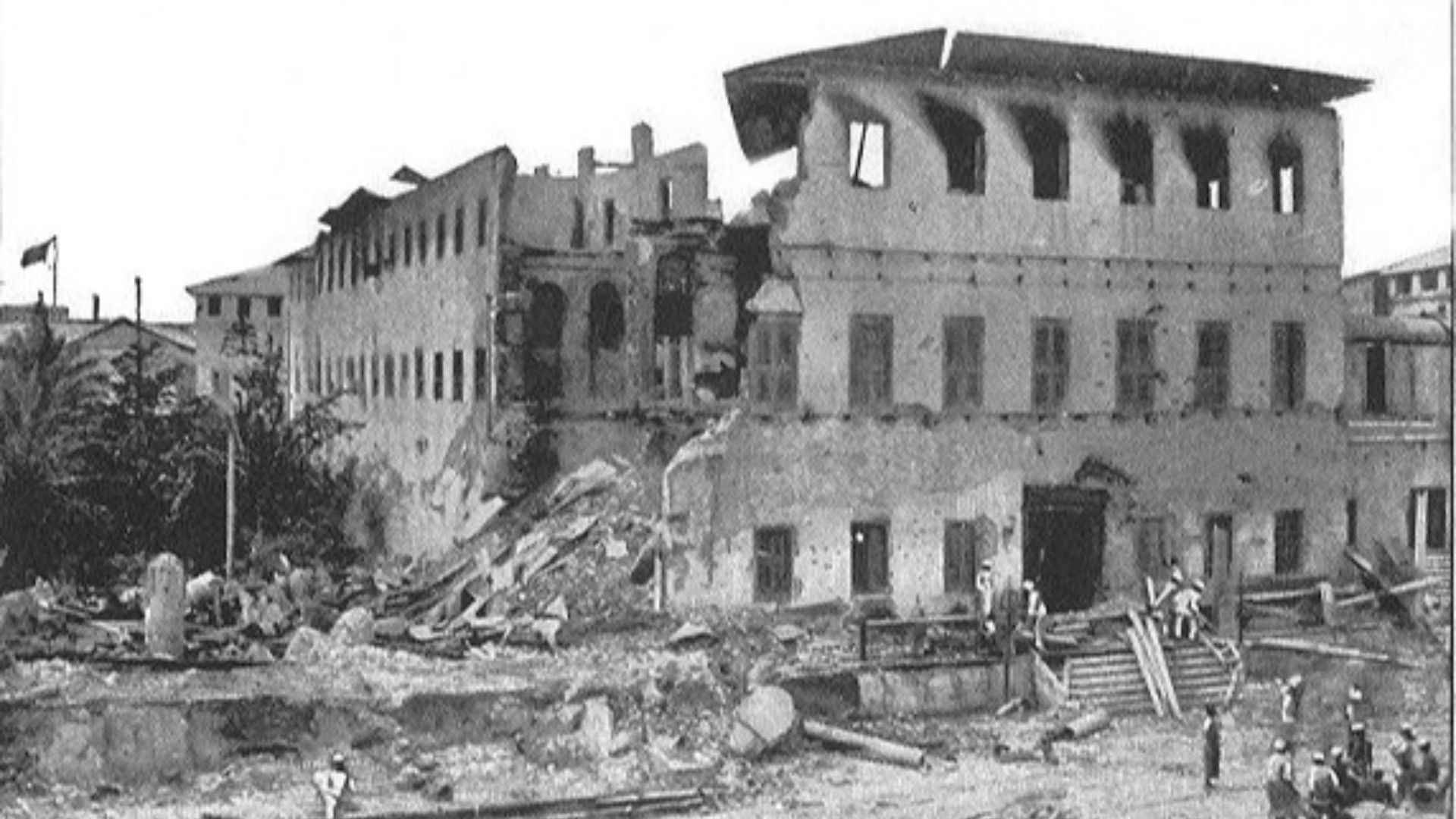
15. The Shortest Recorded War Lasted Under an Hour
The Anglo-Zanzibar War of 1896 lasted no more than 40 minutes. It’s widely known as the shortest war in recorded history. The conflict began after it was suspected that Britain killed Zanzibar’s sultan, Hamad bin Thuwaini, in favor of his successor, Hamoud bin Mohammed.
16. Artists Once Used Paint Made From Mummies
A pigment called mummy brown did, in fact, use material from Egyptian mummies. Some artists used it from the 16th to the early 20th centuries, before the practice faded away. Art history has plenty of strange details, but this one is a contender for most uncomfortable.
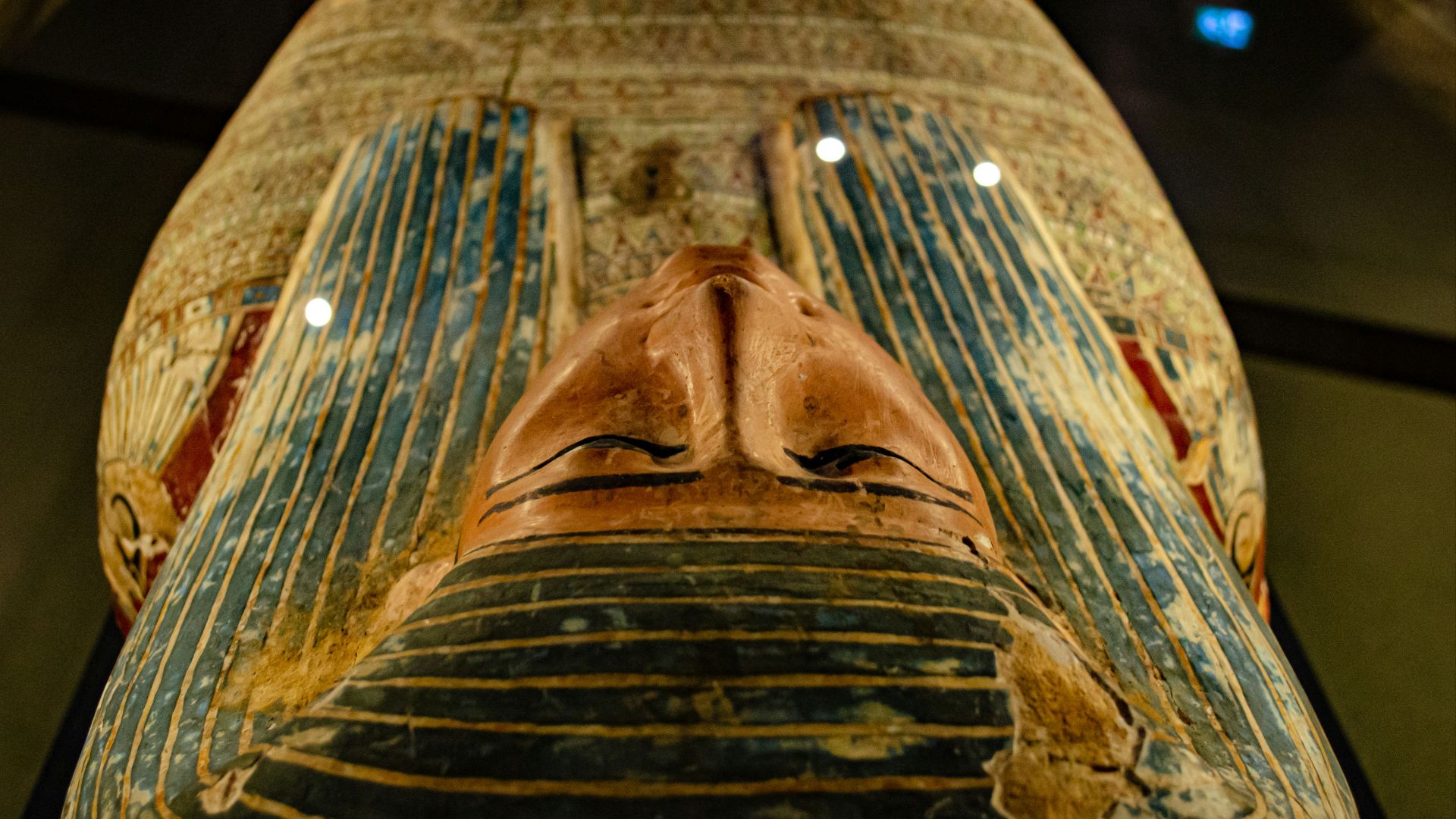
17. Roman Concrete Could Help Repair Itself
Some Roman concrete included lime-rich material that may have helped tiny cracks seal over time. This explains why Roman structures have survived for centuries, while newer concrete fails much faster. Ancient builders weren’t just strong workers. They were working with surprisingly smart chemistry.
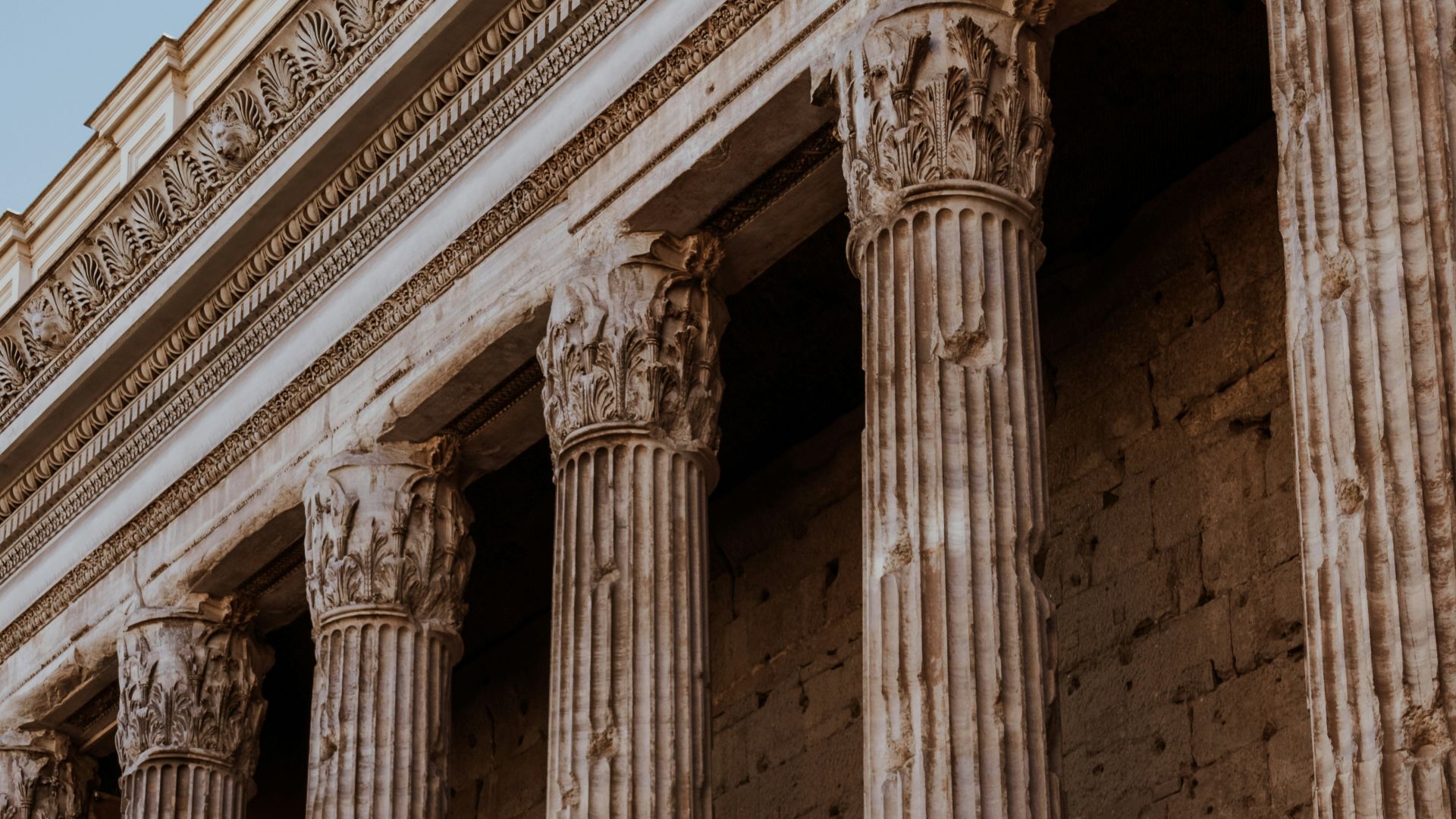
18. The Flat-Bottomed Paper Bag
The flat-bottomed paper bag seems too ordinary to think about until you imagine shopping without one. Margaret Knight patented machinery that helped make sturdier paper bags that could stand upright sometime in the 1870s.
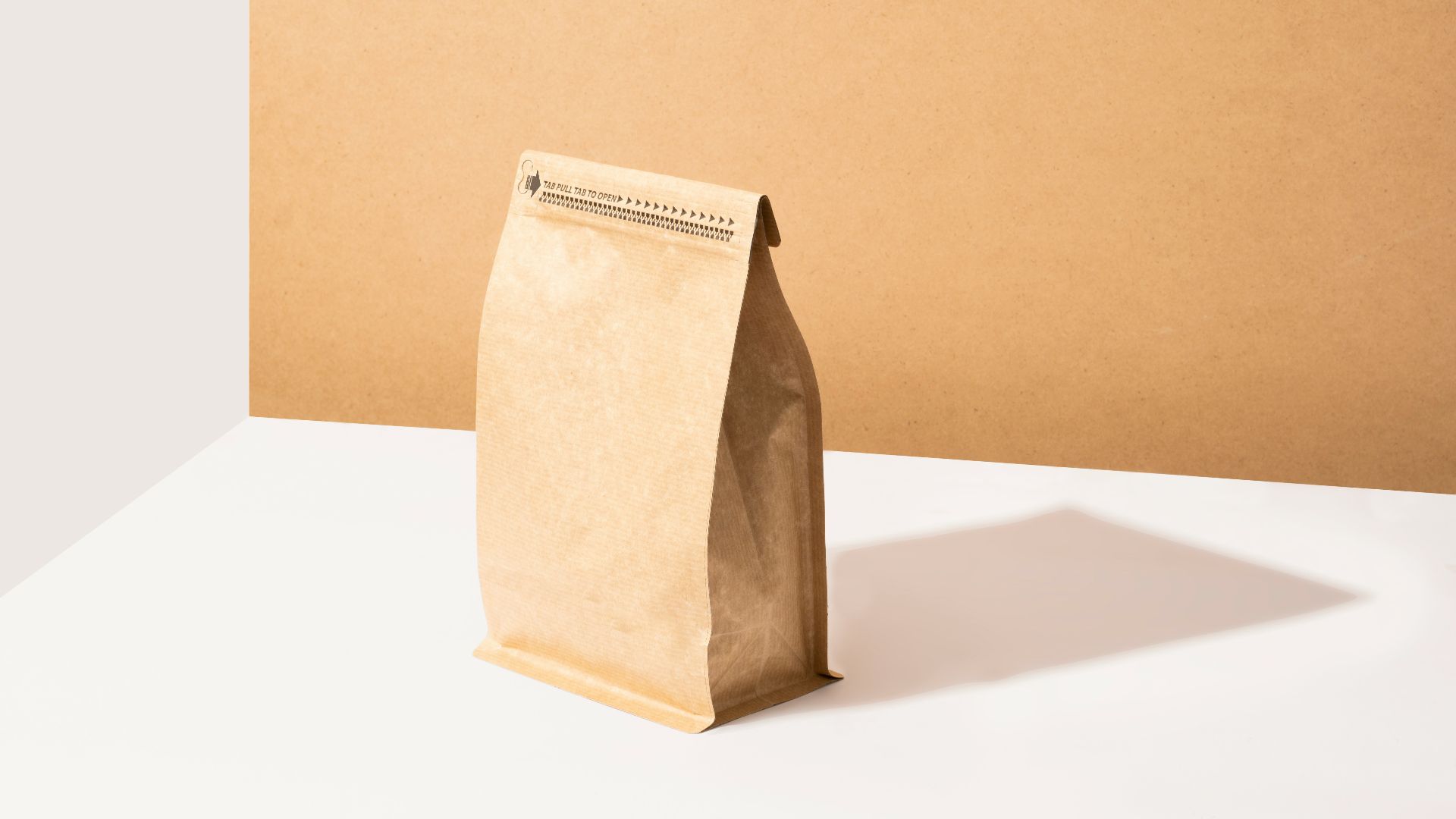
19. Pompeii Had Ancient Snack Bars
Pompeii had food counters called thermopolia where people could buy prepared meals and drinks. Jars were set into the counters, and customers could stop for something quick instead of cooking at home. It's no Postmates, but we certainly do not want to cook.
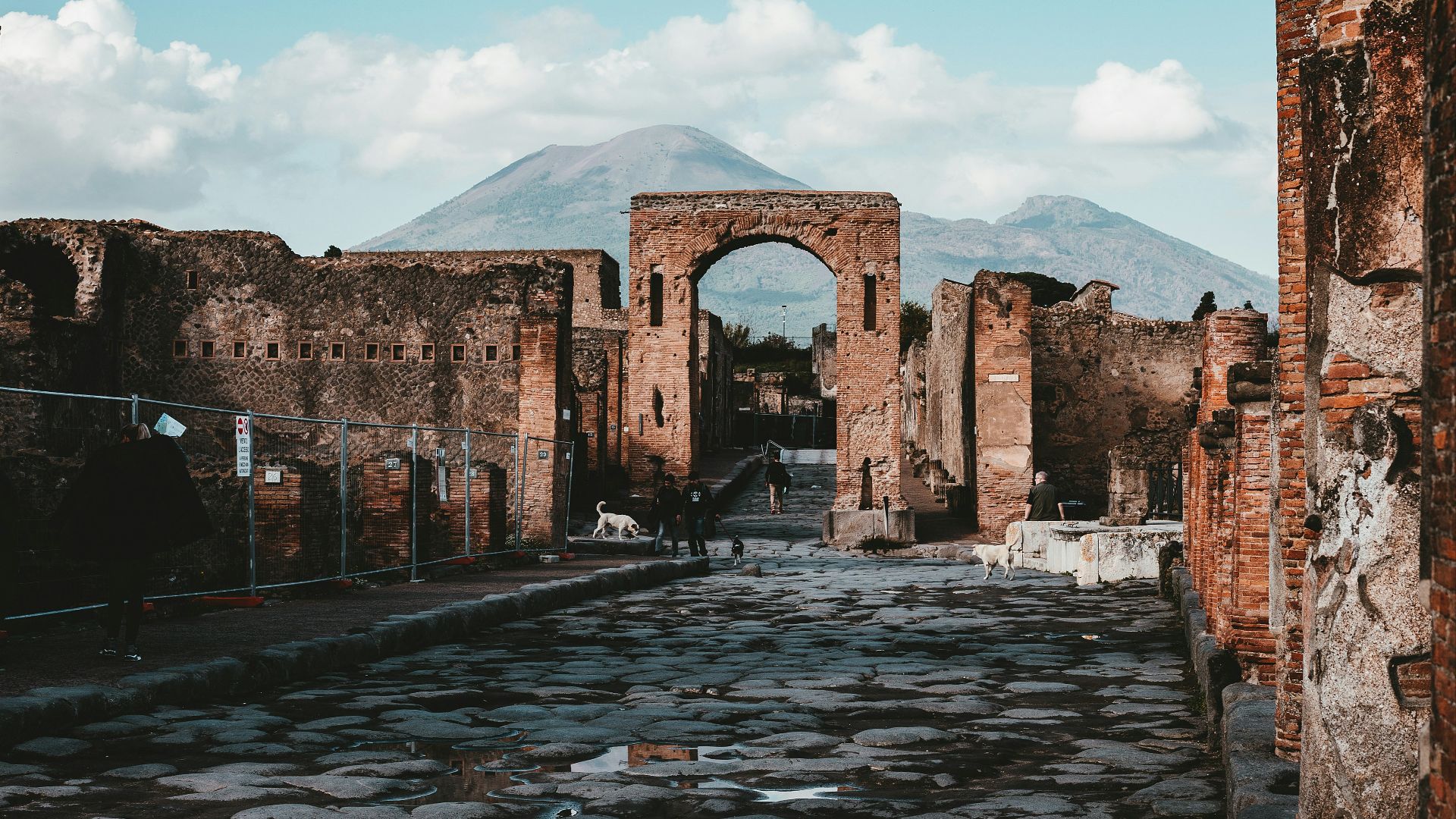
20. Ancient Birch Preserved Human DNA
A 5,700-year-old piece of chewed birch pitch from Denmark preserved enough genetic material for researchers to recover an ancient human genome. Birch pitch was likely chewed to soften it for toolmaking, and it preserved a person's story for thousands of years.

KEEP ON READING
20 Weirdest Historical Objects in Museums
Check Out the Pickled Heart of a Saint. Museums carry…
By Rob Shapiro Oct 1, 2025
20 Scariest Missing Persons Cases in History
Eerie Disappearances. There's something uniquely unsettling about a person who…
By Christy Chan May 1, 2026
20 Greatest Ancient Athletes In History
Ancient Olympics. Long before modern stadiums and multimillion-dollar endorsements, athletes…
By Sara Springsteen May 1, 2026
10 Phenomenal Mythical Creatures & 10 That Are Just Plain…
Legends Both Majestic And Peculiar. Do you ever wonder why…
By Chase Wexler Oct 1, 2025
10 Presidents Who Never Served In The Military & 10…
Commanders And Civilians In Office. Power can rise from very…
By David Davidovic Sep 1, 2025
20 Wars That Could Have Ended Much Sooner Than They…
Wars That Lasted Far Too Long. Wars are often remembered…
By David Davidovic Sep 1, 2025