

20 Historical Figures Whose Private Letters Destroyed Their Reputations
Private Affairs Becoming Public Evidence
Private letters have a way of surviving the people who wrote them, and history hasn’t always been kind when those words finally surfaced. You never know what you’ll find in hidden correspondence; some letters exposed affairs, some revealed treason, and others gave enemies exactly the proof they needed to ruin a public image that had taken years to build. Once these private 20 documents were made public, the reputations attached were never the same again.
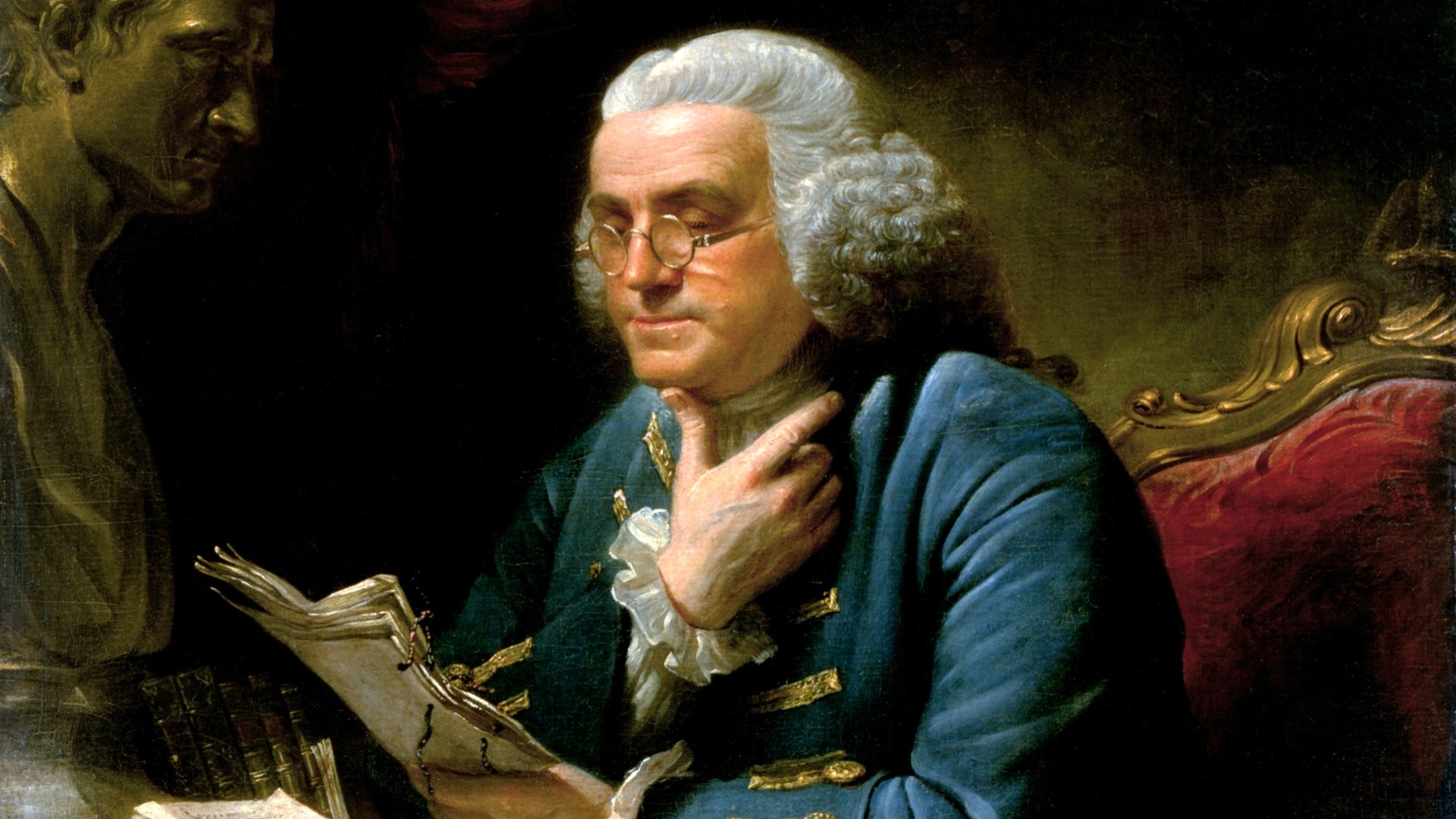
1. Mary, Queen of Scots
The so-called Casket Letters were said to be written by Mary, Queen of Scots, to James Hepburn, Earl of Bothwell, around the time her second husband, Lord Darnley, was murdered in 1567. (Got all that? Okay, good.) Her enemies then used them to spark the rumor that she was involved with Bothwell both romantically and politically before marrying him, which made her look guilty at what was basically the worst moment. Their authenticity is still debated, but they were enough to bring her down.
 Unidentified painter on Wikimedia
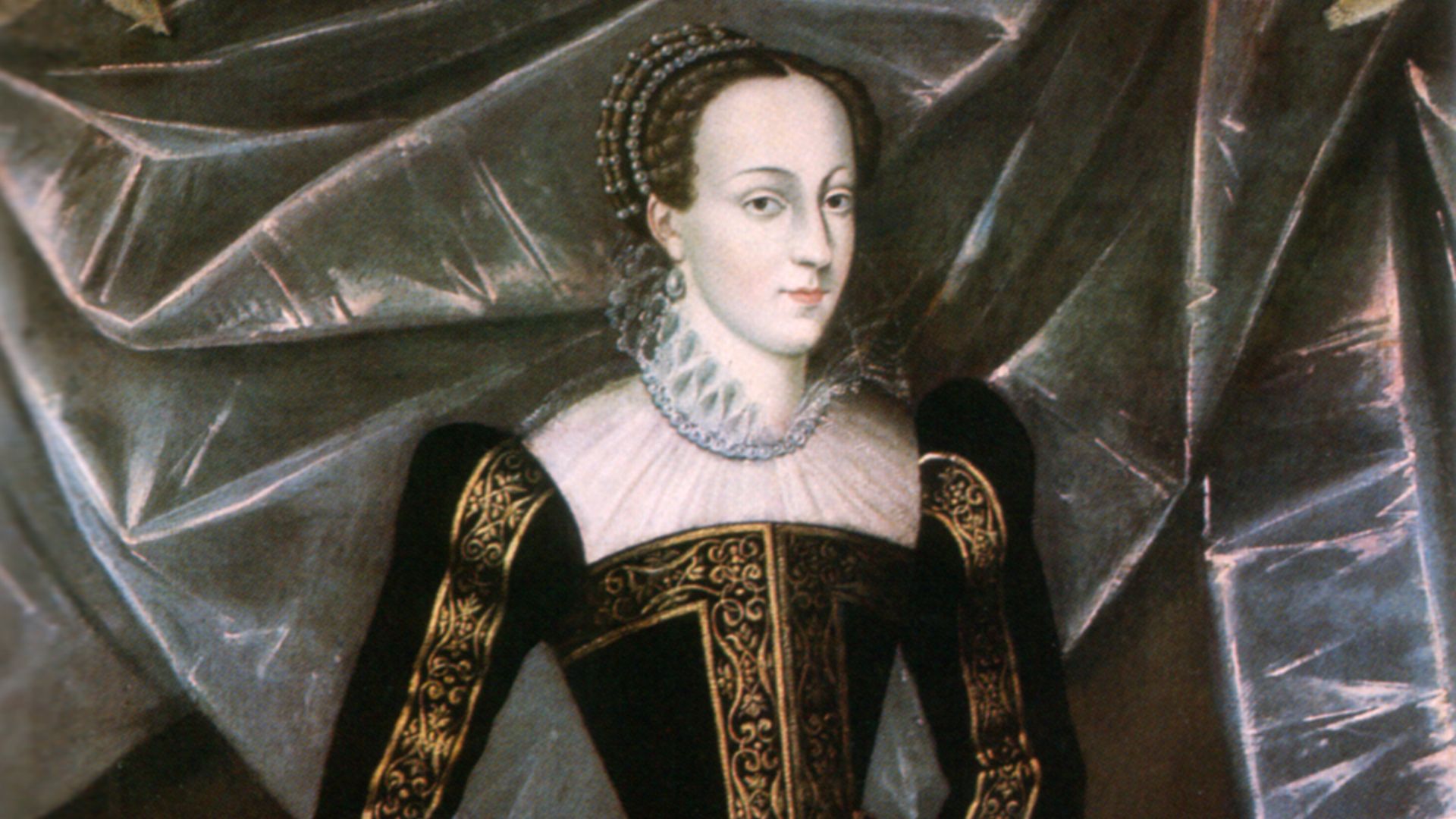
2. Catherine Howard
Catherine Howard’s surviving letter to Thomas Culpeper became one of the most damaging pieces of evidence against Henry VIII’s fifth wife. Long story short, the intimate tone raised some eyebrows because Culpeper was already suspected of having a secret relationship with her while she was queen. Catherine was executed in 1542, and those letters didn’t help her case.
 After Hans Holbein the Younger on Wikimedia
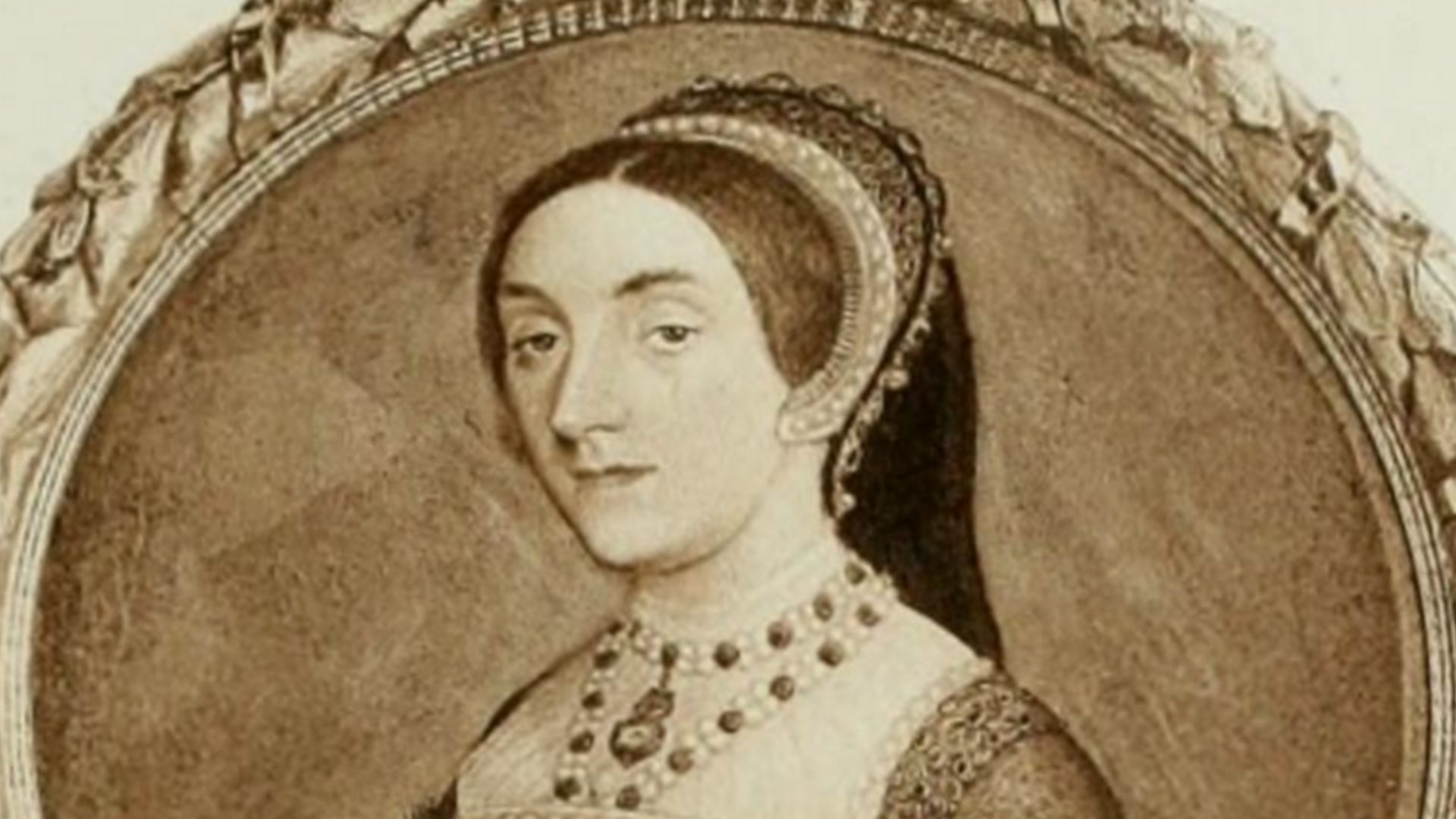
3. Benedict Arnold
Benedict Arnold’s secret letters to British major John André exposed the plan to surrender West Point during the American Revolution. Sure enough, when André was captured in 1780, those papers moved Arnold’s treason from suspicion to official betrayal. He escaped to the British side, but his name became a permanent reminder of treachery in the United States.
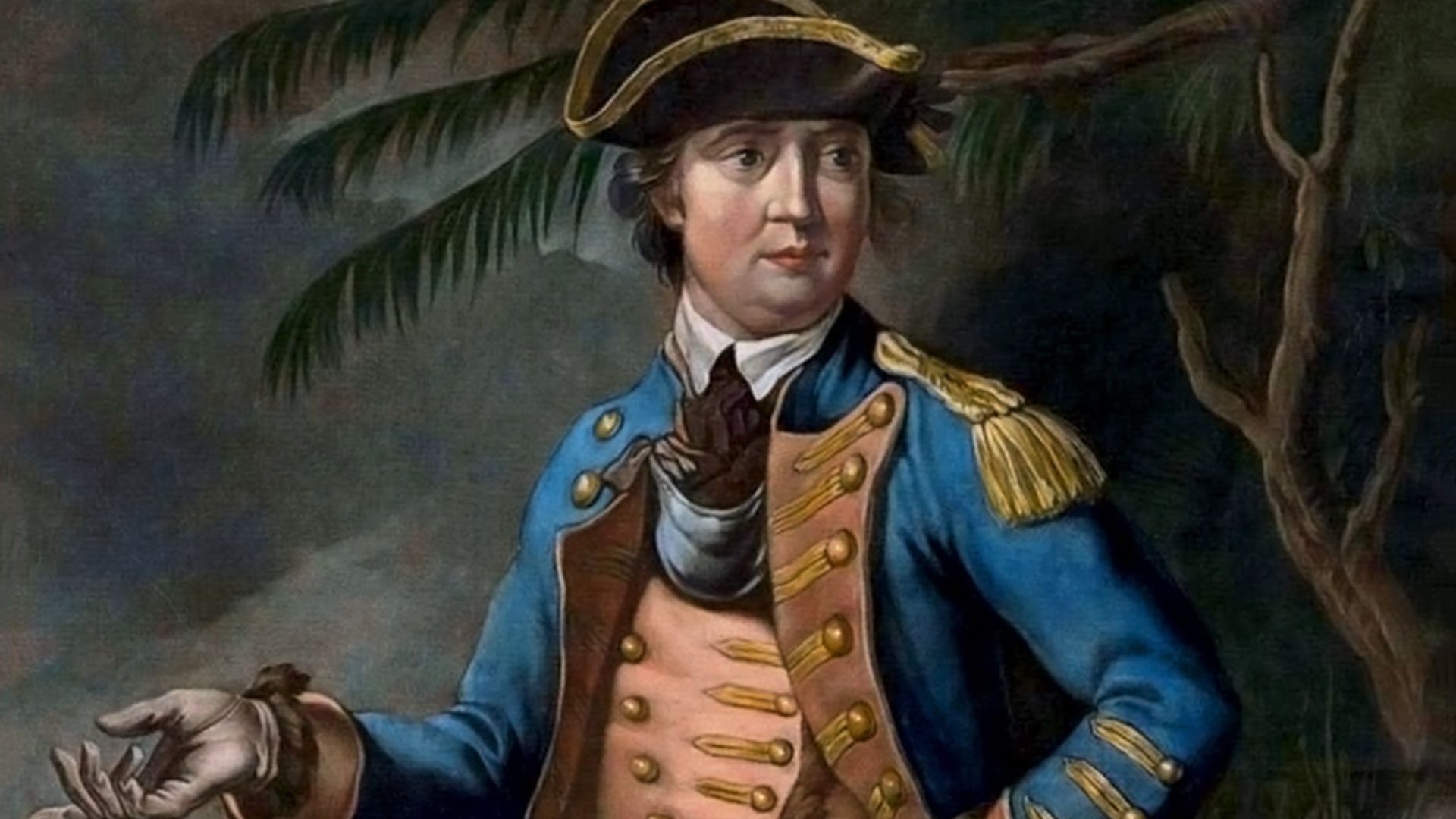
4. Alexander Hamilton
Hey, it may have been the 1700s, but intimate scandals existed. Just ask Alexander Hamilton, whose letters connected to Maria and James Reynolds pulled him into the first major scandal in American political history. After Reynolds blackmailed him over the affair, Hamilton eventually published the Reynolds Pamphlet in 1797 to prove he wasn’t guilty of financial corruption. All that did was clear one charge by admitting another.
5. Thomas Hutchinson
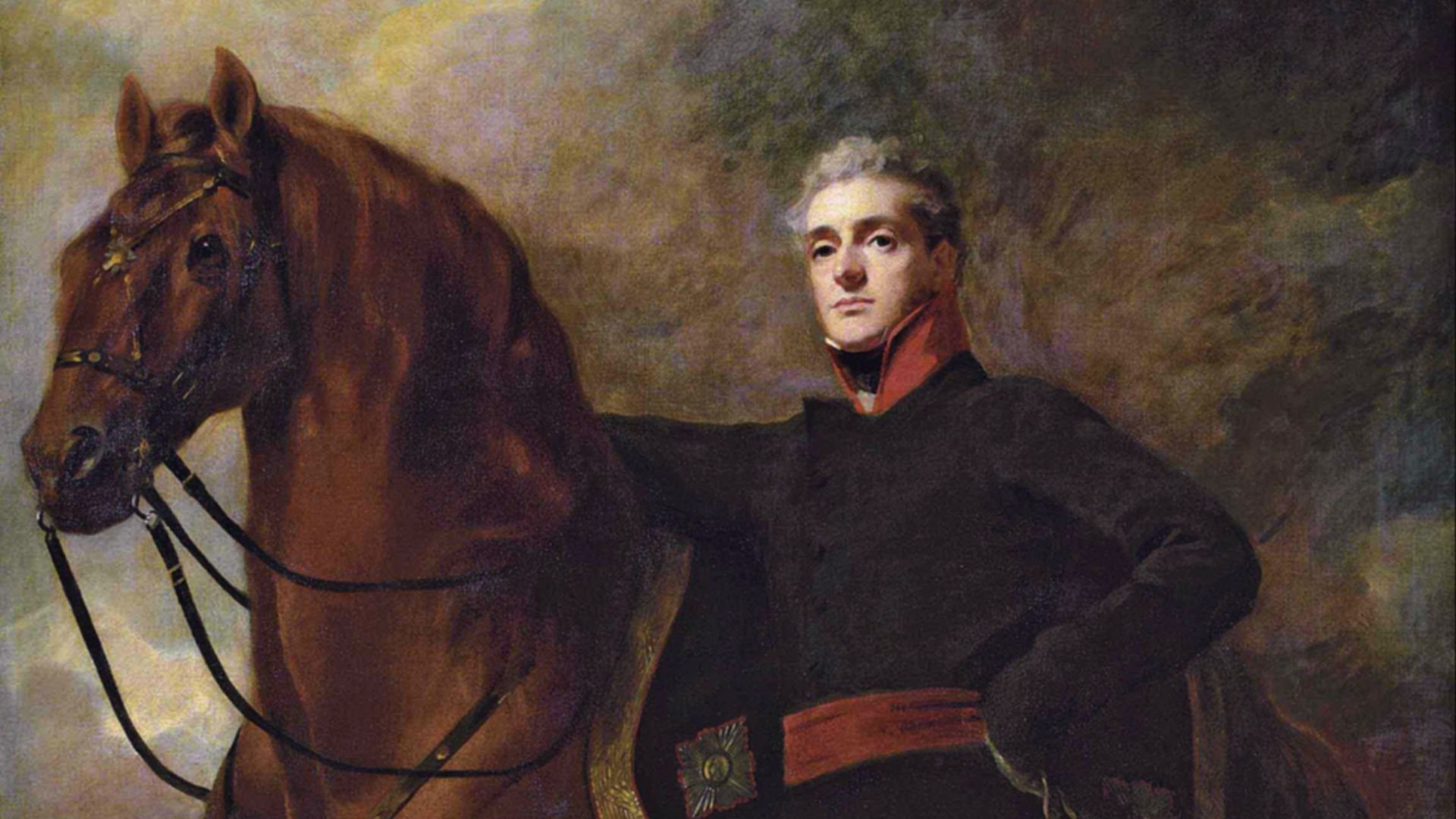
Massachusetts governor Thomas Hutchinson wrote letters in the late 1760s that seemed to support tighter British control over the colonies. People didn’t take kindly to that, and when those letters were published in Boston in 1773, colonial readers saw him as a man working against their freedom. The uproar wrecked his standing, and he left the colony.
6. Benjamin Franklin
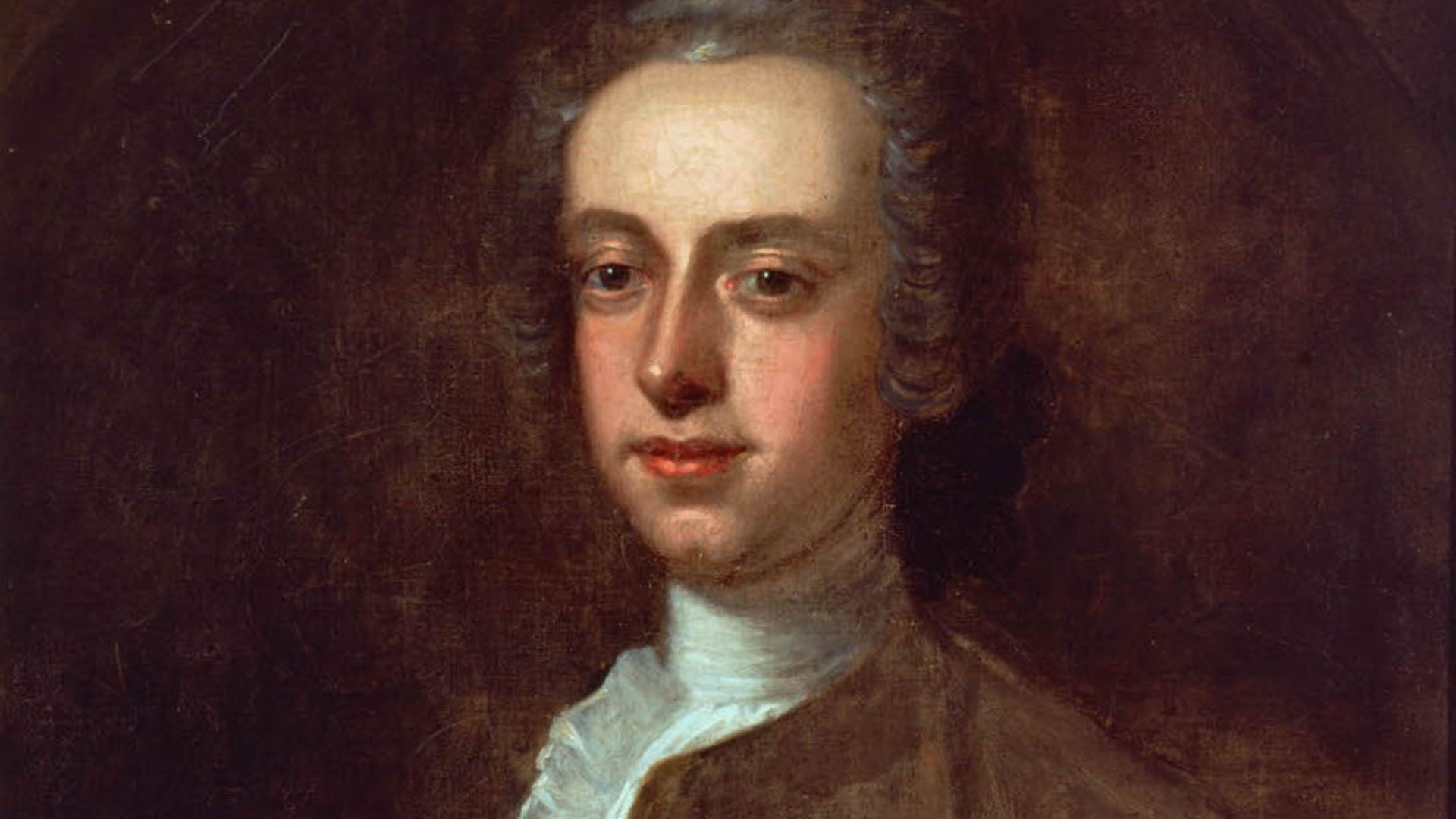
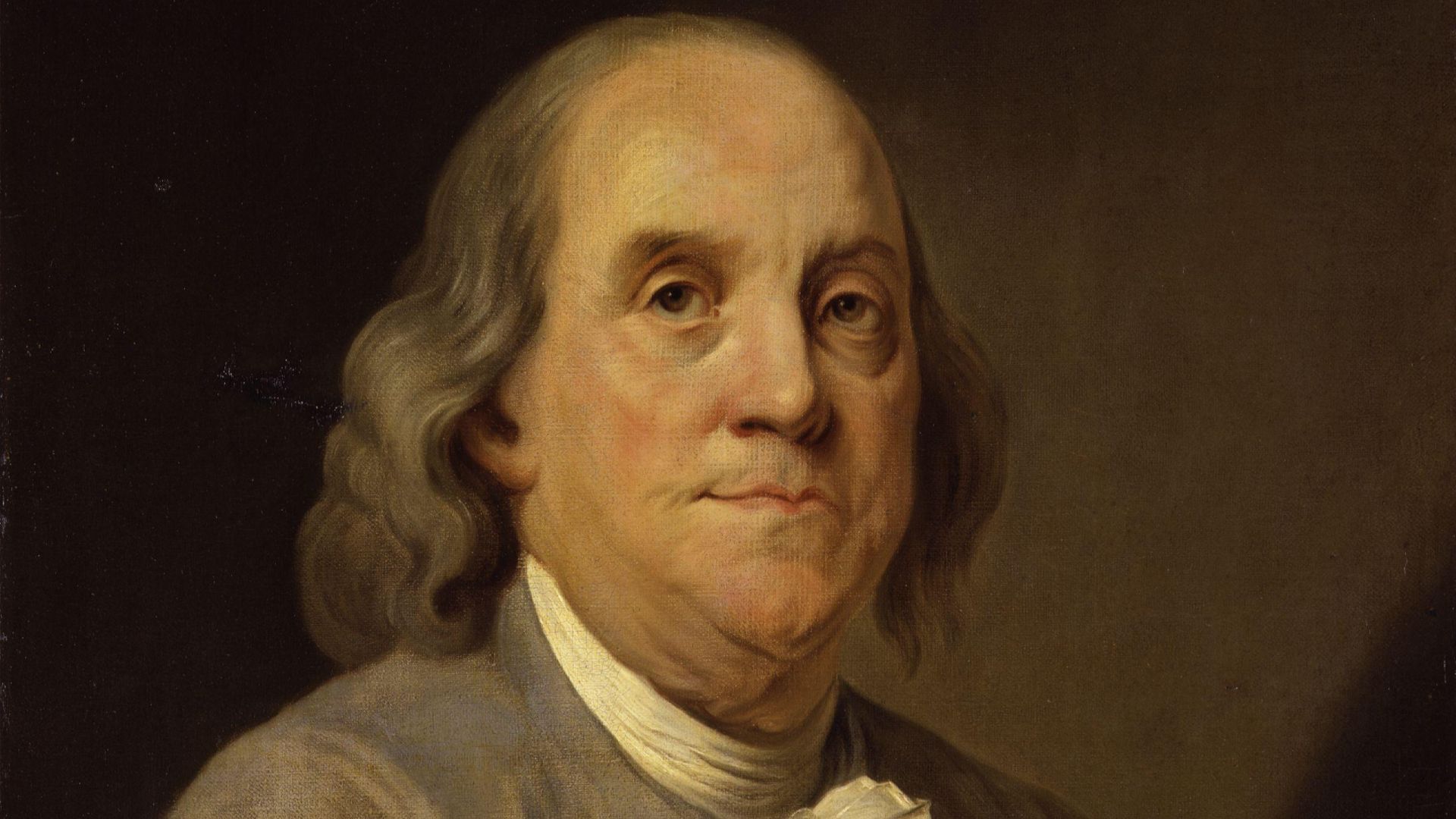
Though Benjamin Franklin didn’t write the Hutchinson letters, his role in sending them badly damaged his reputation in Britain. After the scandal erupted, Franklin admitted his involvement when innocent men were being blamed for the leak. As punishment, he was publicly humiliated and dismissed as colonial postmaster general.
 After Joseph-Siffred Duplessis on Wikimedia
7. Mary Wollstonecraft
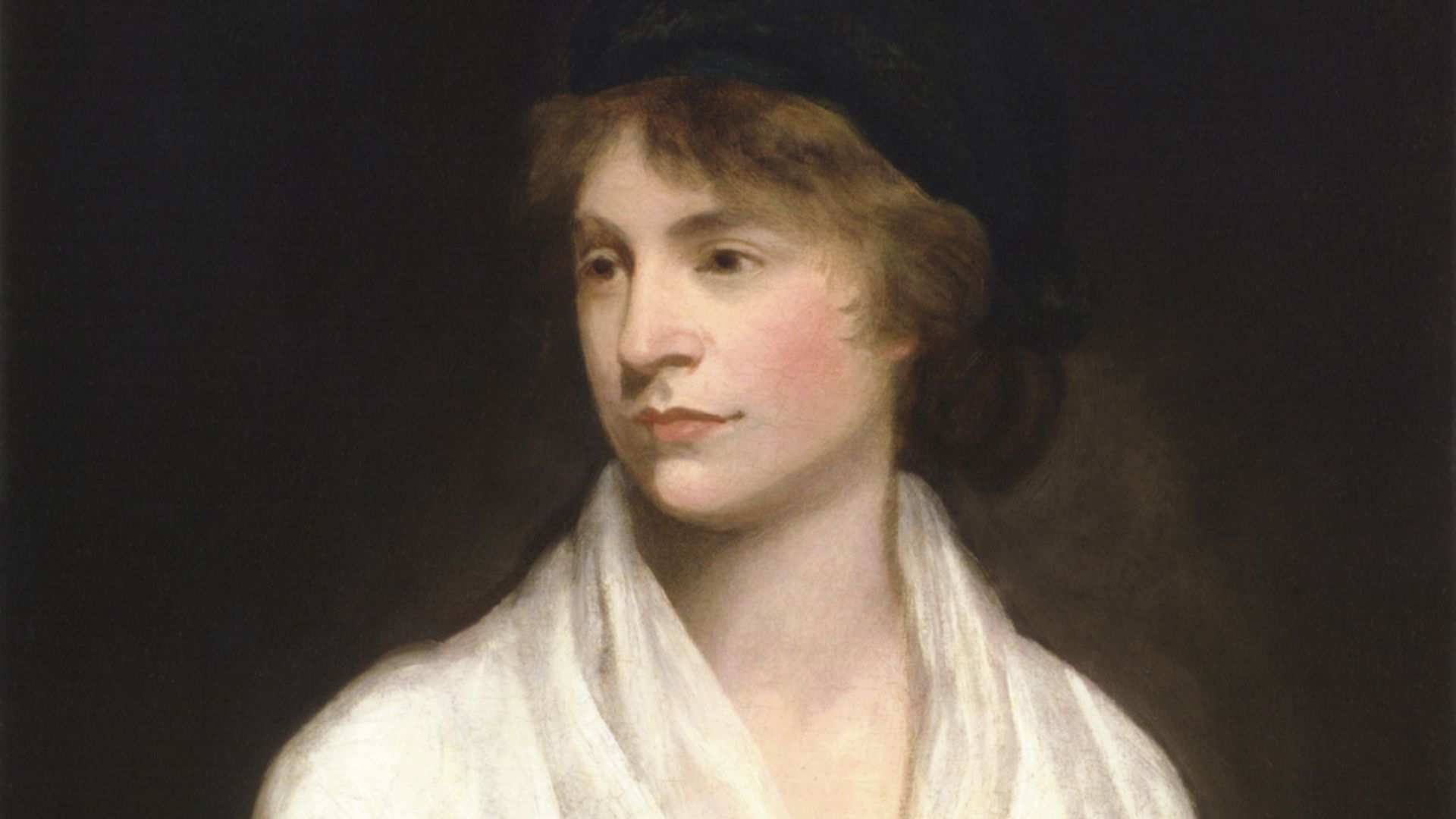
Mary Wollstonecraft’s reputation suffered a massive blow after William Godwin published Memoirs of the Author of A Vindication of the Rights of Woman in 1798—and he didn’t even mean to ruin her name. If anything, he meant to honor her, but including details about her love affair with Gilbert Imlay, her child born outside marriage, and her suicide attempts shook a lot of nineteenth-century readers.
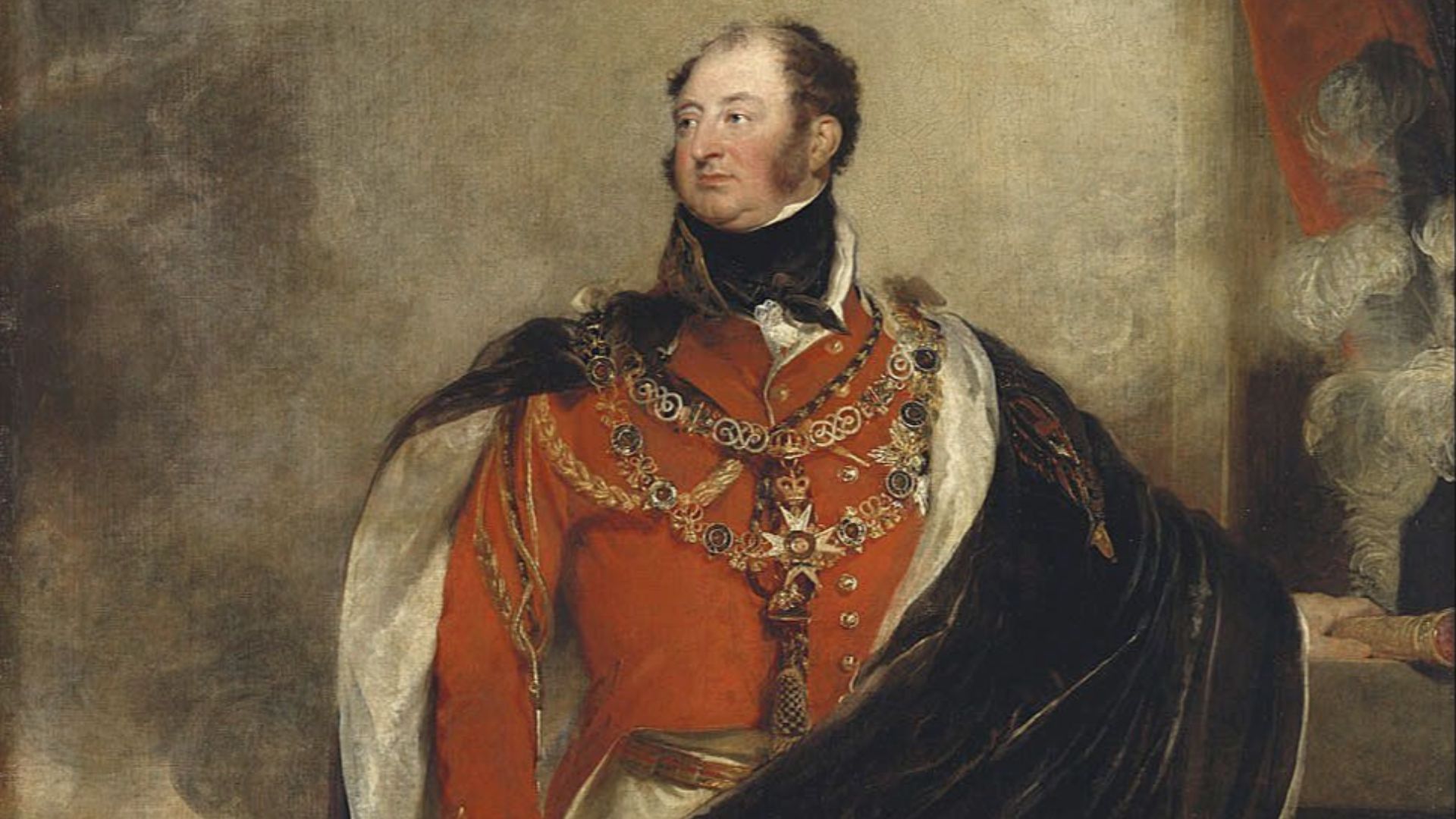
8. Frederick, Duke of York
Frederick, Duke of York, was pulled into the 1809 Mary Anne Clarke scandal after his former mistress testified about the sale of army commissions. Clarke had letters from him and reportedly received hush money afterward to prevent her from leaking any more of them. The whole thing forced the king’s son to resign as commander-in-chief of the British Army, though he later returned to the post.
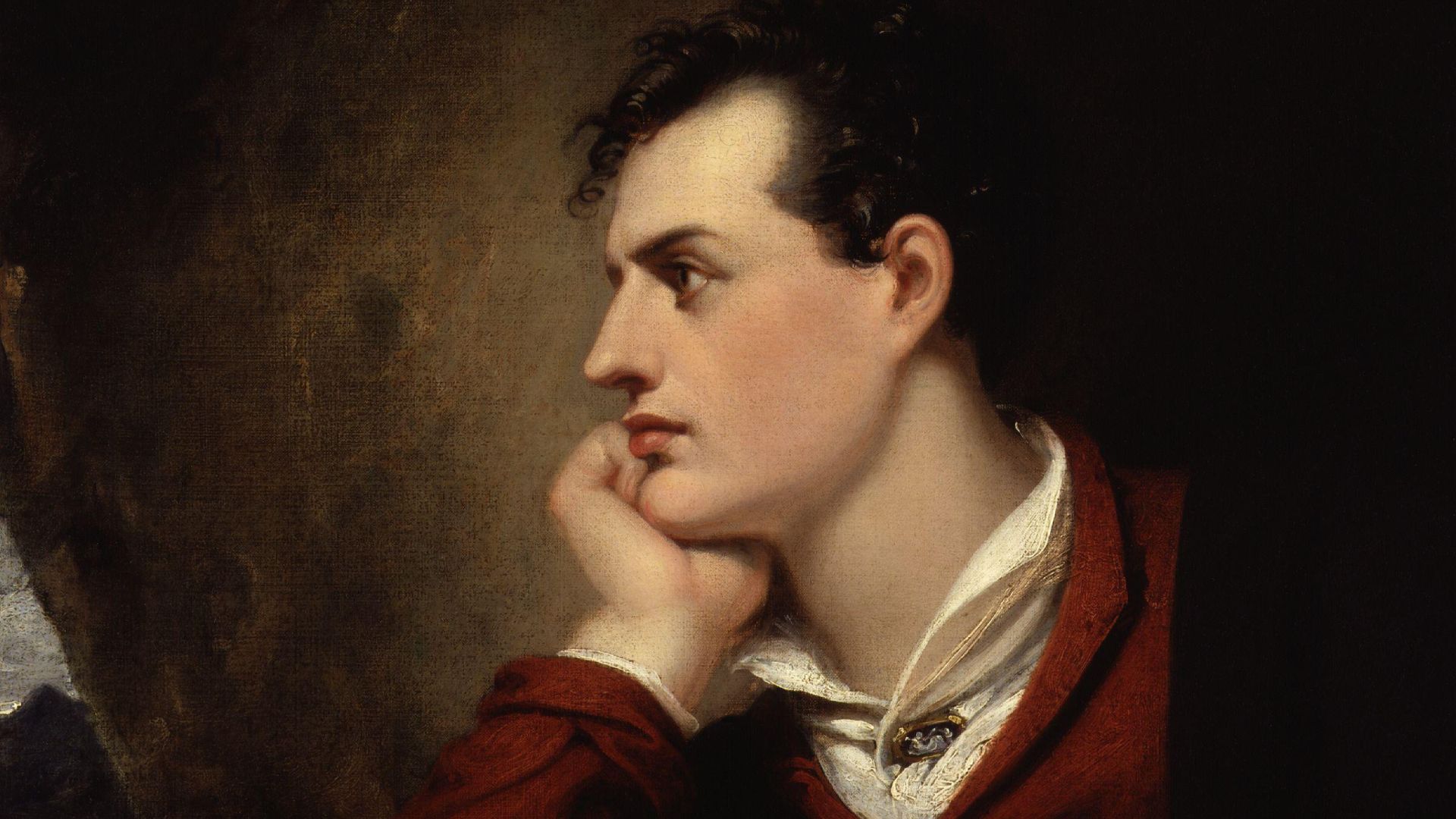
9. Lord Byron
Lord Byron’s reputation was already shaky at best when his private letters and memoir material hit the public eye. However, they revealed an even darker side. Some correspondence connected him to affairs, including his relationship with Caroline Cameron. After his death, his friends burned his memoirs because they thought the contents would not only damage Byron’s reputation, but theirs as well.
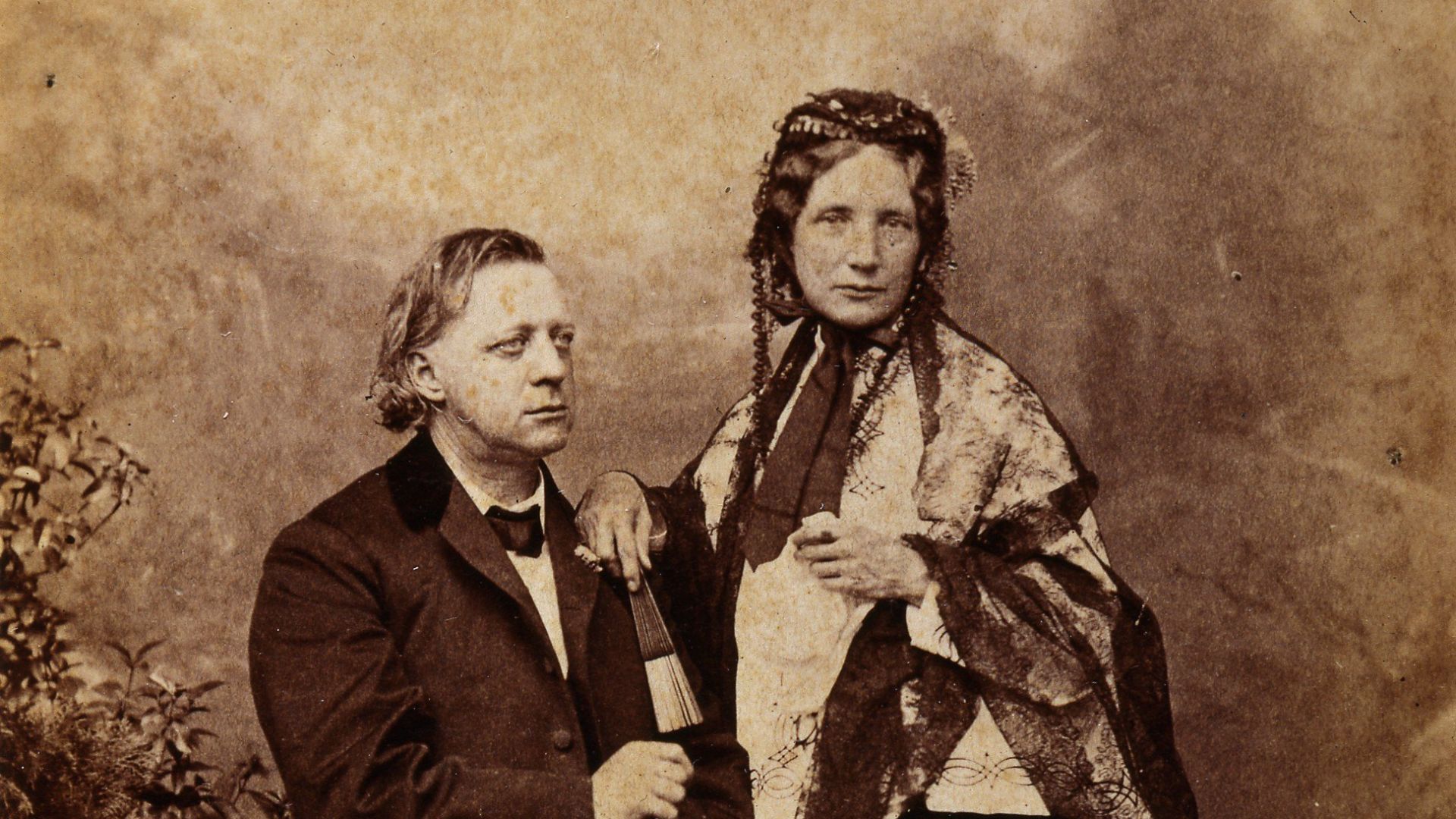
10. Henry Ward Beecher
Henry Ward Beecher was one of the most famous preachers in America…before the Beecher-Tilton scandal in the 1870s. Private letters and confessions became part of a public fight over whether Beecher had committed adultery with Elizabeth Tilton, the wife of his former friend Theodore Tilton. The 1875 civil trial ended with a hung jury, but Beecher’s moral authority never recovered.
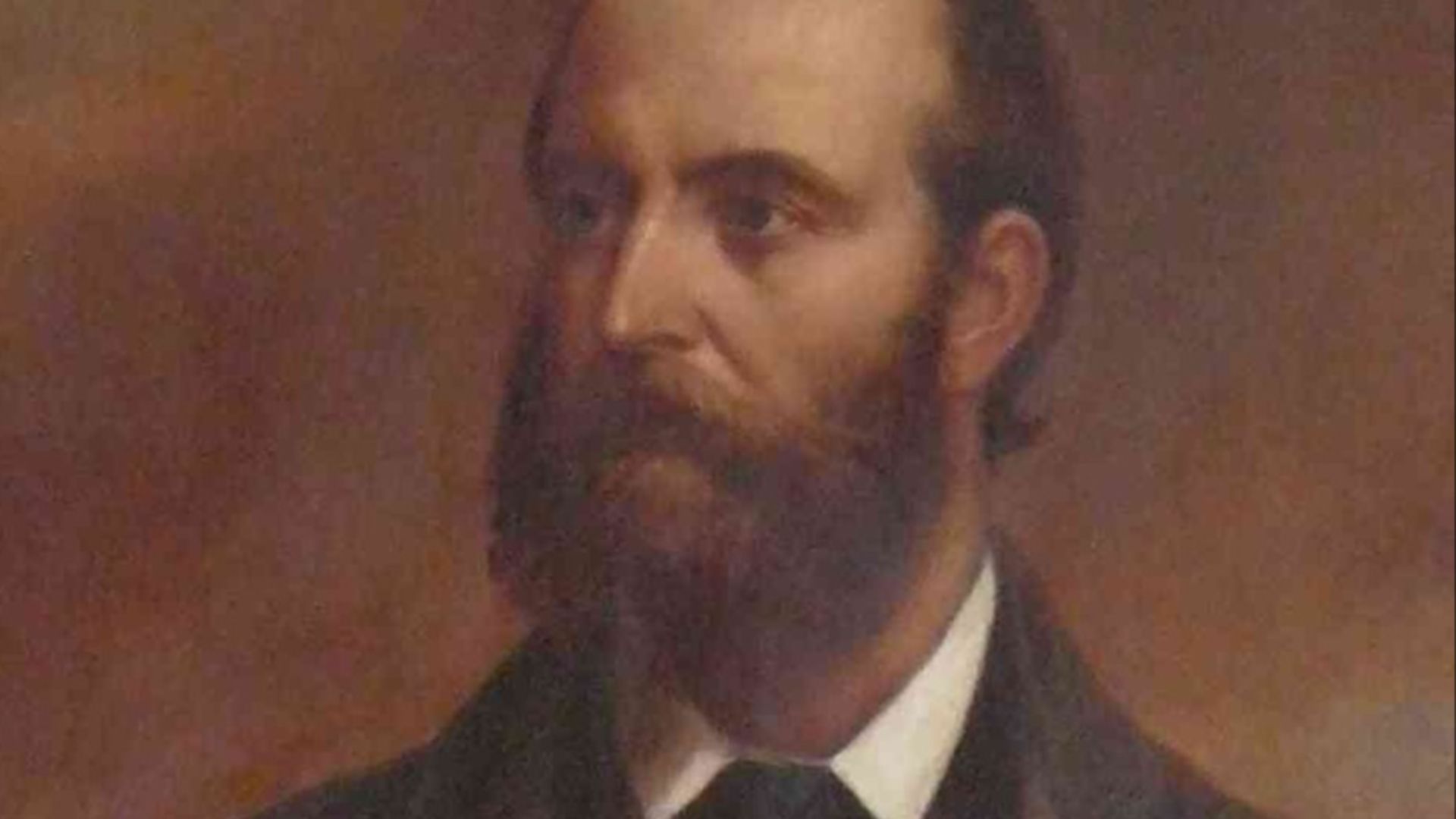
11. Charles Stewart Parnell
The thing about Charles Stewart Parnell’s relationship with Katharine O’Shea is that it was already known in political circles. Then it became court evidence, and rumors really began to fly. When Captain William O’Shea filed for divorce, and the case reached trial in 1890, letters and testimony confirmed a long affair and children born from the relationship. The scandal split Parnell’s party and broke his leadership.
12. Oscar Wilde
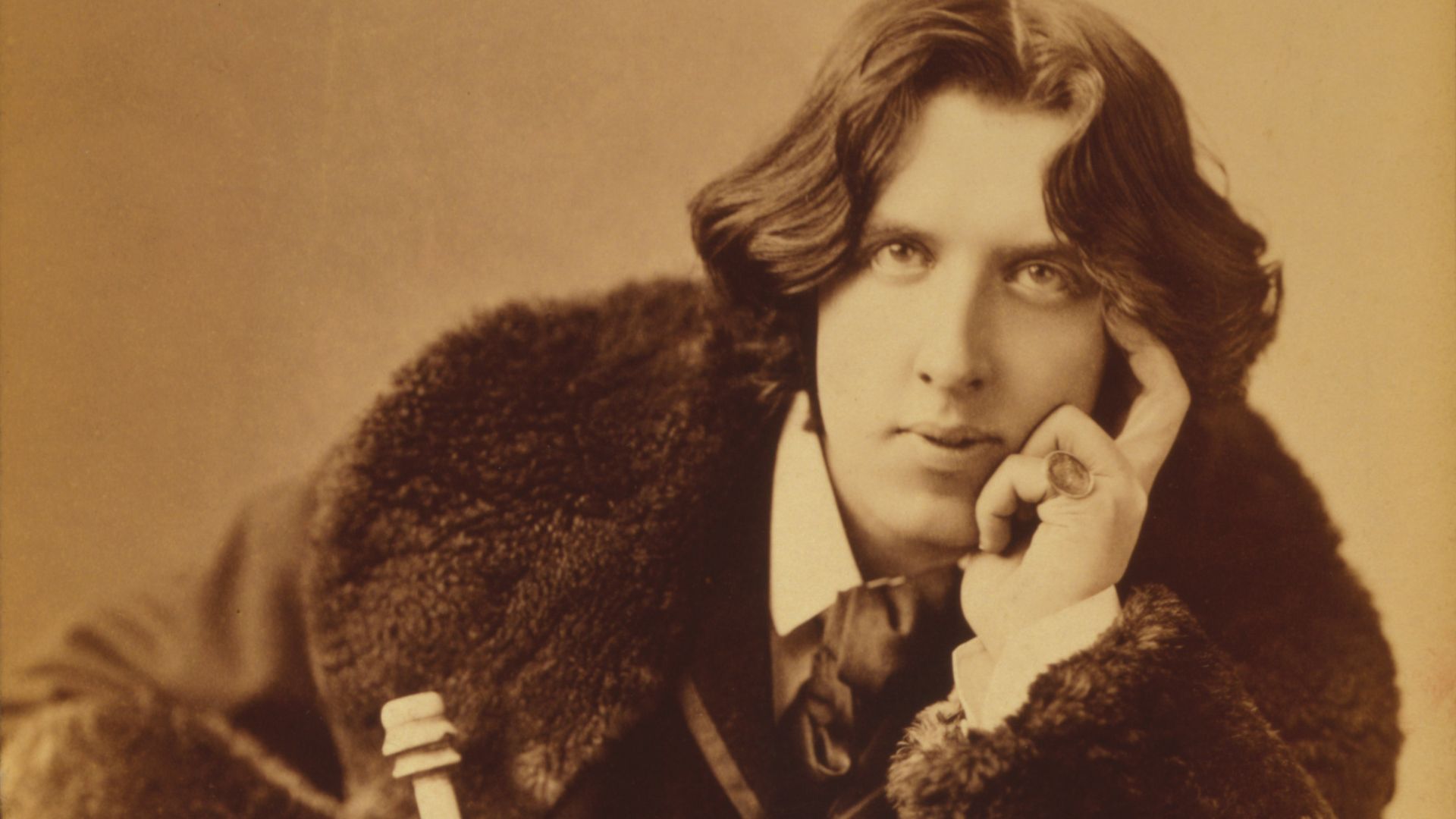
You may already know about Oscar Wilde’s libel case against the Marquess of Queensberry, but what you might not know is that his private letters were part of what brought him there. Letters to Lord Alfred Douglas became part of the public catastrophe, and the courtroom turned Wilde’s art, friendships, and intimate correspondence into fodder for prosecution. His gross indecency charge in 1895 led to imprisonment, bankruptcy, and exile.
13. Horatio Nelson
Horatio Nelson’s letters to Emma Hamilton revealed the emotional force of an affair that had already shaken British society. Both were married when the affair became public, and Nelson’s fame made the situation impossible to dismiss as everyday gossip. After his death, published letters only deepened Emma’s disgrace.
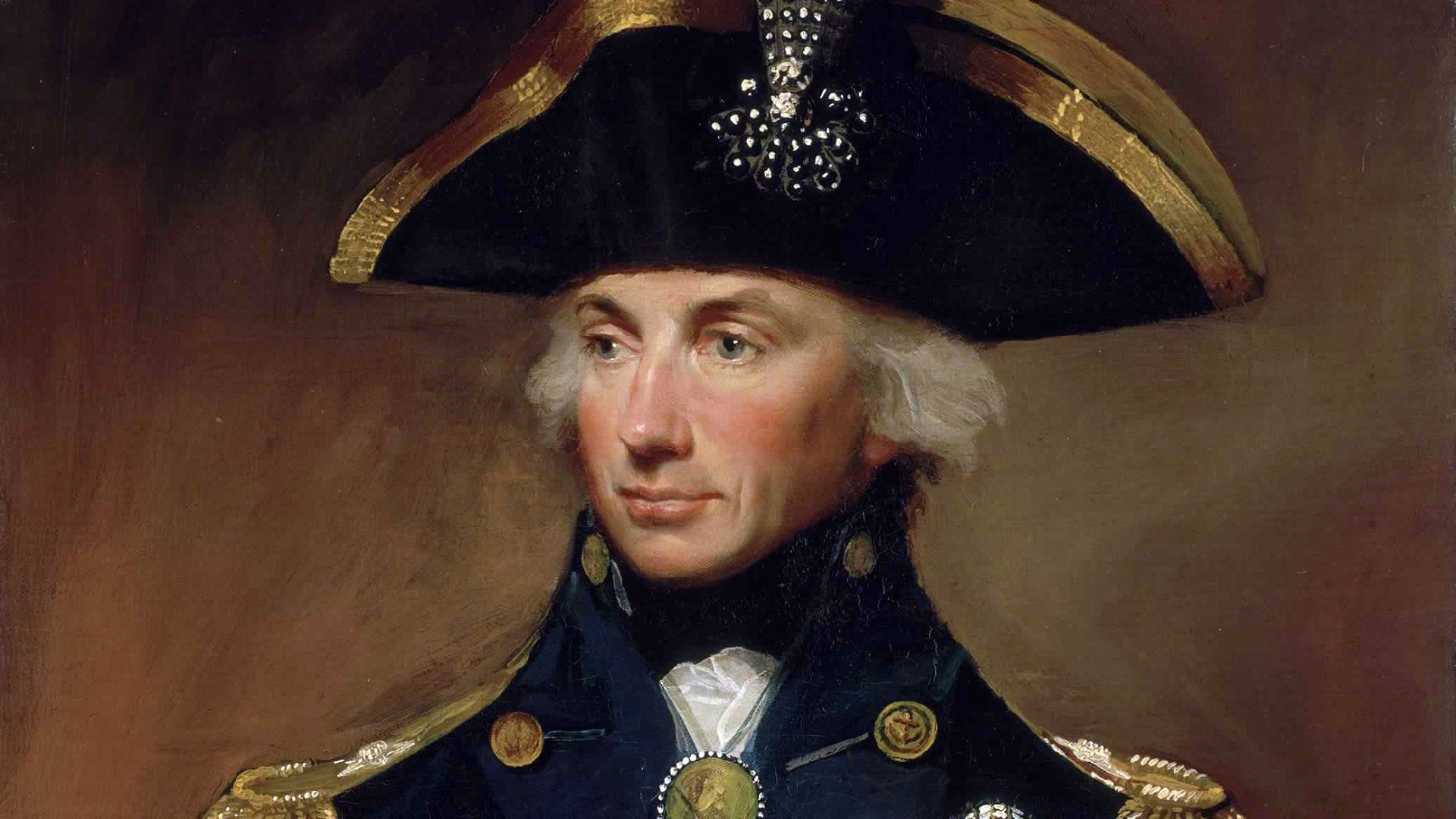 Lemuel Francis Abbott on Wikimedia
14. Marie Antoinette
Forget about that cake line for a second (which isn’t even what she said). Marie Antoinette’s secret letters to Swedish count Axel von Fersen also complicated her reputation. During the French Revolution, her private correspondence made her look politically dangerous to people who thought she was plotting against France. Censored passages then renewed questions about the nature of the relationship and her efforts to communicate during a crisis.
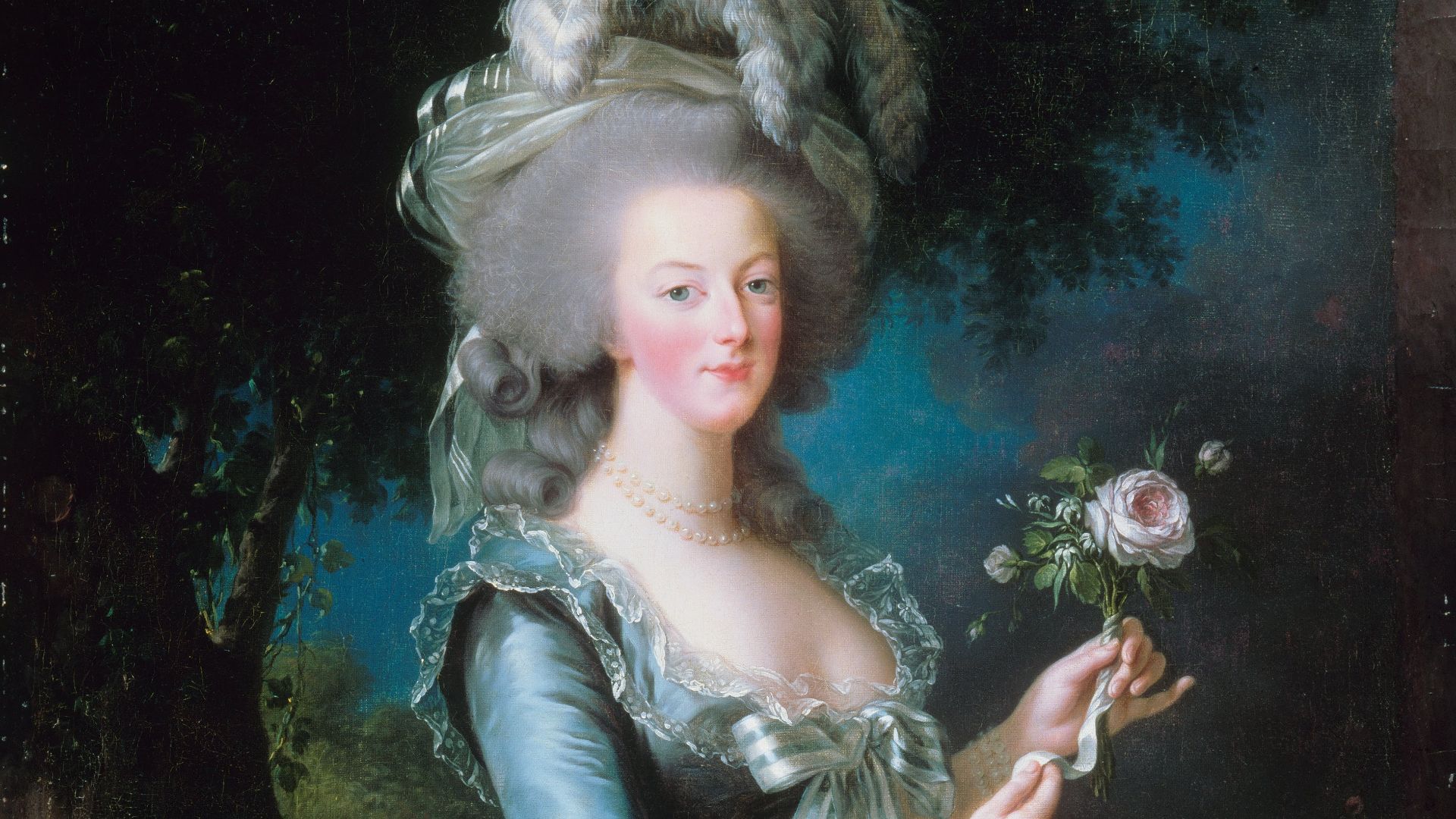 Élisabeth Louise Vigée Le Brun on Wikimedia
15. Caroline of Brunswick
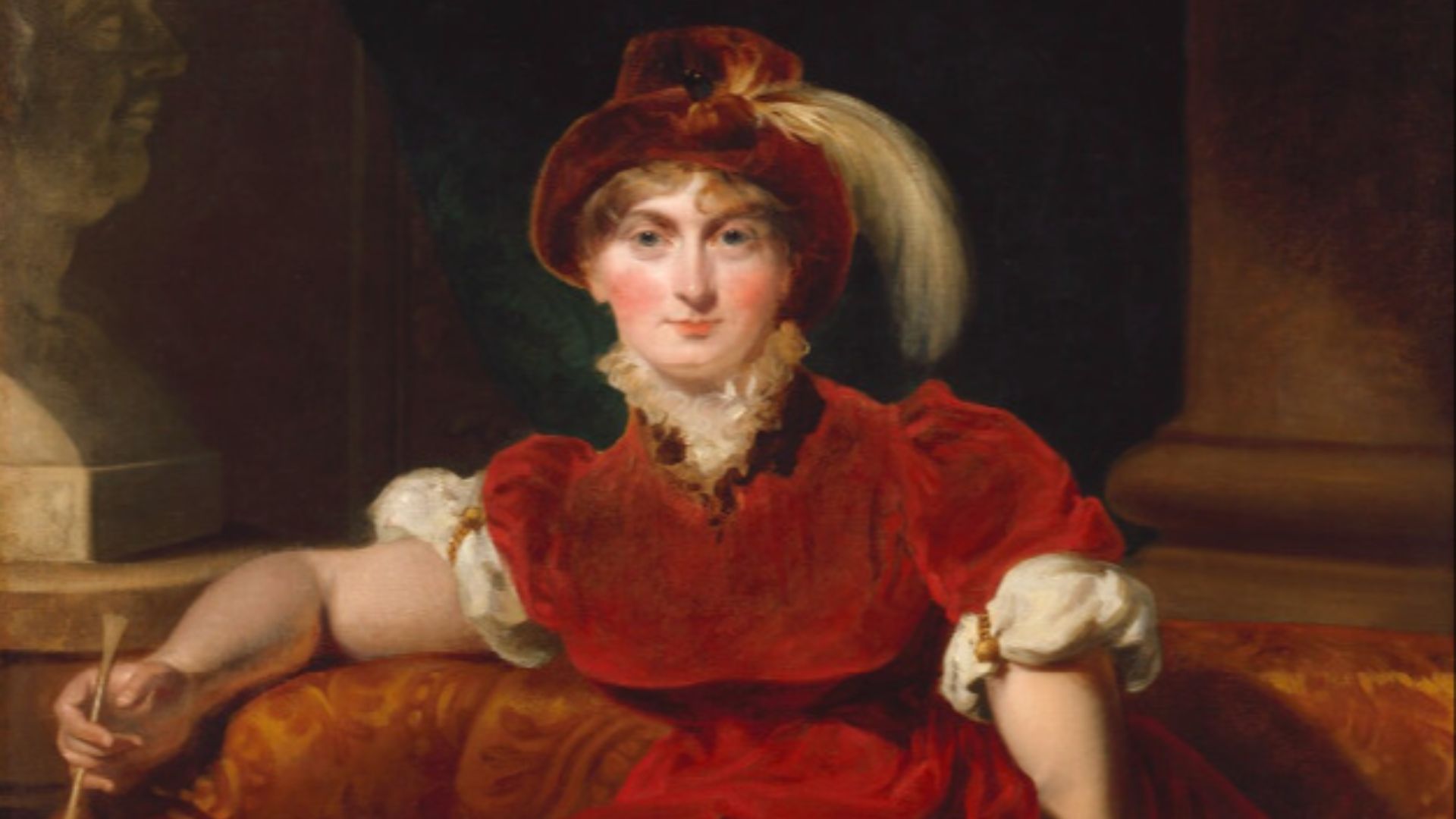
Caroline of Brunswick’s private life became parliamentary theater when George IV tried to dissolve their marriage through the Pains and Penalties Bill in 1820. The proceedings included all sorts of dirty laundry, including letters, testimony, and allegations about her relationship with Bartolomeo Pergami. Caroline gained sympathy in some circles, but she could never fully escape from the accusations.
16. John Profumo
John Profumo’s political downfall came swiftly and hard, namely after he lied to the House of Commons about his affair with Christine Keeler. One of the biggest issues was that Keeler was linked to Soviet naval attaché Yevgeny Ivanov, creating a national-security panic. Profumo resigned in 1963.
17. Alexandra Feodorovna
Tsarina Alexandra Feodorovna’s private letters only confirmed what Russians feared about Rasputin’s access to the imperial family. If anything, they made it painfully clear how much faith Feodorovna placed in Rasputin while Russia was coming apart during World War I. To readers later on, the letters also showed how isolated the imperial family had become.
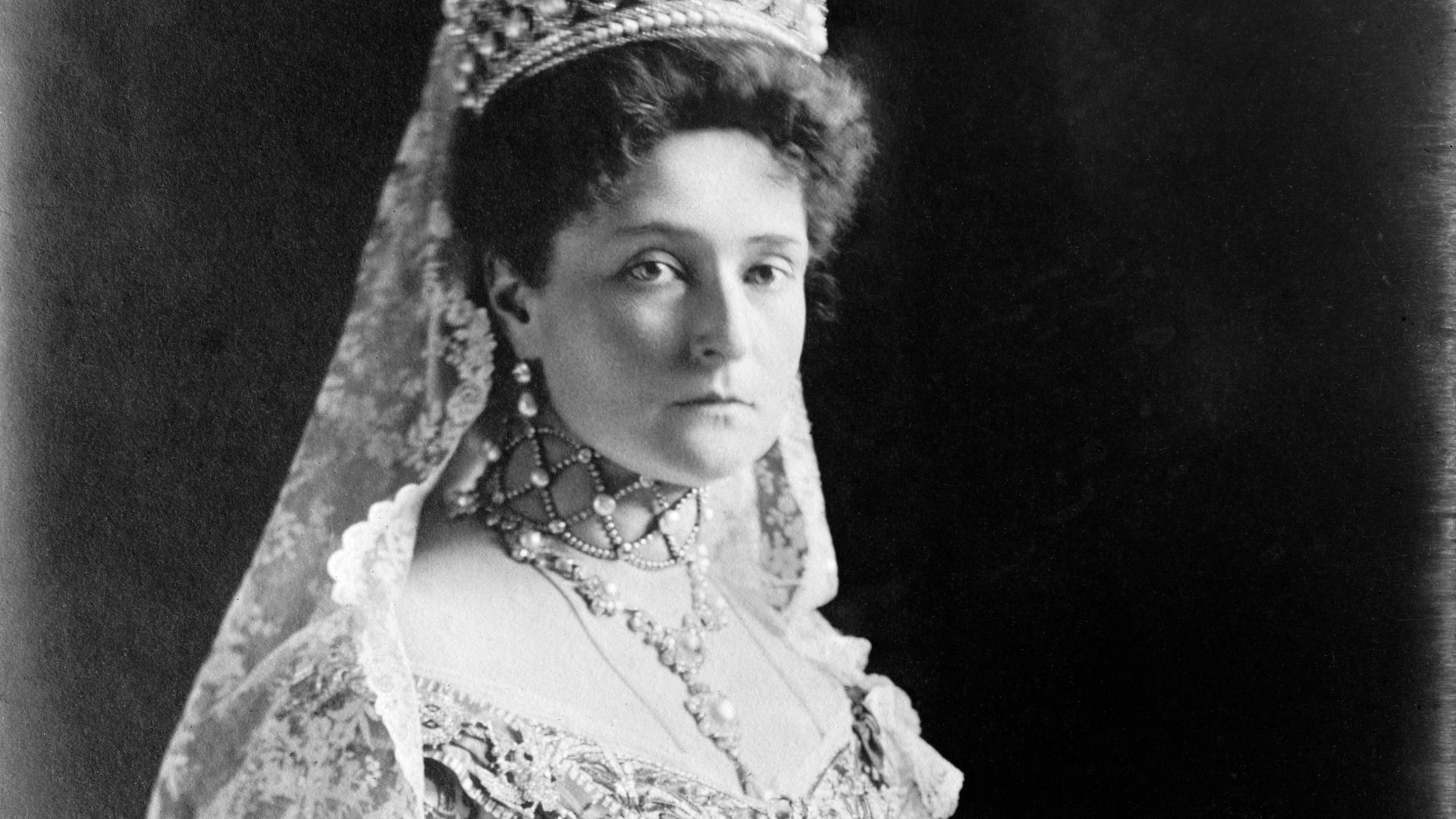 Boasson and Eggler St. Petersburg Nevsky 24.Bain News Service, publisher on Wikimedia
18. Edward VIII
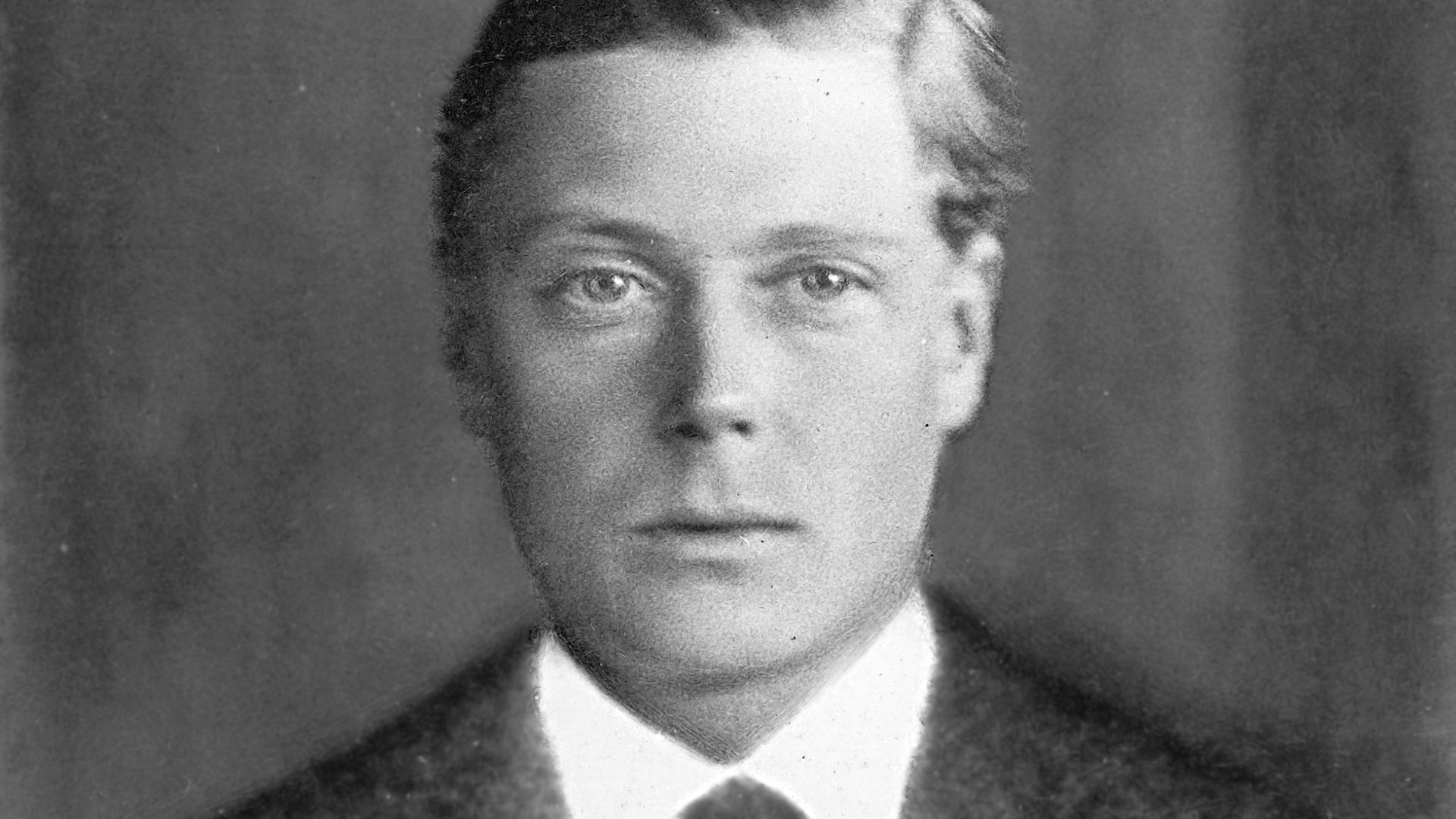
Edward VIII’s letters and messages to Wallis Simpson basically forced Britain into a constitutional crisis. His insistence on marrying a twice-divorced American woman made church leaders and the royal family question whether he could even remain king. It didn’t really matter, though. He abdicated in December 1936, and his devotion became the public reason he gave up the throne.
19. Warren G. Harding
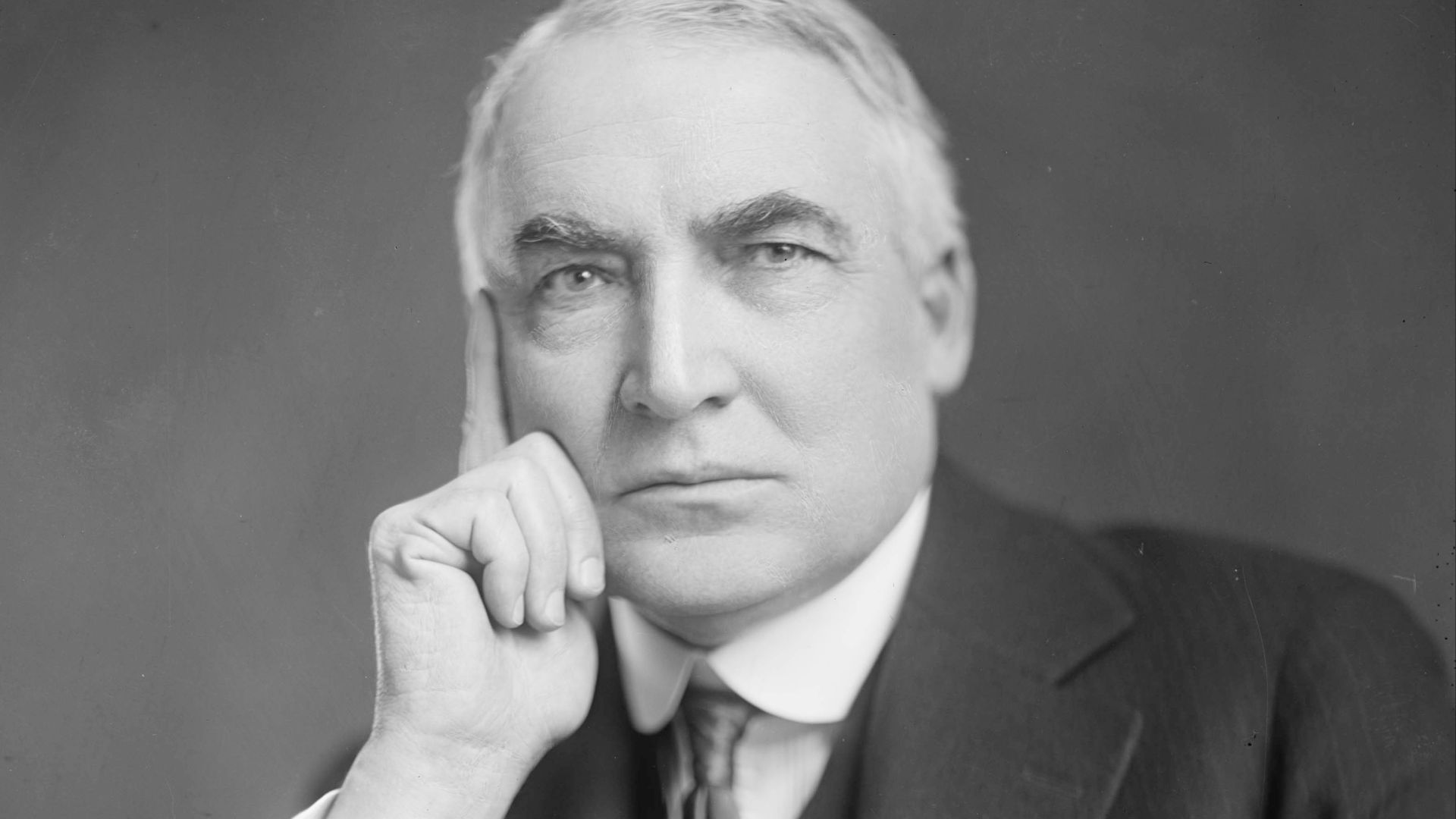
Warren G. Harding’s letters to Carrie Fulton Phillips revealed a long affair that overlapped with his rise through American politics. The correspondence showed a side of him that clashed with the respectable image expected of a president. After he died, his reputation was only further weakened by scandals, but the letters added another layer of recklessness.
20. Robert Lowell
Robert Lowell damaged his reputation when he used parts of Elizabeth Hardwick’s private letters in his 1973 poetry collection The Dolphin. Hardwick wrote those letters while their marriage was crumbling, and Lowell then reshaped some of her words for poems about his new relationship with Caroline Blackwood. The book won the Pulitzer Prize, but even some of Lowell’s friends saw it as a massive breach of trust.

KEEP ON READING
The story of Ching Shih, the Woman Who Became the…
Unknown author on WikimediaFew figures in history are as feared…
By Emilie Richardson-Dupuis Dec 29, 2025
Einstein's Violin Just Sold At An Auction—And It Earned More…
A Visionary's Violin. Wanda von Debschitz-Kunowski on WikimediaWhen you hear…
By Ashley Bast Nov 3, 2025
This Infamous Ancient Greek Burned Down An Ancient Wonder Just…
History remembers kings and conquerors, but sometimes, it also remembers…
By David Davidovic Nov 12, 2025
The Mysterious "Sea People" Who Collapsed Civilization
3,200 years ago, Bronze Age civilization in the Mediterranean suddenly…
By Robbie Woods Mar 18, 2025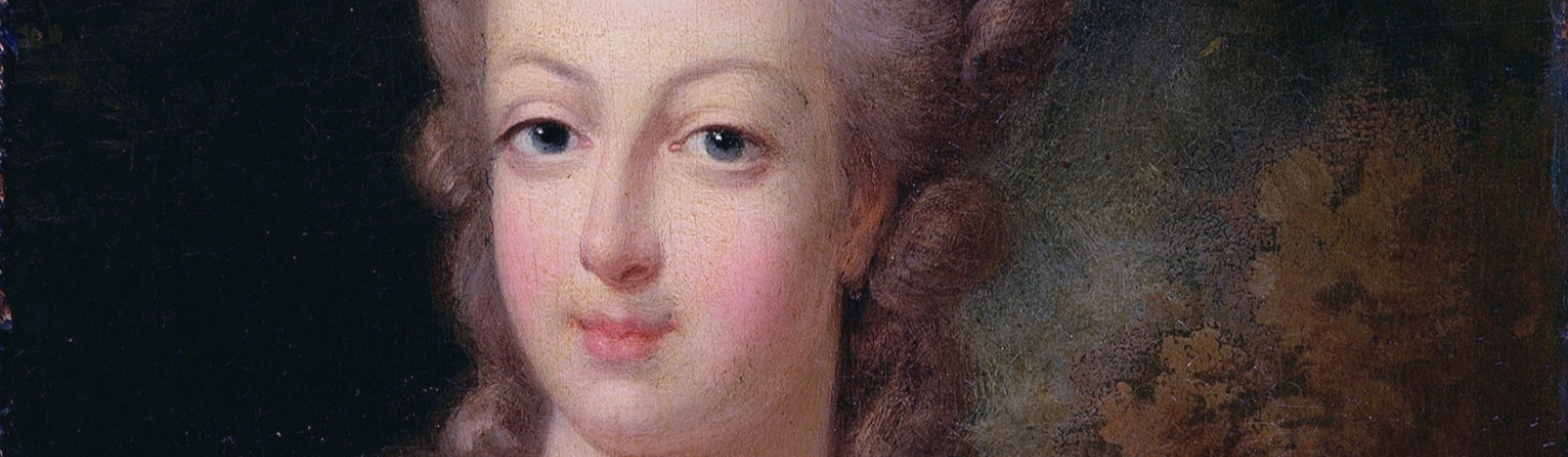
20 Historical Figures Whose Private Letters Destroyed Their Reputations
Private Affairs Becoming Public Evidence. Private letters have a way…
By Annie Byrd Jun 23, 2026
20 Soldiers Who Defied Expectations
Changing the Rules of the Battlefield. You’ve probably heard plenty…
By Annie Byrd Feb 10, 2026