

20 People in History Who Charmed Their Way to the Top
Charisma Has Always Opened Doors
History is full of people who rose through talent, timing, ambition, strategy, and, very often, charm. Some used wit, beauty, storytelling, manners, or emotional intelligence to win over rulers, crowds, voters, rivals, and entire nations. Charm was rarely the only thing that carried them upward, but it often helped them get into the right rooms. Whether they were beloved, controversial, brilliant, or a little too slippery for comfort, here are 20 figures who understood that people are easier to influence when they enjoy listening to you.
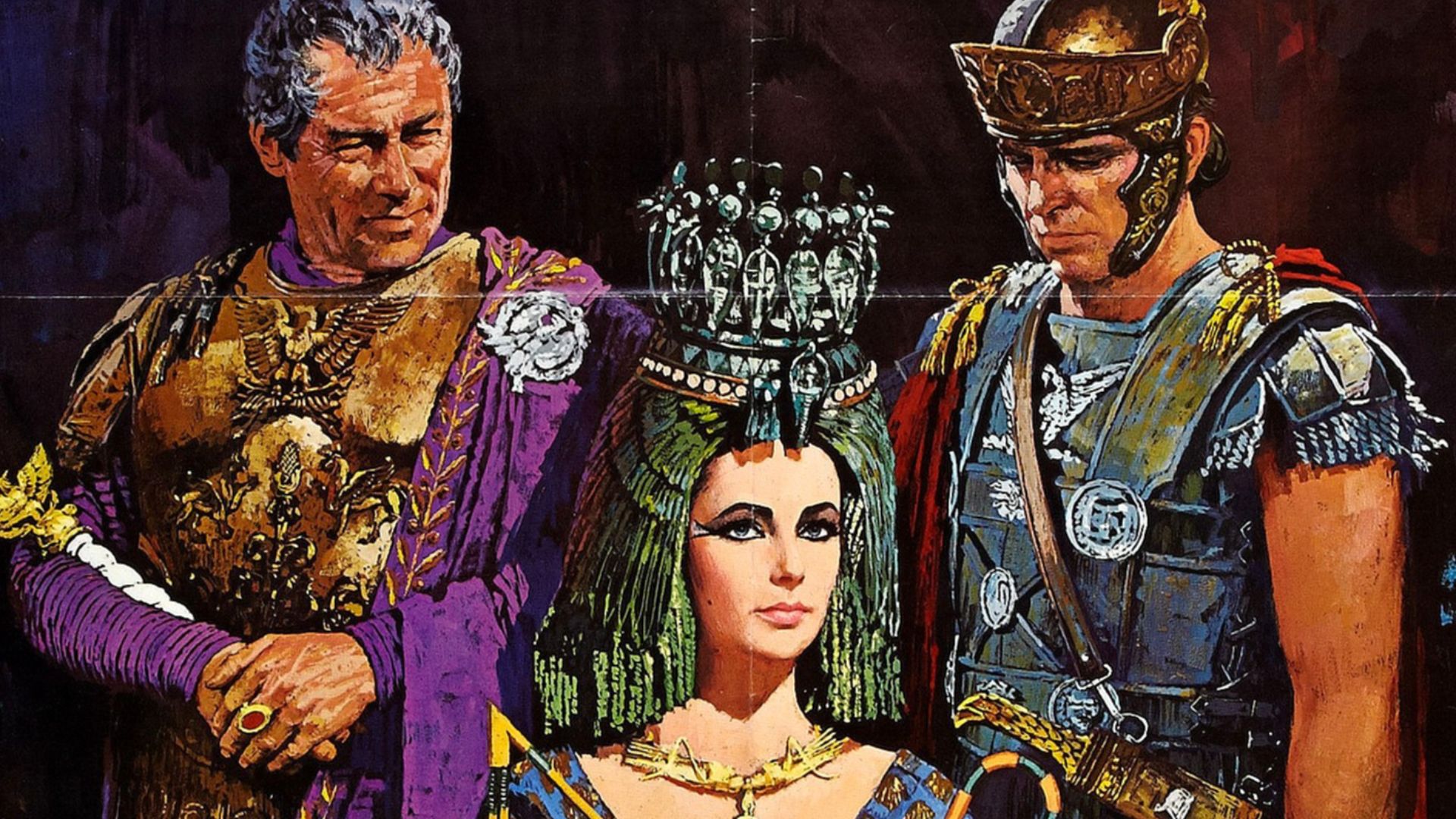 After Howard Terpning on Wikimedia
1. Cleopatra
Cleopatra’s power wasn't built on beauty alone, despite what later legends liked to suggest. She was educated, multilingual, politically sharp, and skilled at presenting herself as the kind of ruler powerful men couldn't ignore. Her relationships with Julius Caesar and Mark Antony were personal, but they were also strategic alliances meant to protect Egypt’s independence.
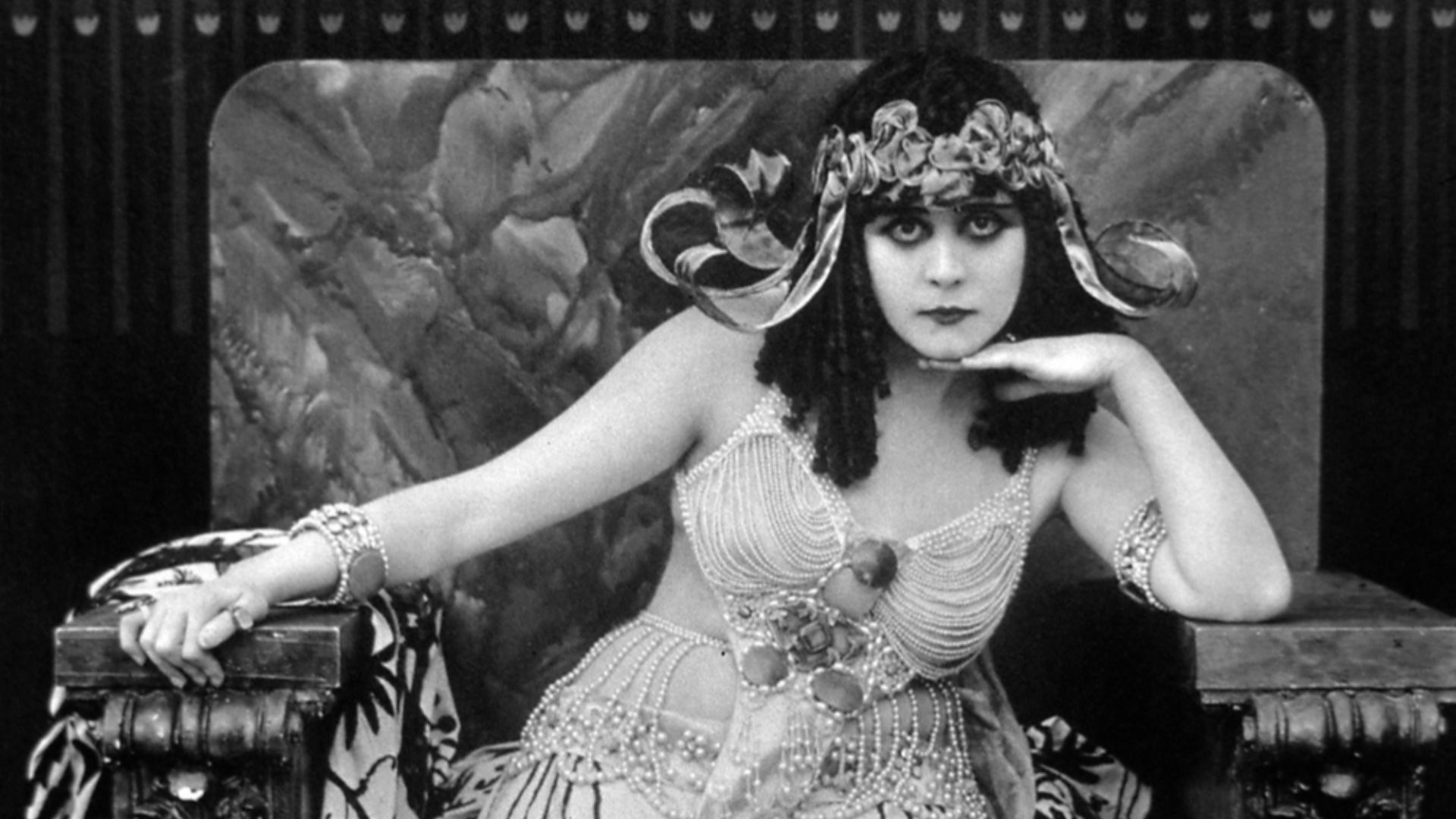 Fox Film Corporation on Wikimedia
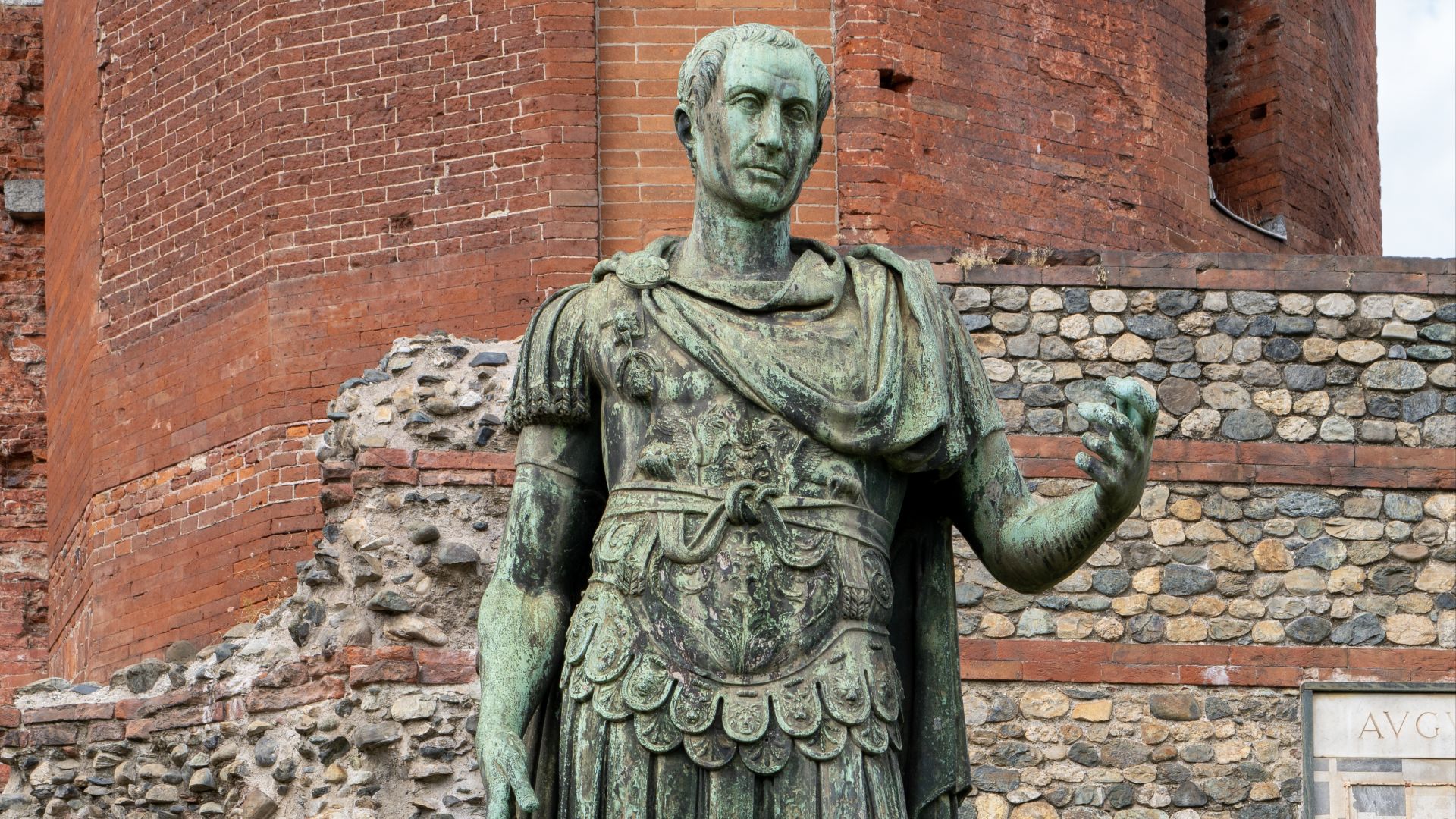
2. Julius Caesar
Julius Caesar rose in Rome through military brilliance, but his charm mattered too. He knew how to speak to crowds, flatter allies, reward loyalty, and make ordinary Romans feel like he understood them. His confidence could look generous, bold, and theatrical all at once, which made him hard to dismiss.
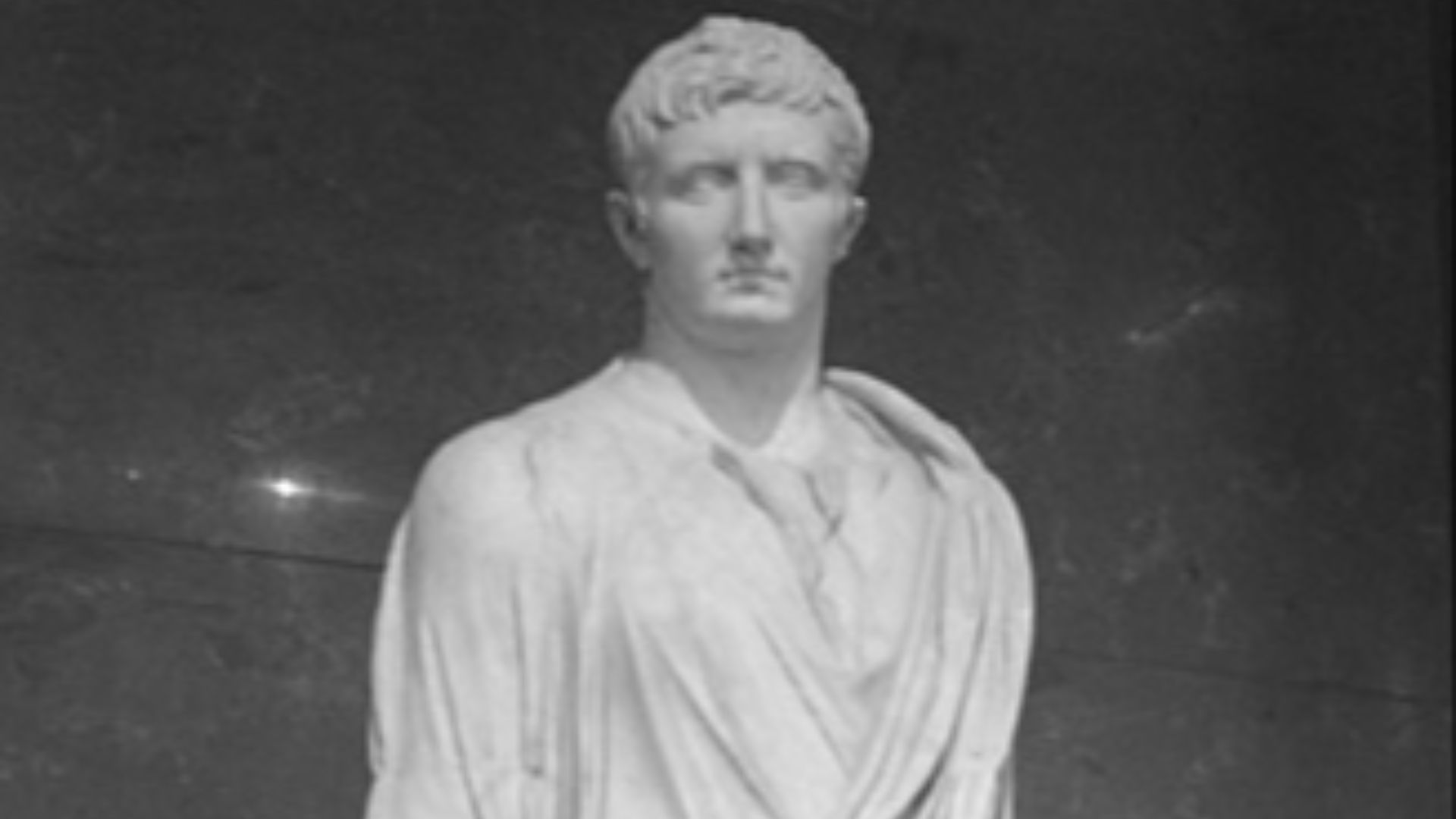
3. Augustus
Augustus wasn't as flashy as Julius Caesar, but that was part of his genius. He presented himself as calm, dutiful, modest, and restoring order after years of Roman civil war. That carefully managed image helped him turn enormous personal power into something that looked respectable.
4. Elizabeth I
Elizabeth I understood that ruling England required more than laws and armies. She used speeches, symbolism, clothing, public appearances, and carefully crafted language to turn herself into a national icon. Her charm was political theater, but it was also a survival tool in a world that doubted female rulers.
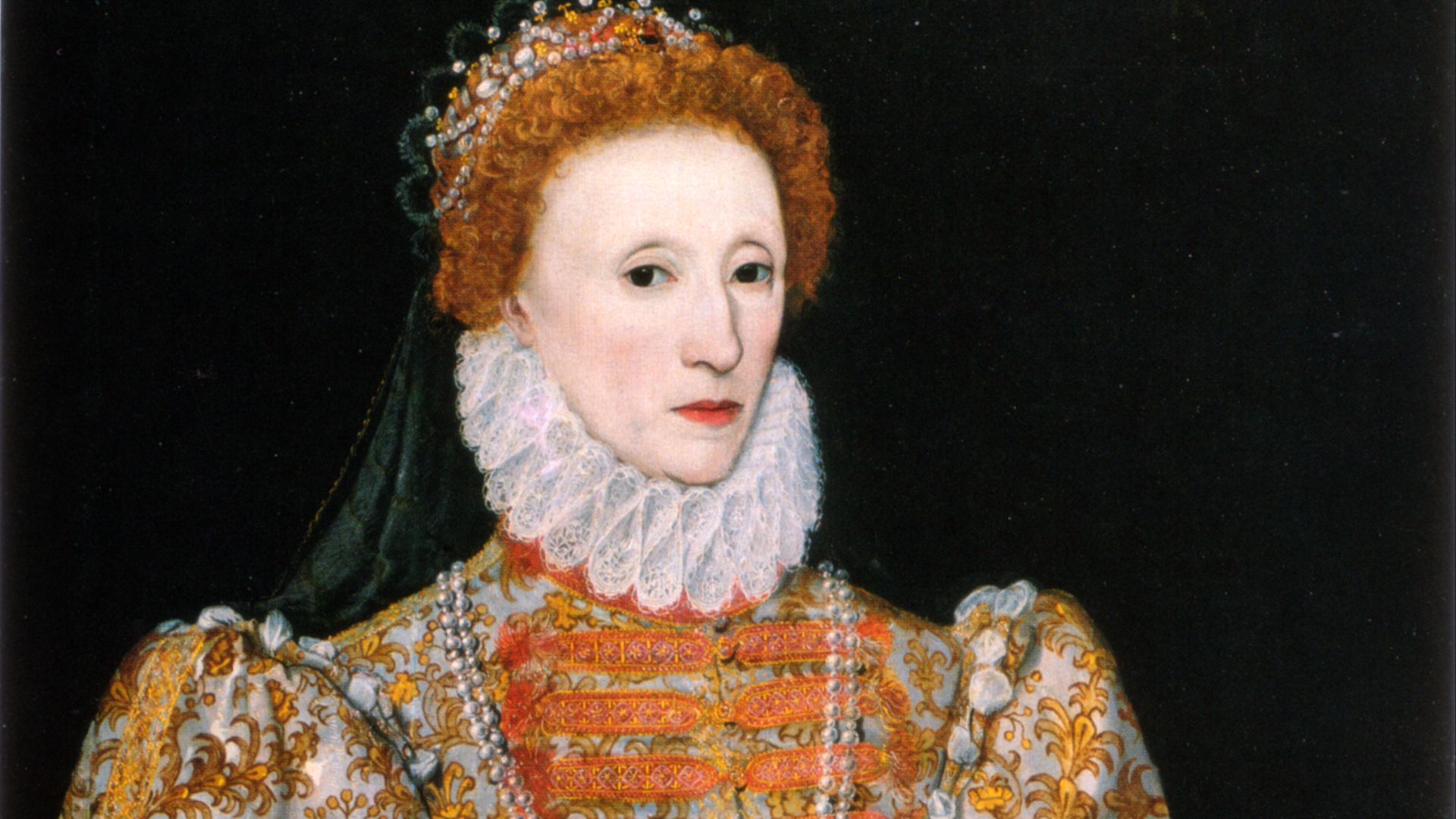 Unidentified painter on Wikimedia
5. Benjamin Franklin
Benjamin Franklin was one of history’s great social operators. In France, he leaned into the image of the wise, plainspoken American philosopher, and French society adored him for it. His wit, curiosity, and talent for conversation helped him win support for the American Revolution.
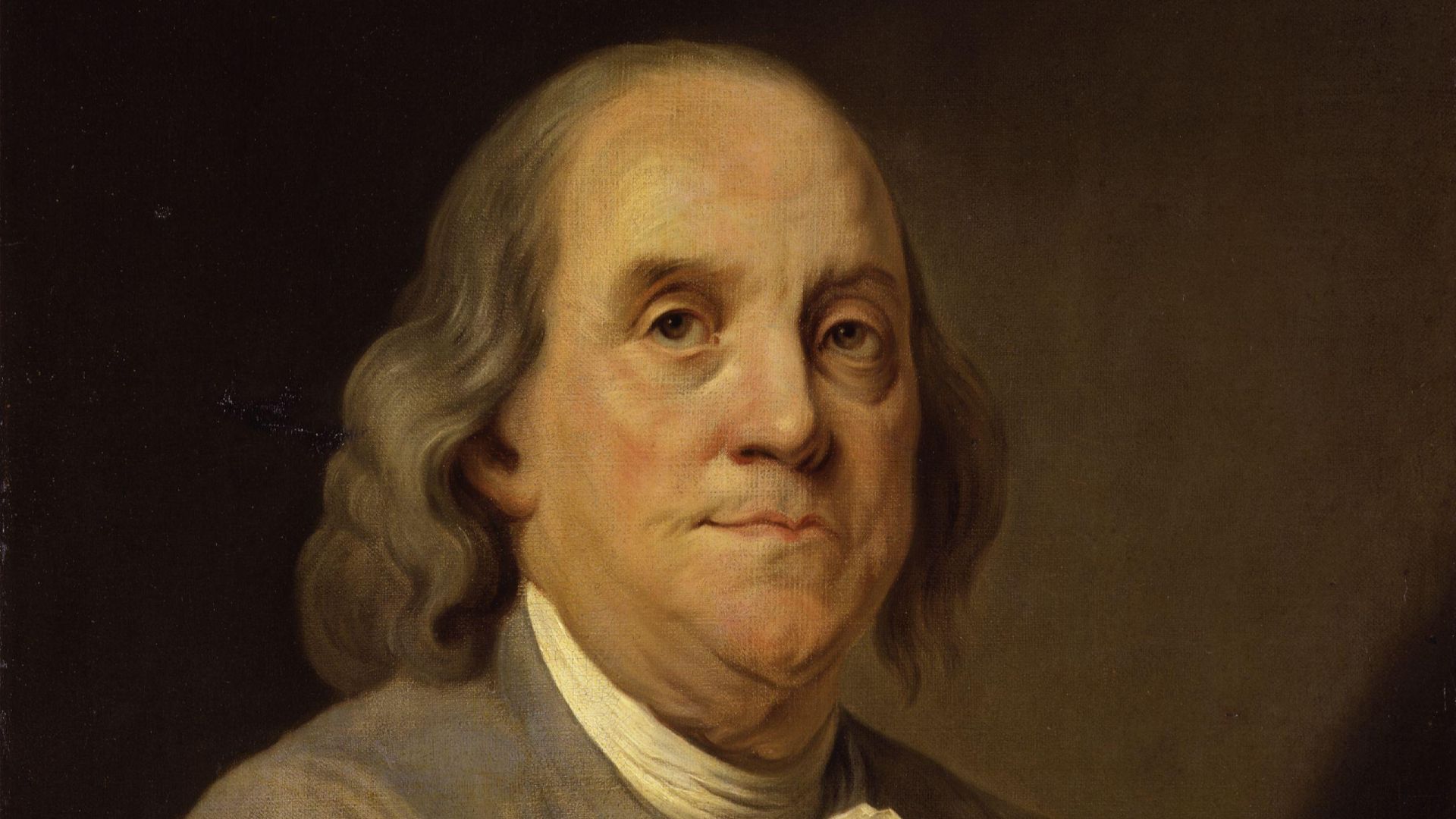 After Joseph-Siffred Duplessis on Wikimedia
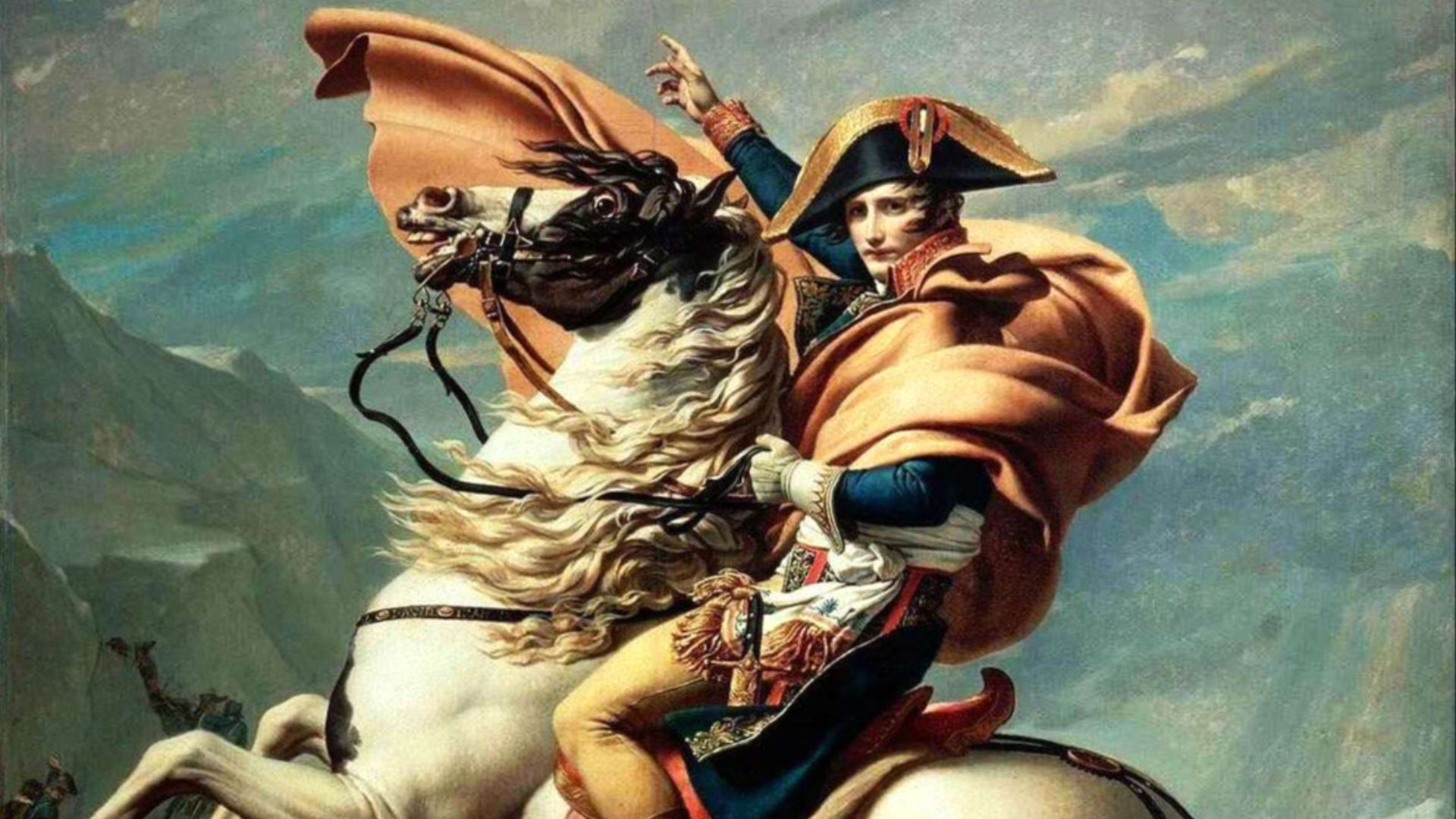
6. Napoleon Bonaparte
Napoleon was famously intense, but he also had a powerful personal magnetism. Soldiers followed him because he made them feel part of something grand, and supporters believed he could turn chaos into glory. His speeches, confidence, and ability to reward talent helped him rise from artillery officer to emperor.
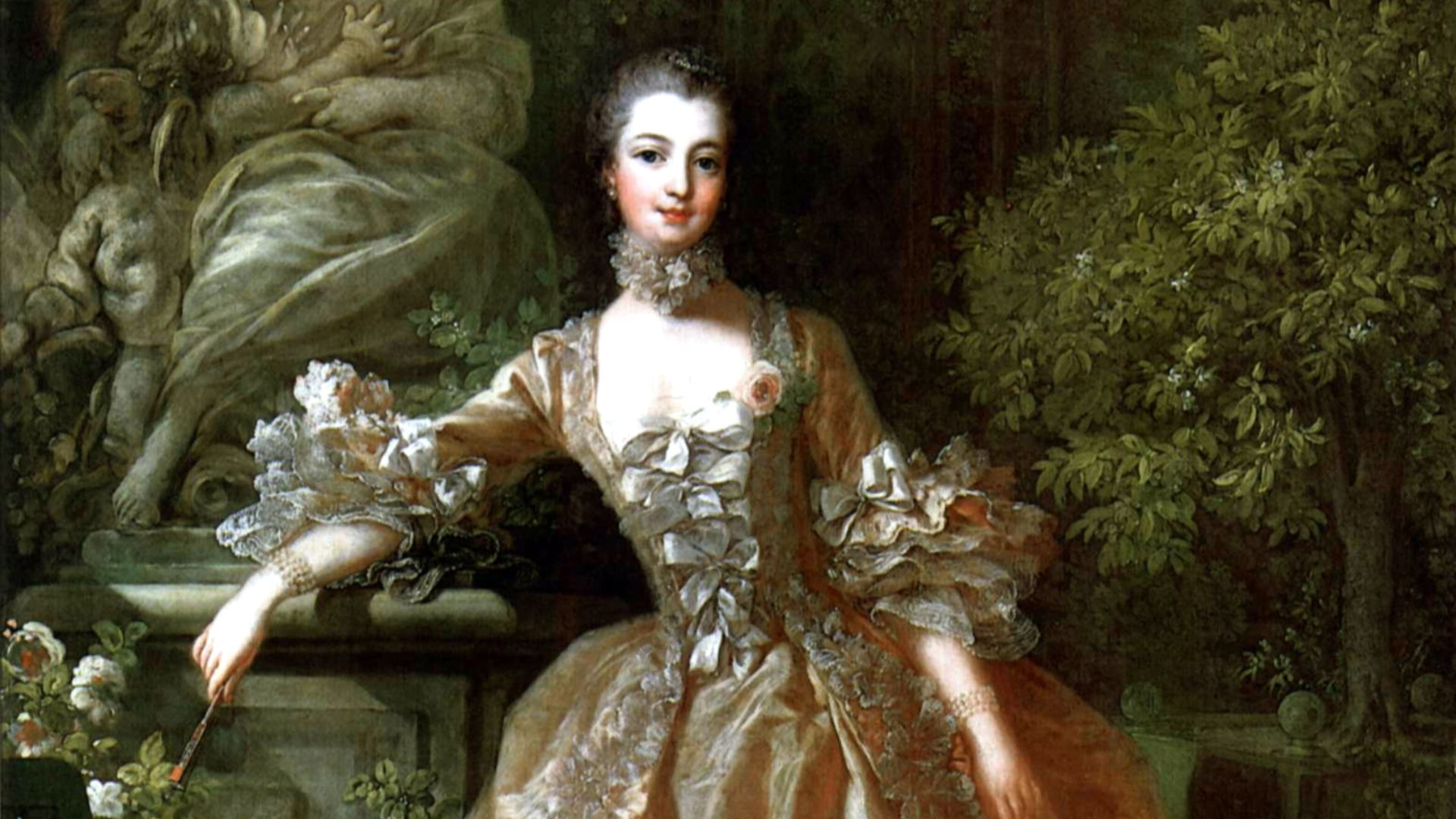
7. Madame de Pompadour
Madame de Pompadour became far more than a royal mistress. She charmed Louis XV, but she also used intelligence, taste, and social skill to become his adviser, patron of the arts, and a major figure at Versailles. Her influence came from knowing how to manage conversation, image, and court politics with remarkable care.
8. Catherine the Great
Catherine the Great arrived in Russia as a German princess with uncertain prospects. She learned the language, studied the culture, built alliances, and made herself appealing to powerful people at court. Her charm helped her survive a difficult marriage and win support during the coup that placed her on the throne.
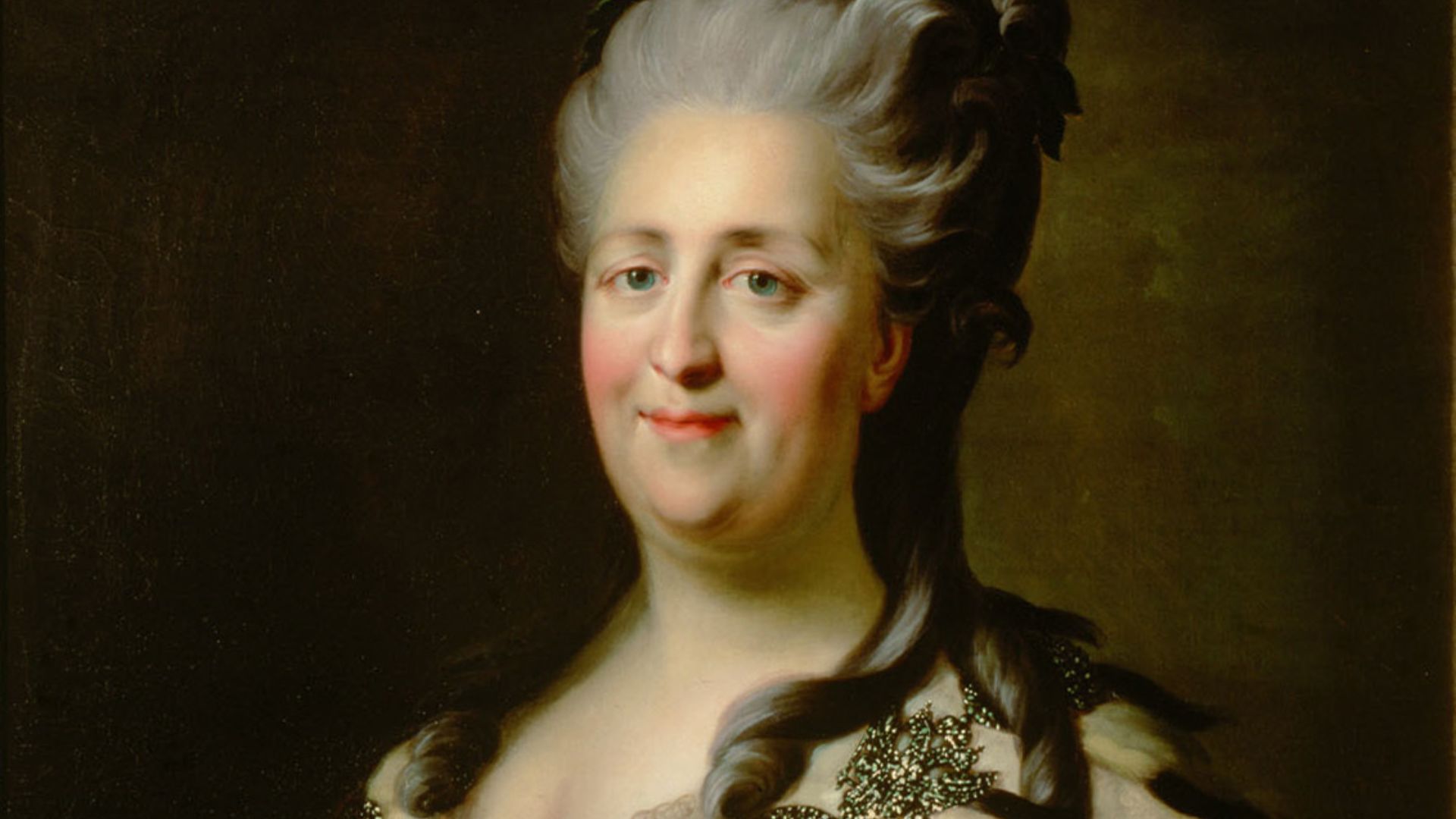 After Alexander Roslin on Wikimedia
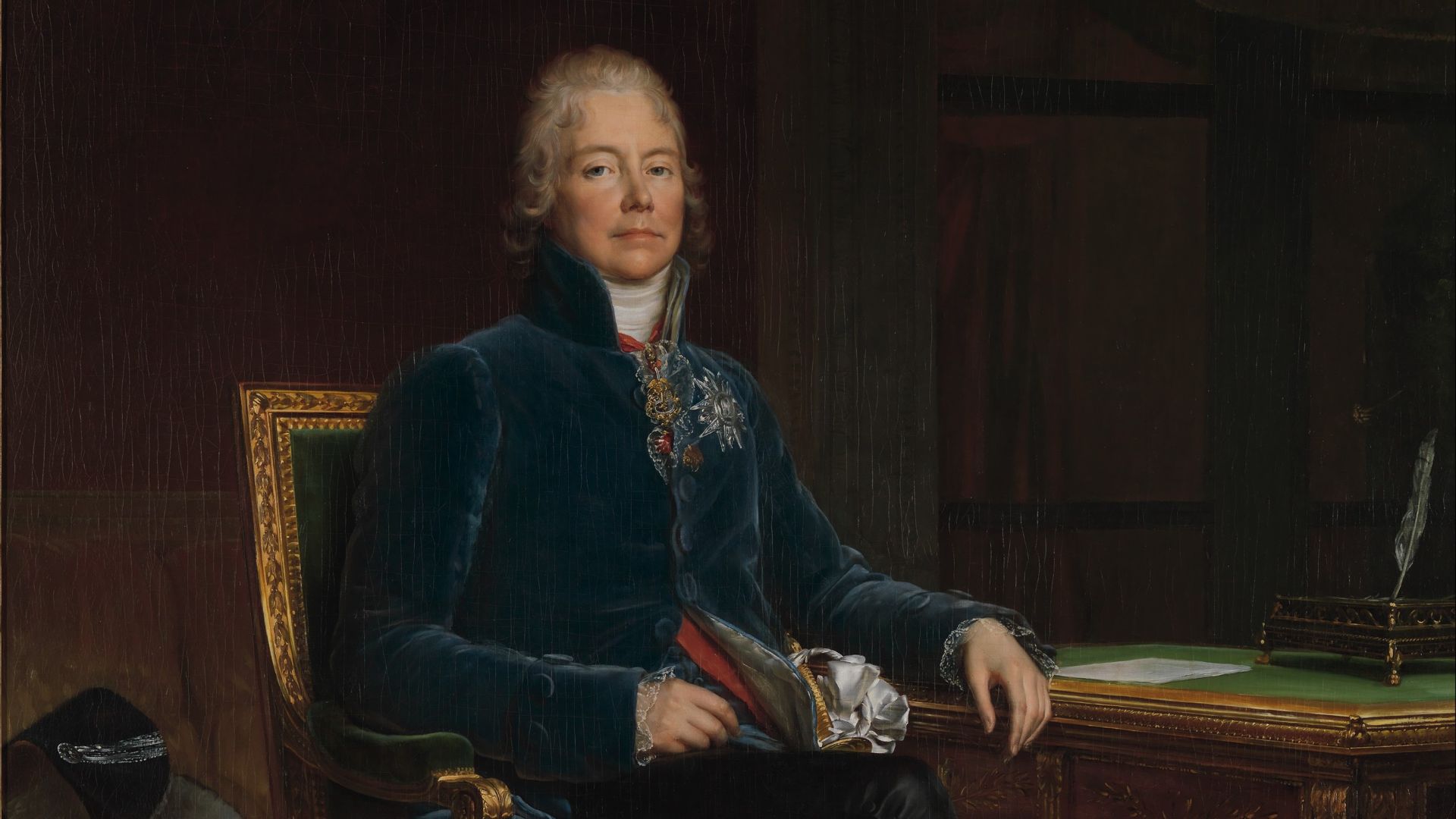
9. Talleyrand
Charles-Maurice de Talleyrand survived regime after regime in France because he knew how to be useful and charming at the same time. He served under the monarchy, the Revolution, Napoleon, and the restored Bourbons, his wit, manners, and diplomatic calm keeping him valuable even to people who didn't fully trust him.
10. Benjamin Disraeli
Benjamin Disraeli didn't come from the traditional background expected of a British prime minister. He rose through clever writing, bold speeches, a striking personal style, and a gift for making politics feel dramatic. Queen Victoria liked him, voters noticed him, and rivals often underestimated how powerful his wit could be.
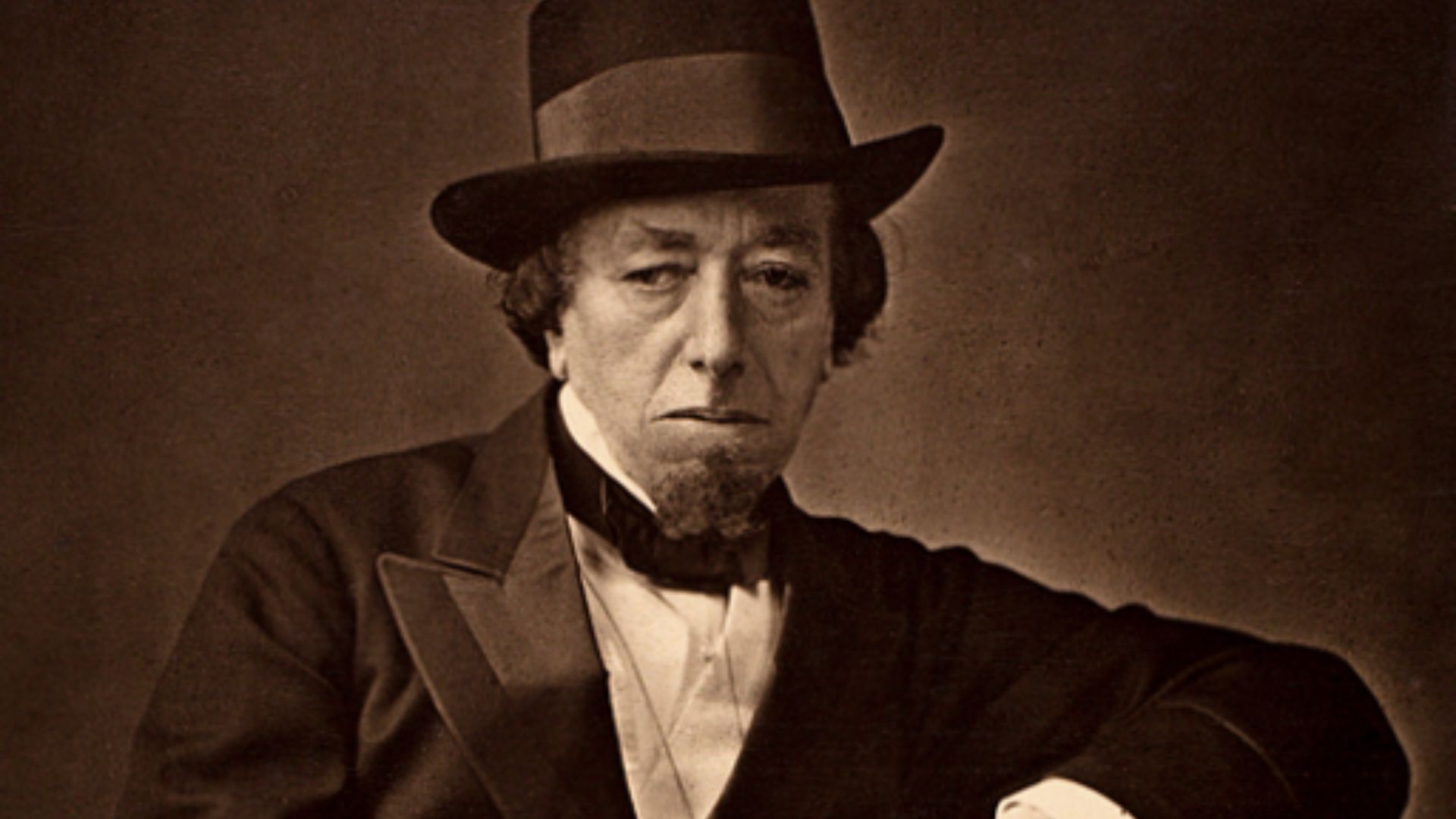 Cornelius Jabez Hughes on Wikimedia
11. Abraham Lincoln
Abraham Lincoln’s charm was quieter than most, but it was deeply effective. He used stories, humor, patience, and plain language to connect with people across class lines. Even during the Civil War, his ability to seem human helped shape public trust.
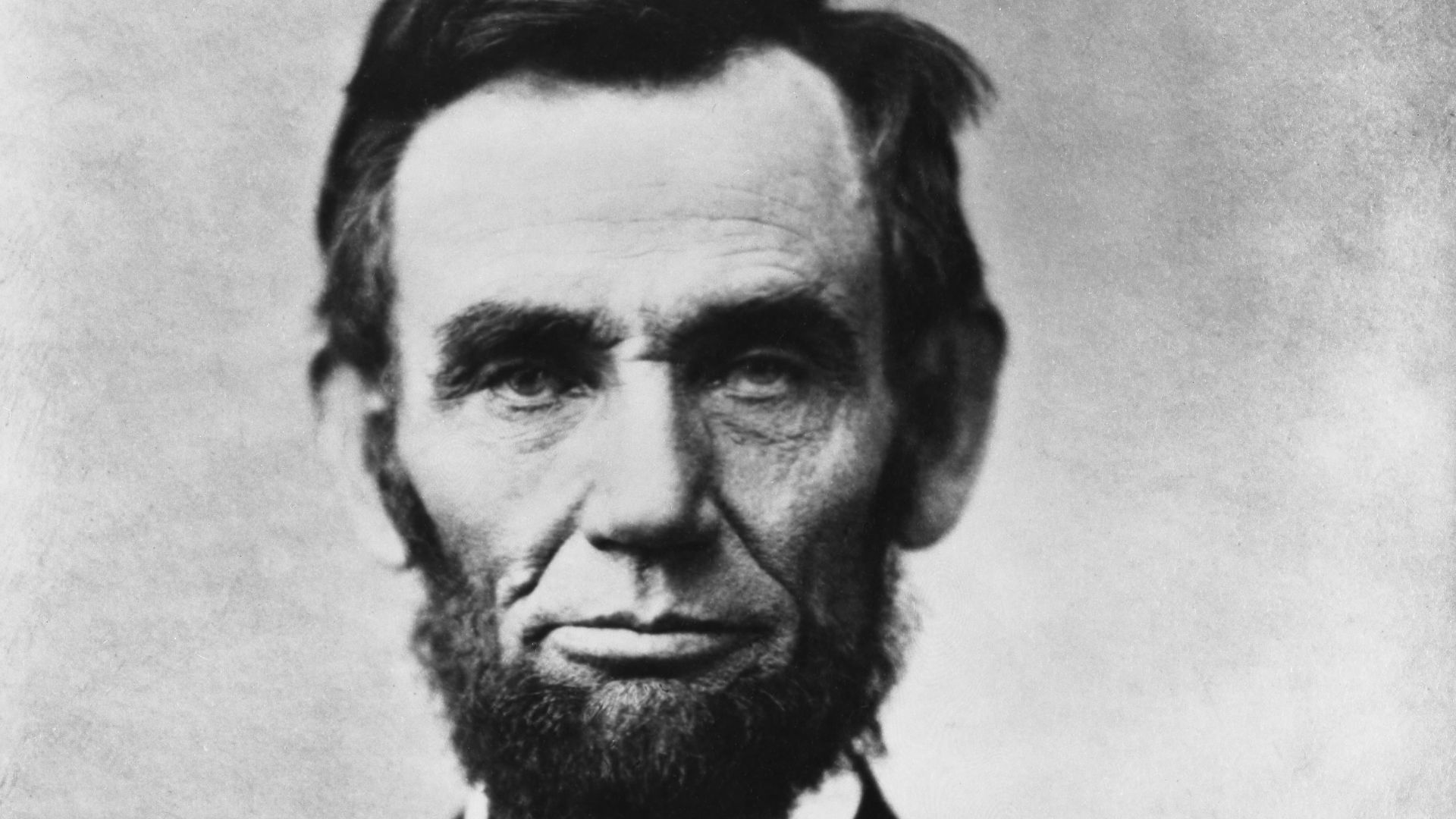 Alexander Gardner on Wikimedia
12. Theodore Roosevelt
Theodore Roosevelt had the kind of personality that tended to fill a room before anyone invited it to. He was energetic, talkative, curious, and convinced that public life should involve action. His charm came from enthusiasm as much as polish, which helped him build a powerful public image.
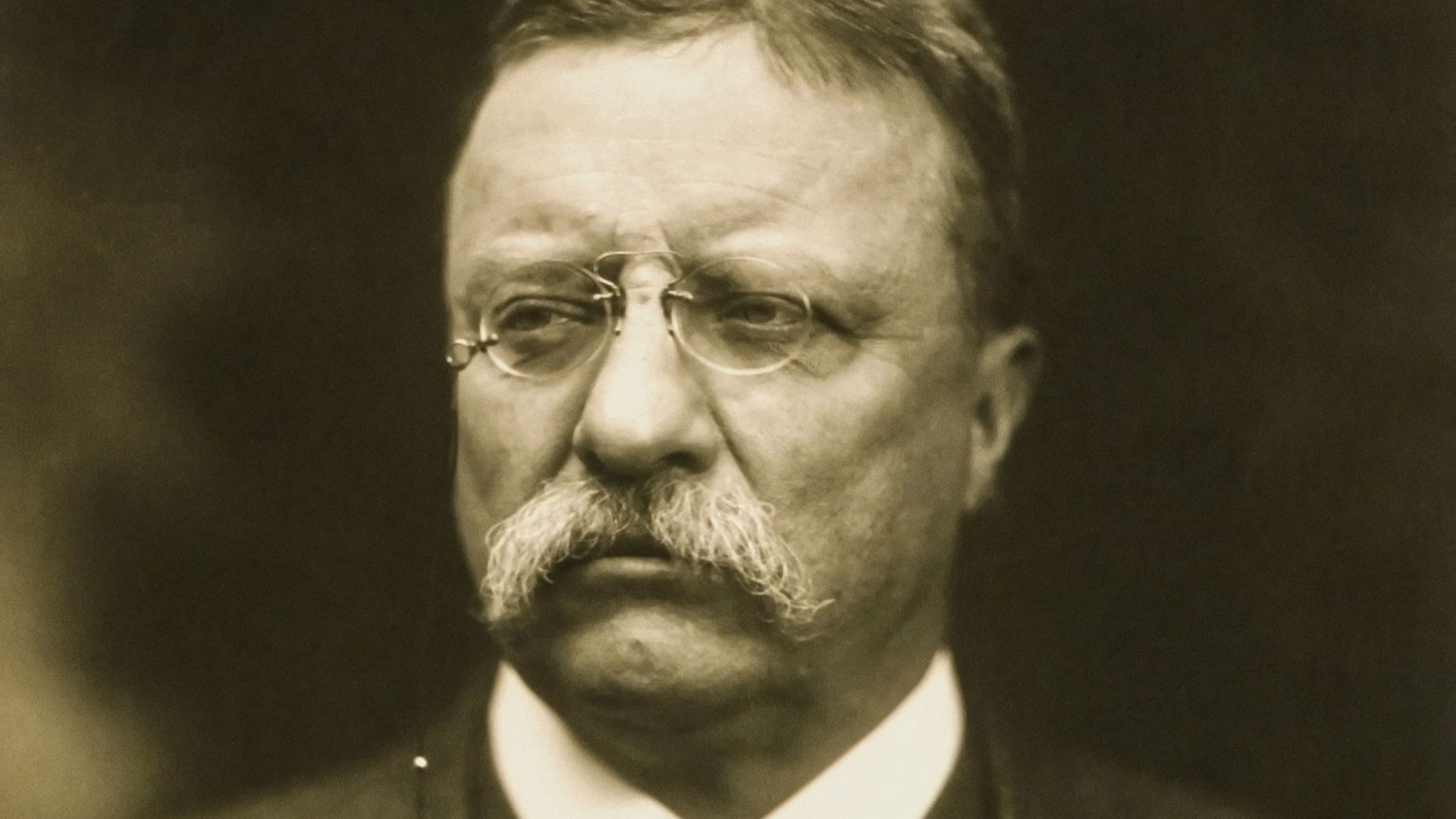 Pach Brothers (photography studio) on Wikimedia
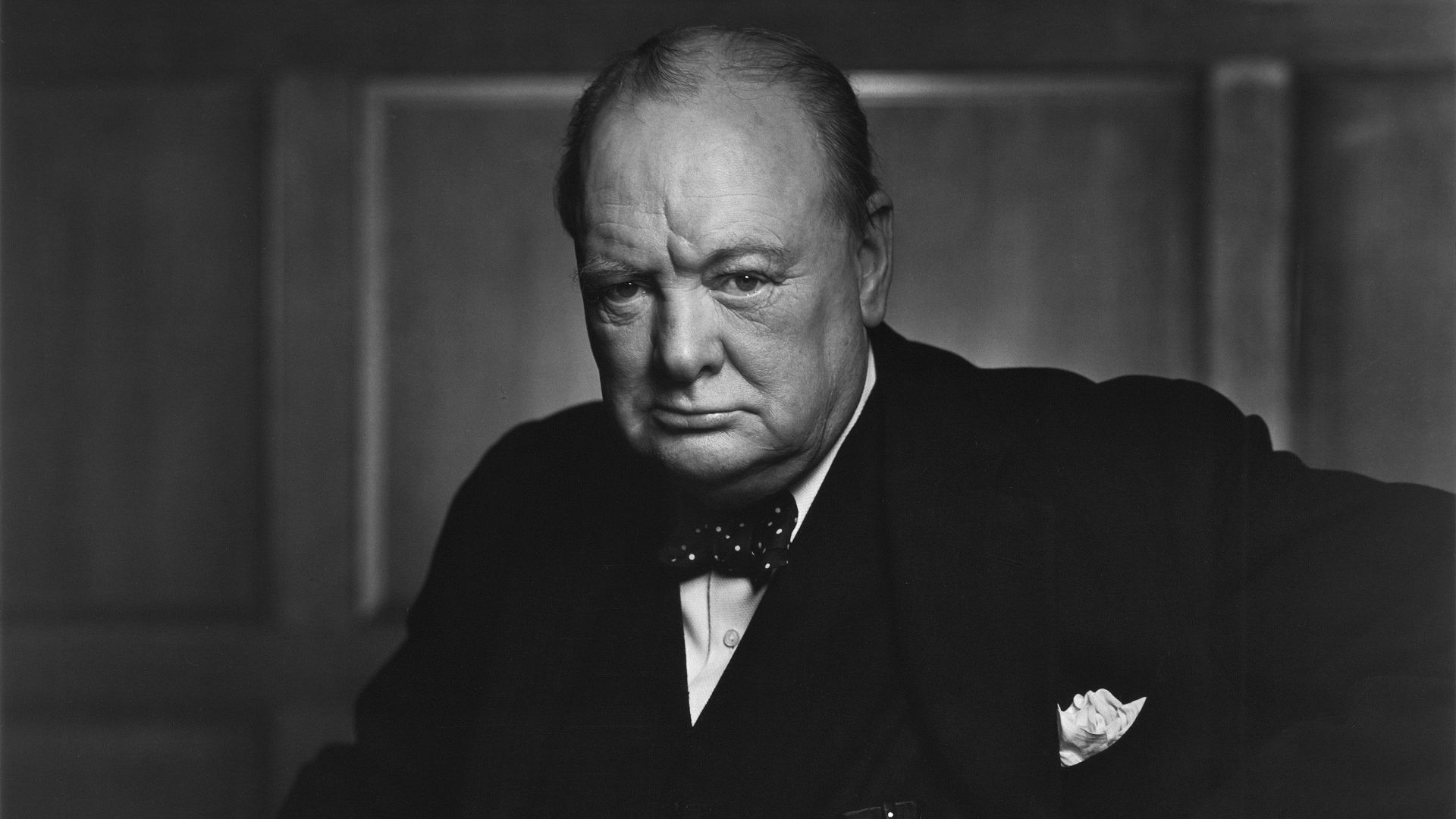
13. Winston Churchill
Winston Churchill’s rise was uneven, but his command of language helped carry him to the top at a crucial moment. He could be difficult, stubborn, and dramatic, yet his speeches gave Britain a sense of defiance during World War II. When the country needed words with backbone, Churchill knew how to deliver them.
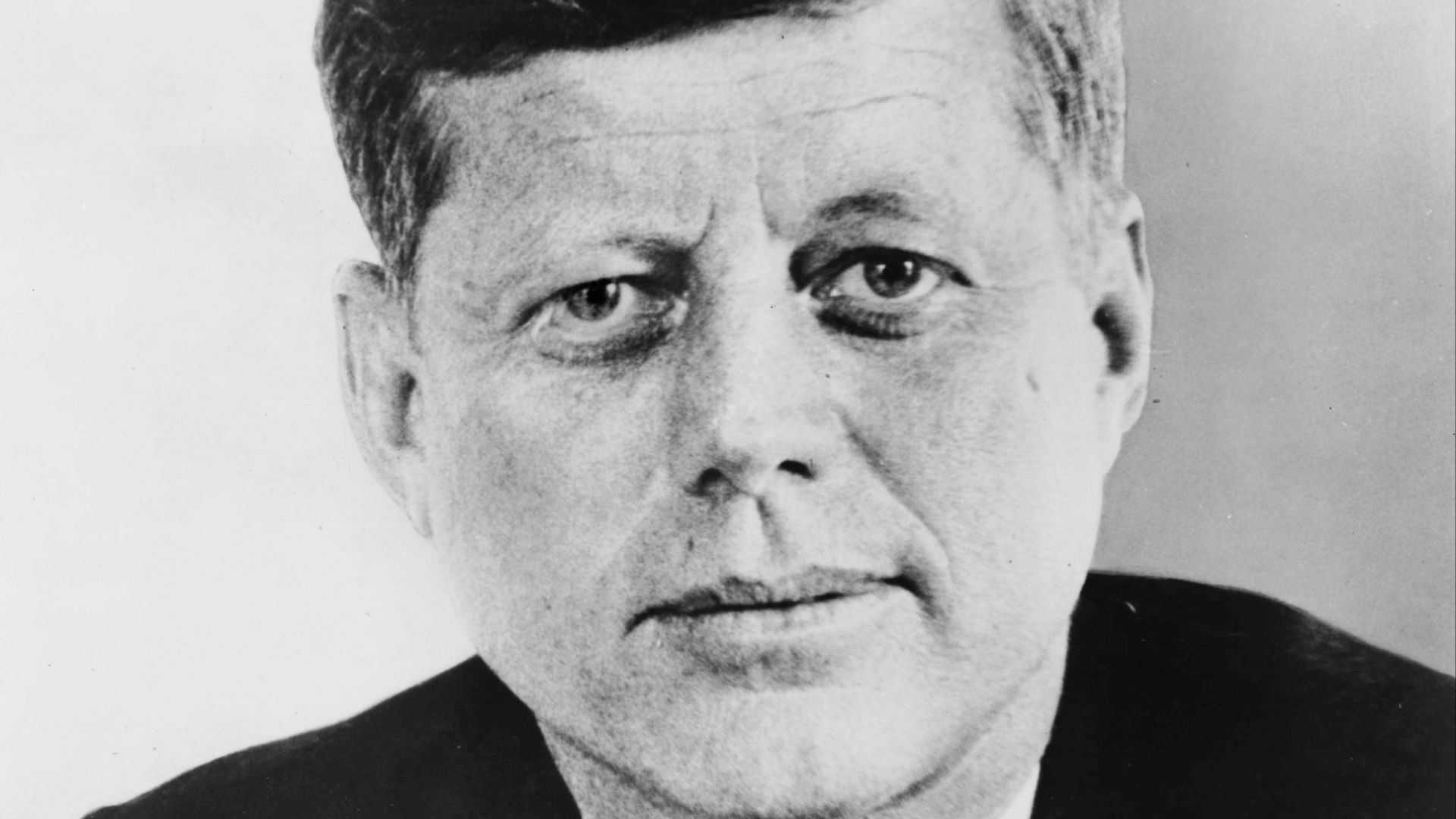
14. John F. Kennedy
John F. Kennedy built much of his political appeal on youth, wit, polish, and ease in front of cameras. He made politics feel modern at a time when television was becoming central to public life. His charm helped turn him into a symbol as much as a candidate.
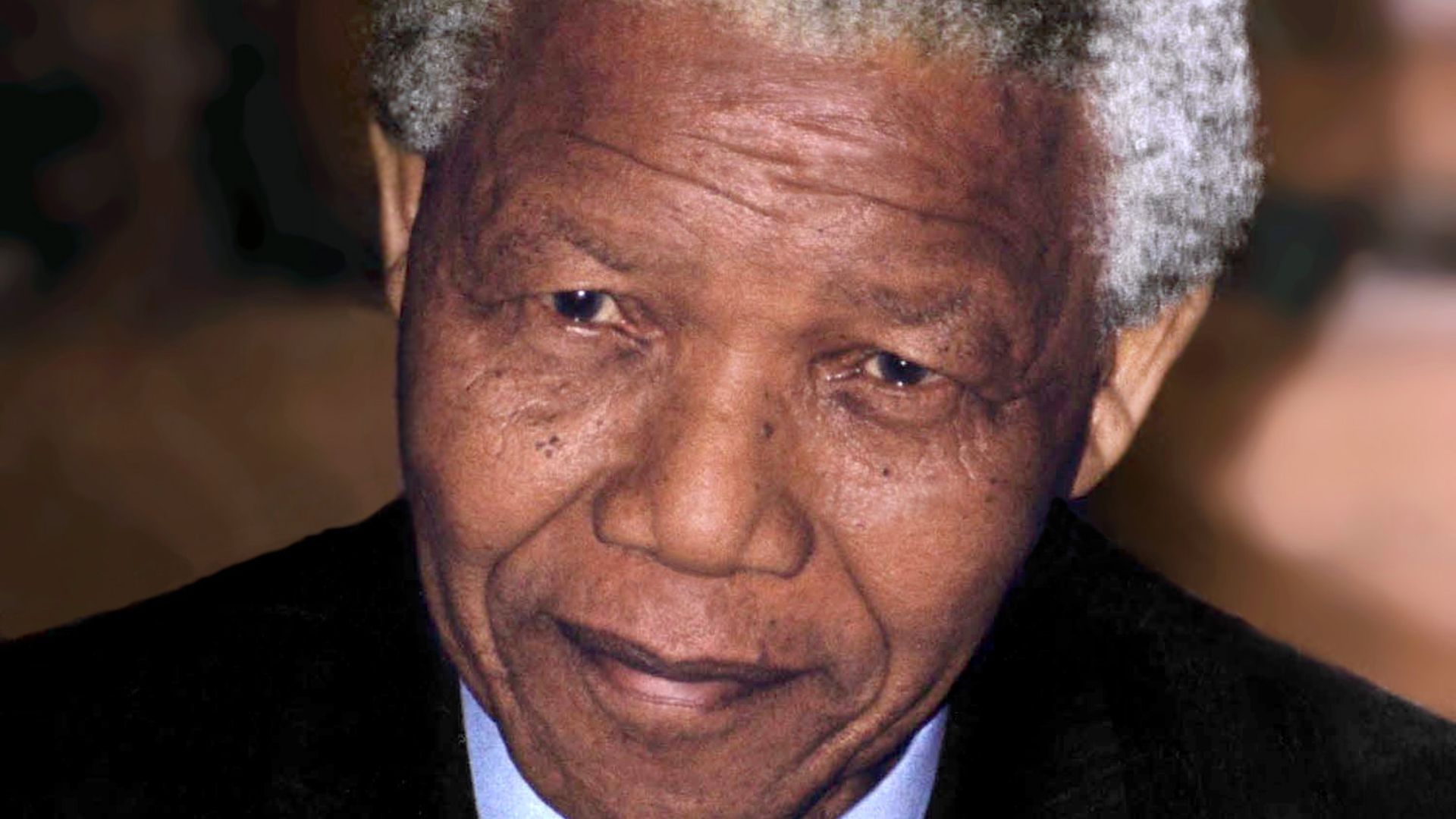
15. Nelson Mandela
Nelson Mandela’s rise came through courage and sacrifice, but his personal warmth helped turn him into a global moral figure. After decades in prison, he emerged with a calmness and grace that surprised many people. His rare combination of dignity and charm helped him lead South Africa through a fragile transition.
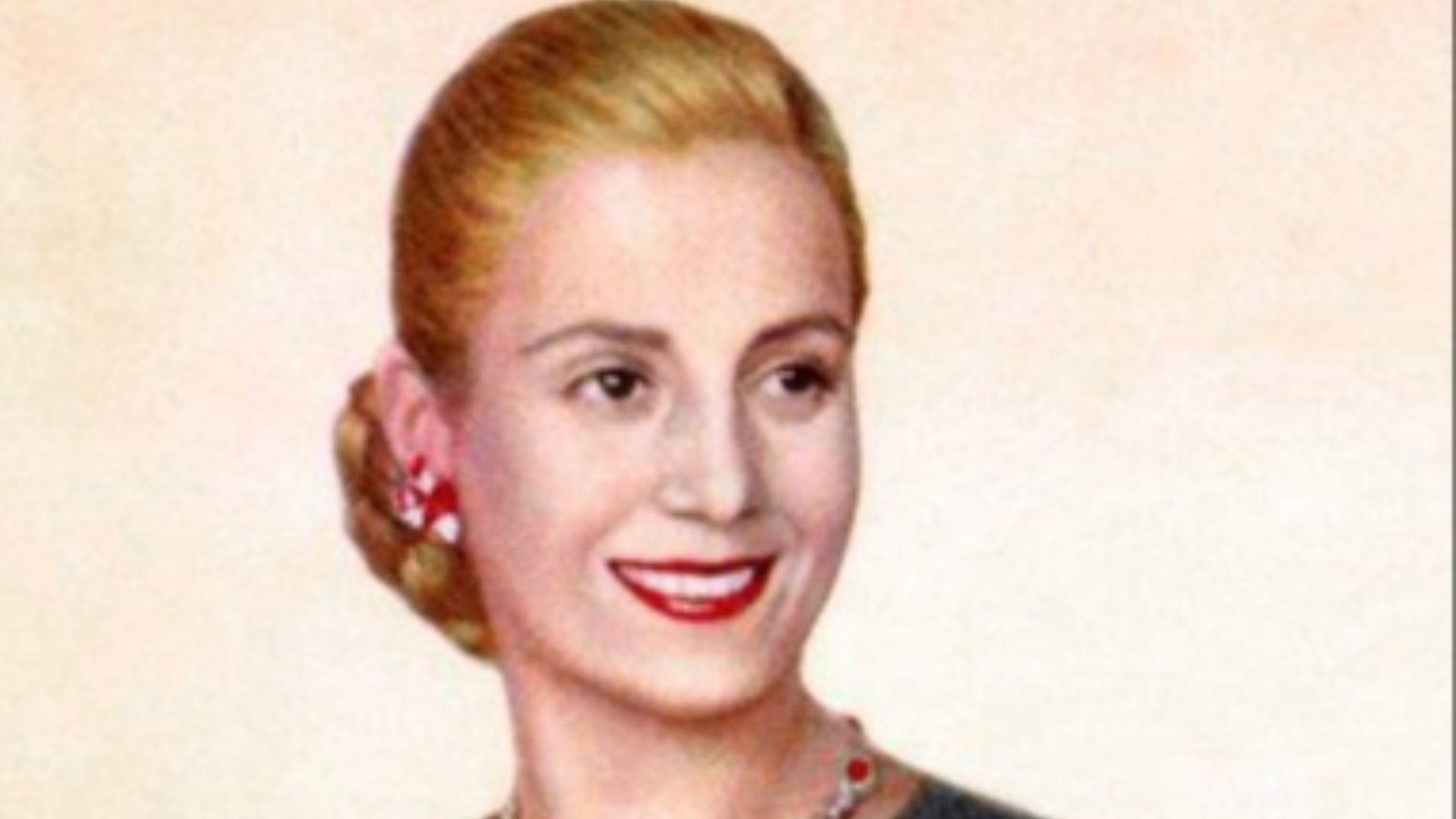
16. Eva Perón
Eva Perón understood the emotional power of being seen as close to ordinary people. She spoke directly to workers, the poor, and women who felt ignored by Argentina’s elites. Her glamour helped, but her real appeal came from making supporters feel personally defended.
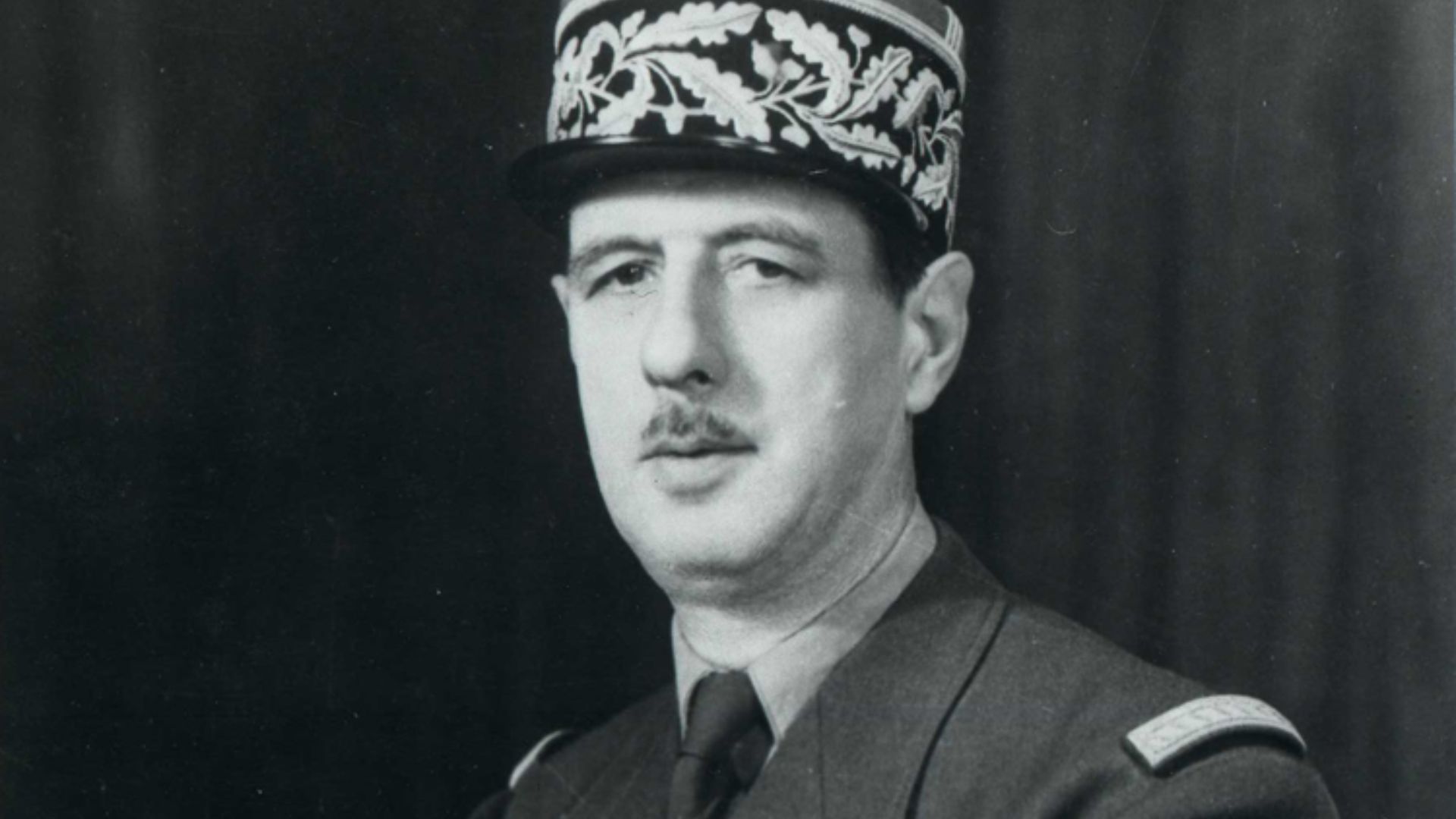
17. Charles de Gaulle
Charles de Gaulle had a formal, commanding kind of charm. He presented himself as the living voice of France during World War II and later as the figure who could restore national strength. De Gaulle’s appeal came from making personal authority feel like national purpose.
 The National Archives UK on Wikimedia
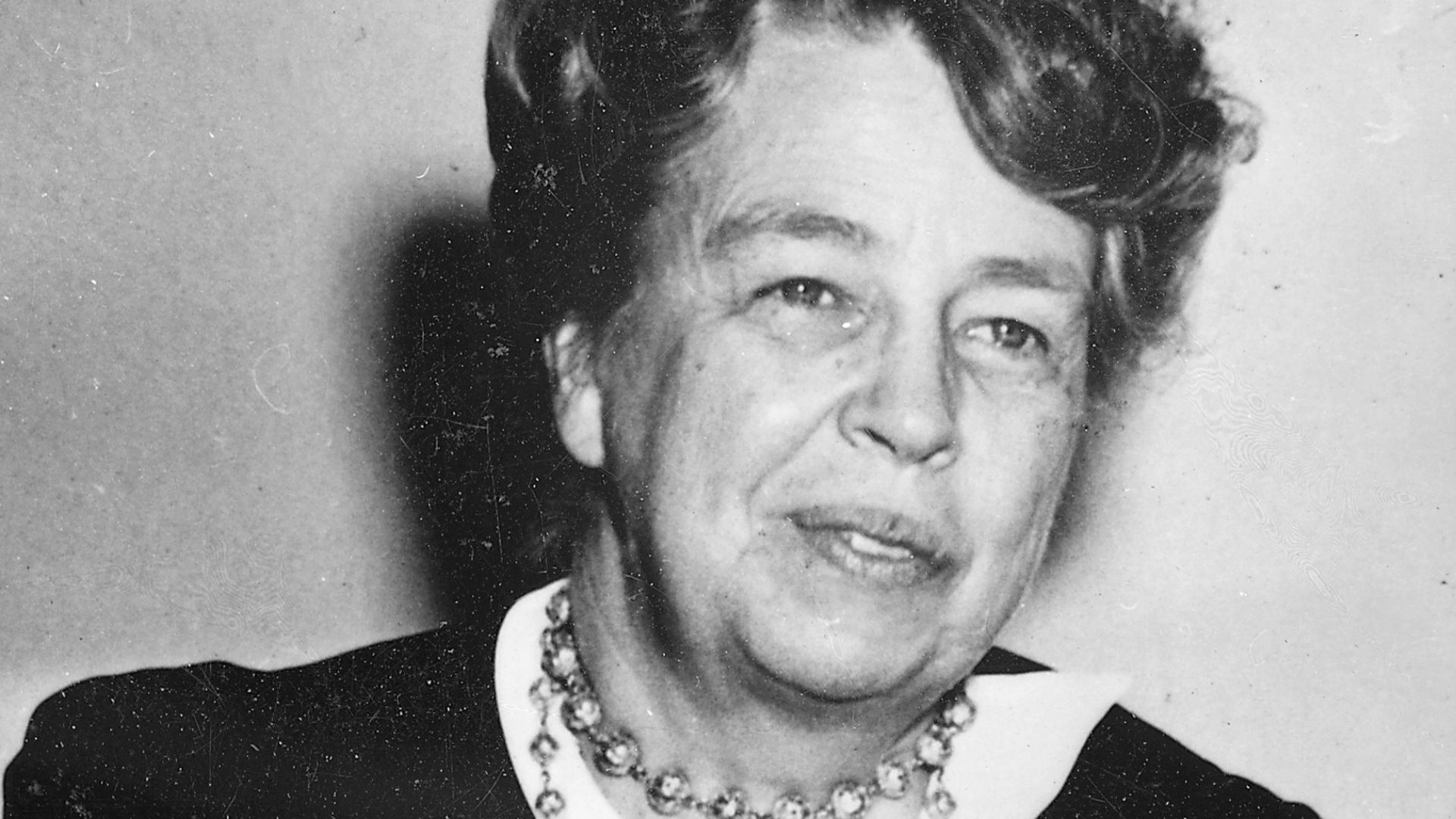
18. Eleanor Roosevelt
Eleanor Roosevelt didn't charm people by pretending to be decorative or harmless. She won influence through empathy, conversation, tireless travel, and an ability to make serious issues feel personal. As first lady, she redefined what the role could be and became a public force in her own right.
 Unknown author or not provided on Wikimedia
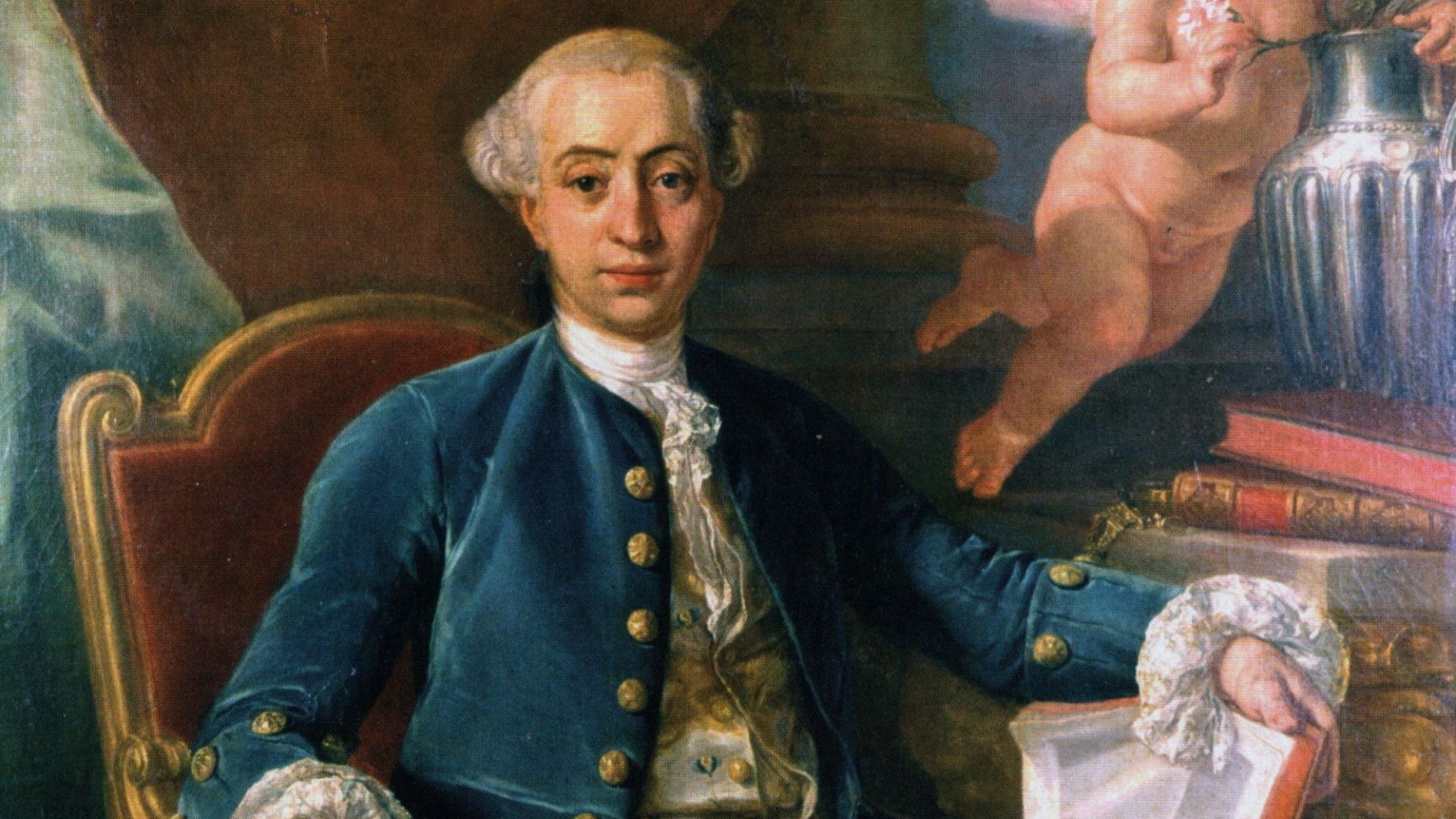
19. Casanova
Giacomo Casanova is remembered for romance, but his charm took him much farther than love affairs. He moved through European courts, salons, gambling rooms, and intellectual circles with confidence and adaptability. He knew how to entertain, flatter, persuade, and reinvent himself when circumstances changed. Casanova may not have ruled a country, but he charmed his way into places most people would never reach.
 Attributed to Francesco Narici on Wikimedia
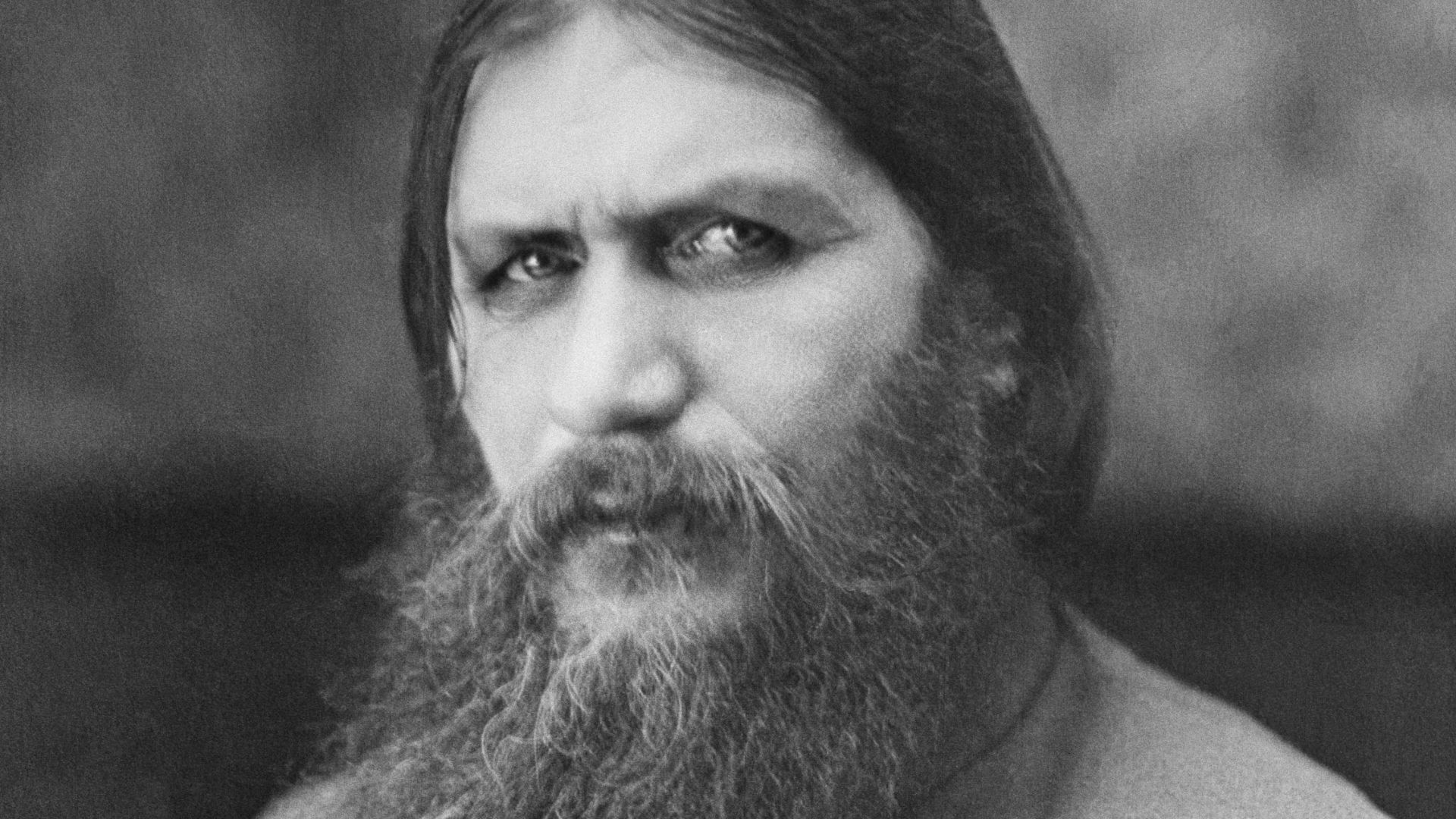
20. Rasputin
Rasputin’s rise is one of the darker examples of charm reaching dangerous heights. He came from Siberian peasant roots and gained influence over Russia’s imperial family through religious intensity, personal magnetism, and his connection to the ailing heir Alexei. His story shows that charm can open doors, but it doesn't always lead anywhere good.
KEEP ON READING
20 People In History Who Got Revenge In The Pettiest…
Documented Grudges. History tends to celebrate the bold move, the…
By Cameron Dick Jun 26, 2026
20 Ordinary Citizens Who Became Robin Hood-Style Outlaws and Defied…
Viva Revolution. History loves to focus on kings and queens,…
By Sara Springsteen Jun 26, 2026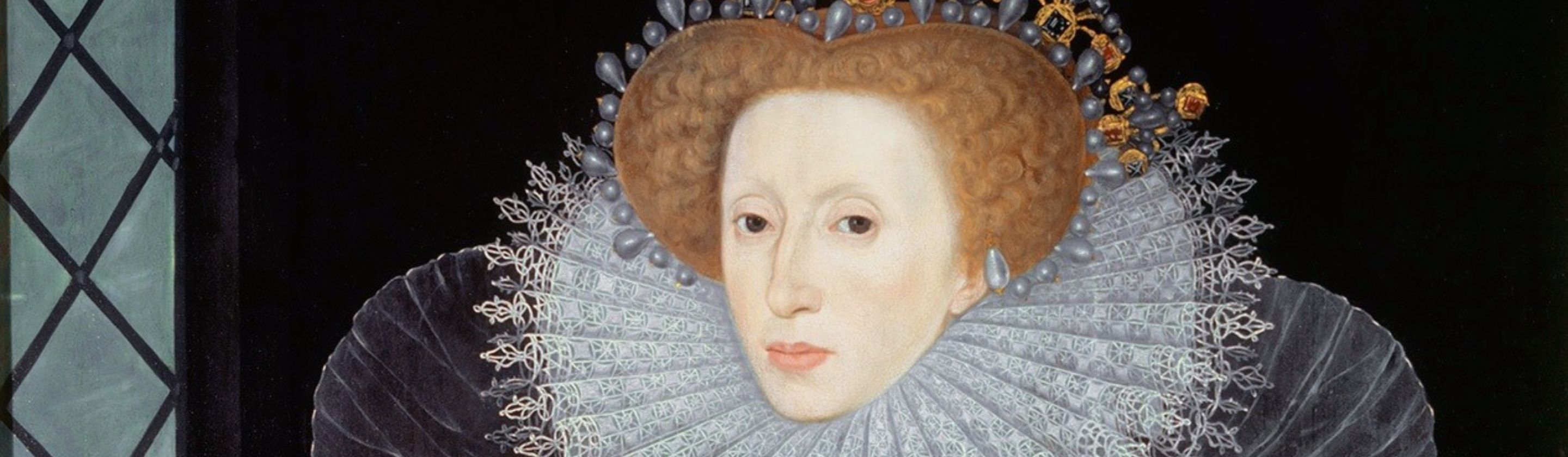
20 People in History Who Charmed Their Way to the…
Charisma Has Always Opened Doors. History is full of people…
By Emilie Richardson-Dupuis Jun 26, 2026
20 Insane Things People In the 1800s Thought Would Keep…
Part Science, Part Guesswork. Doctors might not have all the…
By Annie Byrd Jun 26, 2026
How a Deformity Made This Man an Urban Legend
Alex Fu on PexelsThere's a stretch of road in western…
By Christy Chan Jun 25, 2026
The Deadly Beer Flood That Sounds Too Strange To Be…
en.wikipedia.org on GoogleOn the afternoon of October 17, 1814, a…
By Cameron Dick Jun 25, 2026