Assassinations That Changed Everything
When a prominent leader is assassinated, the aftermath can have long-lasting effects. In some cases, the effects are immediate and visible: wars that escalate, reforms that stall, movements that fracture, or security states that expand. As you read, keep an eye on what changed after each event, because the larger story is usually found in the responses that followed rather than in the moment of the attack itself. Here are 20 notorious, and pivotal, assassinations that changed the world.
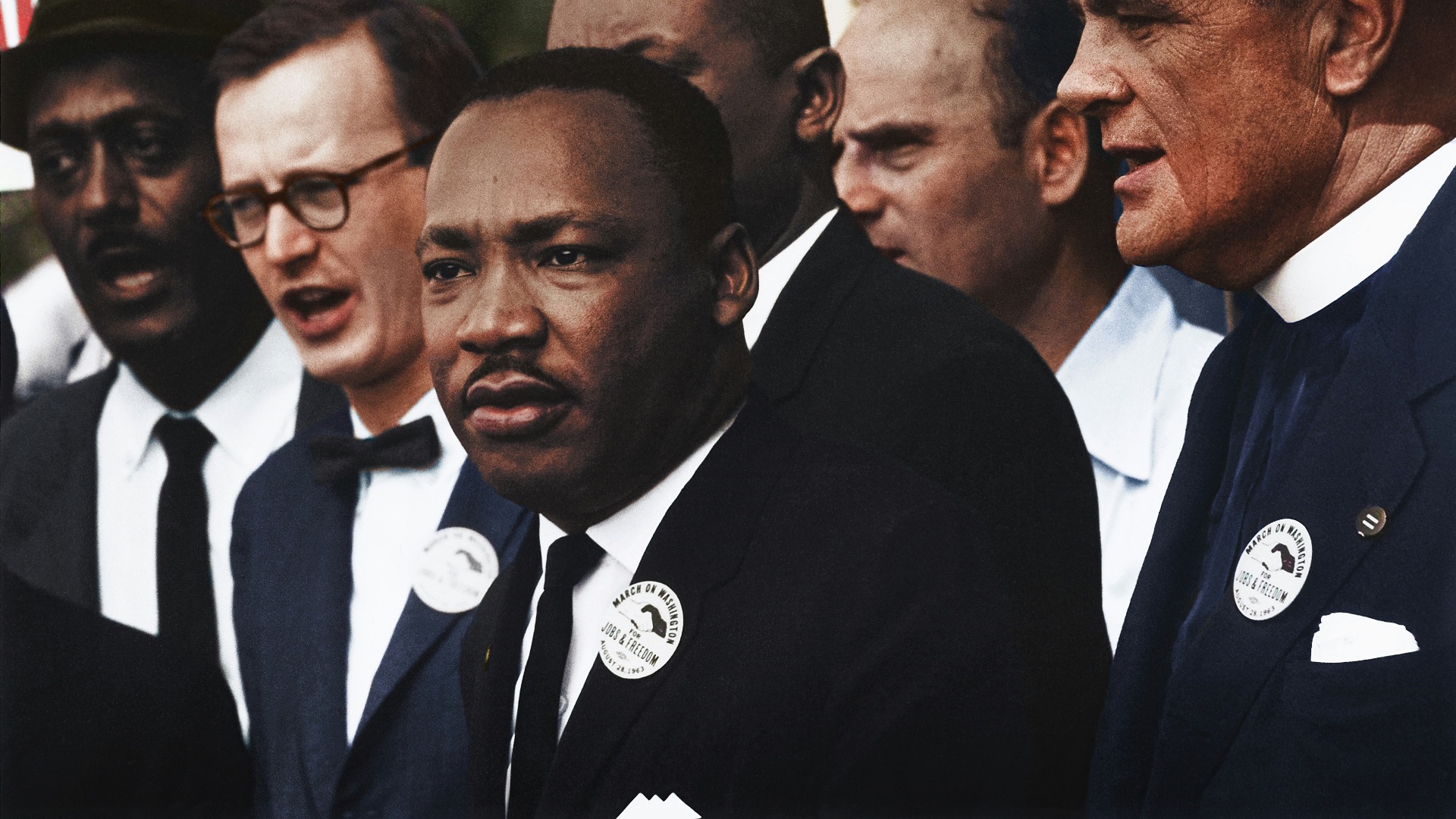
1. Julius Caesar: The End of the Roman Republic (44 BCE)
In 44 BCE, senators killed Julius Caesar in the Roman Senate House on the Ides of March. The conspirators insisted they were defending republican government, yet the murder intensified the power struggle that followed his dictatorship. By the time Augustus consolidated control, the balance of power had already moved decisively away from the Republic.
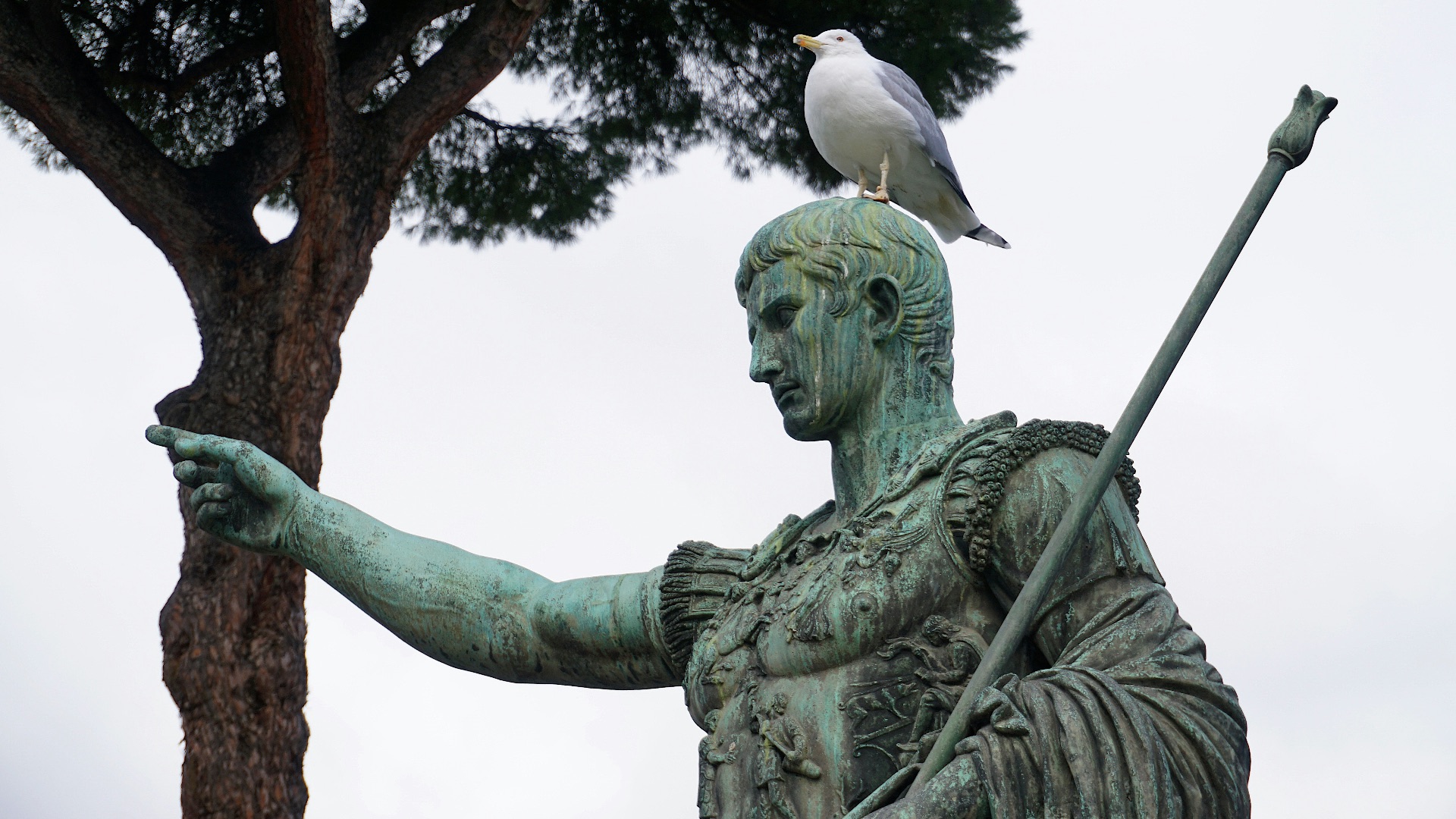
2. Franz Ferdinand: The Cause of World War I (1914)
Sarajevo, on June 28, 1914, is where 19-year-old Gavrilo Princip shot Archduke Franz Ferdinand and his wife, Sophie. Austria-Hungary’s response to the killing escalated rapidly, and the alliance system helped turn a regional crisis into World War I. The conflict that followed reshaped borders and empires in ways that still affect international politics.
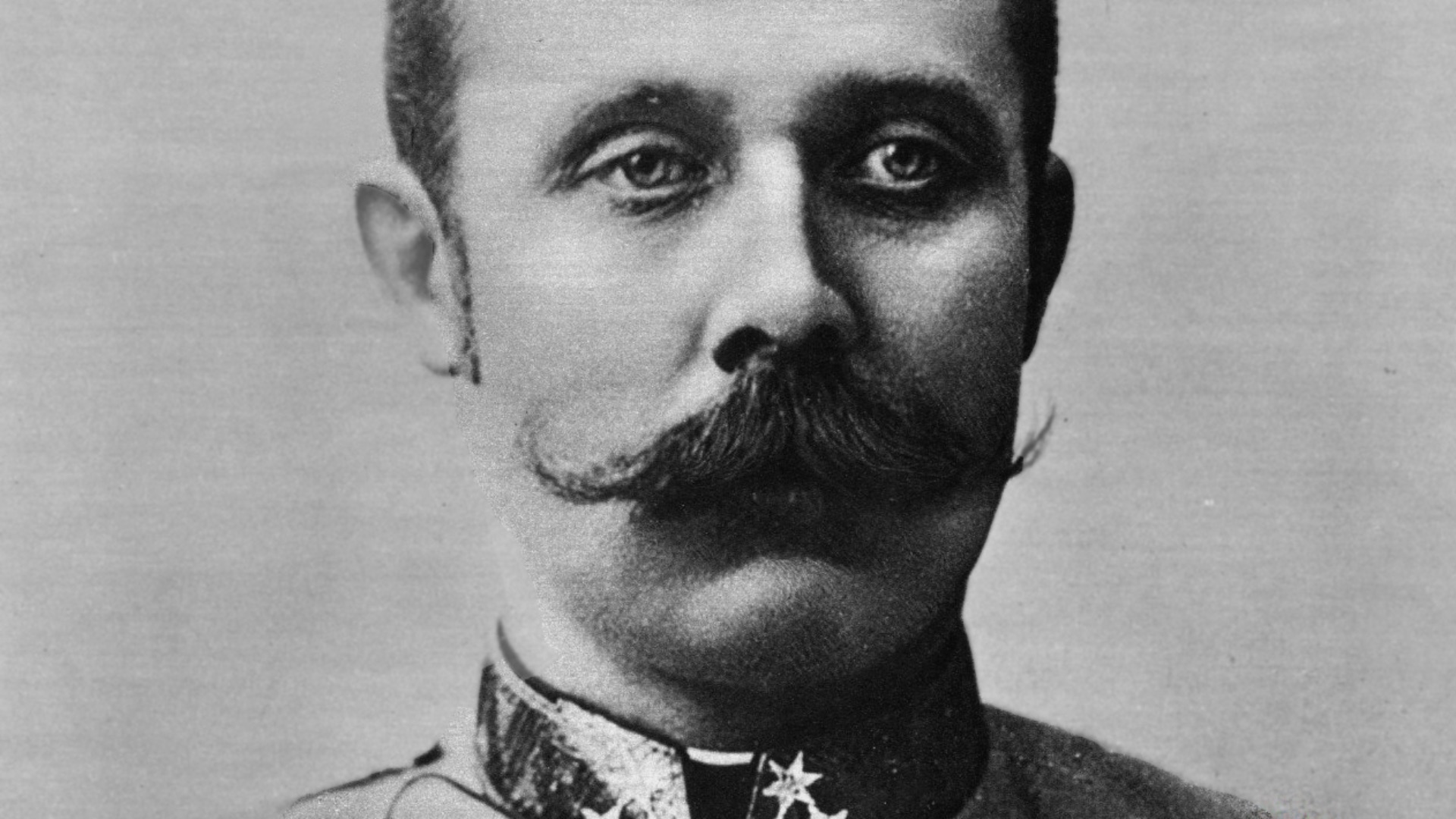
3. Abraham Lincoln: A Fractured Peace After the Civil War (1865)
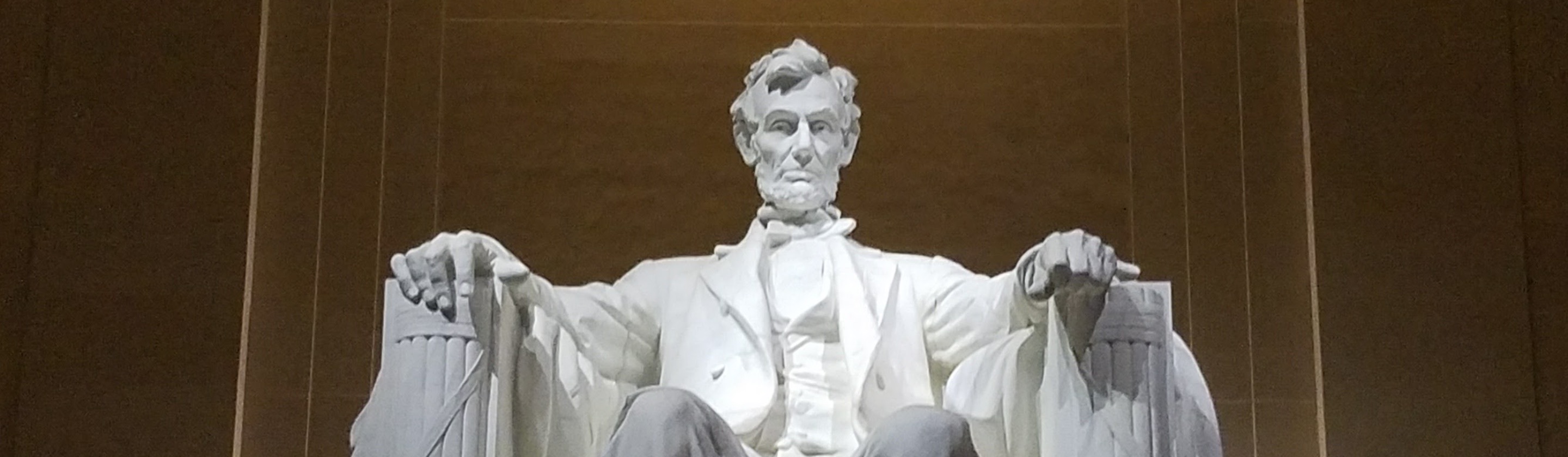
April 1865 brought the assassination of President Abraham Lincoln at Ford’s Theatre, carried out by John Wilkes Booth. The murder occurred at the moment the United States was trying to reunify, and it altered the political conditions under which Reconstruction unfolded. It also exposed how vulnerable national leadership could be when the country was already destabilized.
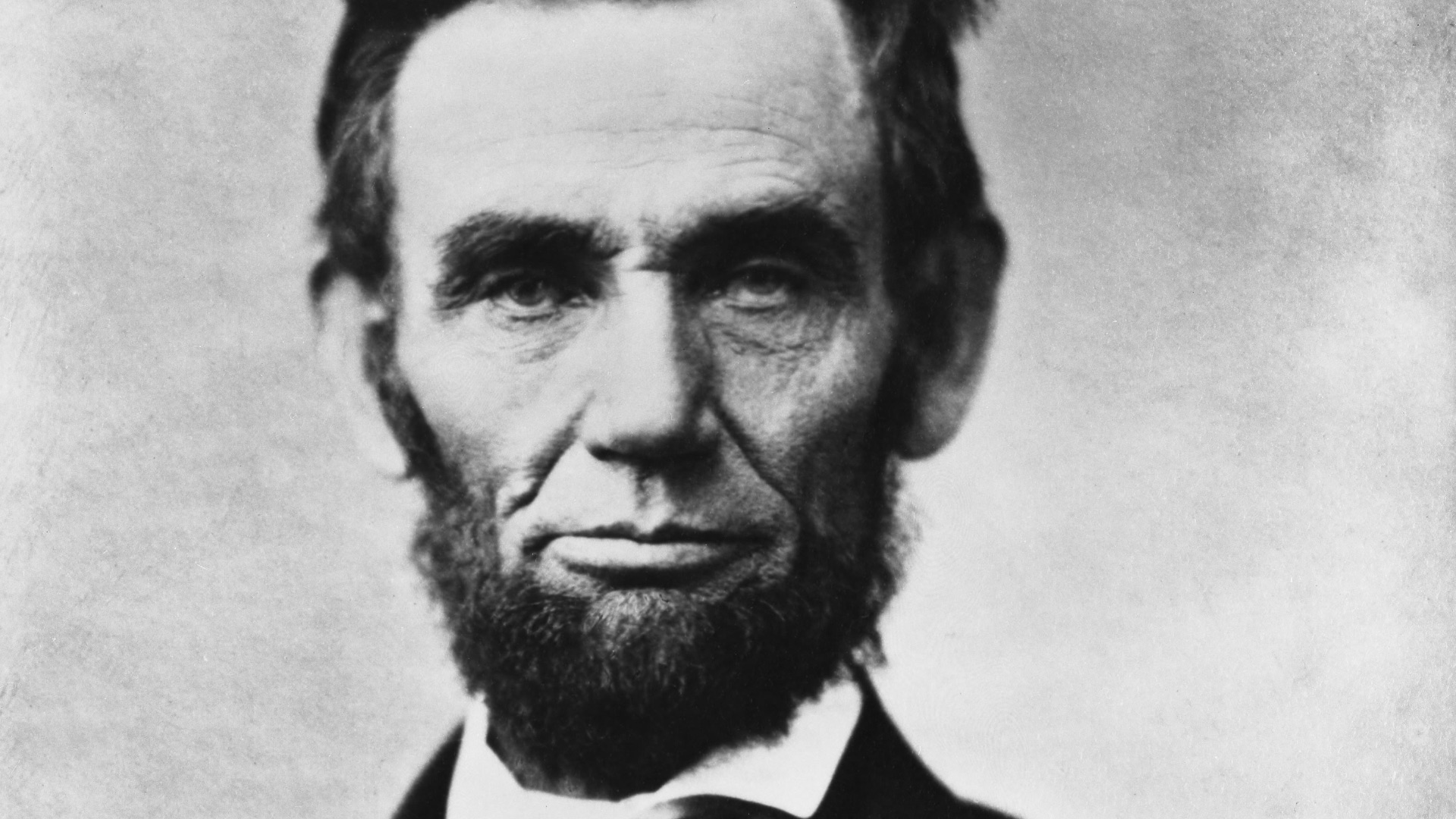 Alexander Gardner on Wikimedia
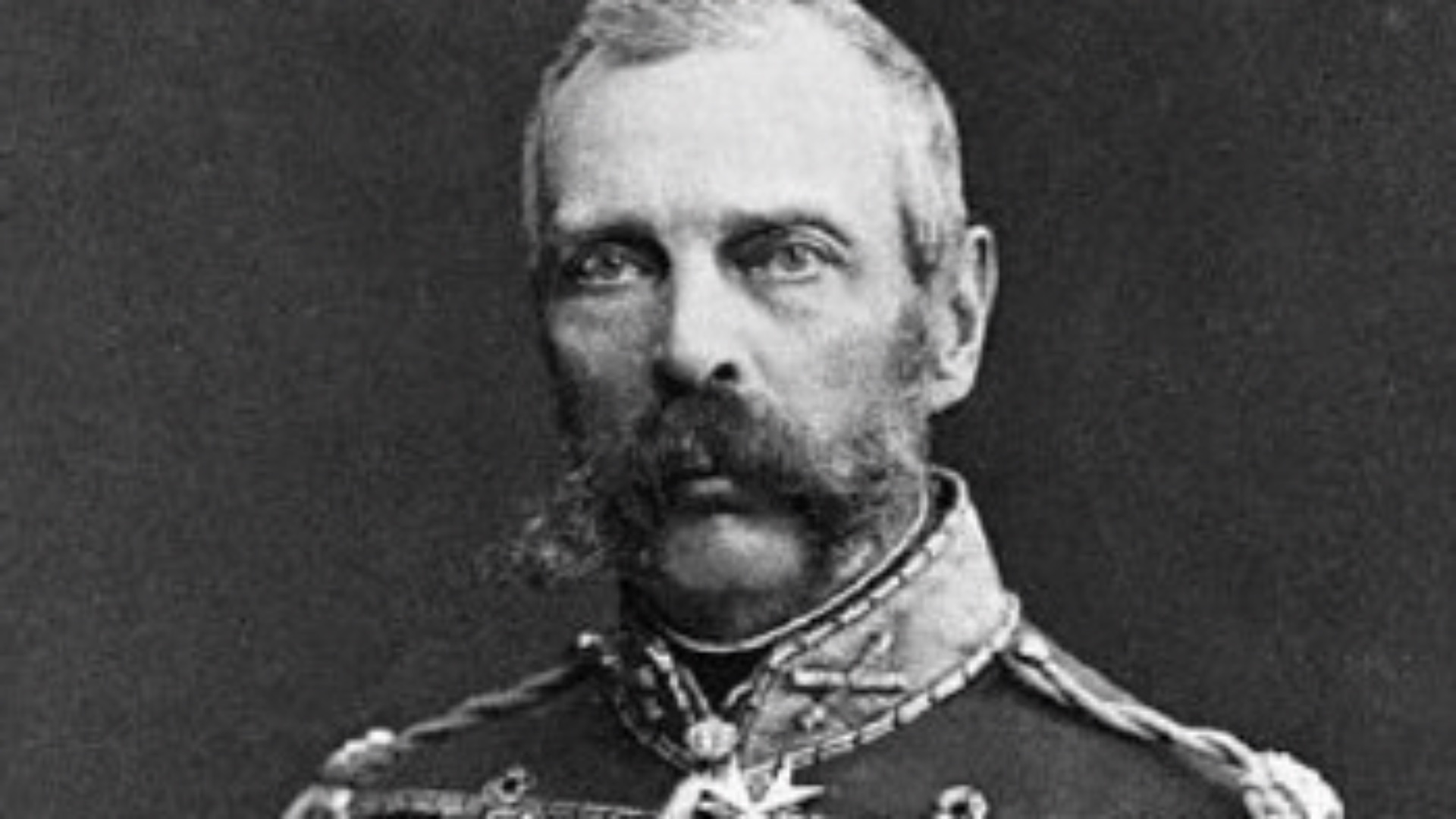
4. Tsar Alexander II: Reform Meets Revolutionary Violence (1881)
Russia’s Tsar Alexander II was assassinated in 1881 by the revolutionary organization Narodnaya Volya. The group claimed it was forcing political change, but the immediate result was a harsher crackdown and fewer openings for reform. Later revolutionary movements treated this episode as proof that repression and political violence could reinforce one another.
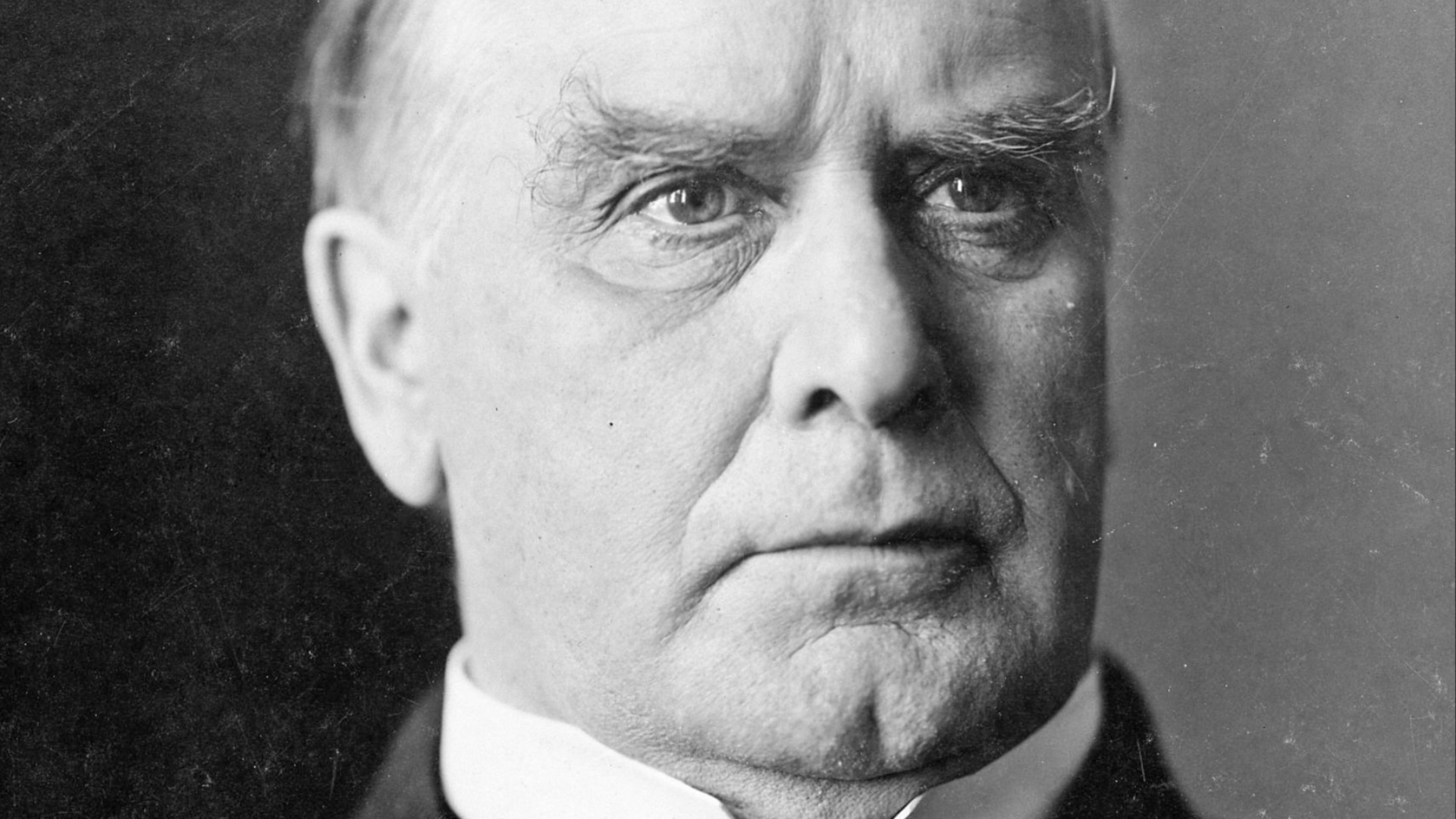
5. William McKinley: A Presidency Cut Short and Security Transformed (1901)
At a public reception in Buffalo on September 6, 1901, President William McKinley was shot, and he died on September 14. Theodore Roosevelt succeeded him, bringing a different governing style that pushed major debates about federal power into the foreground. McKinley’s assassination also helped accelerate modern presidential protection, including the Secret Service’s expanded role.
 Unknown authorUnknown author on Wikimedia
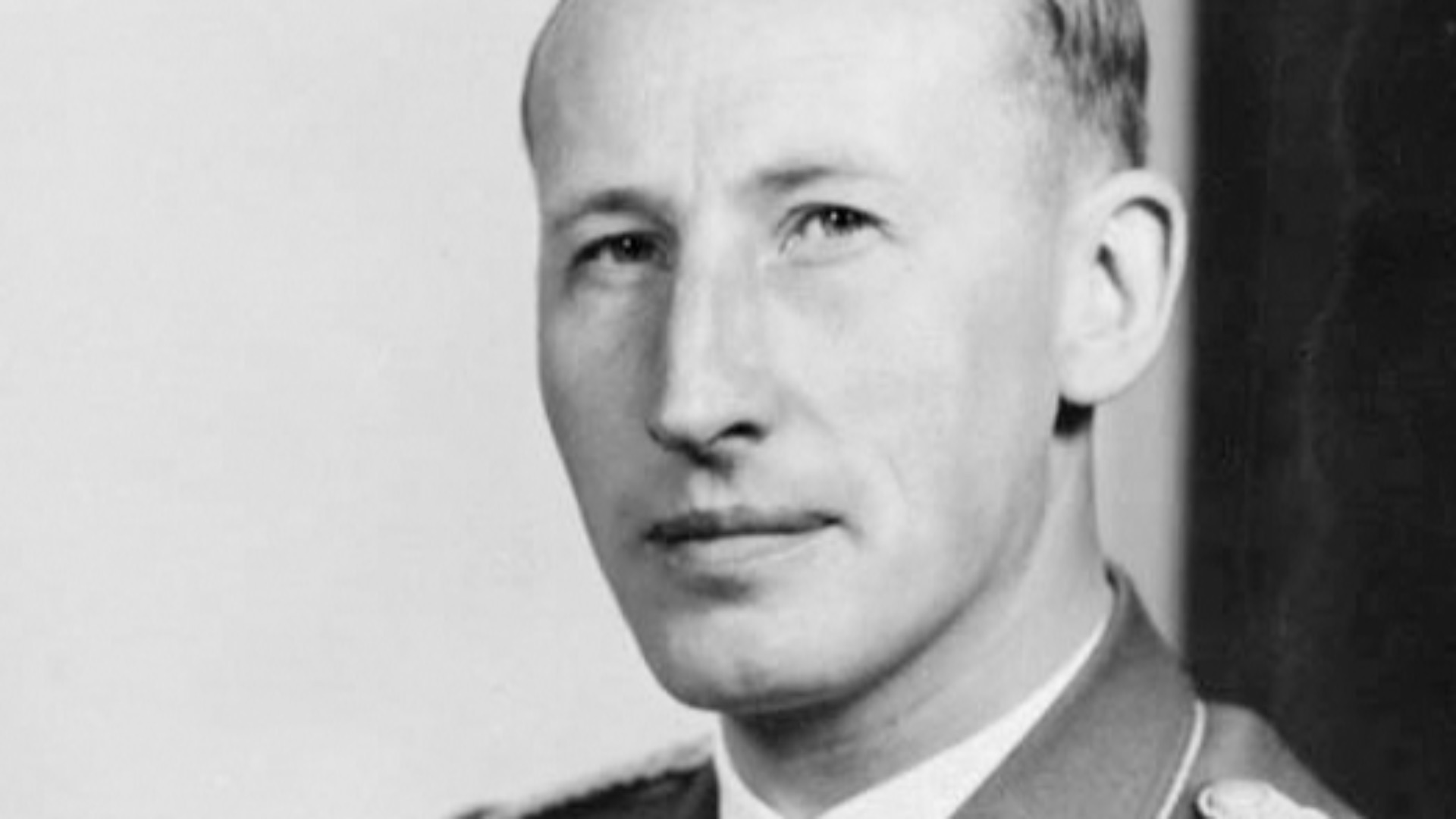
6. Reinhard Heydrich: Resistance and Nazi Reprisal (1942)
Operation Anthropoid led to the death of Reinhard Heydrich in 1942, making it one of the most consequential attacks on a senior Nazi official during World War II. Because Heydrich sat near the center of the Nazi security system, the assassination carried strategic value and international symbolism. The regime answered with sweeping reprisals, and the event remains central to discussions of wartime resistance and civilian vulnerability.
 Heinrich Hoffmann on Wikimedia
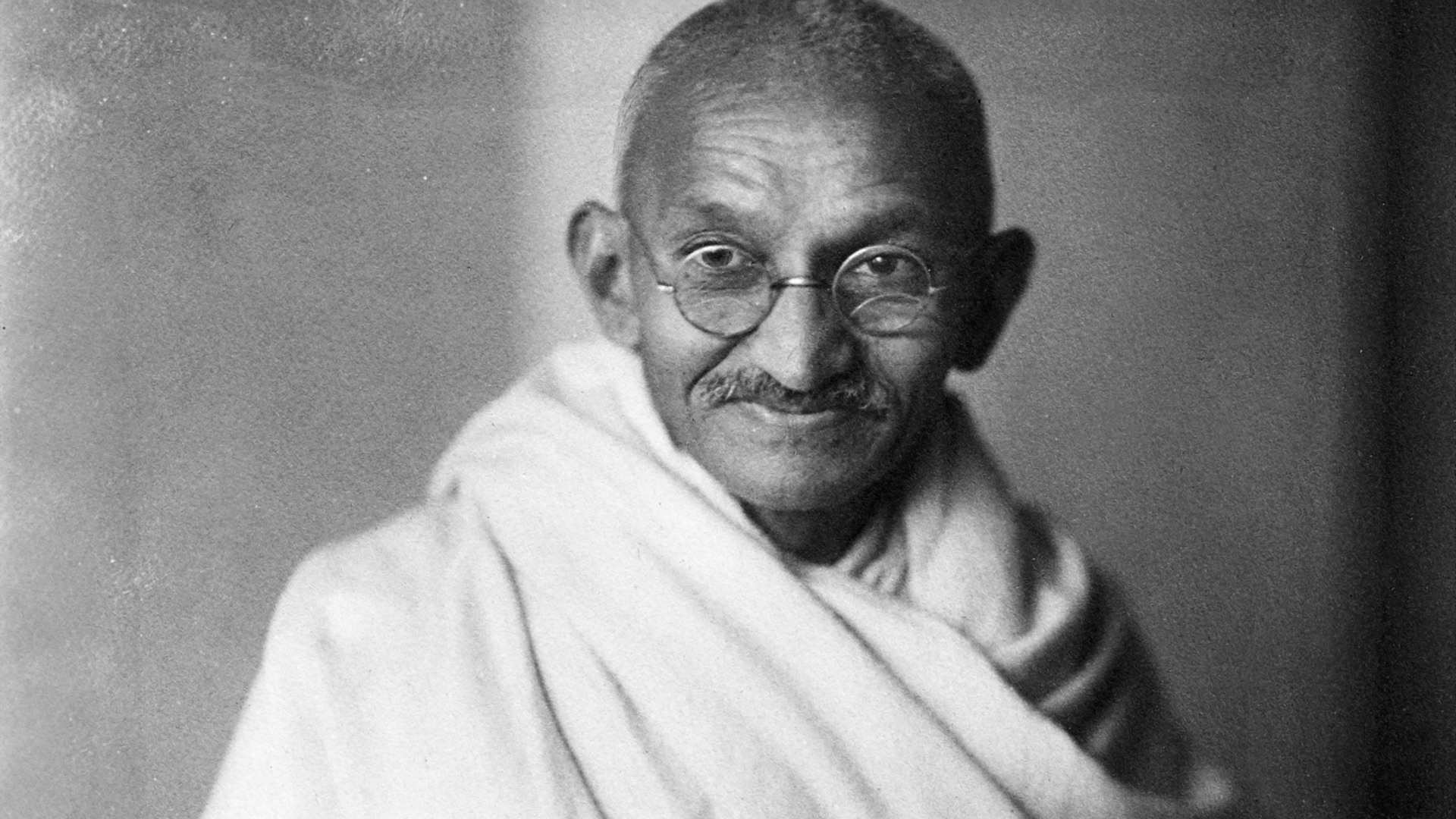
7. Mohandas K. Gandhi: A Post-Partition Crisis (1948)
New Delhi witnessed the assassination of Mohandas K. Gandhi on January 30, 1948. His death came as communal tensions remained intense after Partition, and leaders had to confront the political limits of reconciliation. It’s difficult to read modern debates over secular governance in India without seeing how often Gandhi’s killing is invoked.
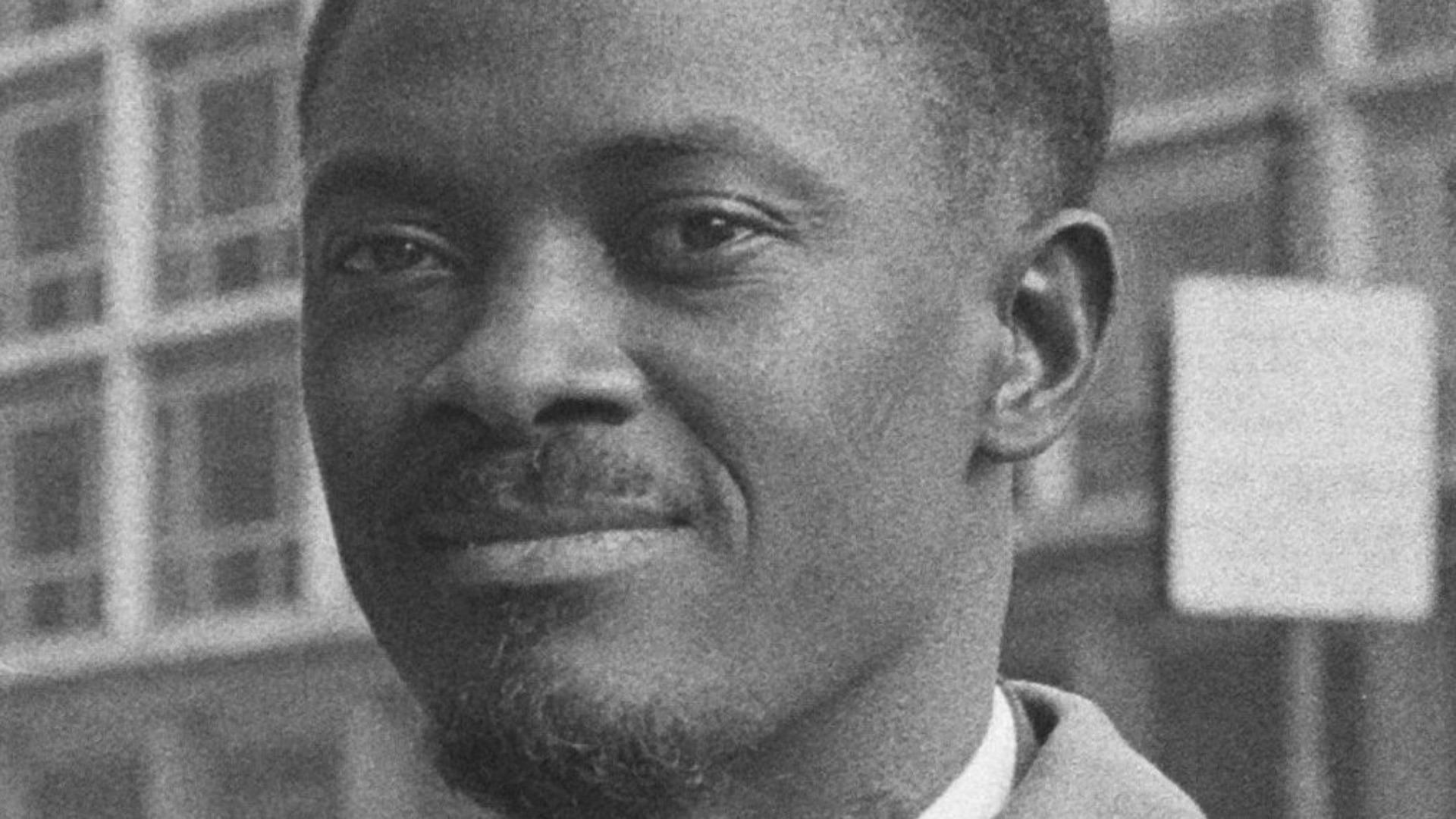
8. Patrice Lumumba: Decolonization in the Shadow of the Cold War (1961)
Congo’s first prime minister, Patrice Lumumba, was executed in 1961 after being forced from power during the Congo Crisis. The episode exposed how newly independent states could be pulled apart by internal rivals while foreign powers pursued their own Cold War agendas. A UN commission later produced an investigative report, keeping the controversy and its implications firmly in the historical record.
 Harry Pot for Anefo on Wikimedia
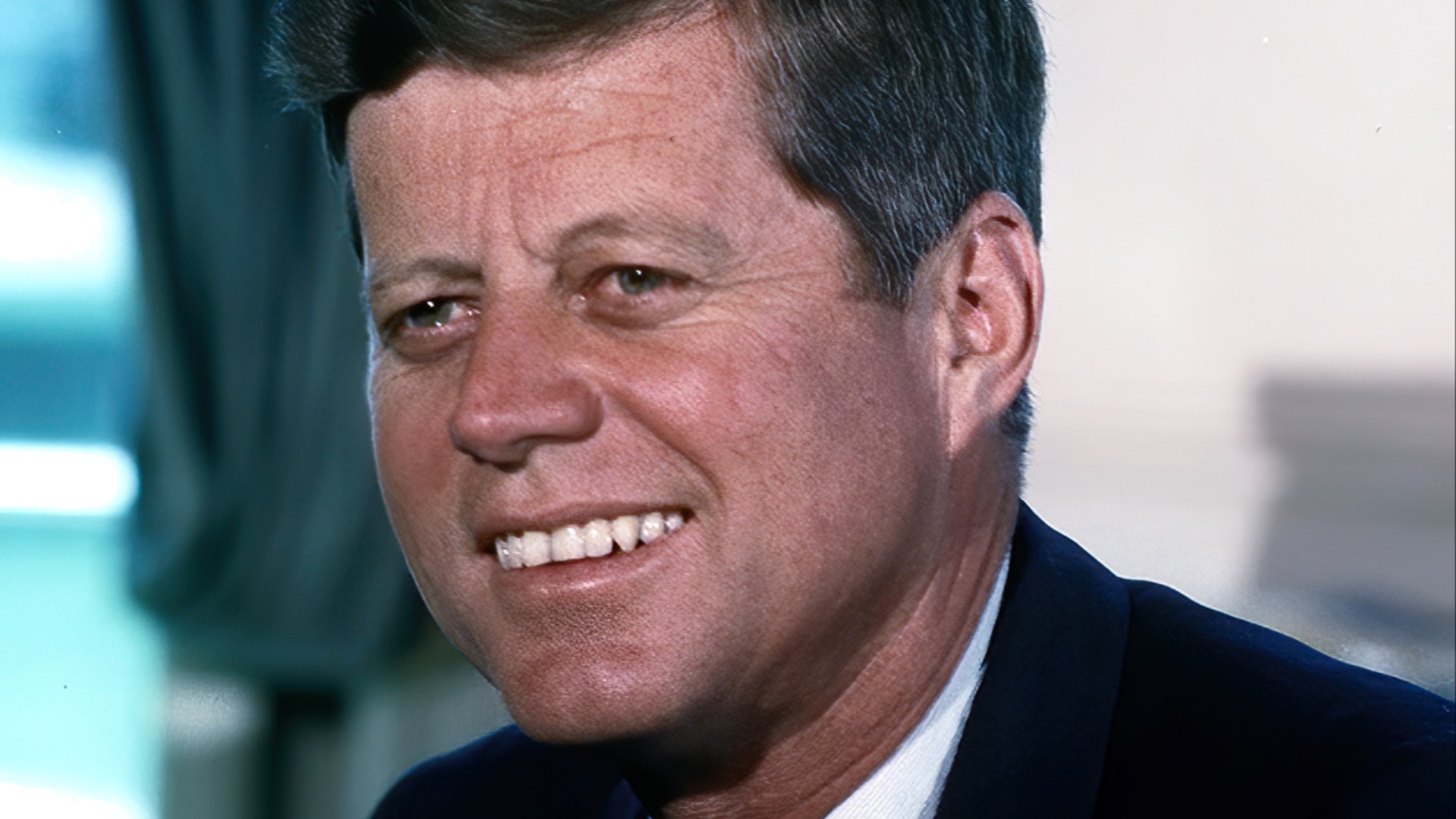
9. John F. Kennedy: Official Conclusions and Enduring Doubt (1963)
Television and radio carried the news of President John F. Kennedy’s assassination in Dallas on November 22, 1963, making it an immediate global event. The Warren Commission reported it found no evidence of conspiracy and concluded Lee Harvey Oswald acted alone. The case still shows how official findings and public skepticism can persist side by side across generations.
 Cecil Stoughton, White House on Wikimedia
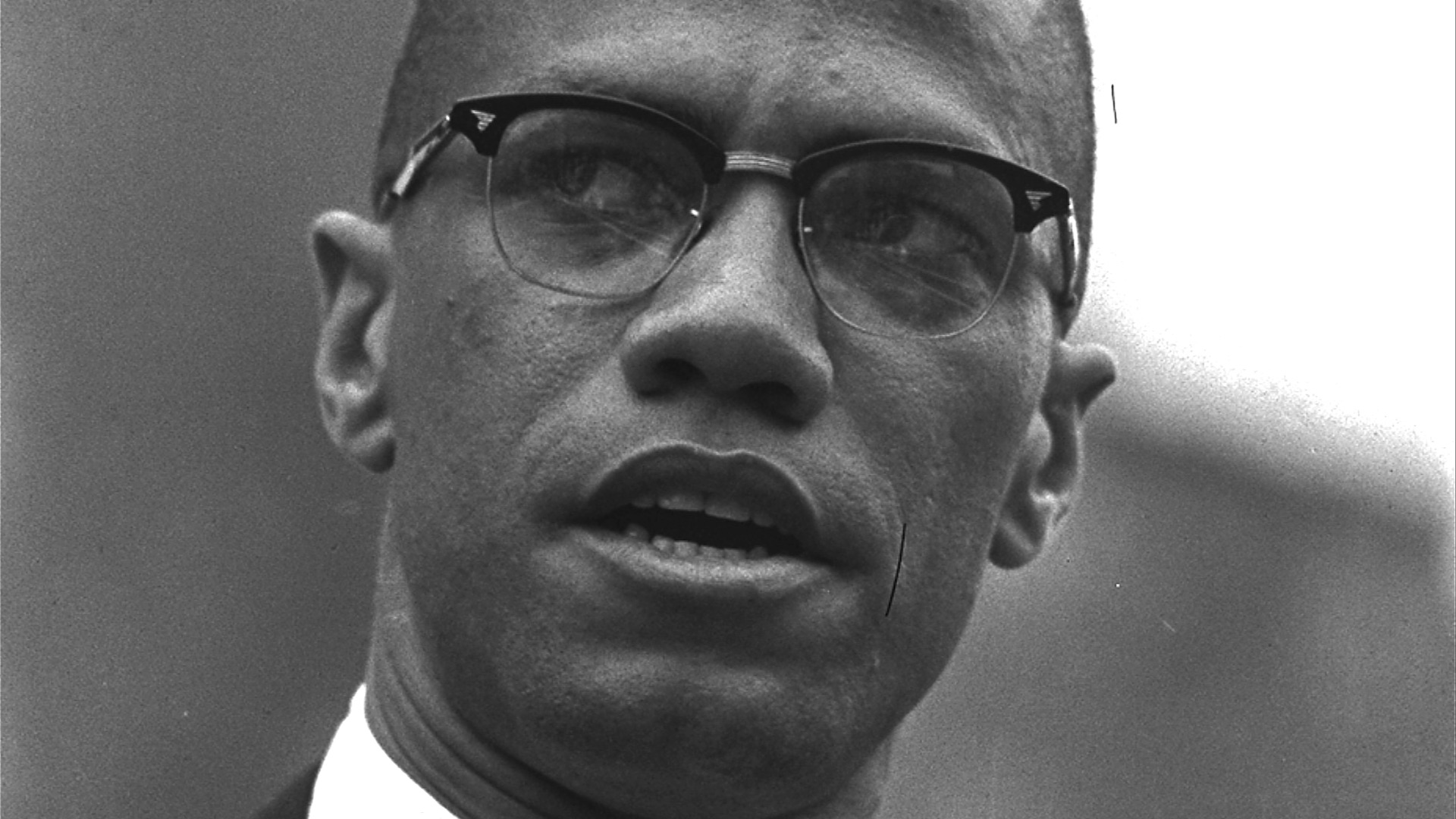
10. Malcolm X: A Movement Debating Its Future (1965)
Harlem’s Audubon Ballroom was the setting for Malcolm X’s assassination in February 1965. Because he had recently broken with the Nation of Islam and broadened his political direction, his death intensified debates about leadership, faith, and strategy within Black activism. His influence continues to appear in political organizing and in mainstream discussions of race and power in the United States.
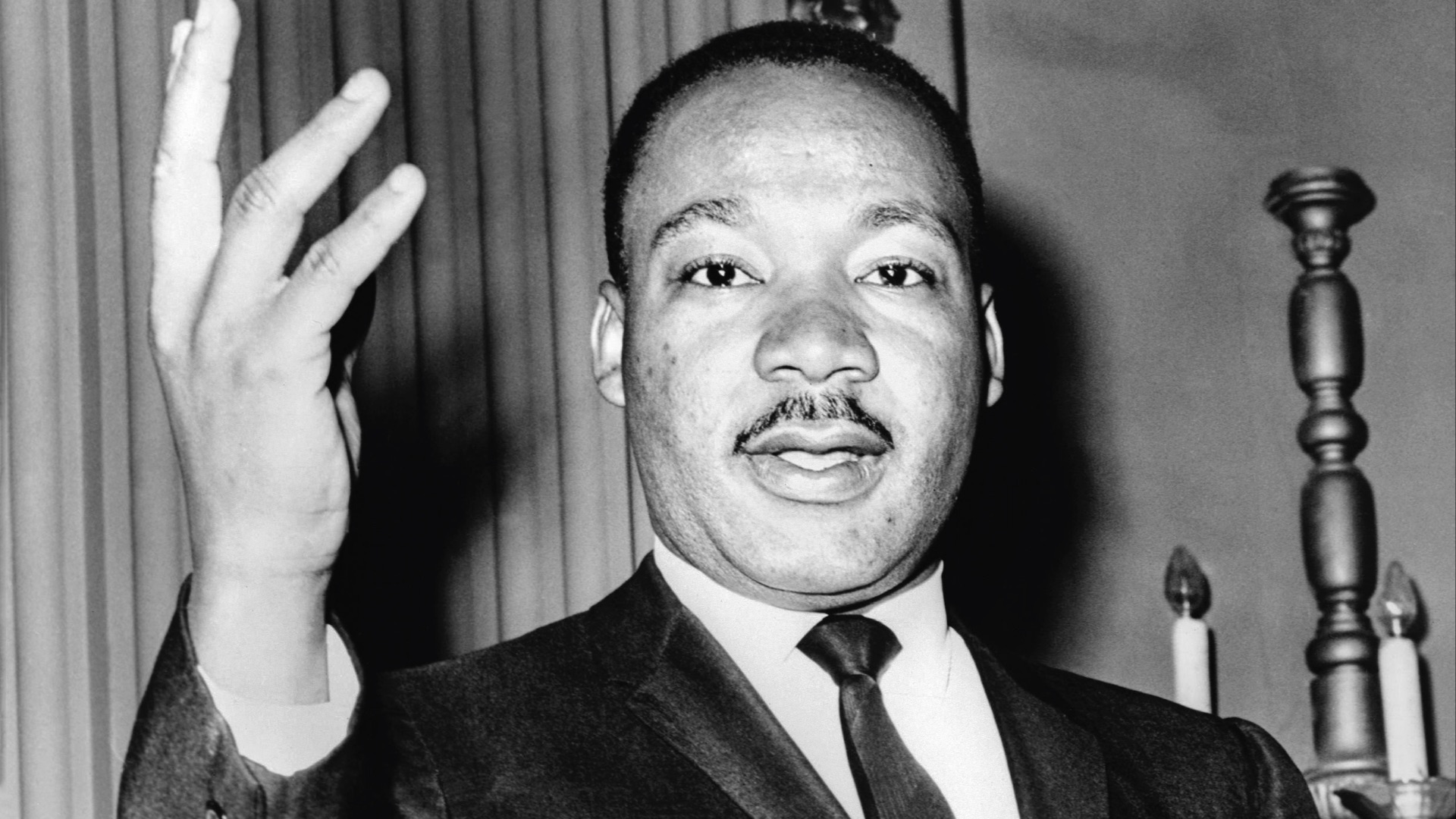
11. Martin Luther King Jr.: Civil Rights Under Pressure (1968)
Memphis, Tennessee, is where Martin Luther King Jr. was assassinated on April 4, 1968, while supporting sanitation workers. The killing intensified grief and unrest nationwide and sharpened the urgency of civil rights politics. For primary materials and ongoing scholarship, the King Institute and the National Archives both maintain major resources tied to his death.
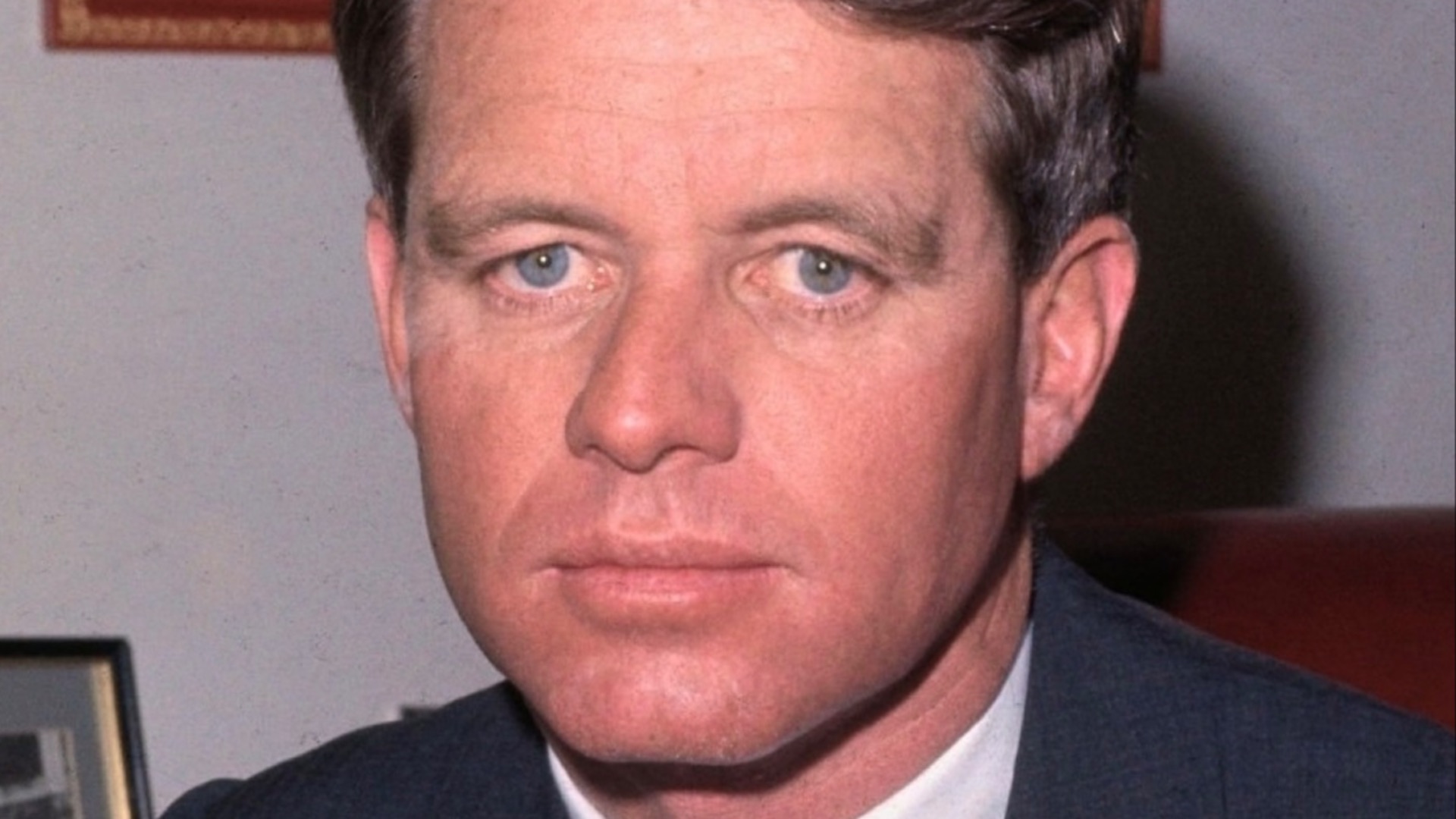
12. Robert F. Kennedy: The 1968 Election Rewritten (1968)
Shortly after winning the California and South Dakota primaries, a day after on June 5, 1968, Senator Robert F. Kennedy was shot in Los Angeles and died the next day. His assassination removed a major political figure from a campaign season already marked by Vietnam and domestic upheaval. Many analysts argue that the loss narrowed the Democratic field and shaped the direction of national politics in the years that followed.
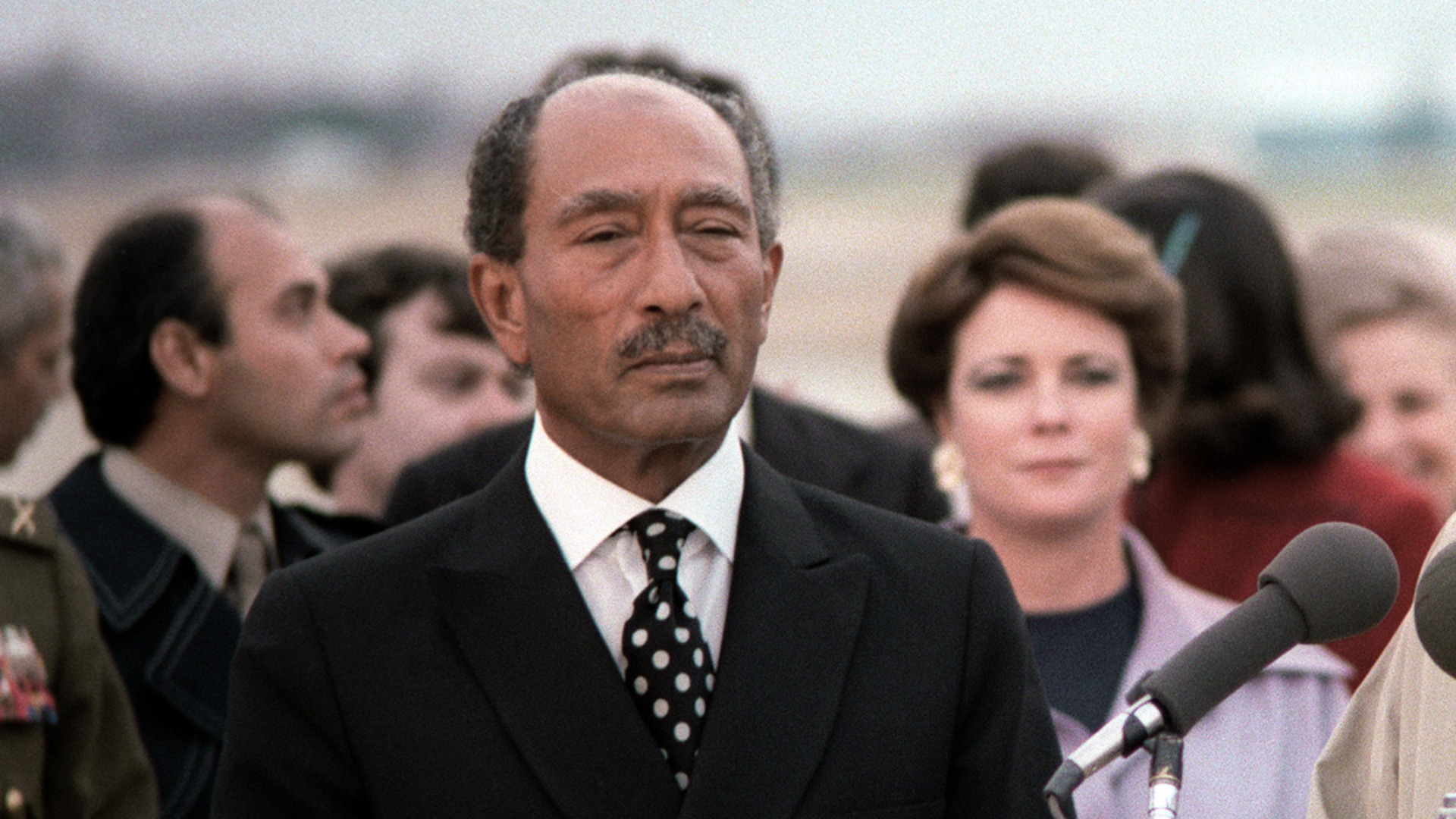
13. Anwar Sadat: Peace Abroad, Polarization at Home (1981)
Egypt’s October 1981 military parade became the scene of President Anwar Sadat’s assassination. The attack reflected fierce opposition tied to both the Egypt-Israel peace process and internal political repression. After Sadat’s death, Hosni Mubarak’s rule deepened a security-first governing approach that defined Egypt for decades.
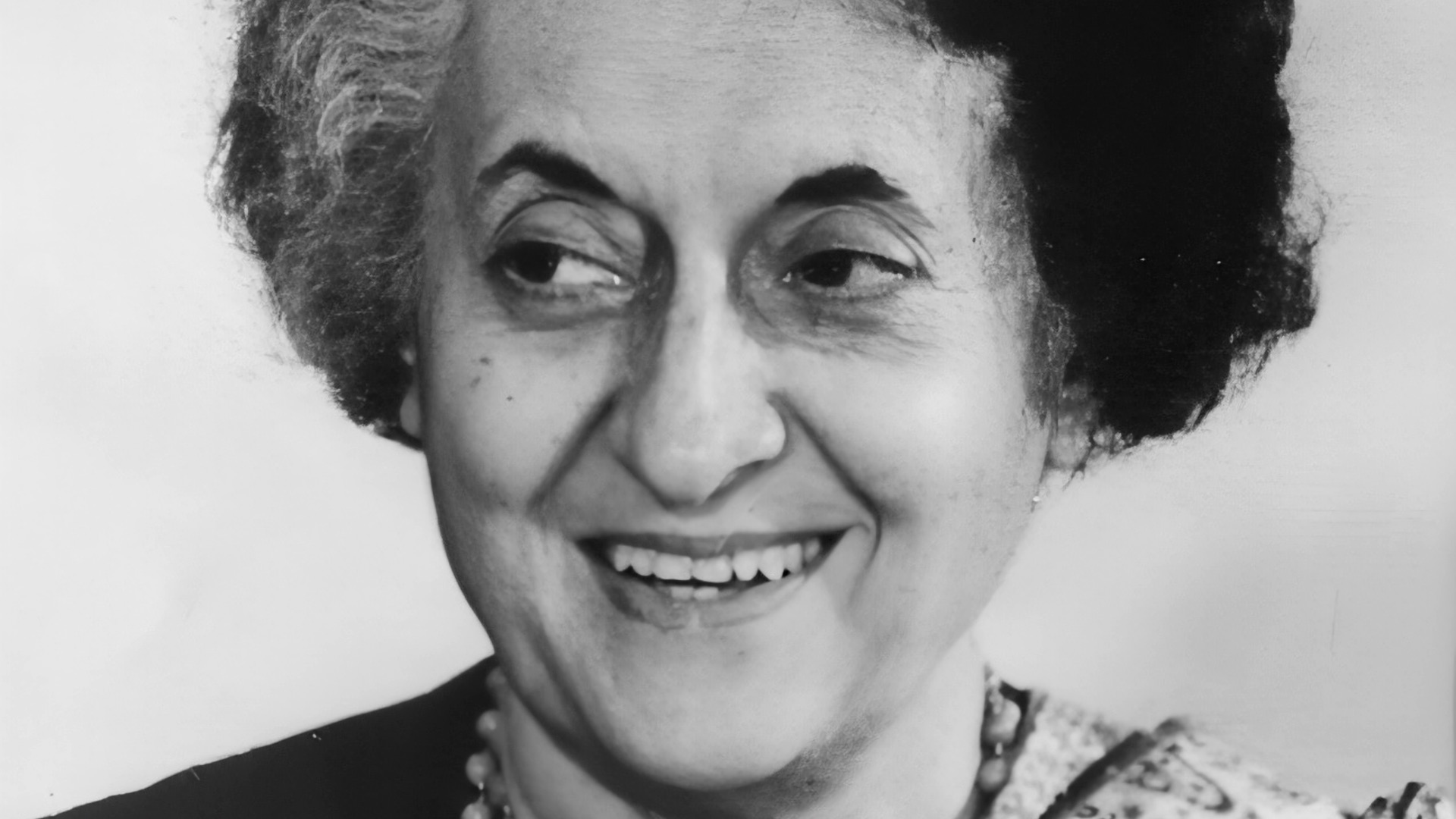
14. Indira Gandhi: State Power and Communal Fallout (1984)
Two members of Prime Minister Indira Gandhi’s security detail killed her on October 31, 1984, after she ordered Operation Blue Star at the Golden Temple complex. The assassination was followed by serious communal violence and a tense political transition that reverberated through India’s democracy. When you study modern Indian governance, this event repeatedly comes up in arguments about security policy and minority rights.
 Prime Minister's Office on Wikimedia
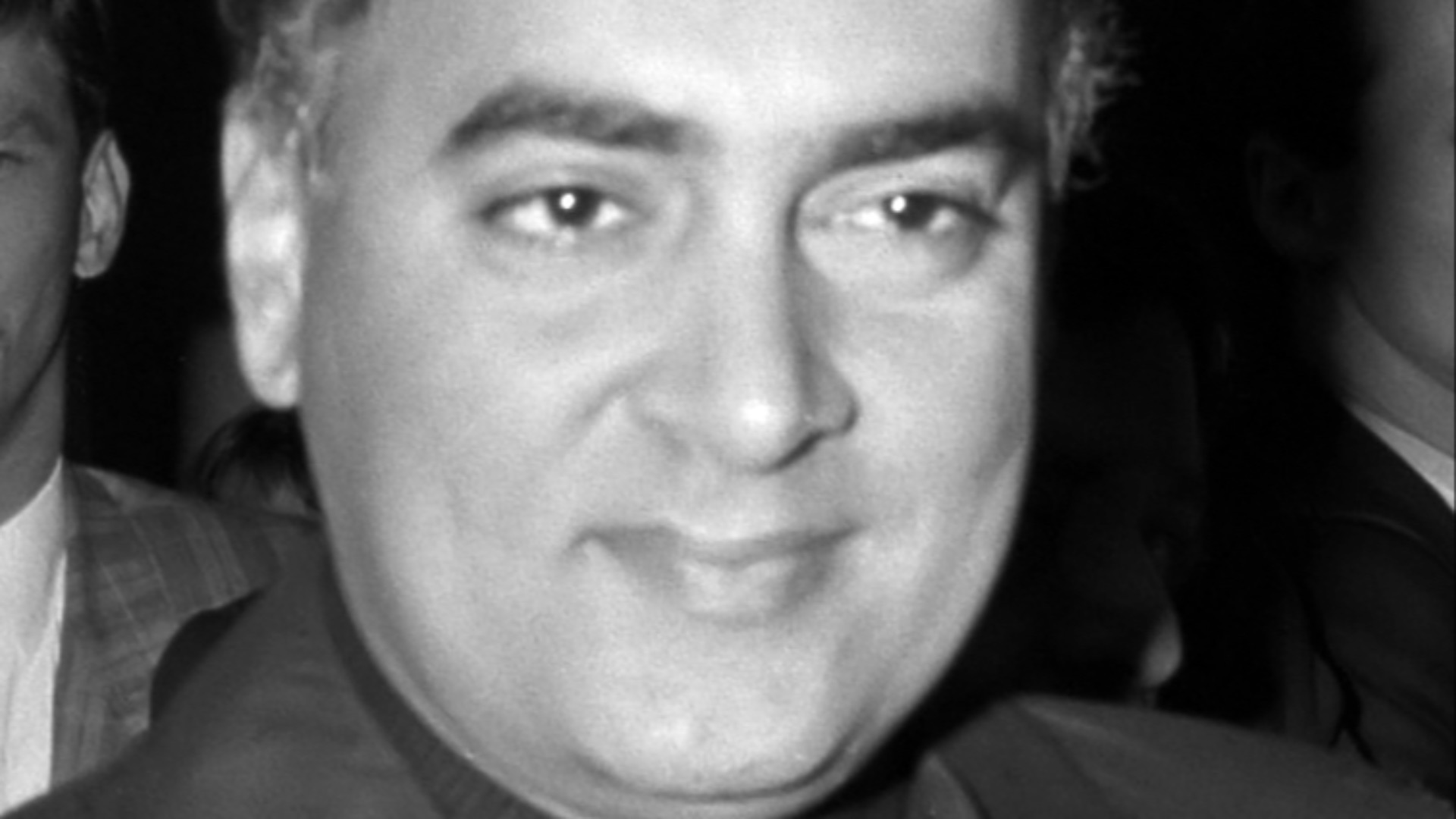
15. Rajiv Gandhi: Regional Conflict Reaches India (1991)
Campaigning in Tamil Nadu in May 1991, former Prime Minister Rajiv Gandhi was killed by a bomb attack linked to the Tamil Tigers. The assassination reshaped India’s internal security posture and influenced how South Asia discussed insurgency and cross-border conflict.
 Bart Molendijk / Anefo on Wikimedia
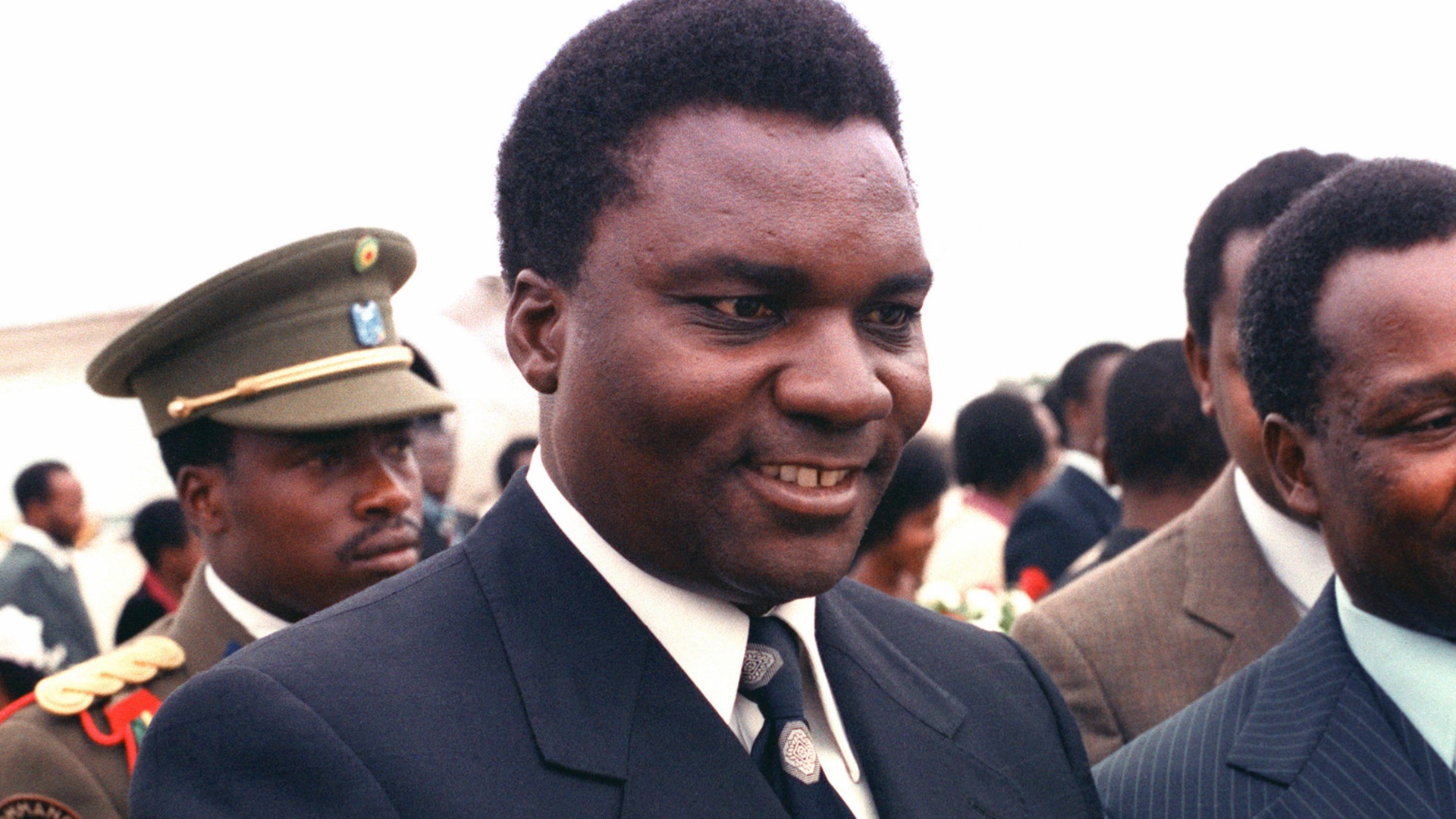
16. Juvénal Habyarimana: A Trigger for the Rwandan Genocide (1994)
On April 6, 1994, the plane carrying Rwandan President Juvénal Habyarimana was shot down as it approached Kigali; his death would then trigger the Rwanda genocide that unfolded soon after. That connection makes the assassination central to discussions about early warning, propaganda, and international response failures.
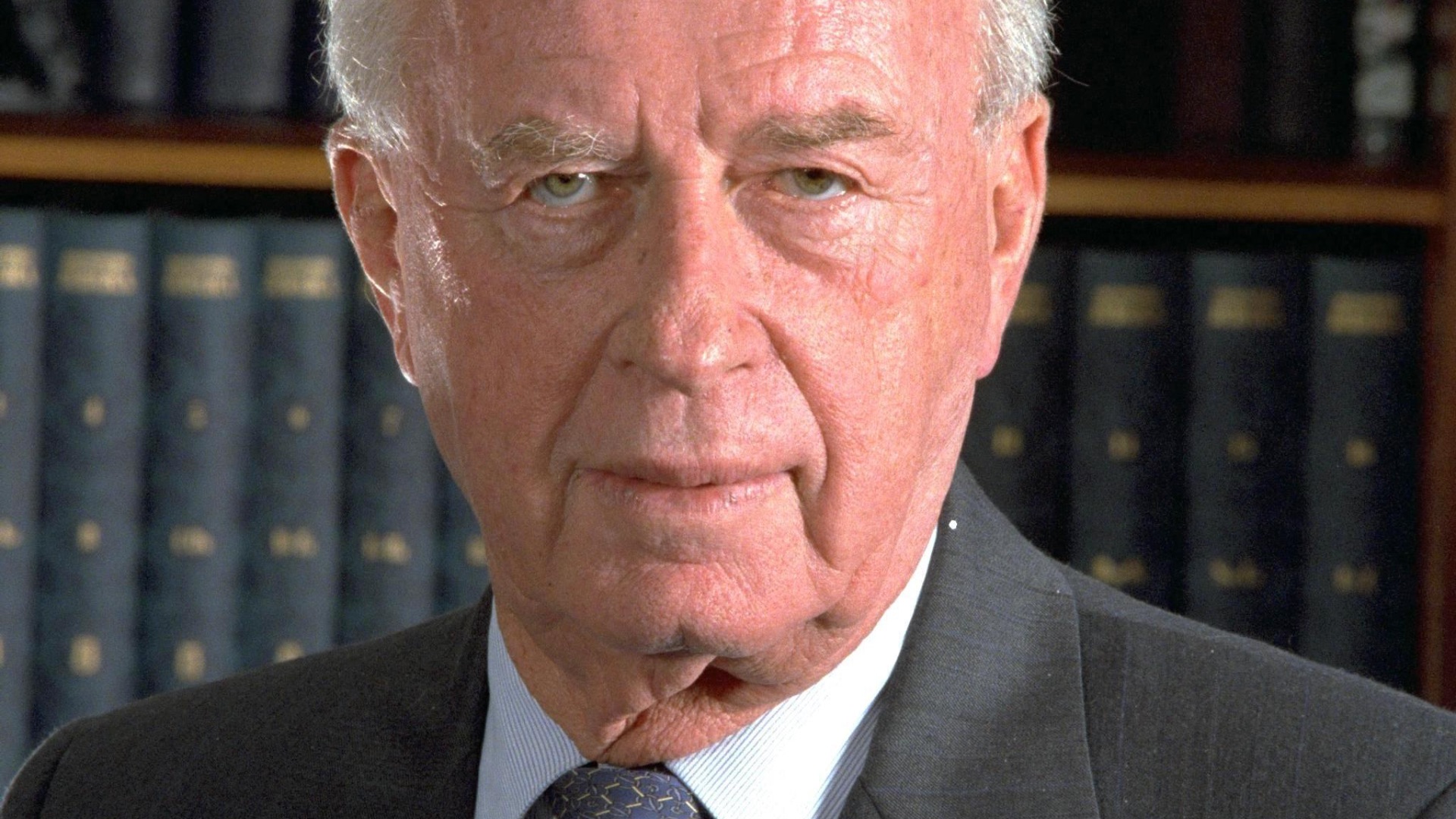
17. Yitzhak Rabin: The Oslo Process Shaken (1995)
After a peace rally in Tel Aviv on November 4, 1995, Israeli Prime Minister Yitzhak Rabin was fatally shot by Yigal Amir, who opposed the Oslo Accords. The assassination deepened internal divisions in Israel and damaged confidence among those who believed negotiations could succeed. Students of the Israeli-Palestinian peace process keep returning to this moment because it disrupted political continuity in a very direct way.
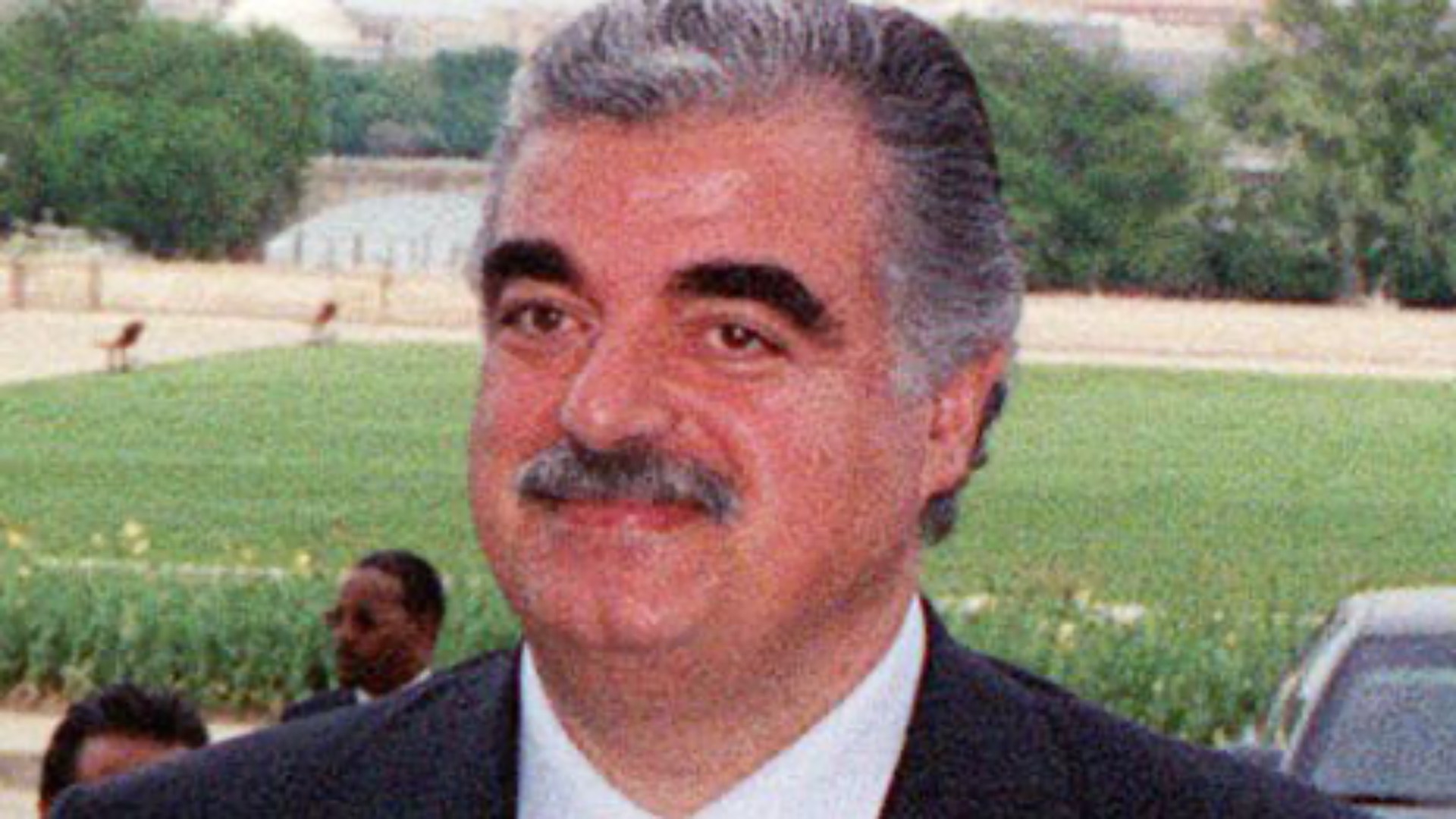
18. Rafic al-Hariri: Lebanon’s Crisis Goes International (2005)
Beirut was rocked on February 14, 2005, when a bombing killed former Lebanese Prime Minister Rafic al-Hariri and catalyzed mass protests. It's reported that the assassination intensified tensions with Syria and ultimately contributed to the withdrawal of Syrian forces from Lebanon. The UN-backed tribunal process that followed showed how one killing could expand into years of international legal and diplomatic pressure.
 Helene C. Stikkel on Wikimedia
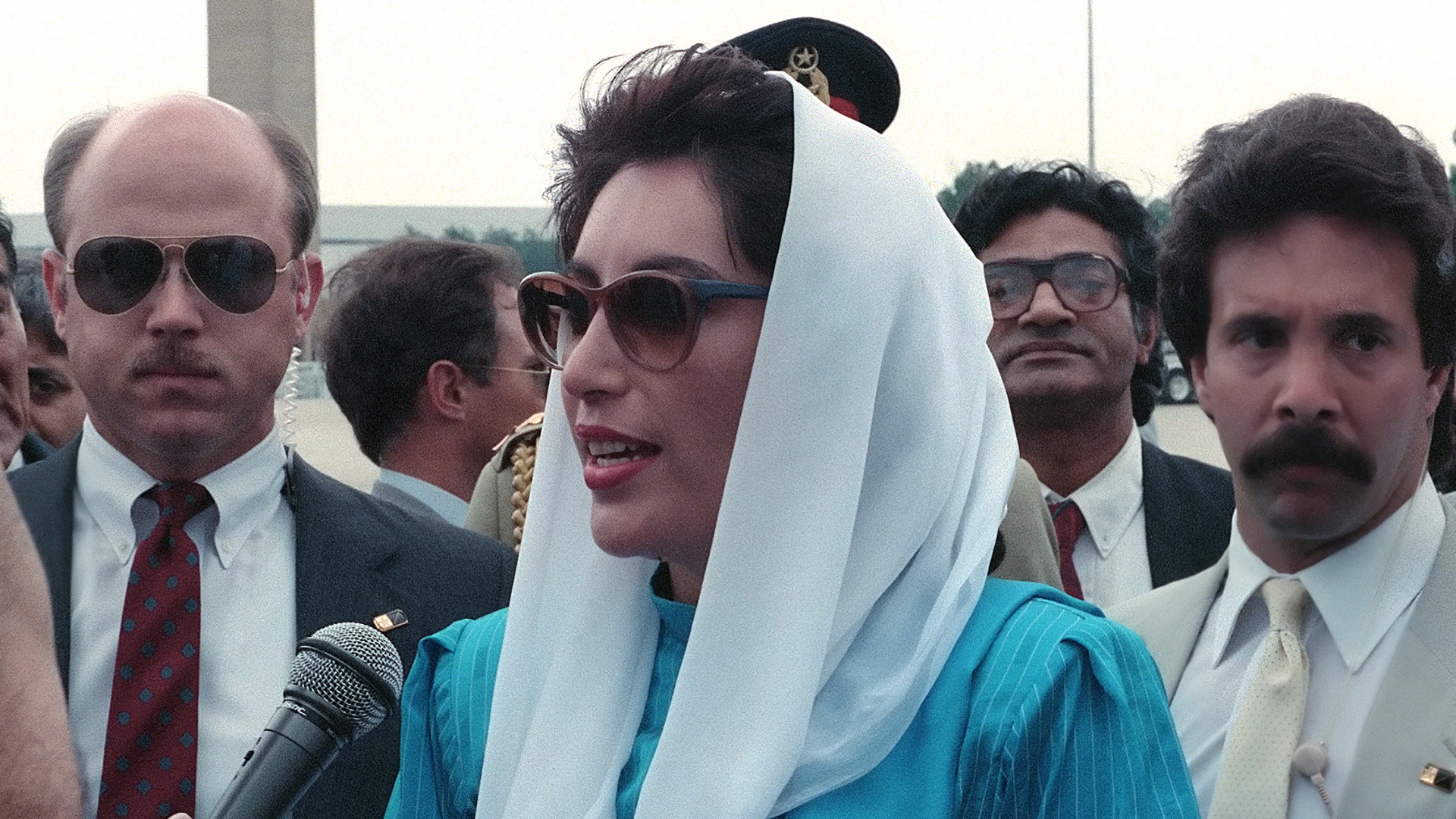
19. Benazir Bhutto: Pakistan’s Political Future Upended (2007)
Pakistan’s first female prime minister, Benazir Bhutto, was assassinated on December 27, 2007, while campaigning for elections. Her death destabilized an already fragile political environment and intensified concerns about militant violence in a nuclear-armed state. The assassination still shapes how many people interpret Pakistan’s struggle between civilian politics, party power, and security institutions.
 SRA Gerald B. Johnson, United States Department of Defense on Wikimedia
20. Shinzo Abe: A Modern Assassination With Long Political After-Effects (2022)
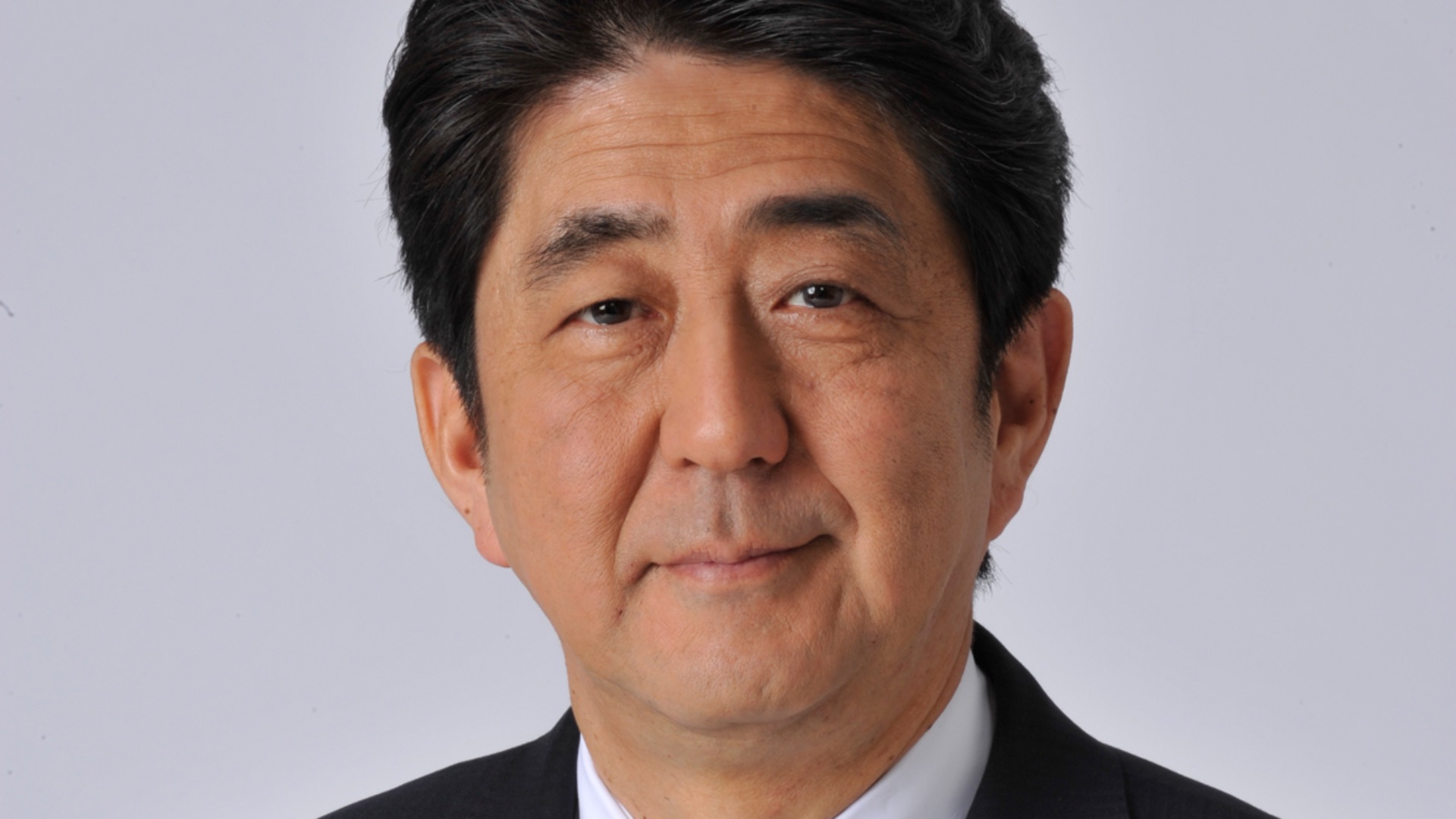
Japan’s politics were jolted when former Prime Minister Shinzo Abe was assassinated during a campaign speech in Nara in July 2022. The suspect said the motive involved anger toward the Unification Church, and the fallout pushed unusually direct scrutiny of relationships between politicians and the group. A court later sentenced the gunman to life in prison, keeping the case active in public debate well beyond the day of the attack.
 Prime Minister of Japan Official on Wikimedia
KEEP ON READING