

Words Everyone Should Read At Least Once
Some of the most memorable sentences in literature capture emotions, observations, and experiences that remain relevant centuries after they were written. From the romantic prose of Jane Austen to the philosophical reflections of Leo Tolstoy, historical literature contains countless examples of extraordinary writing. Although beauty is subjective, these 20 sentences from classic works demonstrate how thoughtfully chosen words can leave a lasting impression on generations of readers.

1. Persuasion by Jane Austen (1817)
“You pierce my soul. I am half agony, half hope.” These two closely connected sentences appear in Captain Wentworth's unforgettable letter to Anne Elliot, written after years of separation and unresolved feelings. It takes very few words for Austen to convey the emotional vulnerability of expressing feelings for another person, without any over-the-top descriptions.
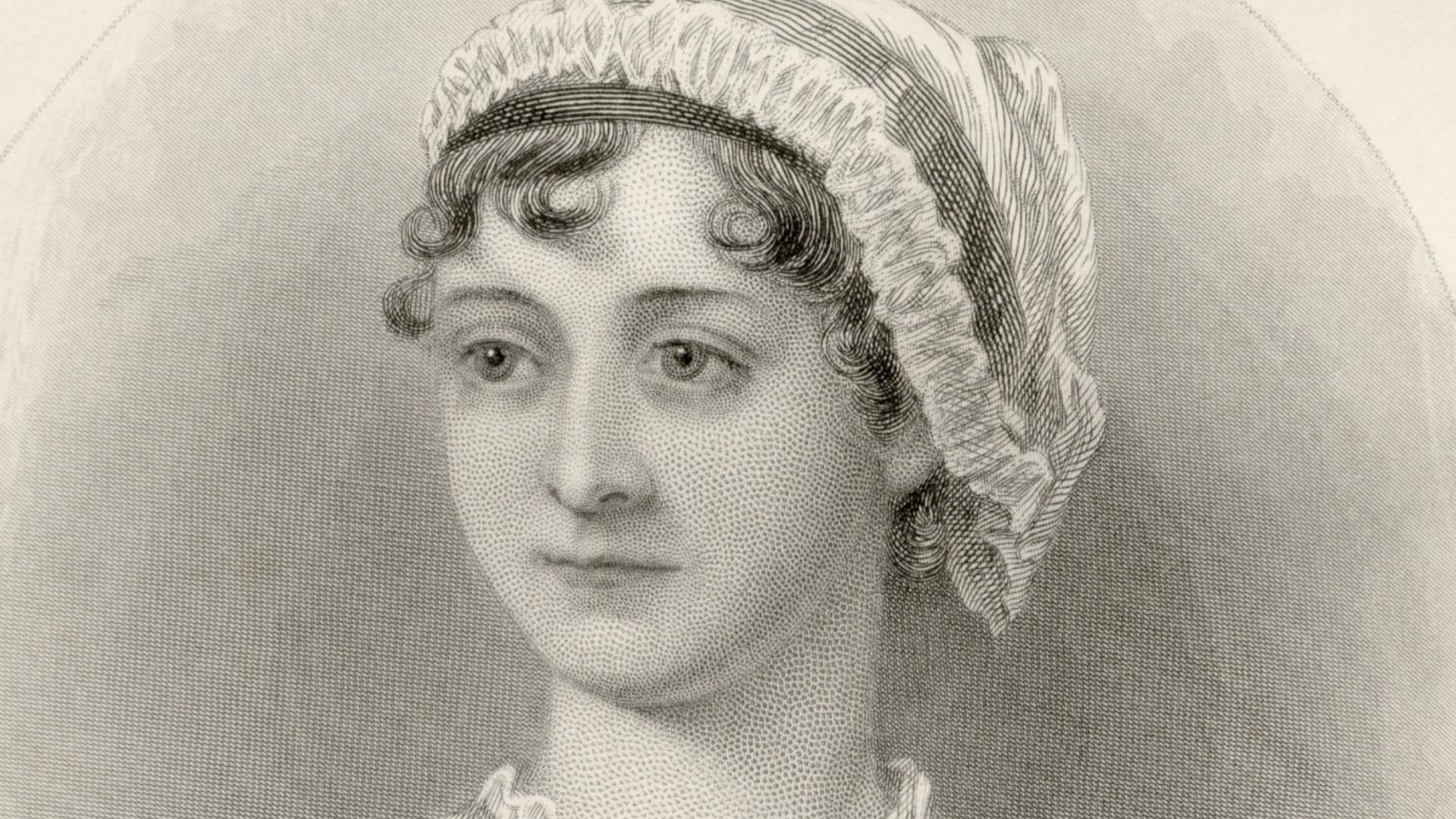 Cassandra Austen. Engraving by Lizars on Wikimedia
2. Jane Eyre by Charlotte Brontë (1847)
“I am no bird; and no net ensnares me: I am a free human being with an independent will.” Speaking to Rochester, with whom she's deeply in love, Jane insists on her own freedom and independent will. This must have been especially striking at the time of publication, given the many limitations placed upon women.
 Painted by Evert A. Duyckinick, based on a drawing by George Richmond on Wikimedia
3. Wuthering Heights by Emily Brontë (1847)
“Whatever our souls are made of, his and mine are the same.” Despite the many difficulties and unhappiness in their relationship, it's hard not to be moved by this almost offhand description by Catherine of how strongly she feels about Heathcliff. Indeed, her words suggest that their connection goes far beyond that of ordinary lovers.

4. The Great Gatsby by F. Scott Fitzgerald (1925)
“So we beat on, boats against the current, borne back ceaselessly into the past.” It's a pensive ending to a book about men and women continually striving to progress yet constrained by events of the past. There's also a nice cadence to this sentence, fitting given the mournful quality of much of the book's ending.

5. The Picture of Dorian Gray by Oscar Wilde (1890)
“Behind every exquisite thing that existed, there was something tragic.” This is a recurring theme throughout Wilde's sole novel. It would be interesting to know what tragedies lie behind many of people's most cherished possessions and experiences.

6. Great Expectations by Charles Dickens (1860–1861)
“You have been in every line I have ever read, since I first came here, the rough common boy whose poor heart you wounded even then.” Addressed to Estella, this speech implies the overwhelming effect of Pip's original infatuation with her. At the same time, he's making it clear that it has been a very unhappy infatuation.
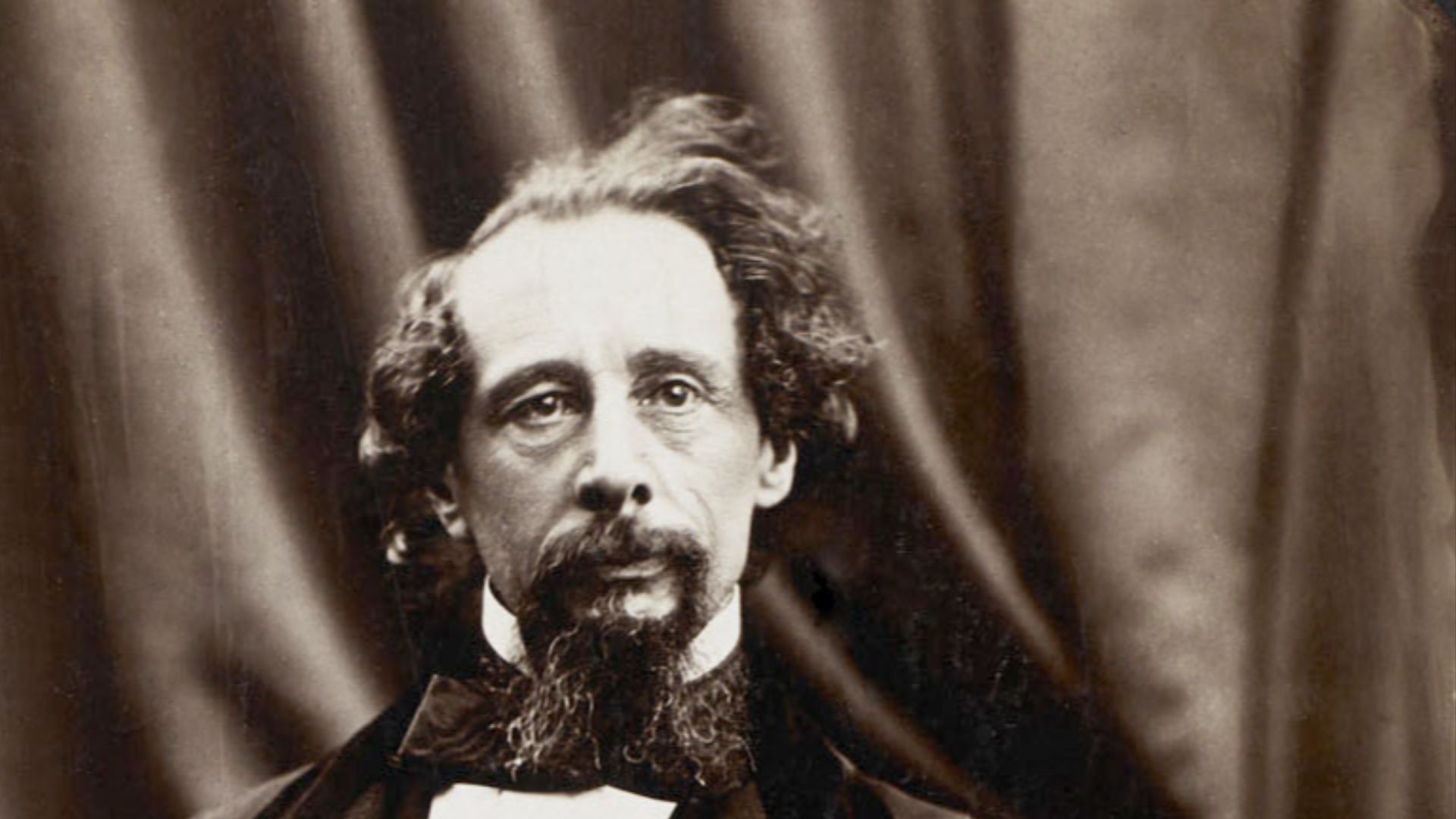 Herbert Watkins (1828–1916) on Wikimedia
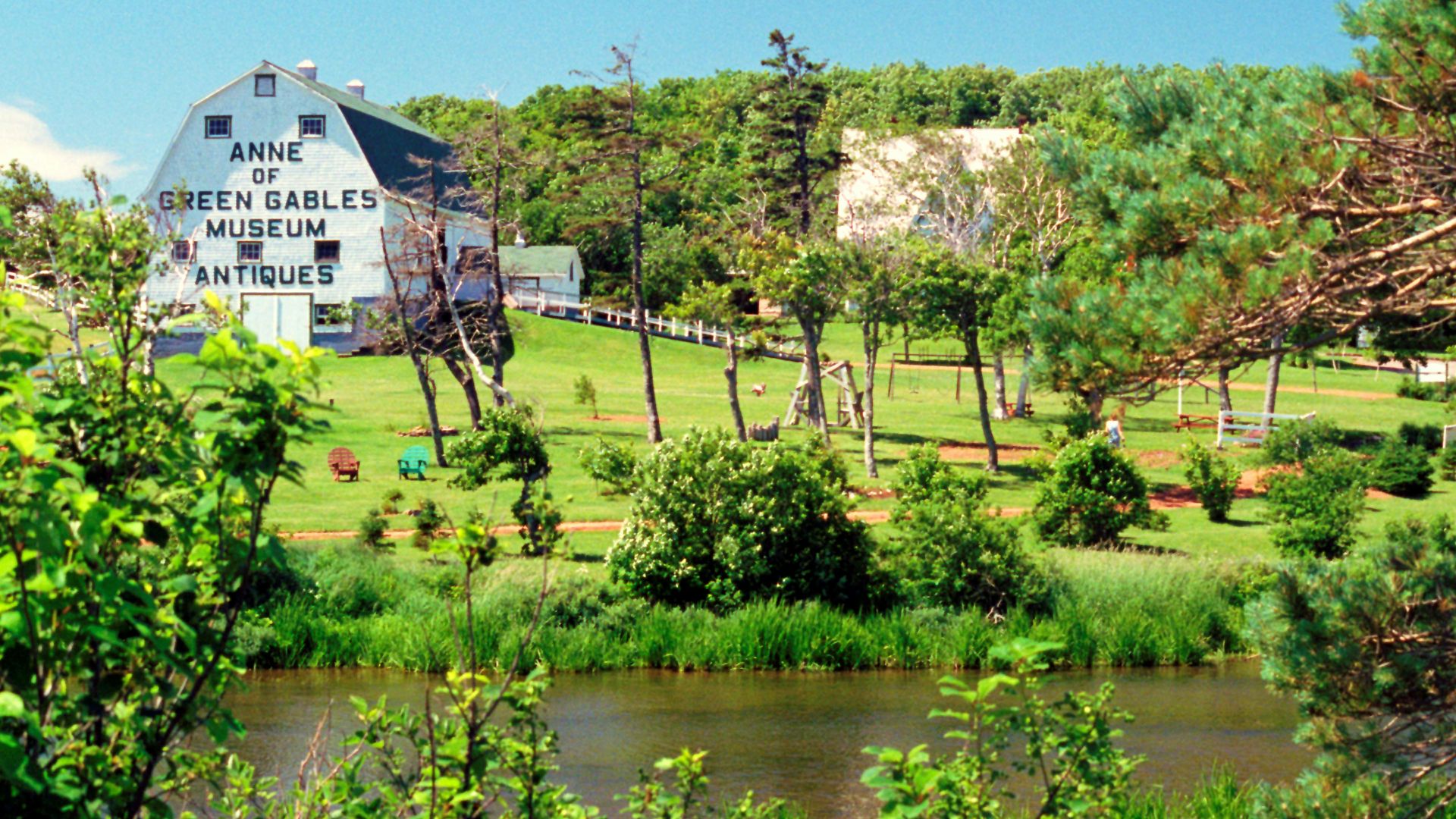
7. Anne of Green Gables by L. M. Montgomery (1908)
“I'm so glad I live in a world where there are Octobers.” It's very typical of Anne to be delighted by such a simple aspect of the nature around her and to voice this delight. It's pleasant to come upon a sentence such as this, extolling something good with little pretension or need for elaborate justification.
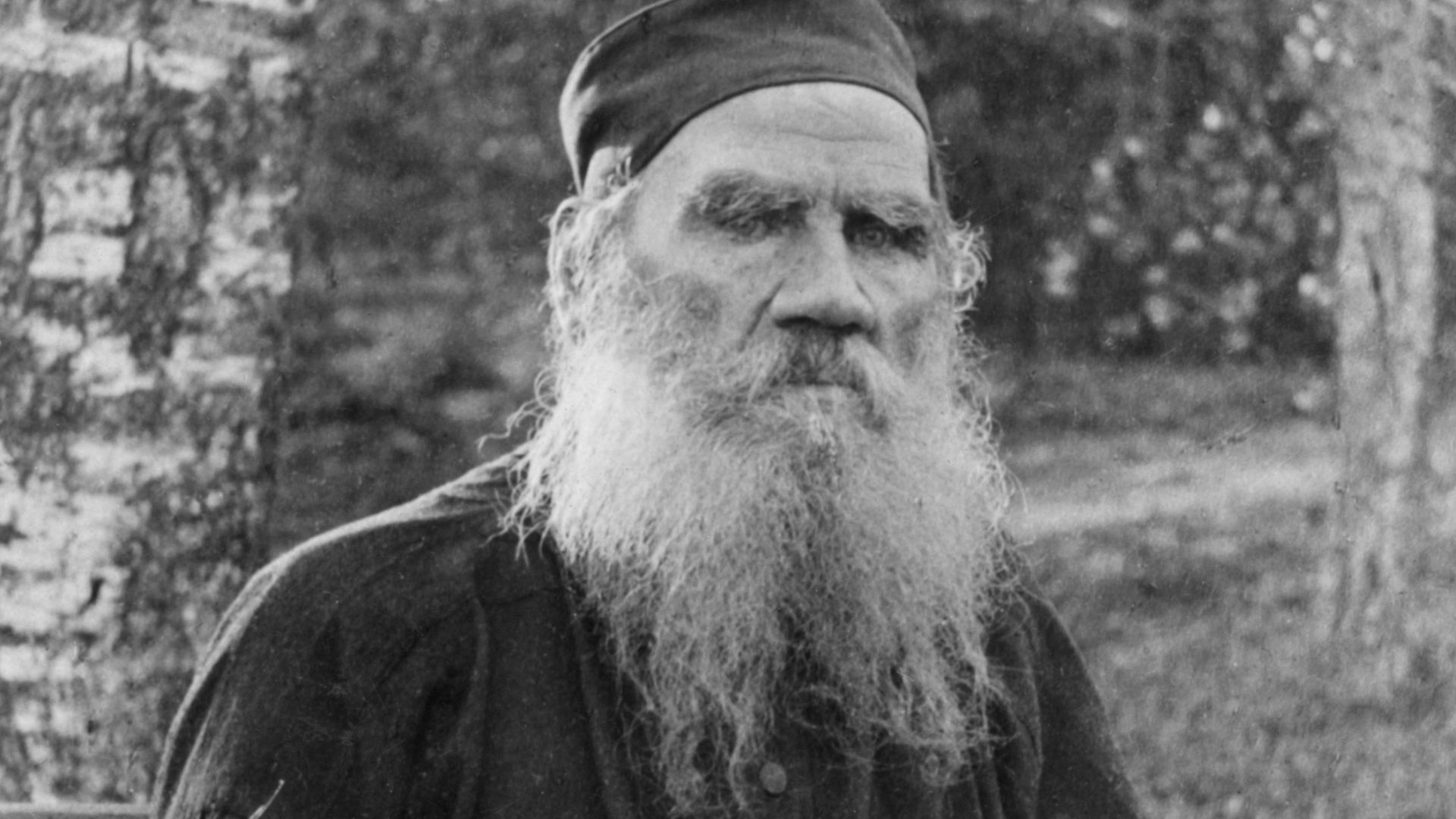
8. Anna Karenina by Leo Tolstoy (1878)
“If you look for perfection, you'll never be content.” In Constance Garnett's English translation, this observation offers a remarkably concise reflection on the dangers of unrealistic expectations. Its enduring appeal comes partly from how easily readers can apply it to relationships, personal ambitions, and everyday disappointments.
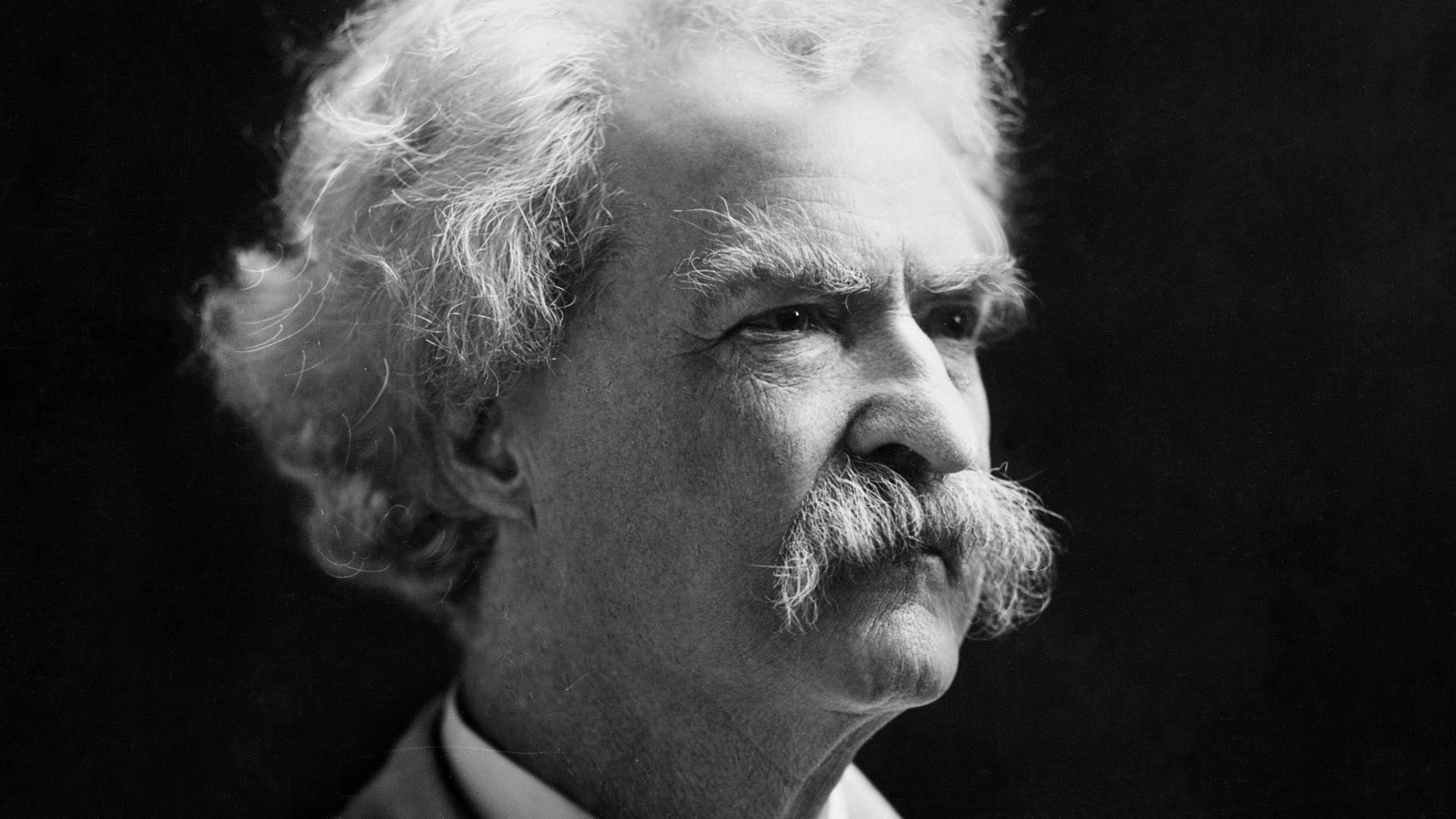
9. The Adventures of Huckleberry Finn by Mark Twain (1884)
“It was a monstrous big river down there, sometimes a mile and a half wide; we run nights, and laid up and hid daytimes; soon as night was most gone we stopped navigating and tied up—nearly always in the dead water under a towhead.” Twain's distinctive use of regional speech gives Huck's account of traveling along the Mississippi River an authentic quality. The leisurely rhythm allows readers to appreciate the quiet routines of life on the water.
 Unknown authorUnknown author on Wikimedia
10. Little Women by Louisa May Alcott (1868–1869)
“I am not afraid of storms, for I am learning how to sail my ship.” This is a mature and self-assured comment from Amy as she looks forward to grown-up life. She doesn't imply that all storms will be easily surmounted, only that she'll gain skill and ability in dealing with problems.
 Unknown authorUnknown author on Wikimedia
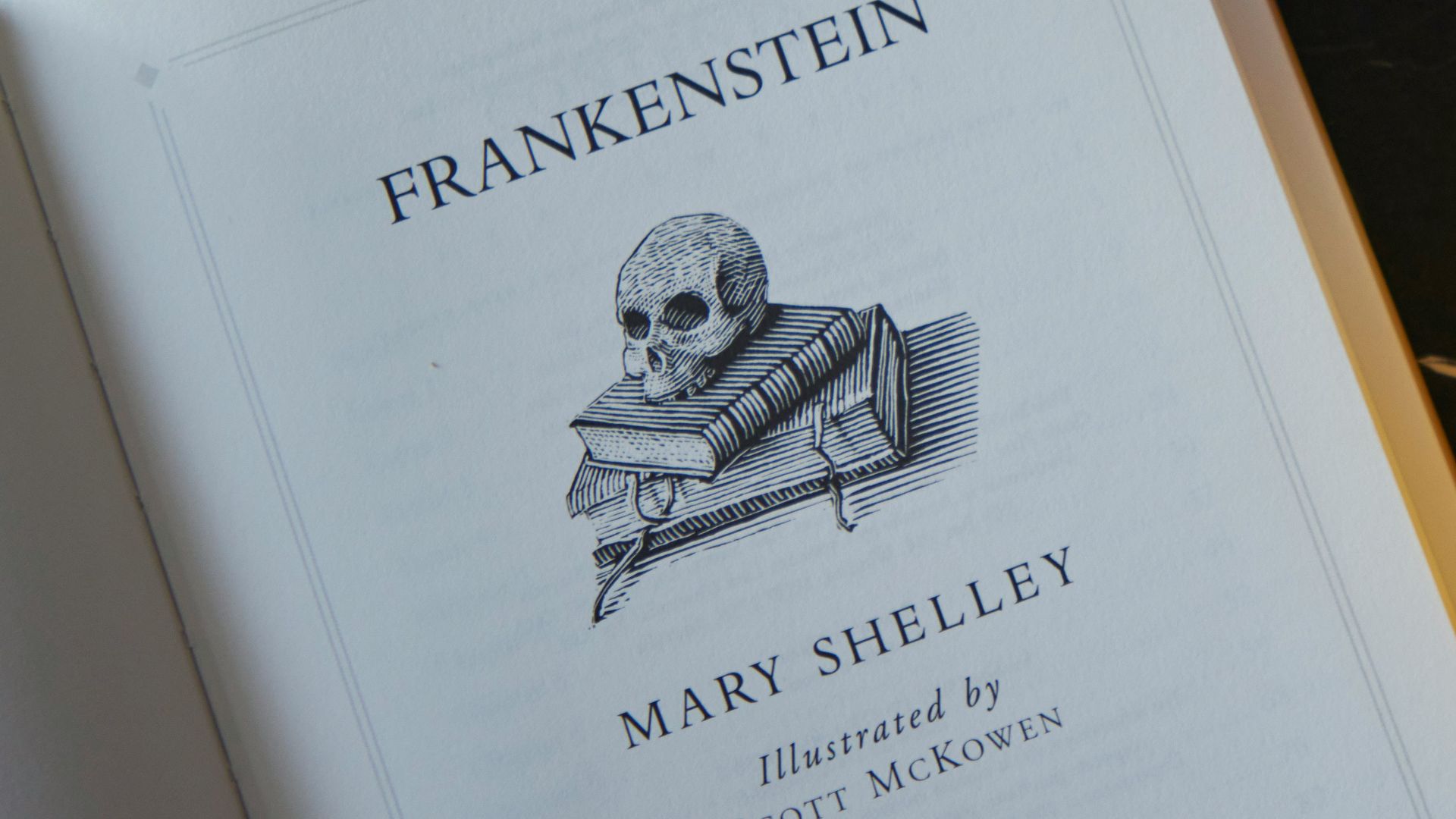
11. Frankenstein by Mary Shelley (1818)
“There is something at work in my soul, which I do not understand.” Appearing in one of Walton's letters, this unexplained, powerful drive suitably foreshadows other matters explored during the course of the book. Many readers can sympathize with such an inexplicable urge.
12. The Secret Garden by Frances Hodgson Burnett (1911)
“If you look the right way, you can see that the whole world is a garden.” Nature, relationships with others, and learning more about oneself all feature strongly as healing influences in this much-loved book. It's pleasant to be reminded that there are many enjoyable aspects of life if only one bothers to look for them.
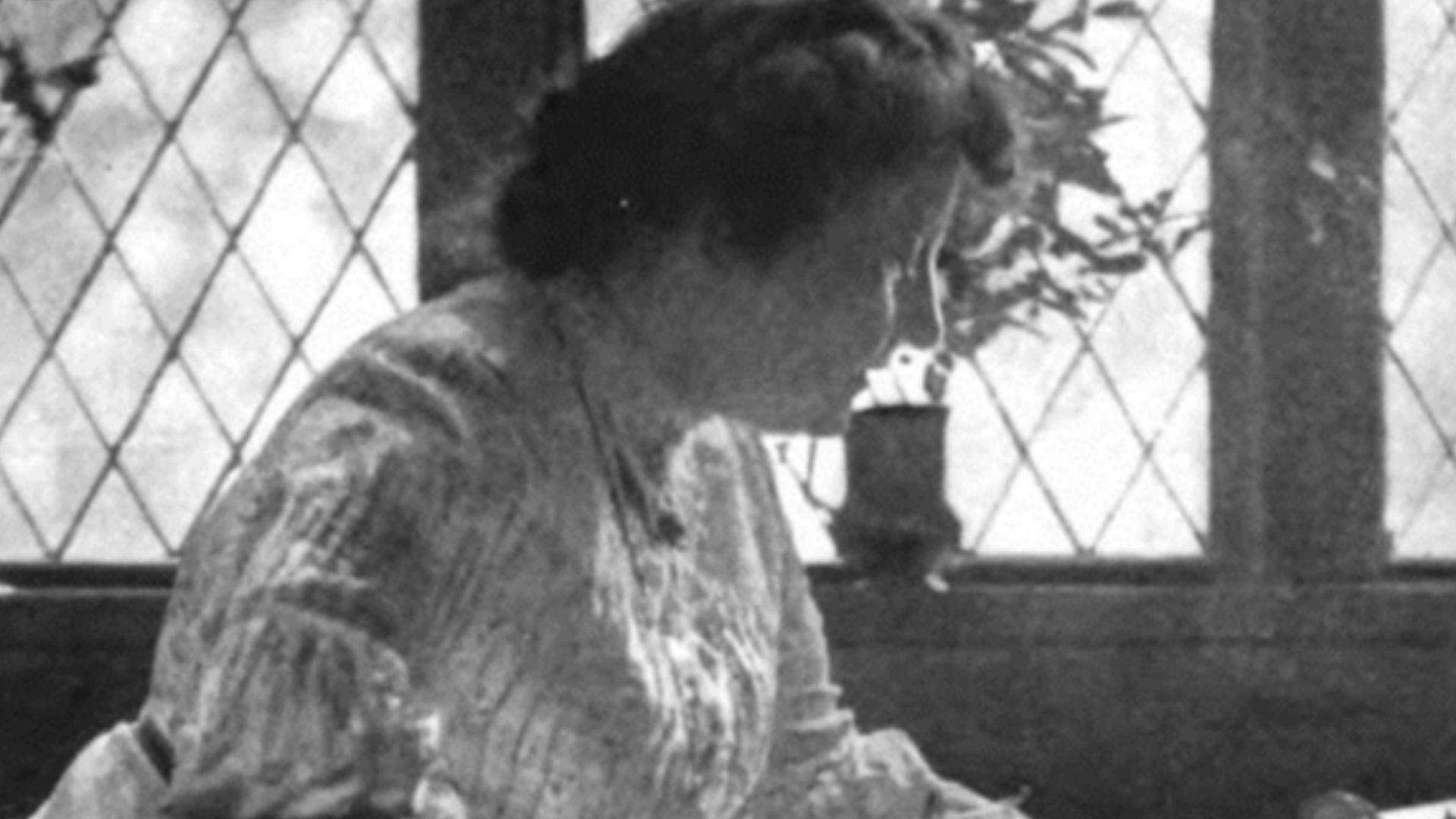
13. The Scarlet Letter by Nathaniel Hawthorne (1850)
“No man, for any considerable period, can wear one face to himself, and another to the multitude, without finally getting bewildered as to which may be the true.” Hawthorne examines the psychological consequences of maintaining a public identity that conflicts with one's private character. Despite originating in a nineteenth-century novel about Puritan society, the observation feels remarkably applicable to contemporary life.
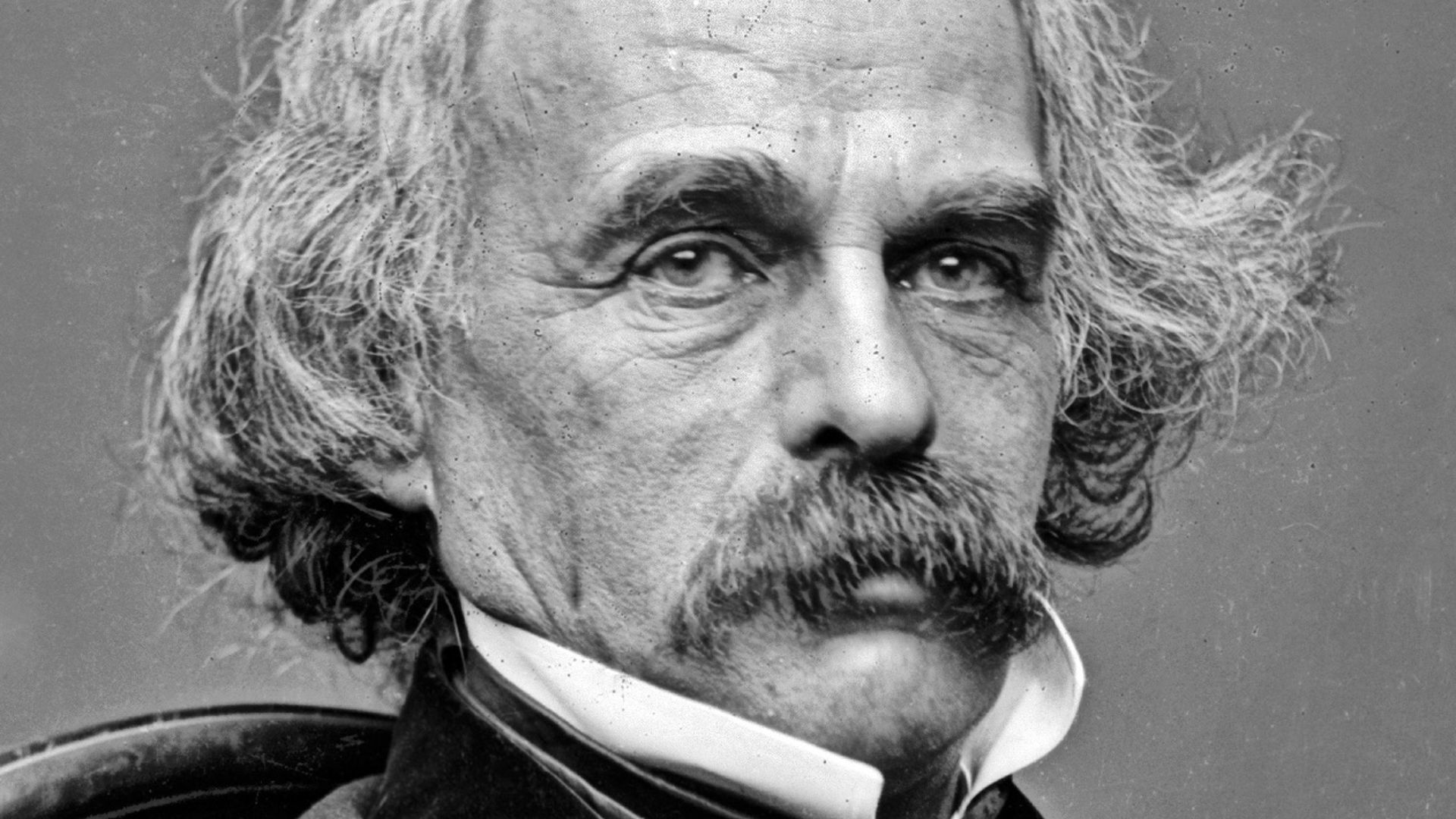 Mathew Benjamin Brady on Wikimedia
14. Walden by Henry David Thoreau (1854)
“I went to the woods because I wished to live deliberately, to front only the essential facts of life, and see if I could not learn what it had to teach, and not, when I came to die, discover that I had not lived.” This is a well-worded justification for the period that Thoreau wished to spend leading a Spartan existence by Walden Pond. It no doubt speaks to many others wishing to simplify their lives and assess what's truly important.

15. Middlemarch by George Eliot (1871–1872)
“What do we live for, if it is not to make life less difficult to each other?” This sentiment is typical of Dorothea Brooke's generous disposition and concern for others. It's a very sensible and sympathetic point of view, expressed simply and fitting for the novel's themes.
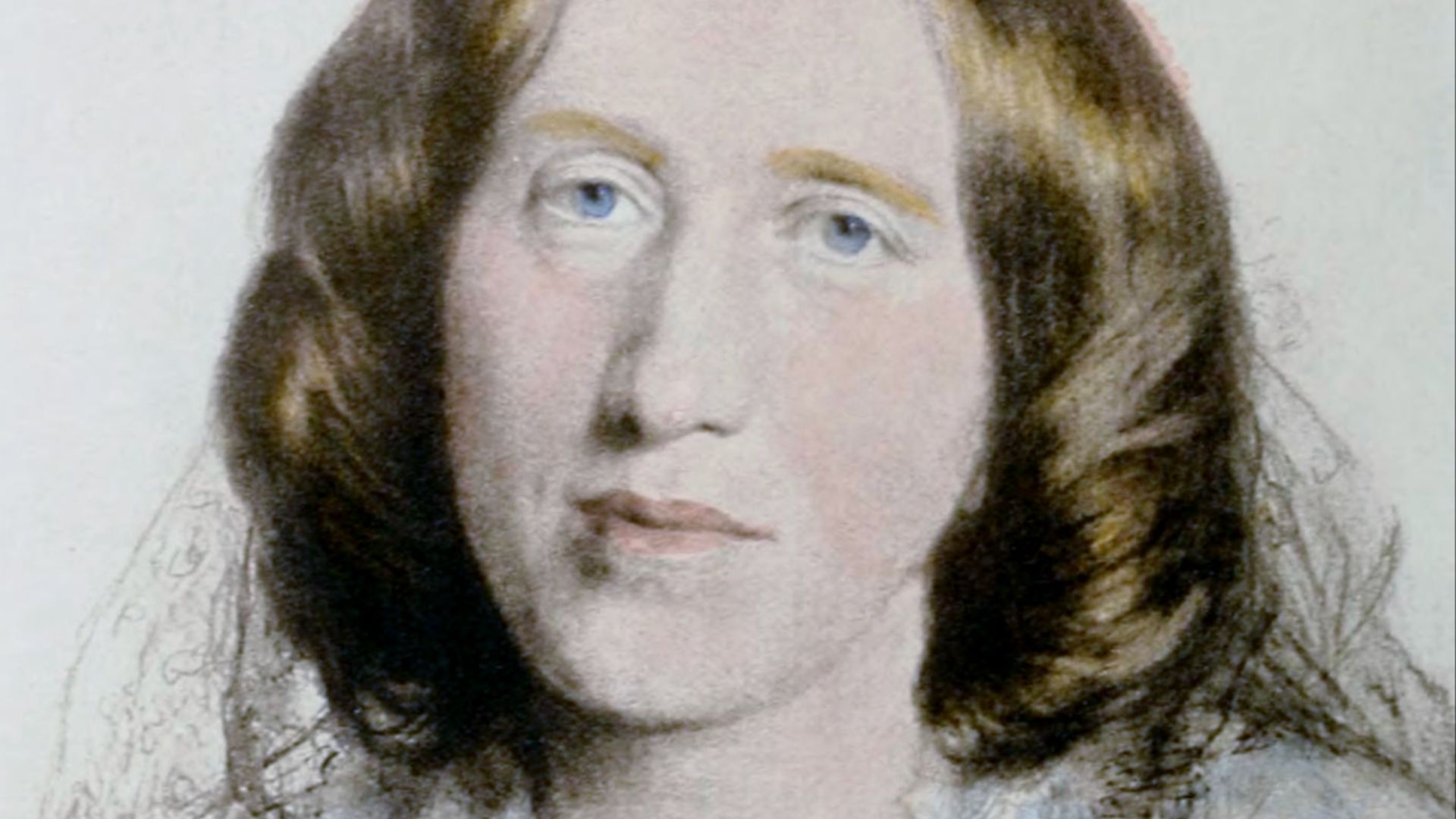 Sir Frederick Burton on Wikimedia
16. The Brothers Karamazov by Fyodor Dostoevsky (1880)
“What is hell? I maintain that it is the suffering of being unable to love.” In Constance Garnett's translation of Dostoevsky's celebrated Russian novel, Father Zosima offers a deeply personal interpretation of spiritual suffering. His reflection places extraordinary importance on the human capacity for love and compassion.
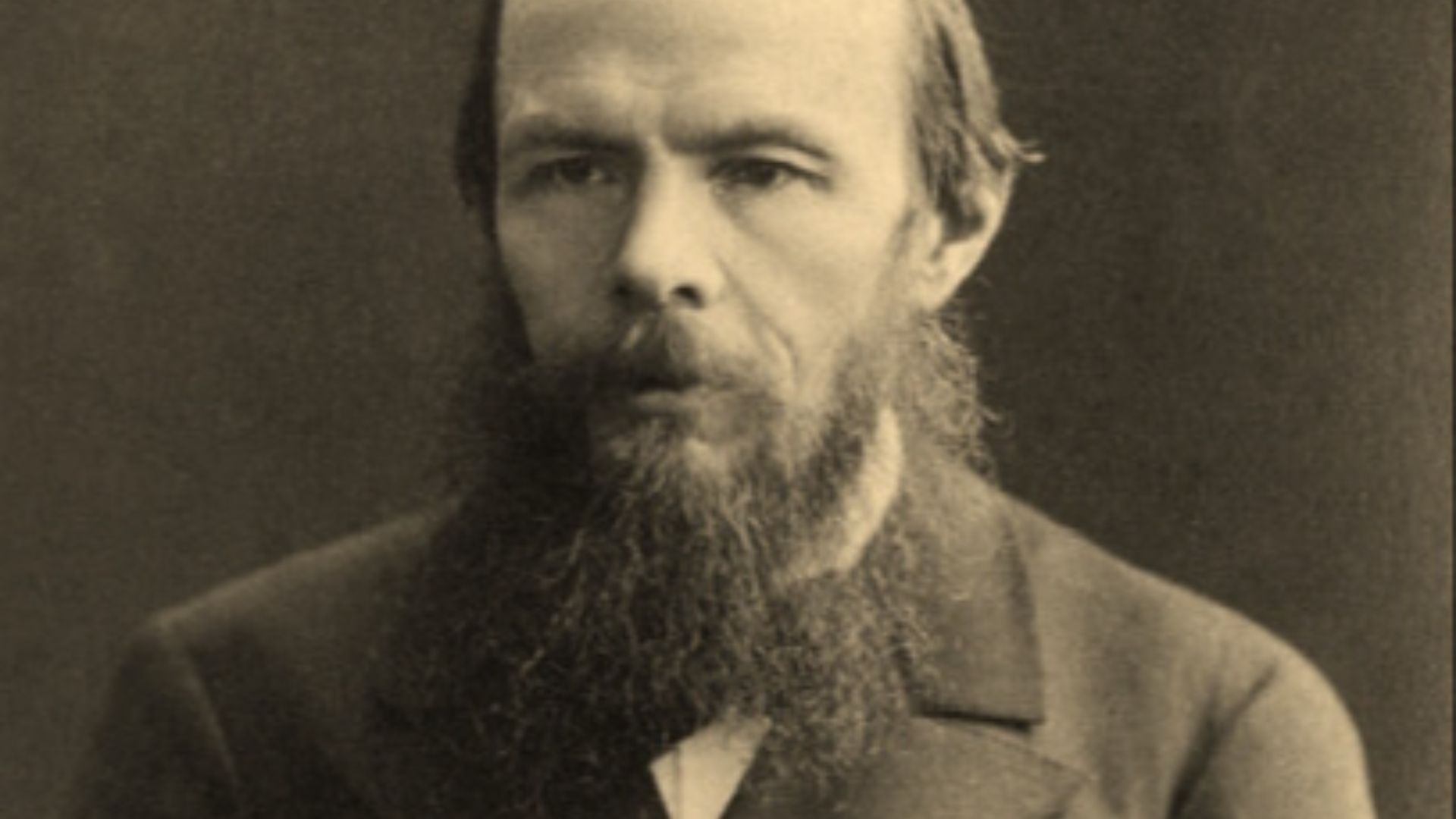 Constantin Shapiro on Wikimedia
17. A Room with a View by E. M. Forster (1908)
“We cast a shadow on something wherever we stand, and it is no good moving from place to place to save things; because the shadow always follows.” This sentence reflects upon the potentially unwanted effects of one's presence on one's surroundings and other people. Moving elsewhere isn't necessarily a solution, especially to problems within oneself.
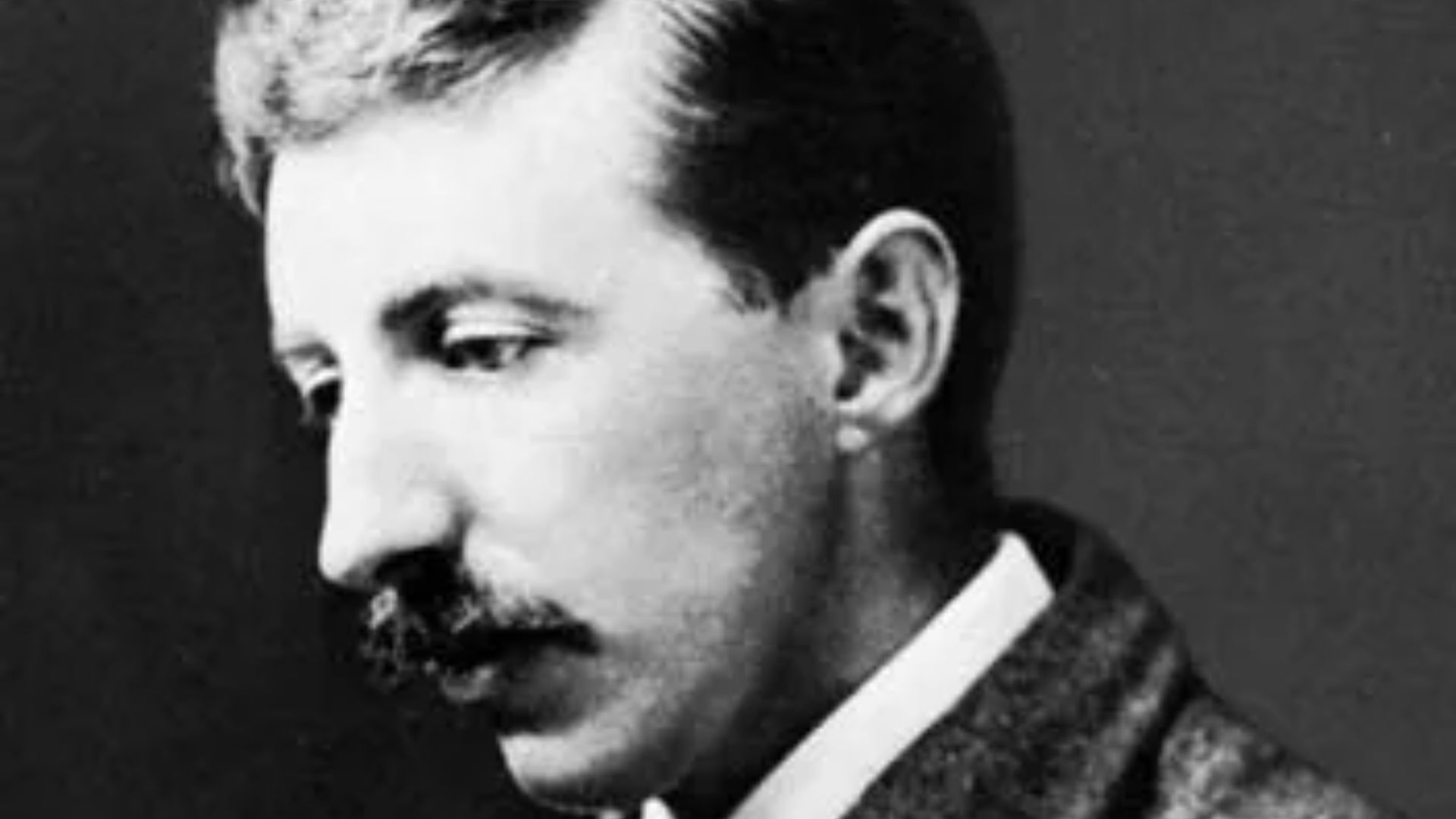
18. A Tale of Two Cities by Charles Dickens (1859)
“It is a far, far better thing that I do, than I have ever done; it is a far, far better rest that I go to than I have ever known.” These famous closing words express the imagined final thoughts of Sydney Carton as he embraces an extraordinary act of self-sacrifice. Dickens brings the novel's themes of redemption, devotion, and personal transformation together in one emotionally powerful sentence.
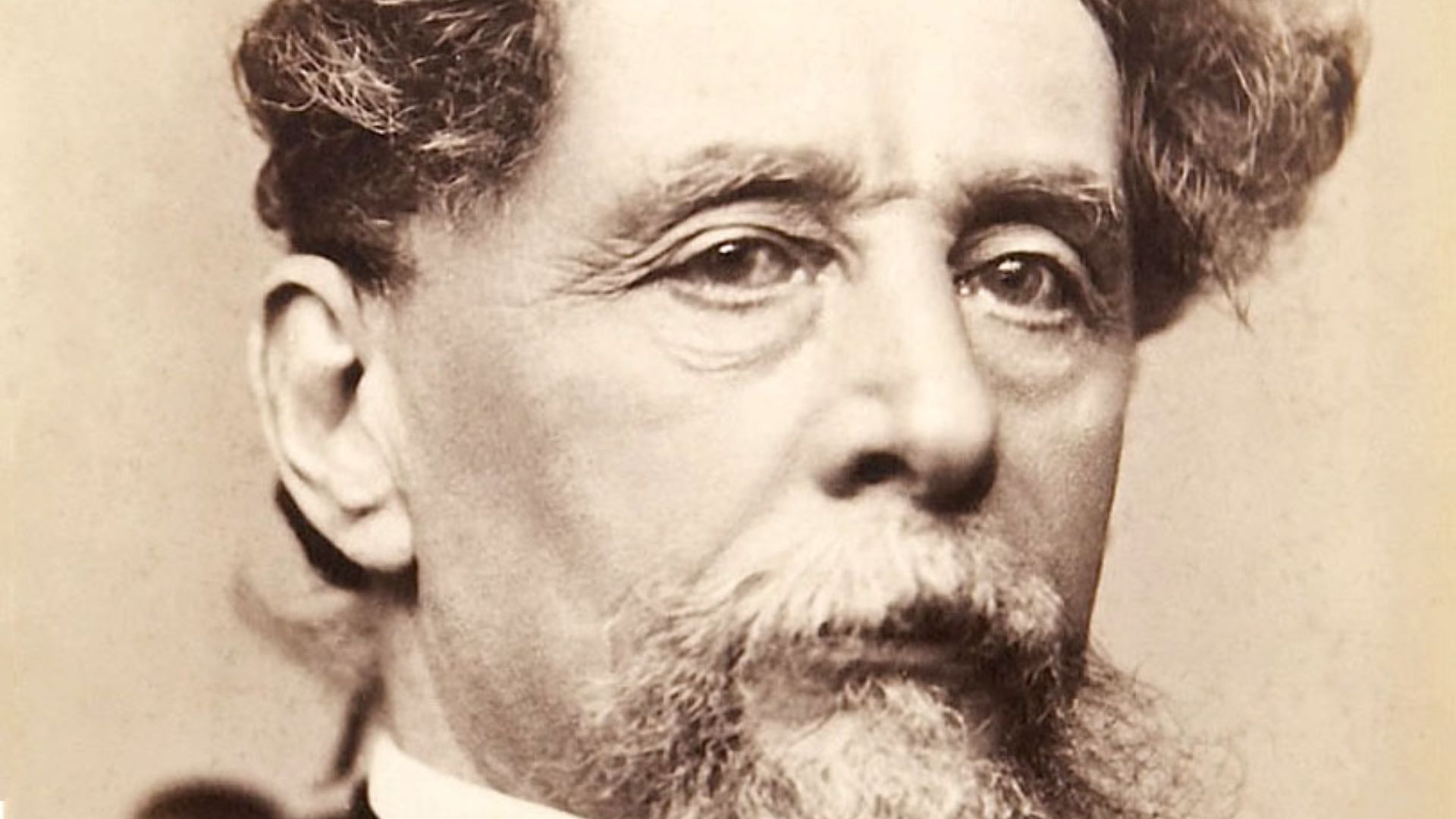
19. The Age of Innocence by Edith Wharton (1920)
“Each time you happen to me all over again.” The emotional effect of seeing Newland on each occasion is succinctly described. Such brevity is appropriate, considering all that the conventions and mores of society at that time would prohibit them from doing or admitting.
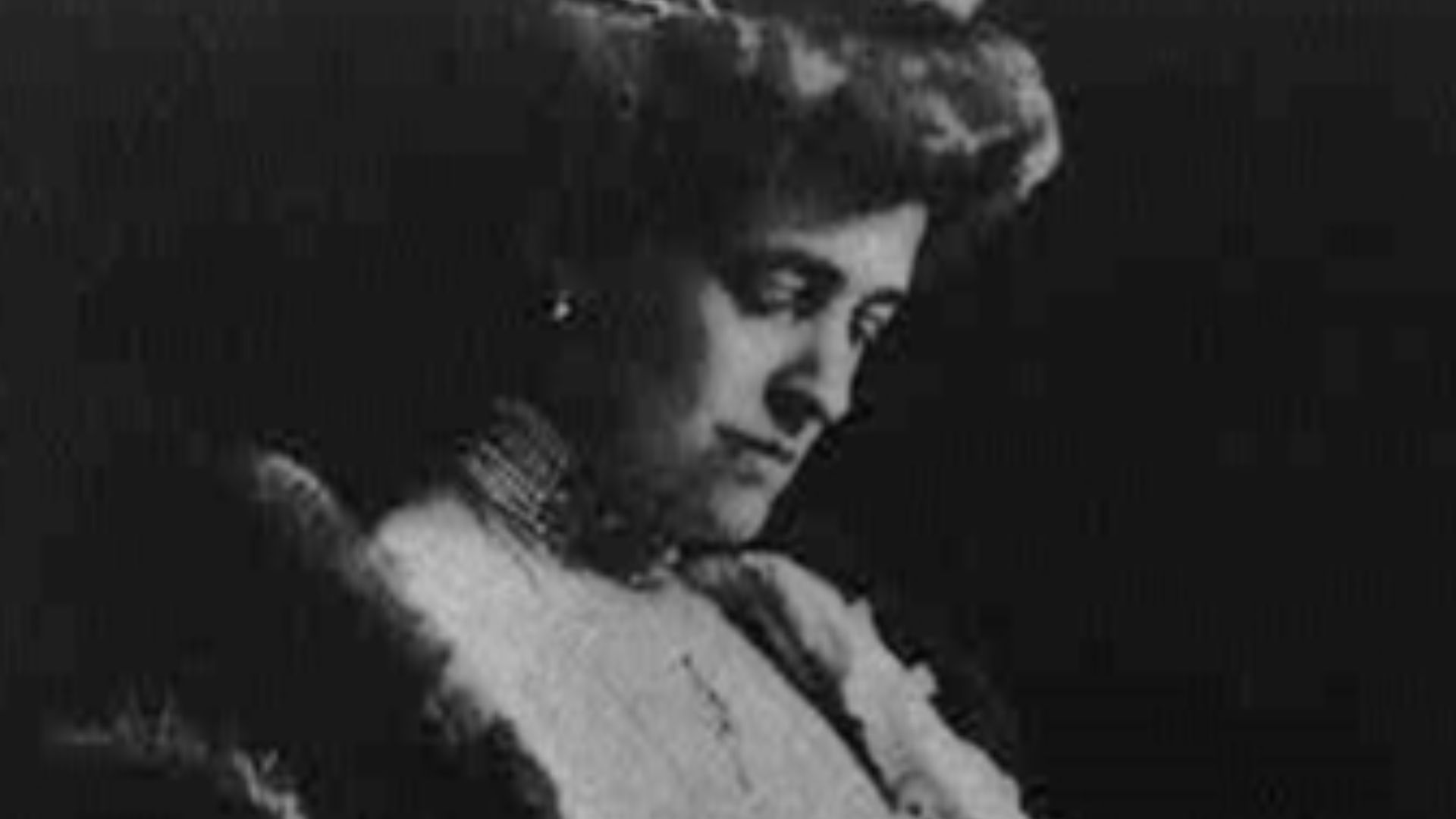 Unknown authorUnknown author on Wikimedia
20. The Count of Monte Cristo by Alexandre Dumas (1844–1846)
“All human wisdom is contained in these two words, ‘Wait and hope.’” This quotation comes from a common English translation, toward the very end of a book involving lies, captivity, retaliation, and forgiveness. It's a cheery exhortation, therefore, to be patient and look toward a bright, if uncertain, future.
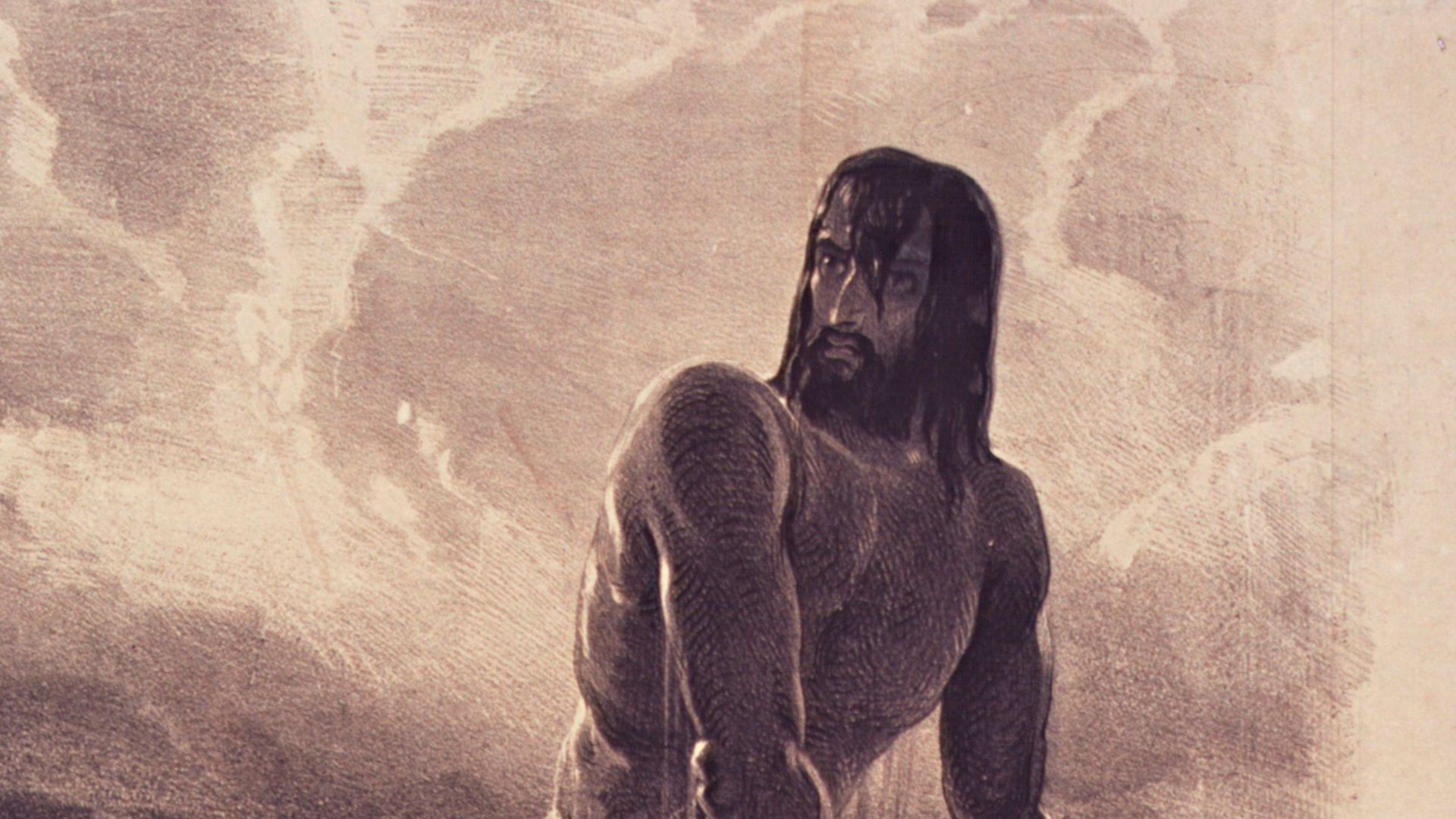 François-Louis Français on Wikimedia
KEEP ON READING