

20 Major Inventions People Credit to the Wrong Person
The Credit Doesn’t Always Land Where It Should
History often remembers inventions through a single famous name, but the reality is usually more complicated. Many breakthroughs were developed over several years, shaped by earlier discoveries, rival inventors, overlooked collaborators, and people who never received proper recognition. Invention is rarely as simple as one person having one brilliant idea. Here are 20 inventions that people still tend to credit to the wrong person.
1. The Light Bulb
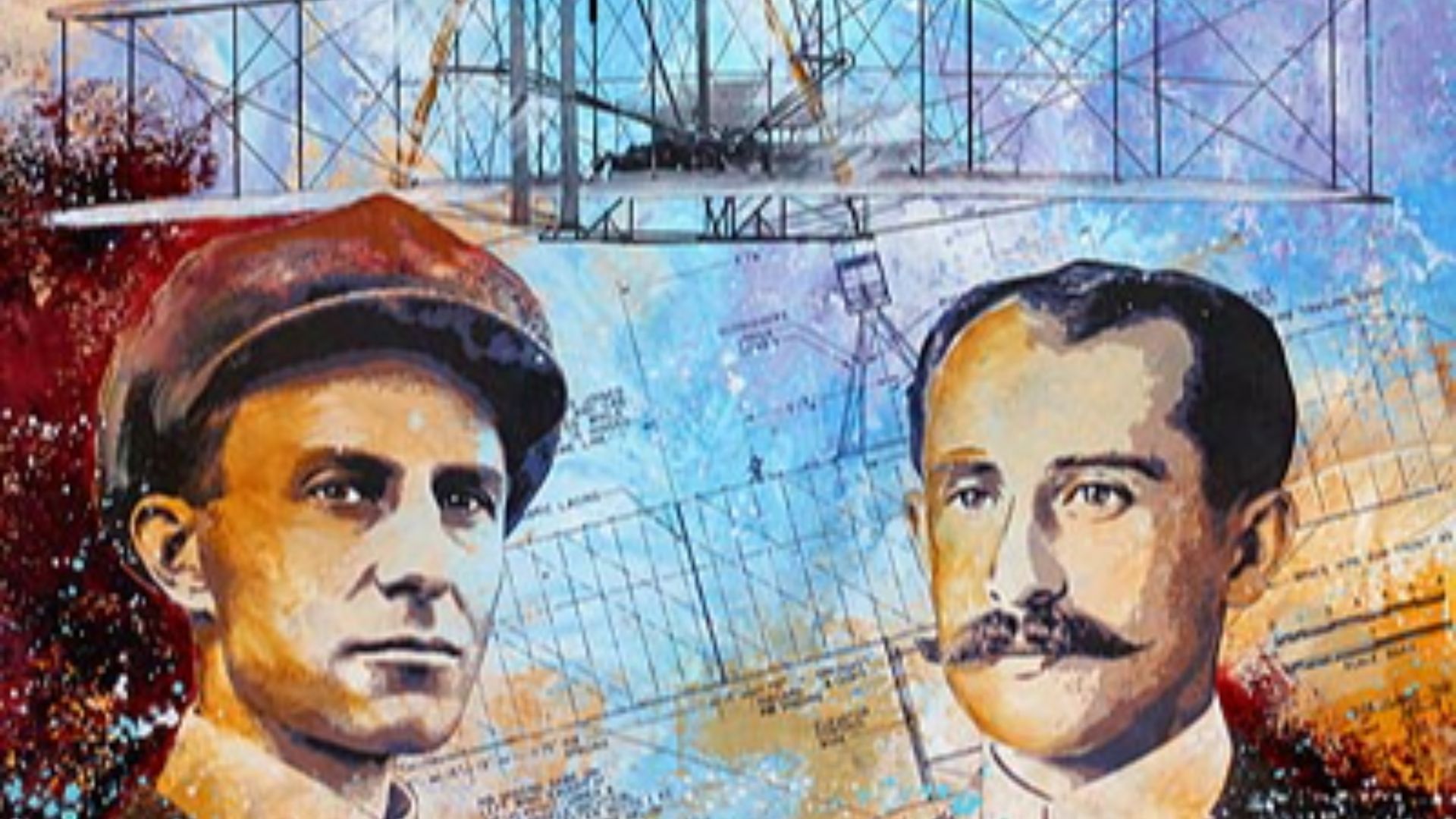
Thomas Edison gets treated like the one-man inventor of the light bulb, but electric lighting had been developing for decades before his famous version. Humphry Davy demonstrated an early electric light in the early 1800s, and Joseph Swan produced a working incandescent bulb before Edison’s commercial breakthrough. Edison’s real achievement was making the bulb practical, durable, and part of a larger electrical system people could actually use.

2. The Telephone
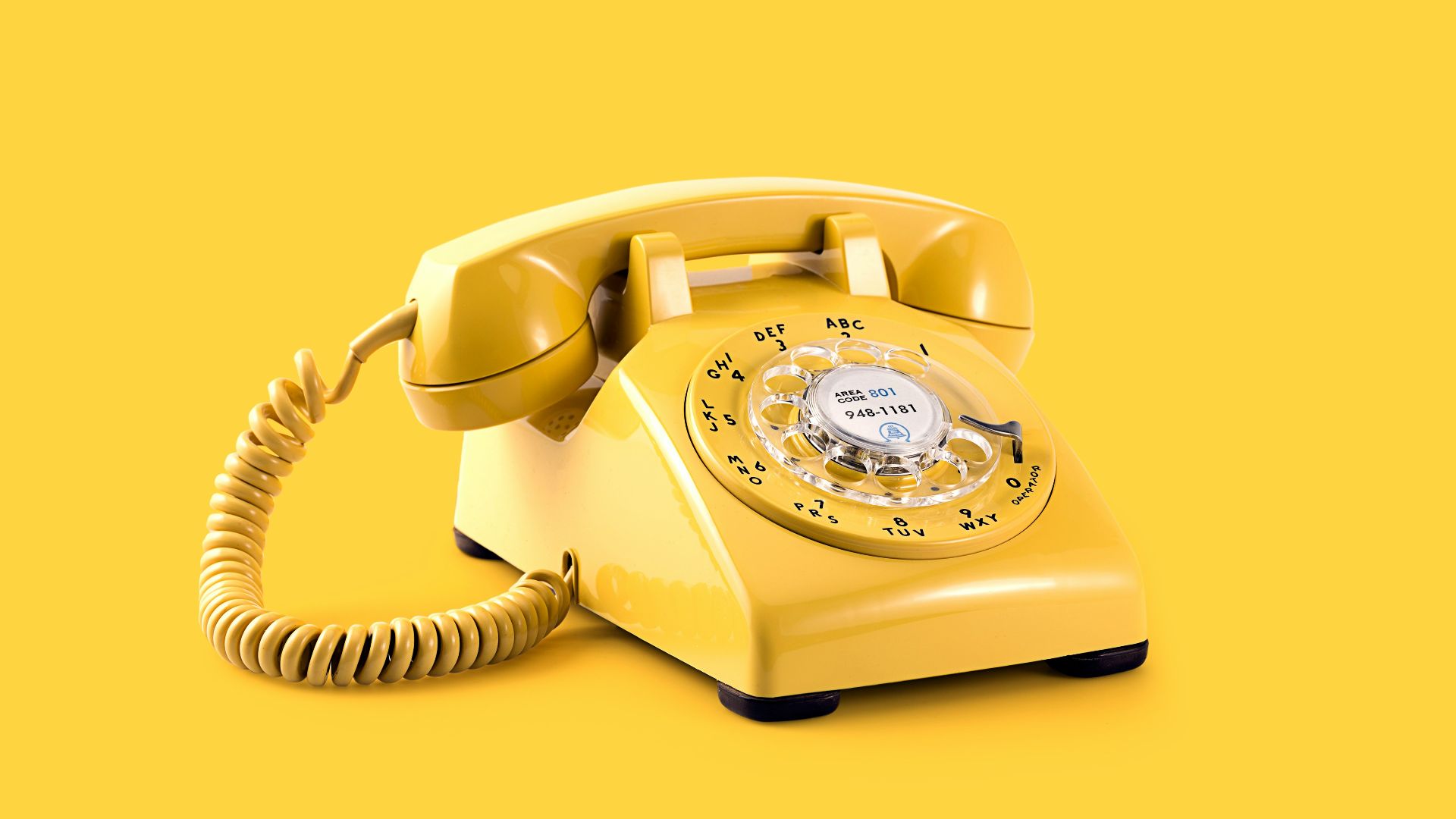
Alexander Graham Bell is still the name most people attach to the telephone, and his patent and demonstrations were hugely important. However, Elisha Gray was working on similar technology at nearly the same time, and Antonio Meucci had also developed earlier communication devices. Bell won the public credit because he had the business backing and the patent.
3. Radio
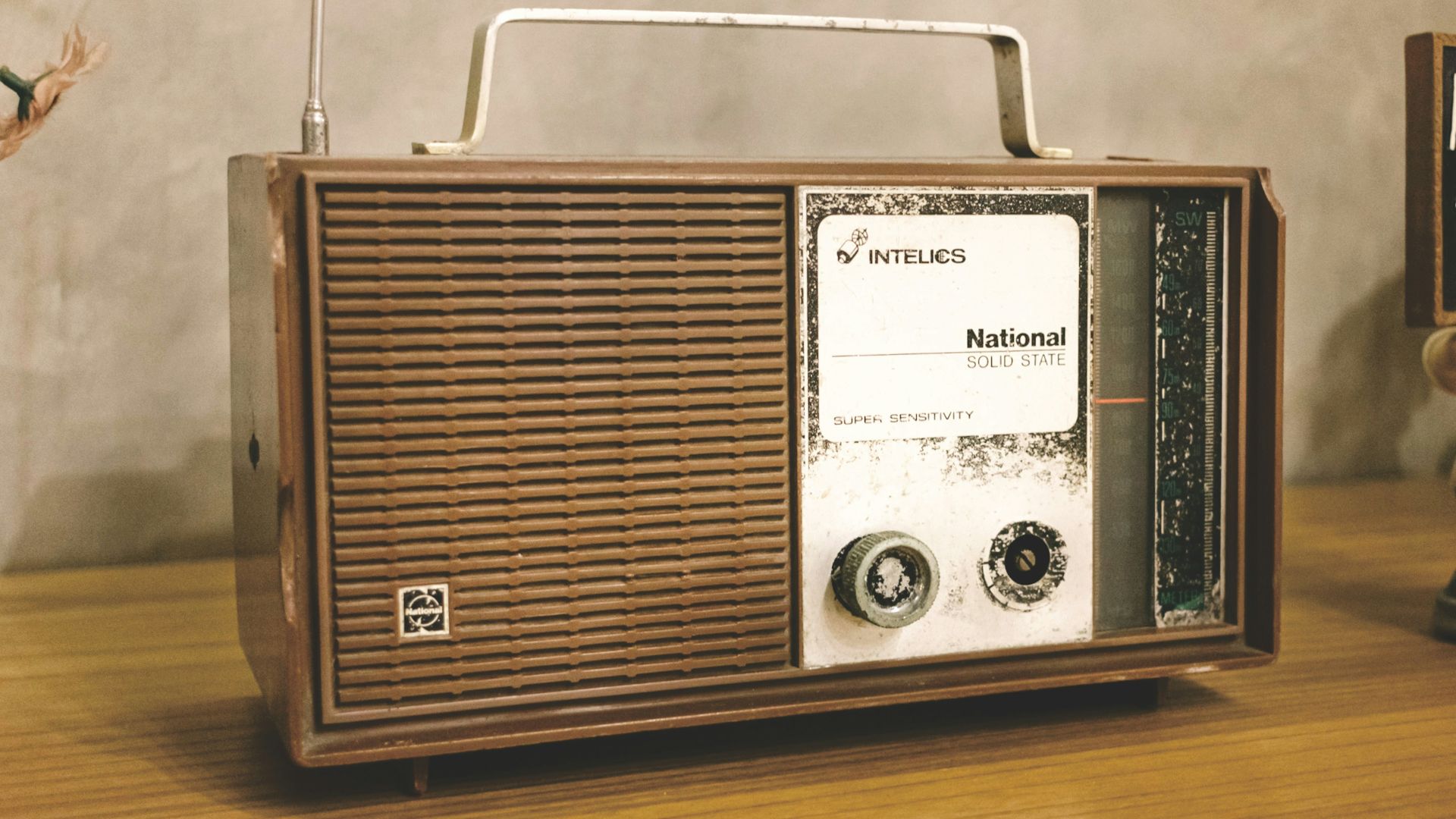
Guglielmo Marconi often gets the headline for inventing radio, especially because he created a successful wireless telegraph system. The trouble is that radio was built on work by several experimenters, including Nikola Tesla, Aleksandr Popov, Jagadish Chandra Bose, and others. Marconi turned wireless communication into something commercially and publicly powerful, which helped his name stick.
4. The Automobile
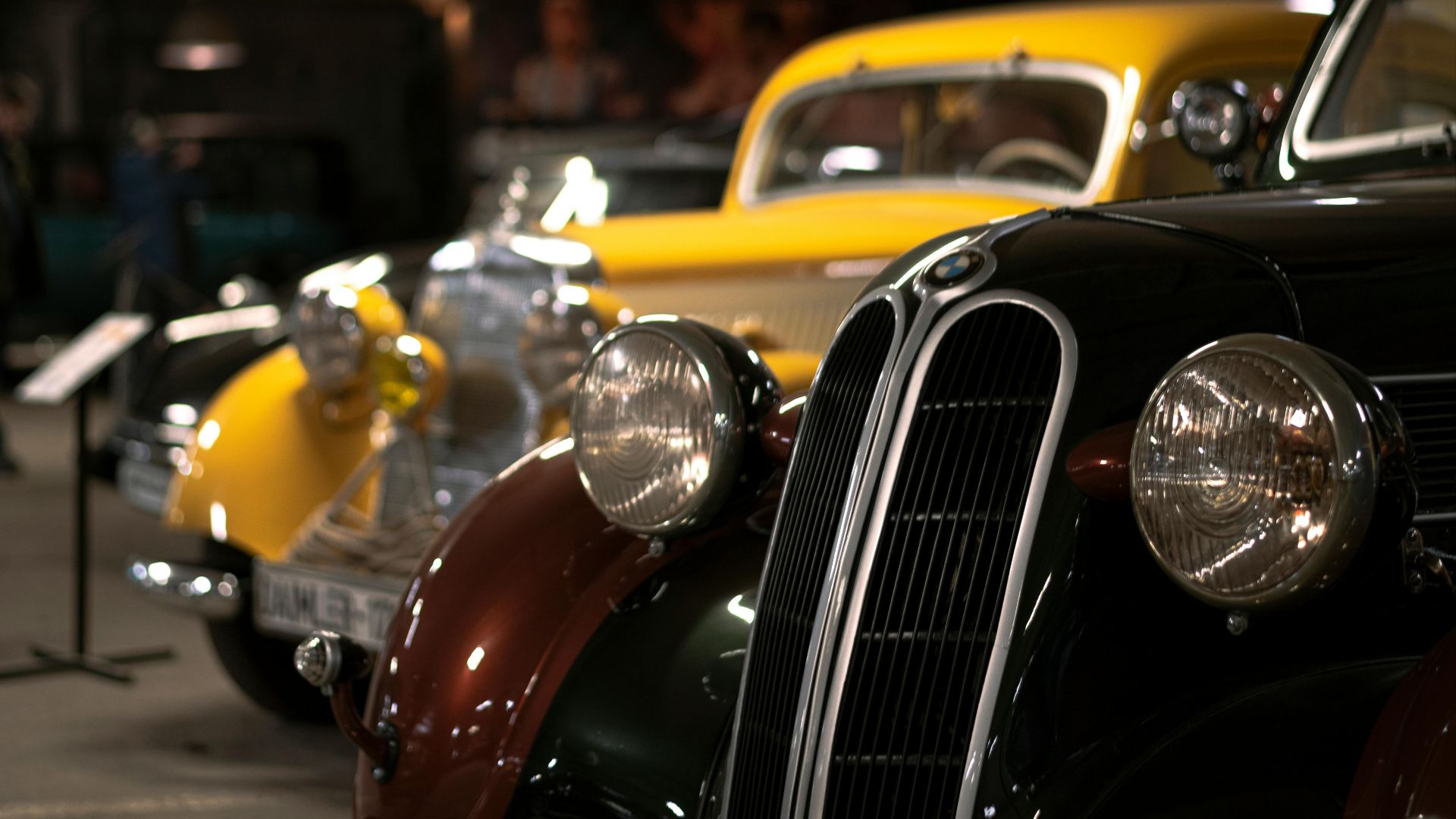
Henry Ford is so closely tied to cars that people sometimes forget he didn’t invent the automobile. Karl Benz built a gasoline-powered vehicle before Ford became the face of affordable motoring. Ford’s genius was in mass production, pricing, and turning the car into something ordinary families could realistically buy, so while he didn’t invent the car, he helped make it part of everyday life.
5. The Assembly Line
Ford also gets a lot of credit for the assembly line, which is only partly fair. Assembly-style manufacturing existed before him, and Ransom E. Olds had already used an early system to build cars more efficiently. Ford’s team refined the moving assembly line so dramatically that it changed industry. The credit sticks to him because his version became the one everyone noticed.

6. The Airplane
In the United States, the Wright brothers are usually credited with inventing the airplane because of their 1903 controlled, powered flight. However, in Brazil, many people credit Alberto Santos-Dumont, whose 1906 flight in Europe was public and didn’t use a launch rail. The disagreement comes down to what people count as the first true airplane flight. This one shows how invention credit can depend on the rules you choose.

7. Motion Pictures
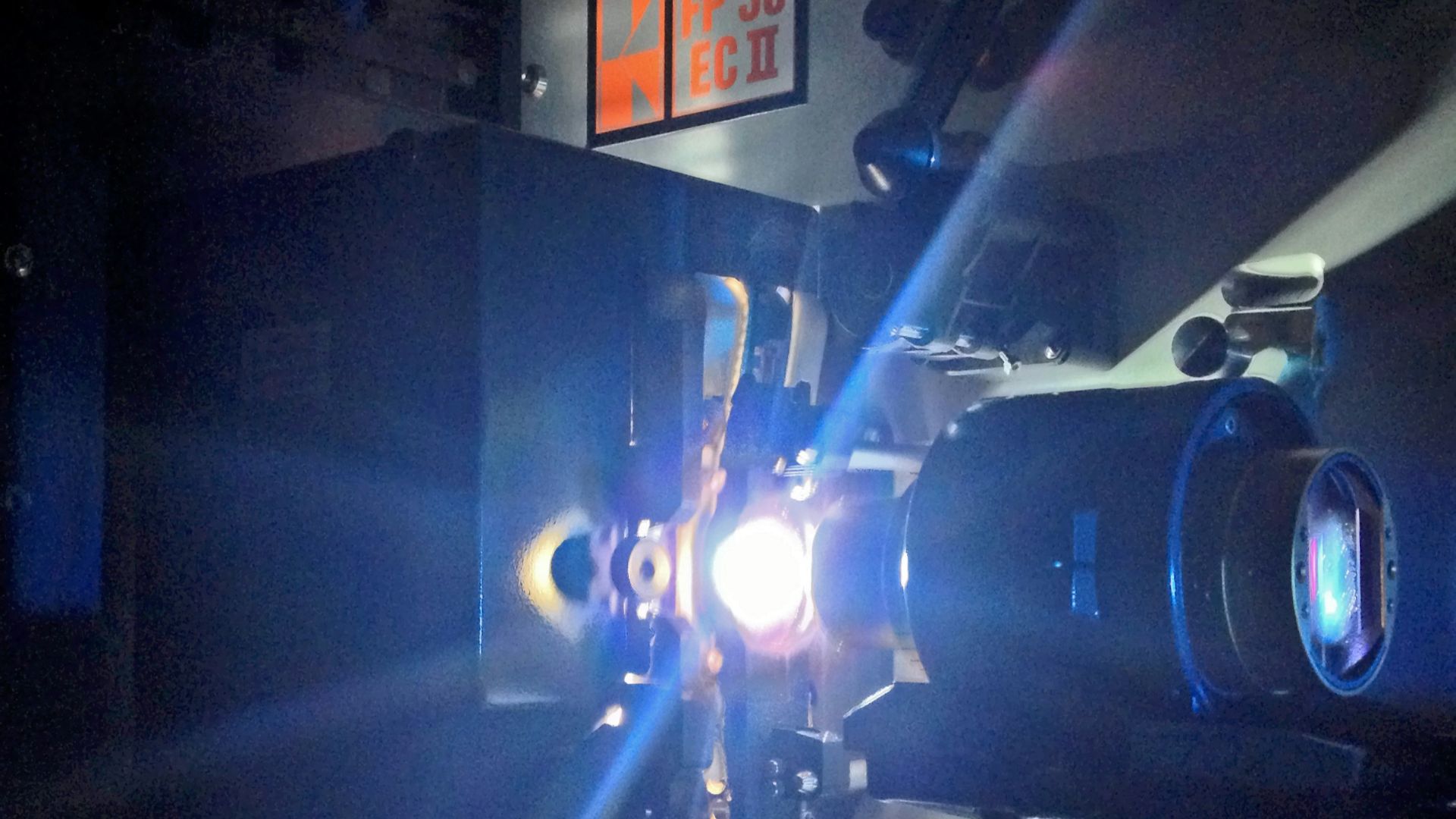
Thomas Edison’s name is often attached to early motion pictures, but much of the hands-on technical work came from people around him, especially W.K.L. Dickson. Across the Atlantic, the Lumière brothers also made major contributions to projected film, while Louis Le Prince had his own claim to early moving images. Edison’s laboratory was powerful, well-funded, and very good at claiming space in the public imagination. The movies arrived through several doors, not one famous inventor’s entrance.
8. Alternating Current Power
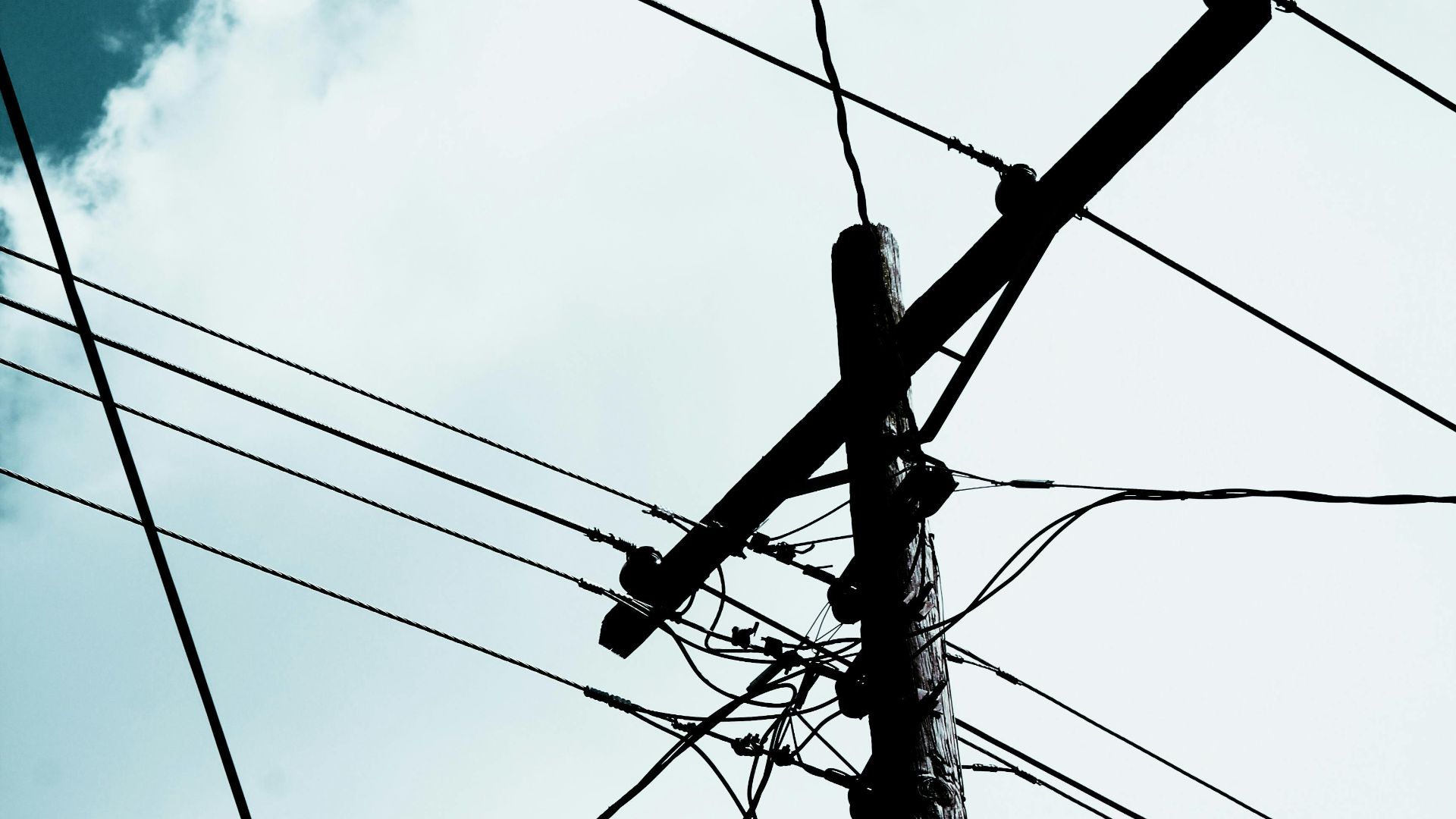
Some people casually lump electric power systems under Edison’s name because he was such a famous electrical inventor. In reality, Edison backed direct current, while Nikola Tesla and George Westinghouse became central to the rise of alternating current, and their AC system proved better suited for transmitting electricity over long distances.
9. The Steamboat
Robert Fulton is often credited with inventing the steamboat because his vessel, the Clermont, made steam travel commercially successful in the United States. But John Fitch had built and operated steamboats years earlier, even running a passenger service in the 1790s. Fulton’s achievement was making the business work, not inventing the basic technology from scratch. He got the lasting fame because success tends to be louder than being first.

10. The Zipper
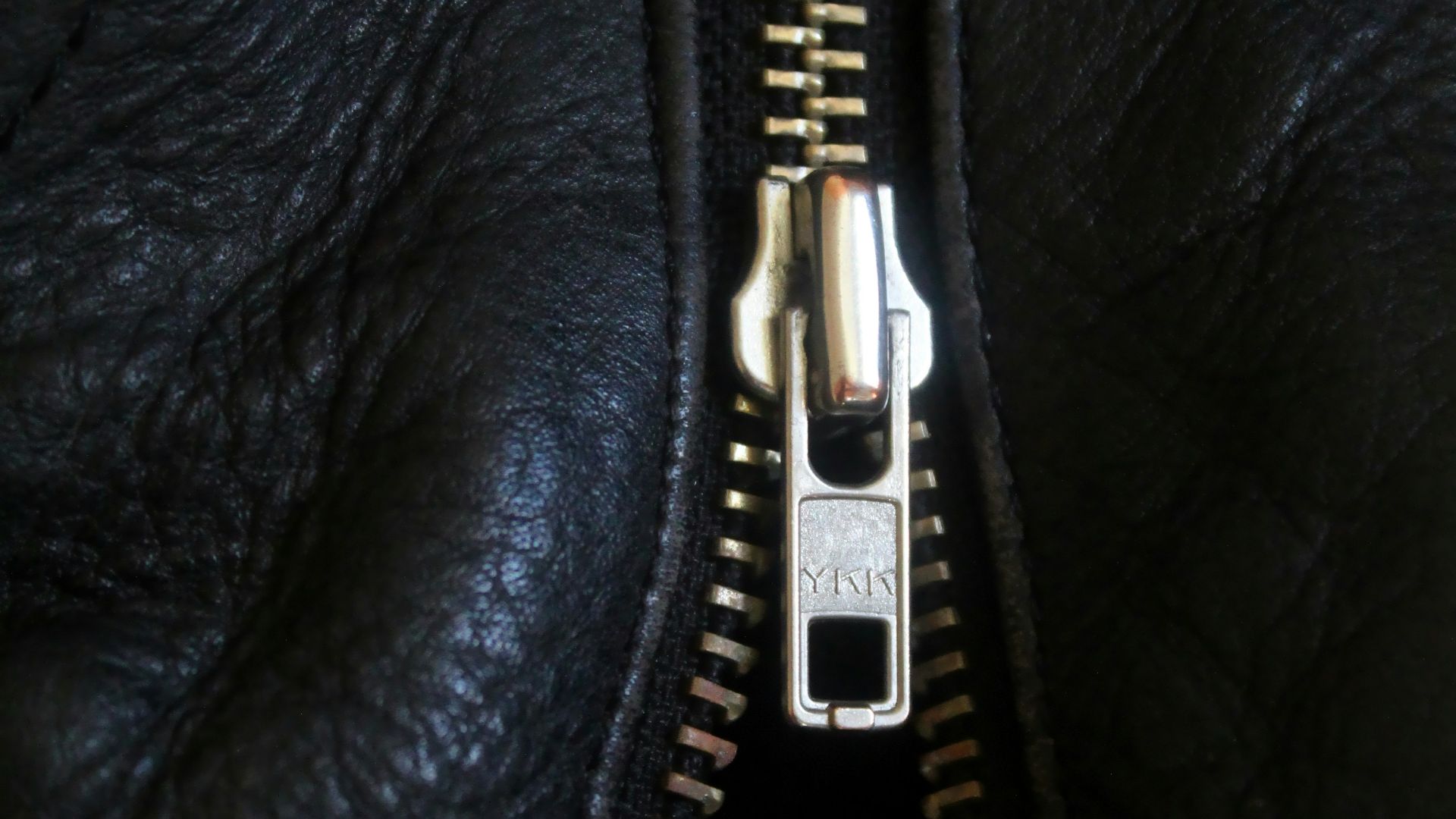
Whitcomb Judson is often credited with inventing the zipper, but his early “clasp locker” was clunky and never really caught on. The modern version people would recognize came later from Gideon Sundback, who improved the design with interlocking teeth and a smoother fastening system. Judson opened the door, but Sundback created the practical zipper that became widely used. So if someone gets casual credit for the zipper, there’s a good chance they’re naming the prototype guy instead of the person who made it work.
11. Monopoly
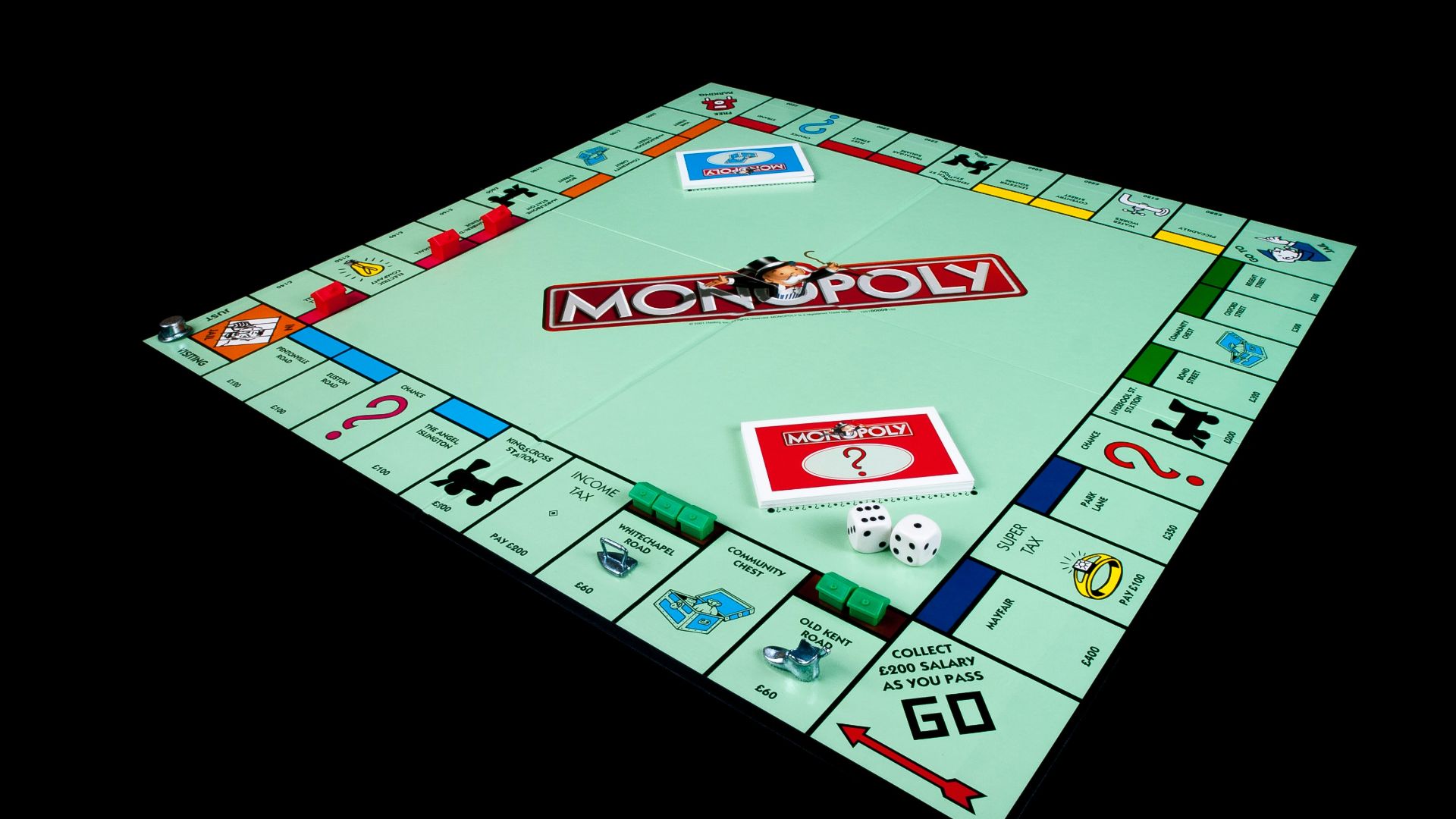
Charles Darrow is often credited with inventing Monopoly, but the game’s roots go back to Elizabeth Magie’s The Landlord’s Game. Magie created it to criticize land monopolies and show how rent systems could concentrate wealth, which is pretty ironic considering what the game became. Darrow took credit for the idea with Parker Brothers decades later.
12. Flush Toilet
Thomas Crapper is often credited with inventing the flush toilet, mostly because his name became attached to bathroom lore. In reality, Sir John Harington designed an early flushing toilet in the late 1500s, and Alexander Cumming later patented an important version with an S-trap in 1775. Crapper did improve and popularize plumbing fixtures, but he didn’t invent the basic flush toilet.

13. Kevlar
Kevlar is often thought of as a corporate invention because DuPont made it famous. The chemist behind the breakthrough was Stephanie Kwolek, who discovered the strong synthetic fiber while working at the company. Her work eventually helped lead to bullet-resistant vests, stronger tires, protective gear, and plenty of other serious uses. DuPont got the brand recognition, but Kwolek deserves the standing ovation.

14. Sewing Machine
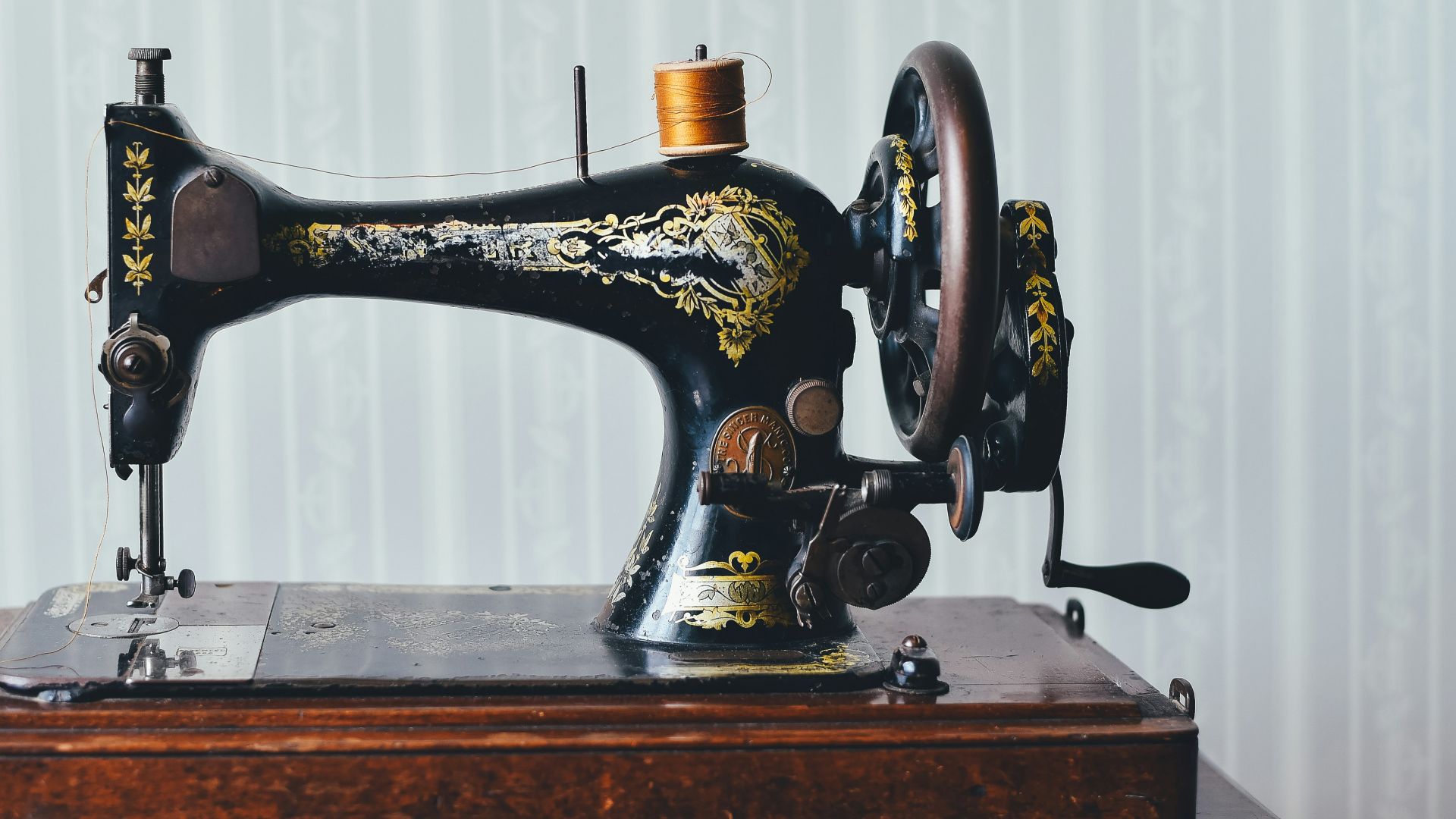
Isaac Singer is often credited with inventing the sewing machine because his company made it famous and widely available. But Walter Hunt built an early lockstitch sewing machine in the 1830s, and Elias Howe later patented a similar key design before Singer entered the picture. Singer improved the machine and turned it into a commercial success, which is why his name stuck.
15. Dynamite
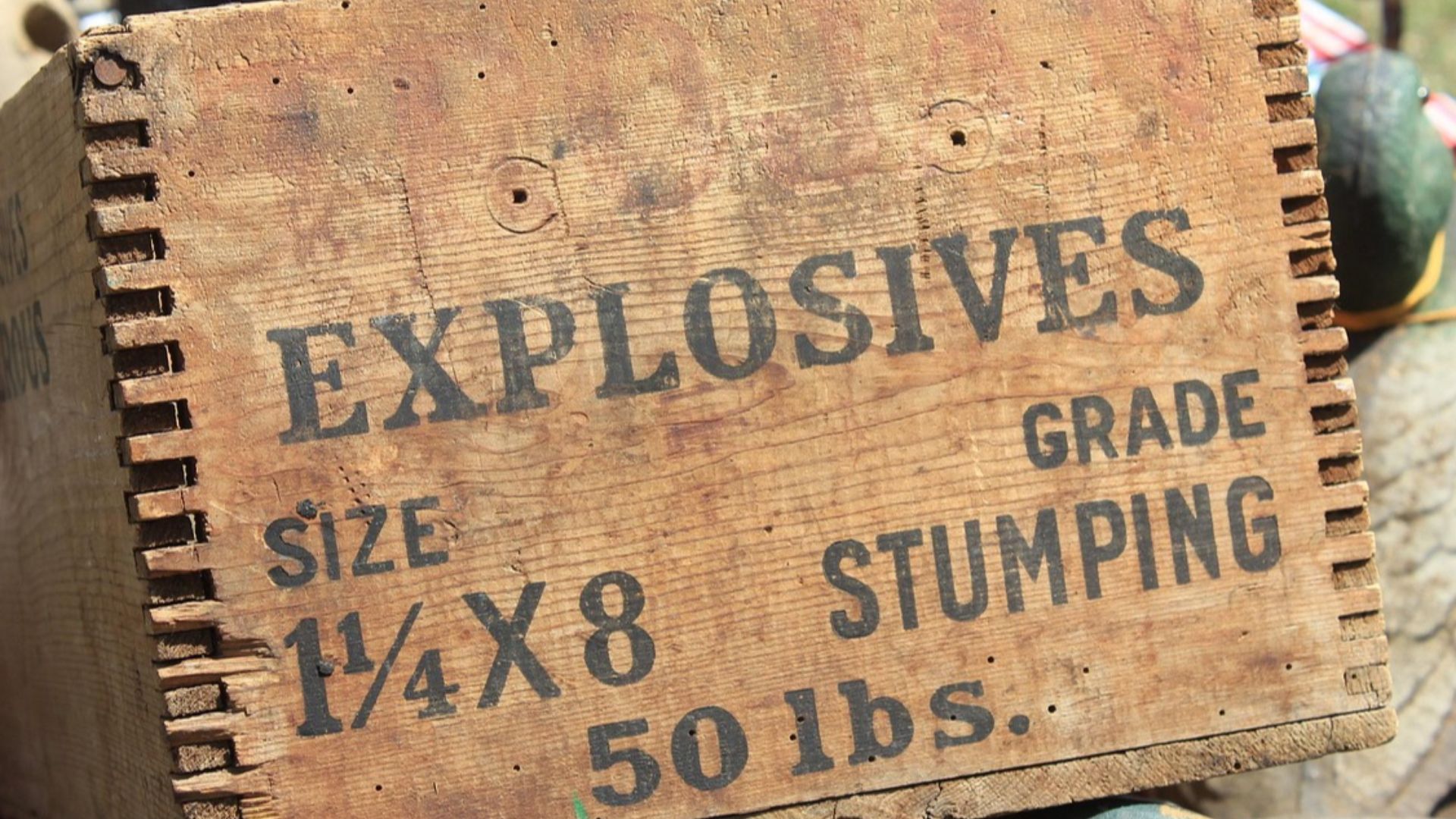
Alfred Nobel created dynamite, but the explosive at its core came from Ascanio Sobrero. Sobrero discovered nitroglycerin in 1847 and was reportedly horrified by how dangerous it was, even opposing its practical use. Nobel later found a way to stabilize nitroglycerin, making it safer to transport and handle. So Nobel created dynamite, but the powerful ingredient behind it wasn’t his original discovery.
16. The Telescope
Galileo is often treated as the inventor of the telescope because he used it so brilliantly for astronomy. The device itself appeared in the Netherlands before Galileo improved it and pointed it skyward. Hans Lippershey is commonly associated with one of the earliest telescope patent applications, while other Dutch spectacle makers may have been involved, too.
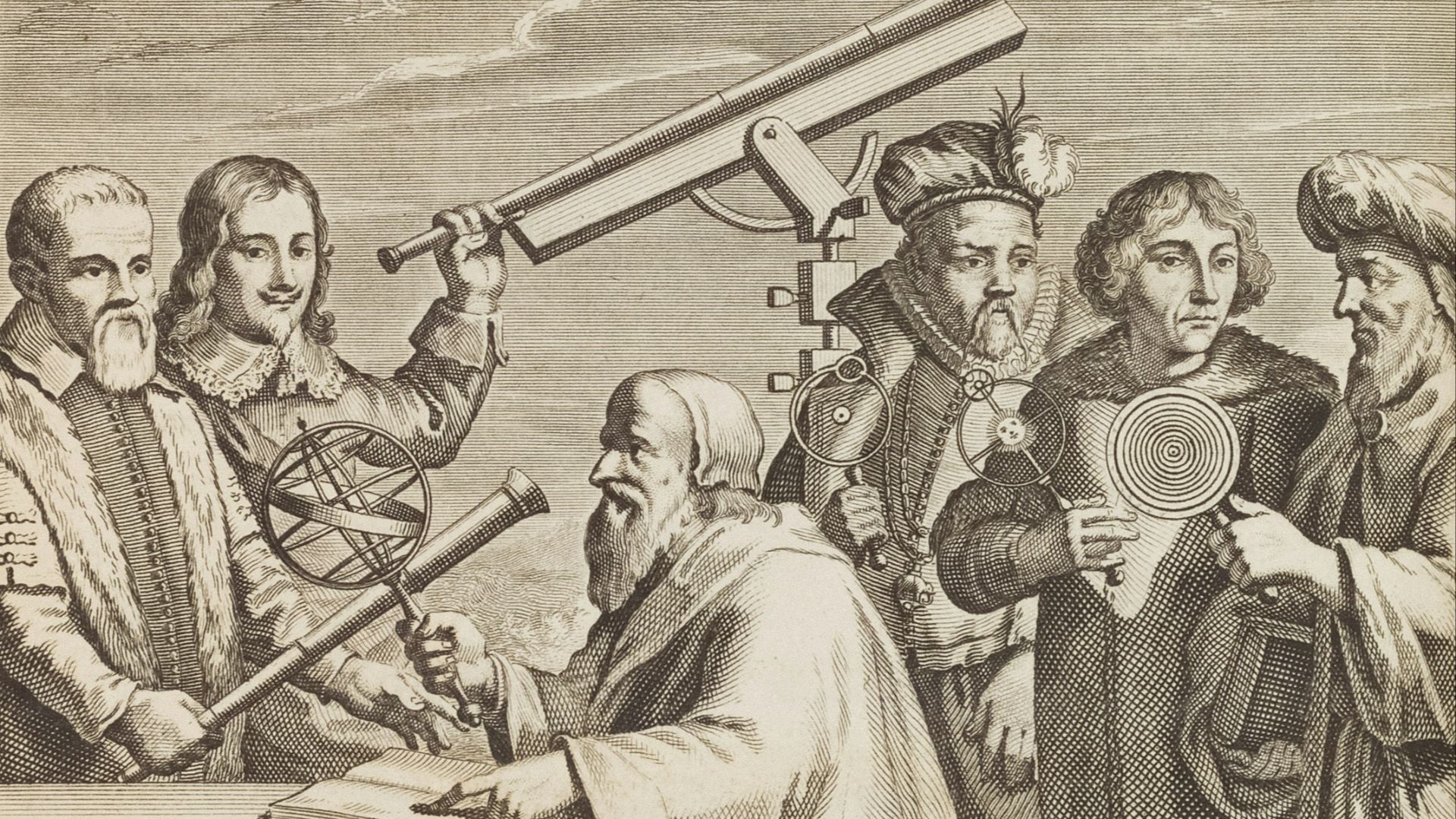 The New York Public Library on Unsplash
17. Movable Type Printing
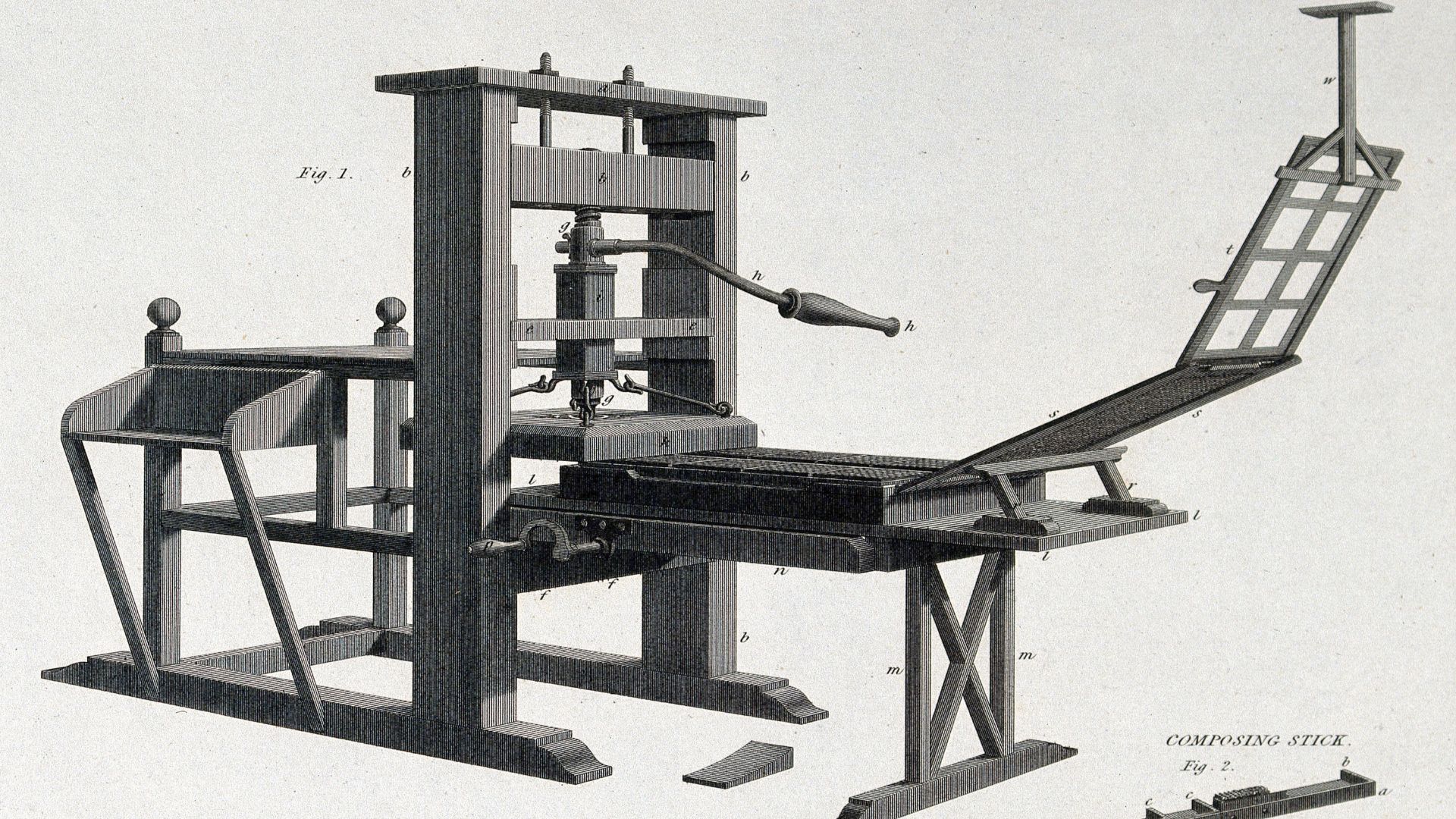
Johannes Gutenberg changed Europe with his printing press, and that achievement deserves its reputation. But movable type existed earlier in East Asia, including Bi Sheng’s ceramic movable type in 11th-century China and later metal movable type in Korea. Gutenberg’s press was revolutionary in its European context because it combined movable type, ink, paper, and press technology effectively.
18. Flamethrower
Richard Fiedler is credited with developing the modern flamethrower in the early 1900s, but the basic concept of projecting fire in warfare goes back much further. In the 7th century, Kallinikos of Heliopolis is traditionally credited with creating Greek fire, an incendiary weapon used by the Byzantine Empire. Fiedler’s invention was the modern, portable version, not the original idea of weaponized projected flame.

19. The Elevator
Elisha Otis is often credited with inventing the elevator, but elevators existed long before him. What Otis demonstrated was a safety brake that could stop an elevator platform from falling if the hoisting rope failed. That invention helped make taller buildings feel less terrifying and more practical. He didn’t invent going up and down, but he made people much more willing to try it.

20. The Computer
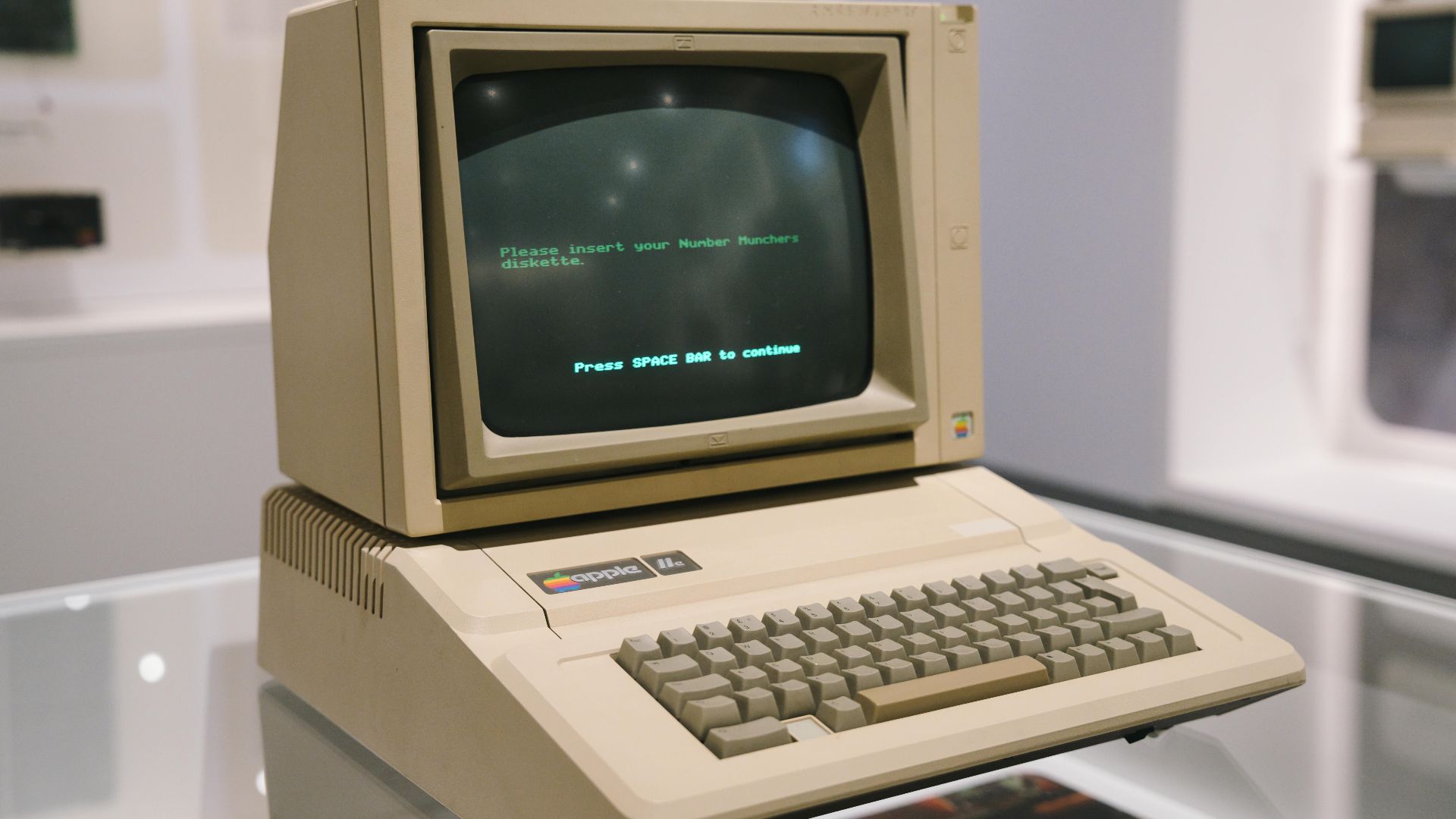
Many people credit a single person with inventing the computer, depending on whether they mean Charles Babbage, Alan Turing, John Atanasoff, or the ENIAC team. The truth is that “computer” can mean a theoretical machine, a mechanical design, an electronic digital machine, or a programmable general-purpose system. That’s why the credit shifts depending on which milestone you’re talking about. Computers weren’t born in one dramatic moment; they arrived through a long relay of very clever people.
KEEP ON READING

20 Major Inventions People Credit to the Wrong Person
The Credit Doesn’t Always Land Where It Should. History often…
By Emilie Richardson-Dupuis May 5, 2026
20 Women Who Had To Pretend To Be Men To…
Hidden In Plain Sight. History has a way of making…
By Cameron Dick May 4, 2026
20 Legendary Love Stories From History That Might Not Actually…
Love Stories Are Sometimes Better at Traveling Than Facts. History…
By Emilie Richardson-Dupuis May 4, 2026
20 Legendary Cases Involving The Pinkerton Detective Agency
The Original Detective Agency. Long before the FBI existed, the…
By Sara Springsteen May 4, 2026
20 Mischievous Maidens Who Pulled The Strings Through Their Men
The Real Power Behind the Throne. History books often spend…
By Sara Springsteen May 4, 2026
The 20 “Ugliest” Historical Figures
Beauty, Power, and the Brutal Standards of the Past. History…
By Annie Byrd May 4, 2026