


Made It… Then Hated It
Inventors often dream big, but for some, reality delivered a much harsher outcome. They ended up with a deep regret for something they once proudly brought into the world. But why would someone despise the very thing that made them a legend? If you want to know the stories of those inventors, keep reading. The reasons might as well surprise you. So, here's a list of 20 inventors who were either heartbroken or annoyed by their own creations.
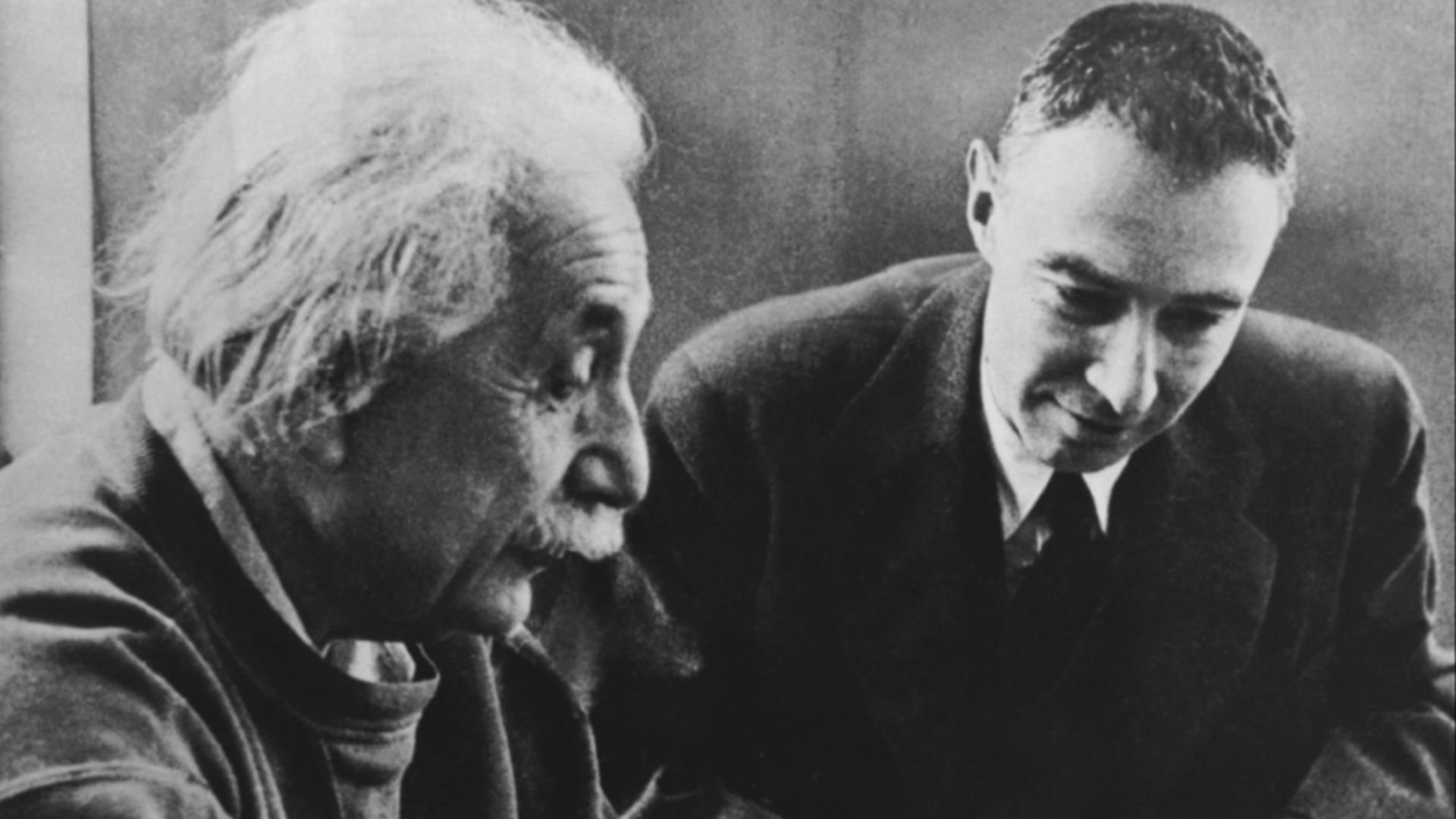 Image courtesy of US Govt. Defense Threat Reduction Agency on Wikimedia
1. Alfred Nobel: Dynamite
In 1867, Alfred Nobel invented dynamite, hoping to make mining safer. He didn’t anticipate it becoming a tool of war. After reading a premature obituary calling him “The Merchant of Death,” he was shaken. He regretted it and created the Nobel Peace Prize to reshape his legacy.
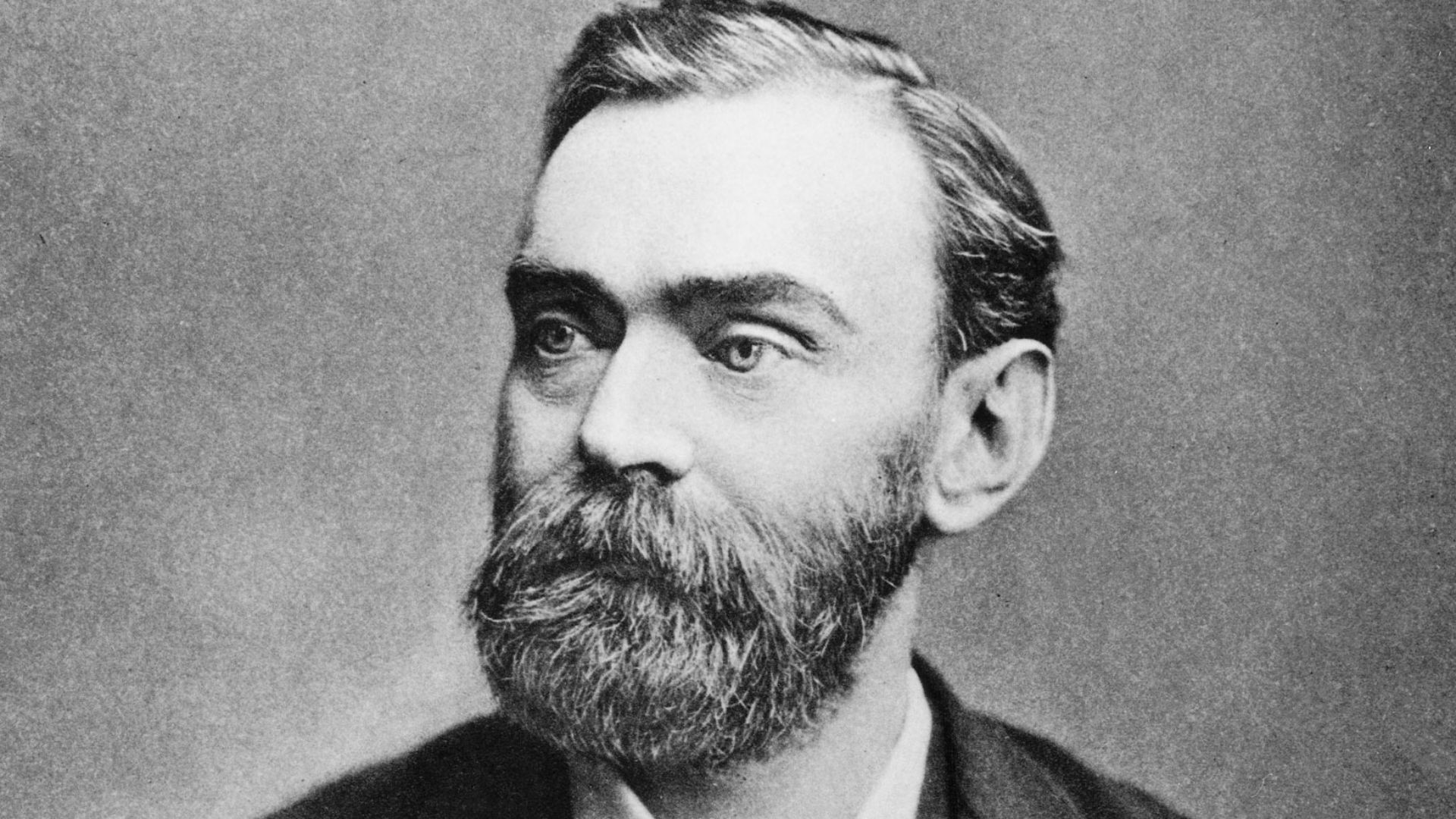 Unknown authorUnknown author on Wikimedia
2. Mikhail Kalashnikov: AK-47
Kalashnikov designed the AK-47 in 1947 to defend the Soviet Union, not to arm countless global conflicts. Over time, the weapon became a symbol of warfare. In his later years, he questioned the morality of his creation in a letter to the Russian Orthodox Church. He passed away, opposing it.
 (Photo by Sgt. Chris Lawson) on Wikimedia
3. Leo Szilard: Nuclear Chain Reaction
The Hungarian-American physicist, Leo Szilard, patented the nuclear chain reaction in 1934. As the project advanced, he grew alarmed by its potential for mass destruction. In 1945, he urged President Truman to first demonstrate the bomb to Japan, hoping to avoid civilian casualties and nuclear warfare.
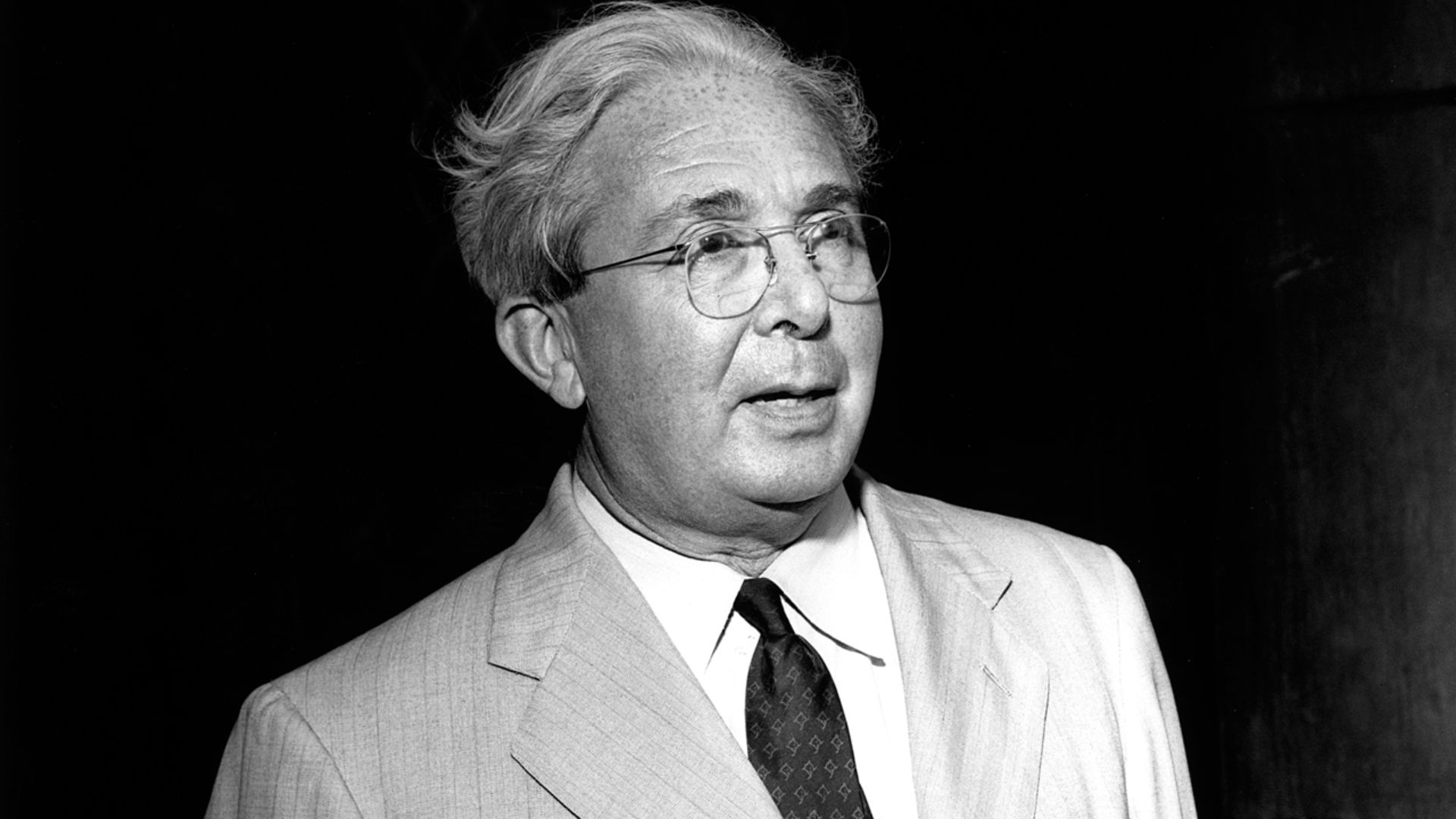 U.S. Department of Energy on Wikimedia
4. Dong Nguyen: Flappy Bird
Flappy Bird, a mobile game, took off in 2013, earning its creator $50,000 a day. But Dong Nguyen never intended for the game to go viral. He pulled it offline, citing its addictive nature and the stress it brought.
 Flappy Bird - Message From Developer Dong Nguyen by Dong Nguyen
5. Vincent Connare: Comic Sans
Vincent Connare created the Comic Sans font for Microsoft Bob in 1995. He aimed for something playful. However, he rarely uses it himself. His comment, "If you love it, you don't know much about typography," proves how strongly he dislikes his own font.
 Vincent Connare: Comic Sans is 'the Best Font in the World' | WIRED 2015 | WIRED by WIRED UK
6. Wally Conron: Labradoodle
To help a blind woman with allergies, Conron bred the first Labradoodle and coined the catchy name to promote it. The trend snowballed, and so did careless breeding practices. He later said, "I've done a lot of damage," after seeing the health issues many Labradoodles now face.
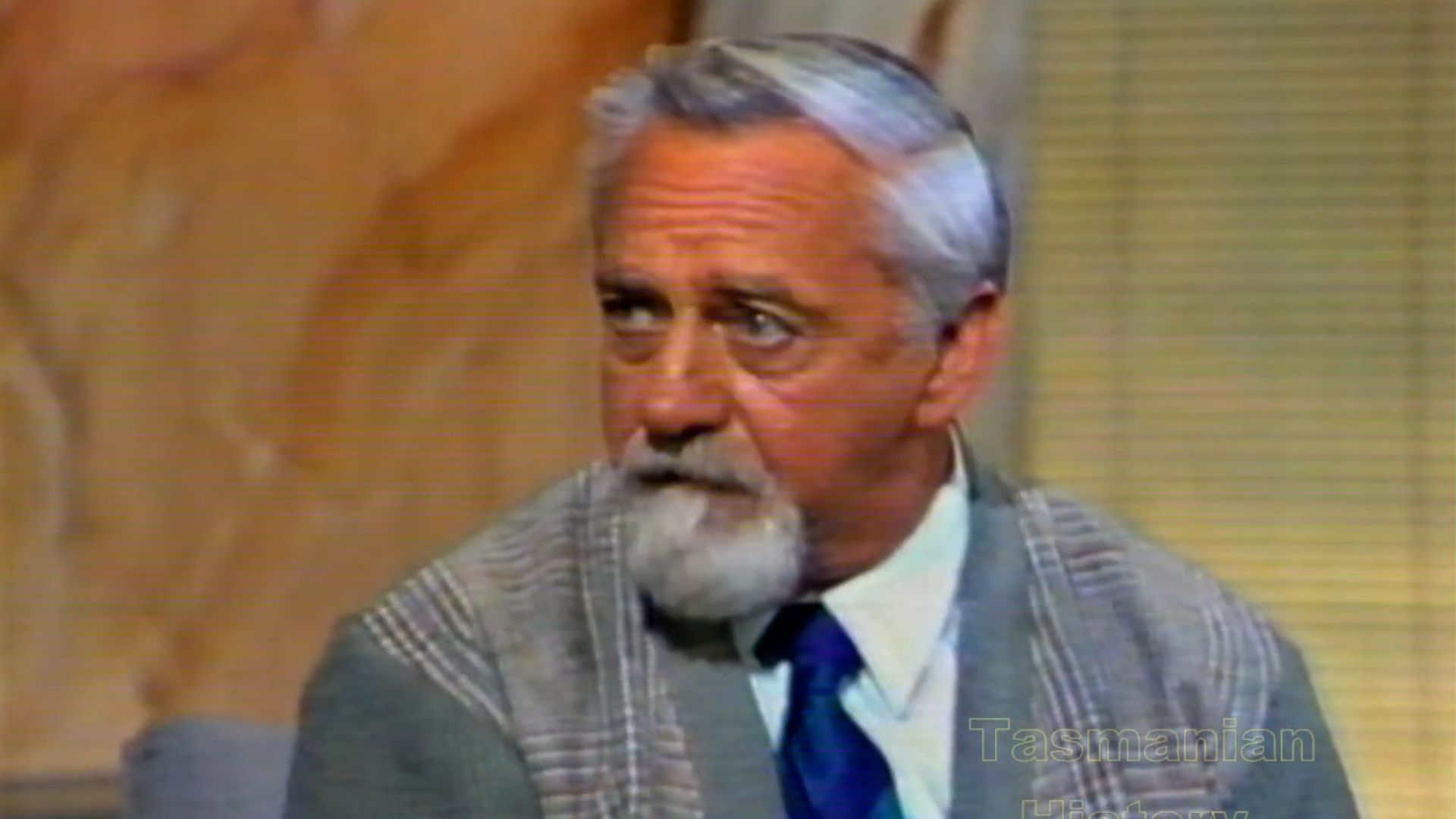 Midday Show c1990 Royal Guide Dogs Labradoodle Wally Conron by Tasmanian History Channel
7. J. Robert Oppenheimer: Atomic Bomb
J. Robert Oppenheimer led the Manhattan Project, creating the atomic bomb used in WWII. Haunted by its power, he quoted Bhagavad Gita, "Now I have become Death, the destroyer of worlds". Then, he opposed nuclear escalation and lost his security clearance during the Cold War political fallout.
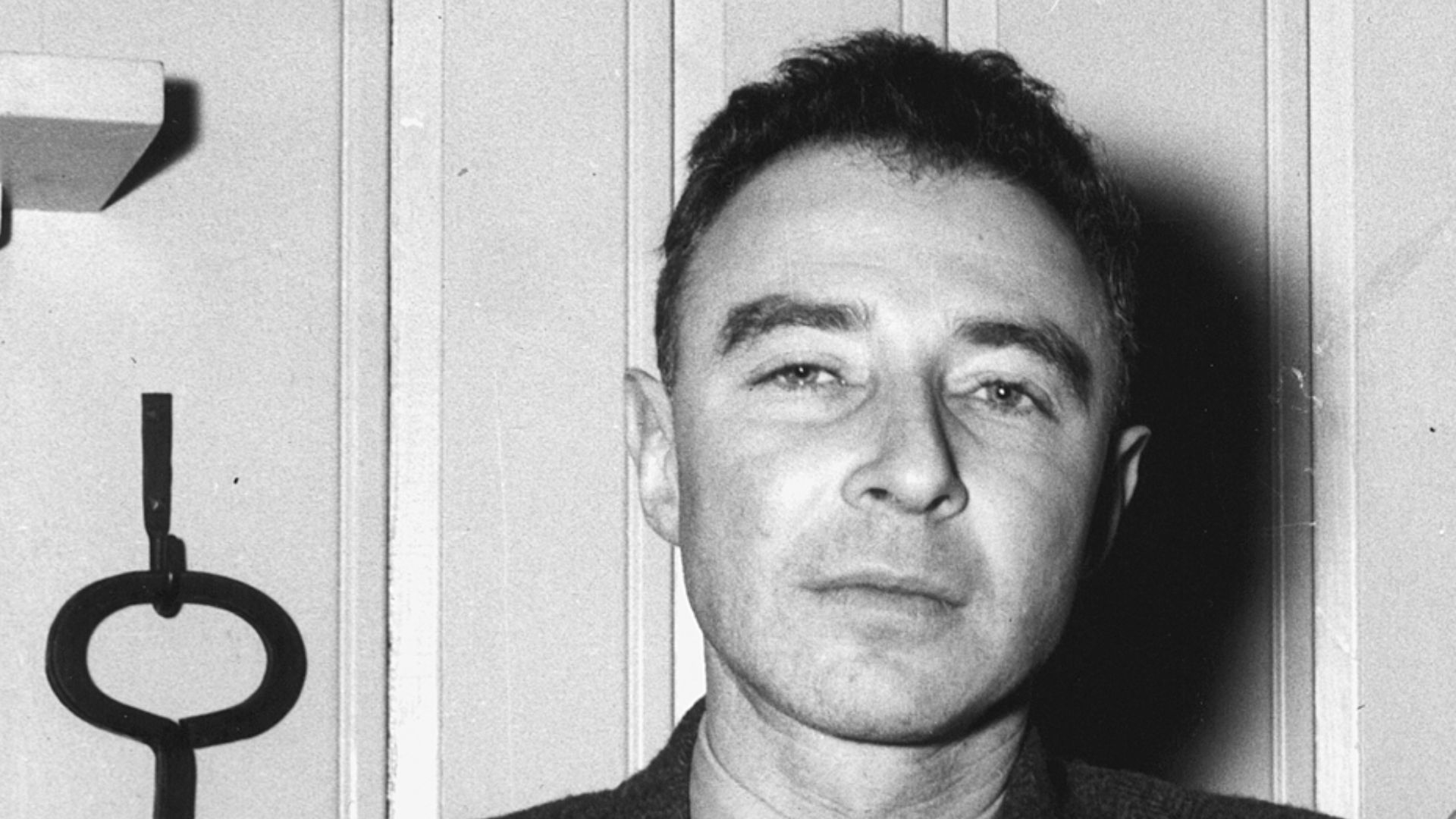 Ed Westcott (U.S. Government photographer) on Wikimedia
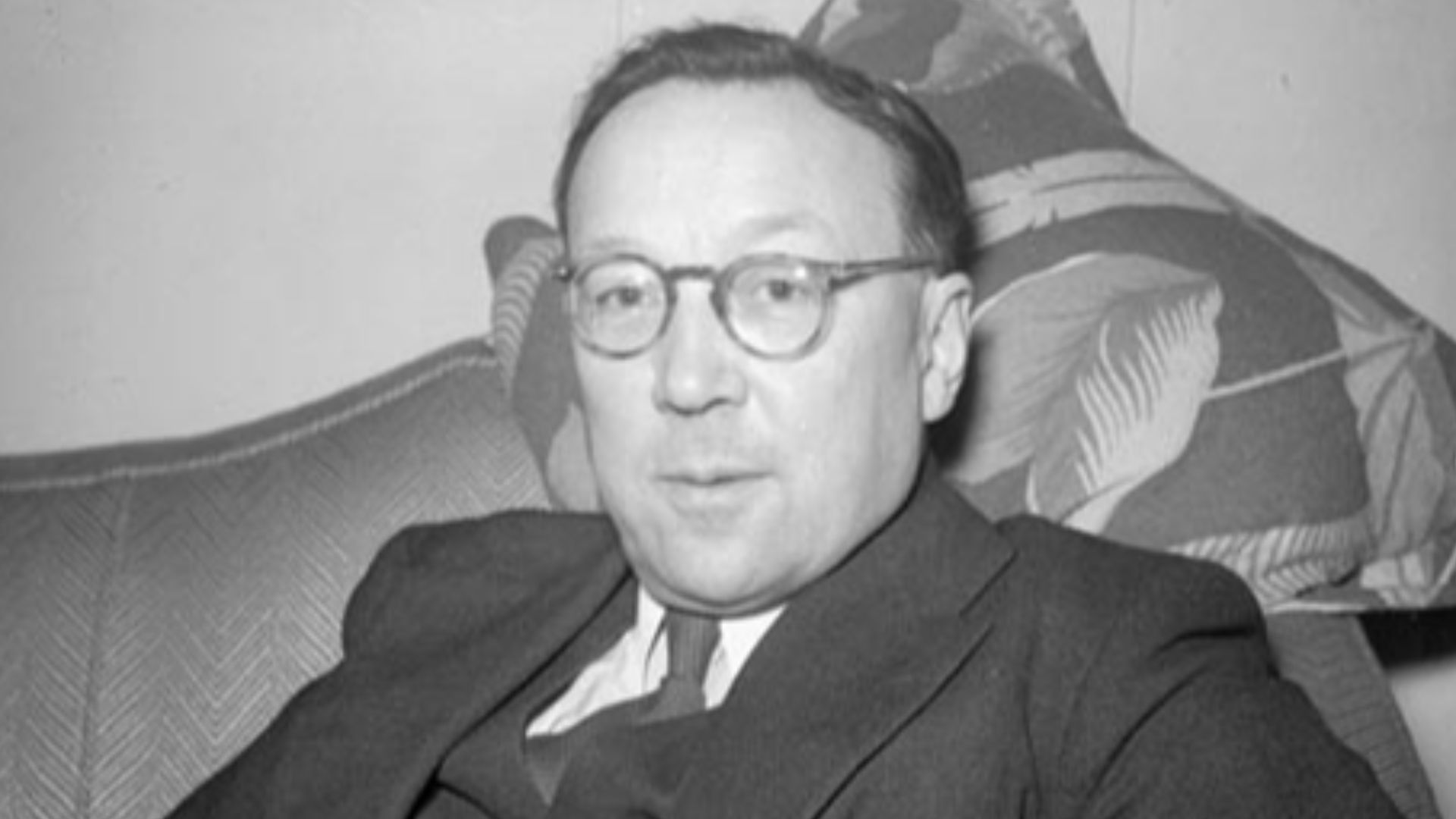
8. Robert Watson-Watt: Radar Gun
Originally designed to detect enemy planes, Watson-Watt's radar became vital during the Battle of Britain. Years later, he was ticketed by a radar gun that was based on his own invention. The irony stung. He joked about it publicly but regretted how his wartime tool became a policing device.
9. Thomas Midgley Jr.: Leaded Gasoline
Tetraethyl lead (TEL) was introduced by Midgley in 1921 to reduce engine knocking. He demonstrated its "safety,” but later suffered lead poisoning himself. TEL caused widespread damage before being banned. Though he acknowledged the danger, he never saw its full devastation.
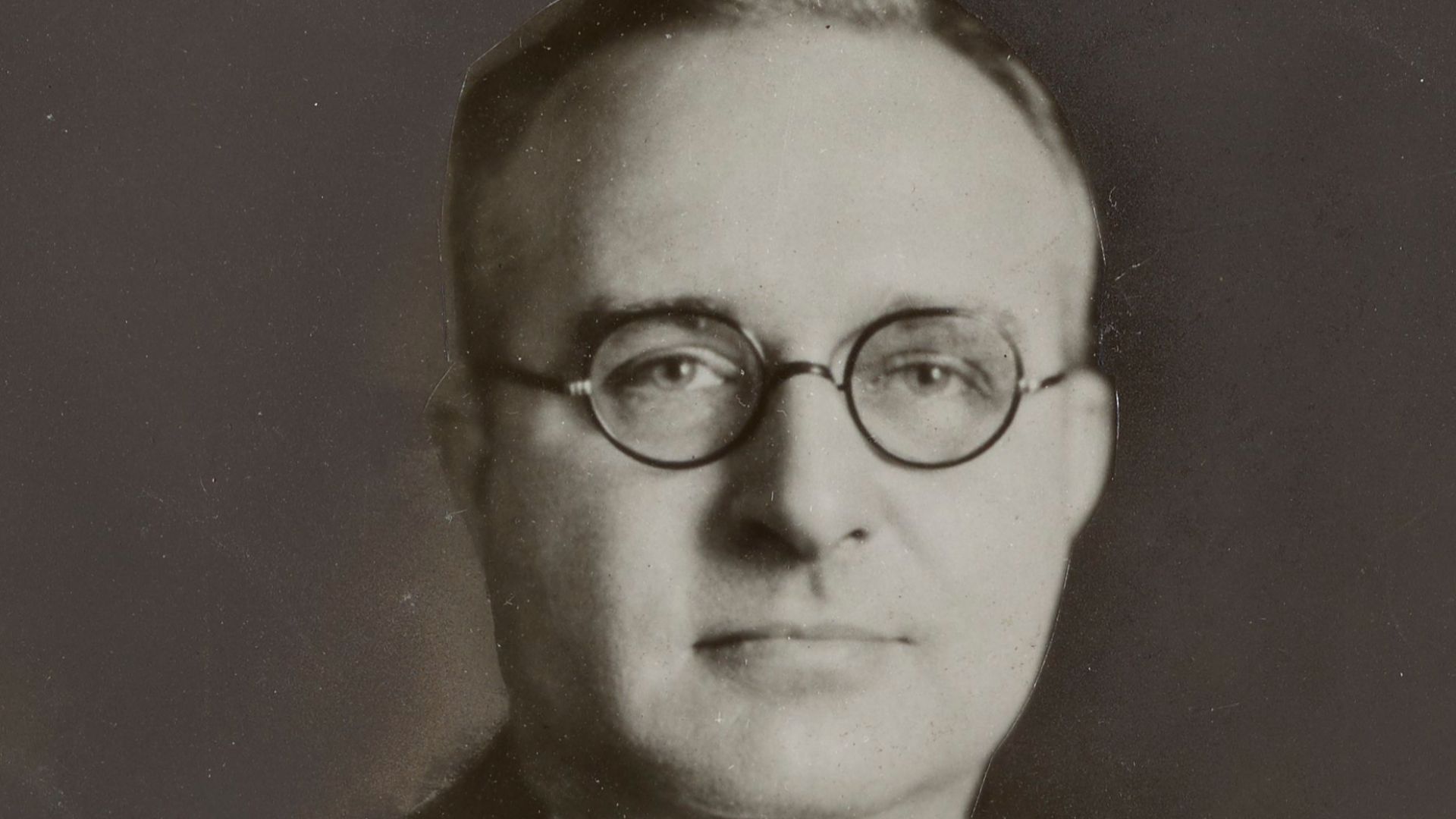 AnonymousUnknown author for Blank & Stoller N.Y. on Wikimedia
10. James Watt: Steam Engine
Watt's enhancements to the steam engine in the 18th century helped launch the Industrial Revolution. But he was not happy about its consequences, especially the displacement of workers and the rise of mechanized labor.
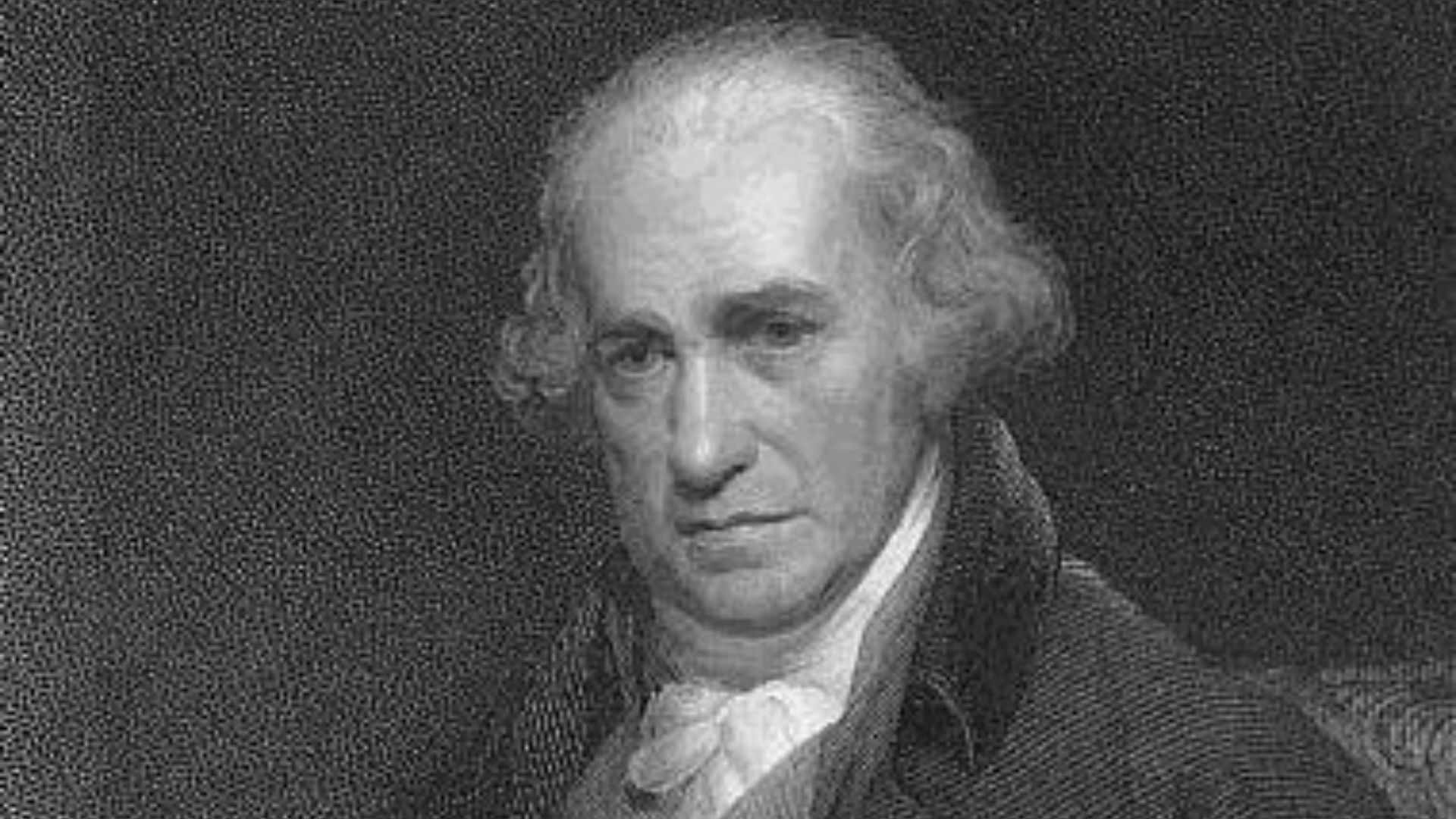 File Upload Bot (Magnus Manske) on Wikimedia
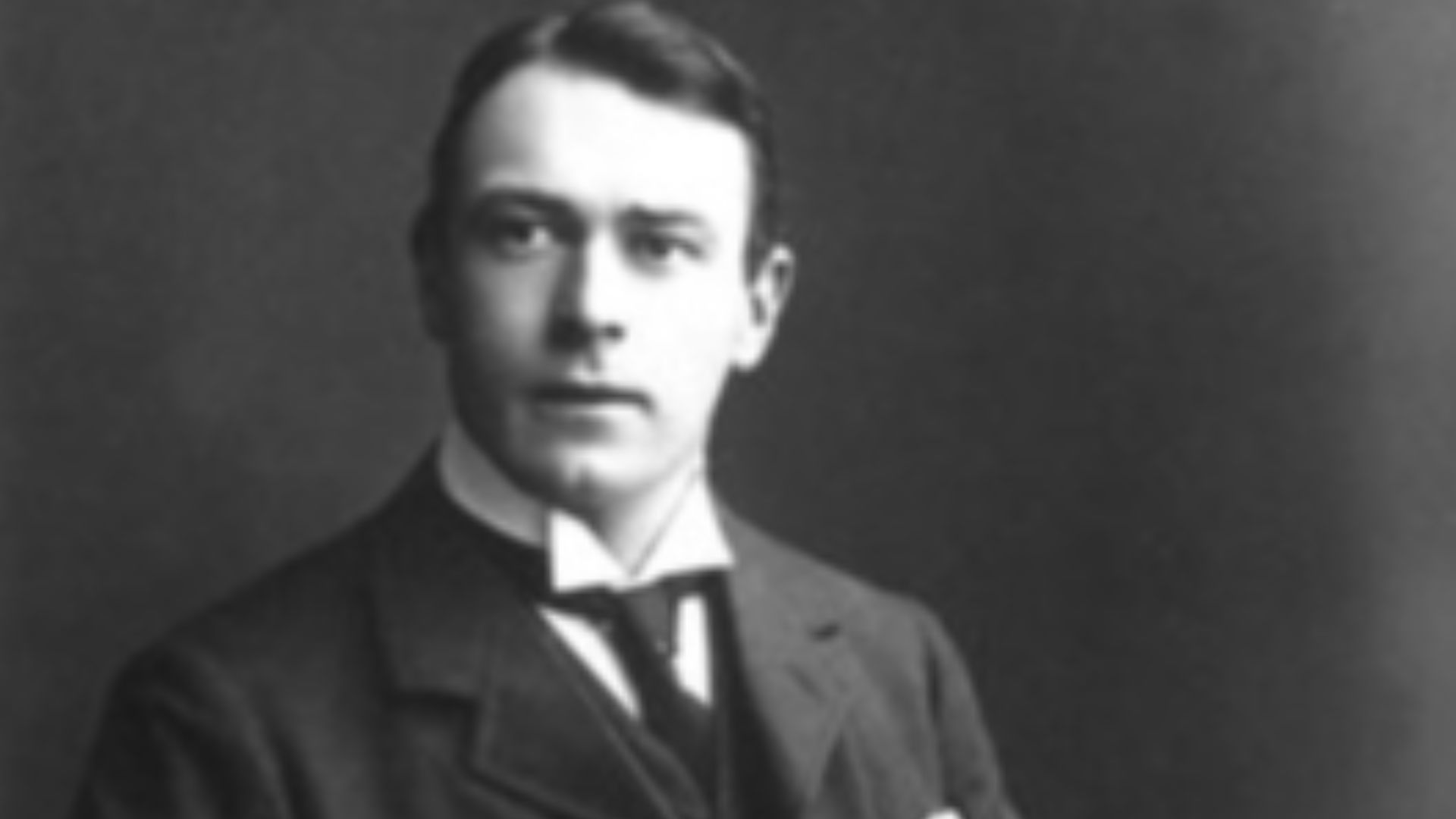
11. Thomas Andrews: Titanic
As Titanic's chief designer, Andrews had urged the inclusion of more lifeboats. However, his concerns were dismissed to protect the ship's "beauty". After the iceberg strike, he stayed aboard, helping passengers evacuate. Survivors remembered his visible anguish.
 Original uploader was User:Gelosia at en.wikipedia on Wikimedia
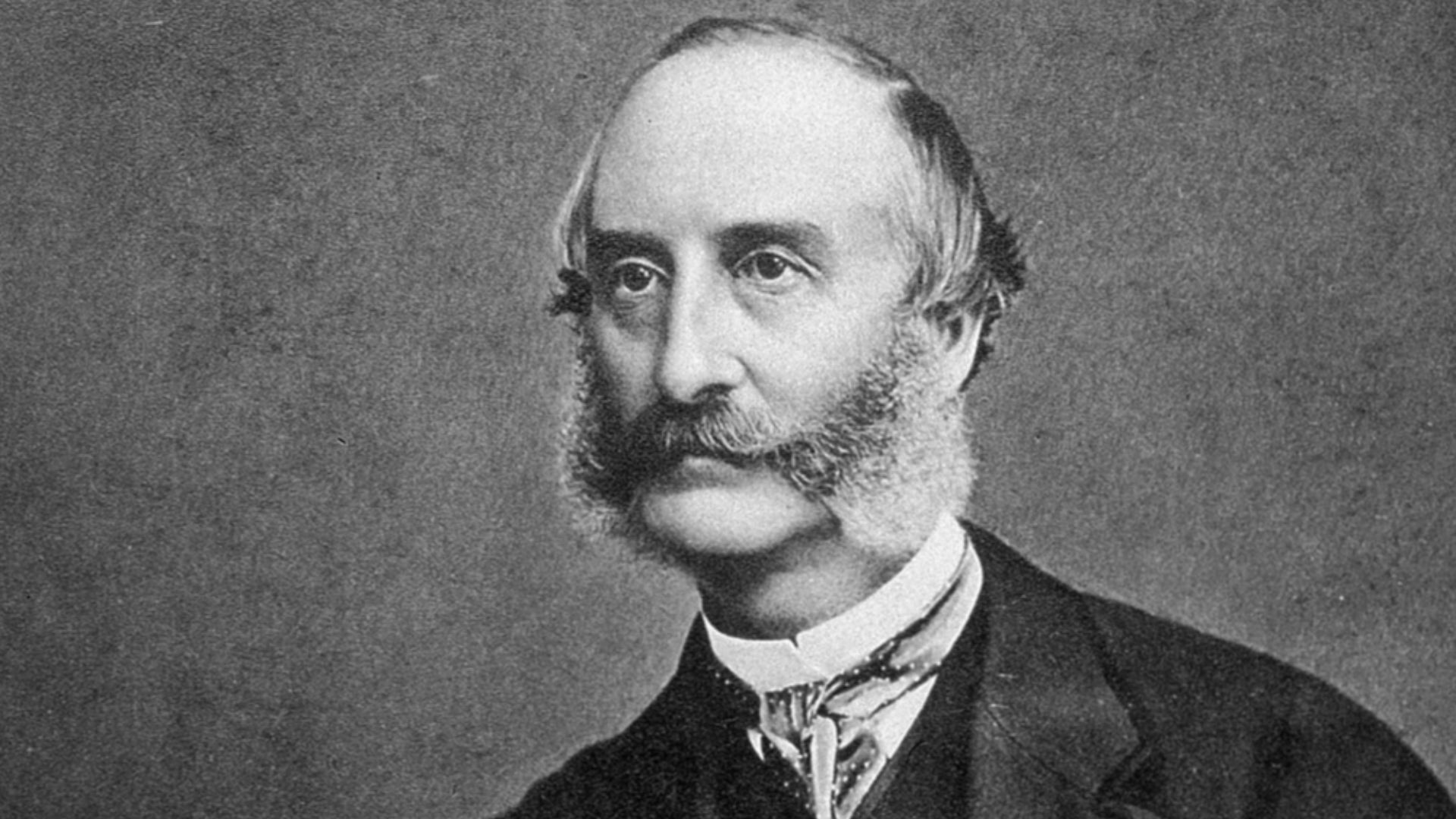
12. Alexander Parkes: Plastic
Parkesine, the first man-made plastic, was introduced by Alexander Parkes in 1856 as an alternative to ivory and tortoiseshell. His vision was sustainability, but industrial demand twisted that dream. The resulting environmental crisis made his legacy deeply controversial after his death.
 Unknown authorUnknown author on Wikimedia
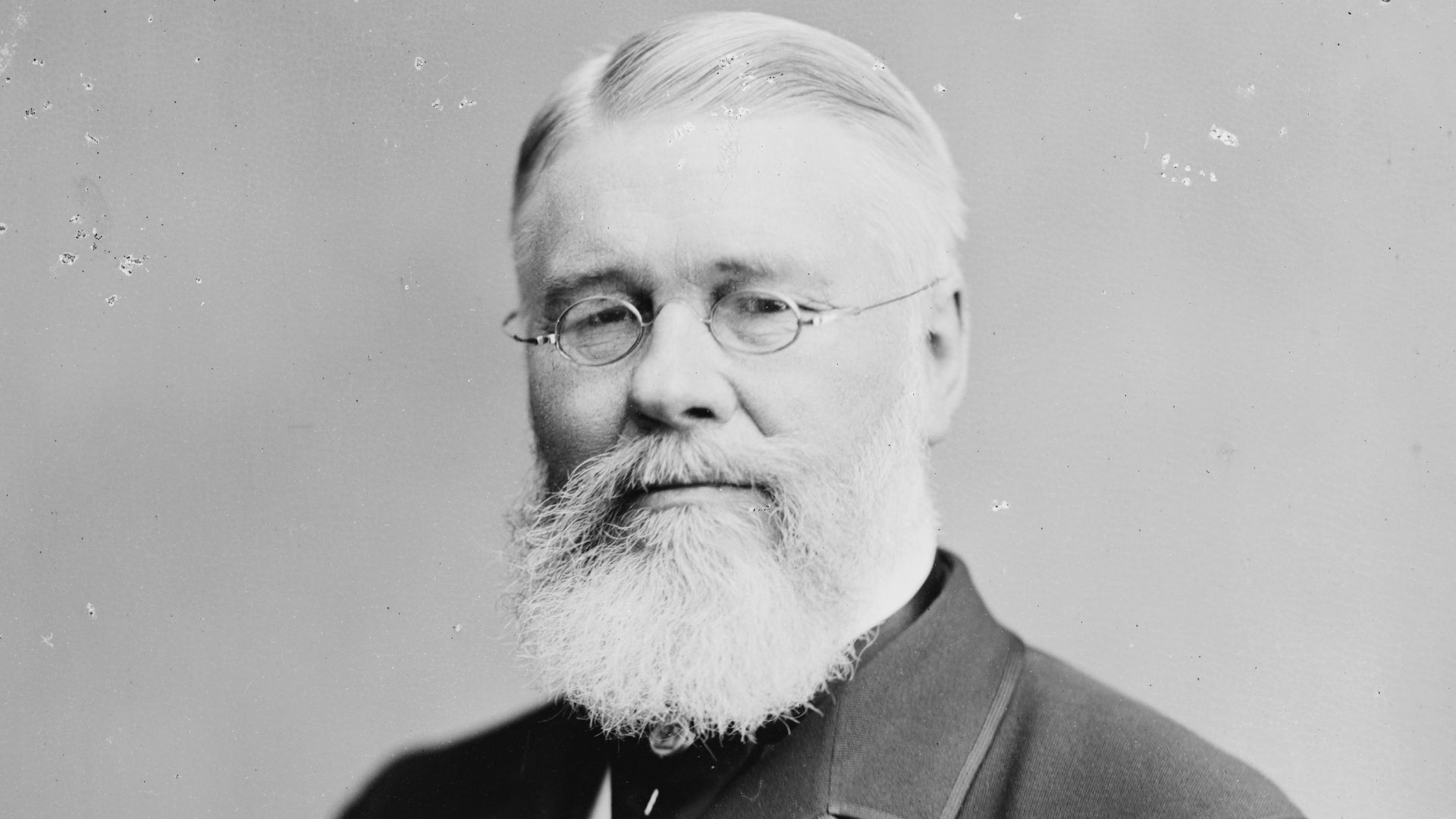
13. Richard Jordan Gatling: Gatling Gun
Originally intended to reduce battlefield deaths, Gatling himself patented the Gatling gun in 1861. He hoped its firepower would make war too terrible to pursue. Instead, it sped up mass killing across wars. He later expressed deep regret over its misuse.
 Mathew Benjamin Brady / Levin Corbin Handy on Wikimedia
14. John Larson: Lie Detector
Larson created the modern polygraph (lie detector) in 1921 to support criminal investigations. But over time, he watched it become misused and manipulated by law enforcement. In 1965, he called it a “Frankenstein’s monster” and spent decades trying to combat the very tool he once proudly introduced.
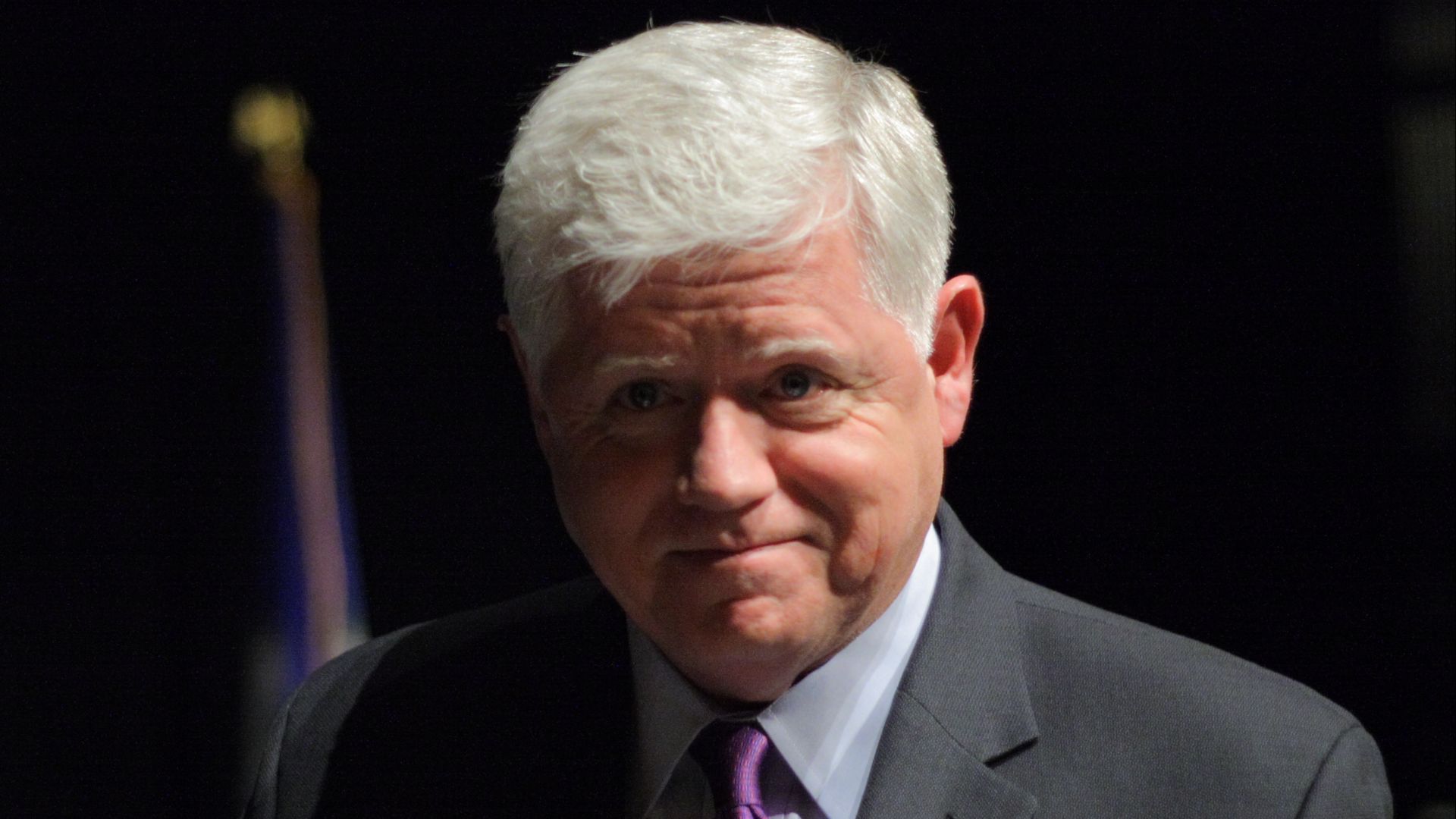
15. Ethan Zuckerman: Pop-Up Ads
While working at Tripod.com in the late '90s, Zuckerman invented the pop-up ad to shield brands from awkward content. It became one of the web’s most despised features. Years later, he apologized publicly, saying, "I regret it," and became a critic of ad-driven internet culture.
 Erik (HASH) Hersman on Wikimedia
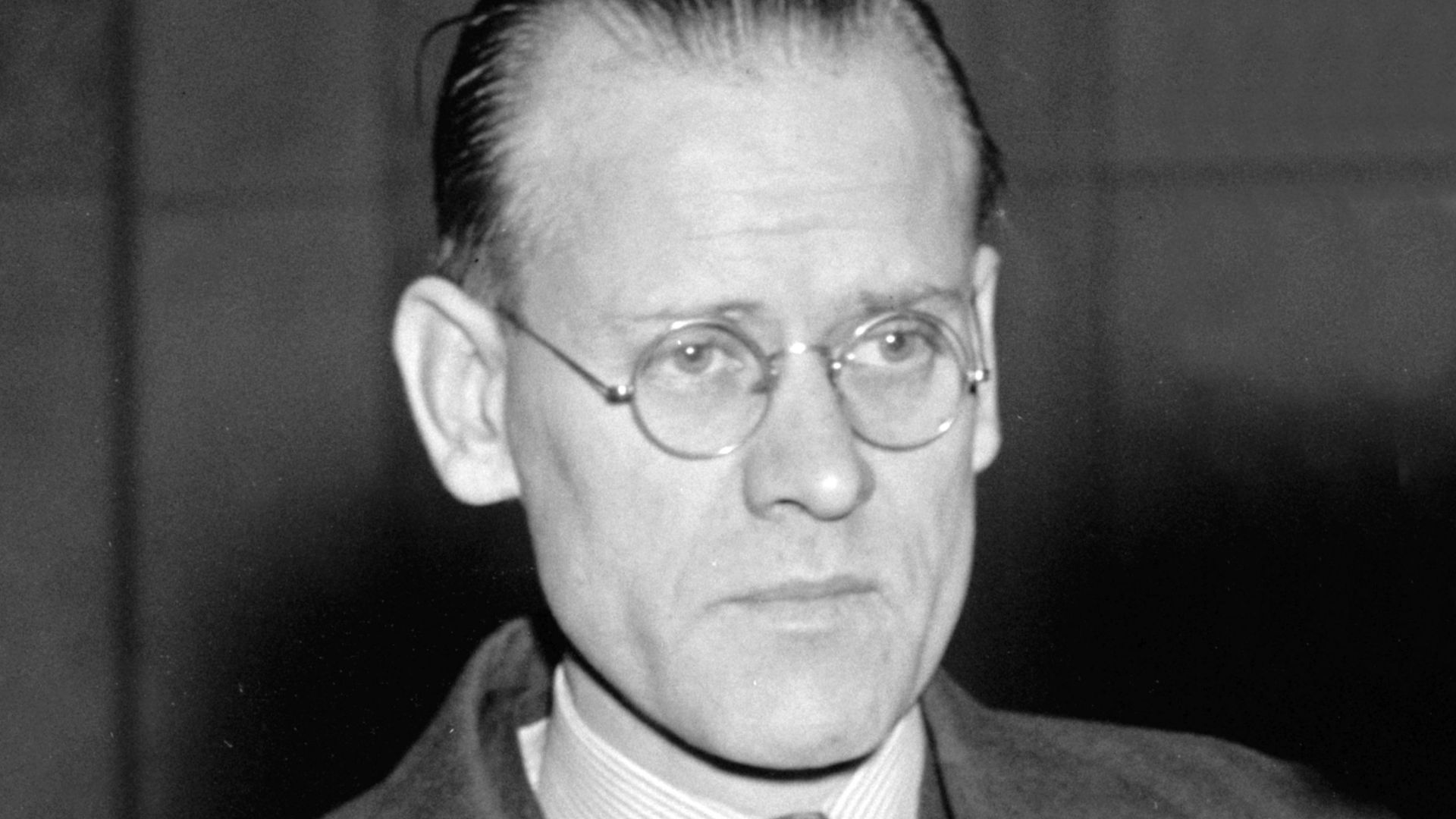
16. Philo Farnsworth: Television
Farnsworth dreamed of a device that could educate and unite, and in 1927, he delivered the first fully electronic television. But instead of enlightenment, he saw a rise in shallow entertainment. The medium's decline into mindless content left him disillusioned and depressed.
17. Kamran Loghman: Pepper Spray
Loghman made weapon-grade pepper spray to provide law enforcement with an alternative to deadly force. Decades later, he was horrified to see how they were using it against peaceful protesters. He publicly condemned its misuse, saying it violated the ethical intent of his work.
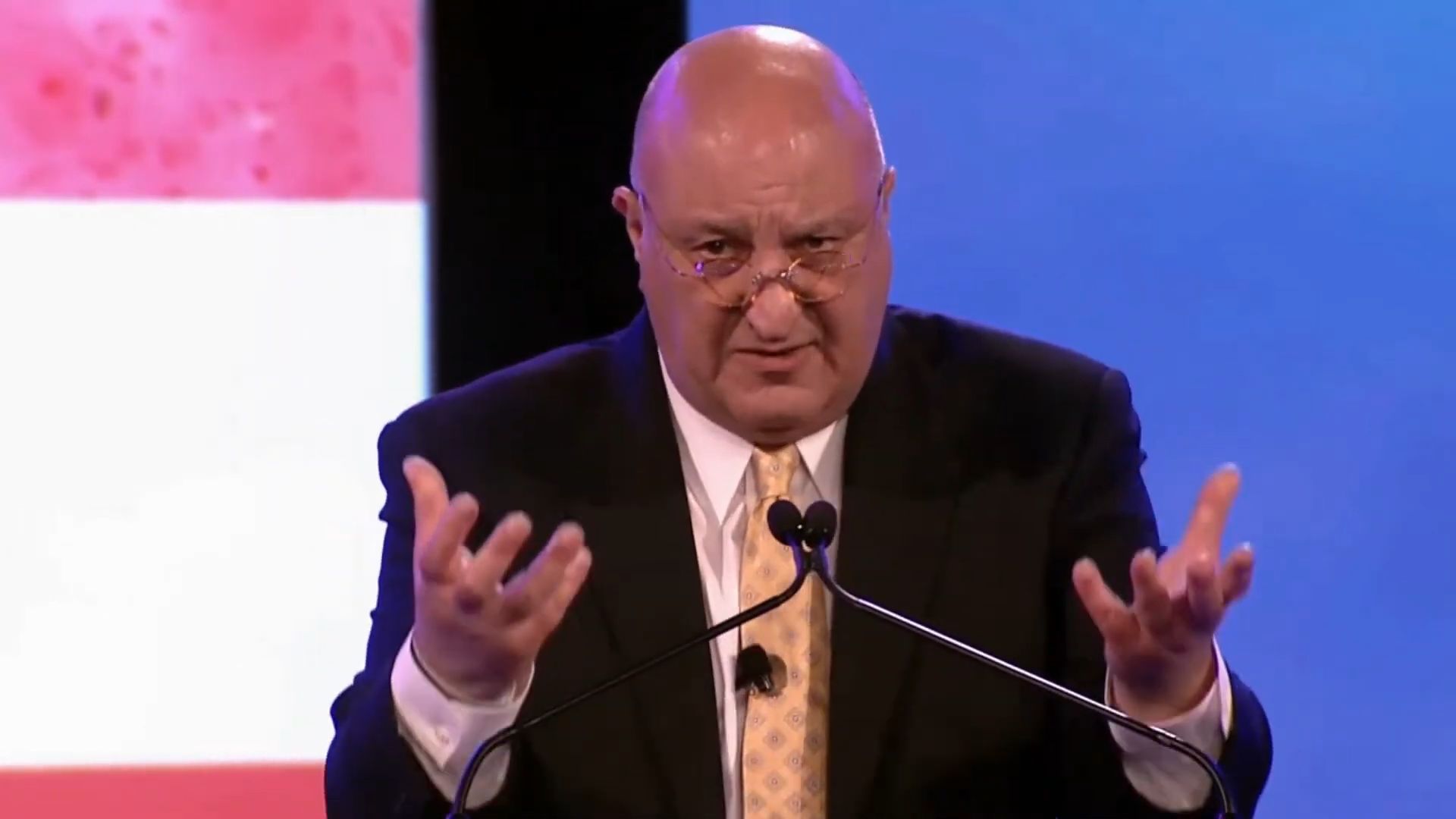 Keynote Excerpt of Kamran Loghman by Kamran Loghman
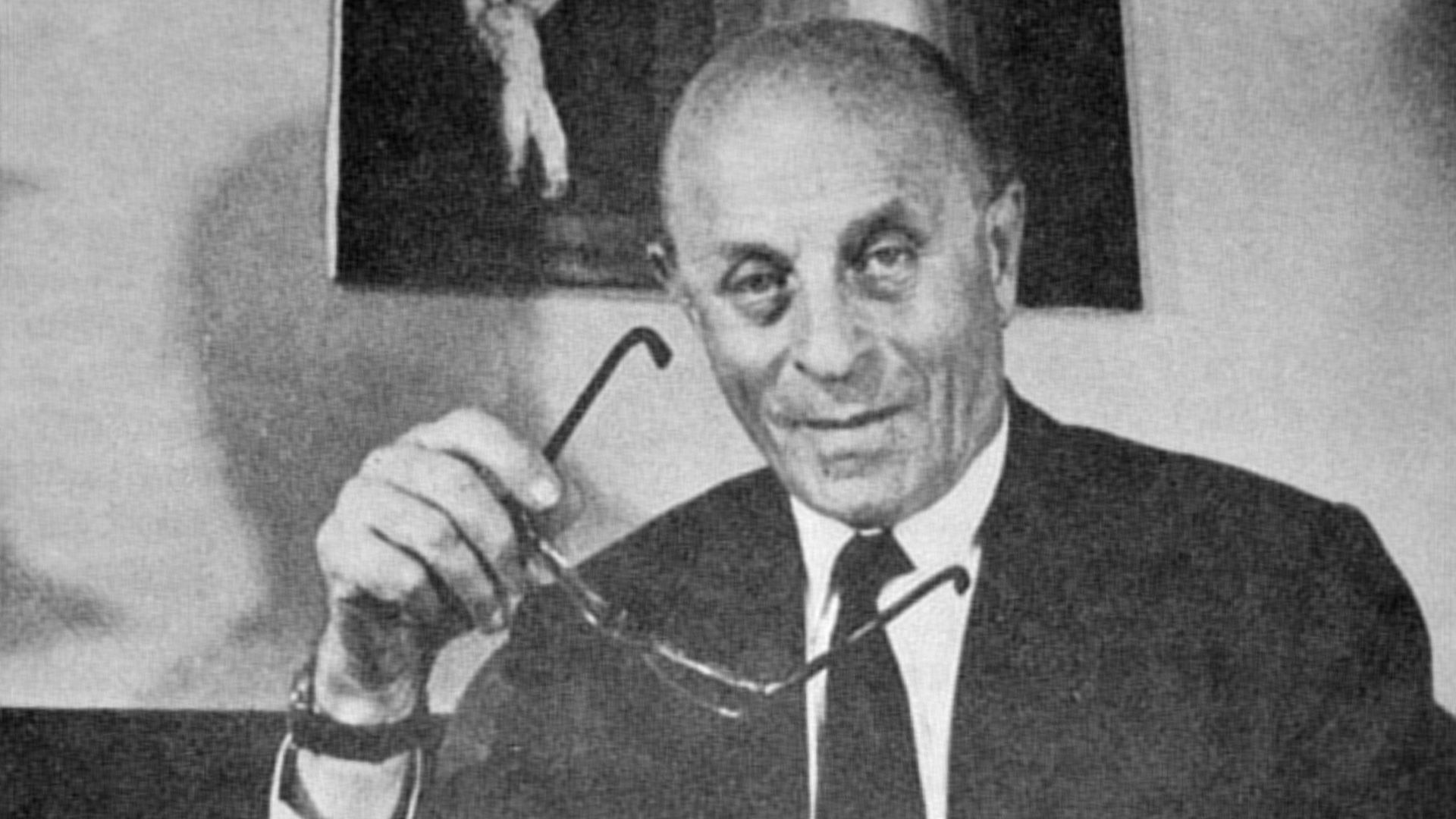
18. László Bíró: Ballpoint Pen
Designed to prevent smudging and improve writing speed, Bíró's ballpoint pen was patented in 1938. It worked, but critics later said it encouraged sloppy handwriting and rushed expression. Bíró reportedly felt disheartened by how his sleek tool diminished the elegance of writing.
 Unknown authorUnknown author on Wikimedia
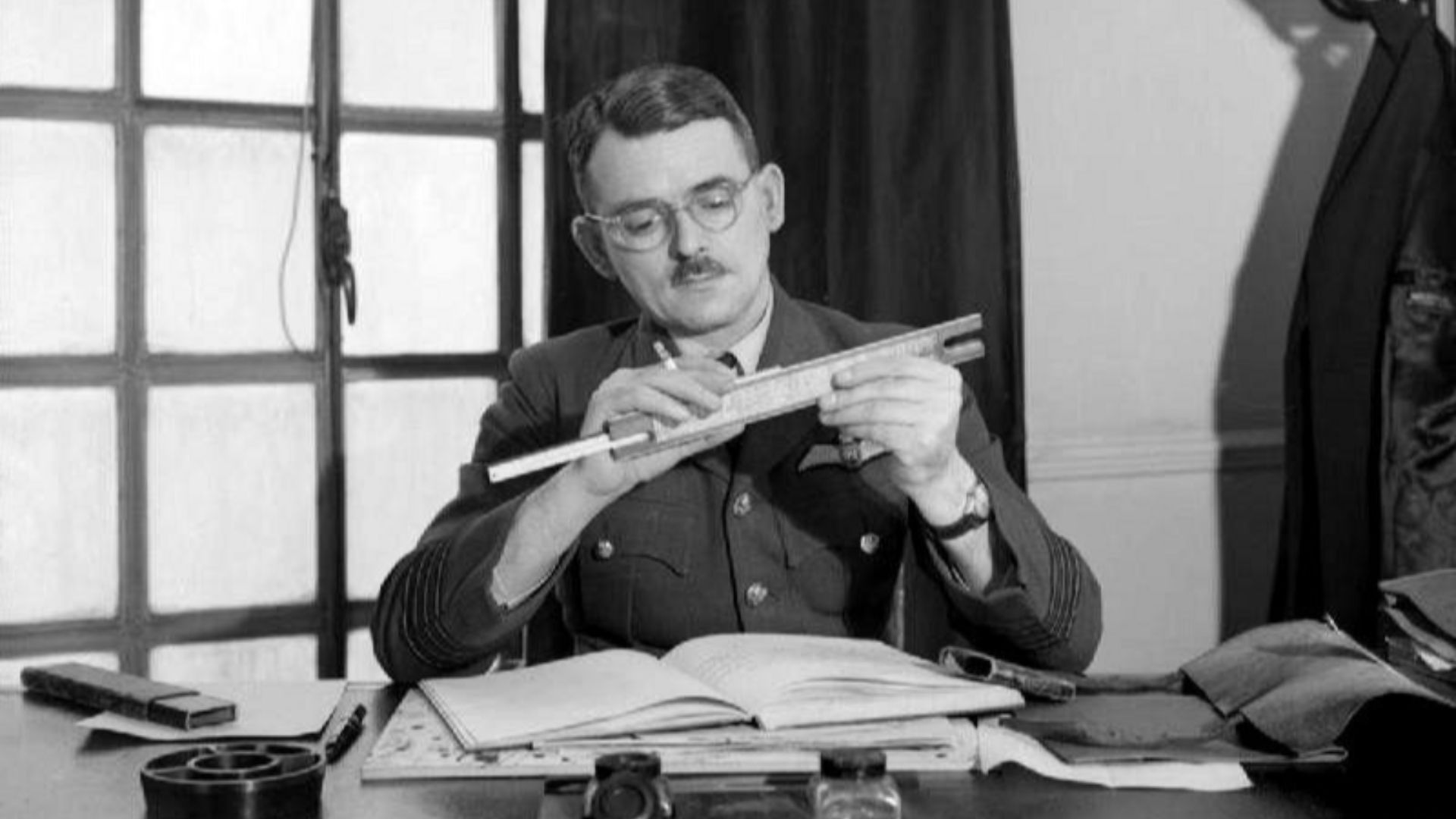
19. Sir Frank Whittle: Jet Engine
Whittle's jet engine revolutionized air travel, making the world smaller. However, its role in military operations and environmental damage wasn't what he envisioned. He later expressed regret about its wartime uses and the long-term costs of supersonic convenience.
 British Government on Wikimedia
20. Harley Race: Diving Headbutt
The diving headbutt was created by Harley Race to wow wrestling crowds. Over time, its high-impact nature led to severe injuries and long-term health issues. Race was devastated and regretted popularizing the move after watching both himself and others suffer serious consequences.

KEEP ON READING

The Clueless Crush: How I Accidentally Invited a Hacker Into…
Fluorescent Lights and First Impressions. My name is Tessa, I'm…
By Ali Hassan Nov 4, 2025
This Infamous Ancient Greek Burned Down An Ancient Wonder Just…
History remembers kings and conquerors, but sometimes, it also remembers…
By David Davidovic Nov 12, 2025
Einstein's Violin Just Sold At An Auction—And It Earned More…
A Visionary's Violin. Wanda von Debschitz-Kunowski on WikimediaWhen you hear…
By Ashley Bast Nov 3, 2025
The Mysterious "Sea People" Who Collapsed Civilization
3,200 years ago, Bronze Age civilization in the Mediterranean suddenly…
By Robbie Woods Mar 18, 2025
Old-Money: The Hidden Dynasties That Shaped the Course of History
Oscar White on WikimediaWhen we think about the forces that…
By Cameron Dick Jan 29, 2026
The story of Ching Shih, the Woman Who Became the…
Unknown author on WikimediaFew figures in history are as feared…
By Emilie Richardson-Dupuis Dec 29, 2025