Incredible Stories Of Resilience And Endurance
Many of us didn't grow up learning Native American history in schools or; if we did, it was selectively chosen and quite literally whitewashed. That's a shame, as it erases some of the most fascinating and influential figures in modern history. Let's dive into a few of these figures and their story.
 William Notman & Son on Wikimedia
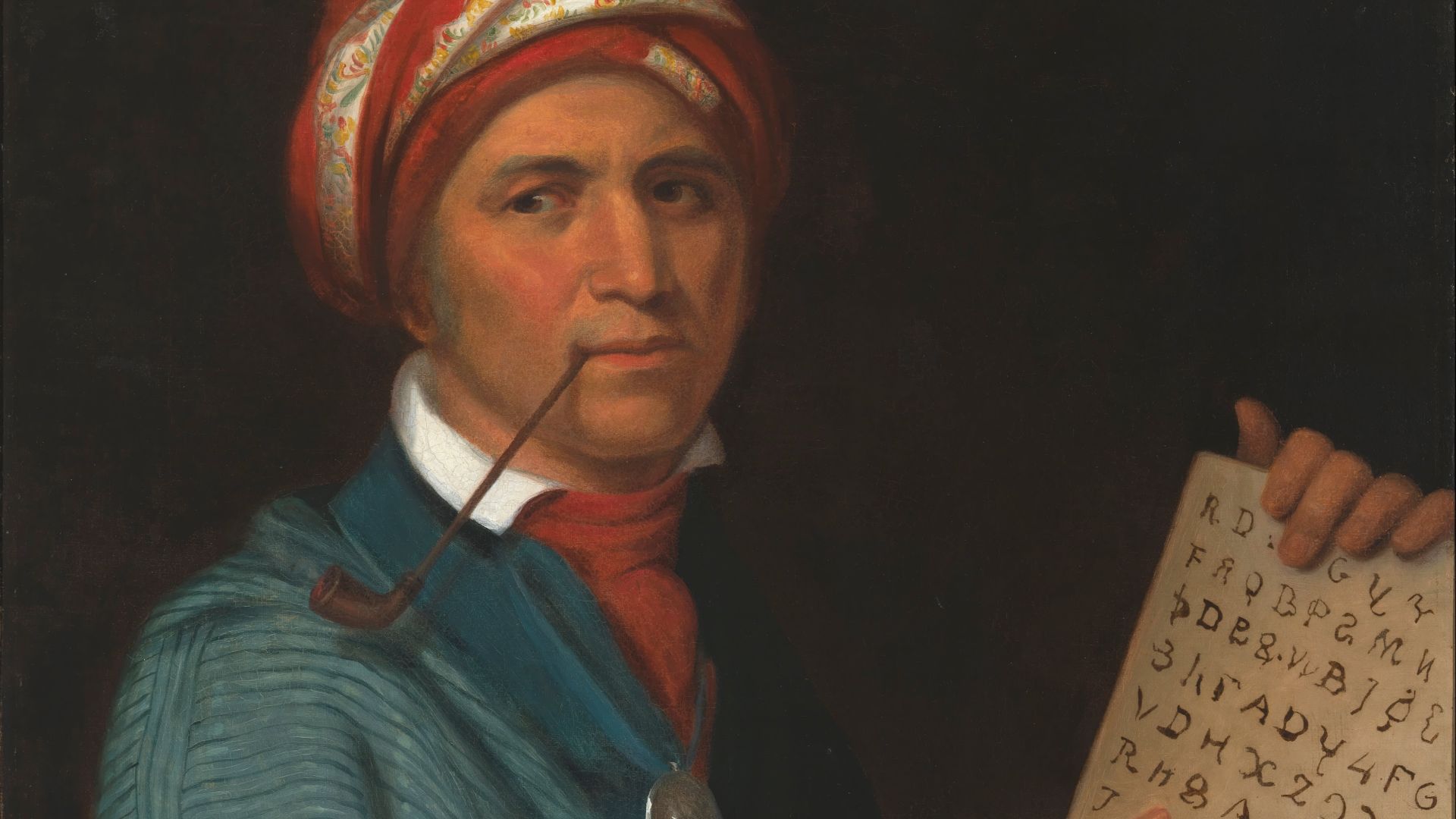
1. Sequoyah
Sequoyah was a Cherokee polymath best known for creating the Cherokee syllabary. This reading and writing system allowed the Cherokee language to exist in both oral and written forms, and was essential for preserving culture. Within 25 years, the Cherokee nation had a literacy rate of nearly 100%, surpassing nearby settlers.
2. Ada Deer
A civil servant from the Menominee nation, Ada Deer was and activist and Assistant Secretary of the Interior for Indian Affairs. Deer used her training as a social worker to federally advocate for Native Americans in urban areas. Deer also helped write policy to help over 550 federally recognized tribes.
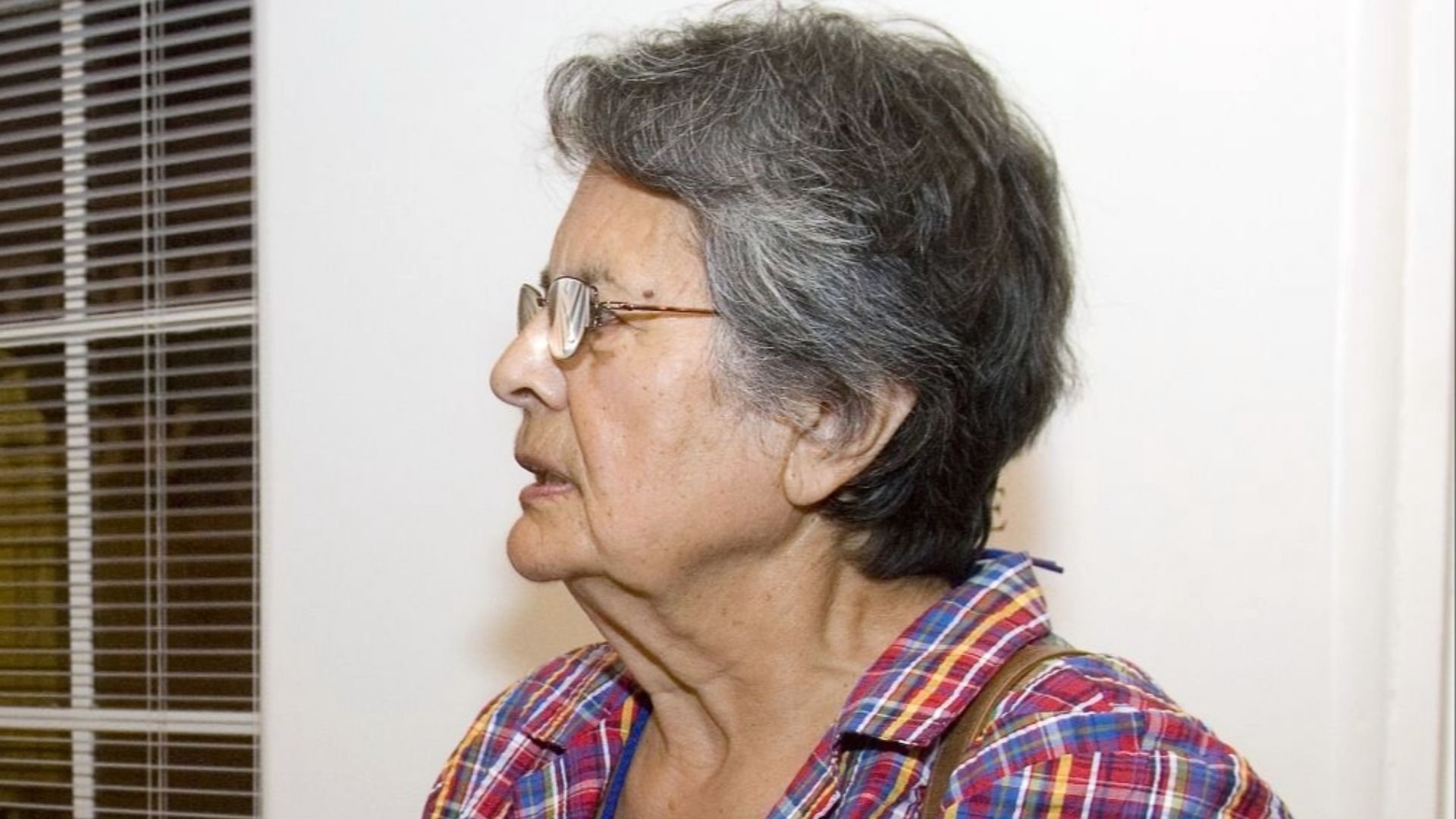 Ada_Deer_1.jpg: Morris K. Udall Foundation
derivative work: Larkspurs (talk) on Wikimedia
Ada_Deer_1.jpg: Morris K. Udall Foundation
derivative work: Larkspurs (talk) on Wikimedia
3. Hiawatha
Hiawatha lived somewhere between the 12th and 15th centuries, and it is difficult to discern what fact from legend. Hiawatha was believed to be leader of the Onondaga, Kanien'kehá:ka, or possibly both! A co-founded of the Haudenosaunee Confederacy, he is one of the most important figures in precolonial America.
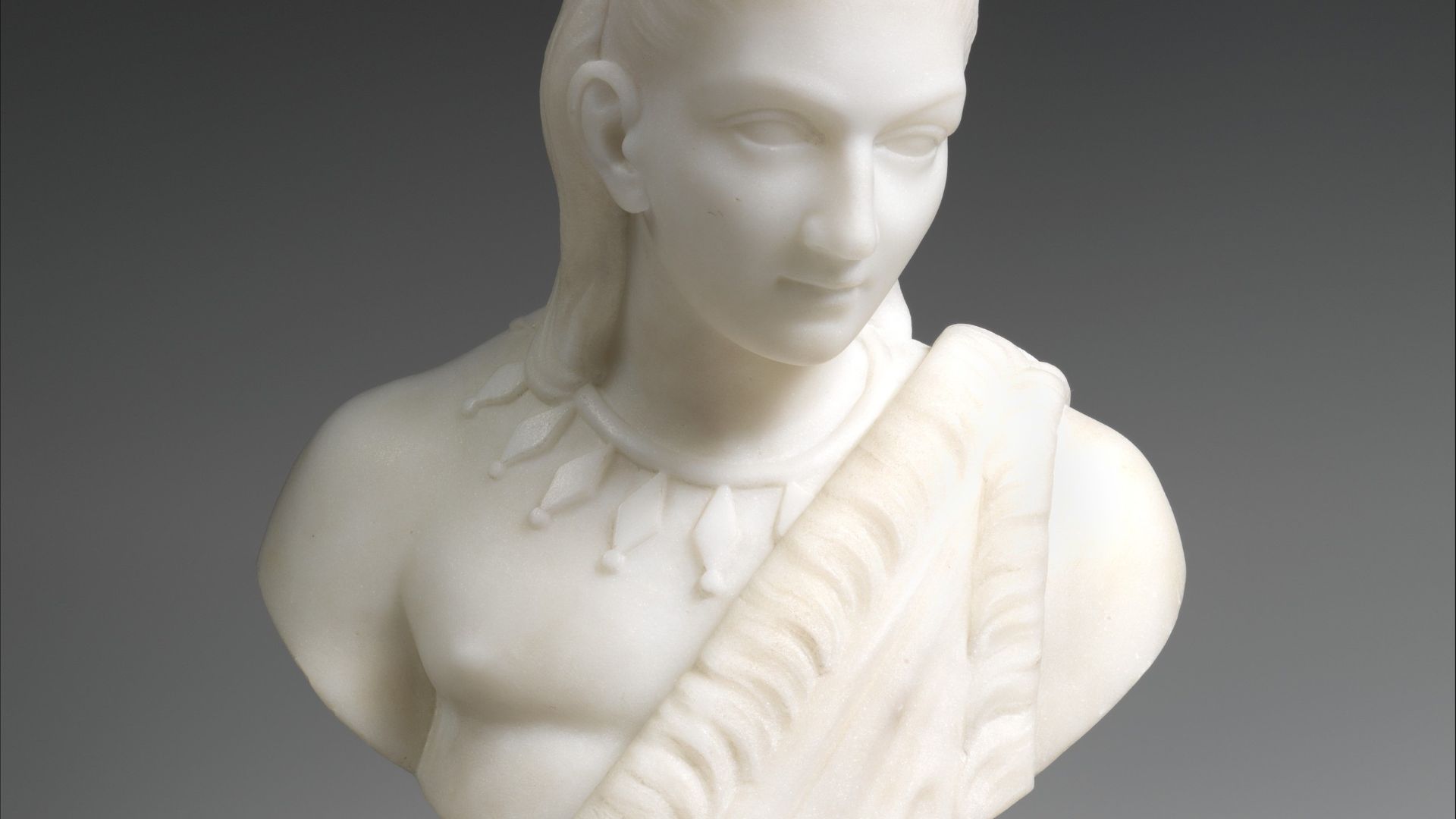
4. Jigonhsasee
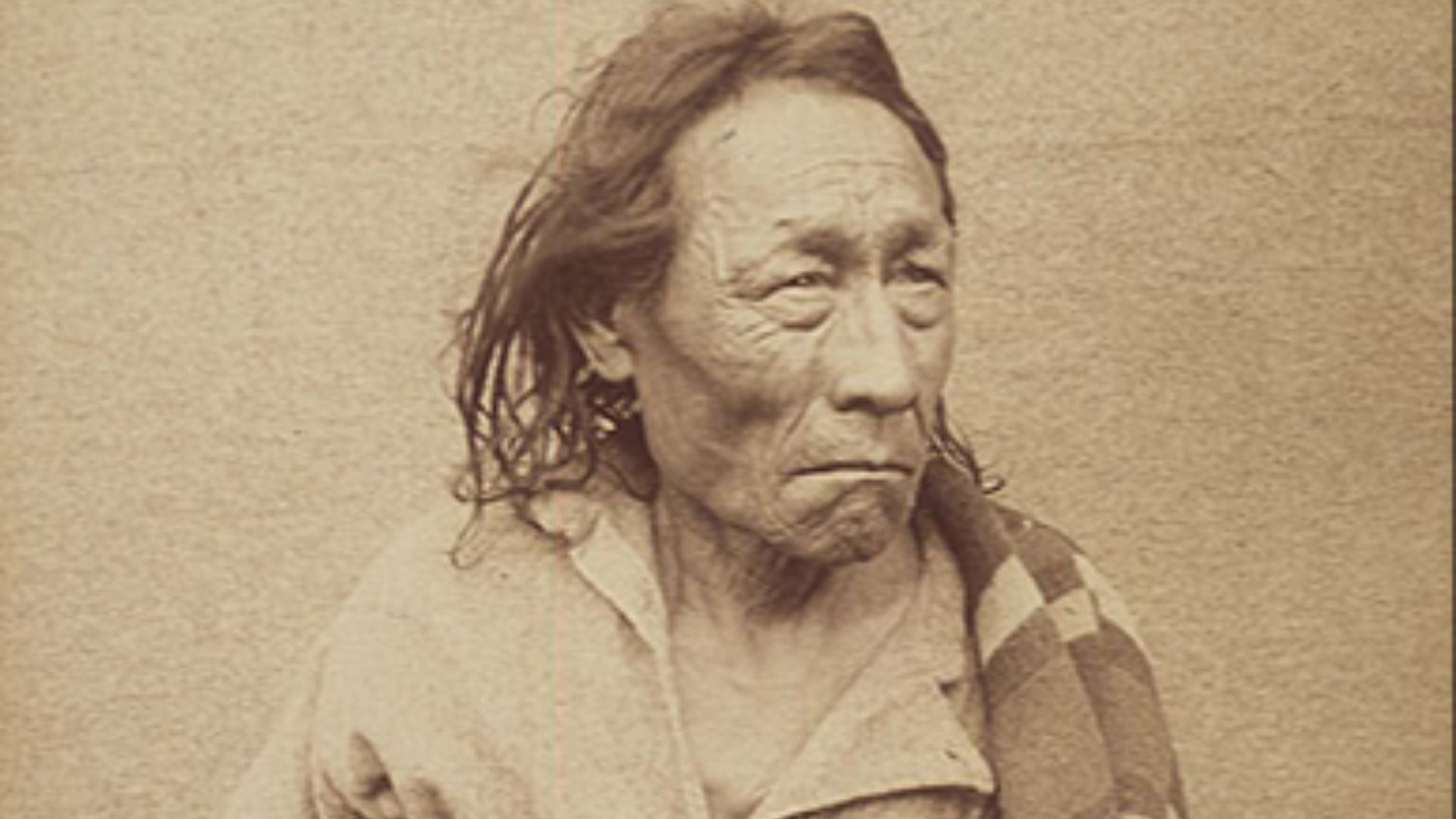
We can't discuss Hiawatha without also mentioning Jigonhsasee, Mother of the Nations. Jigonhsasee worked as a peacemaker alongside Hiawatha to bring the five nations of the confederacy together. A member of the Haudenosaunee nation, Jigonhsasee was known for her wisdom and hospitality.
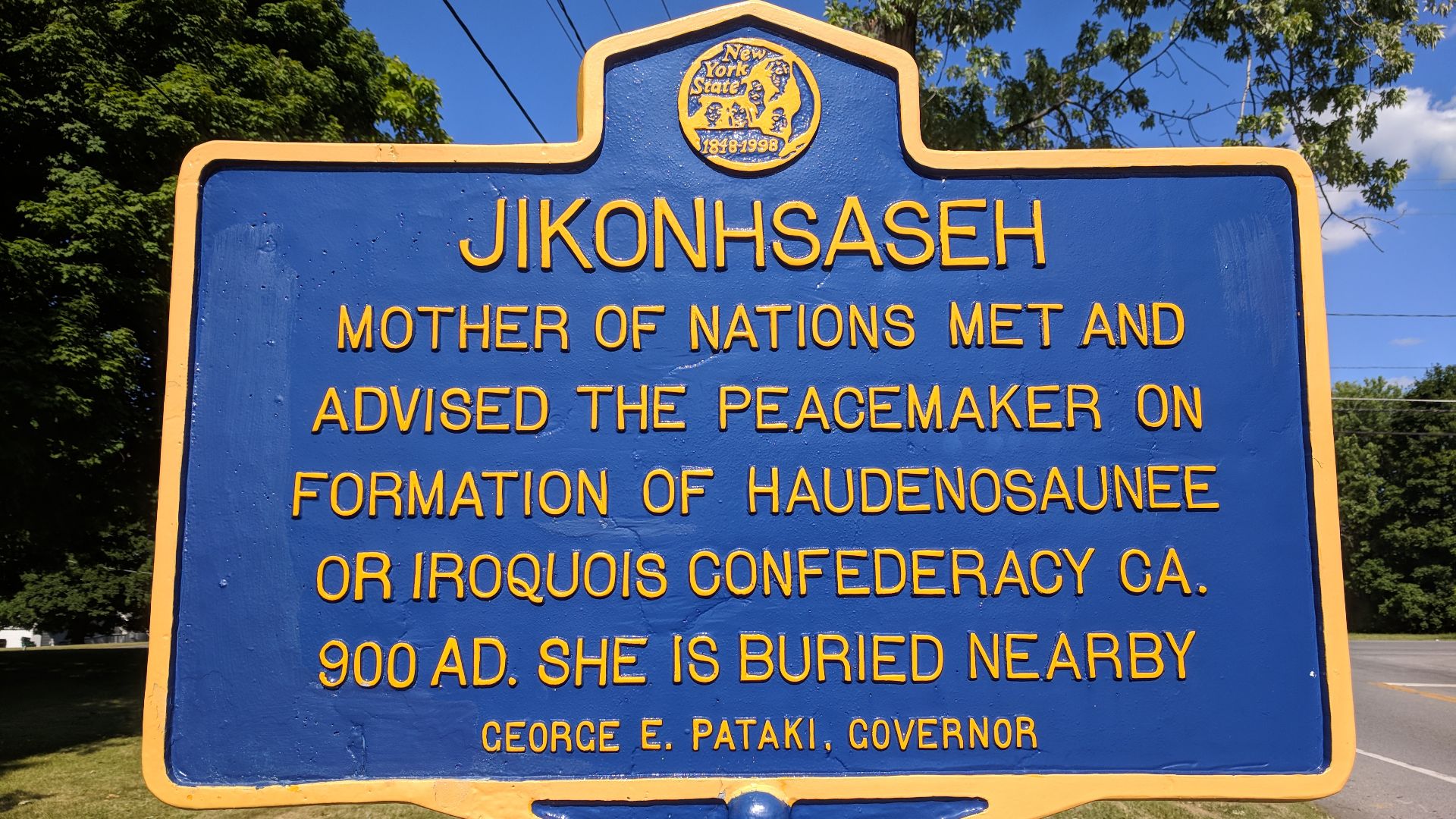
5. Mistahimaskwa
Better known as Big Bear, Mistahimaskwa was chief of the Plains Cree. A great warrior and independent spirit, Mistahimaskwa rebelled against signing treaties that would take away his peoples' rights. Mistahimaskwa tried to unite the various Cree bands against a common enemy, though he was eventually captured in battle.
6. Crazy Horse
Crazy Horse was an Oglala Lakota war leader who fought to preserve the Lakota way of life. Fighting alongside Sitting Bull at the Battle of the Little Bighorn, Crazy Horse led his war party to victory, earning both the ire and grudging respect of his enemies. In contrast to his name, Crazy Horse was shy and generous.
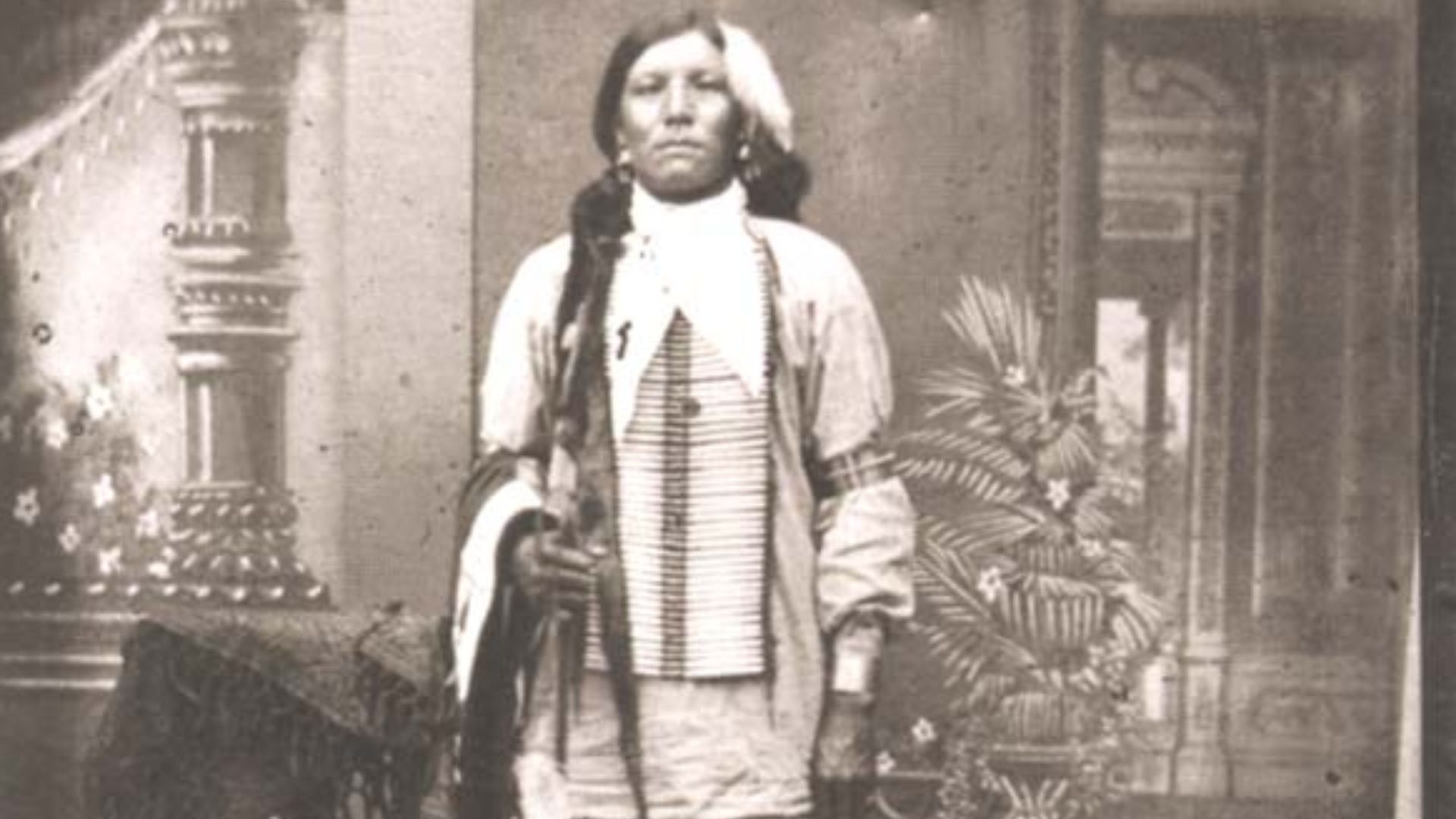 Unknown authorUnknown author on Wikimedia
7. Hayne Hudjihini
Hayne Hudjihini, also known as Eagle of Delight, was the daughter of one powerful Otoe chief, and the wife of another. As an emissary between two clans, Hudjihini traveled with her husband to meet President James Monroe. Today, her portrait hands in the White House Library.
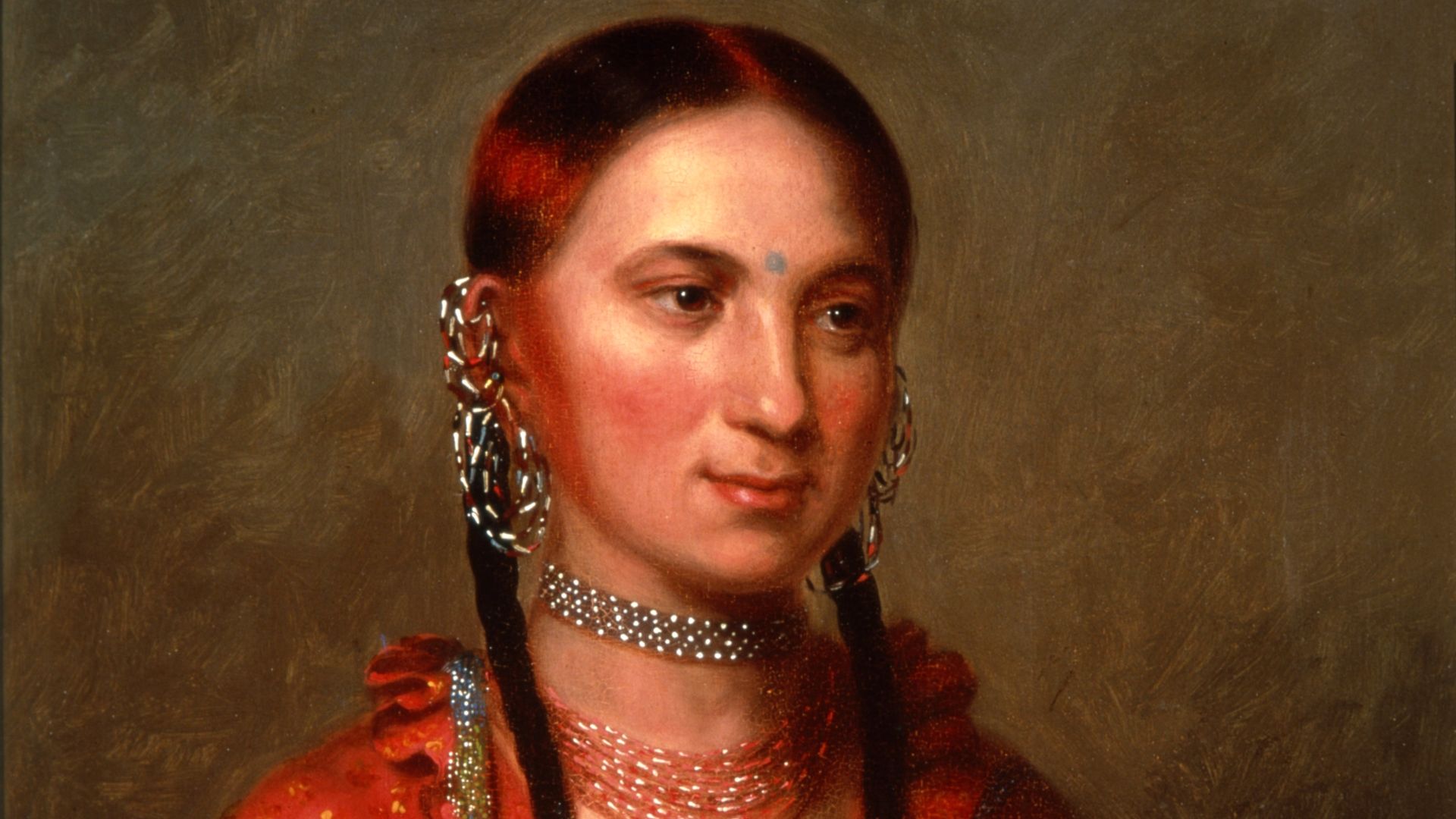 Charles Bird King on Wikimedia
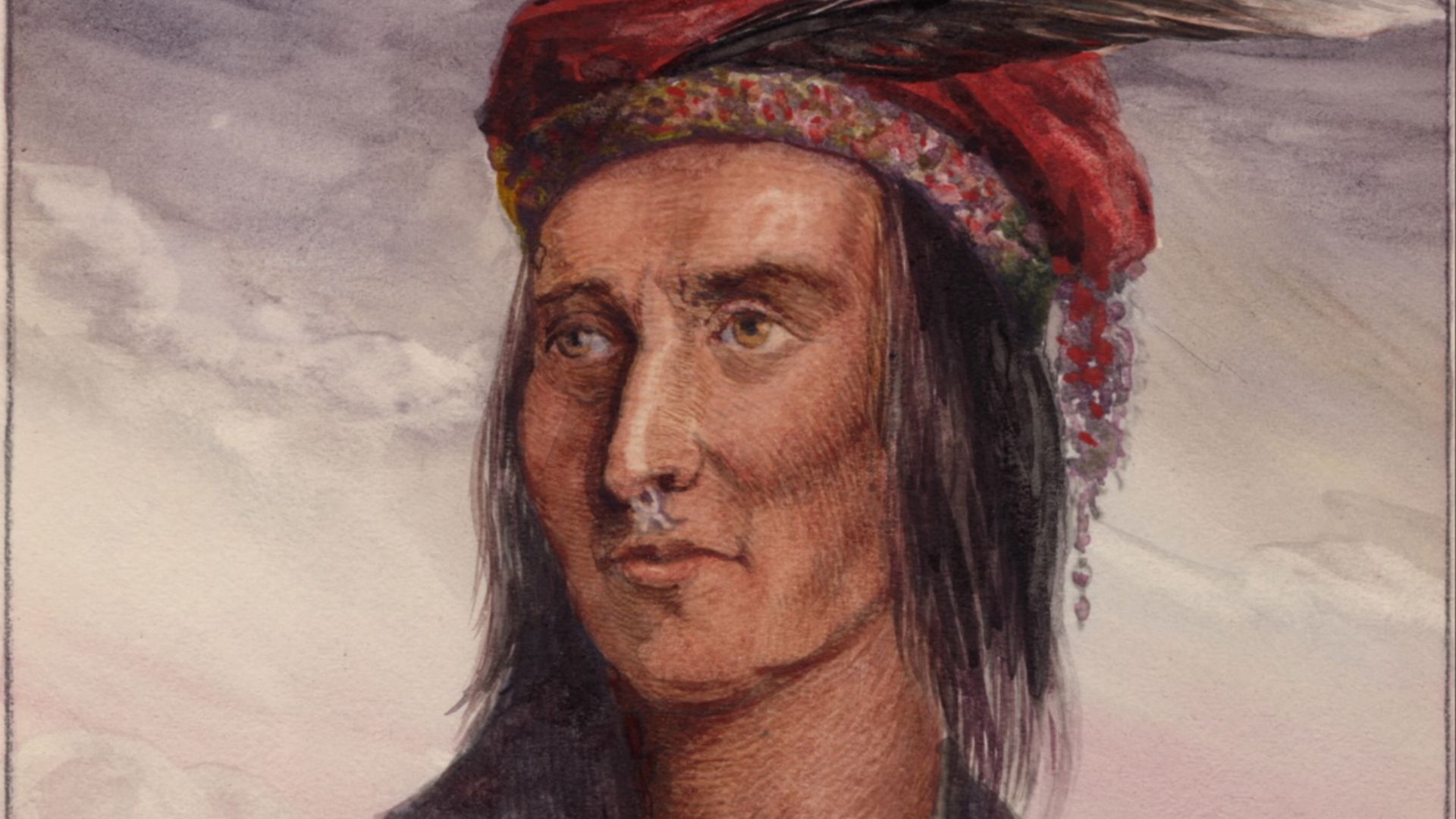
8. Tecumseh
A Shawnee chief from modern-day Ohio, Tecumseh was as skilled a warrior as he was an orator. Tecumseh promoted unity among tribes and encouraged several tribes to band together against American expansion if they wanted to hold onto their lands. Tecumseh fell in battle during the War of 1812.
9. Gabriel Dumont
Gabriel Dumont was a leader of the Métis people, those of mixed native and settler descent. Dumont was one of the leaders of the North-West Rebellion, which an armed uprising against the government. For his bravery in battle, as well as his role as a peace broker with the Blackfoot Confederacy, Dumont is considered a hero.
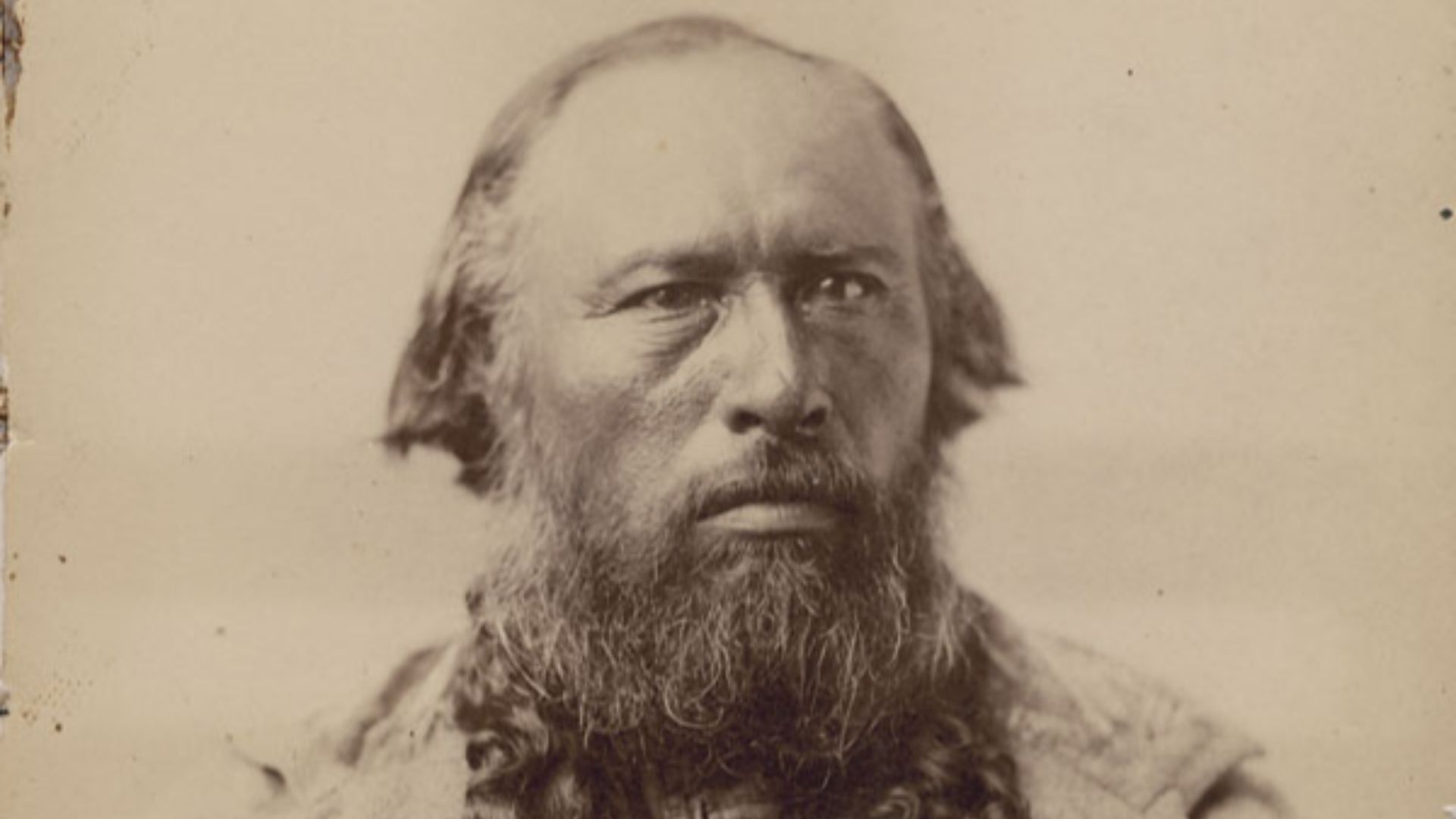 Orlando Scott Goff on Wikimedia
10. Thanadelthur
While few people know Thandelthur's name today, her impact cannot be overstated. Thanadelthur was a Dënesųłı̨né guide and interpreter fluent in three languages: Chipewyan, Cree, and English. Thanadelthur brokered peace between warring tribes until her voice quite literally gave out, ten days later.
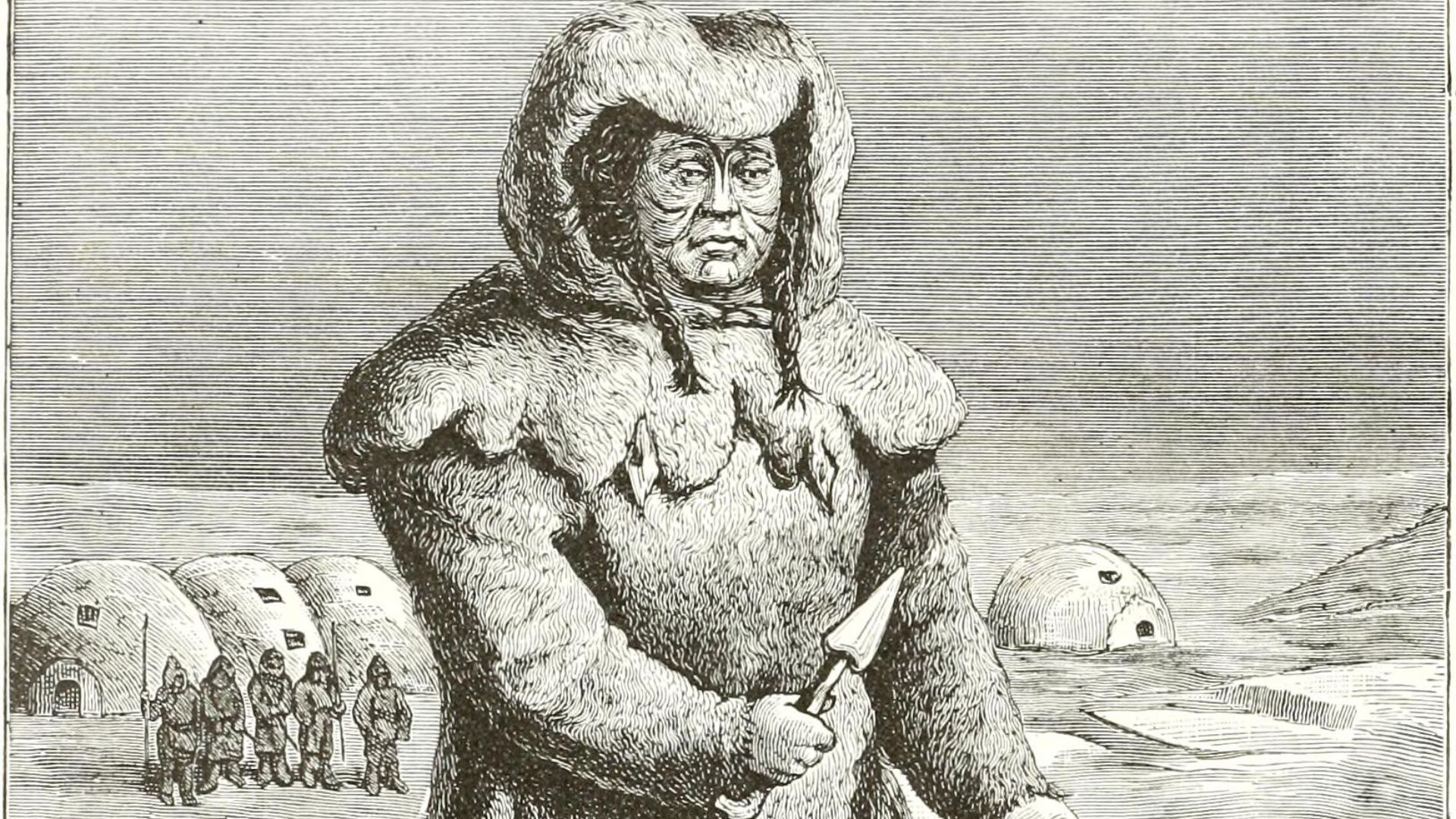 Internet Archive Book Images on Wikimedia
11. Frank Calder
A hereditary chief of the Nisga'a people, Frank Calder served Canadian legislation for 30 years, where he fought for treaty rights. Calder is best known for his court case demonstrating that title rights to traditional lands are valid under modern law. Calder was also the first Indigenous person to graduate from his college.
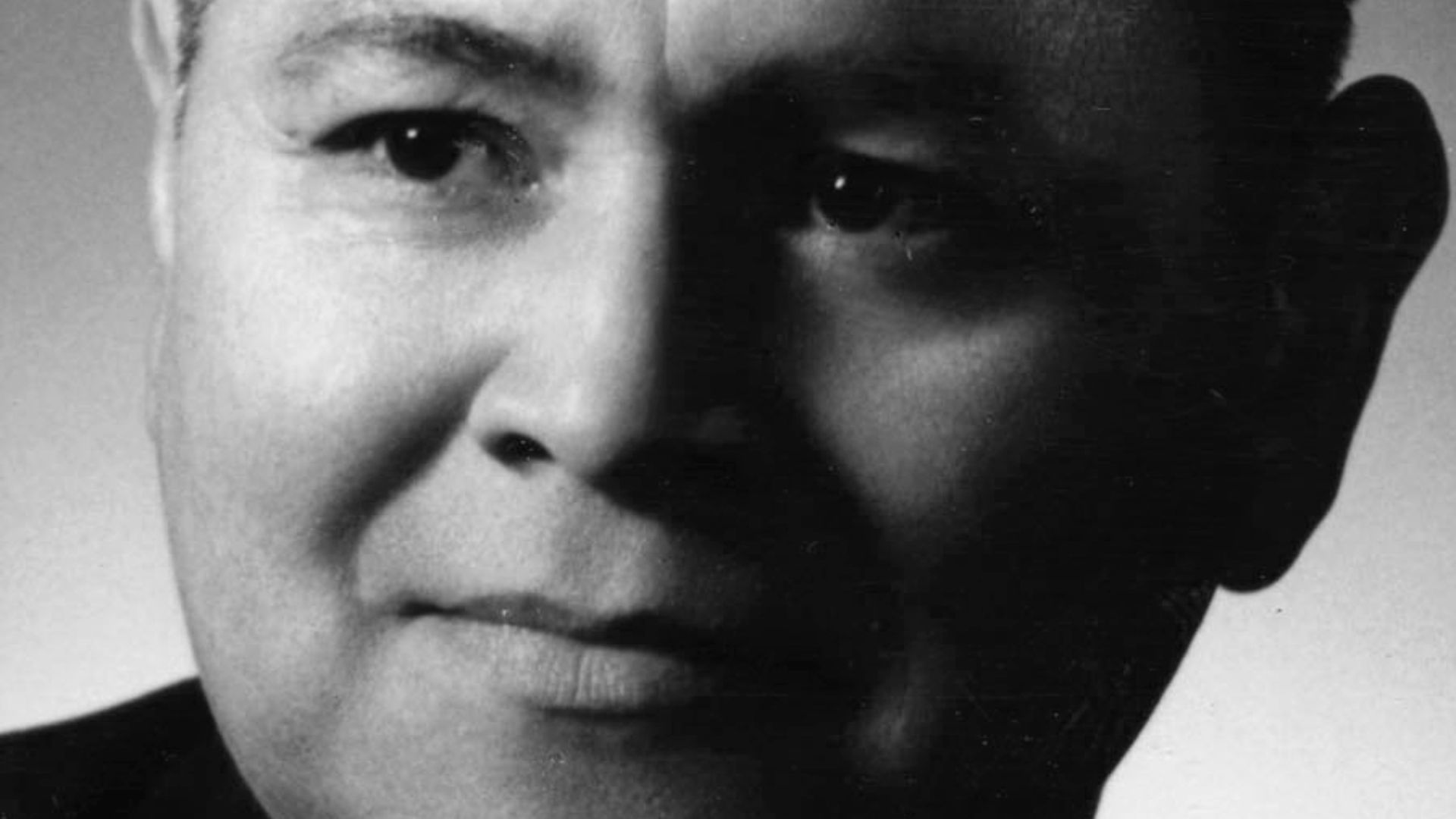 Nishio-Van Meer Studios on Wikimedia
12. Geronimo
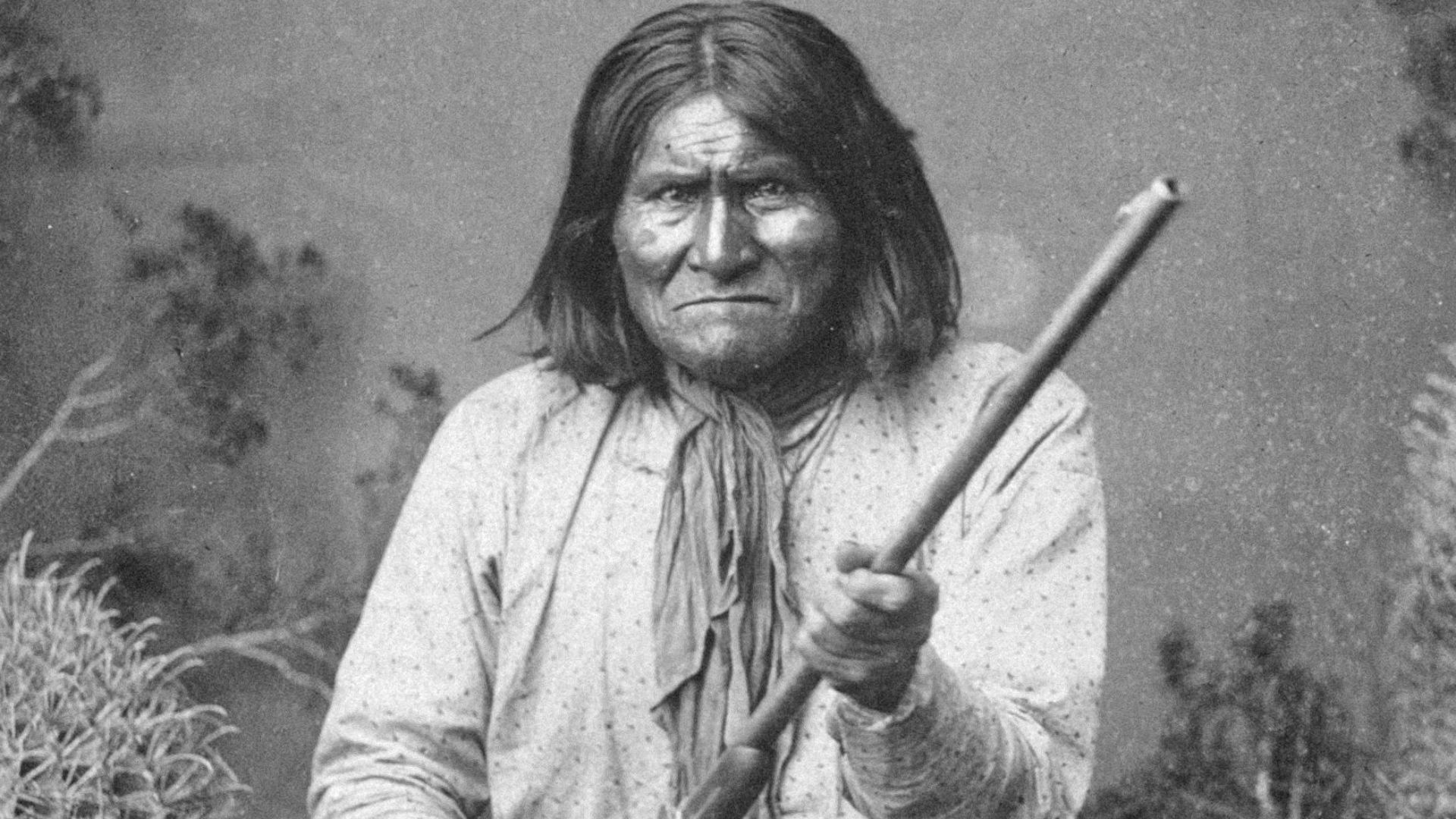
Geronimo was a medicine man and leader of the Bedonkohe Apache who led armed resistance against the U.S. military. Geronimo linked up with members from three other Apache bands to fend of both American and Mexican forces infringing on his tribal lands. To this day, Geronimo's name is synonymous with bravery.
13. Tom Longboat
The "bulldog of Britannia," Tom Longboat was an Onondaga distance runner who changed the sports forever. After winning the Boston Marathon in a record 2:24:24, Longboat was called "lazy" because he incorporated recovery days into his workout. Longboat served as a dispatch runner in WWI.
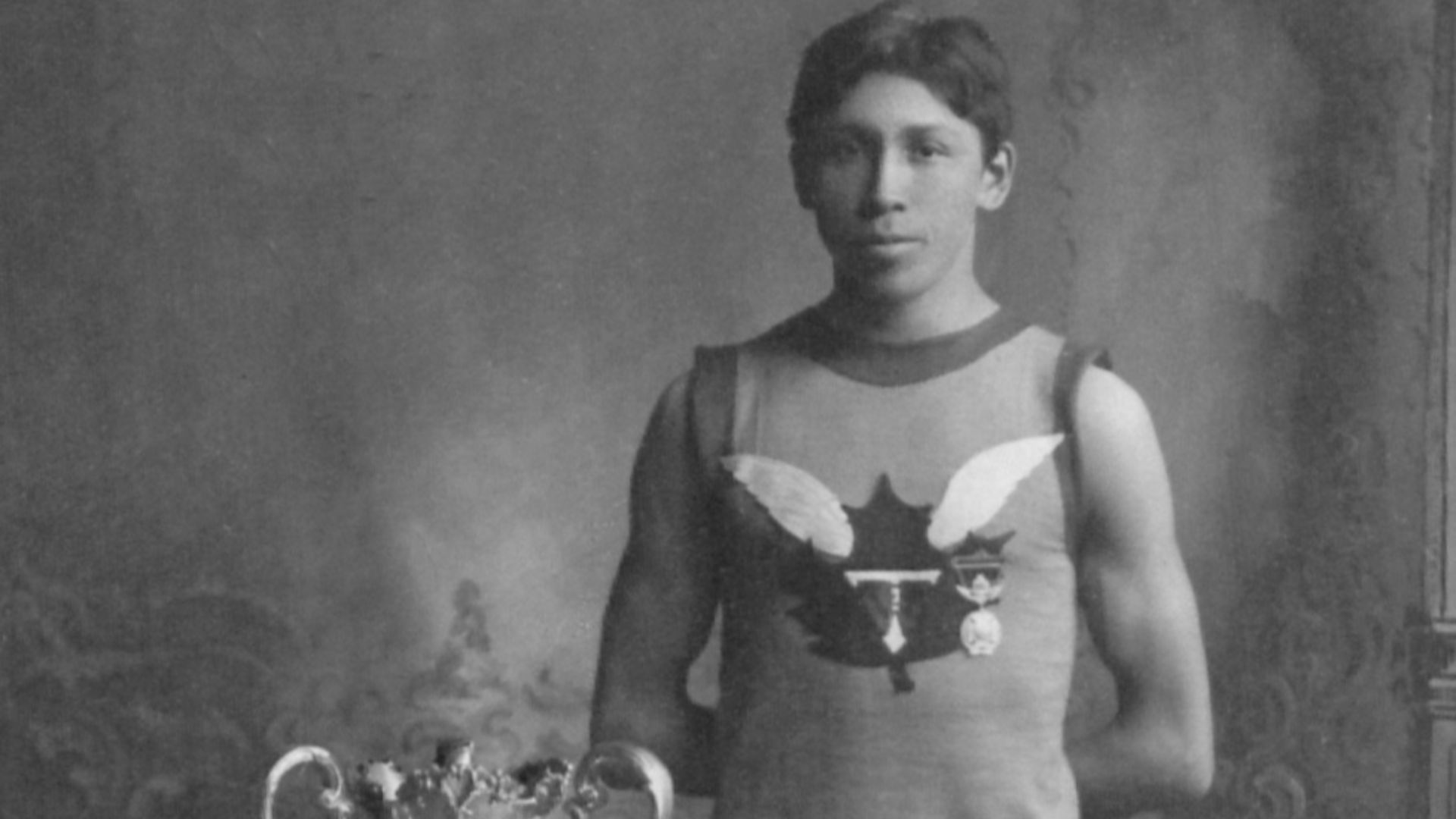
14. Della Keats
Della Keats was born at the start of the 20th century, when the traditional Iñupiaq way of life in Alaska was clashing with rapid colonial expansion. Keats adapted traditional healing and midwifery practice to include modern technology. Keats worked as a midwife for 30 years when healthcare was otherwise scarce.
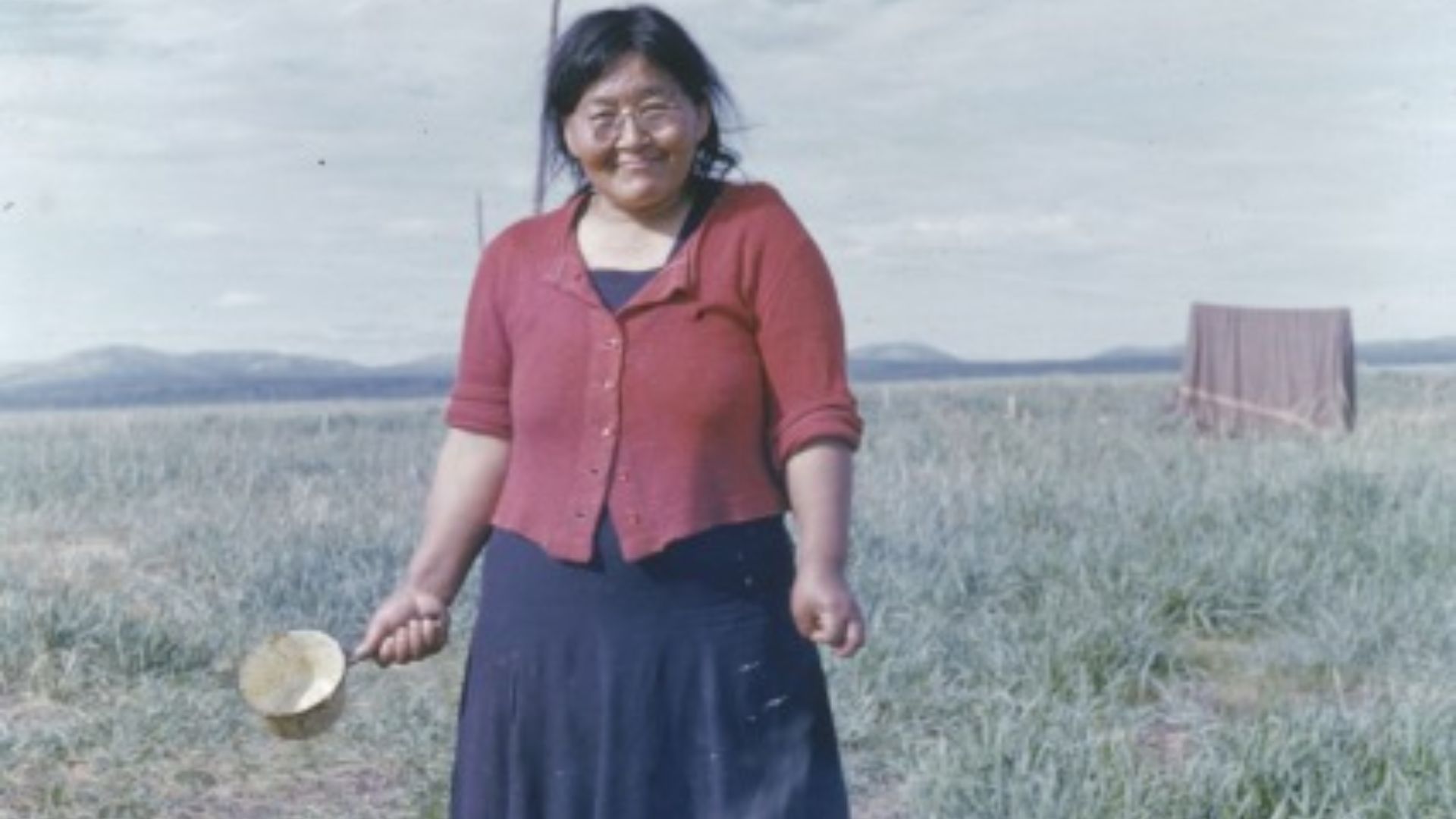
15. Chipeta
Chipeta, also known as White Singing Bird was a Kiowa Apache raised by the Utes. After her husband's death, Chipeta took over as chief, serving as a diplomat between her people and white settlers. In addition to her leadership and dignity, Chipeta was also skilled in the arts of tanning and beadwork.
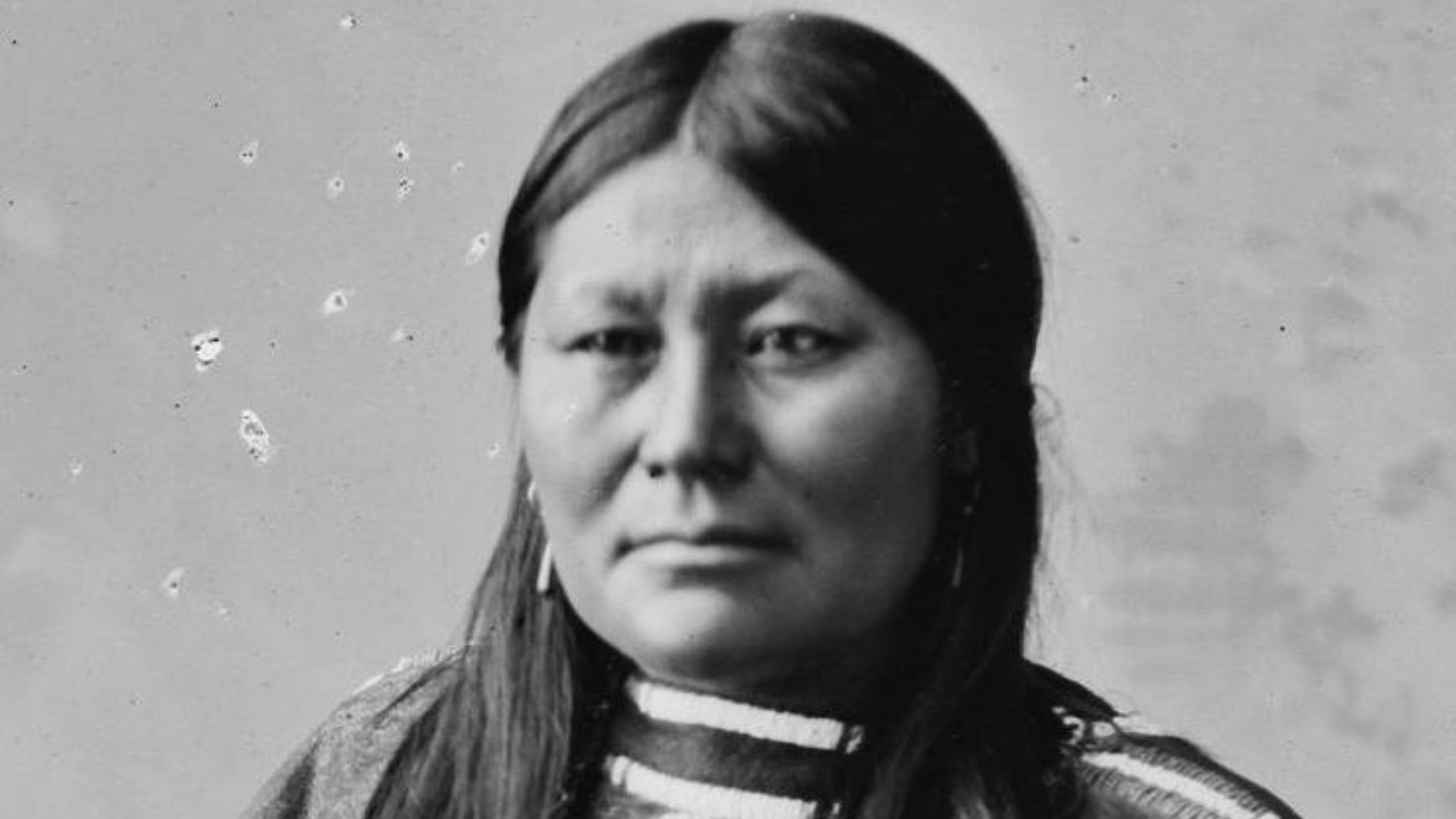 Mathew Benjamin Brady / Levin Corbin Handy on Wikimedia
16. Thayendanegea
Also known as Joseph Brant, Tahyendanegea was a political and military leader of the Kanien'kehá:ka. Unlike other leaders, Thayendanegea was not born into political power, but earned his position through education and prominant connections. Thayendanegea met with both George Washington and King George III.
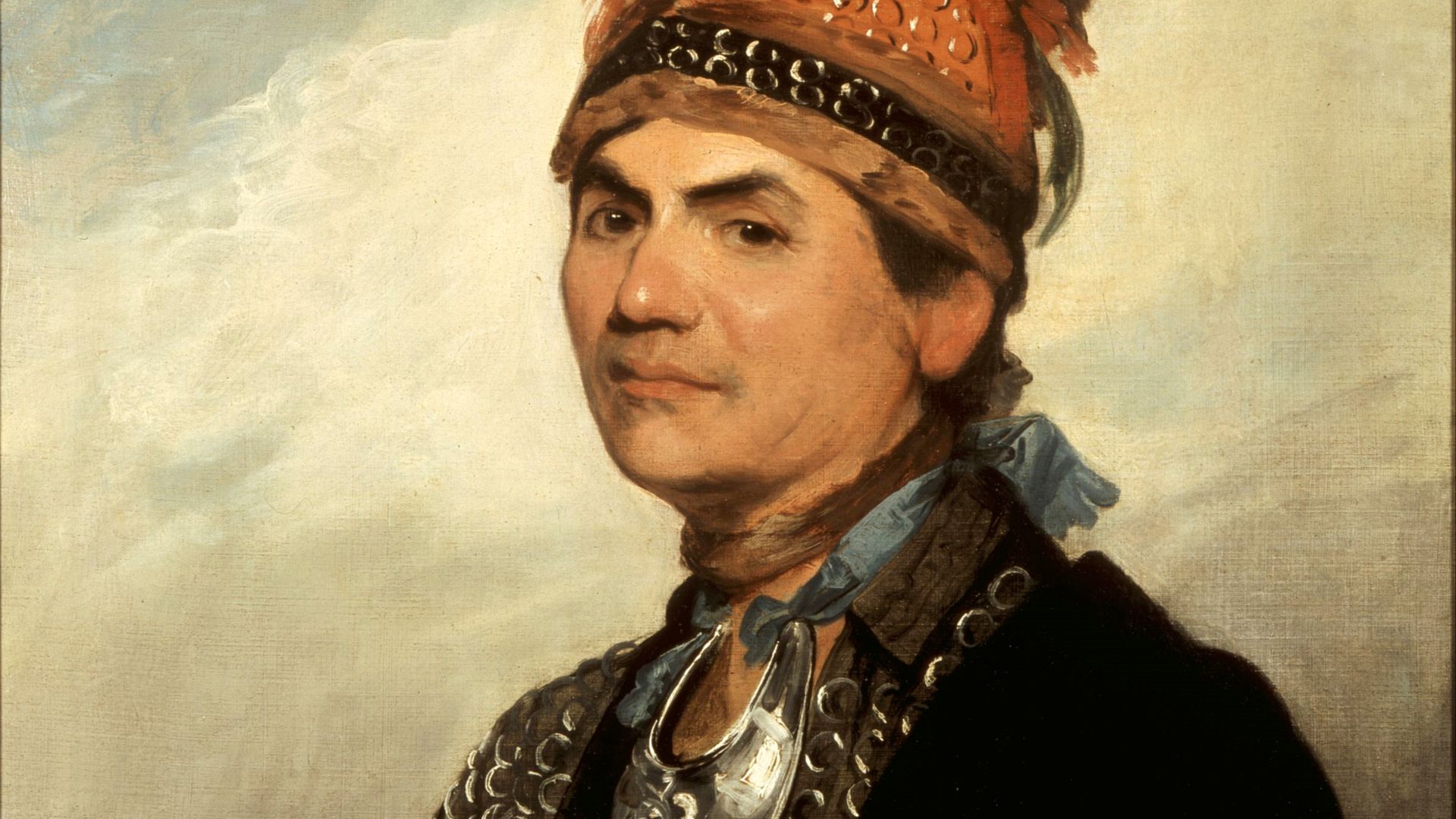
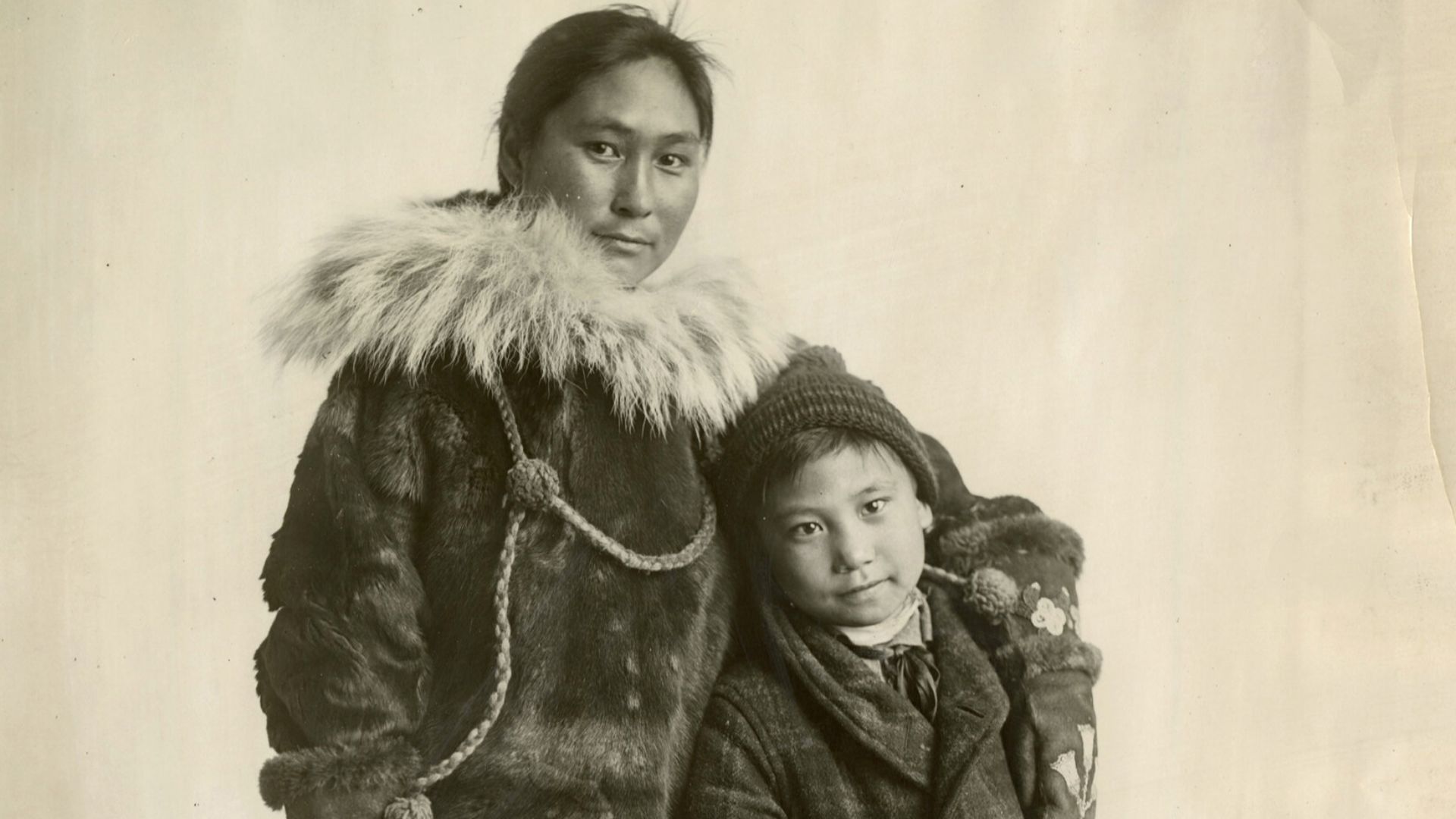
17. Ada Blackjack
Ada Blackjack was a young Iñupiaq mother who survived the impossible to get medical treatment for her son. Blackjack signed onto a doomed Arctic expedition as a seamstress and ended up surviving eight months alone in Siberia. When Blackjack was rescued, she was called "the female Robinson Crusoe".
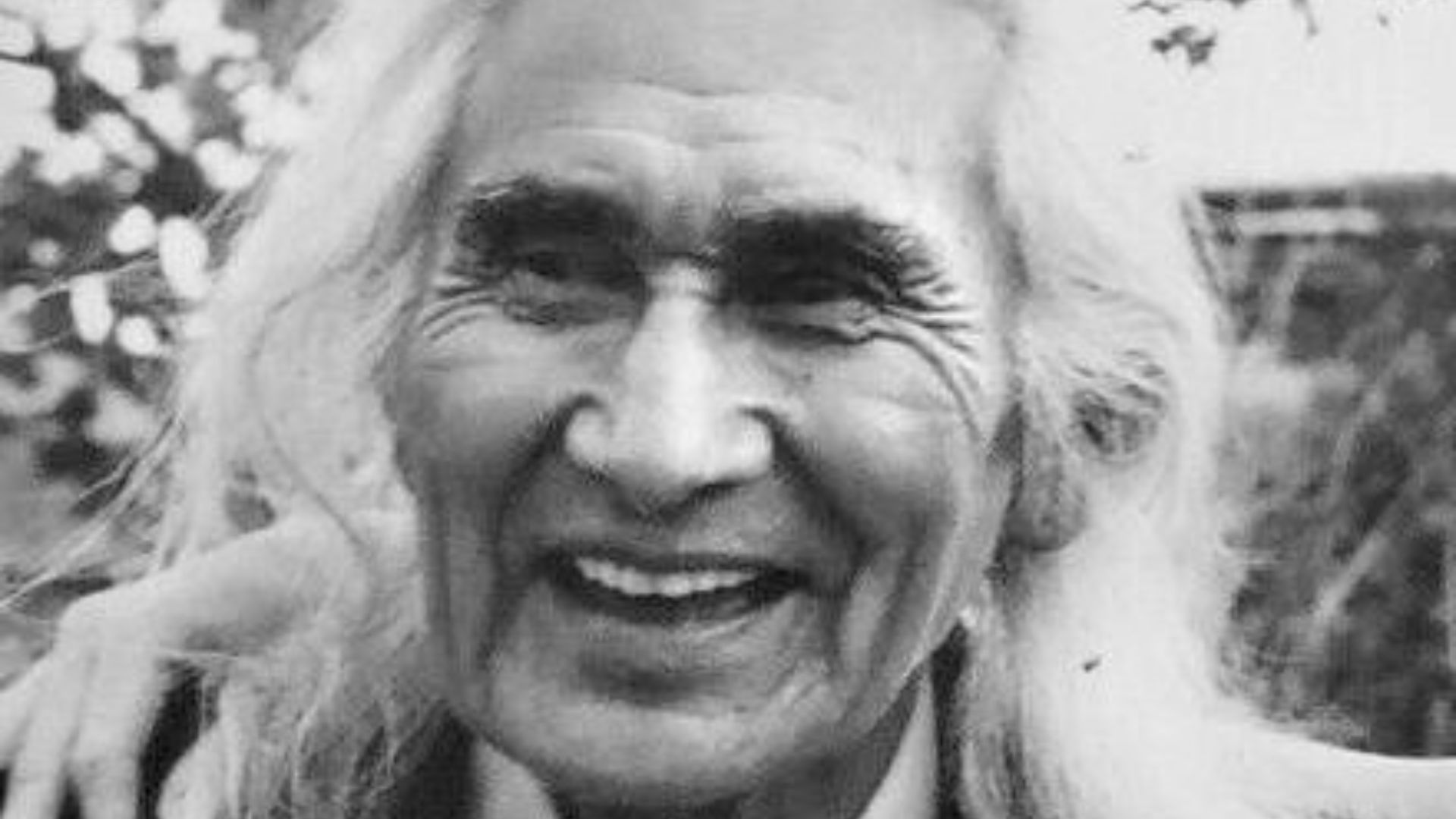
18. Chief Dan George
Chief Dan George was a man of many talents. Not only was he chief of the Tsleil-Waututh nation, but he was also a poet, musician, and actor. George did not start acting until he was 60 and was twice nominated for an Academy Award!
19. Sitting Bull
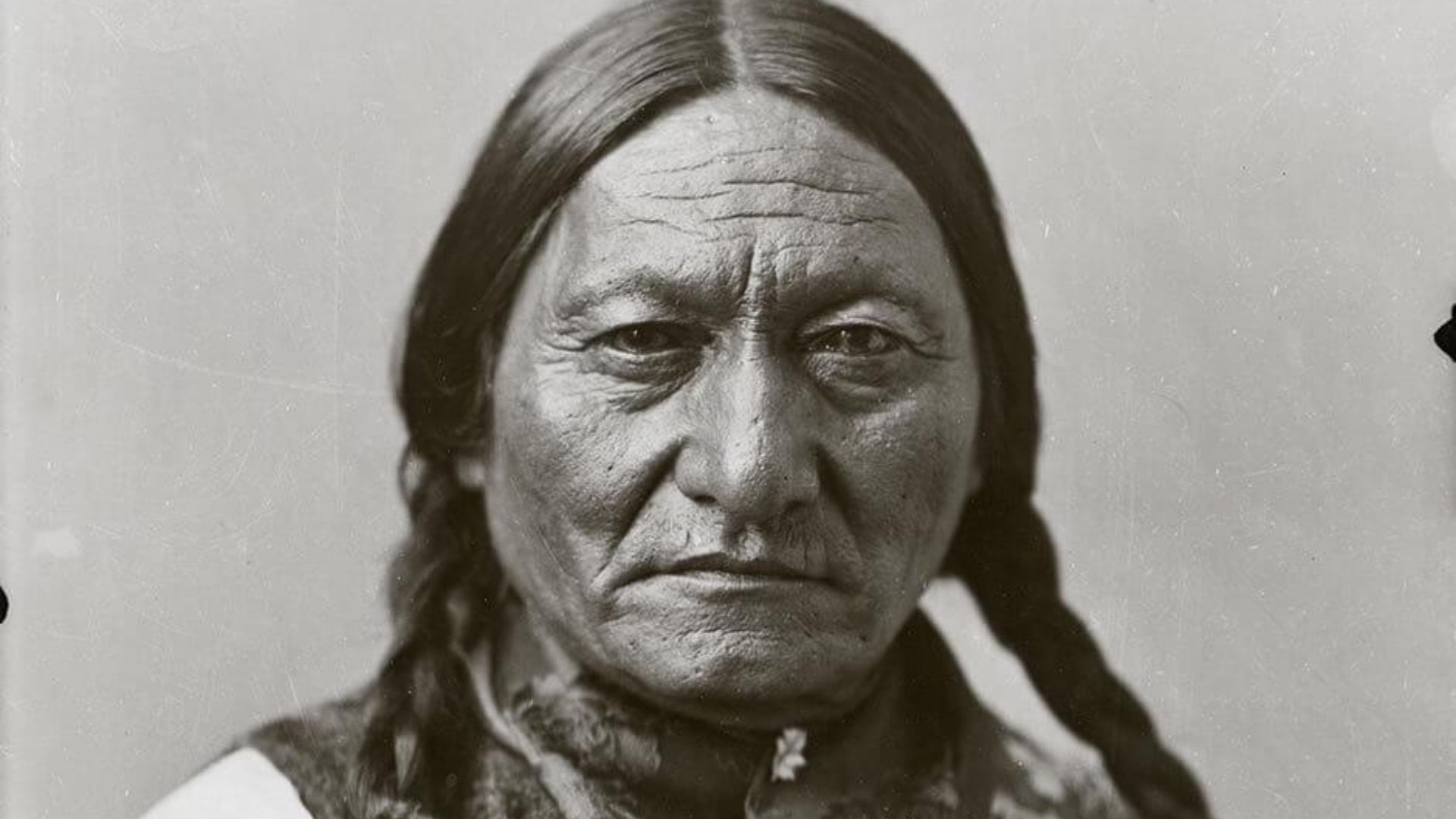
One of the most famous figures in Native history, Sitting Bull was a leader of the Hunkpapa Lakota known for resisting American government intervention. Sitting Bull led the Lakota and Cheyenne in battle at Little Bighorn, where he triumphed over General Custer. Unfortunately, Sitting Bull's victory was short-lived.
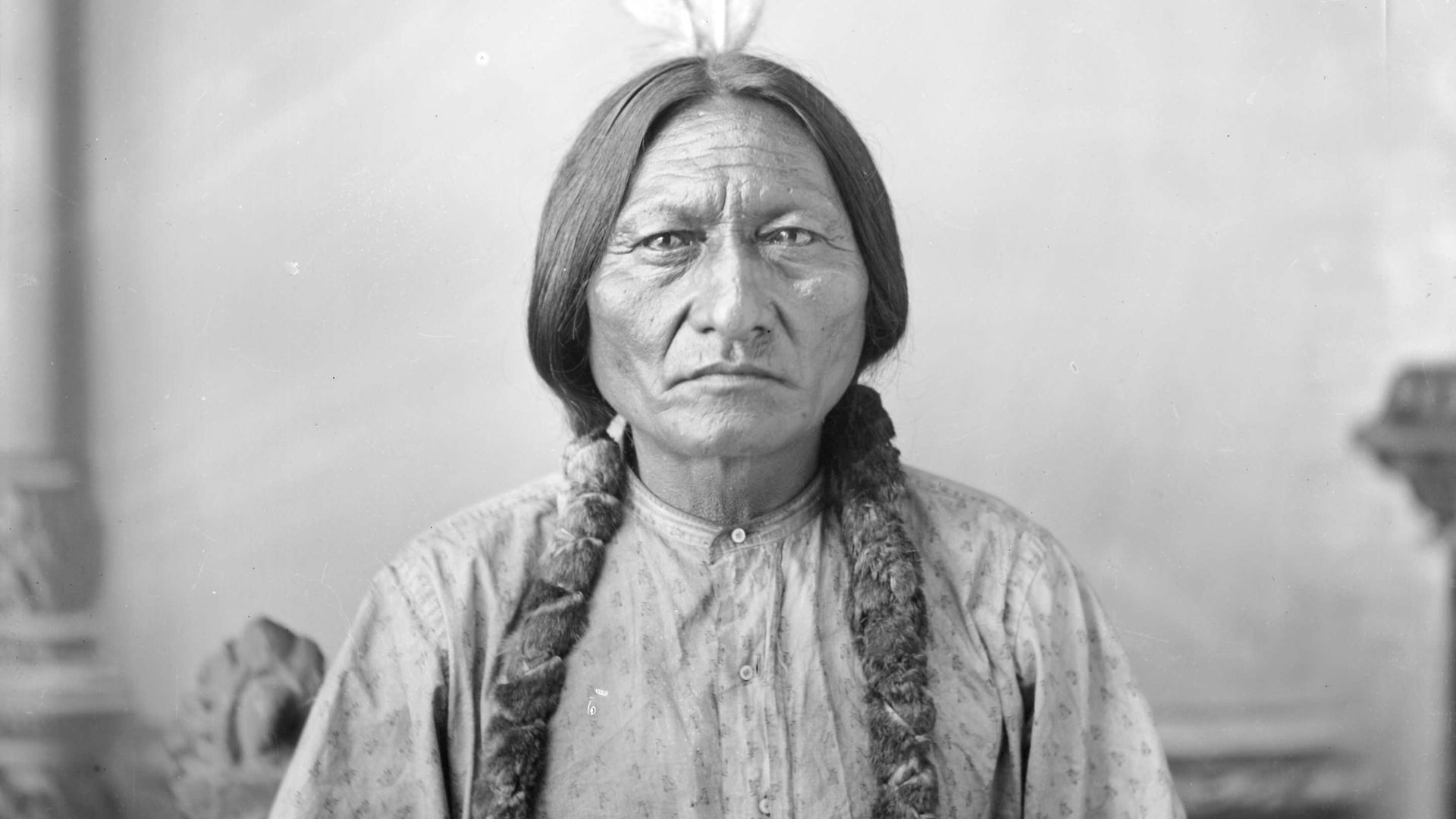 David F. Barry, Photographer, Bismarck, Dakota Territory on Wikimedia
20. Sacagawea
When she was still a teenager, Sacagawea traveled thousands of miles across America with Lewis and Clark. Sacagawea spoke Shoshone and Hidatsa, which made her an invaluable translator to the expedition. Miraculously, she made a grueling journey with her infant son strapped on her back!
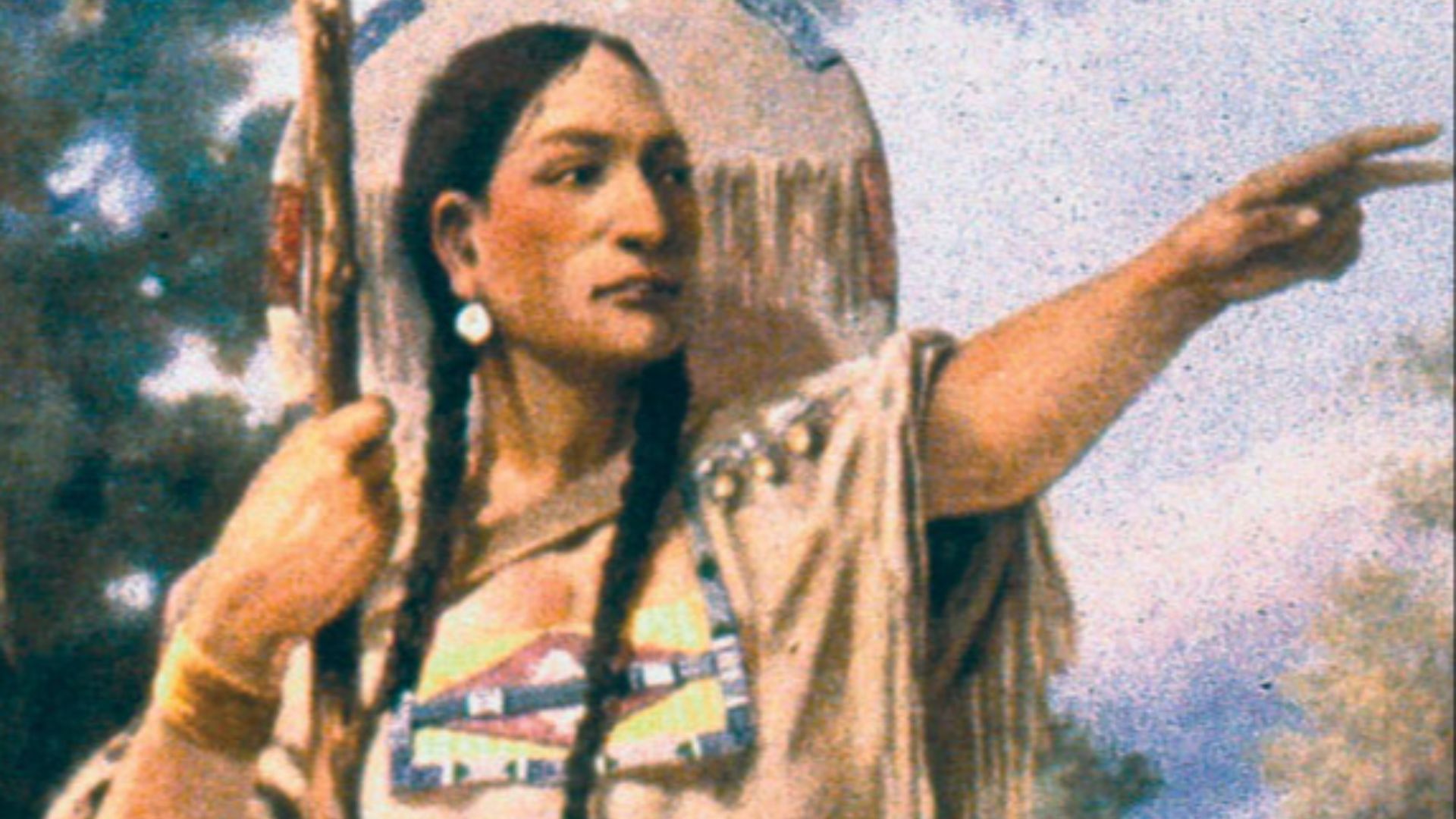 Edgar Samuel Paxson on Wikimedia