20 Incredible Things Alexander the Great Did Before Turning 30
He Packed an Extraordinary Amount Into His Twenties
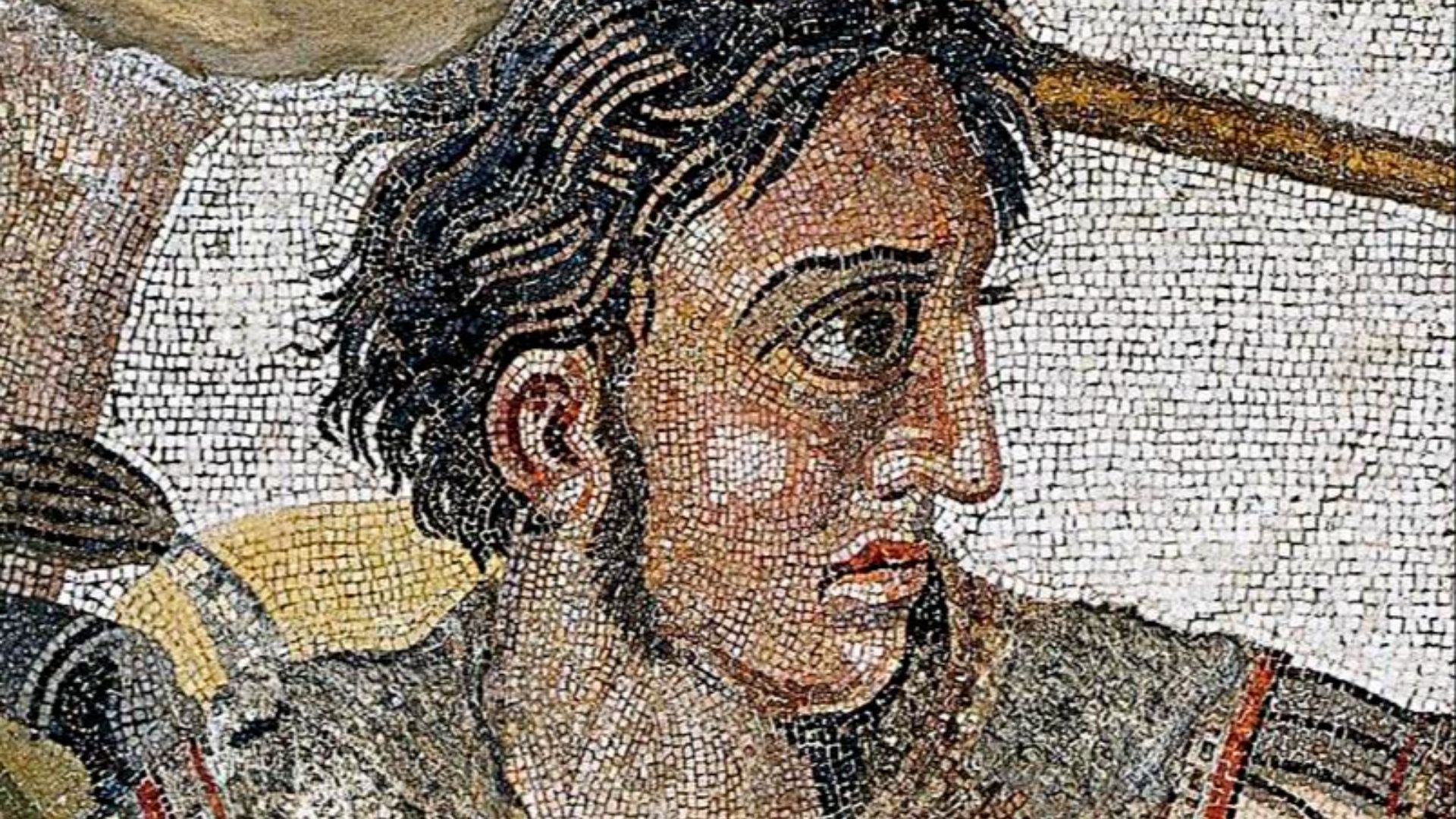
Alexander the Great died at just 32, but many of the achievements that made him famous happened before he even reached 30. By that age, he had already defeated major armies, toppled the Persian Empire, founded cities, and pushed his conquests as far as the Indian subcontinent. And you thought your twenties were eventful. In case you needed to feel humbled by someone's achievements, here are 20 things Alexander the Great did before turning 30.
 Unknown authorUnknown author on Wikimedia
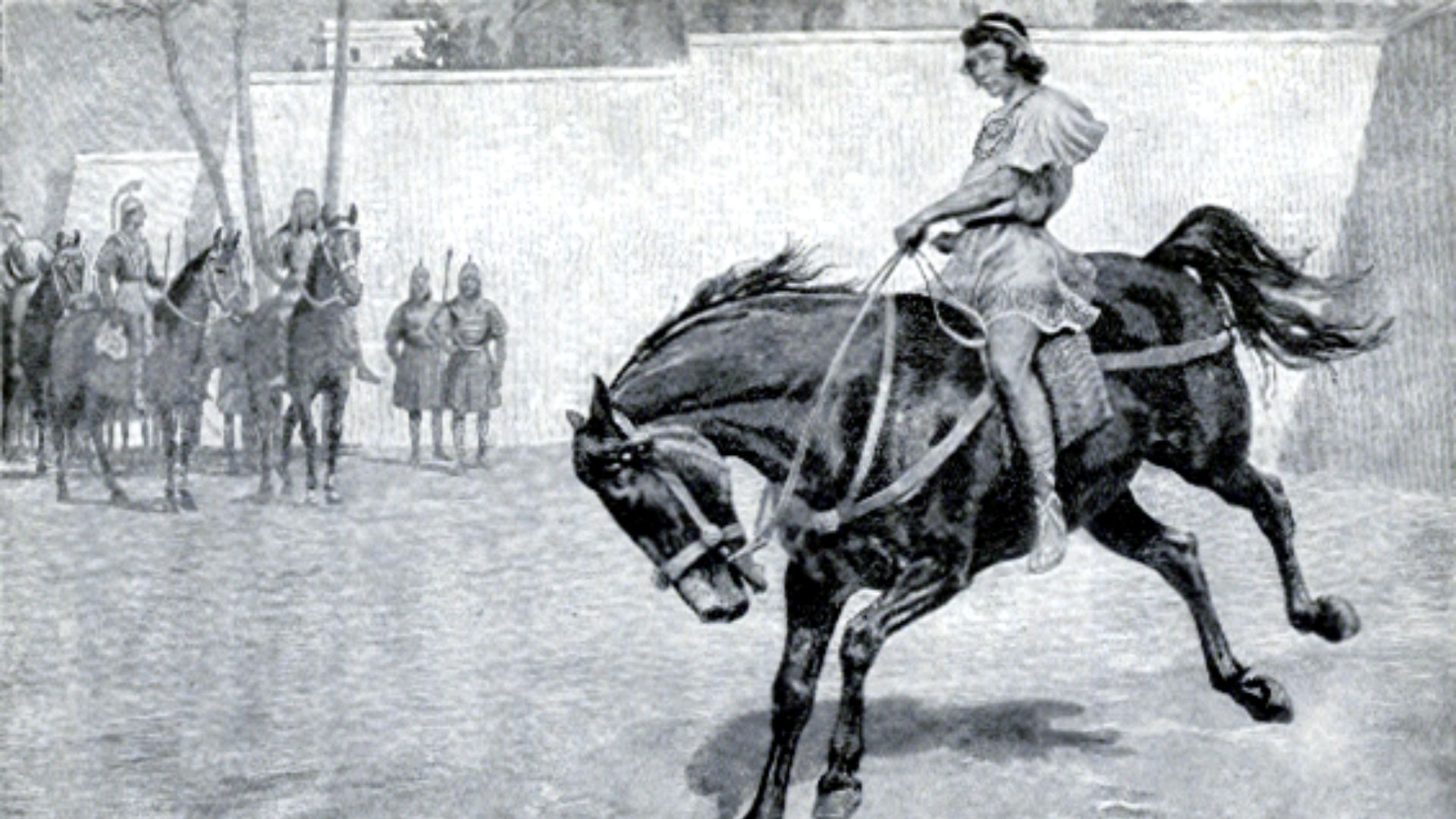
1. He Tamed Bucephalus
Alexander reportedly tamed the famously difficult horse Bucephalus when he was only around 11 or 12 years old. According to tradition, he realized the animal was spooked by its own shadow and turned it toward the sun before mounting it. Bucephalus went on to become his beloved warhorse and accompanied him through years of campaigning.
2. He Was Left in Charge of Macedonia at 16
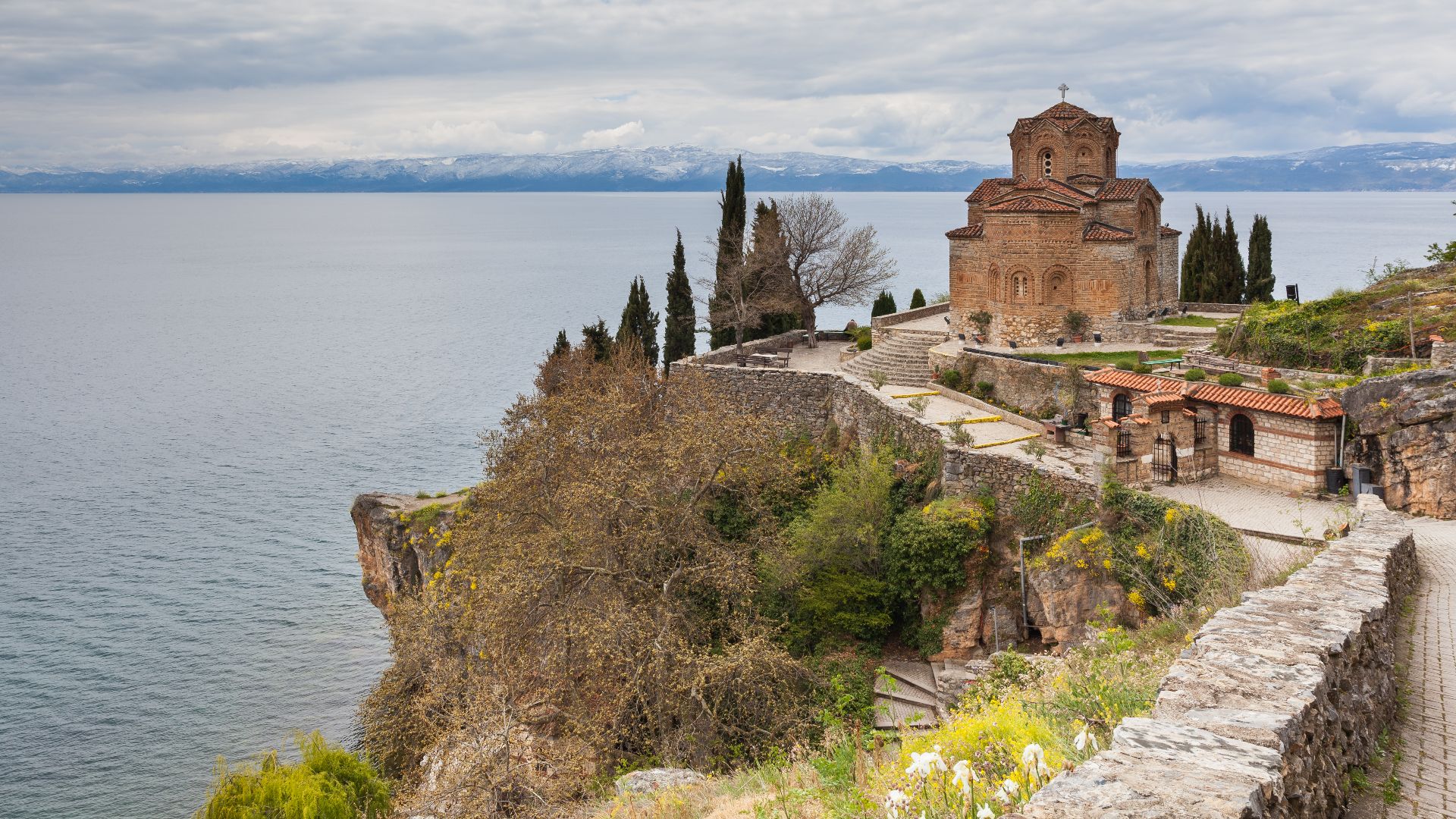
Philip II trusted his teenage son with a serious amount of responsibility. When the king went away on campaign, Alexander was left in charge of Macedonia at around 16 years old. At the age when most people are stressed about exams, first jobs, or dating, Alexander was already leading a kingdom.
3. He Helped Win the Battle of Chaeronea at 18
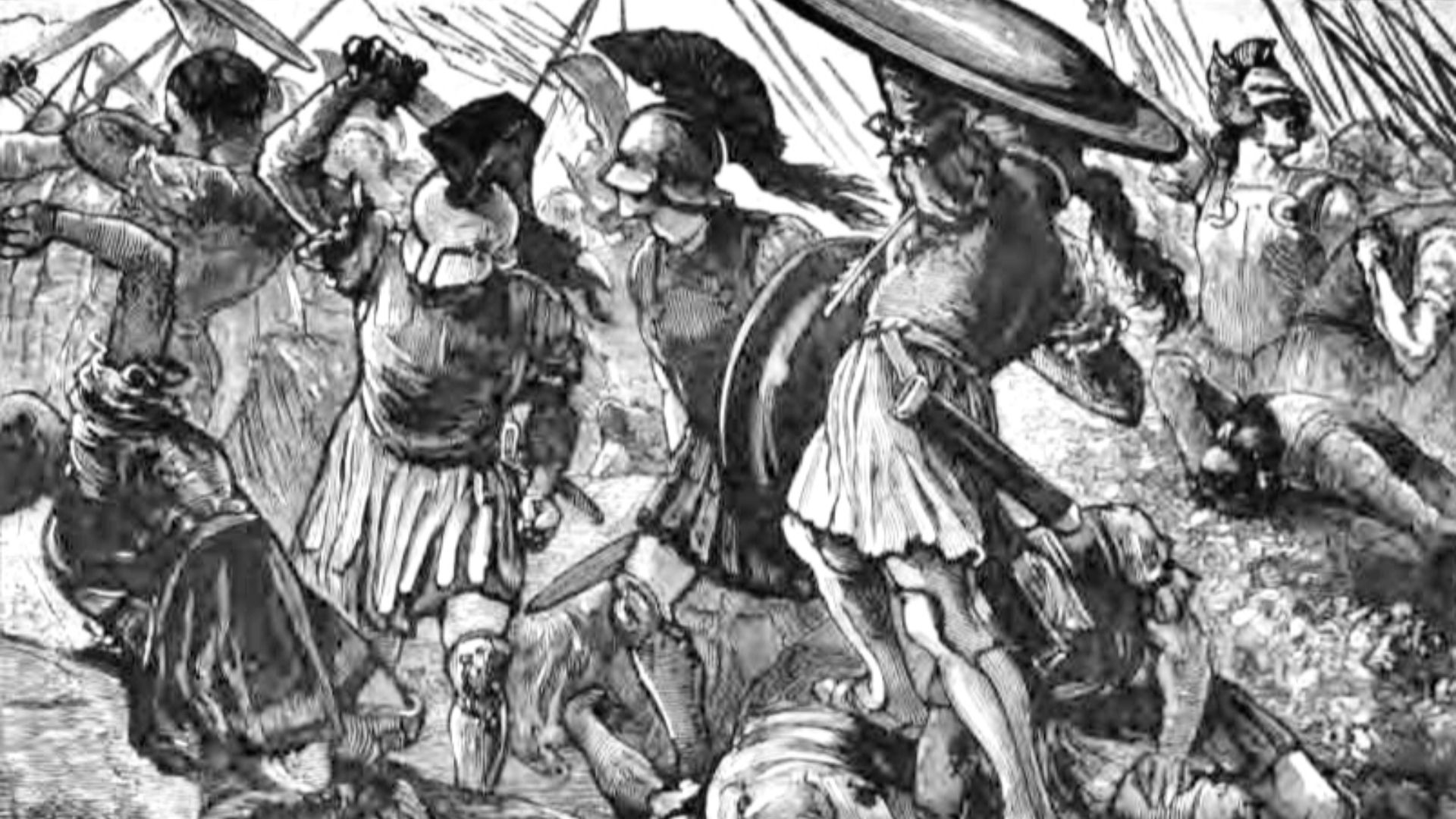
Alexander got one of his earliest chances to prove himself at the Battle of Chaeronea in 338 BCE. At just 18, he served as second-in-command to his father and played an important role in Macedonia's victory over the combined forces of Athens and Thebes. This massive battlefield debut set him up to take the throne just two years later.
4. He Became King at 20
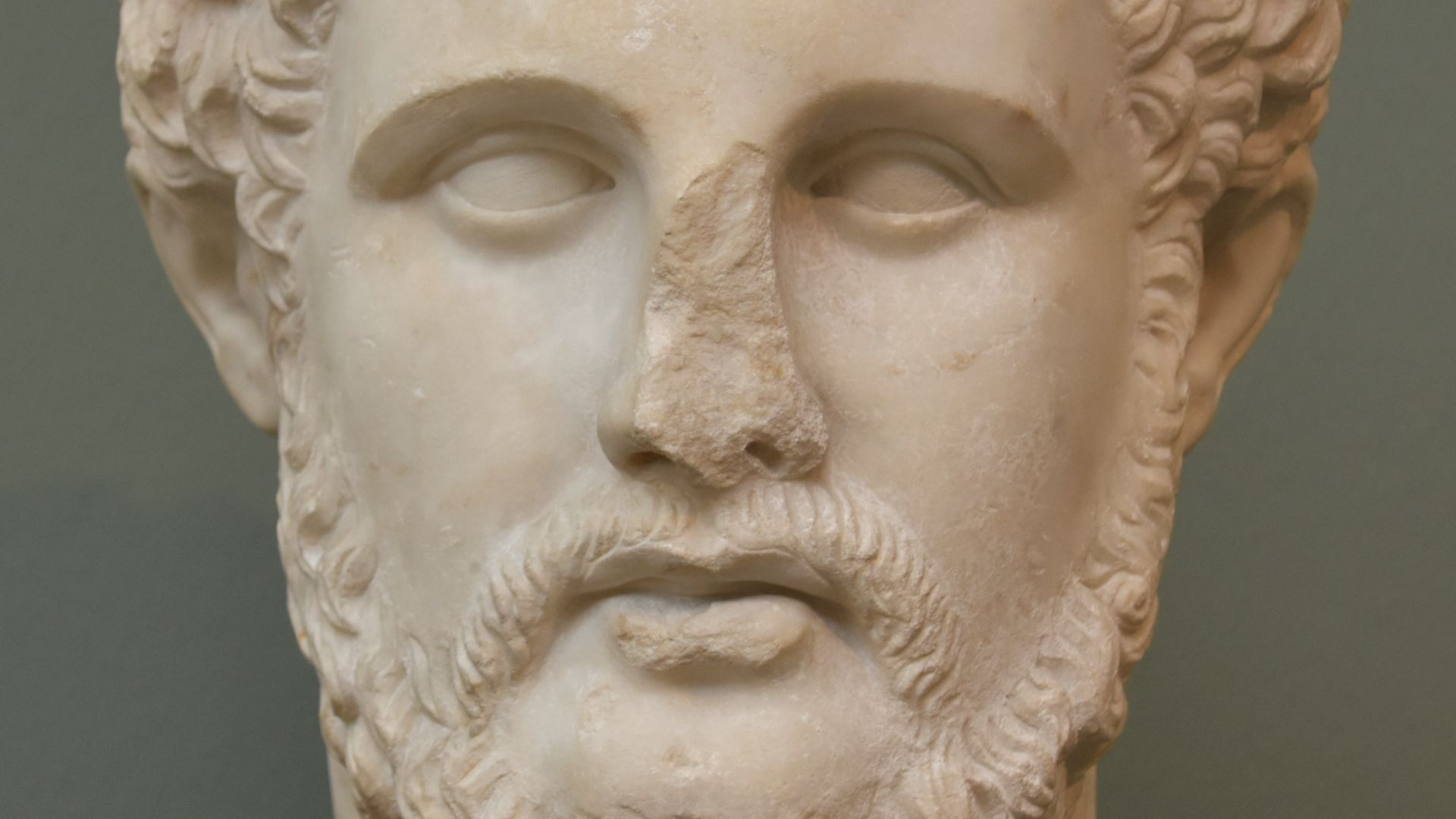
Philip II was assassinated in 336 BCE, suddenly leaving the Macedonian throne open. Alexander, only 20 years old, quickly secured his position and became king. Instead of easing gradually into the role, he almost immediately had to deal with rivals, revolts, and the prospect of a massive war against Persia.
5. He Secured Macedonia's Northern Frontiers
Before marching east, Alexander had to make sure trouble wasn't brewing behind him. In 335 BCE, he campaigned through the Balkans against groups resisting Macedonian power and reasserted control in the region. That helped free him to concentrate on the much bigger target waiting across the Aegean.
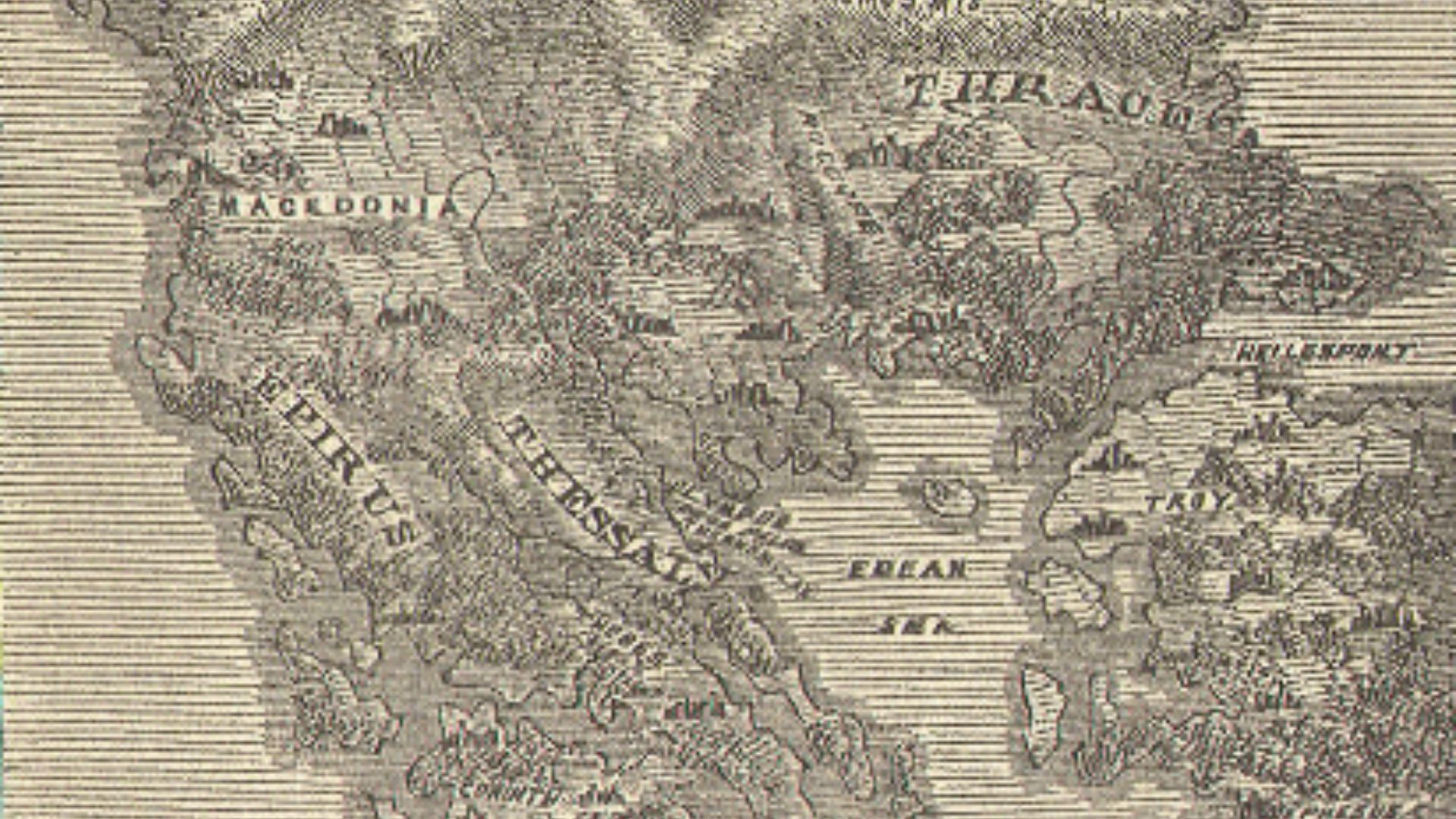
6. He Put Down the Revolt of Thebes
When Thebes rebelled against Macedonian rule in 335 BCE, Alexander responded with startling speed. His forces captured the city, which was then largely destroyed, and the harsh punishment sent an unmistakable message to other Greek states. It was a brutal episode, but politically it helped secure his control before the Persian campaign began.
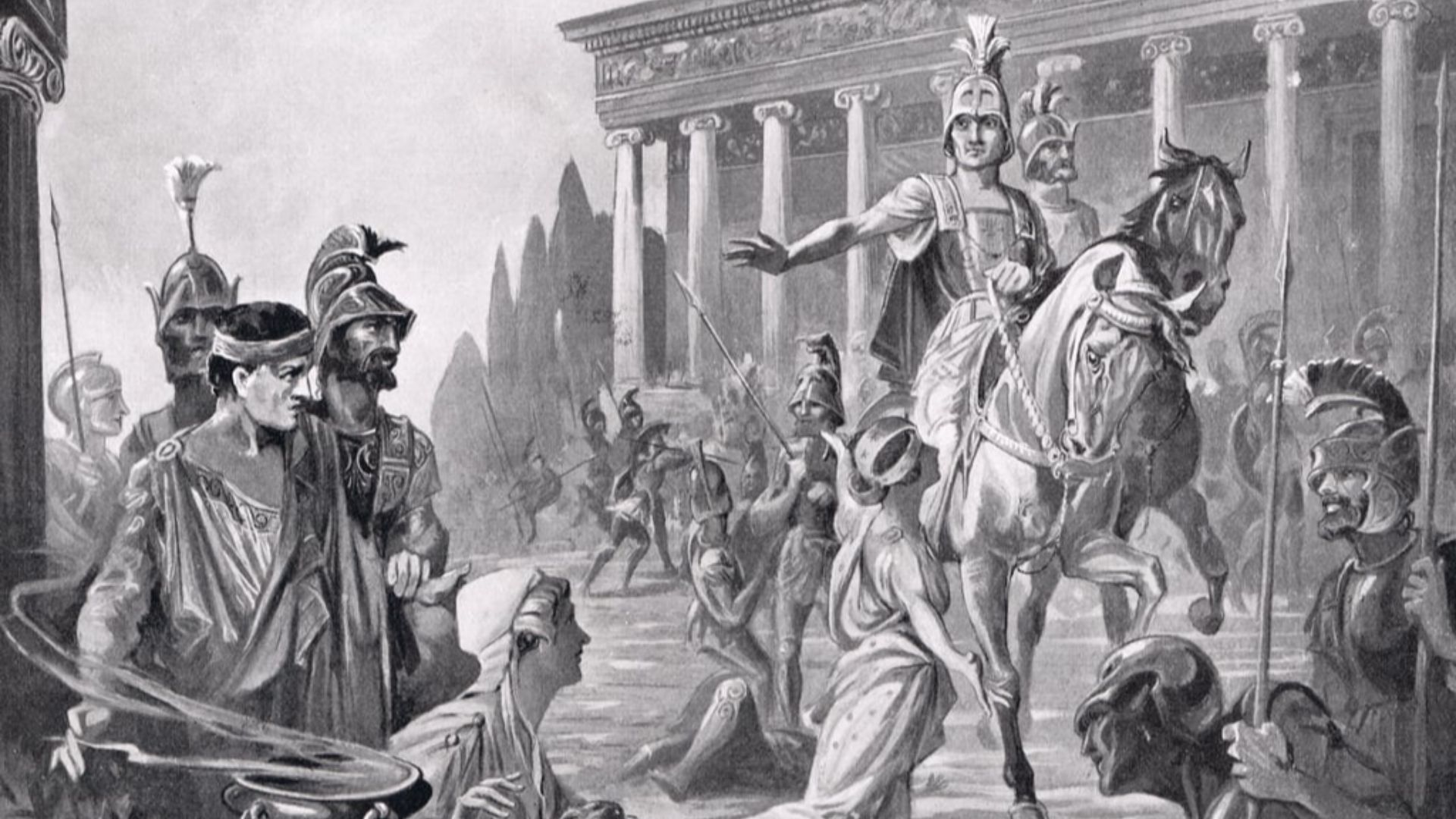 Charles Rebel Stanton on Wikimedia
7. He Crossed Into Asia to Take On Persia
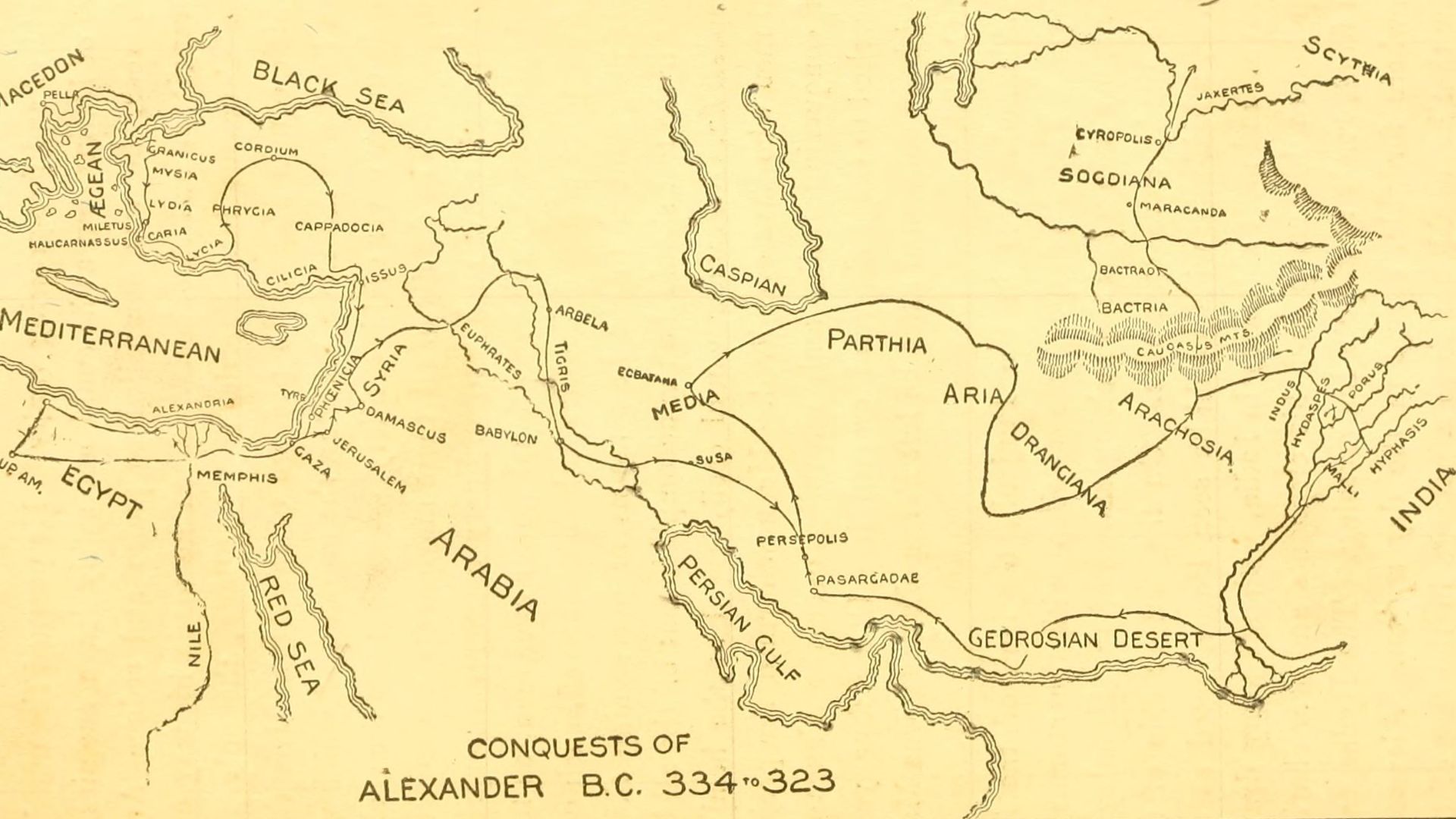
In 334 BCE, Alexander crossed the Hellespont and began an invasion of the enormous Achaemenid Persian Empire. He was still only about 21 or 22 and was attacking a state that controlled vast stretches of territory from Anatolia deep into Asia. The decision turned what might have been a regional reign into one of history's most famous campaigns.
8. He Won at the Granicus River
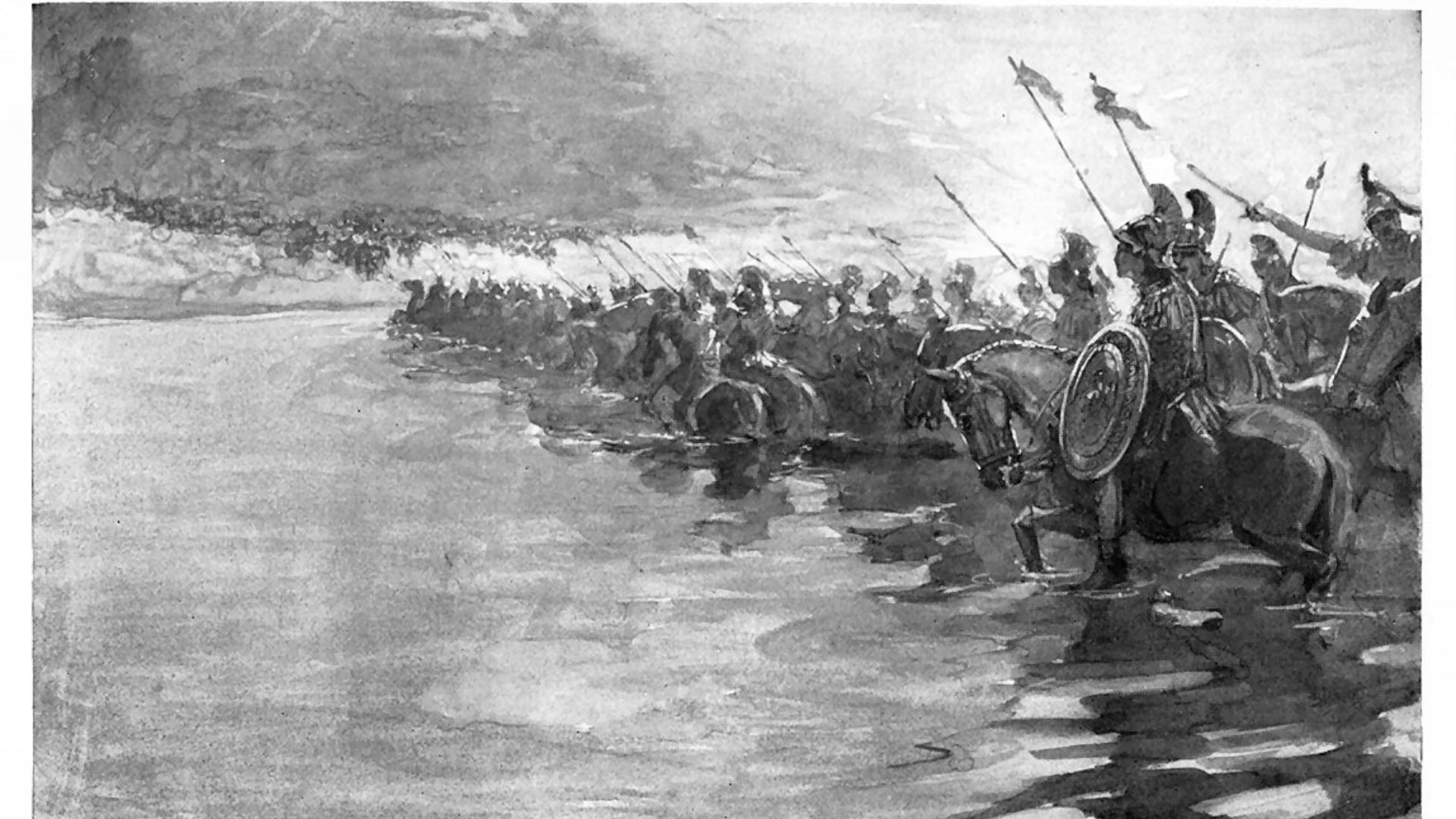
Alexander didn't have to wait long for his first major test against Persian forces. At the Granicus River in 334 BCE, his army defeated troops commanded by Persian satraps, giving the campaign an important early victory. The result opened the way for further advances through Asia Minor.
9. He Took Control of Major Cities in Asia Minor
After Granicus, Alexander rapidly expanded his position across western Anatolia. Sardis surrendered, while Ephesus and other cities came under his control as Persian authority weakened in the region. In a remarkably short time, his invasion had gone from a risky crossing to a sustained push through Persian territory.
10. He Captured the Persian Stronghold of Miletus
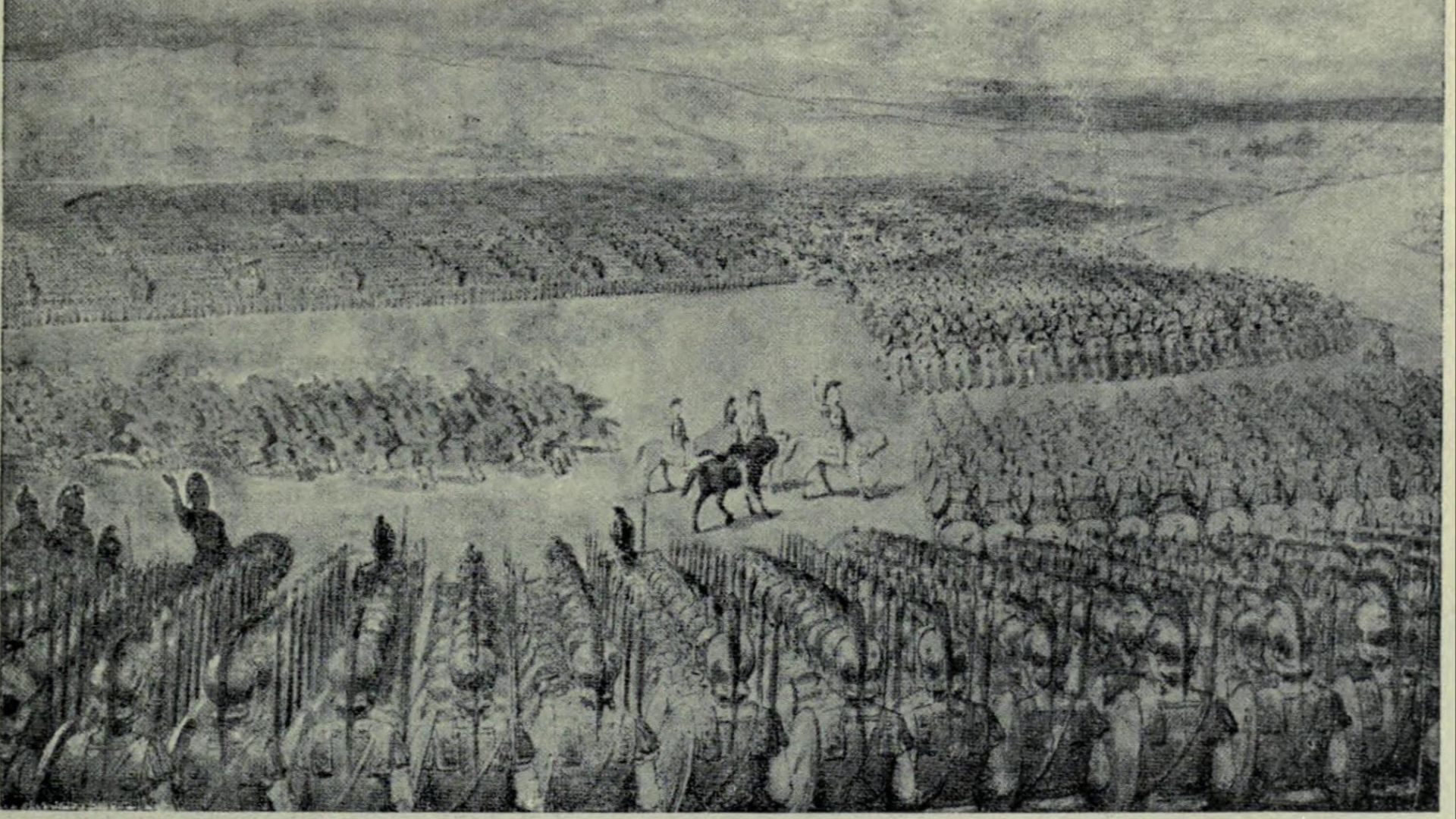
In 334 BCE, Alexander attacked Miletus, an important Greek city on the coast of Asia Minor that was being held for Persia. His forces defeated the city's defenders and blocked Persian naval support from changing the outcome. The victory helped strengthen Macedonian control of the western coast and kept Alexander's campaign moving south.
11. He Defeated Darius III at Issus
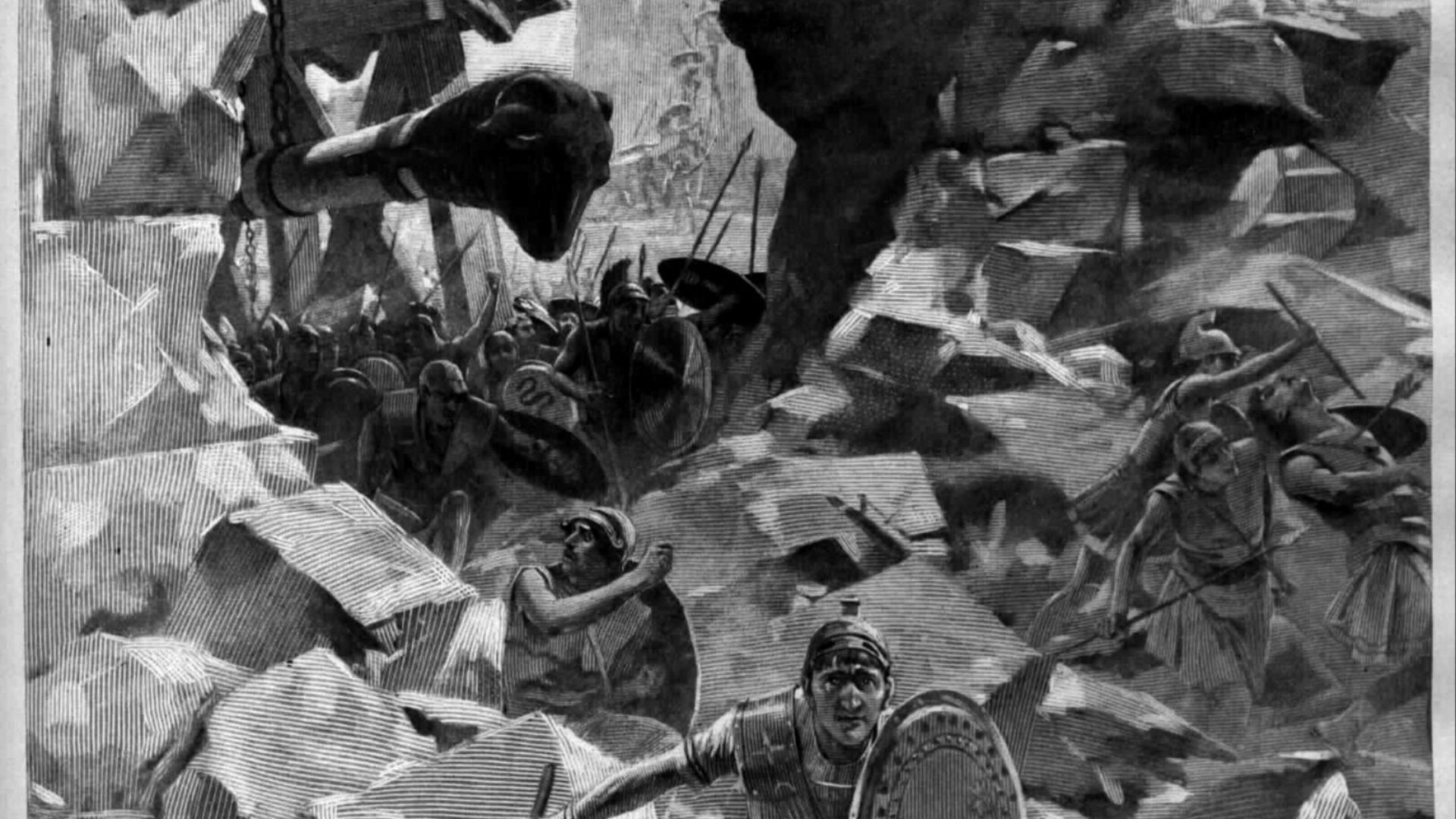
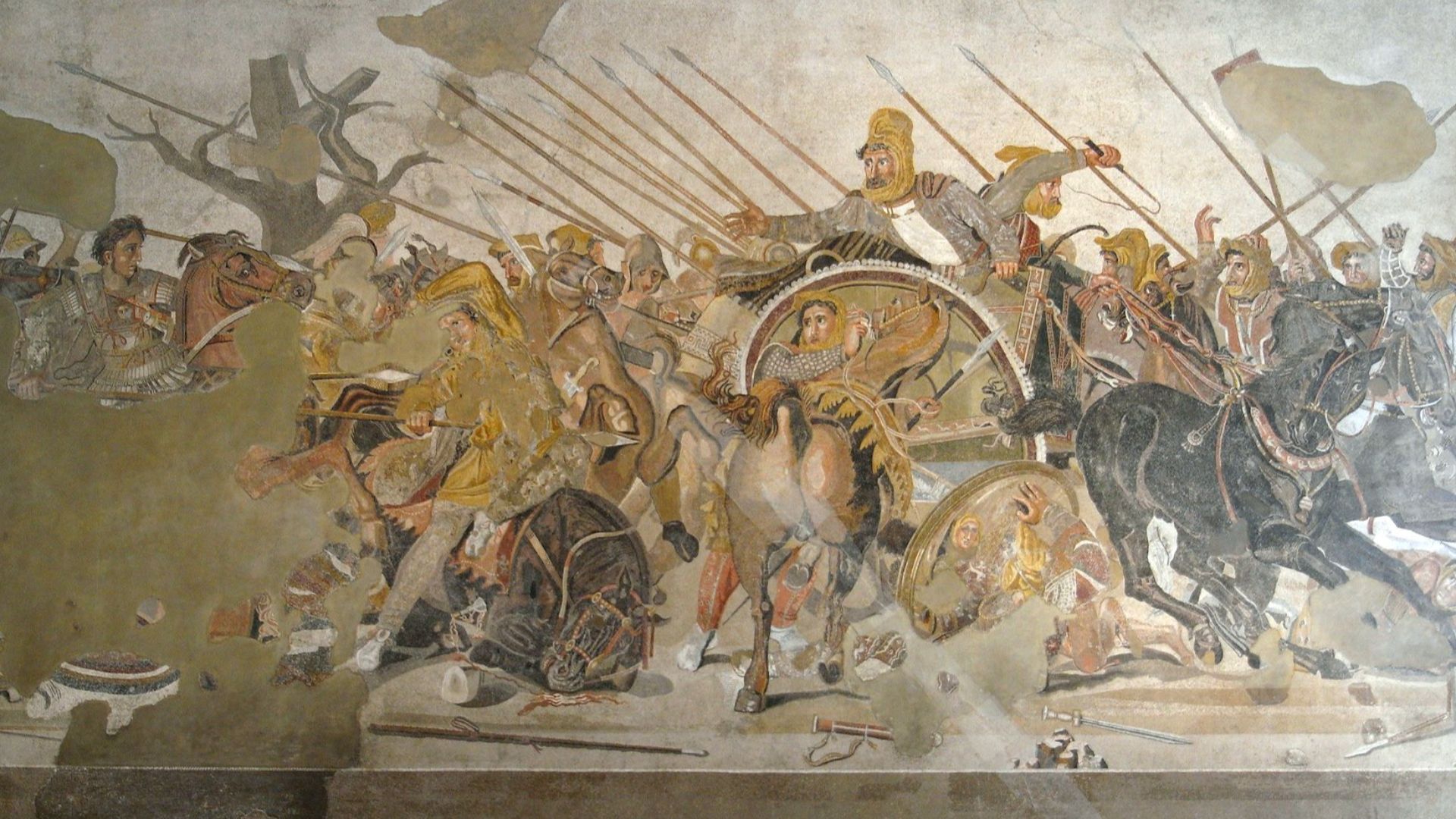
At Issus in 333 BCE, Alexander finally faced Persian king Darius III directly. Despite confronting a larger Persian force, the Macedonians won, and Darius fled the battlefield. In his early twenties, Alexander had already defeated the ruler of the empire he was trying to conquer.
 momo from Hong Kong on Wikimedia
12. He Conquered the Island City of Tyre
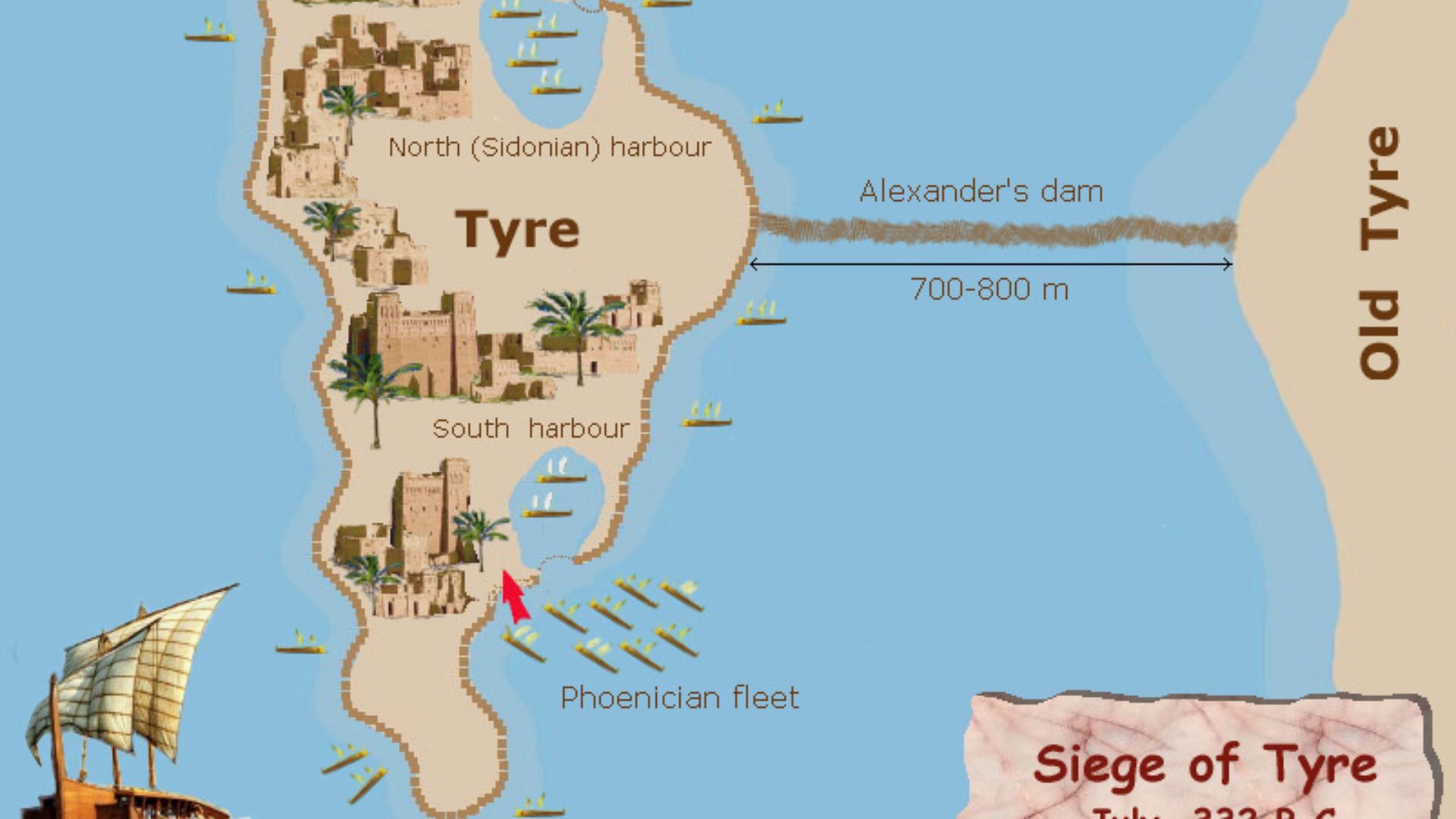
Tyre presented Alexander with a particularly stubborn problem because much of the fortified city stood offshore. His forces spent months constructing a causeway, one of history's greatest engineering feats, toward the island while he assembled a fleet capable of attacking its defenses. In 332 BC, Alexander and his forces brutally besieged, captured, and destroyed Tyre.
13. He Took Egypt With Little Resistance
After his victories farther north, Alexander entered Egypt, which had been under Persian control. Rather than facing another enormous battle, he was able to establish control there without major resistance. By his mid-twenties, he was adding one of the ancient world's most important regions to his rapidly expanding territory.
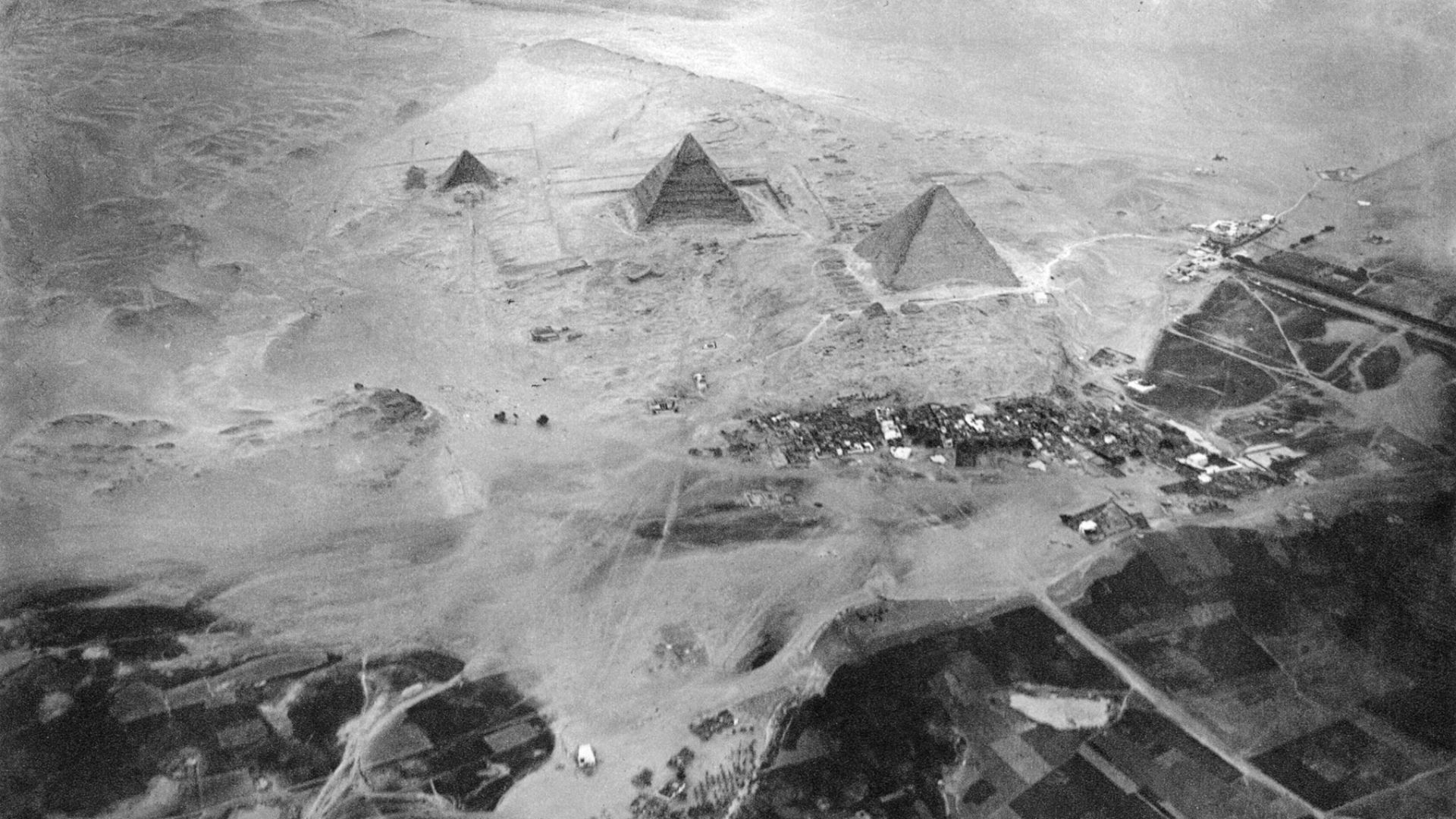 Eduard Spelterini on Wikimedia
14. He Founded Alexandria
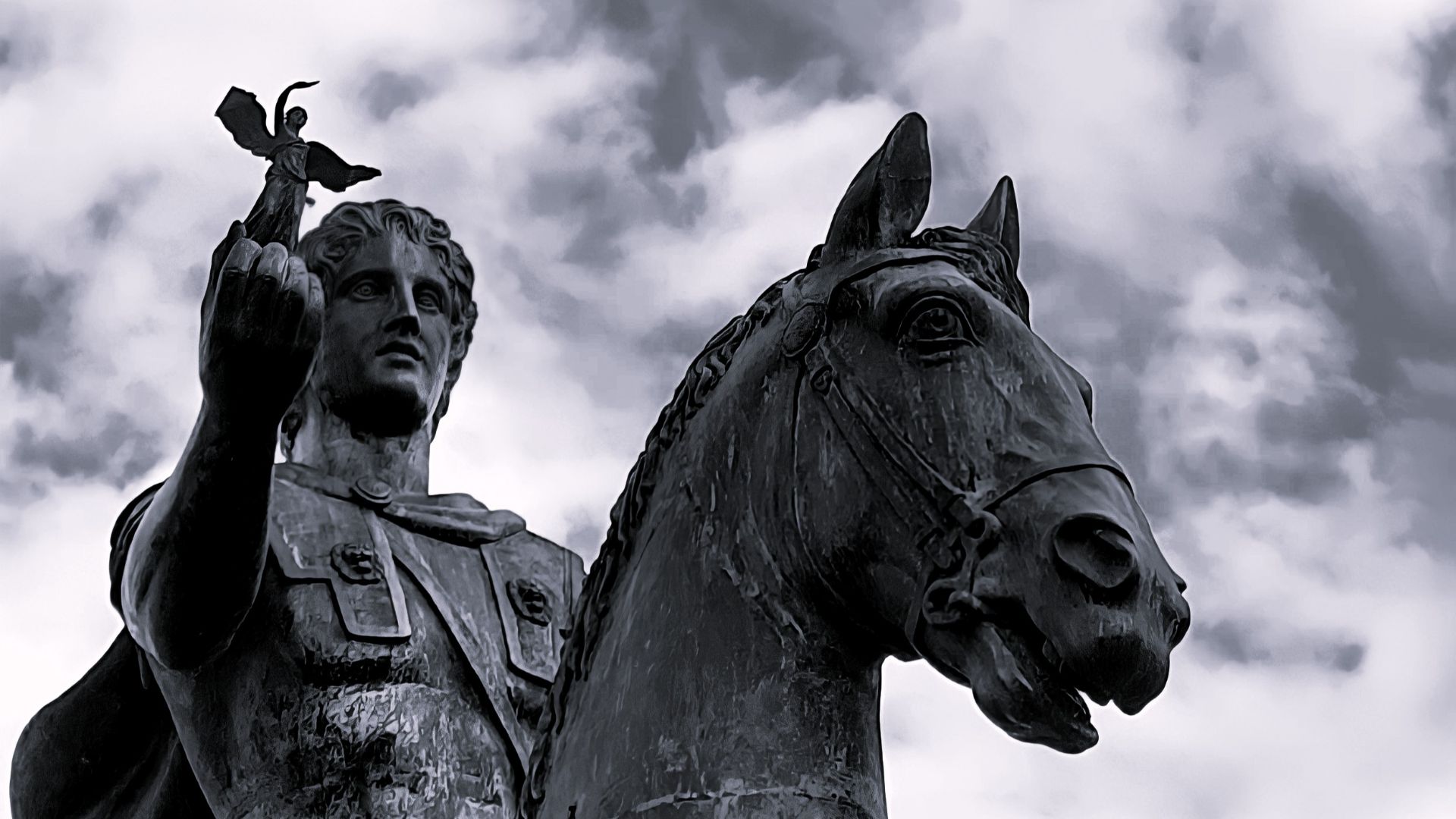
In 331 BCE, Alexander founded a new city on Egypt's Mediterranean coast near the settlement of Rhakotis. Alexandria would eventually become one of the ancient world's great centers of trade and learning, although much of its famous development happened after Alexander's death. Having a city that still bears your name more than two millennia later isn't a bad legacy for someone in his twenties.
15. He Traveled to the Oracle at Siwa
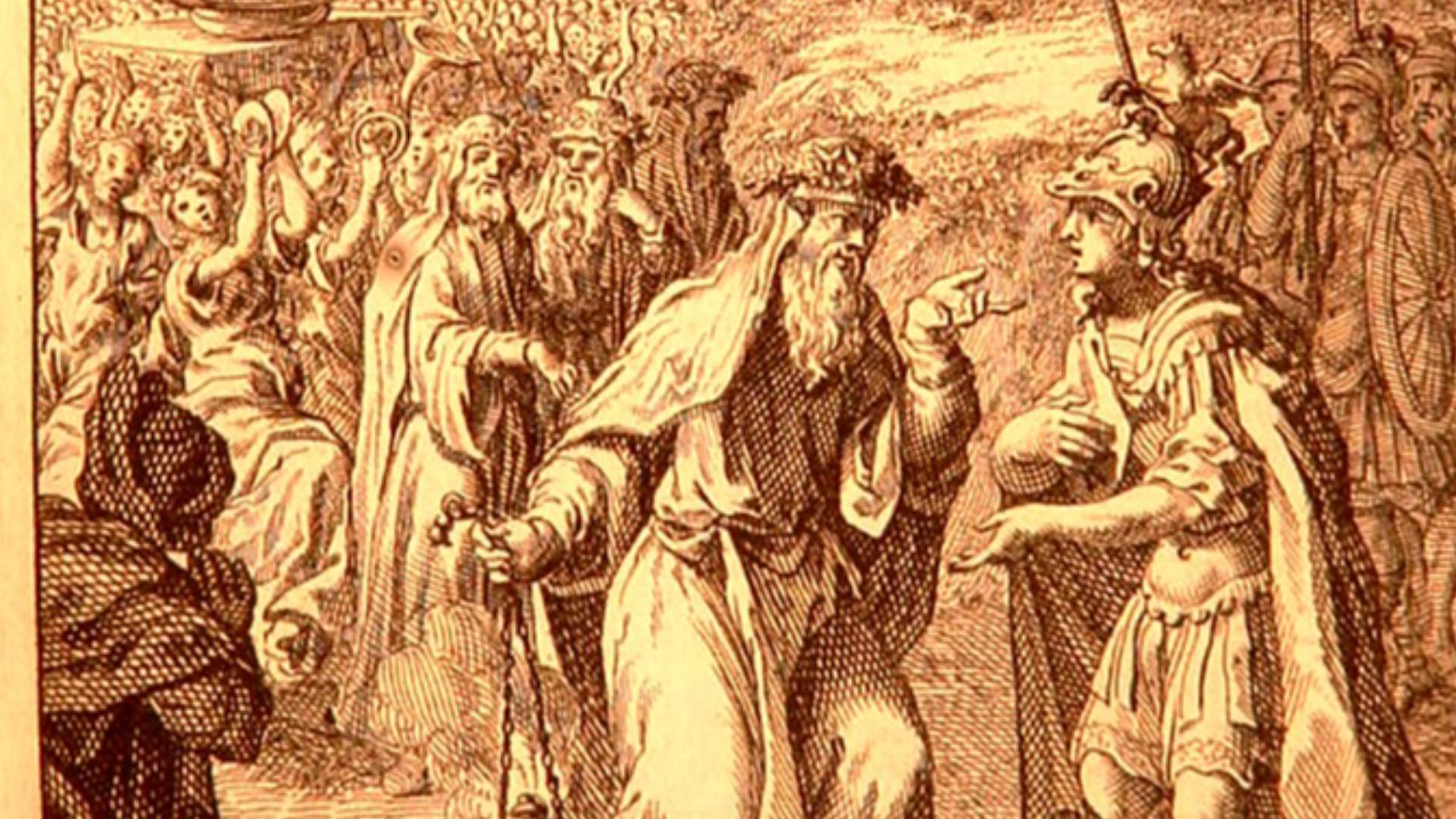
While in Egypt, Alexander made the difficult journey to the Oracle of Ammon at Siwa Oasis. Ancient accounts say the oracle associated him with the god Ammon, whom Greeks identified with Zeus, strengthening Alexander's growing claims to divine favor. Whatever actually happened there, the visit became an important part of the image he created around his kingship.
16. He Crushed Darius Again at Gaugamela
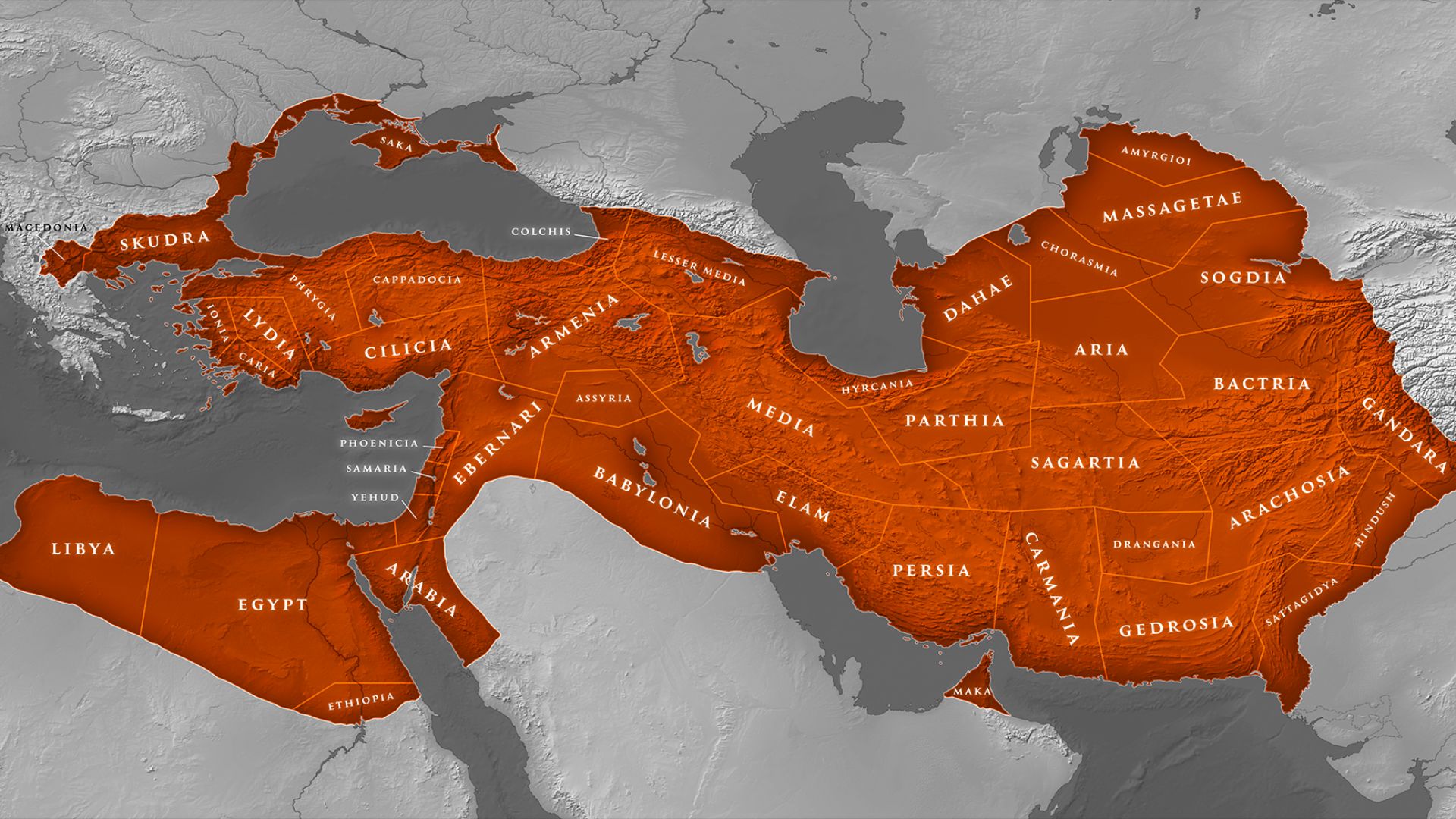
The decisive showdown with Darius came at Gaugamela in 331 BCE. Alexander won another major victory, forcing the Persian king to flee and leaving the heart of the Achaemenid Empire exposed. He was around 25 years old when one of antiquity's greatest empires effectively began collapsing before him.
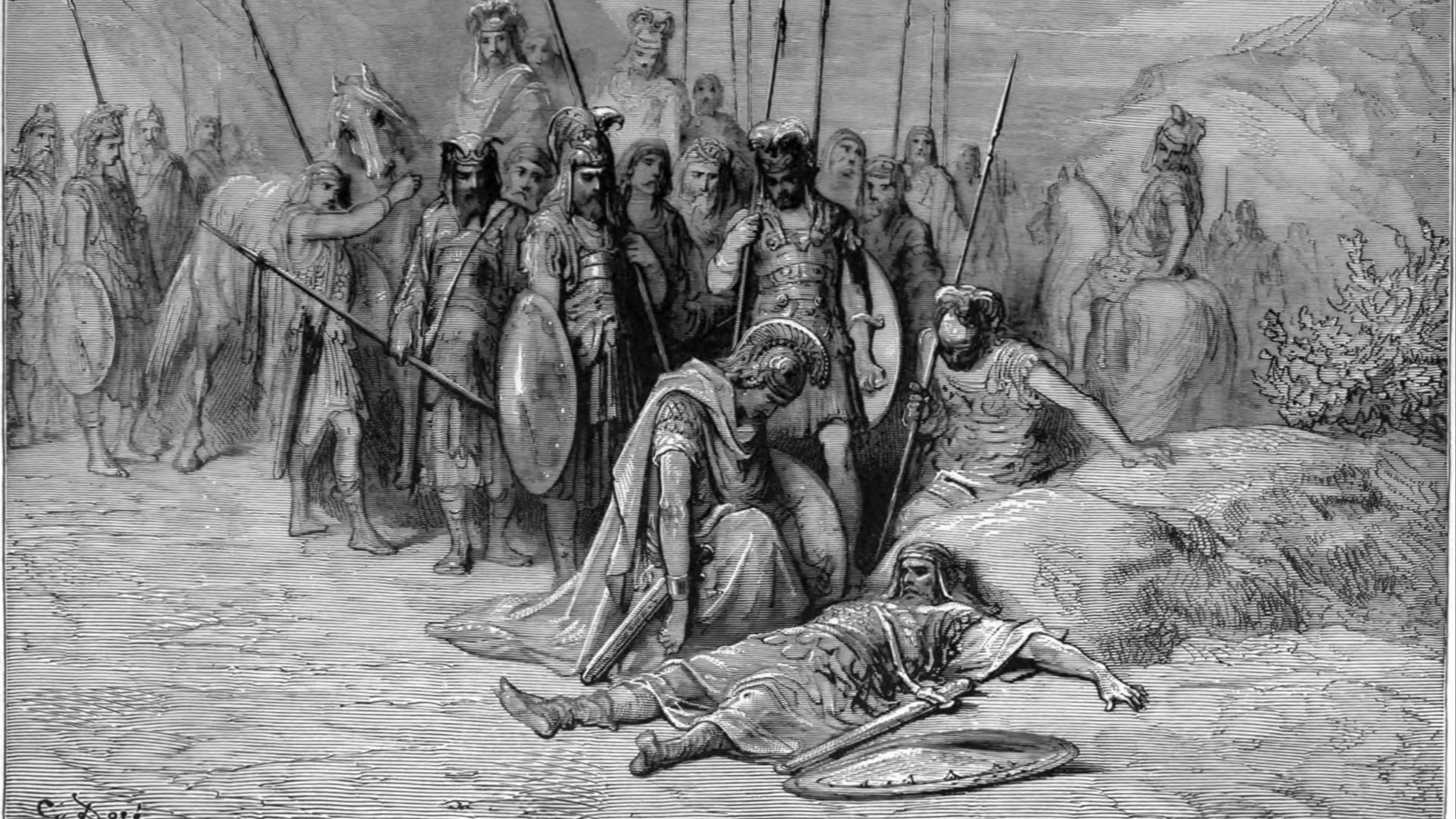 Artist Gustave Dort on Wikimedia
17. He Took Babylon & Susa
Following Gaugamela, Alexander advanced into some of Persia's richest and most important cities. Babylon and Susa surrendered without the kind of prolonged fighting seen at places such as Tyre. Their capture gave Alexander access to enormous resources while further weakening any realistic chance of Darius restoring his empire.
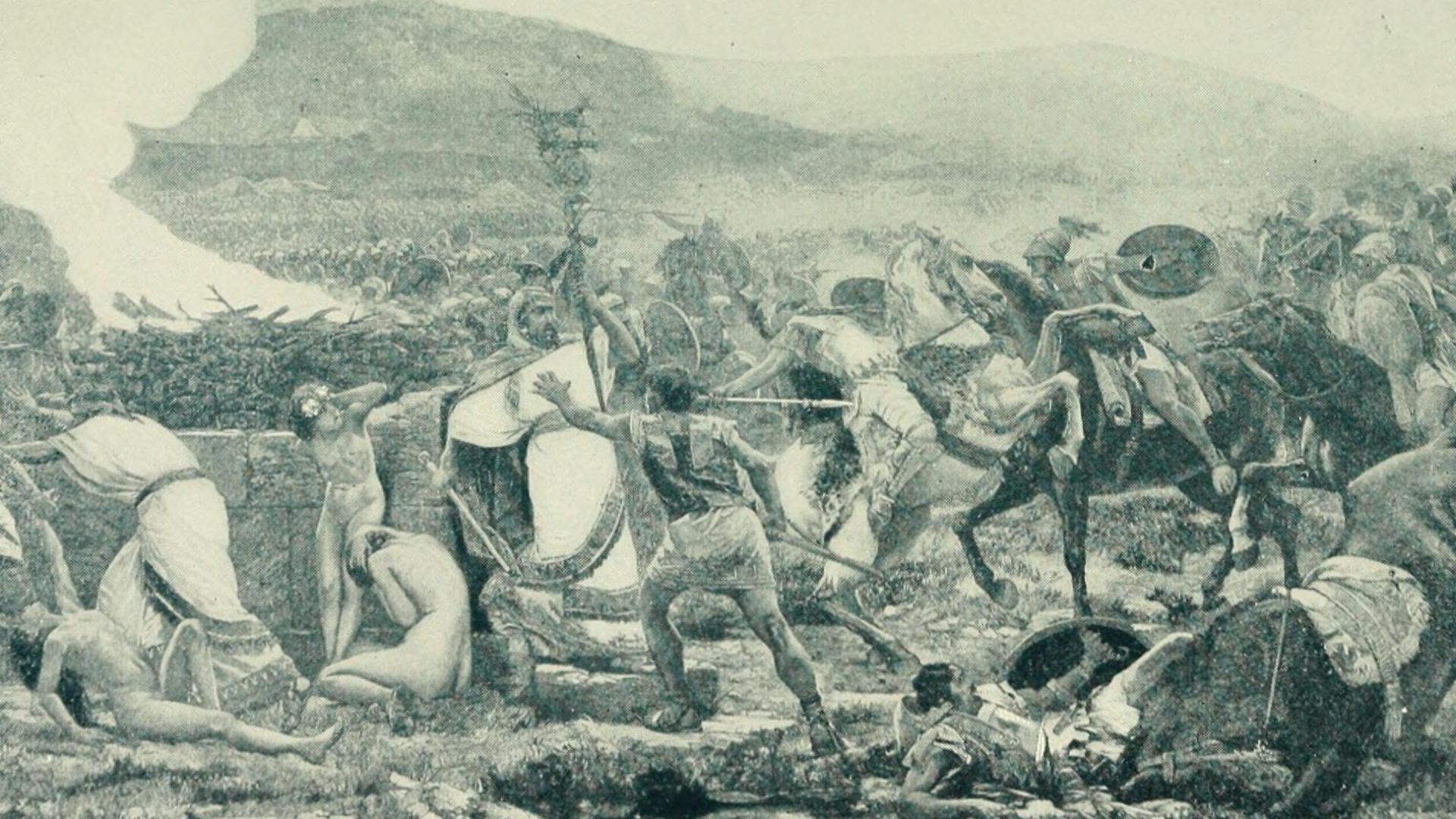
18. He Broke Through the Persian Gates & Reached Persepolis
The road to Persepolis wasn't completely open, because Persian forces resisted Alexander. After overcoming them, his army entered Persepolis, one of the ceremonial centers of Achaemenid power. The city was later looted, and parts of its palace complex were burned, an action that remains one of the more controversial episodes of Alexander's career.
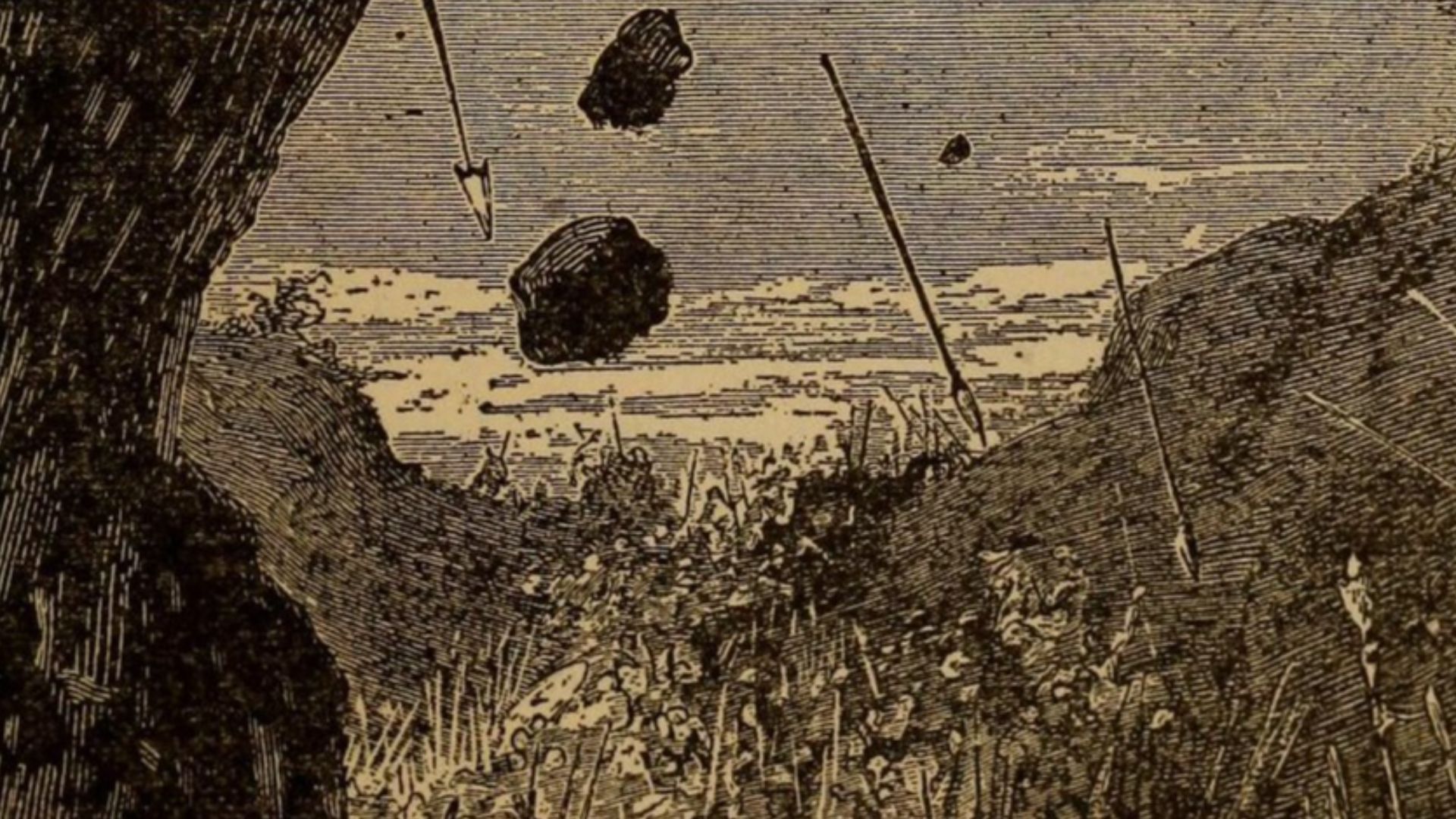
19. He Pushed His Empire Deep Into Central Asia
Alexander didn't stop after the Persian heartland fell. From roughly 330 to 327 BCE, he campaigned through Bactria and Sogdiana, regions covering parts of modern Afghanistan and Central Asia, where resistance proved difficult to suppress. He also founded Alexandria Eschate near the Jaxartes River and defeated Scythian forces in the area before he turned 30.
 Internet Archive Book Images on Wikimedia
20. He Defeated King Porus
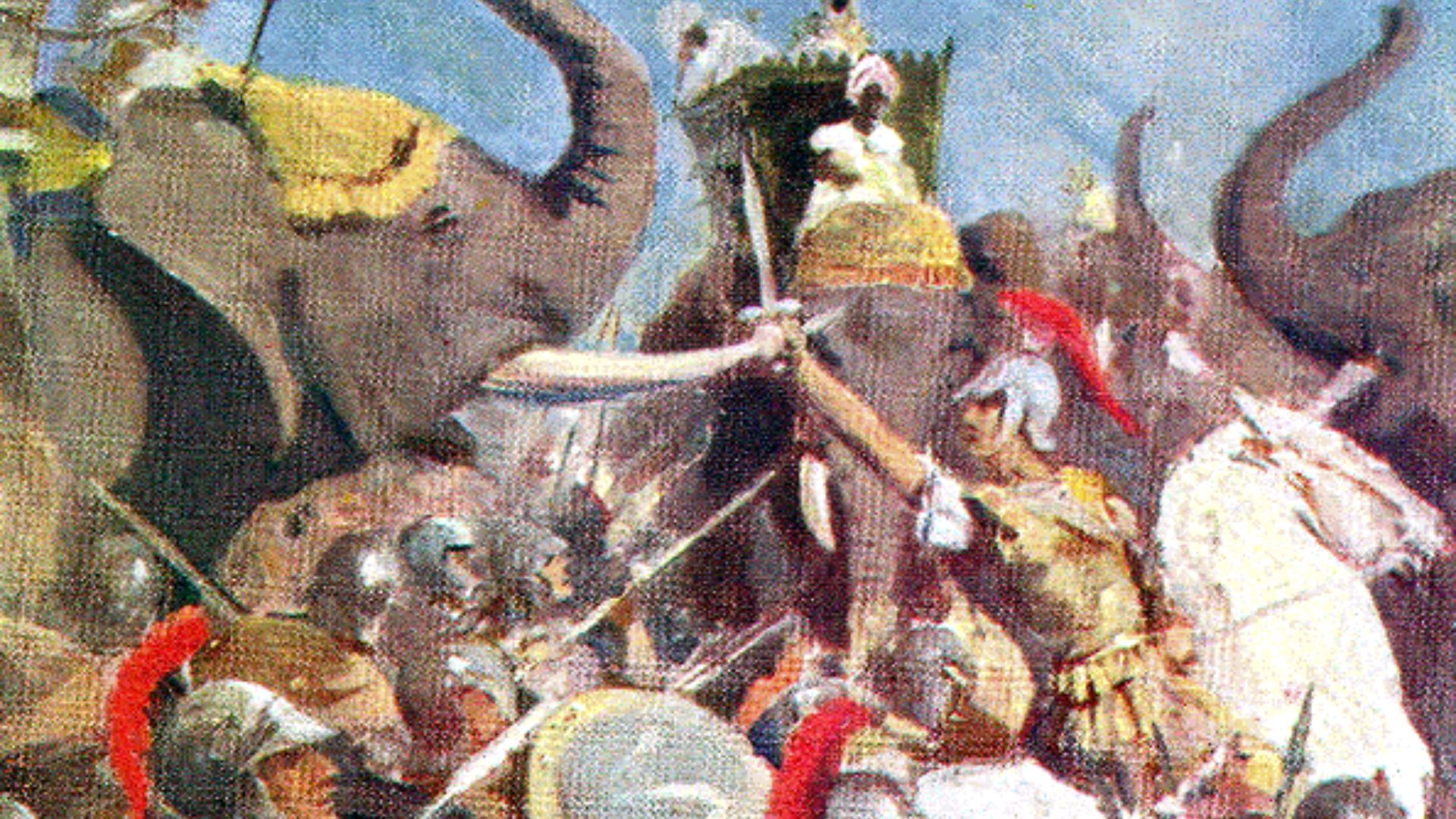
Alexander's advance eventually carried him into the Indian subcontinent, where he faced King Porus at the Battle of the Hydaspes in 326 BCE. Porus fielded war elephants, but Alexander's army still emerged victorious, and he later allowed the defeated king to continue ruling under his authority. The battle took place only a short time before Alexander's 30th birthday, meaning he had already pushed his conquests from Greece all the way into South Asia while still in his twenties.
 T. H. Mannerhow Illustrated by Allan Stewart on Wikimedia
KEEP ON READING