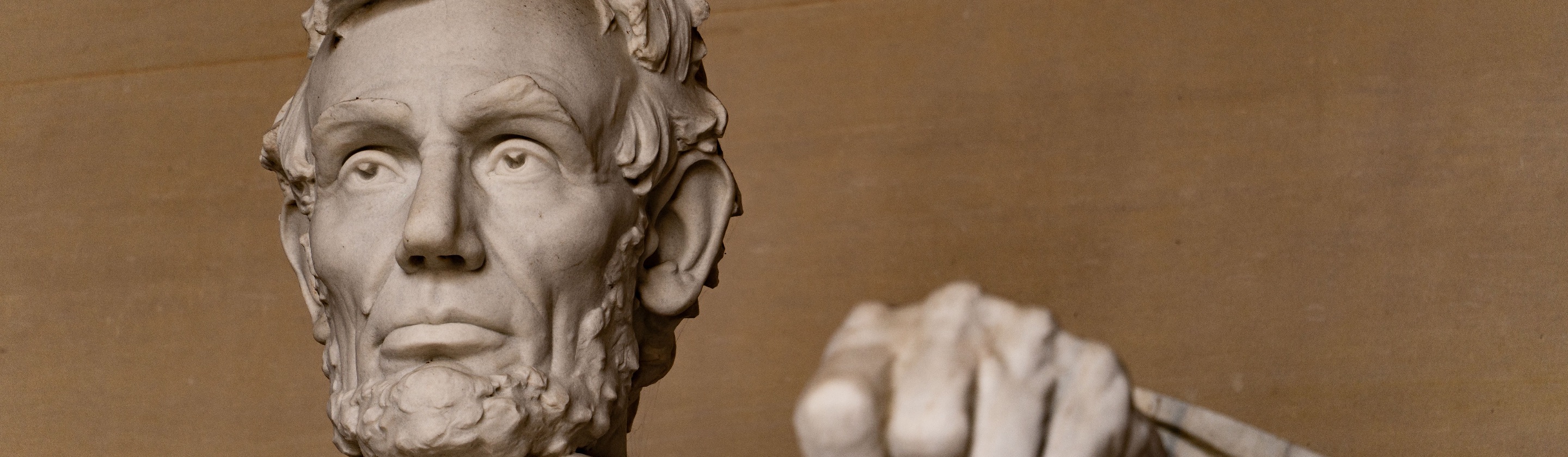
Intelligence At Its Peak
Some people just think differently from the rest of us. Their brains work on another level entirely. Well, history's greatest minds didn't just excel in one area—they mastered multiple disciplines simultaneously. These individuals solved problems nobody else could even understand. Scientists have tried estimating their intelligence using modern IQ scales, and the numbers seem to be pretty high. Let’s look at 20 such figures. Please keep in mind that these are all speculative numbers!
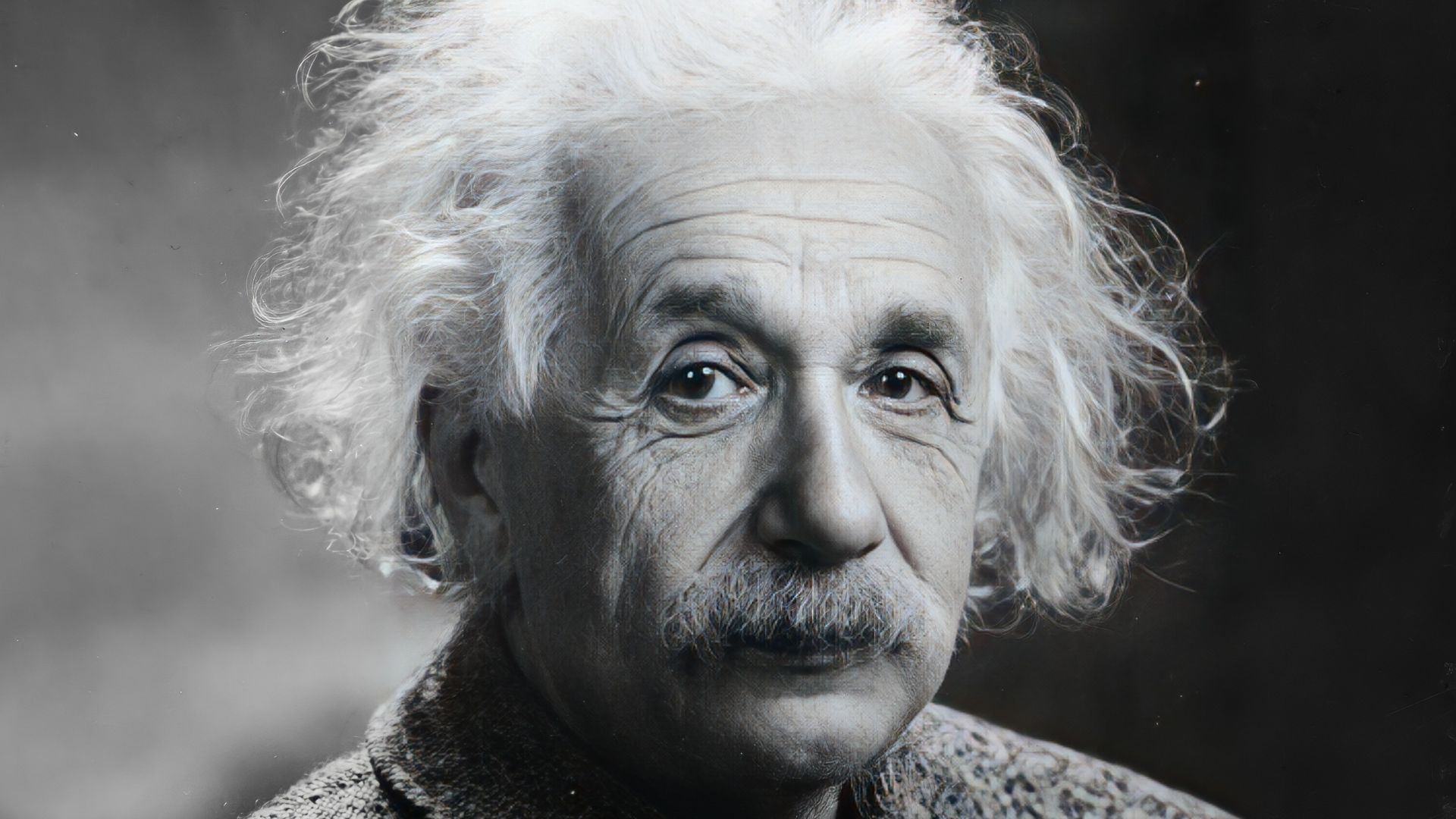
1. Johann Wolfgang Von Goethe
Goethe wasn't just Germany's greatest literary figure; he topped the IQ charts with an estimated score between 210 and 225, making him possibly one of the smartest people who ever lived. This Renaissance man mastered everything from poetry to science.
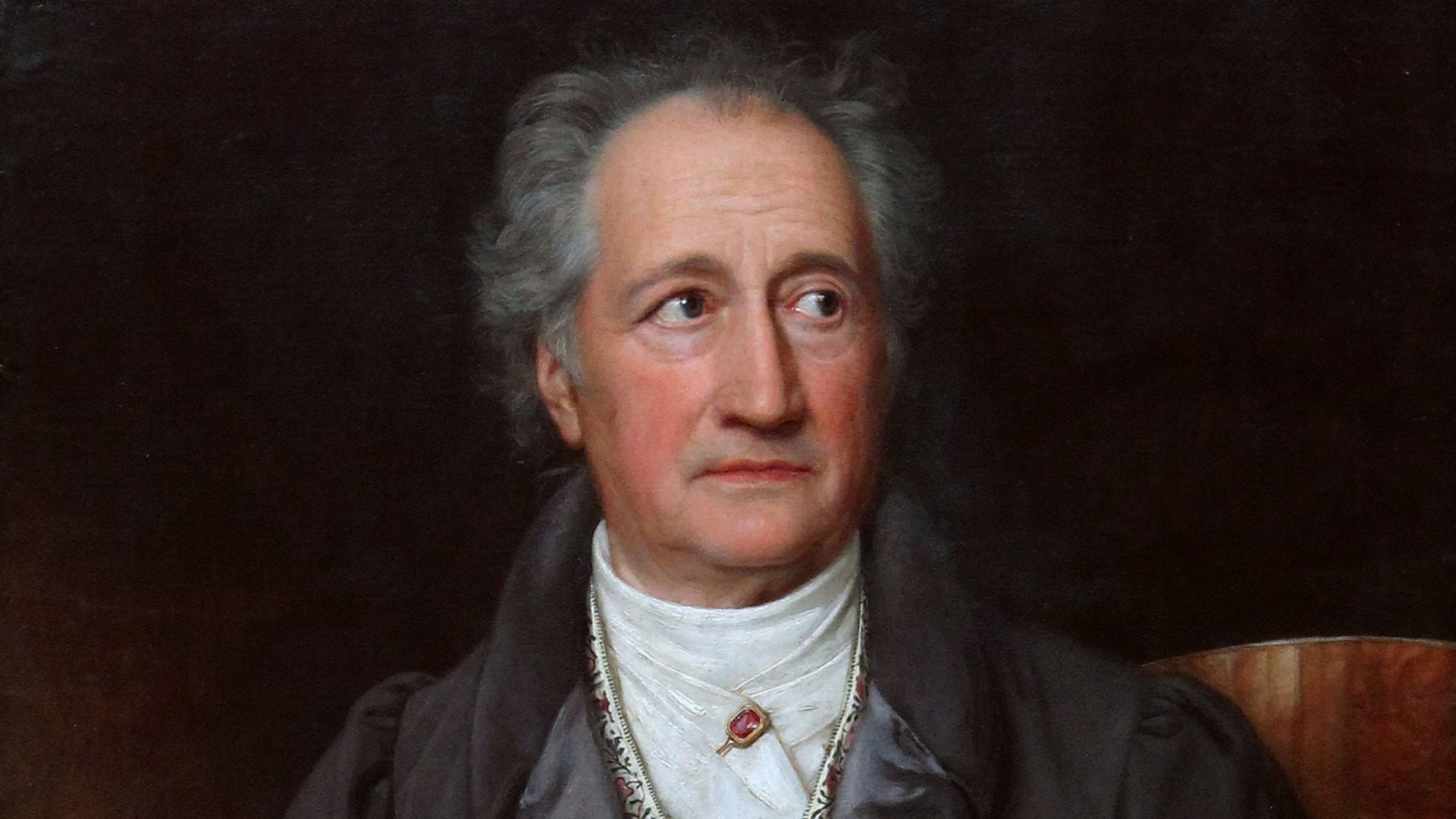 Joseph Karl Stieler on Wikimedia
2. William James Sidis
At age eleven, William James Sidis delivered lectures on four-dimensional bodies at Harvard, where he'd been admitted despite the university initially rejecting him for being too young. His IQ estimates, based on unverified claims, range from 200 to 300.
 Unknown authorUnknown author on Wikimedia
3. Leonardo Da Vinci
The Mona Lisa's creator possessed an estimated IQ between 180 and 220. What distinguishes da Vinci was his ability to seamlessly blend art with engineering—sketching flying machines, tanks, and submarines in the 15th century, centuries before such inventions became reality.
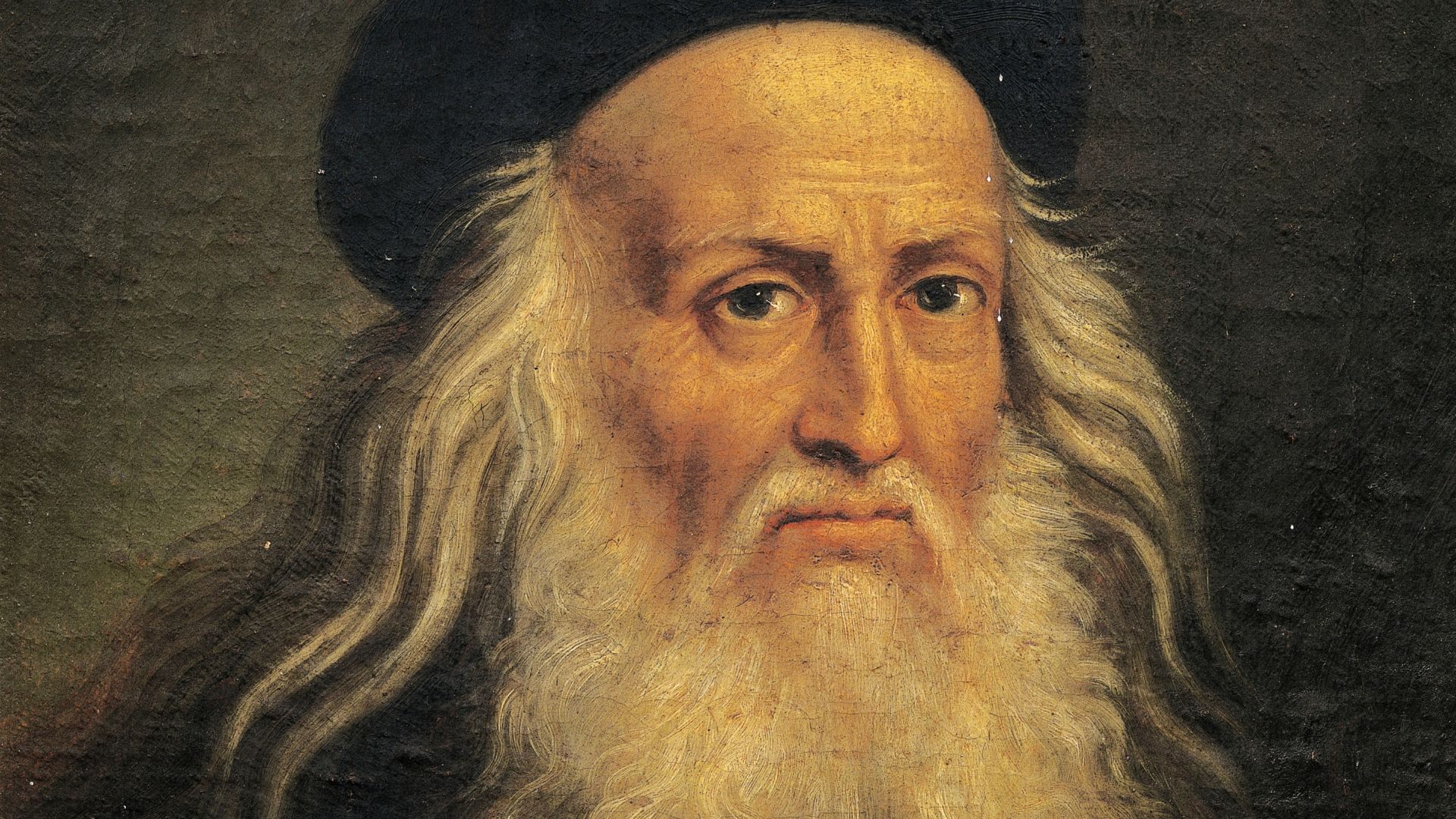 Lattanzio Querena on Wikimedia
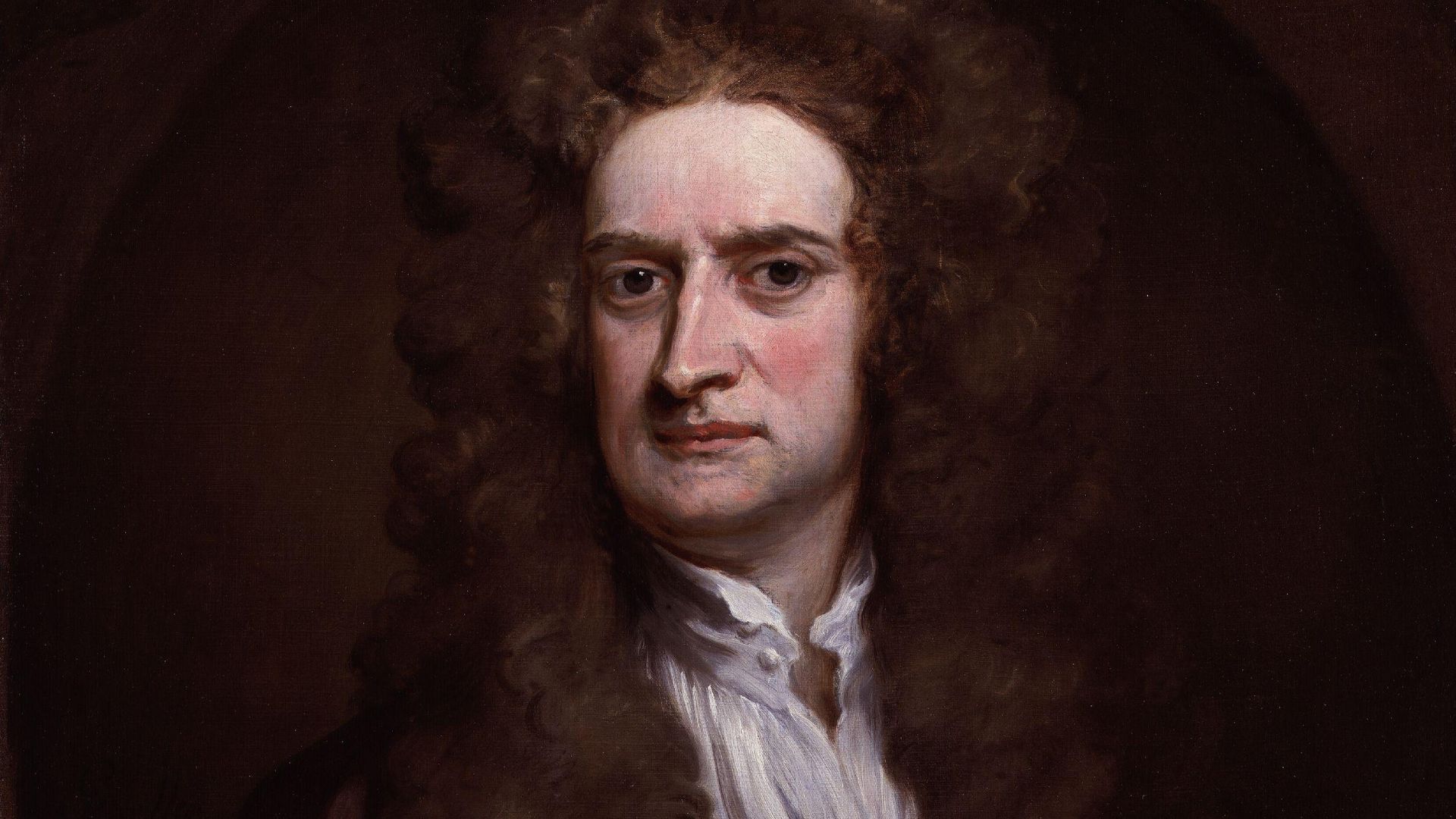
4. Isaac Newton
Born prematurely in England, he wasn't expected to survive infancy. Newton’s development of calculus occurred simultaneously with that of Leibniz. The English scientist, with an IQ of 190–200, formulated laws of motion and universal gravitation that explained everything from falling apples to planetary orbits.
5. Gottfried Wilhelm Leibniz
Leibniz could read Latin fluently by age twelve and had mastered Greek shortly after, showcasing the precocious brilliance that would earn him IQ estimates between 182 and 205. Scholars call him "the last universal genius" because he made fundamental contributions.
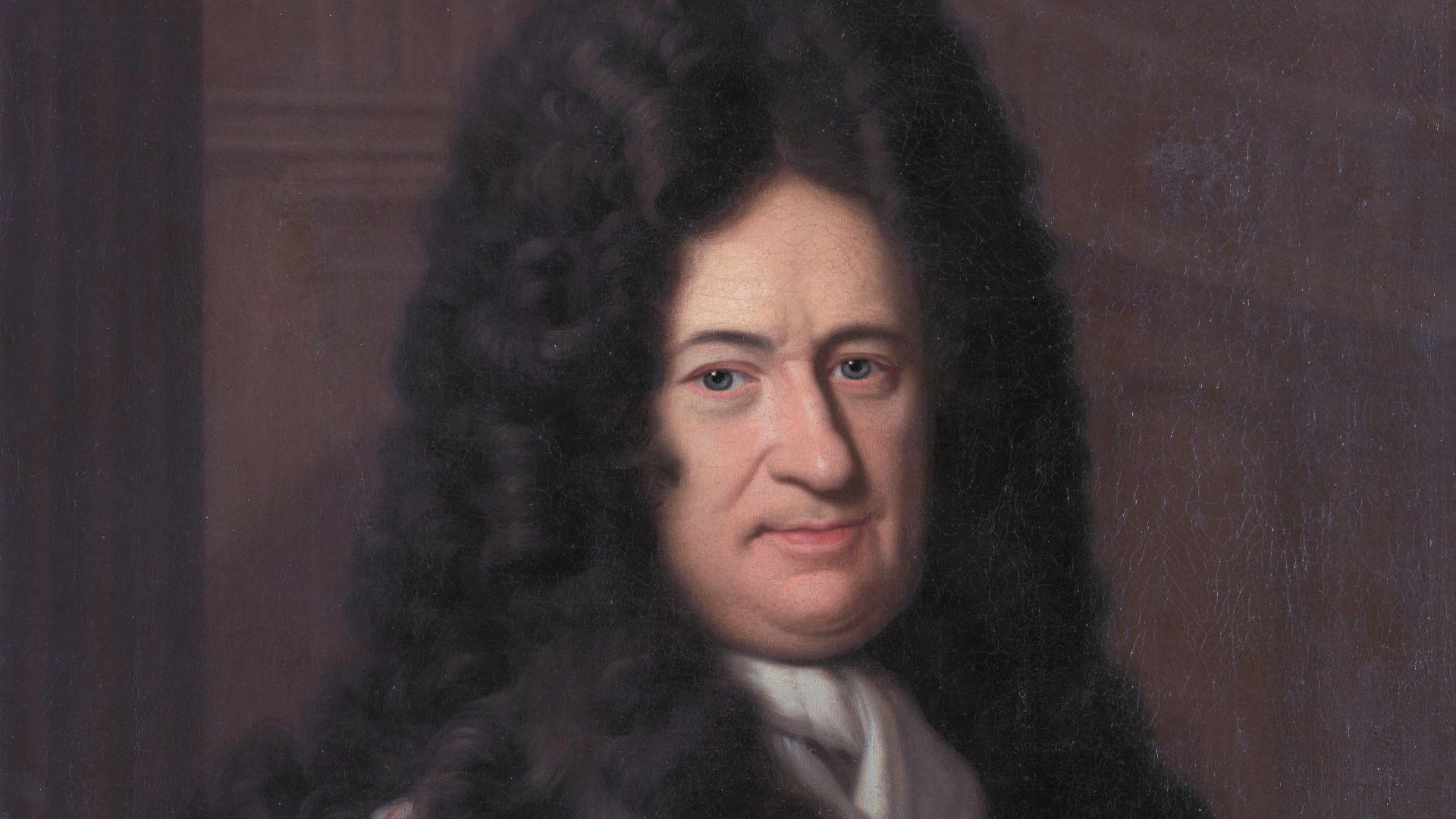 Christoph Bernhard Francke on Wikimedia
6. Carl Friedrich Gauss
Some scholars place him among the highest in human intelligence, potentially with an IQ around 250. At age three, Gauss corrected his father's payroll calculations, demonstrating the computational prowess that would revolutionize mathematics. He was born in 1777 to poor parents in Brunswick, Germany.
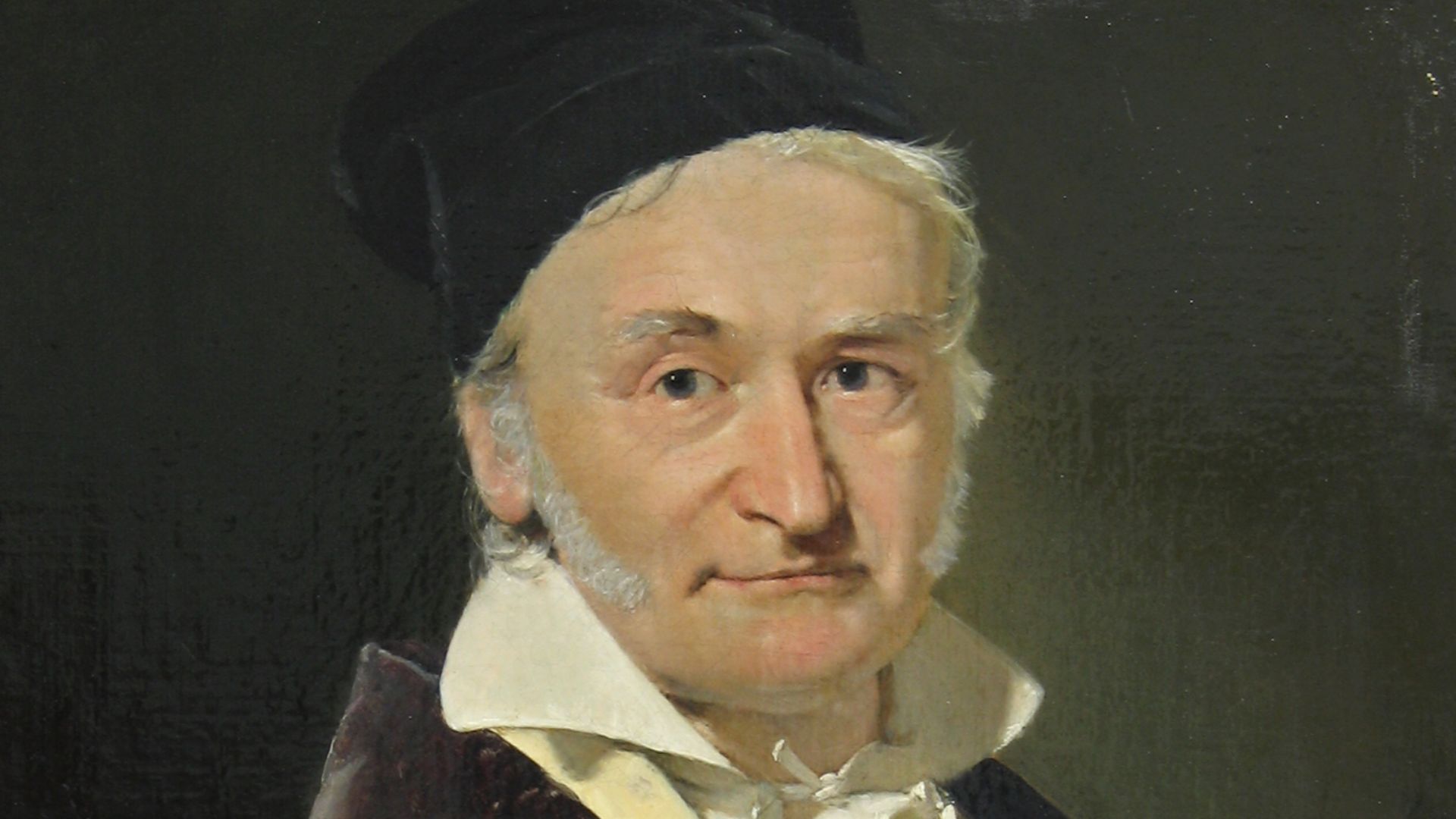 Christian Albrecht Jensen on Wikimedia
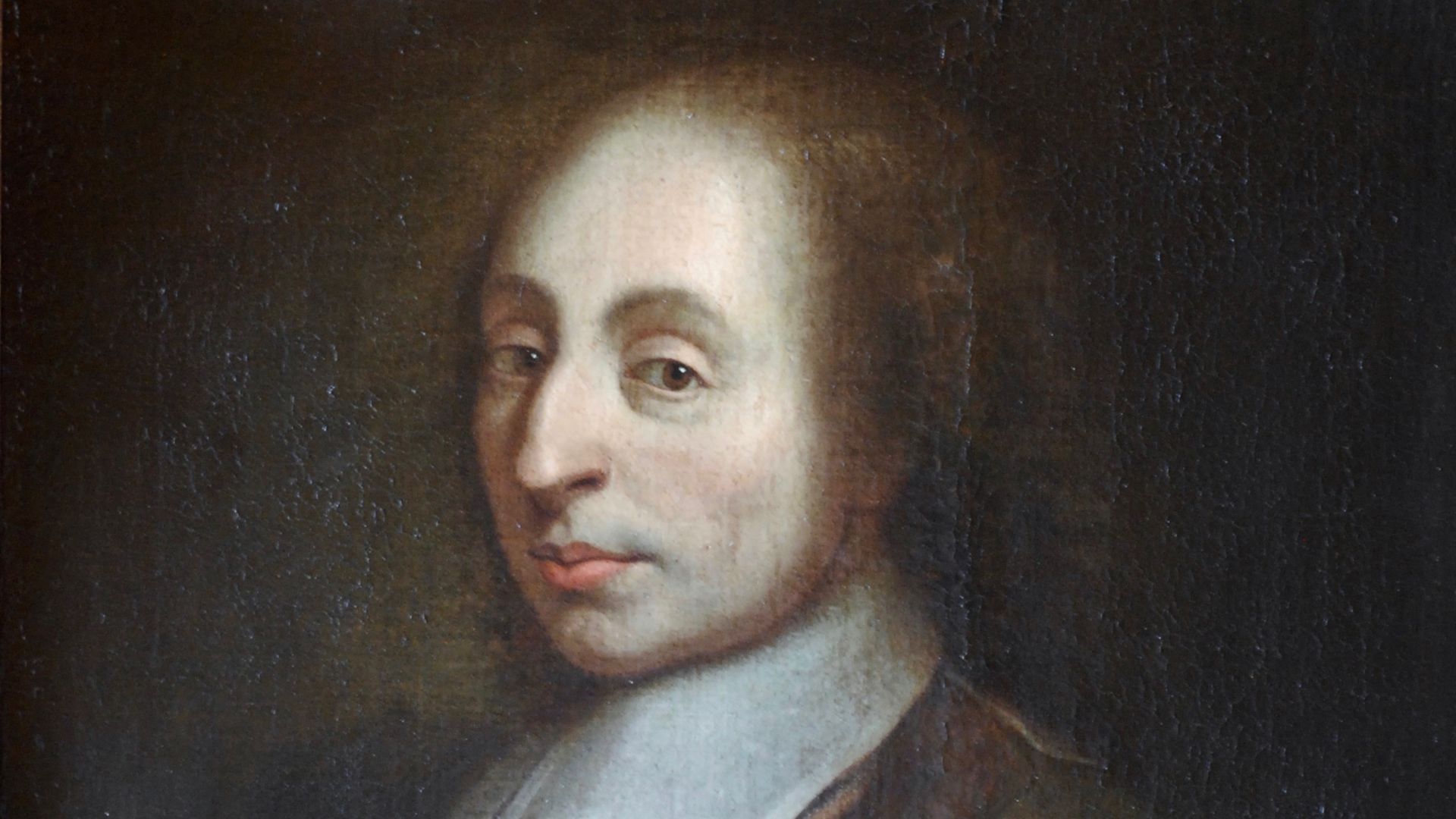
7. Blaise Pascal
Pascal's estimated IQ ranges from 180 to 195, reflecting a mind that mastered geometry before adolescence despite his father deliberately withholding mathematical texts. He independently proved Euclidean geometric propositions using his own terminology at the young age of twelve.
8. Voltaire
François-Marie Arouet, better known as Voltaire, wielded an estimated IQ between 190 and 200 alongside a razor-sharp wit that made him both celebrated and exiled. The French Enlightenment philosopher spent time imprisoned in the Bastille and years in exile for writings that offended authorities.
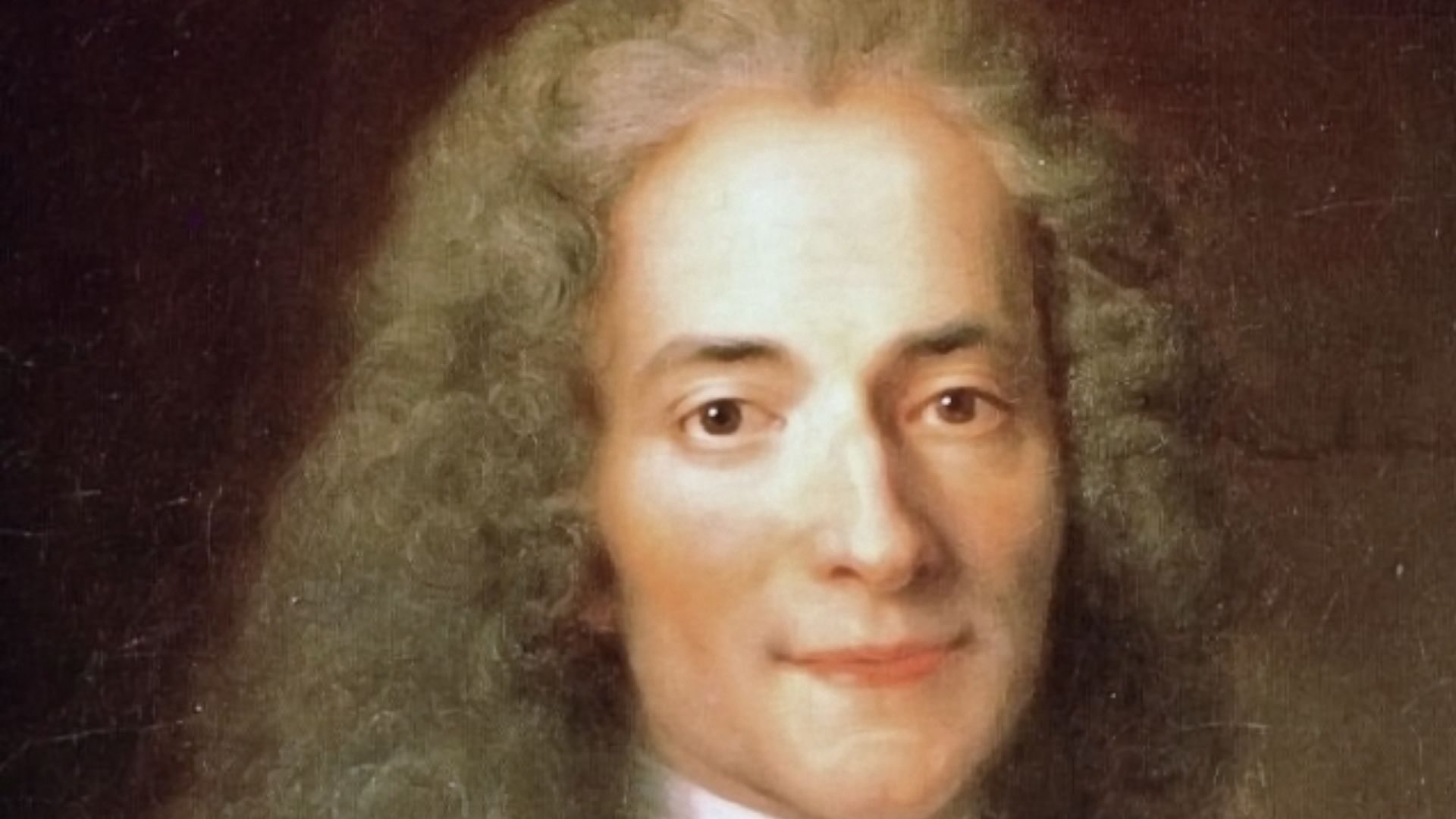 Nicolas de Largillière on Wikimedia
9. Leonhard Euler
This man remained astonishingly prolific even after going completely blind in 1771, dictating groundbreaking mathematical papers from memory. His collected works fill over 70 volumes. Euler, with an IQ of 195–210, introduced much of modern mathematical notation, including the concept of a function.
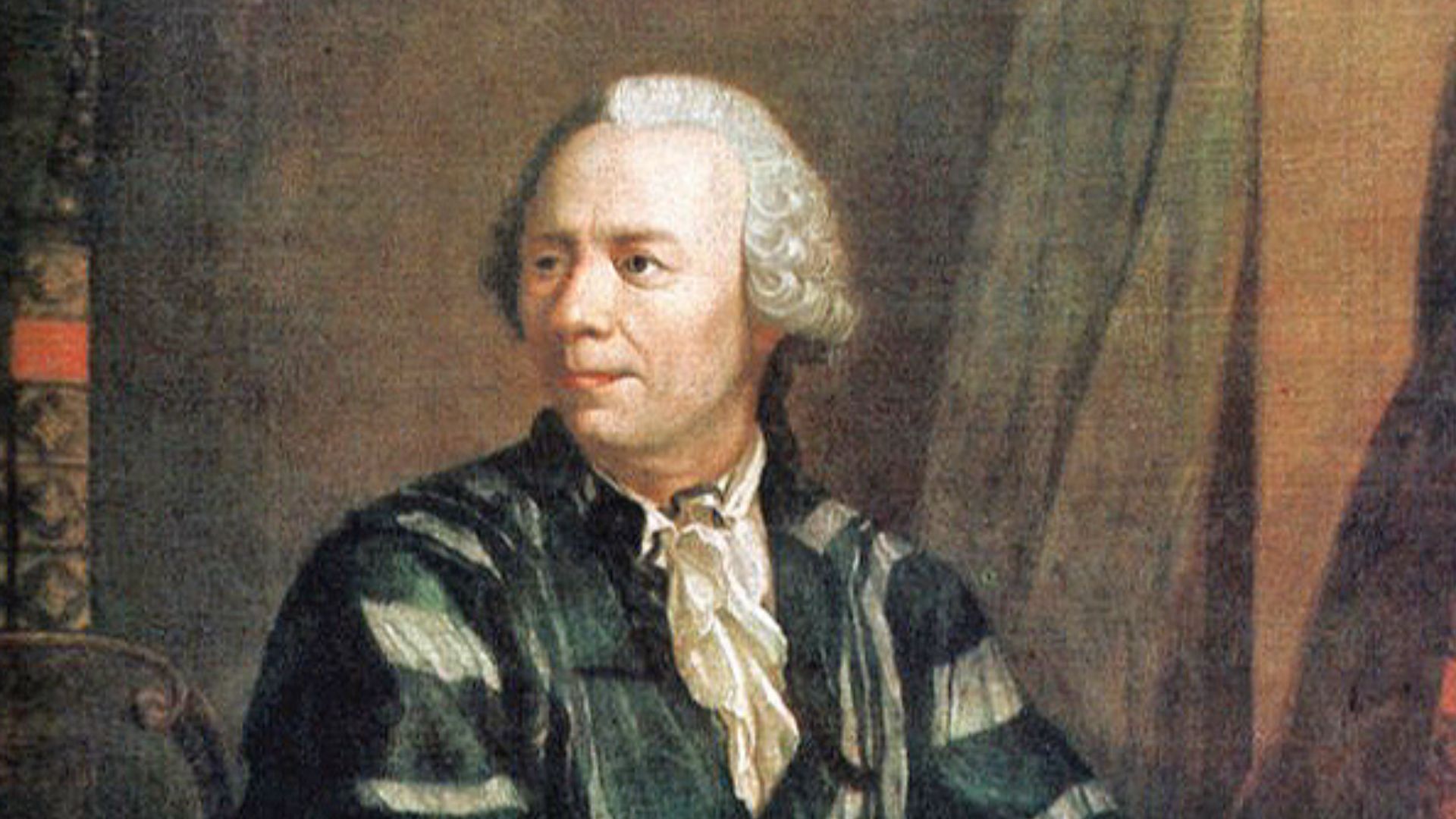 Jakob Emanuel Handmann on Wikimedia
10. John Stuart Mill
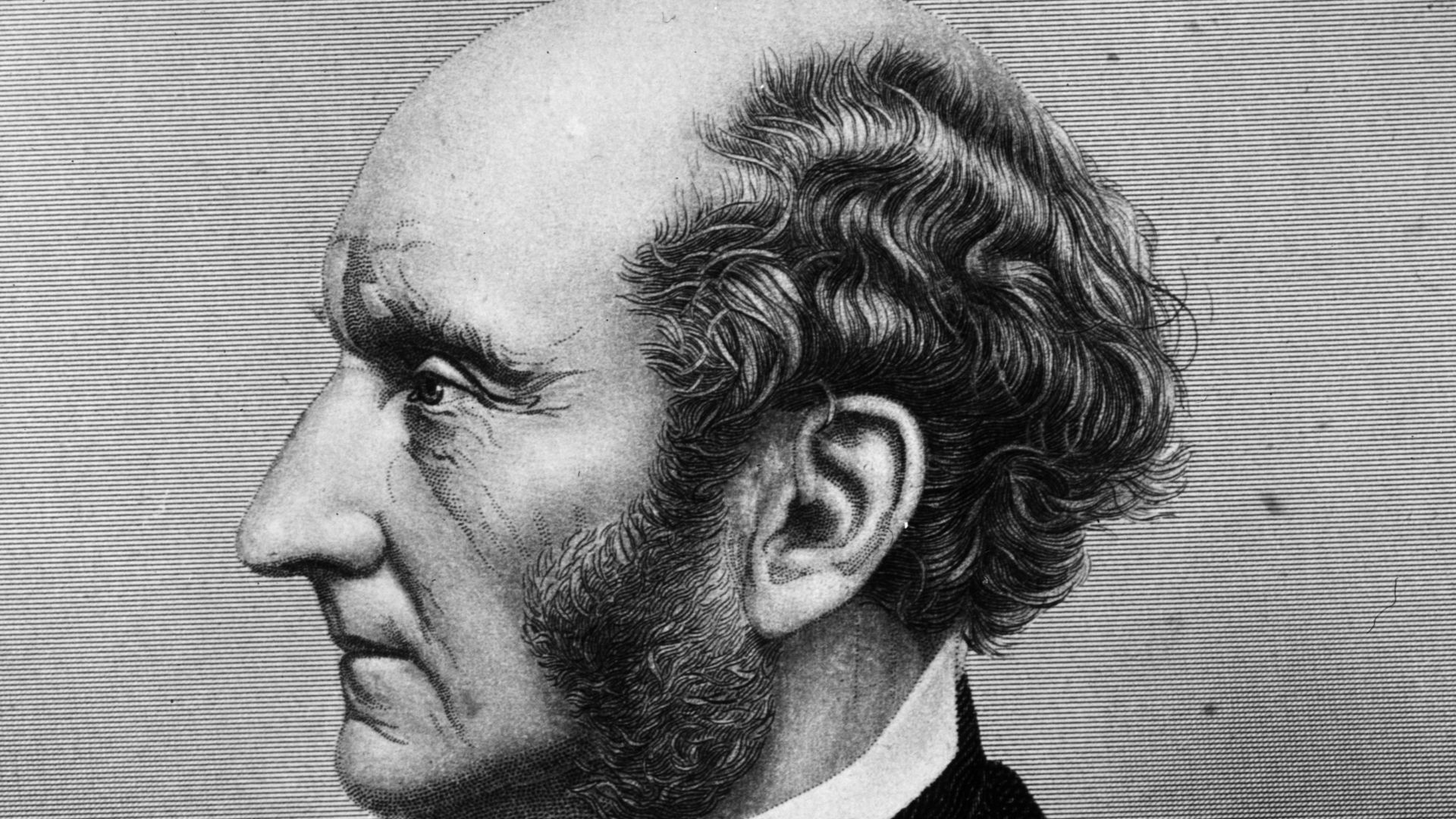
Born in 1806 in London, Mill suffered a mental breakdown at twenty from the intense intellectual pressure, leading him to question his father's utilitarian philosophy. He recovered and became the most influential liberal thinker in Victorian England. Mill's IQ estimates range from 170 to 190.
11. René Descartes
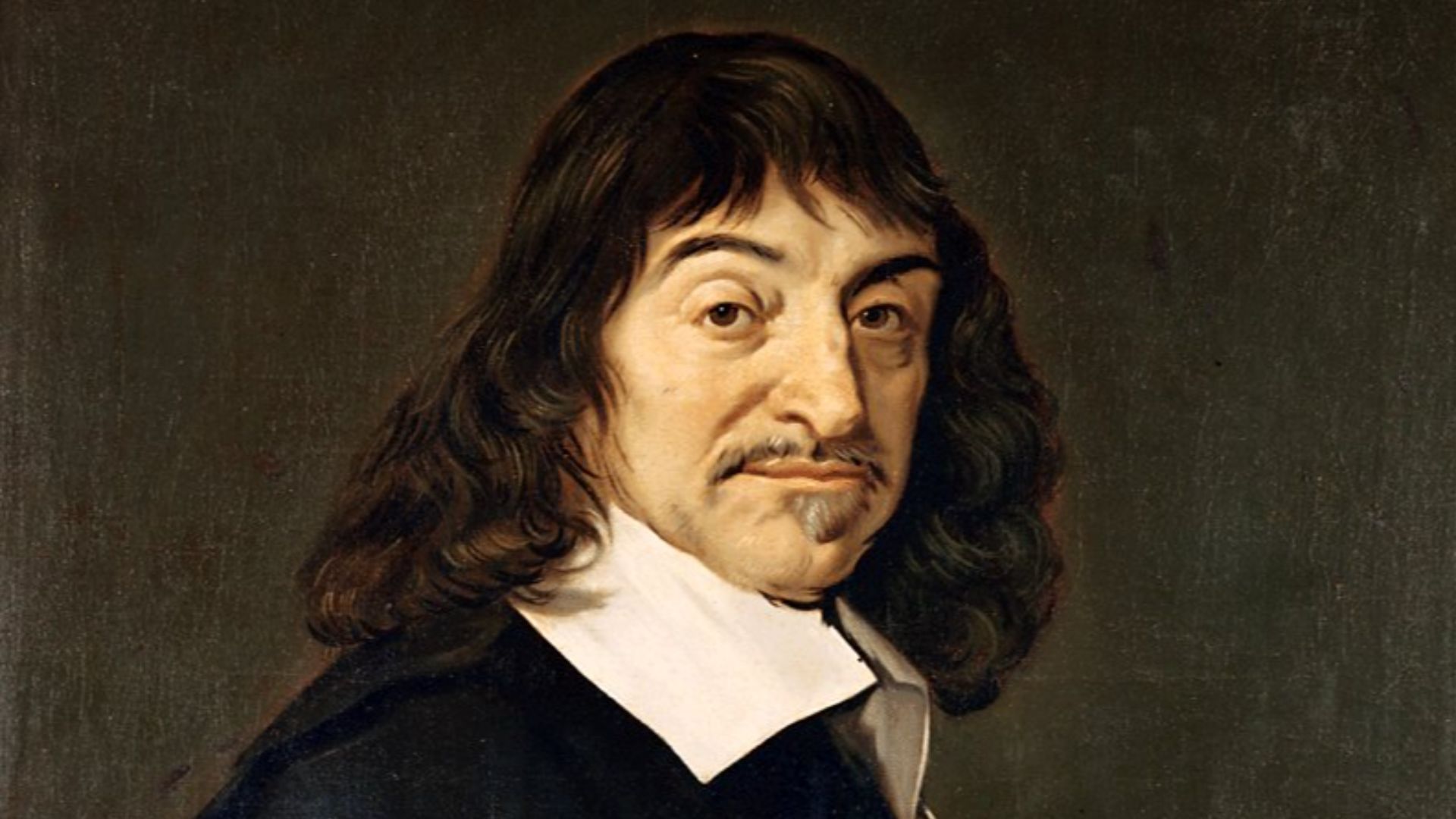
The father of modern philosophy possessed an estimated IQ of 180, though his contributions suggest even greater brilliance. Descartes revolutionized mathematics by inventing the Cartesian coordinate system that merged algebra and geometry. His famous declaration "Cogito, ergo sum" became philosophy's most quoted phrase.
12. Galileo Galilei
This Italian astronomer with an estimated 160-190 IQ, was born in Pisa in 1564 and used his improved telescope to discover Jupiter's four largest moons, Venus's phases, and Saturn's unusual appendages. These observations supported Copernicus's heliocentric model. His insistence that Earth orbited the sun contradicted Catholic Church doctrine.
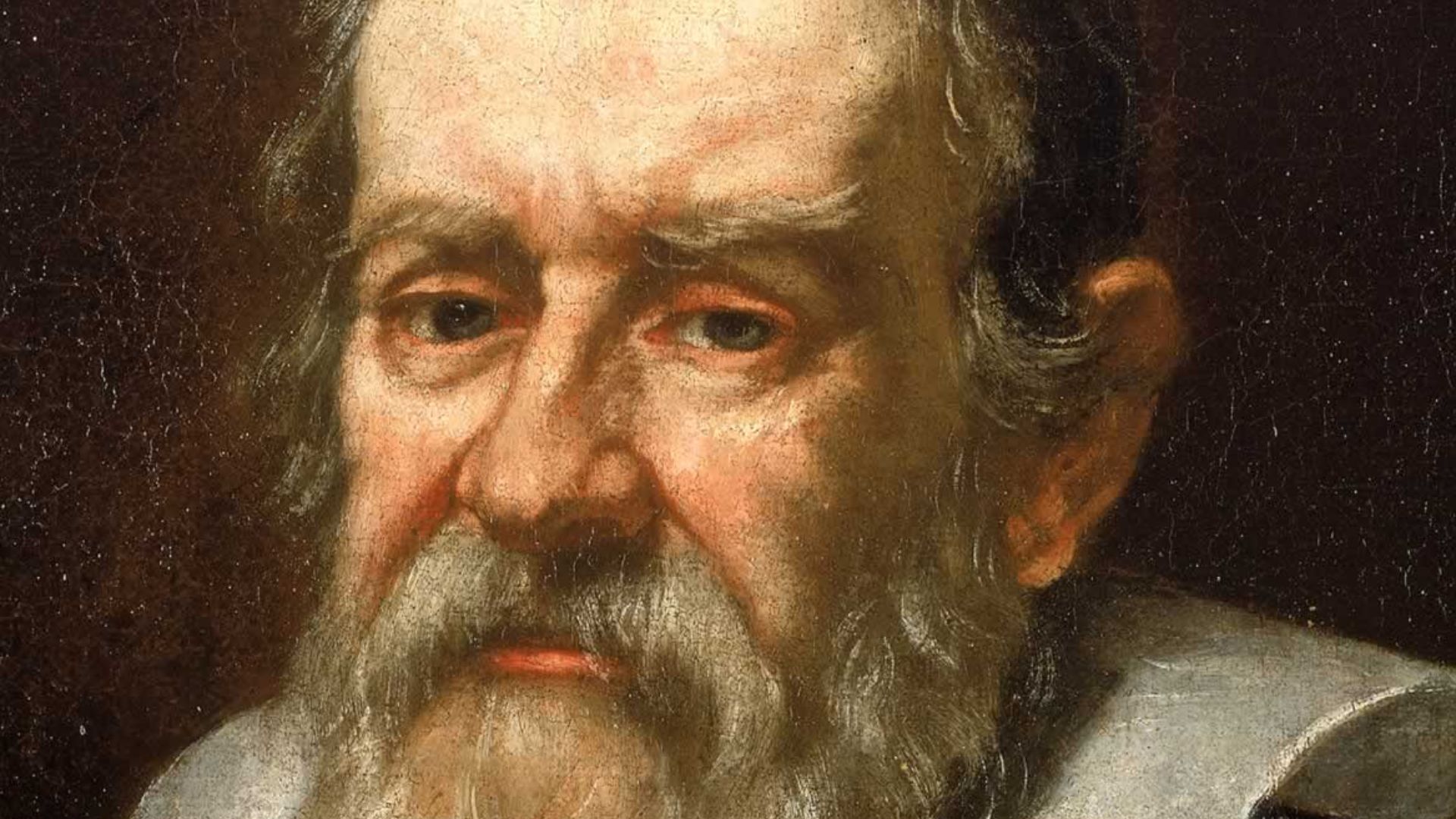 Justus Sustermans on Wikimedia
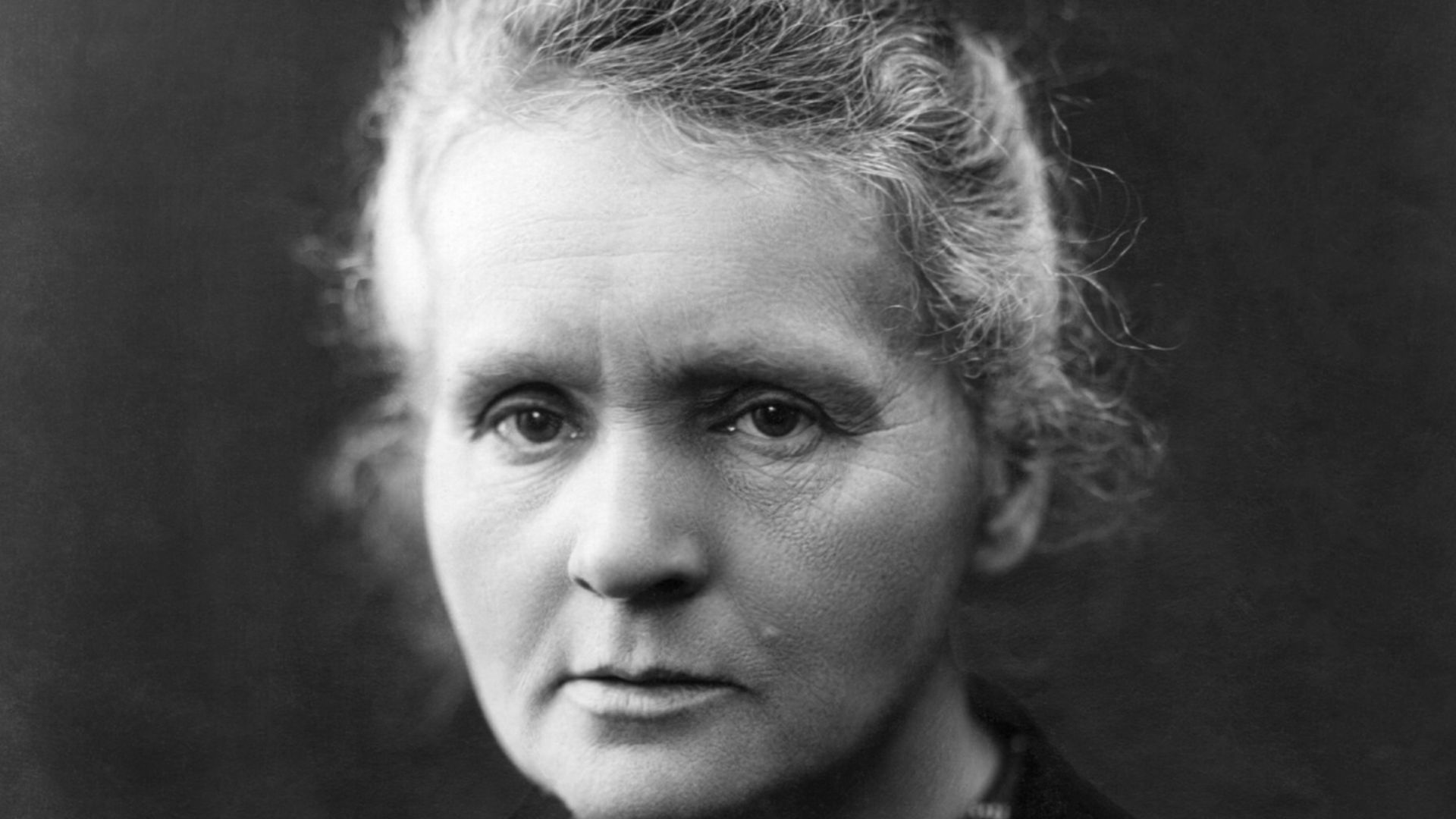
13. Marie Curie
Curie's IQ ranges from 180 to 200, reflecting a mind that shattered gender barriers while making discoveries that changed physics and medicine. She became the first woman to win a Nobel Prize, then the first person ever to win two for discovering radium and polonium.
14. Thomas Young
As an Egyptologist, he made important breakthroughs in deciphering the Rosetta Stone, though Jean-François Champollion received more credit. Young's estimated IQ ranged from 185 to 200, manifested in abilities so diverse he was called "The Last Man Who Knew Everything."
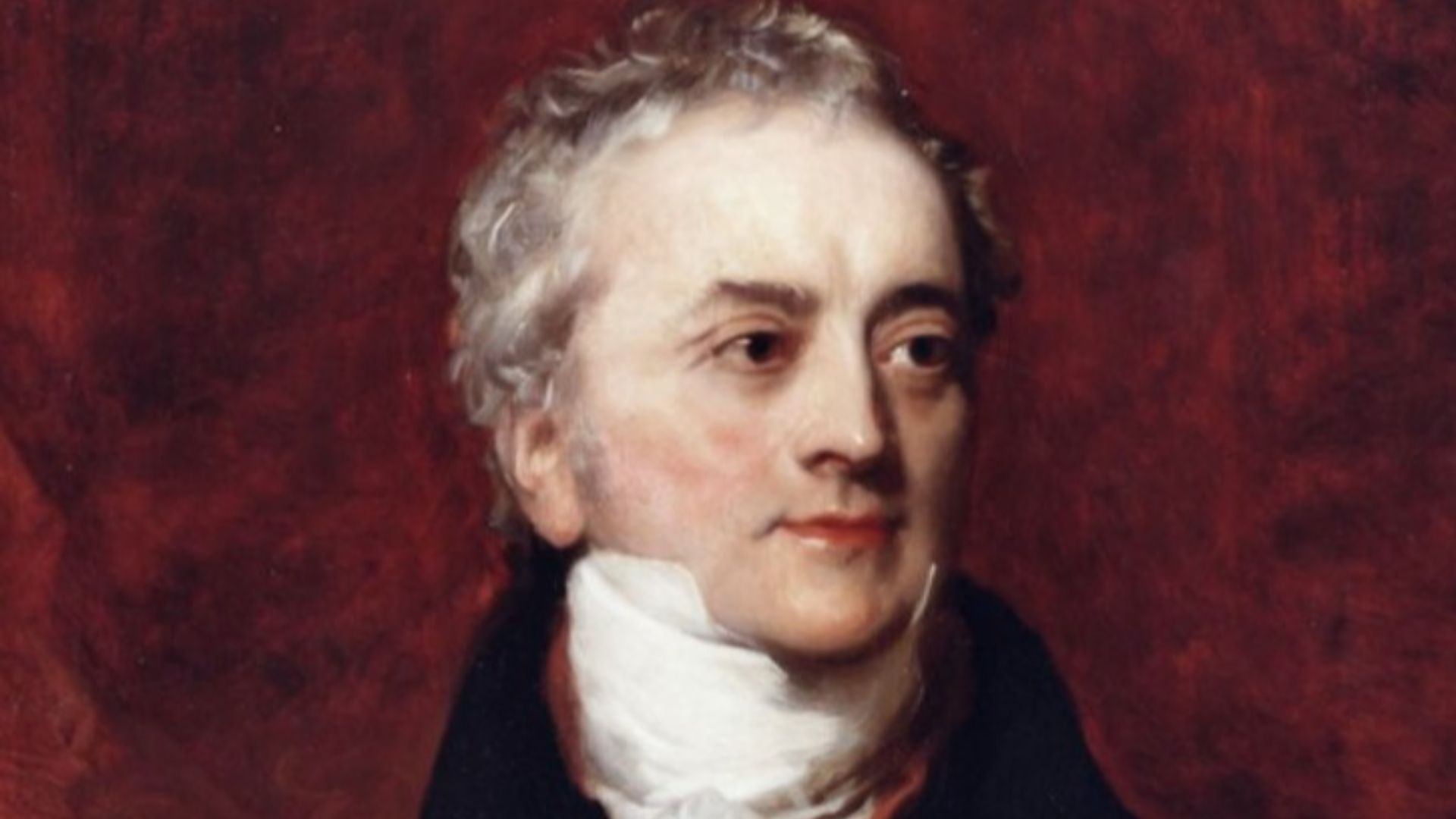 Henry Perronet Briggs on Wikimedia
15. James Clerk Maxwell
Despite chronic health problems, this icon revolutionized physics before dying from abdominal cancer at just 48 in 1879. He left behind equations that enabled wireless communication, television, and countless modern technologies. Maxwell's IQ estimate is between 190 and 205.
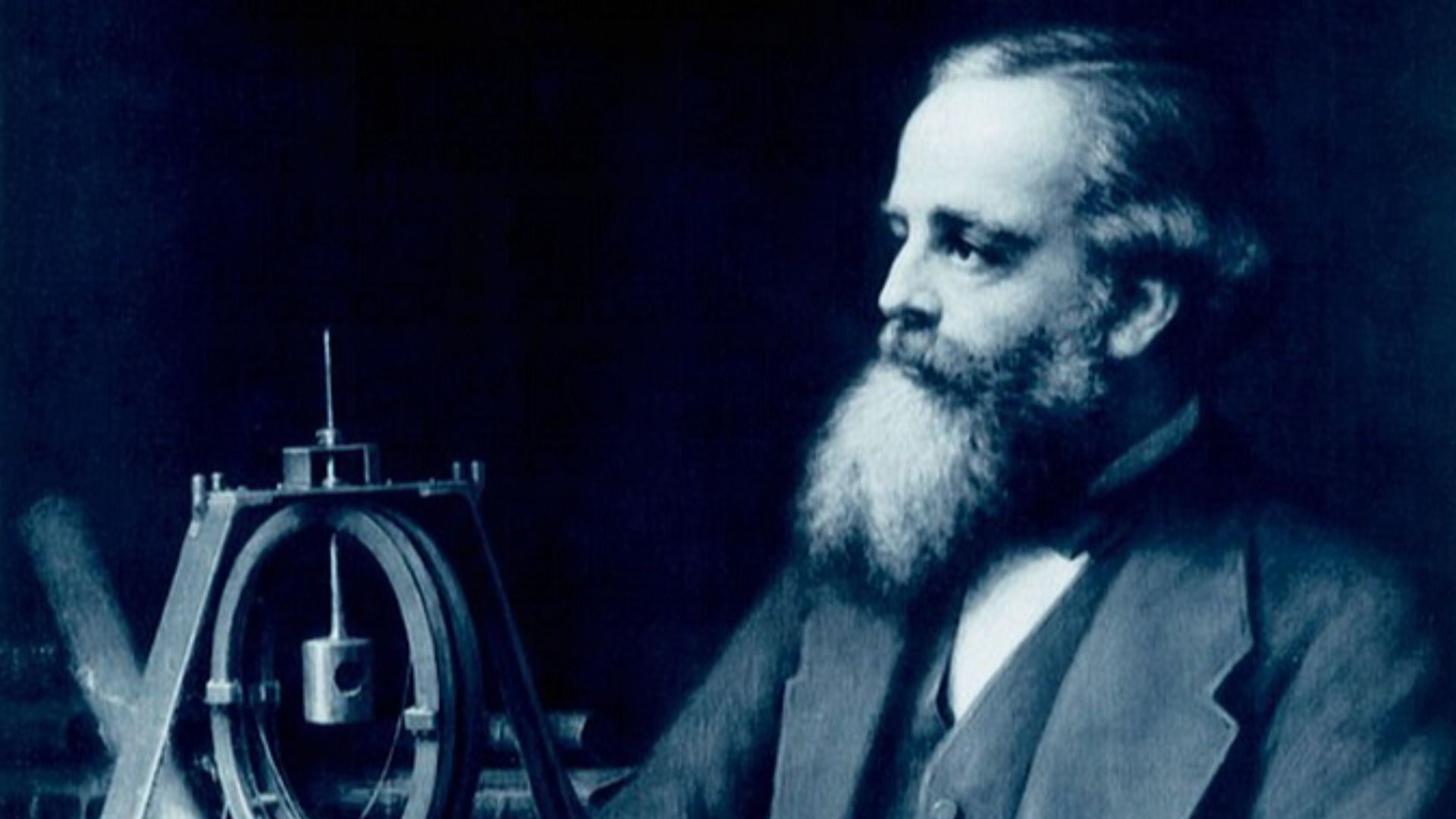 Unknown authorUnknown author on Wikimedia
16. Hugo Grotius
It is said that Grotius achieved an estimated IQ of 200 through intellectual feats that began astonishingly early in 16th-century Holland. Born in 1583 in Delft, he entered Leiden University at age eleven and, at fifteen, accompanied a diplomatic mission to France.
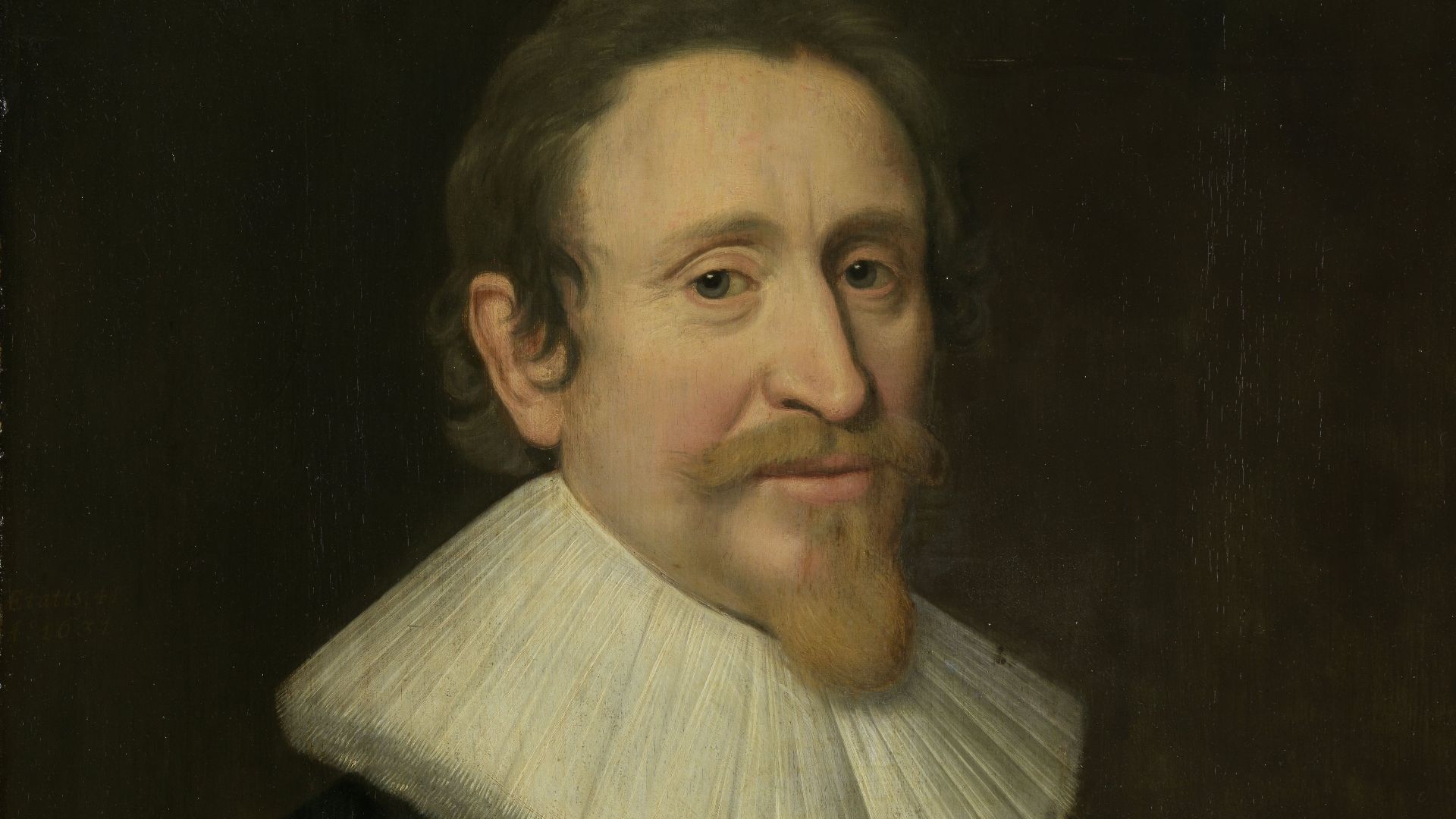 Workshop of Michiel Jansz. van Mierevelt on Wikimedia
17. Immanuel Kant
Critique of Pure Reason, published in 1781 when Kant was 57, spoke about epistemology by arguing that human reason structures our experience of reality. He proposed that morality stems from reason itself. Kant's estimated IQ ranges from 145 to 175.
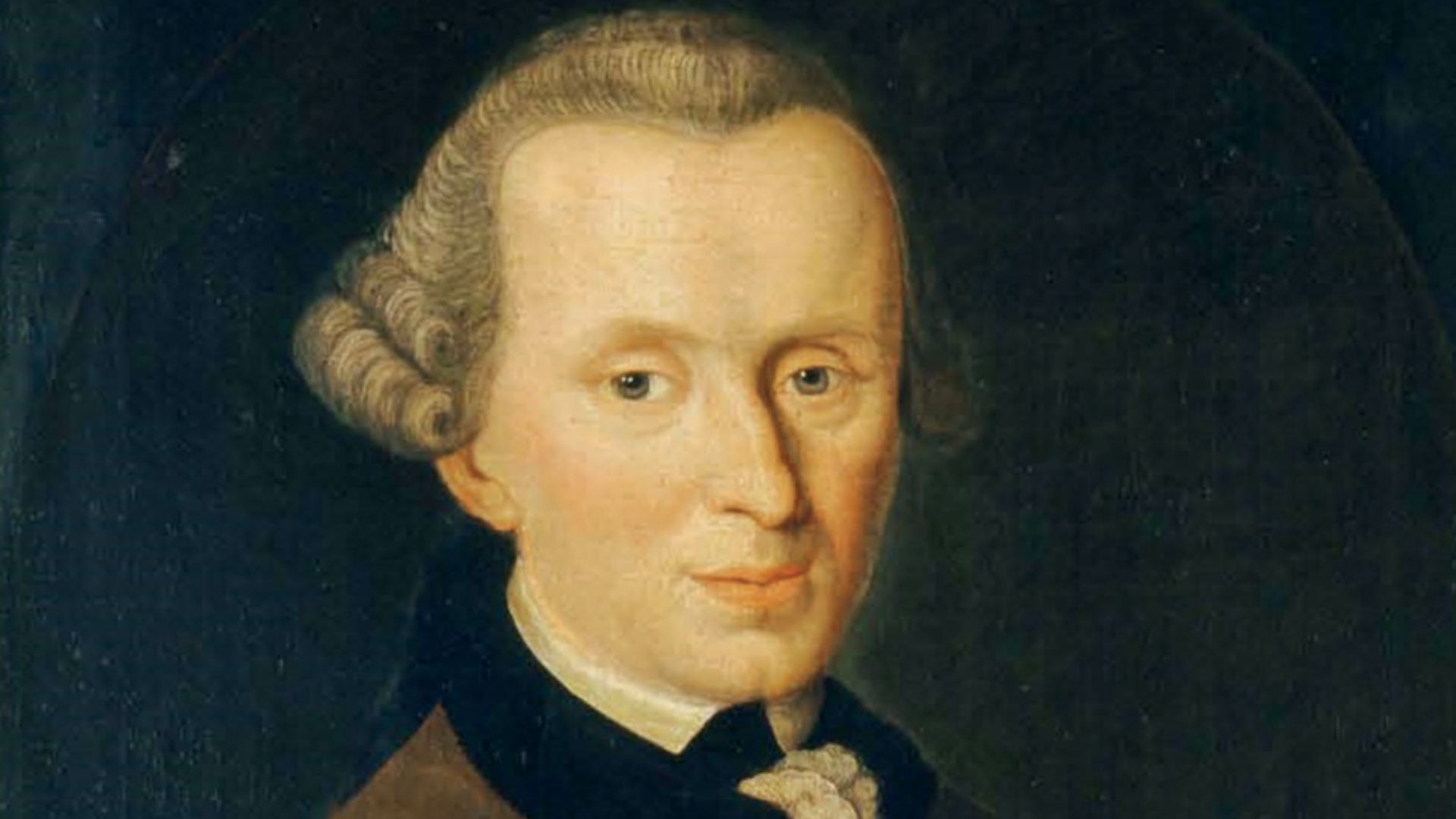 Johann Gottlieb Becker (1720-1782) on Wikimedia
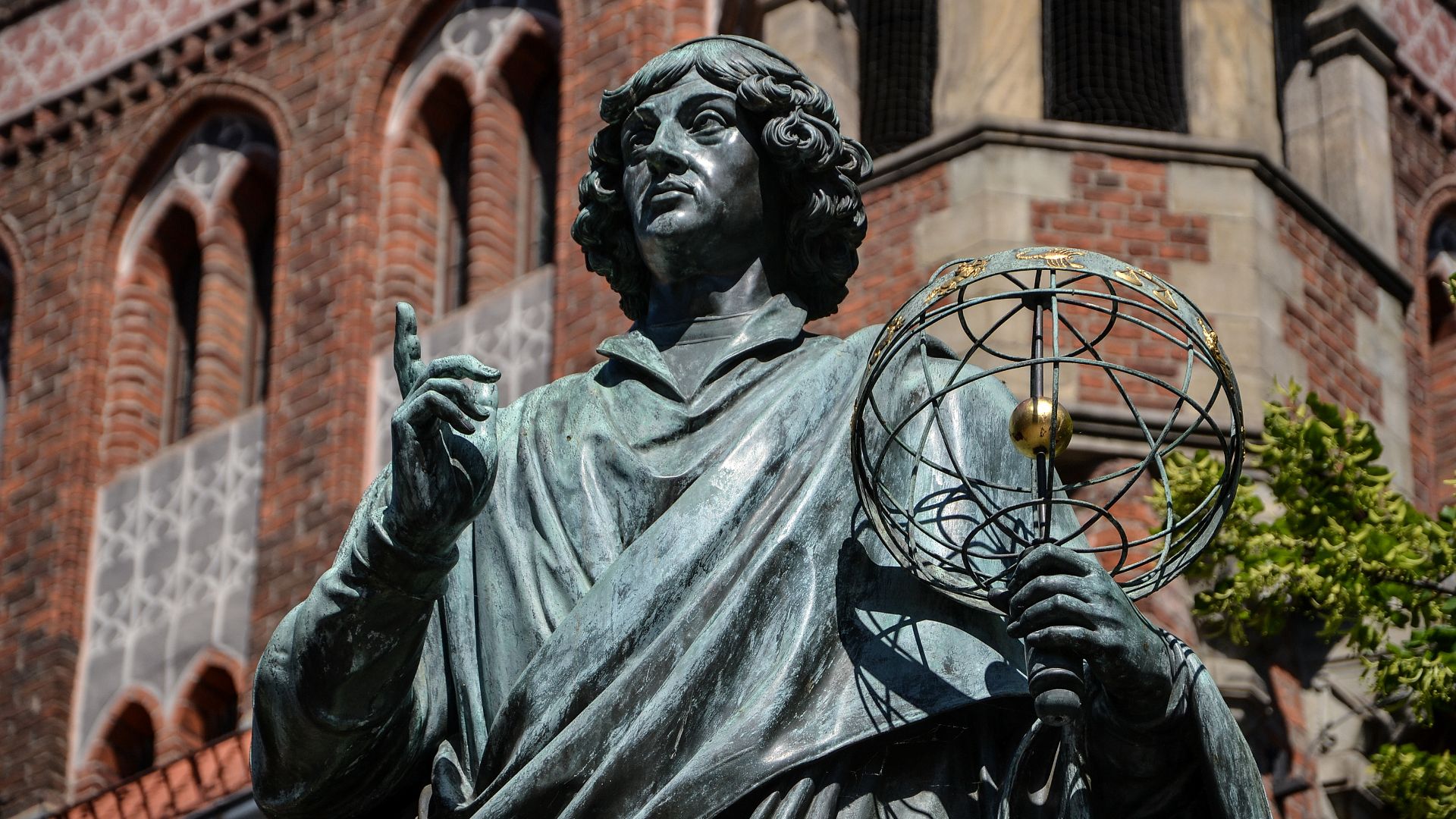
18. Nicolaus Copernicus
His reported IQ of 160–200 seems modest compared to others, yet Copernicus’s heliocentric theory sparked arguably history's greatest scientific revolution. The legend studied mathematics, astronomy, medicine, and canon law across multiple European universities.
19. Albert Einstein
A world-changing genius doesn't require record-breaking test scores. The German physicist, born in 1879 in Ulm, struggled in school's rigid structure and failed his first university entrance exam. He reportedly had an IQ of around 160, which led to the development of general relativity.
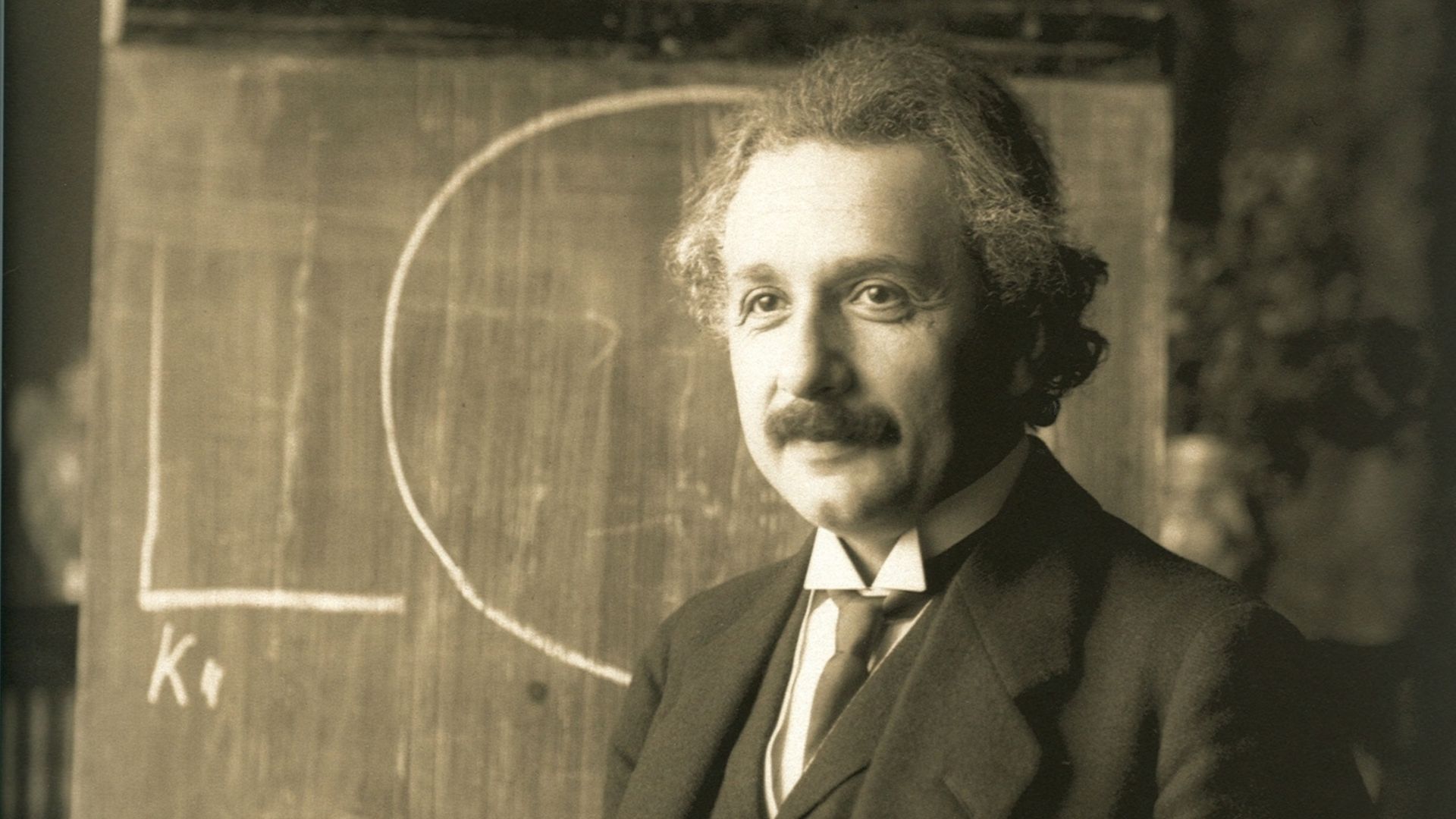 Ferdinand Schmutzer / Adam Cuerden on Wikimedia
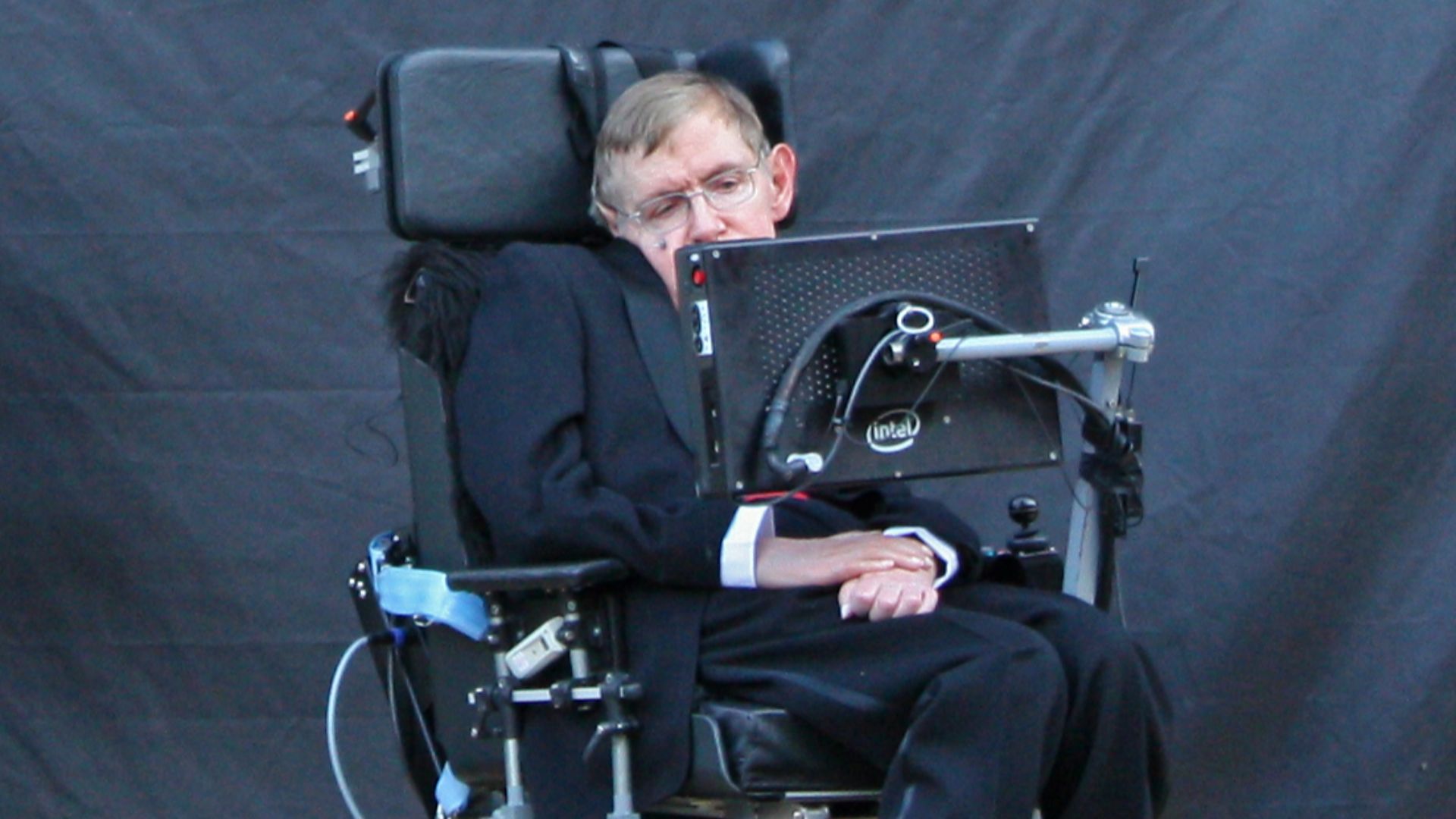
20. Stephen Hawking
Despite being diagnosed with ALS at 21, Hawking’s brilliance never wavered. He possessed an estimated IQ of 160-180 and made groundbreaking contributions to black hole physics, quantum mechanics, and cosmology. Hawking also authored A Brief History of Time.
KEEP ON READING