

20 Historical Figures Who Would've Been Absolute Nightmares Online
Some People Were Simply Too Much For A Comment Section
The internet rewards confidence, speed, outrage, wit, and the occasional total lack of shame, which means quite a few historical figures would've adapted a little too well. Some were brilliant public thinkers who loved a fight. Others built their reputations on spectacle, image control, or pure stubbornness. Put them in a modern online setting, and you can almost see the quote posts, messy apologies, and comment threads nobody asked for. These 20 figures, based on what they actually said, did, wrote, and projected in public, would've been absolute nightmares online.
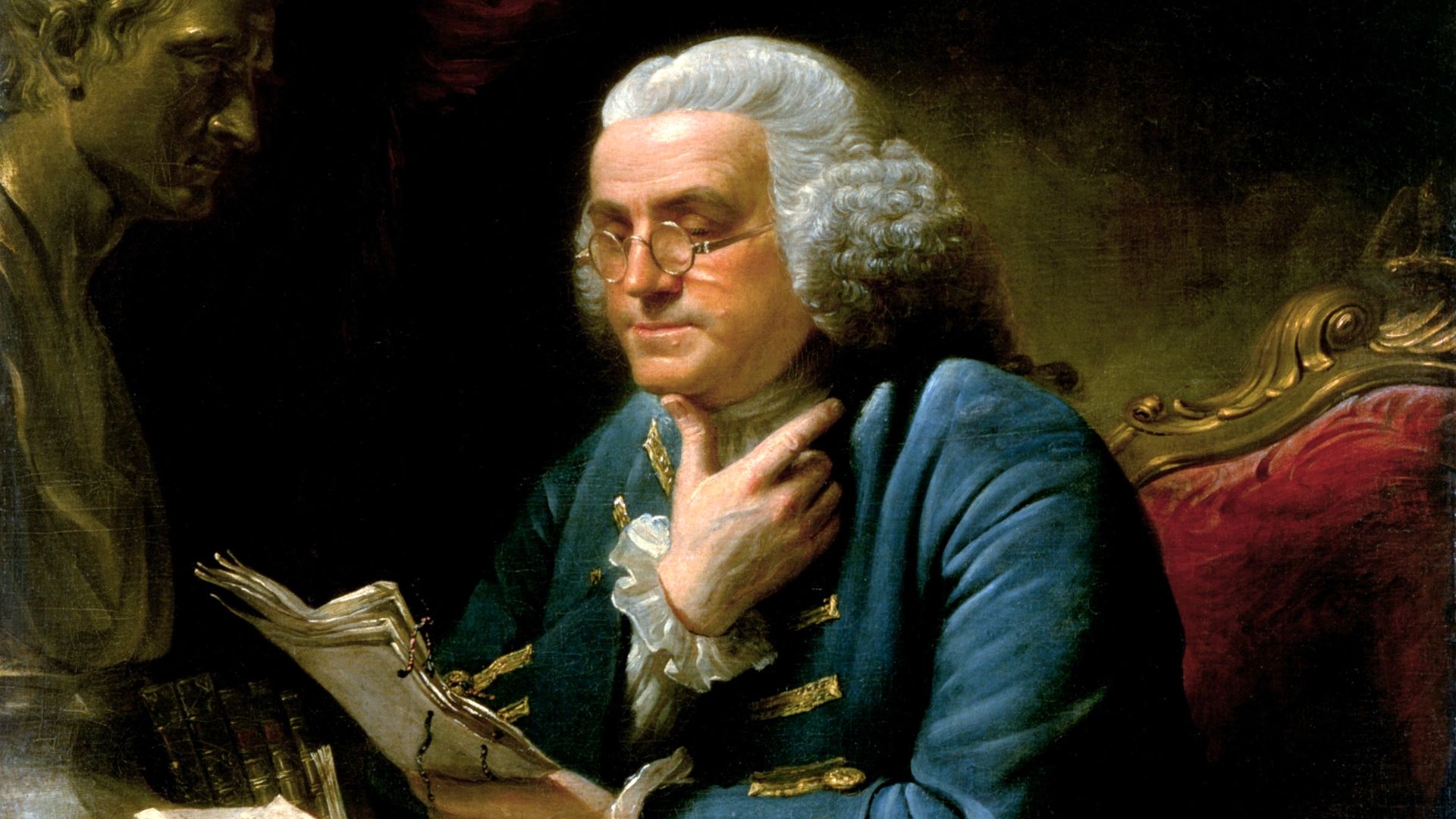
1. Diogenes, The Original Reply Guy
As one of the founding fathers of Cynicism, the ancient Greek philosopher Diogenes made his brand identity all about rejecting luxury and social convention. He'd be in everyone's replies, mocking status symbols, calling out hypocrisy, and somehow turning a harmless vacation photo into a lecture about vanity.
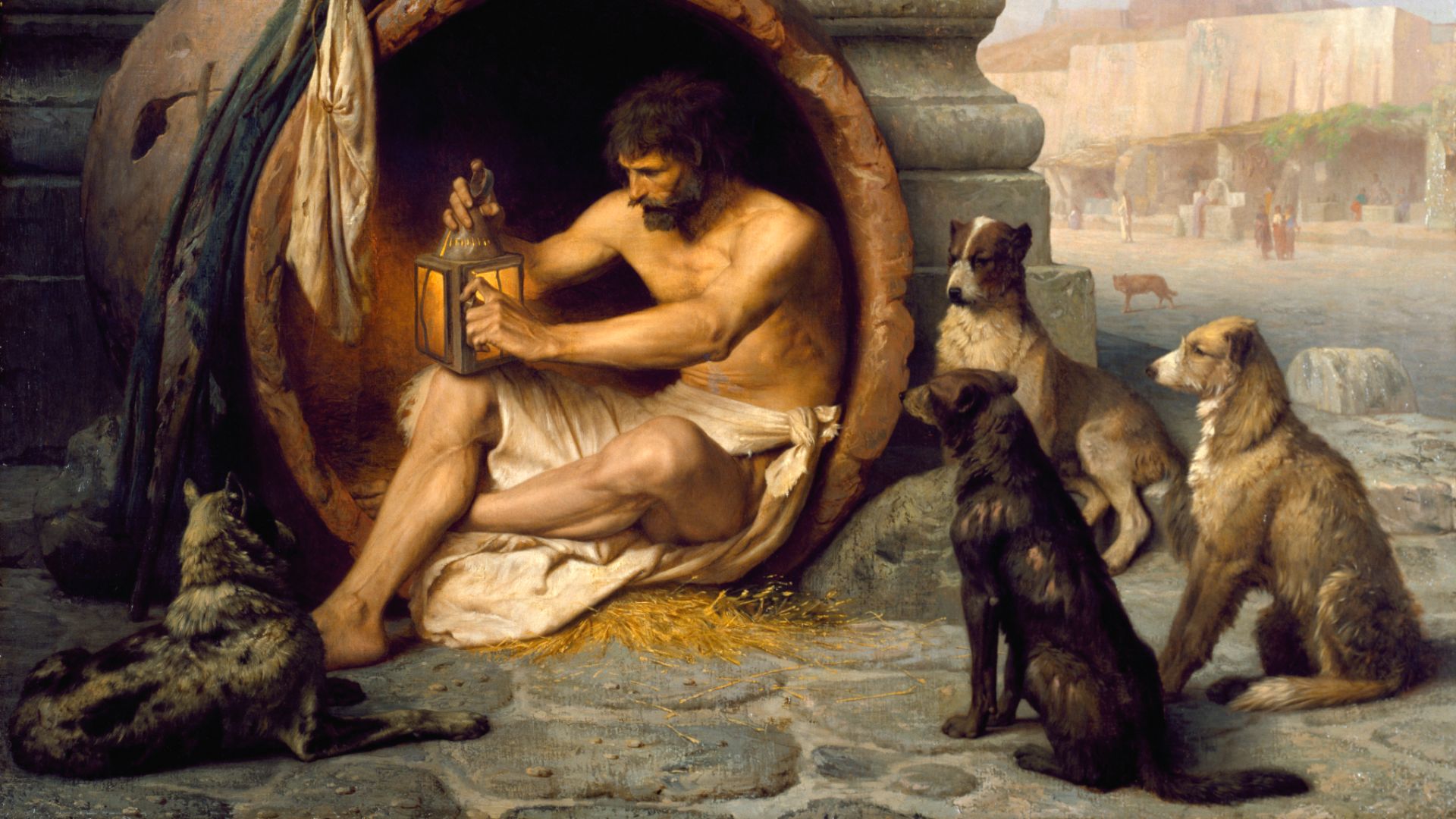
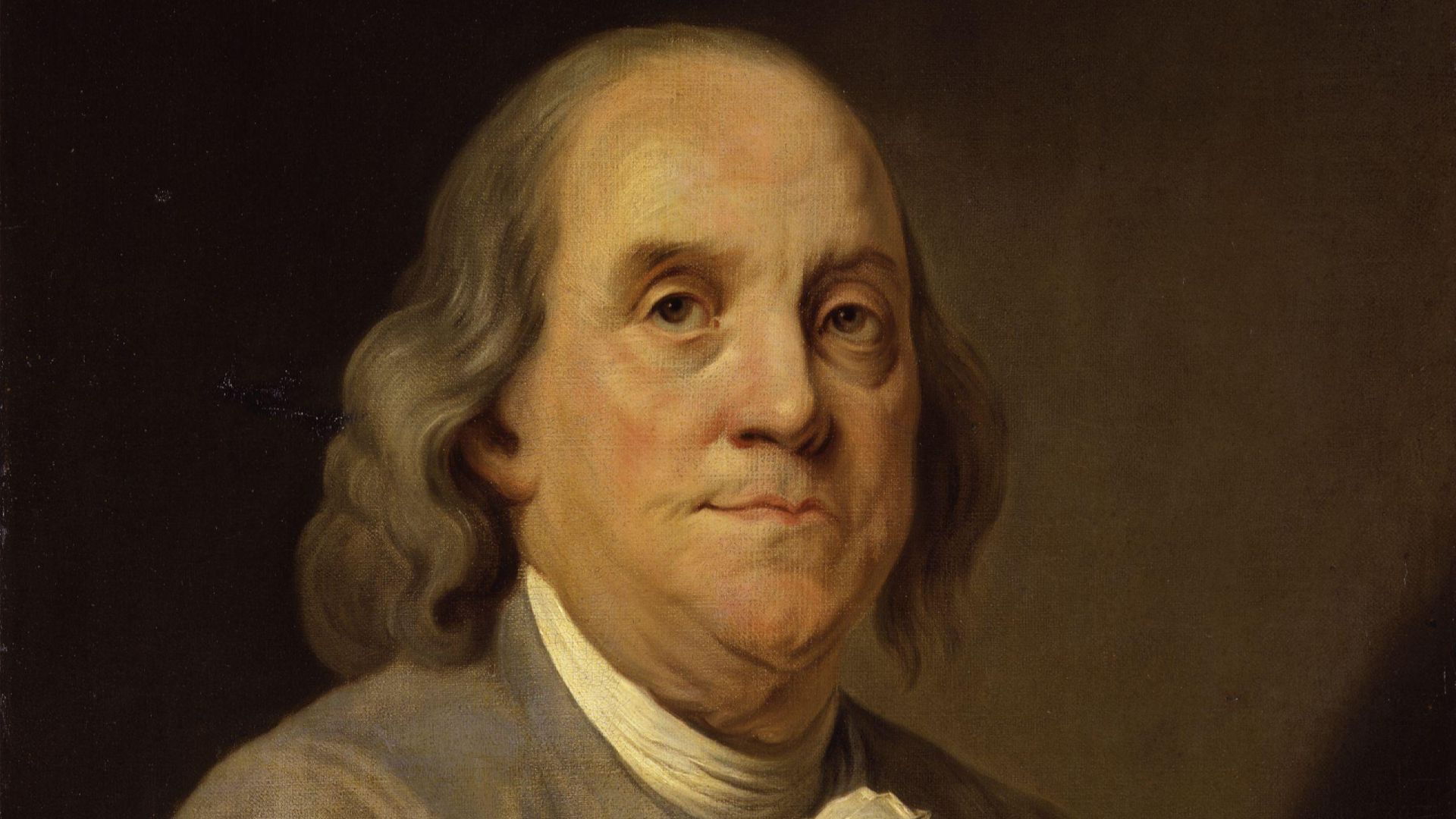
2. Benjamin Franklin, The Alt-Account Genius
A founding father and known polymath, Ben likely would’ve been too busy for doomscrolling. Still, he had a sharp public voice and a well-documented fondness for writing under a persona. If he had social media, he'd have several burner accounts, each one funny enough to go viral and slippery enough to keep people guessing.
 After Joseph-Siffred Duplessis on Wikimedia
3. Henry VIII, The Personal Statement King
Henry VIII didn't exactly keep his marital or religious disputes quiet.
Online, every PR crisis would probably come with a half-baked notes app apology. That said, it would’ve been fun to check in on him every few years and see that he had married a new woman.
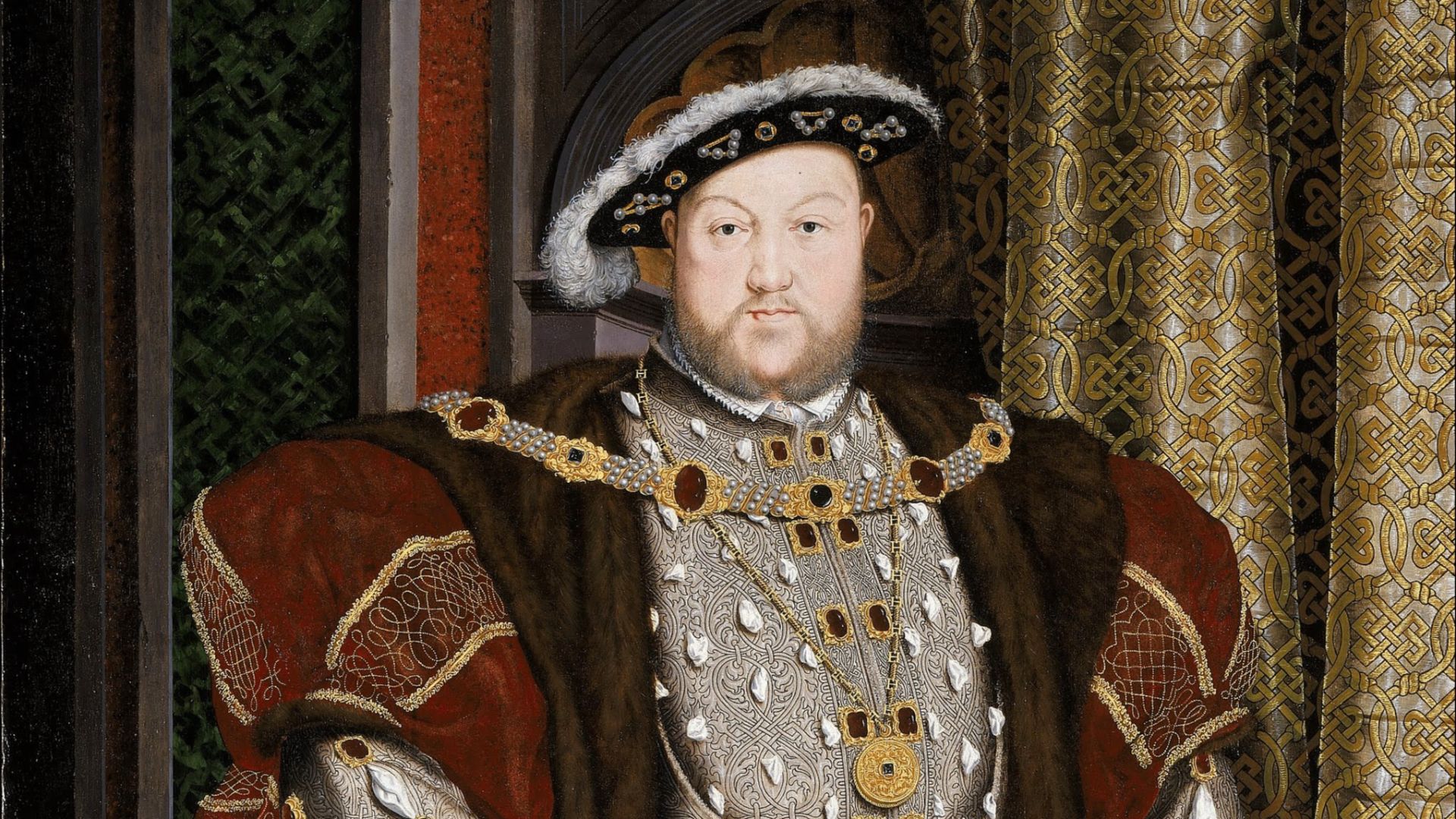 After Hans Holbein the Younger on Wikimedia
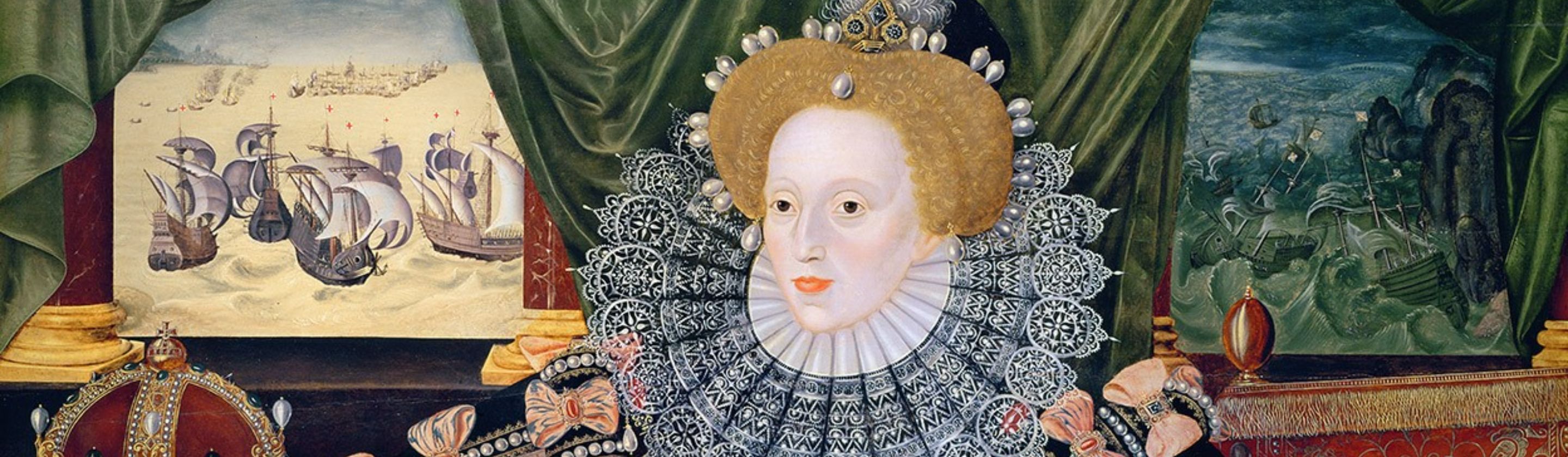
4. Elizabeth I, The Brand Manager
Elizabeth I understood image control long before anyone had a profile grid to curate. She'd never post casually. Every caption, portrait, and public message would be part of a larger effort to project power. She would’ve been like the 14th-century Taylor Swift—everything means something.
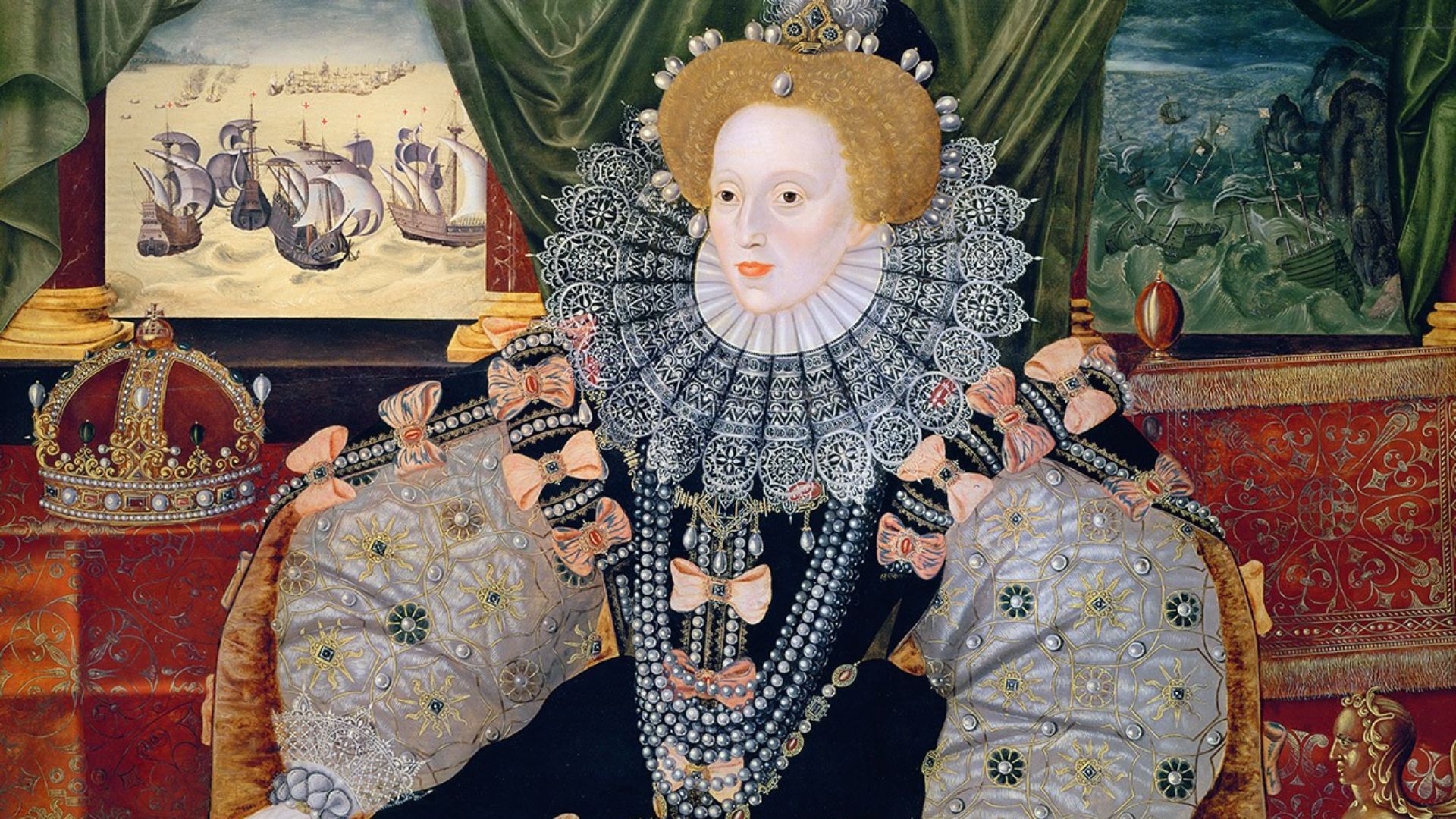 Formerly attributed to George Gower on Wikimedia
5. Martin Luther, The Thread Starter
Martin Luther helped ignite the Protestant Reformation in the 16th century. Give him a modern platform, and he'd post a long, detailed thread about some academic or religious topic, and spend the rest of his day happily fighting people online.
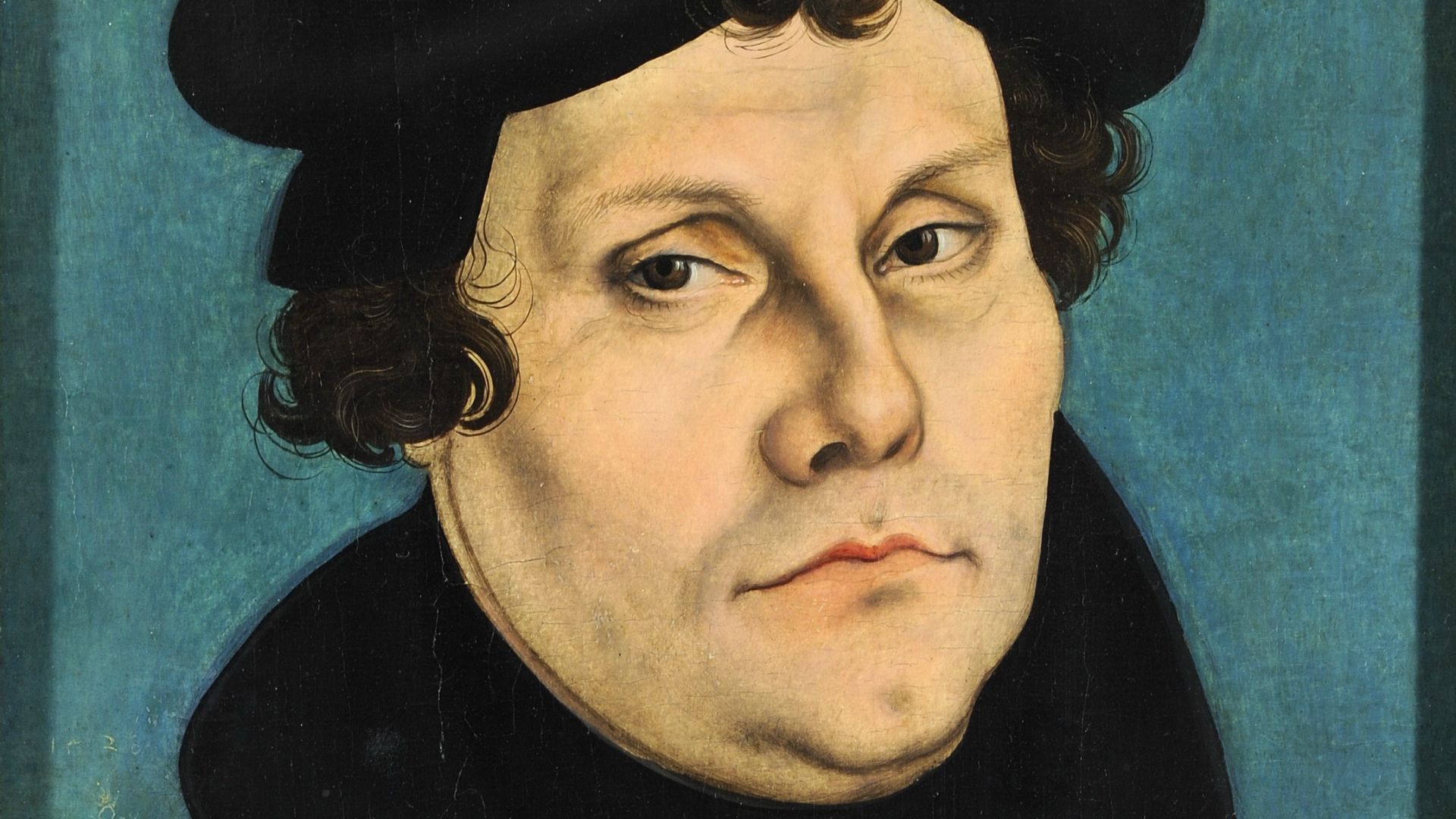 Lucas Cranach the Elder on Wikimedia
6. Caravaggio, The Banned Account
Caravaggio was a renowned, but controversial, painter during the 16th and 17th centuries, and his personal life reflected his polarizing art. His hot temper and spontaneous attitude would get him suspended or banned from just about any platform, only to return with more gusto.
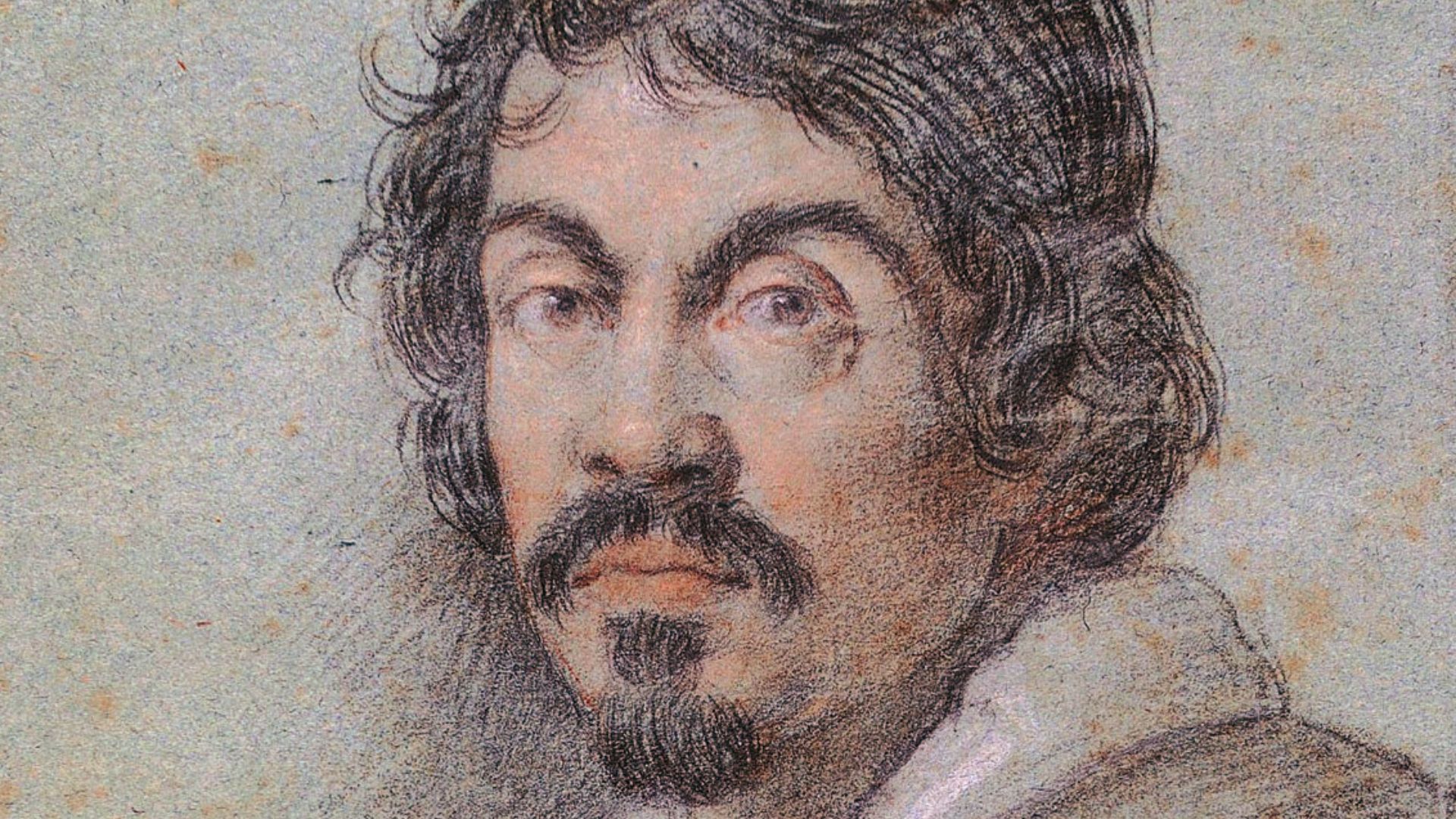
7. Tycho Brahe, The Science Beef Guy
Tycho Brahe was a 16th-century astronomer who helped launch the scientific revolution. Aside from engaging with space theories on various forums, we can assume his Instagram feed would be full of starry night photos.
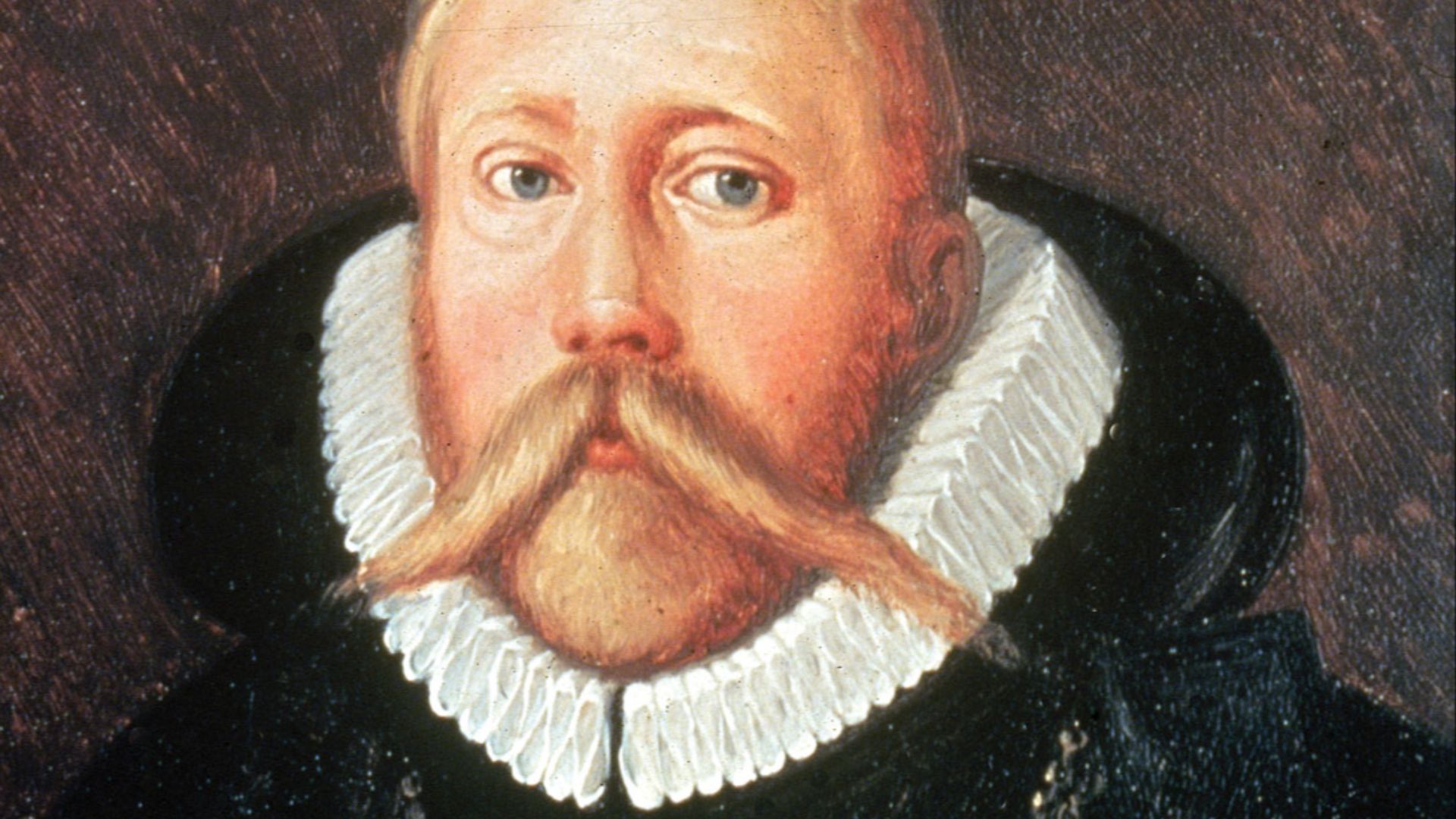 Eduard Ender (1822-1883) on Wikimedia
8. Voltaire, The Professional Roaster
This famous French Enlightenment writer was well-known for his witty musings and criticism of Christianity and slavery.
He’d likely spend his time successfully arguing with anyone who wanted to trade blows with him, while also frequently updating his very full personal blog.
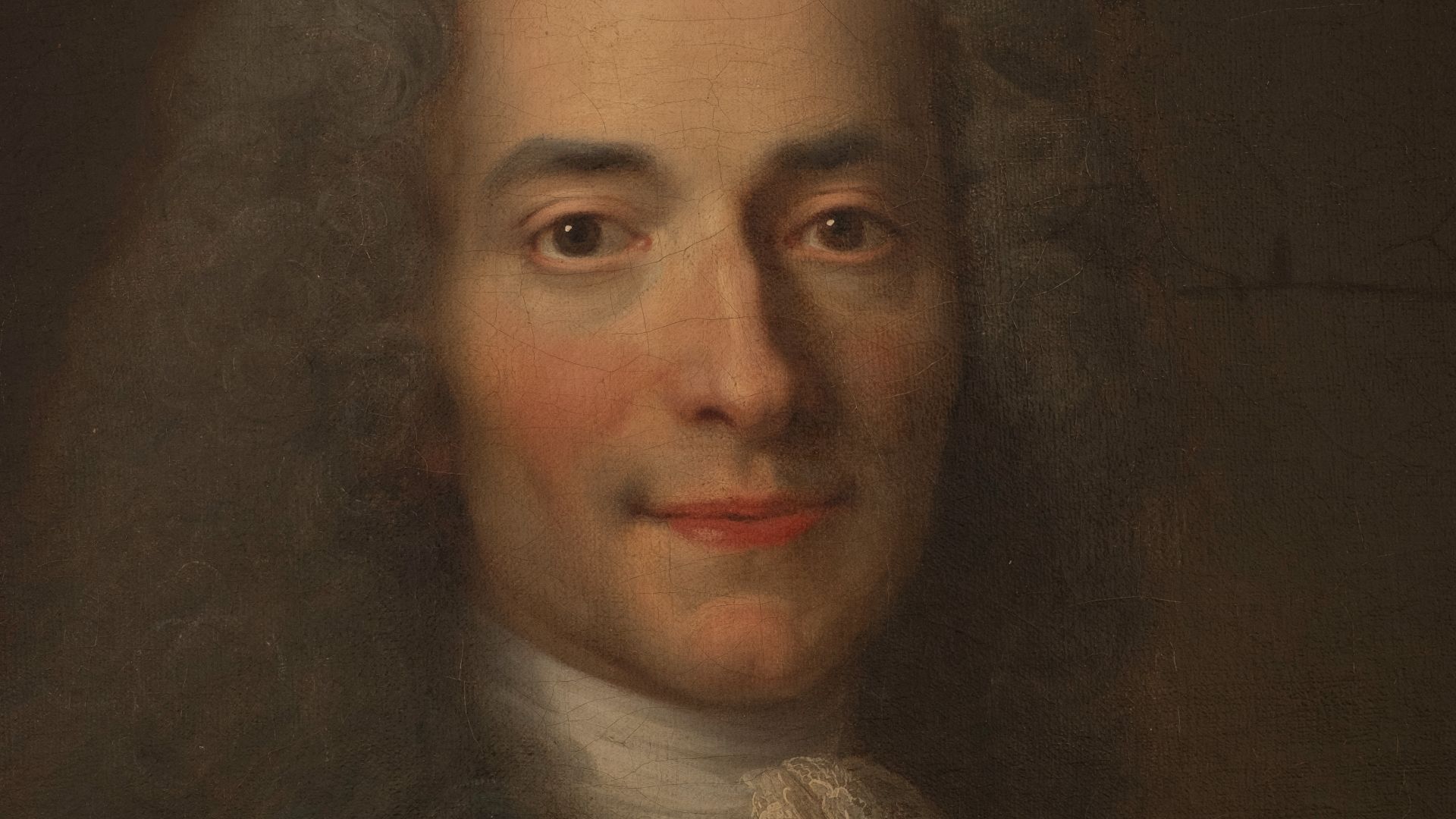 Nicolas de Largillière on Wikimedia
9. Jean-Jacques Rousseau, The Oversharer
Rousseau helped shape modern personal and political writing during the Age of Enlightenment, and he had a gift for turning inner conflict into public material. He'd post something vulnerable, get criticized, and respond with a long-winded explanation that somehow created three more controversies.
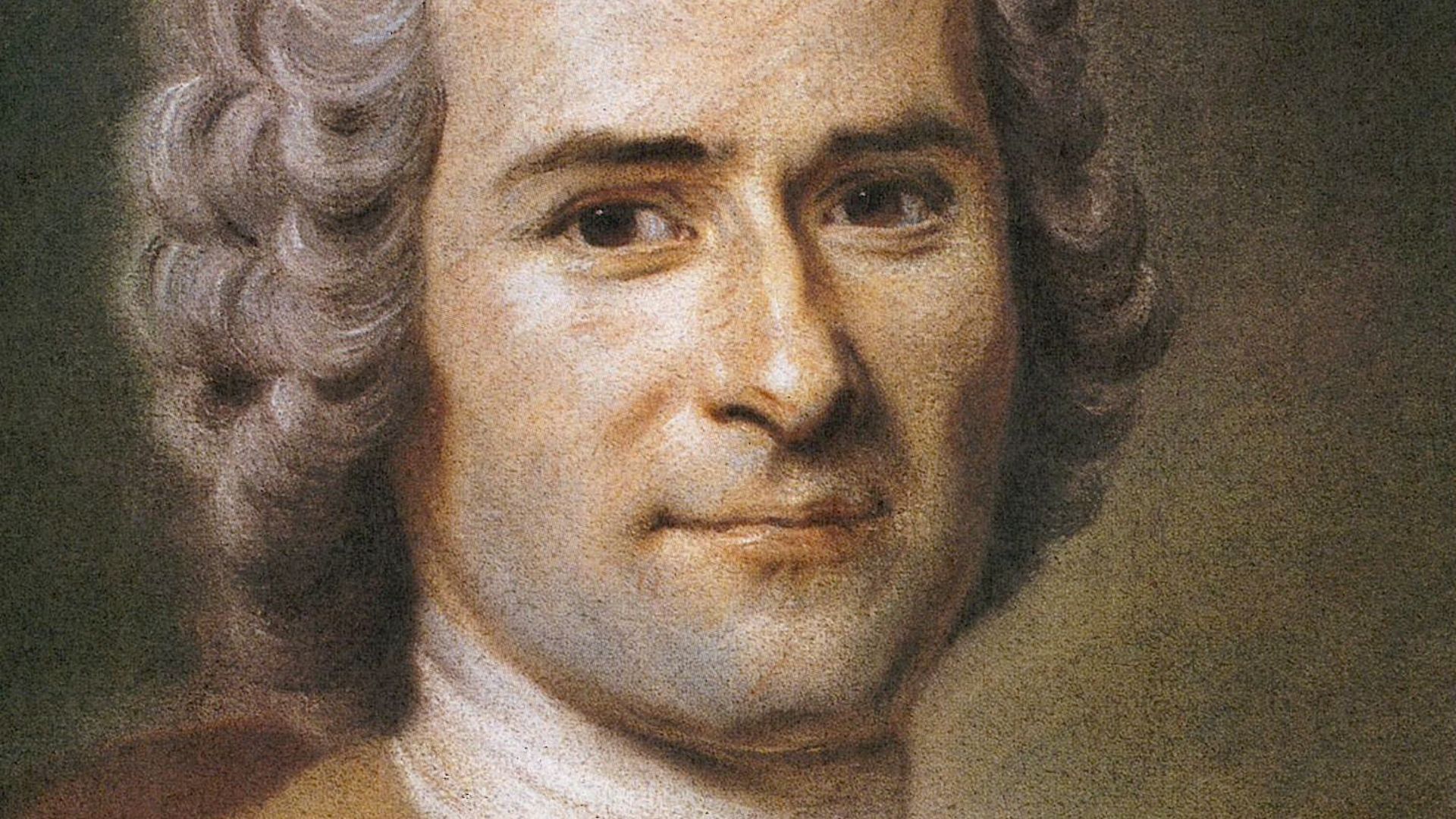 Maurice Quentin de La Tour on Wikimedia
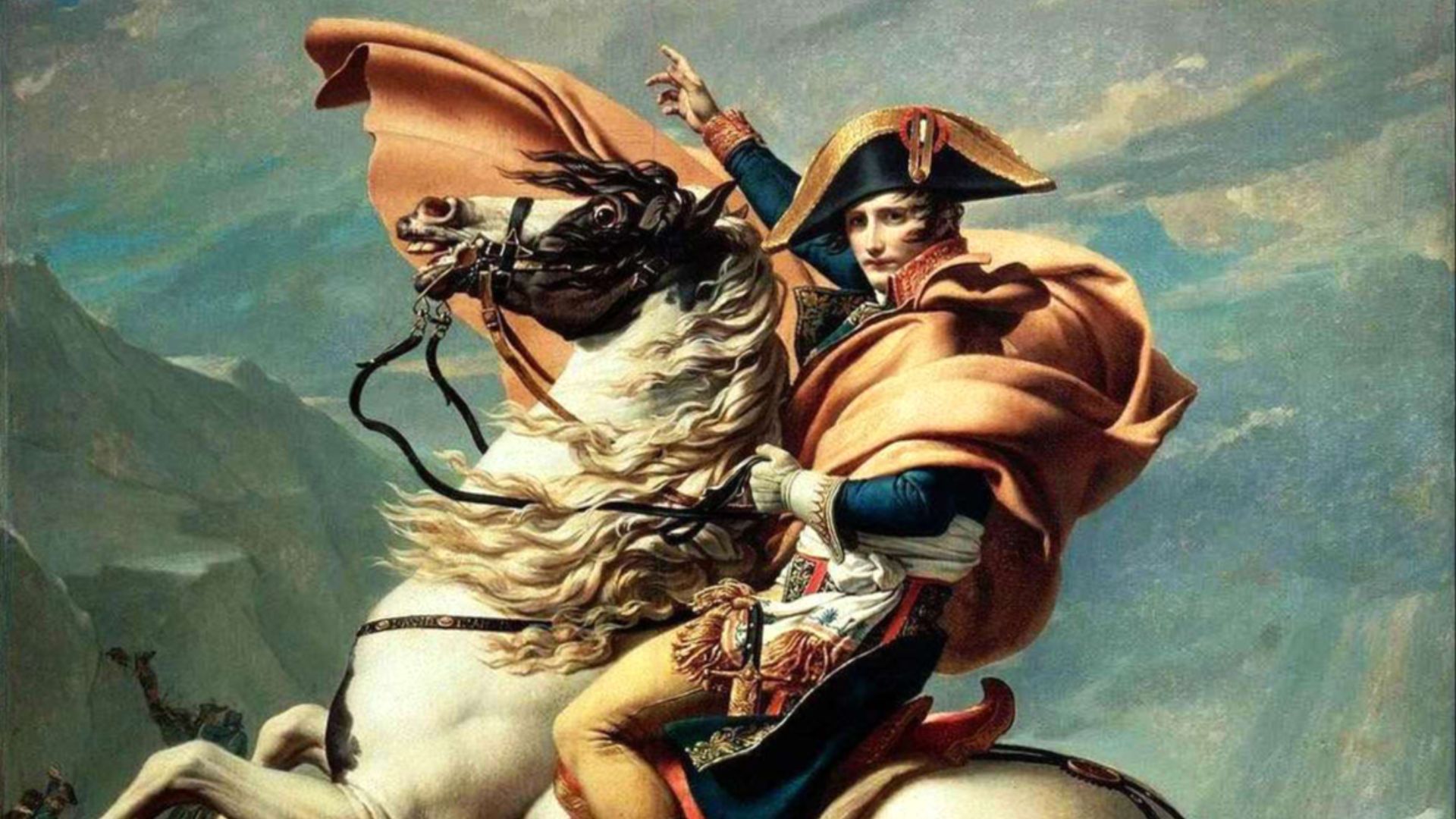
10. Napoleon Bonaparte, The Narrative Controller
Napoleon had ambition, confidence, and an enormous appetite for managing public perception. His online presence would be all heroic visuals and strict messaging, with supporters insisting that every setback was all a part of his larger plan.
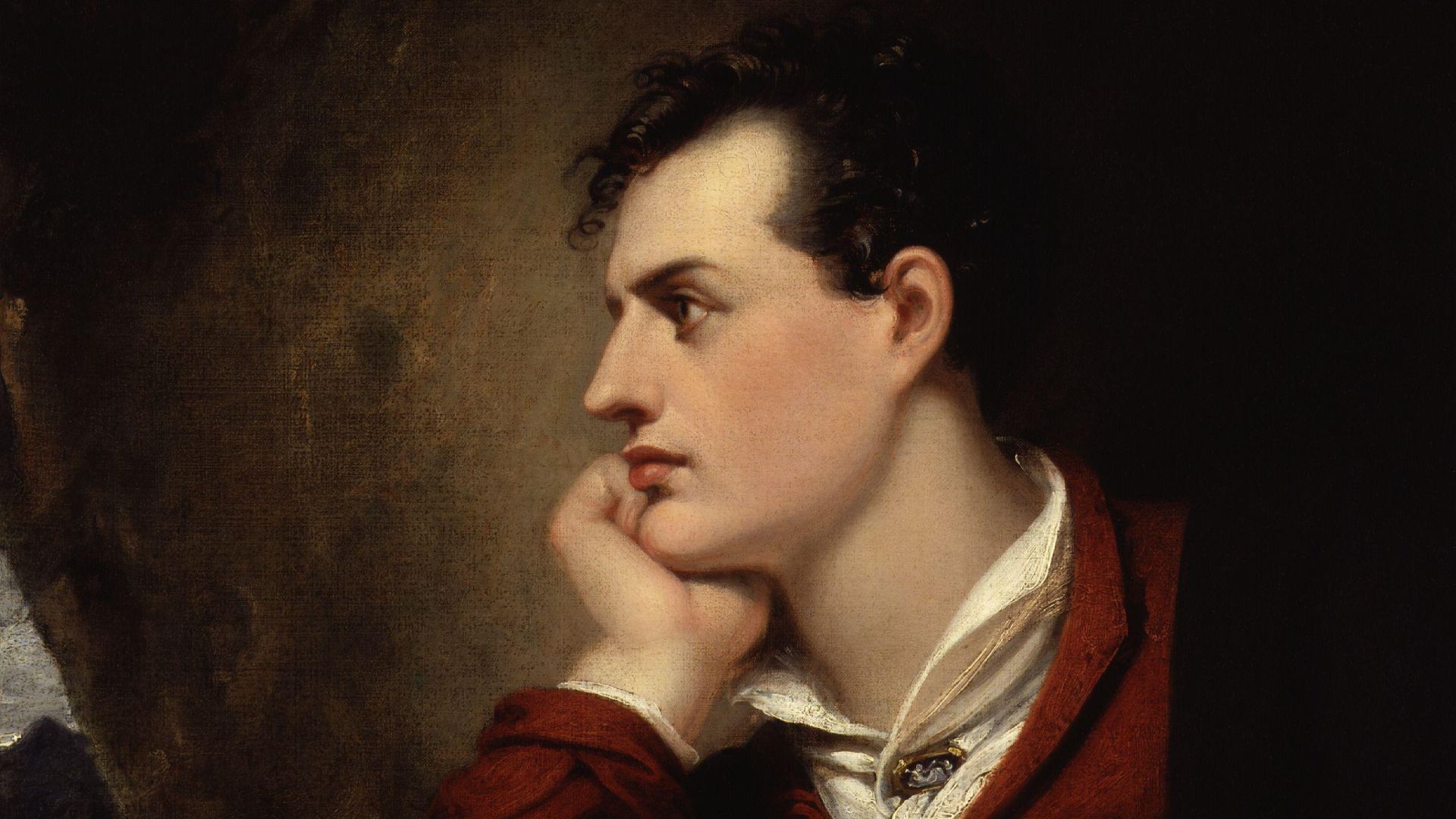
11. Lord Byron, The Beautiful Disaster
Byron had the glamour, scandal, literary talent, and self-mythology of someone who would've dominated every platform. His posts would be poetic and irresistible, while the replies argued endlessly over whether he was a genius, a menace, or both.
12. Andrew Jackson, The Grudge Collector
Andrew Jackson wasn’t known for letting people insult him and get away with it. His modern-day media persona would probably be a roast page, where he’d provide his viewers with 5-part TikTok stories about the latest drama.
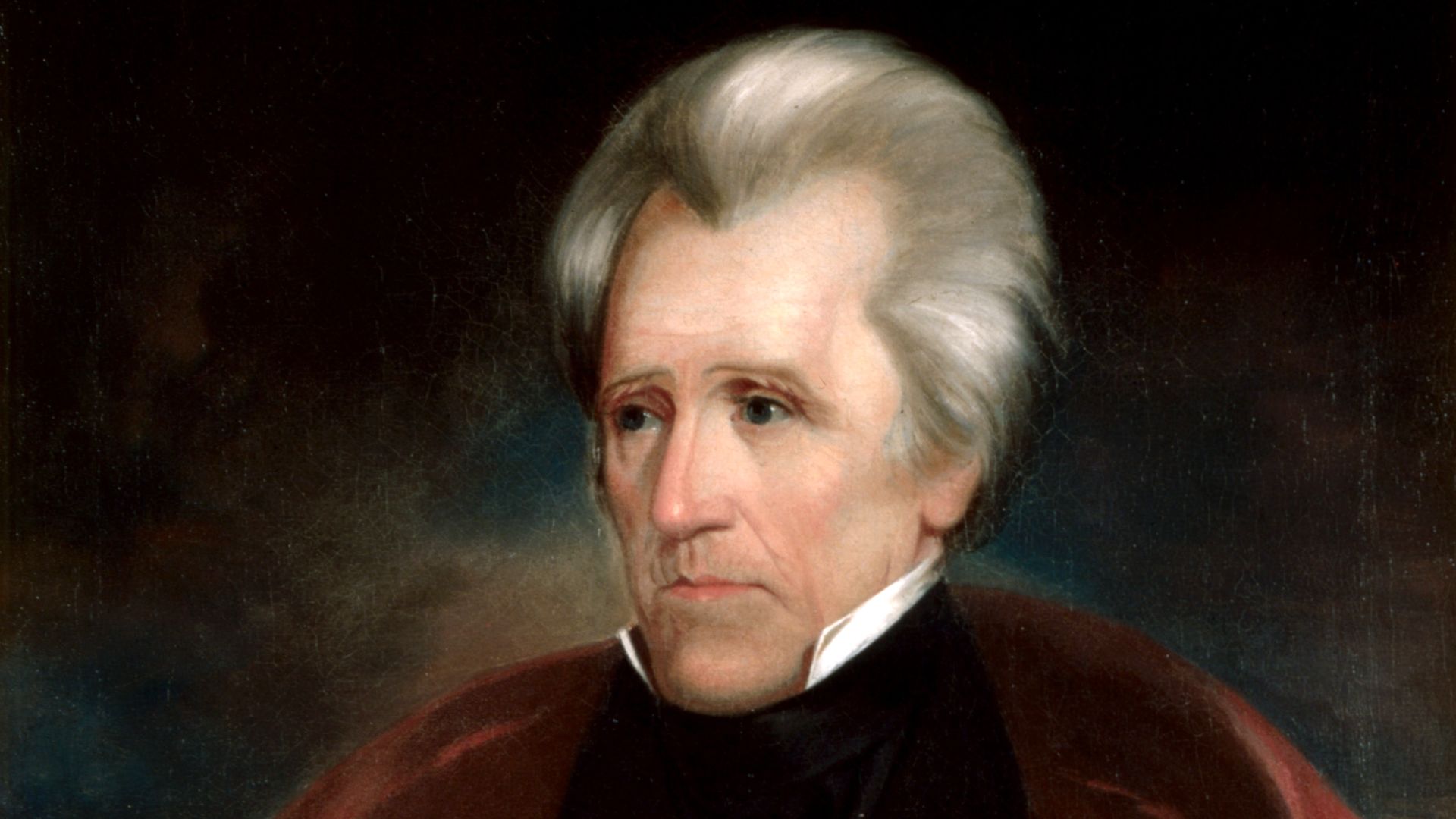 Ralph Eleaser Whiteside Earl on Wikimedia
13. P.T. Barnum, The Clickbait Master
Barnum understood spectacle and the power of getting people to look twice. Online, he'd know exactly how to package an article or YouTube thumbnail that would make even the most suspicious people click on.
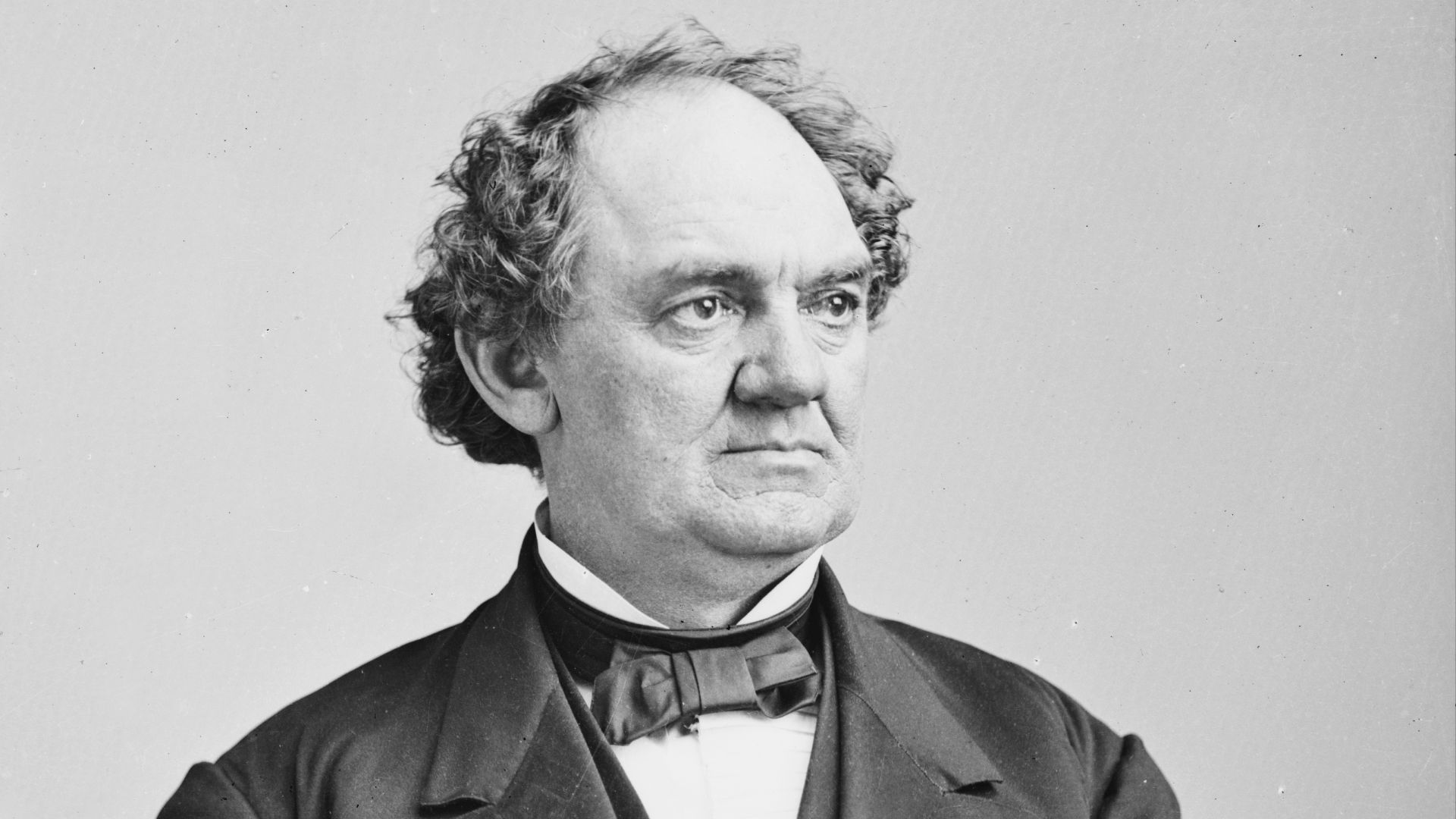 Brady-Handy Photograph Collection (Library of Congress) on Wikimedia
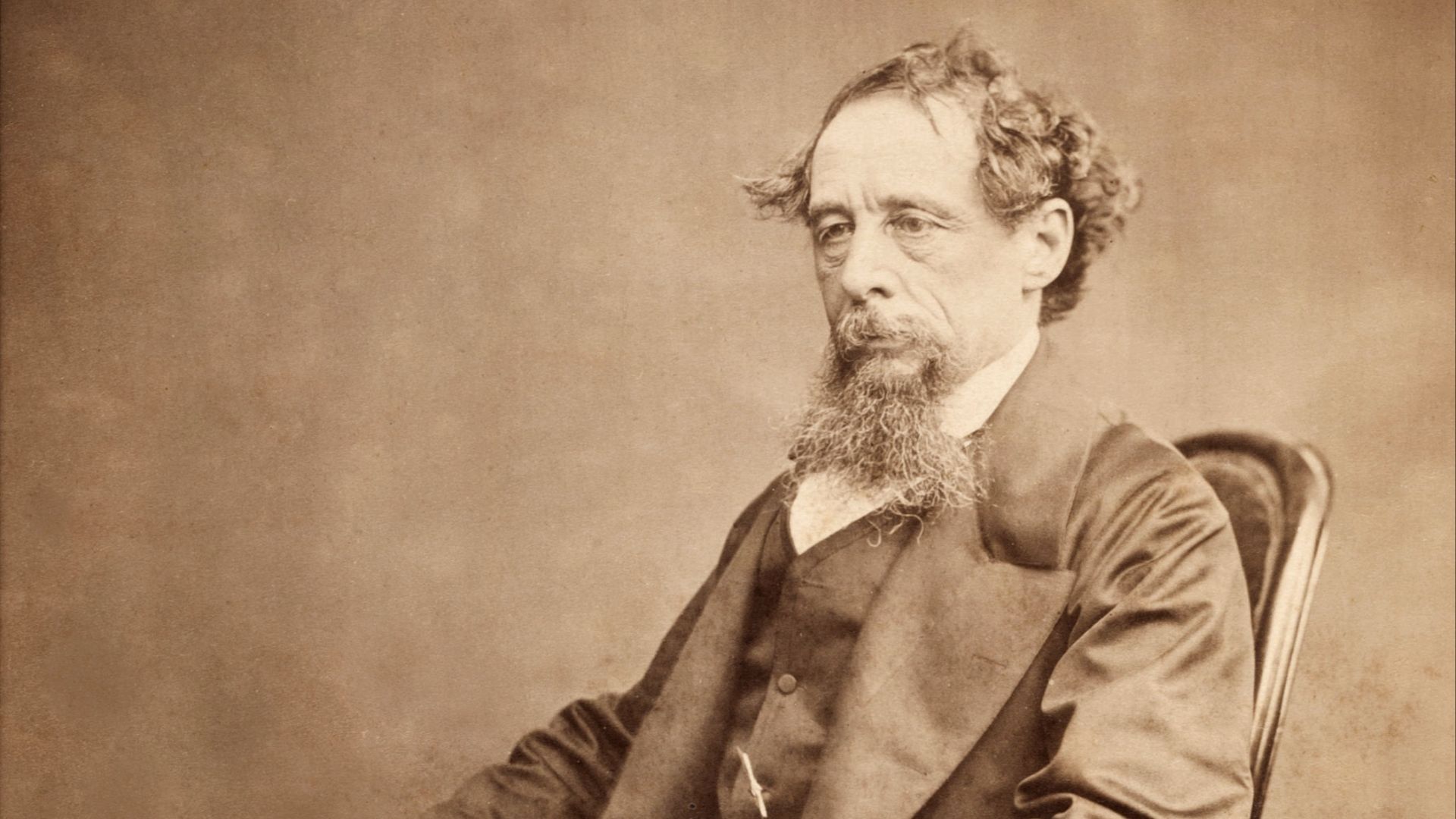
14. Charles Dickens, The Public Statement Writer
Dickens wrote powerfully about social life, and he had a strong instinct for managing his own reputation. He'd publish moving commentary on injustice, then release a carefully worded personal statement that would excuse him from any backlash he faced.
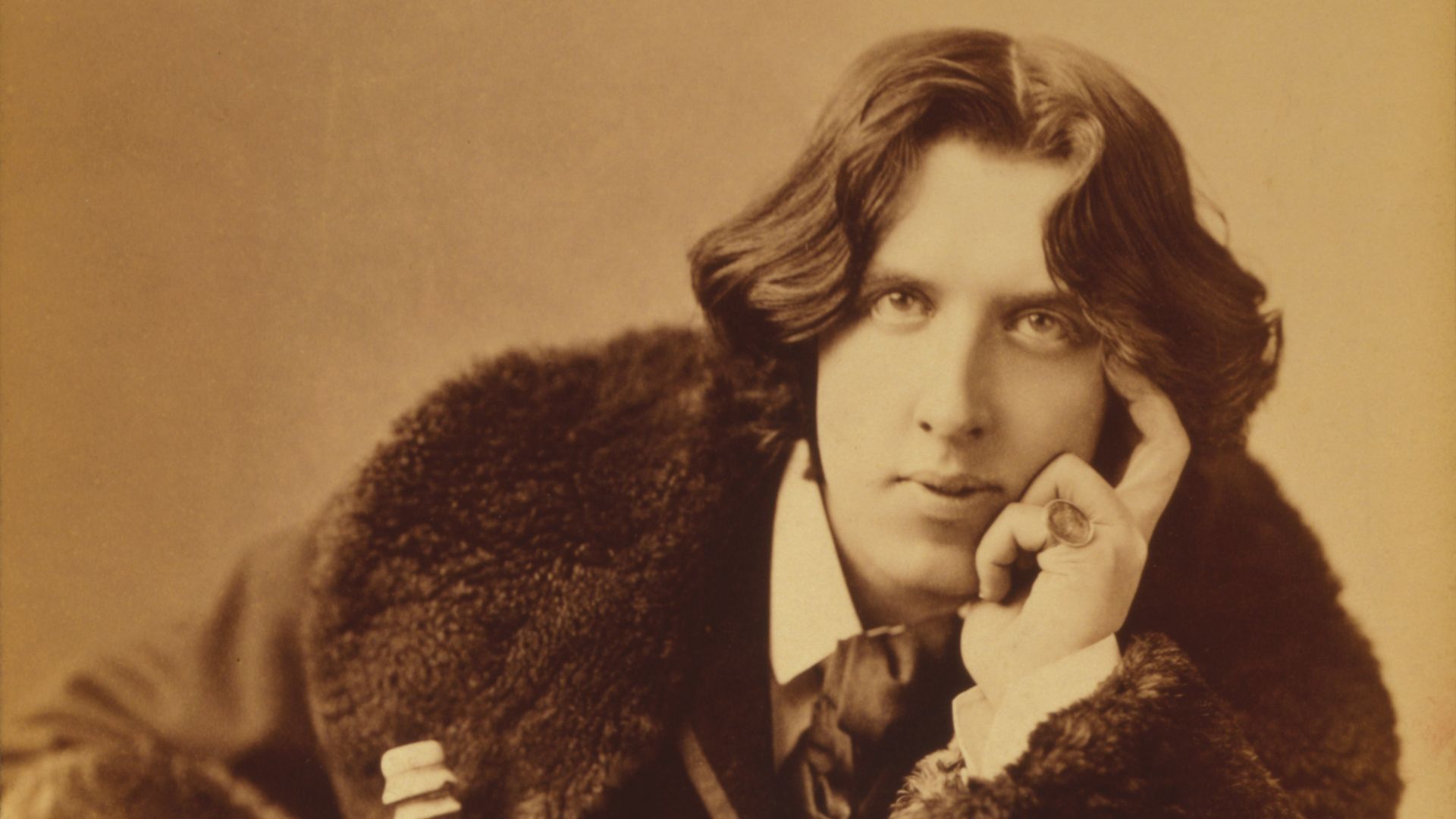
15. Oscar Wilde, The Caption Assassin
Wilde's gift for crisp, polished wit would've made him terrifying in a comment section. He wouldn't need paragraphs to win a public argument. One elegant line could make everyone else's comeback look painfully undercooked.
16. Thomas Edison, The Tech Feud Founder
Edison was inventive, relentless, and more than capable of turning a technical rivalry into a public campaign. His electrical-system battles are the 19th-century equivalent of modern-day tech startup drama, complete with warnings, counterclaims, and supporters arguing over which future was safer.
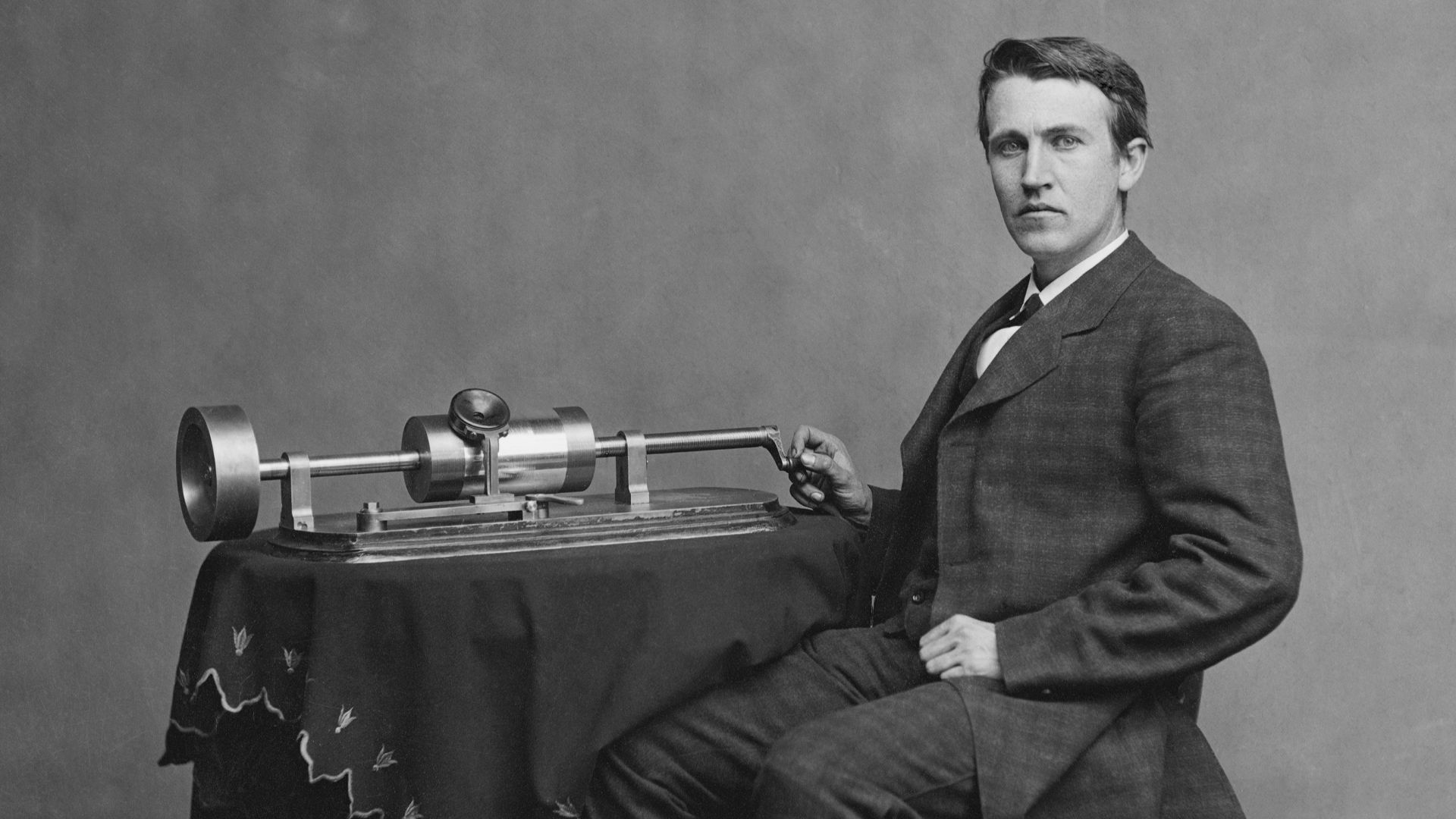 Levin C. Handy (per http://hdl.loc.gov/loc.pnp/cwpbh.04326) on Wikimedia
17. William Randolph Hearst, The Outrage Machine
Hearst understood sensationalism and the commercial value of grabbing public attention fast. Online, he’d be a spin doctor, turning fear, scandal, and uncertainty into content before anyone would have time to fact-check him.
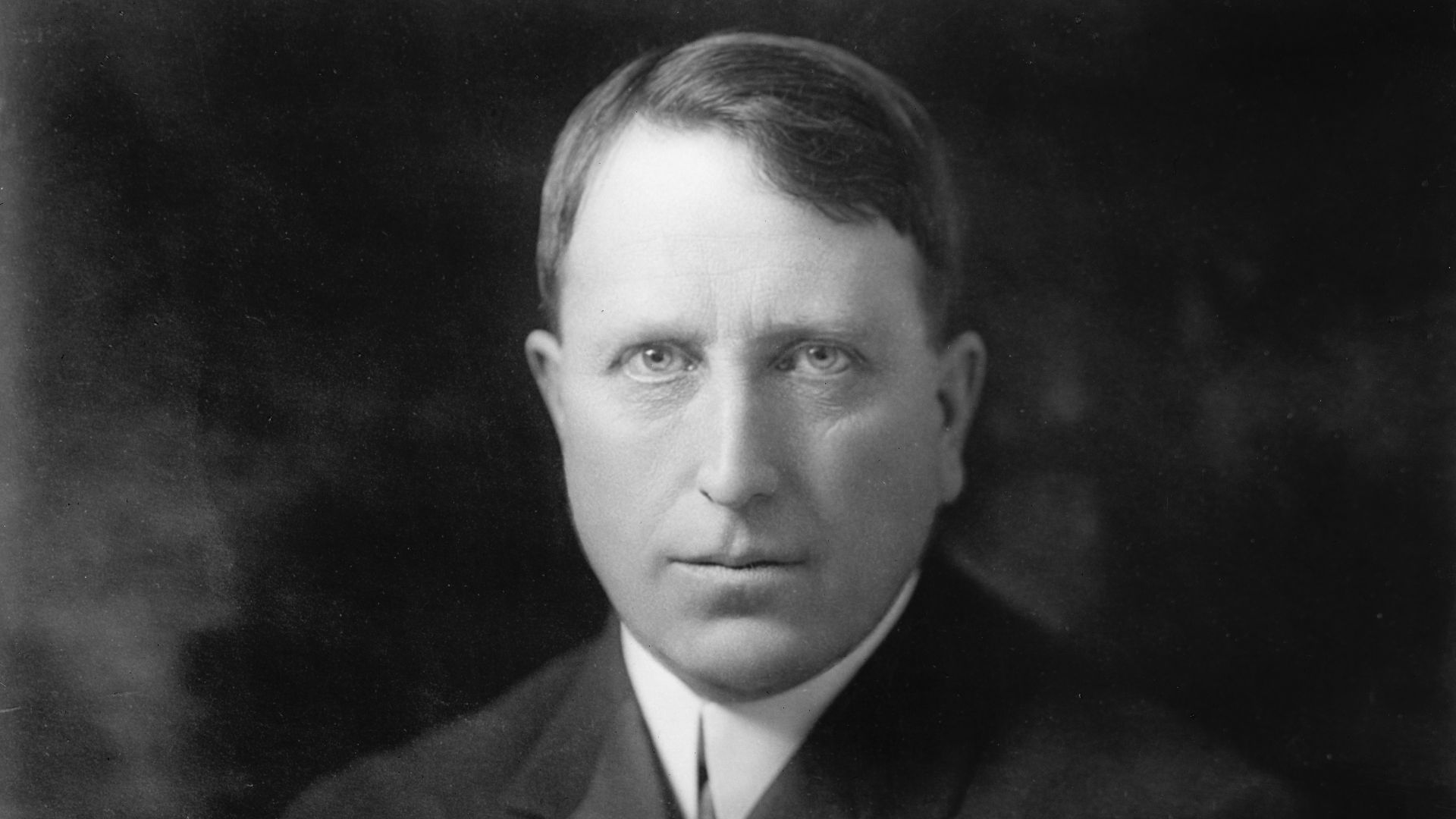 Harris & Ewing, photographer on Wikimedia
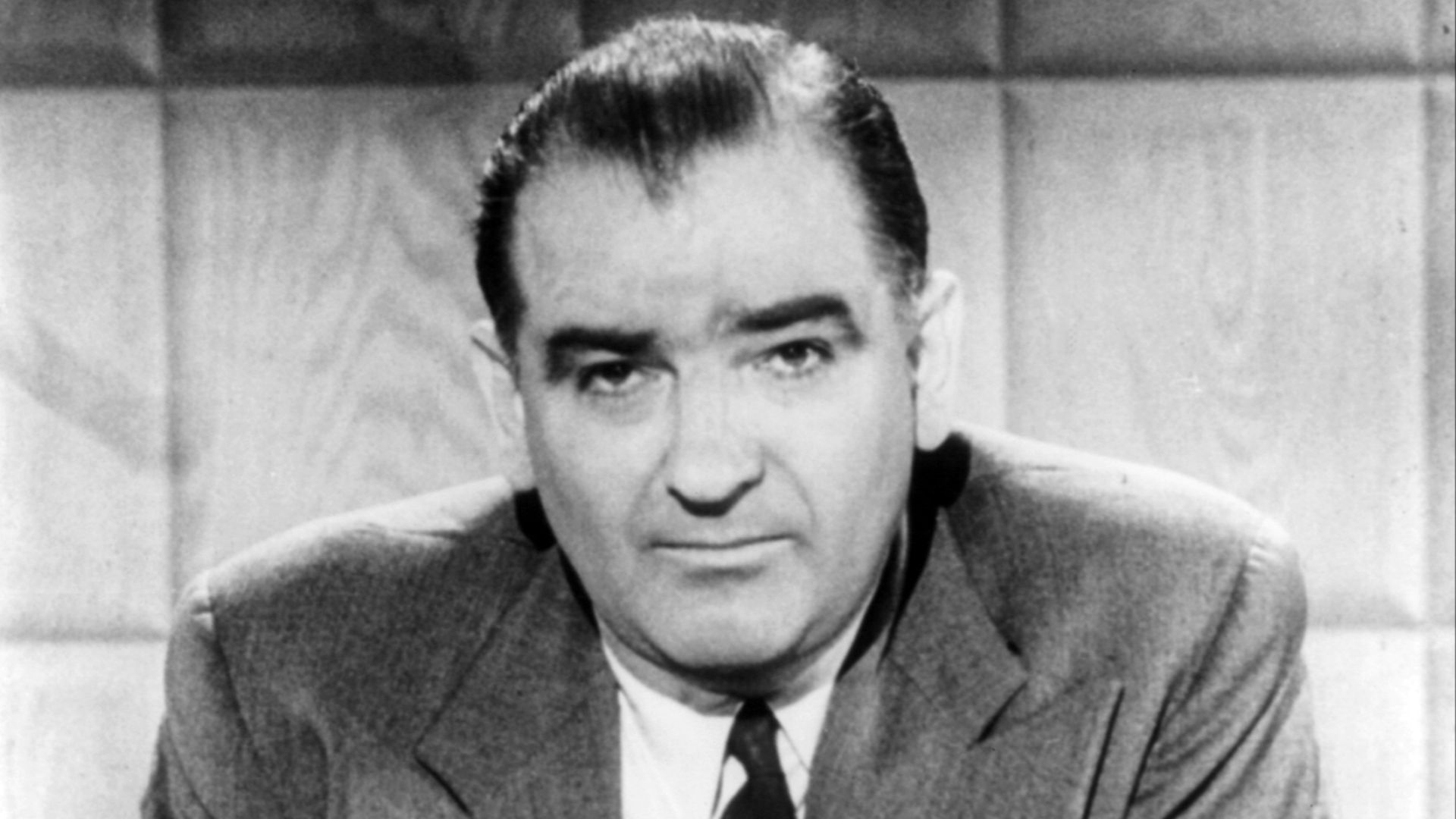
18. Joseph McCarthy, The Accusation Factory
McCarthy showed how public accusation could create panic, attention, and political power. On social media, he'd thrive on implication, dramatic claims, and vague warnings that would force people to defend themselves, even if they hadn’t done anything wrong.
19. J. Edgar Hoover, The Watcher
Hoover wouldn't need to post all day to be a nightmare online. He'd be the one monitoring everyone else, collecting information, building files, and treating dissent, activism, and private vulnerability as things to be catalogued.
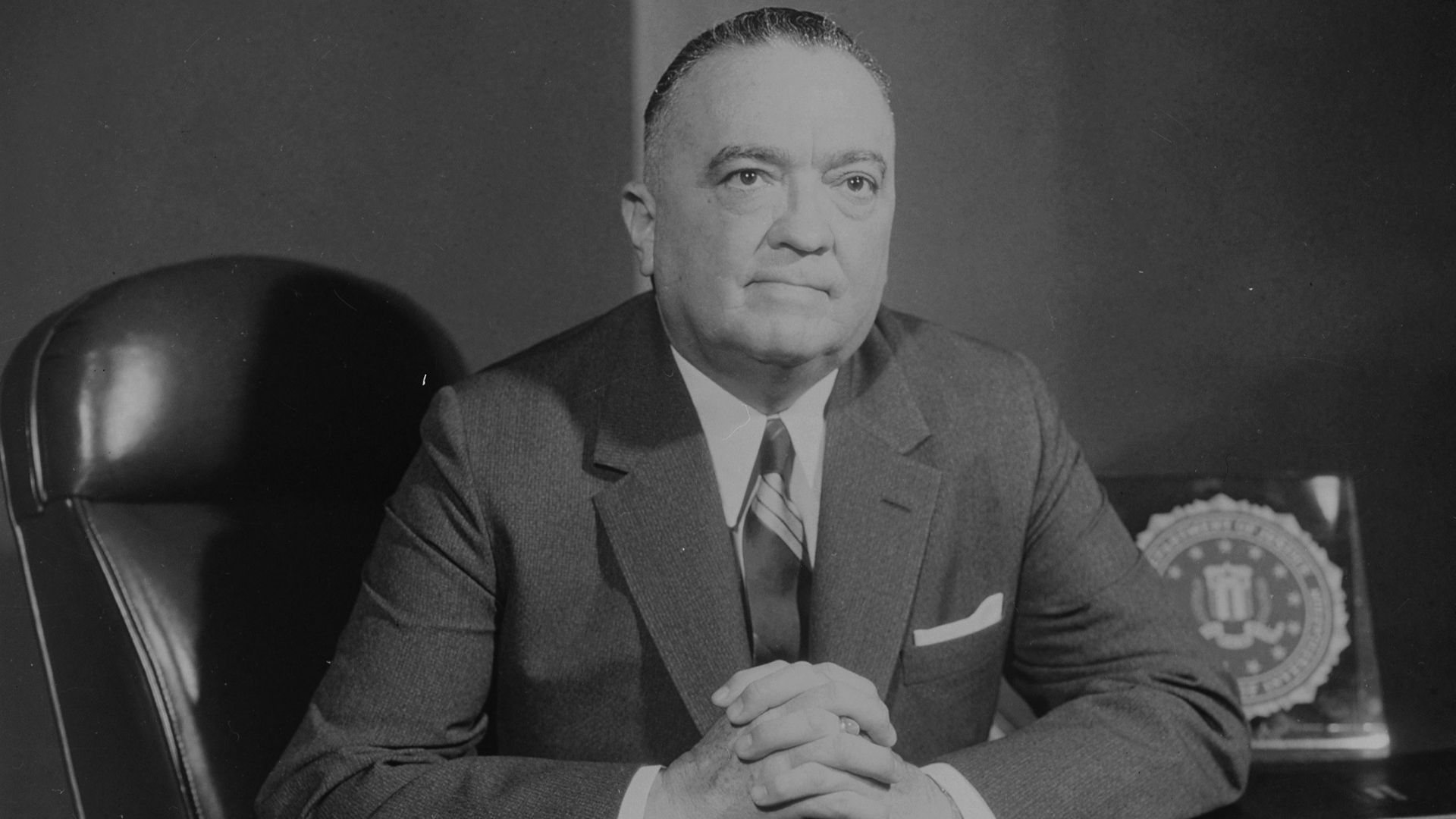 Unknown authorUnknown author on Wikimedia
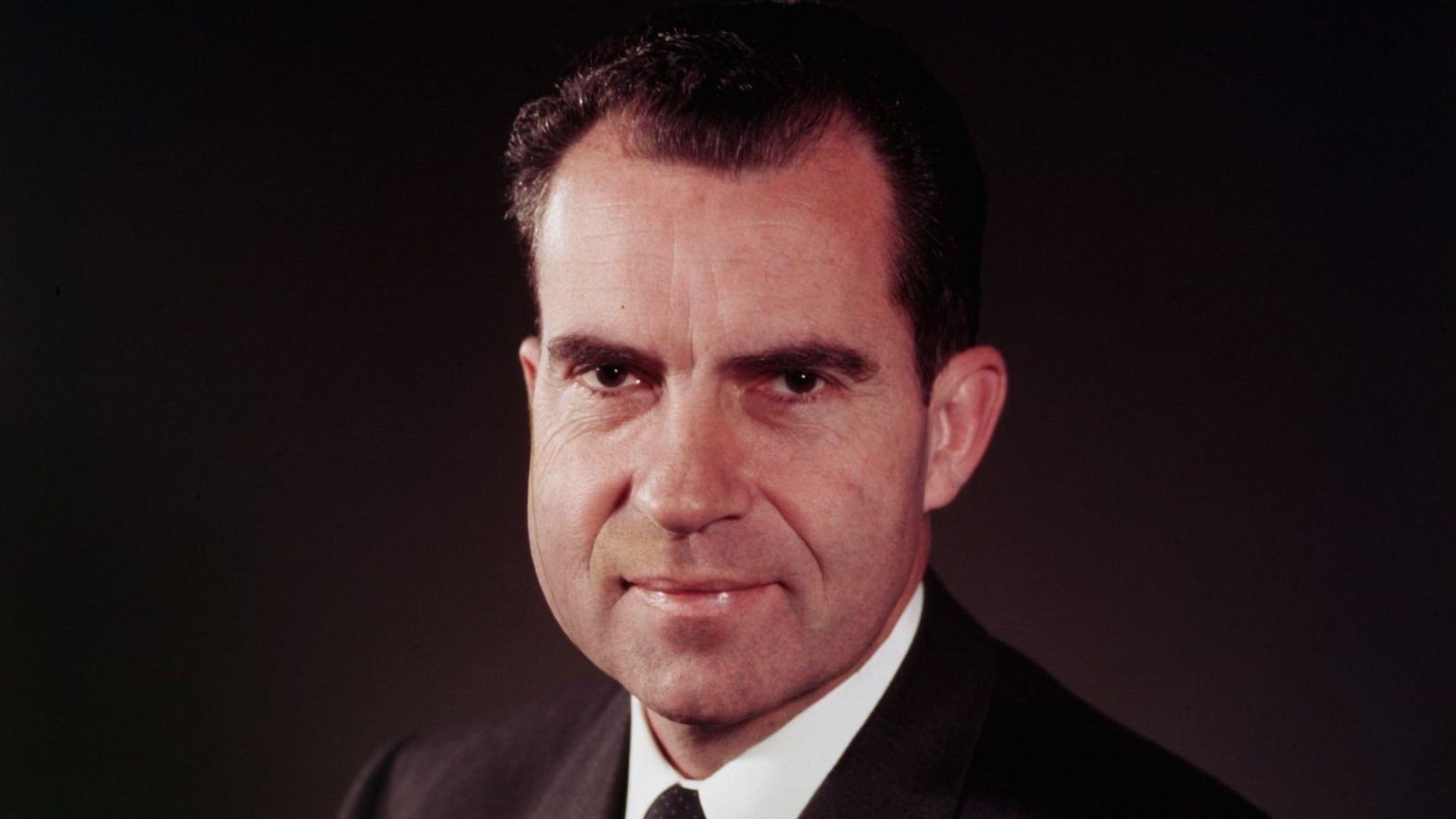
20. Richard Nixon, The Burner Account President
Nixon had the suspicion, secrecy, and enemy-list energy that would translate terribly to the internet. He’d be the type to create his own anonymous accounts that would flood his comment section with praise and adoration. Knowing Nixon, he eventually would’ve been caught.
KEEP ON READING
20 Greek Gods We Don't Often Talk About
Step Aside, Zeus. Greek mythology isn’t only about Zeus and…
By Elizabeth Graham Jan 16, 2026
10 Historic Courtship Practices That Should Be Brought Back &…
Old-School Dating Was a Mix of Charming & Unhinged. Historic…
By Emilie Richardson-Dupuis Jan 20, 2026
Pooches Of The Past: Extinct Dog Breeds
Unknown authorUnknown author on WikimediaDogs have been showing up in…
By Elizabeth Graham Jan 27, 2026
The 20 Craziest Silent Films Ever Made
When Silence Let the Madness Speak. Silent cinema didn’t just…
By Chase Wexler Jan 5, 2026
Legendary Tales: 20 Most Fascinating Mythical Creatures from Folklore
Mythological Beasts. Stories about mythical creatures endure for a simple…
By Christy Chan Jan 16, 2026
The three most expensive historical artifacts ever sold at auction
Attributed to Leonardo da Vinci on WikimediaAuctions are where history…
By Emilie Richardson-Dupuis Jan 9, 2026