

Great Minds And Furry Friends
Greatness has a curious way of revealing itself, and sometimes, it’s curled up on a lap purring. The bond between a person and a pet can speak volumes. Long before cat videos took over the internet, cats were charming some of the world’s most fascinating minds. However, history tends to spotlight battles and inventions, but rarely those soft moments that humanize legends. Let’s meet the icons who found companionship in cats.
 M. Price? Alexander Gardner on Wikimedia
1. Freddie Mercury
Freddie Mercury filled his mansion with cats, each with their own rooms and staff. He sometimes called home during tours just to speak to them. Delilah, his favorite, even got her own Queen song. Mercury didn’t just pamper them—he celebrated them through music and pure devotion.
 Unknown authorUnknown author on Wikimedia
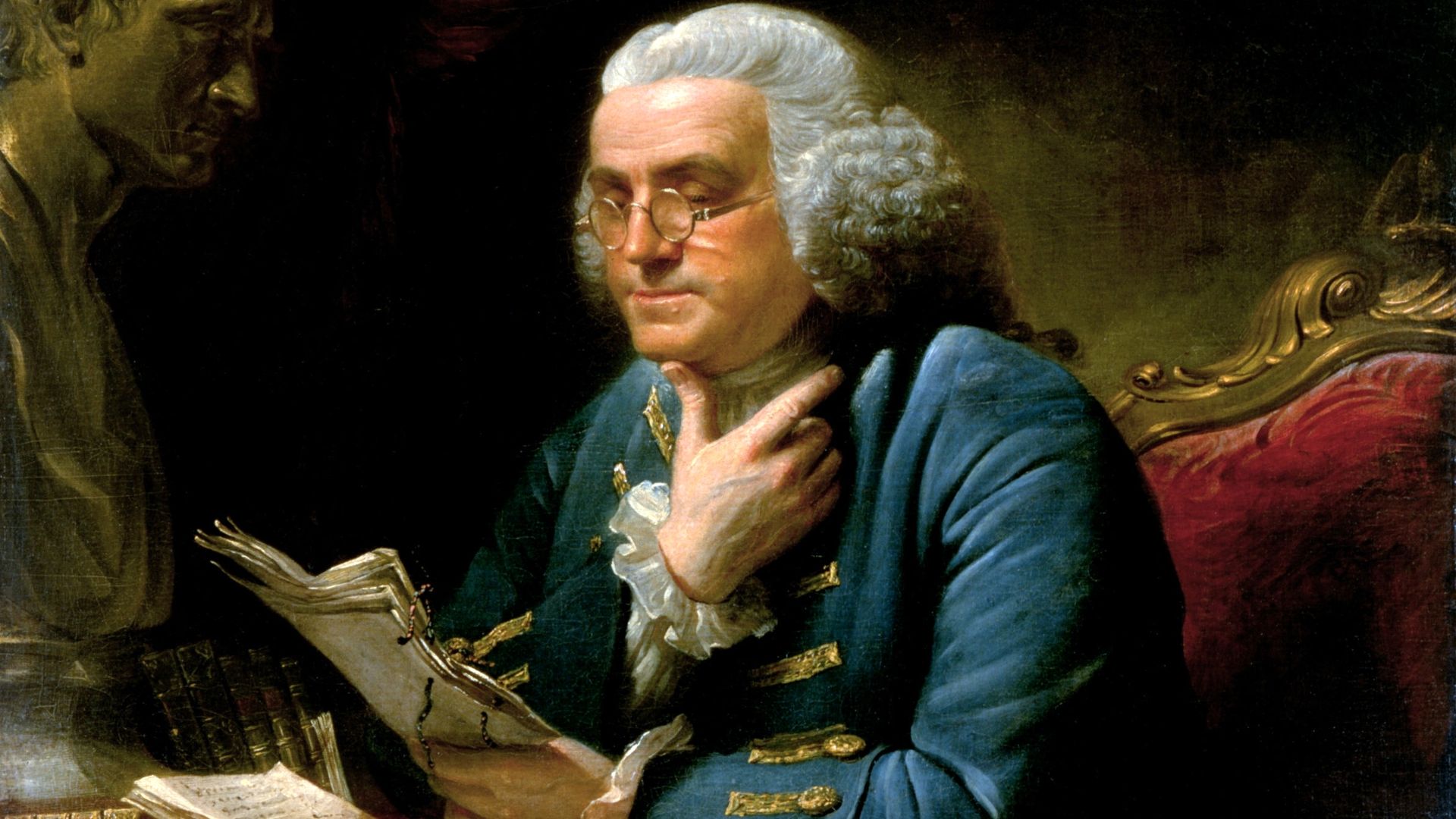
2. Benjamin Franklin
His writings frequently featured cats, not just as pets but as metaphors. “A cat in gloves catches no mice,” he wrote in Poor Richard’s Almanack (1754), championing practical effort. His Angora cat once became the subject of an early taxidermy attempt by artist Charles Willson Peale.
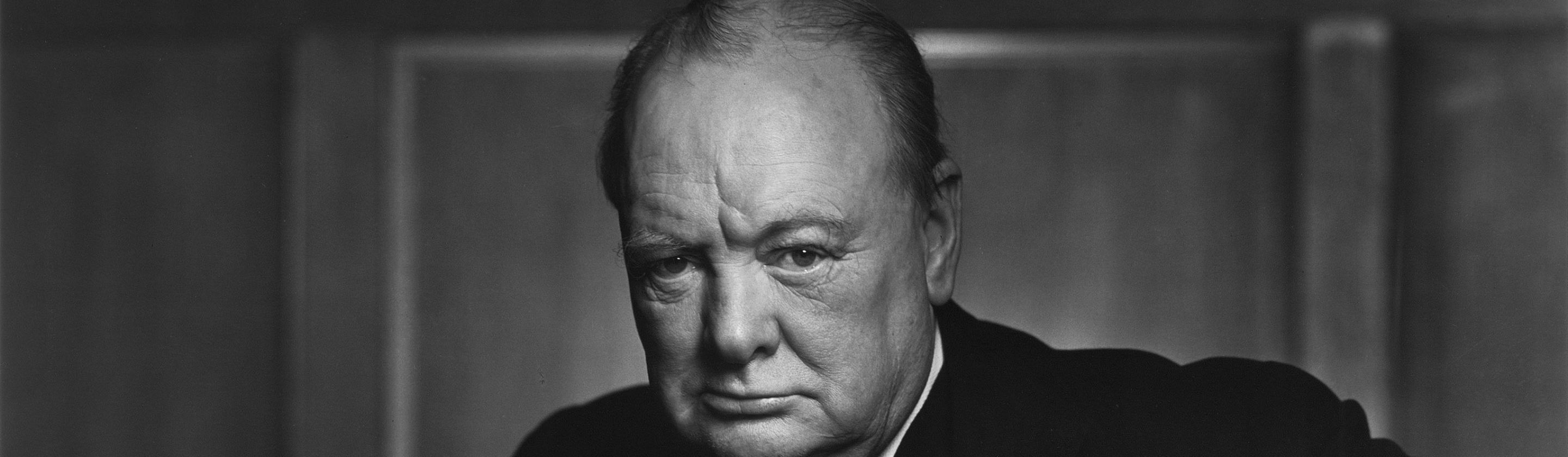
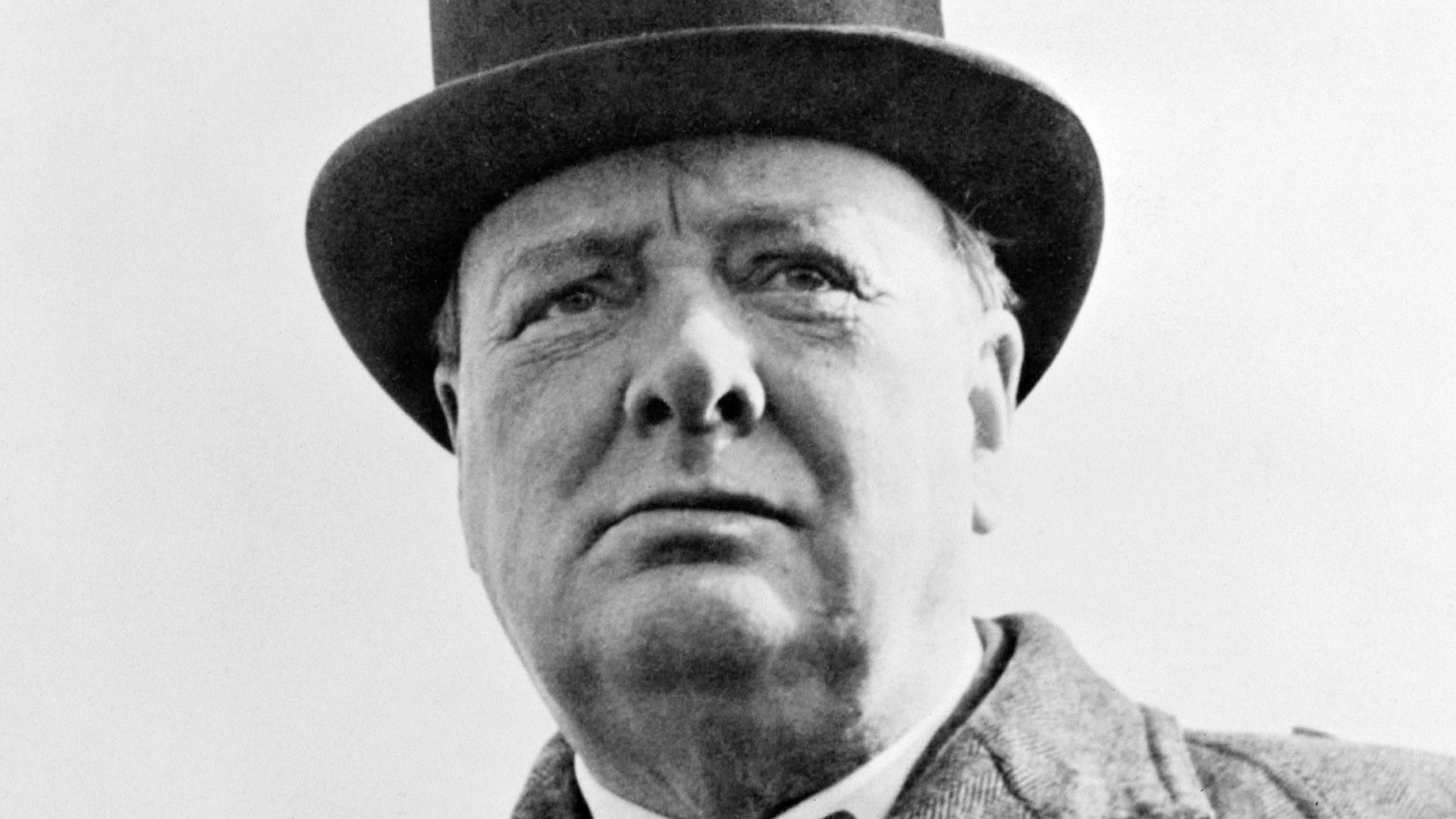
3. Winston Churchill
Jock, Churchill’s beloved ginger cat, once interrupted war briefings just by showing up. The prime minister demanded that his feline companions be treated with dignity, even during crisis talks. To this day, Chartwell requires a resident cat named Jock.
 United Nations Information Office, New York on Wikimedia
4. Charles Darwin
Charles Darwin’s evolutionary studies included observations about cats’ coat colors and sensory traits. He cited blue-eyed white cats as being frequently deaf. These details helped inform his theory of correlated traits and brought some subtle proof that domestic animals could reveal larger biological patterns.
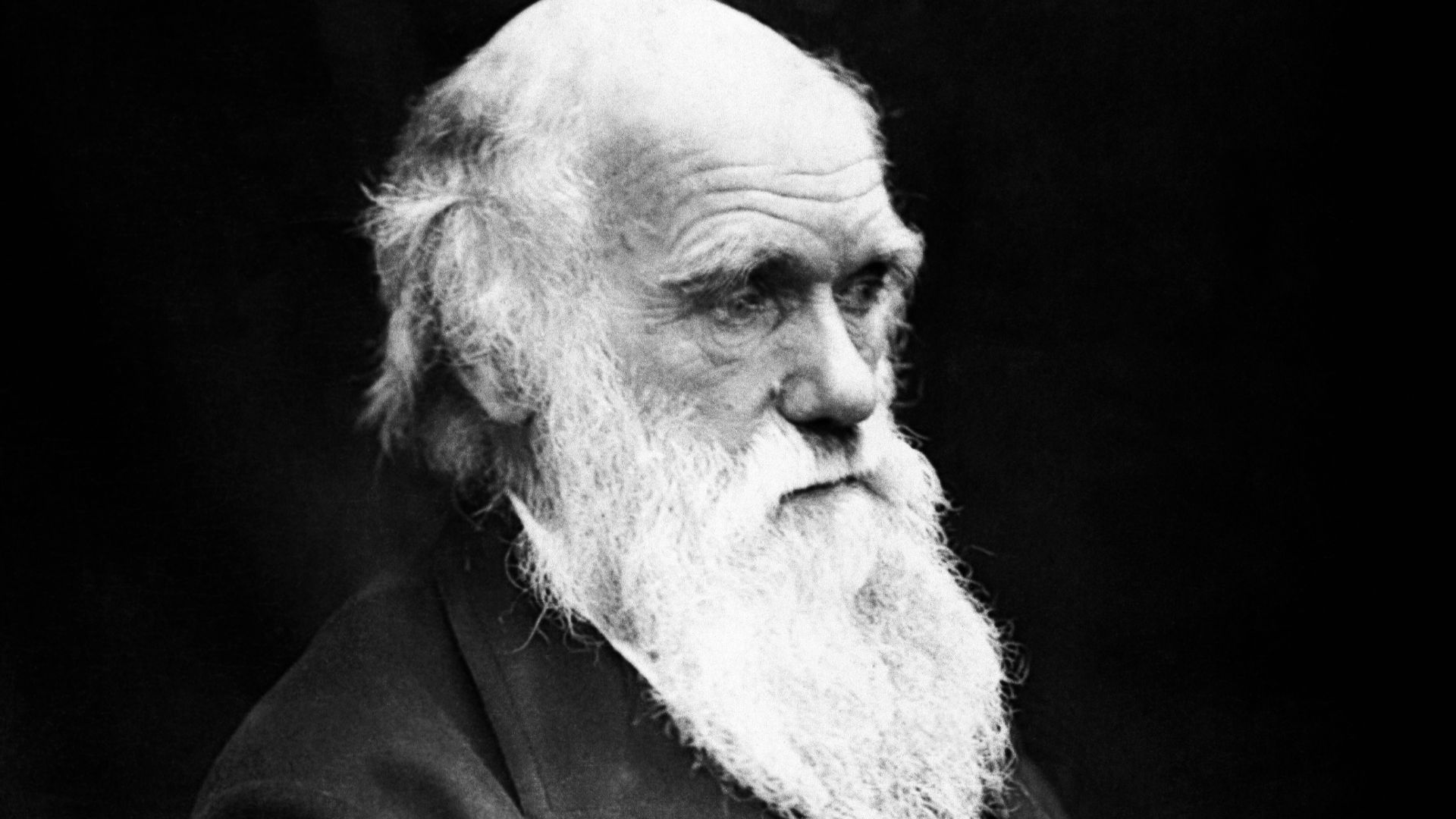 Julia Margaret Cameron on Wikimedia
5. Edgar Allan Poe
Not only did Poe write about cats—he lived alongside them. His tortoiseshell companion, Catterina, perched on his shoulder as he penned gothic tales. In The Black Cat, he blended superstition and guilt based on personal experience with cats.
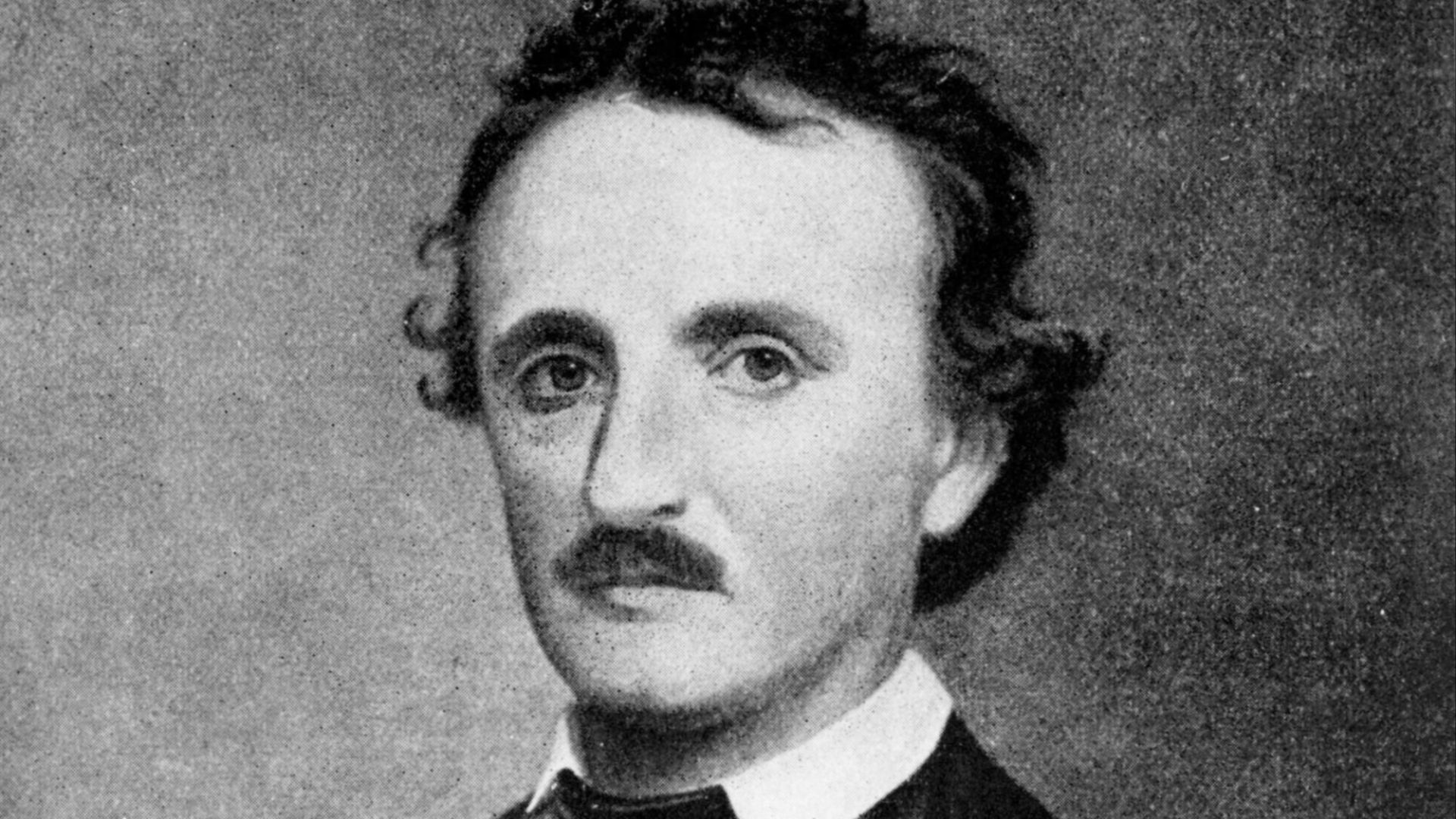 published by Dodd, Mead and Co, NY, 2002 on Wikimedia
6. Marie Antoinette
Lavish accounts describe Marie Antoinette’s Turkish Angoras enjoying Versailles' luxury. Folktales even suggest she sent them to America during her escape attempt, linking them—improbably—to the origins of the Maine Coon breed.
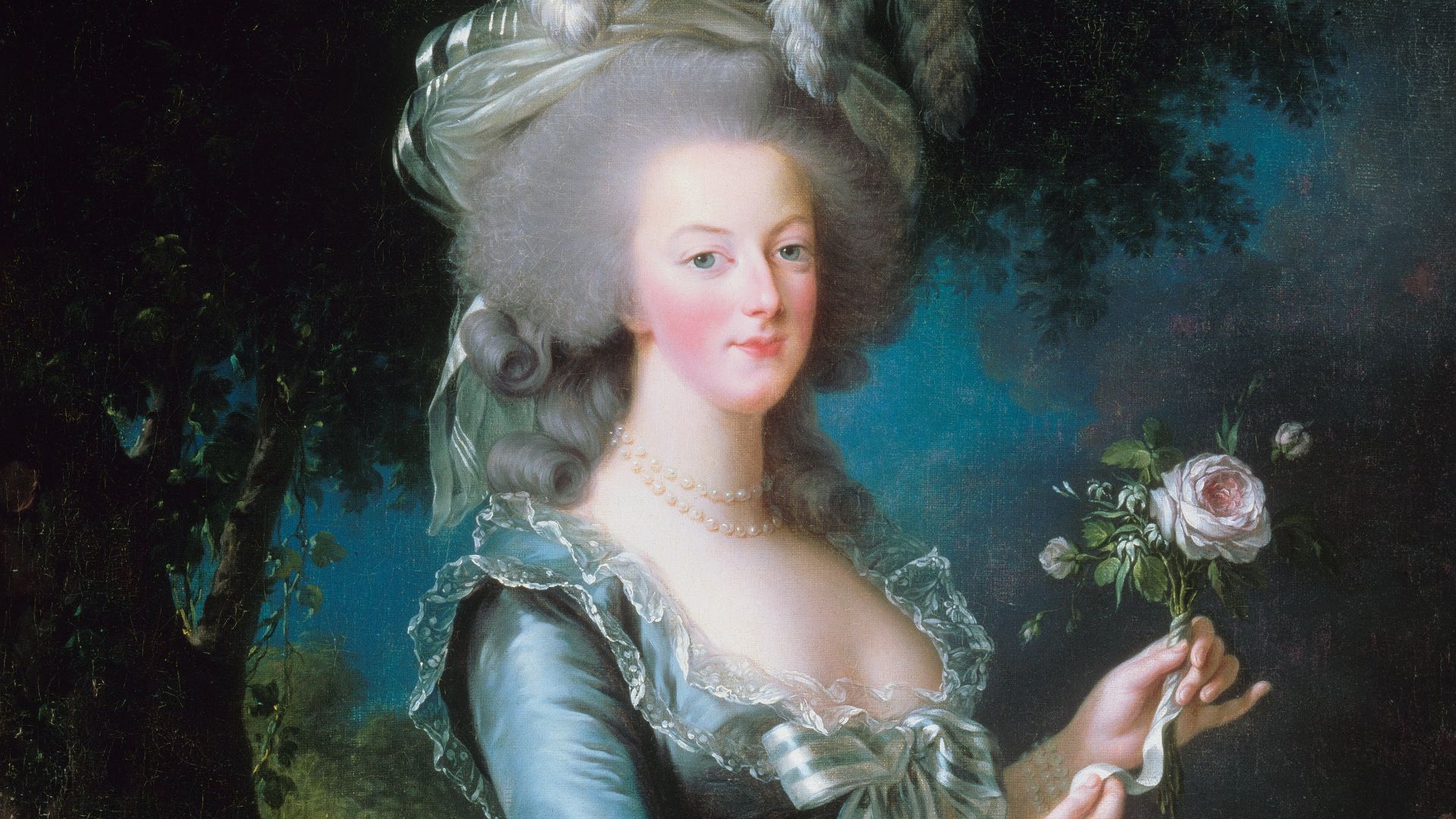 Élisabeth Louise Vigée Le Brun on Wikimedia
7. Frida Kahlo
Inside Frida Kahlo’s Casa Azul, animals weren’t decorations but part of her recovery and self-reflection. Though monkeys and parrots dominated her paintings, cats also lingered on the margins. Their presence mirrored her personal sense of quiet rebellion.
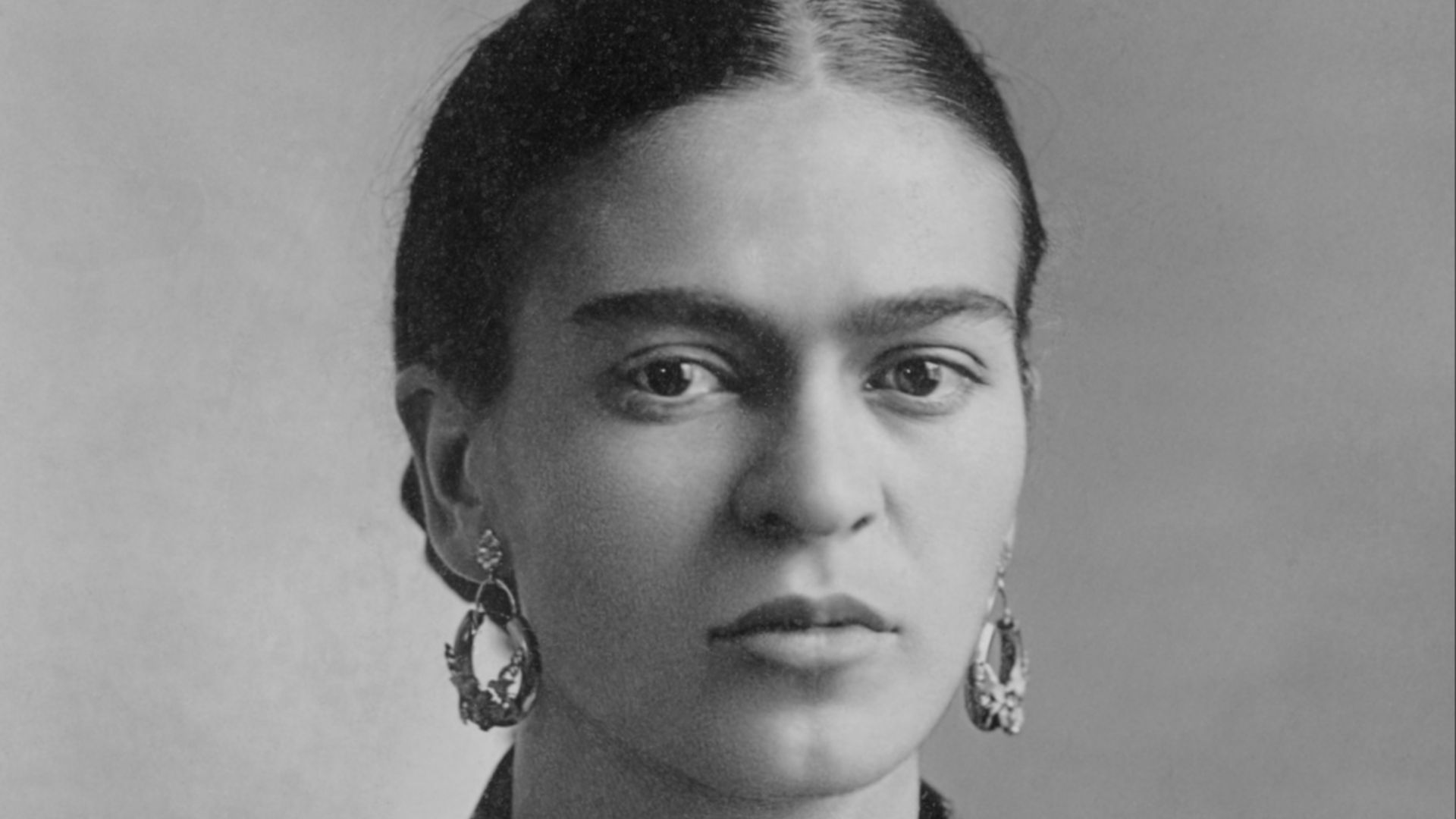
8. Cardinal Richelieu
Cardinal Richelieu shared his residence with over a dozen cats, each given names like Ludovic le Cruel and Gazette. His fondness for feline company subtly influenced French elites and normalized cats in aristocratic spaces where dogs once ruled.
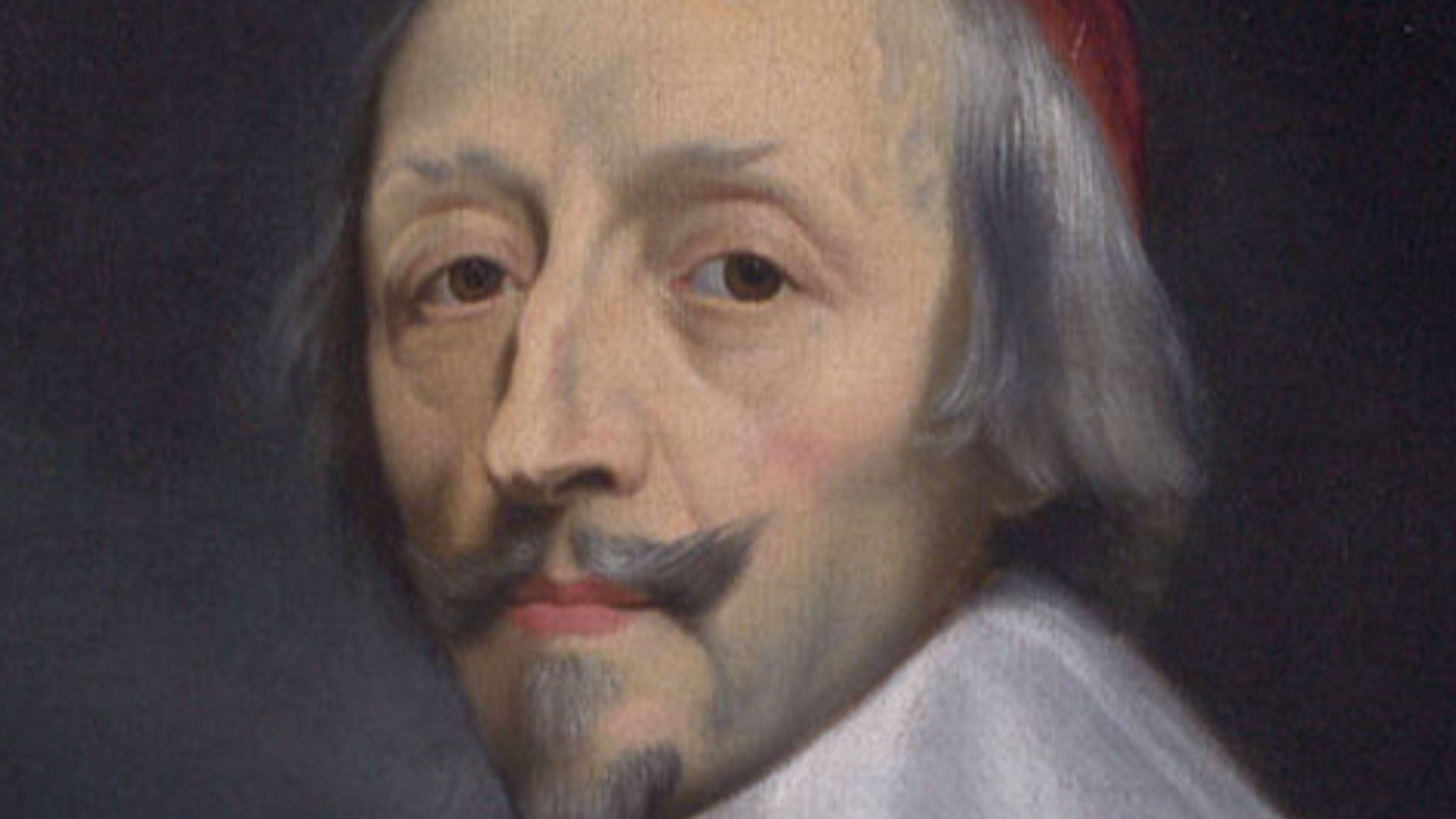 Philippe de Champaigne on Wikimedia
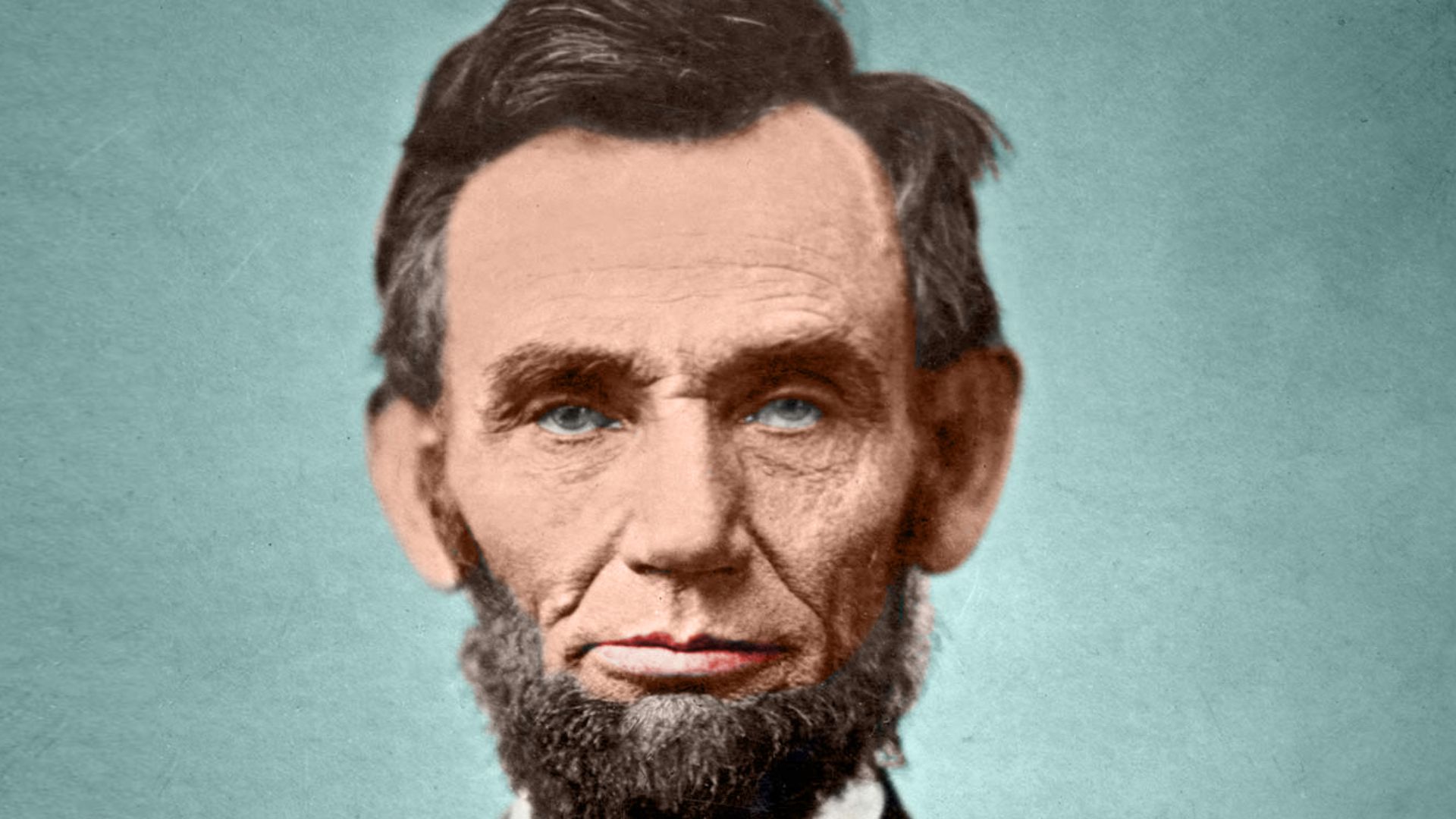
9. Abraham Lincoln
This president regularly adopted stray cats, even in the middle of a war. He famously paused at General Grant’s headquarters to comfort a pair of abandoned kittens and refused to leave them behind. These glimpses into his affection reveal a man who could show compassion under pressure, no matter the stakes.
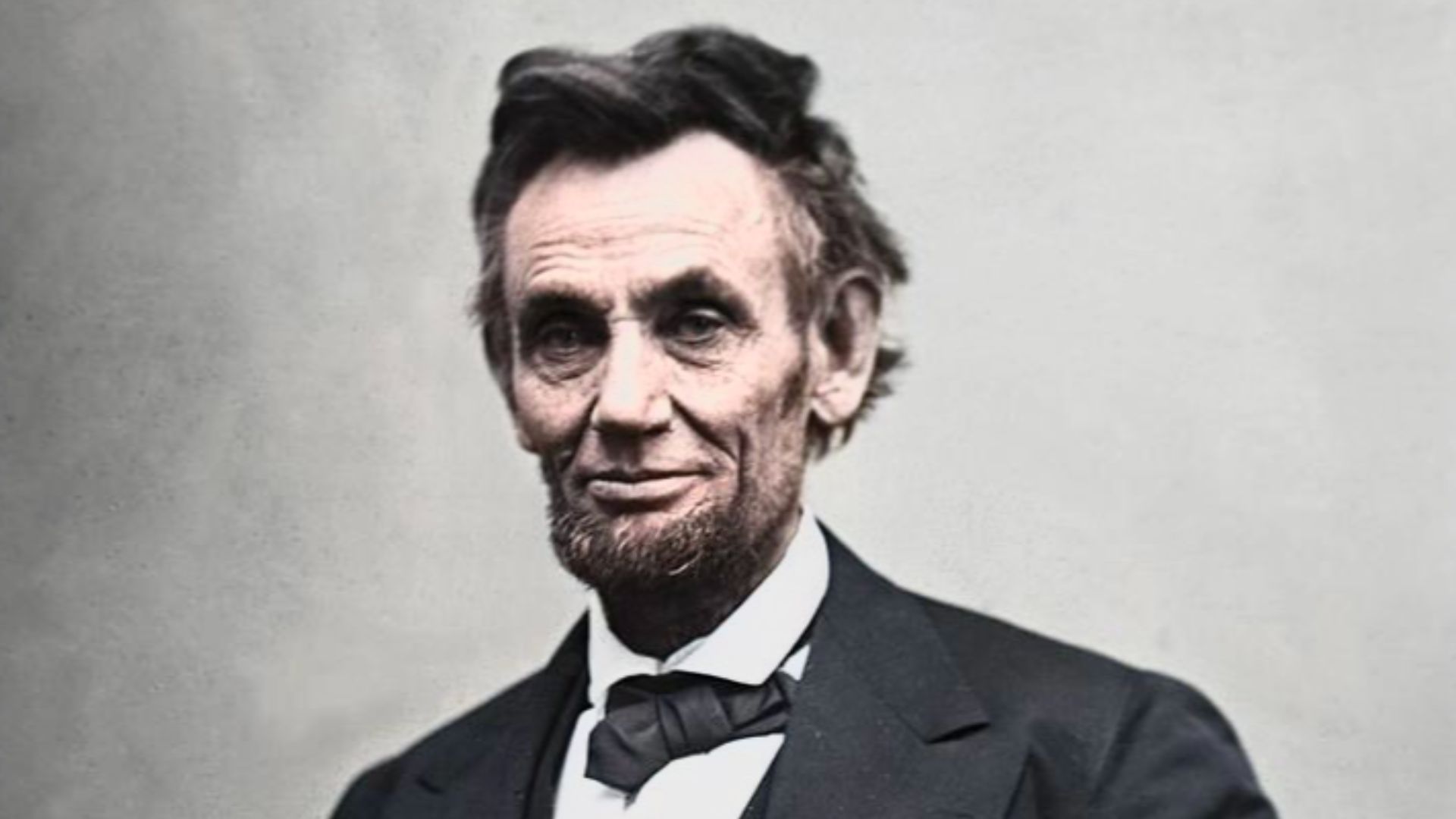 Samuele Wikipediano 1348 on Wikimedia
10. Catherine The Great
Catherine the Great housed two classes of cats in her palace: regal Russian Blues and working mousers in the basement. The latter received food rations and official titles as pest control staff. Her admiration extended beyond aesthetics—she institutionalized feline roles.
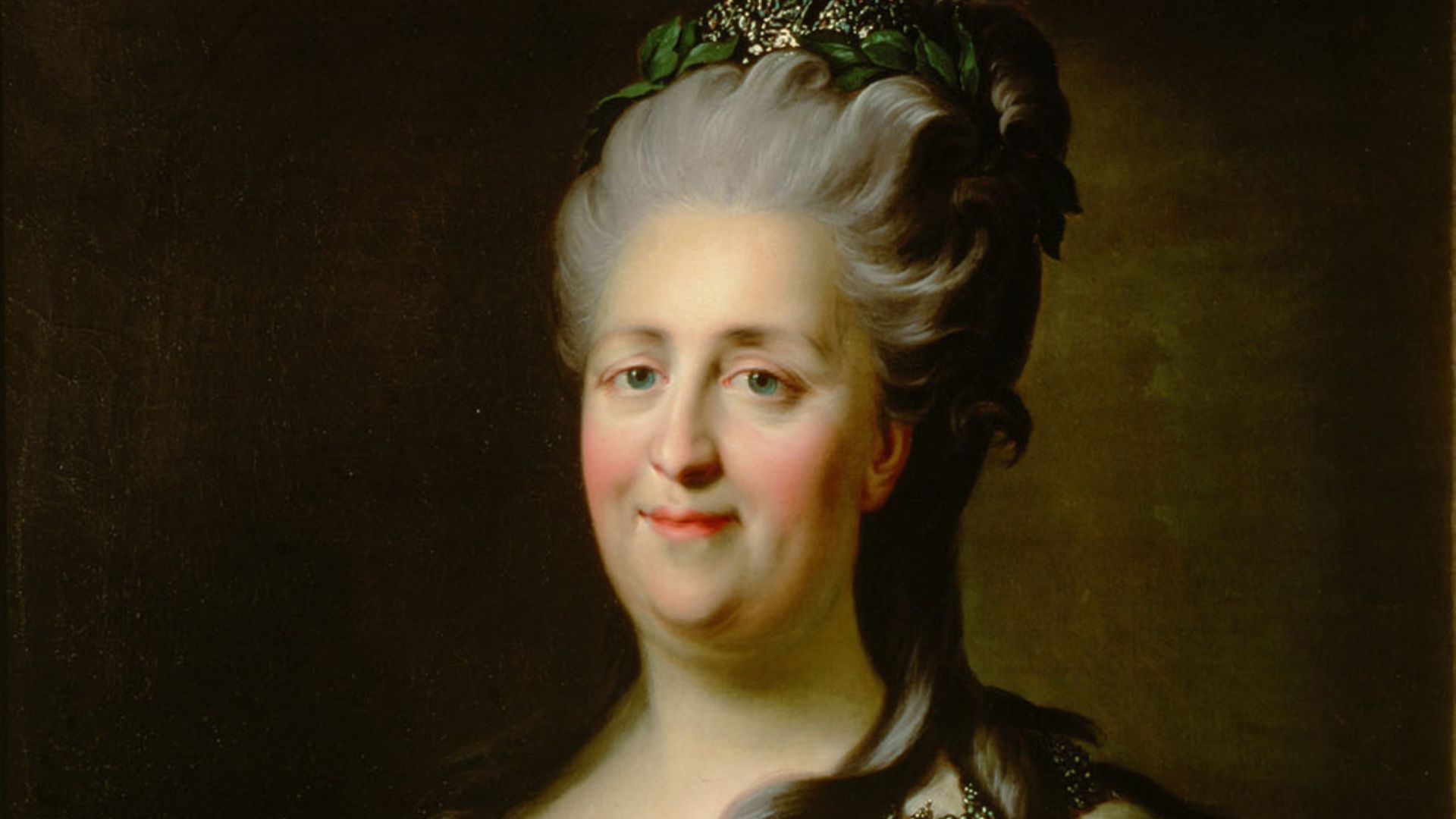 After Alexander Roslin on Wikimedia
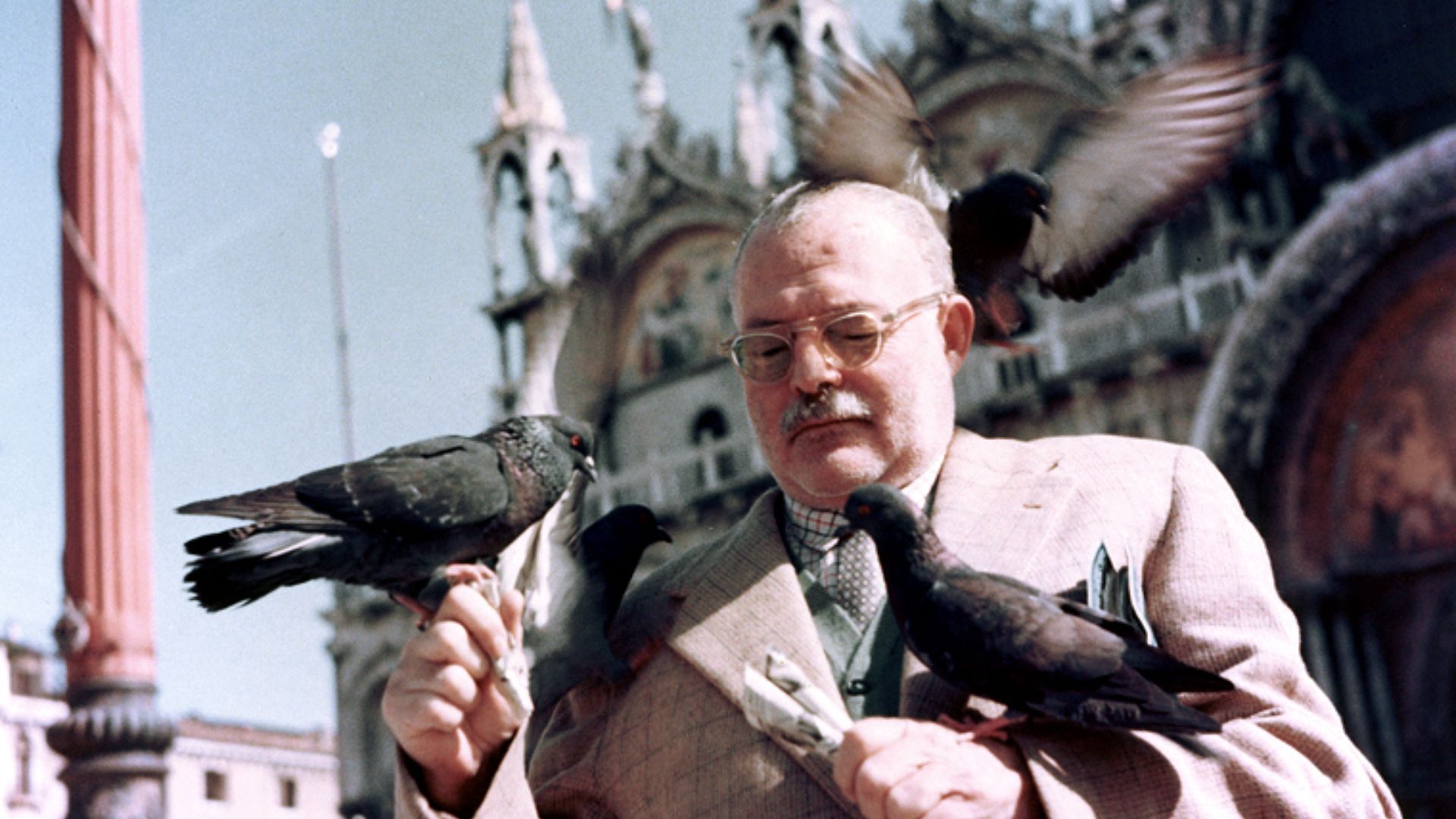
11. Ernest Hemingway
The six-toed cats roaming Hemingway’s Key West home today descend from his first cat gift, Snow White. A sea captain started the dynasty, but Hemingway cherished them for life. He referred to his cats in letters as “purr factories,” and their extra toes became symbolic of his offbeat charm.
12. Mark Twain
Mark Twain gave his cats names like Beelzebub, Sour Mash, and Sin—each one as eccentric as the author himself. Sometimes, he traveled with them and welcomed borrowed cats from friends during his writing tours. In letters, Twain described them with more affection than most people he knew.
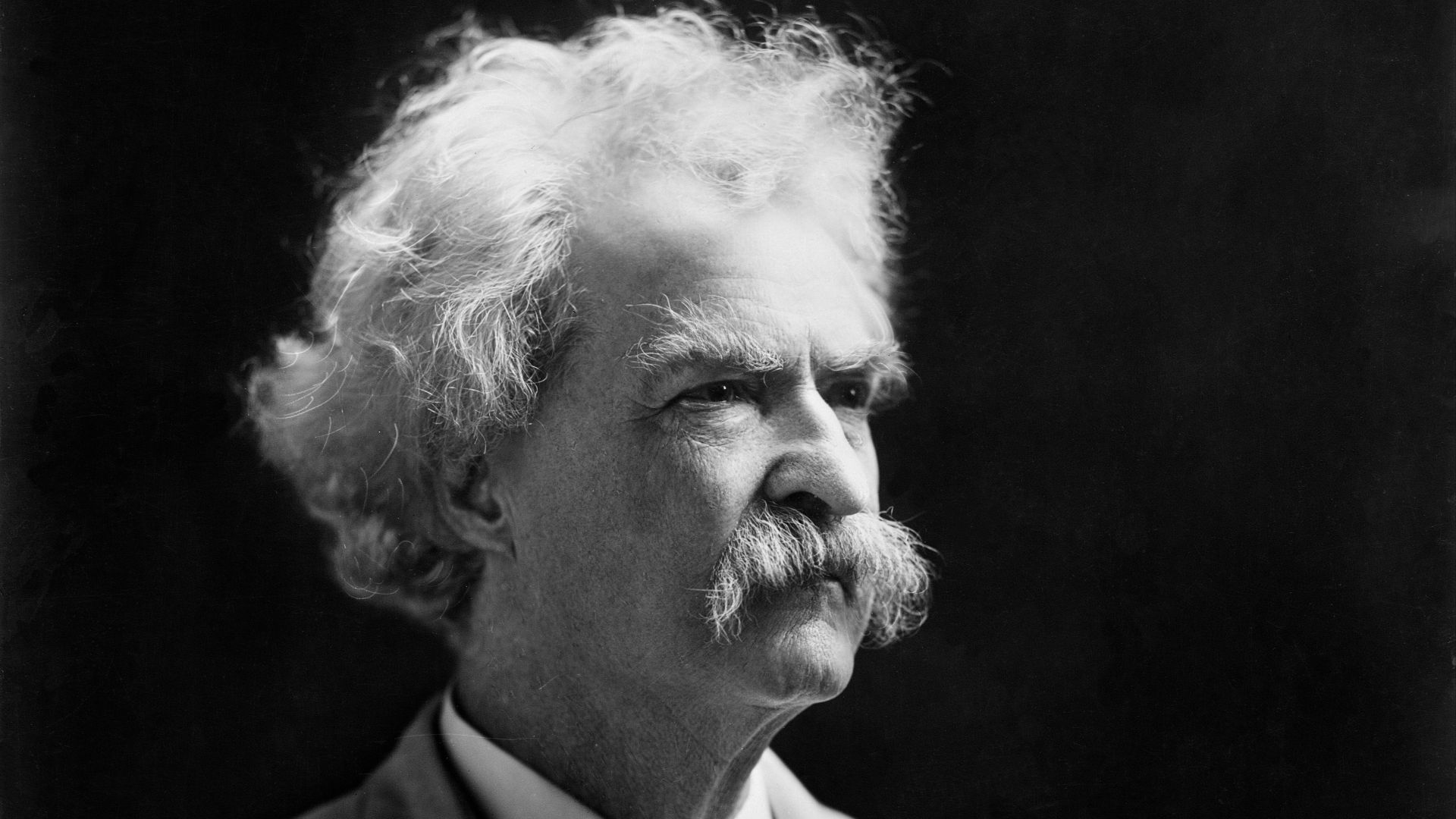 Unknown authorUnknown author on Wikimedia
13. Nikola Tesla
As a child, Nikola Tesla was mesmerized when stroking his cat Macak produced visible static shocks. That moment ignited a lifelong obsession with electricity. Tesla later credited this feline encounter as the seed of his curiosity. Cats, in his writings, represented that blend of wonder and mystery.
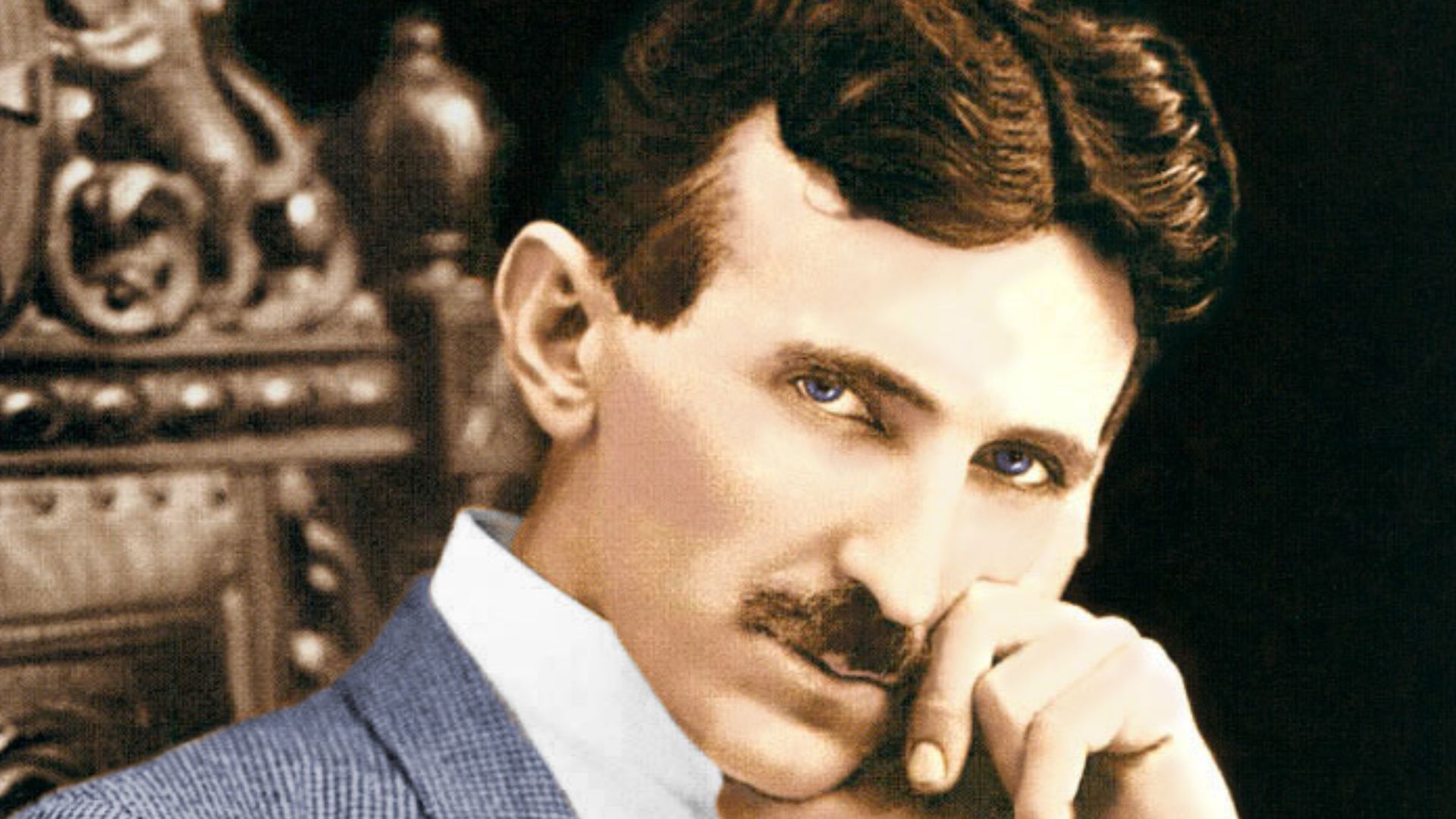 pulsepowernow.com on Wikimedia
14. Queen Victoria
Queen Victoria helped promote the Blue Persian into 19th-century stardom. Her cats, such as Osborne and White Heather, freely roamed royal halls, a notable departure from previous court decorum. Paintings and early photographs captured their presence alongside the queen.
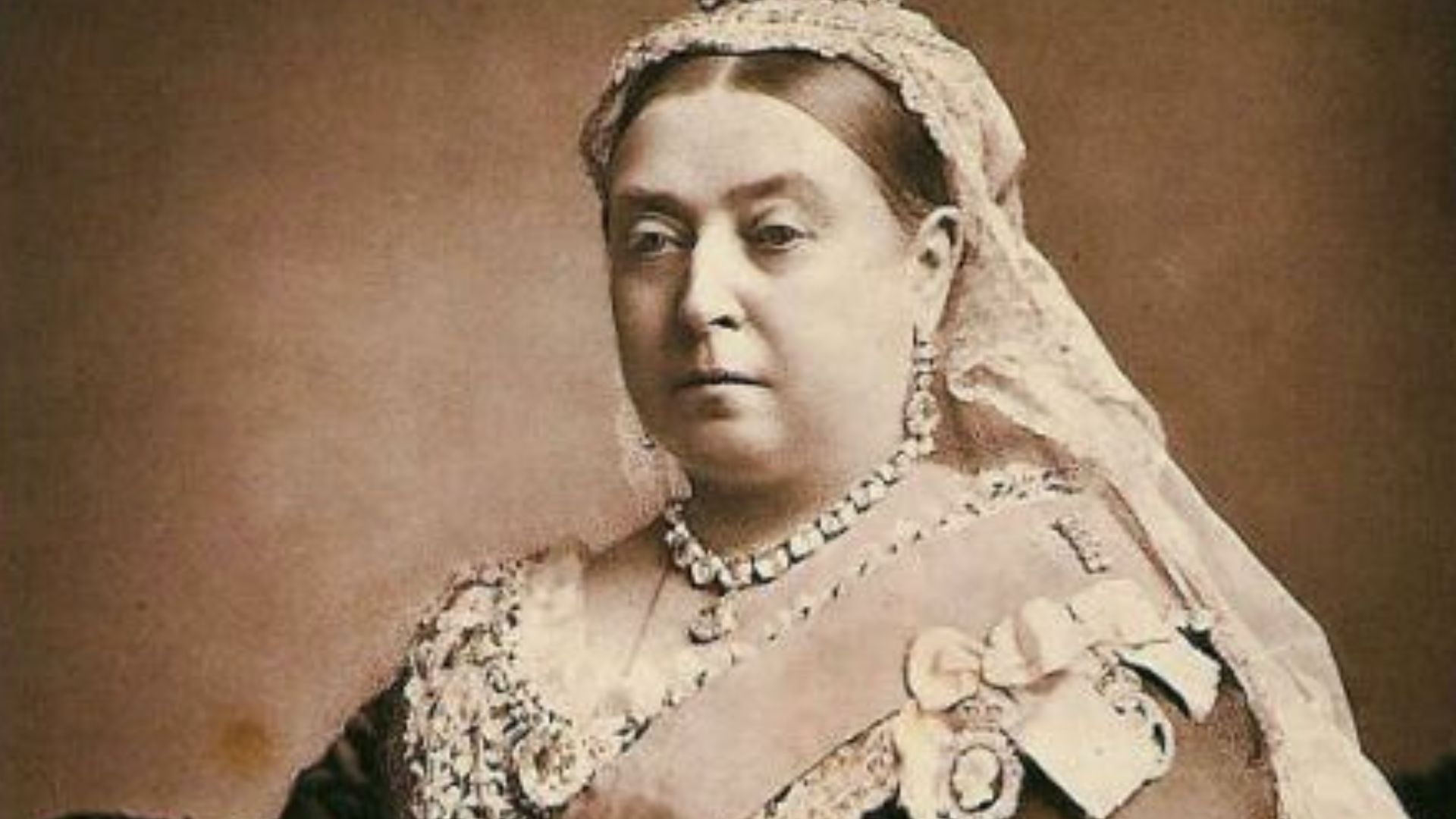 Alexander Bassano on Wikimedia
15. Tsar Nicholas II
Even as the Romanov dynasty crumbled, palace cats remained a quiet fixture in their lives. Nicholas II honored a Russian superstition by letting a cat cross each new threshold for luck. His daughter, Olga, was especially close to a cat named Vaska.
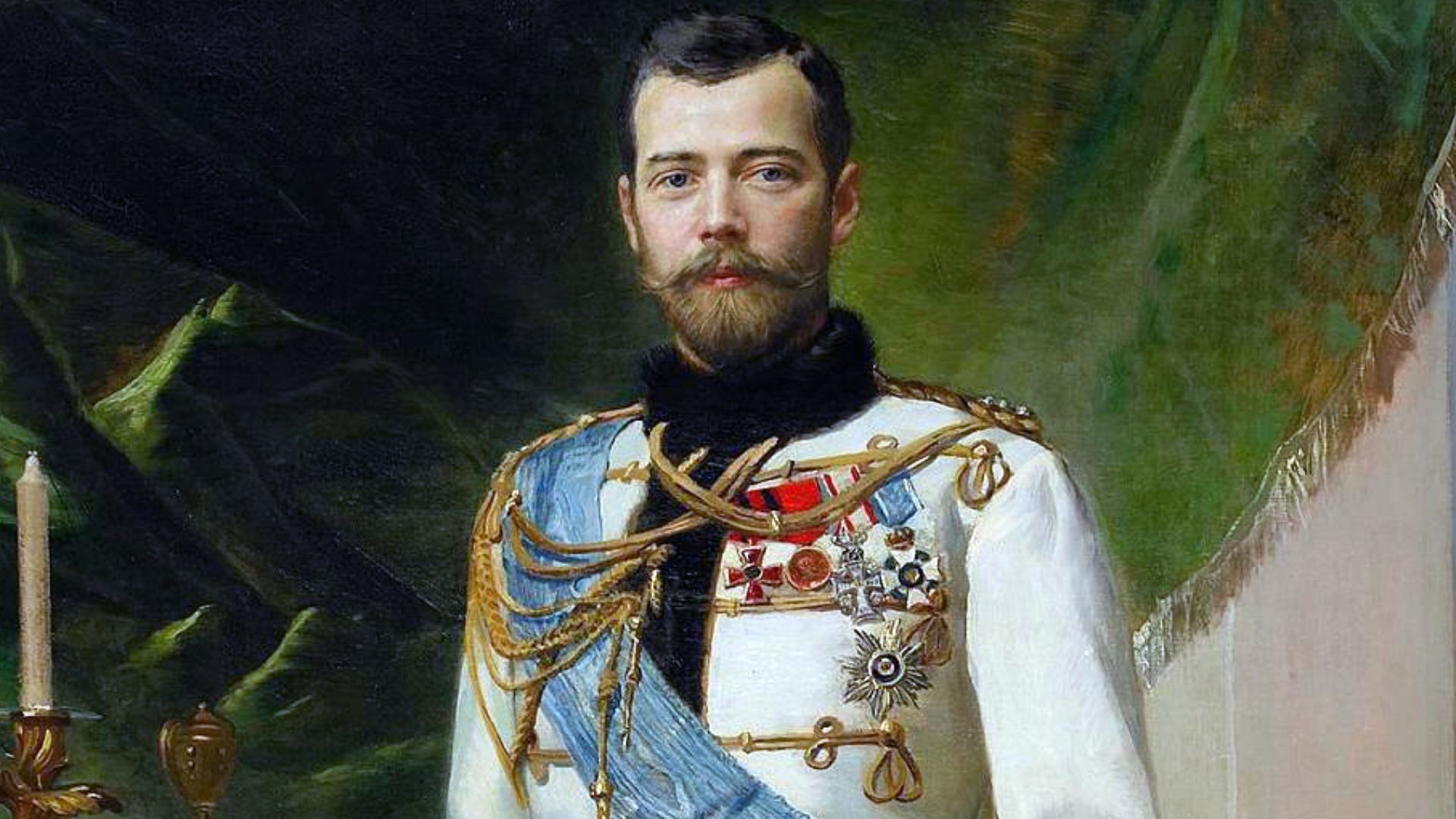 Earnest Lipgart (1847–1932) on Wikimedia
16. Ernest Shackleton
On the Endurance expedition, Mrs. Chippy—Shackleton’s ship cat—climbed rigging and tiptoed across ice flows, earning the crew’s affection. Its name belied its gender, later discovered to be male. The team grieved when hardship forced Shackleton to have her put down.
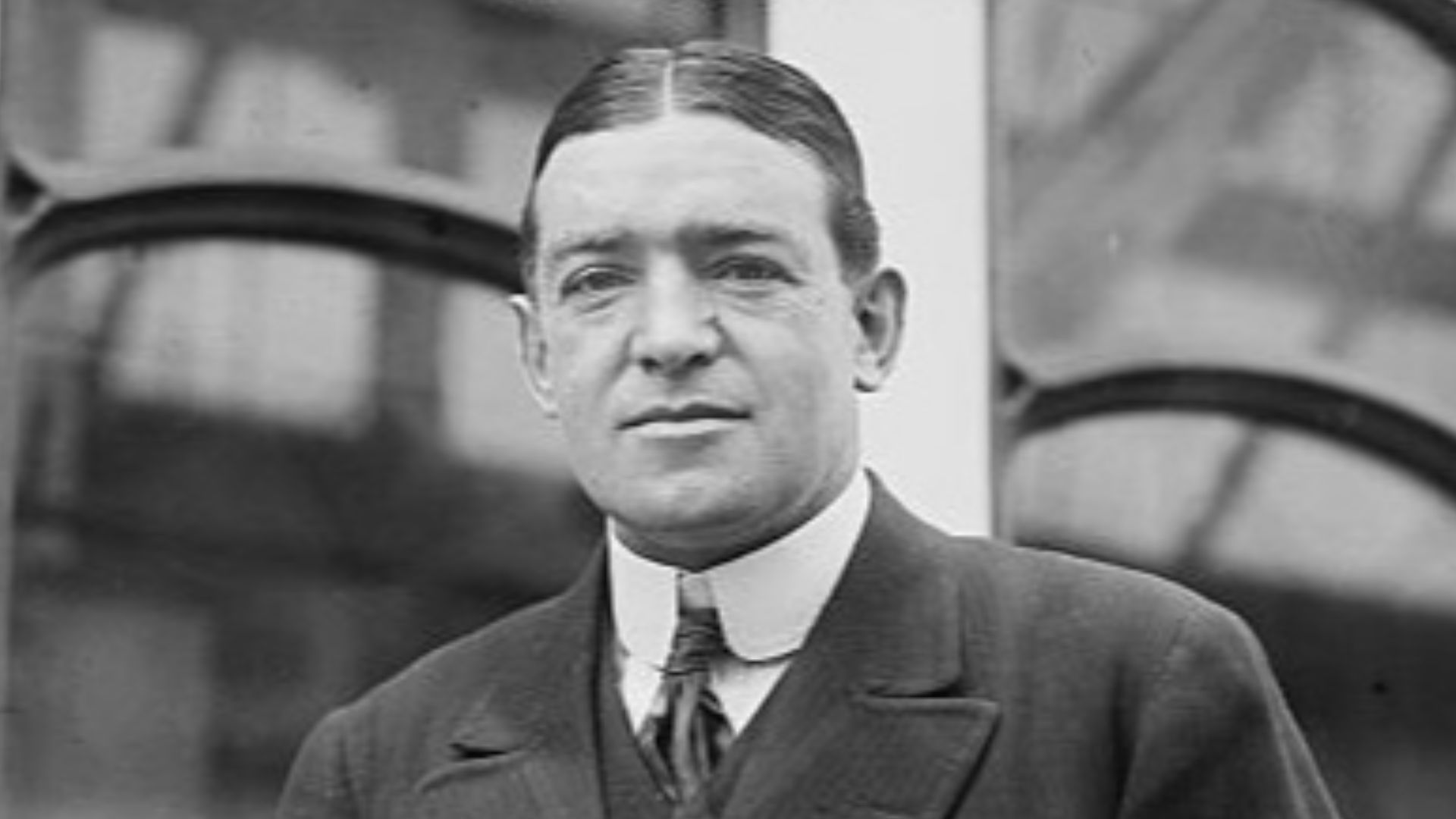 Bain News Service, publisher on Wikimedia
17. Florence Nightingale
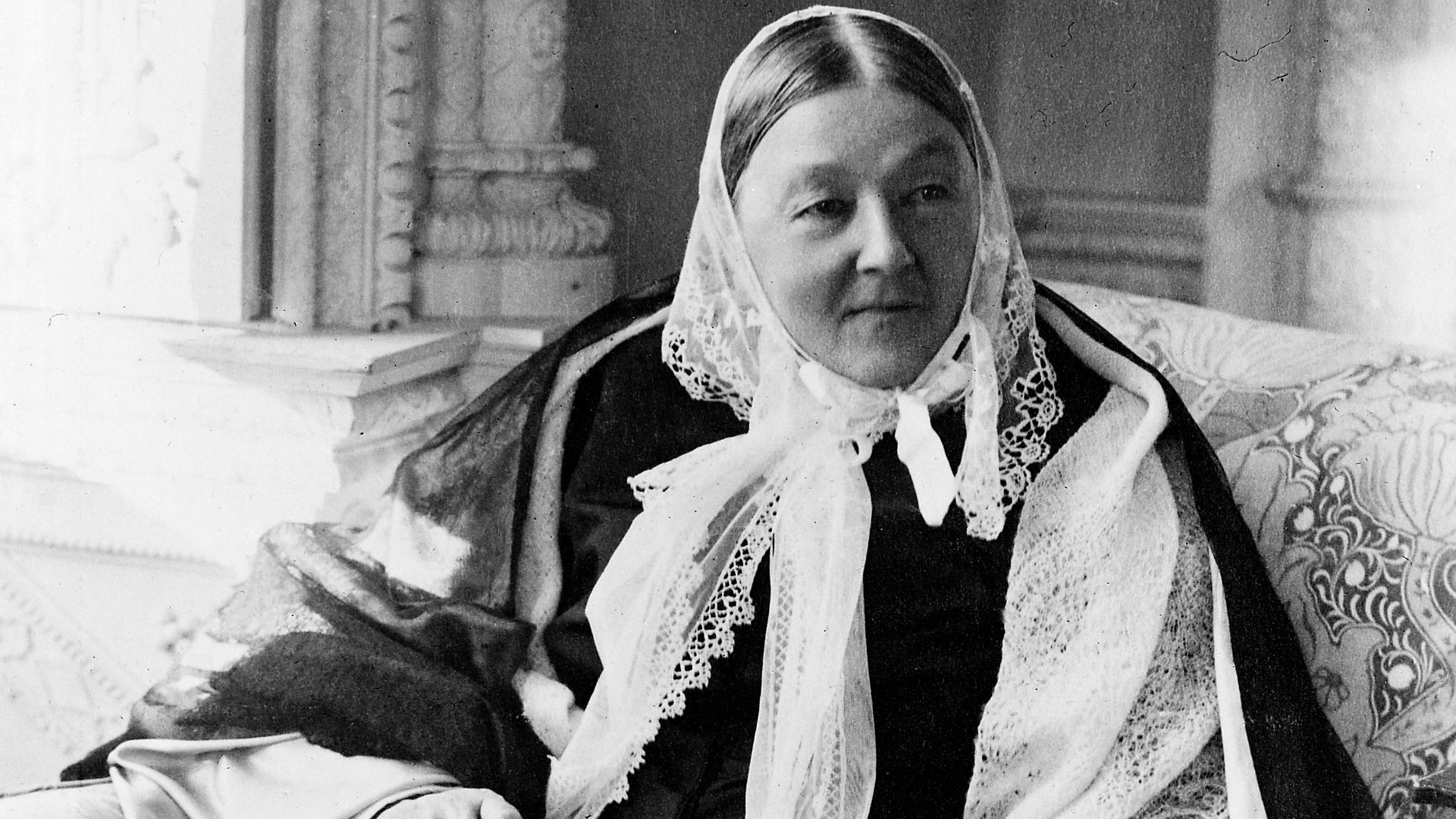
Florence Nightingale rescued stray kittens and let her cats sleep at her feet while she worked. Over her lifetime, she owned more than 60 and treated them with the same care she offered wounded soldiers. Her letters often featured feline antics and affection.
18. Charles Dickens
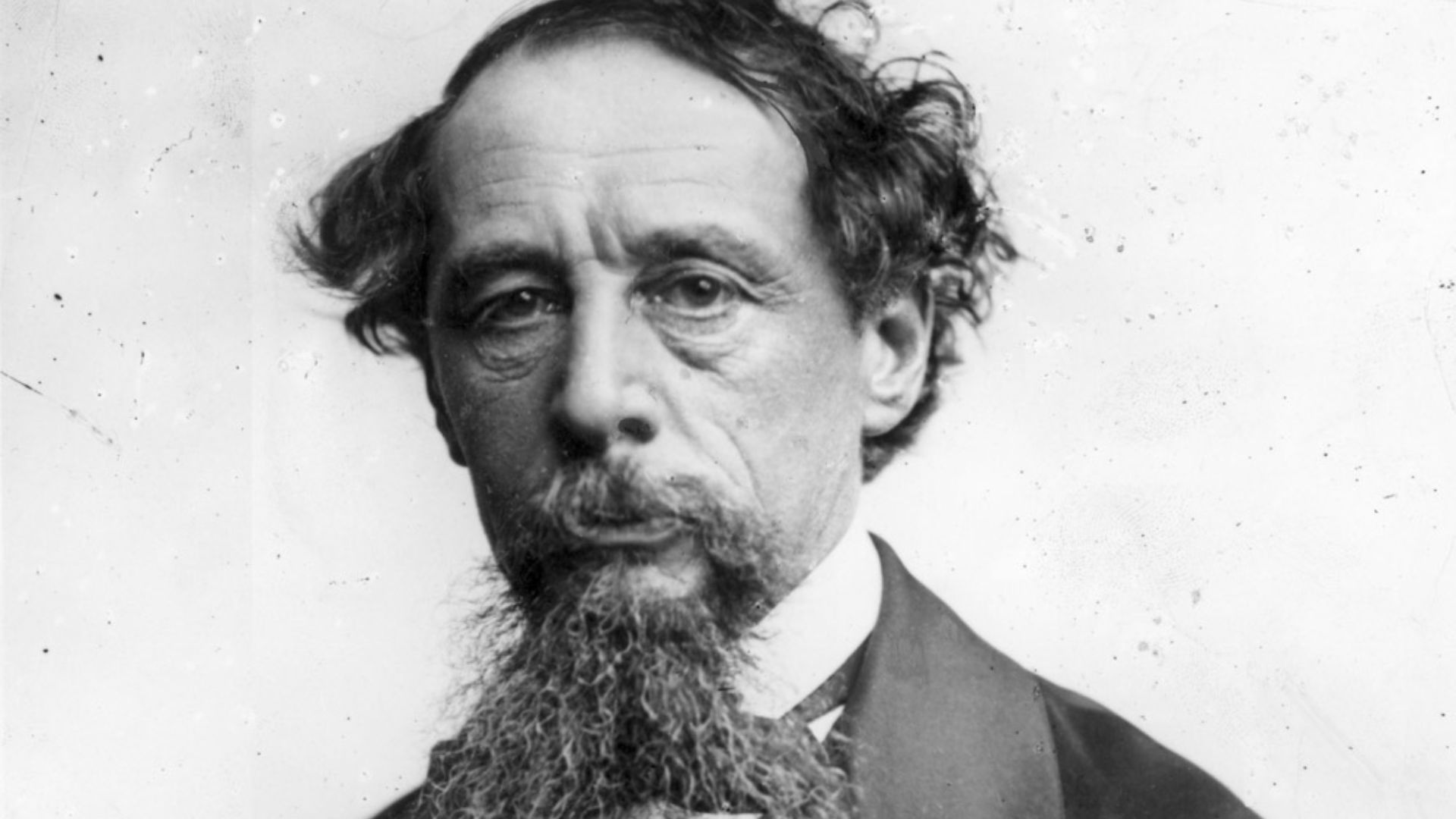
After Williamina, his favorite cat, passed away, Charles Dickens had her paw cast in bronze for a letter opener he used daily. Felines were ever-present in his home and writing studio. They curled beside him as he drafted novels, and their habits found subtle places in his narratives.
19. H.P. Lovecraft
H.P. Lovecraft was unapologetically pro-cat, expressing disdain for dogs in his essay Cats and Dogs (1926). His childhood companion had a controversial name, and his passion for cats stayed constant. Even his letters frequently drifted into cat observations and rituals.
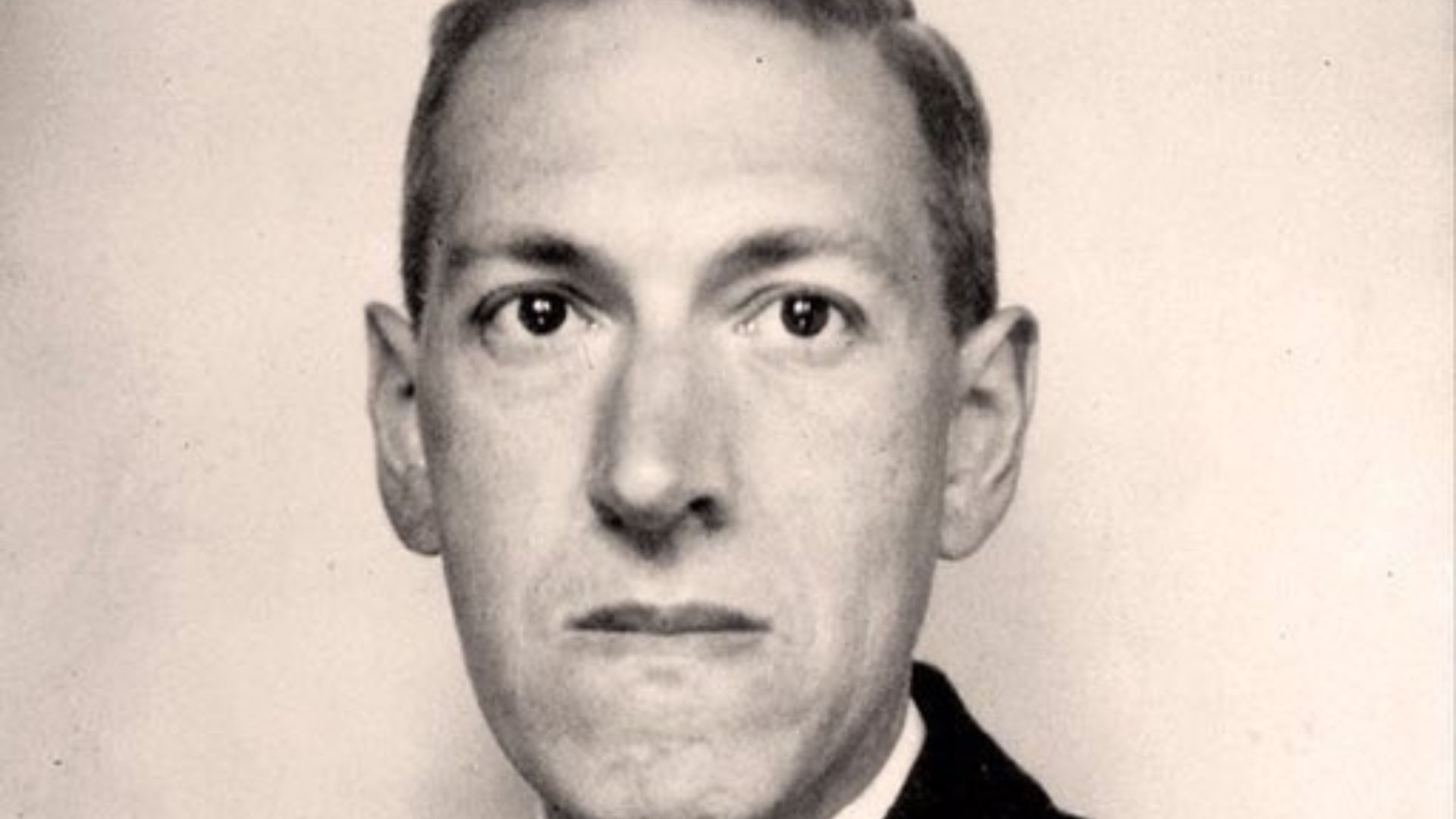 Lucius B. Truesdell on Wikimedia
20. Louis Wain
Louis Wain’s whimsical cat illustrations transformed Victorian views of felines from vermin to beloved companions. Diagnosed with schizophrenia later in life, he continued drawing cats through periods of institutionalization. His muse, Peter, appeared repeatedly across sketches and prints. Wain's legacy blended creativity and cultural change, all through feline eyes.
KEEP ON READING
The story of Ching Shih, the Woman Who Became the…
Unknown author on WikimediaFew figures in history are as feared…
By Emilie Richardson-Dupuis Dec 29, 2025
Einstein's Violin Just Sold At An Auction—And It Earned More…
A Visionary's Violin. Wanda von Debschitz-Kunowski on WikimediaWhen you hear…
By Ashley Bast Nov 3, 2025
This Infamous Ancient Greek Burned Down An Ancient Wonder Just…
History remembers kings and conquerors, but sometimes, it also remembers…
By David Davidovic Nov 12, 2025
The Mysterious "Sea People" Who Collapsed Civilization
3,200 years ago, Bronze Age civilization in the Mediterranean suddenly…
By Robbie Woods Mar 18, 2025
20 Greatest Ancient Athletes In History
Ancient Olympics. Long before modern stadiums and multimillion-dollar endorsements, athletes…
By Sara Springsteen May 1, 2026
20 Soldiers Who Defied Expectations
Changing the Rules of the Battlefield. You’ve probably heard plenty…
By Annie Byrd Feb 10, 2026