


Rewriting Their Own Story
Here's the thing about history. It absolutely loves a comeback. Some of these people had no choice in the matter; prison, exile, war, or scandal ripped away who they used to be and left them starting from scratch. Others just looked around, read the room, and decided that survival meant getting ahead of the story before someone else told it for them. Not all of them became softer or simpler versions of themselves; a few stayed genuinely complicated right to the end, but every single one managed to shift how the world saw them.

1. Reinhold Messner
Messner became famous as the hard, almost frightening climber who treated Everest like a personal grudge match, especially after summiting without supplemental oxygen in 1978. Once he'd ticked off all 14 eight-thousanders, he moved into expeditions, museums, and environmental causes, giving his whole image a second life beyond just being tough.

2. Malcolm X
Starting as a Detroit Red, a street hustler shaped by Harlem, prison, and a world that hadn't given him much reason to play nice. His pilgrimage to Mecca in 1964 opened everything up and turned him into a global human rights voice with a broader, deeper religious outlook.
 Ed Ford, World Telegram staff photographer on Wikimedia
3. Lev Landau
Landau was one of the Soviet Union's sharpest theoretical physicists, the kind of mind that left other smart people feeling a bit small. After a terrible car accident in 1962, his legacy quietly shifted from his own work to the generation of young physicists he'd trained and shaped.
 Ukrainian State Enterprise of Posts Ukrposhta on Wikimedia
4. Immanuel Kant
Early on, Kant wrote about natural science and metaphysics and the mechanics of everything, which made him look like a man who wanted to explain the whole universe. But it was his later moral philosophy, especially coming out of Königsberg, that turned him into the philosopher most people think of now when they hear the word "duty."
 Johann Gottlieb Becker (1720-1782) on Wikimedia
5. Queen Elizabeth I
Elizabeth spent a chunk of her early life being politically inconvenient: daughter of a disgraced mother, dependent on a king whose favor could vanish any morning. As queen, she took all that uncertainty and spun it into power, turning the Virgin Queen identity into something that looked less like a personal loss and more like a deliberate strategy.
 Formerly attributed to Steven van der Meulen / Attributed to George Gower on Wikimedia
6. Giuseppe Garibaldi
Garibaldi's early years were full of failed uprisings, exile, and South American campaigns that could have quietly buried him. Instead, the Redshirts made him the face of Italian unification, and the 19th century ate it up.

7. Mary Shelley
Shelley wrote Frankenstein impossibly young, which would've been enough to trap a lot of writers in one identity forever. But after devastating personal losses and financial pressure, she rebuilt herself as an editor, biographer, and serious political writer, carefully looking after both her own career and Percy Bysshe Shelley's reputation after his death.

8. Napoleon Bonaparte
He started as a Corsican artillery officer who had a real gift for making victories look like they were always going to happen. He rode that into an imperial image so polished that even after exile, he came back sounding like a liberator, not a man who'd just lost everything.
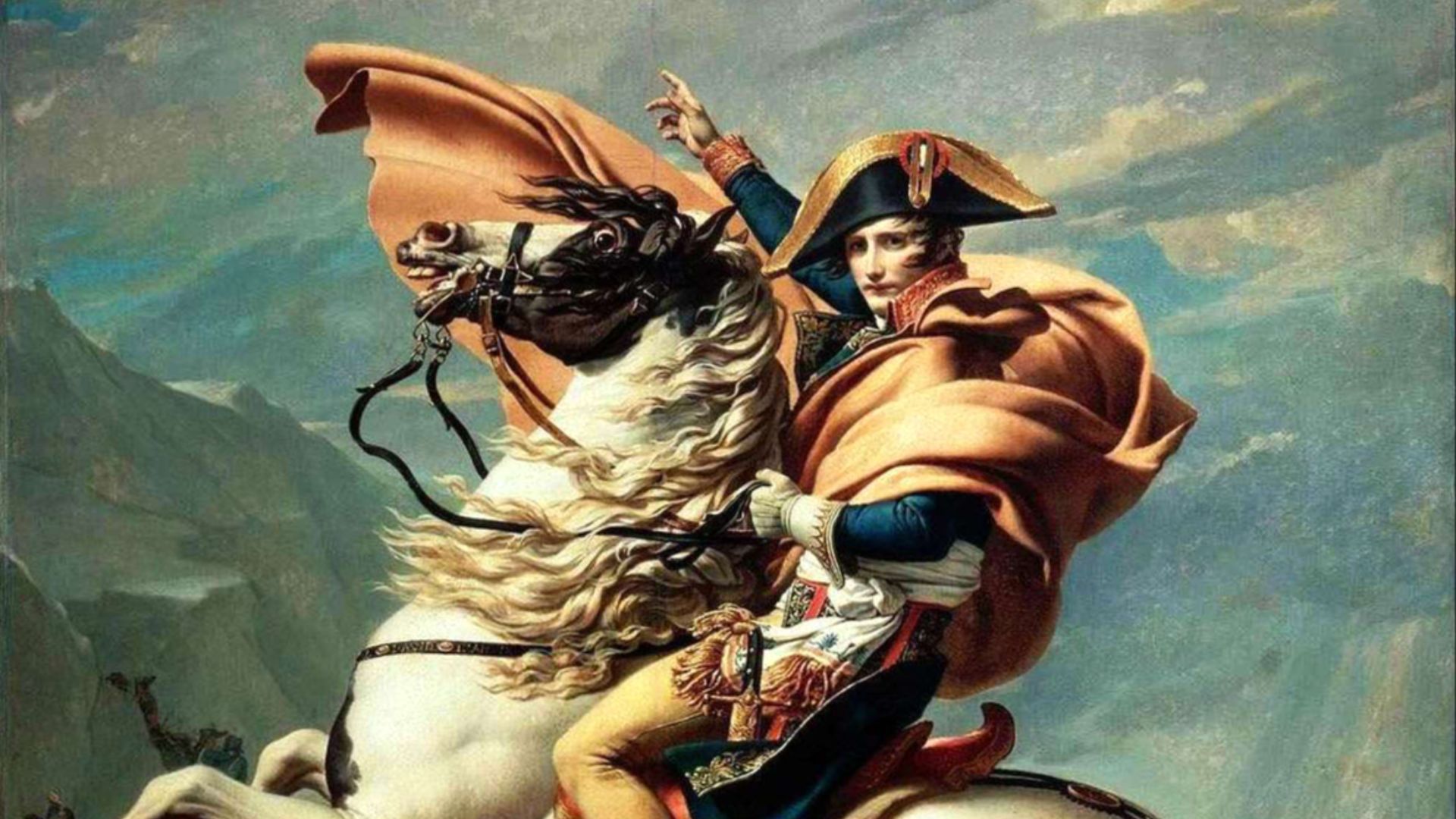 Jacques-Louis David on Wikimedia
9. Muhammad Ali
Cassius Clay was already a champion, but Ali understood that fame without self-definition is basically nothing. He refused the Vietnam draft, took the professional consequences, and came out the other side as something much bigger than a sports star.

10. Voltaire
François-Marie Arouet had a talent for upsetting powerful people, which helped get him thrown in prison and sharpened his whole sense of performance. Voltaire came out built on satire, reason, and religious criticism.
 Nicolas de Largillière on Wikimedia
11. George Psalmanazar
Psalmanazar pulled off one of the 18th century's strangest cons, pretending to be from Formosa, complete with a fake language and a completely invented life story. Once it all fell apart, he somehow rebuilt himself as a writer and scholar.

12. Ignatius Of Loyola
He started as a nobleman trained for war and court life, and the whole performance of aristocratic service. After being wounded in battle in 1521, he applied all that discipline toward religion and eventually founded the Jesuits.

13. Augustine Of Hippo
Before he became Saint Augustine, he was a rhetorician with sharp appetites and years spent moving restlessly through philosophical schools. His conversion turned him into one of Christianity's most important thinkers.
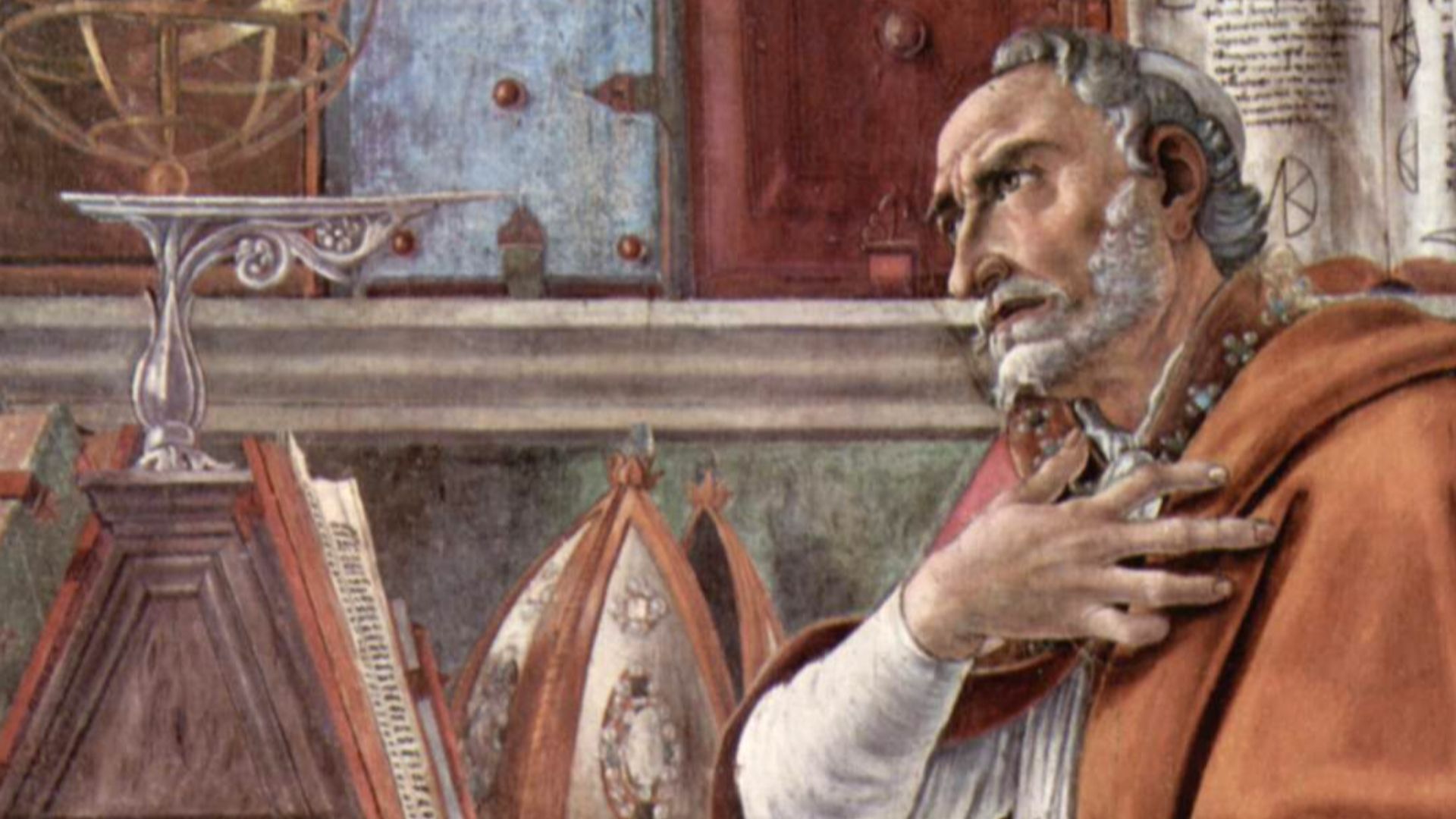 Sandro Botticelli on Wikimedia
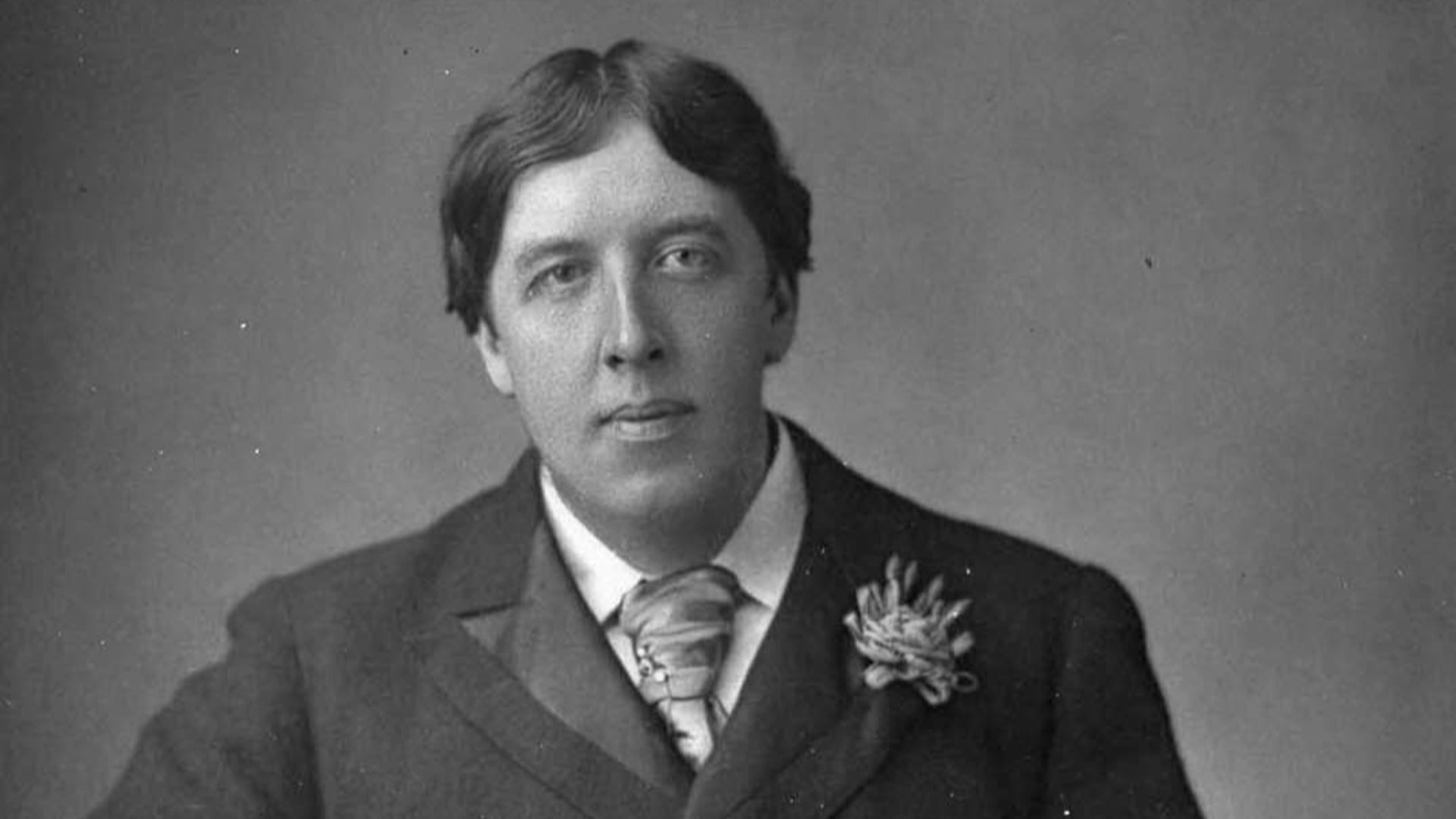
14. Oscar Wilde
Wilde first perfected the art of being seen, becoming London's polished master of wit, theater, and social spectacle. After imprisonment, all of that changed, and the wounded, reflective voice that followed became just as much a part of his legend as the sharp one before it.
15. Siddhartha Gautama
He was born into comfort, surrounded by wealth and protection. Walking away from all of it, going through ascetic practice, then eventually teaching a path away from suffering, made his new identity so much larger than the royal one he left behind.
 Béria Lima de Rodríguez on Wikimedia
16. Saint Paul
Saul of Tarsus started as someone actively working against the early Christian movement, not exactly the career history you'd expect for a future apostle. After his conversion on the road to Damascus, he became one of the faith's most relentless organizers and writers, helping carry it across the Roman world.

17. Thomas Paine
Paine did not come from the sort of background that usually produces world-changing political writing, which is part of what makes his rise feel almost startling. He was recast as a revolutionary voice, and his later deist writings made clear he had zero interest in becoming comfortable once he was famous.
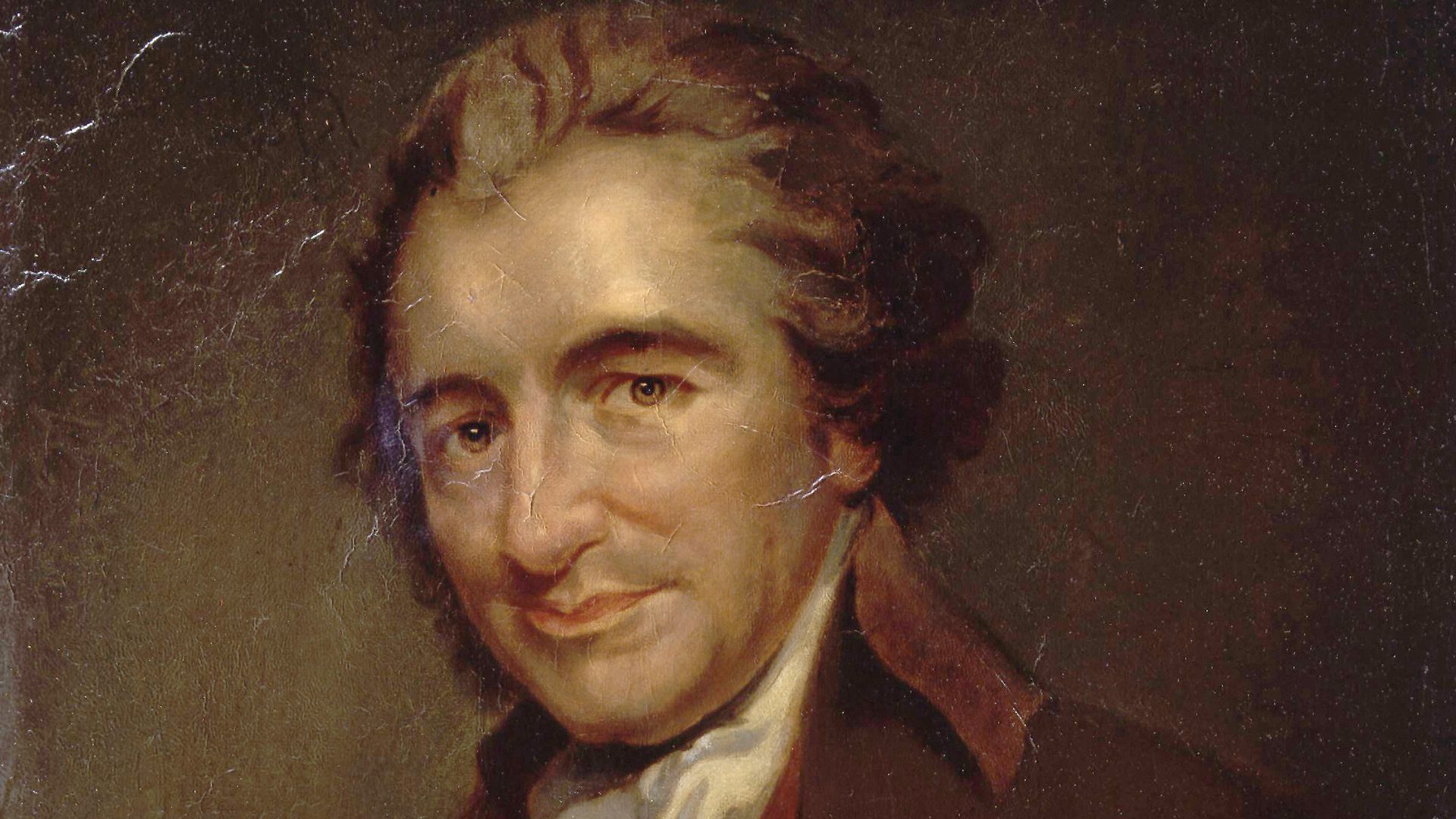 Auguste Millière / After George Romney / After William Sharp on Wikimedia
18. John Newton
Newton's early life tied him directly to the brutal machinery of the Atlantic slave trade. After a religious awakening and a long, difficult moral reckoning, he became a clergyman and eventually a voice for abolitionism.
 After John Russell on Wikimedia
19. Dietrich Bonhoeffer
Bonhoeffer first appeared as a theologian and pastor, known for careful scholarship and serious Christian ethics. Under Nazi rule, all of that hardened into something far riskier. He joined the resistance and was killed in 1945.
 Unknown authorUnknown author on Wikimedia
20. Ashoka
Ashoka started as the Mauryan emperor who expanded power the old-fashioned way, through force and enormous suffering. After the bloodshed at Kalinga, he publicly embraced Buddhist principles and reinvented himself as a ruler focused on welfare, restraint, and doing right by his people. It was a cleaner legacy than endless conquest and, if we're being honest, just better politics too.

KEEP ON READING

20 Weirdest Historical Objects in Museums
Check Out the Pickled Heart of a Saint. Museums carry…
By Rob Shapiro Oct 1, 2025
20 Scariest Missing Persons Cases in History
Eerie Disappearances. There's something uniquely unsettling about a person who…
By Christy Chan May 1, 2026
20 Greatest Ancient Athletes In History
Ancient Olympics. Long before modern stadiums and multimillion-dollar endorsements, athletes…
By Sara Springsteen May 1, 2026
10 Phenomenal Mythical Creatures & 10 That Are Just Plain…
Legends Both Majestic And Peculiar. Do you ever wonder why…
By Chase Wexler Oct 1, 2025
20 Historical Predictions That Turned Out To Be True
Crystal Ball Moments In History. Do you wonder what it's…
By Chase Wexler Sep 1, 2025
10 Presidents Who Never Served In The Military & 10…
Commanders And Civilians In Office. Power can rise from very…
By David Davidovic Sep 1, 2025