Ancient Olympics
Long before modern stadiums and multimillion-dollar endorsements, athletes were already reaching the heights of physical perfection and becoming legends in their own time. Whether they were sprinting through the dust of Olympia or steering chariots in the Roman Circus Maximus, these competitors displayed a level of grit that's still impressive today. You'll find that while the sports have changed, the human desire to be the fastest, strongest, and most skilled is a constant thread throughout history.
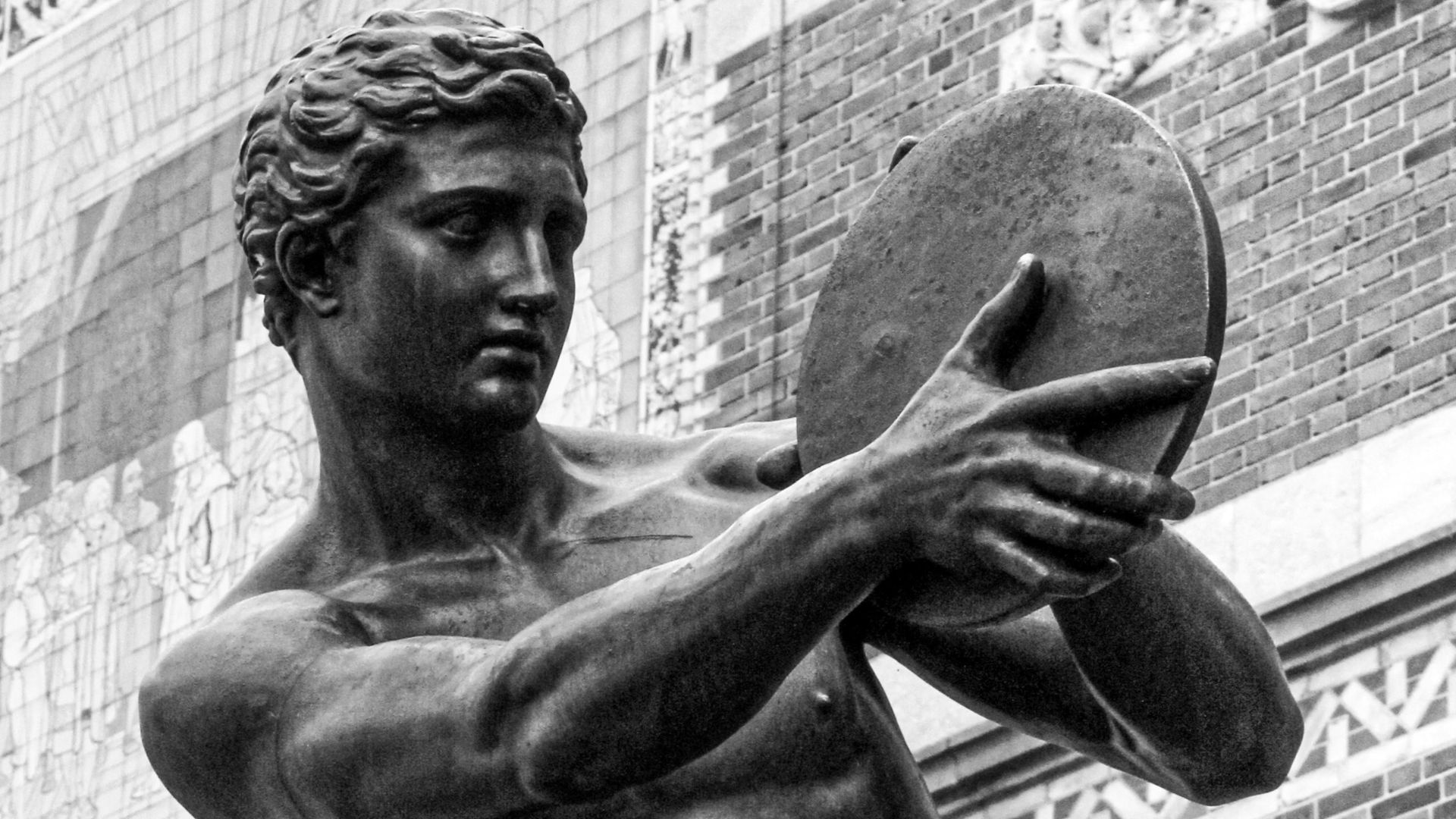 ALEXANDRE LALLEMAND on Unsplash
1. Milo of Croton
This legendary wrestler from the sixth century BC is probably the most famous strongman of the ancient world. He won six Olympic titles and was known for his incredible feats of strength, like carrying a bull on his shoulders. You've likely heard the stories of his immense appetite and his ability to hold a pomegranate so firmly that no one could take it, yet so gently that he didn't bruise the fruit.
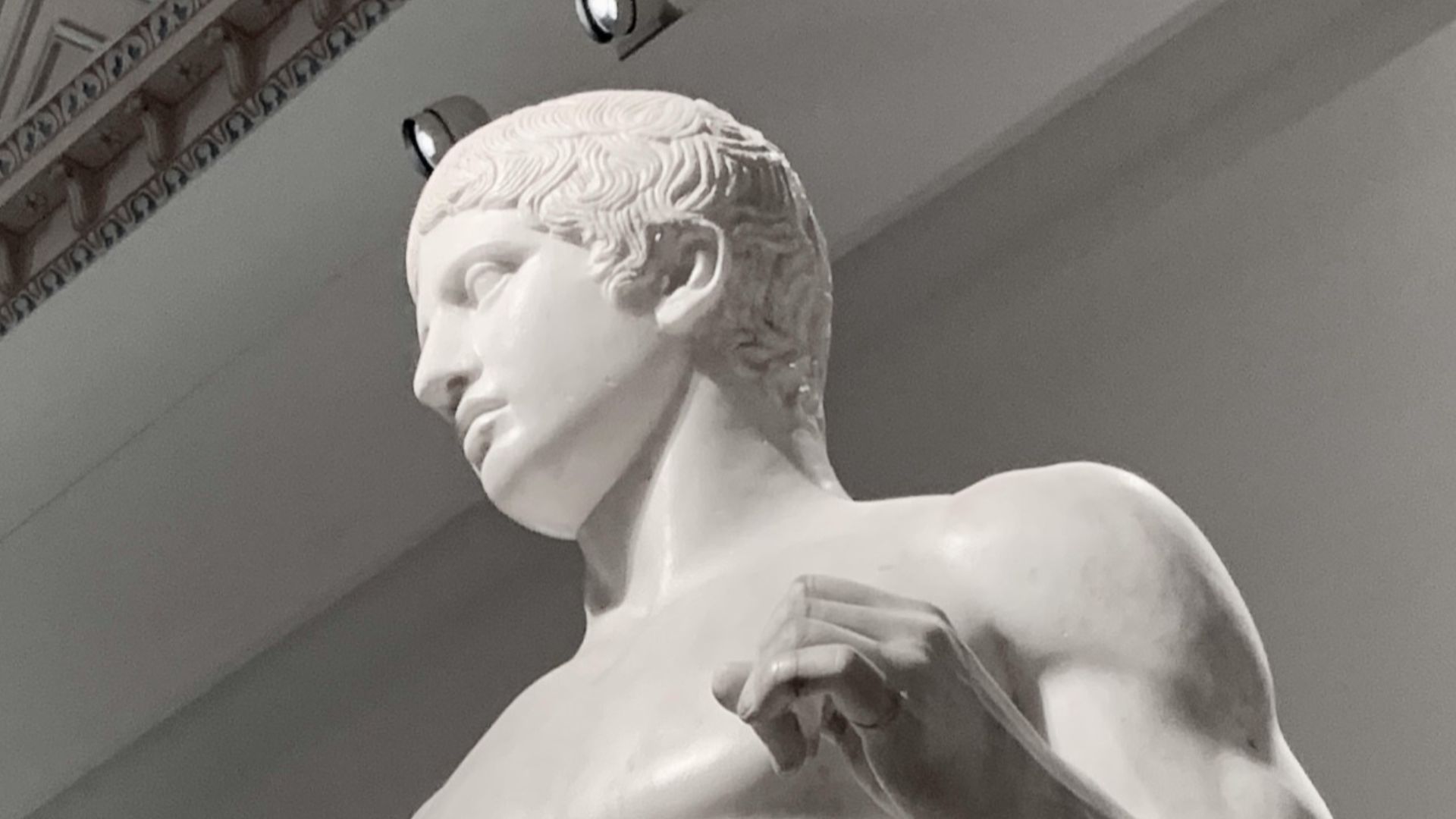
2. Leonidas of Rhodes
Before Phelps broke the record for most individual Olympic titles, Leonidas had held that title for over 2000 years. Leonidas won three races in four straight Olympiads, making him a “Triastes” or triple victor. The fact that he dominated 12 different sprinting events throughout his entire career is absolutely impressive to us now.
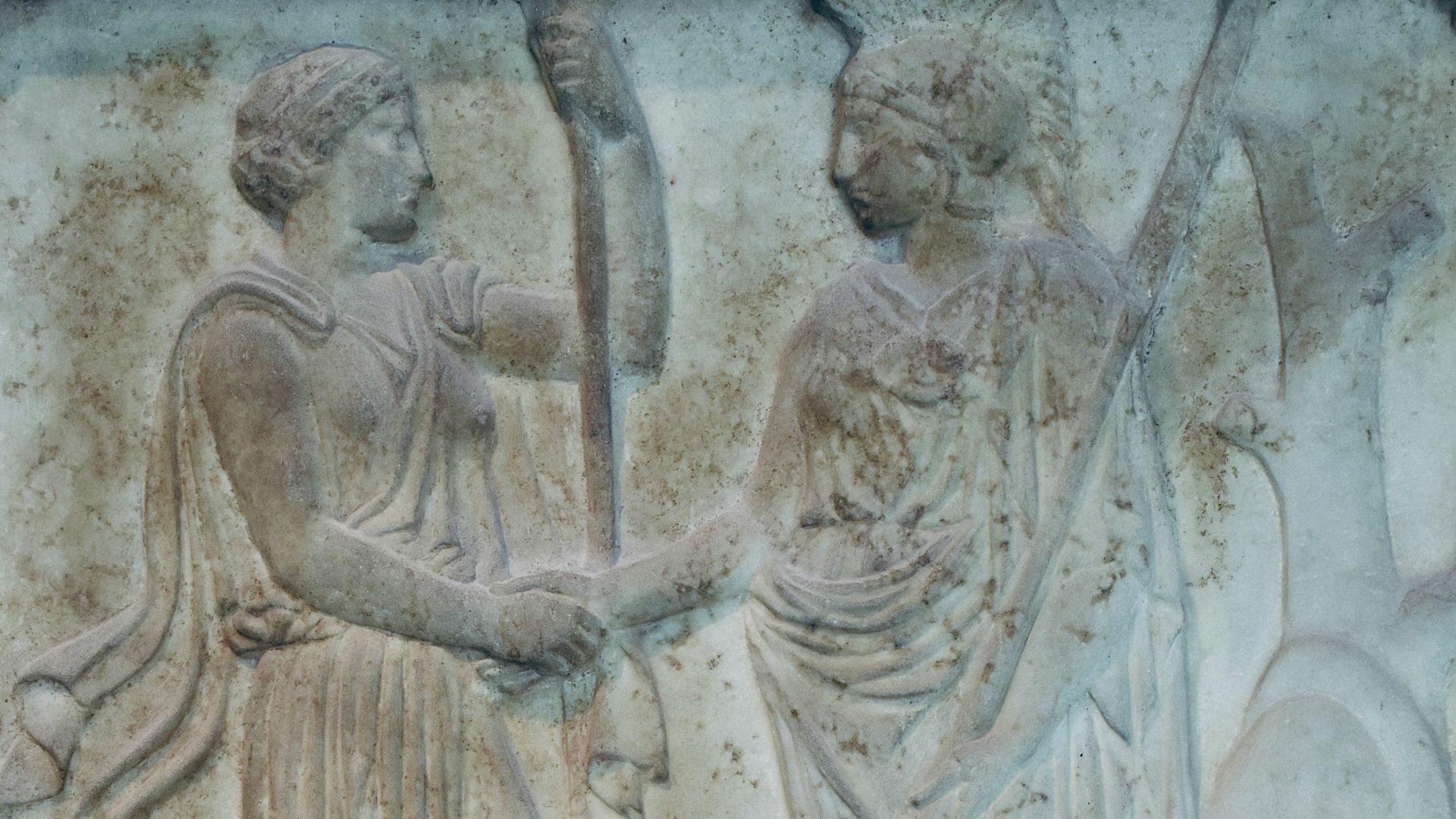
3. Gaius Appuleius Diocles
If professional soccer players today aren’t rich enough for you, here’s the tale of the richest athlete of all time. Appuleius Diocles was a Roman charioteer who competed professionally for twenty-four years.
In that time, he won over a thousand races and became incredibly wealthy.
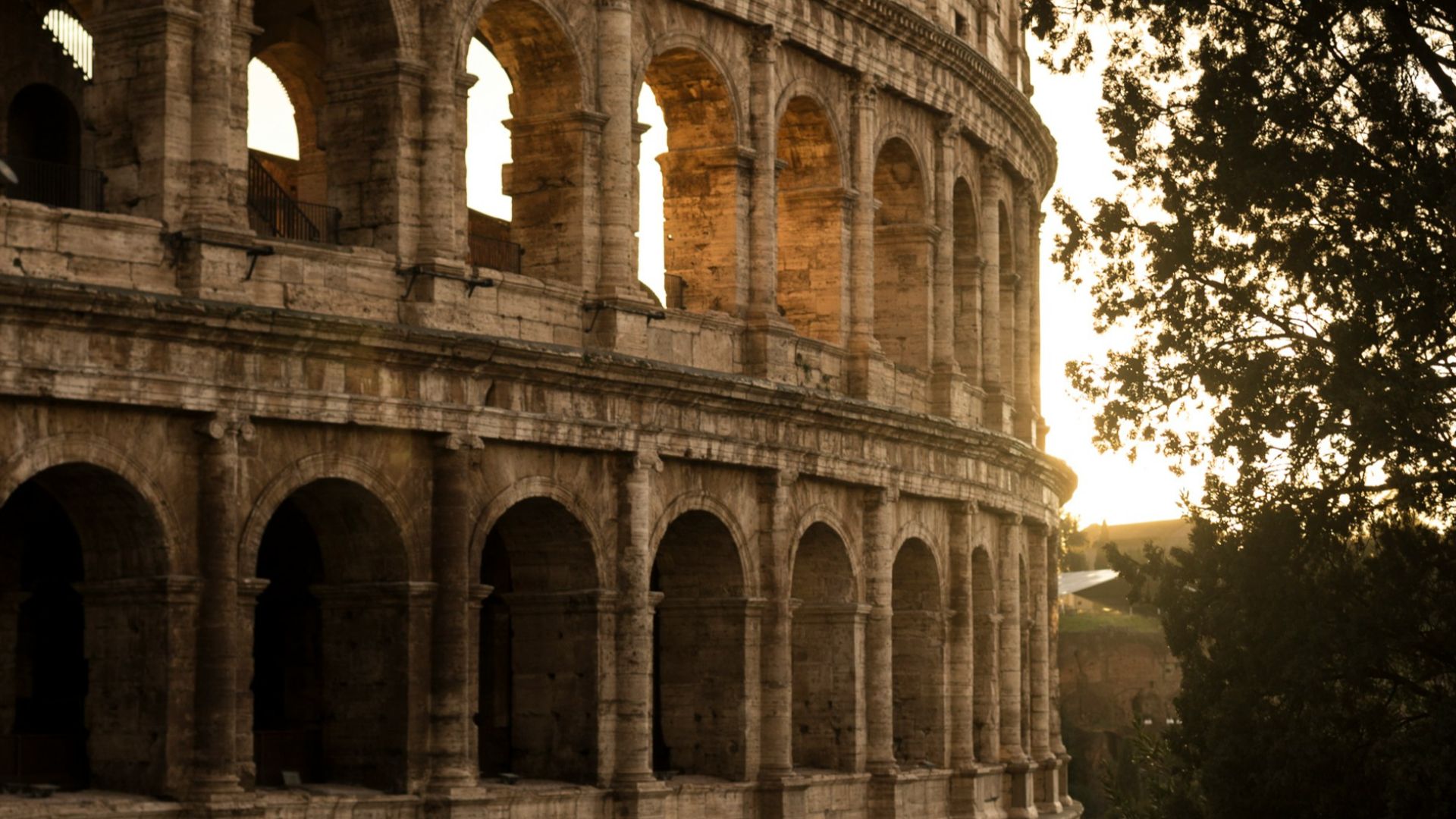
4. Cynisca of Sparta
As the daughter of a Spartan king, Cynisca shattered the glass ceiling by becoming the first female Olympic victor. While women weren't allowed to compete in the games directly, she entered her horses in the chariot races and won the four-horse event twice. She proved to the entire Greek world that success in the equestrian arts was a matter of skill.
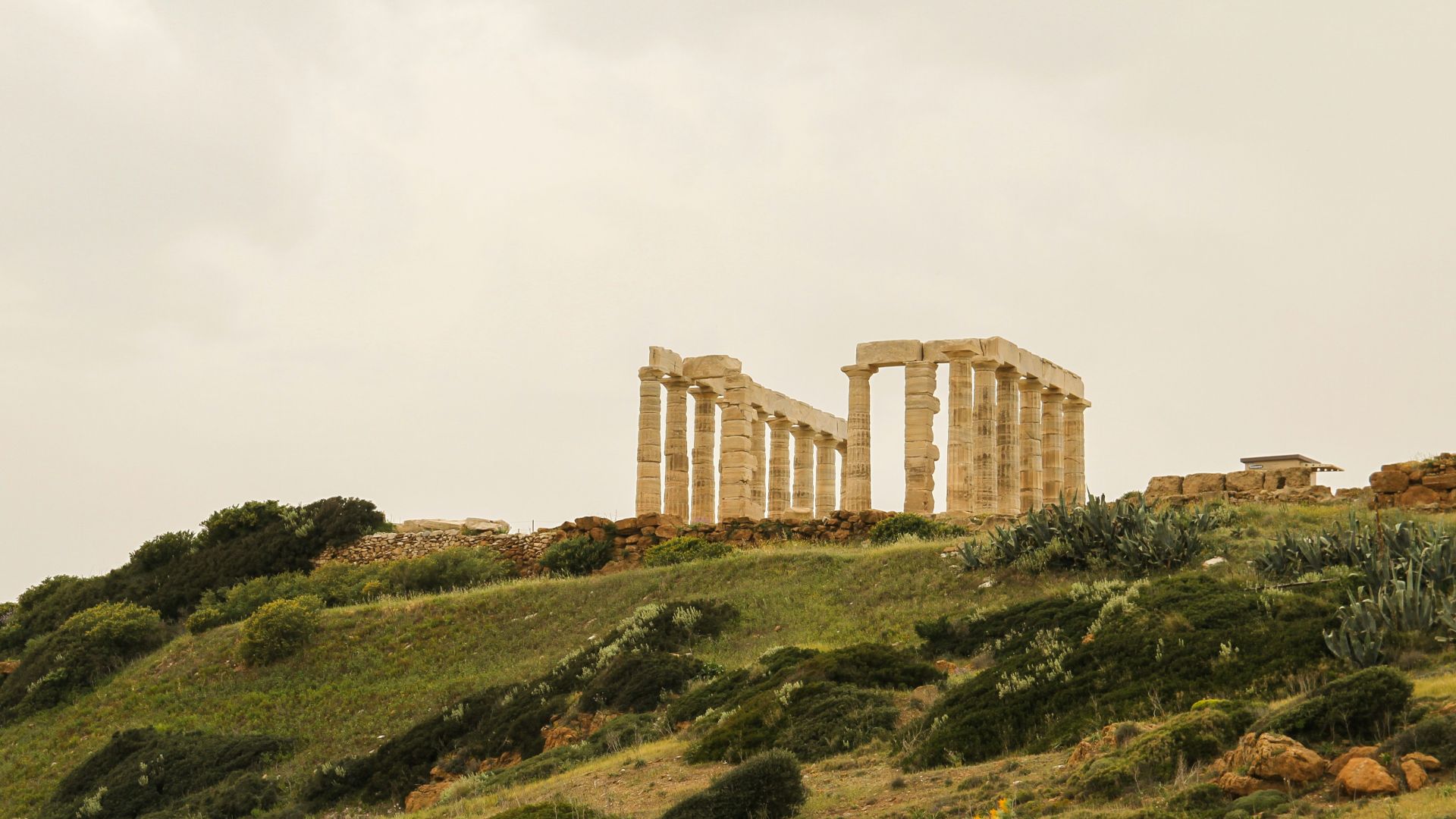 Black Iris Visuals on Unsplash
5. Diagoras of Rhodes
This boxer was famous for his "fair play" style, as he never ducked or dodged a punch but instead walked straight into his opponents. He won the Olympic crown in 464 BC and lived to see his sons and grandsons become champions as well. There's a touching story that he passed in the stadium while his sons carried him on their shoulders after their own victories.
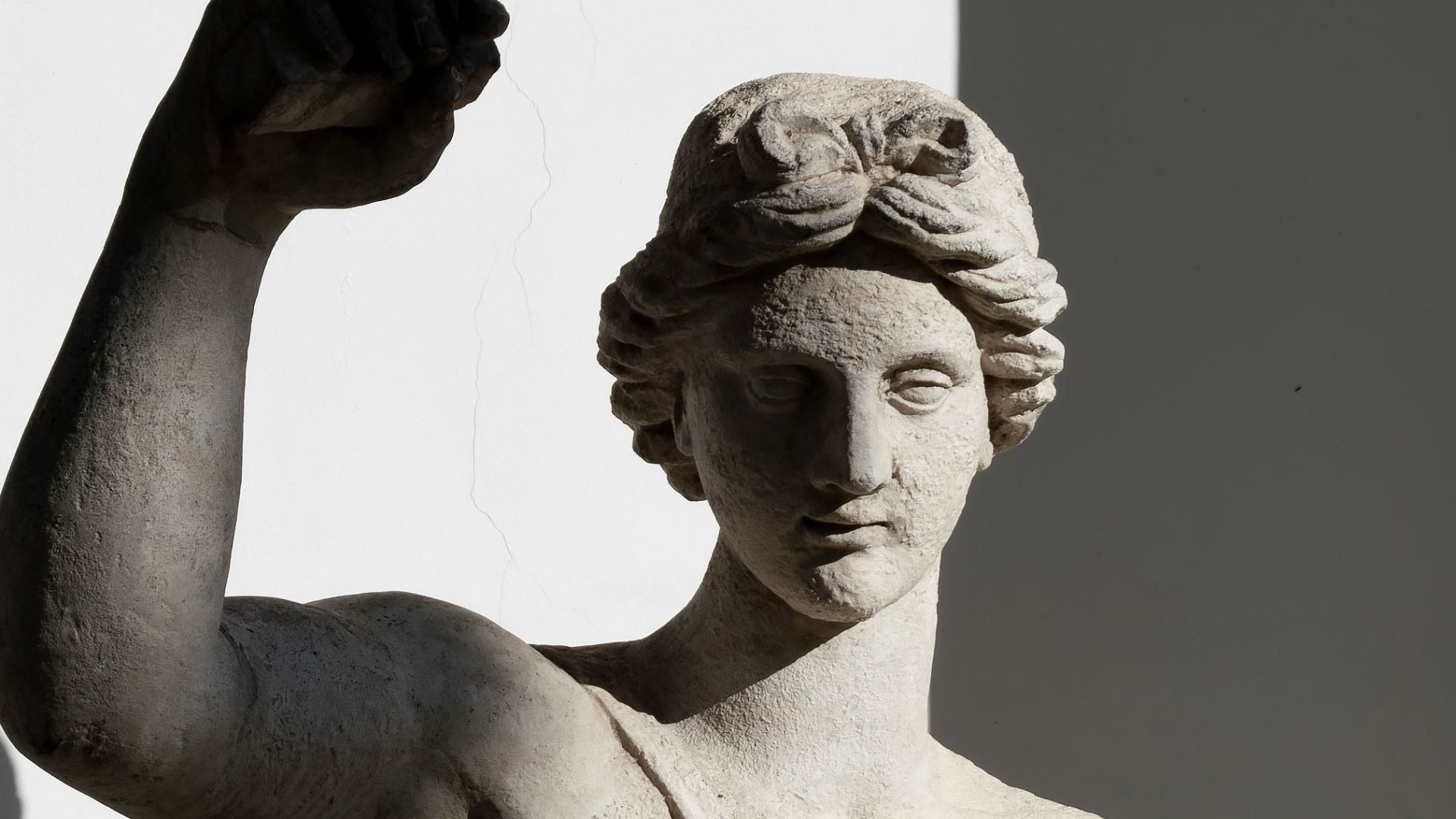
6. Theagenes of Thasos
Legend has it that this powerhouse began his athletic career at the age of nine by tearing a bronze statue off its base and carrying it home. He went on to become a champion in both boxing and the pankration, which was a brutal mix of wrestling and striking. Across various Greek festivals, he reportedly won over 1,400 crowns.
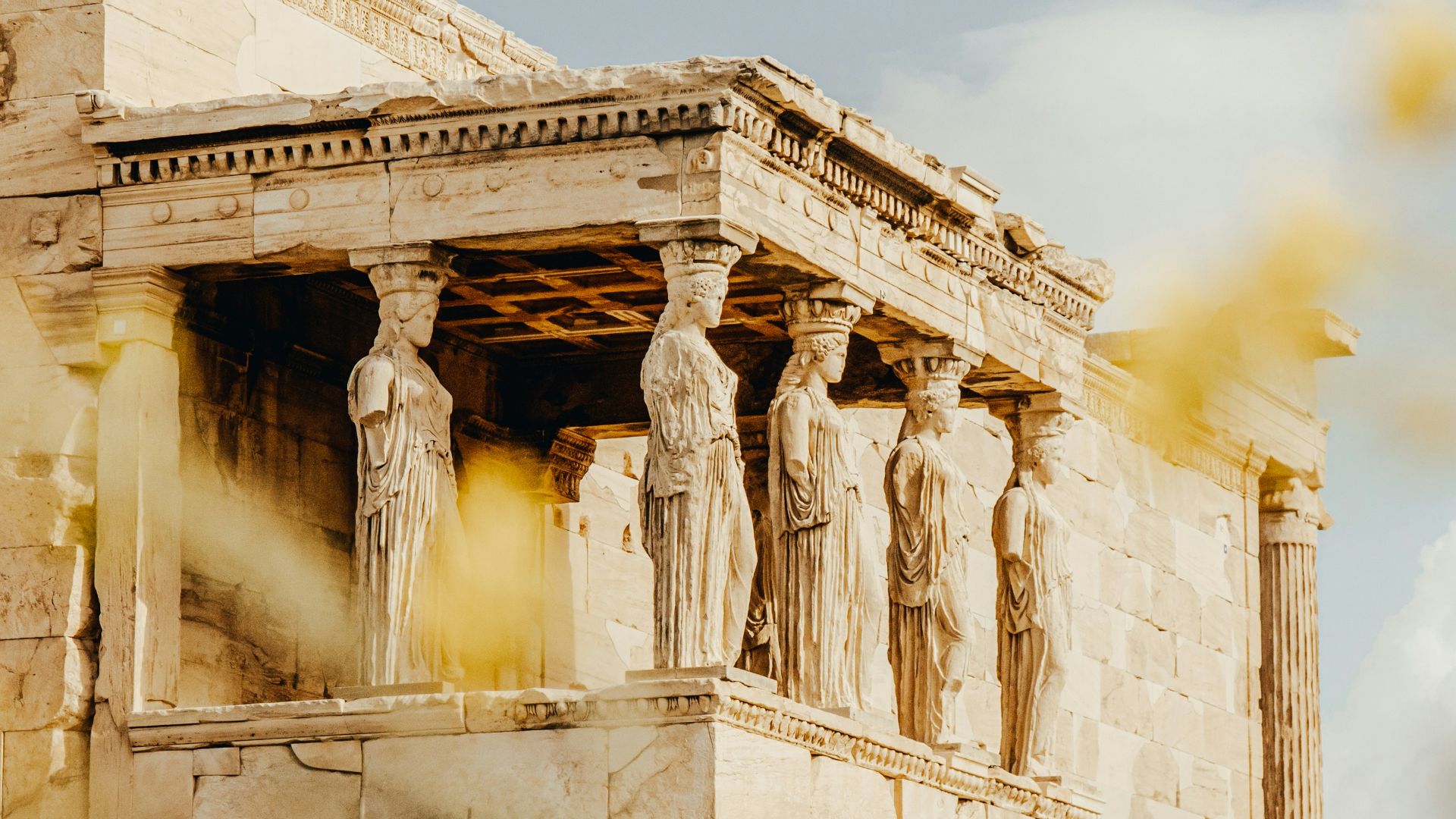
7. Polydamas of Skotoussa
Polydamas was another pankration fighter who was so muscular and large that he was compared to Hercules.
He defeated a lion with his bare hands and once pulled up behind a speeding chariot and stopped it by grabbing onto the back. He passed when he tried to hold up the roof of a cave for miners, and it collapsed on him.
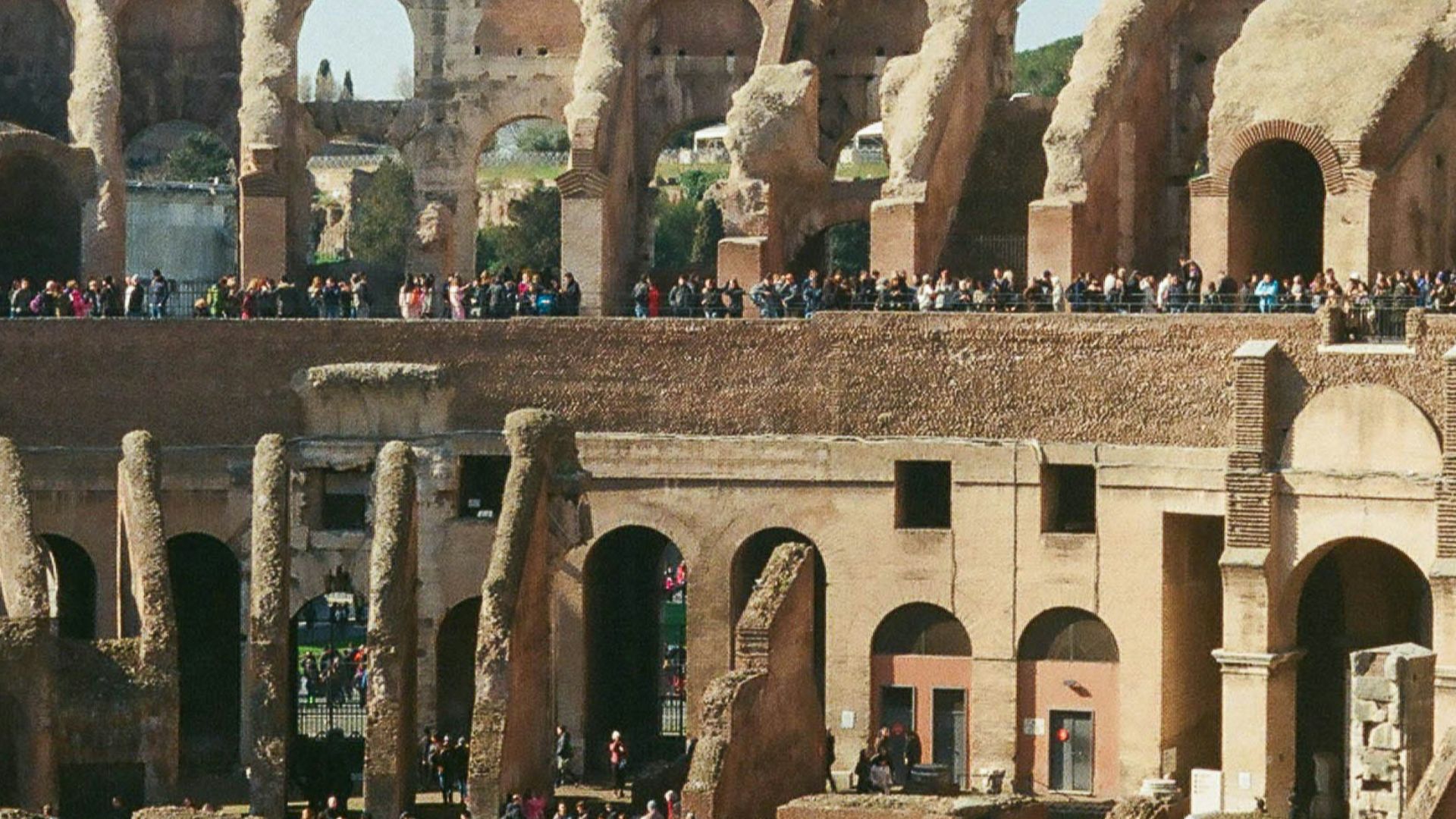
8. Melankomas of Caria
Melankomas was an undefeated boxer who supposedly never struck nor received a blow in any of his victories. He is known for outlasting his opponents by dancing around them until they drop from exhaustion. You have to admire a fighter who could win a combat sport through pure stamina.
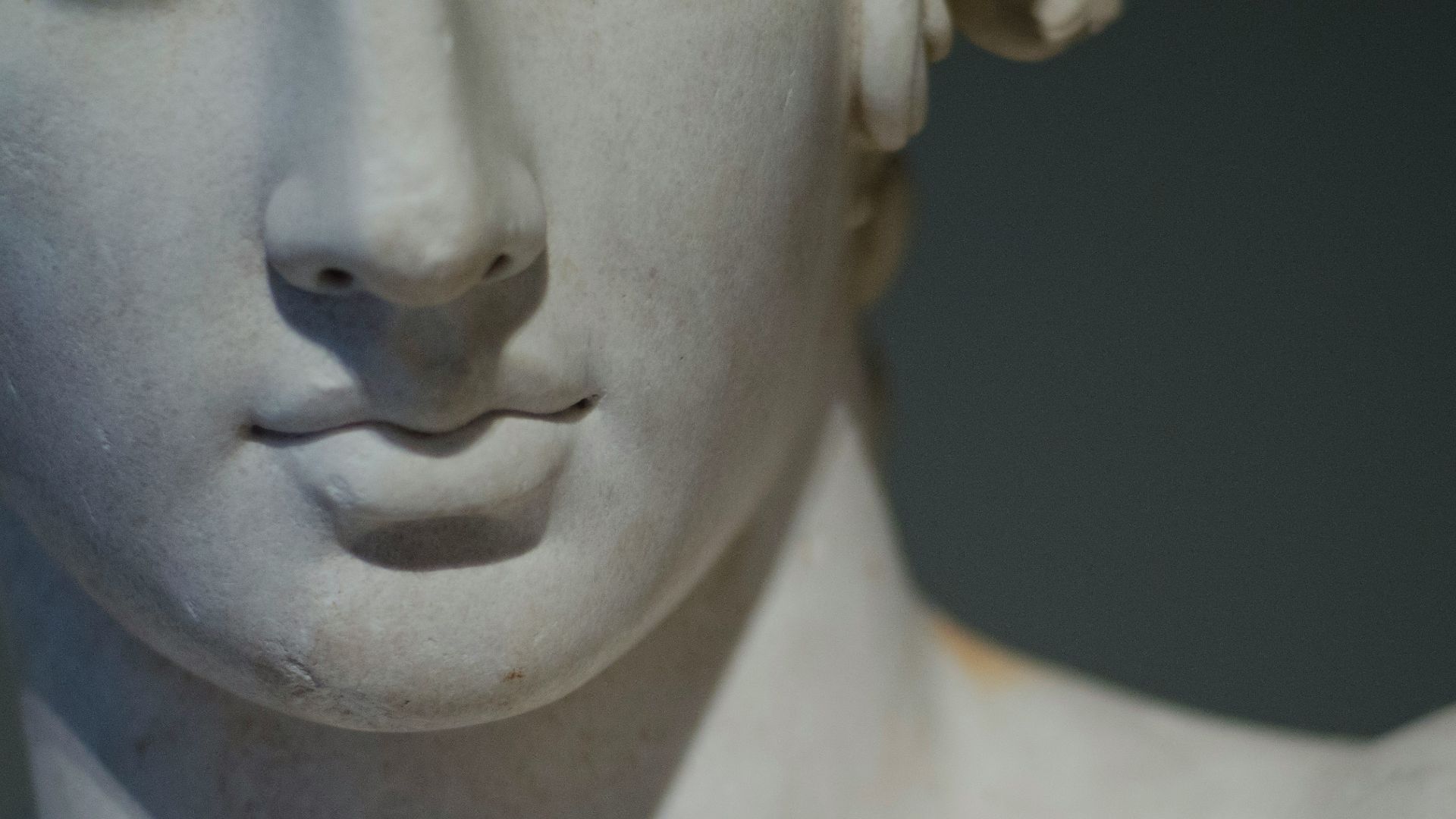
9. Astylos of Croton
Astylos was a superstar runner who won titles in three consecutive Olympics during the fifth century BC. He caused a massive scandal when he switched his allegiance from Croton to Syracuse to please a local tyrant. His hometown fans were so angry that they tore down his statue.
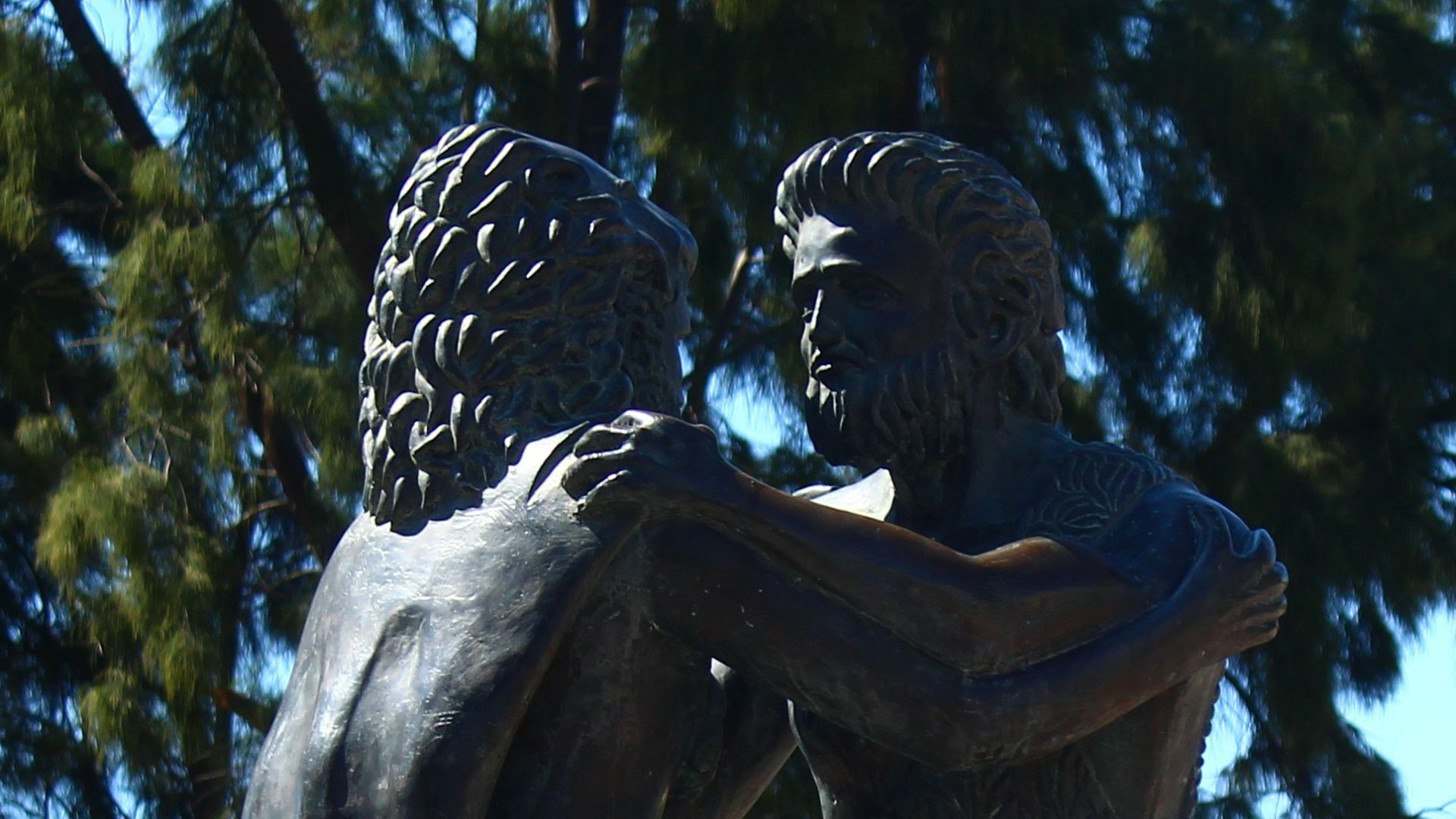
10. Chionis of Sparta
If Chionis’ long jump doesn’t appear in his ancient games profile, it should. He is credited with a jump of over twenty-three feet while wearing ancient spikes. The sprinter dominated his event for nearly a decade during the seventh century BC.
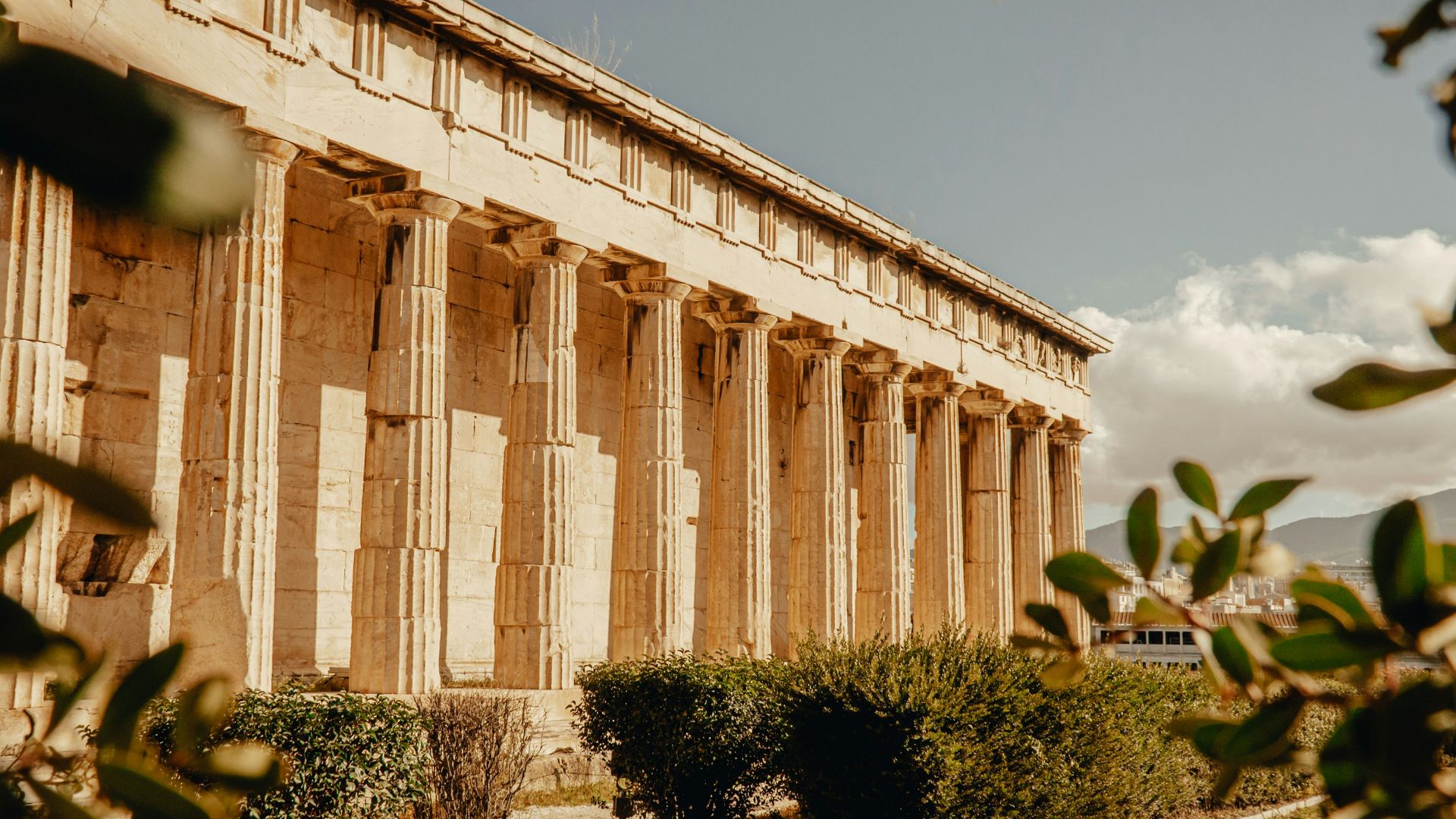
11. Arrichion of Phigalia
Arrichion's final victory is perhaps the most dramatic in the history of the pankration. While he was being strangled in a hold, he managed to dislocate his opponent's toe, forcing the man to forfeit just as Arrichion took his last breath.
He was crowned the victor posthumously.
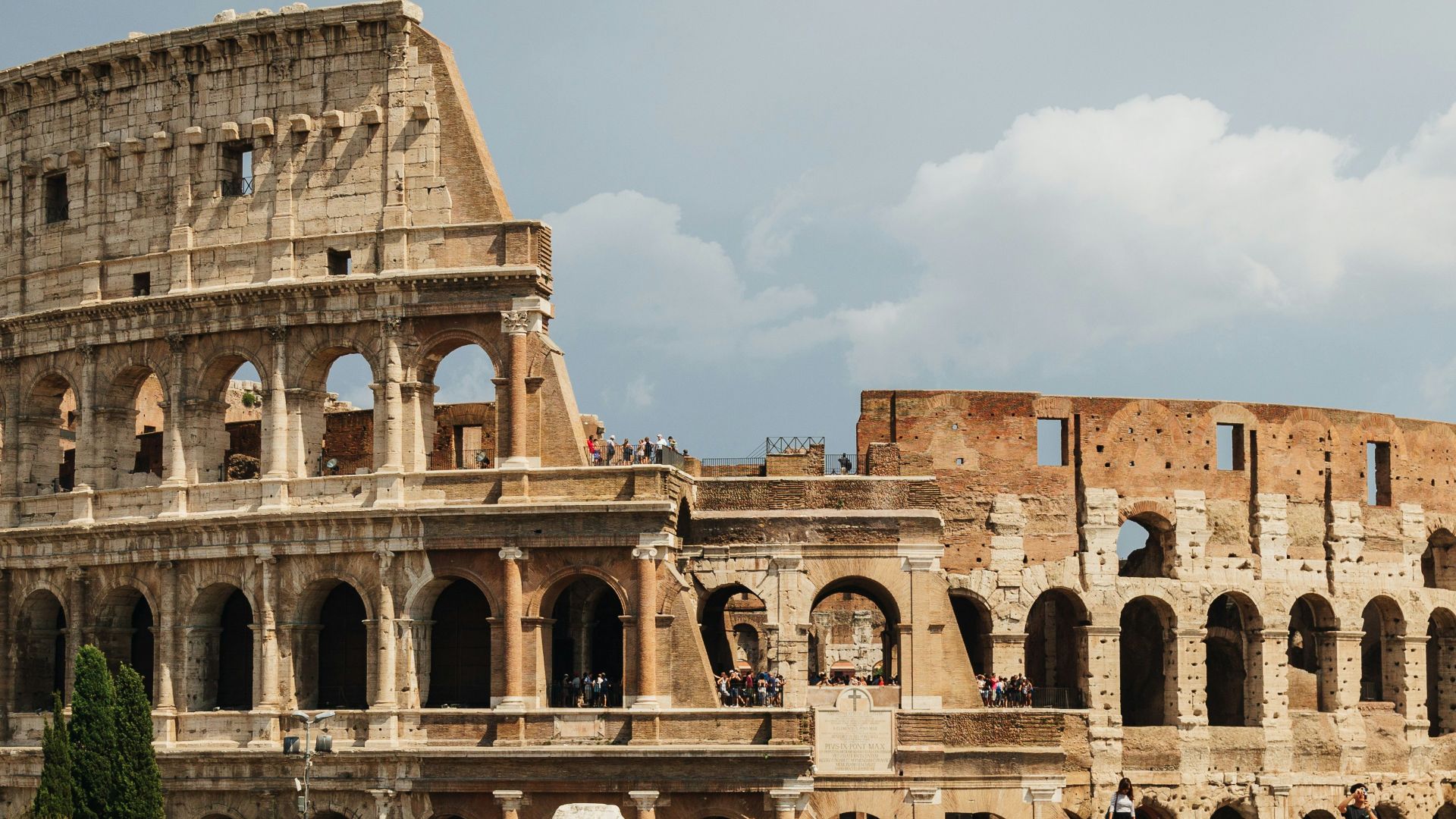
12. Varazdat of Armenia
Varazdat was one of the final recorded champions at the Ancient Olympic Games before they were abolished by the Romans. He won the boxing competition in the 360s AD and later became King of Armenia. The ancient games were once a stepping stone for many political careers.
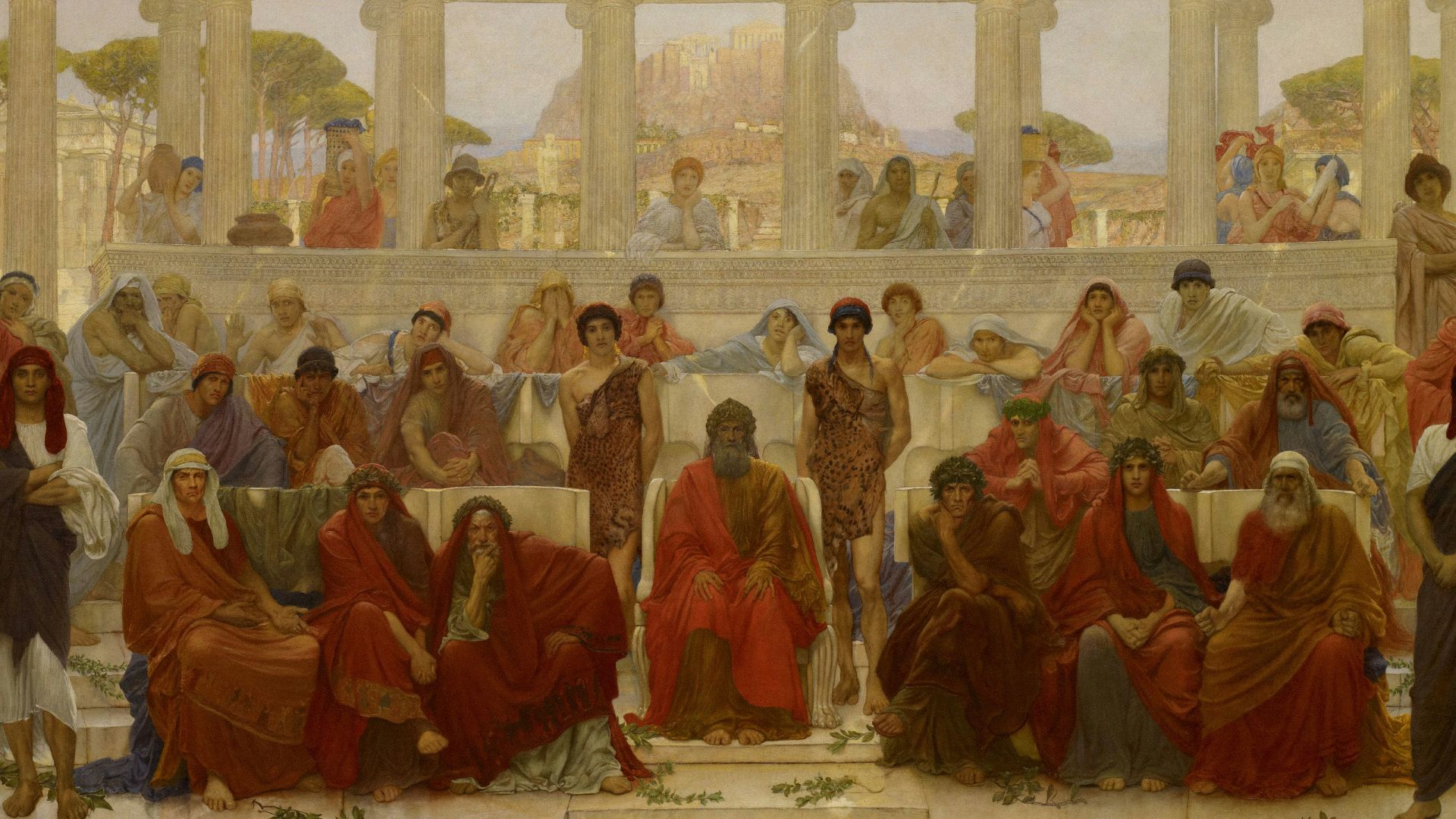 Birmingham Museums Trust on Unsplash
13. Kleomedes of Astypalaia
After being disqualified from a boxing match for accidentally fatally defeating his opponent, Kleomedes reportedly went into a fit of rage and knocked down a school building. Despite his temper, he was later worshipped as a hero in his home city after he mysteriously vanished from a stone chest. It's a strange tale for sure.
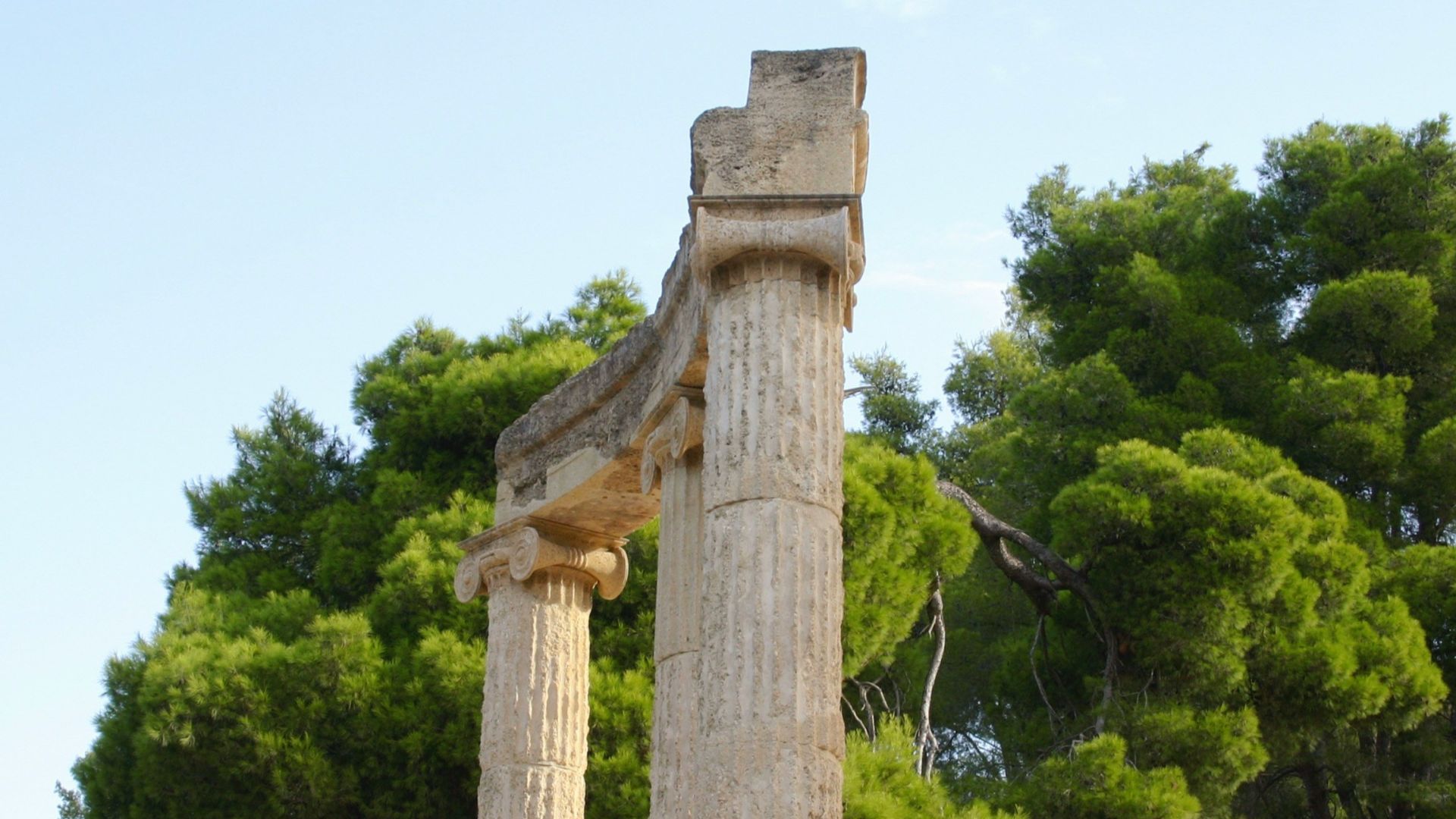
14. Marcus Aurelius Asklepiades
This later Roman-era wrestler was undefeated for six years. He was so dominant that he eventually retired because no one was willing to step into the ring against him anymore. You don't see many athletes quit the game simply because they've run out of people to beat.
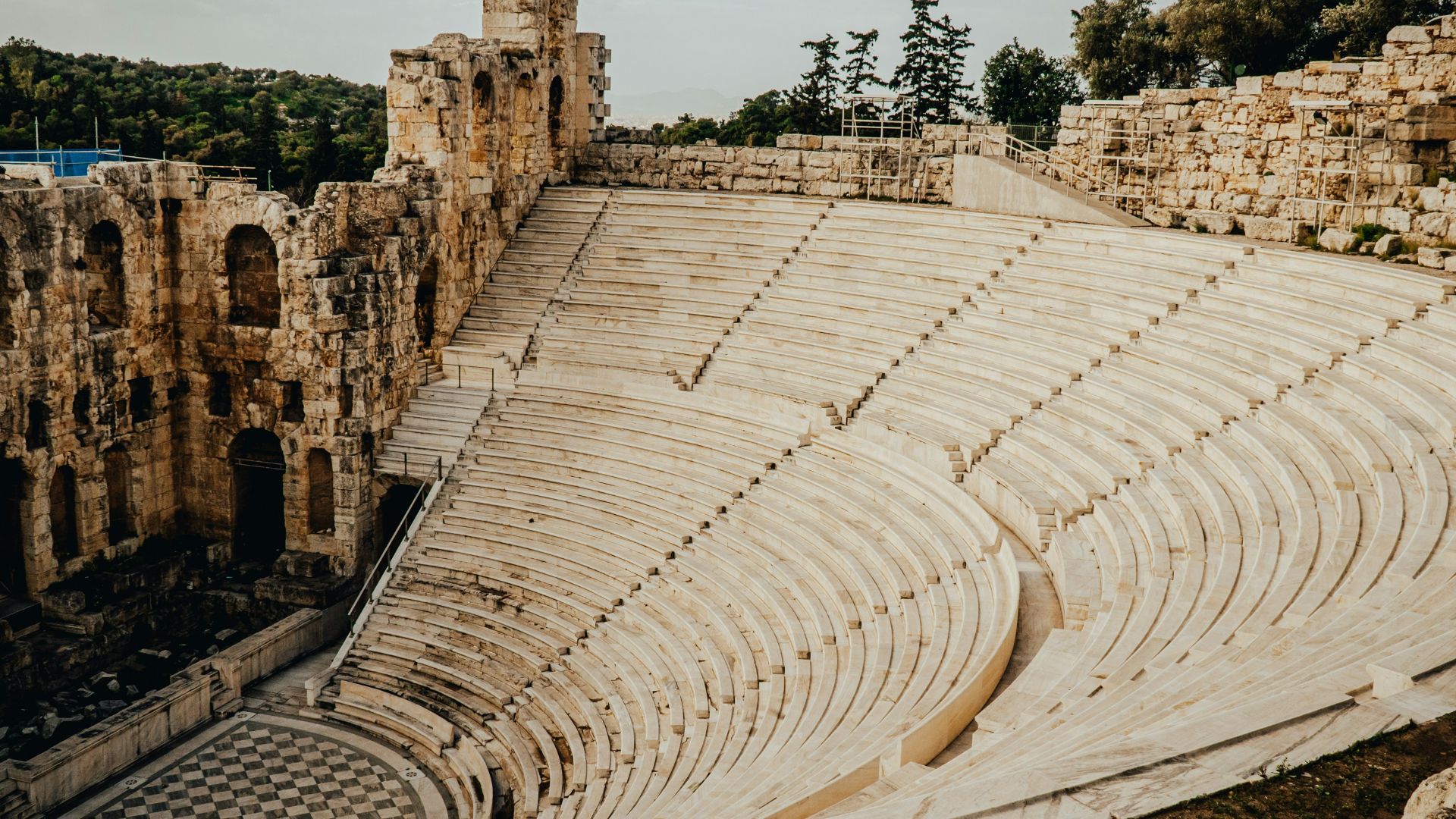
15. Hiero II of Syracuse
While he was a powerful ruler, Hiero was also a passionate horse racer who won several Olympic titles with his prized steeds. He famously commissioned the poet Pindar to write odes celebrating his victories, ensuring his sporting legacy was preserved in literature. His involvement shows how the elite used the games to display their wealth and competitive edge.
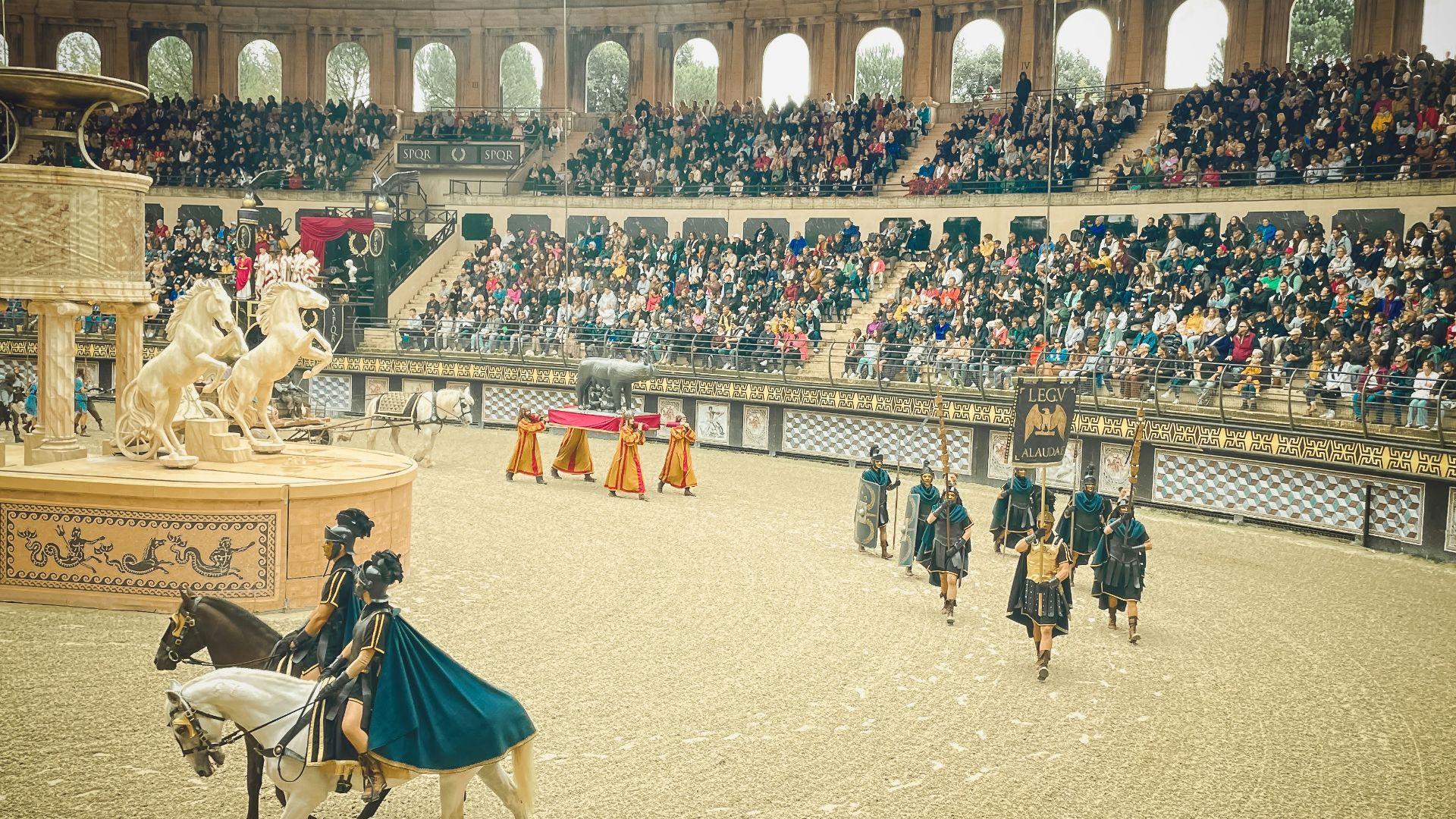
16. Koroibos of Elis
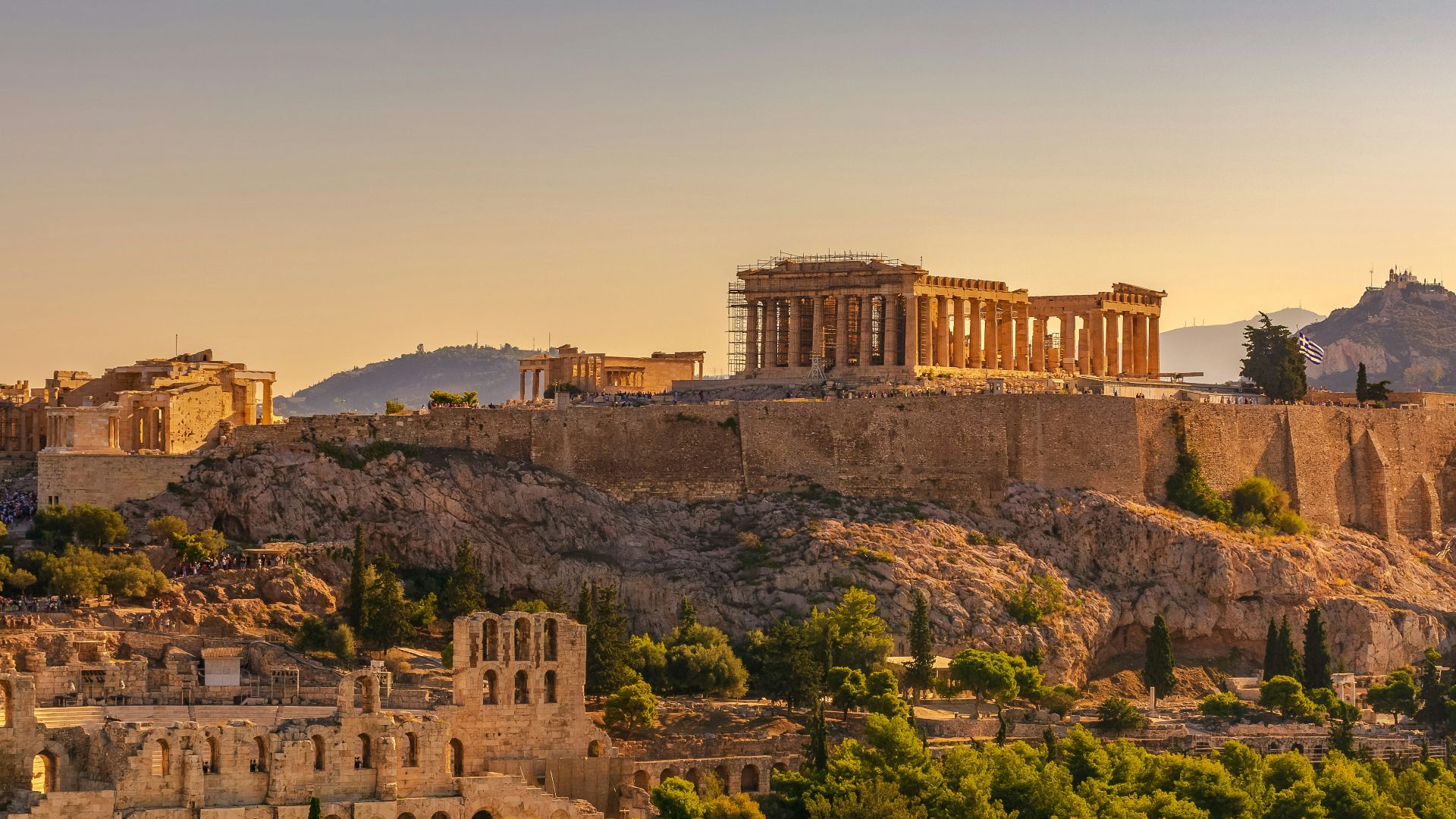
Every list of greats has to include the man who started it all by winning the very first Olympic race in 776 BC. Koroibos was a humble baker, but his victory in the "stade" sprint made him the first recorded sporting hero in human history. He didn't have fancy training, but his speed paved the way for every athlete who followed.
 Constantinos Kollias on Unsplash
17. Flavius Scorpus
This chariot racer was the darling of the Roman public and won over 2,000 races before dying in a crash at the young age of twenty-seven. The famous poet Martial wrote about how the city mourned the loss of such a vibrant and successful young star. His short but explosive career reminds us that the dangers of ancient sports were very real.
18. Timasitheus of Delphi
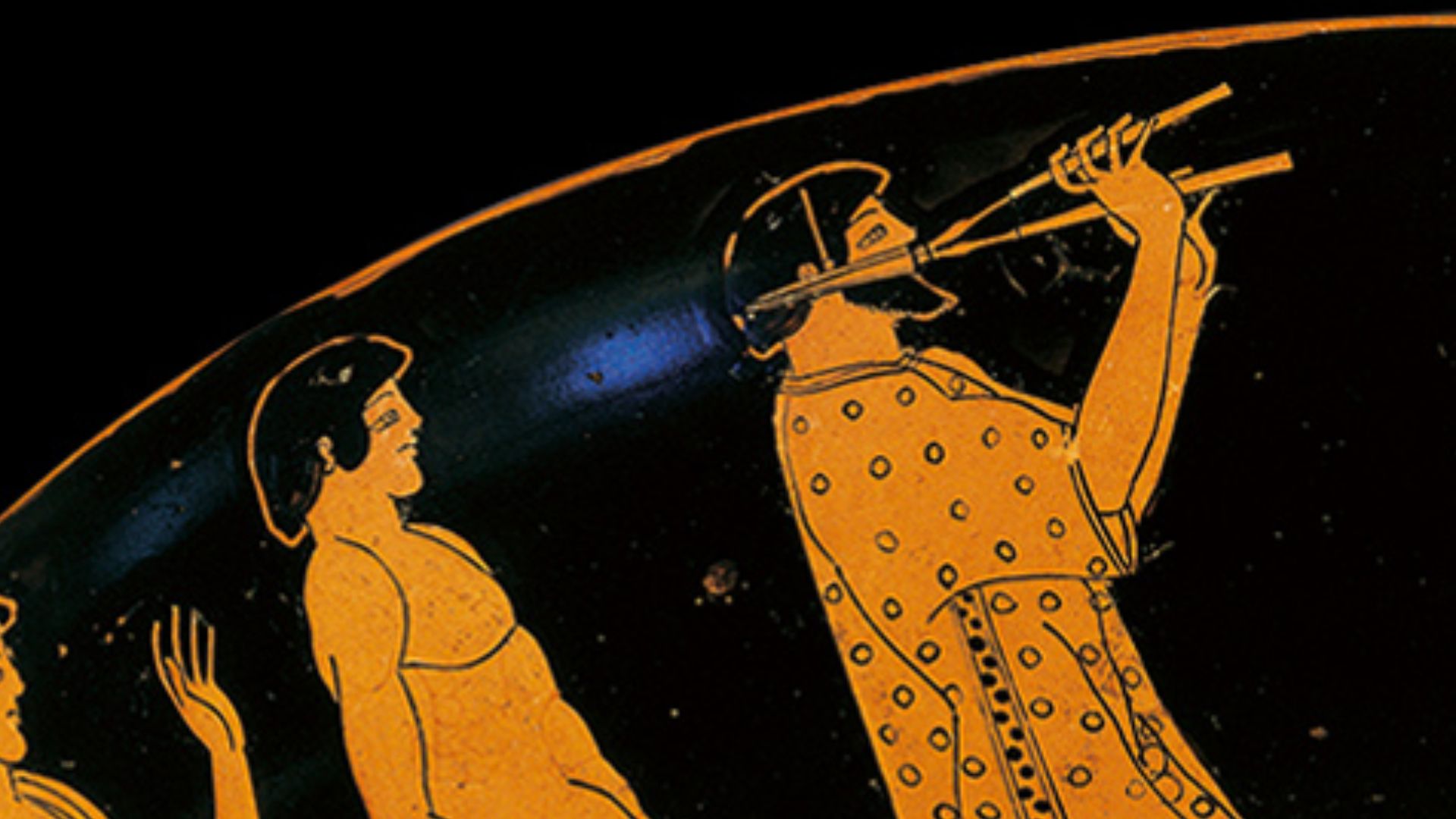
Timasitheus was known for competing in the famous pankration and was as fierce in battle as he was in competition. He won multiple events at the Olympics and Pythian games before passing away while leading a rebellion in Athens. He is the ideal example of an athlete dedicated to his polis.
 Unknown authorUnknown author on Wikimedia
19. Sostratus of Sicyon
This wrestler was nicknamed “Finger-man” because he would grab his opponents’ fingers and bend them back until they gave up. While not the classiest technique, it allowed him to win three Olympic titles in a row.
Find a niche and own it.
20. Belistiche
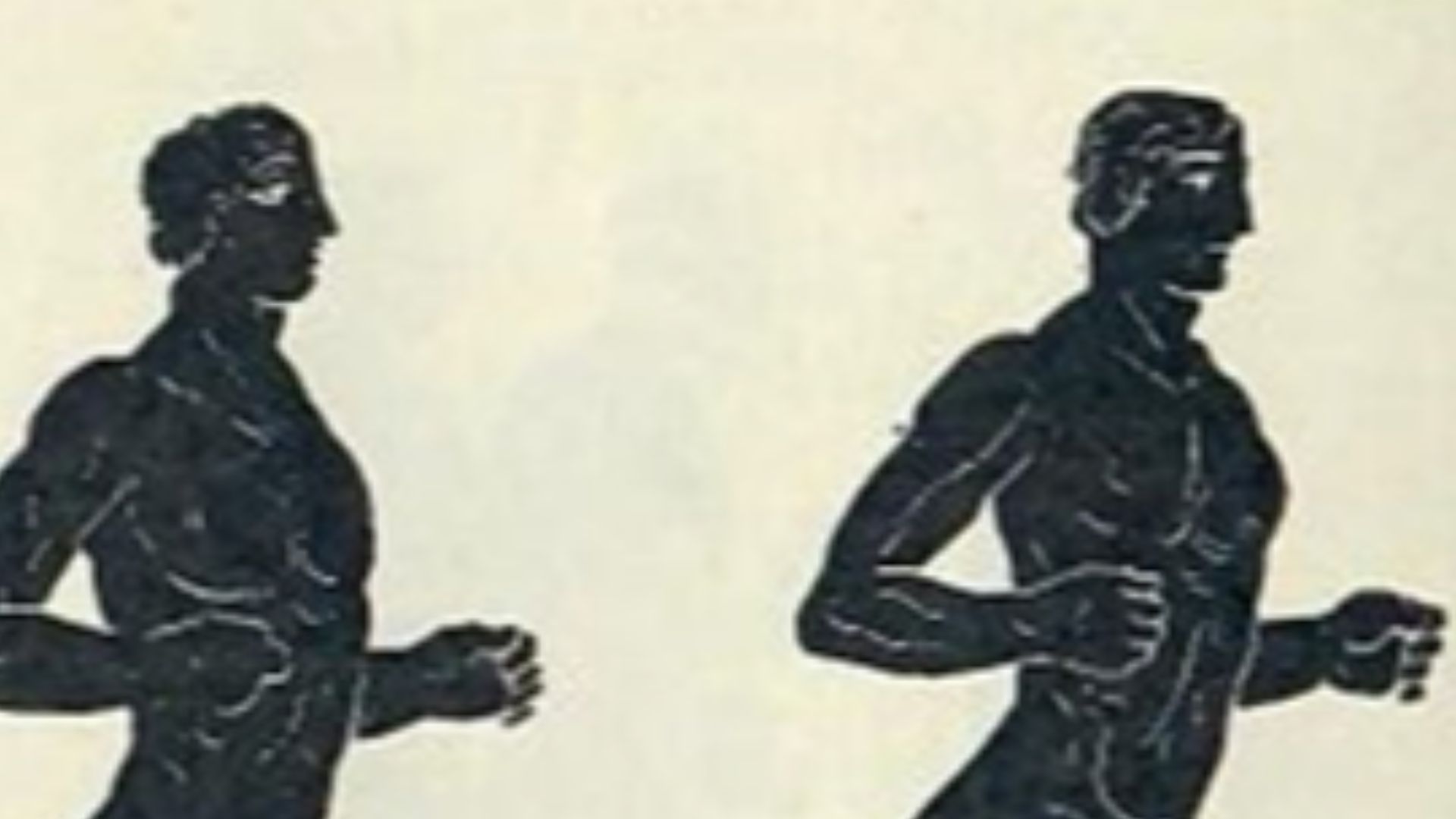
Belistiche was a Macedonian woman of high standing who began racing chariots professionally. She won Olympic races during the third century BC and was rumored to be related to Egypt’s royal family. The greatest athletes have always included powerful women.