


20 Fascinating Thought Experiments That Will Change the Way You Think
Philosophical Theories That Will Warp Your Reality
From René Descartes' Evil Demon to Plato's Allegory of the Cave, how many philosophical thought experiments do you know, and have actually explored deeper? At first glance, they may seem like fun concepts to imagine, but the reason many of them have held up throughout history and stumped even the greatest minds on Earth is because they challenge us to question our assumptions about reality, knowledge, morality, logic, and even our own existence. Here are 20 fascinating thought experiments that are guaranteed to change the way you think.

1. The Chinese Room
Imagine a person trapped in a room with a huge manual that explains every symbol and character of a language they don't understand. Because of this manual, they're able to communicate fluently, even though they have no idea what their responses actually mean. The Chinese Room is a thought experiment by American philosopher John Searle, who, in his 1980 paper titled "Minds, Brains, and Programs," proposed an argument stating that a machine could never have the understanding or consciousness a human does, no matter how intelligently it acts or behaves.

2. The Ship of Theseus
If an old ship has all its planks replaced gradually over the years, is it still the same ship, or is it an entirely different one? The Ship of Theseus is a thought experiment first introduced by Greek philosopher Plutarch, which questions whether an object that has all its components replaced still remains the same object.
 Katherine McCormack on Unsplash
3. Brain in a Vat
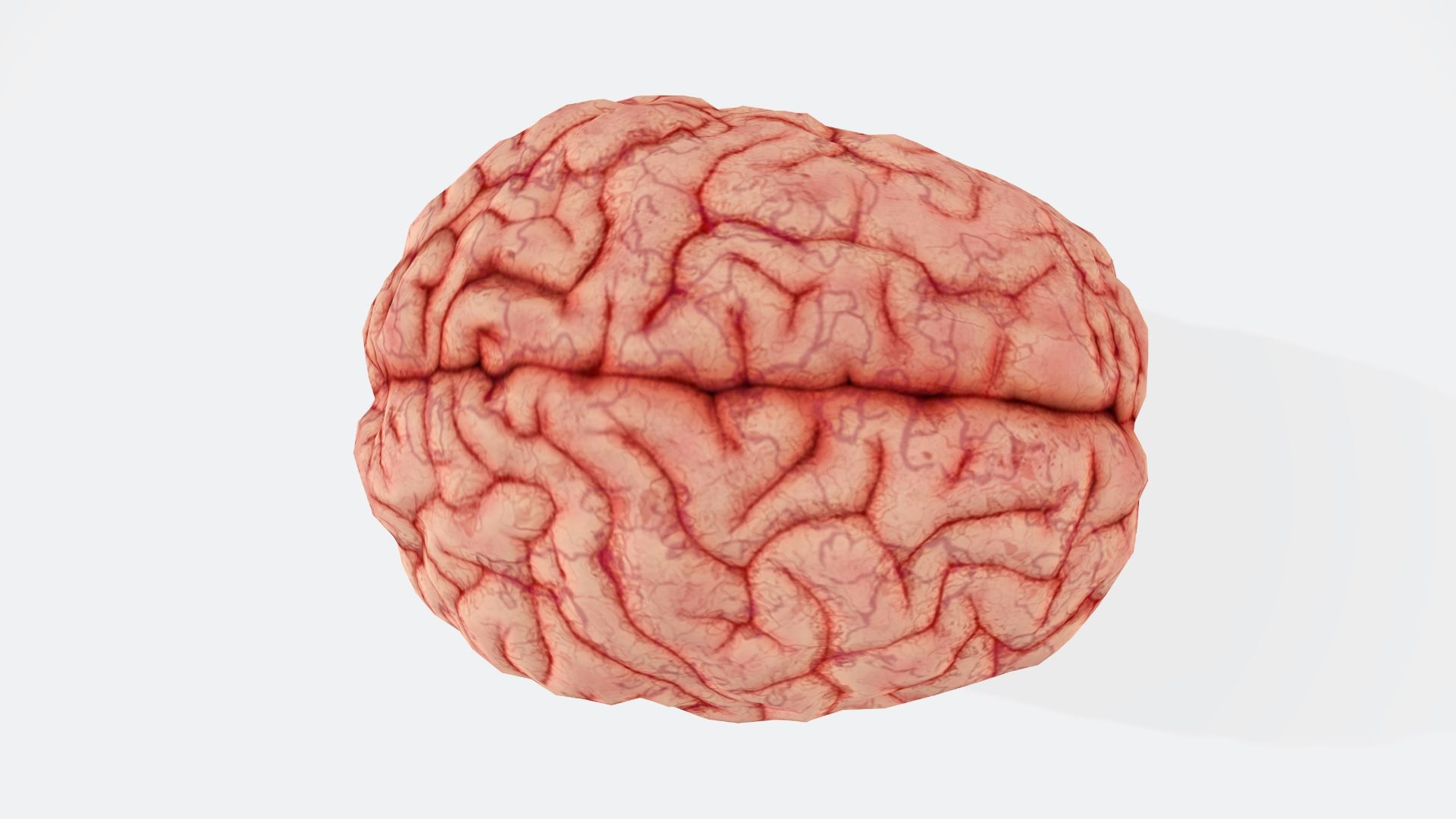
Everything you experience in your waking life might seem real, but how can you truly tell if it's real or not? What if you were merely a brain in a jar, connected to wires that simulate all your experiences, all your memories? The Brain in a Vat thought experiment was created and popularized by American philosopher Hilary Putnam in 1973, which, in essence, is a modernized version of René Descartes' Evil Demon.
 BUDDHI Kumar SHRESTHA on Unsplash
4. Evil Demon
The Brain in a Vat thought experiment may provide us with an easier way to imagine a possible reality, but the original theory came from Descartes' Meditations, in which an evil demon could deceive us things we believe to be true, like the fact that we have a body or that the external world exists. It is this exact experiment and argument that led Descartes to the conclusion "I think, therefore I am."

5. The Trolley Problem
You've likely heard many variations of the Trolley Problem, which explores ethical dilemmas. It was first introduced by English philosopher Philippa Foot in 1967. The basis of the thought experiment is this: a runaway train is heading straight toward a track where five people are trapped. You have a choice to pull the lever to change the train's direction—but in doing so, it will kill one person. Would you sacrifice the one to save five?

6. The Experience Machine
The Experience Machine is a thought experiment proposed by Robert Nozick in 1974, which questions whether a life where all of the same experiences can be simulated is still one that's worth living. If you were hooked to a device that can produce all the pleasures you want, like becoming a successful writer, would you choose that life over your real one, despite knowing it's not real? The fact that many people would say no (i.e., that they still prefer their real life over a simulated one) means that there's something else that makes life so valuable.

7. The Liar Paradox
If someone told you that "this sentence is false" or "I am lying," which one is the real truth? The Liar Paradox has existed for many centuries and has been attributed to many philosophers. The reason this paradox sends you in for a loop is because the logic is warped. Take the example of "I am lying": if the statement is true, then the speaker is lying, which makes the statement false. If the statement is false, then the speaker isn't lying, which makes the statement true.

8. Arrow Paradox
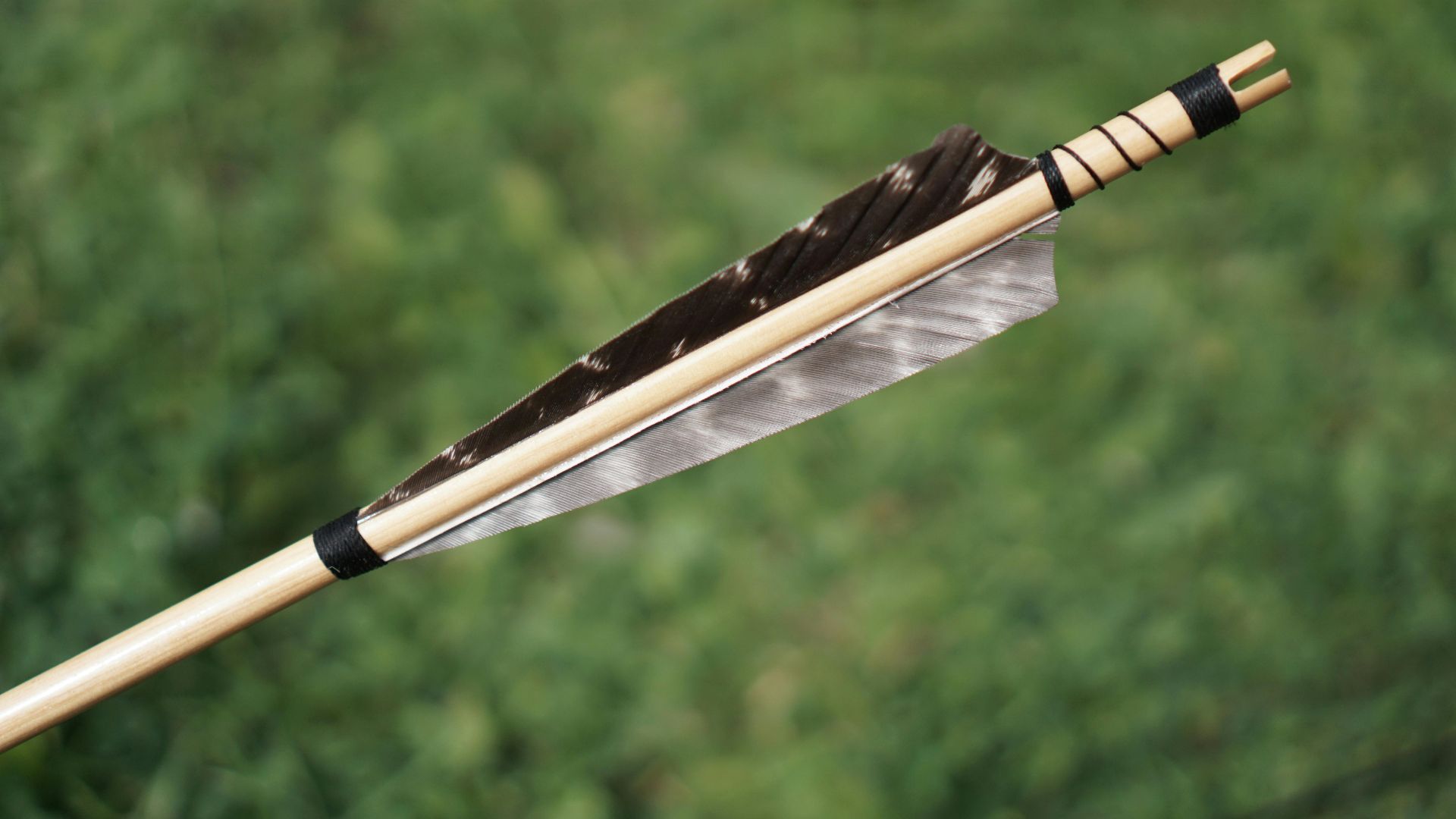
The Arrow Paradox is one of many paradoxes theorized by the ancient Greek philosopher, Zeno of Elea. In this paradox, he tackles the concept of time. Take, for example, an arrow in flight. At any instance of time, the arrow is stationary, because it is neither moving to where it isn't nor where it is. In his conclusion, the arrow is motionless.
9. Mary's Room
Mary's Room is a thought experiment challenging physicalism (that everything is physical) by Frank Jackson, in which a scientist named Mary, who lives in a black-and-white room, has never experienced color herself even though she has learned all the physical information there is to know about it. If she now steps out into a world where color exists, and she learns something new, that means not all knowledge is physical.
10. Missing Shade of Blue
Presented as a counter-argument to his Copy Principle—that all simple ideas are derived from (are "copies" of) real-world impressions—David Hume's Missing Shade of Blue states that, sometimes, our imagination can provide us with a shade we've never directly experienced. Imagine a spectrum of blue where you've seen all shades but one; despite not knowing that shade, your mind can still "fill in" the color, even though you've never seen it and you're not merely taking it from something you've experienced in the real world. Philosophers have been stumped and confused by this thought experiment, as it seems to contradict Hume's earlier argument (Copy Principle).

11. Pascal's Wager
Do you believe in God? If you don't, Pascal's Wager might just sway you in the opposite direction. Proposed by French mathematician and philosopher Blaise Pascal, the idea of his wager is that you should believe in God and life as if he exists. Why? Because the odds work better in that way. If God does indeed exist, you have much more to gain, such as Heaven and eternal happiness. If he doesn't exist, you won't lose anything, anyway.

12. Allegory of the Cave
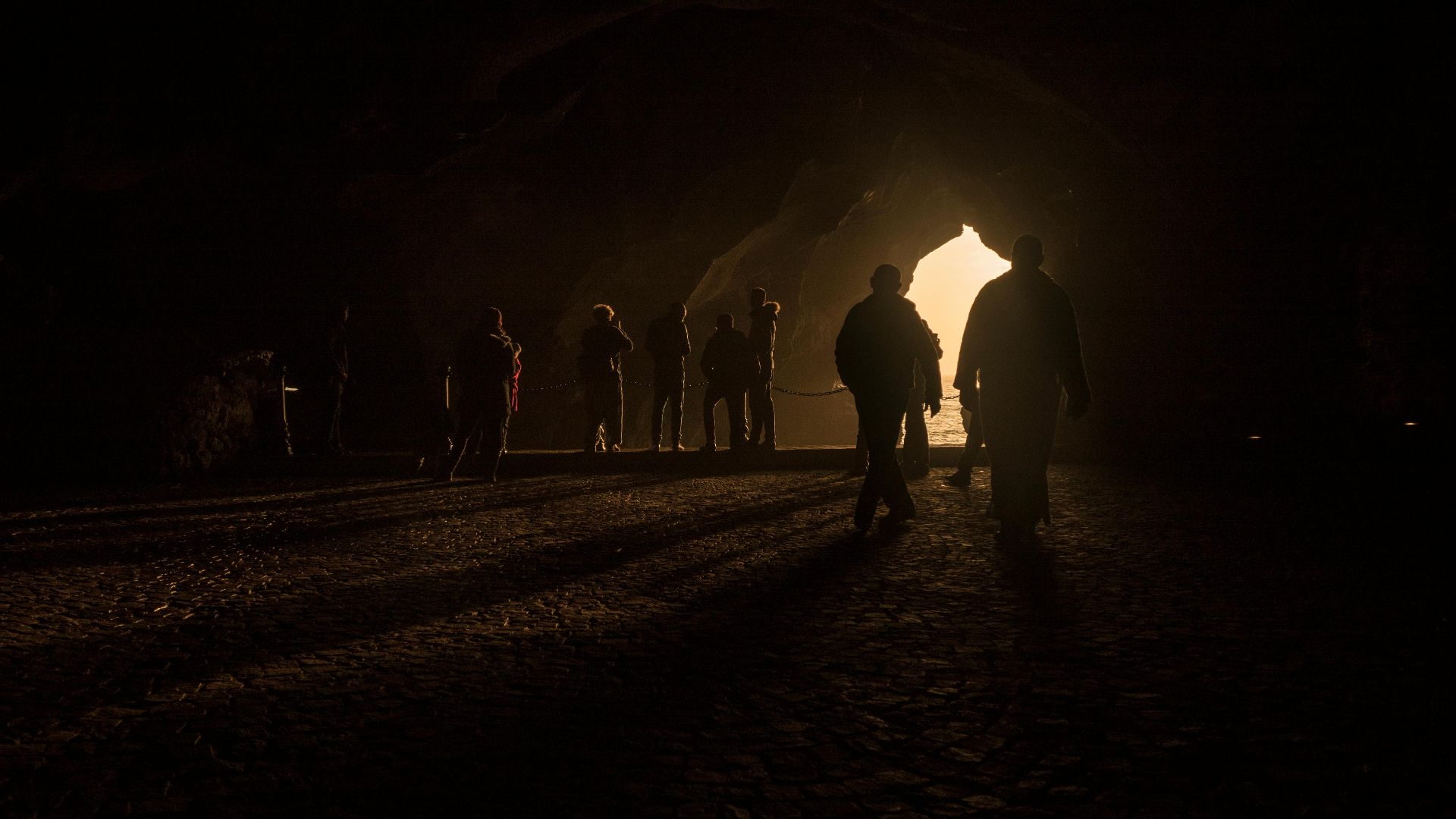
Imagine prisoners in a cave who have only ever seen shadows projected onto the walls for their entire lives. For this reason, those shadows become their reality. Until one prisoner gets released, and it's only once he explores the real world that he realizes that what he saw in the cave was mere illusions, and not an accurate representation of reality at all. This thought experiment, known famously as Plato's Allegory of the Cave, goes to show that sometimes we can be limited by what we think we know and what we don't yet know, and encourages us to explore the difference between belief and knowledge.
13. The Vionlinist
In 1971, Judith Thompson made an argument in her essay, A Defense of Abortion, and drummed up this thought experiment. Imagine that you wake up in the morning and find yourself next to an unconscious, famous violinist who has a kidney problem. Because you are the only person who has their blood type, you've been kidnapped and your circulatory systems have been connected so that your kidneys can help them. In nine months, they will have fully recovered and can safely be disconnected from you; if you do it now, they will die. Are you obligated to keep them alive, or can you unplug them from you at any time?

14. Buridan's Donkey
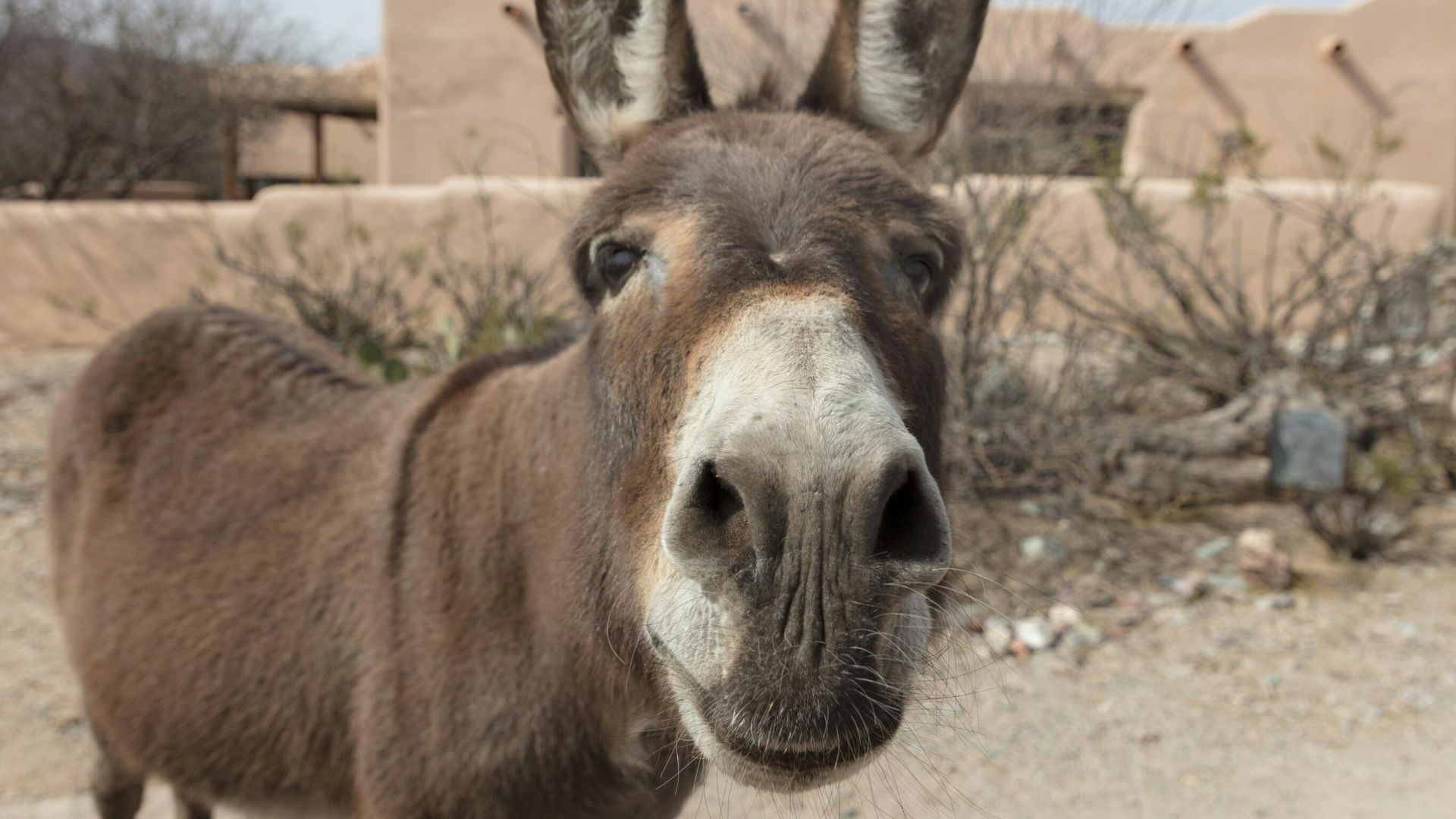
Though this thought experiment is named after 14th-century French philosopher Jean Buridan, it's been brought up before, most notably by Aristotle, though using different analogies. It illustrates the paradox of free will, and goes as follows: imagine a donkey that is equally hungry and parched, with a stack of hay and a pail of water placed on either side of it at equal distances away. Because the paradox assumes it can't make a rational decision and wants both equally as much, it dies of both starvation and thirst.
 Carol Highsmith's America on Unsplash
15. The Veil of Ignorance
The Veil of Ignorance is a thought experiment proposed by American philosopher John Rawls, which first appeared in his 1971 book, A Theory of Justice. In this thought experiment, he asks the reader to imagine a world where you're starting from scratch. You can make up any rules you want and distribute power and wealth as you see fit. However, you don't know your own race, gender, religion, class, or abilities, meaning that once the veil is removed, you may or may not have put yourself in a bad position based on the society you've created. This experiment goes to show that we're more likely to promote fairness if we don't know how those decisions will affect us.  Etactics Inc on Unsplash
16. Swapman
The Swapman thought experiment was created by American philosopher Donald Davidson in 1987. Imagine that a man is walking by a lake and gets hit by a bolt of lightning, which disintegrates him. Miraculously, however, another lightning strike at the same time rearranges some molecules that construct the same exact copy of the man and hits a marsh. A "Swampman" emerges, and is identical to the man who was killed in every way. Is this swamp being the same person as the man? Davidson himself says no—the swamp being, for one, has no causal history, and therefore can't be the same as the person who was disintegrated.

17. The Impossible Barber
Imagine a barber who is very particular about his job. He only shaves people who don't shave themselves, and he won't take clients who do shave themselves. So, what about the barber? Does he shave himself? You'll very quickly realize the contradiction: if he does, he can't; if he doesn't, he has to. This thought experiment is often used to illustrate a mathematical paradox proposed by Bertrand Russell in 1901.

18. Prisoner's Dilemma
The prisoner's dilemma is a puzzle invented by two scientists, Merrill Flood and Melvin Dresher, in 1950. The experiment goes as follows: imagine two prisoners who have been arrested for robbing a bank and are detained in separate cells, away from each other. They can't communicate, and both are more interested in their own freedom than in the freedom of the other. A prosecutor comes up with a plan and tells them they have three choices: if person A chooses to confess while person B remains silent, A is free to go while B does their time; the same goes for if B were to confess and A stays silent. If both A and B confess, they'll both be convicted, but they'll receive early parole. If both A and B stay silent, they'll both get sentences for firearm possession charges. The idea is that both prisoners are better off confessing than staying silent, but the outcome is worse if they both do than if they both remain silent.

19. The Beetle in a Box
The Beetle in a Box is a thought experiment by British philosopher Ludwig Wittgenstein, which appeared in Philosophical Investigations, a 1953 book that was published after his death. The experiment tries to explore the idea of private language, where individuals carry around a box and go around describing the contents of their box as "beetle." No one else can see what's inside the box other than themselves, and the box could contain anything—a beetle, a coin, or nothing at all. Wittgenstein's point is that it doesn't matter what the contents are; over time, everyone will know that "beetle" refers to the thing inside a person's box.

20. The Life You Can Save
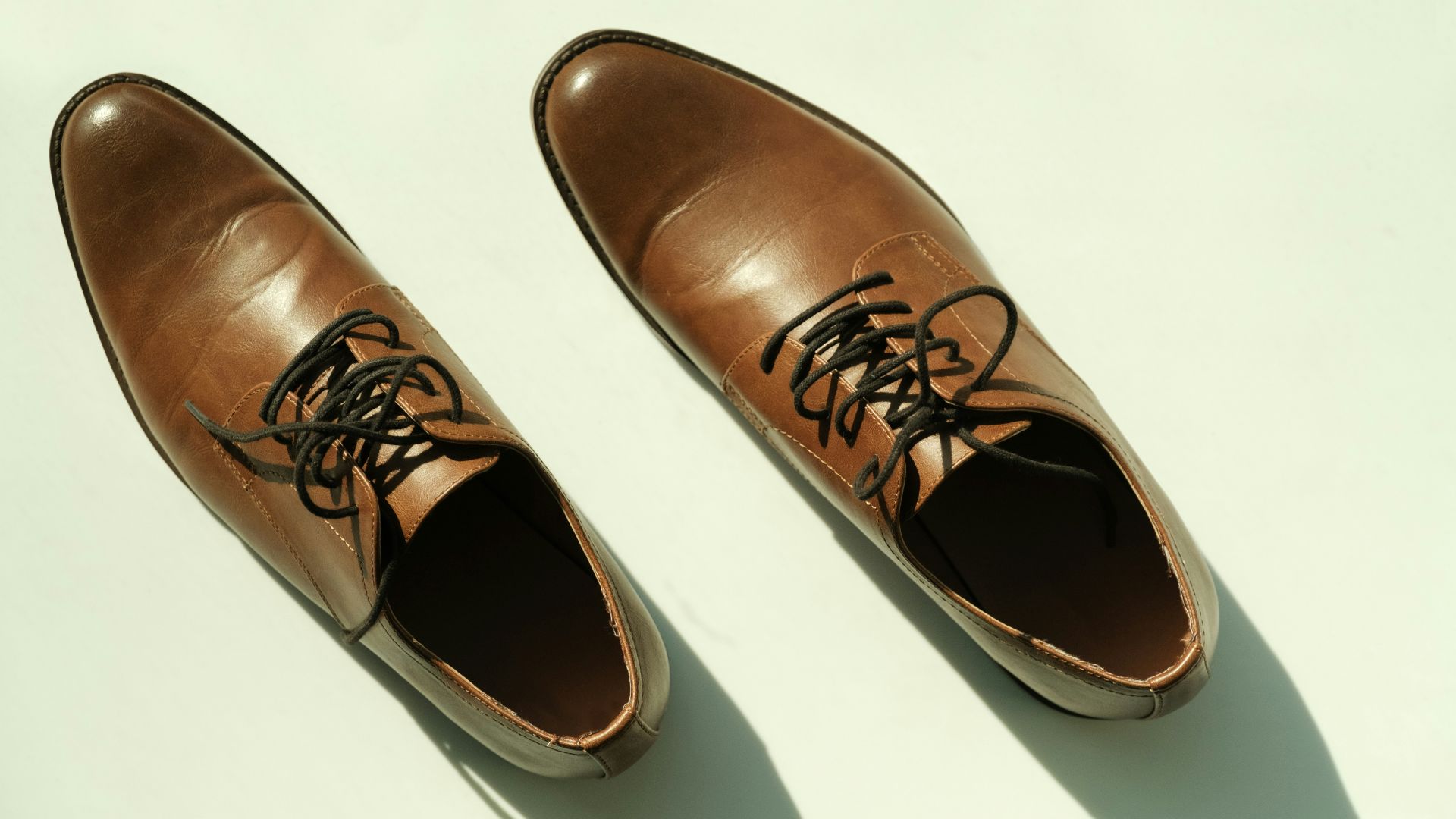
Though only less than two decades old, this 2009 thought experiment by American philosopher Peter Singer is another one worth pondering. Imagine that you encounter a child drowning in a lake. You're a great swimmer and you're close enough to her that if you were to jump in right now, you could safely bring her back out of danger. However, going into the water would ruin your expensive shoes. Would you save the child? While the answer might sound obvious, Singer argues that if you choose to save this child, then you should also choose to save a child who lives on the other side of the world. The ruined shoes in this experiment are analogous to the cost of a donation.
KEEP ON READING
The story of Ching Shih, the Woman Who Became the…
Unknown author on WikimediaFew figures in history are as feared…
By Emilie Richardson-Dupuis Dec 29, 2025
Einstein's Violin Just Sold At An Auction—And It Earned More…
A Visionary's Violin. Wanda von Debschitz-Kunowski on WikimediaWhen you hear…
By Ashley Bast Nov 3, 2025
This Infamous Ancient Greek Burned Down An Ancient Wonder Just…
History remembers kings and conquerors, but sometimes, it also remembers…
By David Davidovic Nov 12, 2025
The Mysterious "Sea People" Who Collapsed Civilization
3,200 years ago, Bronze Age civilization in the Mediterranean suddenly…
By Robbie Woods Mar 18, 2025
Was the Mad Gasser of Mattoon a Collective Hallucination?
Unknown author on WikimediaIn September of 1944, residents of the…
By Christy Chan Jun 30, 2026
20 Soldiers Who Defied Expectations
Changing the Rules of the Battlefield. You’ve probably heard plenty…
By Annie Byrd Feb 10, 2026