

10 Historical Figures Who Were Famous For Their Love of Dogs & 10 Who Were Cat People
10 Historical Figures Who Were Famous For Their Love of Dogs & 10 Who Were Cat People
Pets With a Side of History
Some historical figures were remembered for speeches, battles, books, or big ideas, but a surprising number of them also had a very clear stance on pets. Even the busiest world leaders who were running countries and seemed larger than life had a soft spot for their fuzzy companions. While some of them were staunchly dog people, others were team cat. Here are 10 famous dog lovers and 10 notable cat people, along with the stories that made their preferences stick.
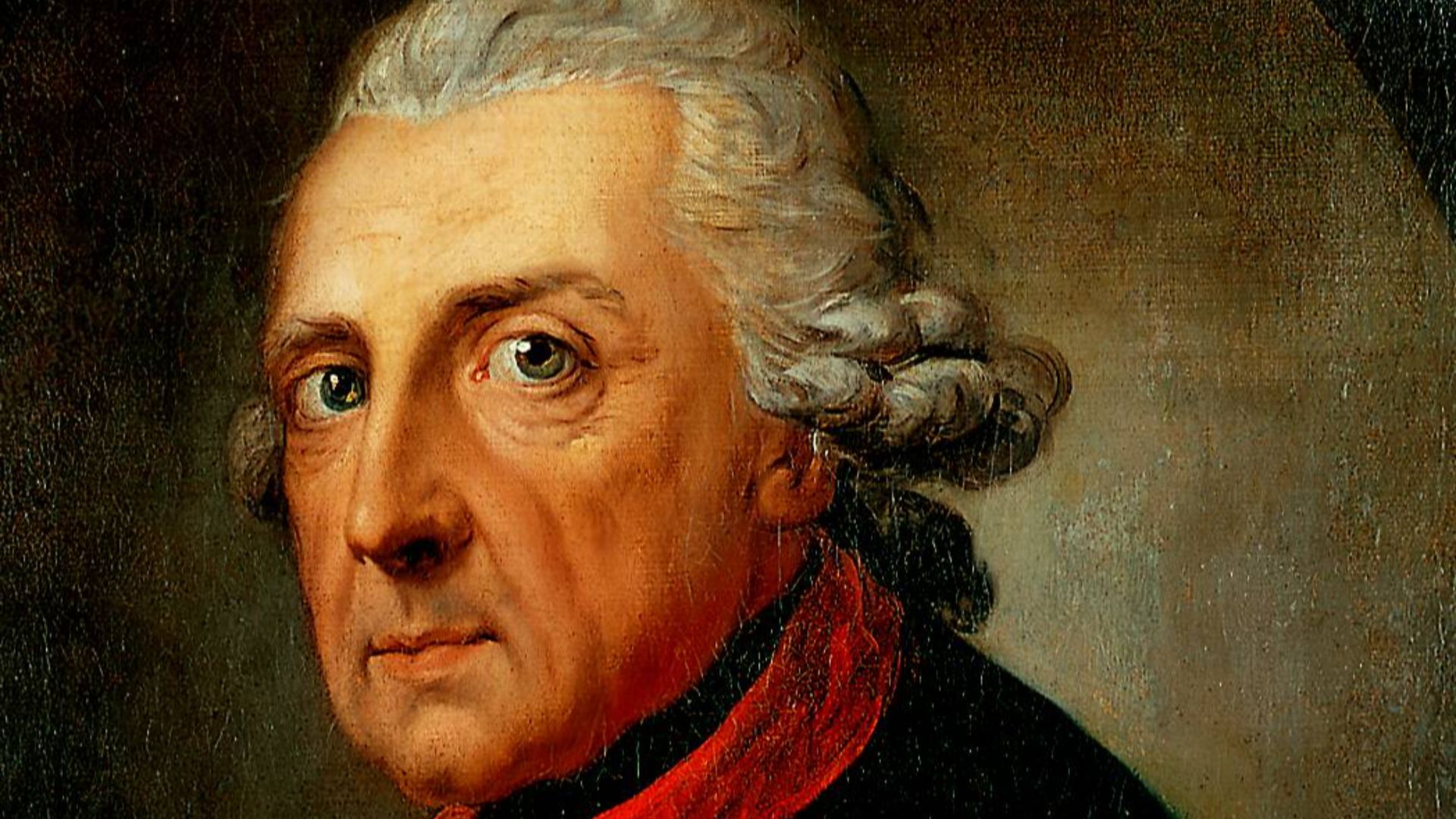
1. Frederick the Great
Frederick the Great was famously devoted to his Italian greyhounds, treating them as constant companions rather than decorative court pets. Legend and historical accounts often mention that he even wanted to be buried near them at Sanssouci.
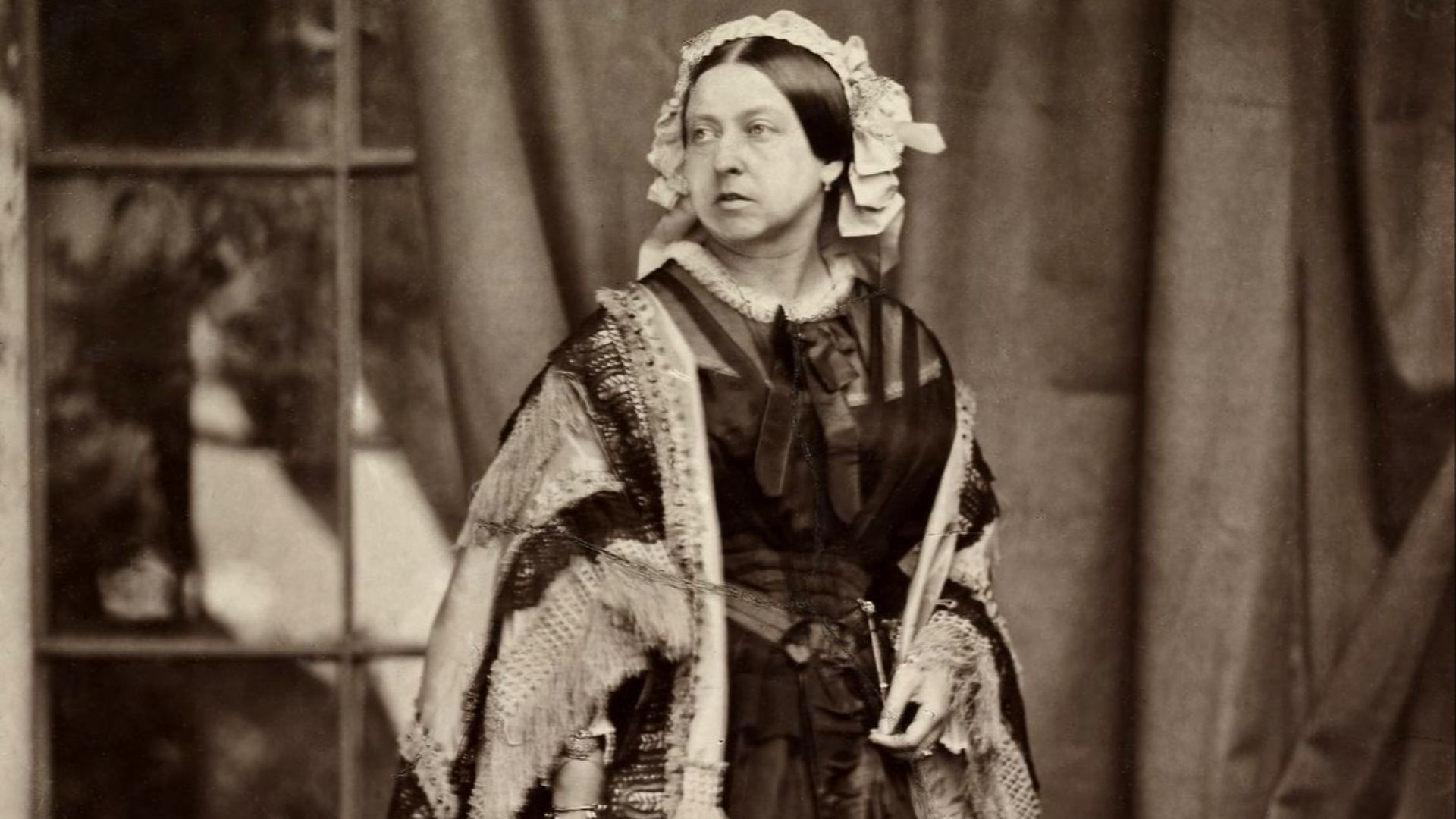
2. Queen Victoria
Queen Victoria’s spaniel Dash is remembered as her cherished childhood companion, and his story is so well-known that it has its own long paper trail. Dash wasn’t just a cute detail in her life; he was part of her emotional world while she was growing up, and he played an important role in shaping the future queen.
 John Jabez Edwin Mayall on Wikimedia
3. Lord Byron
Byron didn’t hide his affection for his Newfoundland dog, Boatswain. When the dog contracted rabies, Byron nursed him himself until the end. Deeply affected by his death, Byron wrote “Epitaph to a Dog” in his memory and had a large, elaborate tomb erected for him at Newstead Abbey.
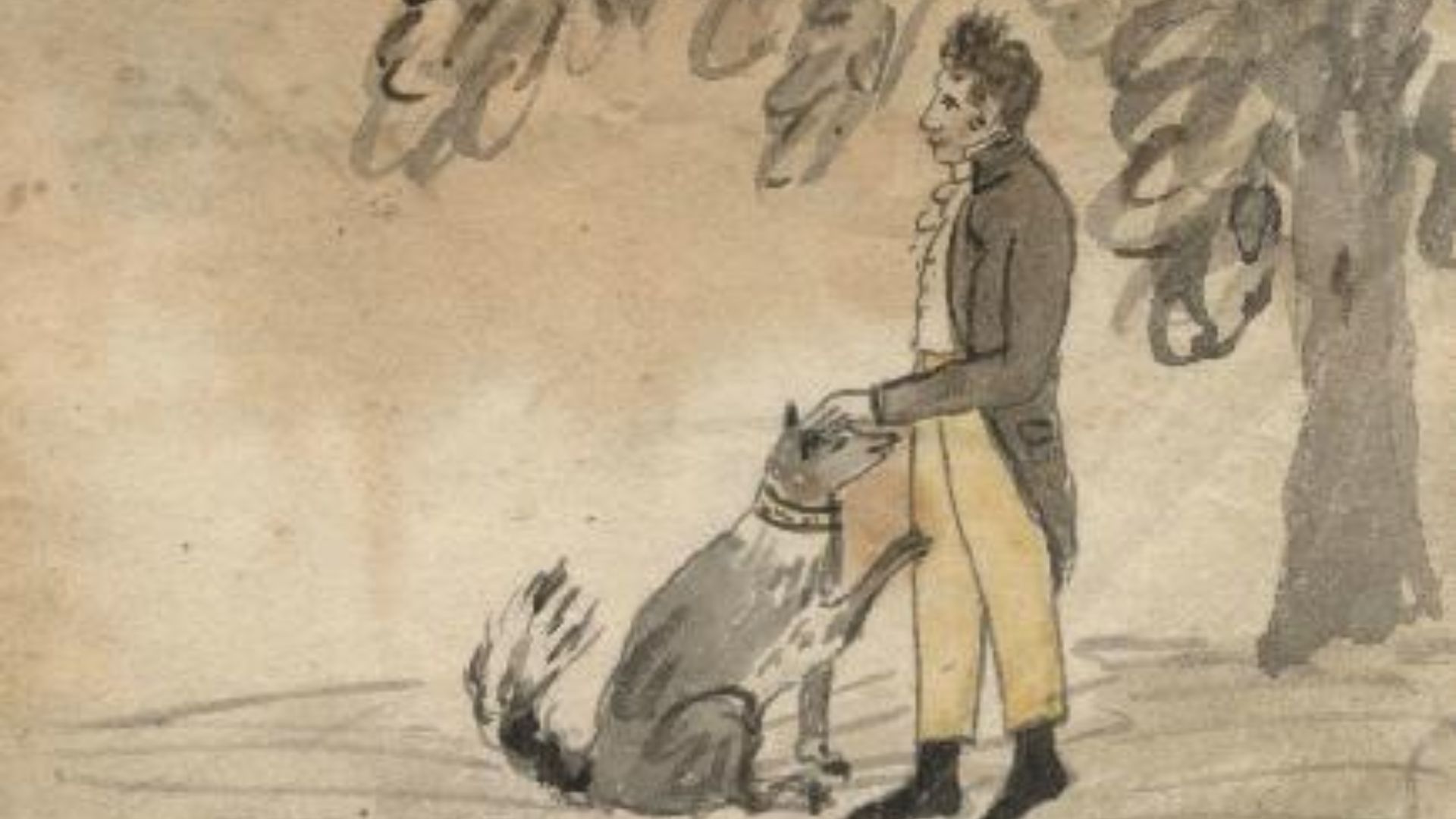 Elizabeth Bridget Pigot on Wikimedia
4. George Washington
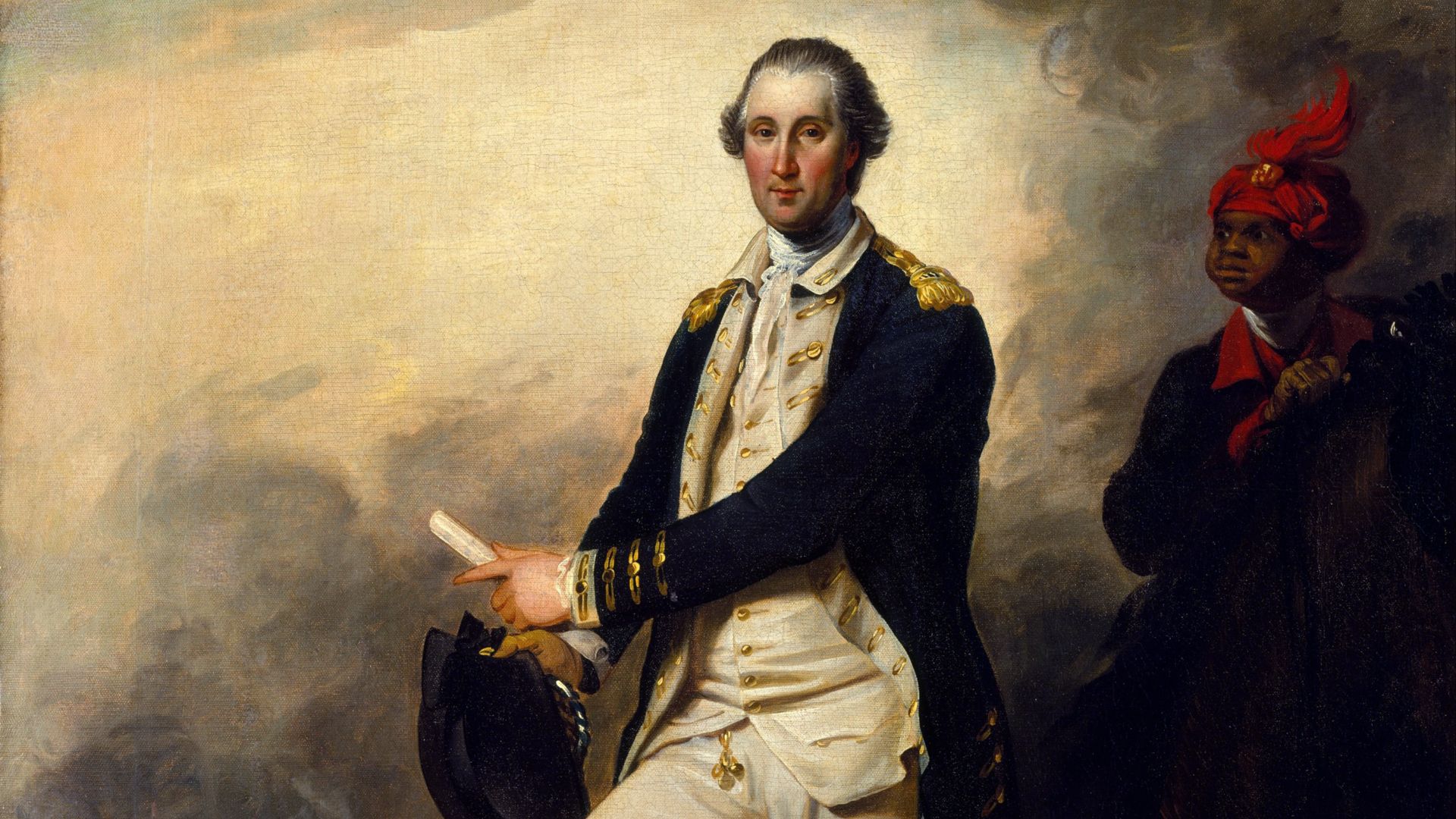
George Washington’s relationship with dogs wasn’t a casual hobby. He had over 30 hounds at Mount Vernon and even got into dog breeding, playing a key role in developing the American Foxhound breed. He was also famously creative with naming them, Mopsey, Countess, and Ragman being just some examples.
5. Theodore Roosevelt
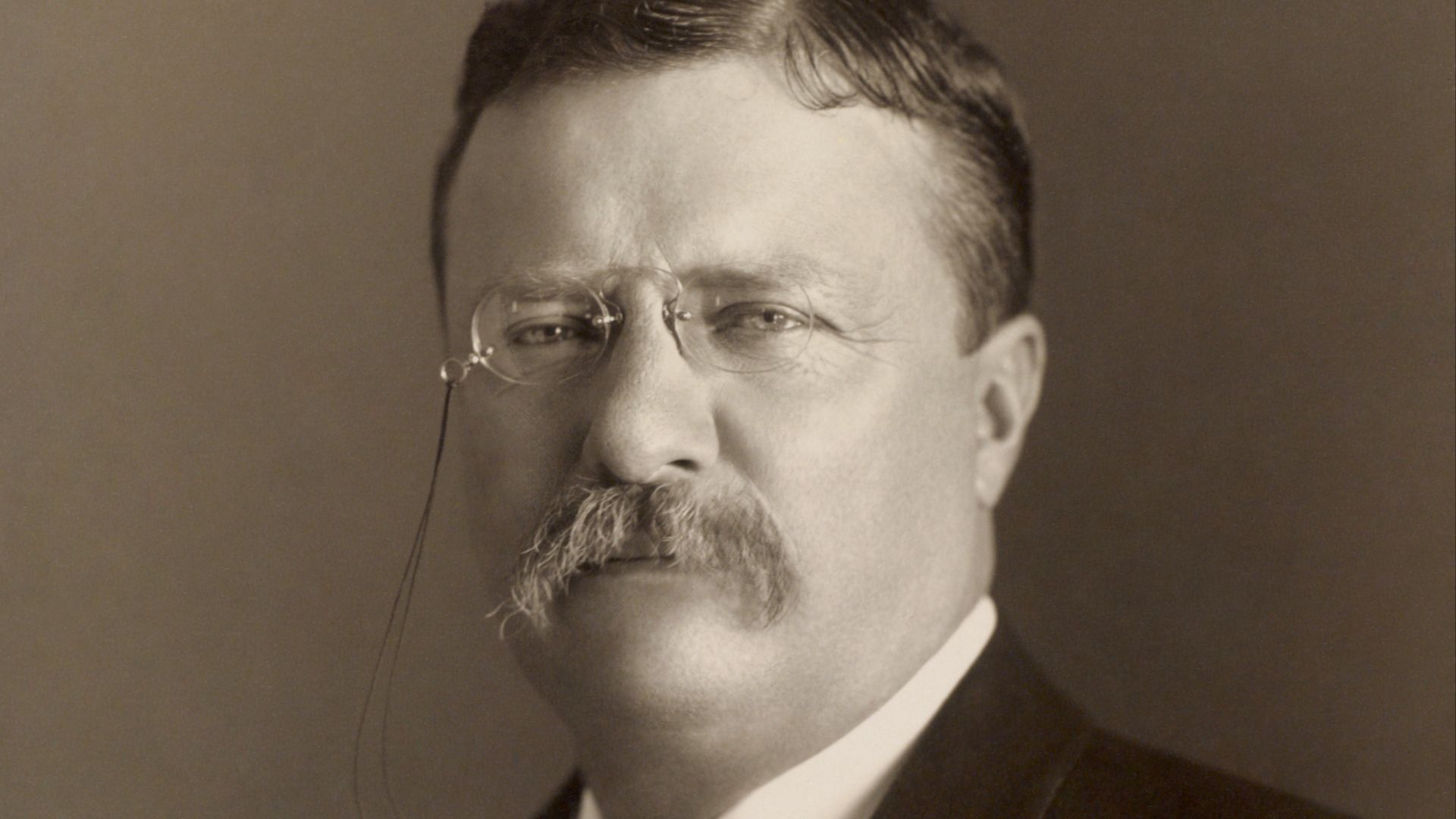
The Roosevelt family basically ran a pet-filled household, and their dogs were a big part of the story. The National Park Service notes multiple Roosevelt dogs by name, which tells you how central they were to the family’s public lore. When a president’s home life includes that much canine chaos, the dog-lover reputation practically writes itself.
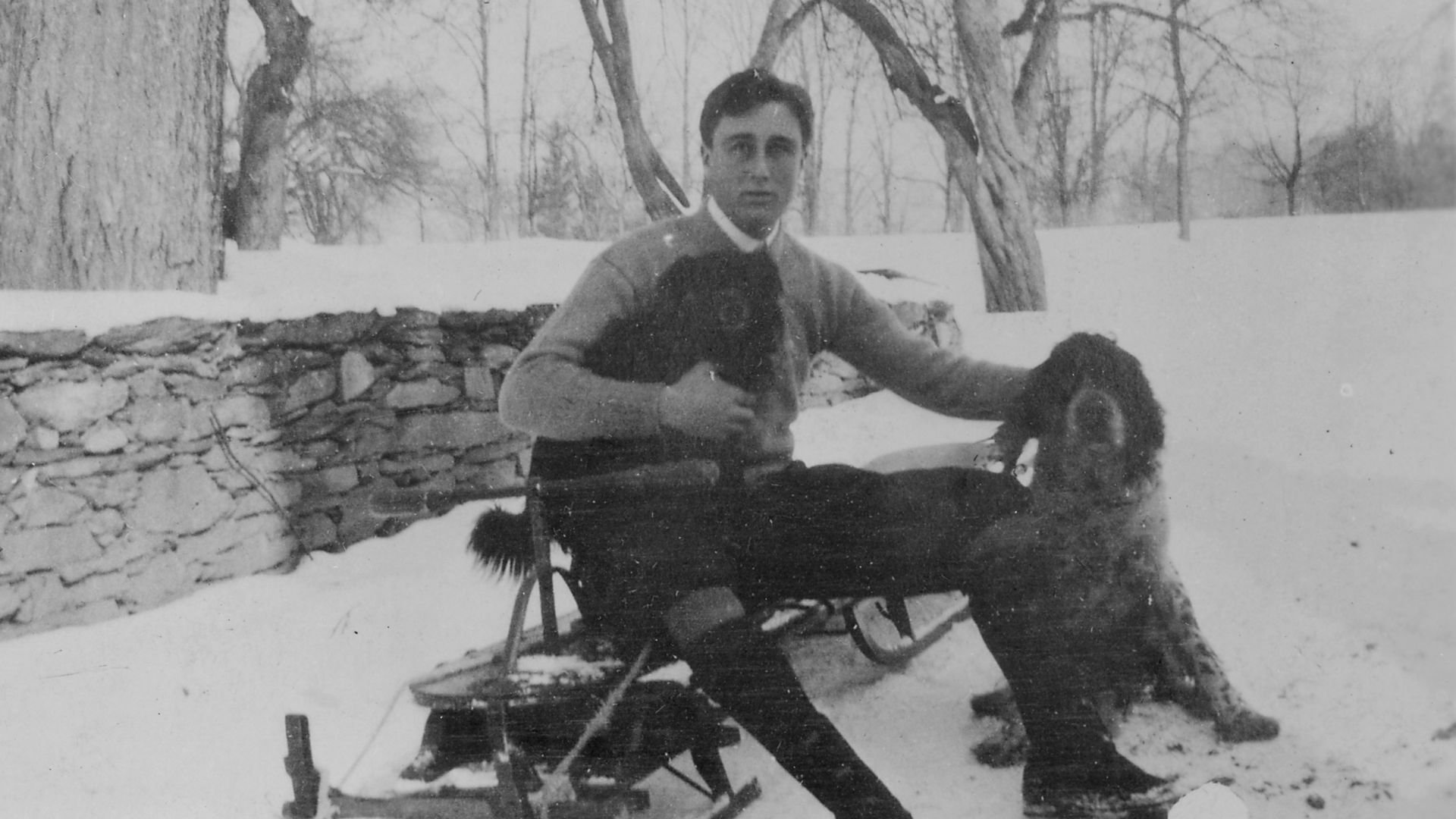
6. Franklin D. Roosevelt
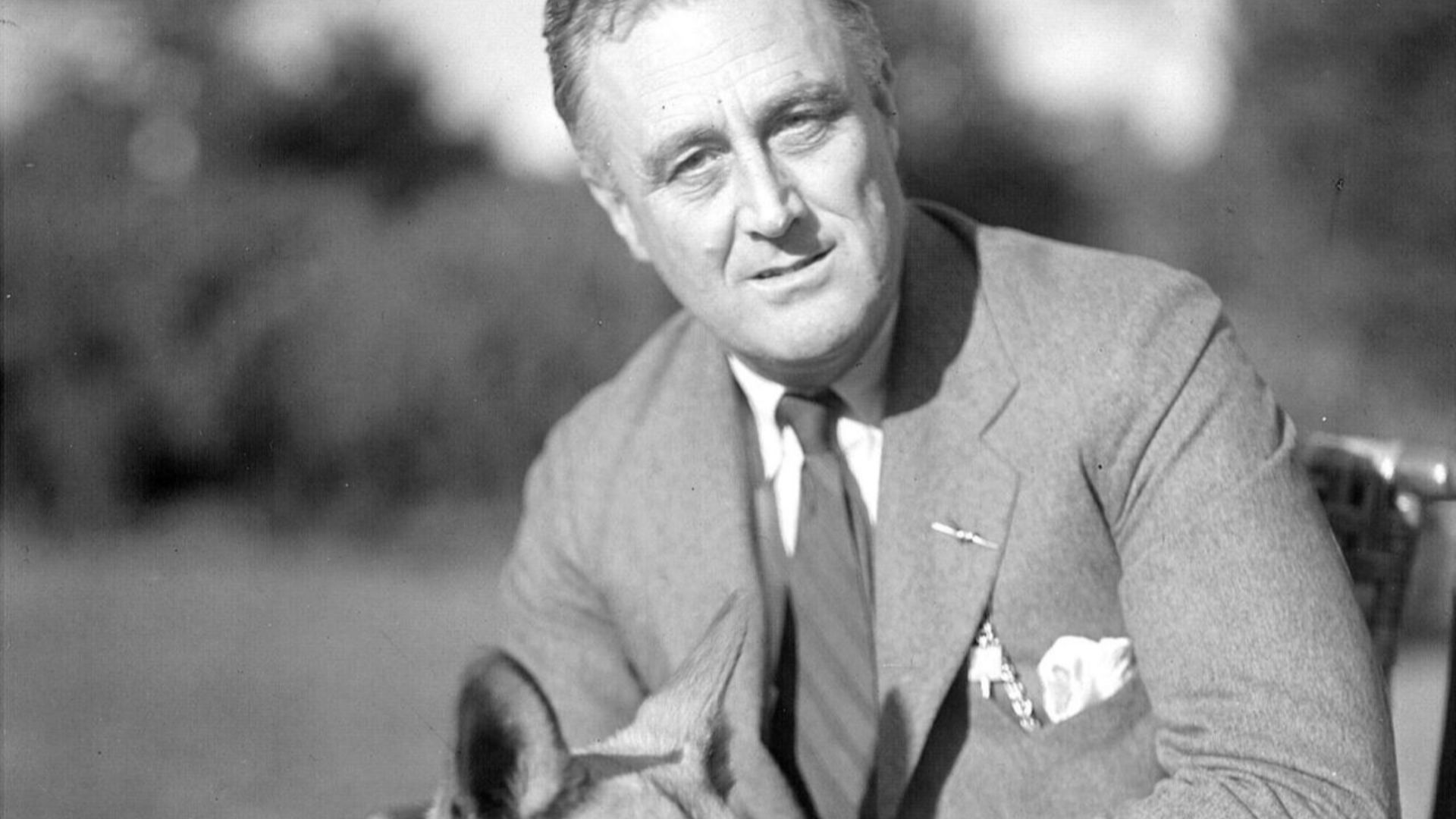
FDR’s Scottish Terrier, Fala, became famous enough to turn into a public figure in his own right. He traveled with Roosevelt, appeared in media stories, and later even earned a place in a memorial sculpture beside his owner.
7. Queen Elizabeth II
Queen Elizabeth II’s love of corgis became one of the most recognizable personal details of her public image. Reports on her long-running corgi tradition describe decades of ownership and the way the breed became linked to her identity.
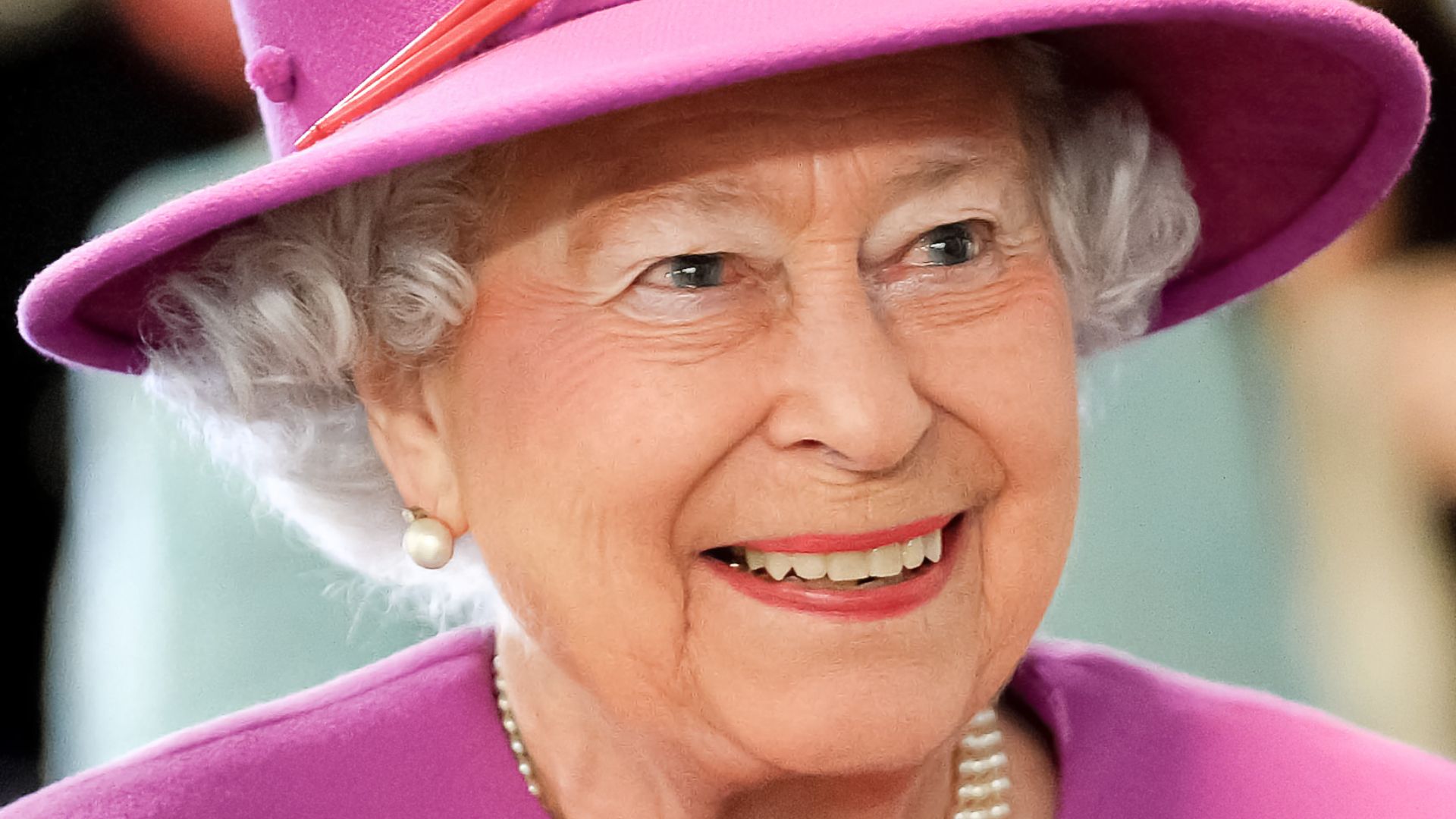 Joel Rouse/ Ministry of Defence on Wikimedia
8. Helen Keller
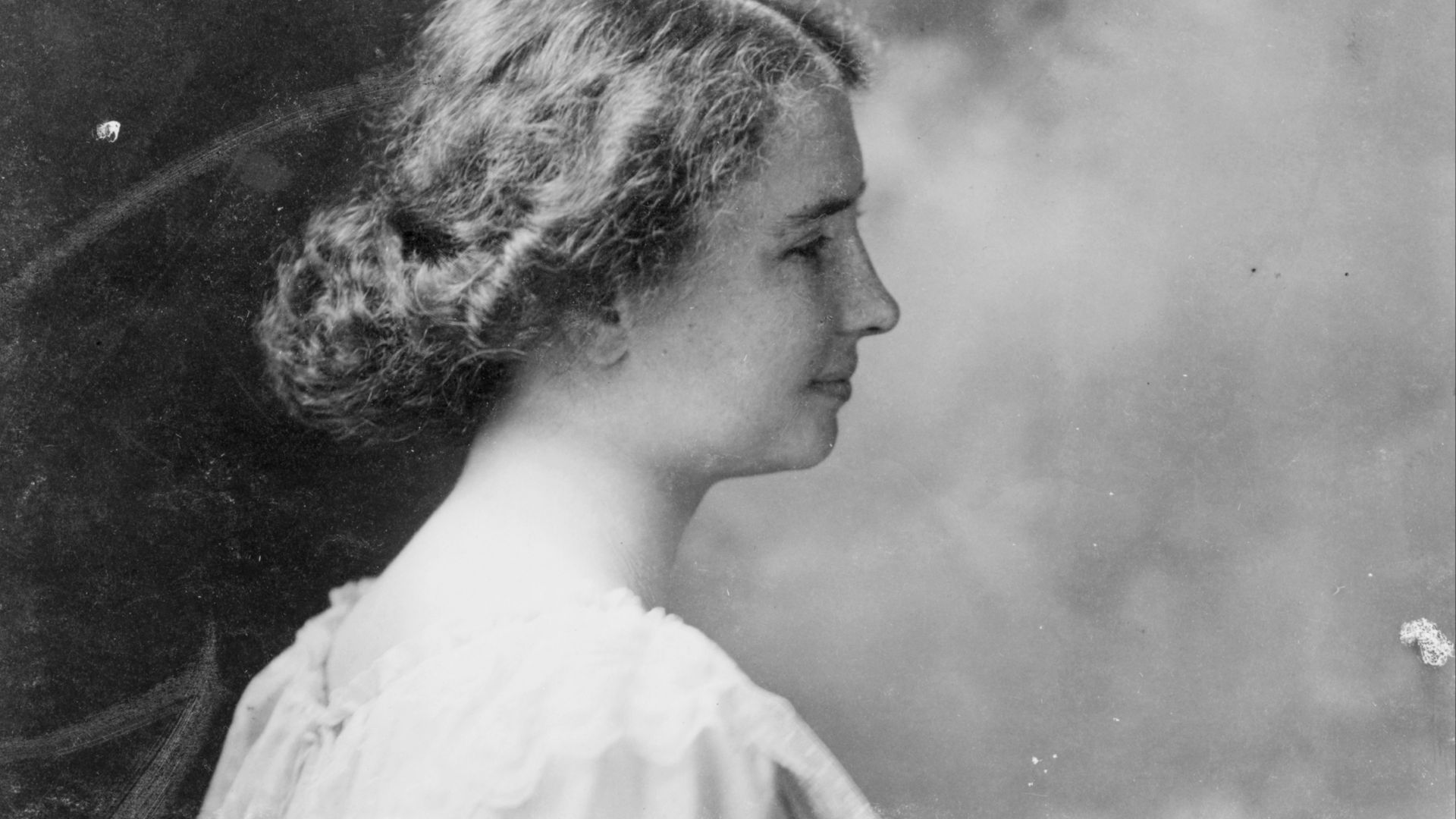
Helen Keller saw her dogs as essential, trusted companions that provided comfort and unconditional love throughout her life. When she visited Japan, she was gifted an Akita puppy, which she brought home, introducing the breed to the U.S.
9. Sigmund Freud
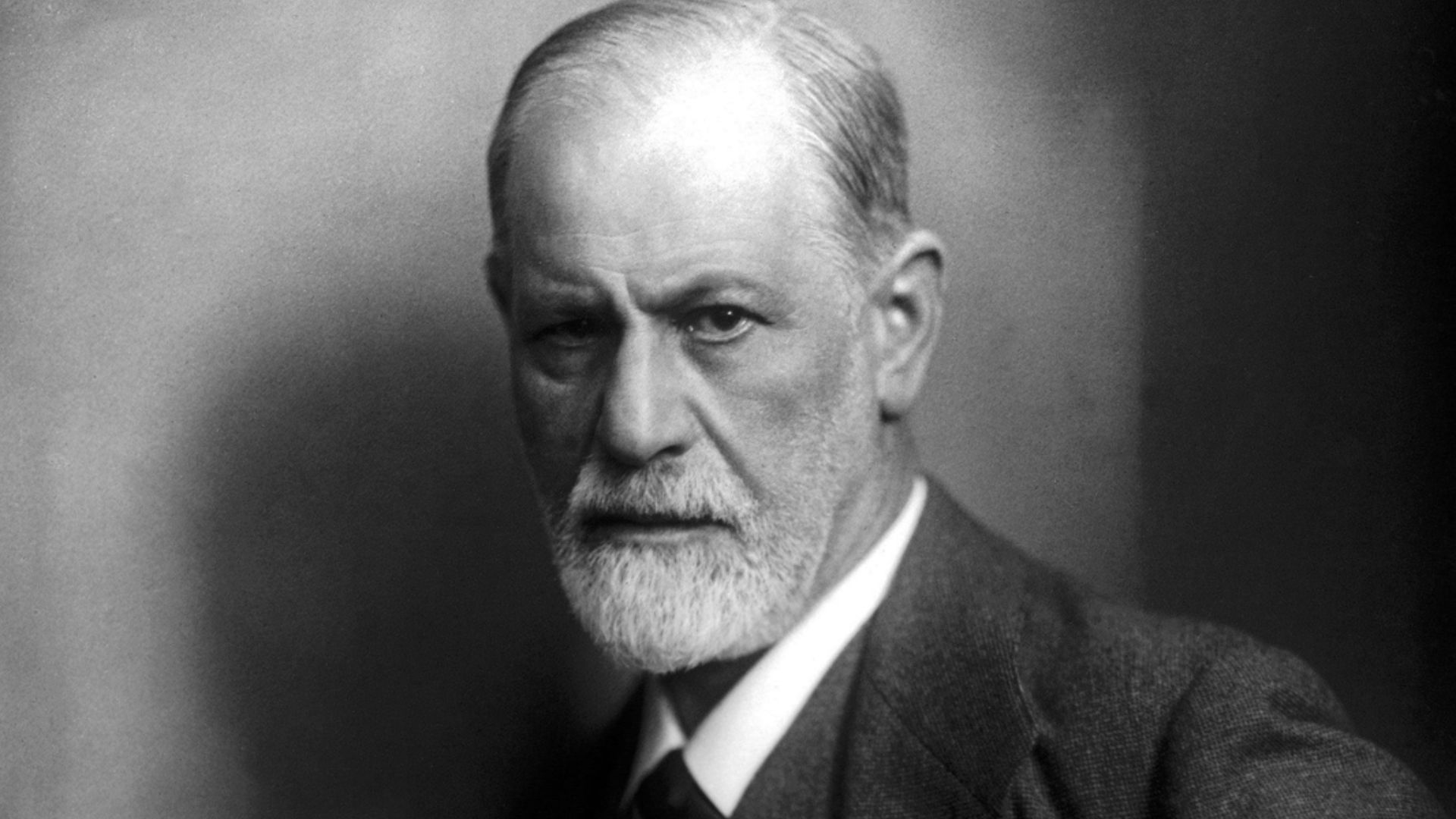
Freud’s chow chow Jofi wasn’t only a pet in the background, but she became part of his day-to-day world memorably. He used his dogs, including Jofi, as therapy assistants during patient sessions, believing they had a calming effect.
10. Charles Darwin
Darwin’s life had dogs all through it, and he wasn’t shy about observing them closely. The Darwin Correspondence Project notes that he kept many dogs and treated them as companions at home and in the field. His most beloved dog was a Fox Terrier named Polly.
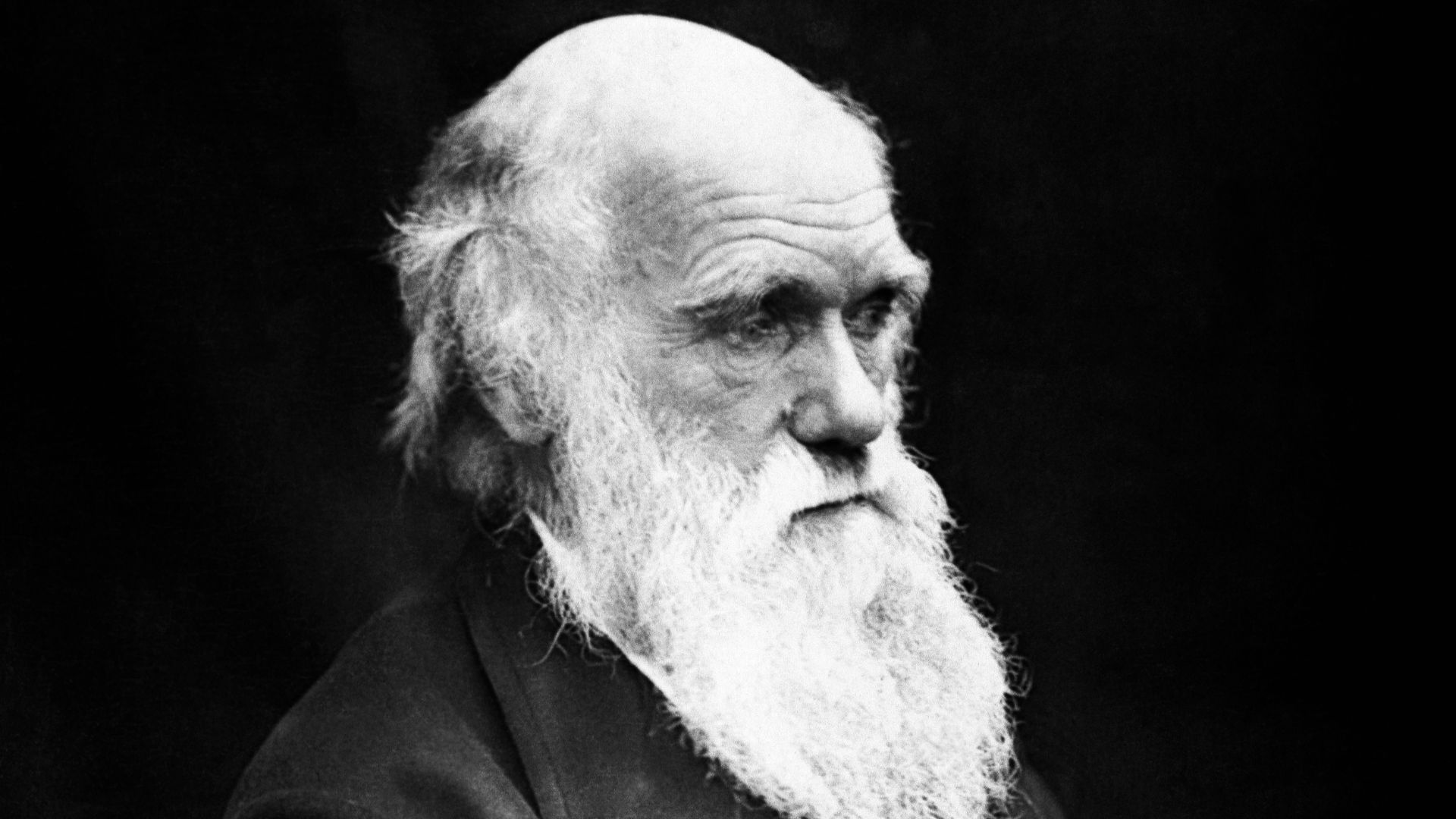 Julia Margaret Cameron on Wikimedia
Now that we've covered the historical figures who were famously dog people, let's talk about the ones who had a love for felines.
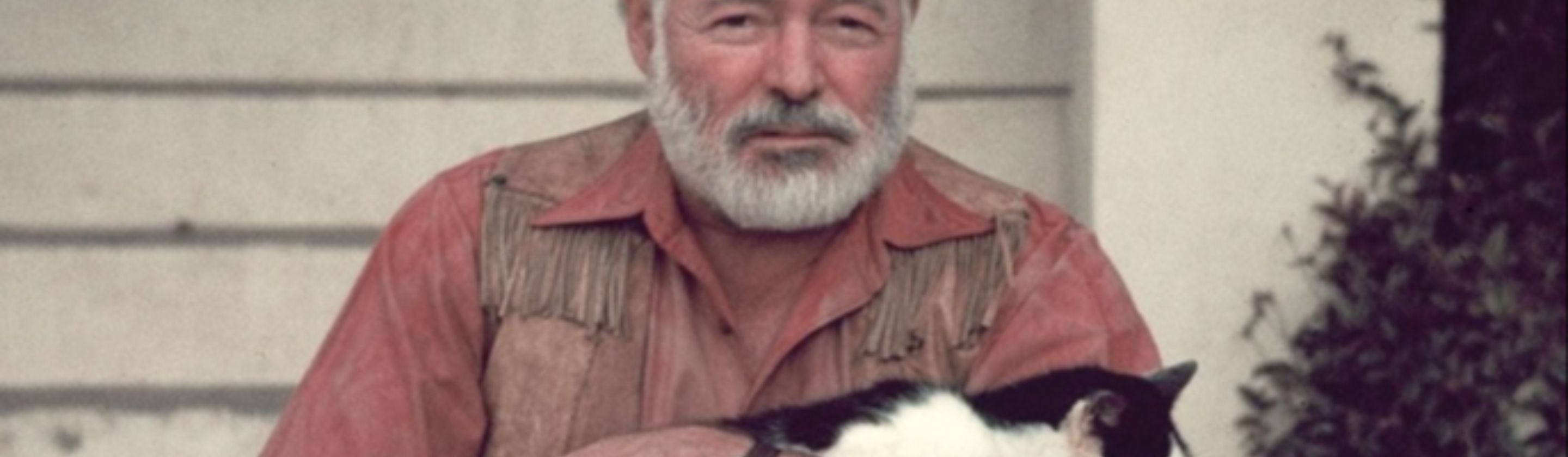
1. Ernest Hemingway
A self-professed cat lover, Hemingway famously kept over 50 cats at his Finca Vigía estate in Cuba. Now, his cat's reputation is so strong that it’s basically a tourist attraction. The Hemingway Home & Museum describes how he was given a polydactyl cat and how descendants still live on the property.
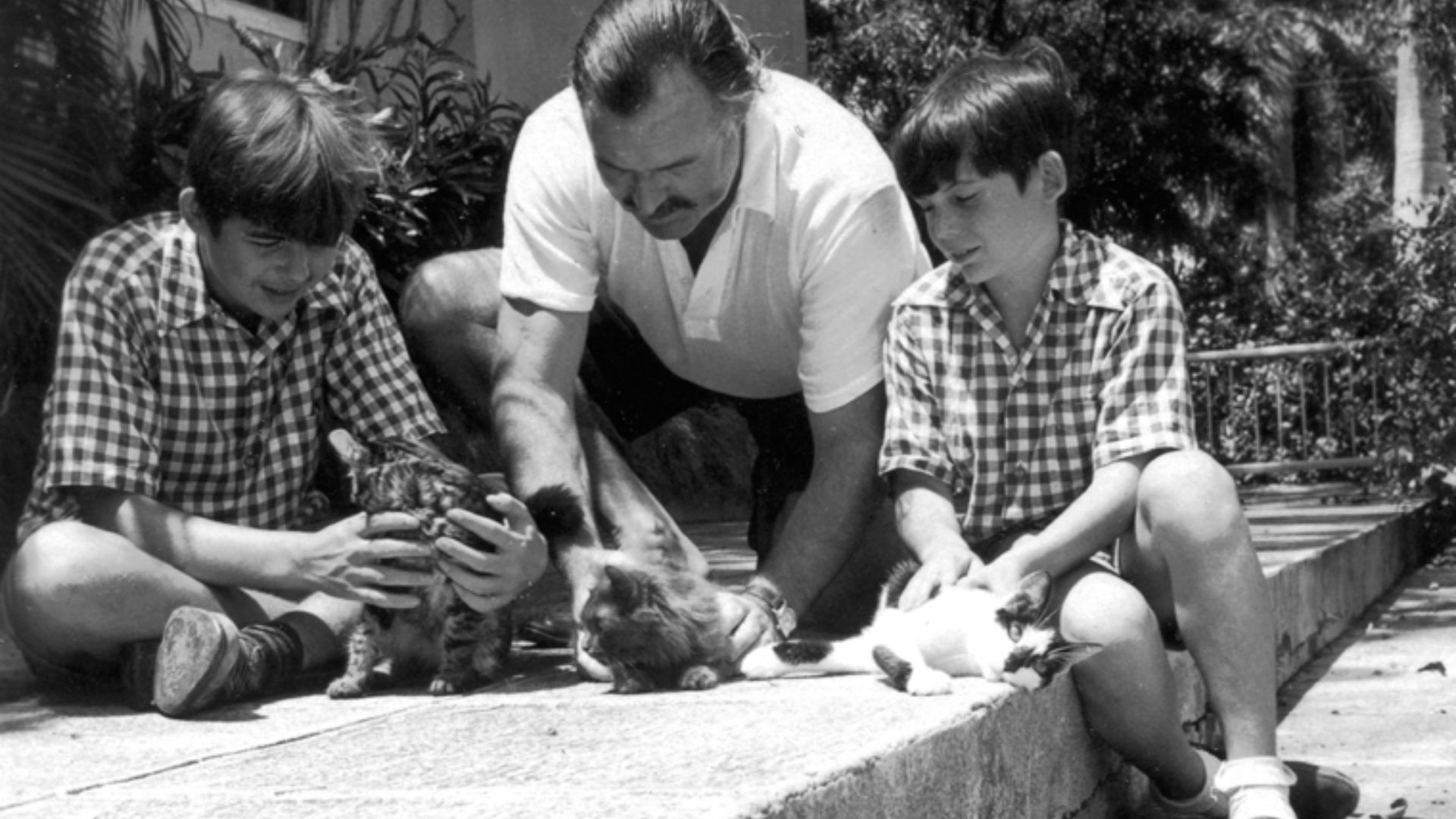 John F. Kennedy Presidential Library and Museum on Wikimedia
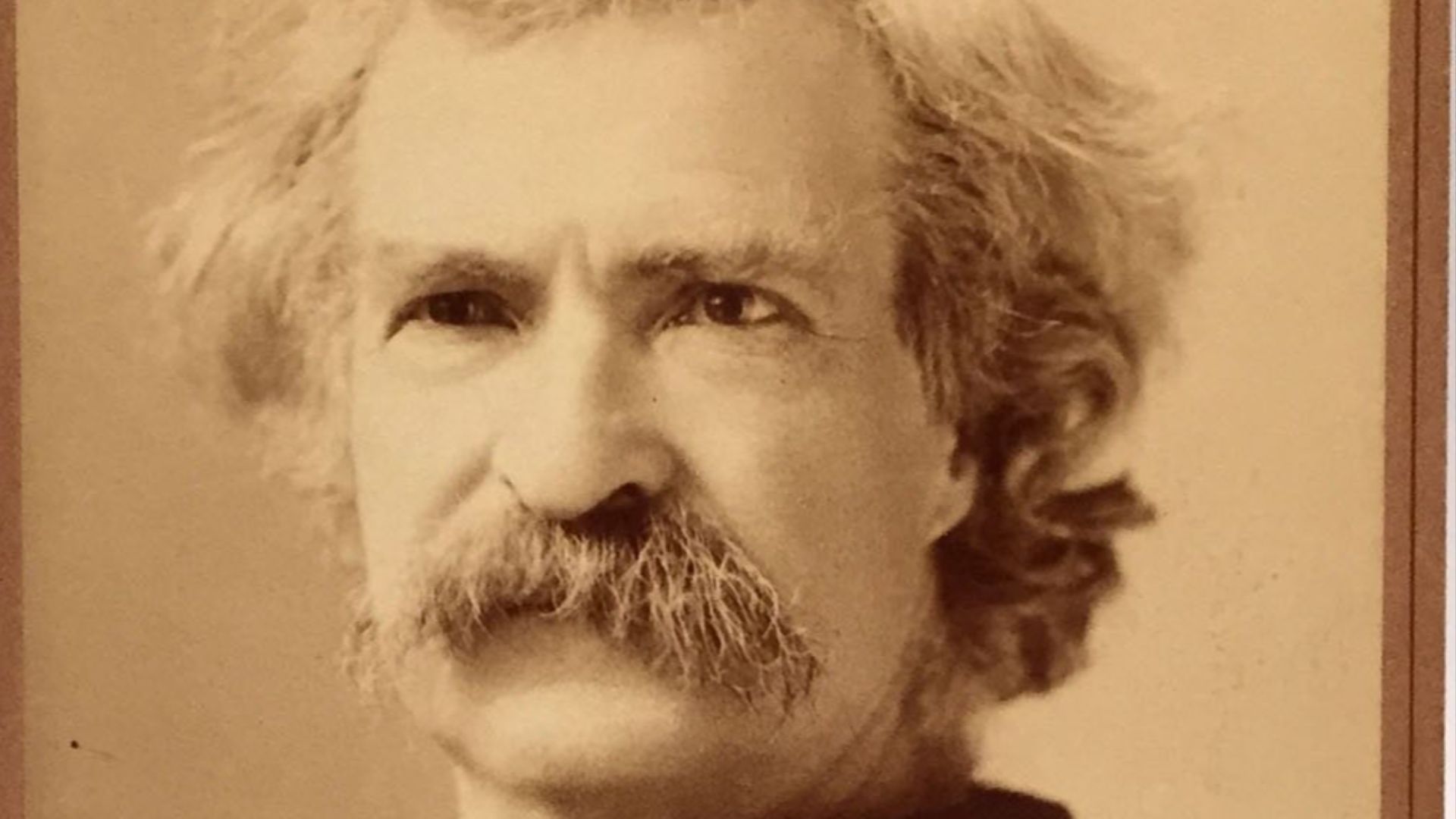
2. Mark Twain
Mark Twain didn’t just like cats; he talked about them like they were obviously superior company. Smithsonian coverage notes his many cats and their colorful names. He famously wrote: "When a man loves cats, I am his friend and comrade, without further introduction."
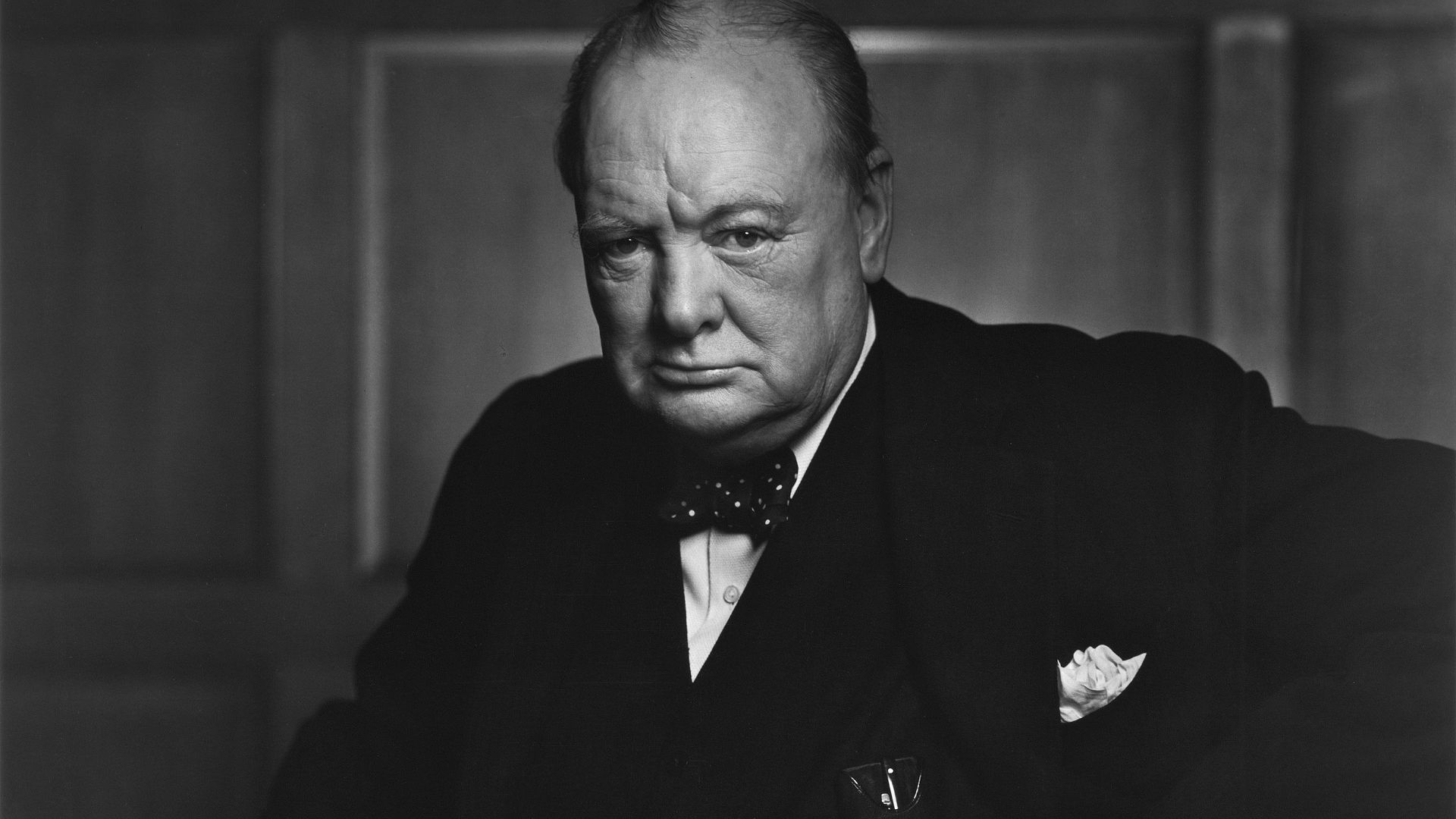
3. Winston Churchill
Churchill is often remembered with bulldog symbolism, but he was also very fond of cats. The International Churchill Society mentions cats like Mickey, Tango, and Nelson as part of his world. It’s a reminder that even in serious times, he made room for small comforts with whiskers.
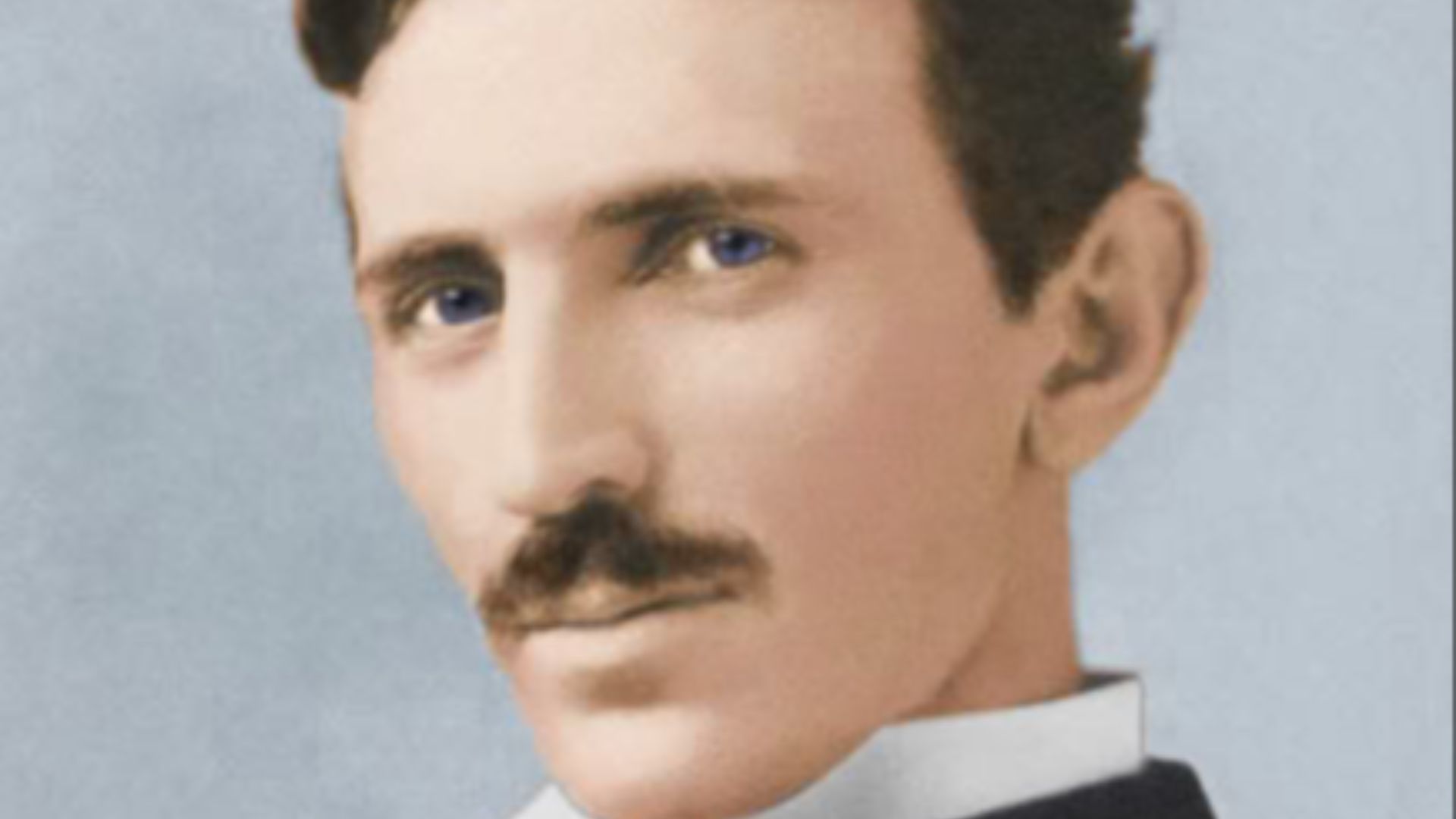
4. Nikola Tesla
Tesla’s affection for a childhood cat named Macak is often retold because it connects emotion with his curiosity about electricity. The story goes that petting Macak and seeing static sparks helped ignite his fascination with electrical phenomena.
5. Cardinal Richelieu
Richelieu’s cat-loving reputation has stayed alive for centuries, which is impressive for a man better known for politics and power. Modern historical writing still points to his 14 household cats as a recognizable part of his personal life and image. Even intimidating public figures have soft spots for cuddly companions.
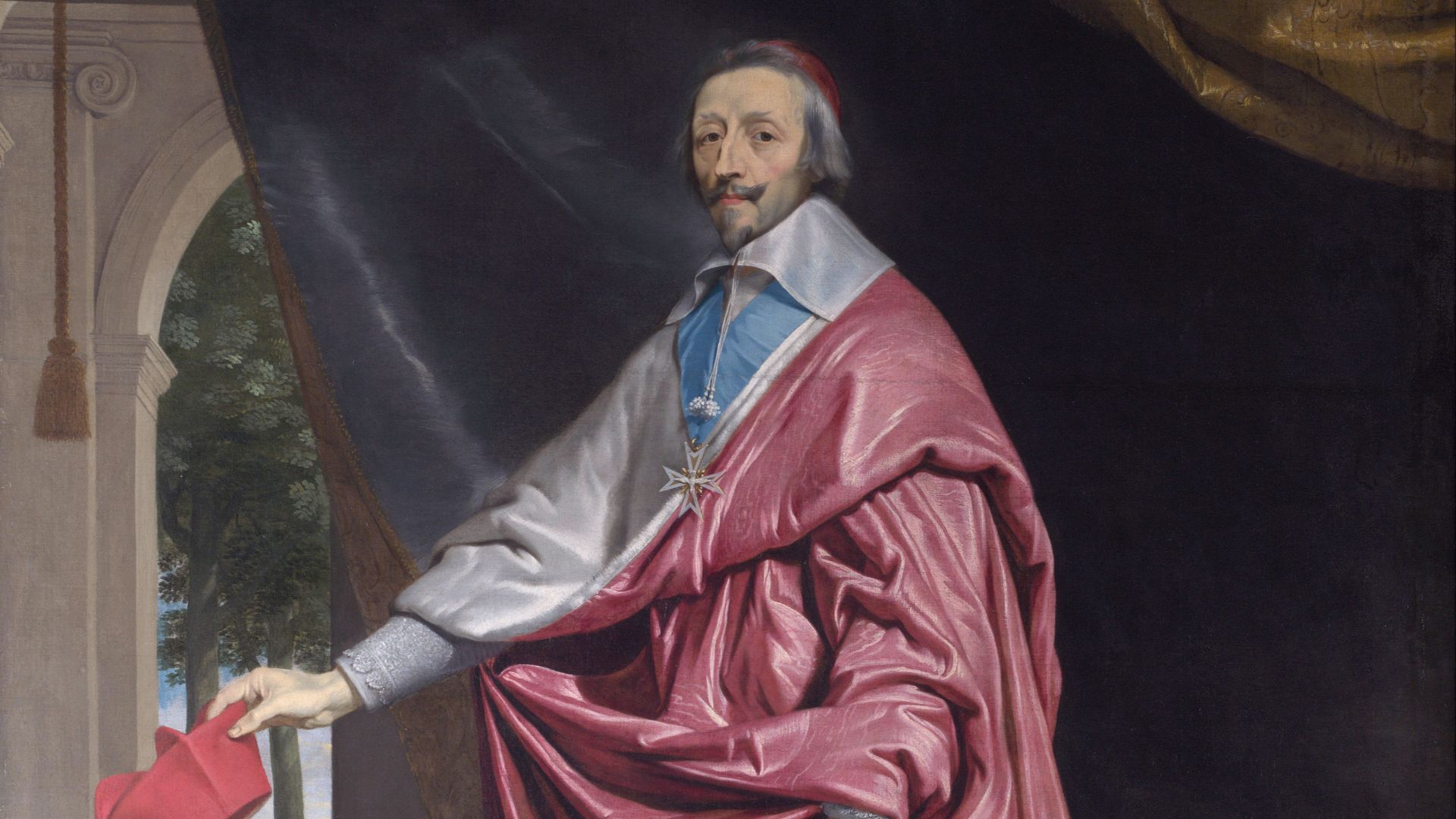 Philippe de Champaigne on Wikimedia
6. T. S. Eliot
When someone writes an entire collection of poems about cats, it’s fair to assume the preference is real. Eliot’s Old Possum’s Book of Practical Cats became culturally massive long after publication, which keeps his cat-person status evergreen. You don’t create that much feline lore without genuine fascination.
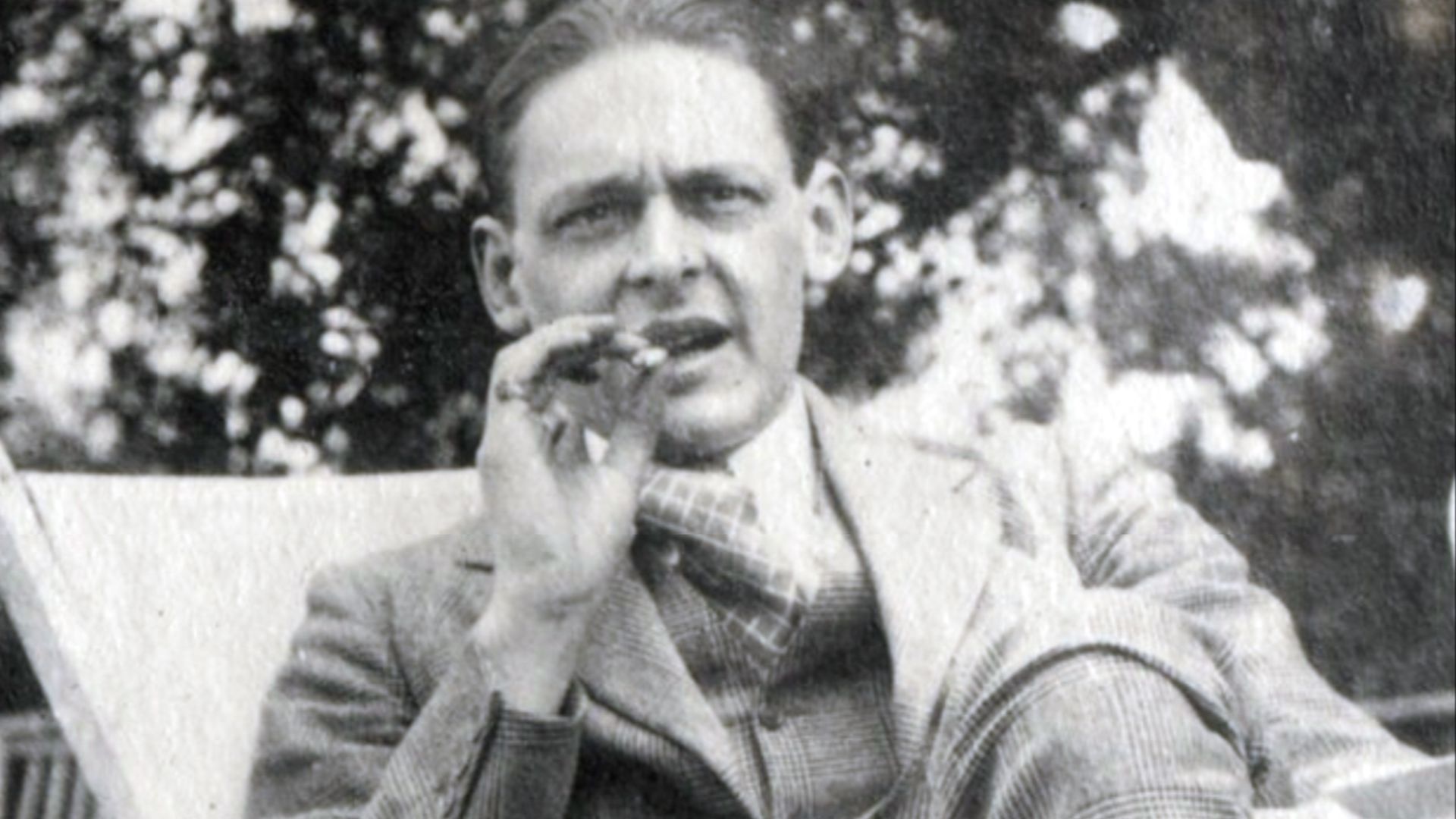 Lady Ottoline Morrell on Wikimedia
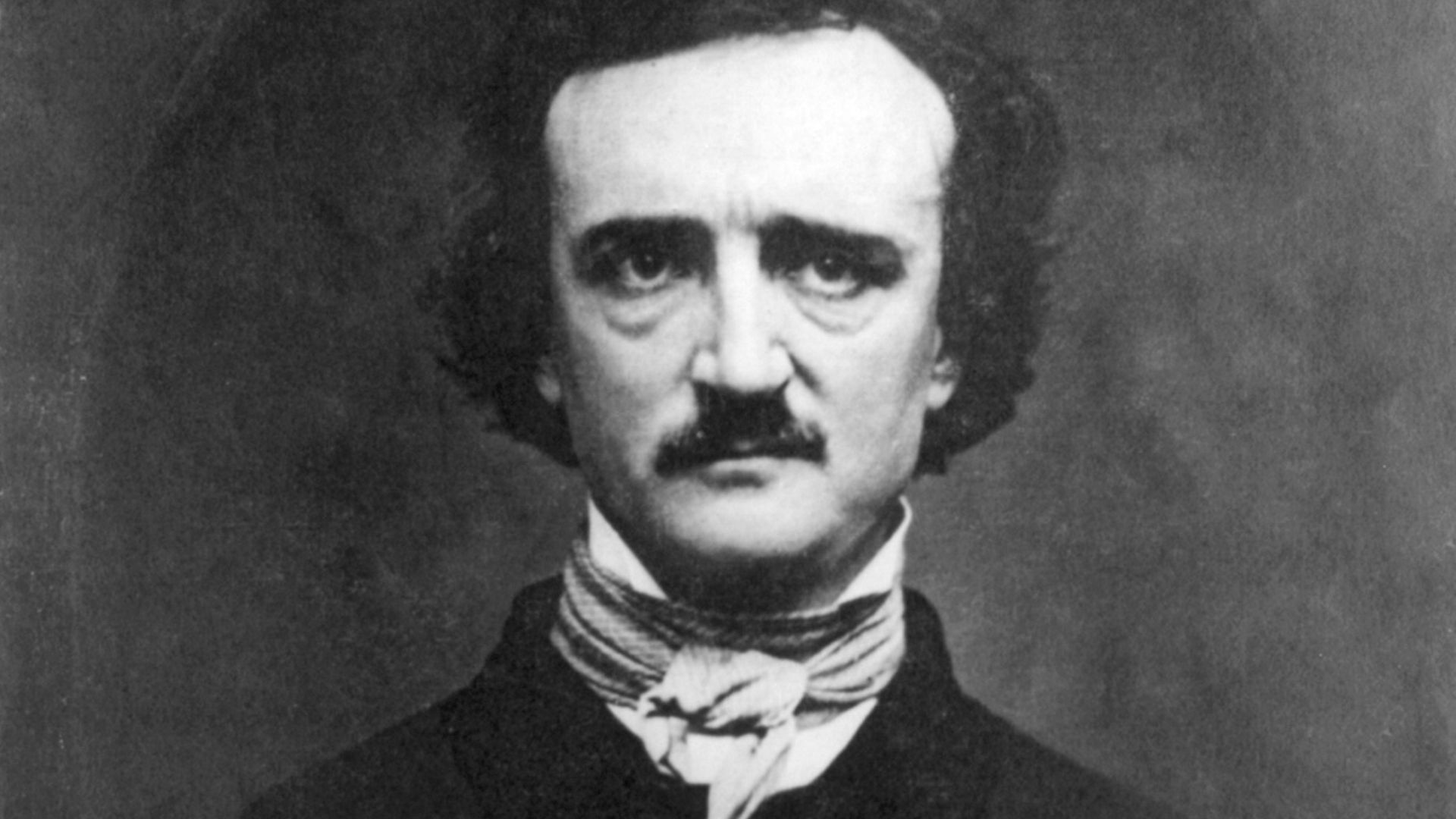
7. Edgar Allan Poe
Poe’s life already feels like it came with dramatic lighting, and then you add a cat named Catterina into the scene. Scholarly writing has noted anecdotes about Poe reading aloud while Catterina purred nearby. It’s a small domestic detail that makes him seem less like a haunted portrait and more like a person.
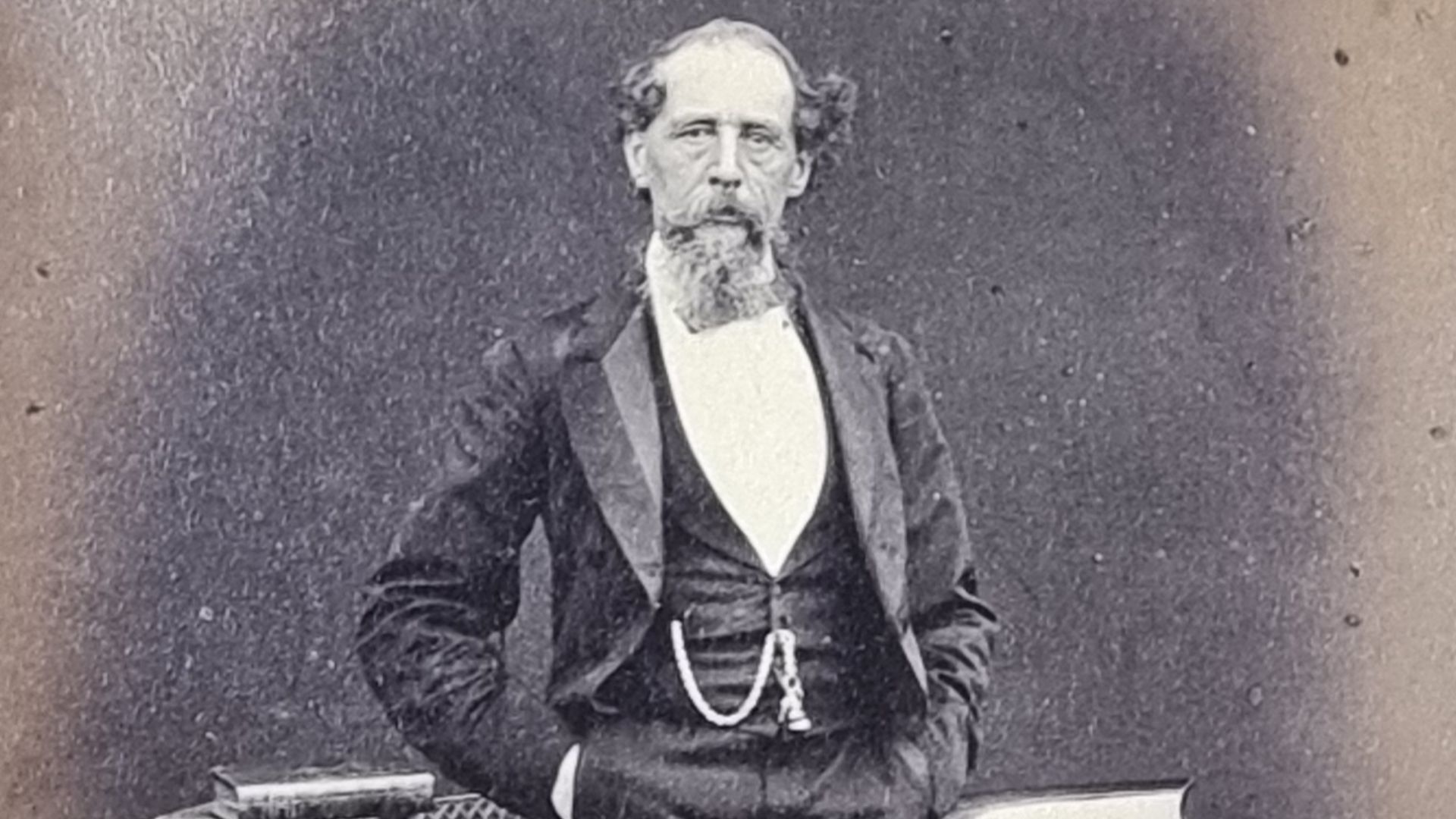
8. Charles Dickens
Dickens had a cat named Bob, and the story of Bob is remembered because it’s so strangely specific. Retellings describe Dickens preserving Bob in an unusual way after the cat died, which is either deeply sentimental or deeply Victorian, depending on your mood. Either way, it’s hard to argue he was indifferent about cats.
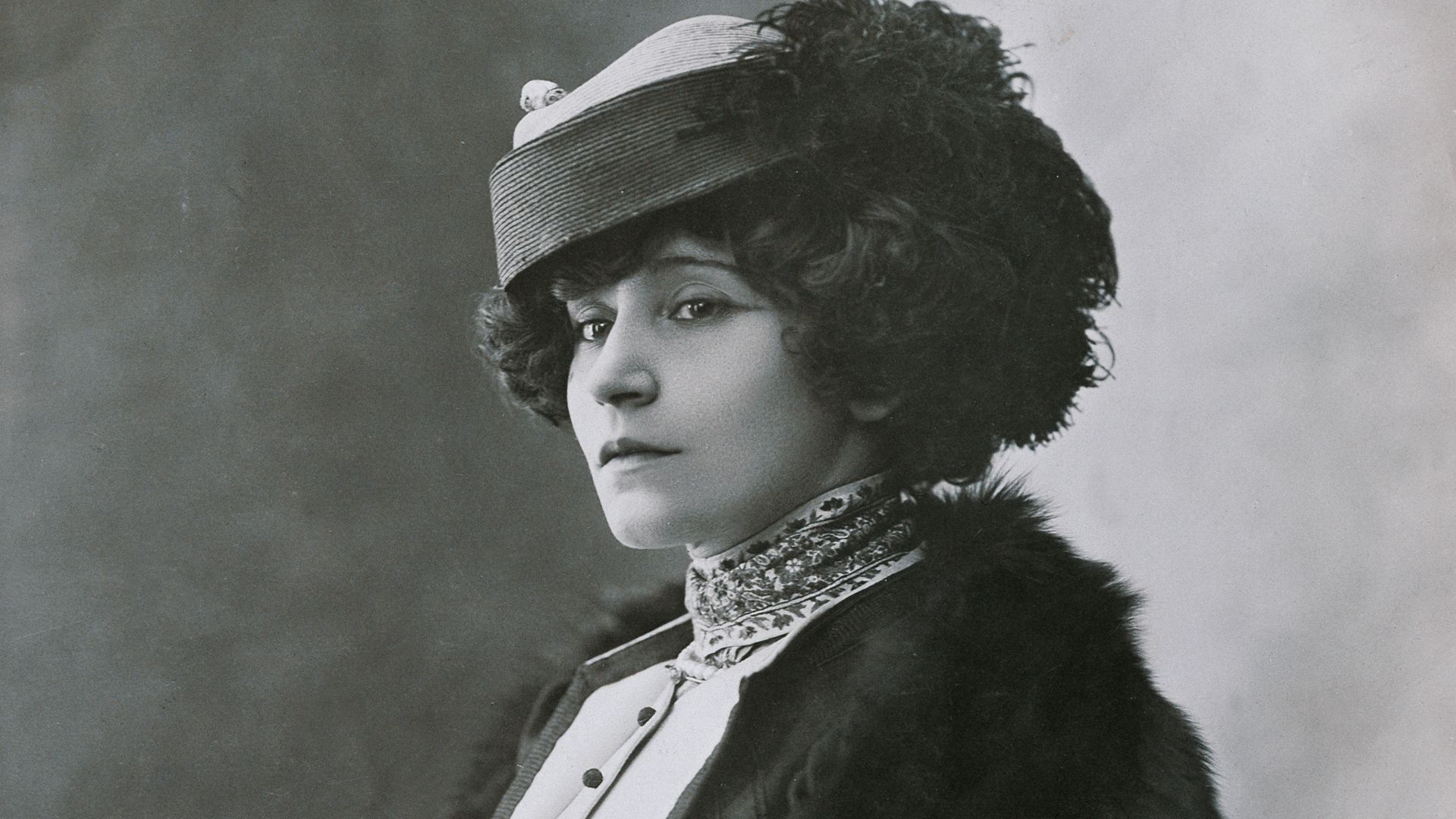
9. Colette
French novelist Colette was openly devoted to cats, and she treated them as more than background pets in her life and work. Accounts of her life describe her as a passionate admirer who even showed up at cat shows in Paris with genuine enthusiasm.
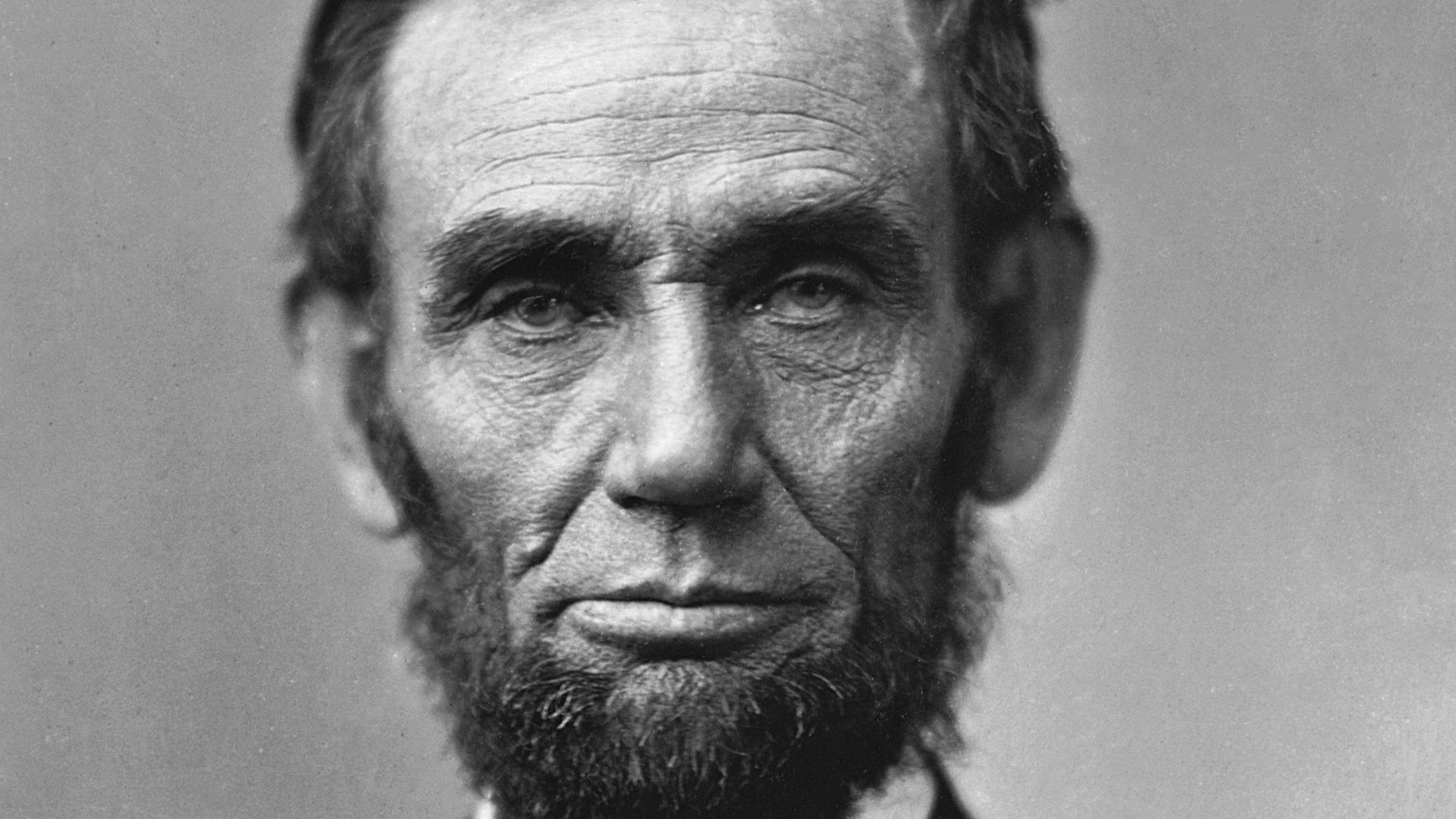
10. Abraham Lincoln
Lincoln’s cat-loving reputation shows up in repeated stories about White House cats named Tabby and Dixie. He was reportedly the first U.S. president to bring cats into the White House, and his wife even famously stated that his hobby was "cats."
KEEP ON READING
The Most Miserable Century To Be Alive
Pierart dou Tielt (fl. 1340-1360) on WikimediaWhen people talk about…
By Emilie Richardson-Dupuis Apr 14, 2026
The Woman History Wants You To Forget
Anthony22 (photograph)Anna Hyatt Huntington (statue) on WikimediaWhen you flip through…
By Sara Springsteen Apr 14, 2026
20 Famous Figures Who Were Obsessed With The Occult
They Believed in Demons. You've probably learned about these famous…
By Sara Springsteen Apr 14, 2026
20 Powerful Women from the Middle Ages
Women in Power. The Middle Ages are still too often…
By Christy Chan Apr 14, 2026
The Long, Weird History of People Sleeping in Two Shifts
Ron Lach on PexelsFor much of early modern Europe, sleep…
By Breanna Schnurr Apr 14, 2026
The Forgotten Expeditions Of Early Polar Explorers
Unknown authorUnknown author on WikimediaThe story of early polar exploration…
By Rob Shapiro Apr 14, 2026