
20 Famous People in History Who Lived Secret Double Lives
The Hidden Side of Historical Figures
History tends to remember famous individuals for their greatest achievements, but some led remarkably different lives away from public attention. Celebrated authors concealed their identities, respected entertainers participated in espionage, and seemingly ordinary professionals pursued extraordinary secret activities. While some kept their double lives hidden for personal reasons, others did so out of necessity, patriotism, or a desire for creative freedom.
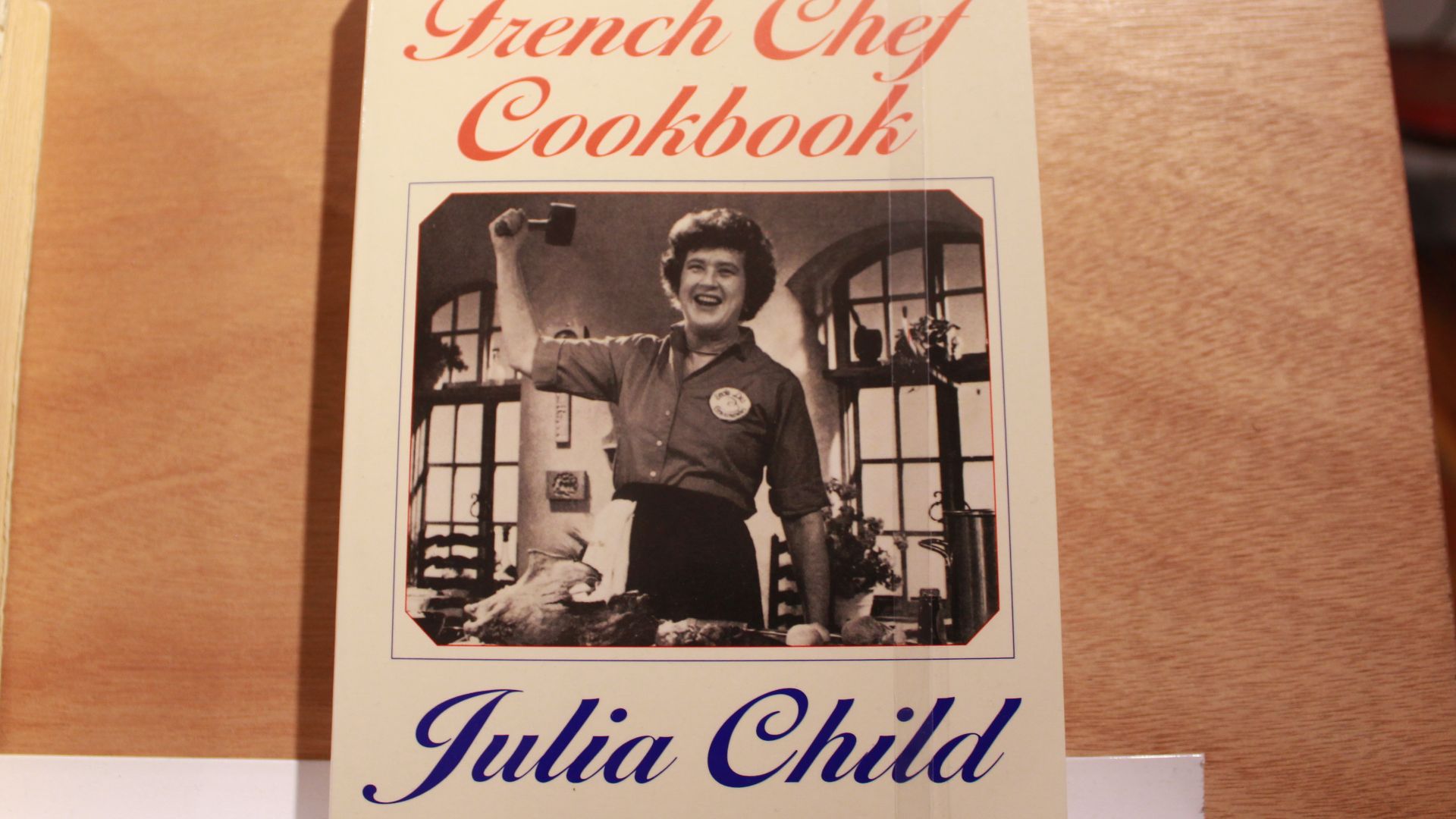
1. Julia Child
An unsuspecting audience tuning in to watch Julia Child cook on her TV shows would probably never have imagined that she spent World War II working for the Office of Strategic Services (a predecessor to the CIA). Her responsibilities included working with top-secret material. Part of her work also involved researching ways of deterring sharks from accidentally triggering submerged ordnance.
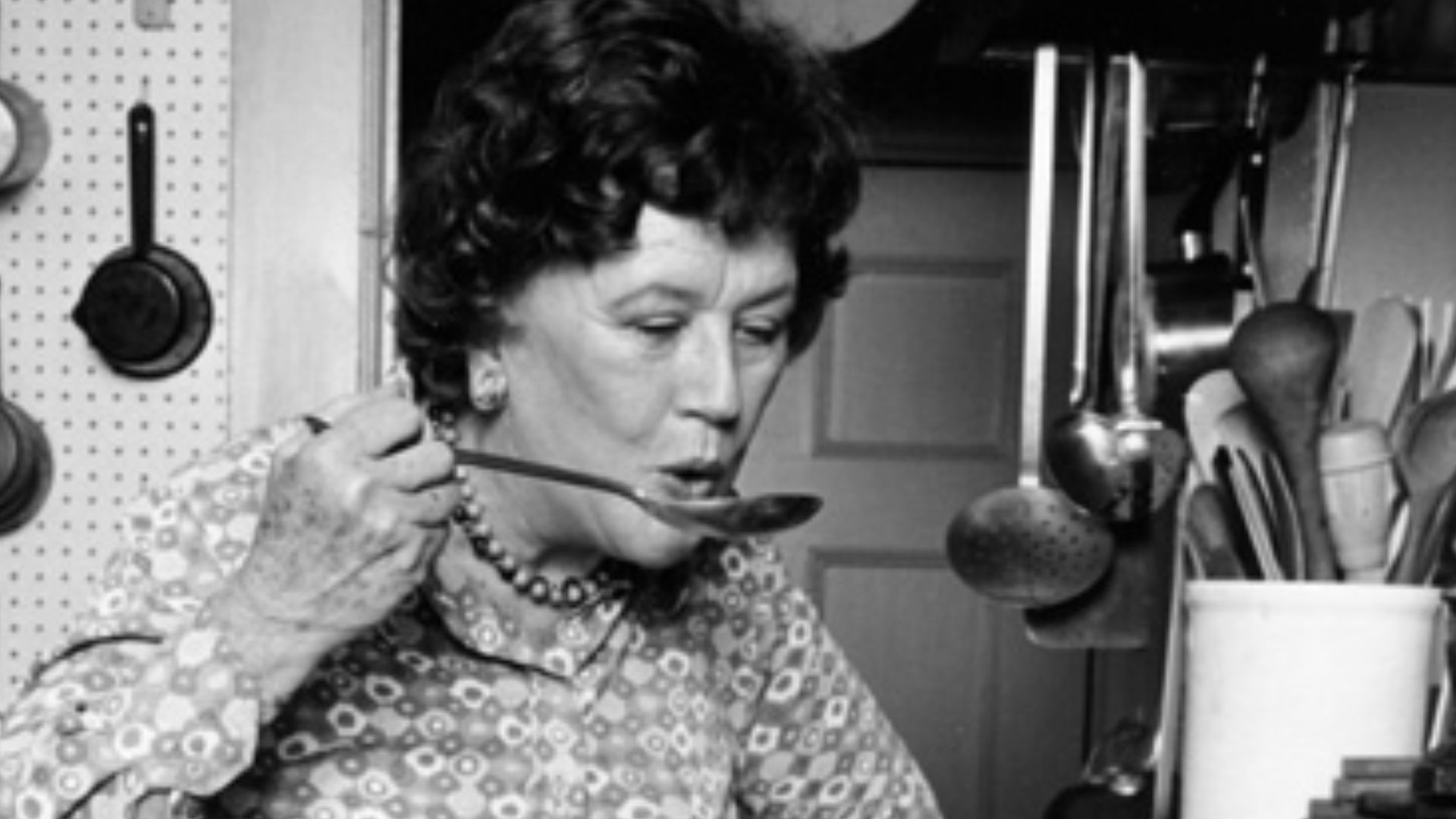
2. Roald Dahl
As well as writing Matilda, Charlie and the Chocolate Factory, and many other popular children's stories, Roald Dahl spent time working for British interests in Washington. The aim of this work was to win more sympathy and support from people in positions of power and influence in America. His assignments involved cultivating relationships with influential Americans and gathering information through his social connections.
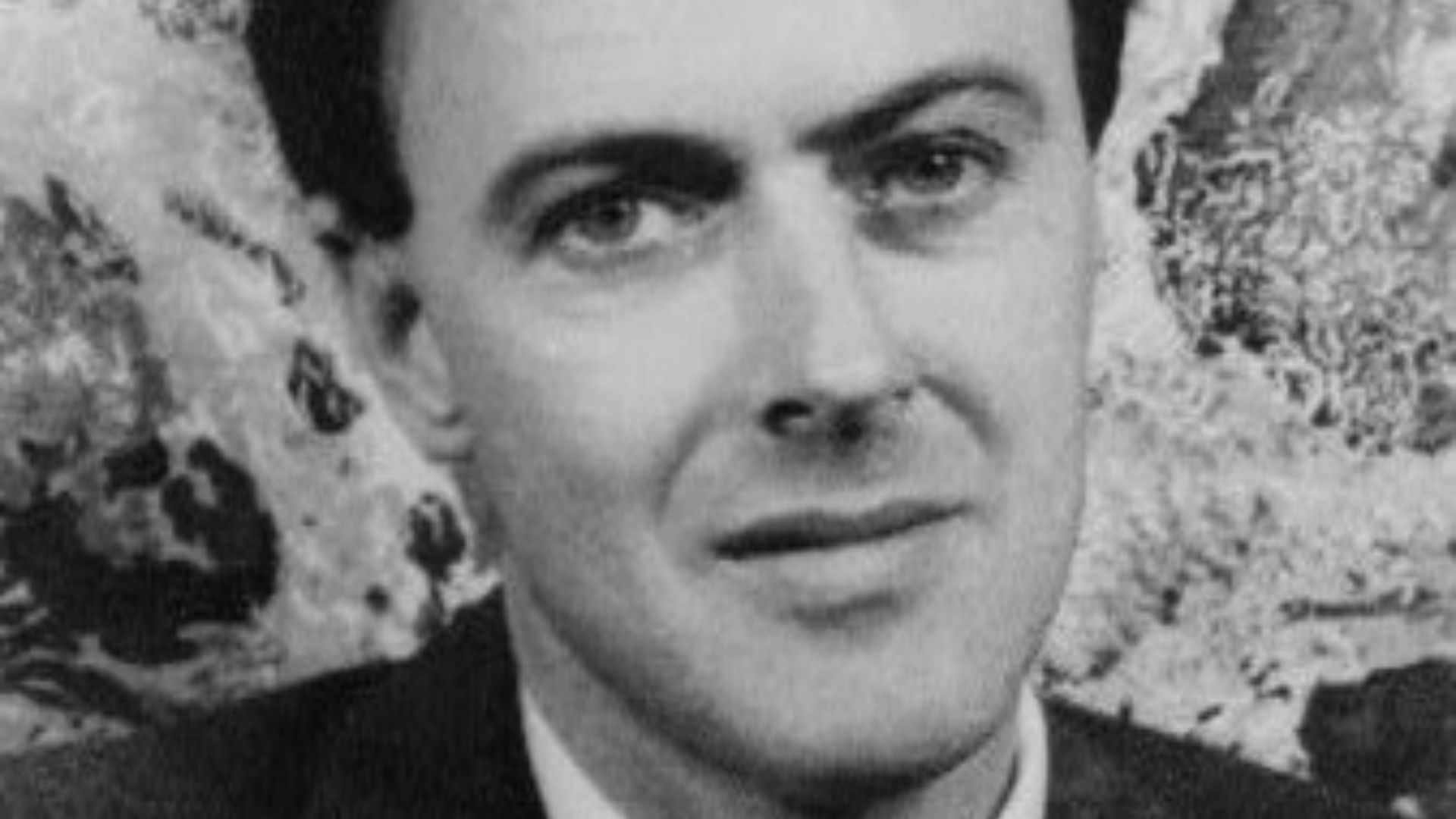
3. Agatha Christie
As well as writing countless murder stories with incredibly complex plots, Christie wrote under another name, Mary Westmacott. All six books written under this name centered on aspects of love, life, and people. Christie successfully concealed her connection to the name for nearly two decades, allowing her to experiment with a different writing style without the expectations of her established readership.
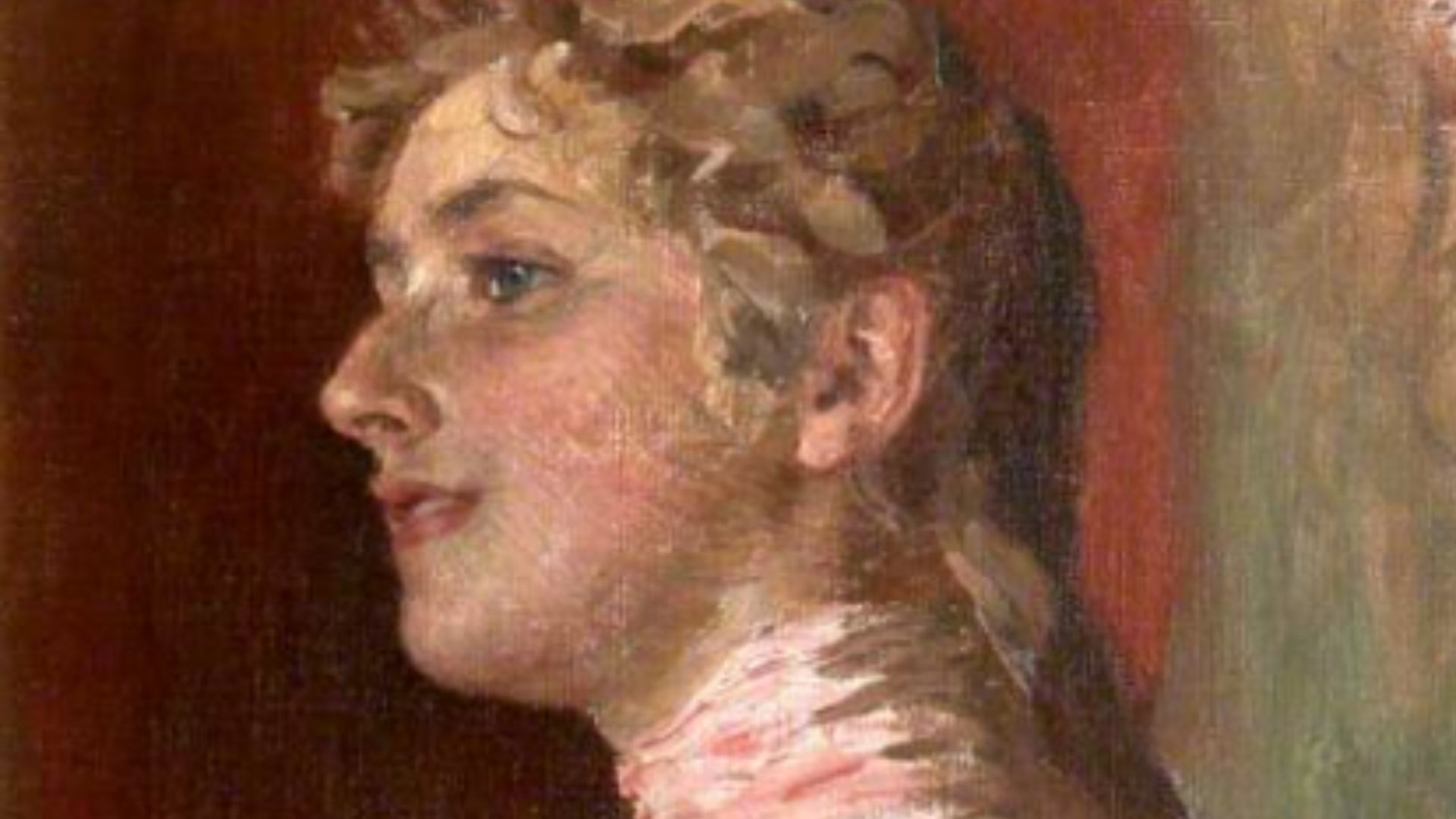 Nathaniel Hughes John Baird on Wikimedia
4. Josephine Baker
Josephine Baker lit up the stages of much of Europe with her singing, dancing, and spectacular costumes. In addition to performing, however, she worked for French intelligence services, collecting information and relaying messages. Her international celebrity status allowed her to travel and attend social gatherings that provided valuable opportunities for intelligence work.
5. Hedy Lamarr
As well as being celebrated for her beauty, Hedy Lamarr spent much time inventing various devices. One project, developed together with musician George Antheil, involved a method of varying radio frequencies to prevent the jamming of signals used to guide torpedoes. This was not adopted at the time, but in later years, she received recognition for her achievements.
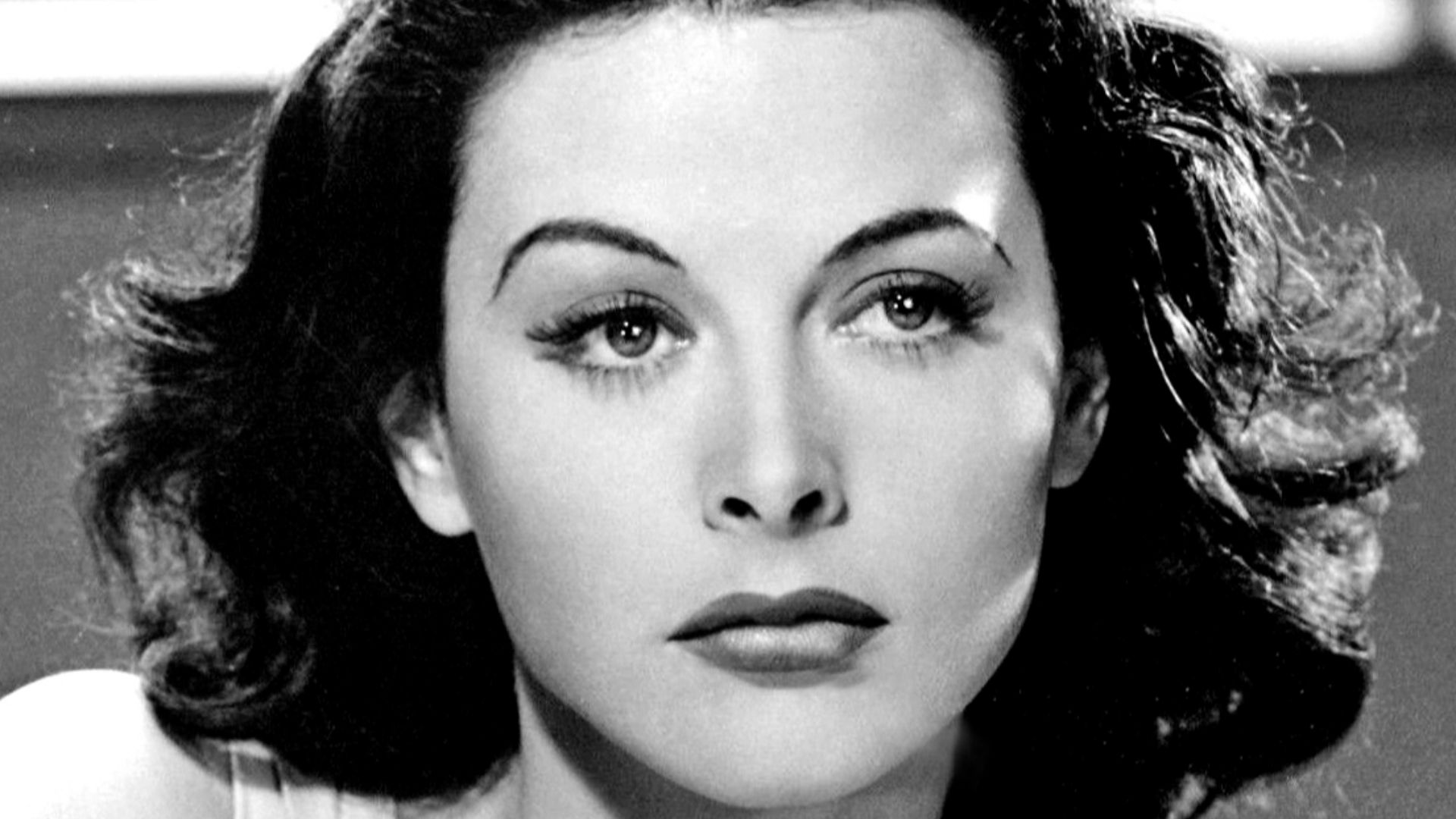 MGM / Clarence Bull on Wikimedia
6. Ian Fleming
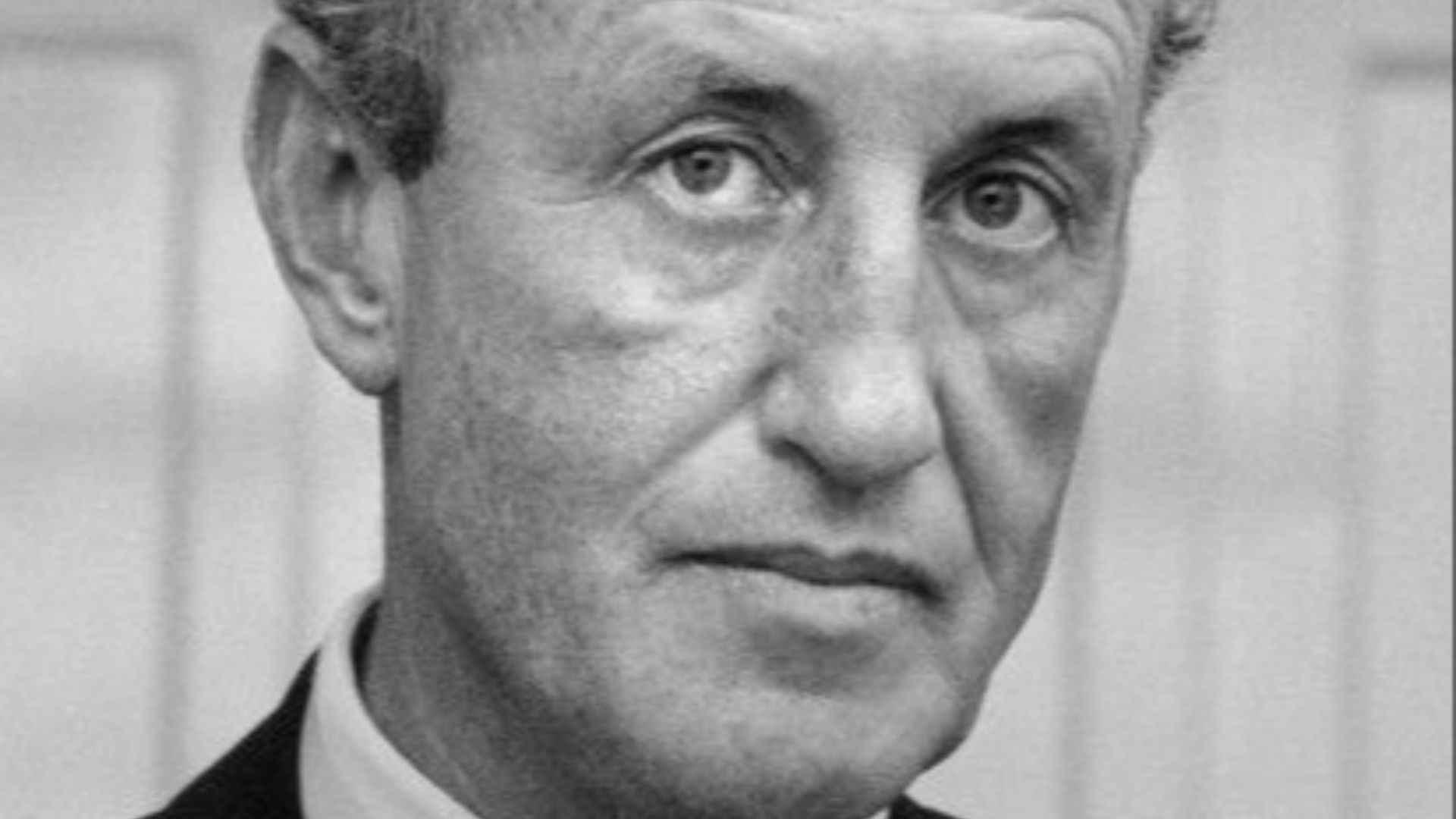
Many features of the James Bond stories can be attributed to Fleming's own experiences. For a period during World War II, he worked for British Naval Intelligence and was involved in organizing various operations. It seems inevitable that this experience would influence some of the situations in his widely read and popular books.
7. Benjamin Franklin
Franklin wrote a series of letters to his brother's newspaper purporting to be from a widowed woman. The letters offered advice and comments on many aspects of contemporary life. They were evidently quite entertaining to many members of the general public, who were unlikely to suspect that they were, in fact, being penned by a 16-year-old apprentice.
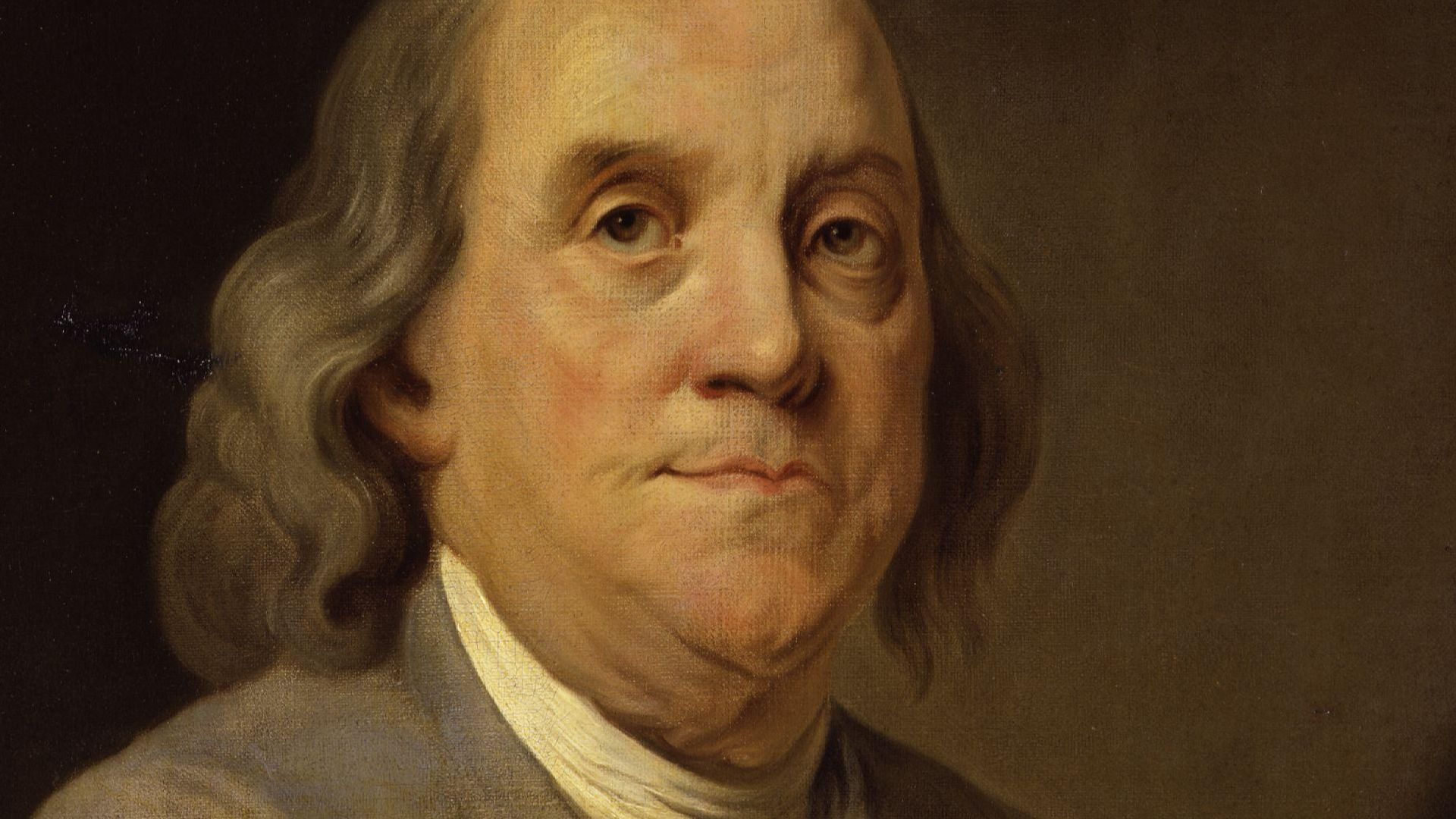 After Joseph-Siffred Duplessis on Wikimedia
8. Louisa May Alcott
In addition to the idyllic portrayal of a loving family and children in her best-known work, Little Women, Alcott wrote a good number of stories with far less attractive features. These included vengeance, scheming, intrigue, and illicit passions. Some of these works weren't attributed to her until many decades after her death.
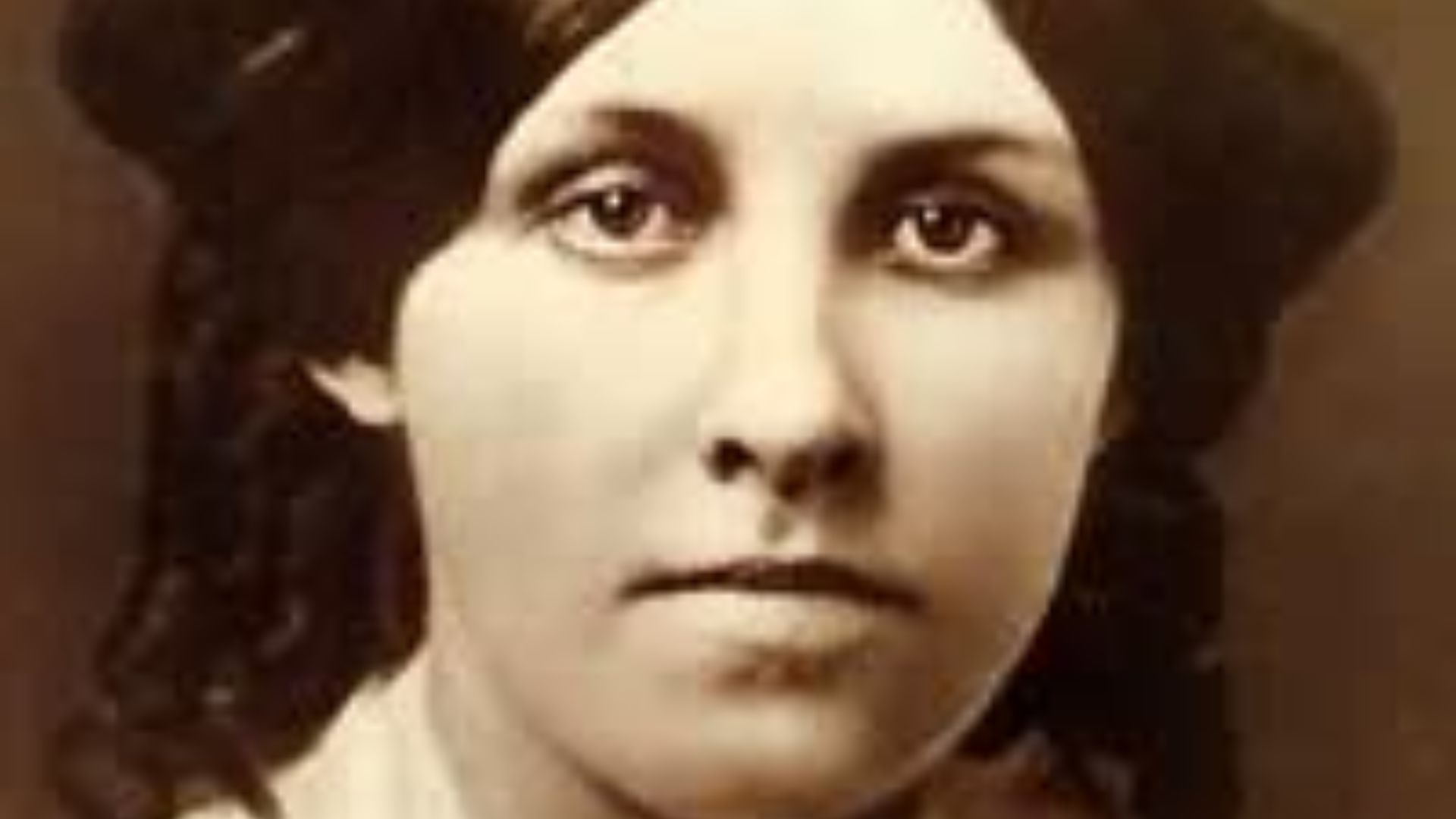 Unknown authorUnknown author on Wikimedia
9. Harry Houdini
Houdini became fascinated with many of the fake mediums of the day and was prepared to go to some lengths to test their abilities. On occasion, he would visit various séances, sometimes in disguise, to try to determine the tricks used. His knowledge of theatrical deception helped him identify techniques that audiences without his professional experience might have mistaken for supernatural abilities.
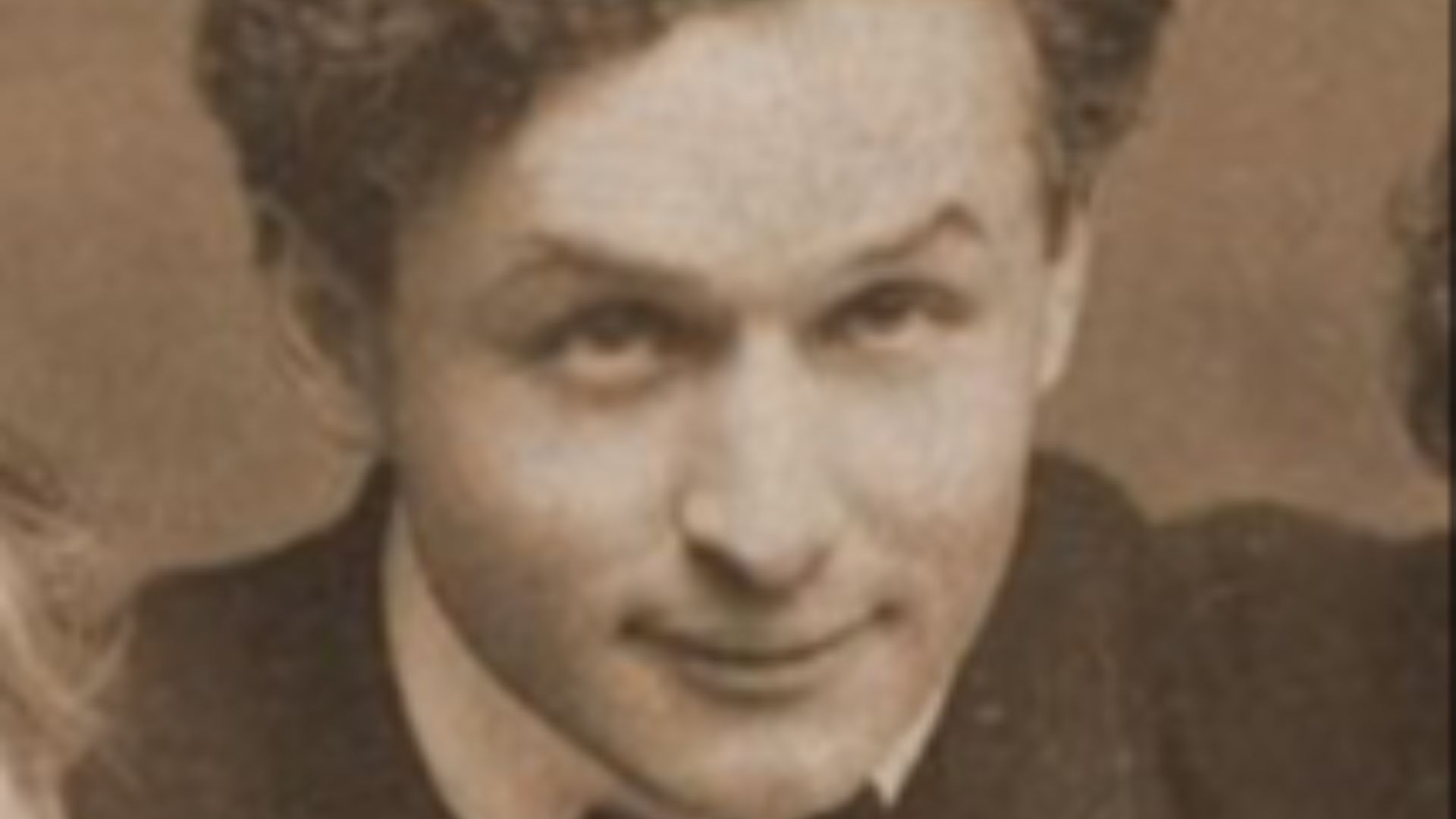 Unknown authorUnknown author on Wikimedia
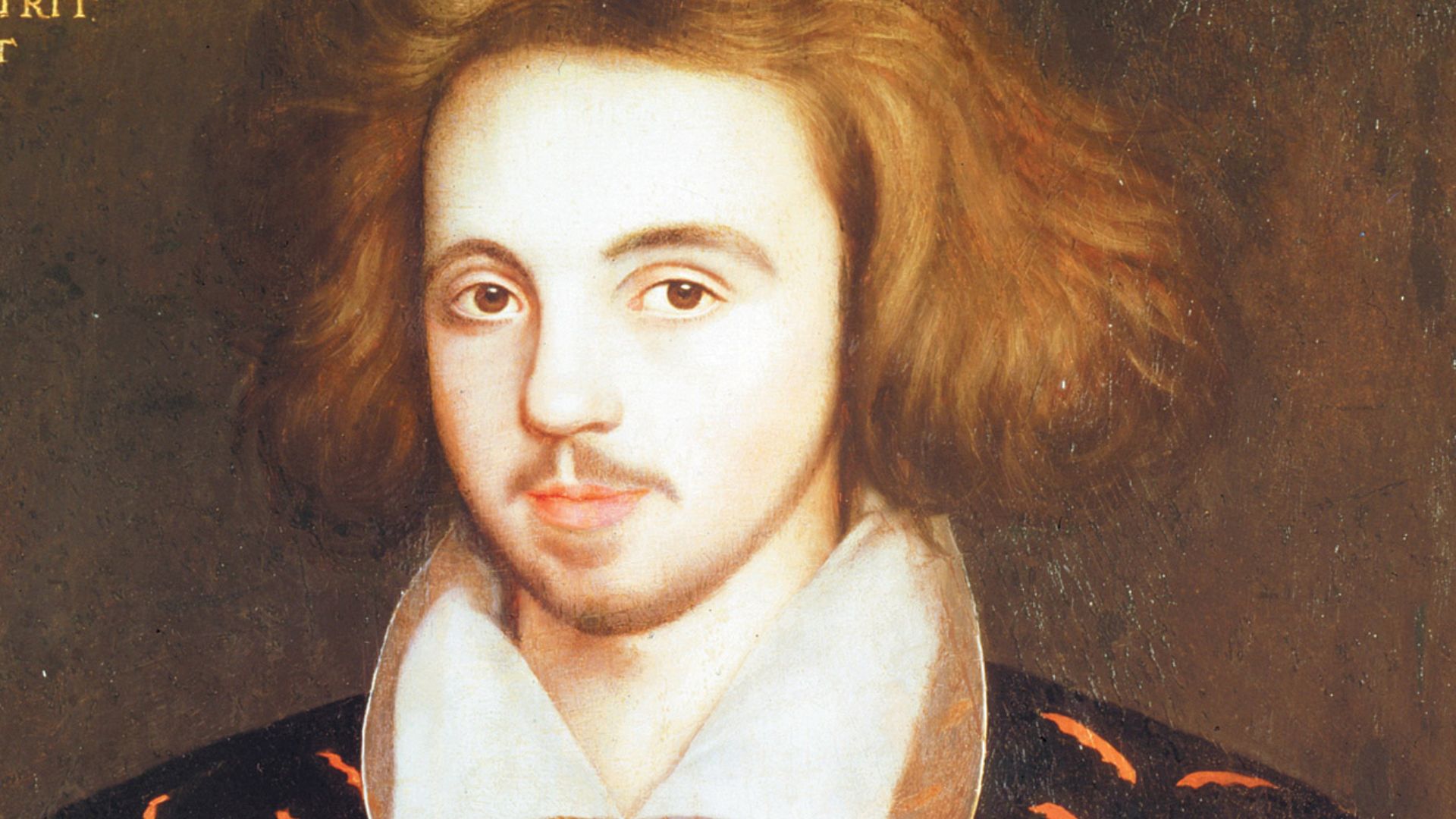
10. Christopher Marlowe
There are various references to Marlowe undertaking secret tasks for the state, and it's generally believed that he acted in some capacity as a spy. How far this extended and what form it took remain unknown. However, it seems clear from available records that he was involved in activities other than writing poems and plays.
11. Graham Greene
It's hardly surprising, given many of his novels, that Greene himself should have had some knowledge of the world of spying. He was employed by MI6 during World War II, with one posting being in Sierra Leone. His familiarity with intelligence operations helped inform the morally complicated characters and political circumstances that appeared throughout his literary career.
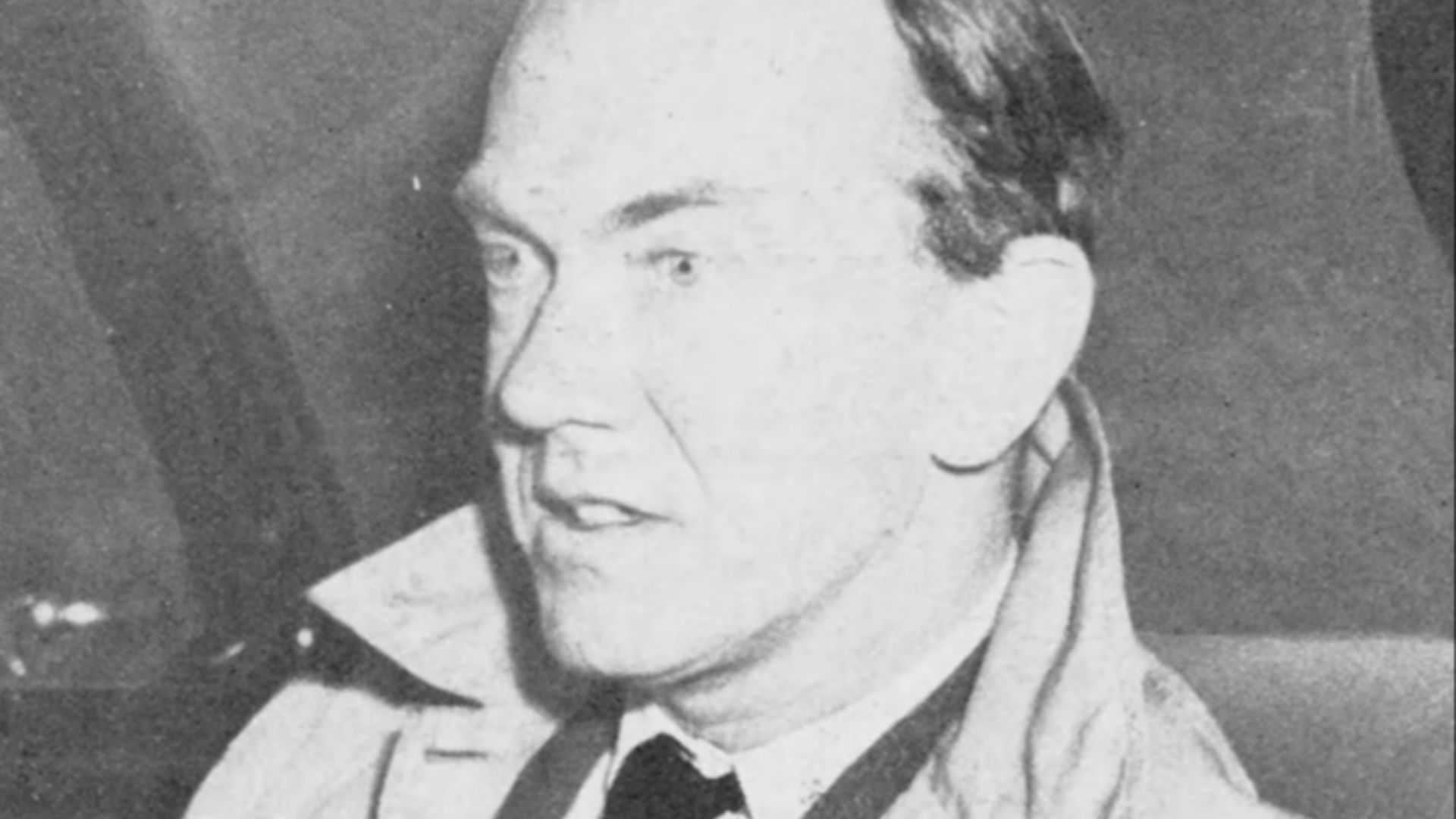 Unknown photographer on Wikimedia
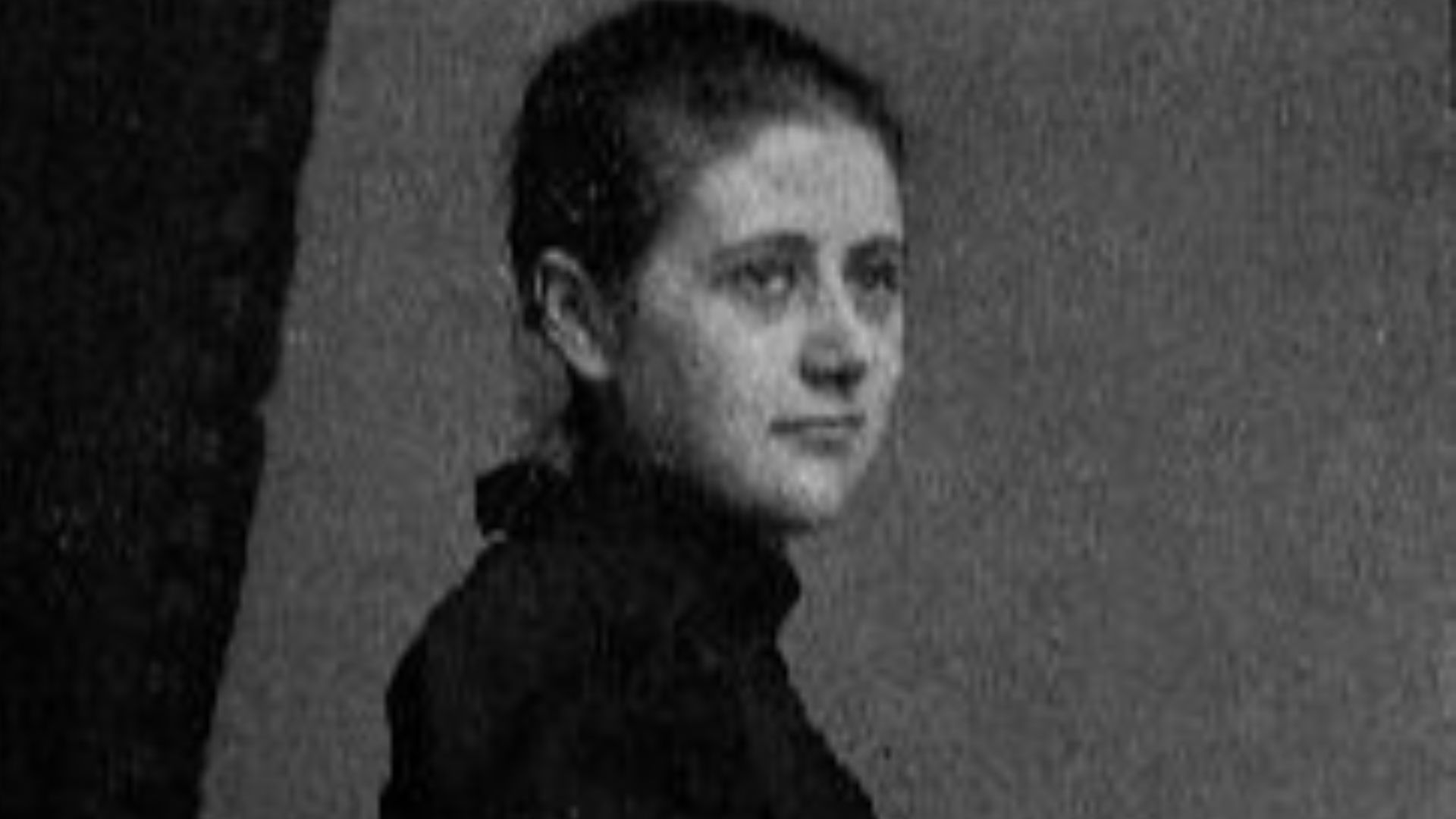
12. Beatrix Potter
As well as writing her well-known and beloved books for young children featuring Peter Rabbit and other animals, Beatrix Potter took a great interest in mushrooms. She did a great deal of research into this subject, drew many accurate pictures, and engaged in the study of spore development. Her scientific interests received considerably less public attention than her children's books, particularly during an era when women faced significant barriers within professional scientific institutions.
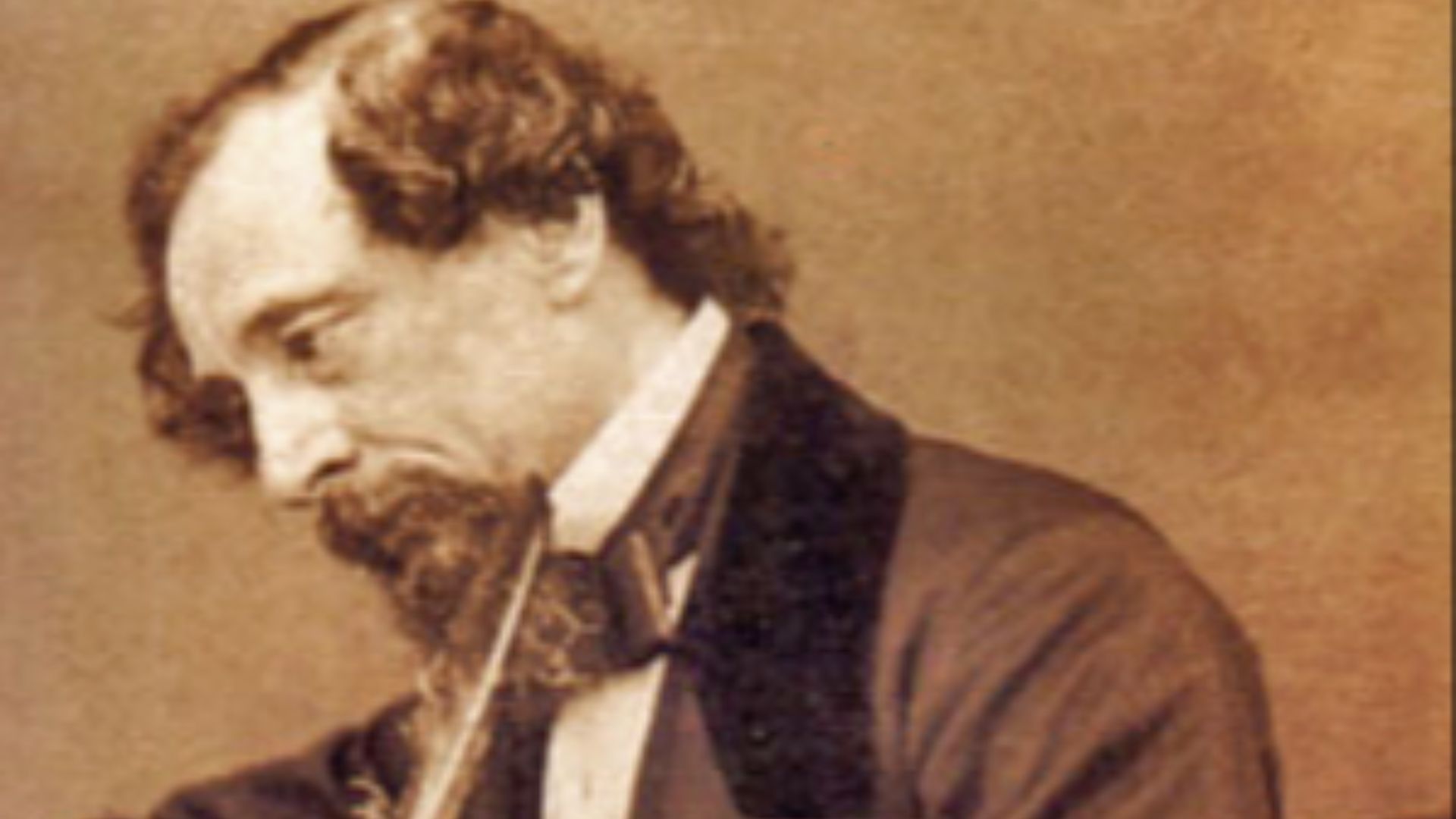
13. Charles Dickens
Dickens took great pains to keep his long association with the young actress Ellen Ternan out of public view. The association commenced around 1857, shortly before the breakdown of his marriage. Much about this relationship remains open to conjecture, as he did all he could to preserve its secrecy.
14. George Eliot
George Eliot was a female author, Mary Ann Evans, who wrote novels under a man's name. She had by then built up a satisfactory record of work as an editor and writer of articles but clearly wished to be free to write novels as she pleased. Her true identity eventually became public, but she continued using the pseudonym throughout her successful literary career.
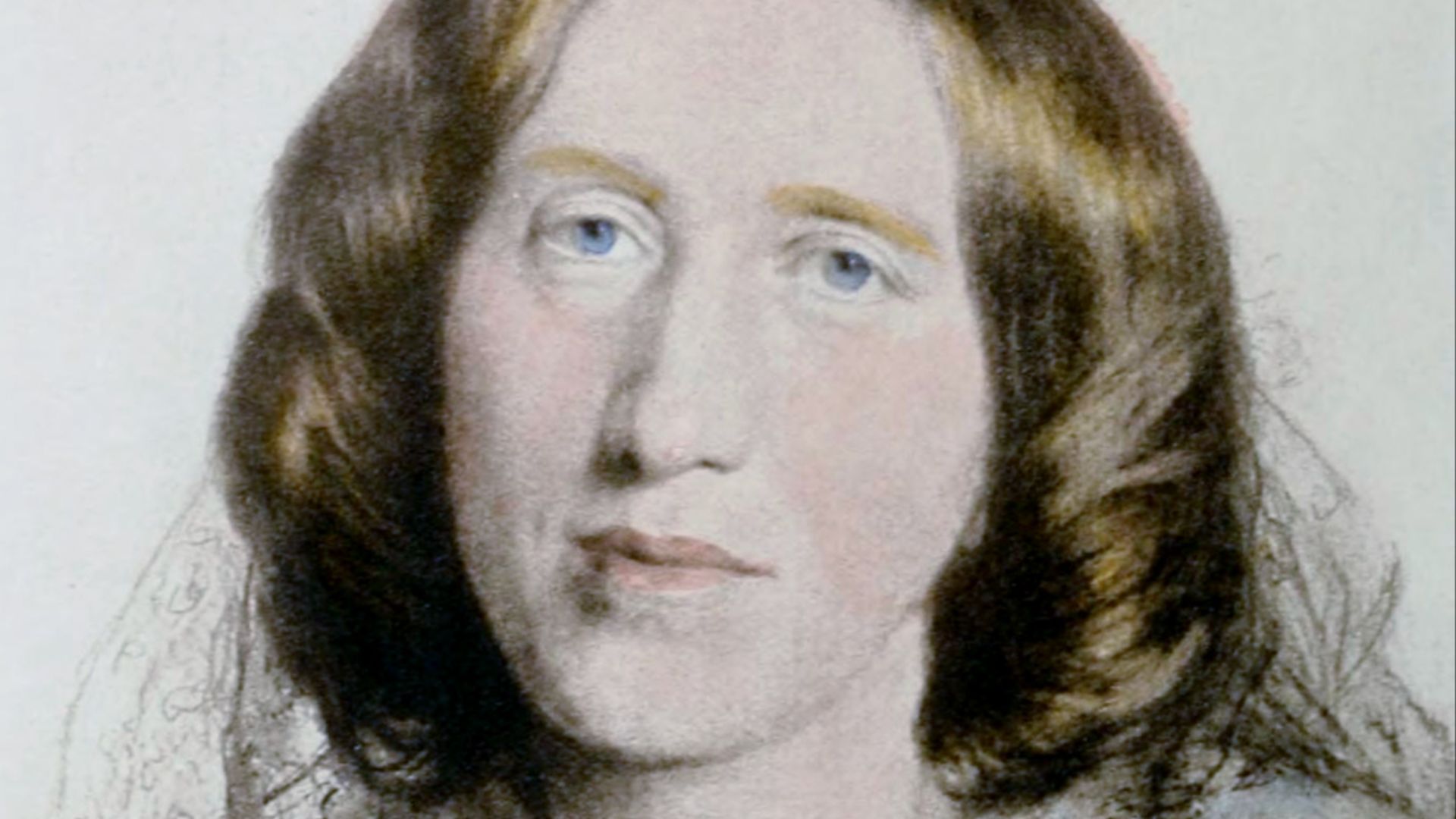 Sir Frederick Burton on Wikimedia
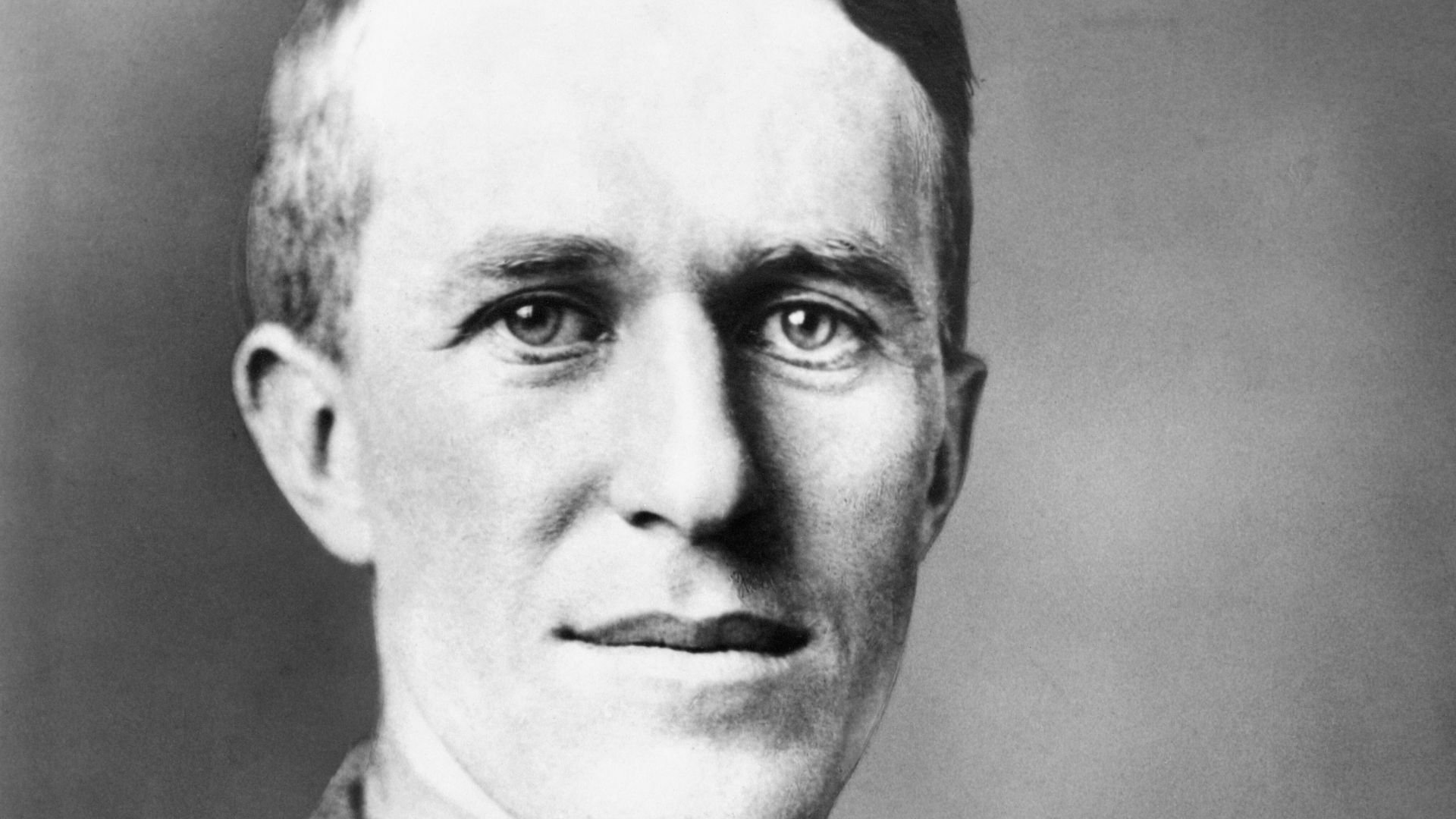
15. T. E. Lawrence
Eager to escape the limelight that accompanied his part in events in Arabia during World War I, T. E. Lawrence joined the Royal Air Force. He served under the name "John Hume Ross" and subsequently under the name "T. E. Shaw." These alternative identities allowed him to pursue relatively ordinary military duties despite his extraordinary reputation as Lawrence of Arabia.
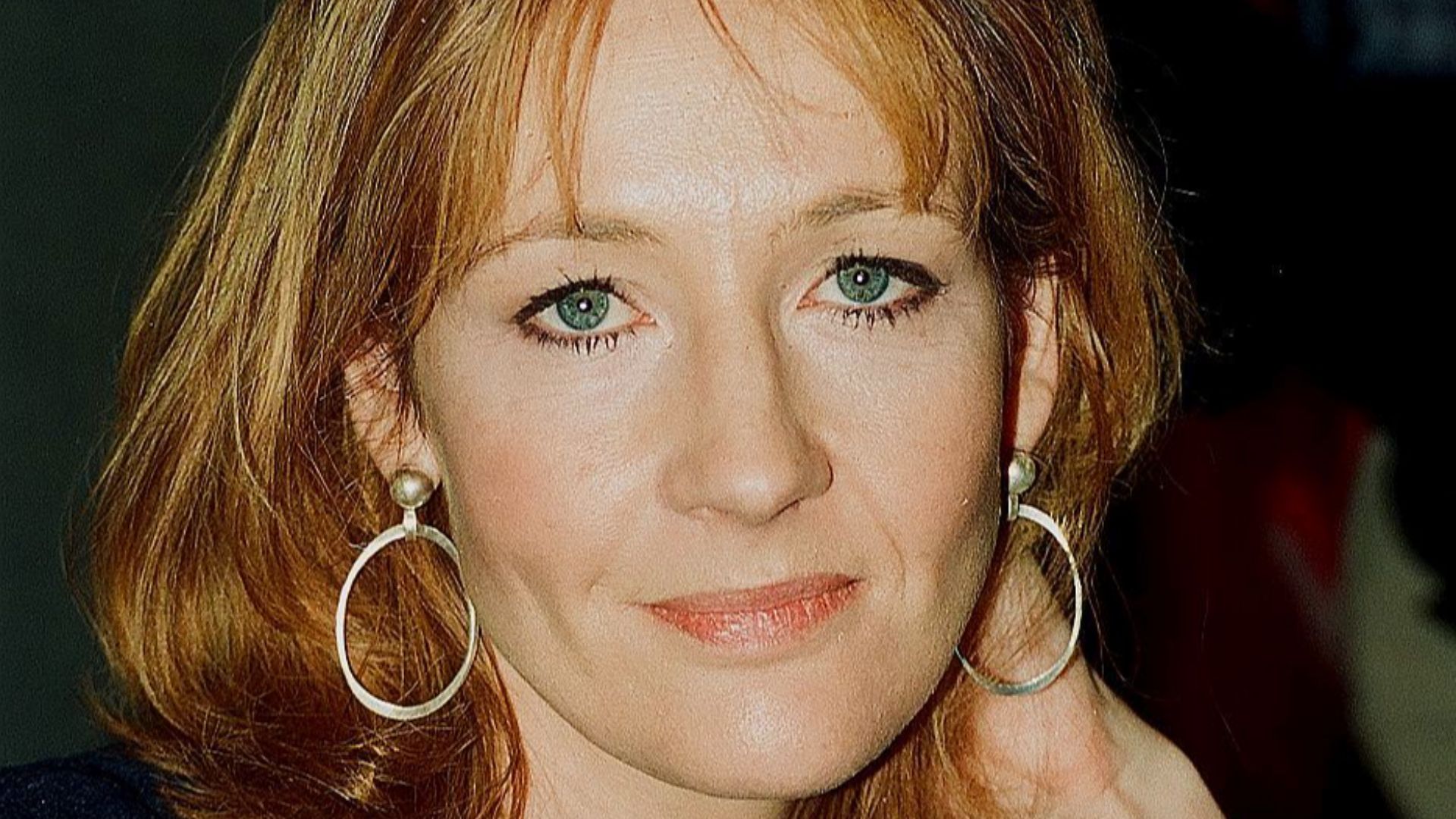
16. J. K. Rowling
After the phenomenal success of her Harry Potter novels, Rowling wished to try writing detective stories. She wrote one, The Cuckoo's Calling, which was published in 2013 under the name Robert Galbraith. Her identity as the real author came to light fairly quickly following a disclosure, though she has continued to write further novels as Galbraith.
 John Mathew Smith & www.celebrity-photos.com from Laurel Maryland, USA on Wikimedia
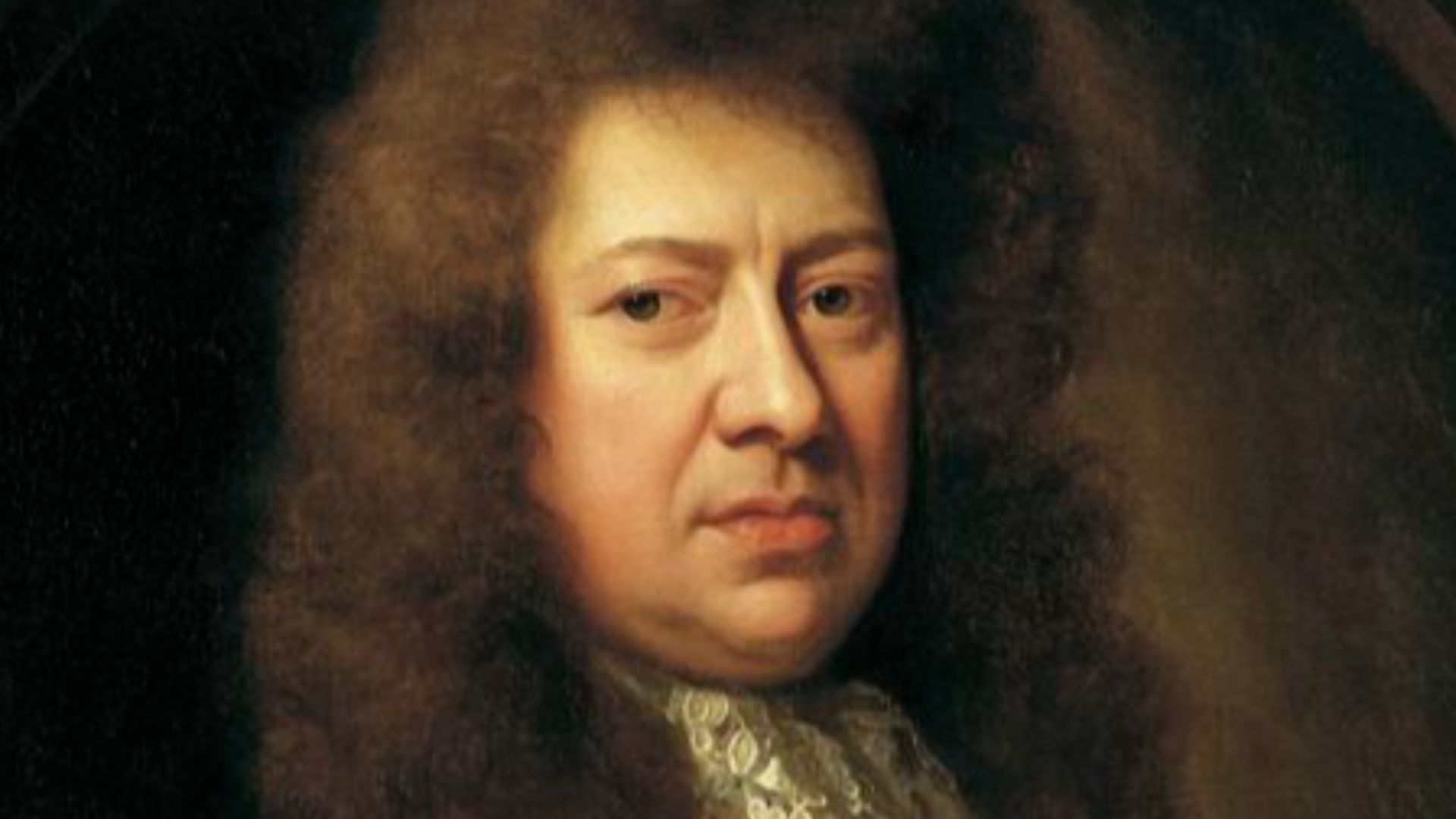
17. Samuel Pepys
As a prominent English naval administrator, Samuel Pepys maintained a respectable professional identity while privately documenting the intimate details of his daily existence. His famous diary, written primarily in shorthand, recorded personal relationships, professional ambitions, domestic disagreements, and observations about seventeenth-century London. It wasn't published until more than a century after his death, revealing aspects of his personality that his contemporaries couldn't have fully appreciated.
18. John le Carré
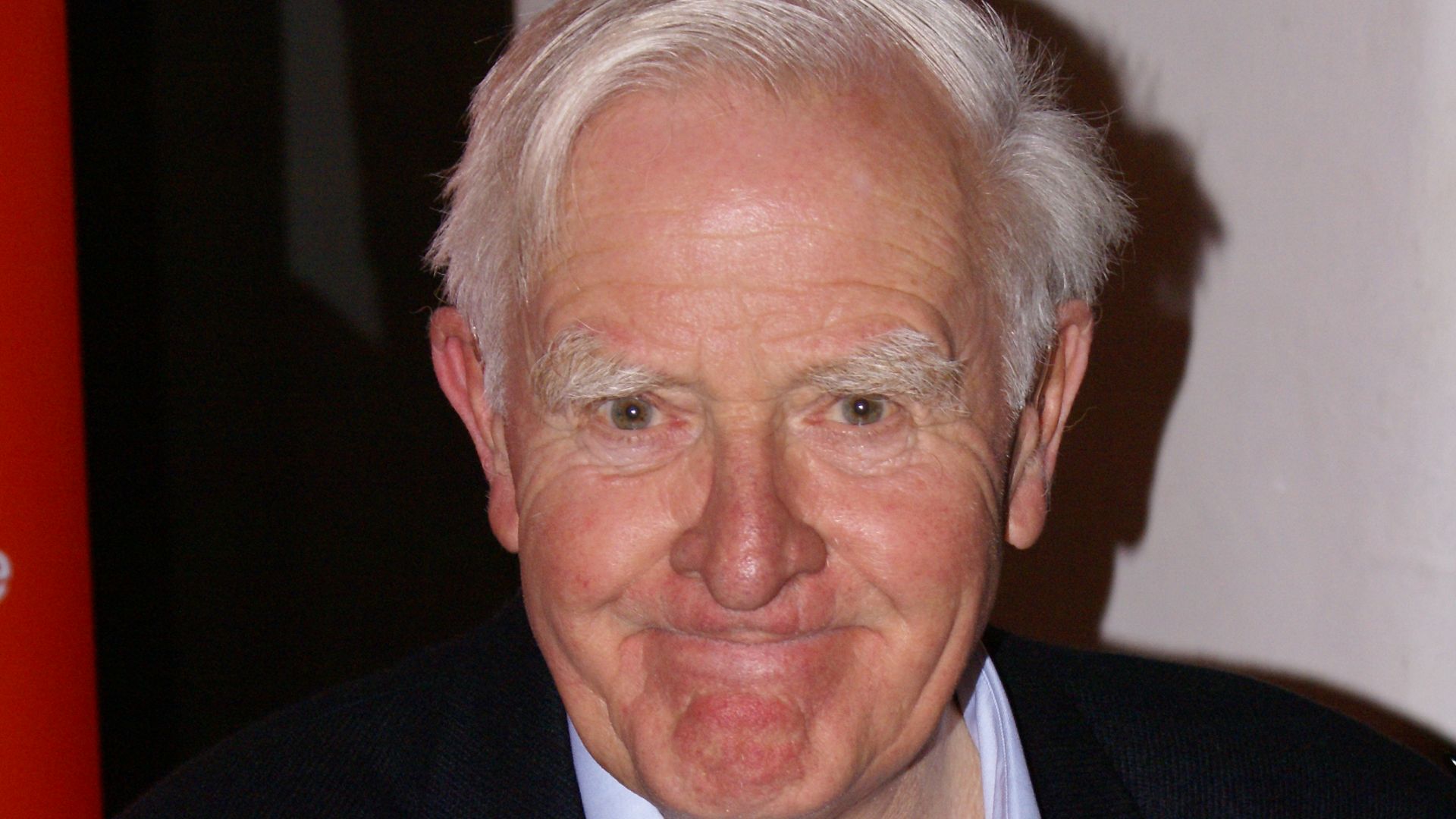
It would not have been prudent for le Carré, whose real name was David Cornwell, to publicize too widely the fact that he worked for British intelligence while he was establishing himself as a writer. His literary pseudonym helped separate his writing from his intelligence responsibilities at MI5 and MI6. The success of The Spy Who Came in from the Cold eventually enabled him to leave government service.
19. Sir Isaac Newton
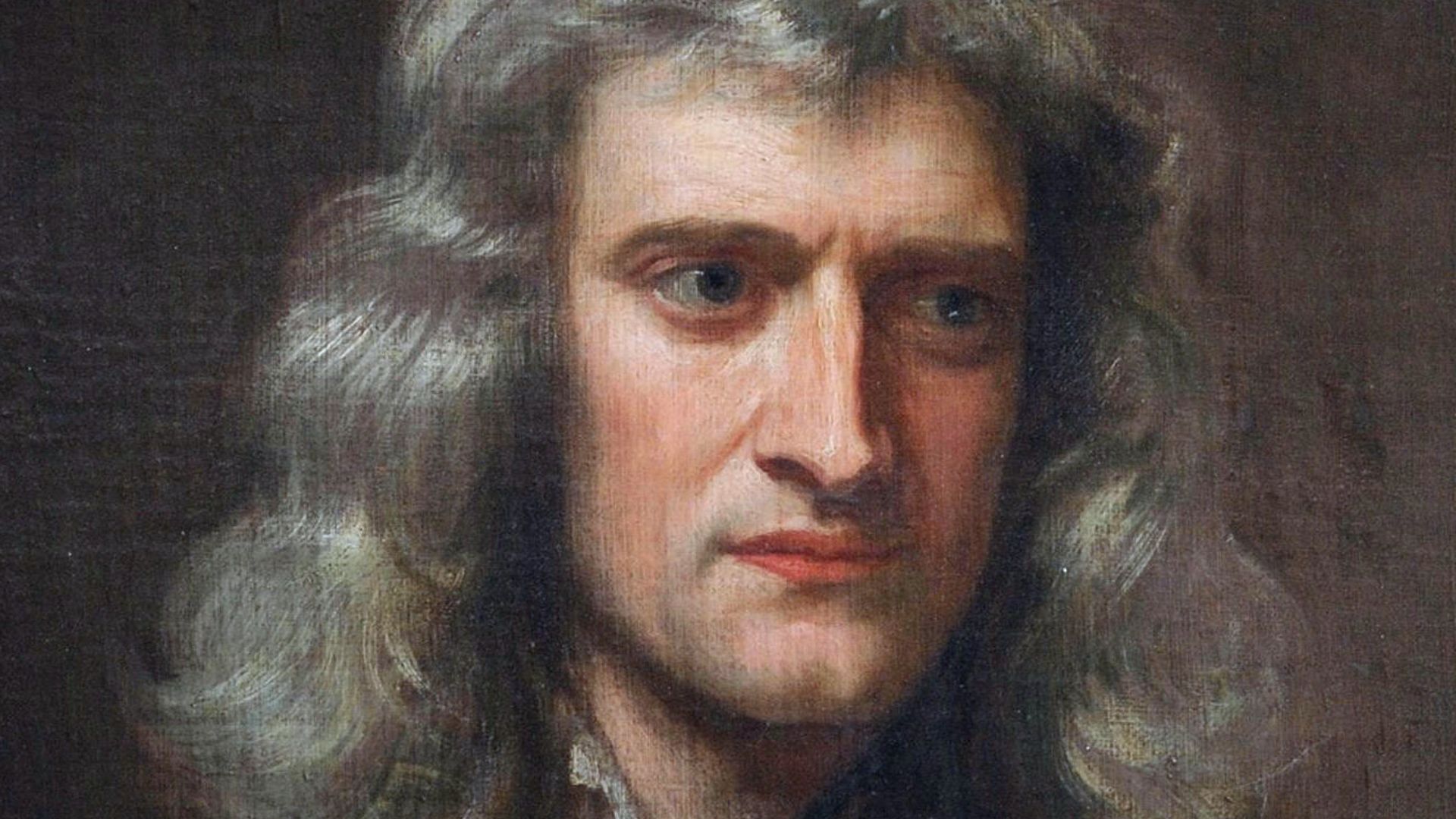
Much of Newton's published work related to areas of physics and mathematics. He also spent a great deal of time on other studies, such as alchemy, biblical chronology, and religious matters. Judging by the various notes he left behind, these studies seem to have been extensive but largely separate from his public career.
20. Casanova
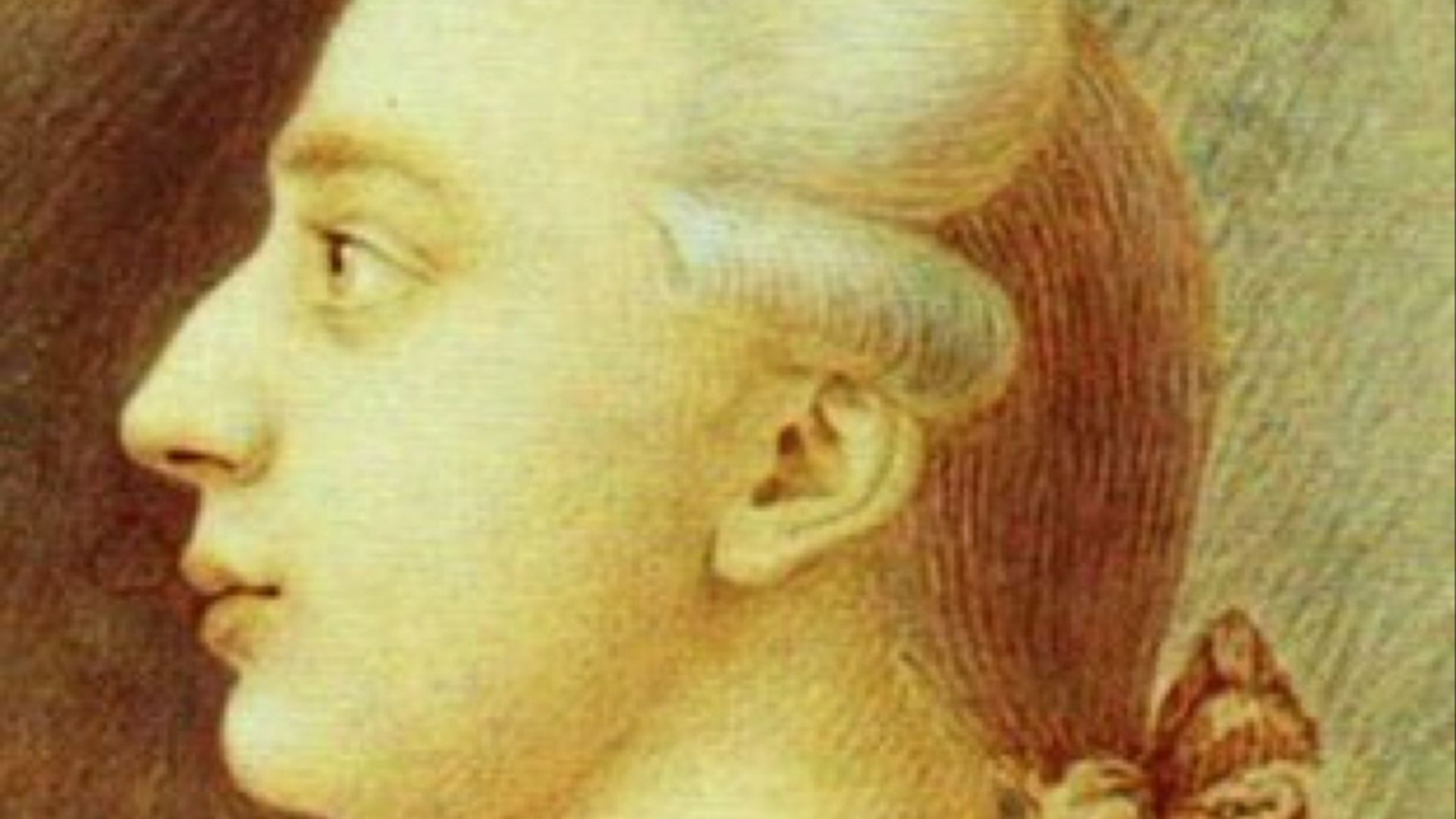
He left behind a fascinating and entertaining record of his many amorous adventures, travels to distant parts, and other experiences. He also acted as an informant for the Venetian authorities, reporting on people and activities he encountered. His familiarity with European social circles provided opportunities to gather information, adding yet another dimension to an already unusually varied career.
 Francesco Giuseppe Casanova on Wikimedia
KEEP ON READING