Facts You Aren't Taught in School
History is full of oddly fascinating side stories that rarely make it into standard classroom narratives, even when they’re well documented. From a 45-minute war to a battle against emus (yes, the standing, flightless birds), there are plenty of historical facts that will make your head spin. Ready to dive into some strange stuff written in the ancient texts? Here are 20 interesting history facts you're unlikely to find in textbooks.
 Jean-Paul Laurens on Wikimedia
1. Australia fought a “war” against emus (and didn’t win)
In late 1932, Western Australia deployed soldiers to cull crop-damaging emus. The campaign ran for weeks but achieved far fewer kills than planned, and it became a topic of national ridicule. It’s remembered today precisely because the results were so underwhelming for a military operation.

2. The U.S. Army tried using camels in the Southwest
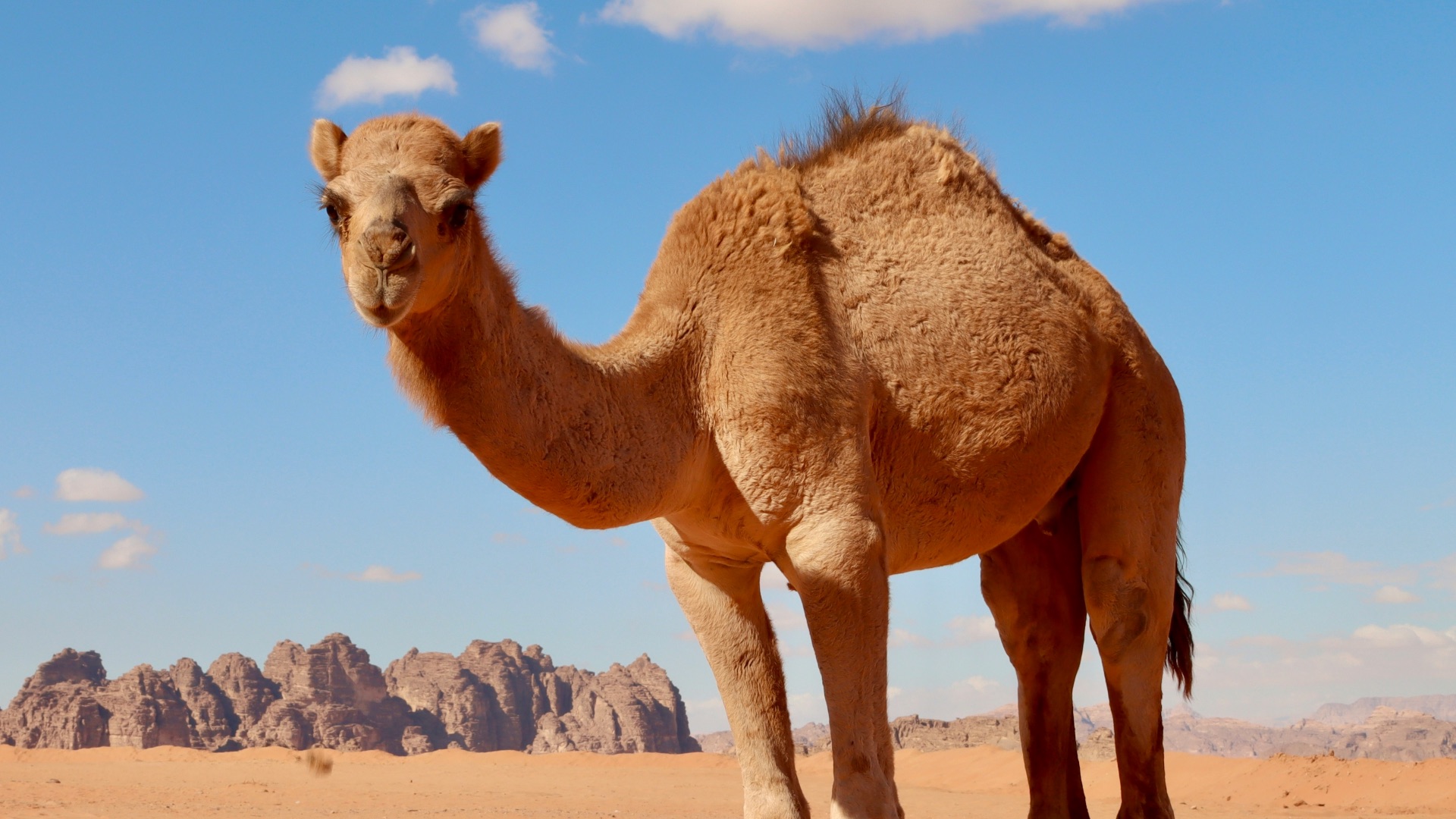
In the 1850s, the U.S. Army imported camels to test whether they’d outperform horses and mules in arid terrain. Reports said camels handled heat and scarce water well, but the project lost momentum as the Civil War approached. Many animals were eventually sold off, and a few wandered into local lore for decades.
3. The U.S. built a nuclear-powered base under Greenland’s ice as cover for a missile idea
Camp Century was a real underground installation carved into Greenland’s ice, powered for a time by a portable nuclear reactor. Publicly it was framed as a research and engineering demonstration, while a related classified concept (Project Iceworm) explored hiding missiles in ice tunnels. The shifting ice made the plan impractical, and the site was abandoned.

4. The CIA spent real money trying to turn a cat into a spy tool
“Acoustic Kitty” was an actual CIA effort to explore whether a cat could be used to carry listening equipment. The idea ran into obvious practical problems, including the basic issue of controlling a cat’s behavior outdoors. Even within CIA histories, it’s often cited as an example of ambitious concepts colliding with reality.

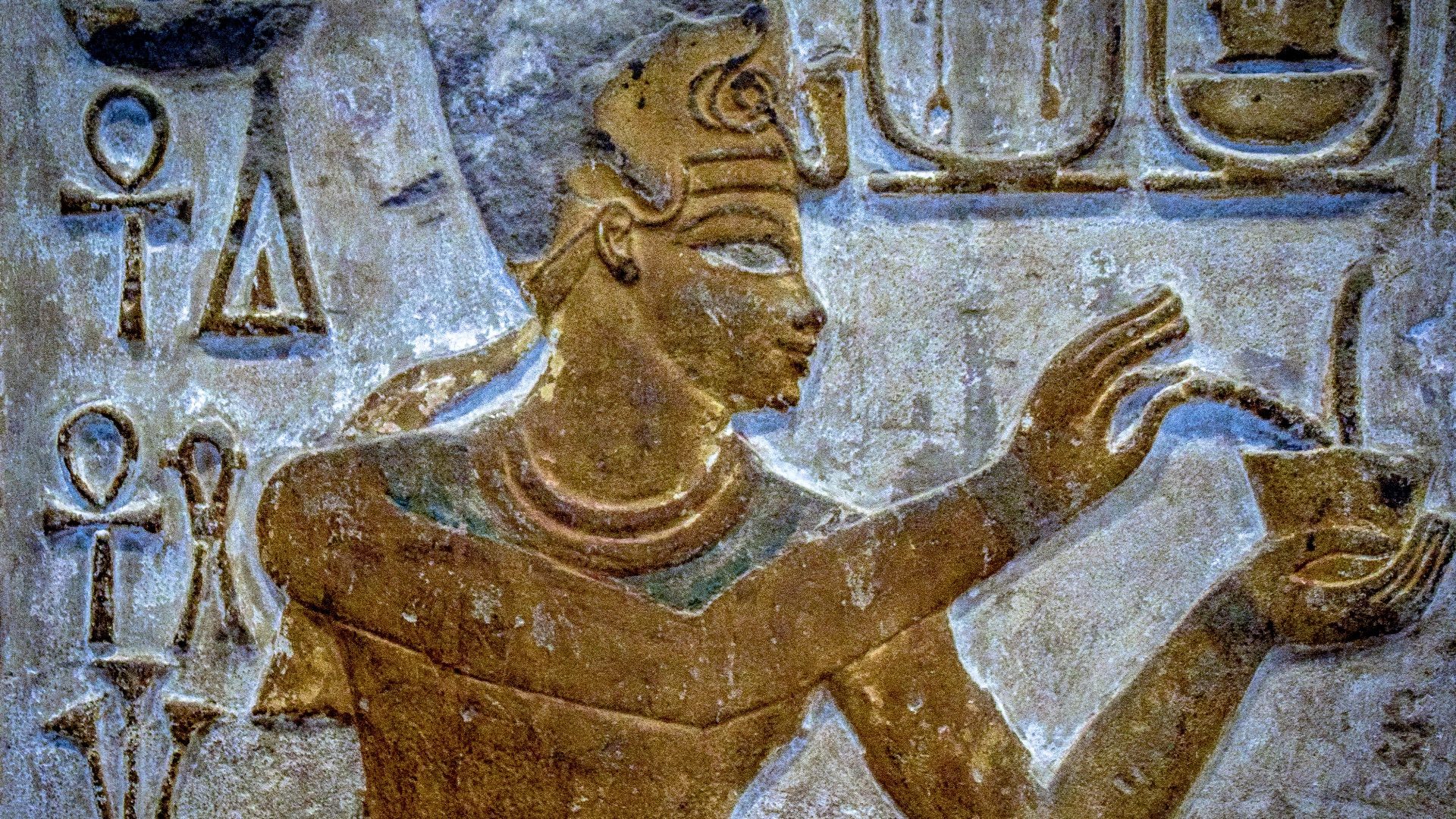
5. The earliest well-documented labor strike was recorded in ancient Egypt
Workers at Deir el-Medina, who built royal tombs, staged a strike near the temple of Thutmose III when rations were delayed. The event was written down by a scribe and preserved in what’s often called the “Strike Papyrus.” The workers reportedly shouted "We are hungry!" when they didn't receive their pay 18 days after they were supposed to.
6. London once had a deadly beer flood
On October 17, 1814, a massive vat of brown porter ale burst at the Horse Shoe Brewery, sending a tsunami of beer into nearby streets and buildings. The incident claimed at least the lives of eight people; the brewery faced huge financial consequences, and the unfortunate event later became part of London’s stranger urban history.

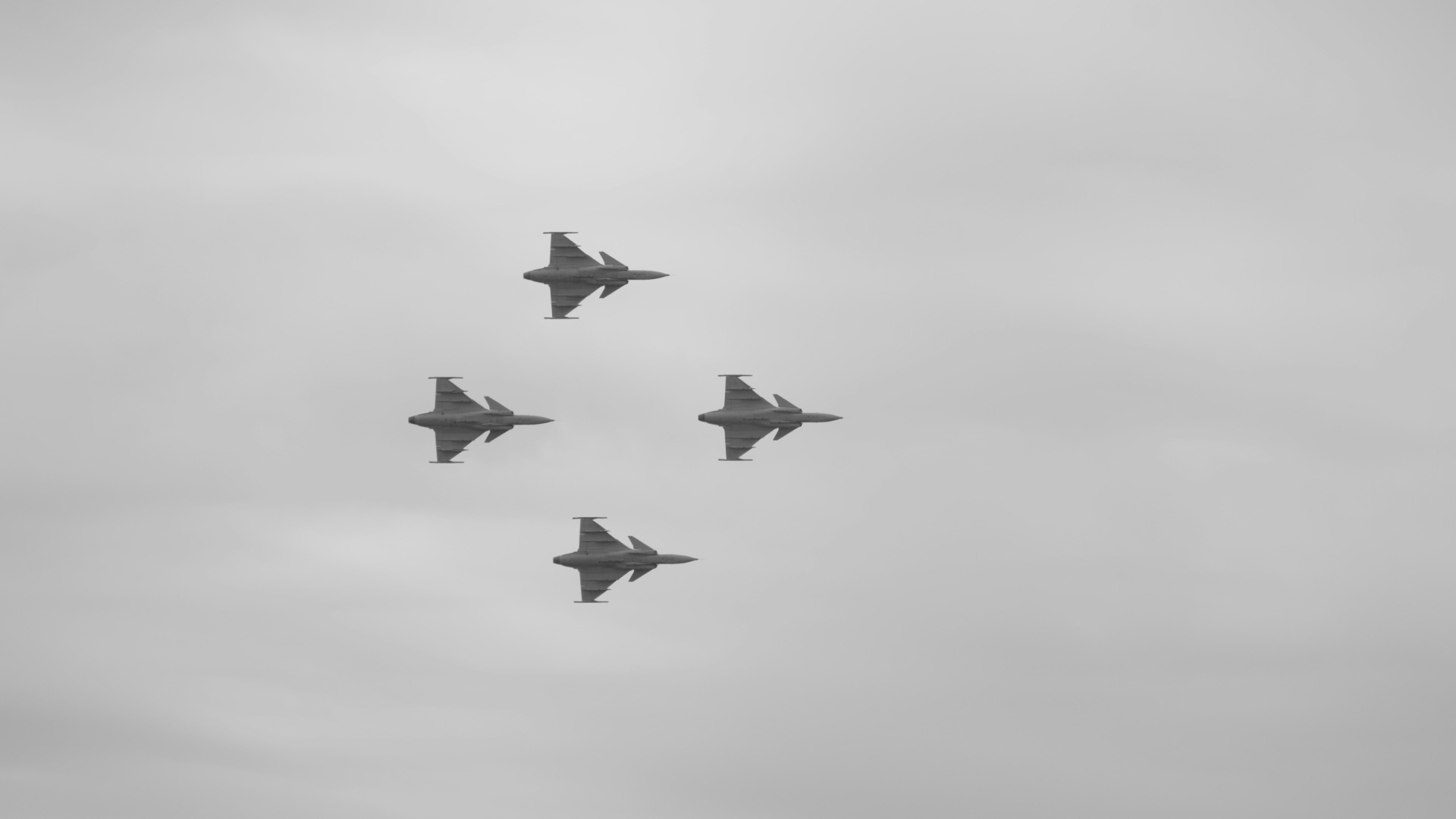
7. Los Angeles fired over a thousand anti-aircraft shells at nothing in 1942
In the early hours of February 25, 1942, just months after Pearl Harbor, air raid sirens, searchlights, and anti-aircraft fire lit up the city during a major false alarm. Officials later attributed the chaos to wartime anxiety and misidentification, with no confirmed enemy aircraft in the skies.
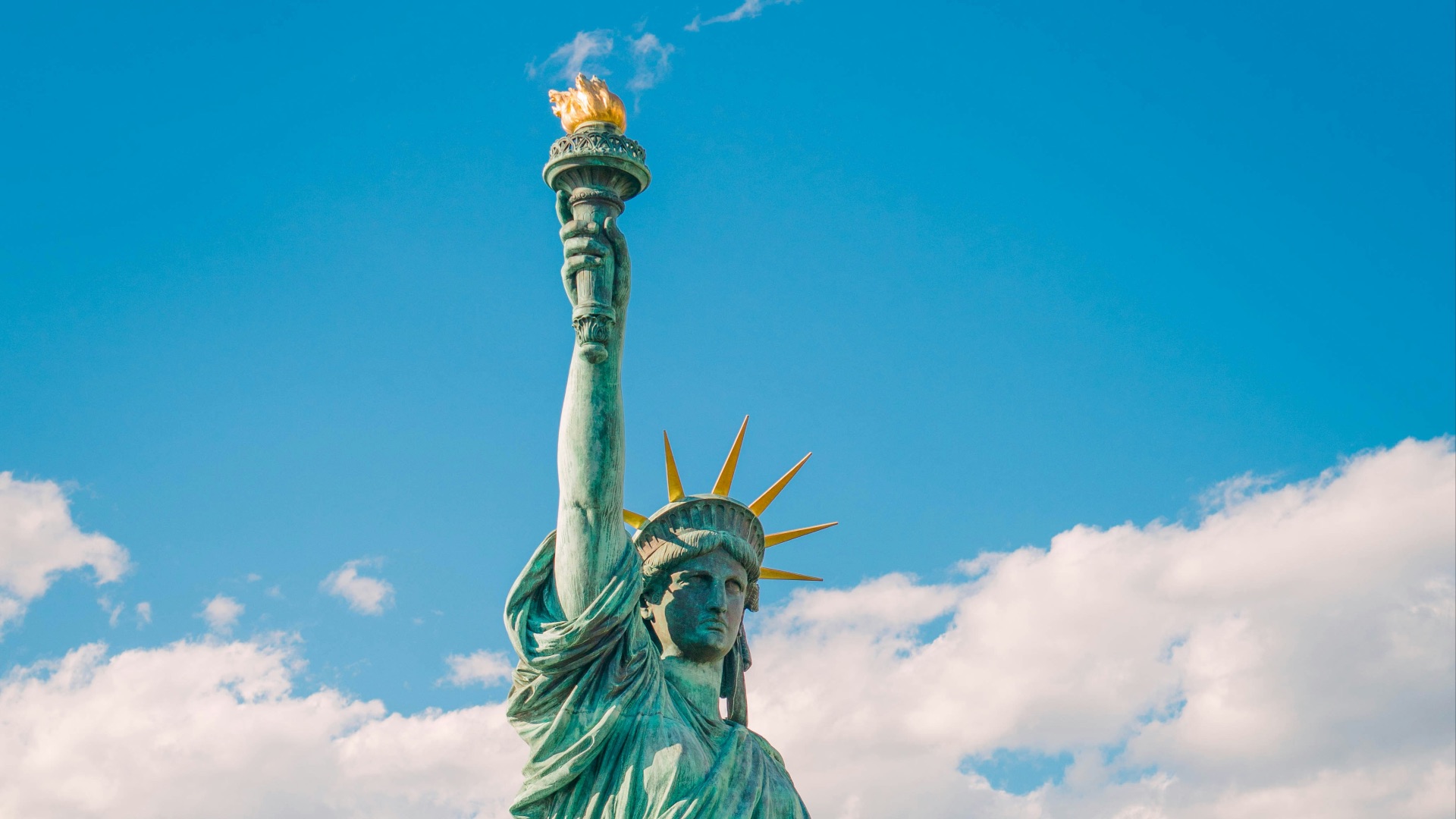
8. A 1916 sabotage blast permanently changed how you visit the Statue of Liberty
The Black Tom explosion in New York Harbor, carried out by German agents during World War I, damaged the Statue of Liberty. Access to the torch was closed afterward and never reopened to the public. If you’ve ever wondered why you can’t go up there, that’s the reason.
9. The oldest known written customer complaint is about bad copper
A clay tablet message to a merchant named Ea-nāṣir is known as the oldest written complaint and reads like a frustrated customer service message you might see today. It’s recognized by Guinness World Records, and the British Museum has held the tablet in its collections since the 1950s.

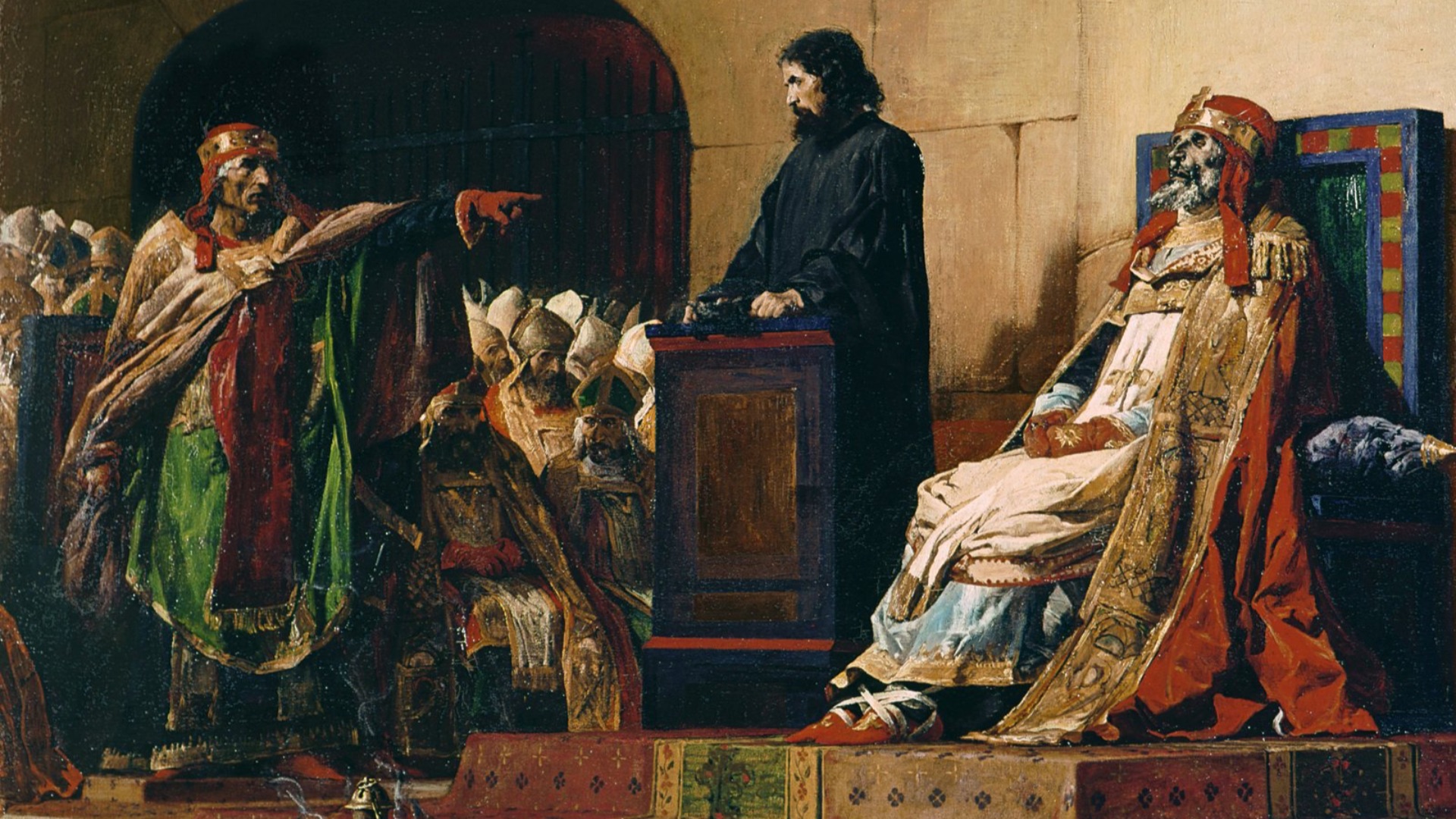
10. A dead pope was put on trial in 897
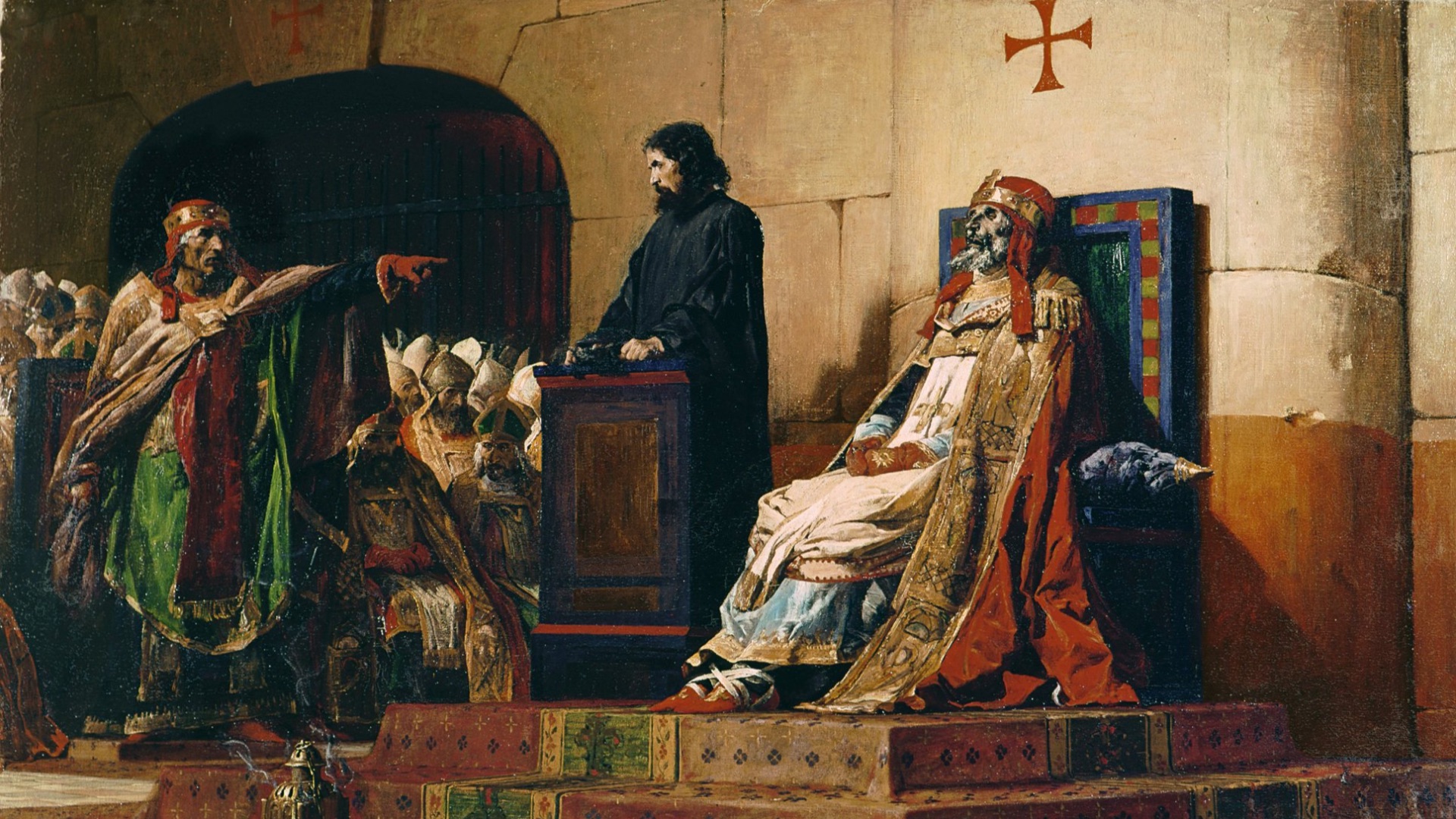
The “Cadaver Synod” involved exhuming Pope Formosus and staging a mock trial with his body—who, at the time, had been dead for nine months—presented in court. A deacon answered on the corpse’s behalf while accusations were read out, and the pope was later found guilty and tossed into the Tiber River.
 Jean-Paul Laurens on Wikimedia
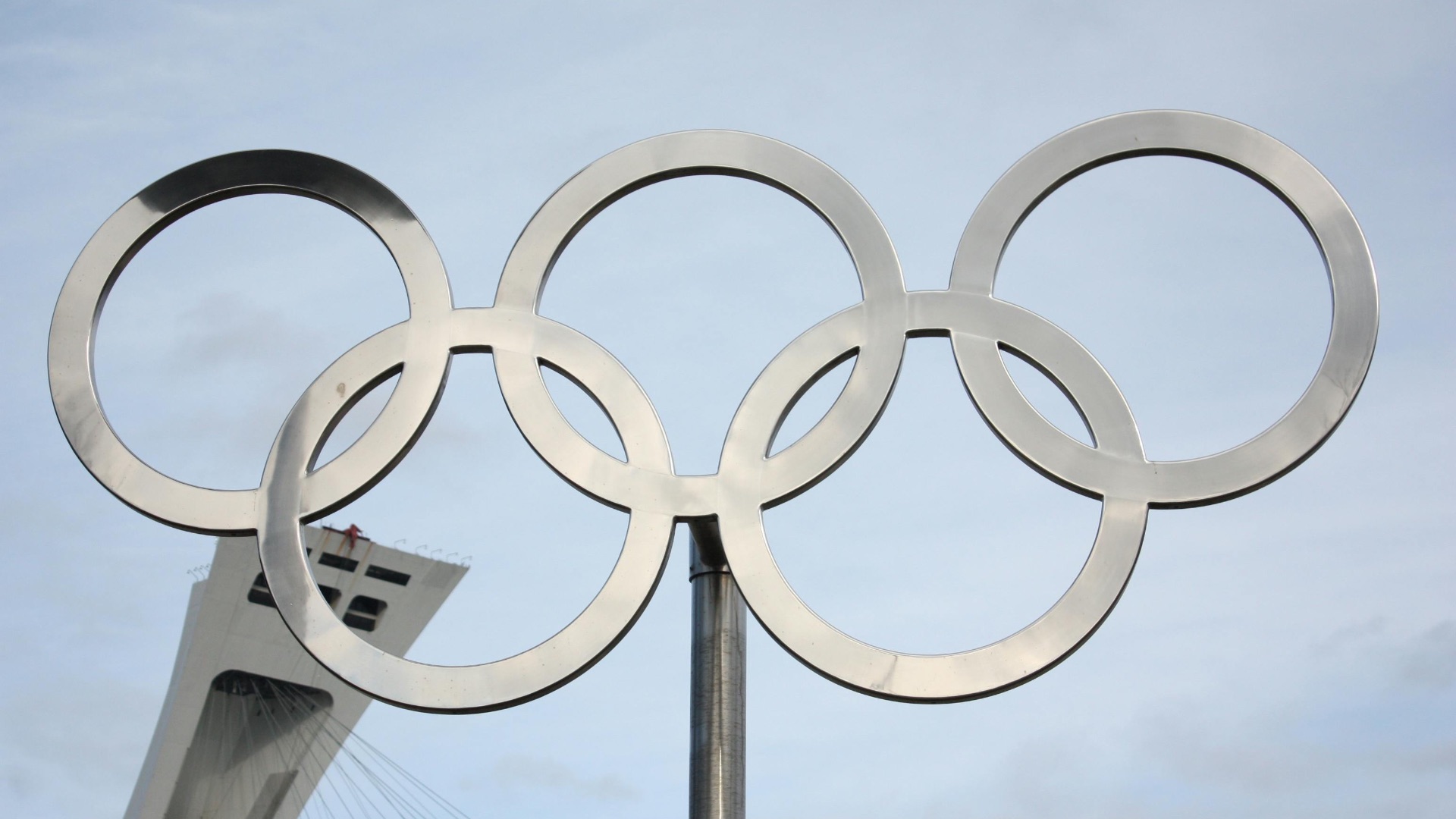
11. The 1904 Olympic marathon winner was given strychnine during the race
In St. Louis, the 1904 marathon unfolded in brutal heat with questionable planning and even more questionable decision-making. The eventual winner, Thomas Hicks, was given substances including strychnine (treated as a stimulant at the time, but now known as a poison given to kill rats) and brandy by his support team, and officials at the time still allowed extensive assistance. Modern reporting treats it as one of the strangest Olympic events on record for good reason.
12. The “first actual computer bug” is literally taped into a logbook
Flaws in programs had already long been called “bugs” by American computer scientists, but in 1947, engineers working on Harvard’s Mark II found a moth stuck in one of the machine’s components. They taped it into their log and wrote it down as the “first actual case of bug being found.”
 Rafael Minguet Delgado on Pexels
13. The shortest recorded war lasted about 45 minutes
On August 27, 1896, the British Empire fought Zanzibar in a conflict that ended in under an hour. British naval bombardment quickly decided the outcome once a succession dispute triggered intervention. It’s widely cited as the shortest war in recorded history.

14. 1816 was so cold in places that “summer” didn't come
The “Year Without a Summer” resulted from the massive 1815 eruption of Mount Tambora. Ash and aerosols in the atmosphere blocked the sun from view, and this changed temperatures and climate, leading to crop failures, storms, and cold rains. Scientists still use it as a clear historical example of how volcanic eruptions can have drastic effects.
 This image was taken by the NASA Expedition 20 crew. on Wikimedia
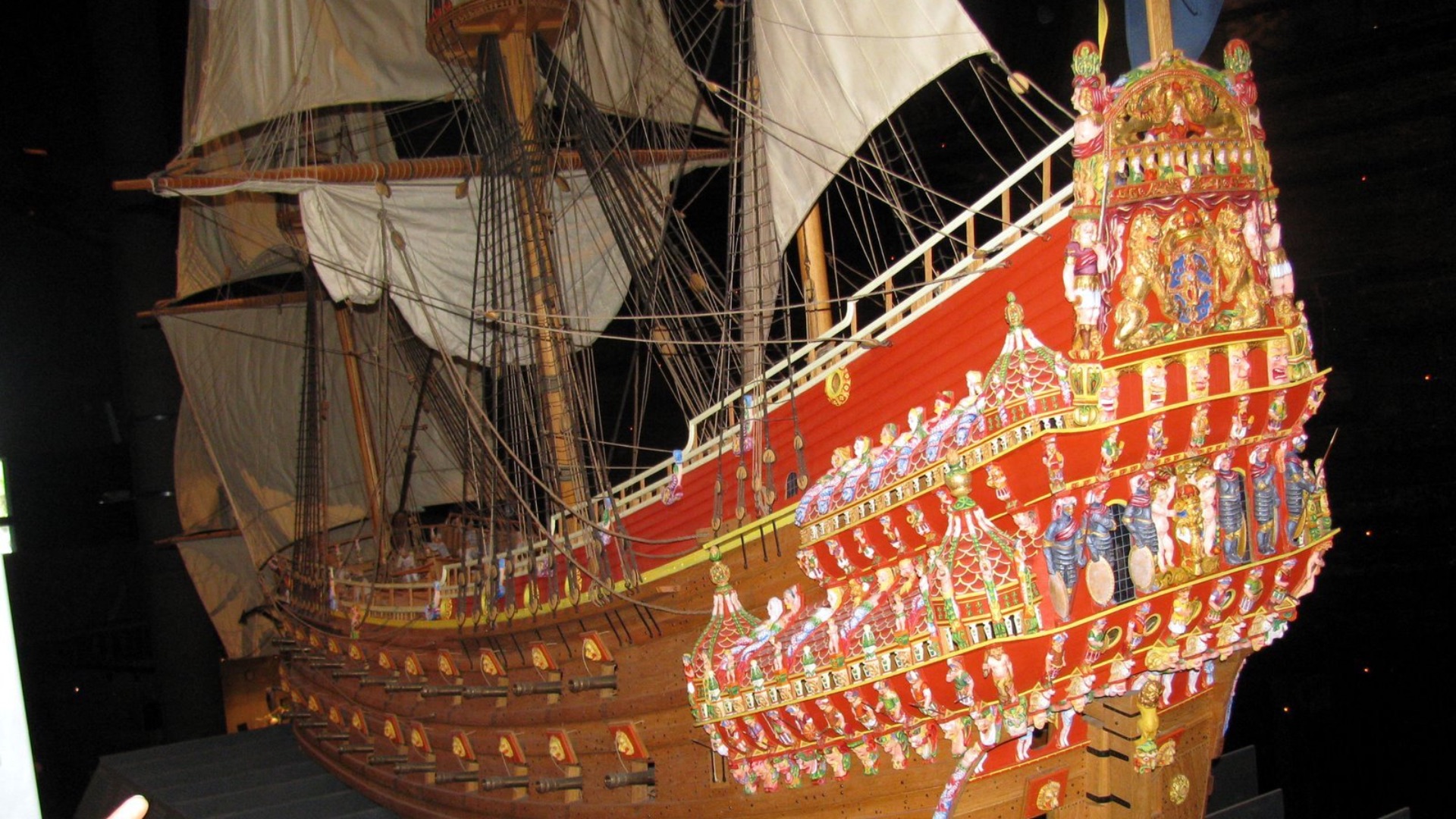
15. Sweden’s proud warship Vasa sank minutes into its first voyage
Vasa launched with huge ambitions and heavy firepower, then capsized and went down on August 10, 1628, shortly after setting sail. Modern explanations pin it on instability from design and weight distribution problems; for one, Vasa had been far too heavy in its upper structure. However, it remains one of the world's best-preserved ships from the 17th century to this day.
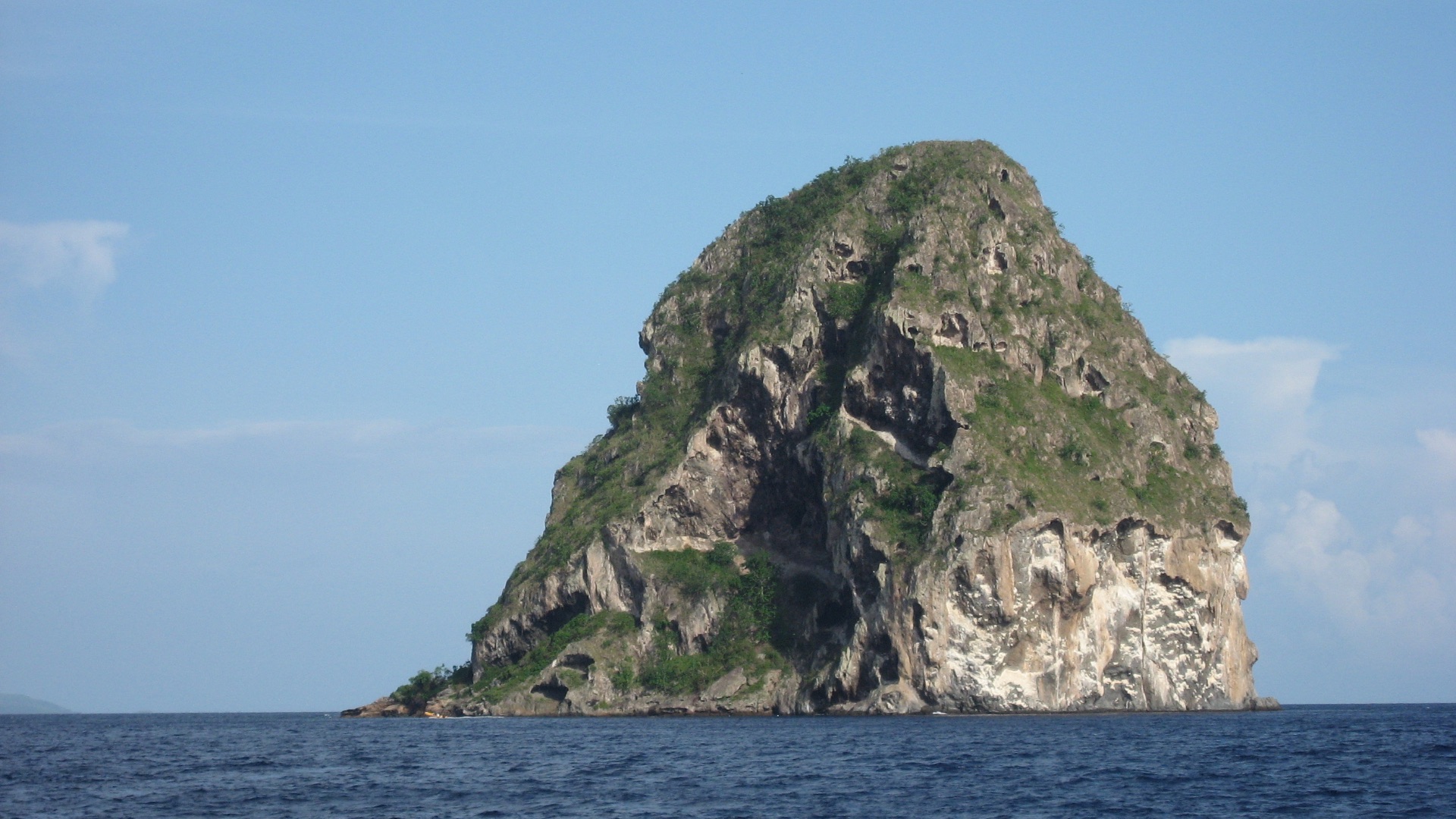
16. The Royal Navy commissioned a rock as a ship
Diamond Rock, off Martinique, was treated as a commissioned “stone frigate” during the Napoleonic Wars. Britain fortified it and used it to disrupt enemy movement in the channel nearby. The story is unusual because naval tradition usually involves wood and sails, not geology.
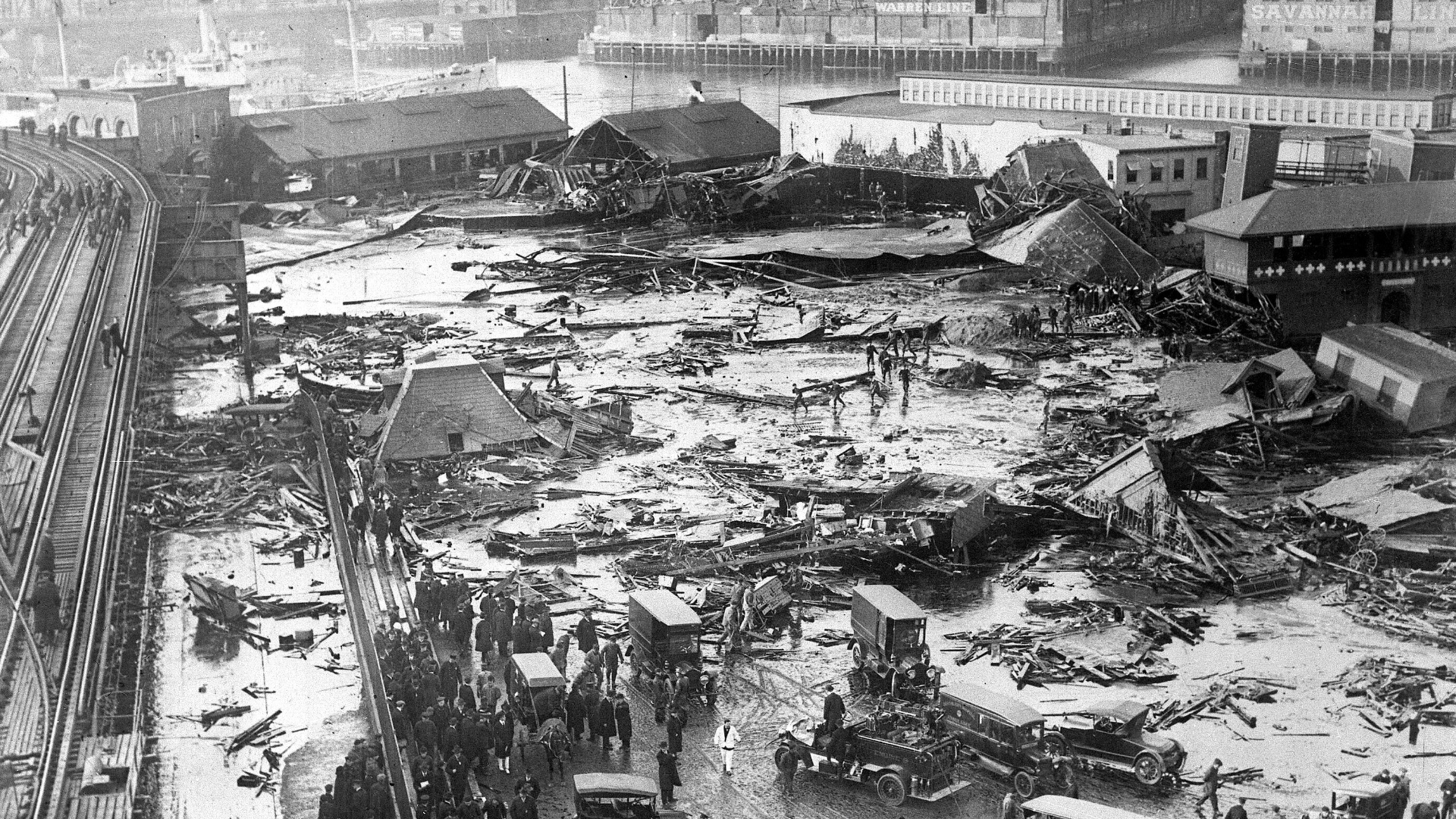
17. Boston was hit by a deadly molasses wave
On January 15, 1919, a storage tank burst and sent molasses surging through Boston’s North End. It'd been originally built in 1915, but had started to leak over time, though no preventative action was taken despite warnings. Newspapers at the time reported at least 50 injured and 11 people killed.
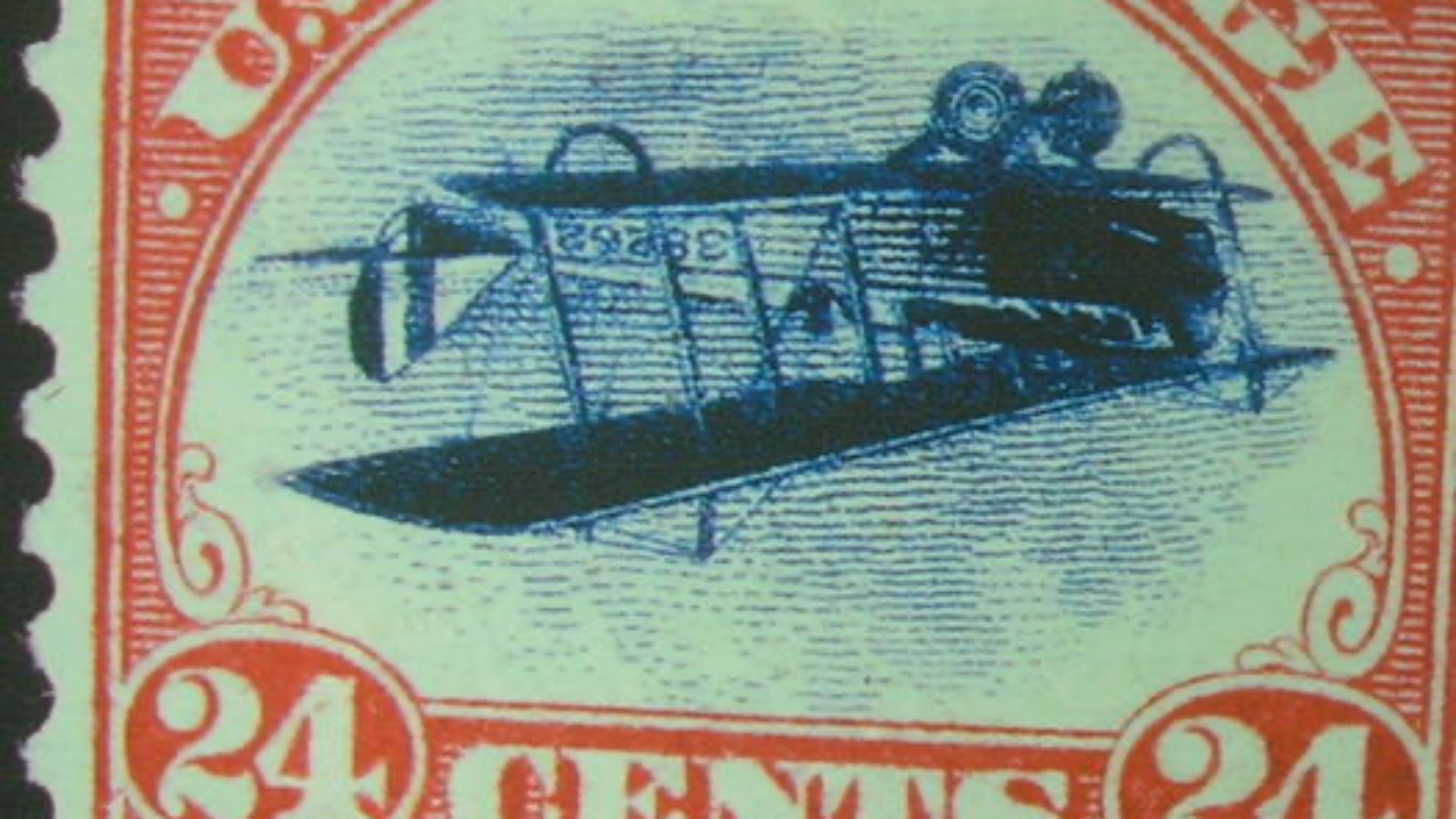
18. America’s most famous stamp error came from one upside-down airplane
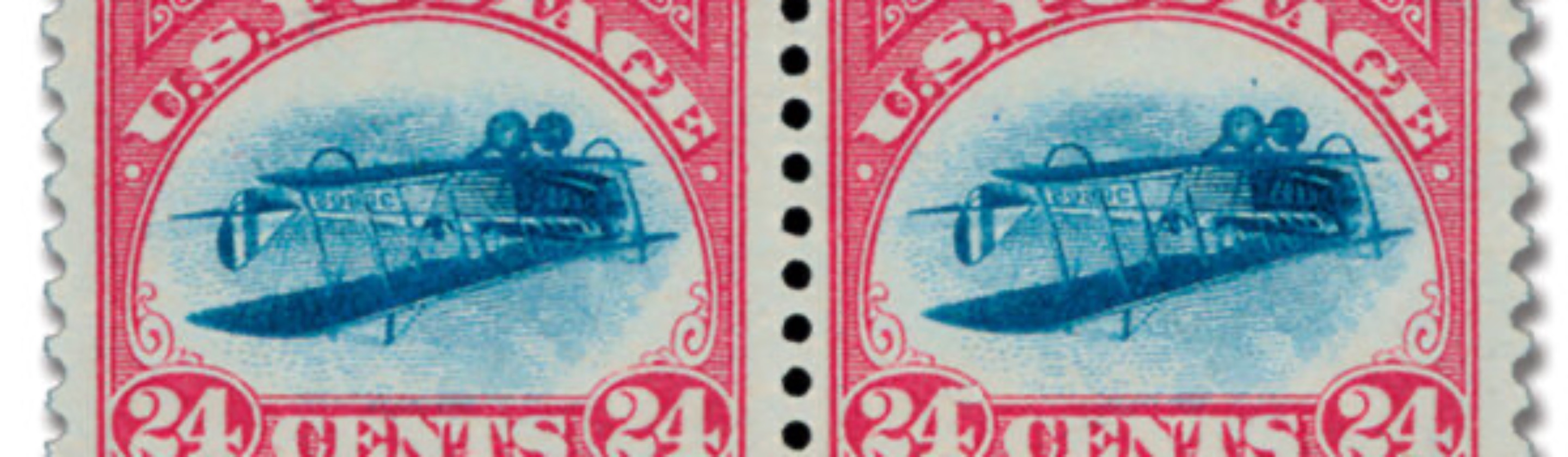
In 1918, a 24-cent airmail stamp was printed with the Curtiss Jenny airplane vignette inverted. Only one sheet of 100 is known to have been sold, which is why collectors obsess over it. It's known best as “Inverted Jenny.”
 Benoit Mortgat (User page/Page utilisateur). on Wikimedia
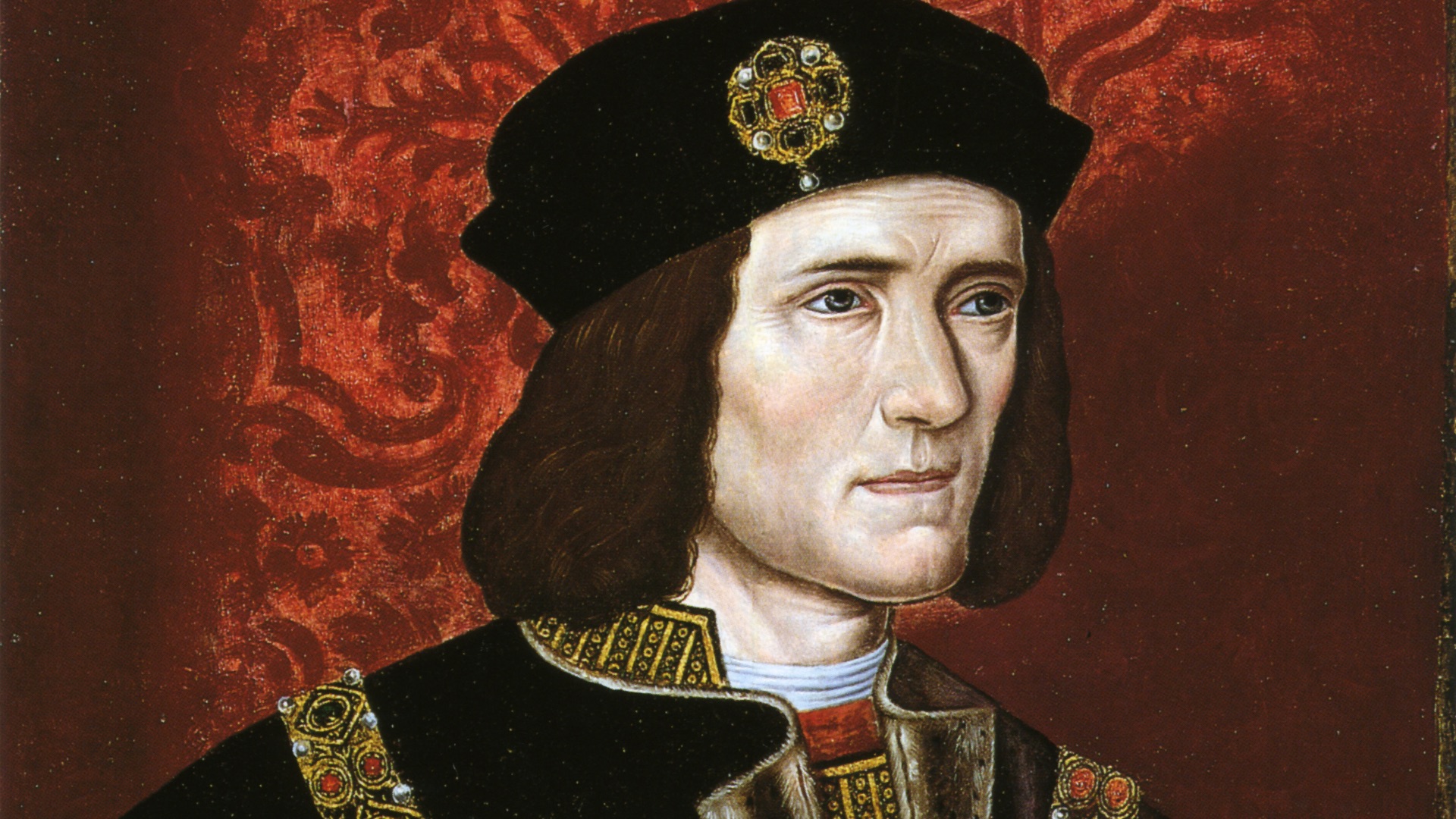
19. Richard III was found under a parking lot and confirmed with DNA
In Leicester, archaeologists uncovered remains under a car park in 2012 at the former Grey Friars site long associated with King Richard III’s burial. Even more incredibly, they discovered it within the first few hours of digging. The University of Leicester announced identification in February 2013 after combining archaeology, osteology, and genetic evidence.
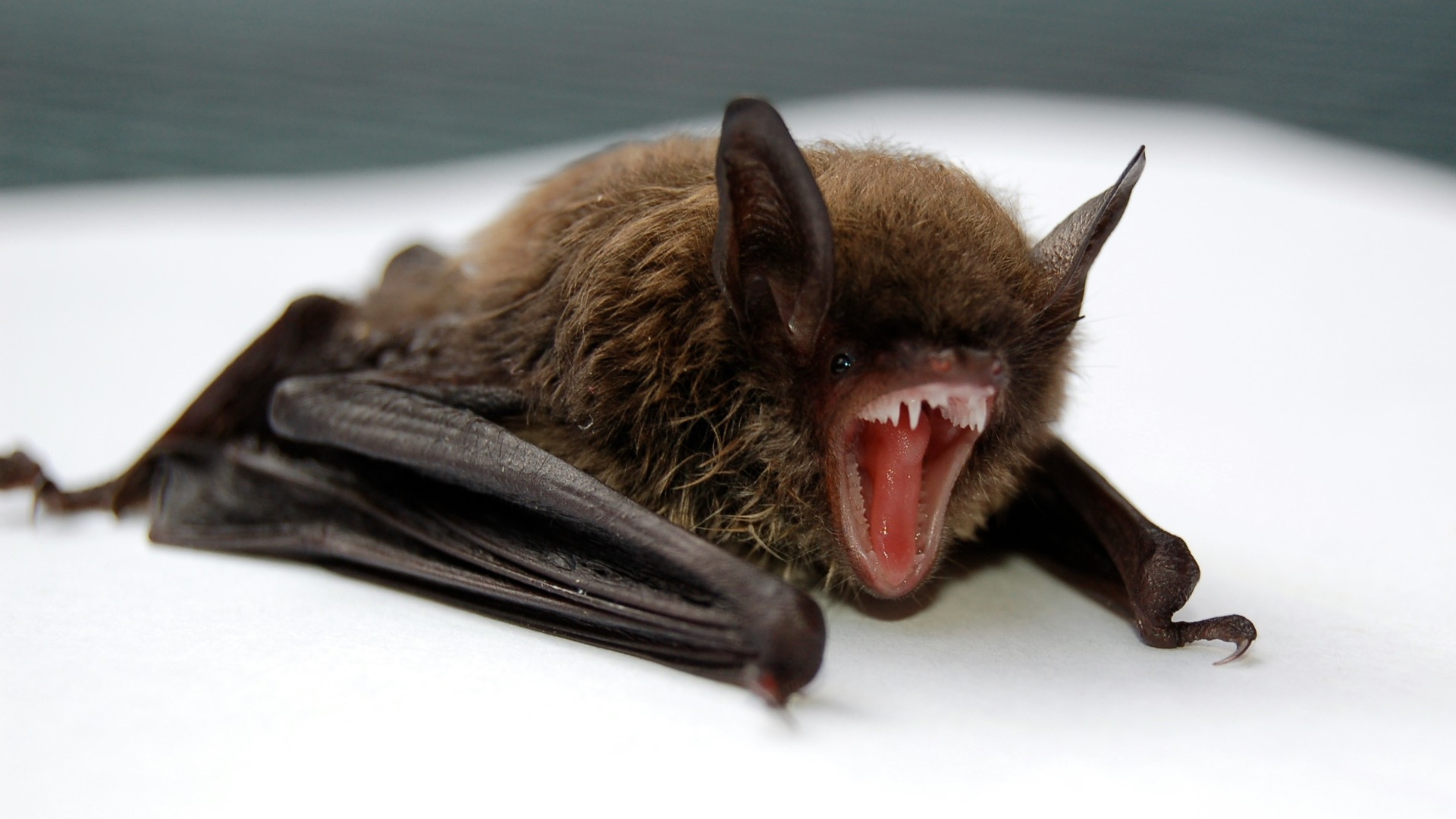
20. The U.S. tested “bat bombs” as a World War II concept
If you thought “Acoustic Kitty” was strange, this one might take the cake. Project X-Ray, as it was called, explored attaching small incendiaries to bats so they’d roost in buildings and ignite fires. Tests ran into major problems, including bats not behaving as planned and accidental fires during trials. The fact that it got as far as field testing is what makes it so hard to forget.
KEEP ON READING