The Man Behind Myth
The Odyssey introduced the world to cunning Odysseus, the enchantress Circe, and the one-eyed Cyclops in an epic that defined what storytelling could be. This masterpiece about loyalty, perseverance, and homecoming shaped literature as we know it. Yet Homer, the traditionally attributed creator, left behind almost no trace of his actual life. Here are 20 surprising truths about the poet behind the legend.
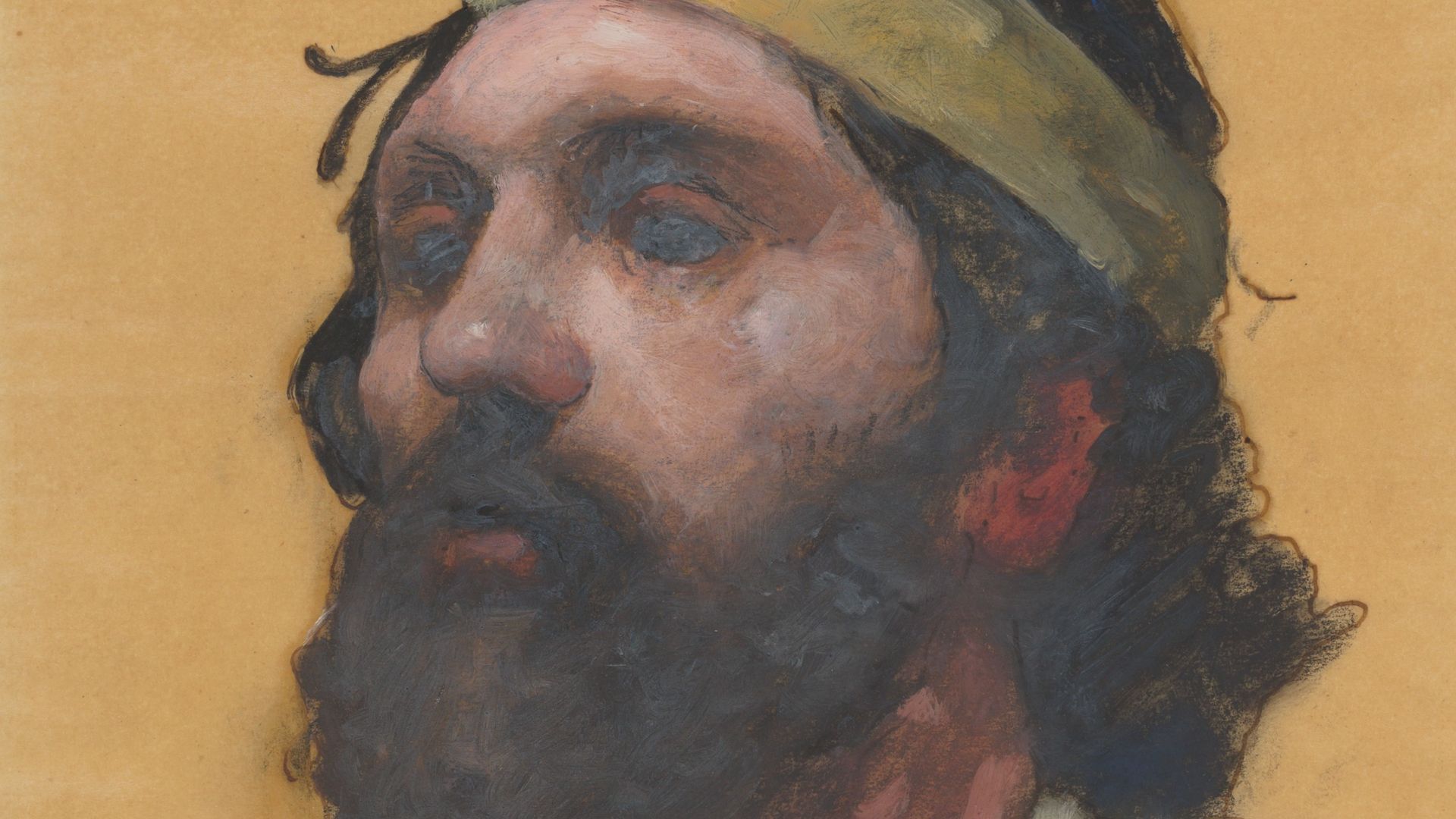
 Manner of Caravaggio on Wikimedia
1. Homer's Identity Remains a Mystery
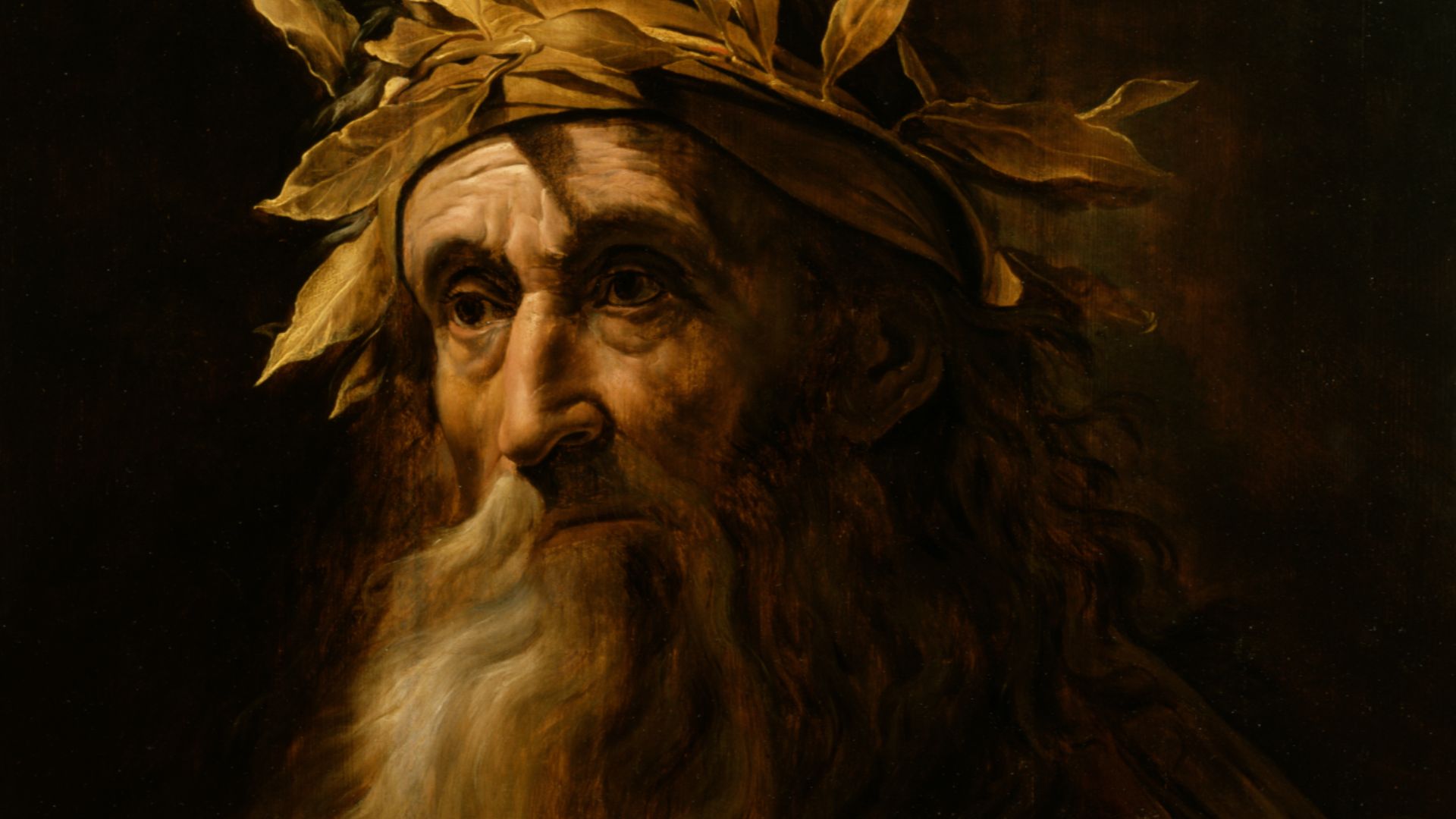
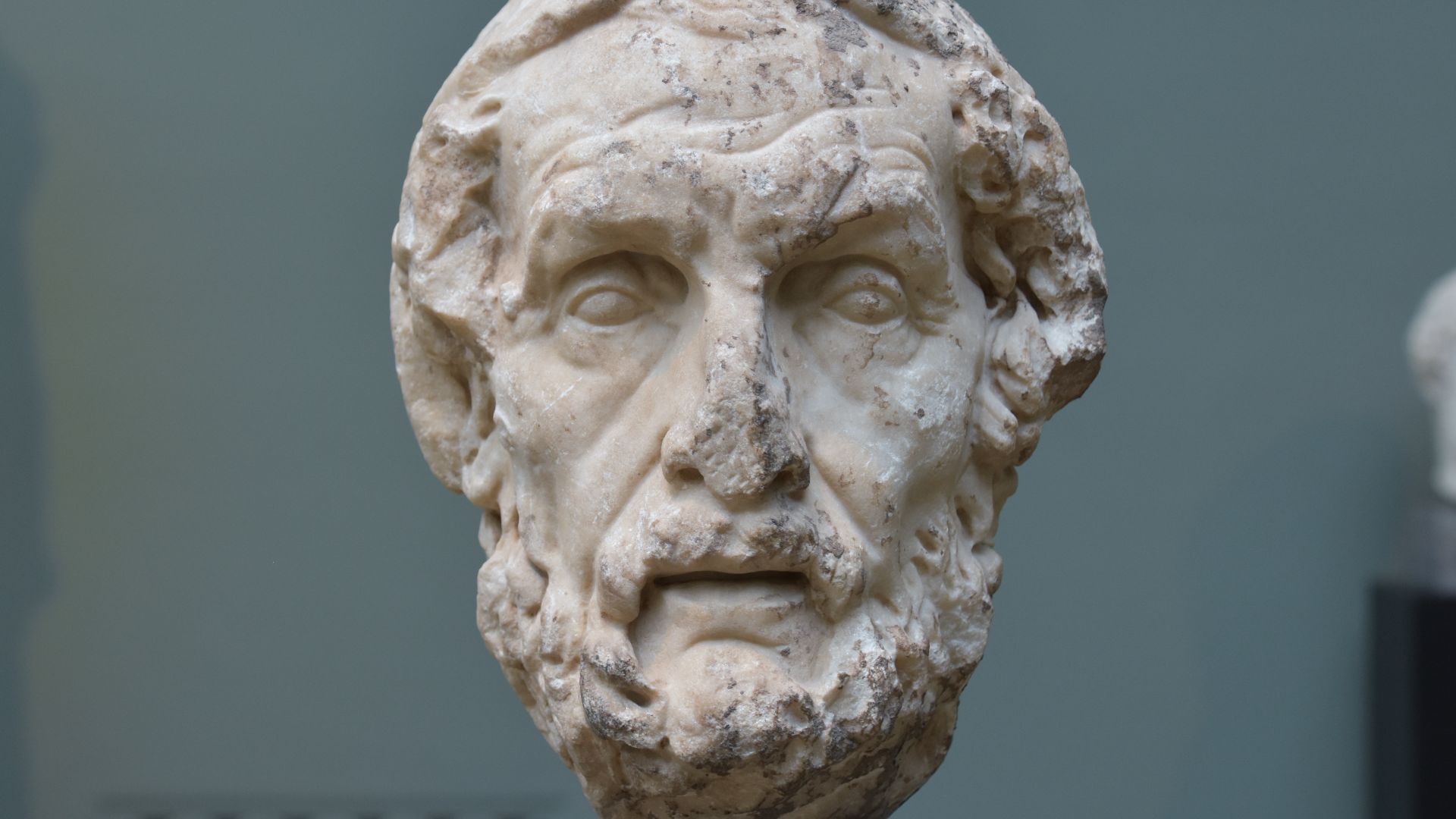
Nobody really knows if Homer was one person or several poets working together. His true identity has puzzled scholars for thousands of years, making him one of history's most enigmatic figures. In fact, some think "Homer" was just a name for wandering storytellers.
 Richard Mortel from Riyadh, Saudi Arabia on Wikimedia
2. He Likely Lived in the 8th Century BC
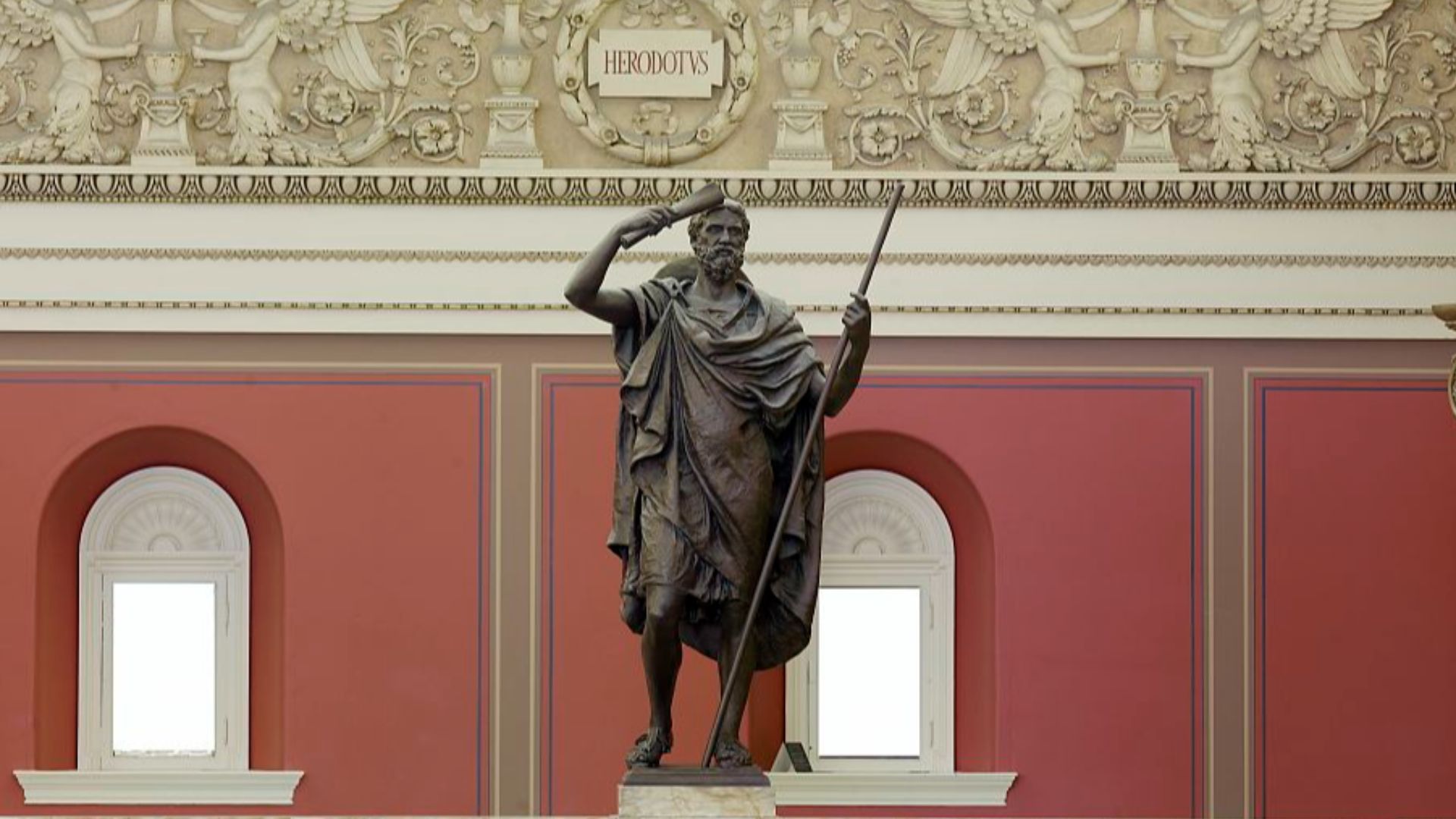
Most historians believe Homer lived around 750 BC, though some date him anywhere from 1200 to 650 BC. The uncertainty exists because of the oral nature of his works and the lack of contemporary records. Ancient historian Herodotus placed Homer around 850 BC based on tradition.
 Carol M. Highsmith on Wikimedia
3. His Birthplace is Hotly Debated
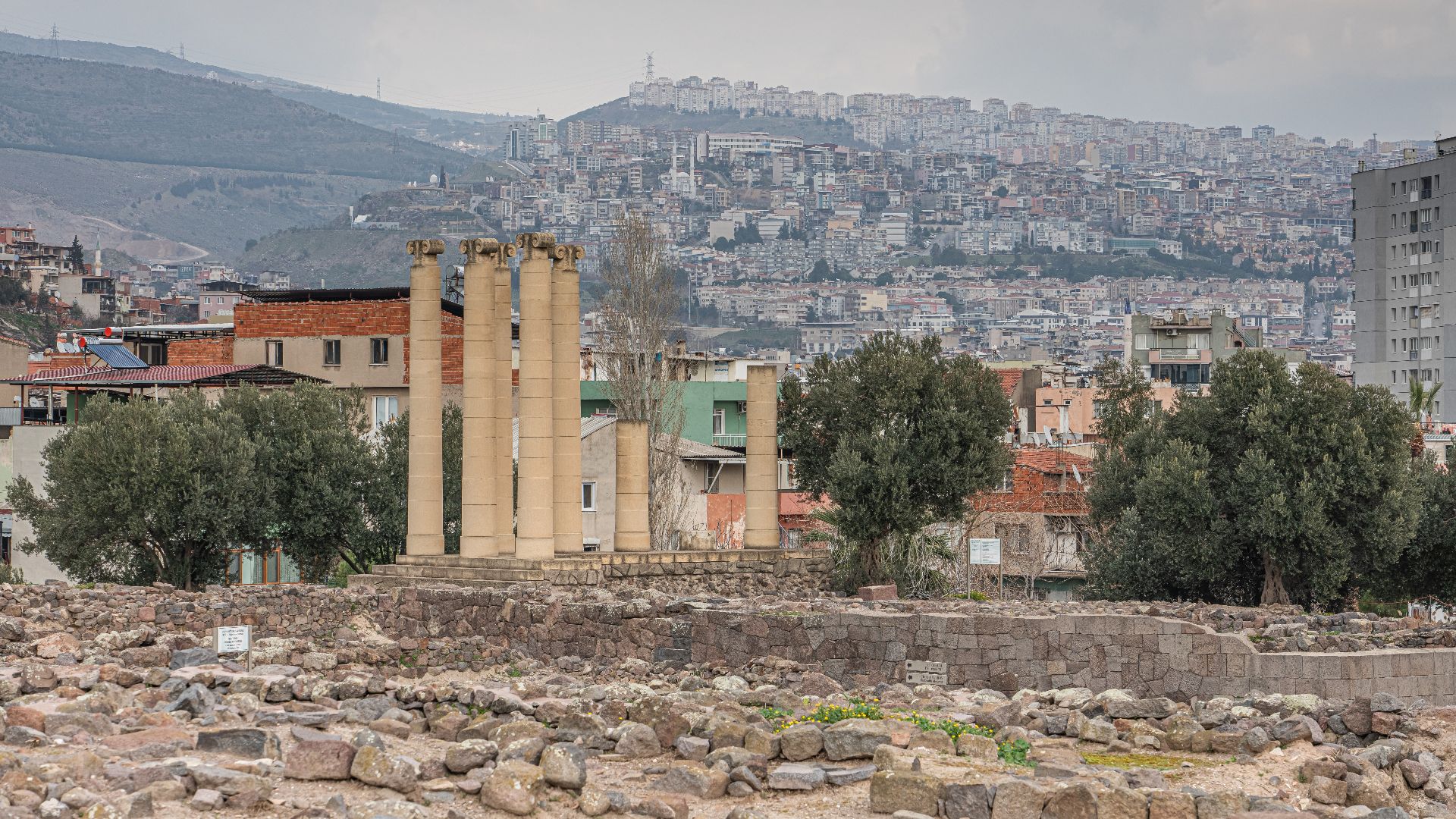
Seven different Greek cities claimed Homer as their own, including Smyrna and the island of Chios. The Ionic dialect used in his poems suggests he came from Asia Minor's coast, now modern-day Turkey. Yet we'll probably never know his true birthplace with certainty.
4. His Full Name May Have Been Melesigenes
According to some Greek writers, Homer's complete birth name was Melesigenes, derived from his supposed father, the river Meles. The name "Homer" came later, perhaps after he lost his sight or began his wandering life.
5. He May Have Been Blind
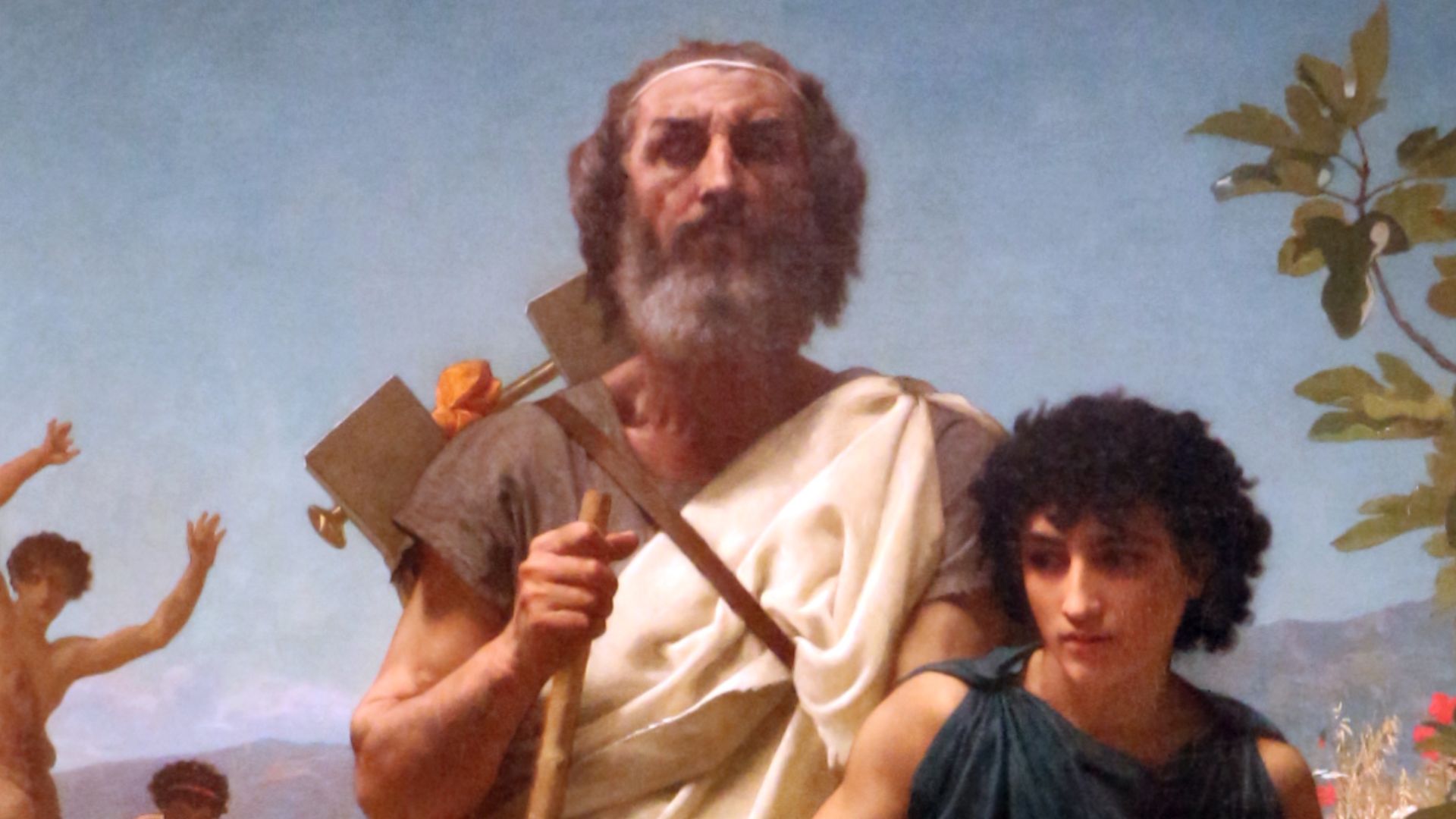
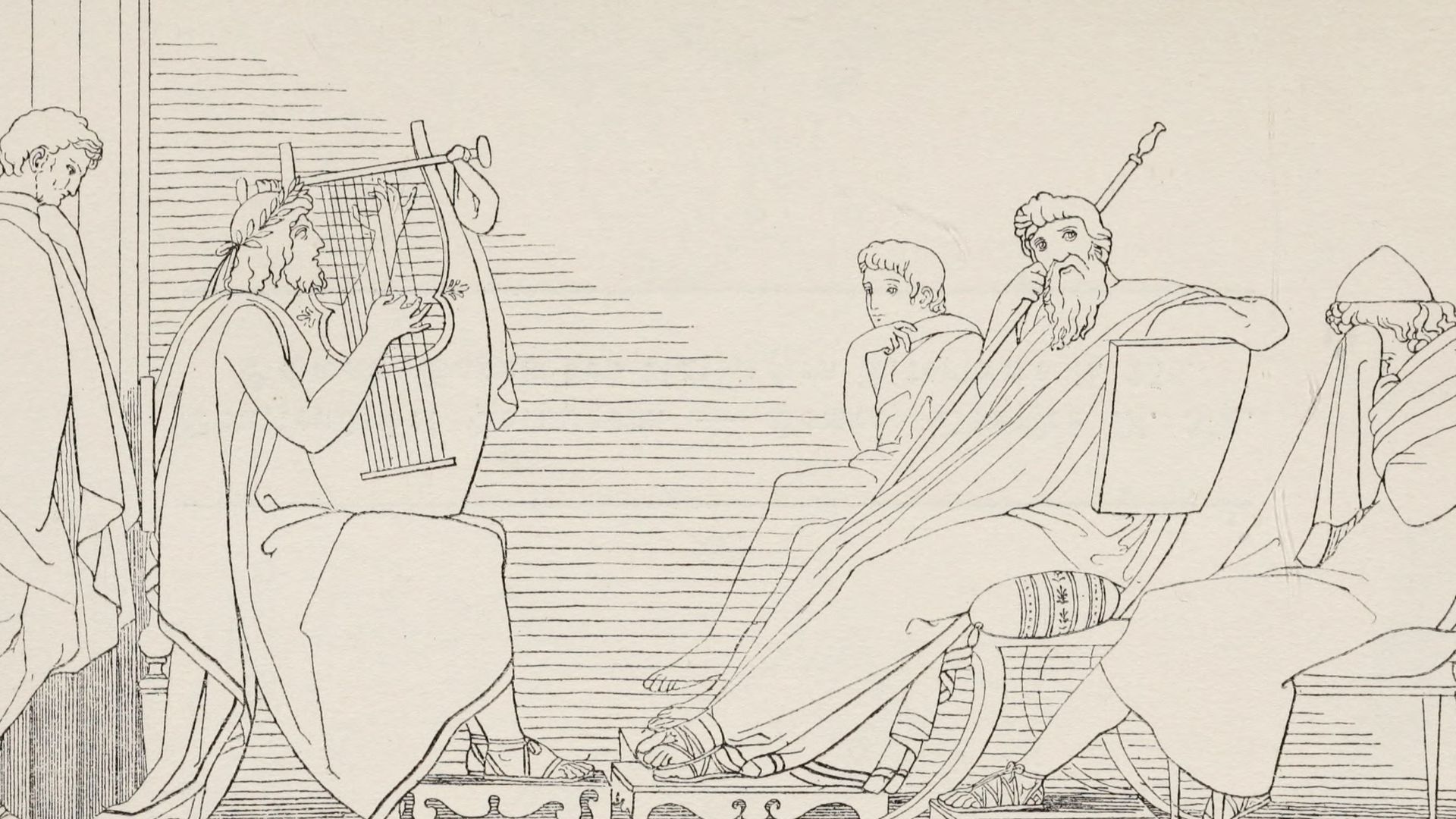
Ancient tradition depicts Homer as blind, possibly based on Demodokos, a blind poet in the Odyssey who entertains audiences with epic tales. The Greek word “homeros” may derive from “hostage” or “pledge,” with later traditions linking it to blindness.
6. His Works Were Translated Worldwide
From Latin to modern languages, Homer’s epics have been translated more than almost any other text. Each translation reflects cultural priorities—some emphasize poetic rhythm, others clarity—keeping Homer alive across centuries and continents.
7. He Wrote in Homeric Greek
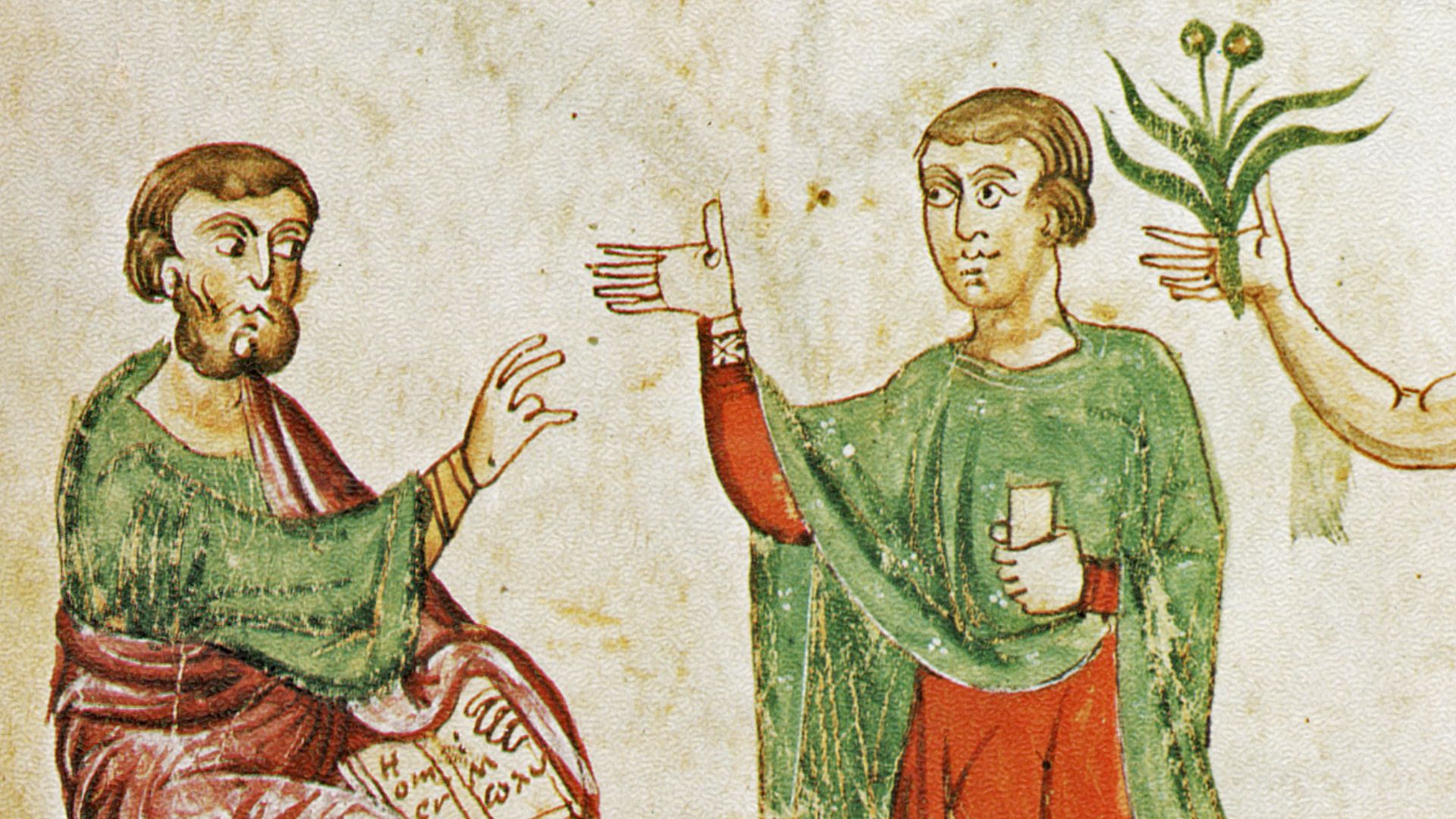
Homer composed in an artificial literary language called Homeric or Epic Greek, mixing Ionic and Aeolic dialects from different centuries. This wasn't spoken by anyone in an actual conversation but was created specifically for epic poetry. It later became the standard language for all Greek epic verse.
 Unknown authorUnknown author on Wikimedia
8. Ancient Tradition Says Homer Competed Against Hesiod
Legend tells of a poetry contest at Chalcis where Homer and another famous Greek poet named Hesiod faced off. Though Homer dazzled the crowd with brilliant answers to riddles, Hesiod won because judges valued his peaceful farming poems more than Homer's war tales.
9. The Iliad May Have a Different Author
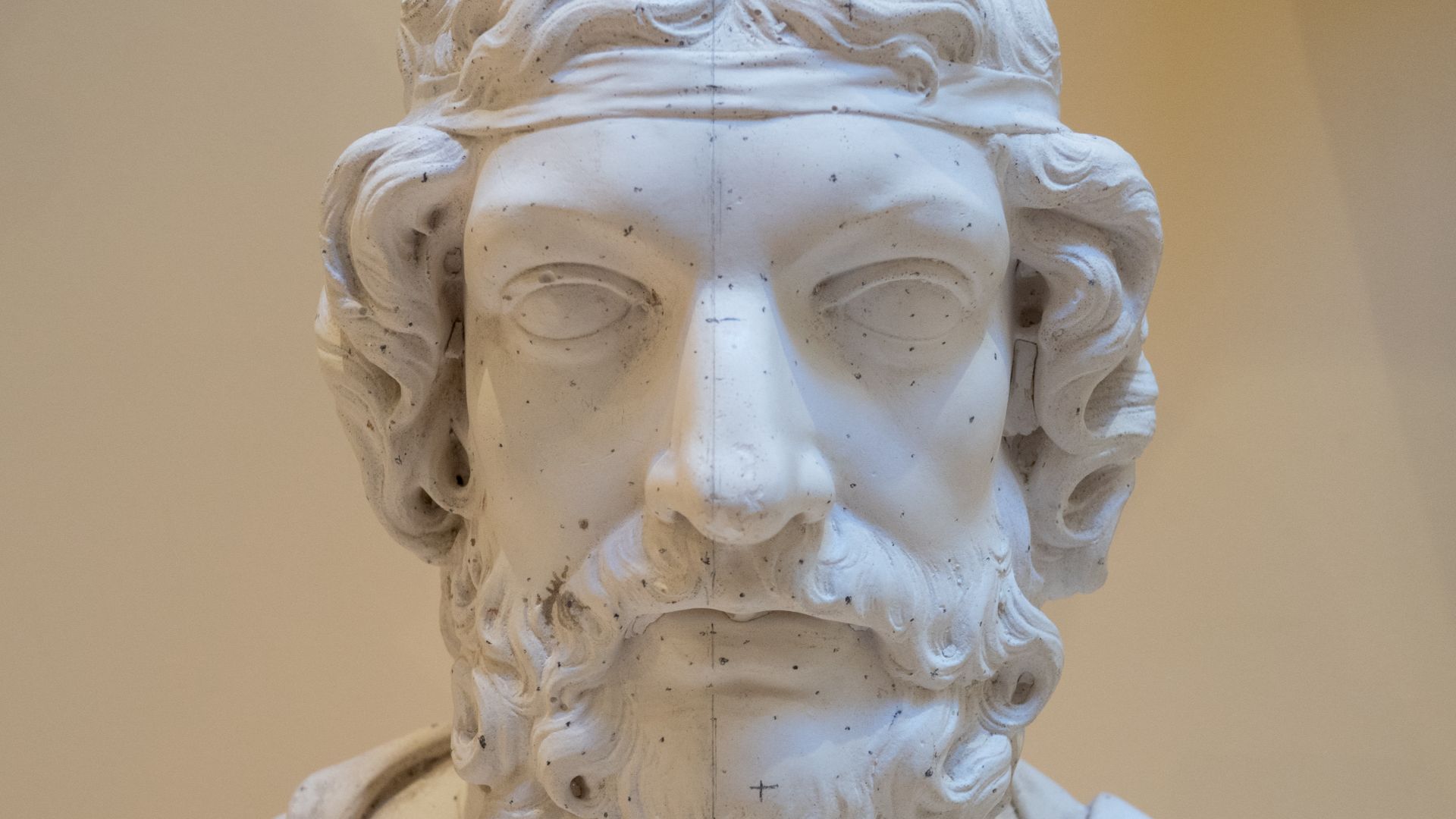
Scholars debate whether Homer alone wrote both the Iliad and the Odyssey because their styles differ significantly. The Iliad uses formal, theatrical language while the Odyssey feels more conversational and novelistic. Some think they were composed a century apart, others suggest just decades between them.
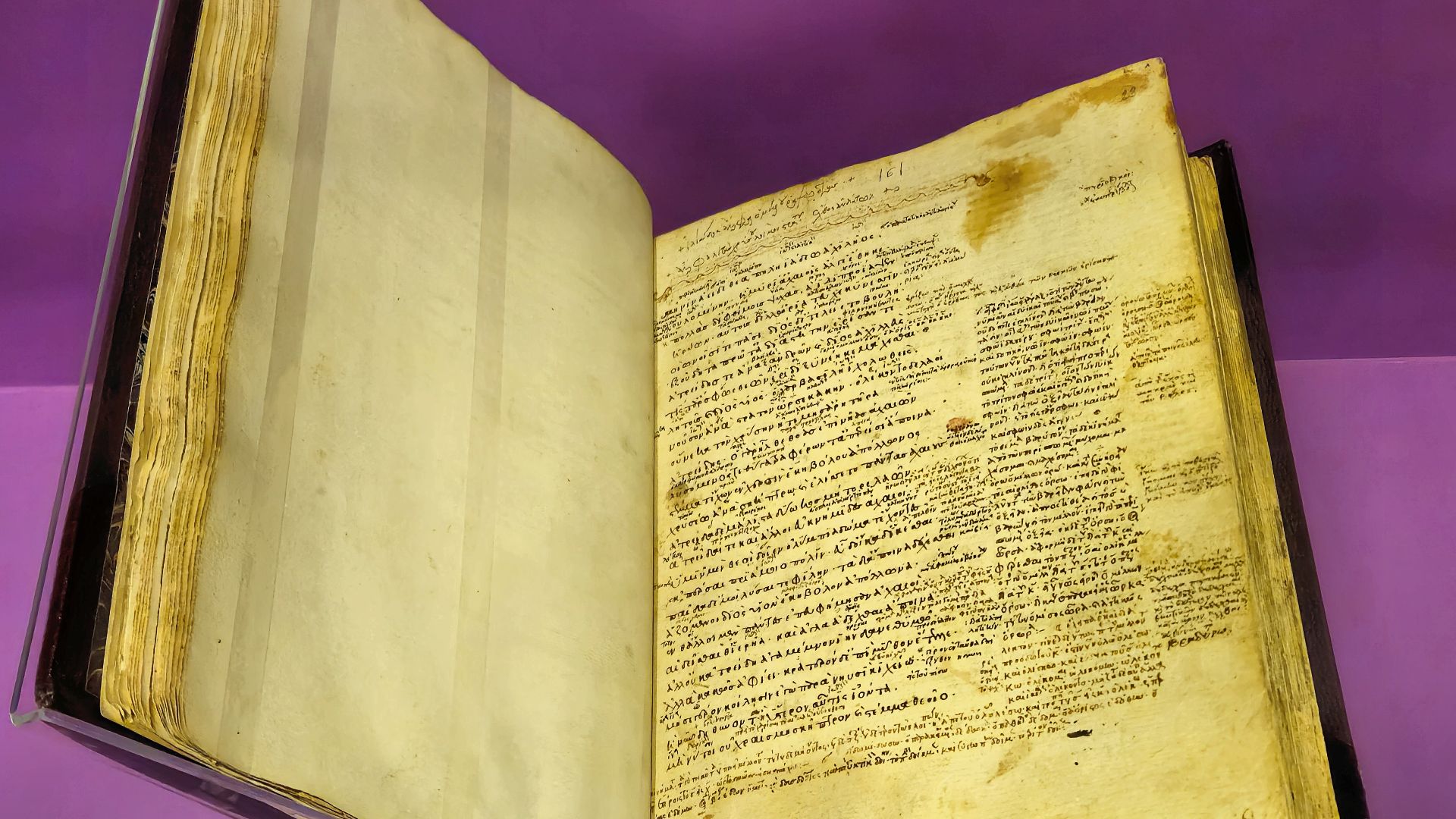 Homer/Unknown manuscript author(s) on Wikimedia
10. He Influenced All of Western Literature
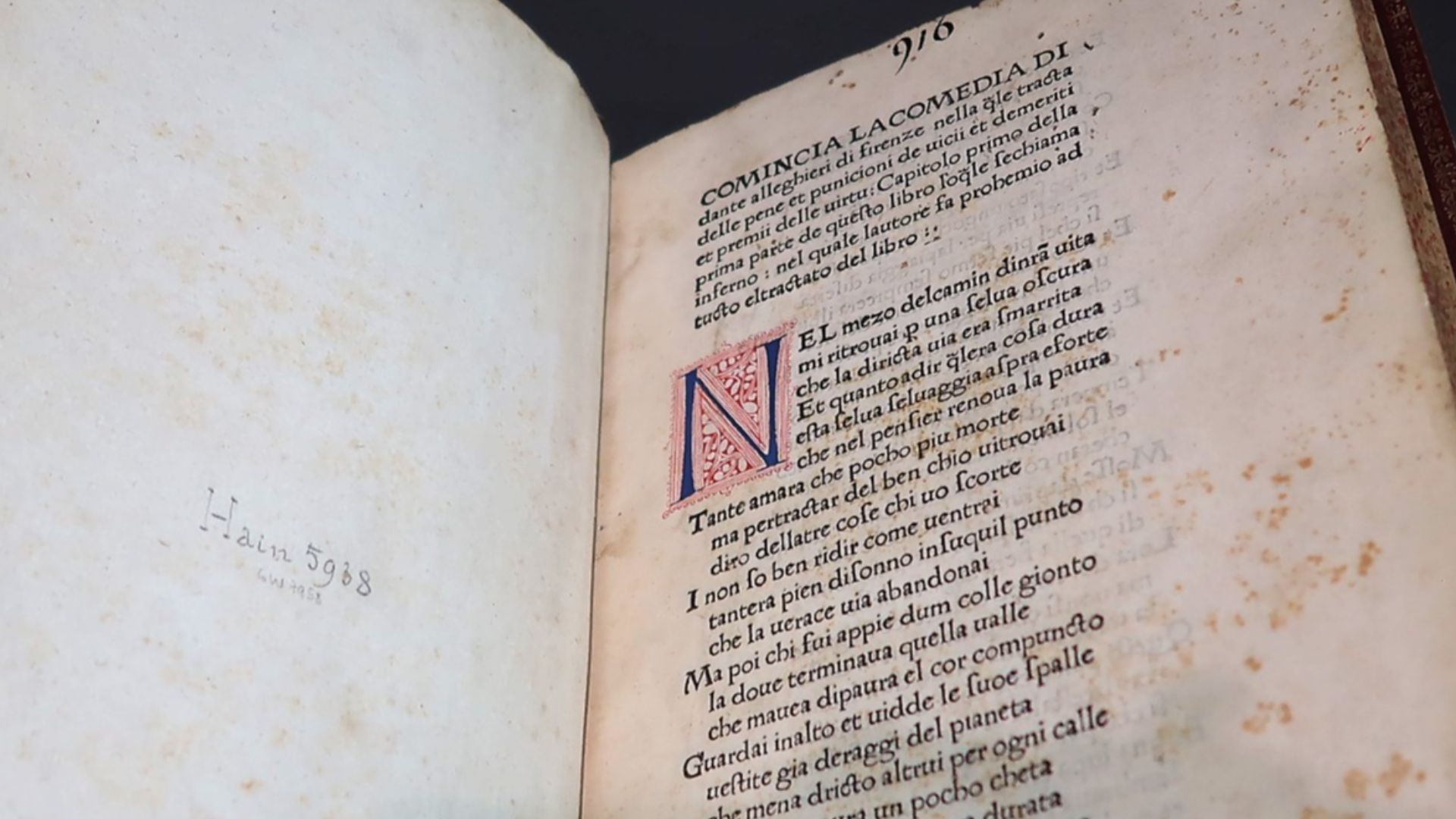
Dante called him "Poet sovereign," the king of all poets, in the Divine Comedy. Alexander Pope acknowledged Homer as the greatest poet who ever lived in his Iliad translation preface. From ancient times to today, his epics have inspired countless works of literature, music, art, and film.
11. His Poems Mix History and Fiction
While set during the Trojan War, the poems blend multiple time periods and include purely fictional elements. For instance, the Iliad describes two springs near Troy that have not been confirmed archaeologically. Homer painted a picture of 12th-century Mycenaean life while writing in the 8th century.
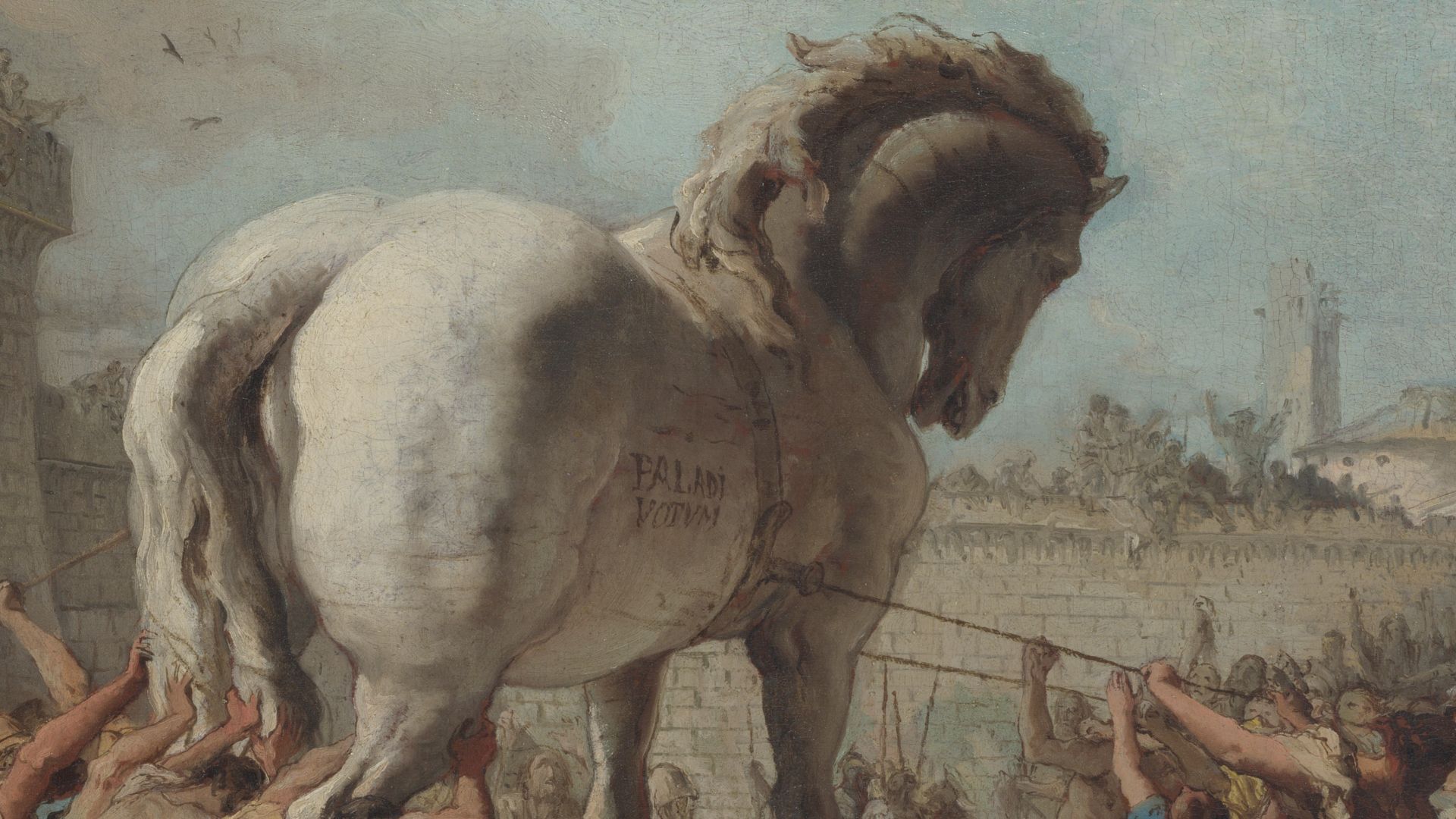 Giovanni Domenico Tiepolo on Wikimedia
12. Scholars Call it the Homeric Question
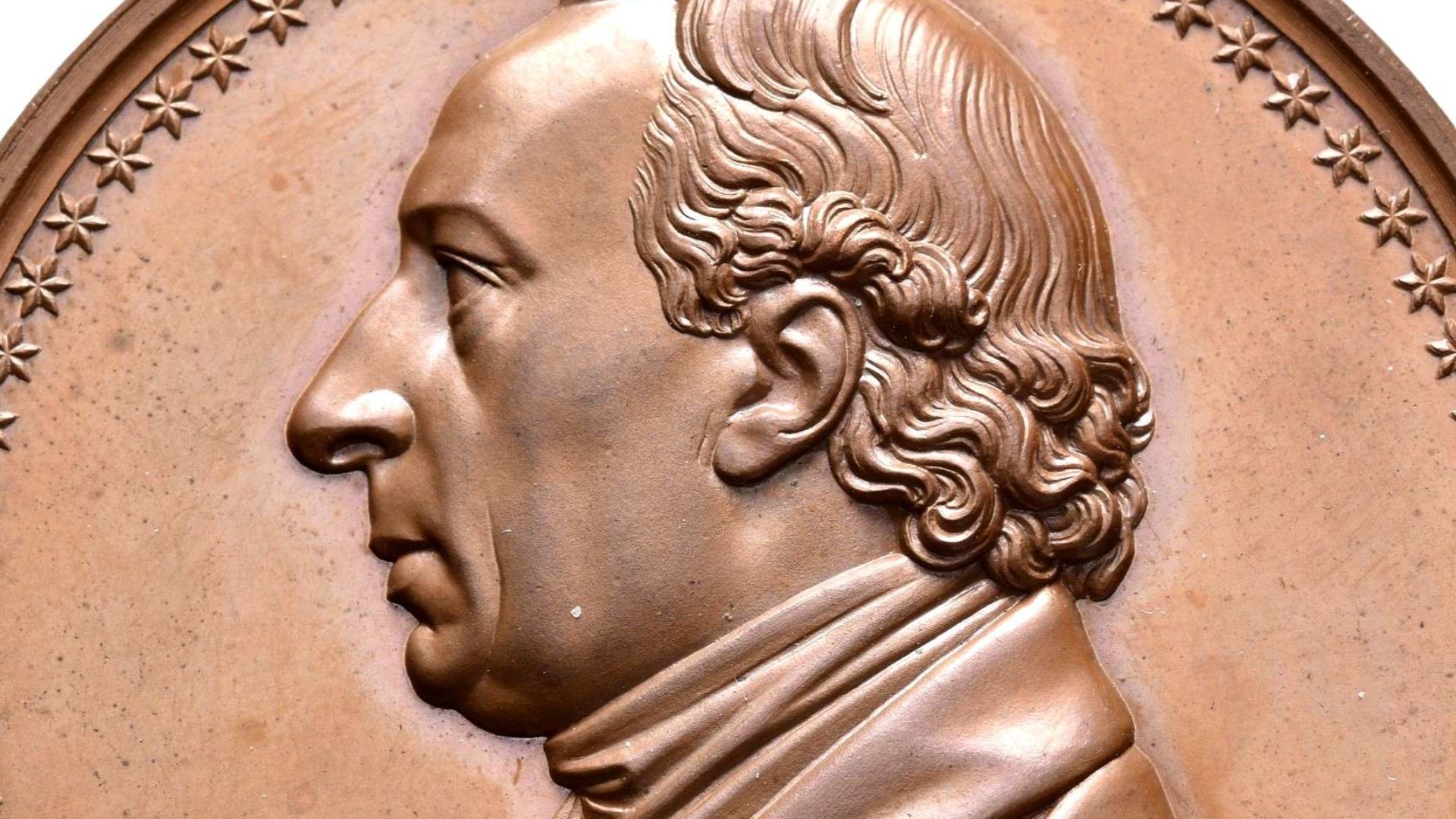
The "Homeric Question" refers to ongoing debates about who wrote the epics, when, where, and how. Friedrich Wolf's 1795 work Prolegomena ad Homerum first suggested the poems were compiled from shorter oral songs passed down for centuries.
13. He Had Alleged Descendants
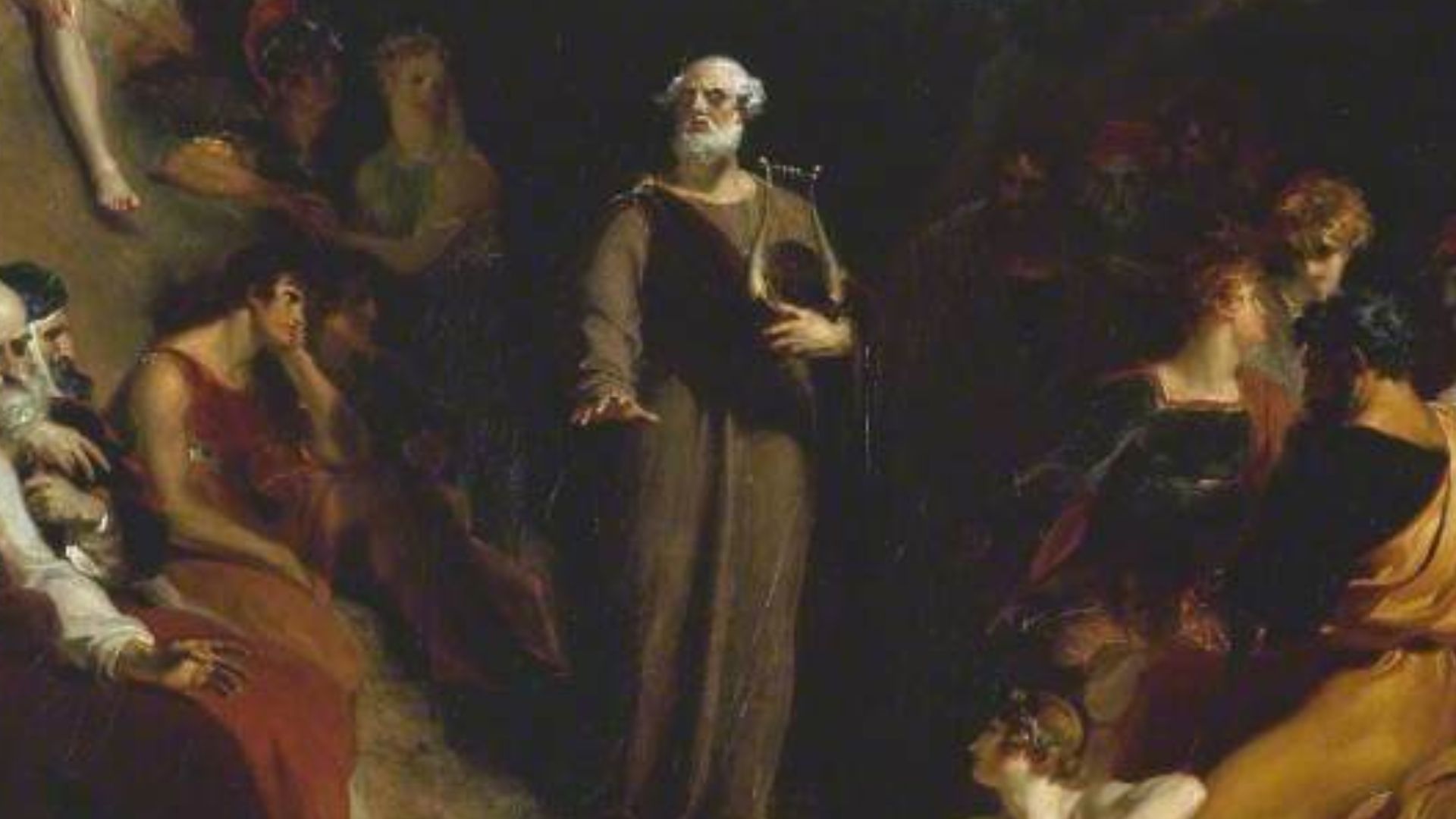
Ancient tradition claimed Homer had descendants called the "Homeridae" who preserved and spread his poetry across generations. This idea dates back to at least the early 6th century BC, and these poet-descendants supposedly memorized and performed his works.
14. His Poems Use a Special Rhythmic Pattern
Homer composed in dactylic hexameter, a verse form where each line has six rhythmic units called feet. This flowing meter, the oldest known in Greek poetry, drives epic narratives forward like waves. Picture one long syllable followed by two short ones, repeated throughout every line.
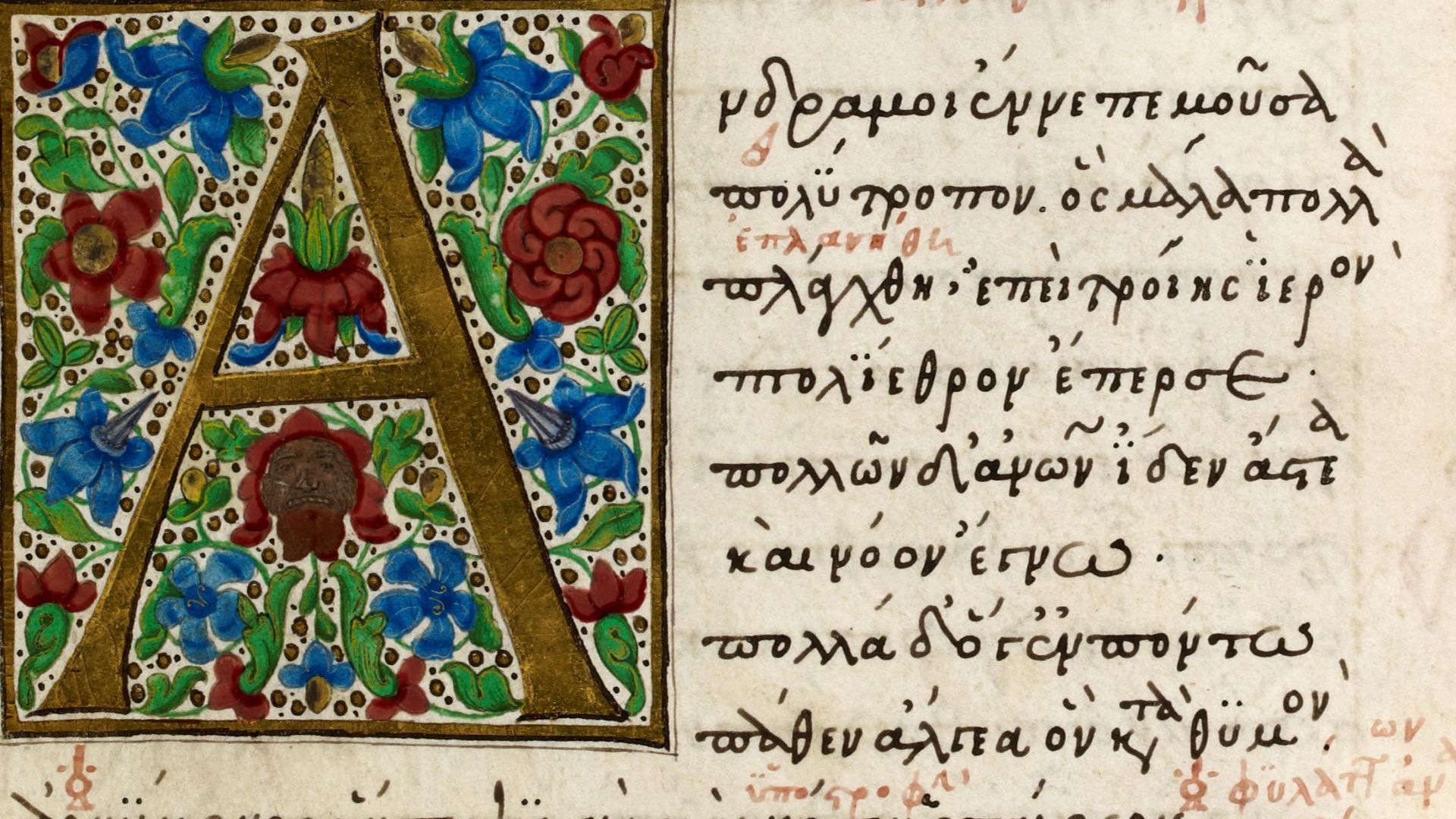 File:Odyssey_manuscript.jpg photoshoped by Odysses on Wikimedia
15. Plato Said Homer "Taught Greece"
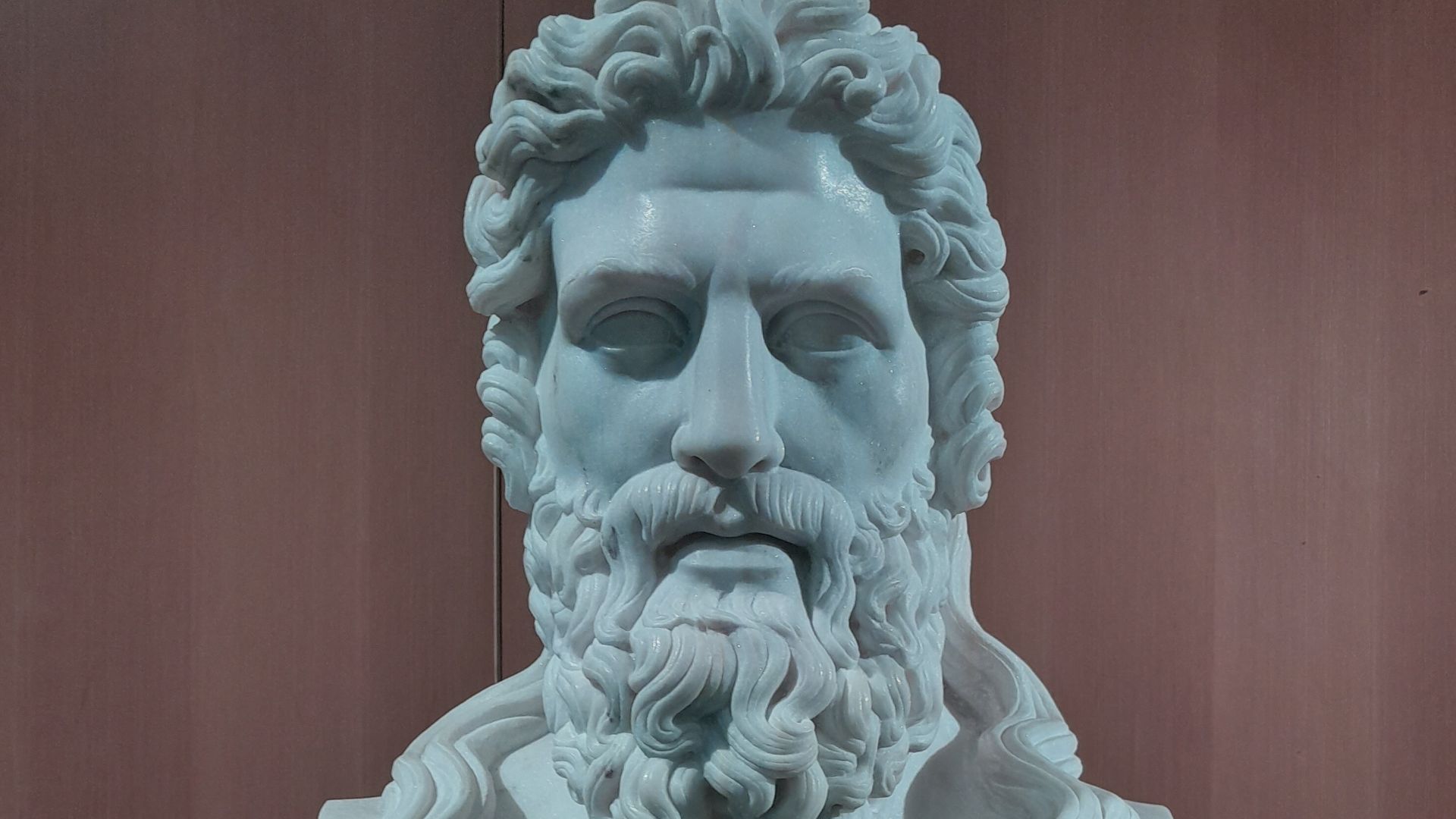
The philosopher Plato credited Homer with educating all of Greece, showing how profoundly his works shaped Greek culture. His poems fostered ideals of heroism, glory, and honor that defined Greek values for centuries.
16. Other Works Were Attributed to Him
During the 6th and 5th centuries BC, Greeks often credited nearly all early heroic poetry to Homer, including the Epic Cycle and Homeric Hymns. Today, only the Iliad and Odyssey are confidently attributed to him, though even this remains debated.
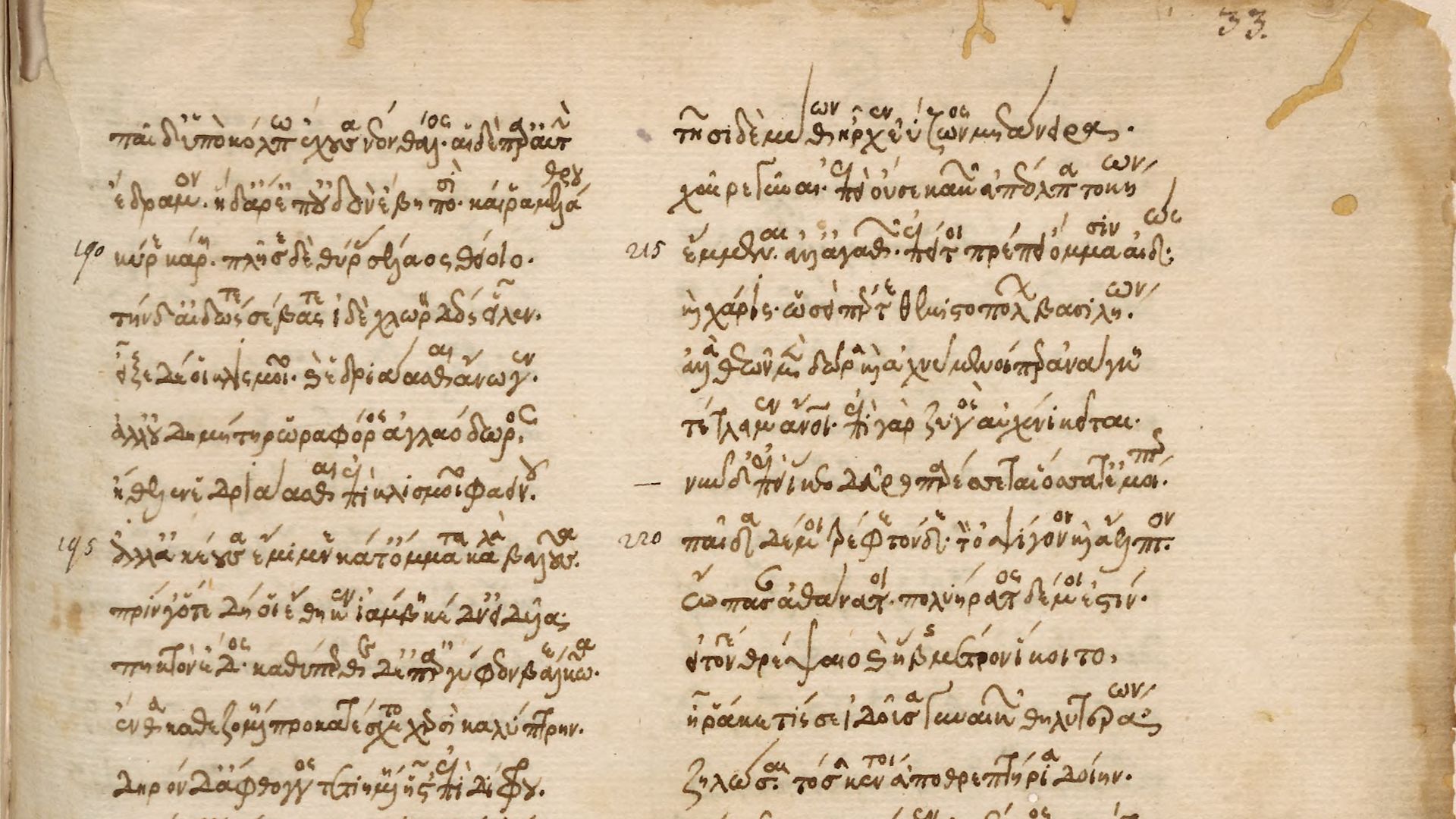 Leiden University Libraries on Wikimedia
17. A Legend Explains His Death
One ancient legend claims Homer died from frustration after failing to solve a riddle about catching lice posed by young fishermen. The Pre-Socratic philosopher Heracleitus of Ephesus used this trivial tale in his writings. Such biographical fictions became increasingly elaborate during antiquity due to Homer's anonymity and mystique.
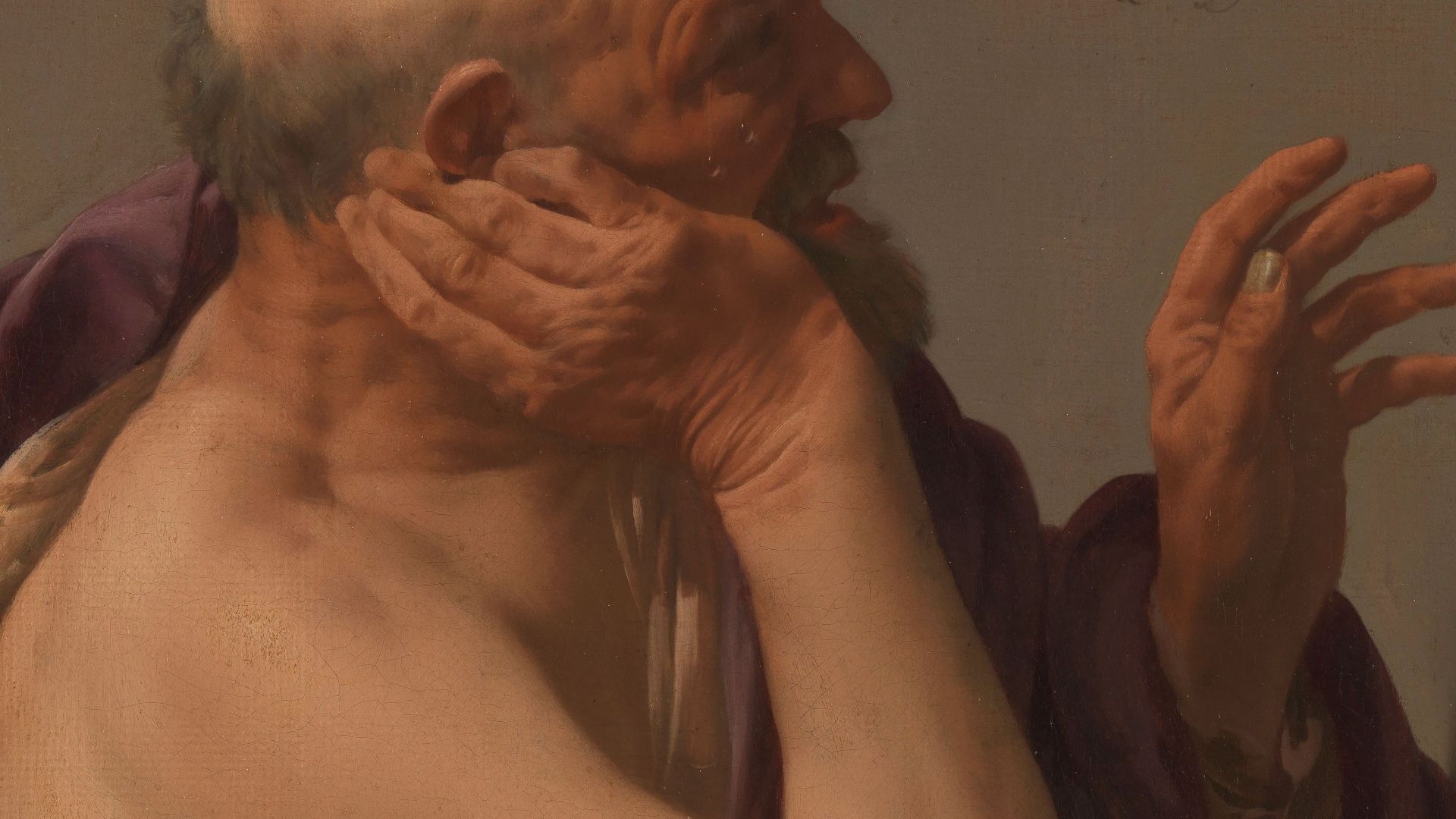 Hendrick ter Brugghen on Wikimedia
18. His Work Demonstrates Remarkable Objectivity
Unlike other ancient texts that portray enemies as pure evil, Homer presents both Greeks and Trojans as complex, honorable people. This balanced perspective was rare in ancient literature, where propaganda usually dominated. His objectivity helped establish standards for storytelling that influenced how Western civilization approaches narrative and history.
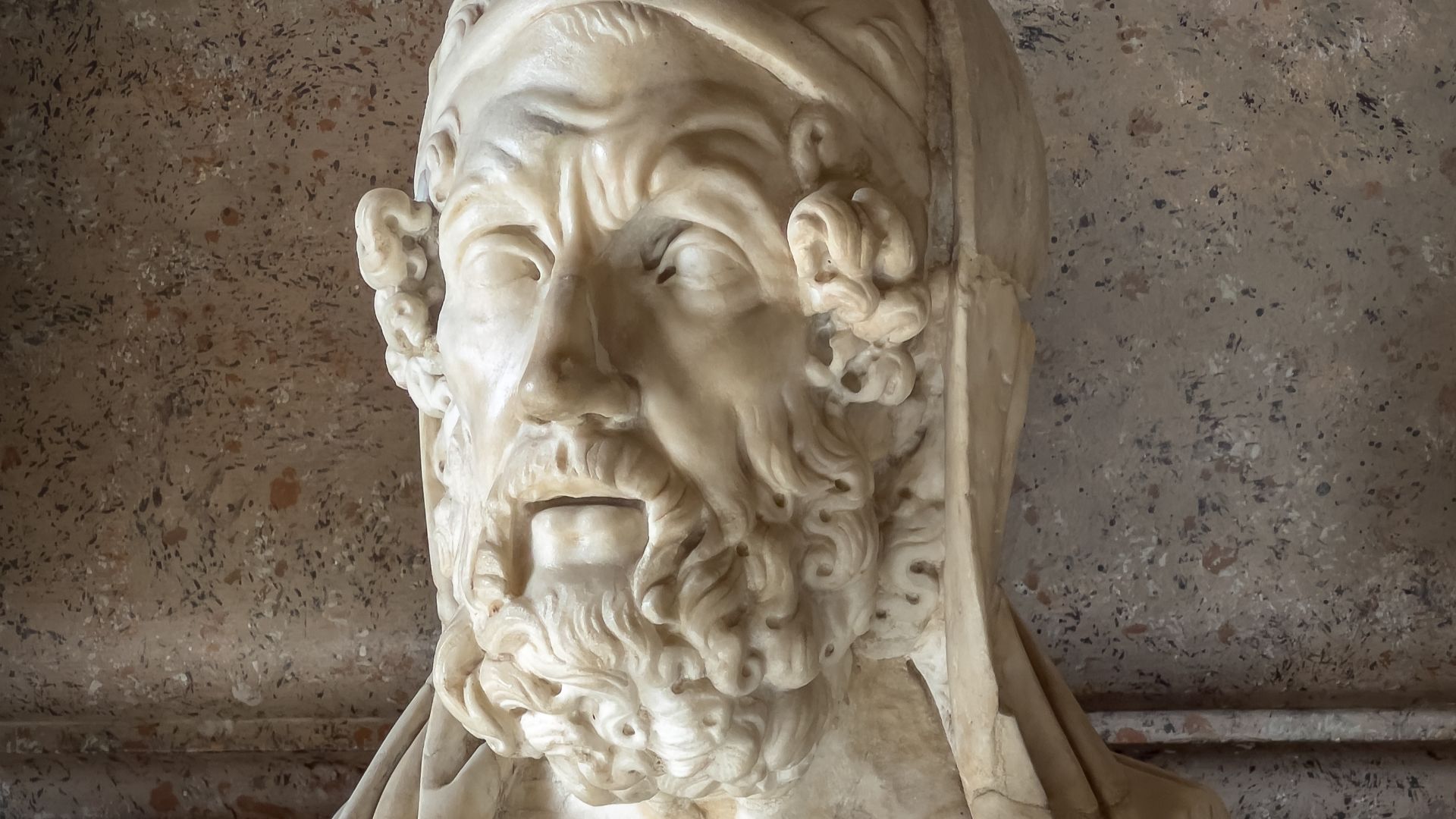
19. Ancient Sources Link Homer’s Death to Ios
While nobody knows how or where Homer truly died, most ancient accounts agree he breathed his last on the small Greek island of Ios. This tiny island in the Cyclades became so associated with his death that pilgrims visited for centuries.
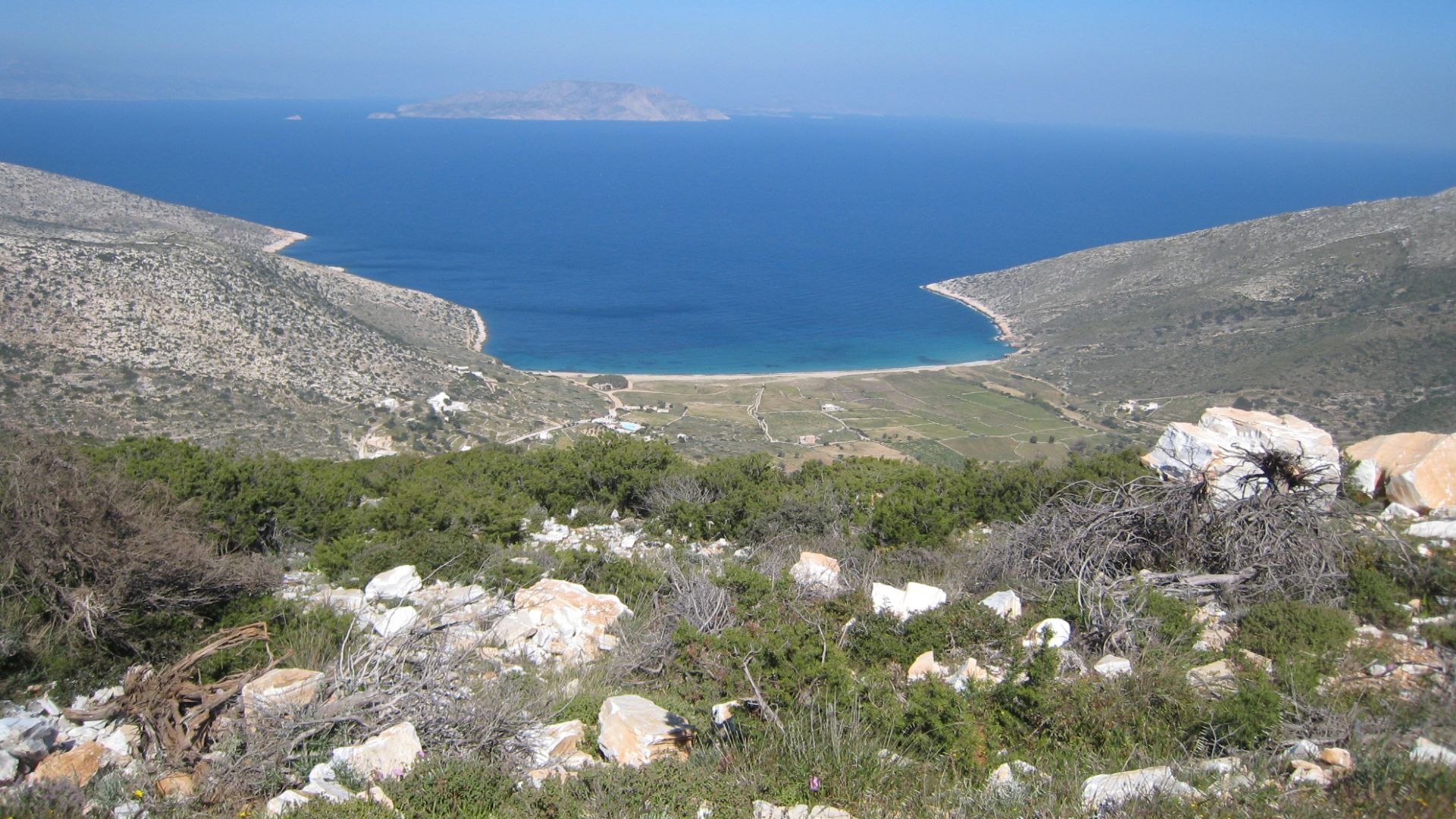 Stefanos Kofopoulos on Wikimedia
20. Archaeology Connects His Stories to Real Places
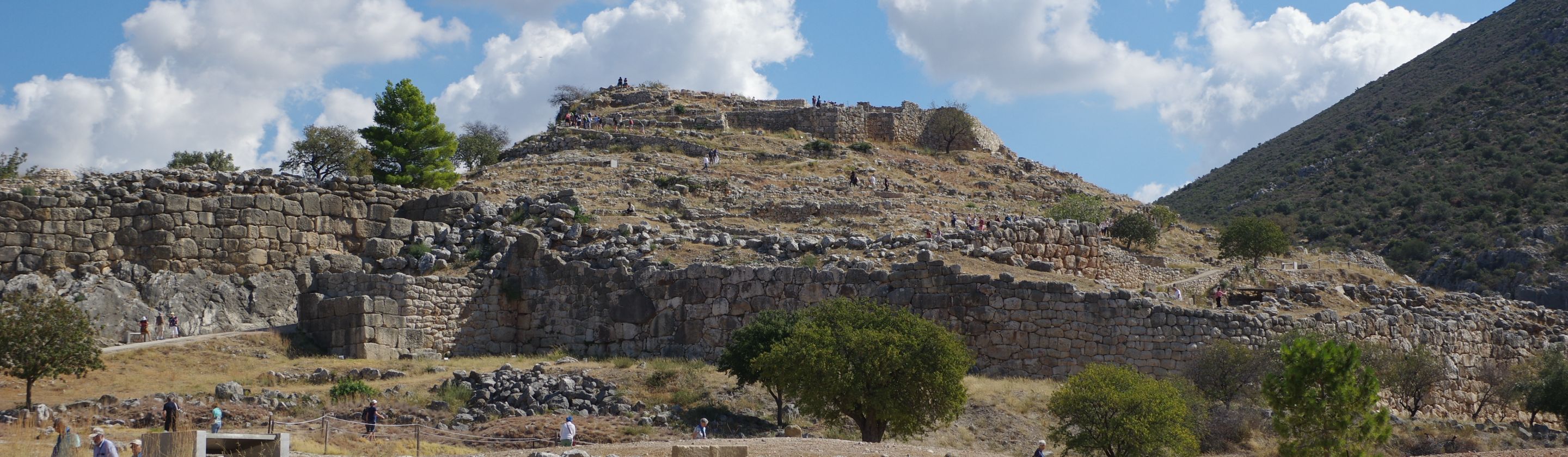
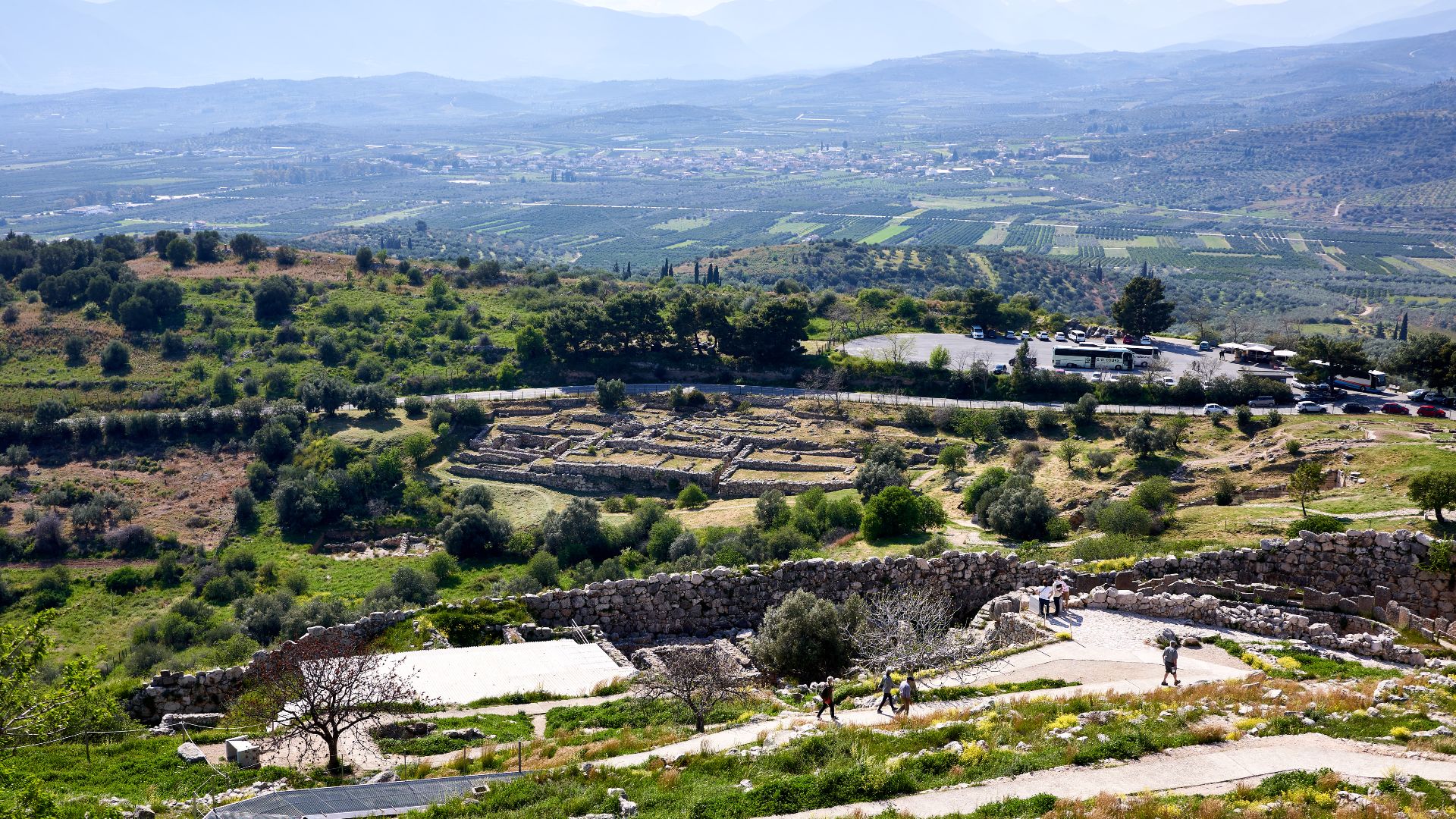
Excavations at Troy and Mycenae revealed ruins that match details in Homer’s epics. The poems mix fact and fiction, but these discoveries suggest Homer drew inspiration from real Bronze Age sites and events.
KEEP ON READING