
20 Historical Punishments That Continued Even After Death
Apparently, Dying Wasn't Always Enough
You'd think dying would be enough to end someone's punishment, but throughout history, certain authorities weren't willing to let people off that easily. From digging up corpses for public executions to destroying people's reputations, societies came up with some pretty disturbing ways to punish those who were already dead. Some of these practices were meant to humiliate criminals, while others aimed to erase political enemies or discourage people from challenging those in power. If you thought historical justice was harsh enough for the living, these 20 examples show just how far punishment could extend beyond the grave.
 Jean-Paul Laurens on Wikimedia
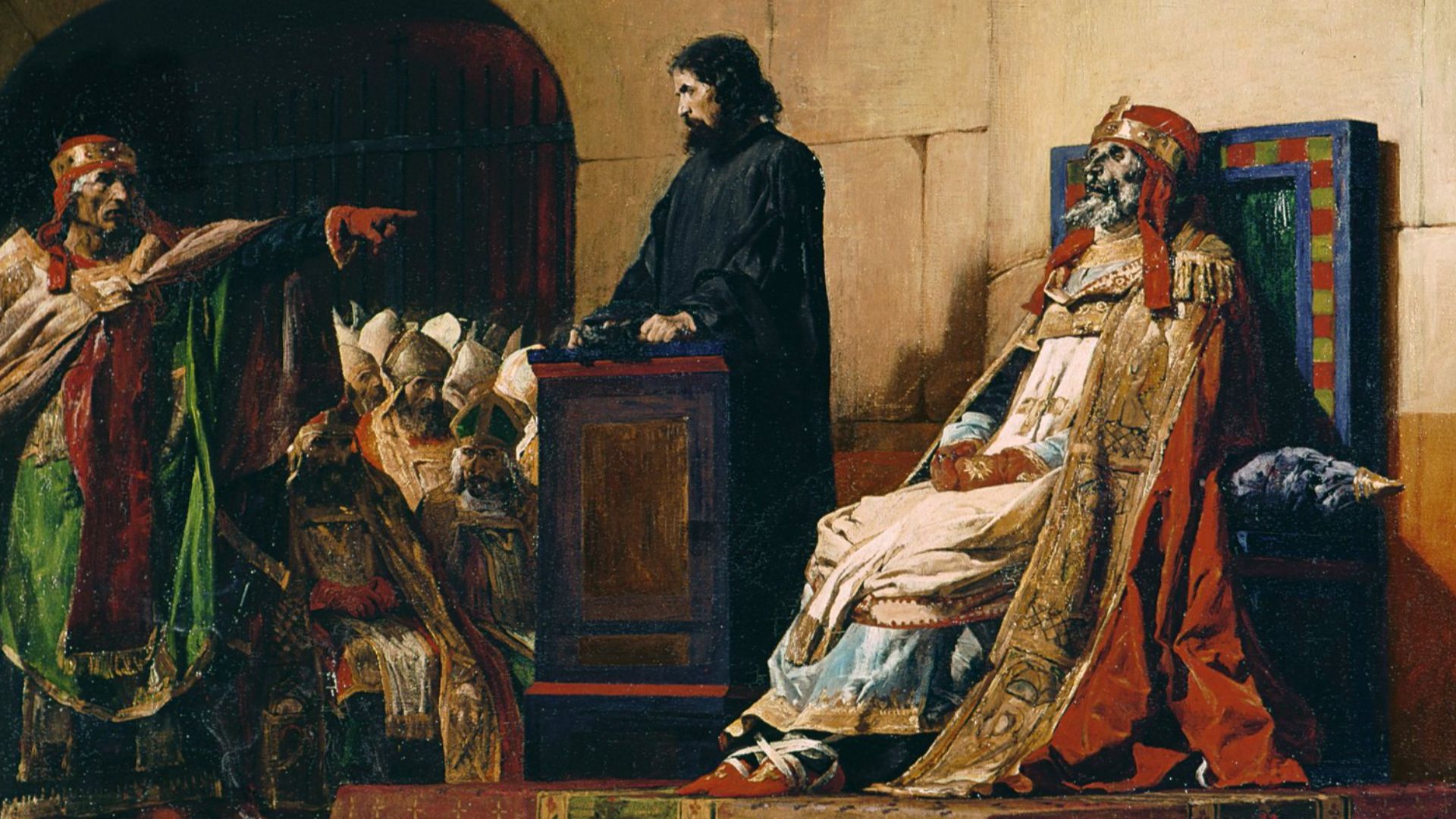
1. Putting a Dead Pope on Trial
In 897, Pope Formosus was dug up and put on trial, despite having died several months earlier. His successor, Pope Stephen VI, ordered the corpse dressed in papal robes and seated before a church tribunal to face accusations concerning his legitimacy and conduct. Formosus was found guilty, stripped of his papal authority, and subjected to further humiliation before his body was thrown into the Tiber River.
 Giovanni Battista de'Cavalieri on Wikimedia
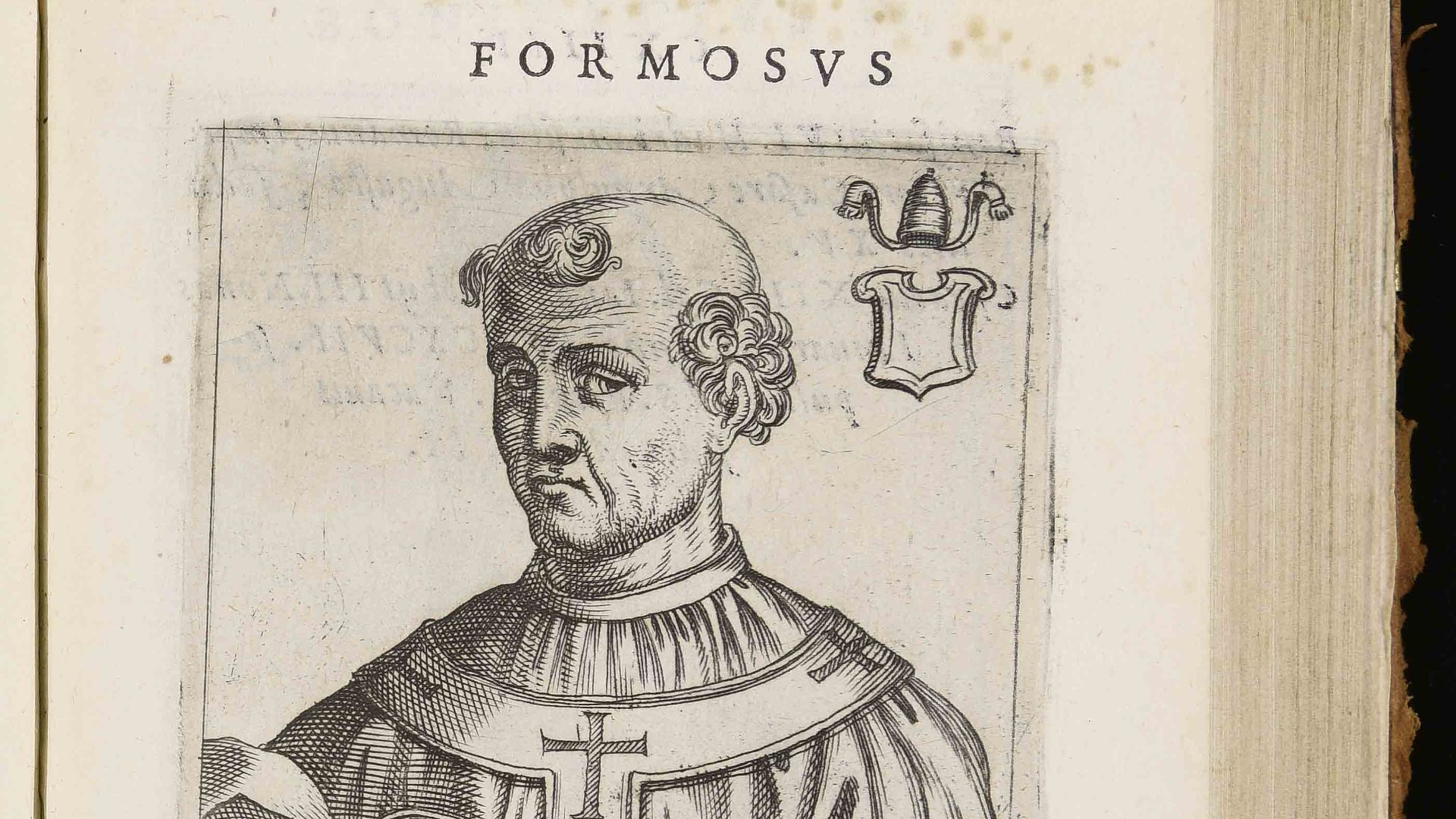
2. Executing Oliver Cromwell Three Years After His Death
English statesman Oliver Cromwell died in 1658, but the restoration of the monarchy brought him an unexpected second punishment. In 1661, King Charles II's government had Cromwell's remains dug up from Westminster Abbey, transported to Tyburn, and publicly hanged. His corpse was then beheaded, and his severed head was displayed on a spike as a warning against treason.
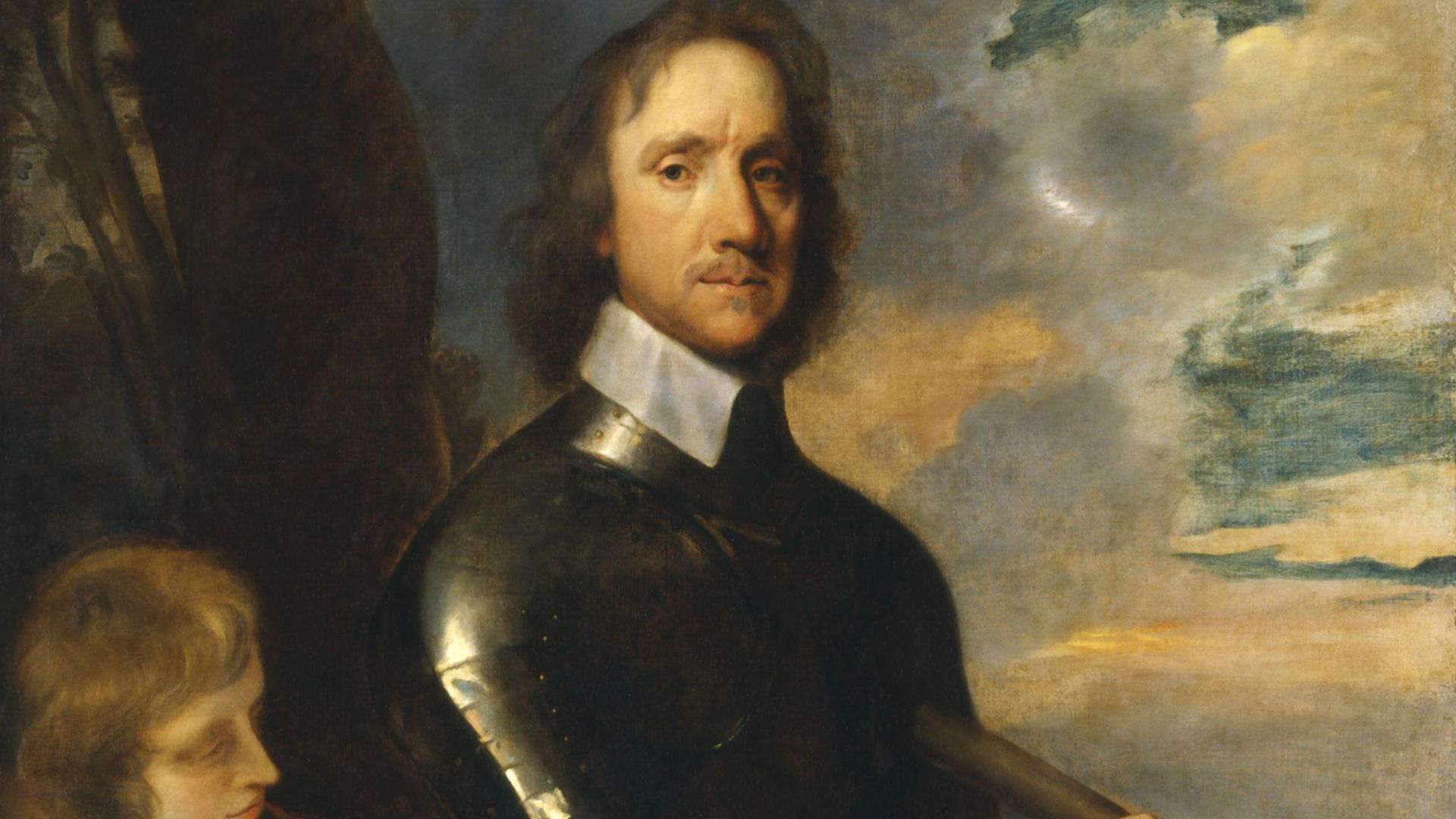
3. Burning John Wycliffe's Bones Decades Later
English theologian John Wycliffe died of natural causes in 1384, although his religious teachings continued stirring controversy long afterward. The Council of Constance condemned him as a heretic in 1415, and church authorities eventually ordered his remains removed from their grave. In 1428, his bones were burned, and the ashes were scattered into the River Swift. By then, Wycliffe had been dead for more than four decades, making the punishment rather late.
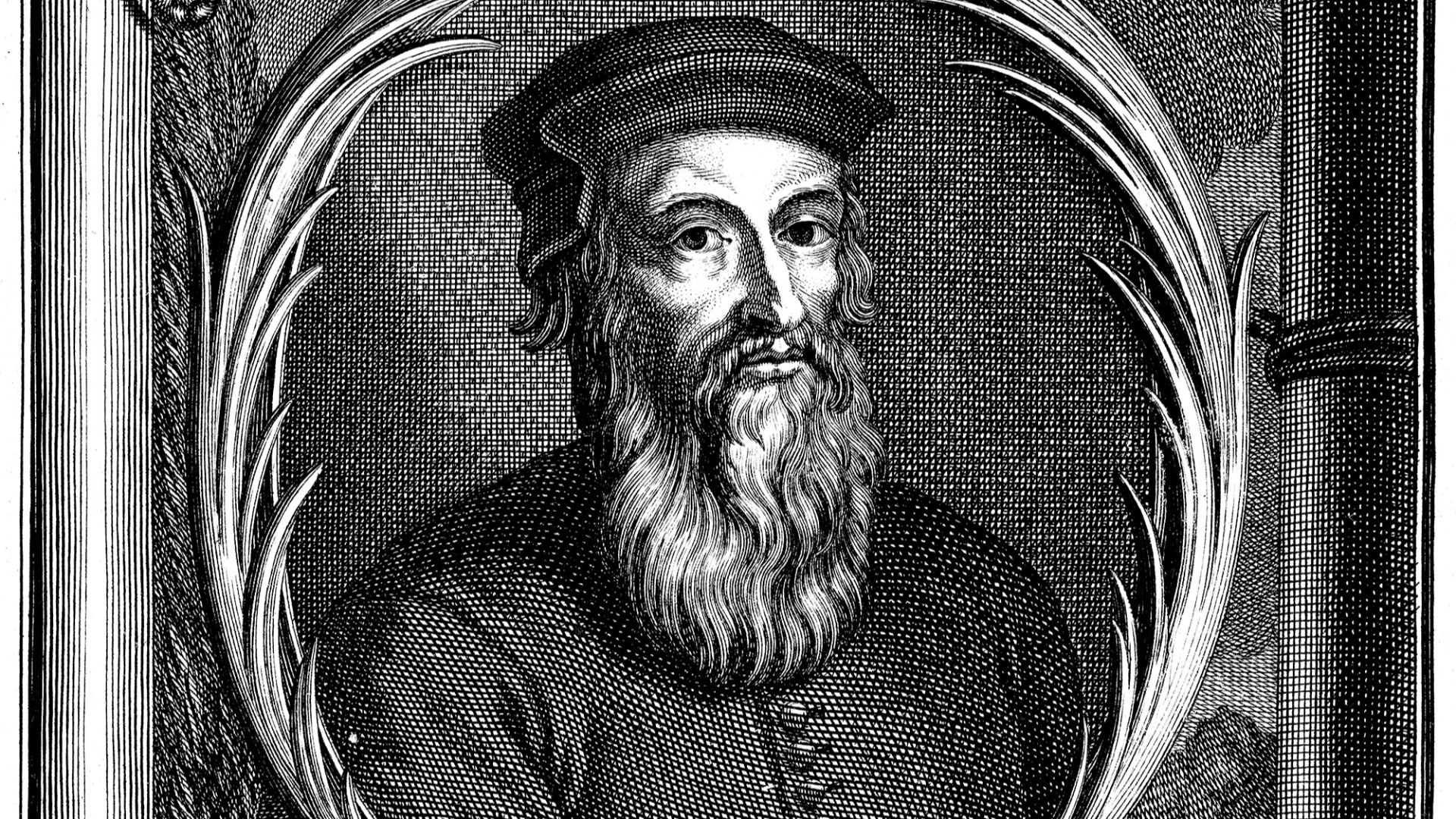
4. Burning Martin Bucer & Paul Fagius After Their Deaths
Religious disagreements in Tudor England sometimes resulted in punishments targeting people who were no longer around to defend themselves. During Queen Mary I's reign, Protestant reformers Martin Bucer and Paul Fagius were condemned for their religious beliefs, even though both had died years earlier. Their remains were exhumed in Cambridge in 1557 and publicly burned along with their writings.
5. Destroying Thomas Becket's Shrine
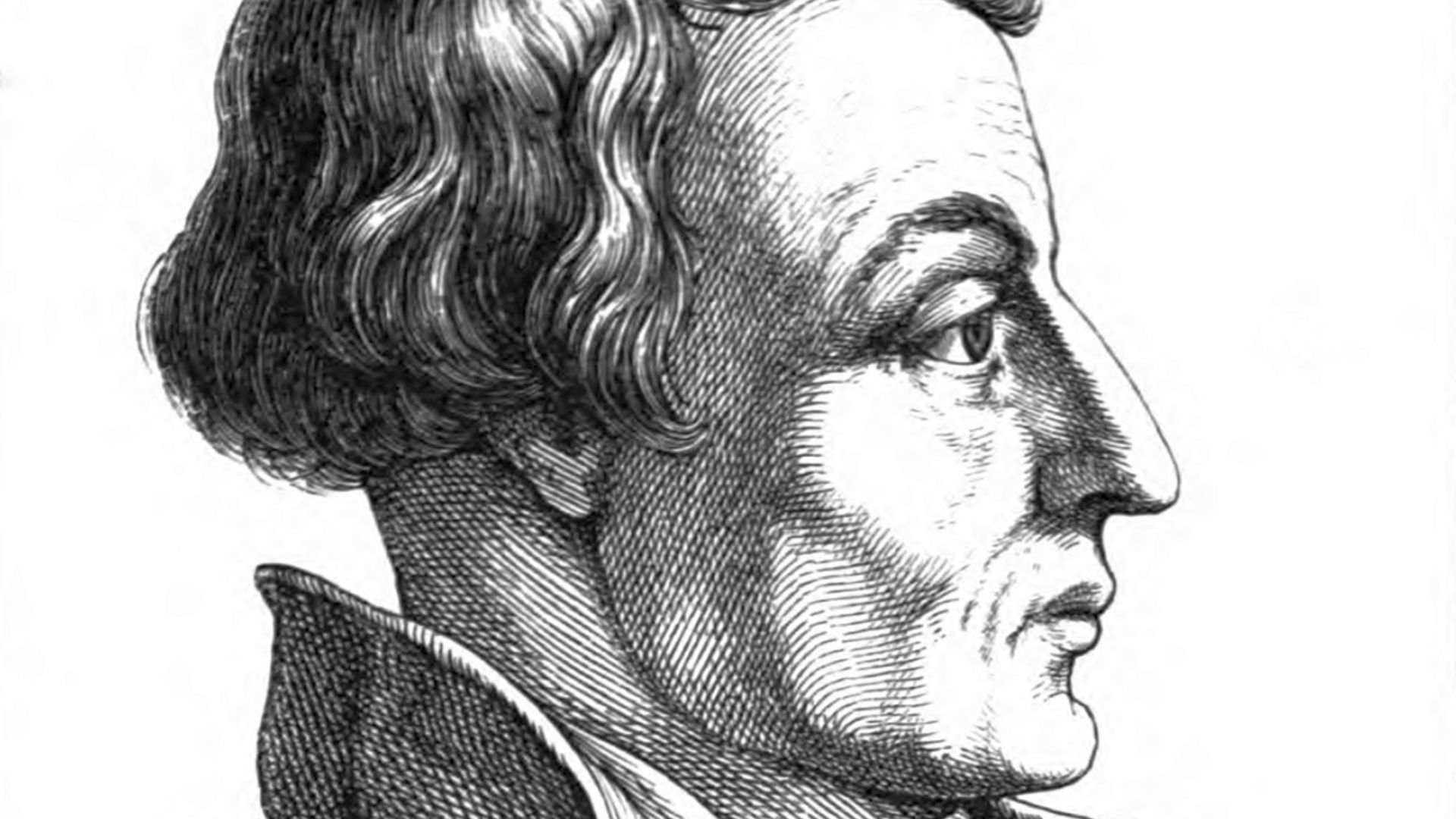
Nearly four centuries after Archbishop Thomas Becket was murdered in 1170, King Henry VIII decided that his religious legacy had to go. In 1538, royal officials dismantled Becket's elaborate shrine at Canterbury Cathedral, seized its valuables, and ordered his images and name removed from religious settings. His bones were taken from the shrine, although historians still debate whether they were burned or secretly reburied. Few historical figures have faced such a determined effort to destroy their memory hundreds of years after their death.
6. Erasing Pharaoh Hatshepsut From History
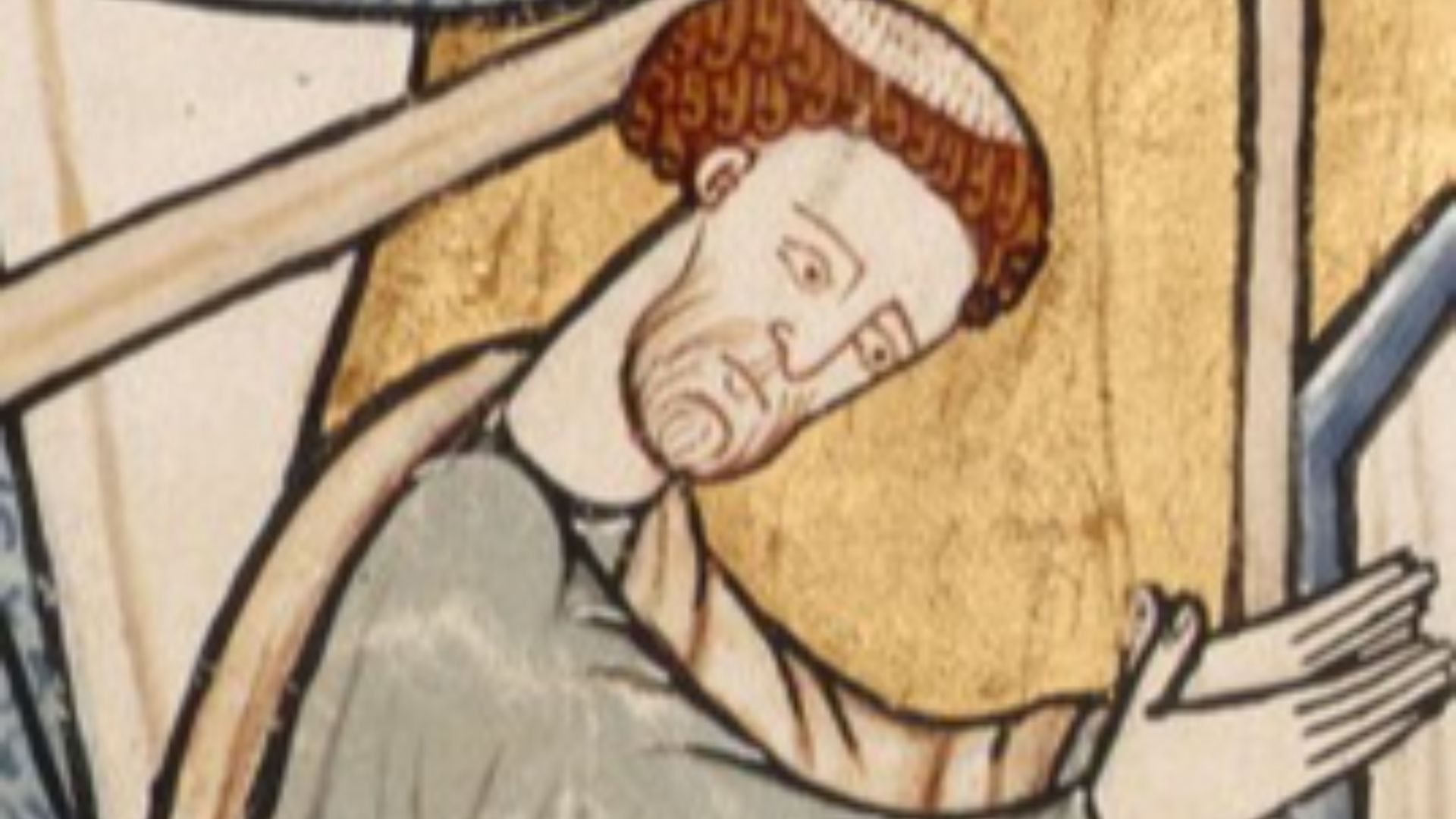
Ancient Egyptian pharaoh Hatshepsut ruled during the 15th century BC, but her achievements became the target of a campaign against her memory after she died. During the reign of her successor, Thutmose III, her statues were destroyed, and her name and likeness were removed from monuments. These actions made it harder for later generations to recognize her accomplishments as a ruler, but luckily, enough evidence survived for modern archaeologists to piece together much of her remarkable reign.
7. Scrubbing Akhenaten From Egyptian Records
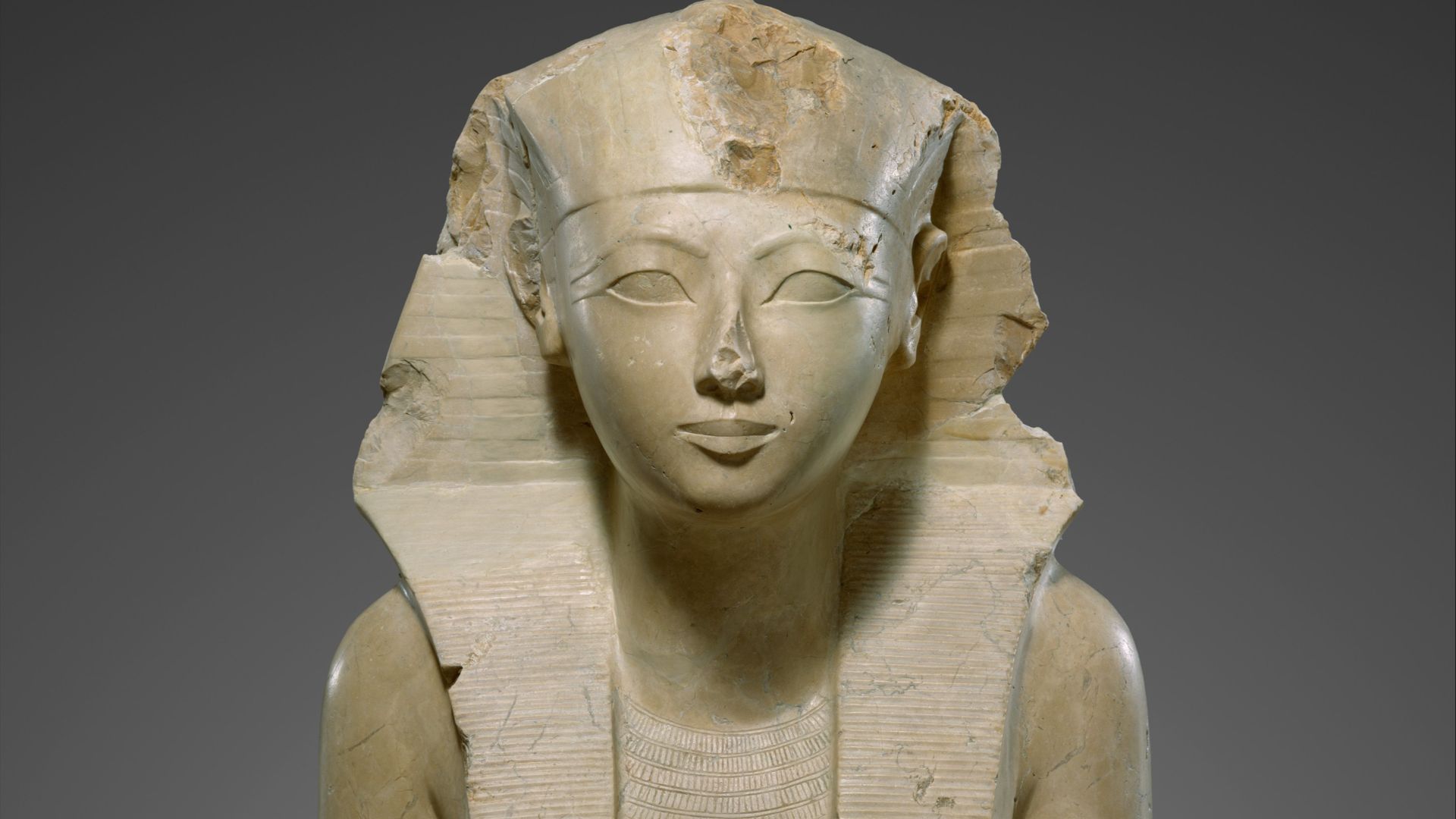
Pharaoh Akhenaten introduced major religious changes that challenged Egypt's traditional worship of multiple gods. After his death, later rulers worked to undo his reforms and eventually began destroying monuments and images associated with him. His name was removed from inscriptions, statues were damaged, and buildings connected to his religious revolution were torn down. Rather than simply criticizing his decisions, his successors tried to diminish his place in Egyptian history altogether.
8. Erasing Emperor Geta's Face From Portraits
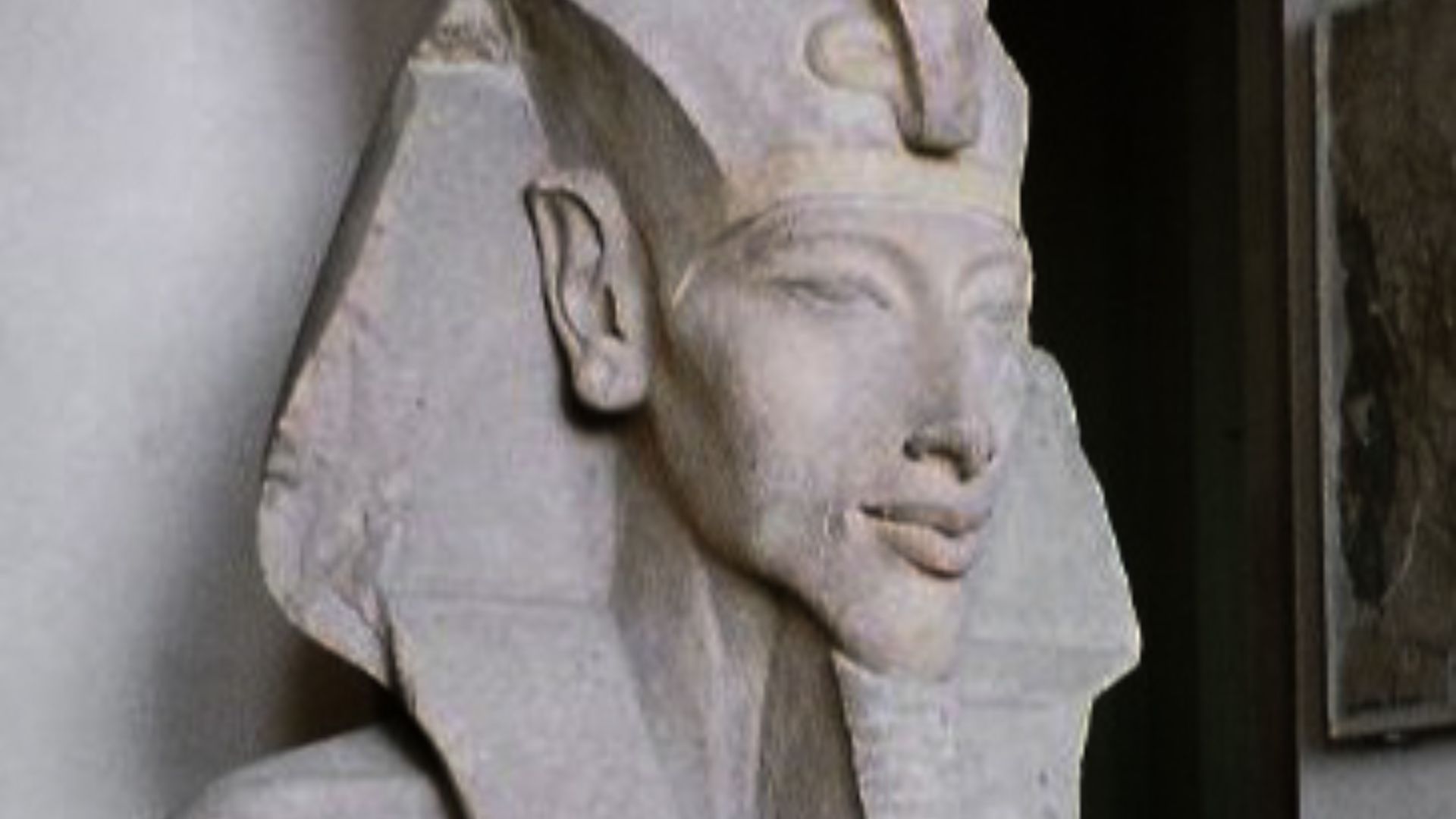
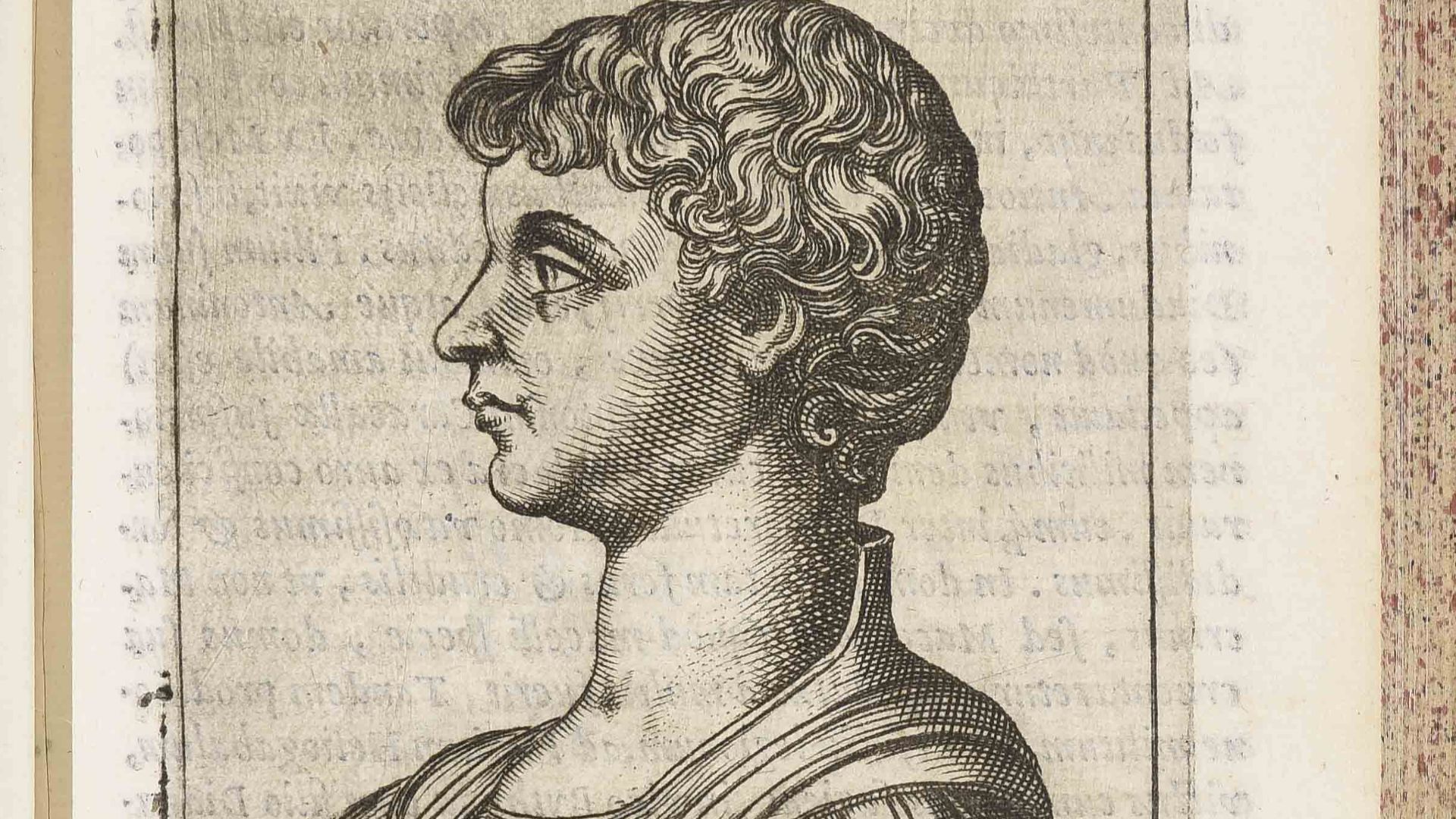
Roman emperor Geta suffered a particularly personal form of posthumous humiliation after his brother Caracalla had him murdered in AD 211. Caracalla then ordered the destruction or alteration of images depicting Geta, hoping to remove him from public memory. One surviving family portrait, known as the Severan Tondo, clearly shows where Geta's face was deliberately erased. The artwork offers a fascinating reminder of how Roman political rivalries could continue long after someone had been killed.
 Giovanni Battista de'Cavalieri on Wikimedia
9. Condemning Roman Emperors to Historical Oblivion
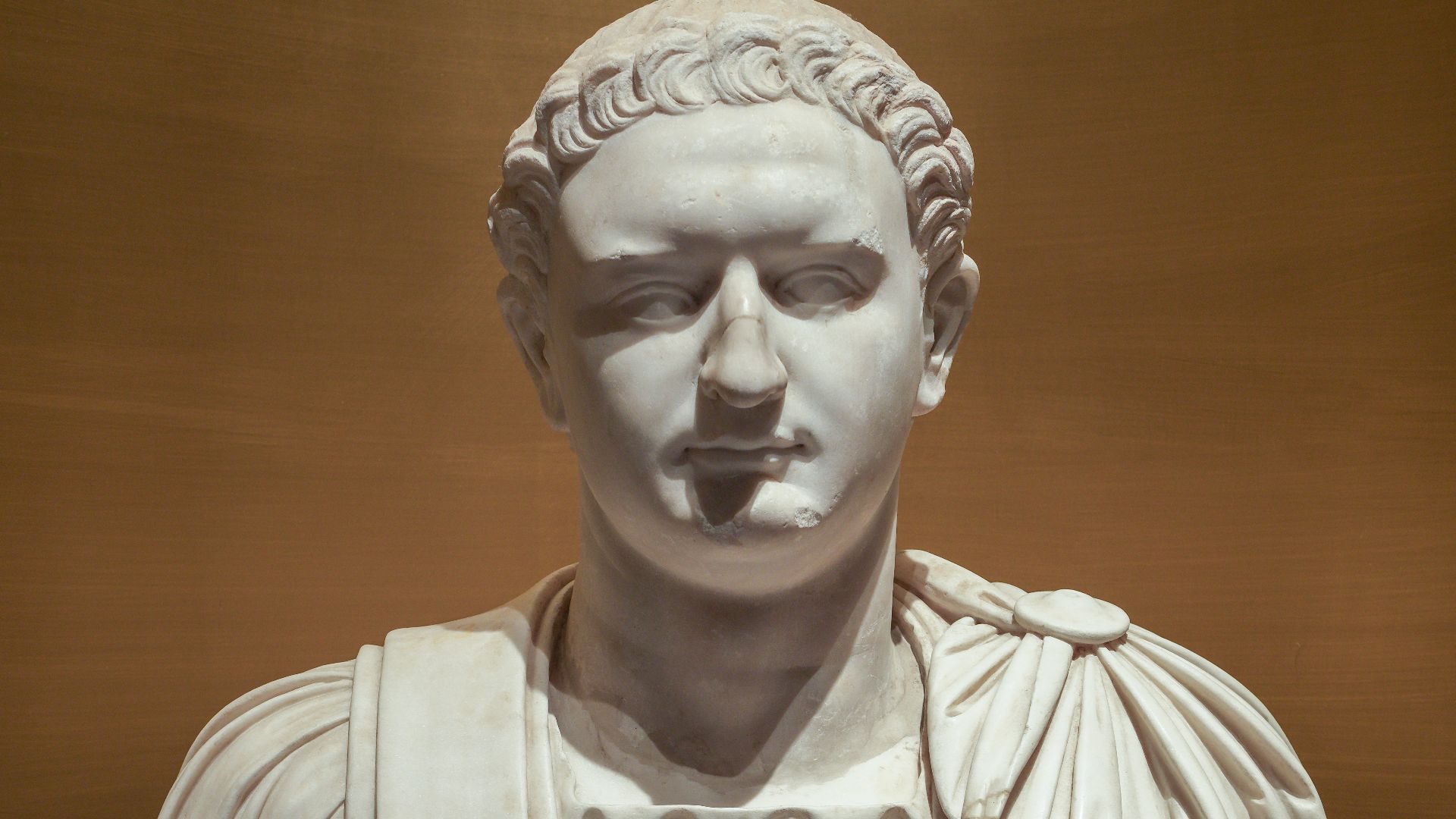
Ancient Rome sometimes imposed punishments against the memories of disgraced rulers and political figures. For example, after Emperor Domitian was assassinated in AD 96, the Senate ordered his name removed from public inscriptions and his portraits destroyed. These measures were intended to publicly dishonor a ruler, although enforcing them consistently across an entire empire was nearly impossible.
10. Displaying William Wallace's Head on London Bridge
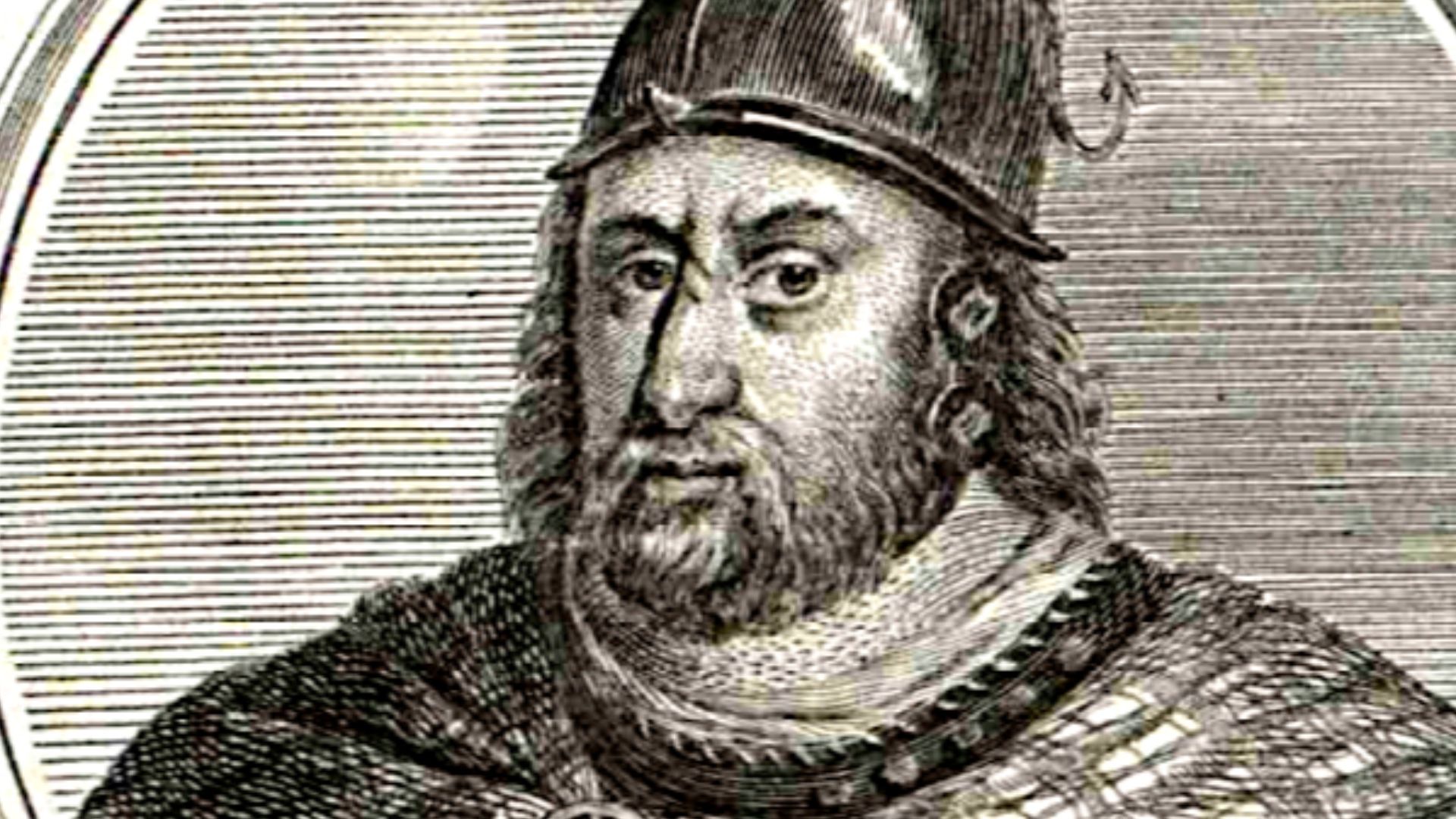
Scottish independence leader William Wallace was executed for treason in London in 1305, but his punishment didn't end with his death. His head was placed on a spike at London Bridge, serving as a public warning against anyone thinking of resisting English authority. Displaying the remains of convicted traitors became a common practice in medieval and early modern England, with several other prominent figures receiving similar treatment. Authorities even employed someone to maintain the gruesome collection of heads displayed around the bridge.
 El cid, el campeador on Wikimedia
11. Hanging John of Leiden's Corpse in an Iron Cage
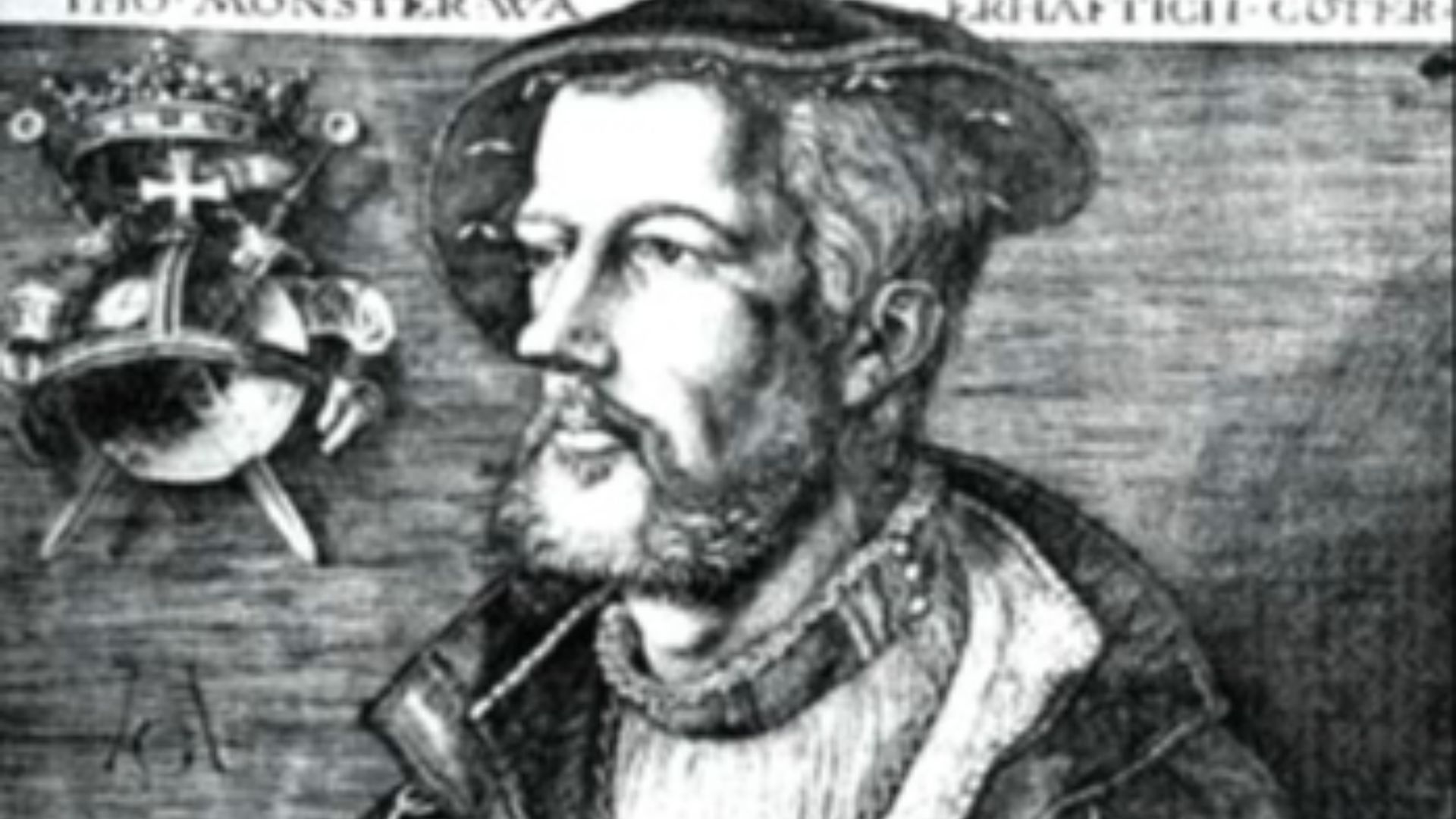
Following the collapse of the Anabaptist regime in Münster, Germany, religious leader John of Leiden was executed alongside two associates in January 1536. Their bodies were placed inside iron cages and hung from the tower of St. Lambert's Church to warn others against rebellion. Although the remains eventually disappeared, the original cages stayed attached to the church for centuries and are still displayed there today. It's a remarkably long-lasting reminder of a punishment that was meant to continue well beyond the executions.
12. Dissecting Murderers Under Britain's Murder Act
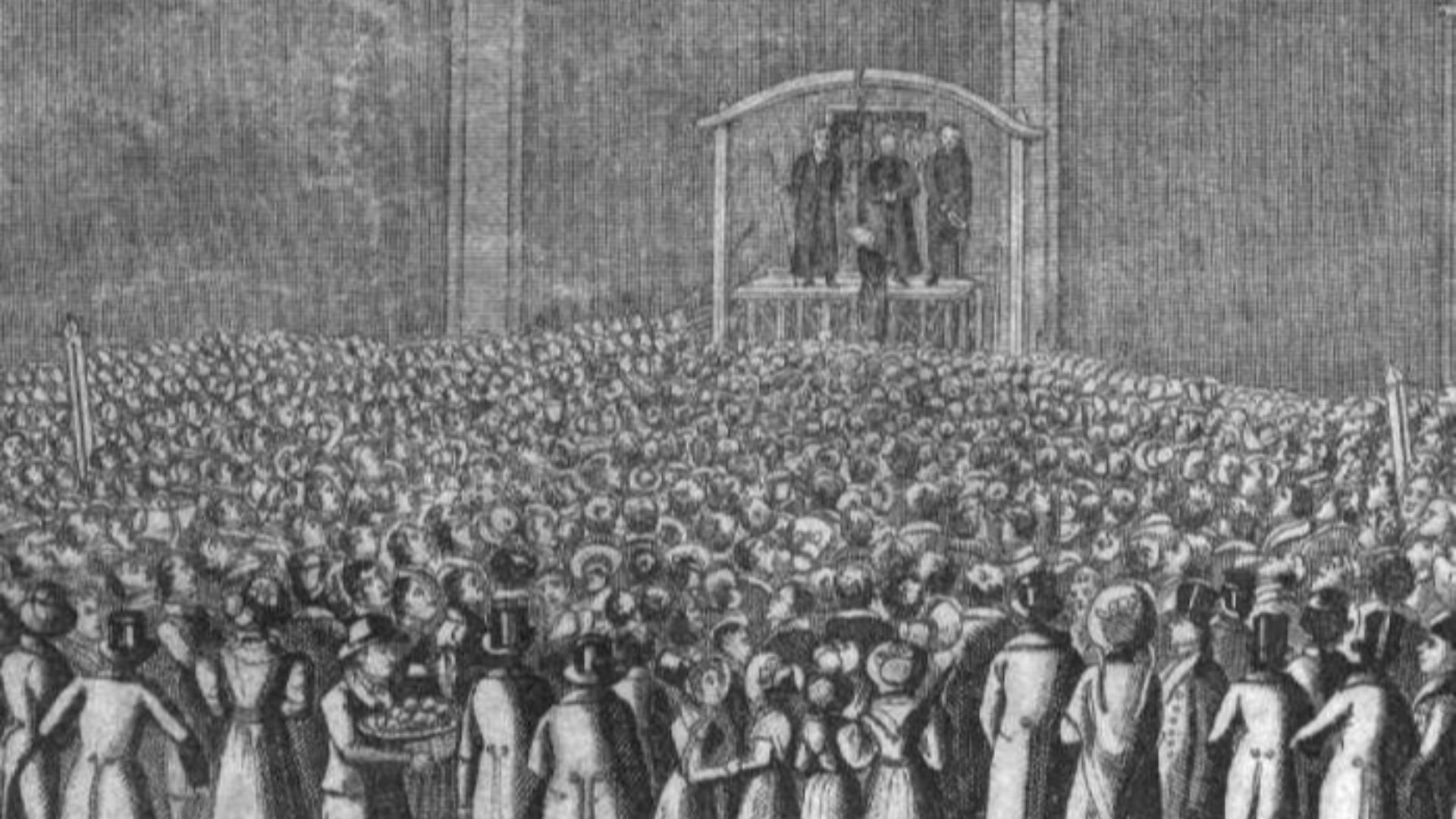
In 1752, Britain introduced legislation requiring the bodies of executed murderers to undergo further punishment through anatomical dissection or public display in chains. The idea was to make the consequences of murder even more frightening by denying offenders a normal burial immediately after execution. Medical students and anatomists benefited from the additional supply of human bodies, although the practice understandably horrified many families.
13. Turning William Burke Into an Anatomical Exhibit
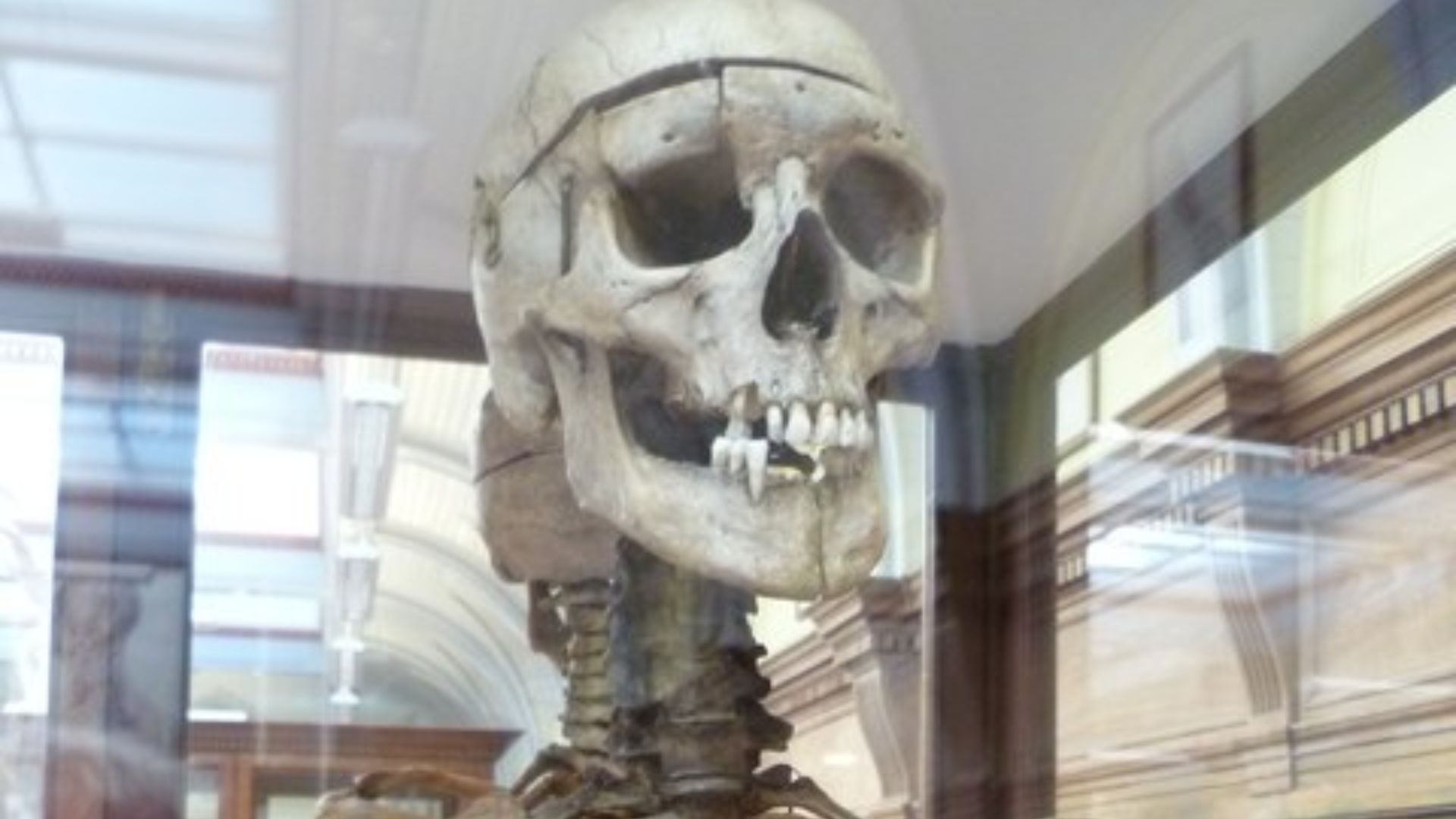
Scottish murderer William Burke was executed in Edinburgh in 1829 for his involvement in killings committed to supply bodies to medical schools. After his hanging, his corpse was handed over for public anatomical examination, an especially fitting punishment given the nature of his crimes. His skeleton was preserved and eventually became part of the University of Edinburgh's anatomical collection. Remarkably, you can still see his remains at the university's museum nearly two centuries after his execution.
14. Displaying Elizabeth Brownrigg's Skeleton
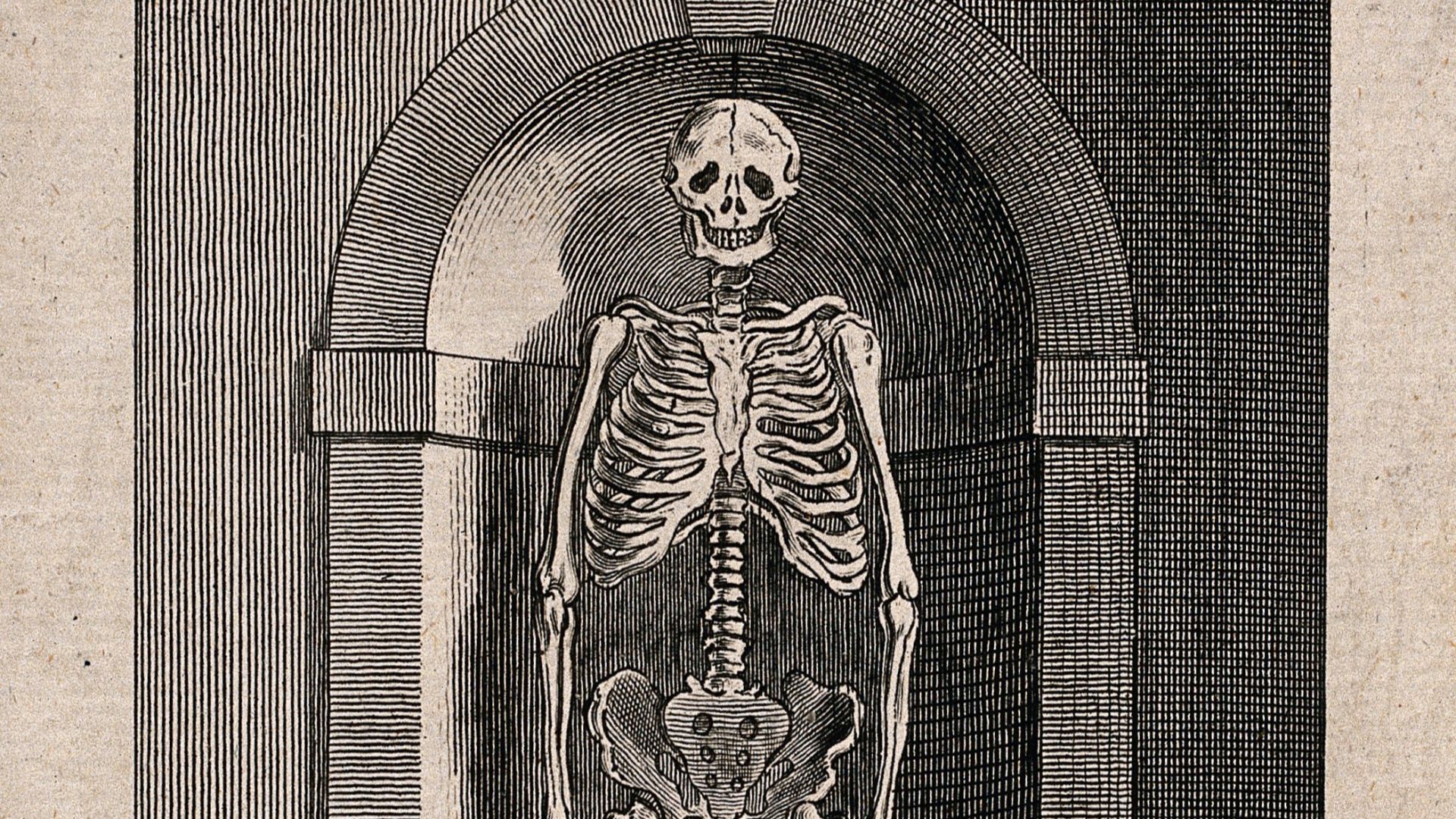
Elizabeth Brownrigg was executed in London in 1767 after being convicted of murdering a young apprentice whom she had subjected to horrific abuse. Rather than receiving an ordinary burial, her body was dissected, and her skeleton was put on public display at Surgeons' Hall. The exhibition was intended to remind spectators of the cruelty of her actions and discourage similar crimes.
15. Leaving James Cook's Body Hanging in Chains
After being convicted of murder, James Cook was executed in Leicester in August 1832 and then suspended inside an iron gibbet cage. His corpse was displayed on a tall pole beside a busy road, drawing enormous crowds eager to witness the spectacle. Public complaints and concerns about disorder eventually convinced authorities to remove his remains after only three days. Cook became the last person in England subjected to this form of posthumous punishment, which was officially abolished in 1834.

16. Suspending William Jobling's Remains Near a Murder Scene
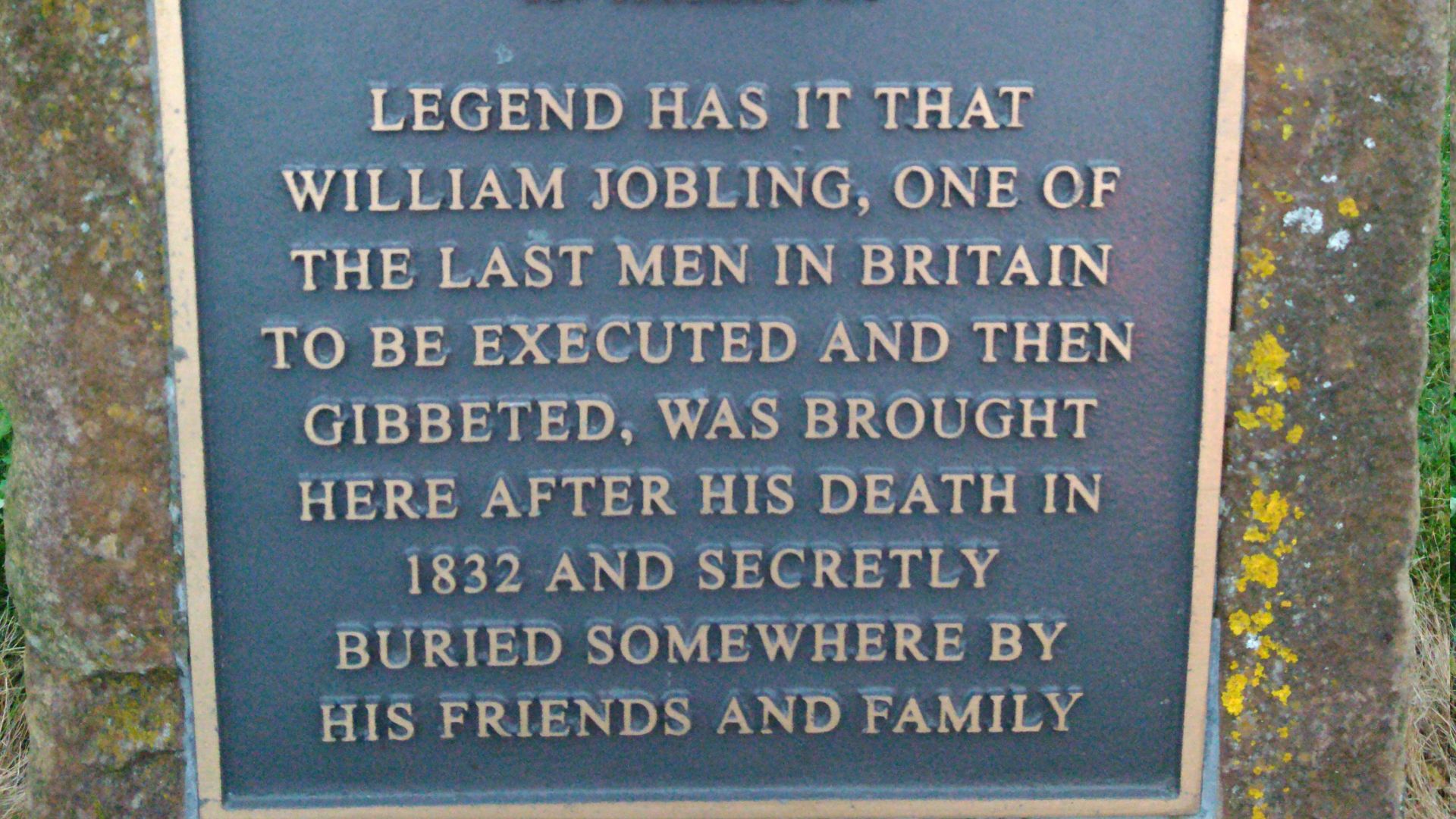
English miner William Jobling was executed in 1832 after being convicted in connection with the killing of a magistrate during a period of labor unrest. Authorities placed his body in an iron cage and displayed it near the scene of the crime, hoping to make an example of him. However, Jobling had supporters who believed the punishment was deeply unjust, and his remains were eventually taken down without official permission, and accounts suggest that friends or relatives secretly buried his body.
17. Burying People Who Died by Suicide at Crossroads
For centuries, English law treated suicide as a criminal offense, meaning the consequences could extend even to the deceased person's body. Those judged to have deliberately taken their own lives could be buried at crossroads instead of in ordinary churchyard graves, sometimes with a wooden stake driven through their remains. This degrading treatment reflected both religious condemnation and fears that the dead might return to trouble the living.
 Renata Kurtveliieva-Berezhna on Unsplash
18. Forcing Certain Burials to Take Place at Night
Even after Britain stopped burying people who died by suicide at crossroads, the law continued placing restrictions on their funerals. Under legislation passed in 1823, people legally determined to have died by suicide could be buried in a parish churchyard, but only between 9 p.m. and midnight. The law also prohibited the usual Christian burial rites, causing additional distress for grieving families. These restrictions on burial hours lasted for decades.
19. Displaying Pirates' Corpses as Warnings
Pirates convicted and executed under British maritime law sometimes faced further humiliation through the public display of their bodies. Some were suspended in iron cages at prominent coastal locations or near waterways, making sure passing sailors could see the consequences of piracy. The corpses could remain on display for extended periods as they decomposed, creating a deliberately disturbing warning for anyone considering similar crimes.
20. Preserving Criminals' Skeletons for Public Display
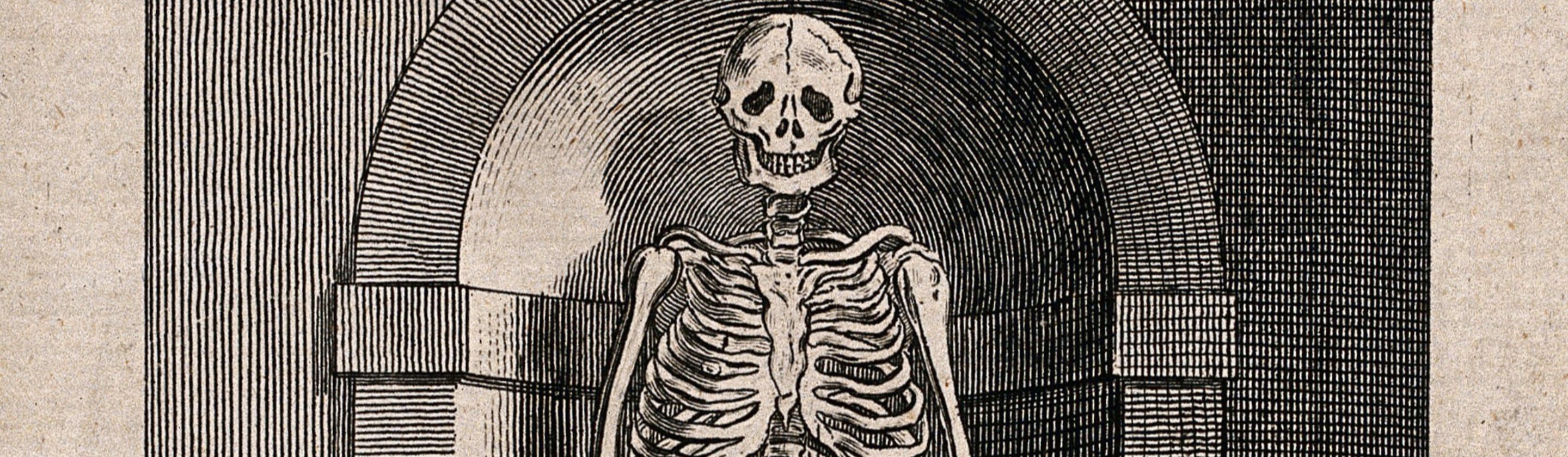
Some authorities went beyond dissecting executed criminals by preserving their skeletons as permanent reminders of their crimes. In 1635, convicted murderer Elizabeth Evans was executed in England, and her remains were taken to Barber-Surgeons' Hall to be prepared as an anatomical skeleton. The goal was to create a lasting display that visitors could examine long after her death. Cases like hers show how historical punishments could turn human remains into public exhibits, denying offenders an ordinary burial for years or even generations.