What a Strange Time
Ever wondered what it would've been like to have been alive during the Victorian era? Well, you should be glad you didn't experience it. Sure, the era brought railroads, mass-produced goods, scientific breakthroughs, and rapidly expanding cities, but it was also a time of dangerous consumer products, harsh institutions, very questionable medical treatments, and deadly occupations. While certain stories about the period have been exaggerated over time, the documented reality is often bizarre enough without all the embellishment. Here are 20 creepy facts about the Victorian era that will make you breathe a sigh of relief for not having lived it firsthand.
 Dr. John P. Andrews on Wikimedia
1. Candy Was Accidentally Made with Arsenic
In 1858, a batch of peppermint candies sold in Bradford was accidentally produced with arsenic instead of a cheap sugar substitute. More than 200 people became seriously ill, and around 20 died after eating the contaminated sweets. The tragedy exposed how poorly regulated food production was, since poisonous substances could pass through several hands without being properly labeled or checked.

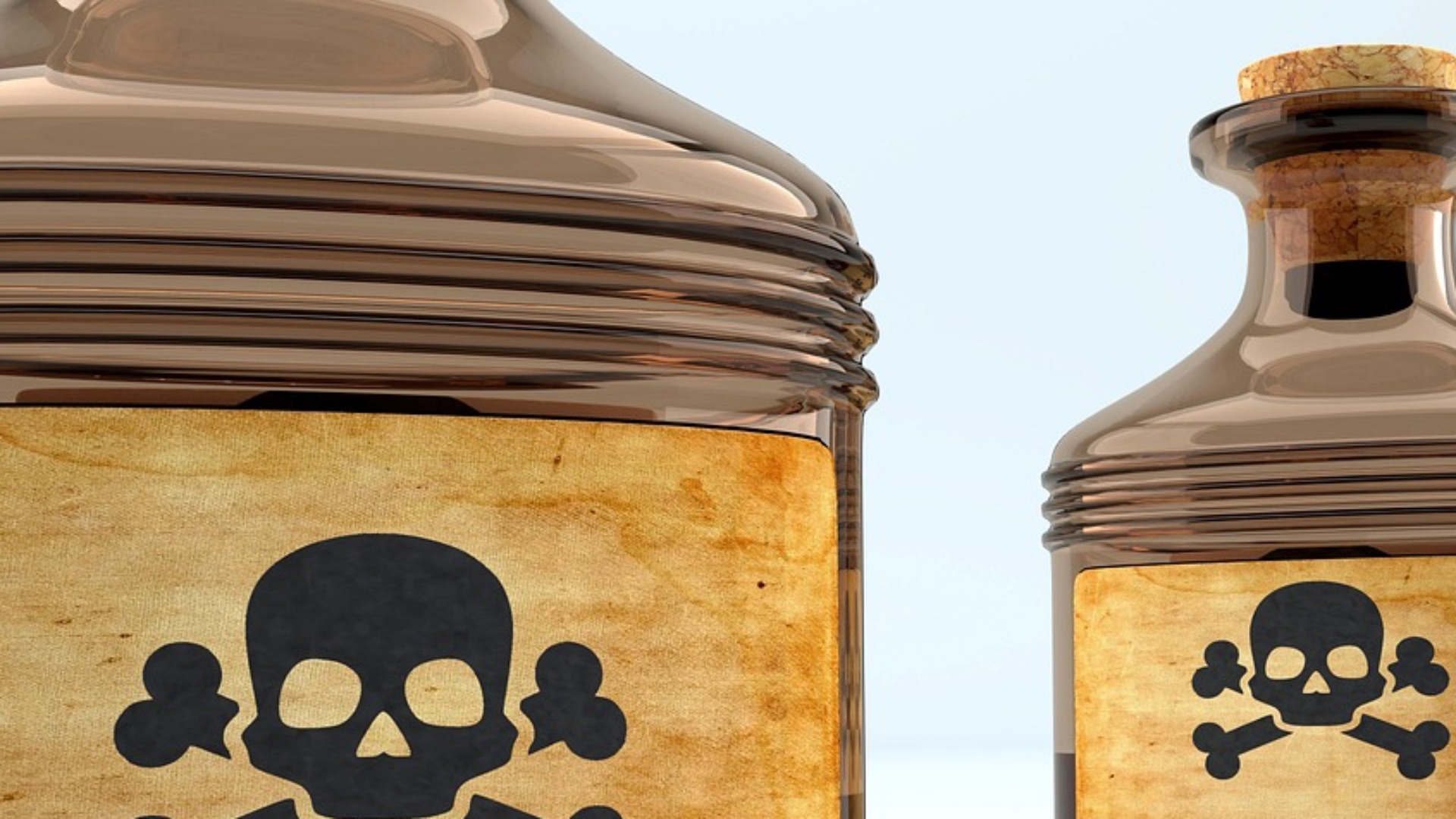
2. Poison Could Be Bought Alongside Groceries
Arsenic was widely available during much of the Victorian period and could be purchased for killing rats, controlling insects, making pigments, or preparing medicines. Ordinary shops sometimes sold it alongside flour, tea, rice, and other household supplies. Because it could resemble common kitchen ingredients, accidental poisonings occurred, while its accessibility also made it attractive to murderers.
3. Some Dentures Contained Human Teeth
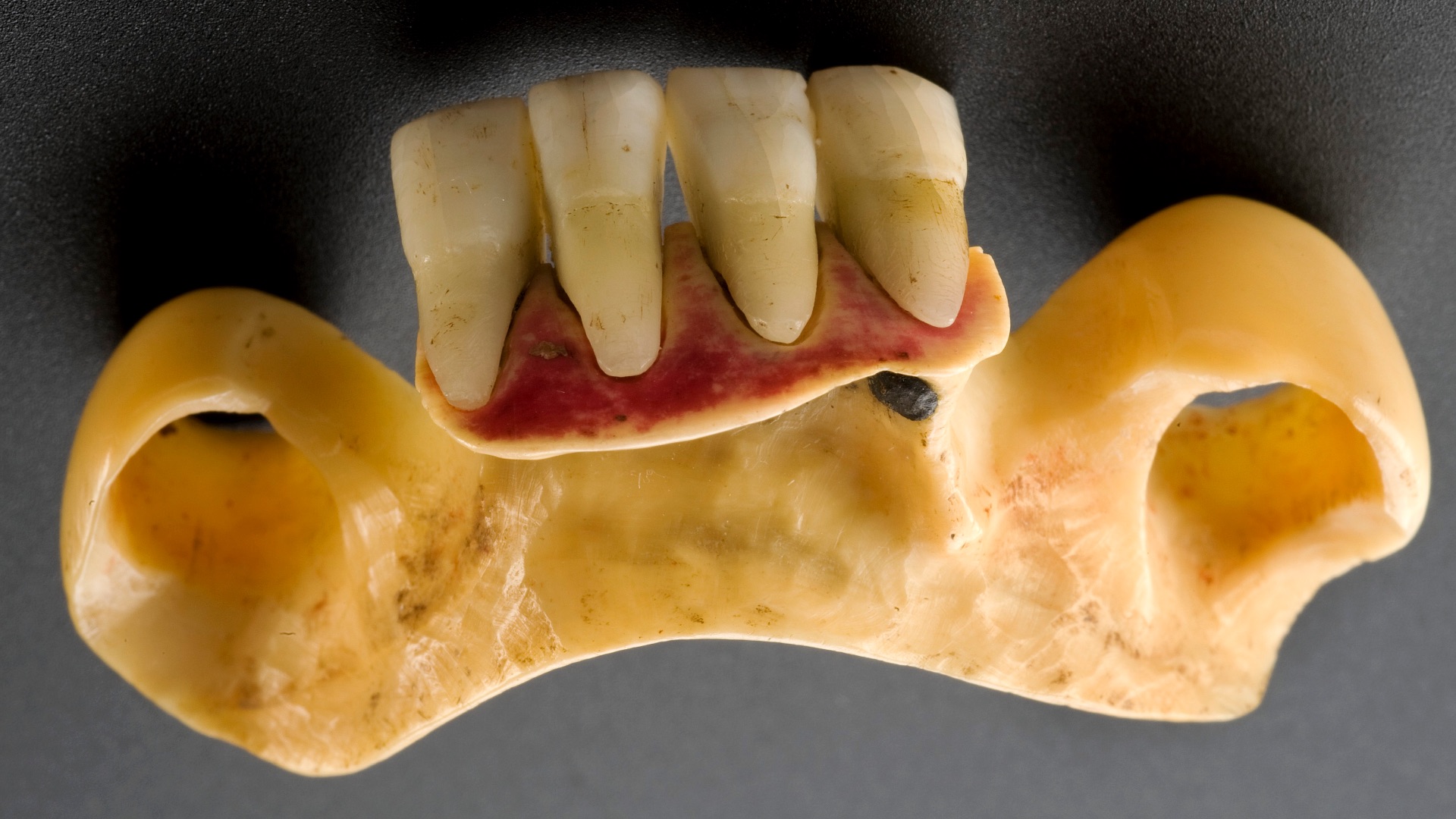
Before porcelain dentures became more practical, artificial teeth could be made using real teeth taken from corpses. Teeth collected from dead soldiers had already been sold after the Napoleonic Wars, and the trade continued into the 19th century. A Victorian denture wearer might therefore have had several strangers' teeth mounted in a base of ivory or another material.
4. Babies Were Given Opium-Based Soothing Syrups
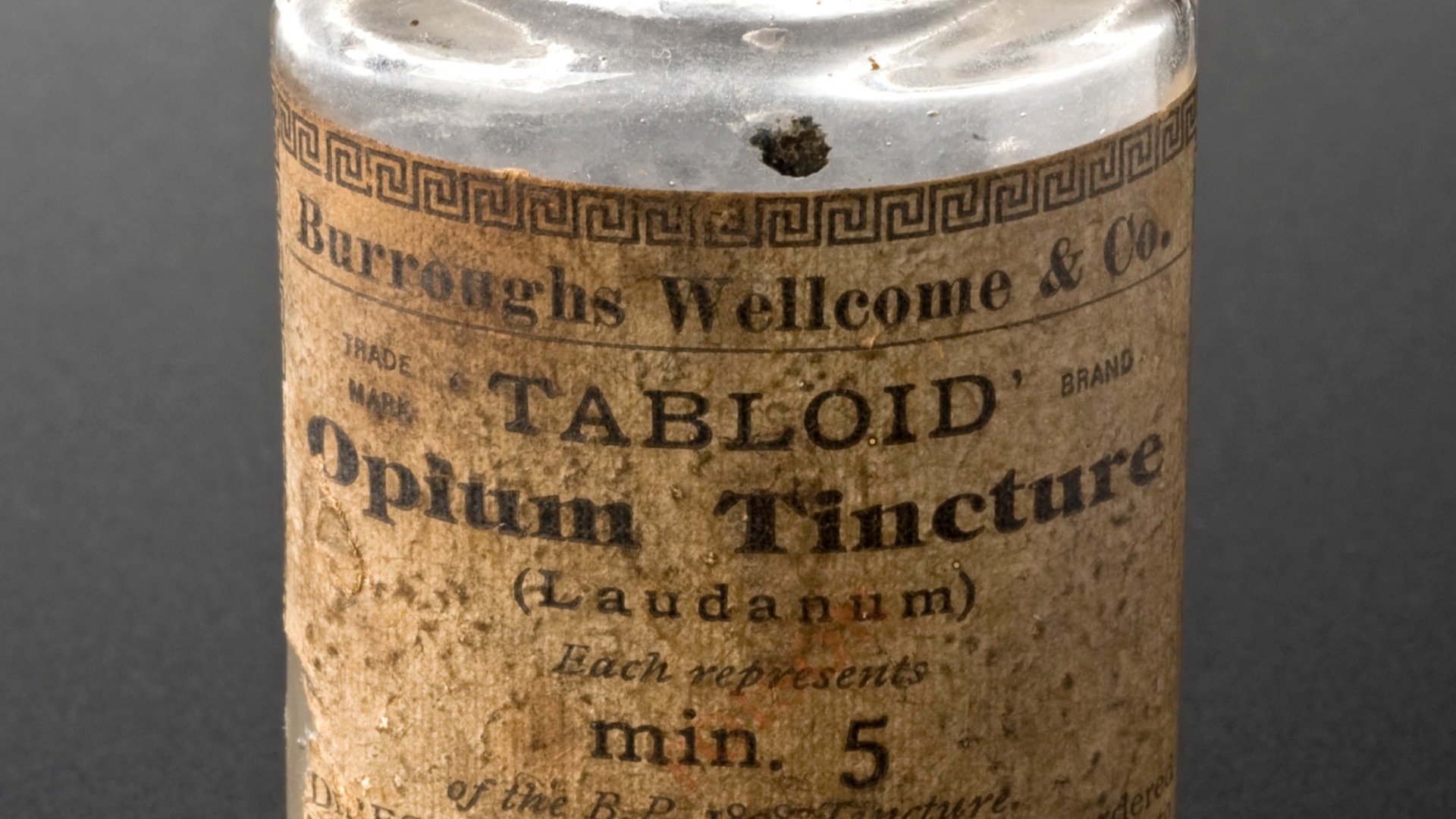
Patent remedies containing opium were sold as treatments for teething, coughing, diarrhea, and sleeplessness. Exhausted parents and caregivers could give these mixtures to infants without fully understanding their potency, especially before manufacturers had to provide clear ingredient information. Excessive doses could suppress breathing, cause dependence, or leave an infant dangerously underfed because the child slept instead of eating.
5. “Baby Farming” Became a Deadly Business
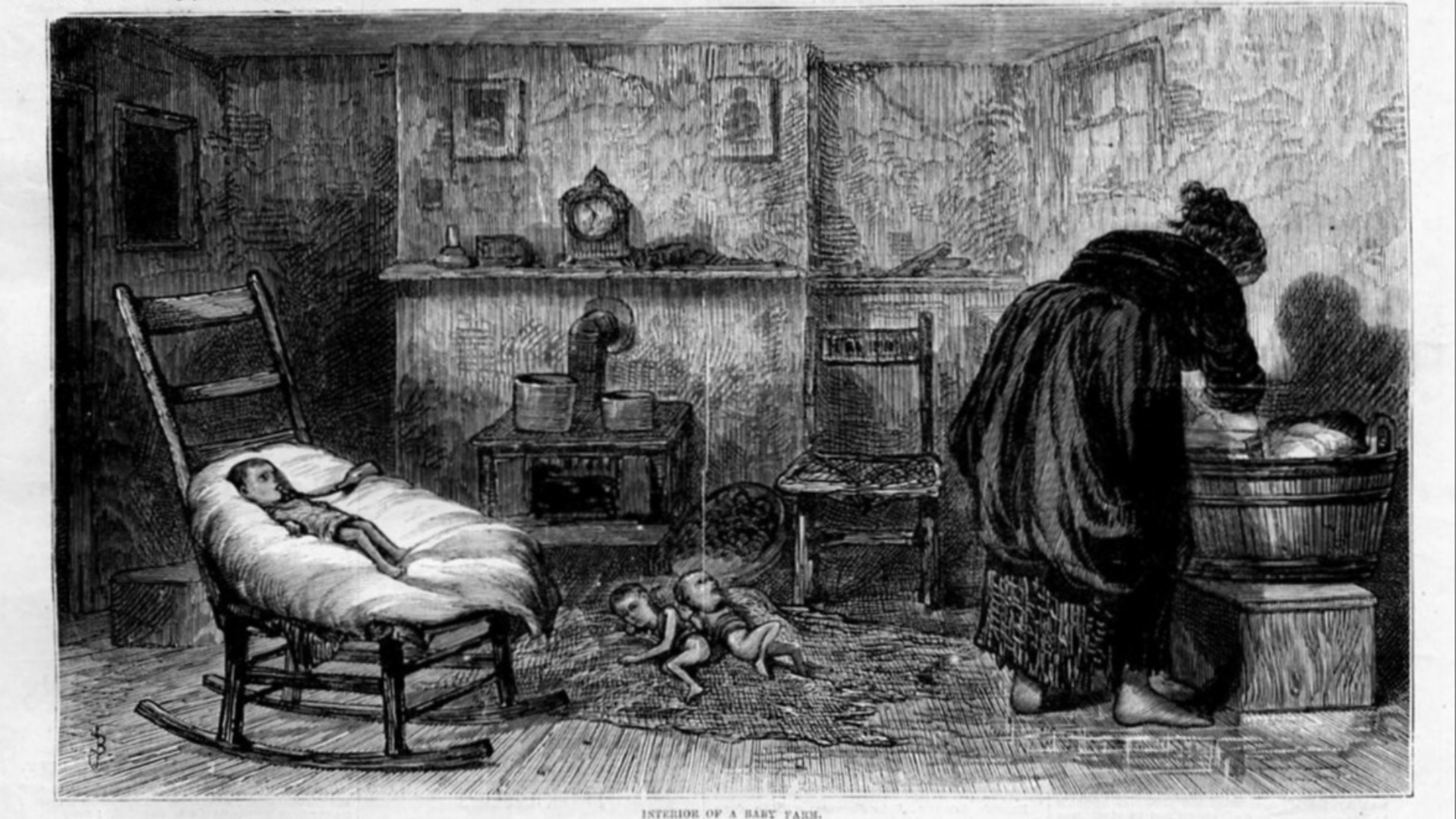
Some unmarried or impoverished mothers paid women known as baby farmers to care for their infants, either temporarily or permanently. Payments were sometimes made as a single lump sum, which gave dishonest caregivers a financial incentive to spend as little as possible on the child afterward. Several notorious cases involved infants who were neglected, starved, drugged, or killed, leading to gradual reforms in child protection.
6. Match Production Could Destroy a Worker’s Jaw
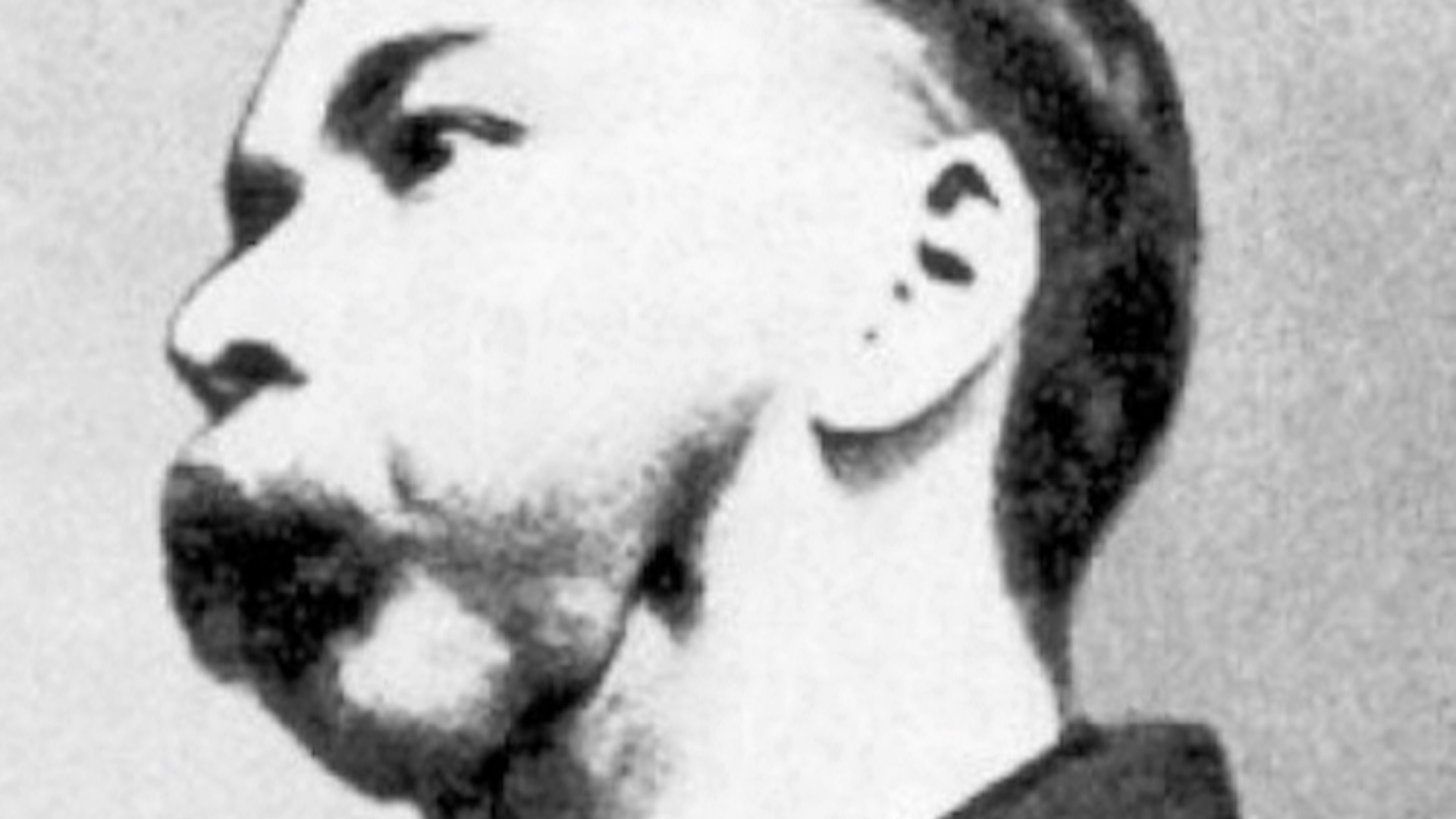
Workers who made matches containing white phosphorus were exposed to toxic fumes for long hours in poorly ventilated factories. Some developed phosphorus necrosis, commonly called “phossy jaw,” which caused severe dental pain, infections, abscesses, and the deterioration of jawbone tissue. Many of the workers were young women earning low wages, and employers resisted restrictions on the chemical because safer alternatives cost more.
 Dr. John P. Andrews on Wikimedia
7. Chimney Sweeps Could Develop a Rare Cancer
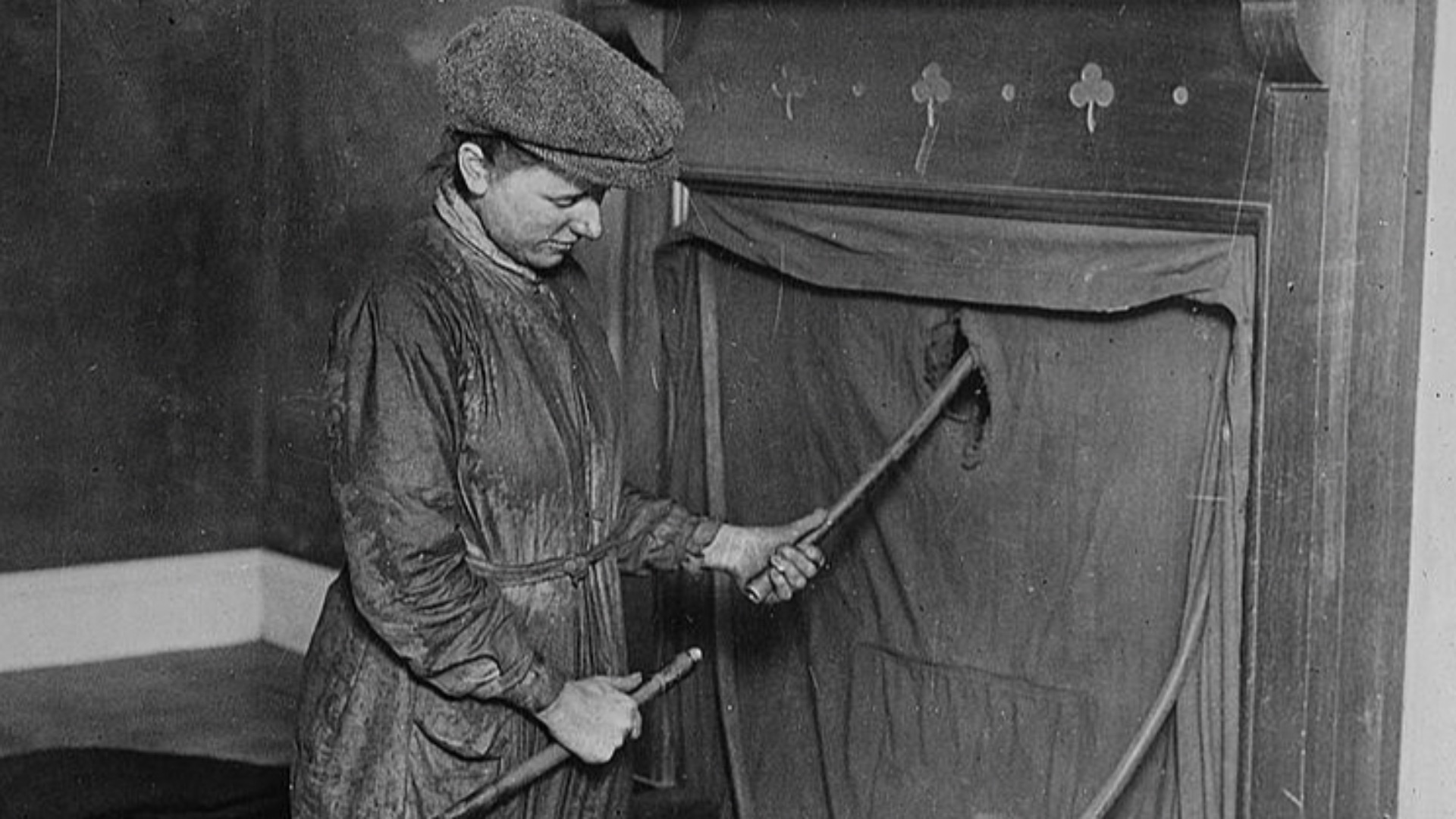
Small boys were often sent into narrow chimneys because their bodies could fit through spaces that adults couldn't enter. They faced burns, breathing problems, falls, suffocation, and the risk of becoming trapped inside flues. Long-term contact with soot was also linked to scrotal cancer among chimney sweeps, one of the first occupational cancers to be medically identified.
 The Library of Congress on Wikimedia
8. Workhouses Deliberately Made Life Unpleasant
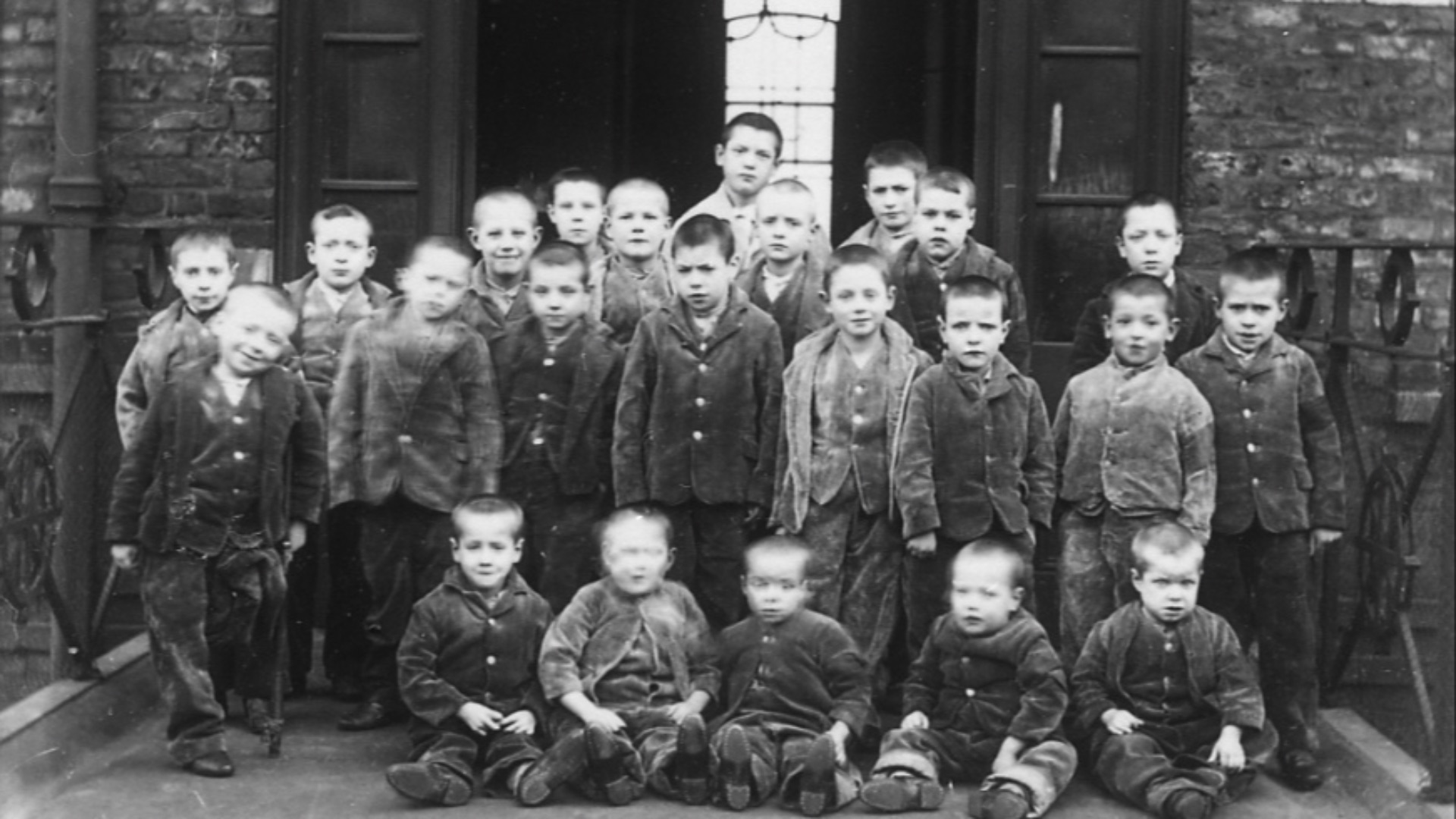
Victorian workhouses weren't designed to provide comfortable shelter for people facing poverty. Officials believed conditions had to be worse than those experienced by the poorest independent laborer, or people might supposedly choose institutional support over employment. Families could be separated upon entry, while residents endured strict routines, repetitive labor, inadequate meals, and punishment for breaking rules.
9. Prisoners Walked Treadmills That Powered Almost Nothing
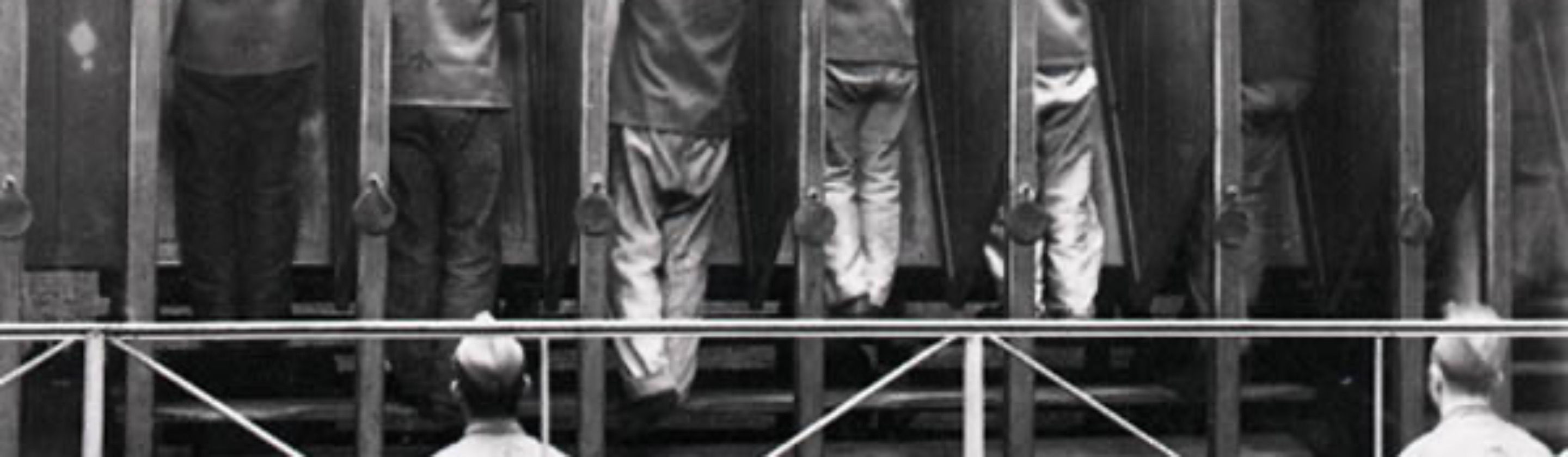
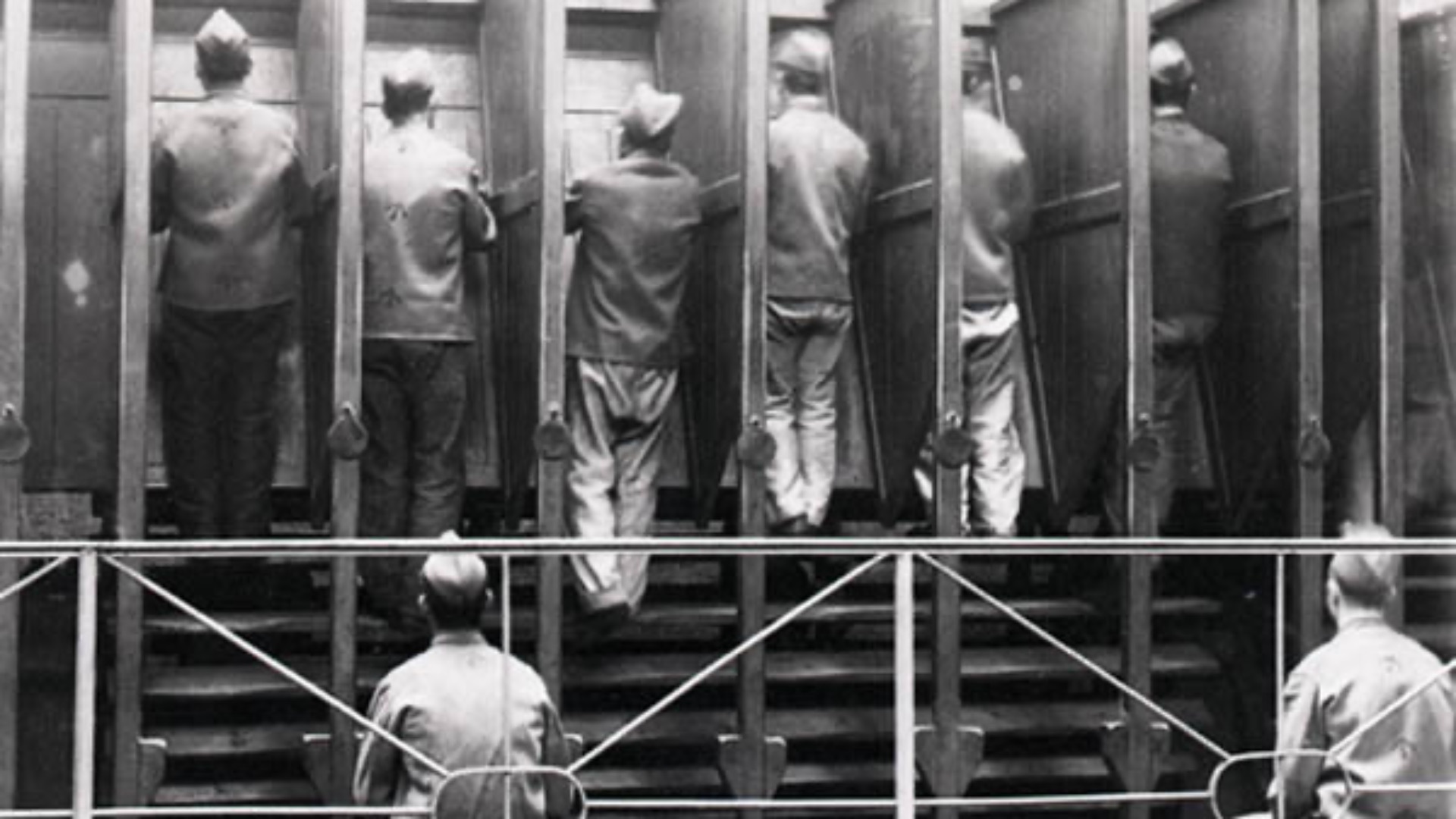
The prison treadmill required inmates to climb rotating steps for hours, sometimes to grind grain or pump water. In other institutions, the machine served no meaningful purpose and existed primarily as a form of punishment. A prisoner could spend the day repeatedly stepping upward while facing a wall, with guards monitoring the pace and enforcing silence.
10. Sewers Attracted Their Own Scavengers
London’s sewers and riverbanks contained waste, lost coins, scraps of metal, bones, rope, and other materials that could be sold. Desperate scavengers entered drainage systems or searched exposed mud despite the dangers of toxic air, disease, sudden water flows, and unstable tunnels. These workers became known by names such as sewer hunters, mudlarks, and toshers, depending on where and how they searched.
11. Human Waste Filled City Cesspools
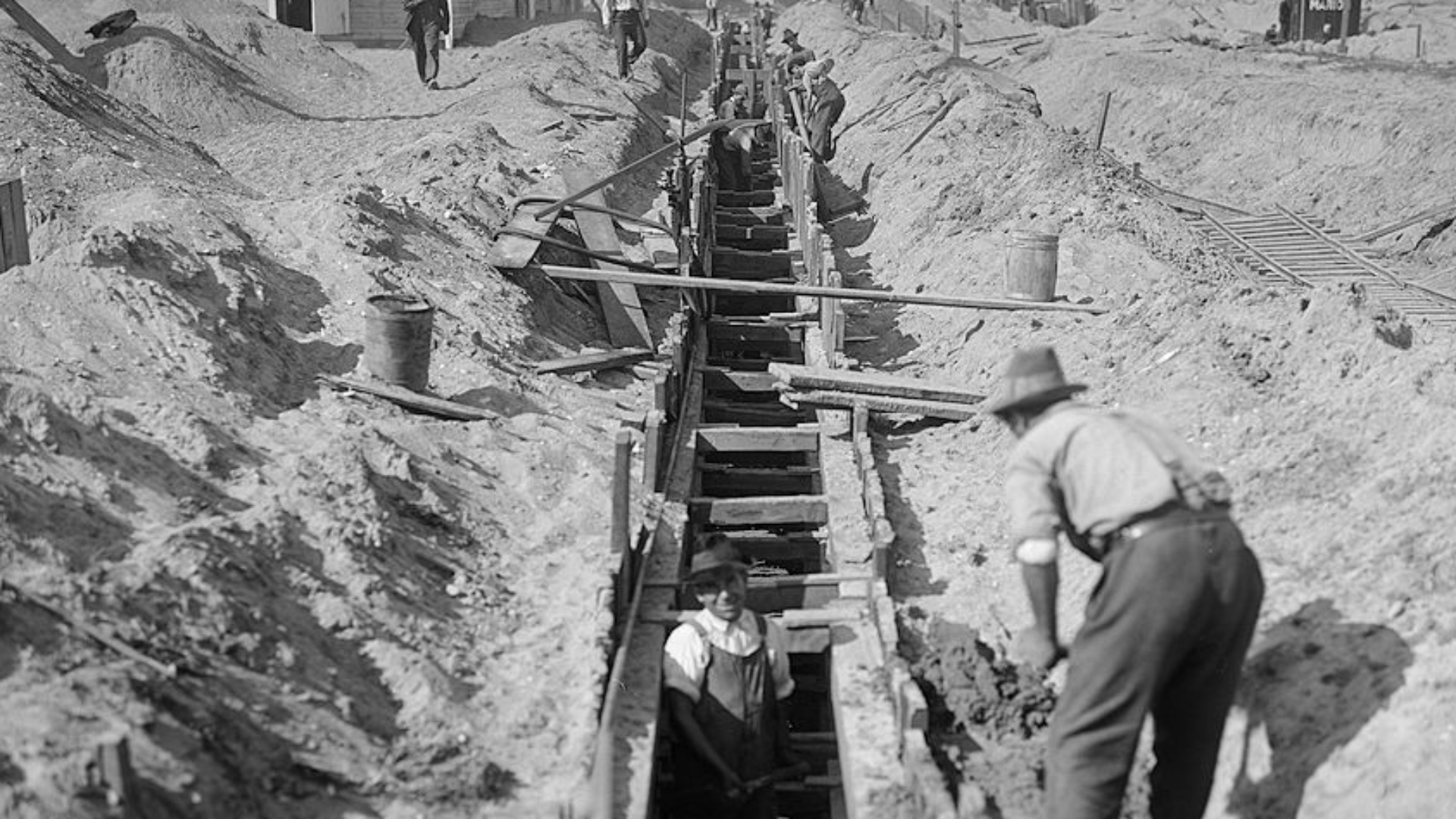
Before comprehensive sewer systems were constructed, many urban homes relied on cesspools dug beneath yards, basements, or buildings. These pits could leak into wells, overflow into streets, or release gases into living spaces. Workers known as night-soil men emptied them manually, often transporting the contents through populated neighborhoods after dark.
12. The Thames Became an Open Sewer
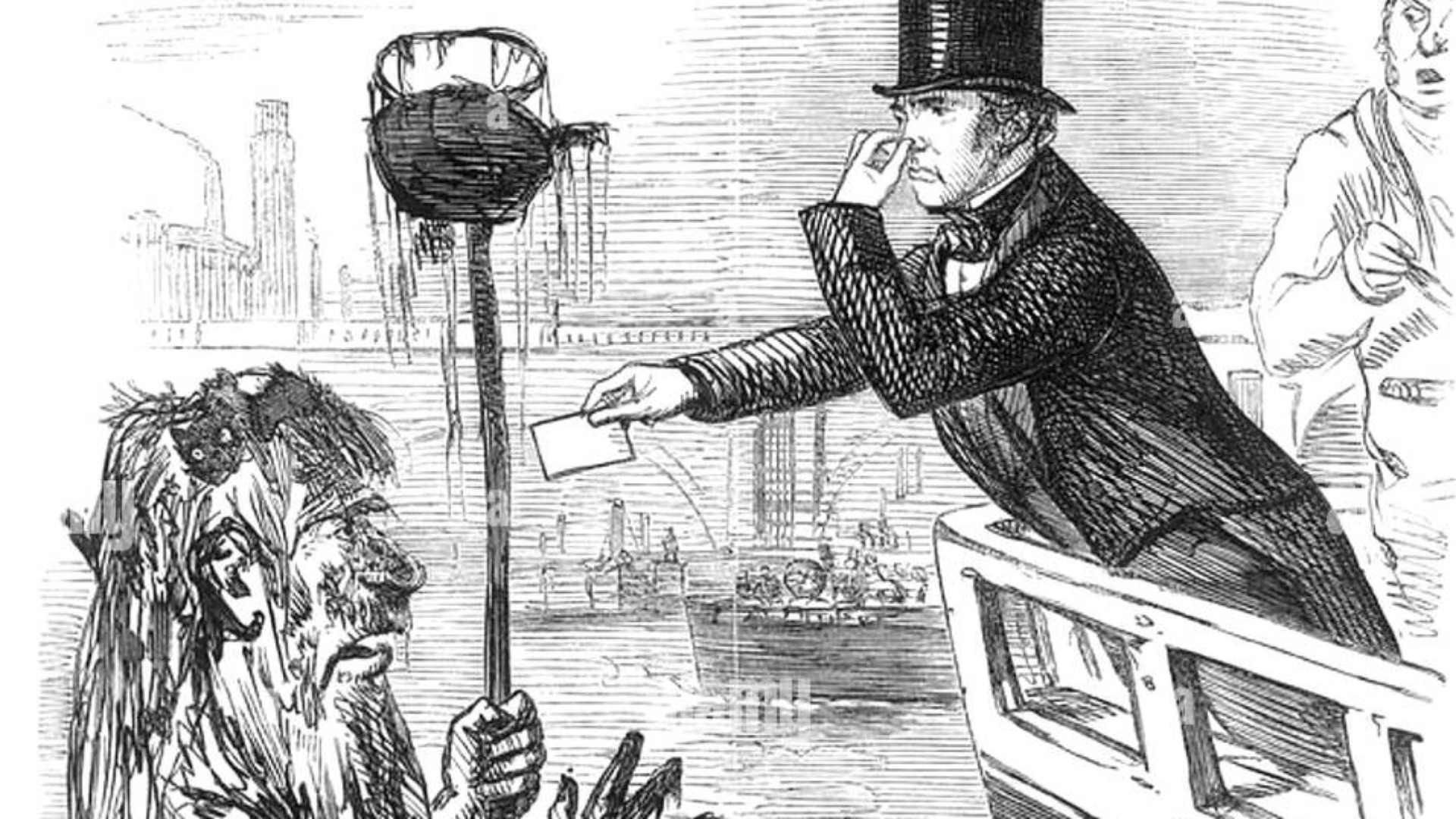
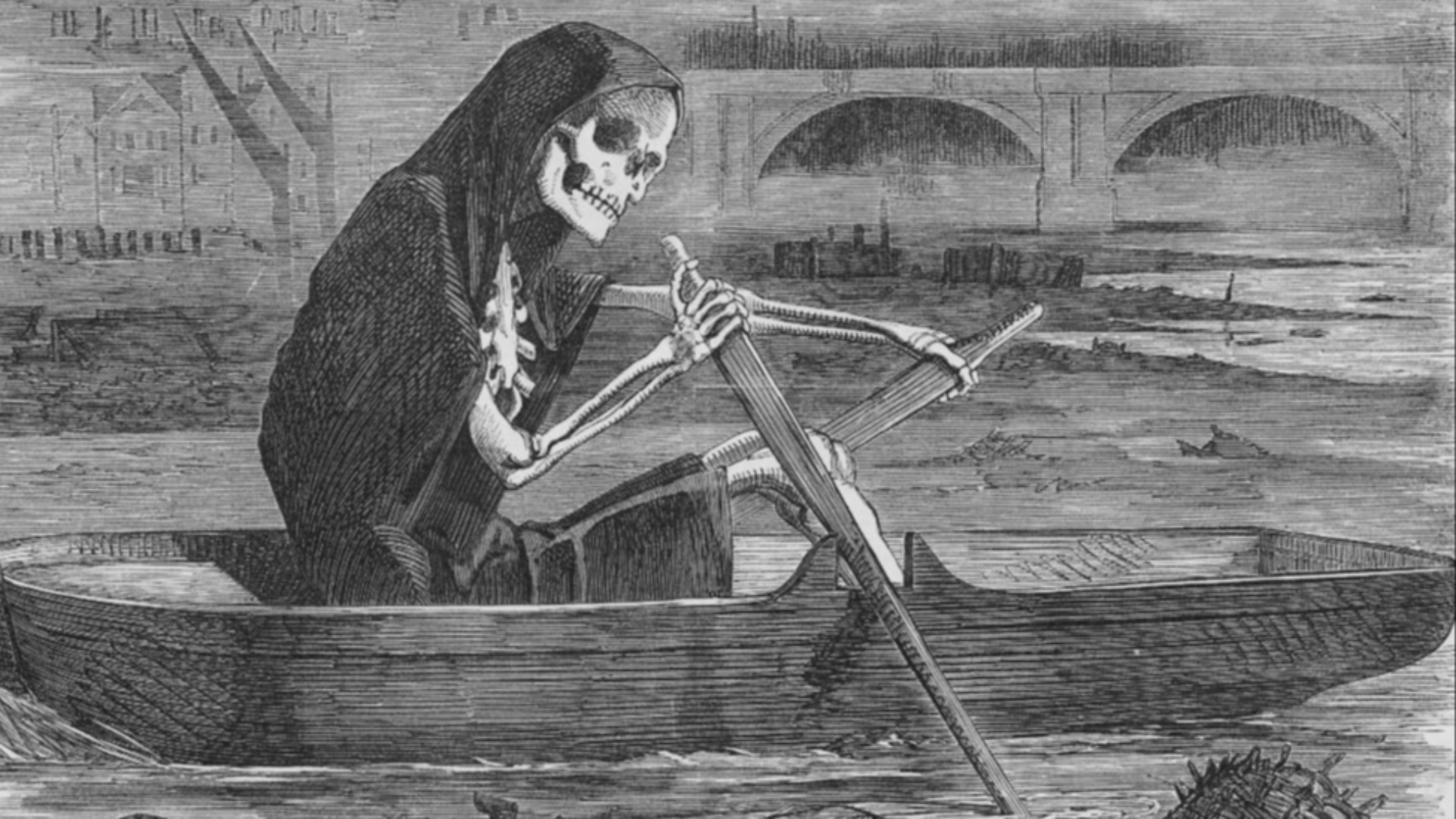
By the middle of the 19th century, enormous amounts of human and industrial waste were being discharged into the River Thames. During the hot summer of 1858, the smell became so overpowering that curtains soaked in disinfectant were hung inside the Houses of Parliament. The event became known as the Great Stink and finally pushed lawmakers to support a modern sewer network.
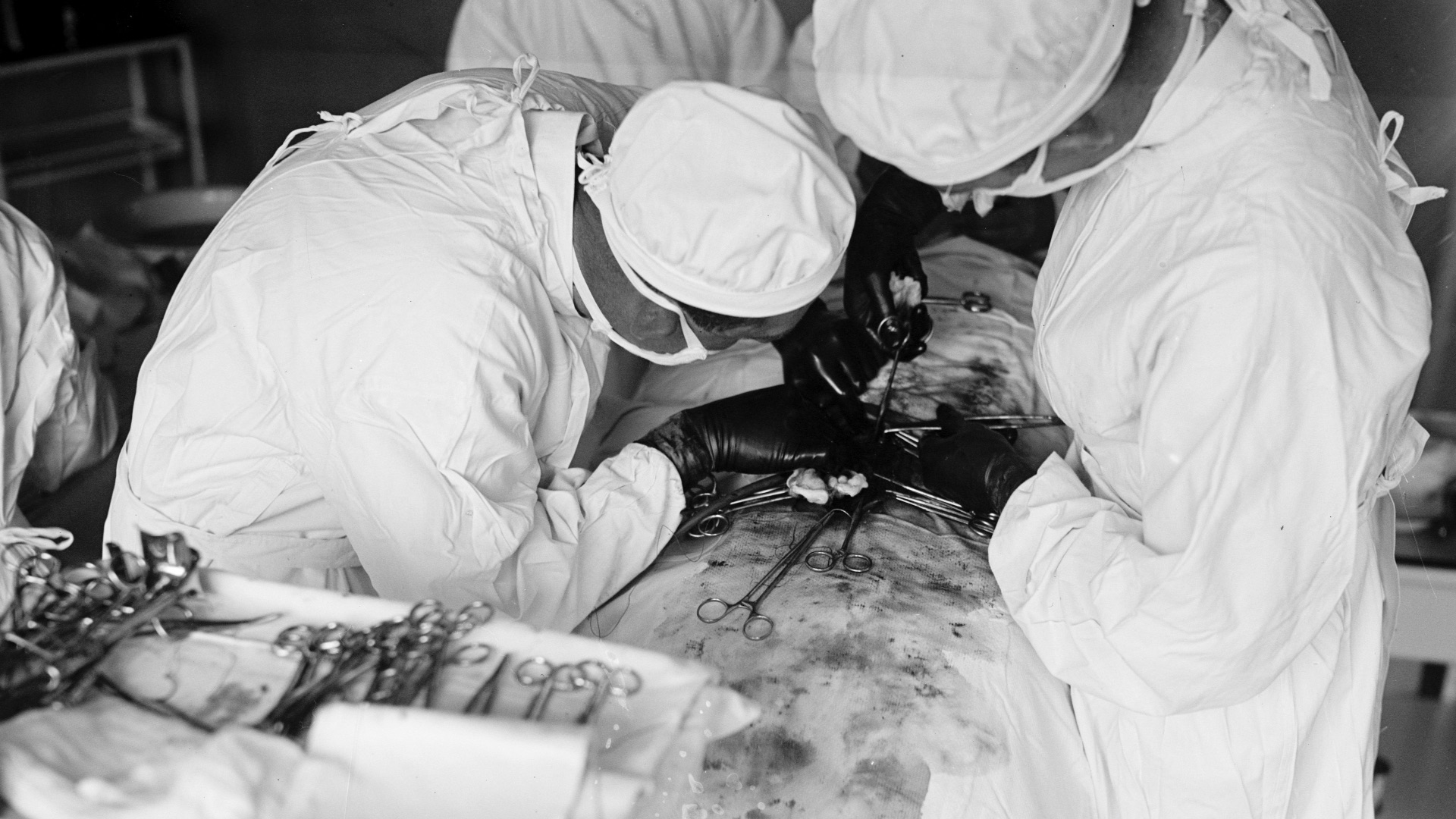
13. Doctors Operated in Blood-Stiffened Clothing
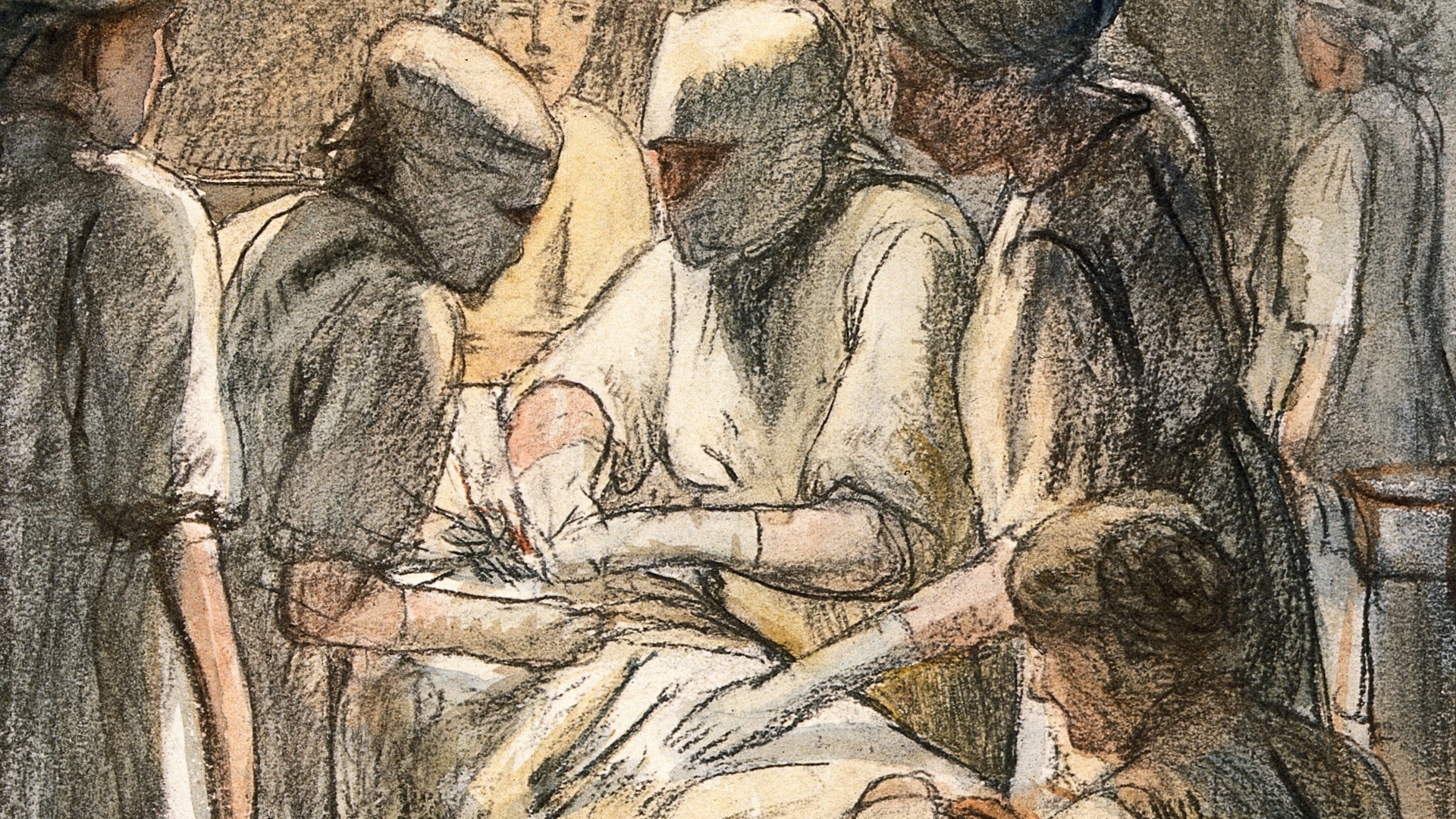
Before germ theory and antiseptic practices gained broad acceptance, surgeons didn't consistently wash their hands, sterilize instruments, or change into clean clothing between procedures. A heavily stained operating coat could even be treated as evidence of experience rather than dangerous contamination. Patients who survived an operation still faced a serious chance of dying later from infection.
14. Surgery Was Judged by Speed
Anesthesia became more widely available during the Victorian era, but early in the period, patients often underwent surgery while conscious. Surgeons therefore trained themselves to amputate limbs and complete other procedures as rapidly as possible. Speed reduced the time a patient spent in extreme pain, although rushed movements could injure assistants, damage healthy tissue, or create additional complications.
 Balcer~commonswiki on Wikimedia
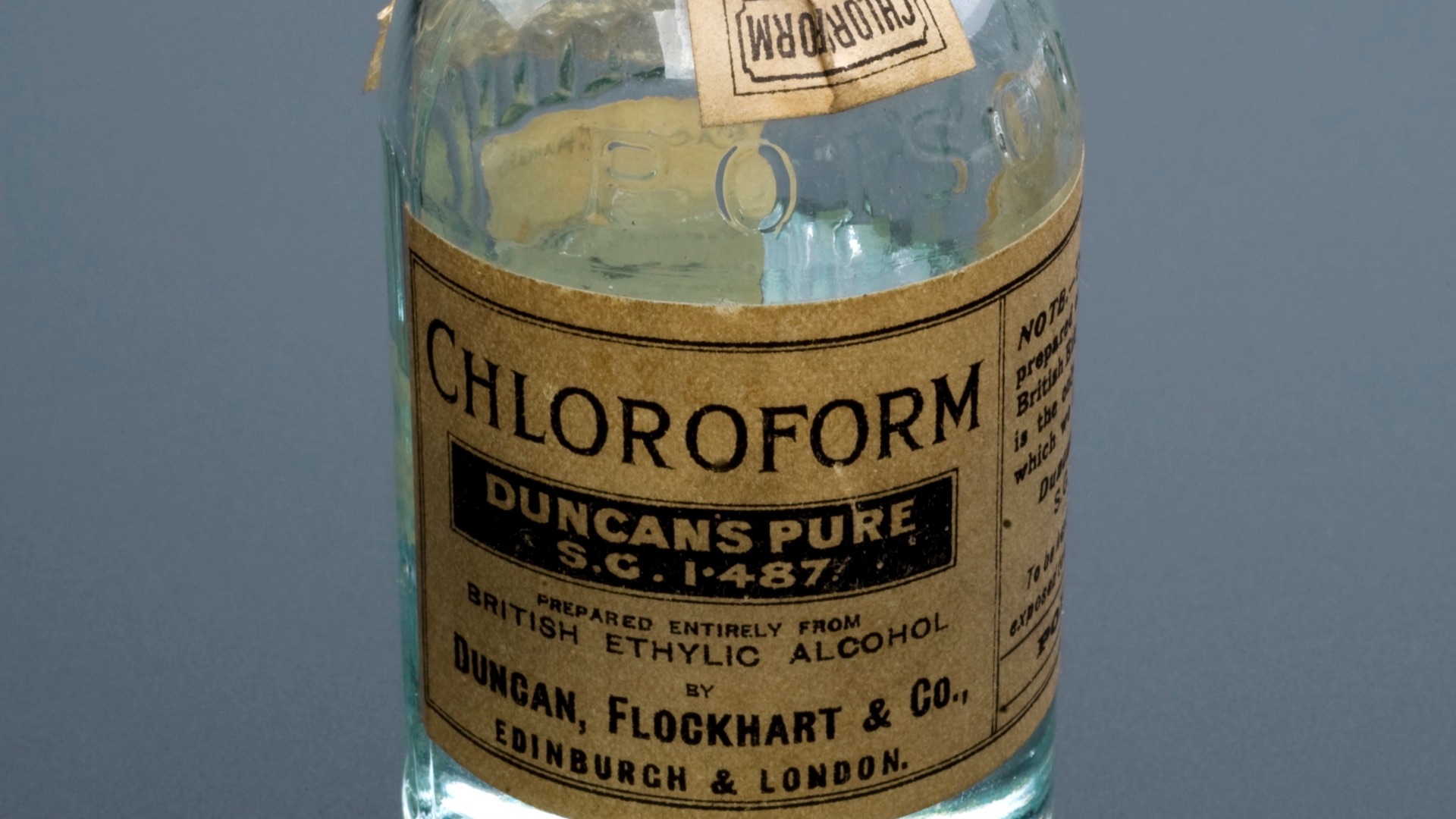
15. Chloroform Could Kill Without Warning
Chloroform transformed surgery and childbirth by allowing patients to become unconscious, but administering it safely was difficult. Doctors didn't yet have modern monitoring equipment or standardized methods for controlling dosage. A patient could appear to tolerate the vapor and then experience sudden respiratory or cardiac failure, turning a routine procedure into a fatal one.
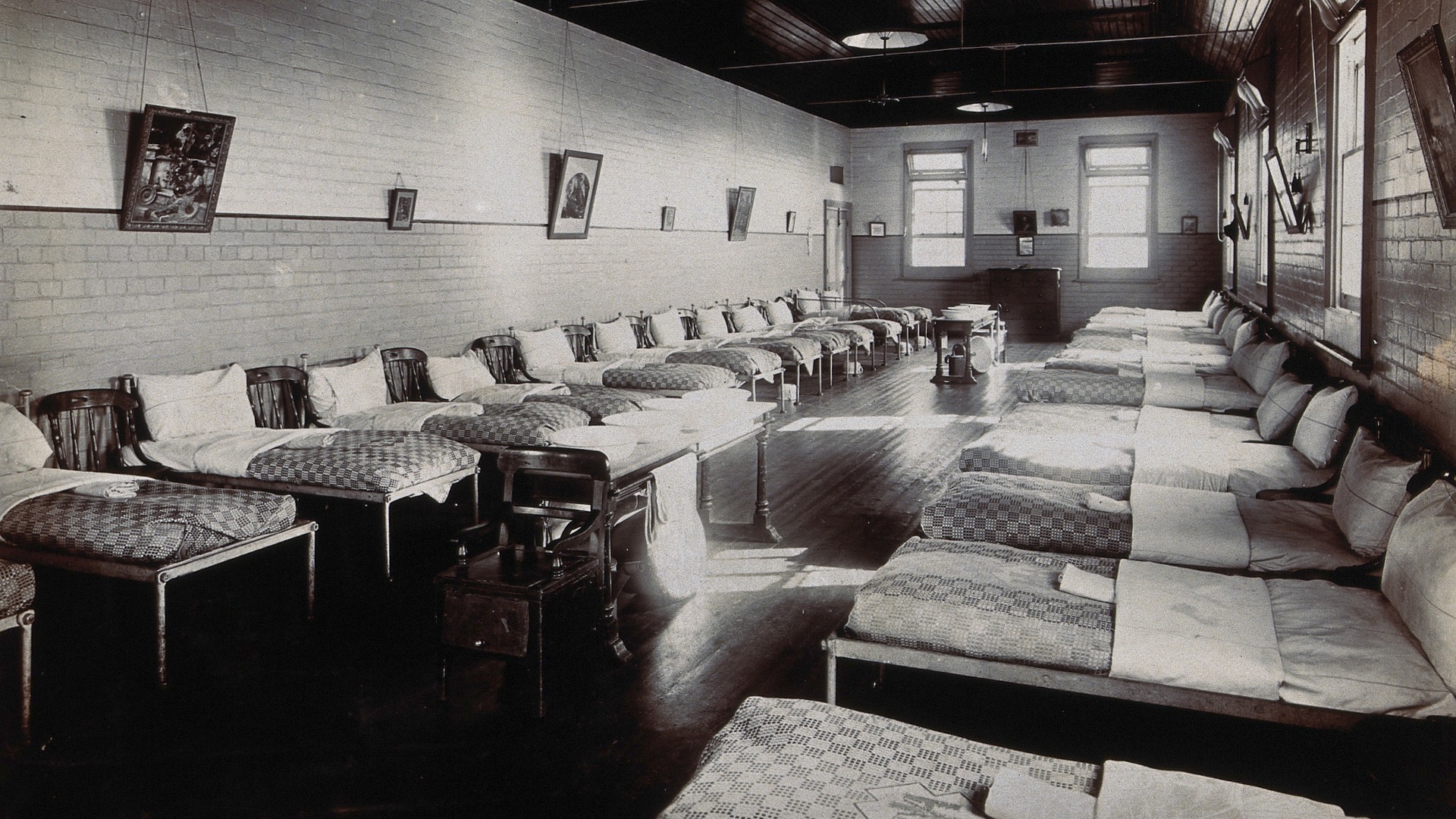
16. Mental Asylums Became Public Attractions
Some psychiatric institutions allowed paying visitors to observe patients as a form of entertainment, although this practice had begun before Victoria took the throne and continued into the 19th century. Visitors could walk through wards and stare at residents whose behavior was considered unusual. Reforms eventually reduced such access, but the idea that mental illness could be displayed for public curiosity remained influential.
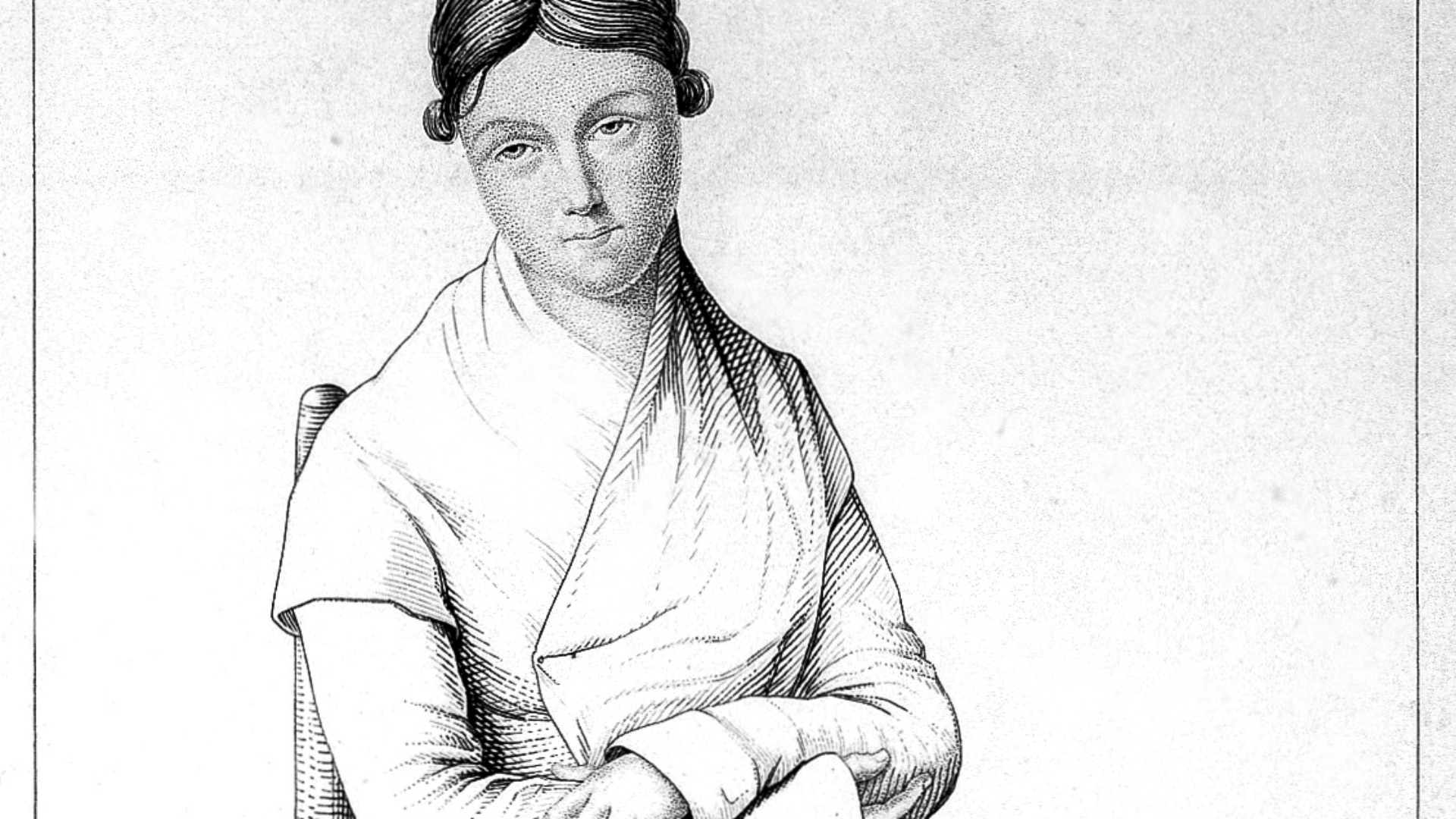
17. Women’s Illnesses Were Blamed on “Hysteria”
Physicians sometimes grouped a wide range of symptoms under the diagnosis of hysteria, including pain, exhaustion, anxiety, seizures, digestive trouble, and emotional distress. This broad label allowed physical conditions to be dismissed as products of a woman's temperament or reproductive system. Some patients were isolated, confined to bed, discouraged from reading or working, and placed under almost complete medical control.
18. People Feared Sudden “Railway Madness”
As train travel expanded, newspapers and doctors reported cases in which passengers or railway employees supposedly became violent, confused, or irrational without warning. Commentators debated whether speed, noise, vibration, confinement, or the stress of industrial life could damage the mind. The condition was never a clear medical diagnosis, but it reflected real Victorian anxiety about how rapidly technology was changing everyday experience.
19. Murder Scenes Became Commercial Entertainment
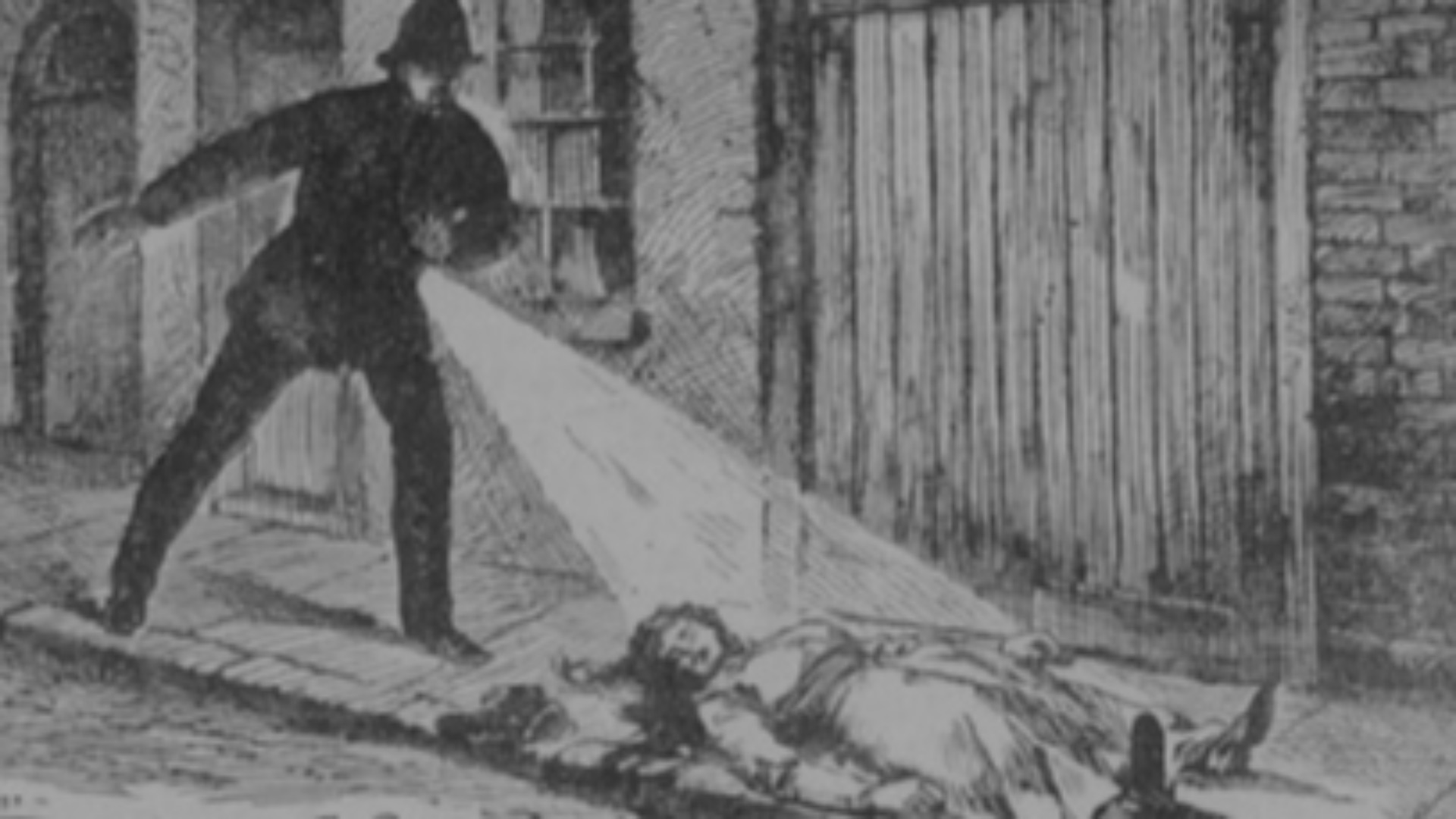
Victorian newspapers competed for readers by publishing detailed crime reports, courtroom testimony, illustrations, and speculation about notorious killings. Publishers also sold inexpensive pamphlets and broadsides describing executions or alleged confessions, sometimes before the facts had been established. Crowds visited crime locations, purchased souvenirs, and followed murder trials with an intensity that often intruded on victims' families.
 Unknown author. September 1888. on Wikimedia
20. Grave Robbing Provoked Public Riots
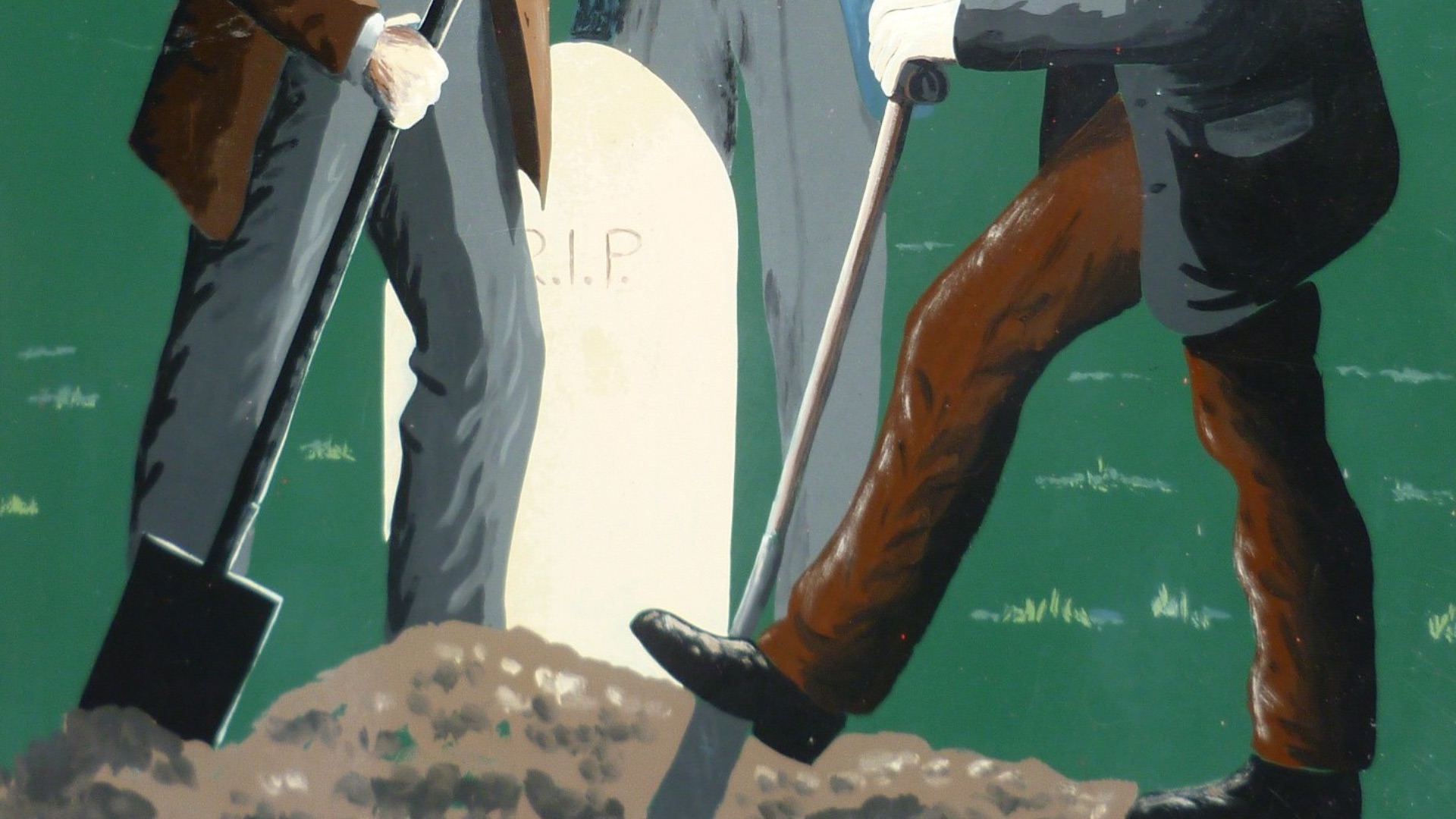
Anatomy schools needed bodies for medical instruction, but the legal supply of cadavers remained limited, encouraging thieves to dig up newly buried corpses. Fear of these “resurrection men” led families to hire guards, build watch houses, or place heavy iron structures over graves. In 1862, suspicions of body snatching at Sheffield’s Wardsend Cemetery helped trigger a riot in which an angry crowd damaged the church and burial grounds.
KEEP ON READING