

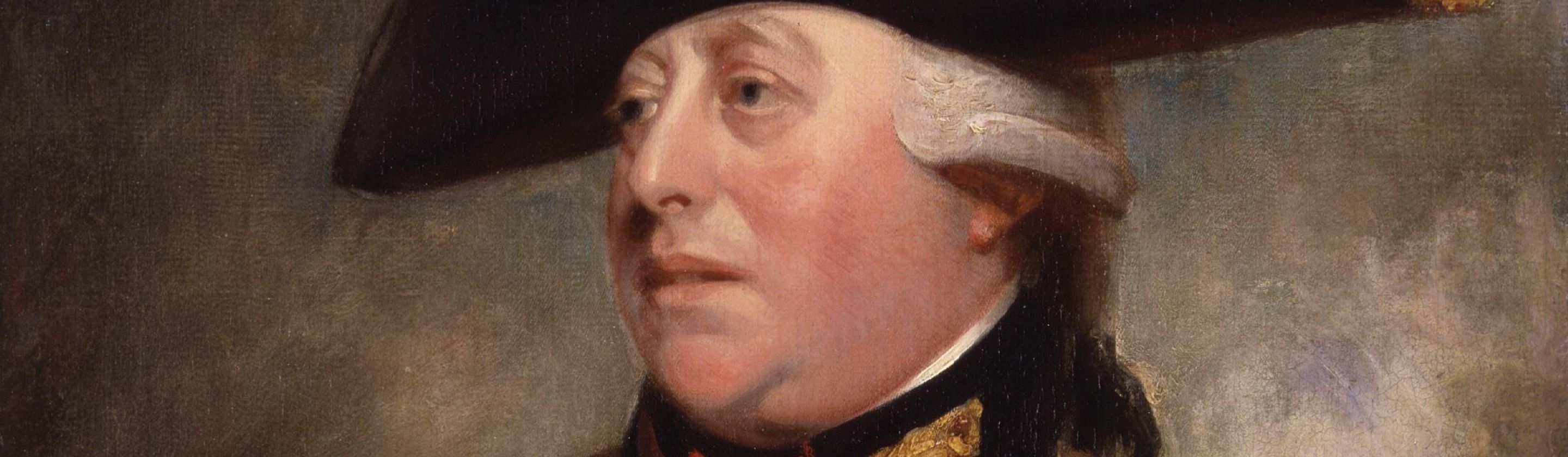
10 Queens With The Most Tragic Stories & 10 Kings Who Suffered In Life
Tragedy Behind The Thrones
When you picture kings and queens, you probably imagine luxury, crowns, and lives filled with privilege. But many royals had stories that were closer to horror films than fairy tales. Behind their titles were tragedies that shook empires and choices that led to shocking downfalls. That’s because some were trapped by ruthless politics, others faced personal struggles that no amount of wealth could erase. So, first, here are ten queens whose lives ended in heartbreak.
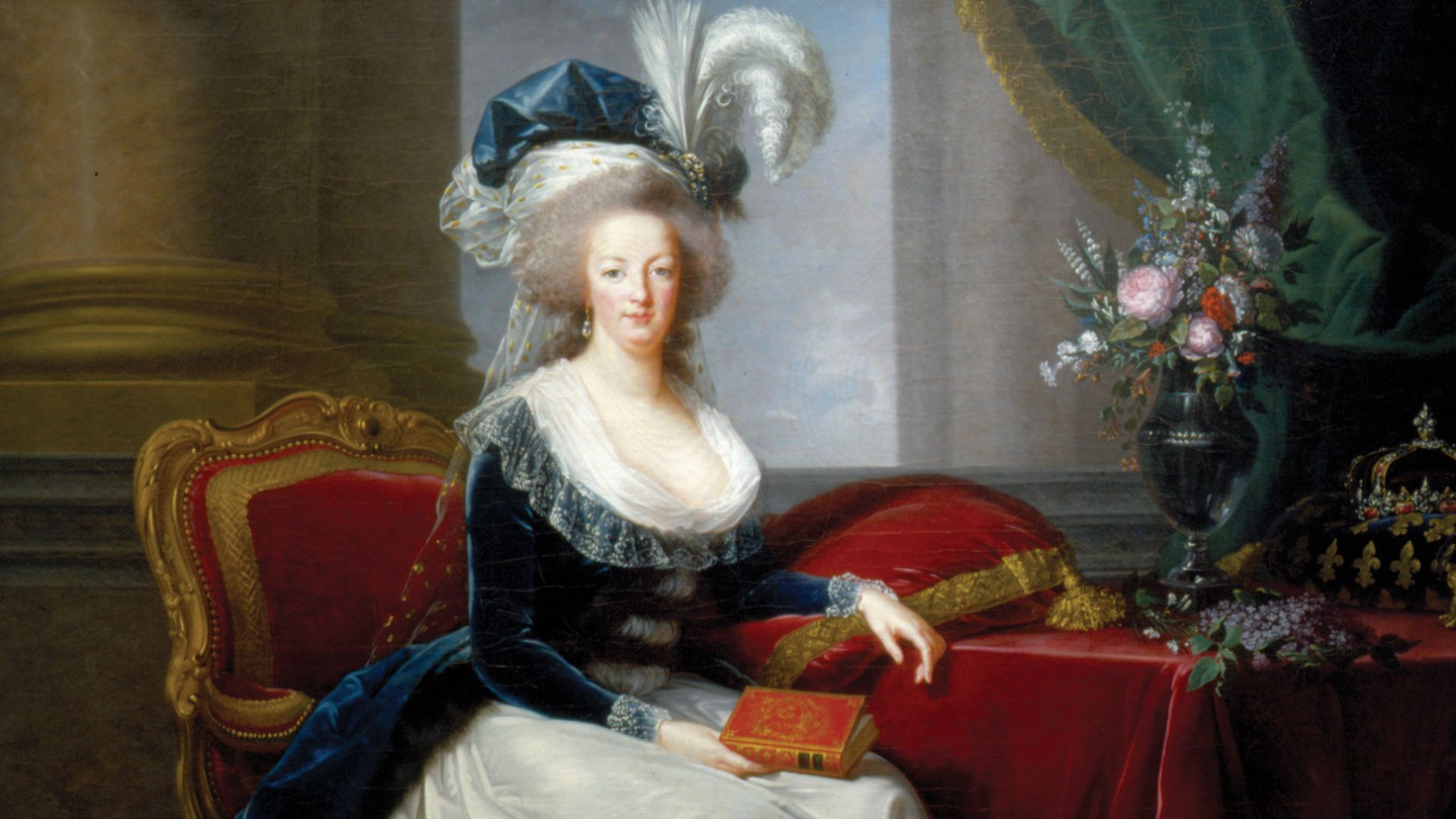 Élisabeth Louise Vigée Le Brun on Wikimedia
1. Marie Antoinette (France)
While famine gripped the nation, Marie Antoinette—the last queen of France—earned infamy as a symbol of waste and unchecked luxury. Arrested during the Revolution, she was separated from her children and was executed at just 37.
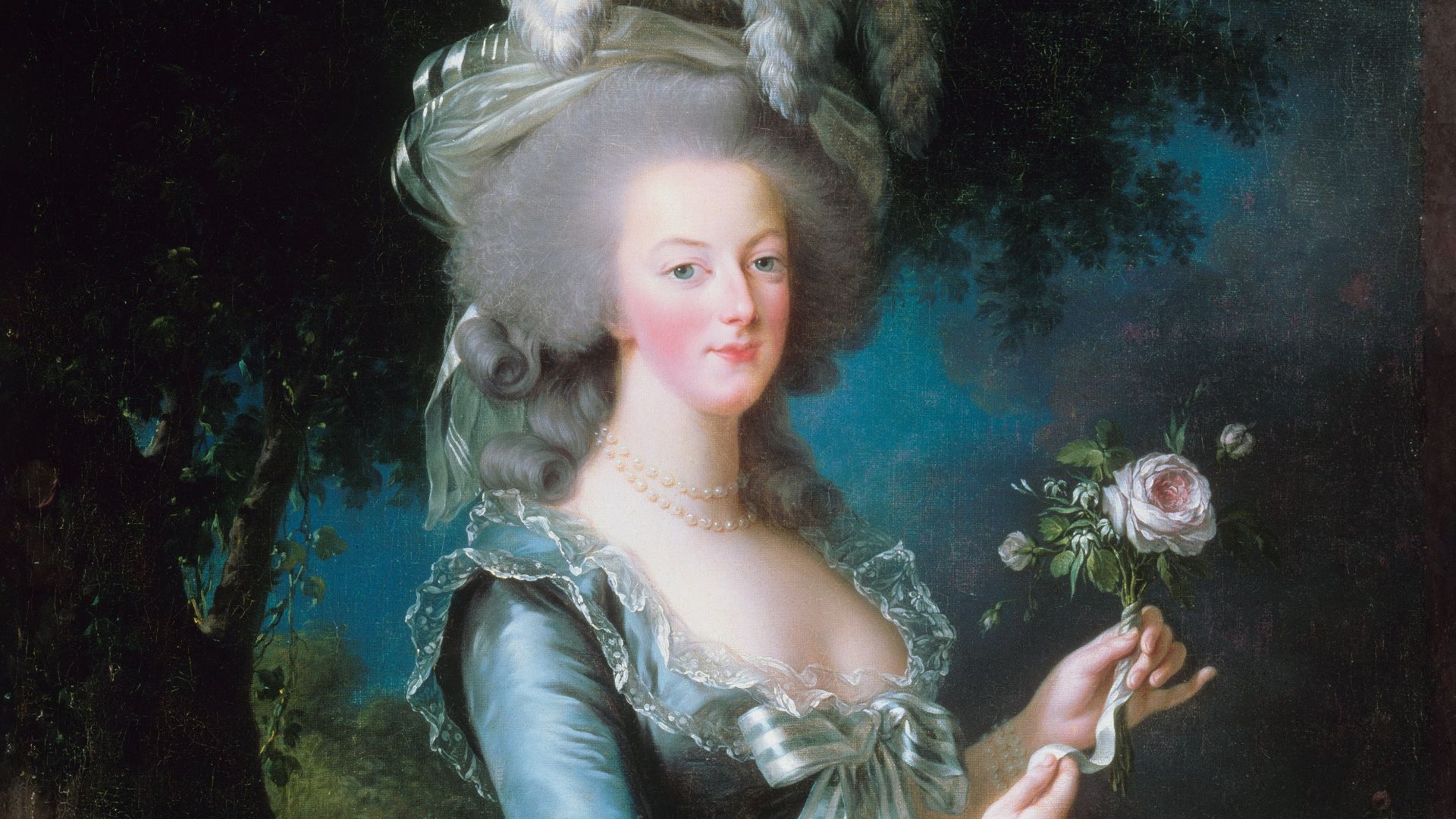 Élisabeth Louise Vigée Le Brun on Wikimedia
2. Anne Boleyn (England)
Anne Boleyn’s charm and ambition elevated her to Henry VIII’s throne, but the same qualities made her enemies. Branded with fabricated charges of treason, she was executed in 1536, leaving her young daughter Elizabeth behind.
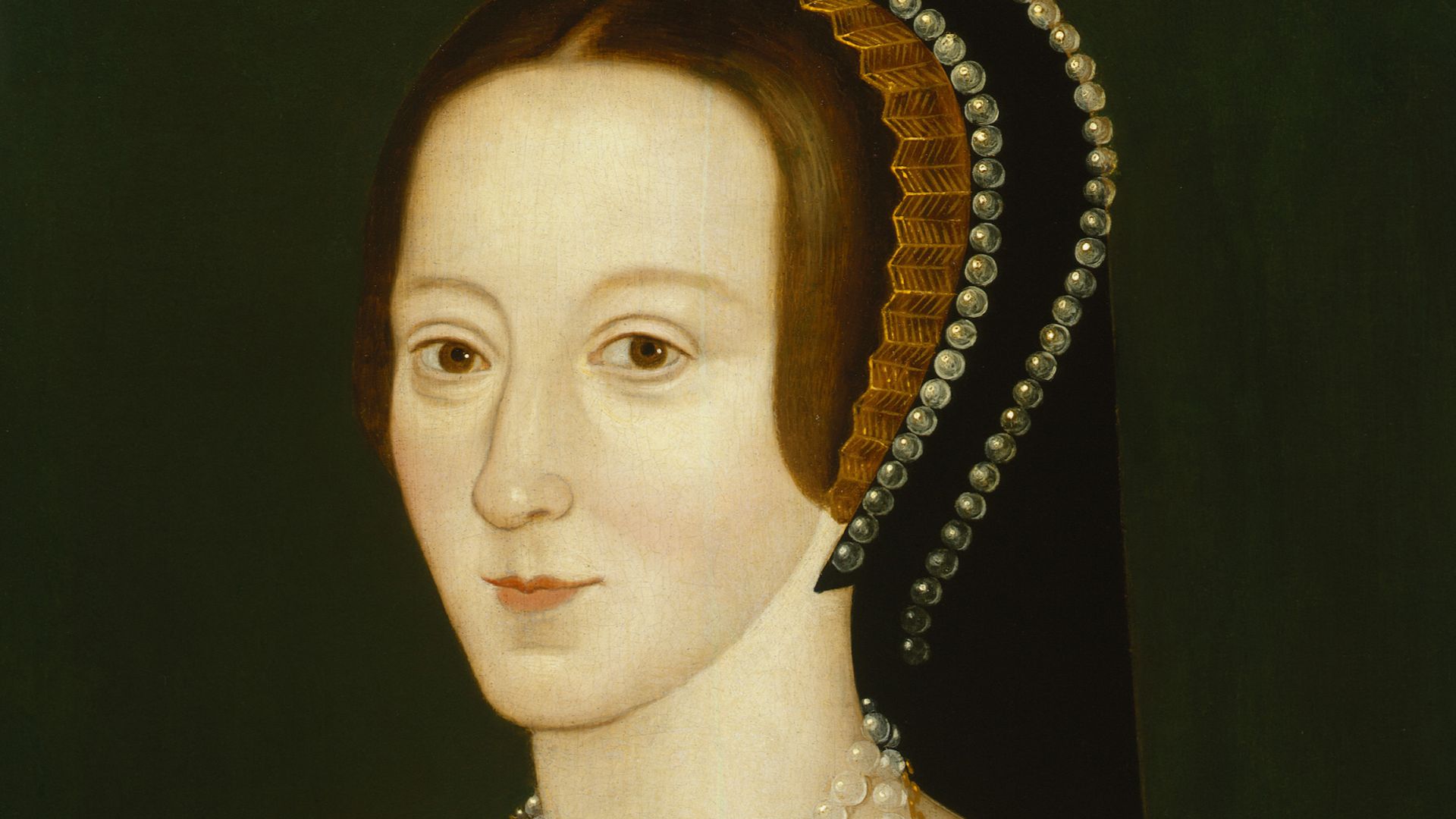 Unknown artistUnknown artist, English on Wikimedia
3. Mary, Queen Of Scots (Scotland)
Mary, Queen of Scots, lived a life marked by betrayal and misfortune. Crowned as an infant, she spent her reign battling political plots. After fleeing to England, her cousin Elizabeth I saw her as a threat, and in 1587, Mary was executed for treason after 19 years of captivity.
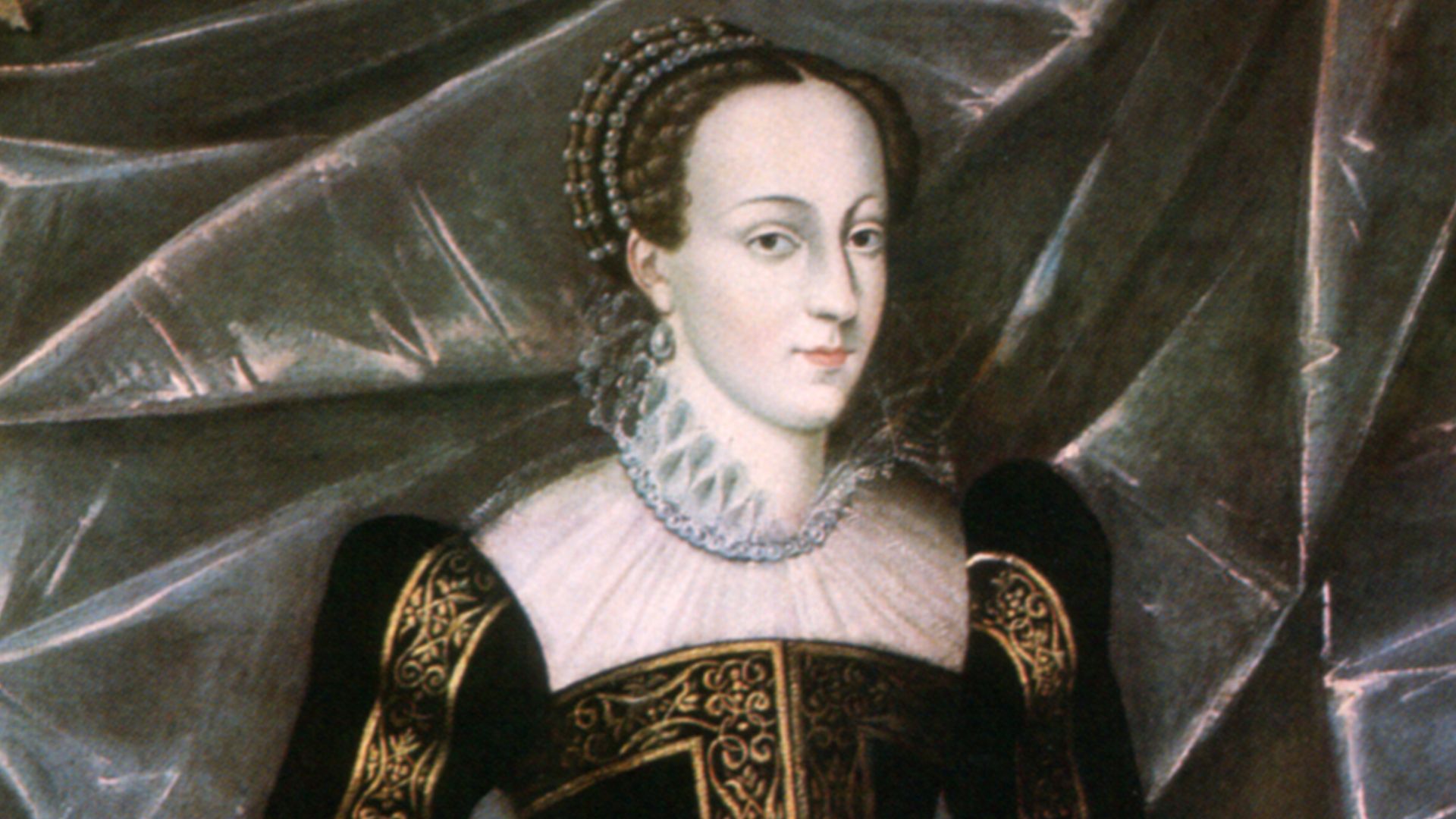 Unidentified painter on Wikimedia
4. Jane Grey (England)
Lady Jane Grey, a remarkably intelligent young woman fluent in several languages, held the English throne for a mere nine days. However, her reign ended abruptly when Mary I seized power. And at only 16, Jane was executed for treason.
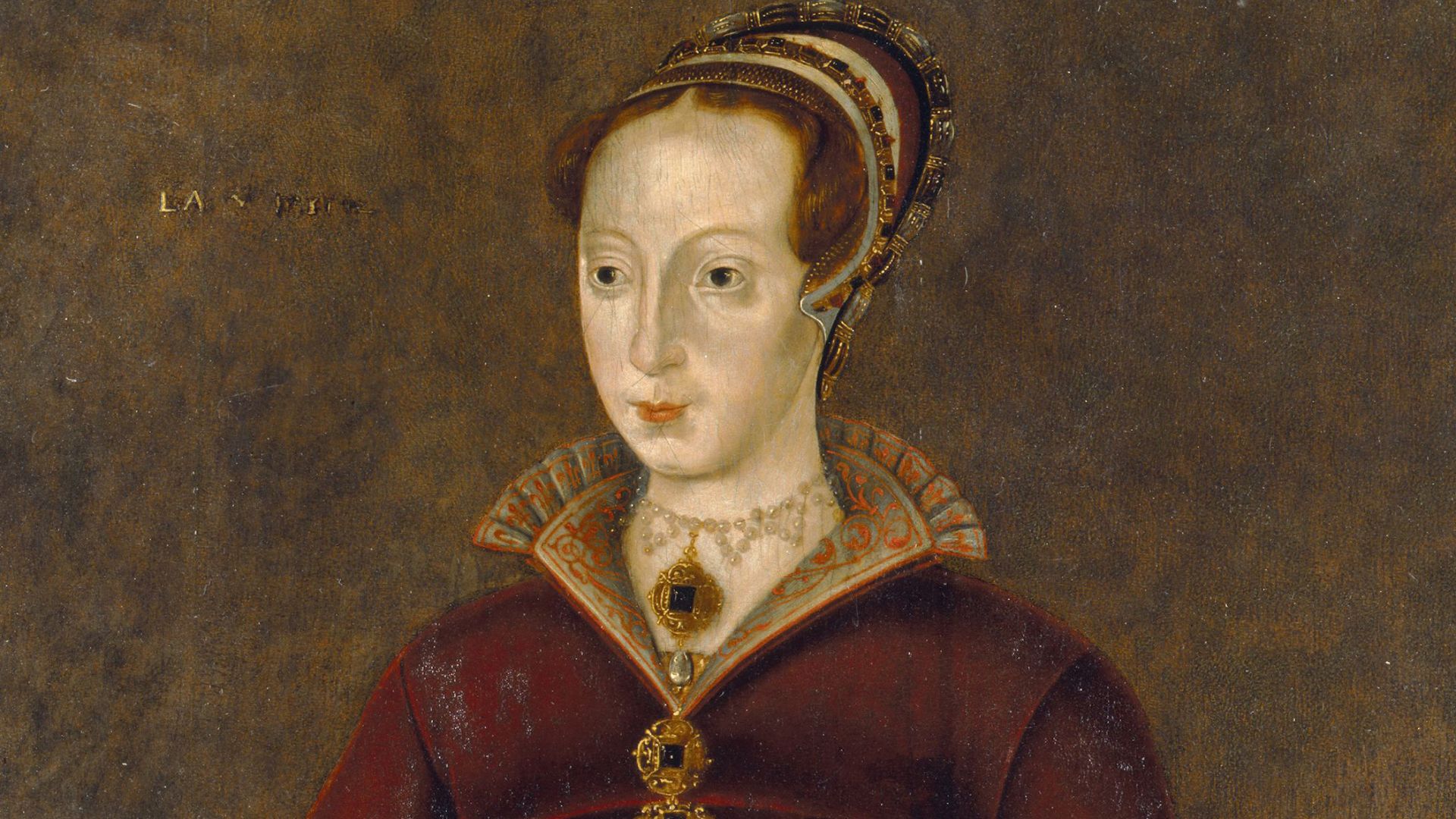 Unidentified painter on Wikimedia
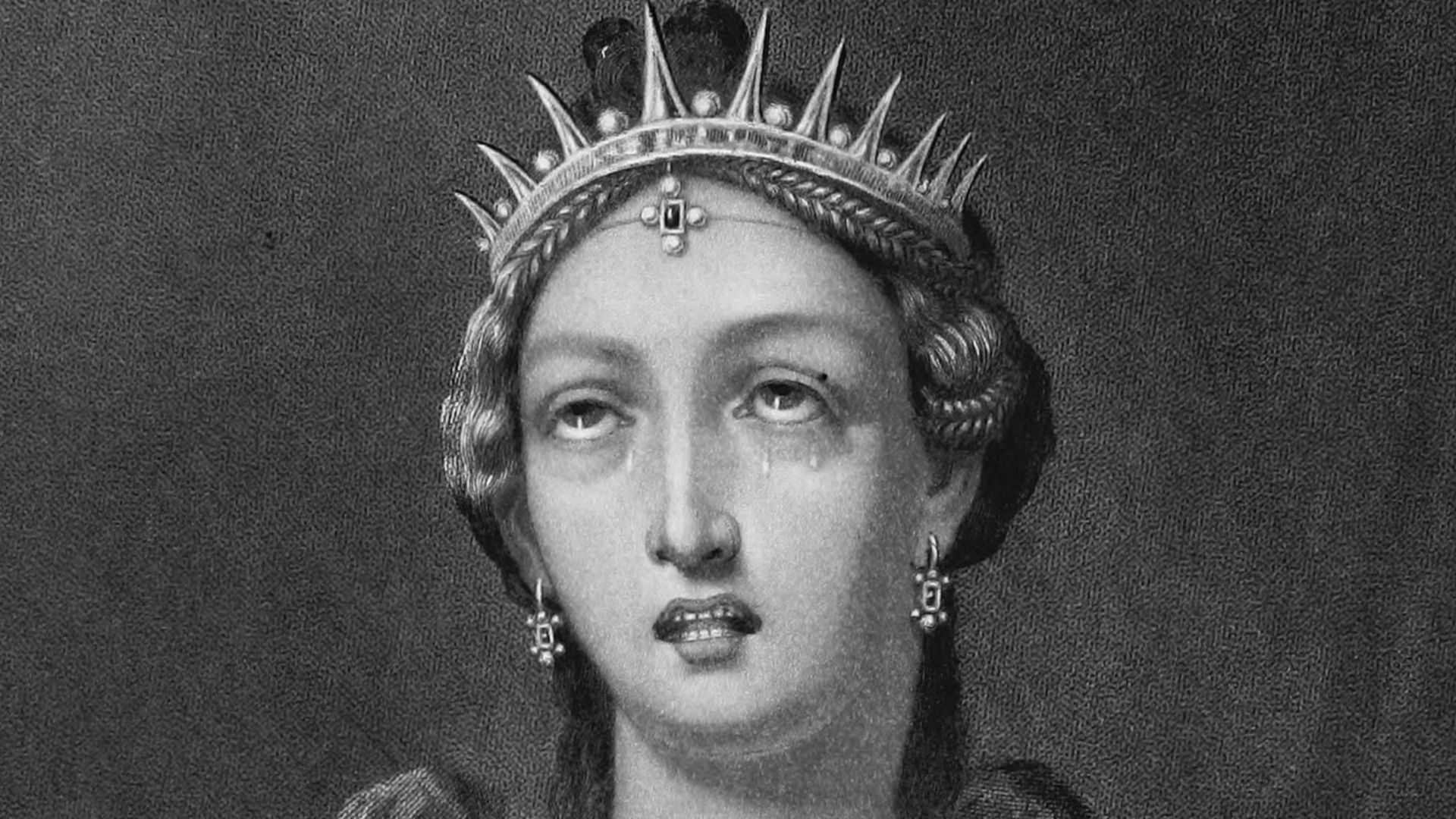
5. Cleopatra VII (Egypt)
Famous for her romances with Julius Caesar and Mark Antony, Cleopatra’s reign as Egypt's last Ptolemaic ruler culminated in tragedy. Defeated by Octavian, she chose suicide in 30 BCE, cementing her place in history as a figure of both strength and sorrow.
6. Joanna Of Castile (Spain)
She inherited one of the largest realms in Europe and secured Habsburg ties through marriage to Philip the Handsome. Despite this immense legacy, suspicions about her mental stability allowed her father, husband, and later son to strip her of power and confine her for life.
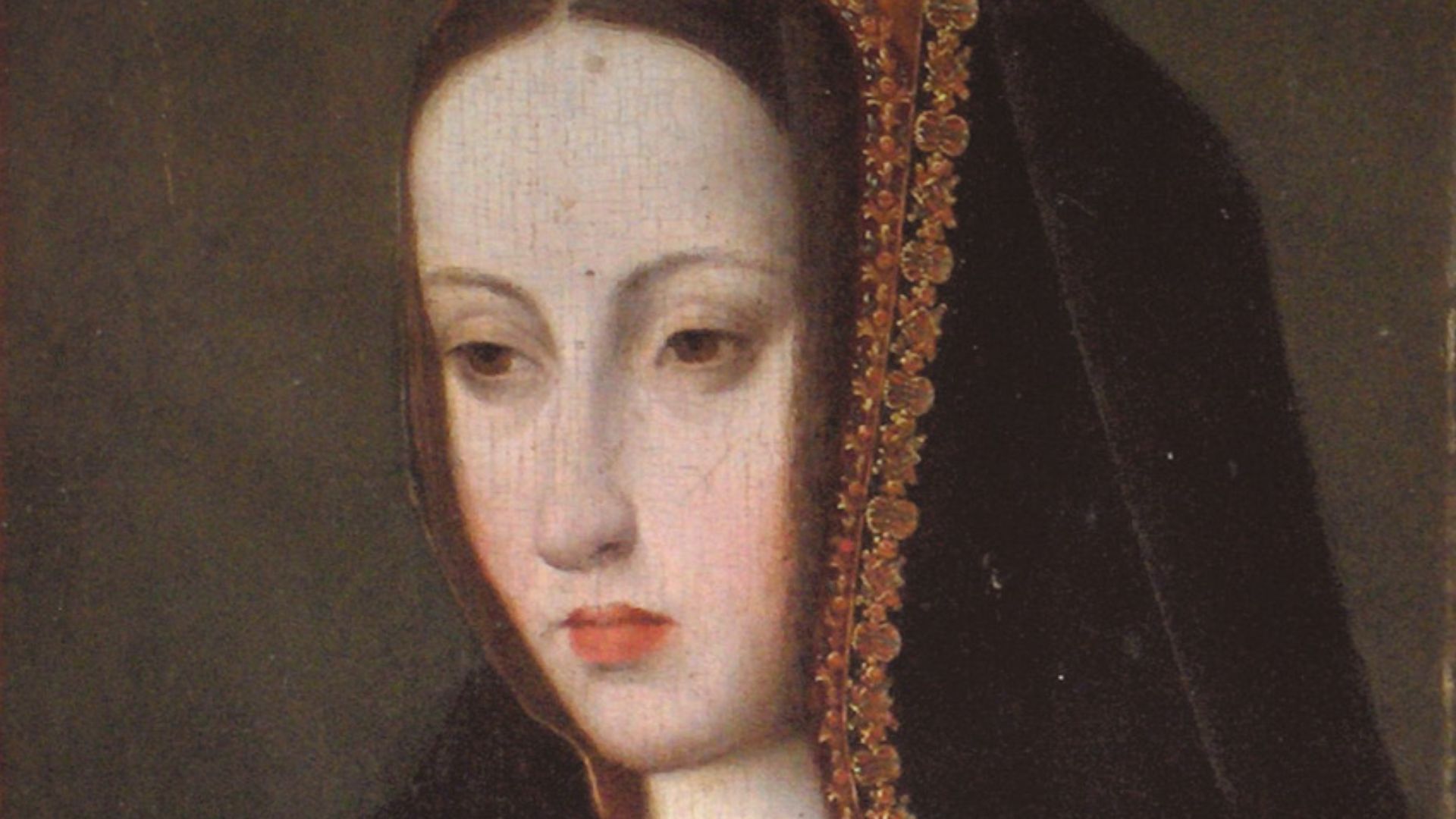 Master of Affligem on Wikimedia
7. Liliʻuokalani (Hawaii)
The final monarch of Hawaii, Queen Liliʻuokalani, took the throne in 1891, determined to safeguard her people’s independence. Her effort to introduce a new constitution angered American businessmen and politicians, leading to her overthrow in 1893.
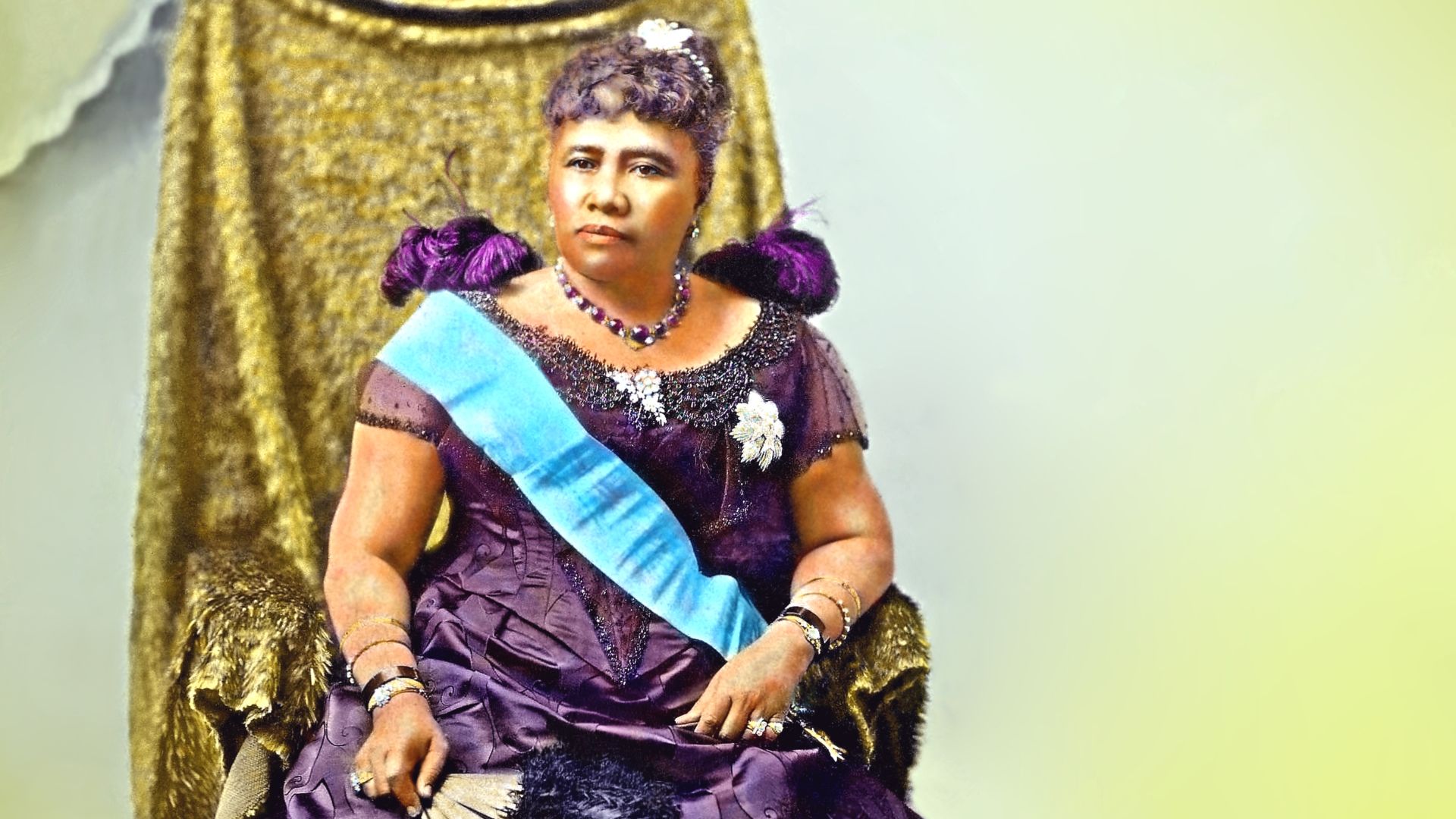 Digital work by Mark James Miller from an unknown photographer. on Wikimedia
8. Soraya Tarzi (Afghanistan)
In the turbulent push for modernization in early 20th-century Afghanistan, Queen Soraya emerged as a bold advocate for women’s emancipation. As consort to King Amanullah Khan, she advanced education and social reforms, but fierce resistance from conservatives led to her exile in 1929.
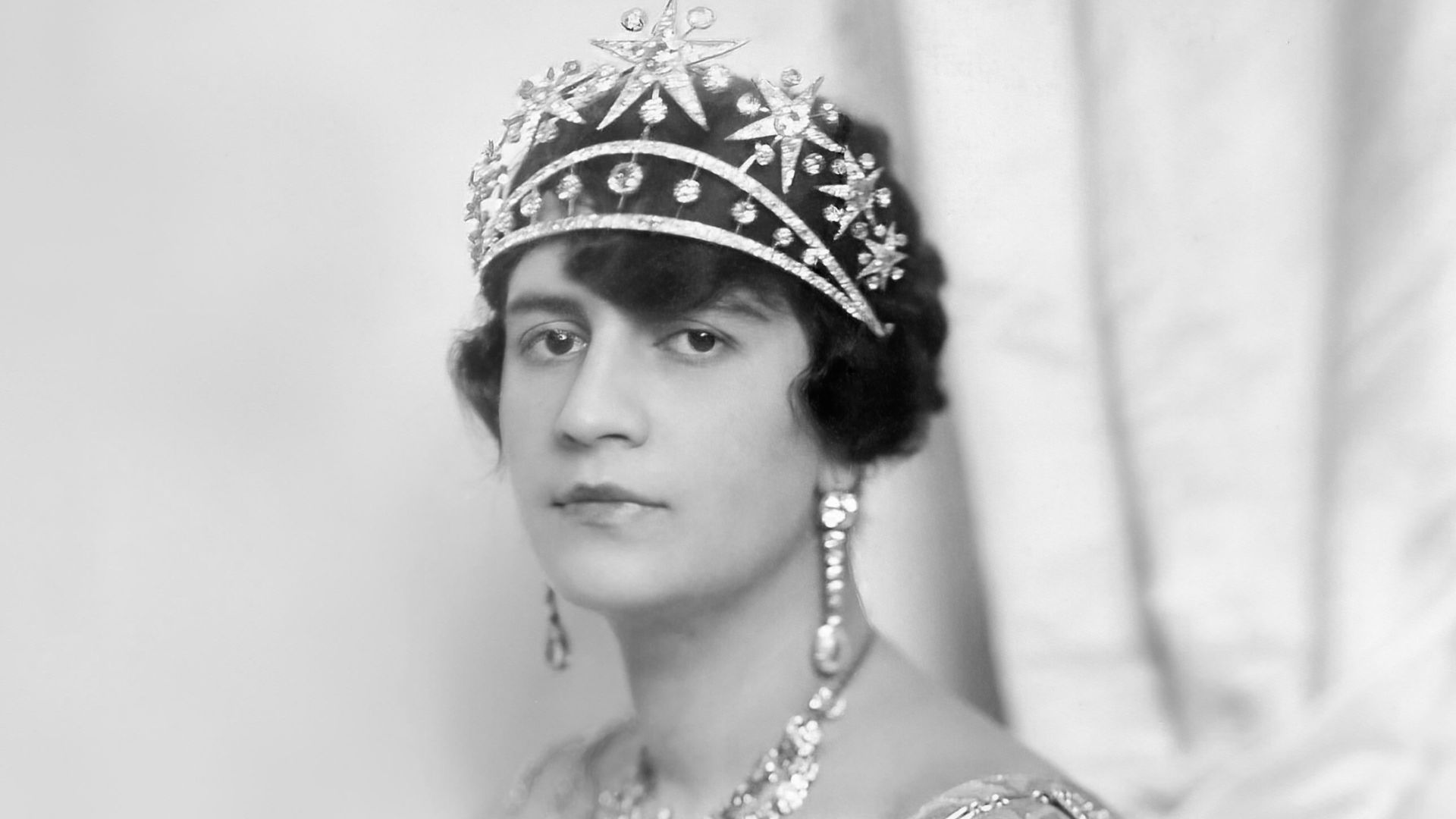 Unknown authorUnknown author on Wikimedia
9. Elisabeth (Austria)
Better known as Empress “Sisi,” Elisabeth of Austria lived a life of glamour shadowed by deep tragedy. Married to Emperor Franz Joseph at sixteen, she struggled with court restrictions, personal loss, and depression. In 1898, while traveling in Geneva, she was assassinated by an Italian anarchist.
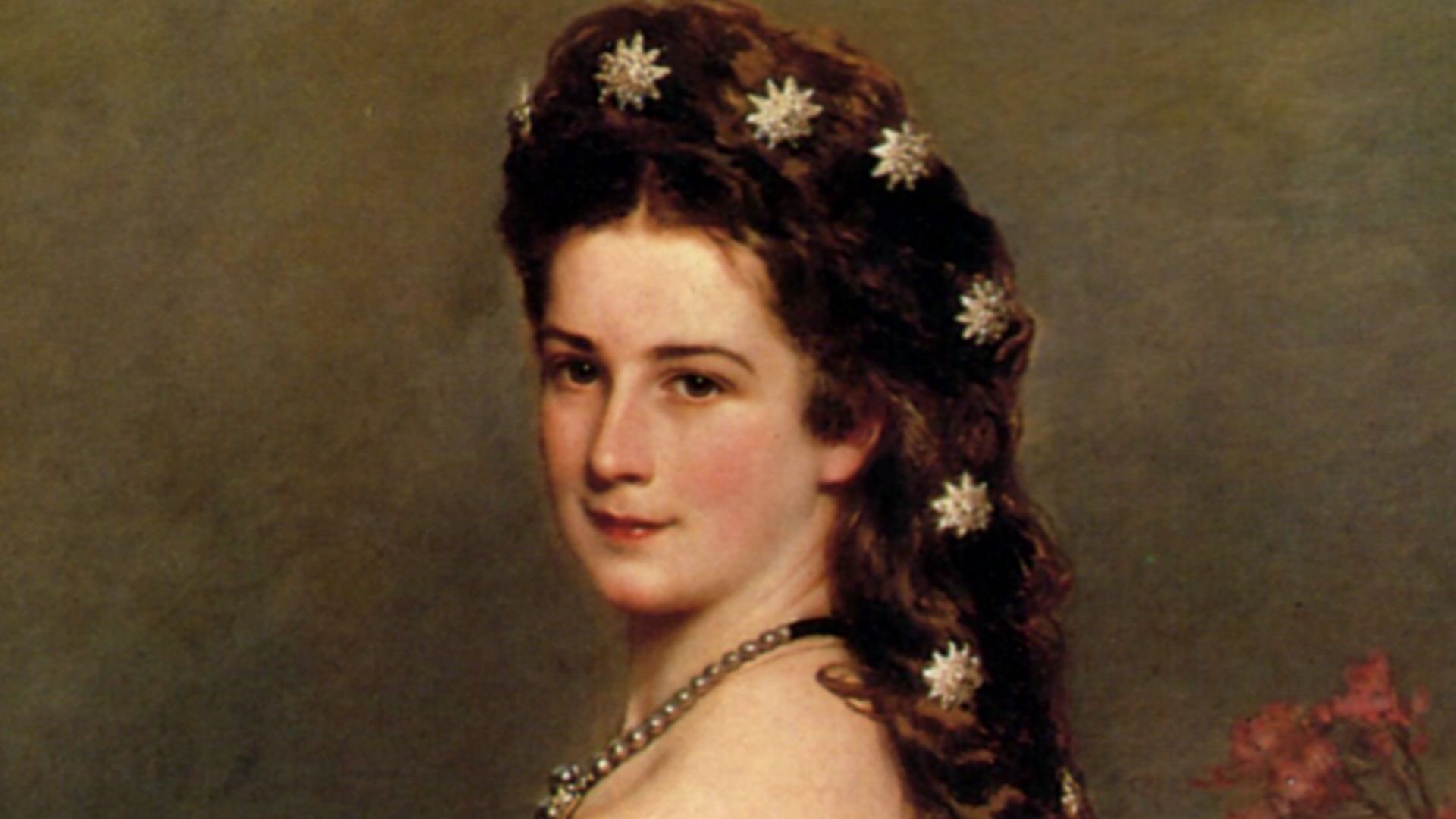 Franz Xaver Winterhalter on Wikimedia
10. Draga (Serbia)
Queen Draga of Serbia’s story is a cautionary tale of ambition and its consequences. Marrying King Alexander I sparked public outrage, further inflamed by rumors of her plans to name her brother as heir. The tragic ending came swiftly in a 1903 coup, where both she and Alexander were assassinated.
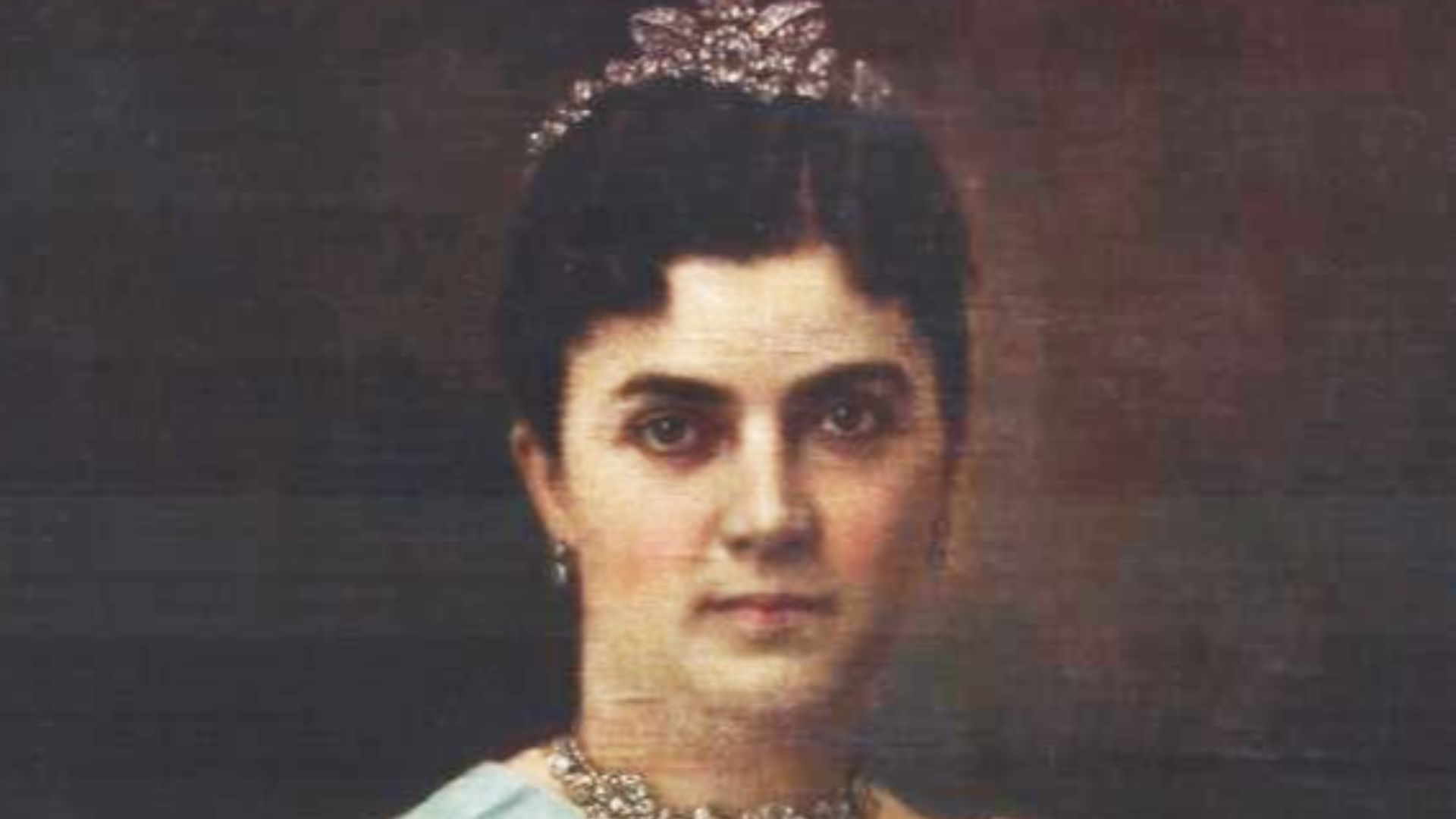 Unknown authorUnknown author on Wikimedia
Now, let’s look at ten kings whose reigns were marked by relentless suffering.
1. King Richard III (England)
King Richard III of England endured a turbulent life marked by political strife. He rose to power after the controversial disappearance of his young nephews, known as the Princes in the Tower, which cast suspicion over him. Ultimately, Richard faced betrayal from allies during the Battle of Bosworth Field and was killed.
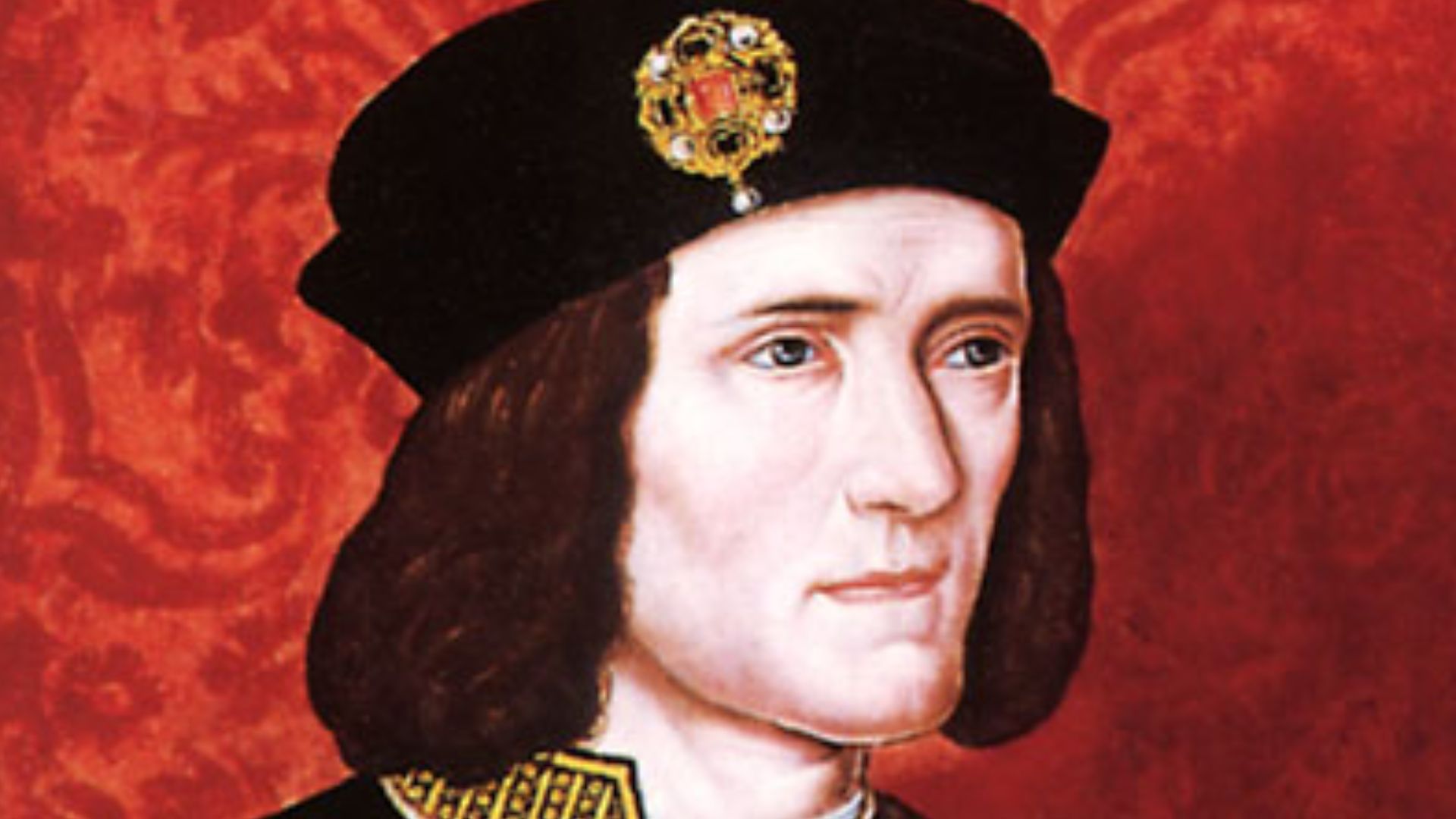 Unknown authorUnknown author on Wikimedia
2. King Charles VI (France)
King Charles VI reigned from 1380 to 1422 and endured a lifetime of severe mental breakdowns. At one point, he tragically believed he was made of glass, failing to recognize his own family. His reign also saw the horrific Bal des Ardents, where costumed nobles caught fire.
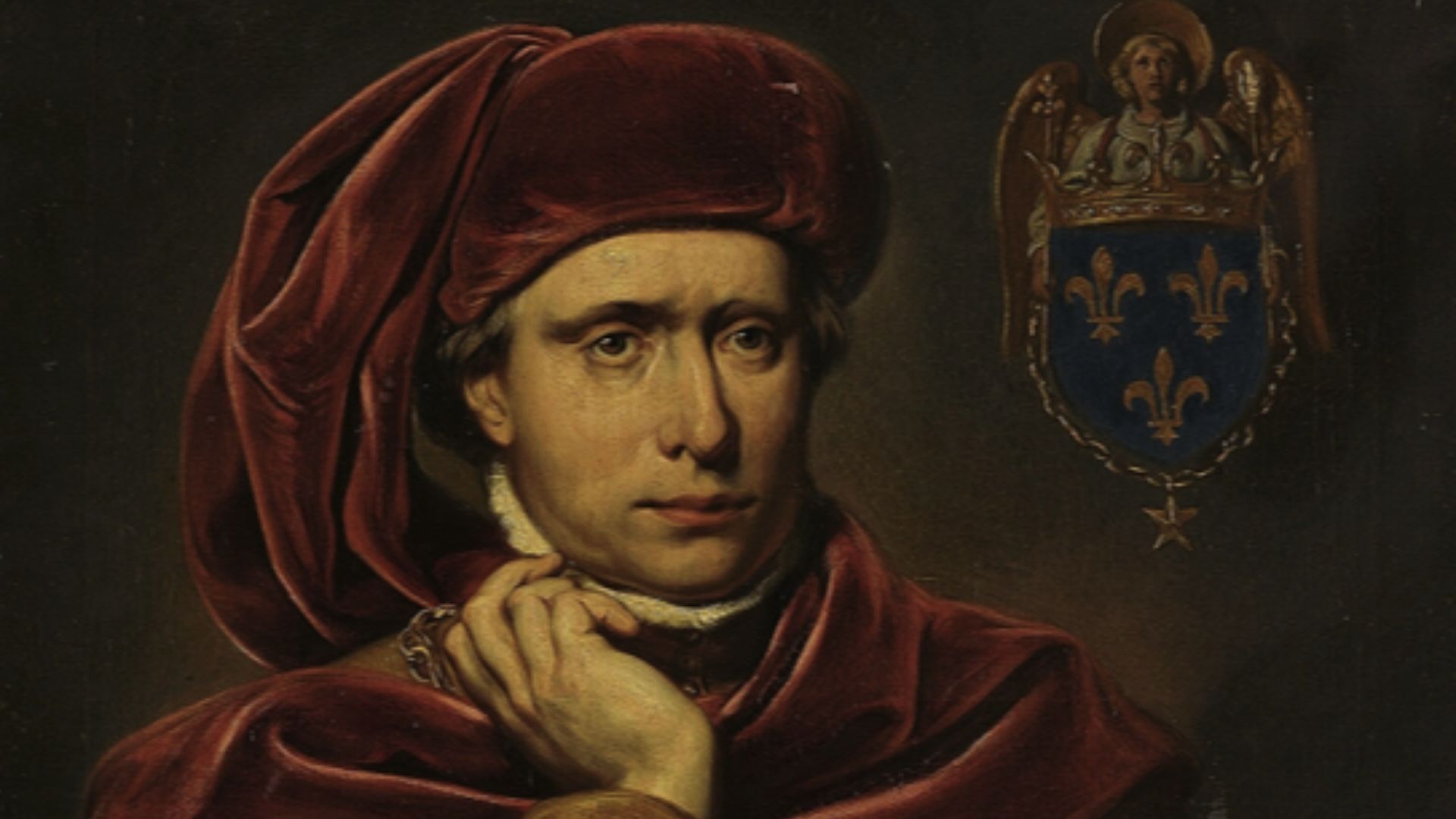 Gillot Saint-Evre on Wikimedia
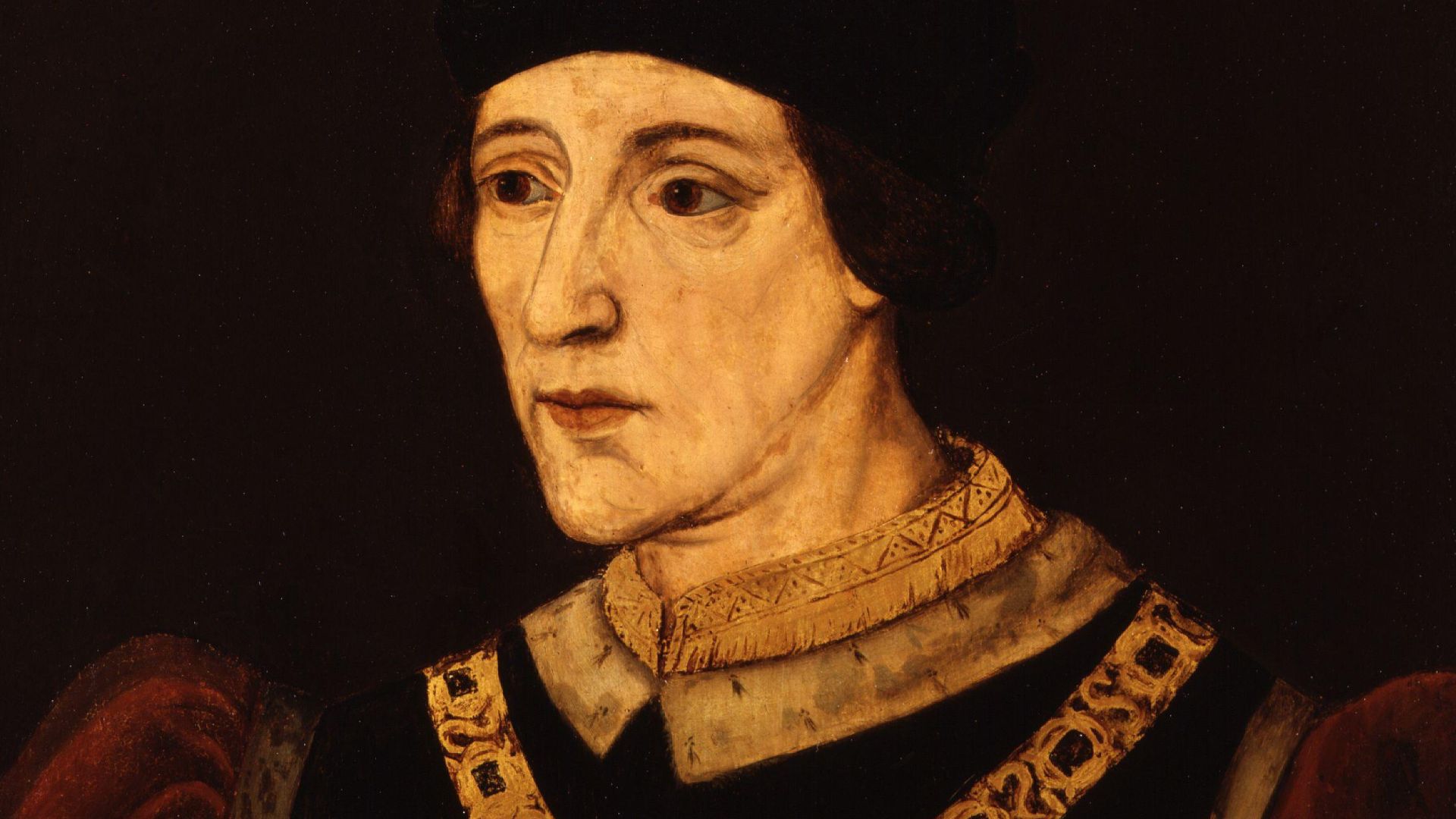
3. King Henry VI (England)
From infancy, King Henry VI's life was a series of challenges. A crippling mental illness overtook him in 1453, rendering him unresponsive for over a year. This tragic episode directly influenced the outbreak of the Wars of the Roses.
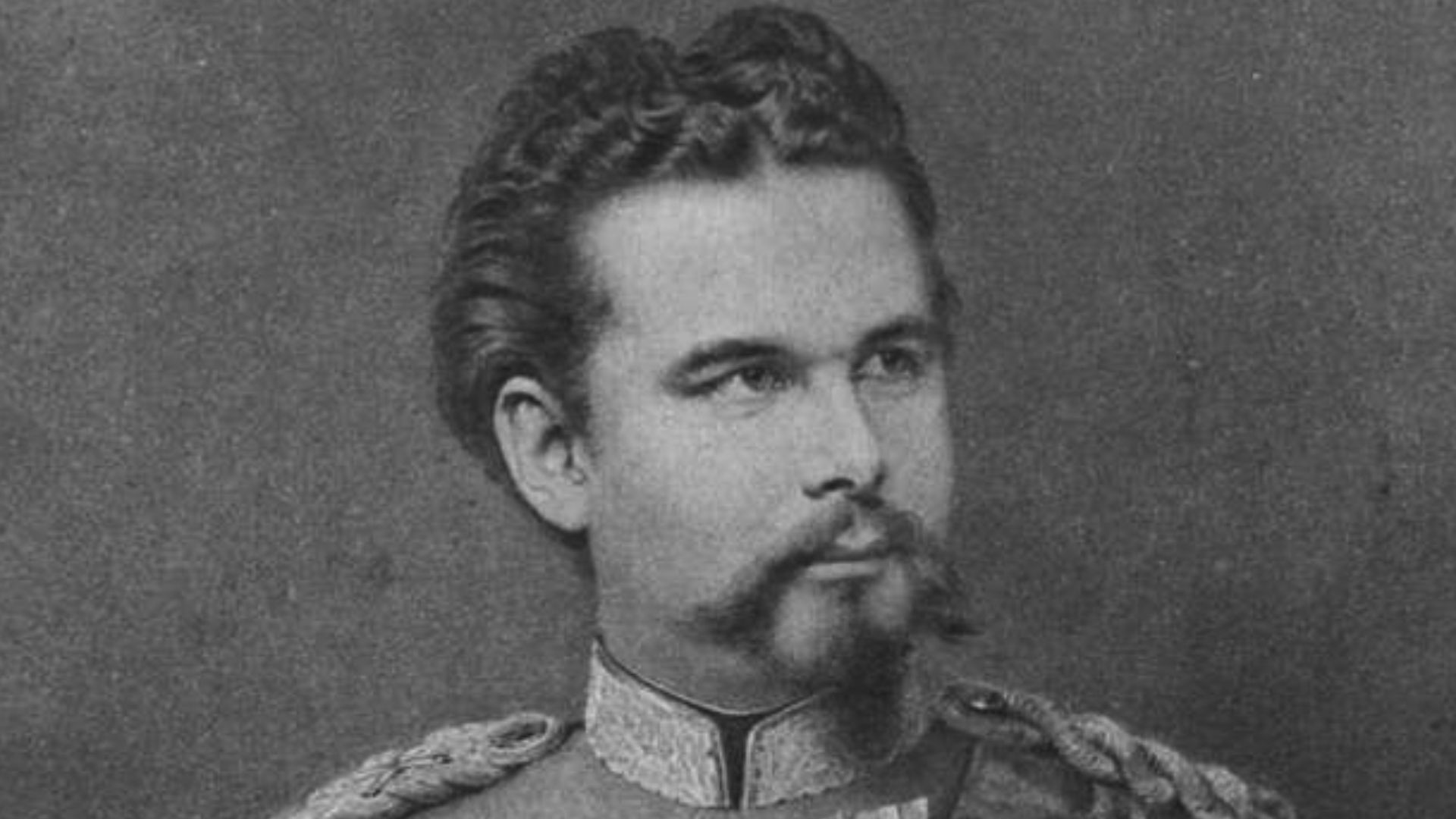
4. King Ludwig II (Bavaria)
King Ludwig II's fascination with fantasy and art manifested in the magnificent Neuschwanstein Castle. This Bavarian monarch, a fervent supporter of Richard Wagner, reigned from 1864 to 1886. Sadly, his rule concluded with his deposition and declaration of insanity.
5. King Edward VIII (United Kingdom)
History remembers Edward VIII as the king who walked away. His abdication to marry Wallis Simpson stunned Britain and stripped him of the crown. What followed was exile, strained family ties, and a lifelong struggle with regret and isolation.
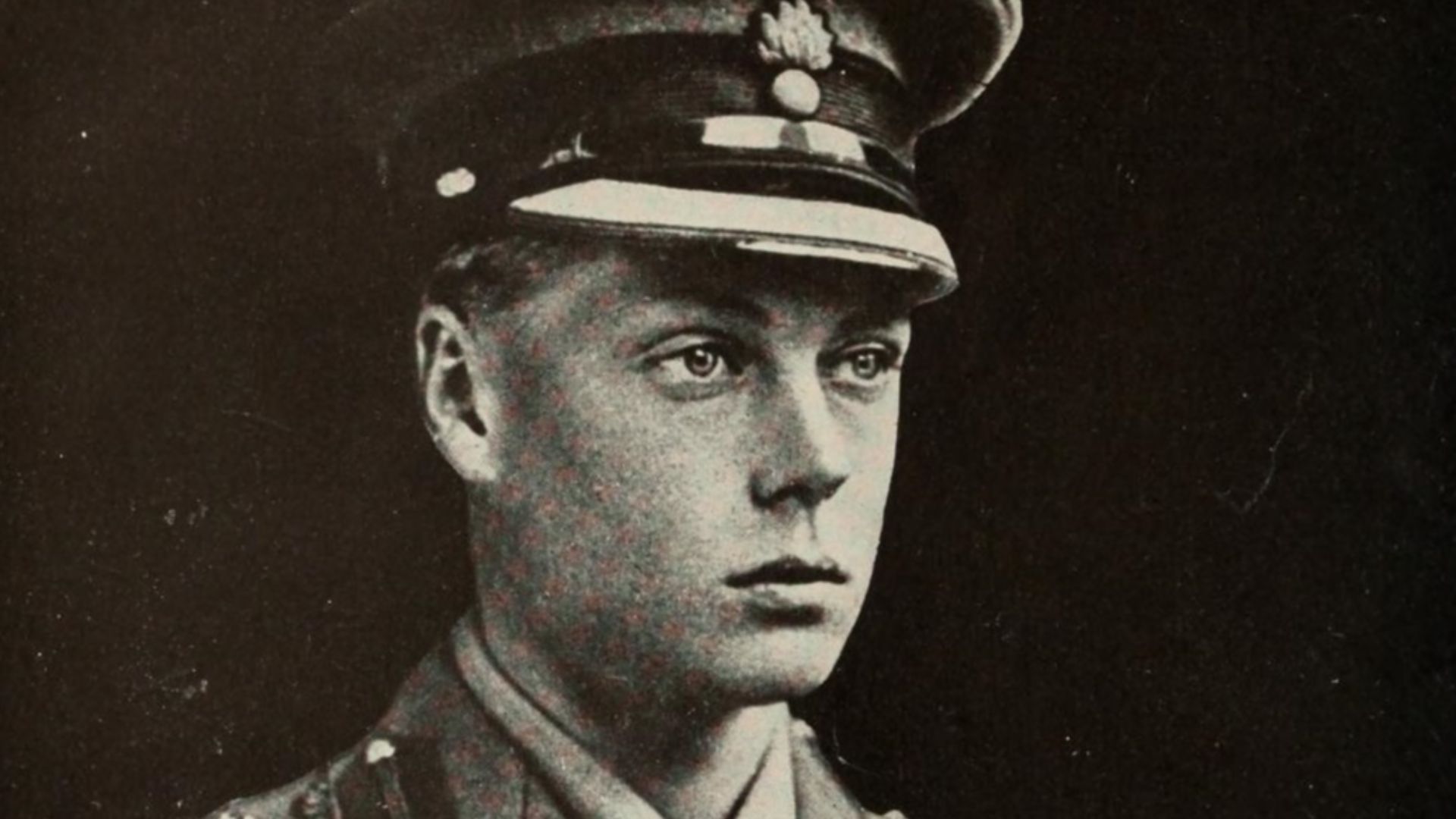 Press Illustration Service on Wikimedia
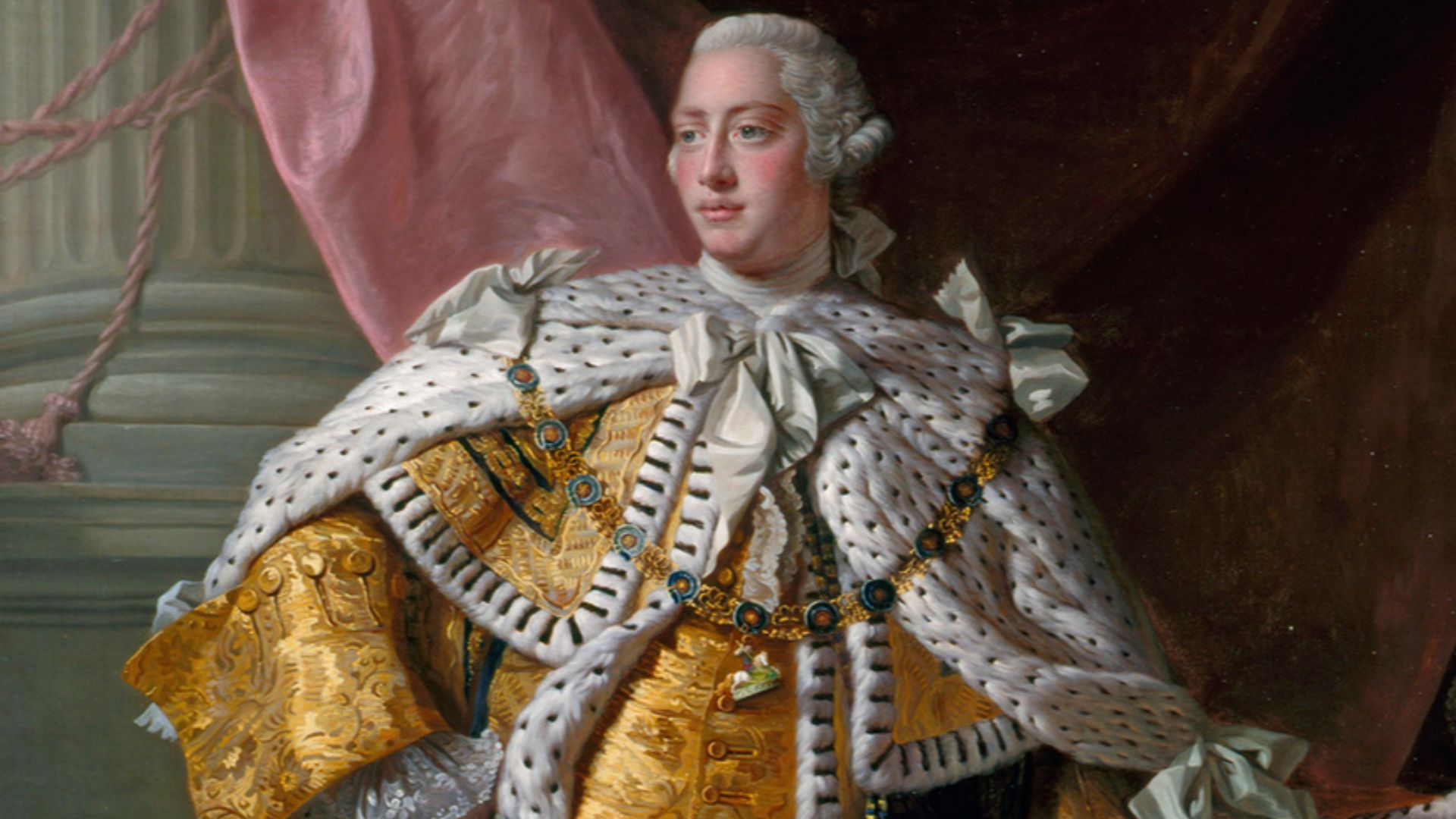
6. King George III (United Kingdom)
Madness became the lifelong torment of King George III, as episodes of mania and confusion left him unable to govern effectively. His reign, already shaken by the loss of the American colonies, ended with blindness, isolation, and decades of mental decline.
7. King Louis XVI (France)
The French Revolution turned King Louis XVI’s world into a prison. Once seated on the most powerful throne in Europe, he was reduced to a captive in his own palace, then condemned as a traitor by his people.
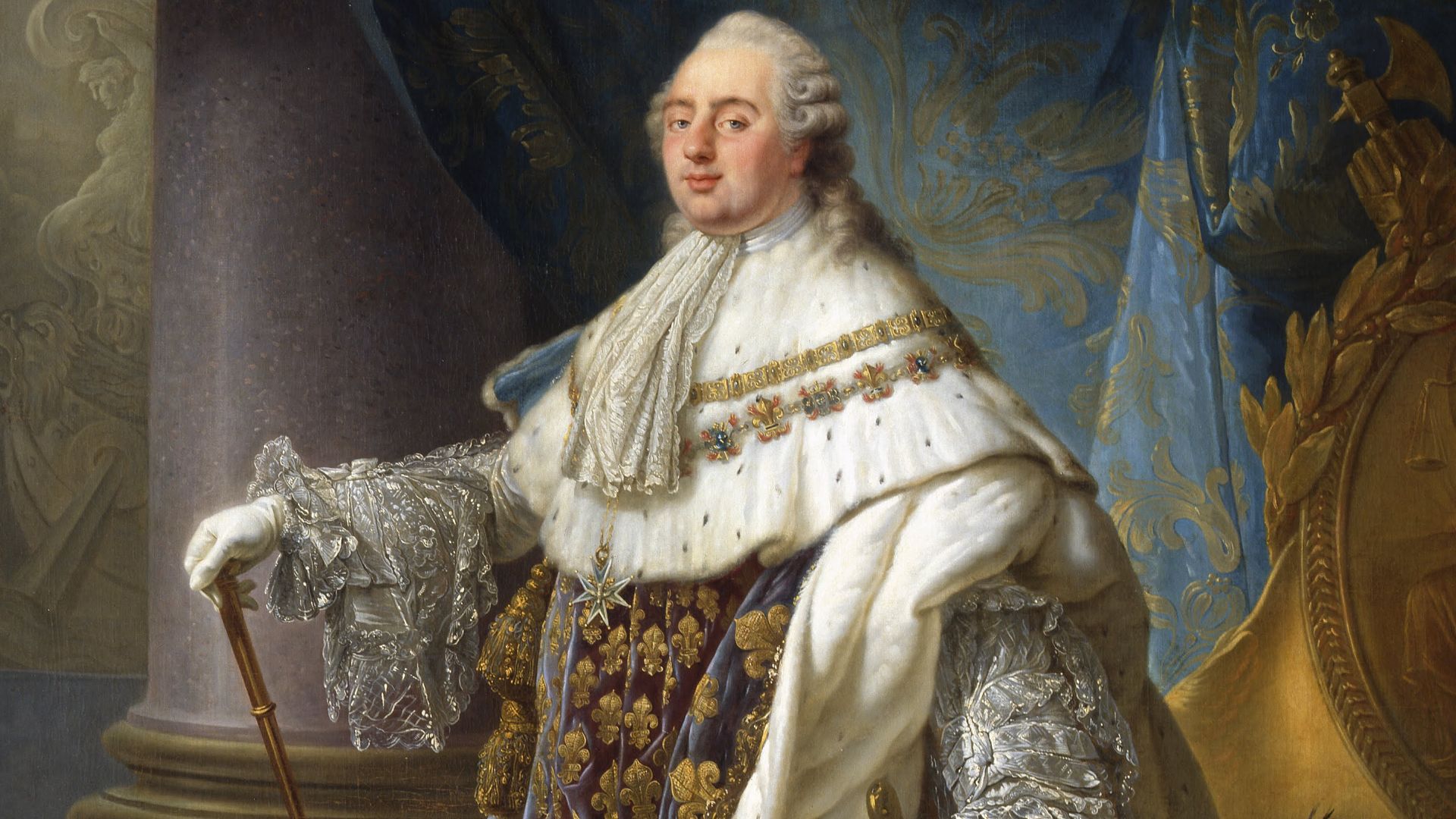 Antoine-François Callet on Wikimedia
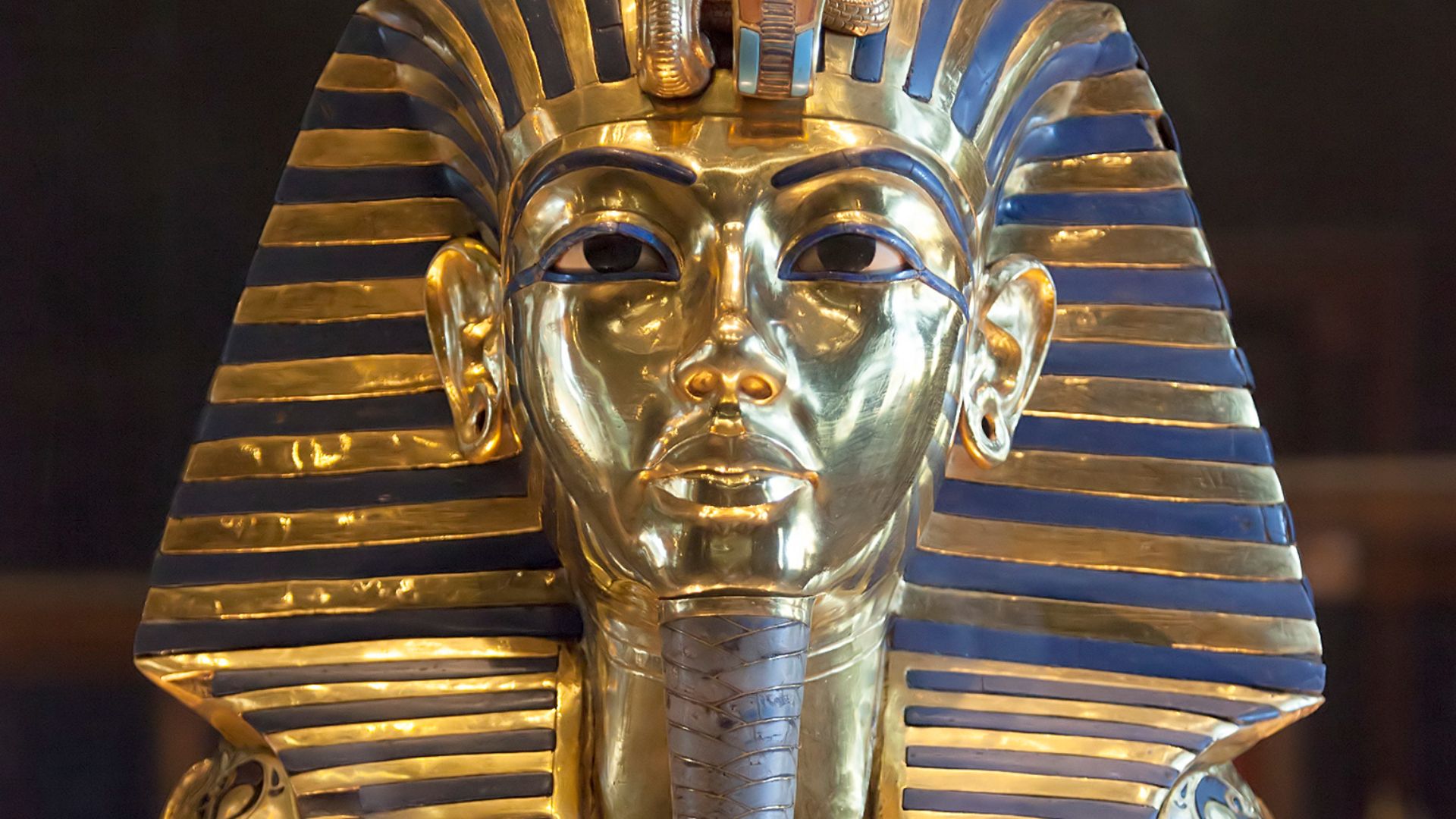
8. King Tutankhamun (Egypt)
Known as the "Boy King," Tutankhamun became an Egyptian pharaoh while still a child. His reign, part of the 18th dynasty, ended with his death at approximately 18 or 19 years old. However, the circumstances surrounding his death still remain unclear.
9. King John (England)
King John of England inherited no significant lands from his father, and his reign was marked by the loss of Normandy and Anjou. Under pressure, he signed the Magna Carta in 1215. Popular culture remembers him as the antagonist in Robin Hood stories.
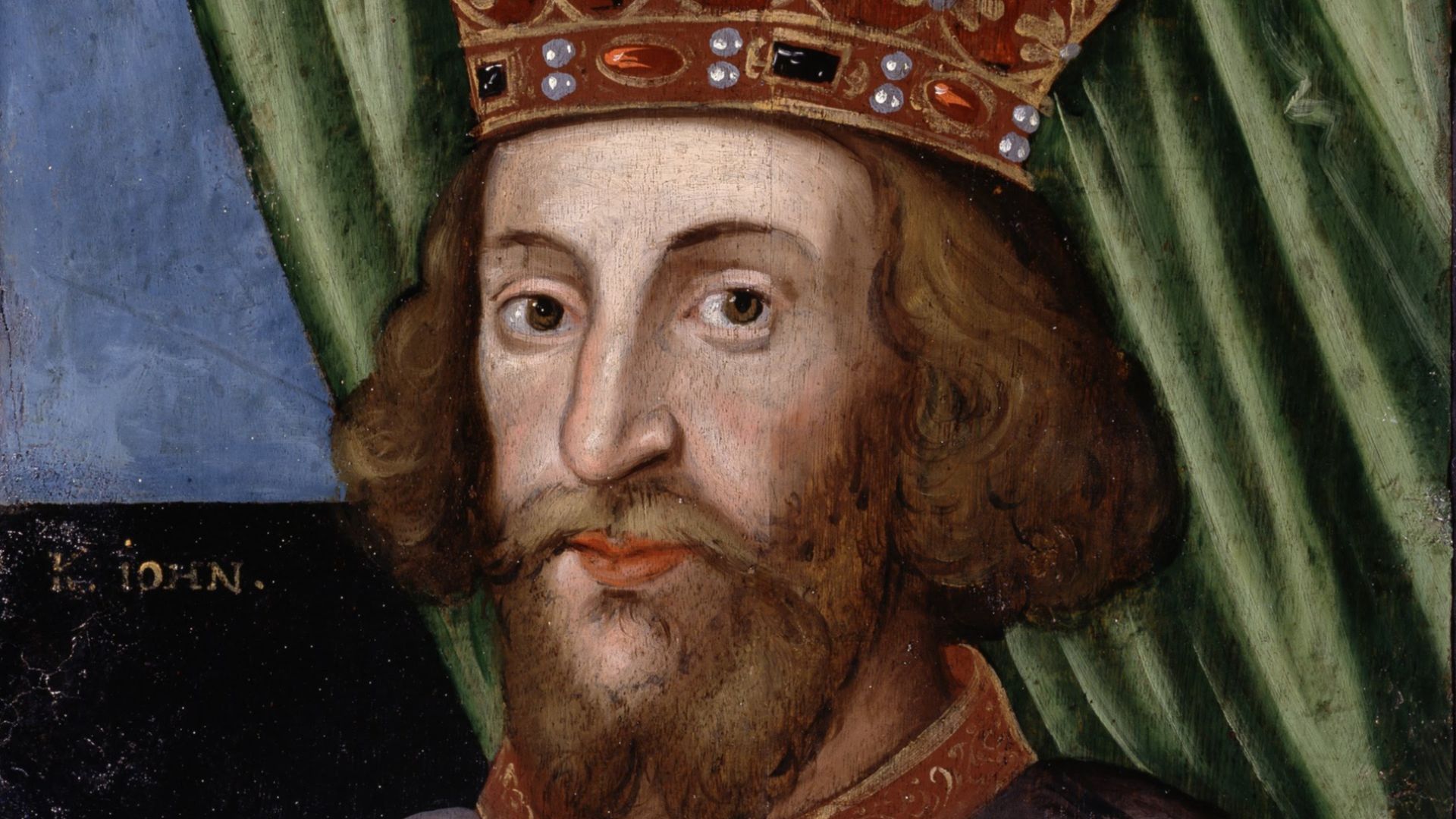 British – School Details on Google Art Project on Wikimedia
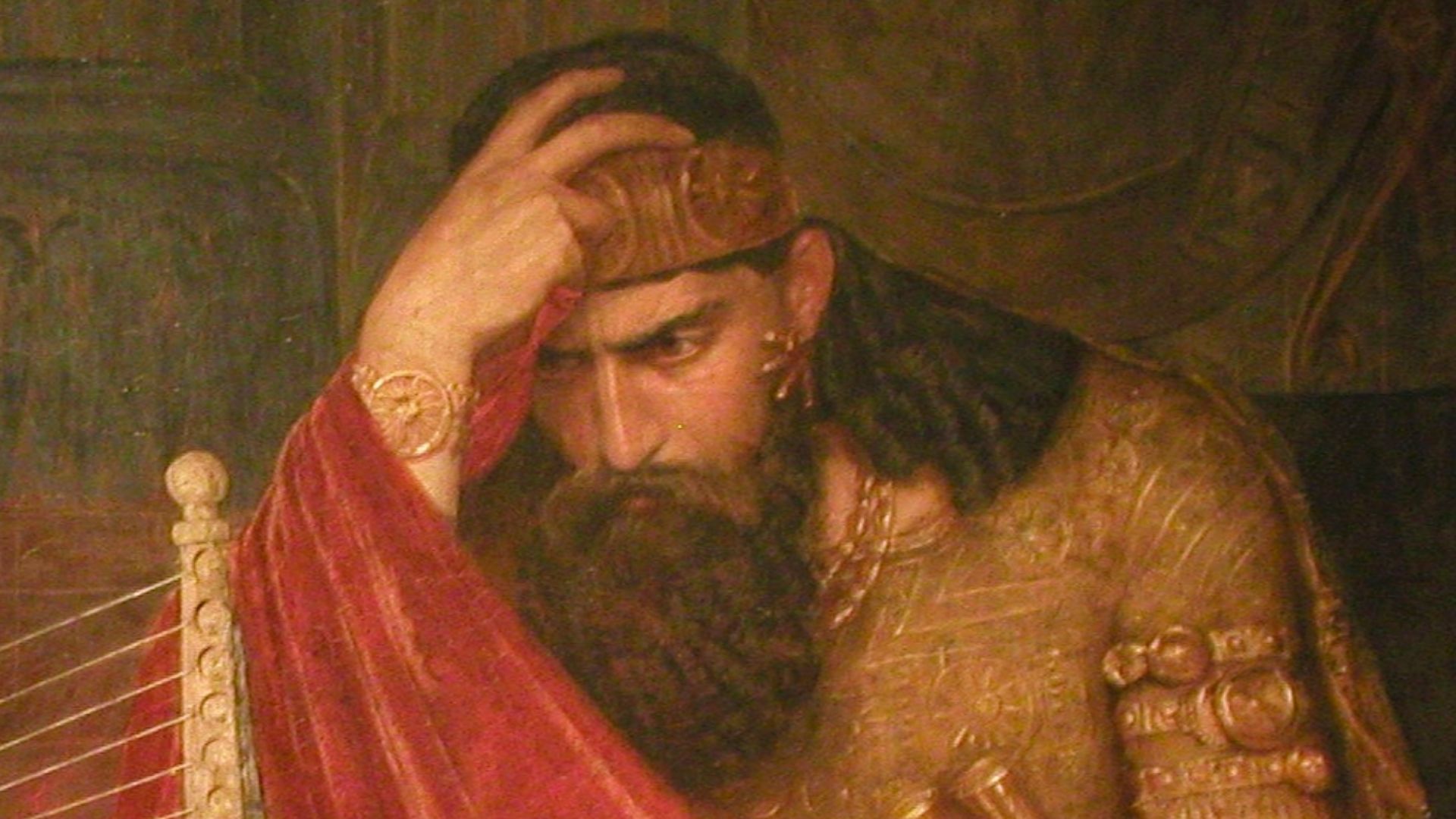
10. King Saul (Israel)
Saul, the first king of Israel, experienced a dramatic rise and fall. He initially enjoyed divine favor but later lost it due to disobedience. Tormented by dark moods and fits of anger, he died by his own hand rather than be captured.
KEEP ON READING

For Better Or Worse: 20 Destructive Historical Marriages That Ended…
When Love Goes Very Wrong. History books love to focus…
By Sara Springsteen May 28, 2026
20 Medical Firsts That Were Brave, Brutal, Or Both
Before It Was Routine. Every clean hospital room has a…
By Cameron Dick May 28, 2026
20 Terrifying Moments Throughout History Far Scarier Than Any Movie
History Never Needed a Screenwriter. History has always had a…
By Annie Byrd May 28, 2026
What School Was Like Hundreds Of Years Ago
Snyder, Frank R. Flickr: Miami U. Libraries - Digital Collections…
By Rob Shapiro May 28, 2026
10 Times Innovation Boomed in Peace & 10 Born Straight…
How Stability and Conflict Both Accelerated Human Progress. Innovation doesn't…
By Rob Shapiro May 28, 2026
20 Historical Figures Who Used Decoys So They Didn't Have…
The Ultimate Social Escape Artists. We have all been there…
By Sara Springsteen May 27, 2026