10 Amazing Facts About Claude Monet & 10 Of His Greatest Paintings
The Man Behind The Masterpieces
Claude Monet's name sits comfortably alongside art history's greatest figures, yet his personal story holds surprises that most museum-goers never discover. The painter who revolutionized art lived a life far more dramatic than the peaceful garden scenes suggest, and these fascinating details reveal the complex human behind the brushstrokes that changed art forever.
 Pierre-Auguste Renoir on Wikimedia
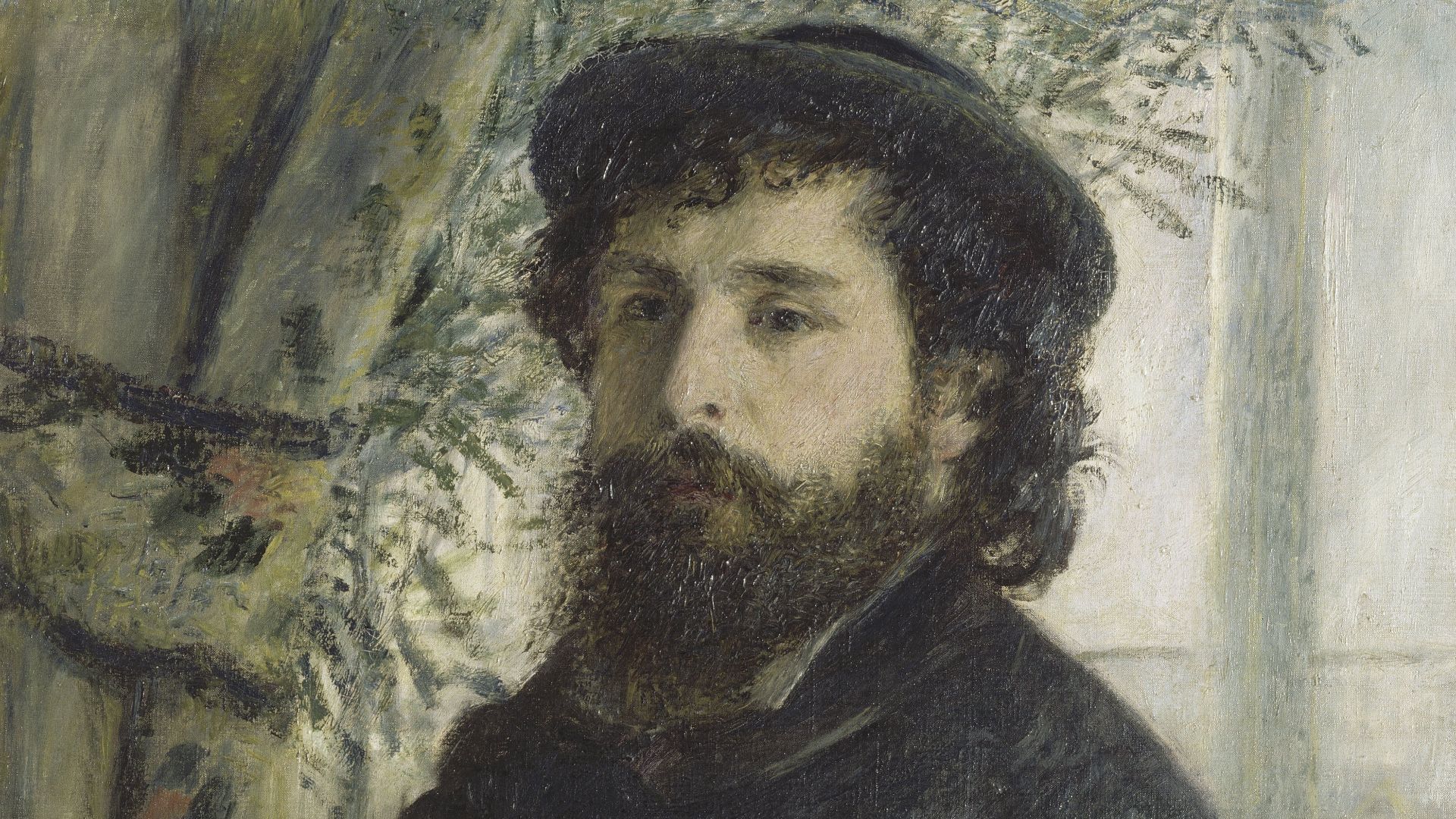
1. Oscar Was His Real First Name
Baptized Oscar-Claude Monet in Paris on November 14, 1840, he went by Oscar throughout childhood to distinguish himself from his father, Claude. Family members called him Oscar exclusively during his youth, but he dropped the name in his twenties, signing works as Claude Monet or simply Monet.
 attributed to Henri Manuel (1874-1947) on Wikimedia
2. He Painted The Same Subjects Repeatedly
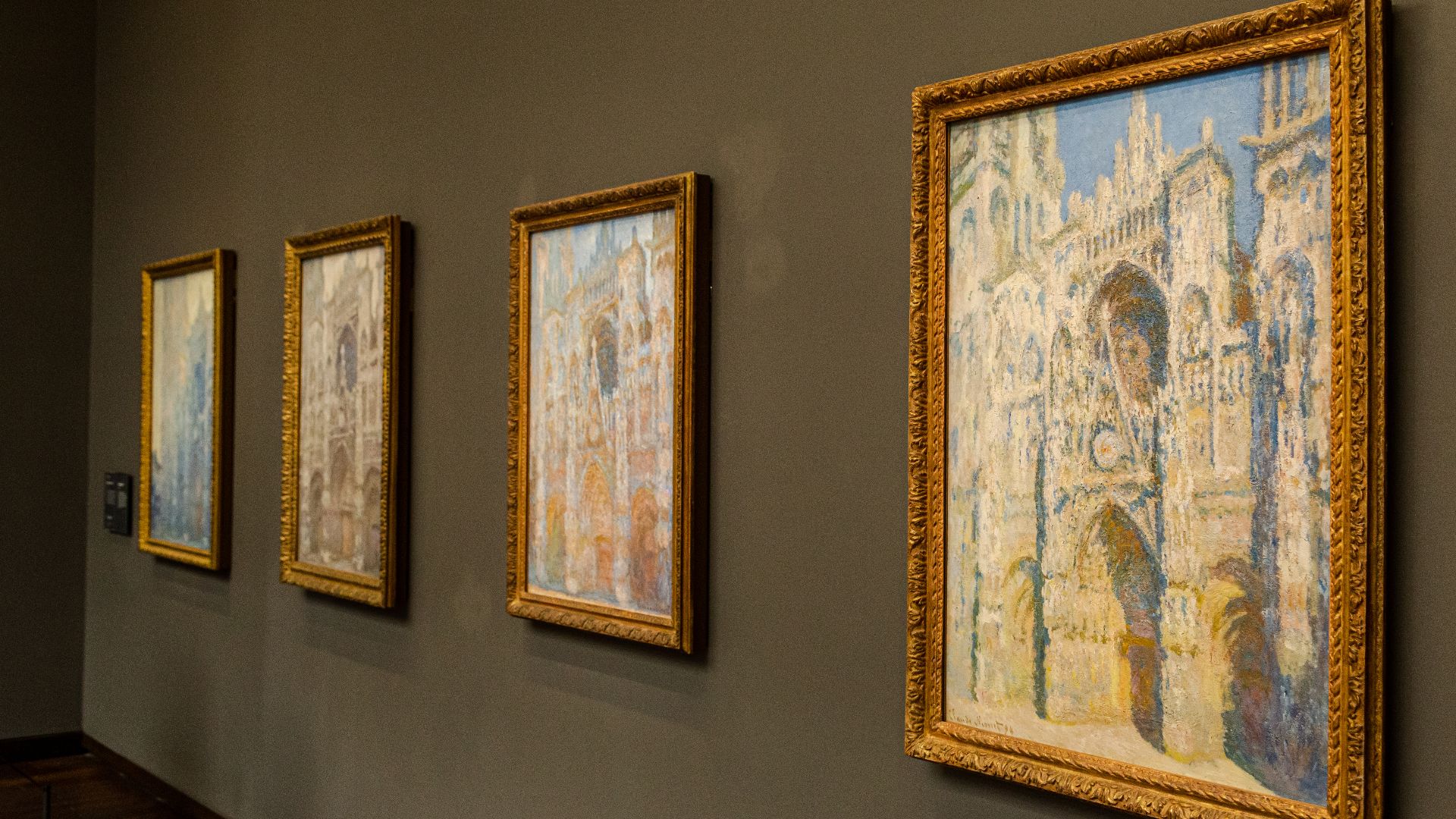
Serial painting became central to Monet's Impressionist technique as he sought to capture how light and atmosphere transformed identical scenes throughout the painting days. Working outdoors, directly observing nature, he created over thirty paintings of Rouen Cathedral alone.
 Adrian Scottow from London, England on Wikimedia
3. Cataracts Altered His Color Perception
Monet was diagnosed with cataracts around 1912, and the condition worsened significantly in later years. The result was that his palette shifted toward dominant reds, purples, and blues in late works. Surgery on one eye in 1923 further distorted his vision.
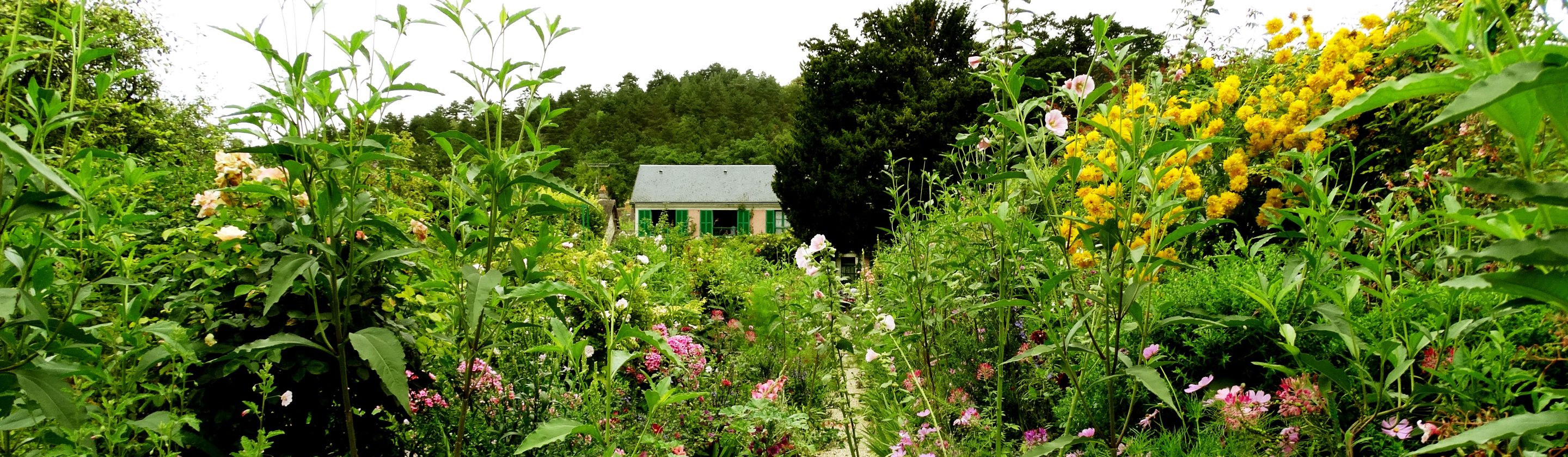
4. He Maintained Giverny Garden For Decades
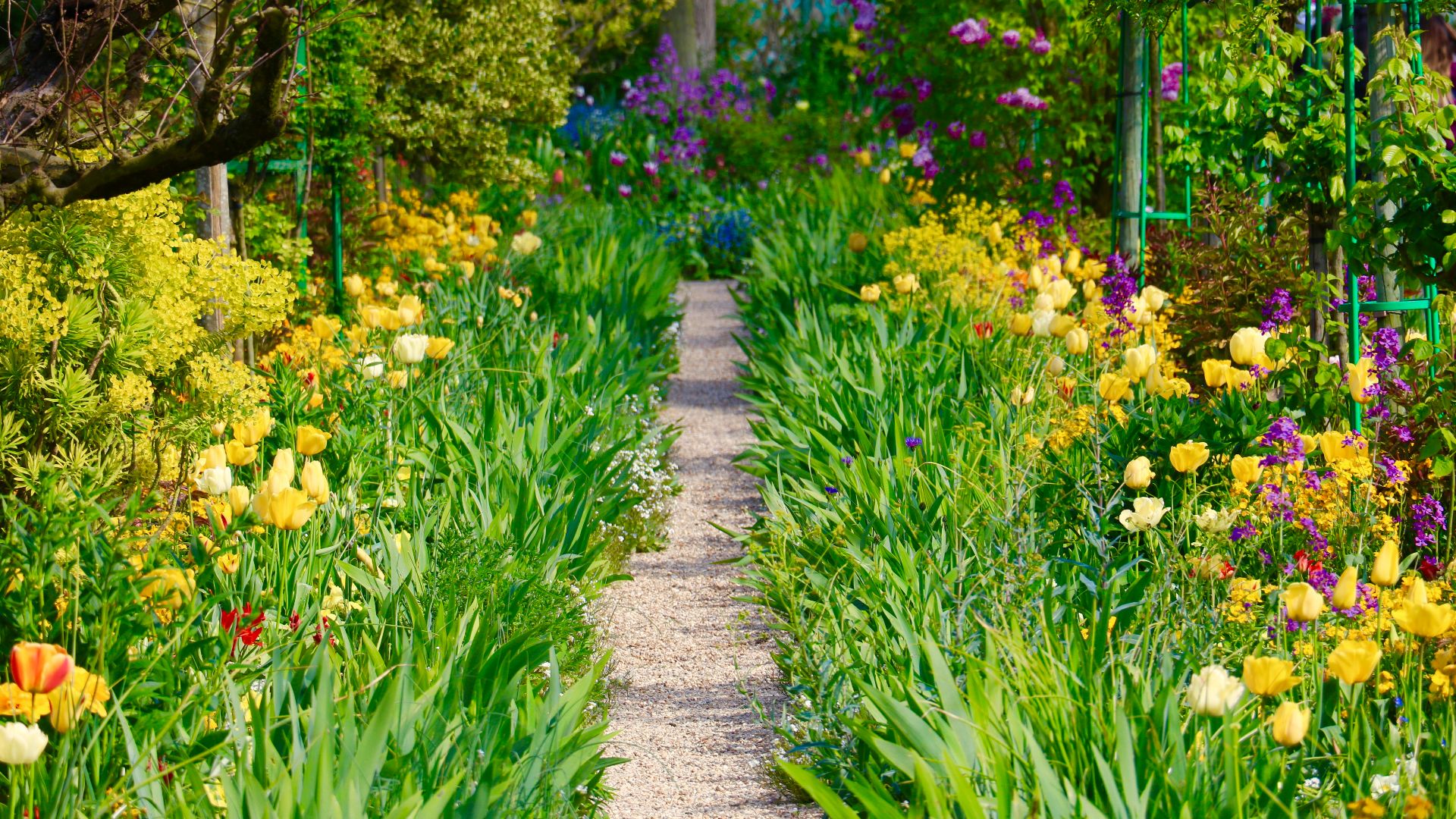
Moving to Giverny in 1883, Monet personally planned and oversaw the garden's layout until his passing in 1926. He treated the water lily pond and plantings as artistic creations, hiring gardeners but remaining so hands-on that he constantly tweaked arrangements.
5. His Painting Accidentally Named Impressionism
Created in 1872, "Impression, Sunrise" depicts Le Havre's port at dawn and appeared at the first Impressionist exhibition in 1874. Critic Louis Leroy mockingly used the title to deride the loose style. The group adopted "Impressionism" as their official name, thus turning the insult into a permanent identity.
 Atelier Nadar. Photographe on Wikimedia
6. He Outlived Both Wives And His Son
First wife Camille Doncieux died in 1879 at just 32 after a long illness, followed by second wife Alice Hoschedé in 1911. His eldest son, Jean, died in 1914 at 46. Despite these tragedies, Monet lived to 86. He passed on in 1926 after finally achieving massive fame.
7. He Destroyed Hundreds Of His Paintings
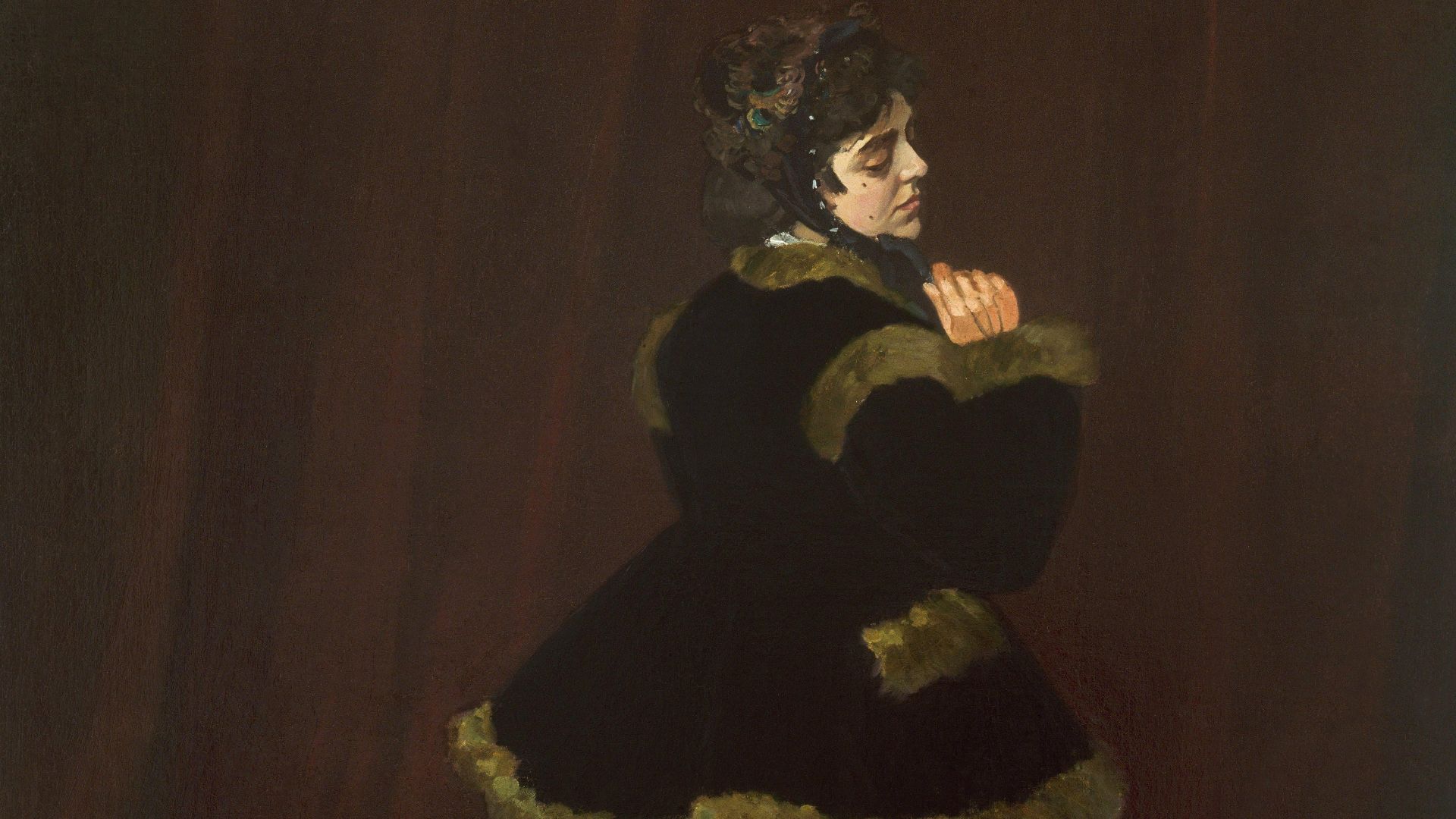
Perfectionism drove Monet to slash, burn, or otherwise destroy canvases he deemed unsatisfactory throughout his career, possibly eliminating up to one hundred works. In one 1908 incident alone, he destroyed at least fifteen major water lily canvases just before an exhibition.
8. He Rejected Formal Art School Training
After briefly attending Académie Suisse, the artist refused traditional academic training that emphasized classical techniques and indoor studio work. Meeting scenery painter Eugène Boudin in Le Havre proved pivotal, as Boudin mentored him and encouraged plein-air painting outdoors instead.
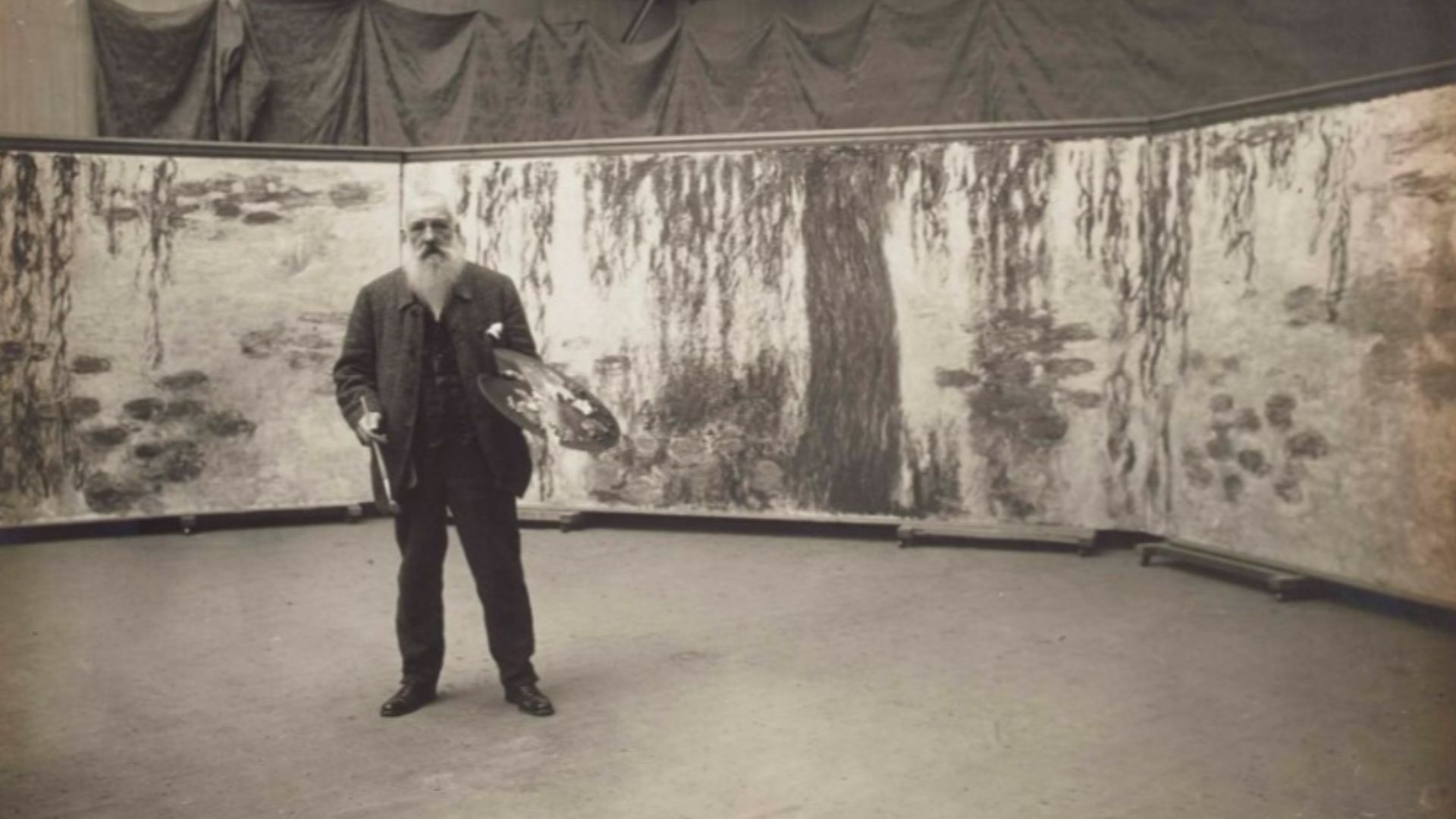
9. Cataracts Didn't Stop Water Lilies Panels
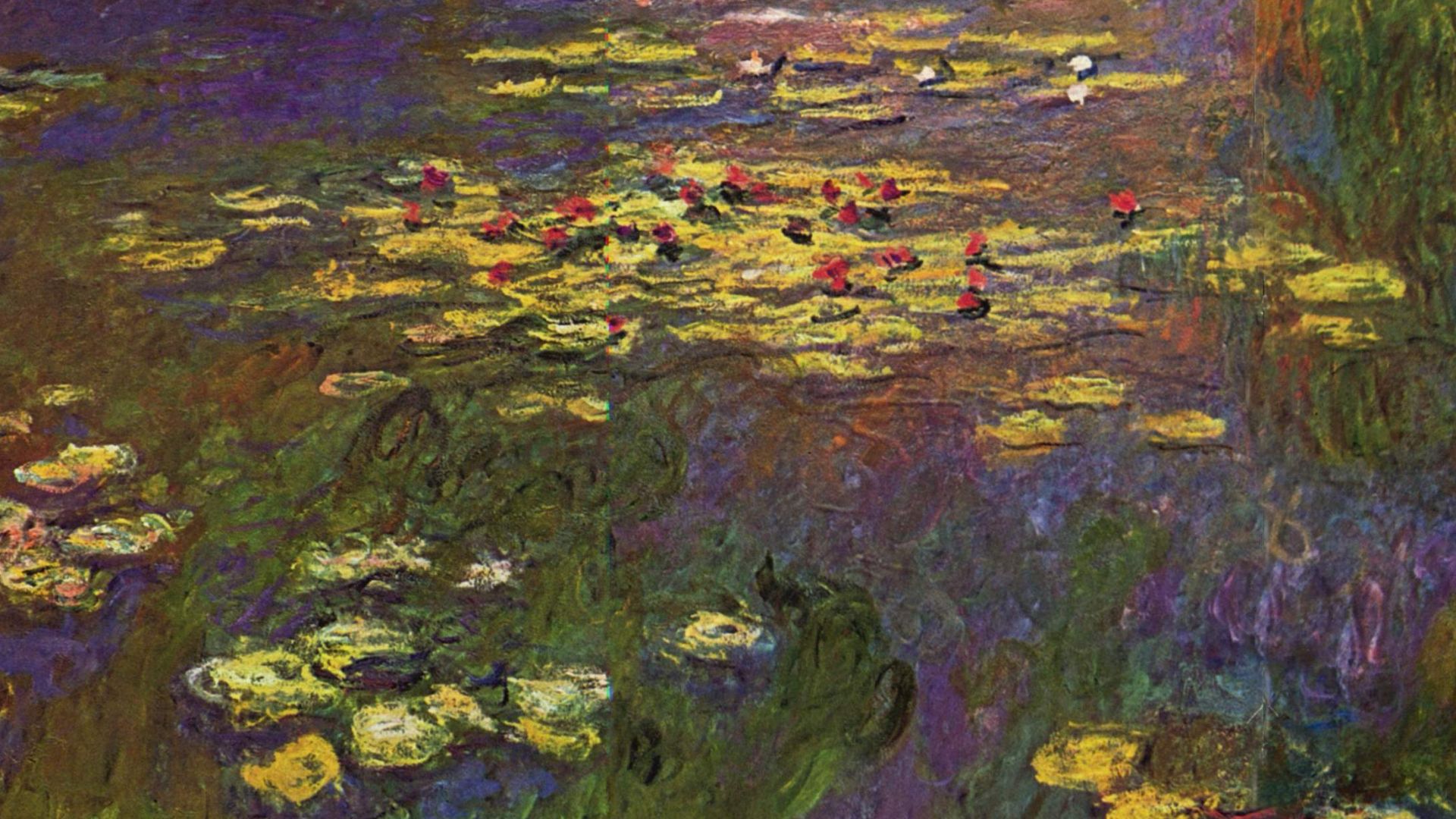
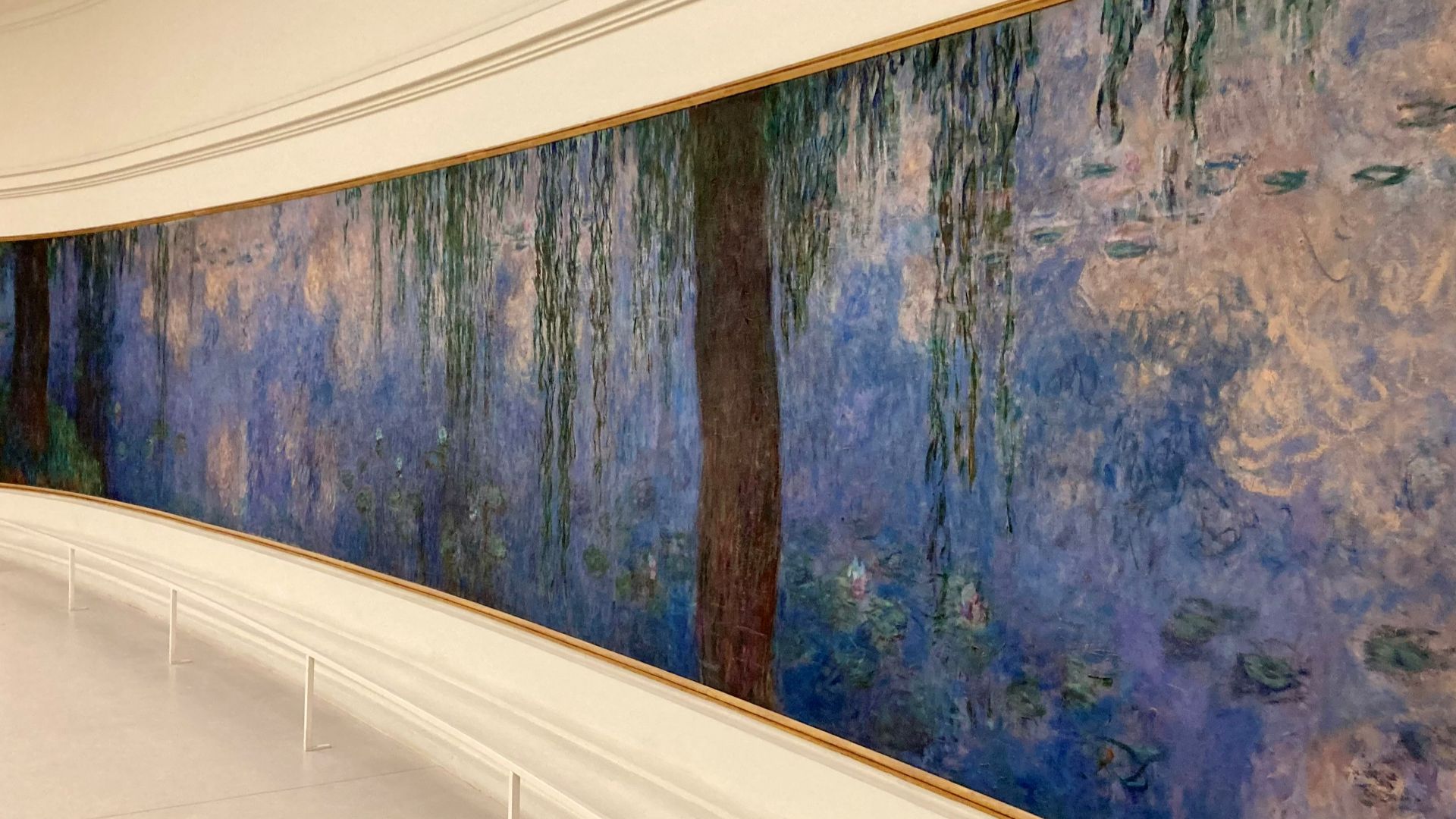
The Water Lilies series, comprising about 250 paintings, dominated his output from the 1890s through the 1920s despite severe vision impairment. Large panels created especially in his final decade, including massive works donated to France and installed at the Orangerie, were painted amid cataract suffering.
10. He Refused Religious Last Rites
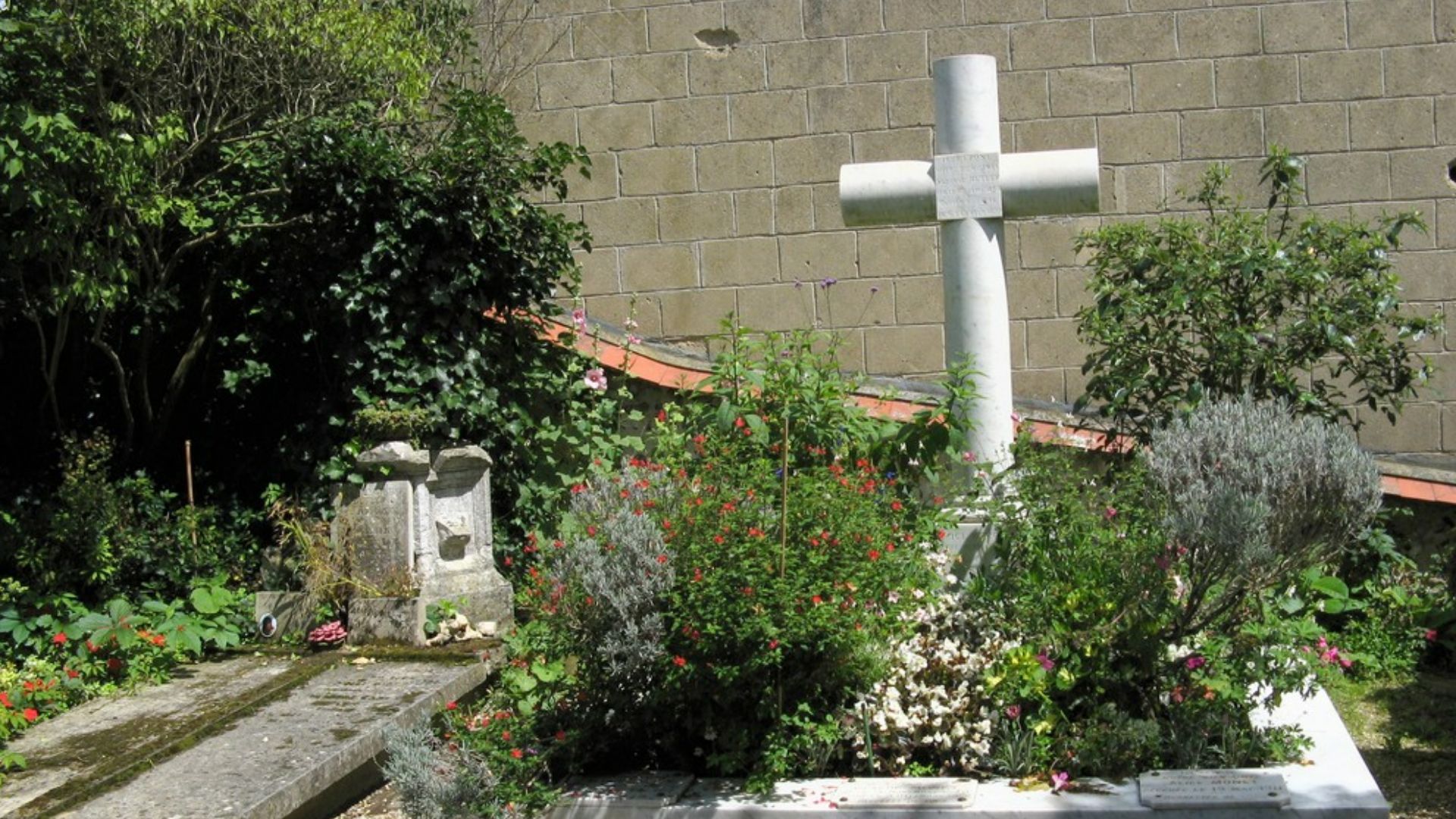
Monet was baptized Catholic as a child but became an atheist in adulthood. He refused last rites when dying on December 5, 1926, to stay true to secular republican ideals until the end. His views aligned with civil marriage and the rejection of church rituals.
Now let's turn to the breathtaking paintings that cemented Monet's reputation as one of history's most influential and beloved artists.
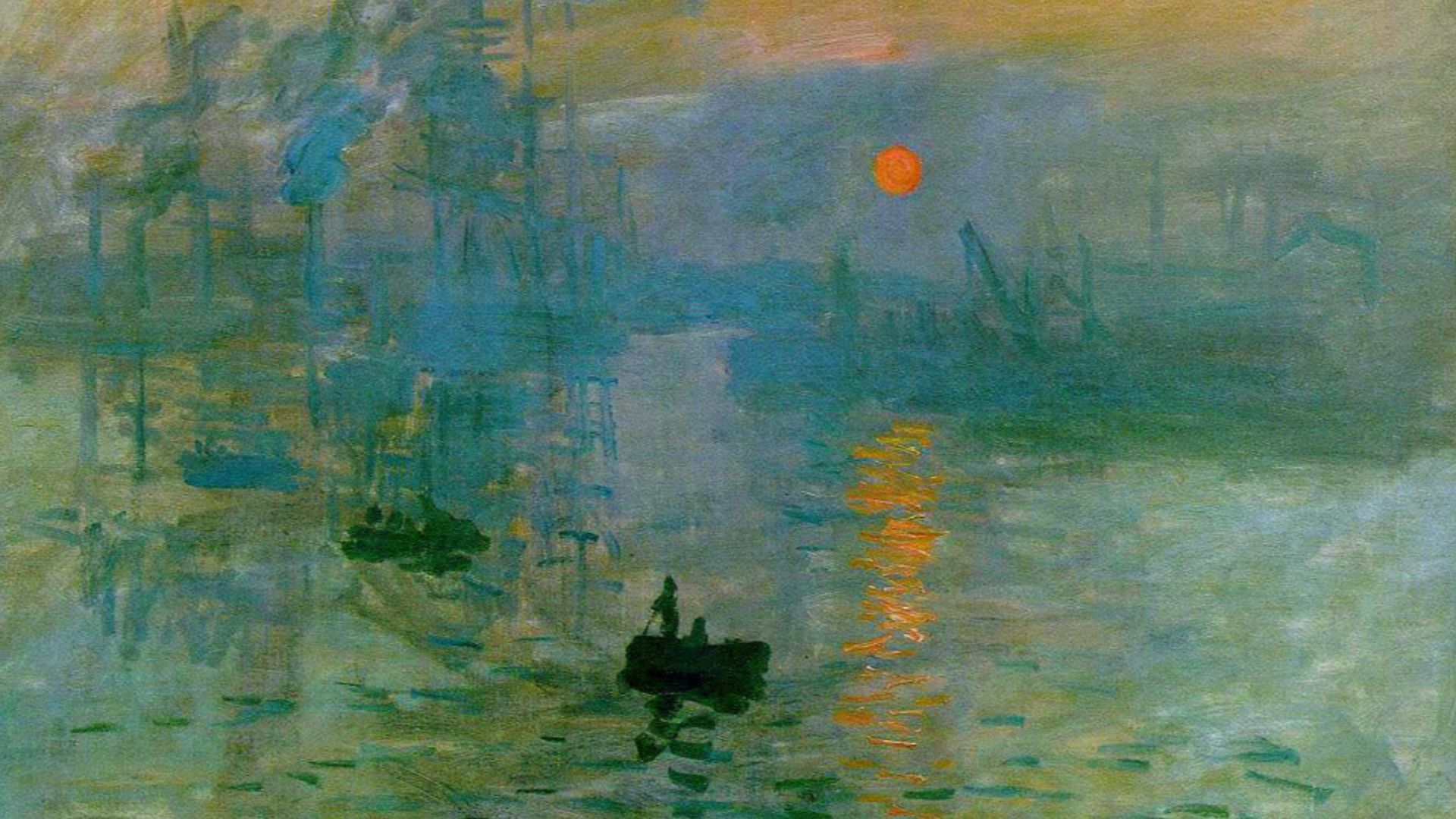
1. Impression, Sunrise (1872)
This oil painting depicts Le Havre's port at dawn, created in 1872 from Monet's hotel window overlooking the industrial harbor. Critic Louis Leroy mockingly used it to coin "Impressionism" for the entire movement. The sun appears brightest due to its intense orange, yet it matches the surrounding sky luminance.
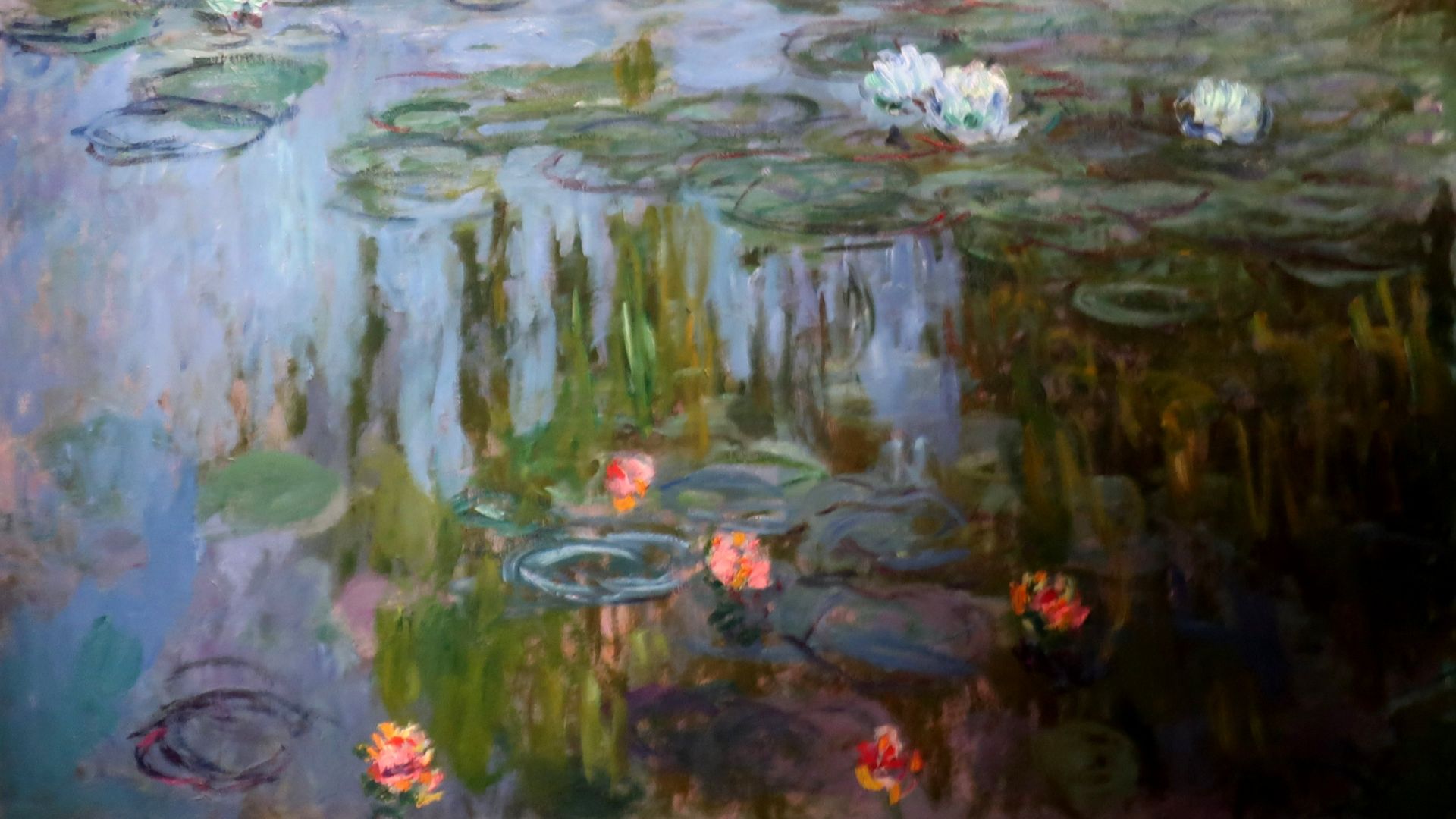
2. Water Lilies Series (1890s-1926)
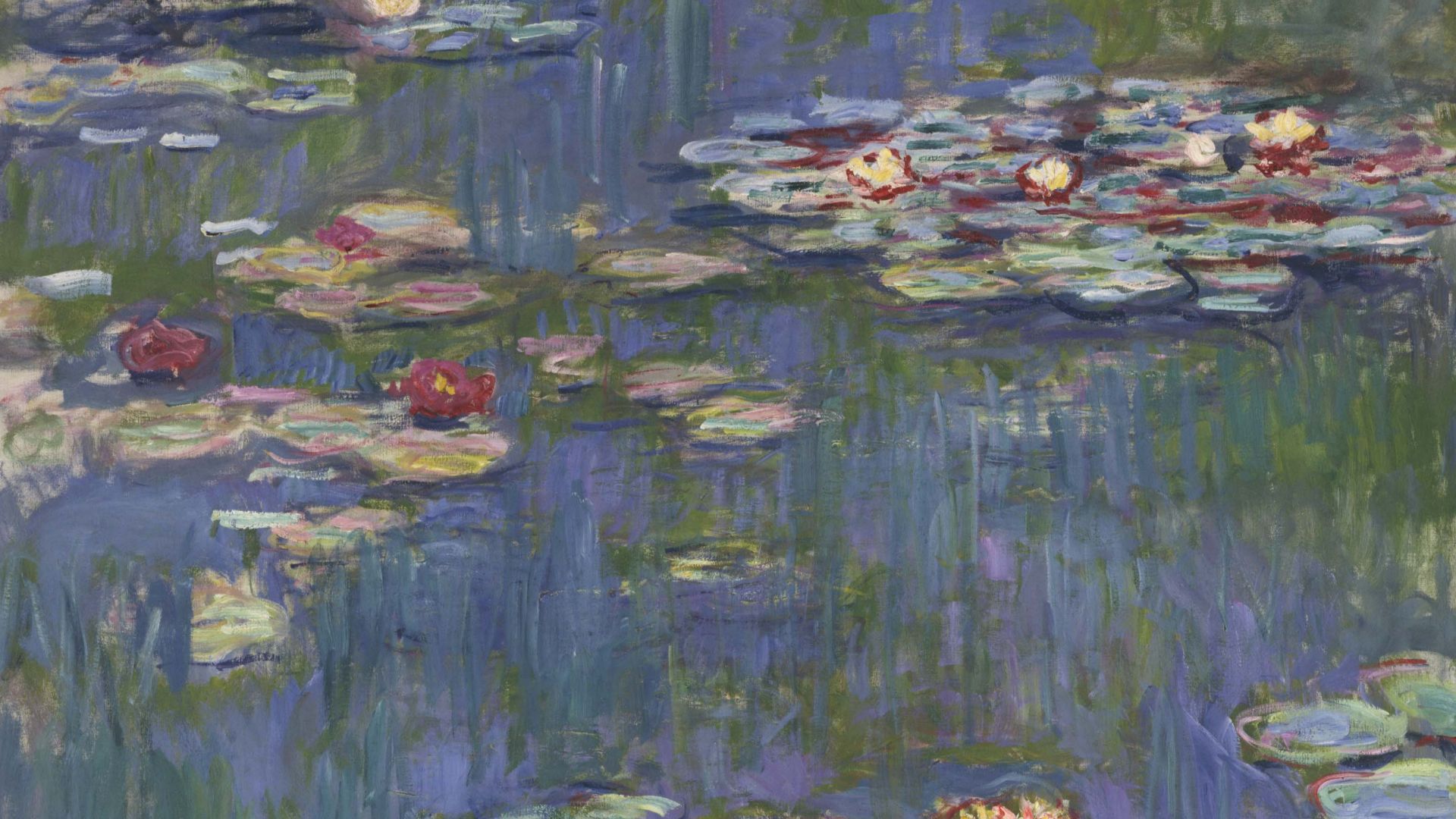
Approximately 250 oil paintings comprise this series, and it was created from the late 1890s until Monet's death in 1926. Eight large decorative panels donated to France as a World War I peace symbol were installed at Musée de l'Orangerie in 1927.
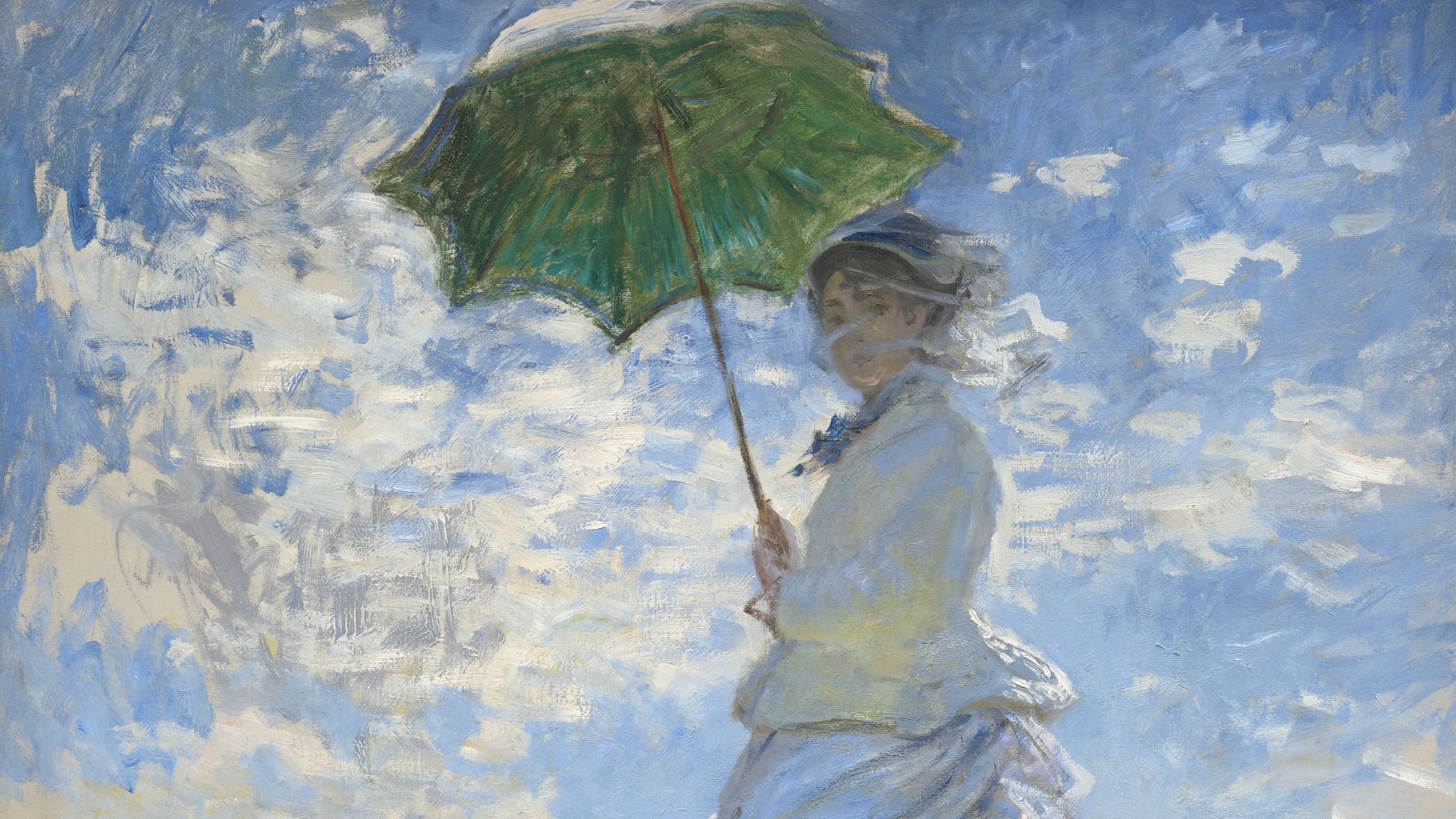
3. Woman With A Parasol (1875)
Depicting Monet's first wife, Camille, and son Jean on a windy Argenteuil hillside, this was captured outdoors. Monet used a low viewpoint looking upward at figures, with loose, spontaneous brushstrokes conveying wind-blown movement in Camille's dress and veil.
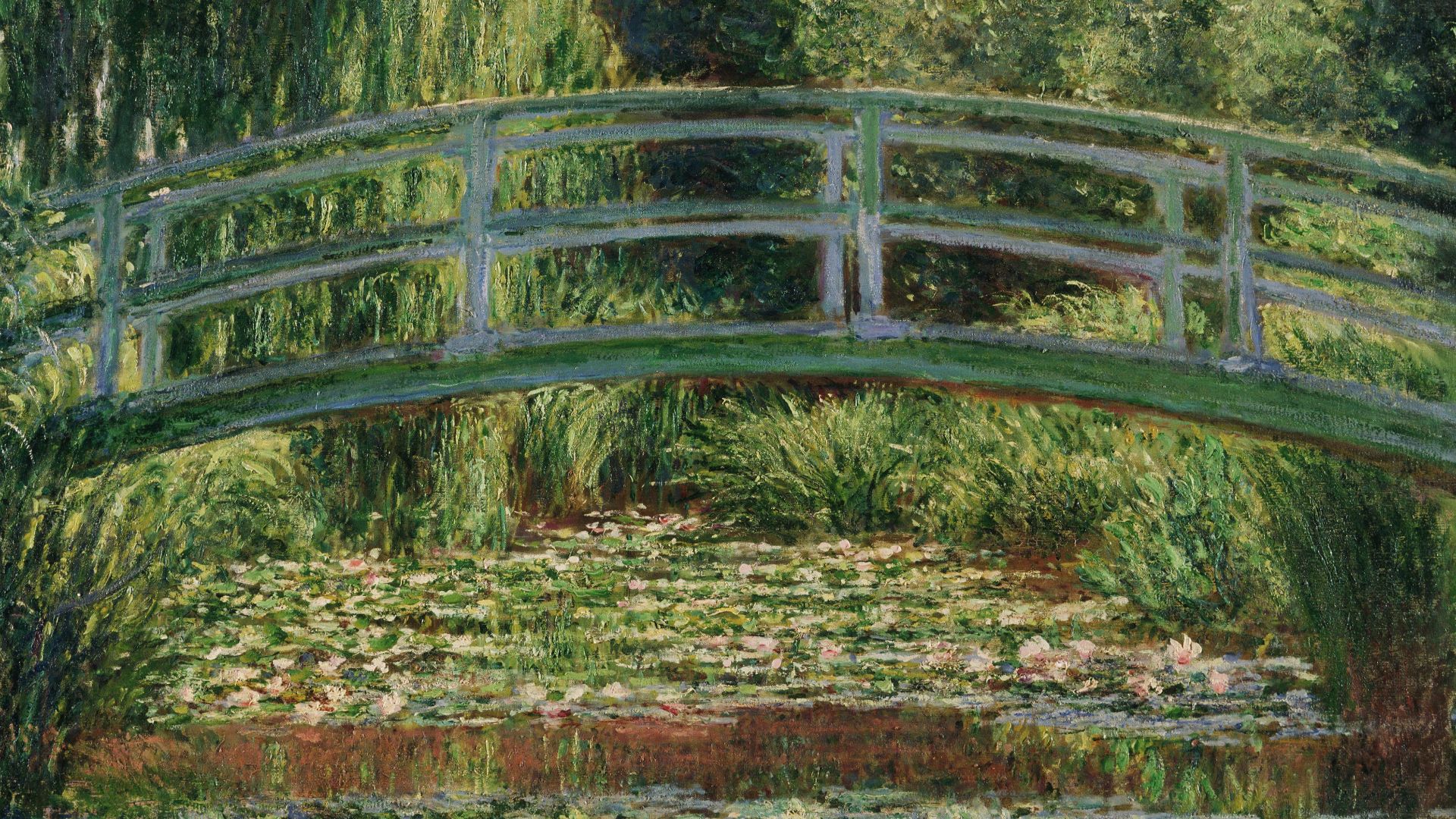
4. The Japanese Footbridge (1899)
The Japanese Footbridge features a Japanese-style bridge that Monet designed and built over his water lily pond in the garden he acquired in Giverny. In 1899, Monet painted about twelve versions from identical vantage points, and he focused on the bridge amid his water garden's microcosm.
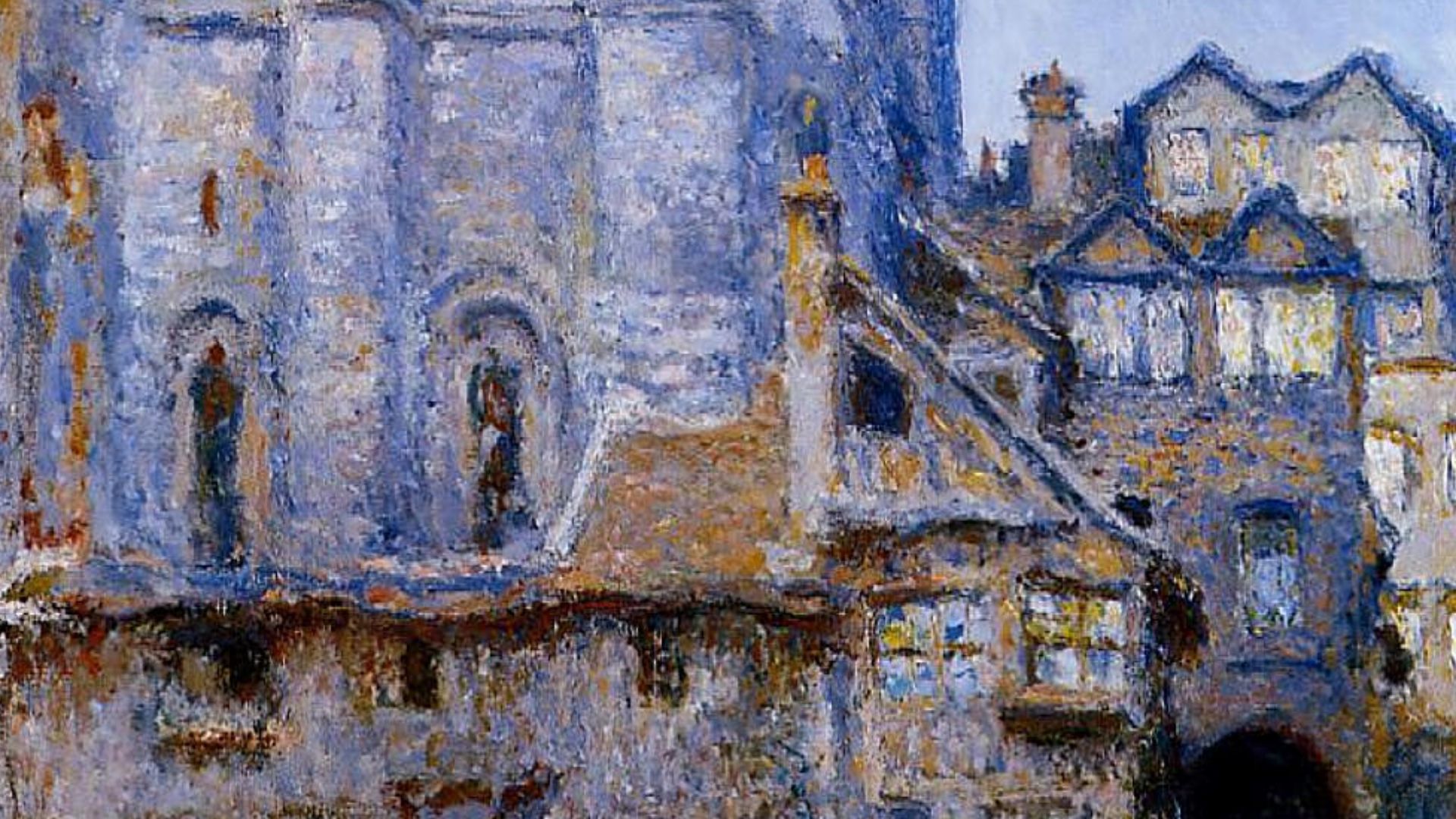
5. Rouen Cathedral Series (1892-1894)
Monet painted over thirty views of Rouen Cathedral's west façade during the winters and springs of 1892-1893. He worked on multiple canvases simultaneously, switching as light changed throughout the day. About twenty were exhibited together in 1895 at Galerie Durand-Ruel in Paris.
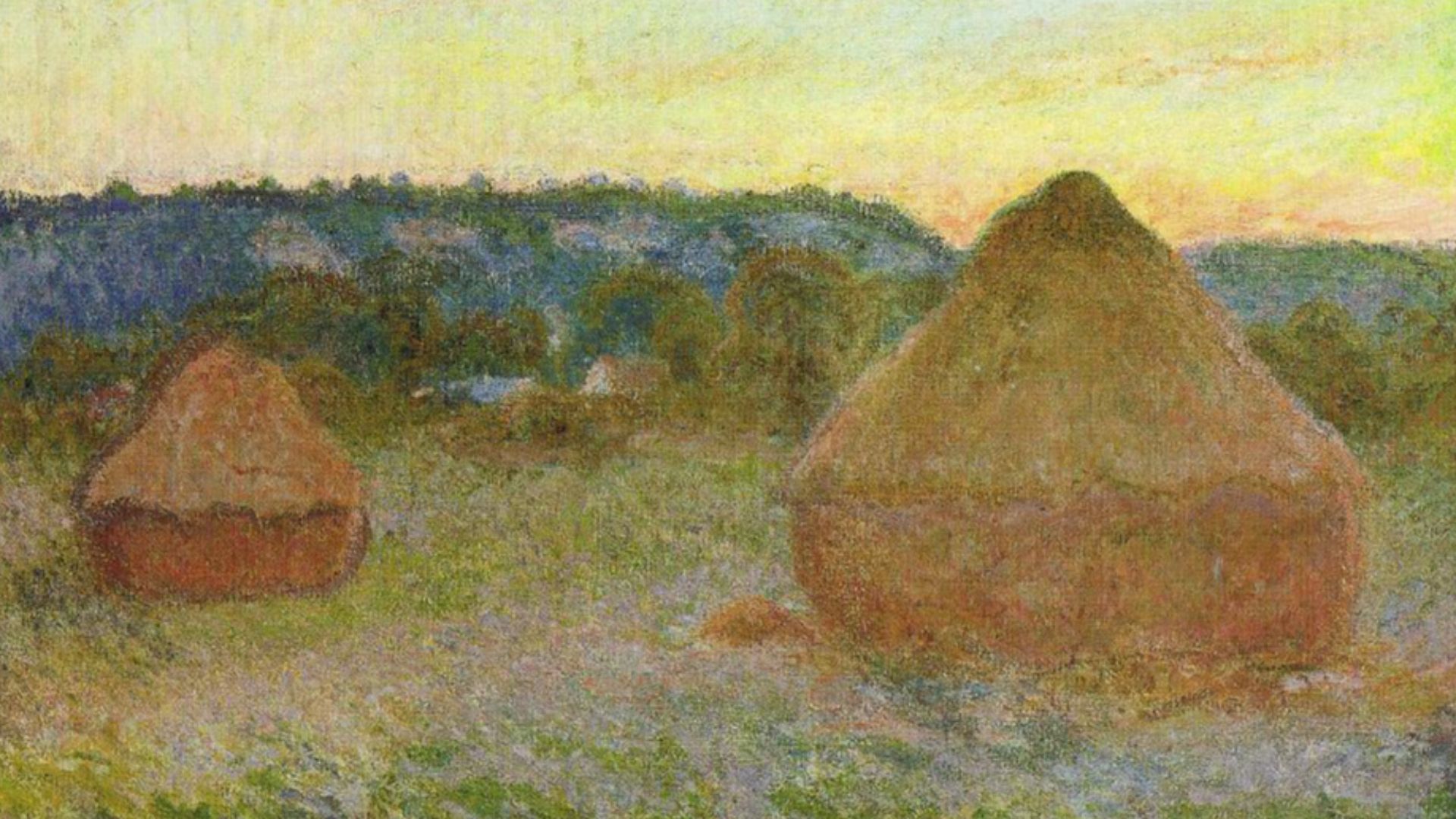
6. Haystacks Series (1890-1891)
The main series consists of about twenty-five paintings of grain stacks in fields near Monet's home in Giverny. Monet worked on up to twelve canvases at once as conditions shifted, exploring light, weather, and seasonal changes on identical motifs.
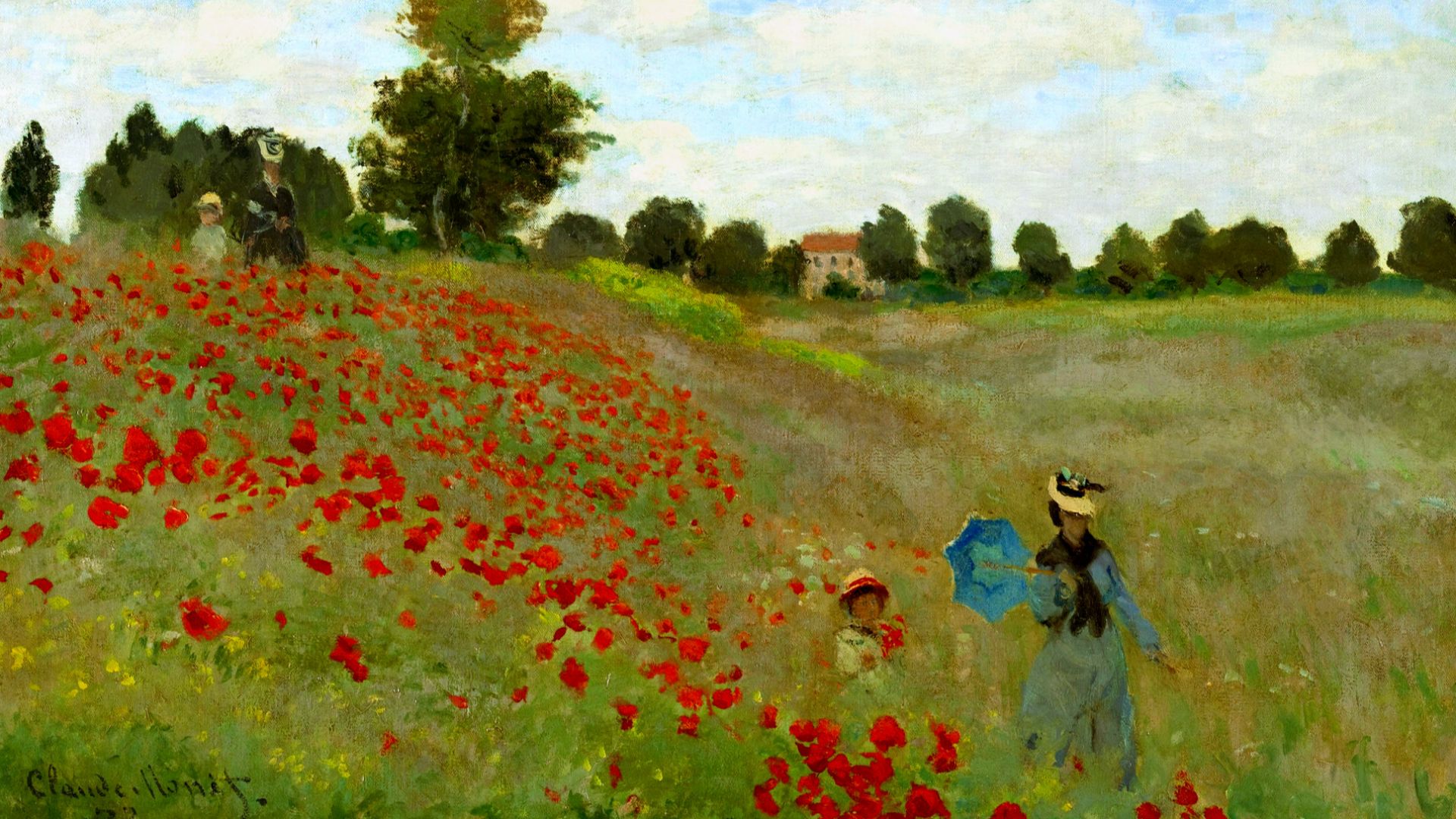
7. Poppies (1873)
Officially titled The Poppy Field near Argenteuil, it shows vibrant red poppies with wife Camille and son Jean in the foreground. The composition uses large, disproportionate poppy patches in the foreground to create visual impact, with loose Impressionist brushstrokes that emphasize light and movement.
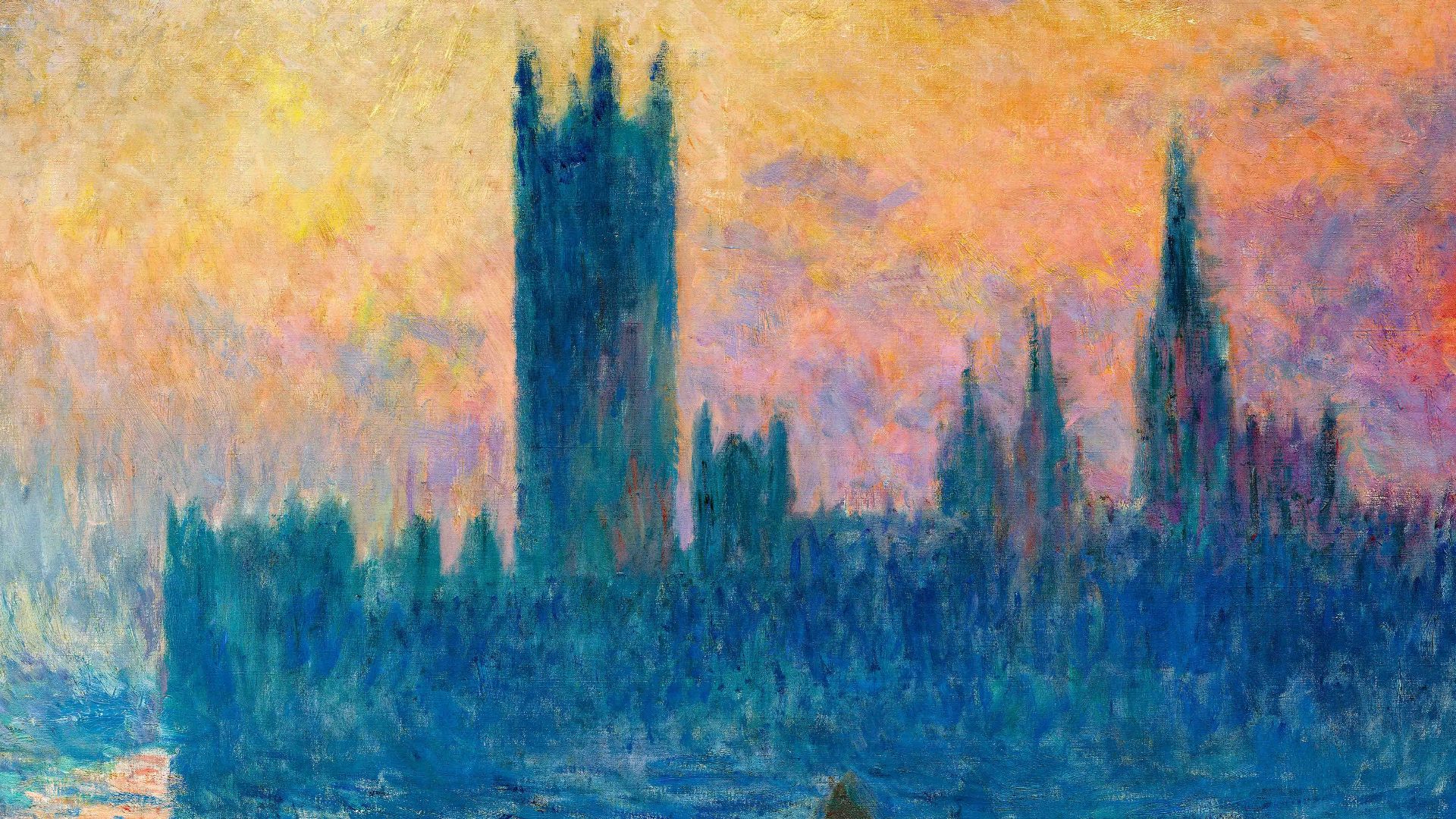
8. The Houses Of Parliament Series (1900-1904)
Monet painted nearly one hundred Thames views in London, including about nineteen of the Palace of Westminster from St Thomas' Hospital terrace during stays. All share identical viewpoints and approximate canvas sizes around eighty-one by ninety-two centimeters, varying by time, weather, and fog effects.
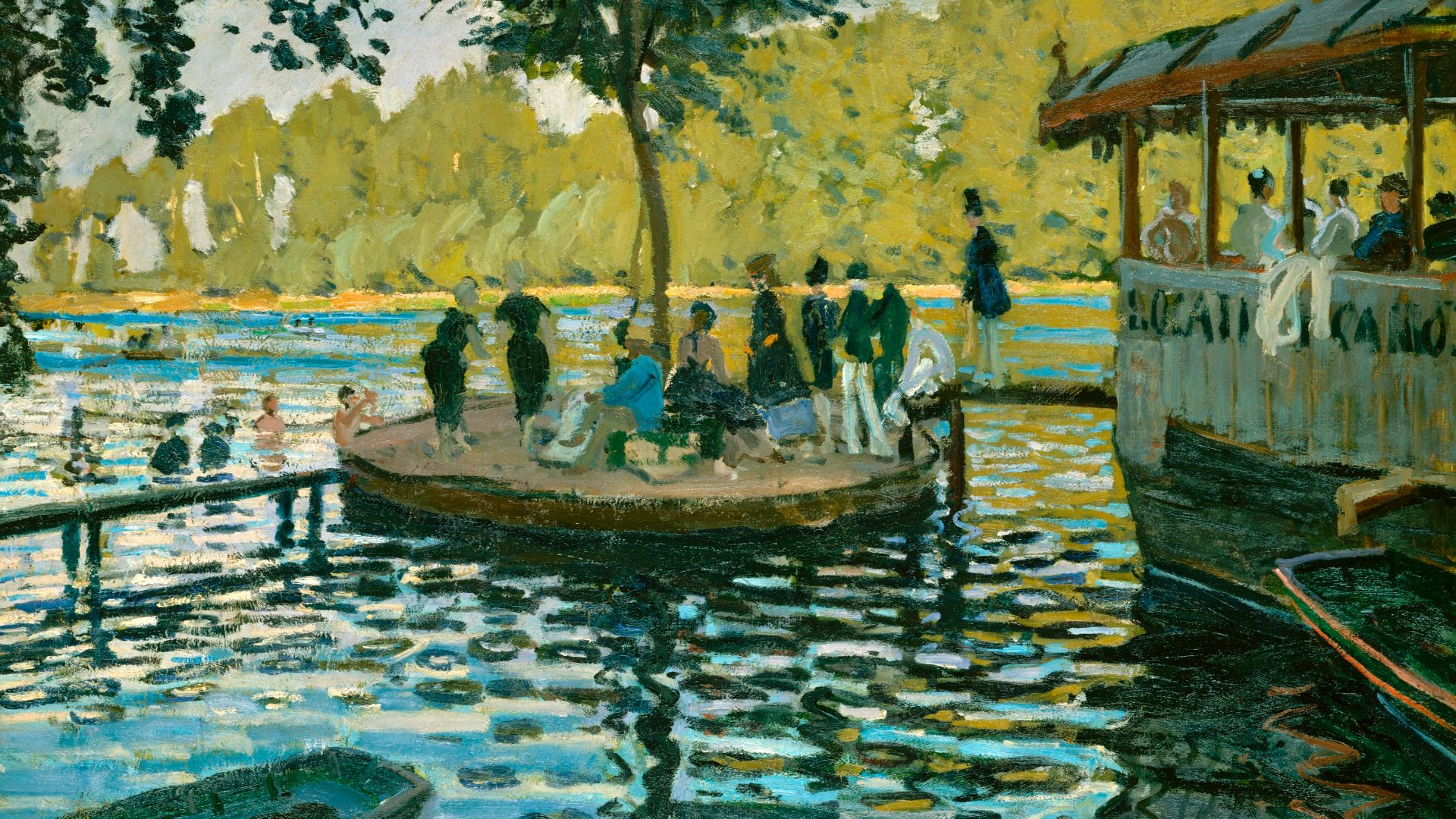
9. La Grenouillère (1869)
This painting depicts a popular bathing spot and floating café on the Seine near Bougival. Monet painted it outdoors alongside Pierre-Auguste Renoir. "La Grenouillère" translates to "The Froggery," a nickname for the spot due to its lively, flirtatious crowd.
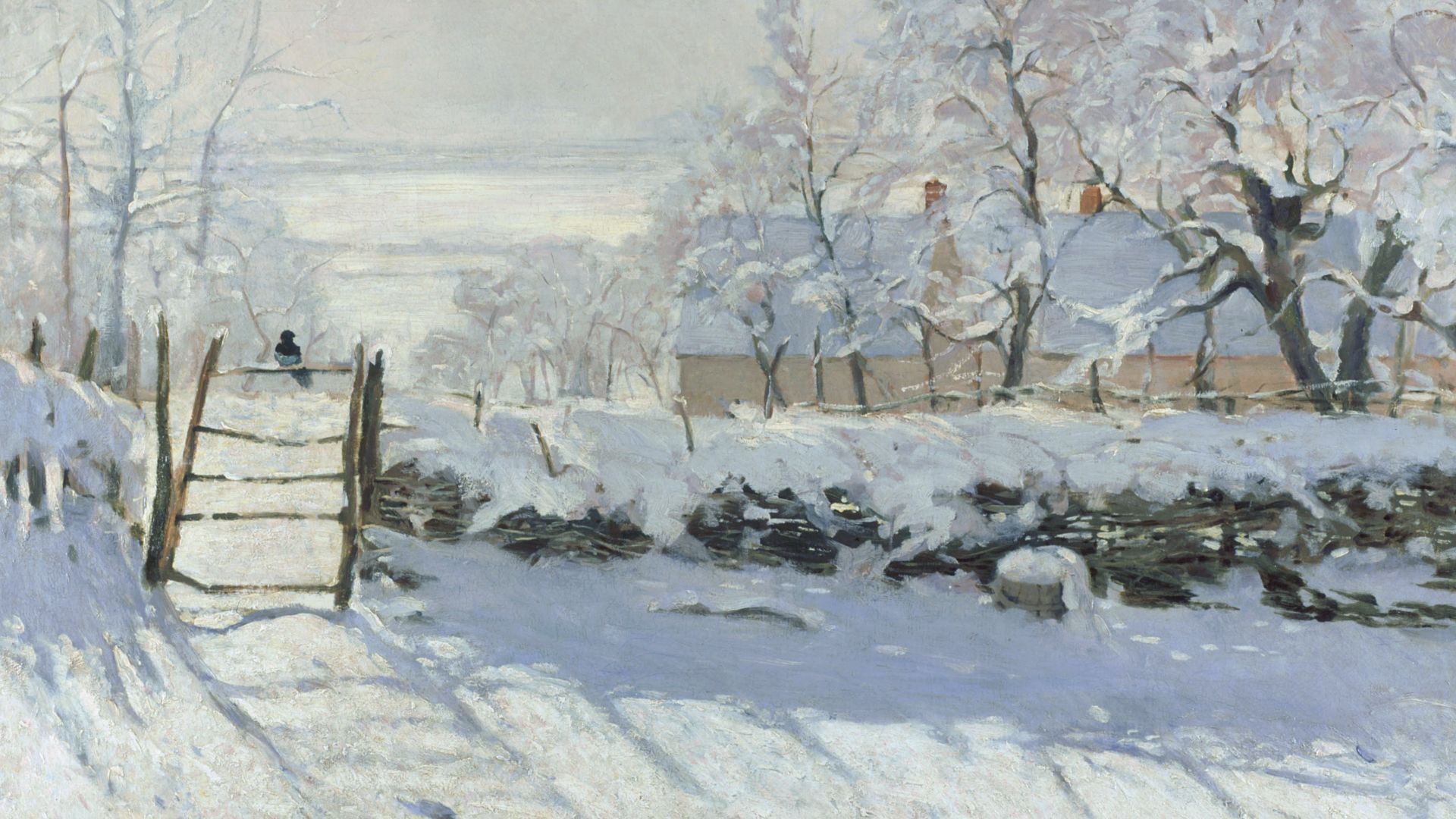
10. The Magpie (1868-1869)
The Magpie, a winter scenery piece, shows a lone magpie perched on a snowy gate in a rural field, painted during Monet's time in Normandy. It uses subtle blues, violets, and pinks for snow shadows, demonstrating an early interest in colored light effects rather than pure-white snow.
KEEP ON READING