

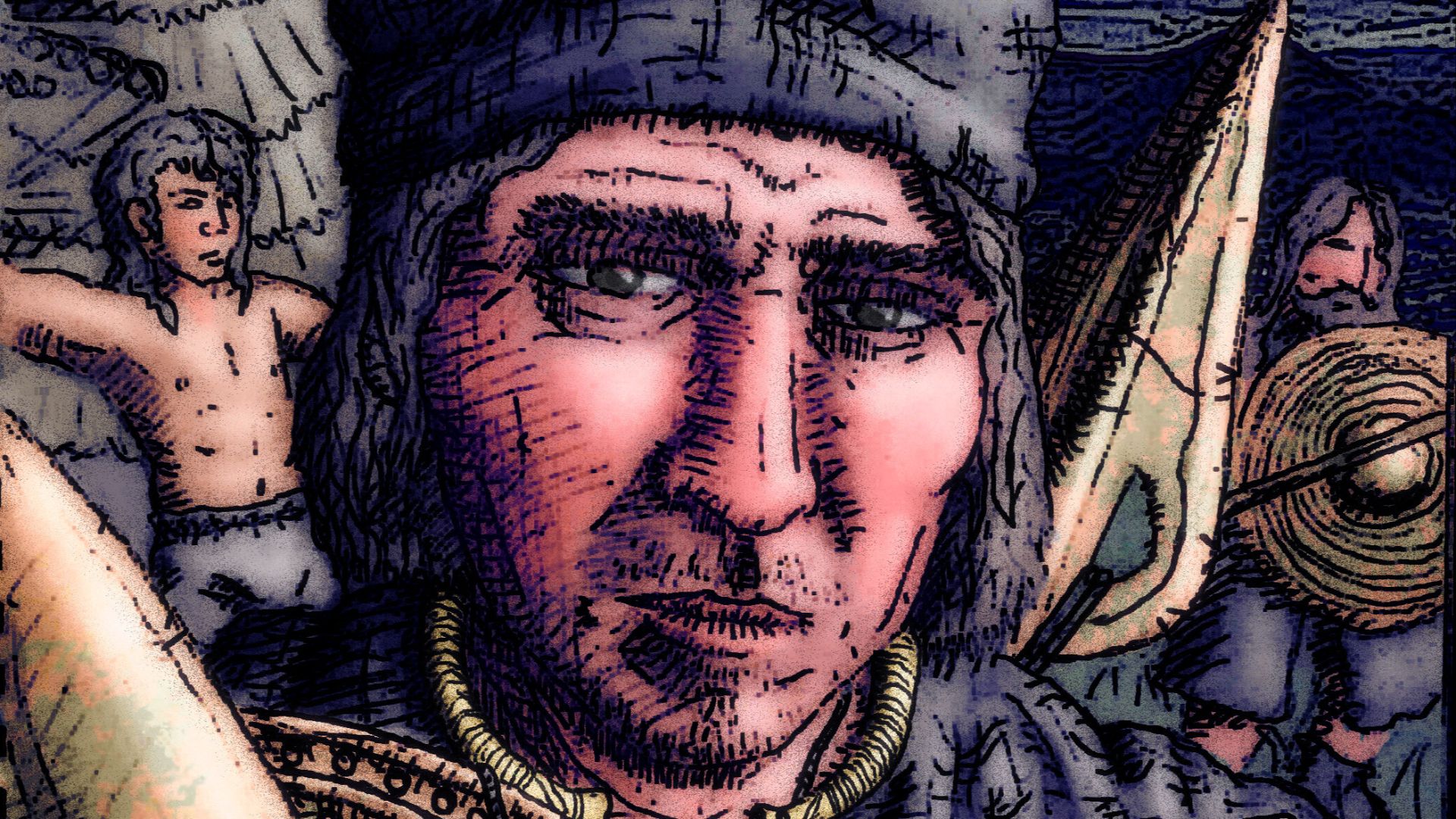
The Bronze Age Collapse is one of the most fascinating mysteries of the ancient world because several powerful civilizations experienced major disruptions within a relatively short period. Around 1200 BCE, societies across the eastern Mediterranean, including the Hittite Empire, Mycenaean Greece, and several important cities in the Levant, suffered destruction, political instability, or significant economic decline. Some kingdoms disappeared entirely, while others took generations to recover.
What makes this period particularly interesting is that historians still disagree about exactly why it happened. There are several compelling explanations, including warfare, drought, earthquakes, economic problems, and population movements, but no single theory accounts for every affected region. Understanding what happened requires looking at the evidence from different civilizations and considering how several problems might have occurred at once.
There are many reasons why people are drawn to the Bronze Age Collapse, one being how many powerful civilizations perished during this time. The once-mighty Hittite Empire crumbled, as did the Mycenaean palace system. Ugarit, a powerful city that stood in what is today's Syria, also perished and was never able to regain its status.
None of these cities lived on an island where problems just randomly cropped up. All of these cities traded with each other, exchanging everything from metals to food and other precious materials. So, if all of a sudden these major city-states vanished, it's bound that their nearby neighbors suffered some kind of damage.
Historians have noticed, however, that some cities were destroyed while others just dwindled in population. Some cities burned down, while others slowly died off. Even Egypt survived but had to go through some harsh times under its last few kings.
Historians Have Several Theories About What Happened
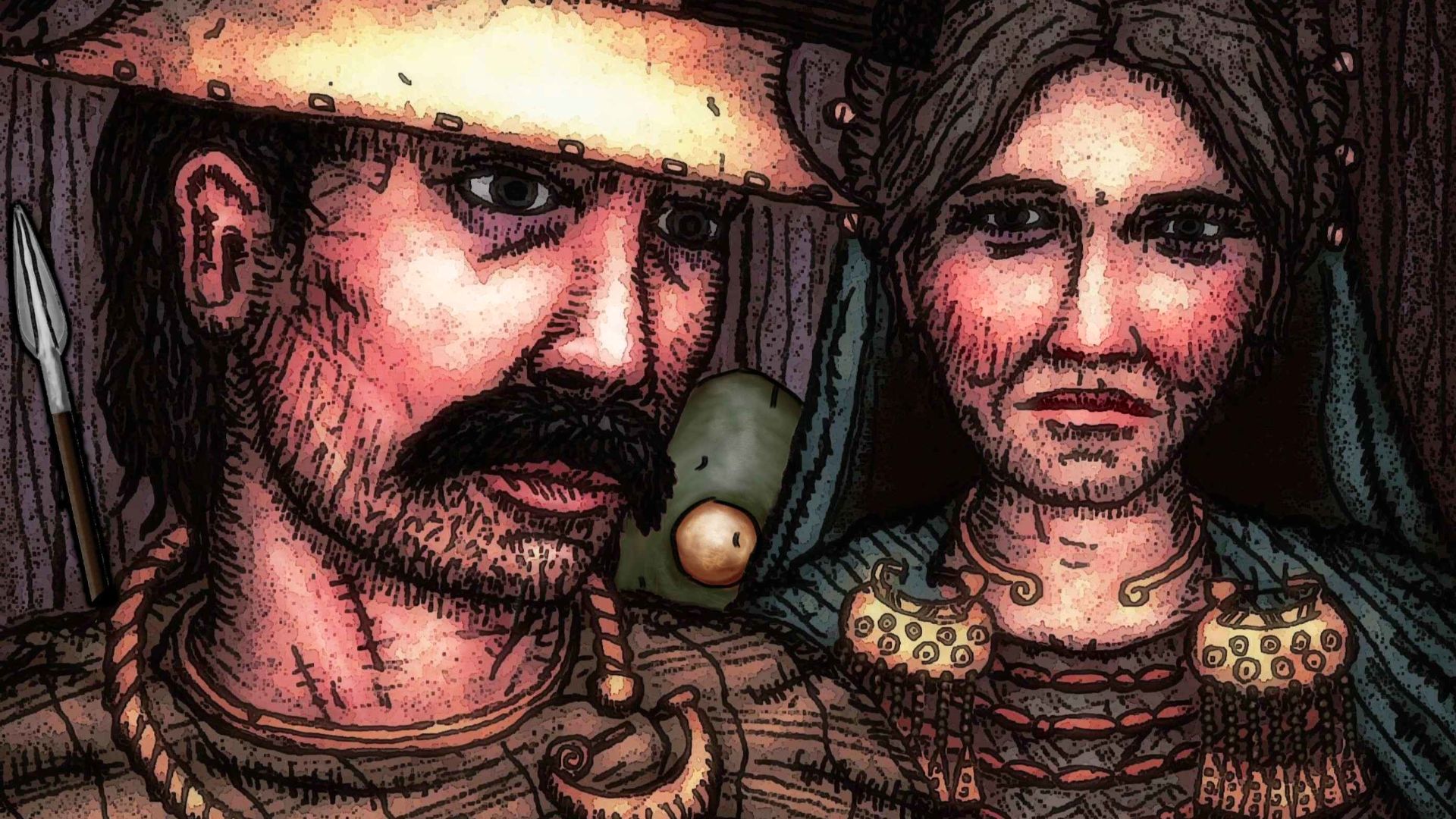
One popular explanation involves the mysterious Sea Peoples, a collection of groups described in ancient Egyptian records as attacking territories around the eastern Mediterranean. Egyptian inscriptions from the reign of Ramesses III describe major conflicts involving these groups, including battles near Egypt's borders. However, their precise origins, identities, and motivations remain uncertain, and historians don't agree that they were responsible for the entire collapse.
Another possibility is that prolonged drought and changing environmental conditions placed enormous pressure on agricultural communities. Scientific studies examining ancient sediments, pollen, and other environmental evidence have identified indications of drier conditions in parts of the eastern Mediterranean around this period. Reduced rainfall could have contributed to crop failures, food shortages, population movements, and political instability, although the timing and severity of these conditions varied between locations.
Natural disasters and internal political problems have also attracted considerable attention. Archaeologists have identified destruction layers at several ancient settlements, and earthquakes have been suggested as one possible explanation for some of the damage. Meanwhile, struggles over political power, economic inequality, and difficulties maintaining large palace administrations may have weakened certain kingdoms before the most dramatic disruptions occurred.
The Evidence Doesn't Provide One Clear Answer
One issue is trying to figure out what actually occurred. With limited evidence that we can study from these time periods, we can find that maybe a city was ransacked. But how do we know if it was taken by invaders, destroyed by an earthquake, or damaged by a house fire? By looking at documentation, we can get more information, but there's only so much we can learn from those records as well. People will record things that are important to them.
We also don't know for certain if the fall of the Bronze Age happened all at once or if it took place over a longer period of time. Different cities fell apart at different points, with some experiencing invasions and others simply abandoning their land. This brings up the question of when all this actually took place. With newer archaeological studies, some believe that what we once thought happened during this time period didn't happen throughout all regions.
It could have been that all of these factors played a role in the Bronze Age Collapse. There could have been a lack of rain causing food shortages and other problems that led to a decrease in their food supply. Trade was also another problem. If these countries were no longer receiving supplies from each other, how would they have enough to feed their people? Studies have shown that many countries during this time period could have suffered if their trade partners had problems.
The Bronze Age Collapse remains an important subject because it demonstrates how much historians can learn from combining archaeology, environmental science, and ancient written records. Although some civilizations never returned to their former power, the period also brought significant cultural and technological changes, including the gradual development of new political systems and the wider use of iron. We may never identify one definitive cause, but continued discoveries are helping historians understand how the ancient Mediterranean world changed and why its once-powerful kingdoms struggled to survive.
KEEP ON READING