 Edward Greene Malbone on Wikimedia
There was a time when love needed to be expressed without text messages and giant stuffed teddy bears. Back in the day, people found wonderfully inventive ways to express their affection—even if some of those gestures wouldn’t go over well with today’s hopeful romantics. But throughout history, these love tokens weren't expensive; they were personally significant.
Some were intended to secure a marriage, while others offered comfort during painful separations or allowed lovers to keep their relationships secret. Either way, historians got their hands on plenty of surviving examples, all of which reveal just how much thought went into expressing feelings that couldn't always be spoken openly.
Small Objects With Serious Intentions
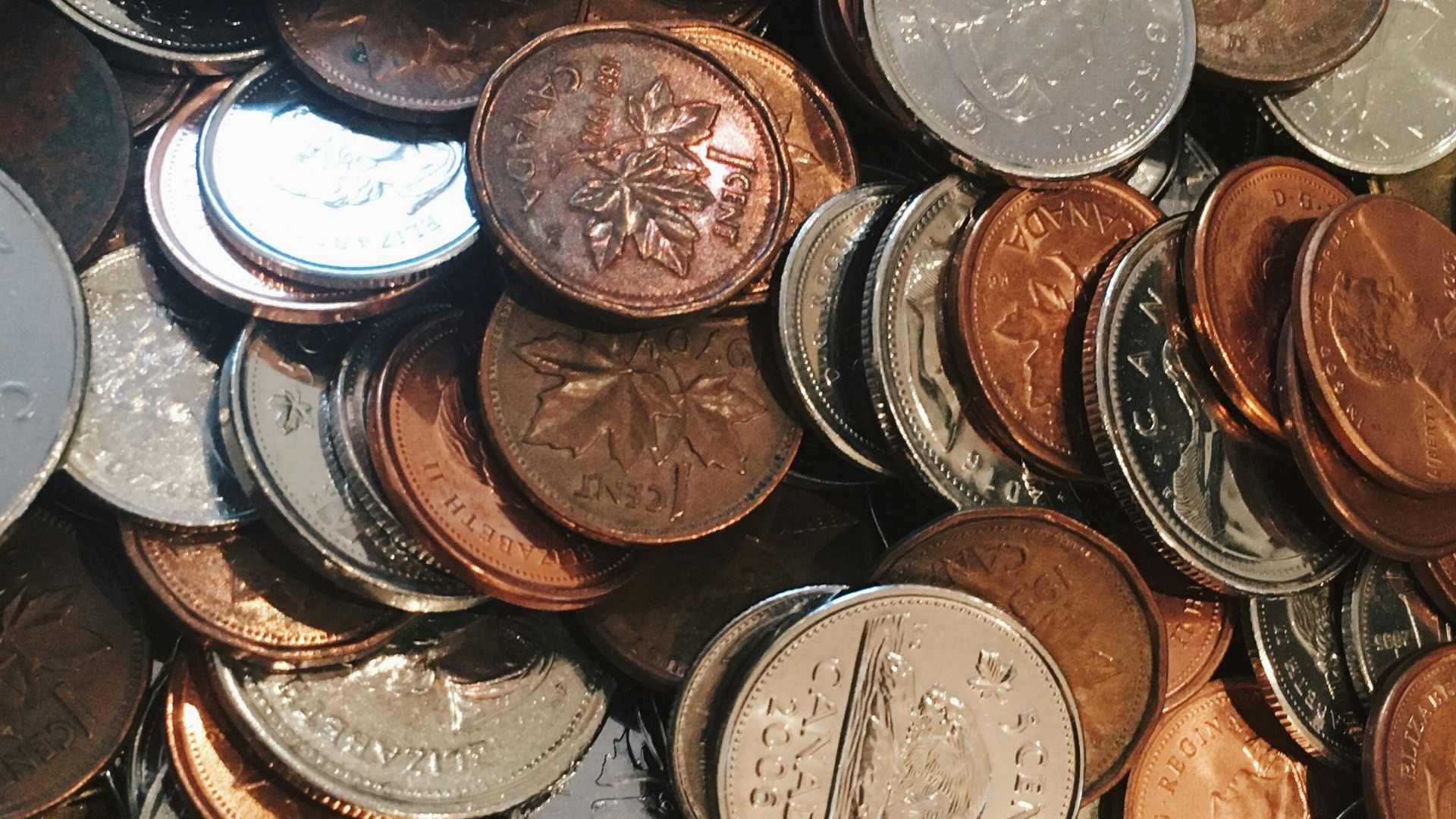
Getting a coin over a bouquet doesn’t sound romantic now, but in medieval and early modern England, a bent coin could communicate your intentions without making a big show of things. Suitors presented them to potential partners as symbols of affection, and some recipients even wore them as jewelry. If you weren’t interested, all you had to do was return it.
Welsh admirers, on the other hand, developed a considerably more artistic approach by carving wooden lovespoons for their sweethearts. The oldest dated example comes from 1667, although historians believe that the practice stretched back even further than that. But hearts have always meant affection, and those decorative features could communicate hopes for a shared future. It wasn’t just about carving a shoddy shape into the wood, either. Craftsmanship mattered—producing an intricate lovespoon required considerable patience. Early examples were practical household utensils, but increasingly elaborate versions eventually became decorative keepsakes.
Another popular expression appeared in the form of posy rings, which were especially fashionable in early modern Britain. These simple bands contained short romantic inscriptions, frequently engraved on the inside where only the wearer could sneak a peek. One surviving example from approximately 1600 to 1650 bears a message crediting divine providence with bringing the couple together. Talk about a forever band!
Secret Messages Hidden in Plain Sight
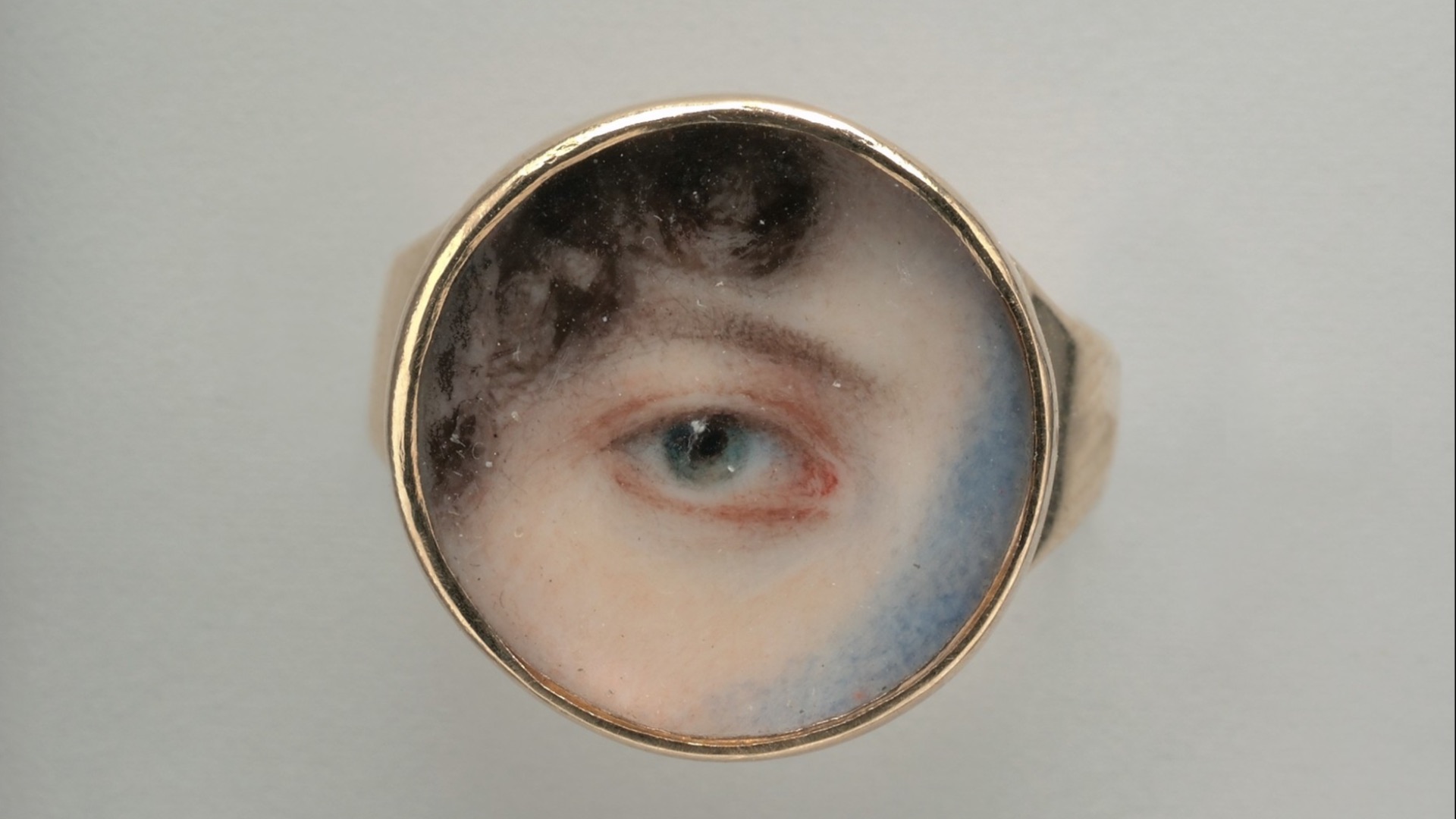
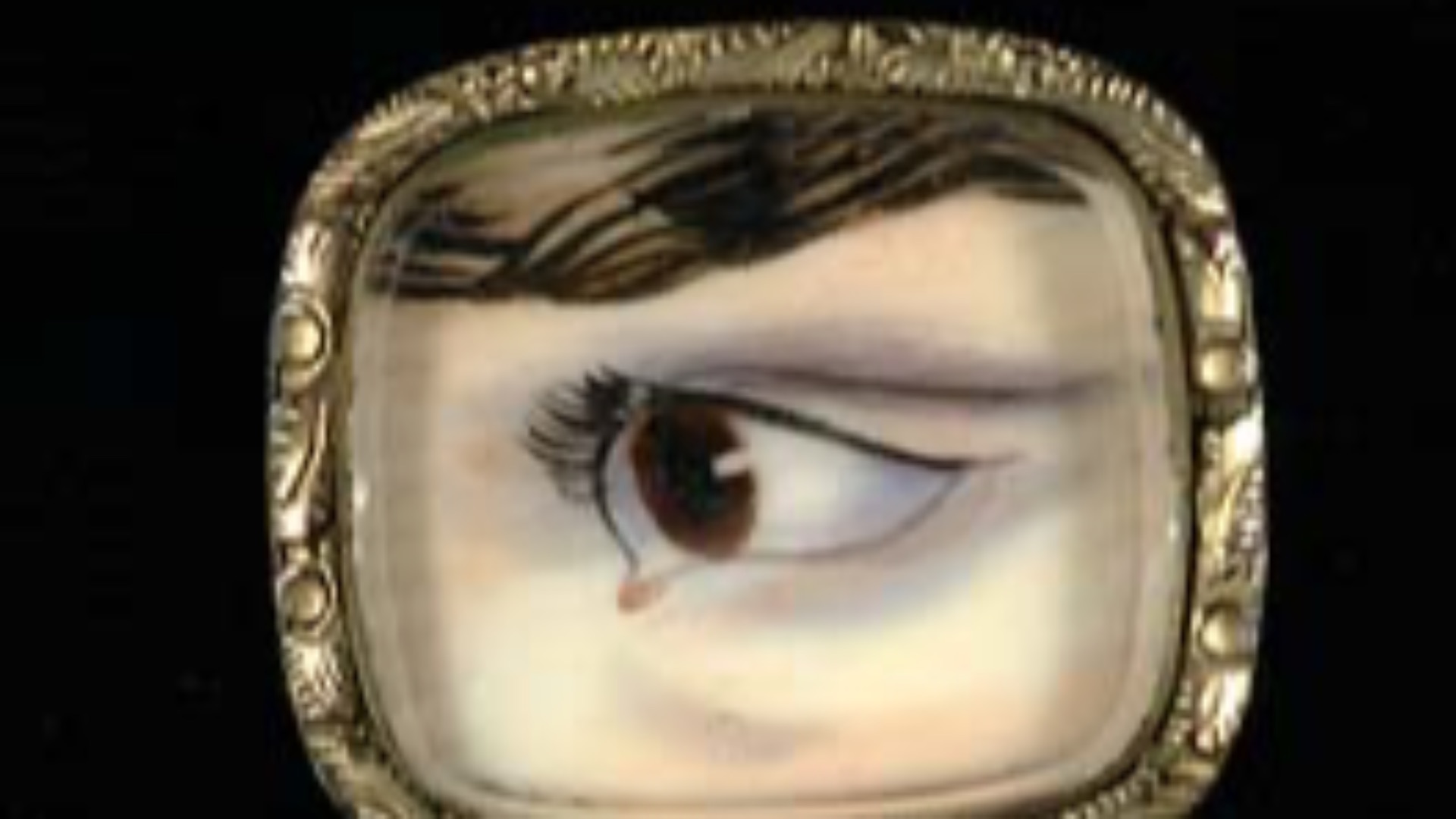
Now, just because you were in love didn’t mean you wanted the whole world to know. Privacy was especially important among aristocratic lovers whose relationships often welcomed unwanted attention. That’s why during the late 18th century, miniature portraits depicting a single eye became fashionable among Britain's upper classes. It wasn’t easy to spot someone’s identity through their peepers alone, so these paintings offered a discreet way to carry an image of a beloved person without letting everyone in on the secret.
They were more famous than you think, too. One famous example actually involved the future King George IV and Maria Fitzherbert, whose relationship faced all sorts of complications best kept hidden from the public. In 1785, the Prince of Wales reportedly accompanied his secret marriage proposal with a miniature depicting his own eye.
Not every romantic keepsake belonged to wealthy aristocrats, however, and sailors developed their own distinctive traditions. Men sometimes decorated pieces of whalebone with pictures, initials, and messages using a technique known as scrimshaw. Some fashioned these materials into stays or corset busks, allowing their sweethearts to wear personalized gifts beneath their clothing while their partners were stuck at sea. They were quite intimate as well; they rested against your lover’s body, often tucked beneath layers of clothing. Unlike conventional jewelry, these little objects were meant to stay private.
When Love Had to Survive Separation
It’s important to note that not every love token had a happy story behind it. They also weren’t solely established for romantic partners, either. British prisoners awaiting transportation to Australia during the late 18th and 19th centuries had their own inventions: flattened copper coins engraved with names, dates, pictures, and farewell messages. They were known as convict love tokens or leaden hearts—modest keepsakes that offered something permanent when imprisonment threatened to separate people for years.
One example still lives in the London Museum's collection. It depicts a mother and child on one side, with an inscription expressing the prisoner's desire to return home. Such gifts were especially poignant because transportation sentences commonly lasted for nearly a decade. For families facing uncertain futures, sometimes even a small piece of metal could become an irreplaceable reminder of who they loved.
Love is expressed in all sorts of ways, and though some tokens were specifically meant for lovers, others were merely created for those you held closest to you. What makes these objects remarkable isn't simply their age or craftsmanship, but the deeply personal circumstances behind their creation. A bent penny, carved spoon, or carefully painted eye could preserve a connection long after the people involved had disappeared from history. Sure, modern couples have countless ways to communicate, but these tokens remind us that meaningful gestures have never depended entirely on words.
KEEP ON READING