

 National Library NZ on The Commons on Wikimedia
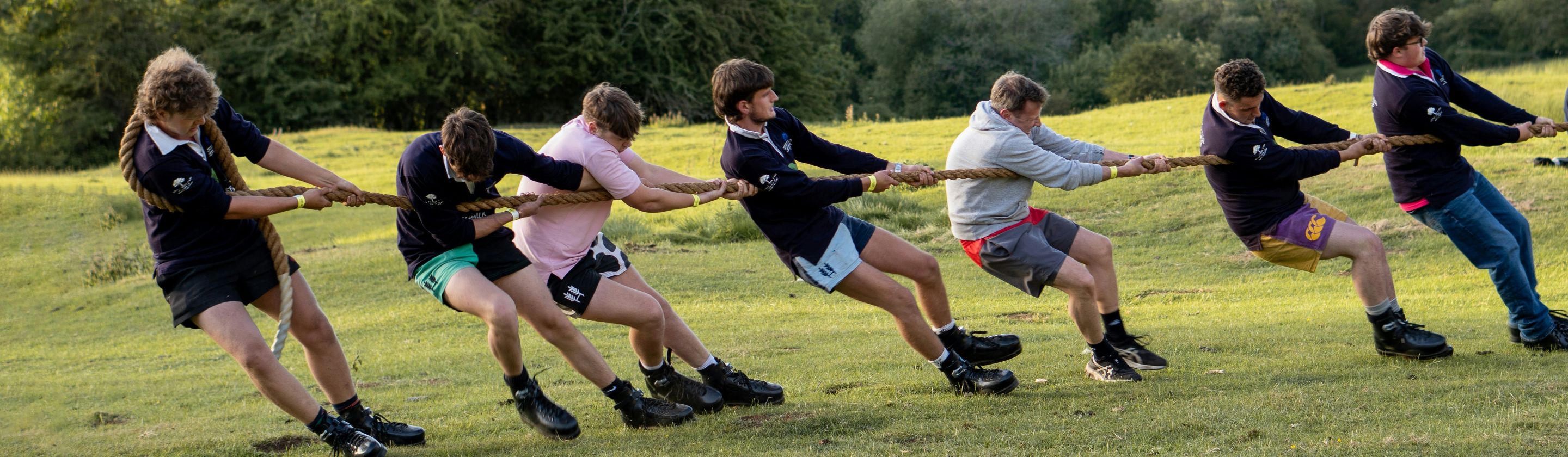
Tug of War sounds like pure playground energy, right? A group of people, one rope, a lot of shouting, and collective back-leaning. It feels like the kind of sport invented during a very competitive picnic. And honestly, the vibe checks out. What’s wild is that this scrappy test of strength actually made it to the biggest sports event ever—the Olympics.
In the early 1900s, countries assembled serious teams to win medals by yanking a rope harder than the other side. It eventually got pulled off the roster and disappeared after 1920, turning into an underrated legend instead of an Olympic staple. If you love bizarre sports throwbacks, you’re already in the right place. Stick around for the ride.
The Olympic Years
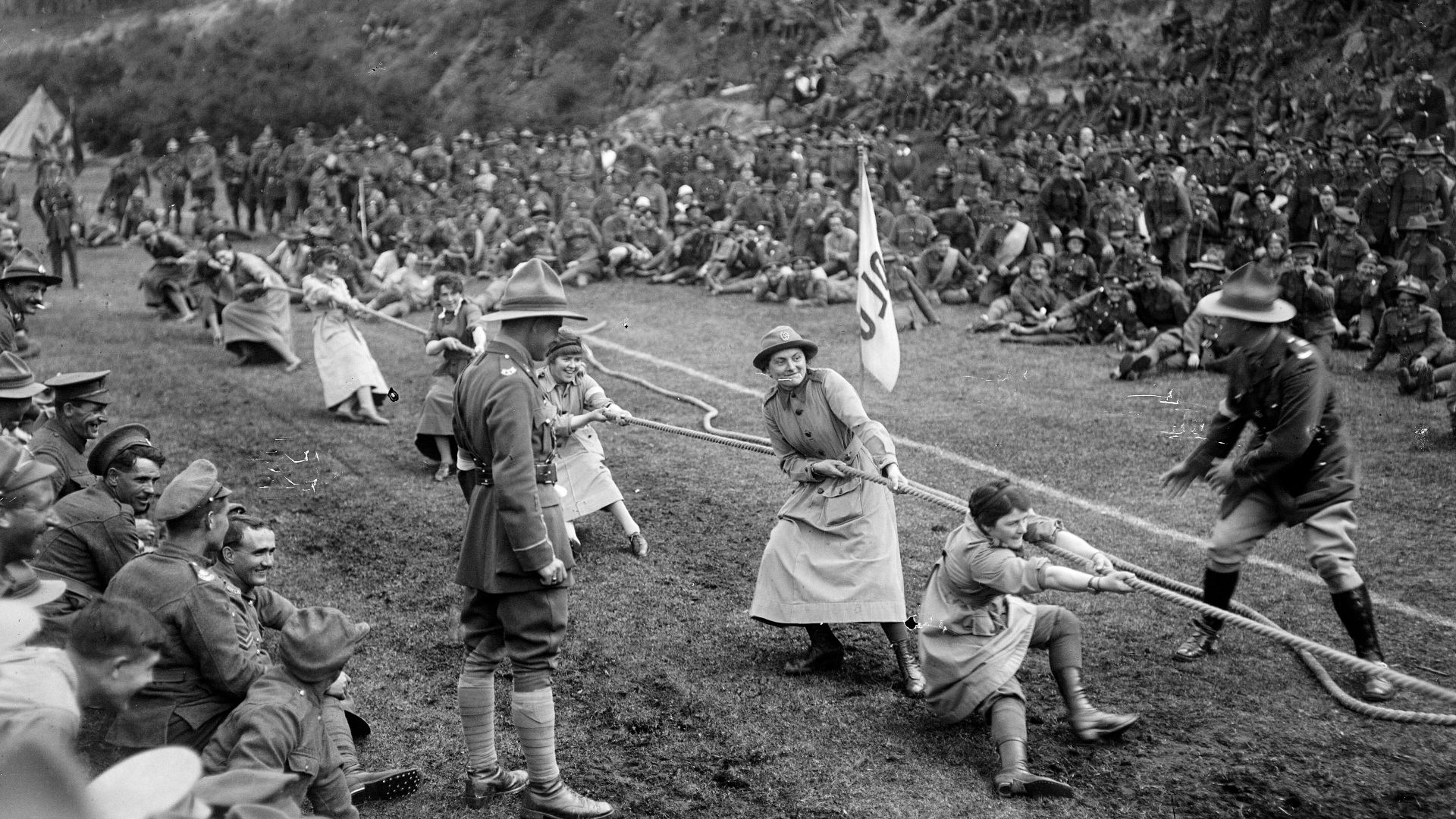
From 1900 to 1920, Tug of War was an official Olympic sport. Countries sent teams of strong athletes, often police officers or soldiers, to battle it out in matches that were as much about strategy as brute strength. The competition was intense, and sometimes a bit unusual.
In 1904, the U.S. swept all three medals because different American clubs competed against each other. The same thing happened in 1908 with British teams. The rules allowed for these situations, but they also led to debates about fairness and the true spirit of international competition.
Matches were dramatic, with teams pulling ropes that could be up to 100 feet long. There were controversies, too, like the 1908 Games, where the American team protested that British competitors had an unfair advantage because they wore heavy, spiked police boots. The U.S. team withdrew in protest, and Great Britain took all three medals that year.
Why It Left The Olympics
Tug of War had only a short stint as an Olympic sport before various challenges led to its exclusion. One major issue was the lack of a single governing body to oversee the sport. Unlike track and field or swimming, there was no international organization to standardize rules or athlete eligibility. This made it hard for the Olympic Committee to regulate the event and ensure fair play.
Another reason was the sport’s image. As the Olympics grew more professional and global, organizers focused on sports that could attract worldwide audiences and sponsors. Tug of War, with its simple equipment and limited spectator appeal, didn’t fit the modern Olympic vision. By 1920, the sport was dropped from the program, and it hasn’t returned since.
The Legacy Continues
 U.S. Navy COMDESRON7 by Petty Officer 2nd Class Sean Lynch on Wikimedia
Even though Tug of War is no longer an Olympic sport, it’s still played competitively in many countries and at festivals and local events.
The spirit of teamwork and friendly competition it elicits still lives on, reminding us that sometimes, the most memorable moments in sports are the ones that bring people together, no matter how simple the game might seem. Who knows, maybe tug of war may make its triumphant return to the Olympics, but for now, we only have its illustrious past to look back on.
KEEP ON READING

Was Caligula The Most Ruthless Roman Emperor?
Artur Matosyan on UnsplashRoman Emperor Caligula is one of ancient…
By Rob Shapiro Dec 18, 2025
1 Weird Fact About Every President
Washington, Lincoln, FDR. Most people know something about the lives…
By Robbie Woods Dec 3, 2024
10 Actors Who Perfectly Played a Historical Figure & 10…
Which Performance is Your Favorite?. Playing the role of a…
By Rob Shapiro Sep 15, 2025
10 Actors Who Perfectly Played a Historical Figure & 10…
Portraying a real person from history is one of the…
By Noone Dec 17, 2025
10 Actors Who Weren't Up To Playing A U.S. President…
Who Wouldn't Vote Woody Harrelson for President?. Actors who sign…
By Rob Shapiro Oct 22, 2025
10 Amazing Facts About Claude Monet & 10 Of His…
The Man Behind The Masterpieces. Claude Monet's name sits comfortably…
By David Davidovic Jan 30, 2026